Al-Hudaydah: Six attacks on the Bajel district, four attacks on the Ras Issa area and two attacks on the Ras Issa port.
Saadah: Four attacks on the Takhiya area in Majaz district, one attack on the house of Yemeni tribesmen in the east of the Sahar district.
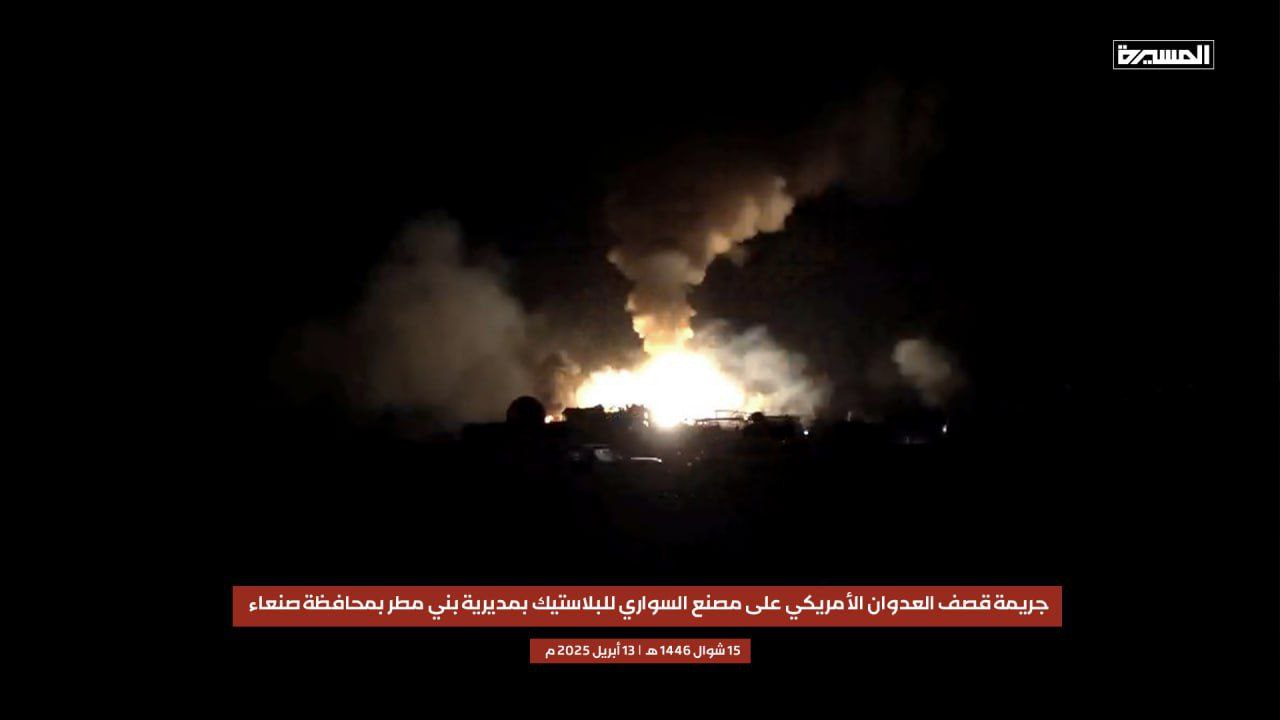
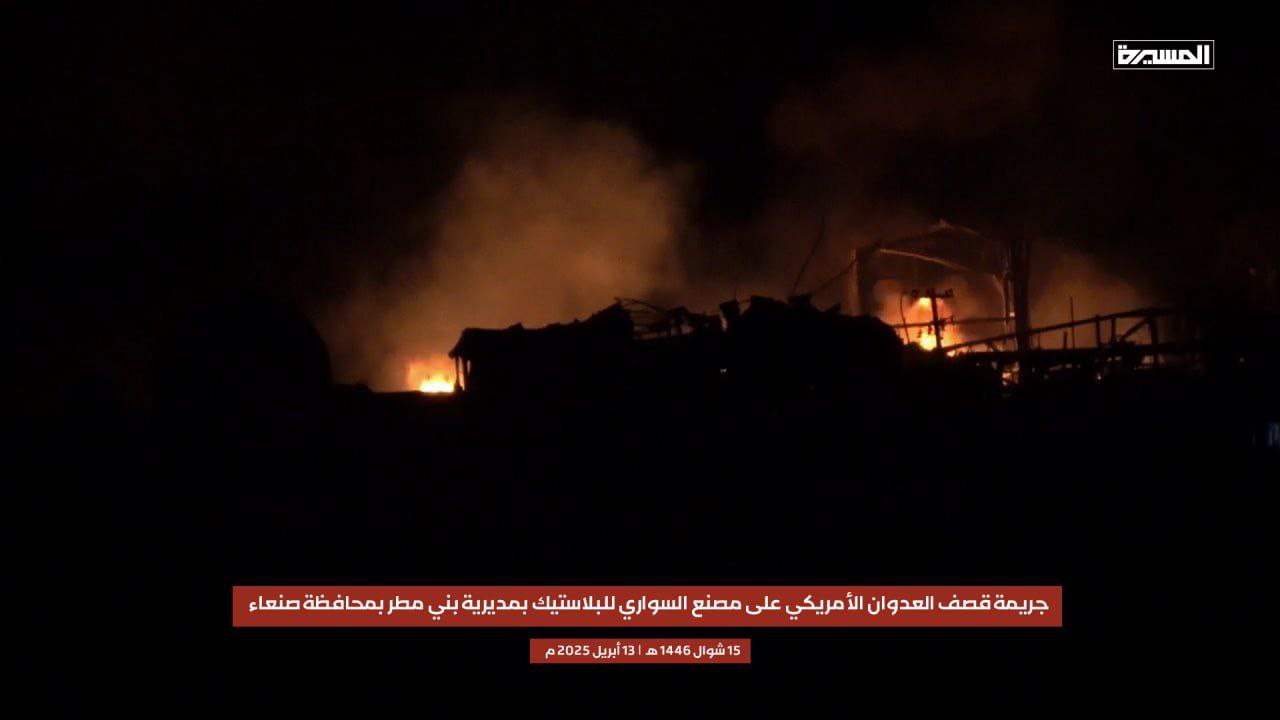
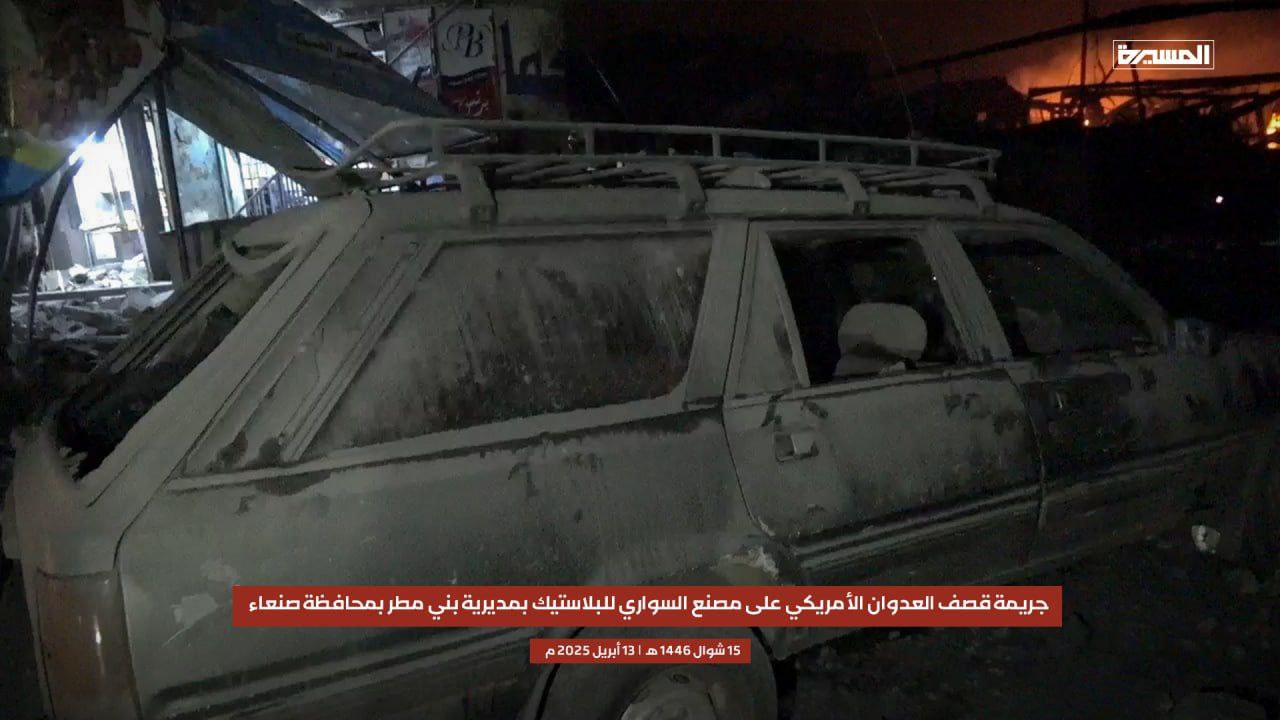
Sanaa: Bani Matar district, five attacks on the Ninth district.
Al-Mahwit: One attack on the Tuwaila district.
Marib: Seven attacks on the Madghal district.
The US airstrike in the Sahar district resulted in the death of one civilian and injured another. Additionally, a Yemeni civilian was martyred due to the explosion of remnants of American bombs in the Al-Batin area of Al-Jawf province.
22 out of these 26 drones were eliminated during the Yemeni operation named “Promised Conquest and Holy Jihad,” conducted to support the people and Palestinian resistance.
General Atomics MQ-9 Reaper is a versatile and heavy drone used by the US Army for reconnaissance, surveillance, and offensive operations, including assassinations in Iraq, Afghanistan, and Syria since 2001. As of 2023, each MQ-9 drone costs approximately $32 million to produce, resulting in $832 million in damage inflicted by Ansar Allah through the destruction of 26 drones.
The dates and locations of the destroyed MQ-9 drones in Yemen are as follows:
Sanaa, 01 October 2017
Hudaydah, 06 June 2019
Dhamar, 20 August 2019
Marib, 23 March 2021
Hudaydah, 08 November 2023
Hudaydah, 19 February 2024
Saada, 26 April 2024
Marib, 17 May 2024
Al-Bayda, 21 May 2024
Marib, 29 May 2024
Saada, 04 August 2024
Marib, 07 September 2024
Saada, 10 September 2024
Dhamar, 15 September 2024
Saada, 30 September 2024
Al-Jawf, 08 November 2024
Al-Bayda, 28 December 2024
Marib, 31 December 2024
Hudaydah, 03 March 2025
Marib, 31 March 2025
Hudaydah, 03 April 2025
Al-Jawf, 09 April 2025
Hajjah, 13 April 2025
Sanaa, 18 April 2025
Sanaa, 19 April 2025
Hajjah, 22 April 2025
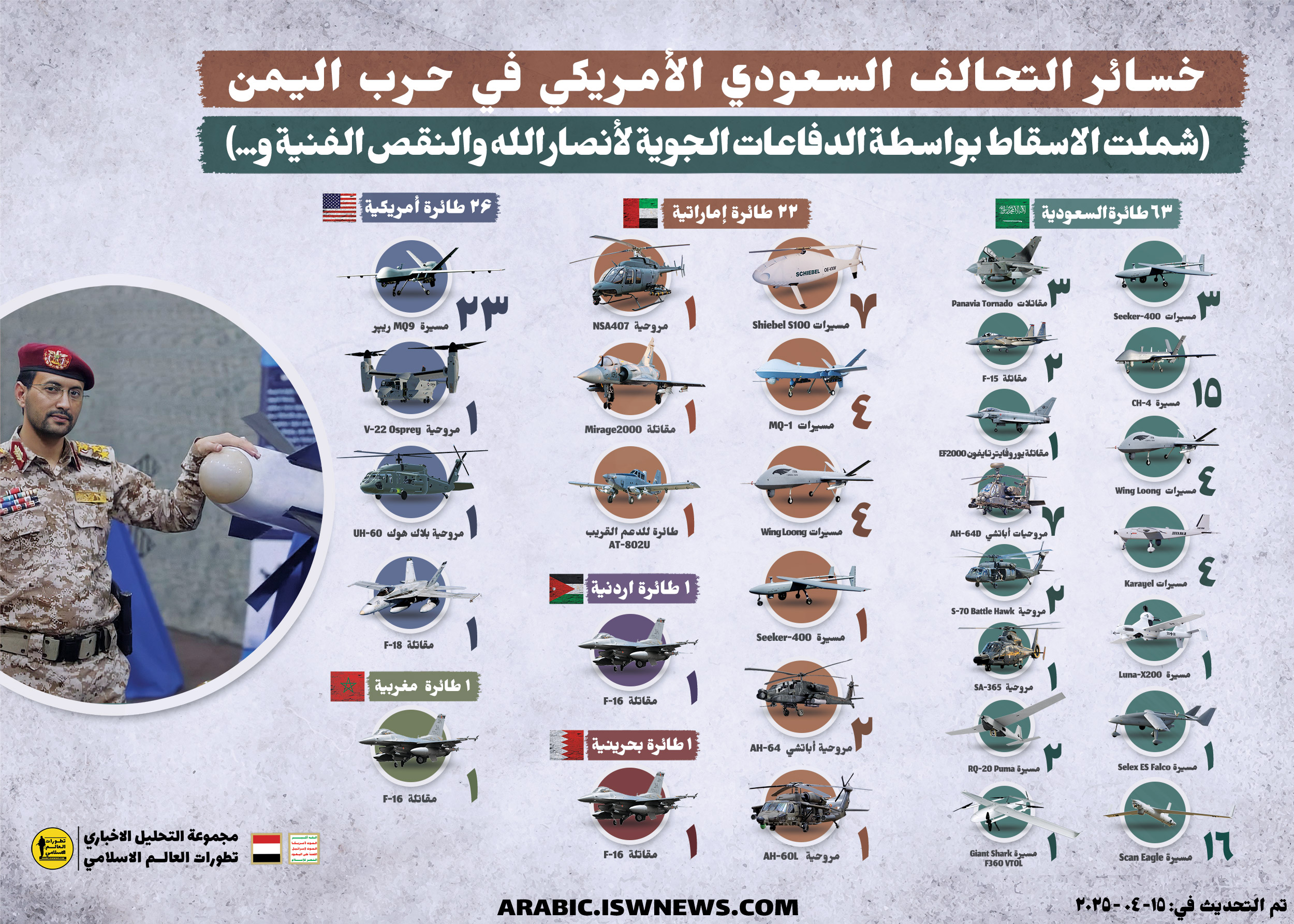
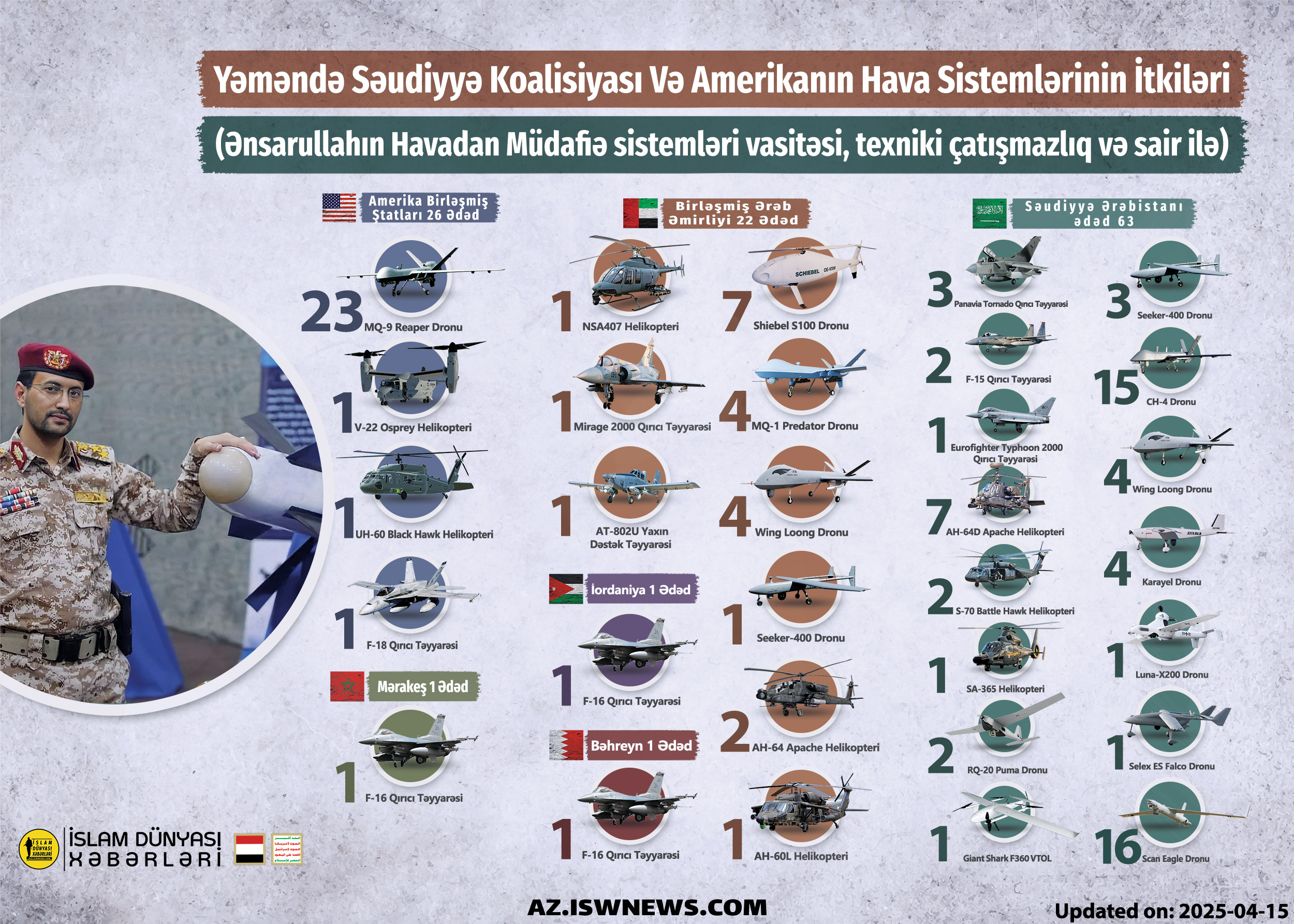
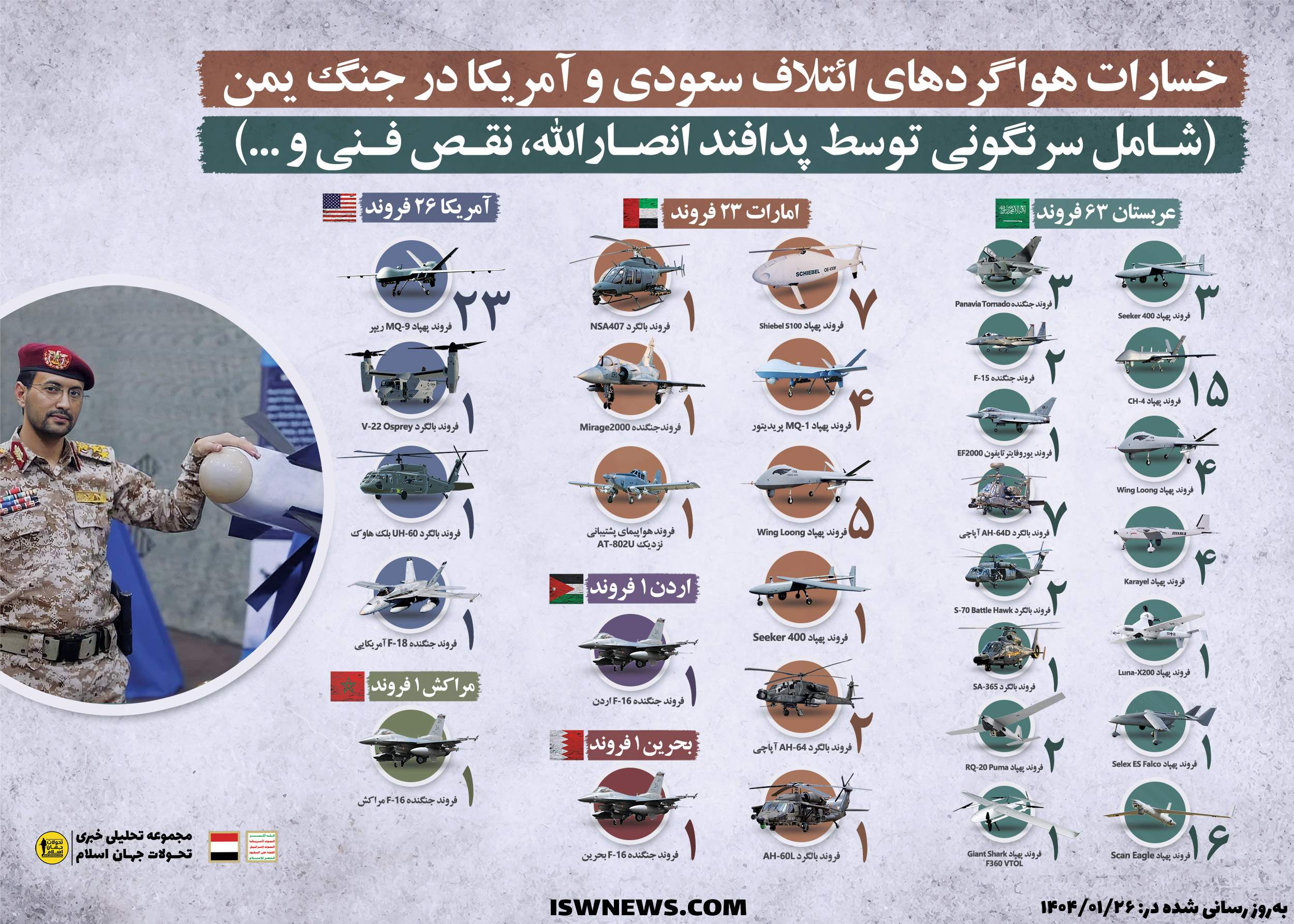
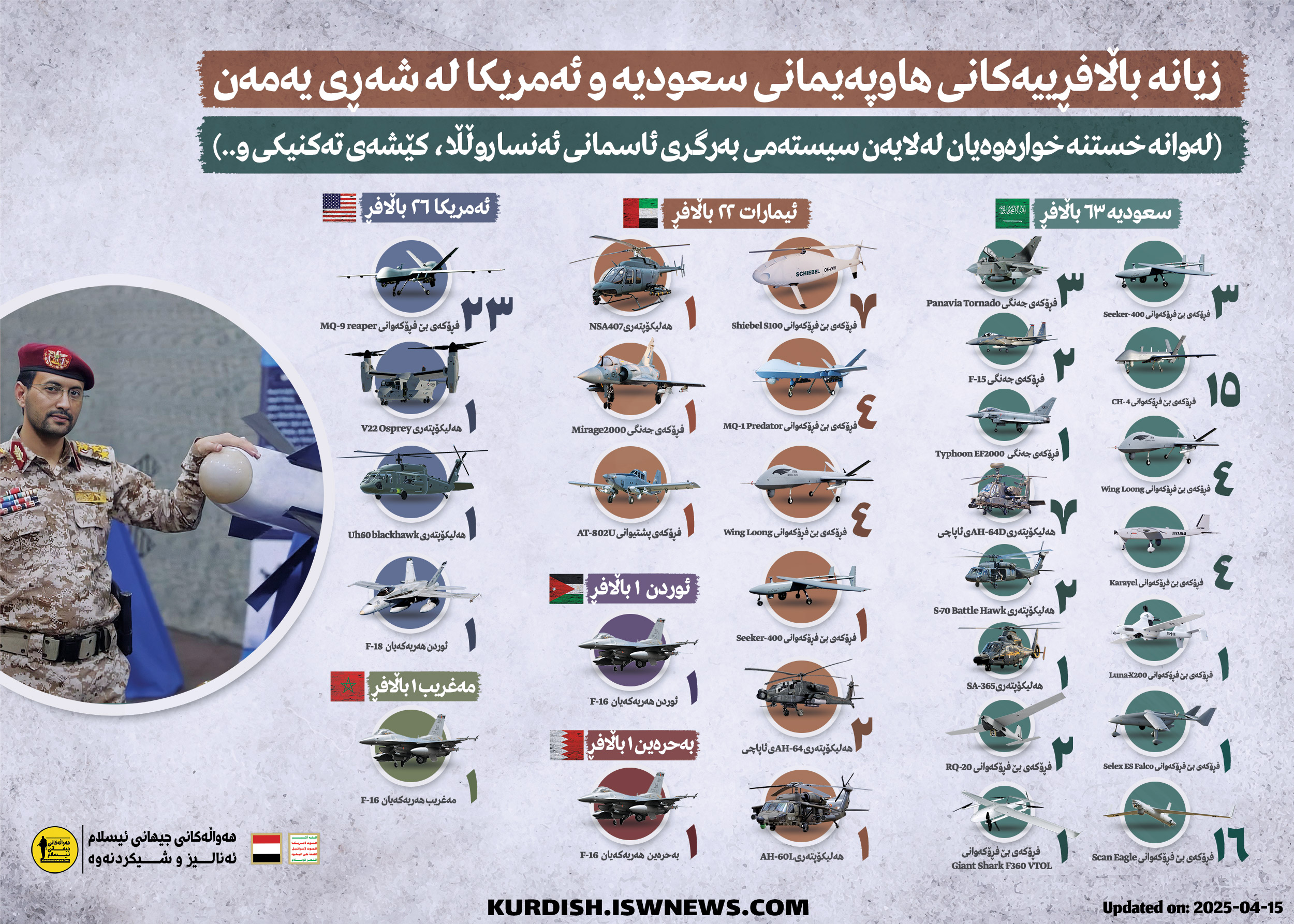
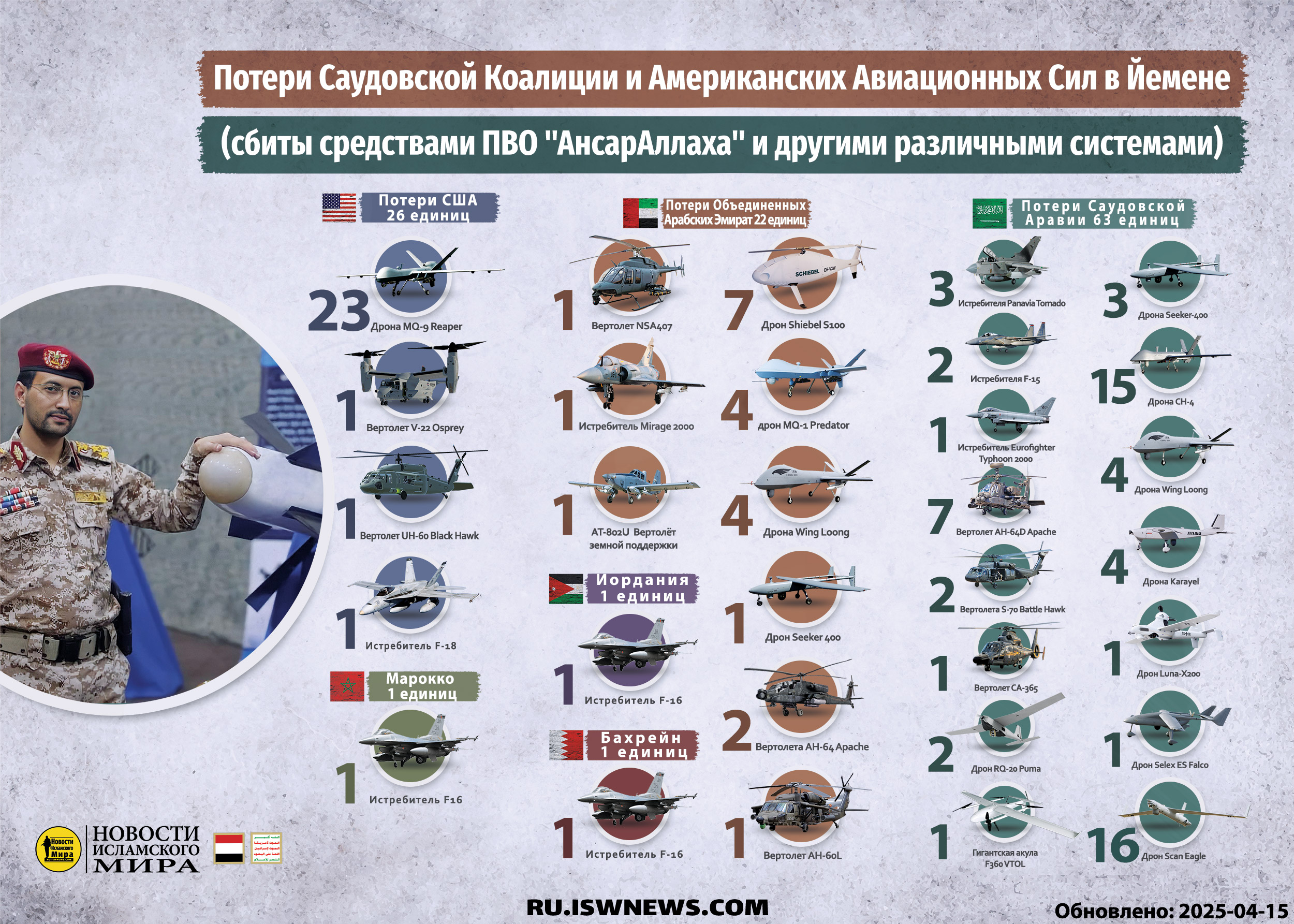
The extensive destruction of reconnaissance-combat drones belonging to the Saudi-American coalition in Yemen stands out as one of the most significant accomplishments of the Yemeni armed forces over a decade-long conflict. Throughout this time, the Yemeni army has downed 118 military aircraft from Saudi Arabia, the UAE, the United States, Jordan, Morocco, and Bahrain, including 29 from the United States.
Since the onset of the Palestine war, the US Army has dispatched numerous MQ-9 drones to Yemen to monitor military installations and equipment, and to carry out assassination missions. However, the Yemeni Army’s air defense forces have successfully disrupted these drone operations in Yemen through their intelligence and persistent efforts.
Yahya Saree, the spokesperson for Yemen’s army, issued a statement declaring,
“In support of the oppressed Palestinian people and their fighters, and in rejection of the genocide being committed by the Israeli enemy, with American support, against our brothers in Gaza, the Yemeni Armed Forces’ missile force carried out a qualitative military operation targeting a vital Zionist enemy target in the occupied Haifa area with a hypersonic ballistic missile. The missile reached its target, thank God, and the interception systems failed to intercept it. It caused a state of fear and panic among the Zionist settlers, as more than two million Zionists headed to shelters. The Yemeni Armed Forces’ unmanned aerial vehicle (UAV) carried out a military operation targeting a vital target in the occupied Yafa region with a Yafa drone. The people of faith and wisdom are waging this battle seeking help from God Almighty, implementing His orders and directives, relying on and trusting in Him. They will not retreat or abandon their religious, moral, and humanitarian duties. With God’s help, they will continue their jihadist path in support of and assistance to the oppressed Palestinian people until the aggression against Gaza stops and the siege is lifted.”
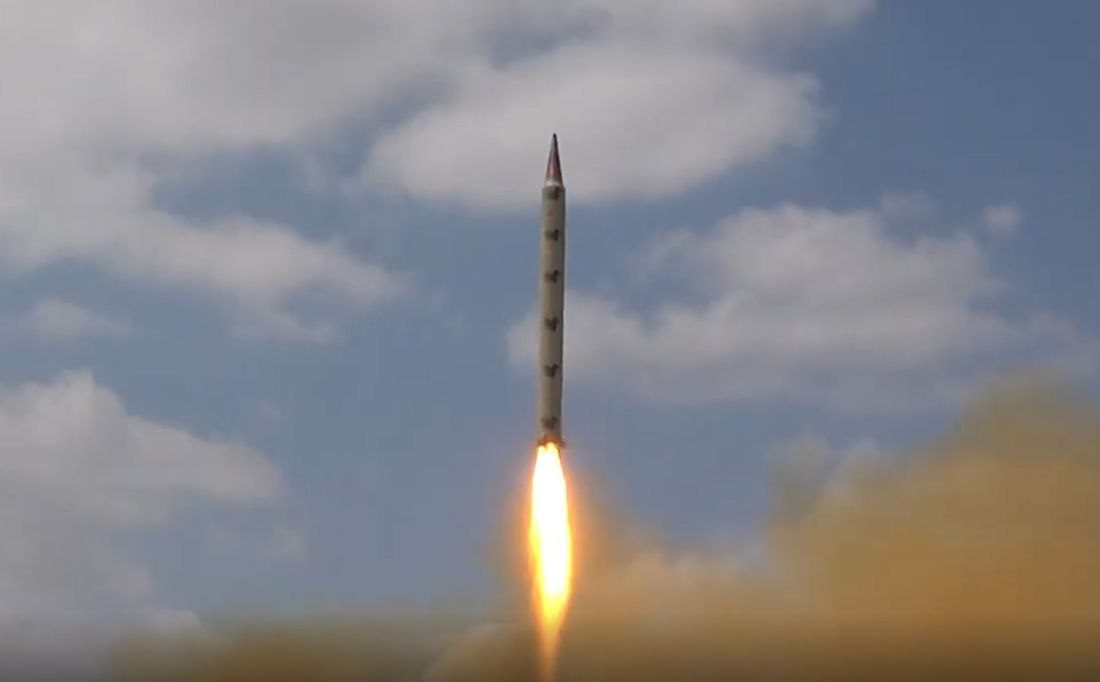
According to released videos, the Yemeni missile struck an unknown location in Haifa region. Also, the Yemeni army used a Yafa suicide drone to attack Tel Aviv.
Yemen’s army missile attack on Haifa
This marks Yemen’s first operation against northern occupied Palestine and is considered the longest-range missile attack by Yemen on Israel to date. If the missile was launched from Saada province towards Haifa, it would have traveled a distance of approximately 1,950 to 2,000 kilometers. It appears that the Yemeni missile forces have extended their range by modifying the Khaybar-Shekan missile, allowing for missile attacks against Israel to reach northern occupied Palestine.
If Ansar Allah continues its missile strikes on northern occupied Palestine, we may see significant impacts on developments in Lebanon and the northern front of occupied Palestine in the coming months. The influence of the Yemeni forces in regional dynamics is growing day by day, and Yemen is proving to be a key player in the conflict, despite having relatively limited weaponry.
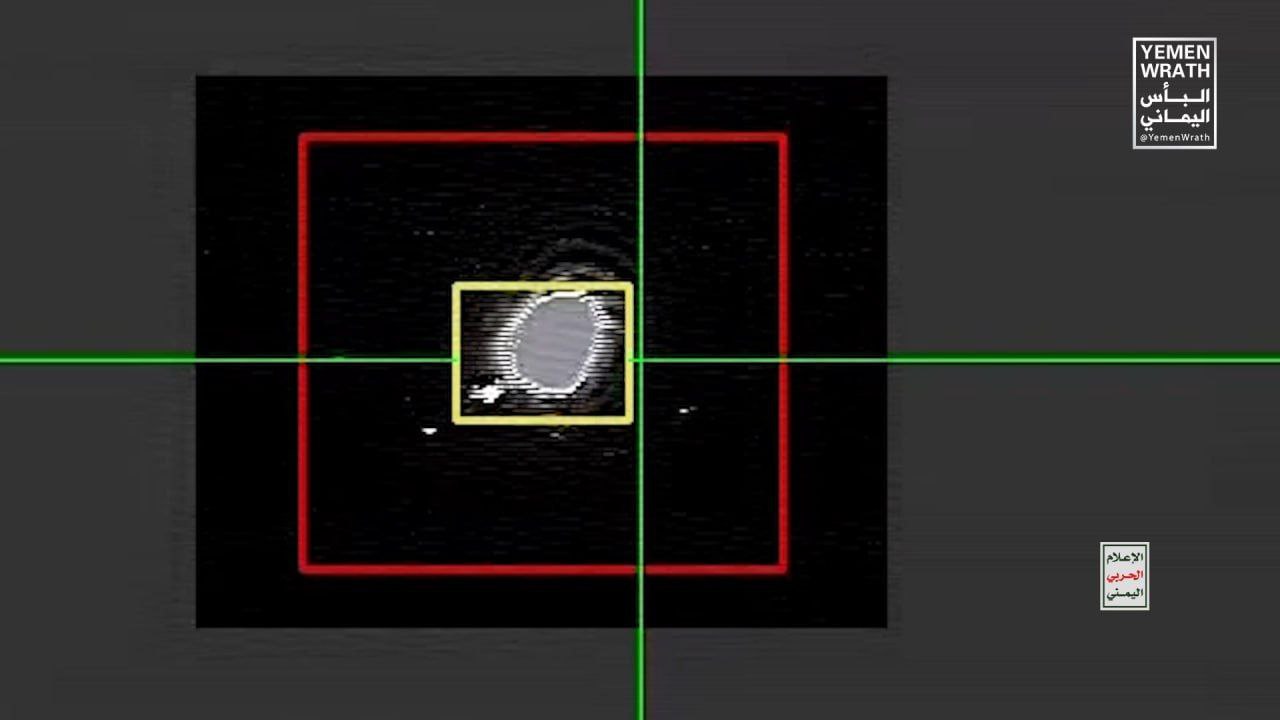
Brigadier General Yahya Saree stated that the defense forces of the Yemeni Armed Forces have effectively destroyed another US military MQ-9 drone in the skies of Hajjah province, northwestern Yemen, using a surface-to-air missile. The drone was tracked and shot down while undertaking a hostile operation in Yemeni airspace.
This incident marks the 26th MQ-9 drone downed throughout the Yemeni conflict, with 21 of these drones being downed during the operation aimed at aiding Palestine, titled “Promised Conquest and Holy Jihad. “
This incident marks the 25th MQ-9 drone downed throughout the Yemeni conflict, with 20 of these drones being downed during the operation aimed at aiding Palestine, titled “Promised Conquest and Holy Jihad. “
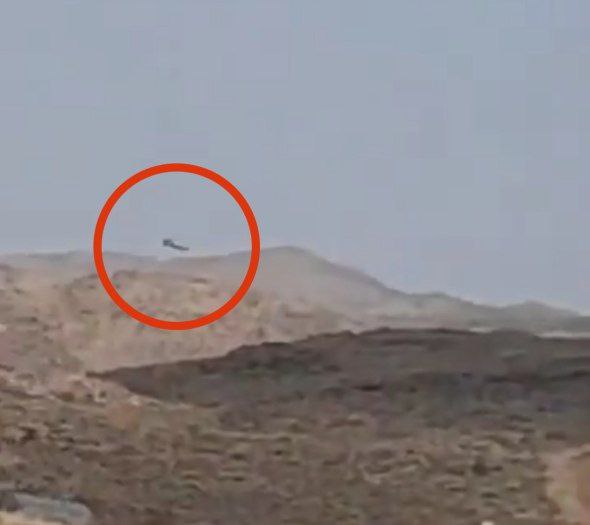
Video of the moment a US MQ-9 drone crashed in Sanaa province. This drone was probably also destroyed by a 358 or 359 anti-aircraft missile
The loss of these MQ-9s represents a significant cost for the US military, estimated at $800 million.
Since the start of the Yemeni war, the Yemeni Armed Forces have shot down a total of 117 military aircraft from the United States, Saudi Arabia, the UAE, Morocco, Bahrain, and Jordan across various fronts in the country. Of these, 28 aircraft belong to the US military, which includes 25 MQ-9 drones, one F/A-18F fighter jet, one UH-60M helicopter, and one V-22 Osprey helicopter.
The destruction of a significant number of aircraft showcases the defensive capabilities of the Yemeni armed forces. These forces, leveraging the strength of the former Yemeni army and receiving advisory support from the Iranian armed forces, have managed to rebuild their weaponry and expand their power despite the extensive bombardment of Yemeni air defenses by Saudi and US coalition fighter jets.
The details of these attacks are as follows: – Sanaa: 6 airstrikes in the Al-Haffa area of the Al-Sab’een district, 6 airstrikes in the Bani Hashish district, and additional strikes in the Al-Samaa area and other locations within the Arhab district. – Al-Jawf: 4 airstrikes targeting Bart al-Anan, Khab, and al-Sha’af districts. – Saada: 3 airstrikes in the city of Saada.
The number of casualties from the US terrorist airstrike on the port of Ras Issa in northern Hudaydah on April 17 has risen to 80 martyrs, with an additional 150 people wounded.
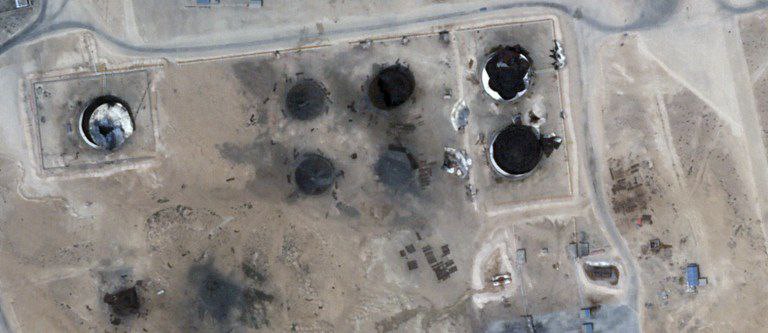
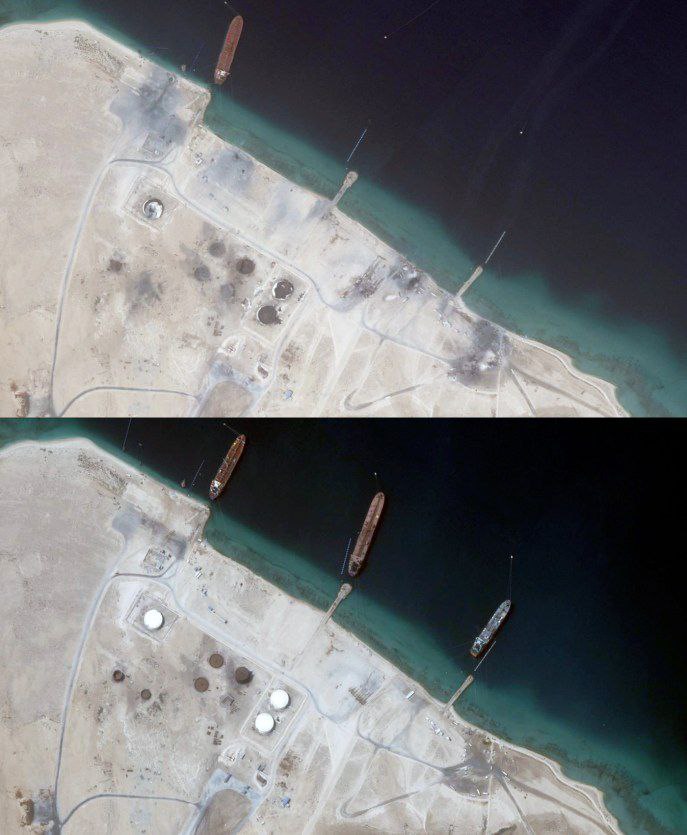
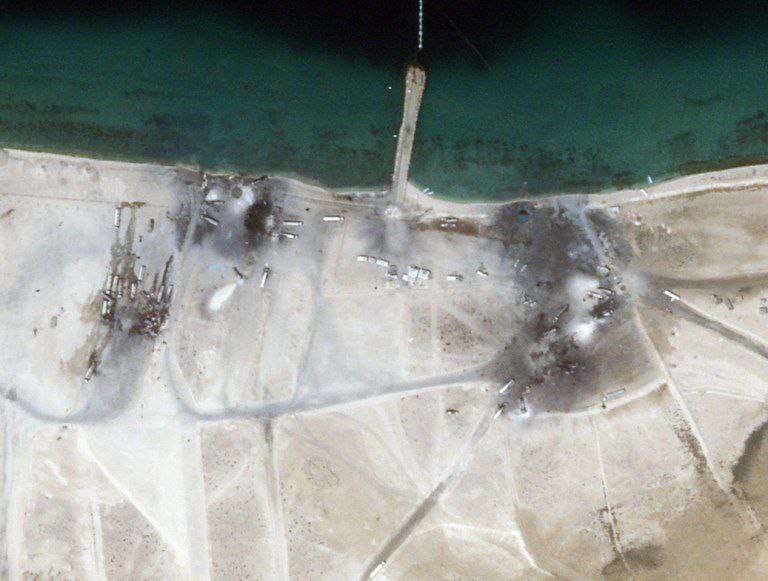
Satellite images released from Ras Issa oil port reveal how US warplanes have targeted oil terminal loading routes, fuel tanks, and fuel tankers with heavy bombs. The US regime is seeking to exert maximum pressure on the Yemeni people by aiming at Yemen’s energy sector.
According to Brigadier General Yahya Saree, a spokesman for the Yemeni Army, the Yemeni missile force attacked a military site near Ben Gurion Airport, on the outskirts of Tel Aviv with a Zulfiqar ballistic missile.
The attack on Ben Gurion Airport triggered alarm sirens across central occupied Palestine, prompting thousands of residents to seek shelter.
Alarm sirens across central occupied Palestine
Additionally, Yemeni missile, drone and naval forces executed a coordinated military operation in the Red Sea and the Arabian Sea against the USS Harry Truman and USS Carl Vinson aircraft carriers, along with other US warships, employing several cruise missiles and suicide drones.
It is important to note that the USS Carl Vinson had just arrived in the region in April.
The attack on the USS Carl Vinson marked the first strike on this aircraft carrier and the 26th operation against the USS Harry Truman. Furthermore, this operation constituted the 203rd and 204th assaults by the Yemeni army against illegal ships associated with Israel, the US, and the UK in the region.
This incident marks the 24th MQ-9 drone downed throughout the Yemeni conflict, with 20 of these drones being downed during the operation aimed at aiding Palestine, titled “Promised Conquest and Holy Jihad. “
AnsarAllah released the moment the MQ-9 drone targeted over the Sanaa province
The loss of these MQ-9s represents a significant cost for the US military, estimated at $736 million.
Ansar Allah has censored footage of the moment the missile strikes the MQ-9 drone to protect details regarding Yemeni weaponry. It is presumed that a 358 or 359 defense missile was used by Yemeni forces to bring down the drone.
It appears that one of the goals behind the massive shipments of weapons and military forces is to set the stage for a major conflict in areas controlled by Ansar Allah in Yemen. Last year, American officials discussed the need for a ground operation along the western coast of Yemen to sever Ansar Allah’s access to the port of Hudaydah and limit their influence in the region. Additionally, Yemeni military exercises have involved practicing both defensive and offensive tactics at sea and on land, with over 1.1 million people and tribal groups in Yemen undergoing military training through a program known as “popular mobilization.”
Recently, there have been indications of US preparations for a ground conflict:
American fighter jets have been conducting airstrikes along the lines of conflict in Yemen, particularly in the western and southern regions of Marib province, the Al-Jawf desert, and to the south of Hudaydah. The primary objective of these attacks is to weaken Ansar Allah’s defense lines in these areas, allowing the forces loyal to the resigned government to advance without significant resistance.
The aircraft carrier USS Carl Vinson has entered the Arabian Sea and was last reported moving toward the Gulf of Aden. It is anticipated that this carrier, in conjunction with the USS Harry S. Truman, will provide air support and execute heavy attacks deep into Ansar Allah positions.
Blue: Main directions of attacks – Black: Secondary directions of attacks
This evidence suggests that a ground battle in Yemen, centered on forces affiliated with the Saudi coalition and supported by US airpower, is imminent. According to the Wall Street Journal, Saudi officials have informed their American counterparts that they will not partake in the operation due to threats posed by Ansar Allah and the severe repercussions of their assaults. Hence, the probability of the Islah Party militants, Home Shield Forces, and other Saudi-affiliated factions participating in ground operations against Ansar Allah is low.
However, field evidence indicates that the United Arab Emirates will be involved in the operation against Ansar Allah. Although Reuters has cited officials from the UAE denying this involvement, their role is evident. They have facilitated communication between officials of the Southern Transitional Council and Tariq Saleh with US forces, providing essential support to prepare these factions. Additionally, the Emirates has deployed an Israeli-made radar at its base in Puntland state, located in northern Somalia, to counter missile and drone attacks from Yemeni armed forces targeting the Gulf of Aden.
Given the direction of the Saudi coalition’s ground assaults in recent years and the current conditions in Yemen, the fronts prioritized for a ground attack include southern Hudaydah, western Marib, the Al-Jawf desert, the western cities of Taiz province, southern Al-Bayda, and Al-Dhale. Both the Yemeni government and Ansar Allah have made necessary preparations for this impending attack. However, support from the US and the Saudi coalition in terms of air and logistical resources could significantly disrupt Yemen’s sea and air communications through Sanaa airport and the port of Hudaydah.
1- Saudi F15S fighter on March 27, 2015, Gulf of Aden 2- Saudi AH-64D helicopter on May 7, 2015, Al-Boqa, Saada area 3- Moroccan F16C fighter on May 10, 2015, Wadi Nashur 4- Saudi Seeker400 UAV, July 3, 2015, Al-Boqa 5- Saudi AH-64D helicopter, August 5, 2015, Jizan 6- Saudi AH-64D helicopter, August 21, 2015, Jizan 7- UAE Schiebel Camcopter S-100, August 25, 2015, Makiras, Abyan Province 8- UAE Schiebel Camcopter S-100, October 25, 2015, Al-Abdiyah, Marib Province 9- Bahrain F16C fighter, December 30, 2015, Jizan 10- UAE MQ-1 Predator UAV, January 19, 2016, Sanaa 11- Saudi Selex ES Falco UAV, February 3, 2016, Midi, Hajjah province 12- UAE Schiebel Camcopter S-100, February 27, 2016, Dhubab, Taiz province 13- UAE Mirage 2000 fighter, March 13, 2016, Al-Bariqa, Aden 14- UAE AH-64D UAE helicopter, June 12, 2016, Gulf of Aden 15- UAE NSA407 helicopter, June 13, 2016, Al-Bariqa, Aden 16- Saudi AH-64D helicopter, July 25, 2016, Beer Al-Maraziq, Al-Jawf 17- Saudi Seeker400 UAV, August 16, 2016, Kataf, Saada province 18- UAE Wing Loong UAV, September 26, 2016, Kholan, Sanaa province 19- Saudi AH-64D helicopter, December 30, 2016, Najran 20- US V-22 Osprey Helicopter, January 29, 2017, Al-Baydha province 21- Saudi SA 365F Helicopter, January 30, 2017, Al-Hudaydah coast (on the Al-Madinah frigate) 22- UAE MQ-1B Predator UAV, February 14, 2017, Al-Manin, Marib province 23- Jordanian F16A fighter, February 24, 2017, Najran 24- Saudi S-70A helicopter, April 18, 2017, Marib province 25- UAE Schiebel Camcopter S-100, June 21, 2017, Dhubab, Taiz province 26- UAE AH-60L helicopter, August 11, 2017, Wadi Amaqin, Shabwa province 27- Saudi Seeker 400 UAV, August 15, 2017, Al-Boqa, Saada province 28- US UH-60M helicopter, August 25, 2017, Gulf of Aden 29- UAE AT-802U aircraft, September 11, 2017, Gulf of Aden 30- Saudi Eurofighter Typhoon fighter, September 13, 2017, Abyan province 31- US MQ-9 UAV, October 1, 2017, Sanaa city 32- UAE AH-64D Helicopter, October 17, 2017, Khab and Shaaf, Jawf province 33- Saudi S-70A helicopter, November 5, 2017, Abha 34- Saudi Panavia Tornado fighter, January 7, 2018, Kataf, Saada province 35- Saudi F-15S fighter, March 21, 2018, Saada province 36- Saudi CH-4B UAV, July 12, 2018, Al-Rabu’ah 37- Saudi Panavia Tornado fighter, July 12, 2018, Asir 38- Saudi CH-4B UAV, August 30, 2018, Jizan 39- UAE Schiebel Camcopter S-100, September 2, 2018, Al-Jah, Hudaydah province 40- Saudi AH-64D helicopter, September 14, 2018, Al-Mahra province 41- Seeker 400 UAE UAV, November 26, 2018, Al-Jabaliya, Hudaydah province 42- Saudi CH-4V UAV, December 23, 2018, Saada province 43- US MQ-9 UAV, June 6, 2019, Hudaydah province 44- Saudi CH-4B UAV, April 11, 2019, Hadhramaut province 45- UAE Wing Loong, April 19, 2019, Saada province 46- UAE RQ-1E Predator UAV, May 15, 2019, Bani Matar, Sanaa 47- UAE Schiebel Camcopter S-100, June 2, 2019, Hays, Hudaydah area 48- US MQ-9 UAV, August 21, 2019, Dhamar province 49- US MQ-9 UAV, March 23, 2021, Marib province 50- UAE Shiebel Camcopter S-100, November 1, 2019, Raas Issa, Hudaydah province 51- Saudi AH-64D helicopter, November 29, 2019, Asir 52- Saudi Wing Loong UAV, November 30, 2019, Hayran, Hajjah province 53- Saudi Luna X2000 UAV, December 4, 2019, Saada province 54- Saudi Karayel UAV, December 30, 2019, Al-Salif, Hudaydah province 55- Saudi CH-4V UAV, January 7, 2020, Khab and Shaaf, Jawf province 56- Saudi Panavia Tornado fighter, February 14, 2020, Jawf province 57- Saudi RQ-20 UAV, August 2, 2021, Haradh, Al-Hajjah province 58- Saudi CH-4B UAV, December 21, 2020, Marib Province 59- Saudi Karayel UAV, January 6, 2021, Jawf province 60- Saudi CH-4B UAV, February 12, 2021, Marib province 61- Saudi Karayel UAV, March 7, 2021, Jawf province 62- Saudi CH-4B UAV, March 23, 2021, Sarwah, Marib province 63- Saudi Wing Loong UAV, May 21, 2021, Najran 64- US MQ-9 drone, May 23, 2021, Jawf province 65- Saudi Scan Eagle UAV, June 19, 2021, Marib province 66- Saudi Scan Eagle UAV, June 21, 2021, Marib province 67- Saudi Scan Eagle UAV, August 14, 2021, Madghal, Marib province 68- Saudi Wing Loong UAV, September 13, 2021, Kataf, Saada province 69- Saudi Scan Eagle UAV, September 27, 2021, Madghal, Marib province 70- Saudi CH-4 UAV, October 6, 2021, Jubah, Marib province 71- Saudi RQ-20 UAV, October 7, 2021, at the Jizan border 72- Saudi Scan Eagle UAV, November 9, 2021, Al-Juba, Marib province 73- Saudi Scan Eagle UAV, November 13, 2021, Al-Juba, Marib province 74- Saudi CH-4 UAV, December 1, 2021, in Al-Amshia area, Amran province 75- Saudi Scan Eagle UAV, December 4, 2021, Al-Juba, Marib province 76- Saudi Scan Eagle UAV, December 8, 2021, Al-Juba, Marib province 77- Saudi CH-4 UAV, December 8, 2021, Al-Wadi, Marib province 78- Saudi Scan Eagle UAV, December 10, 2021, Sarwah, Marib province 79- Saudi CH-4 UAV, December 14, 2021, Usaylan, Shabwa province 80- Saudi Scan Eagle UAV, December 16, 2021, Al-Wadi, Marib province 81- Saudi Scan Eagle UAV, December 25, 2021, Yatmah, Khab and Al-Shaaf, Al-Jawf province 82- UAE Wing Loong UAV, January 5, 2022, Usaylan, Shabwa province 83- UAE Wing Loong UAV, January 11, 2022, Ain Shabwah province 84- Saudi Scan Eagle UAV, January 29, 2022, Al Juba, Marib Province 85- Saudi CH-4 UAV, February 10, 2022, Harad, Hajjah province 86- UAE MQ-1 UAV, February 25, 2022, Al-Jawf province 87- Saudi Scan Eagle UAV, February 25, 2022, Al Juba, Marib Province 88- Saudi Scan Eagle UAV, February 28, 2022, Harad, Hajjah province 89- Saudi Scan Eagle UAV, March 8, 2022, Harad, Hajjah province 90- Saudi Scan Eagle UAV, March 29, 2022, Al-Wadi, Marib province 91- Saudi CH-4 UAV, May 4, 2022, Harad, Hajjah province 92- Saudi Karayel UAV, May 21, 2022, Hayran, Hajjah province 93- Saudi CH-4 UAV, May 23, 2022, Sana’a, Sana’a province 94- Saudi Wing Loong UAV, May 24, 2022, Kataf, Saada province 95- US MQ-9 drone, November 8, 2023, Hudaydah province 96- US MQ-9 drone, February 19, 2024, north of Hudaydah province 97- US MQ-9 drone, April 25, 2024, Saada province 98- UAE Wing Loong 1 drone, April 29, 2024, Al-Rawdha district, Shabwah province 99- US MQ-9 drone, May 16, 2024, Al-Wadi district, Marib province 100- US MQ-9 drone, May 21, 2024, Al Bayda province 101- US MQ-9 drone, May 29, 2024, Marib province 102- US MQ-9 drone, August 4, 2024, Saada 103- US MQ-9 drone, September 7, 2024, Marib 104- US MQ-9 drone, September 10, 2024, Saada 105- US MQ-9 drone, September 30, 2024, Saada 106- US MQ-9 drone, November 8, 2024, Al-Jawf 107- US MQ-9 drone, November 28, 2024, Al-Bayda 108- US MQ-9 drone, December 2, 2024, Marib 109- US F/A-18 fighter jet, December 21, 2024, Red Sea 110- US MQ-9 drone, March 3, 2025, Al-Hodeidah 111- US MQ-9 drone, March 31, 2025, Marib 112- US MQ-9 drone, April 3, 2025, Al-Hodeidah 113- Saudi Giant Shark F-360 Giant Shark drone, April 5, 2025, Saada 114- US MQ-9 drone, April 9, 2025, Al-Jawf 115- US MQ-9 drone, April 13, 2025, Hajjah
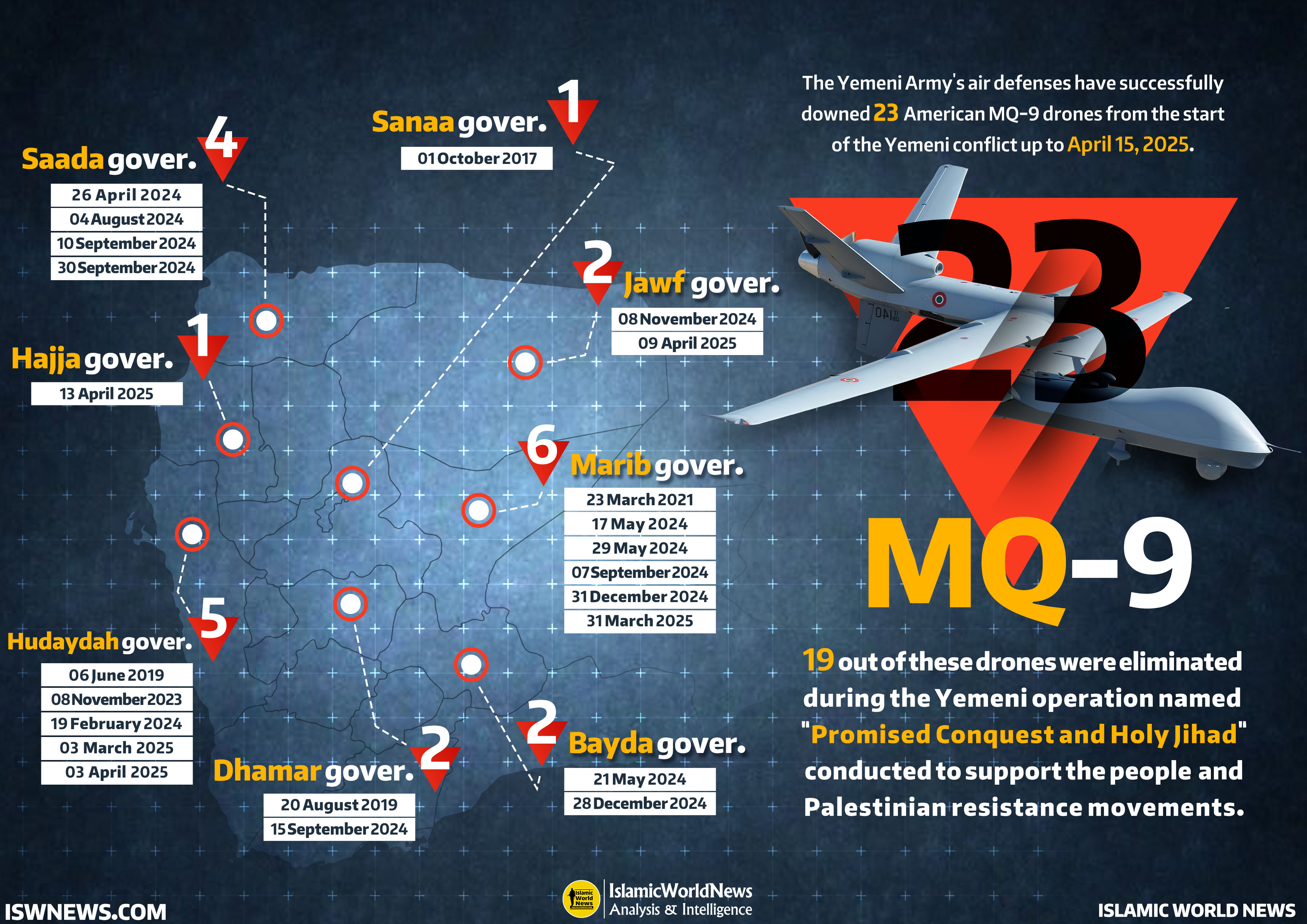
19 out of these 23 drones were eliminated during the Yemeni operation named “Promised Conquest and Holy Jihad,” conducted to support the people and Palestinian resistance.
General Atomics MQ-9 Reaper is a versatile and heavy drone used by the US Army for reconnaissance, surveillance, and offensive operations, including assassinations in Iraq, Afghanistan, and Syria since 2001. As of 2023, each MQ-9 drone costs approximately $32 million to produce, resulting in $576 million in damage inflicted by Ansar Allah through the destruction of 18 drones.
The dates and locations of the destroyed MQ-9 drones in Yemen are as follows:
Sanaa, 01 October 2017
Hudaydah, 06 June 2019
Dhamar, 20 August 2019
Marib, 23 March 2021
Hudaydah, 08 November 2023
Hudaydah, 19 February 2024
Saada, 26 April 2024
Marib, 17 May 2024
Al-Bayda, 21 May 2024
Marib, 29 May 2024
Saada, 04 August 2024
Marib, 07 September 2024
Saada, 10 September 2024
Dhamar, 15 September 2024
Saada, 30 September 2024
Al-Jawf, 08 November 2024
Al-Bayda, 28 December 2024
Marib, 31 December 2024
Hudaydah, 03 March 2025
Marib, 31 March 2025
Hudaydah, 03 April 2025
Al-Jawf, 09 April 2025
Hajjah, 13 April 2025
The extensive destruction of reconnaissance-combat drones belonging to the Saudi-American coalition in Yemen stands out as one of the most significant accomplishments of the Yemeni armed forces over a decade-long conflict. Throughout this time, the Yemeni army has downed approximately 115 military aircraft from Saudi Arabia, the UAE, the United States, Jordan, Morocco, and Bahrain, including 26 from the United States.
Since the onset of the Palestine war, the US Army has dispatched numerous MQ-9 drones to Yemen to monitor military installations and equipment, and to carry out assassination missions. However, the Yemeni Army’s air defense forces have successfully disrupted these drone operations in Yemen through their intelligence and persistent efforts.
During these aggressions, one airstrike was executed in the Al-Mahadhir area of the Sahar district, three airstrikes struck the Al-Sawari factory in the Matna area of the Bani Matar district, and two airstrikes targeted the Al-Yatma area in the Khab and Al-Sha’af district.
The attack on the Al-Sawari factory resulted in six fatalities and injured 20 civilians. The factory’s facilities were significantly damaged, and its products were set ablaze.