Category: China

  • China’s GJ-11 Drone is Unveiled

    China’s GJ-11 Drone is Unveiled

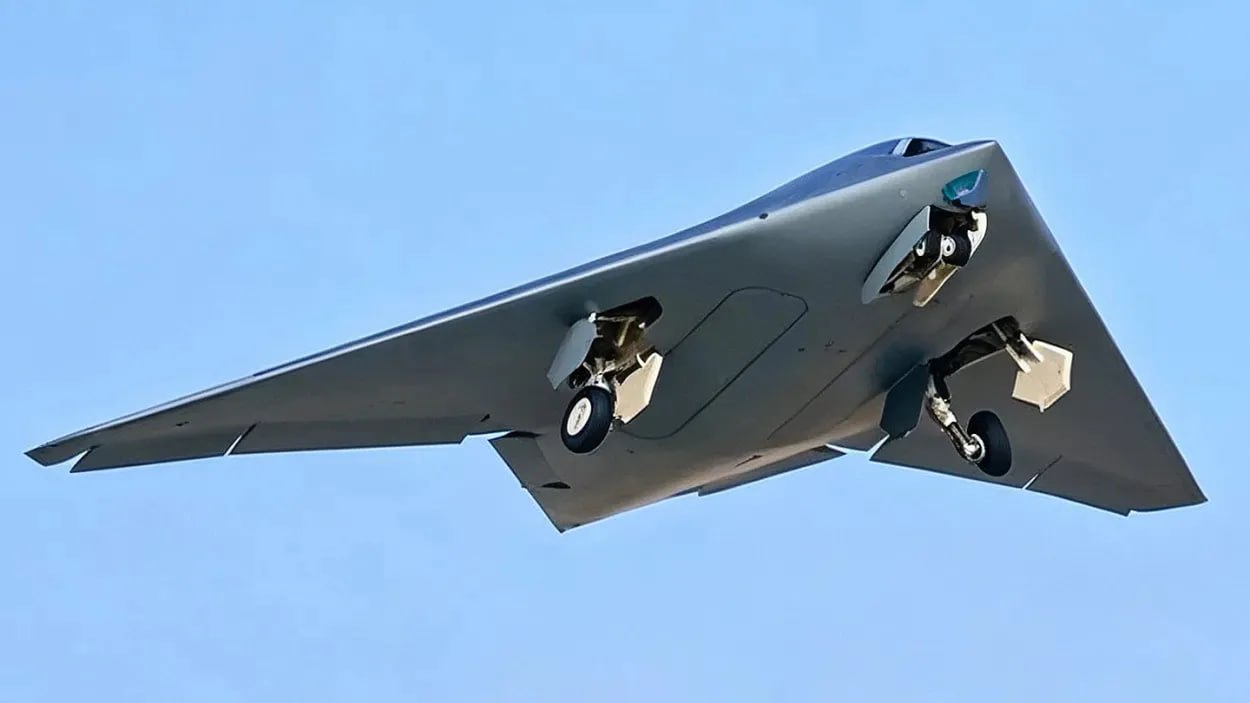
    This flying-wing aircraft was developed to conduct strike missions and suppress enemy air defenses, and is intended for joint operations with Chinese manned fighter jets.

    According to released information, the GJ-11 is equipped with two internal weapons bays that allow it to carry air-to-ground munitions without increasing its radar cross-section. Estimates suggest that each bay can accommodate at least one 454-kilogram-class munition.

  • Taiwan Strait Time!

    Taiwan Strait Time!

    The Longstanding Dispute
    Prior to the outbreak of the Iran war in February 2026, China had consistently upheld the “One China” principle, regarding Taiwan as an inalienable part of its territory. Beijing’s policy combined gradual pressure with avoidance of direct confrontation: regular military patrols around Taiwan, diplomatic pressure to limit Taiwan’s international recognition, and deepening economic ties aimed at eroding the island’s operational autonomy. At the same time, China presented peaceful reunification as the preferred option, while reserving the right to use force to prevent Taiwan’s formal independence. Tensions mainly escalated during Taiwan’s electoral periods, but Beijing’s strategic priority prior to the crisis was maintaining stability and focusing on economic development.

    The Encirclment Policy Laboratory
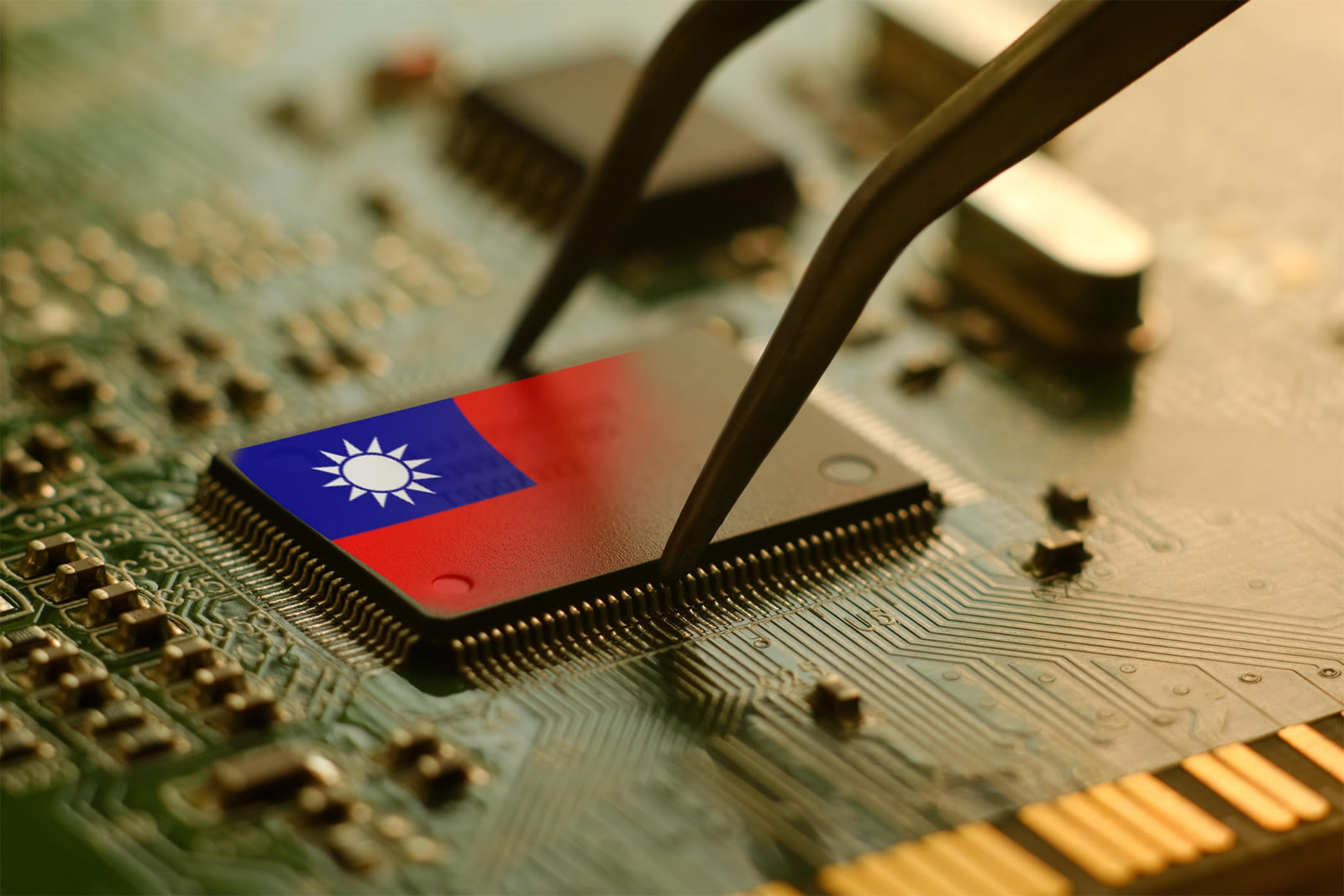
    Concurrently with the Iran war, China closely monitored developments in the Strait of Hormuz as an operational model for “controlling critical chokepoints.” The most important lesson for Beijing was that even a weaker power, by blockading a vital route (Hormuz) and disrupting roughly one-fifth of global oil supplies, could pressure the United States and alter its behavior. This experience holds strategic significance for China: a blockade of Taiwan, which produces nearly 90% of the world’s advanced microchips, could deliver a far deeper shock to the global economy. Within this framework, Iran’s ability to use the global supply chain as leverage demonstrated that geoeconomic tools can serve as substitutes for, or complements to, military superiority.

    The Failure of the Silicon Shield
    In light of the Hormuz experience, the effectiveness of Taiwan’s “Silicon Shield” strategy—which relied on U.S. dependence on the semiconductor industry to guarantee the island’s security—has been somewhat called into question. Analysts such as Eric Freeman argue that if China moves toward controlling trade routes and gradually encircling Taiwan, the United States will face a stark dilemma: accepting the new reality and retreating, or entering a costly confrontation. In this scenario, China could, without direct invasion, shift the deterrence balance in its favor by exerting pressure on trade and technology flows. The outcome would be a transition from interdependence-based deterrence to deterrence rooted in the control of critical chokepoints.

  • Iran Will Acquire Chinese Supersonic Anti-Ship Missile “CM-302”

    Iran Will Acquire Chinese Supersonic Anti-Ship Missile “CM-302”

    Negotiations, which reportedly began at least two years ago, accelerated following last year’s conflict with Israel, and senior Iranian military officials have traveled to China as discussions advanced.

    These supersonic missiles, designed to fly low and fast to evade shipborne defenses, have an estimated range of about 290 kilometers in its export configuration and carries a 250-kilogram warhead. Powered by a liquid-fueled ramjet engine, it can reach speeds between Mach 2 and Mach 4, depending on its flight profile.

    A former Israeli intelligence officer and senior Iran analyst at the Institute for National Security Studies, told Reuters: “These missiles are extremely difficult to intercept. If Iran acquires these anti-ship missiles, it would completely change the situation.”

    Analysts emphasized that deploying these missiles will pose a severe threat to the US and other hostile naval forces in the region, given their speed and flight profile.

  • China Released Footage of Operational Test of YJ‑20 Anti‑ship Missile (Video)

    China Released Footage of Operational Test of YJ‑20 Anti‑ship Missile (Video)

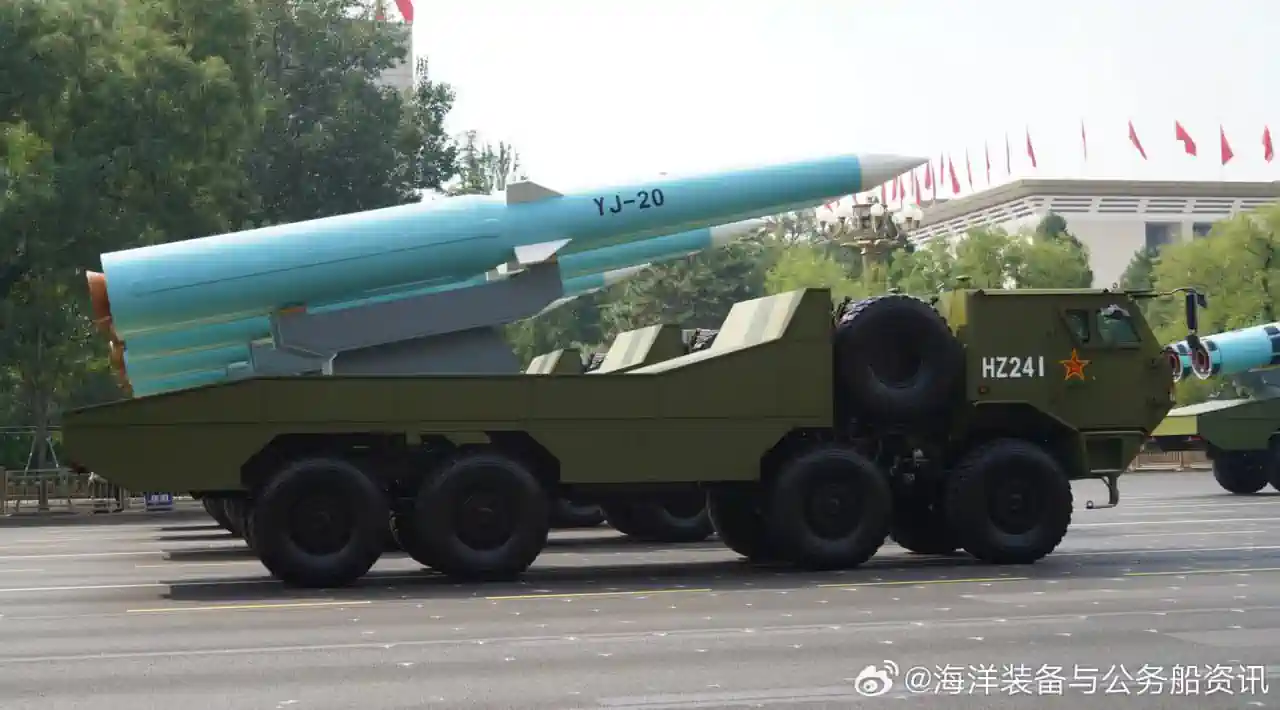
    Reports indicate the missile has a range of about 1500 km, carries a warhead of nearly 400 kg, reaches an average speed close to Mach 10 along its ballistic trajectory, and approaches its target at around Mach 8 in the terminal phase.

    Back in 2022, China’s navy tested an unidentified hypersonic missile from a Type‑055 destroyer. At the time, it was believed to be the naval version of the YJ‑21. However, with the unveiling of the new YJ‑20 in 2025—whose design closely resembles that earlier missile—analysts now believe China has been pursuing two separate missile projects simultaneously.

    The deployment of YJ‑20 hypersonic missiles combined with the offensive capabilities of Chinese aircraft carriers, poses a serious challenge to U.S. strategic assets in the Pacific. China has heavily invested in hypersonic missile technology in recent years.

  • Joint Meeting of Iran, Saudi Arabia, and China Held in Tehran

    Joint Meeting of Iran, Saudi Arabia, and China Held in Tehran

    Following a preliminary meeting of experts and diplomats from the three countries, a trilateral session was held to review progress on implementing the Beijing Agreement signed in March 2023. The meeting was attended by Saudi Deputy Foreign Minister Waleed Al-Khereiji, Chinese Deputy Foreign Minister Miao Diao, and Iran’s Deputy Foreign Minister Majid Takht-Ravanchi.

    In their final statement, the three countries welcomed the continued improvement in Iran–Saudi relations, called for an end to Israeli attacks on Palestine, Lebanon, and Syria, condemned violations of Iran’s sovereignty and territorial integrity, highlighted advances in consular cooperation—especially regarding the Hajj—and reaffirmed support for an inclusive political solution in Yemen based on recognized international principles and under UN supervision.

  • China Expands Long-Range Air Power with J-16s

    China Expands Long-Range Air Power with J-16s

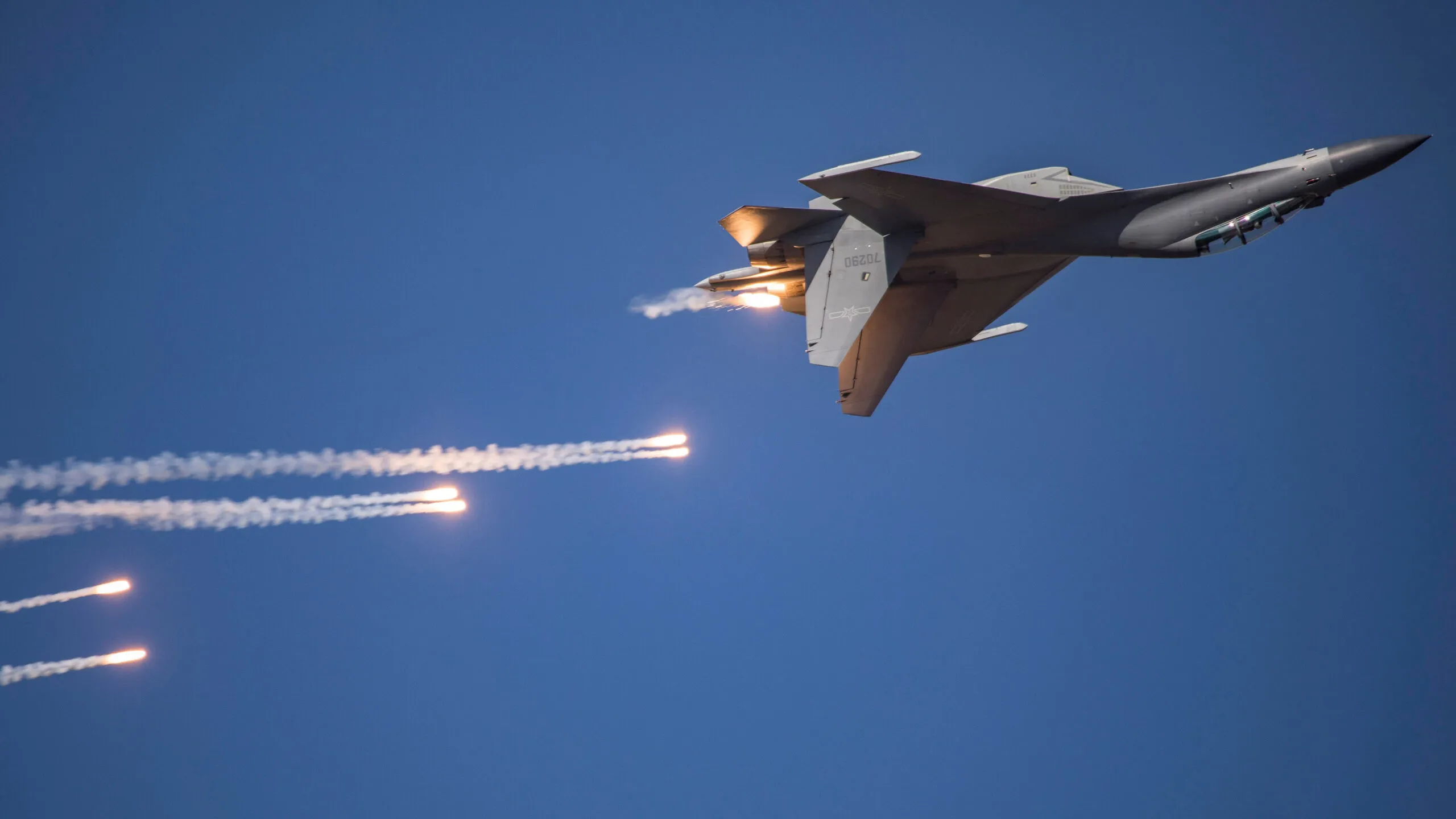
    Military analysts interpret these exercises as a strategic signal to regional rivals: China is preparing to extend its operational reach deep into the Western Pacific, particularly toward the “Second Island Chain”—a key strategic zone that includes Guam and other U.S.-aligned territories. By enhancing flight range, mission endurance, and reducing reliance on local airbases, China is reshaping its aerial posture.

    If paired with upgrades in radar systems, electronic warfare capabilities, and aircraft agility, this development could dramatically boost China’s influence in maritime operations, regional air dominance, and potential engagements beyond its immediate island periphery.

    The Shenyang J-16 is a Chinese multirole fighter jet derived from the Shenyang J-11, itself a licensed version of Russia’s Sukhoi Su-27. Its design draws heavily from the Su-30MKK platform. As a 4.5-generation aircraft, the J-16 bridges the capability gap between older 4th-generation fighters and 5th-generation models. It features advanced AESA radar, carries PL-10 and PL-15 air-to-air missiles, and includes a variant optimized for electronic warfare. China currently operates around 450 units of this aircraft.

  • Explosion and Fire on a Chinese Ship in the Red Sea

    Explosion and Fire on a Chinese Ship in the Red Sea

    The 1,930-TEU vessel, built in 2022 and owned by Shanghai-based Asean Seas Line, was en route from Jebel Ali to the Suez Canal with Aqaba as its final destination, scheduled to call at Jeddah port on January 29th.

    The all-Chinese crew was safely rescued by a nearby vessel with no injuries reported.

    The incident occurred approximately 226 kilometers northwest of Hudaydah, Yemen, in open waters. Diaplous Maritime Services warned the drifting vessel poses a navigational hazard, while Ambrey suggested the fire might have been caused by hazardous cargo. Thick smoke was seen emanating from the forward section of the ship.

    The ASL Bauhinia remains adrift, with investigations ongoing. The possibility of a Yemeni army attack is ruled out, given the cessation of military operations in the Red Sea and Gulf of Aden in line with the Gaza ceasefire agreement. The US and Israel might portray Yemeni waters as unsafe to justify actions against Yemen, including adding the Ansar Allah movement to the terrorist list.

  • Maritime Security Belt 2024 Drills; Message From Iran, China, Russia To West (Video)

    Maritime Security Belt 2024 Drills; Message From Iran, China, Russia To West (Video)

    The Maritime Security Belt 2024 drills involved Iran, China, and Russia, with the presence of commanders of naval and aerial units of the Islamic Republic of Iran Army and the Islamic Revolution Guards Corps (IRGC), as well as the naval forces from China and Russia, along with representatives from Oman, Pakistan, South Africa, Kazakhstan, and the Republic of Azerbaijan as observing countries in the northern Indian Ocean.

    This military exercise is aimed at protecting economic activities in the region (Indian Ocean) by surface and aerial units of the naval forces of the Iranian army and the Islamic Revolution Guards Corps of Iran, as well as surface, subsurface, and aerial units of the armies from China and Russia. The main phase of the Maritime Security Belt 2024 exercise started on March 12 and will the tripartite drills continue until Friday, March 15.

    Over the course of this exercise, Iranian, Chinese, and Russian naval units will conduct various tactical exercises including rescuing a ship on fire, liberating a hijacked vessel, shooting at specific targets, night shooting at aerial targets, and other tactical and practical exercises.

    The Maritime Security Belt 2024 drills was held with the participation of the armed forces from Iran, China, and Russia in the northern Indian Ocean.

    In the drills, warships dubbed Shahid Mahmoudi, Shahid Haj Qasem Soleimani, naval vessel Shahid Abu Mahdi al-Muhandis, fast attack craft Shahid Tousi, and helicopters of the naval forces of the Islamic Revolution Guards Corps are present alongside naval personnel from the Iranian army. Additionally, all stages of the military exercise are monitored and supervised by the aerial surveillance of the naval helicopters of the Islamic Republic of Iran Army and the IRGC.

    This exercise is being held in an area of ​​17,000 square kilometers, encompassing the strategic straits of Hormuz, Bab al-Mandab, and Malacca in the northern Indian Ocean. This strategic region is the most important in terms of energy and trade in the world, and the joint presence of Iran, Russia, and China shows that safeguarding the security of regional shipping lanes is carried out by the naval forces of these three regional countries.

  • Knife Attack On Israeli Diplomat In China! (Video)

    Knife Attack On Israeli Diplomat In China! (Video)

    According to Chinese media reports, an Israeli diplomat was attacked by an unknown person in Beijing today. This diplomat is currently under medical care in the hospital and his condition is reported to be stable.

    Chinese police are still investigating to arrest the attacker.

    It seems that everyone hates Israel!

  • What Are Undisclosed Details Of Saudi-Iran Agreement In China?

    What Are Undisclosed Details Of Saudi-Iran Agreement In China?

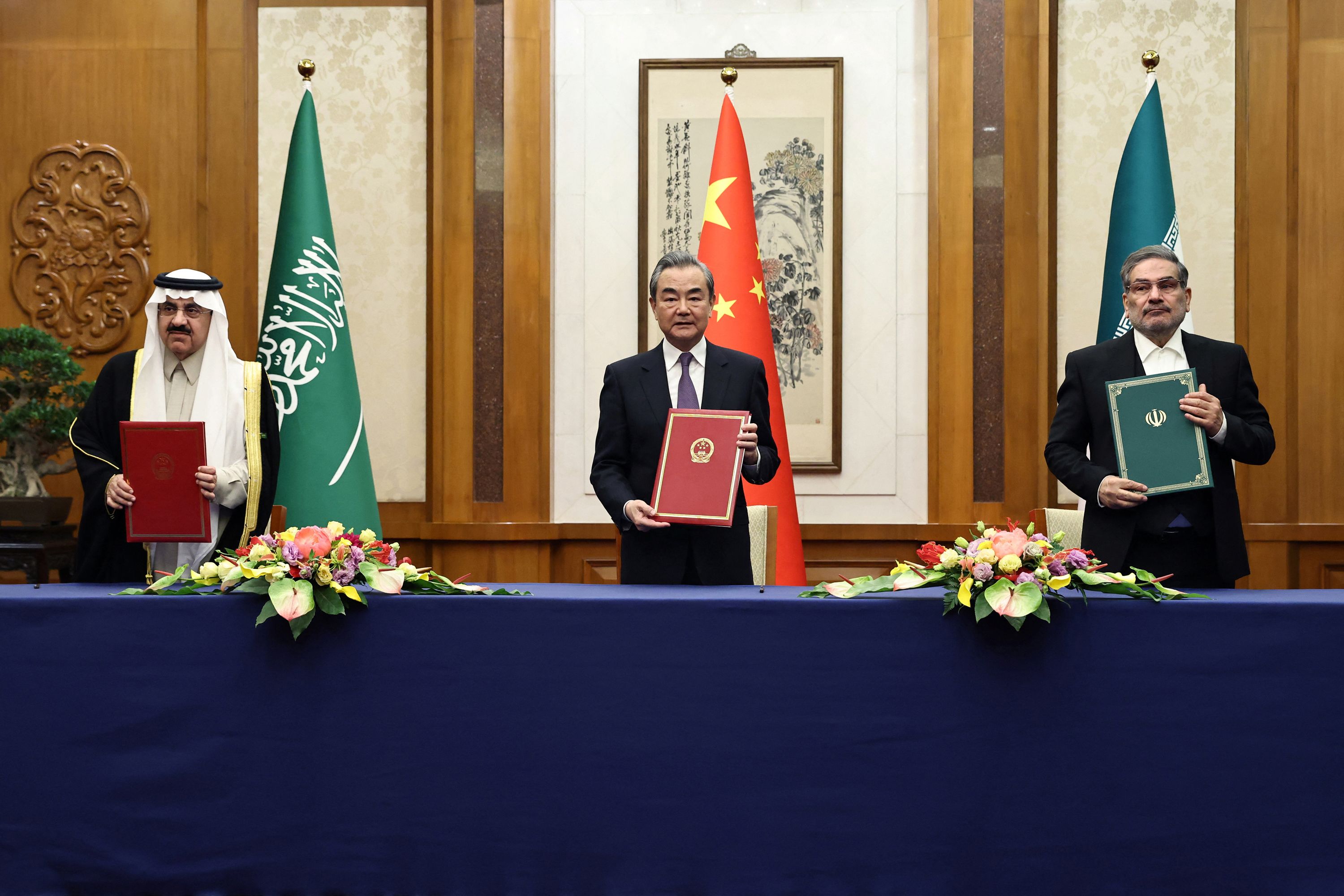
    Following Iranian President Ebrahim Raisi’s visit to China in February and his talks with his Chinese counterpart Xi Jinping, the finalization of the agreement between Saudi Arabia and Iran was cemented. After the February consensus, Shamkhani left Tehran for Beijing on March 6 in order to carry out intensive talks with Al-Aiban. The two counterparts held negotiations to restore political relationship as well as resolve security and regional issues, but there have not been released the details of the talks in official sources. The agreement was declared on March 10, when China, Saudi Arabia and Iran issued a joint statement and signed the deal.

    What was the other states’ reaction to Saudi-Iran deal?

    The authorities of both Saudi Arabia and Iran as well as the most states in the West Asia region and the world welcomed the agreement and described it as a prelude to resolution of other disputes and regional issues, including the Yemen war.

    Meanwhile, Coordinator for Strategic Communications at the US National Security Council John Kirby told correspondents that Saudi Arabia informed the United States of the talks with Iran, but Washington did not play any role in the negotiations. Kirby also adopted a hostile stance, when he said we should wait and see if Iran would respect the other side of the deal or not!

    Secretary General of Lebanon’s Hezbollah movement Hassan Nasrallah depicted the agreement as an important development in the region, which will promise new horizons in the region and Lebanon.

    Mohammad Abdul Salam, spokesman of Yemen’s Ansar Allah movement, who is in charge of negotiations of the National Salvation government, said that restoration of natural relations among regional states is necessary, noting that lack of security has its roots in foreign interventions in particular by the US and the Israeli regime. He said that Iranophobia project is in line with foreigners’ interests, who want to misuse internal rifts to create conflict and aggression in Yemen.

    China’s Foreign Ministry issued a statement, announcing that the Iran-Saudi Arabia agreement is a victory for peace.

    What are the benefits of the deal for China?

    China could gain more credit at international arena and showed that it is a superpower in rivalry with the US after hosting the negotiations between Saudi Arabia and Iran. They also underlined that the United States’ policies and supports for Arab countries are inefficient. As part of its foreign policy, China has not been involved in hard competition with ultra-regional powers in any dispute so far, and the issue has been shown in the Ukraine war and the dispute with Taiwan, but their involvement in the Saudi-Iran agreement indicates that they pursue a special engagement in the West Asia region and they want to adopt soft competition and semi-hard competition with the US.

    On the other hand, the resolution of conflict between Saudi Arabia and Iran would guarantee oil and other raw materials required by China.

    What are the potential and undisclosed aspects of the deal?

    Undoubtedly, the recent agreement between Riyadh and Tehran to restore relationship is a positive news for both countries and the West Asia region. It seems that Saudi Arabia has reached to the conclusion after eight years of war with Yemen that it cannot dominate a popular government and force by resorting to the most advanced and best Western and Eastern military equipment. The Saudis were of the opinion in the beginning of the war on Yemen that the Ansar Allah movement is a militia group, which would be weakened and forced to succumb following some classic operations and aerial bombardment, but the military and political support by Iran along with popular backing of people residing in western provinces of Yemen led to the consolidation of the National Salvation government and the preservation of strategic lands of the Arab country under the rule of Islamic resistance axis. Therefore, Saudi Arabia’s defeat in the war on Yemen is the main reason behind the Saudi’s intention to the negotiating table.

    Given the significant role by Iran in Yemen’s developments, it is expected that the peace negotiations in the war-torn country would reach more important results in the coming months. The deployment of foreign forces in different regions and bases inside Yemen, the activities of the separatist groups such as the Southern Transitional Council (STC) and terrorist groups like al-Qaeda and the ISIS, as well as the dependence of anti-Ansar Allah movement factions to the United Arab Emirates (UAE) and Saudi Arabia are expected to be the potential hurdles in the formation of peace in Yemen.

    Another issue, which can be mentioned as one of security aspects of the Saudi-Iran deal, is security threats and media activities of both sides against each other. Over the last years, Saudi-funded media apparatus established anti-Iran research centers such as Rasana and Iran International TV network in order to create propaganda campaign, which was along with fomenting unrest in Iran by the West. Seemingly, Saudi Arabia and Iran have reached agreements in this respect, but the details of the accords have not been announced yet.

    In a bigger picture at the current regional and international levels, Iran has been facing more harsh tensions and threats by the Western states and Israel on its nuclear dossier and its regional influence comparing to the circumstances in the past years. The expansion of the Zionist regime’s influence in security periphery of Iran, the exacerbation of economic sanctions imposed by Europe, numerous military drills by the US and Israel as well as their joint threats against Iran’s nuclear and defense facilities are all among the West’s new plots against the Islamic Republic. Of course, Saudi Arabia showed via signing the agreement that it intends to get rid of potential Iranian response to the Western states’ strikes and it tries not to turn into a possible battle ground for potential future confrontation between the West and Iran.

    In conclusion, the agreement between Saudi Arabia and Iran should be viewed as a mid-term ceasefire. The Saudis’ strategic measures and projects in the Central Asian states and in Azerbaijan Republic can violate Iran’s interests and security, and despite China’s assurances, there is not any guarantee for their sincerity in dealing with the Iranians.

    Read more:
    Analysis Of Recent Developments In Iran, World Regarding Hybrid Warfare
    A Failed Attack On The Facilities Of Iran’s Ministry of Defense in Isfahan; What Was The Nature Of The Blasts In Tehran And Other Iranian Cities?
  • China In Queue To Receive Iran-made Drones!

    China In Queue To Receive Iran-made Drones!

    An adviser to Iran’s minister of intelligence and the head of political studies think tank of the ministry said at Imam Khomeini International University in the city of Qazvin on February 8 that “the defensive authority of Iran and its influence in the West Asia region is not tolerable for the Westerners, the United States and the Israeli regime.”

    “From the day we looked East and Iran’s policy changed the balance in favor of the Eastern powers and against the West, the Western states could not tolerate the shift,” he said, naming the Ukraine war as an example to explain the shift.

    He went on to say that “today Iran’s capability is at such a level that certain media outlets claim China is in queue to receive 15,000 drones manufactured by Iran.”

    According to the Middle East Monitor, Tehran has deepened its military cooperation with Moscow since the onset of war between Russia and Ukraine; so that the American newspaper The Wall Street Journal quoted unknown sources that Tehran and Moscow are planning to construct a center to manufacture Iranian drones inside the Russian soil with the capacity of producing 6,000 drones.

    Read more: Military Knowledge: Shahed-136 Loitering Munition

    It is noteworthy that following the circulation of the allegations on the sale of the Iran-made drones to Russia and the Russian military forces’ use of the UAVs in the war against Ukraine, many Western countries imposed some sanctions on Iranian companies and individuals in a bid to prevent Iran’s arms support to Russia, because they are of the opinion that they would be able to affect the manufacturing of Iran-made drones in Russia.

    Nonetheless and in contradiction to the Western states’ pressures, the flights of transit airplanes from Iran to Russia have significantly increased in the recent months in comparison to the departures in the previous months, and as the statistics indicate the number of the flights has reached to more than 80 ones recently.

    Read more: Washington Post: Russia has bought Fateh-110 and Zolfaghar missiles from Iran!

  • China, Taliban ink contract to extract oil, gas from north Afghanistan

    China, Taliban ink contract to extract oil, gas from north Afghanistan

    The signing ceremony of the agreement was held in the presence of Acting Minister of Minerals and Petroleum of Afghanistan Shahabuddin Delawar and Acting First Deputy Prime Minister of Afghanistan for Economic Affairs Abdul Ghani Baradar as well as China’s Ambassador to Kabul Wang Yu on January 5.

    According to the agreement, the CAPEIC will extract 1k to 20k tons of petroleum in an area covering 4,500 square kilometers from different oil fields in Sar-e Pul, Jawzjan and Faryab provinces.

    The Chinese oil company has also vowed to invest in the Amu Darya basin some $150 million in the first year of the implementation of the contract and also $540 million over the next three years. Taliban will possess a 20 percent partnership in the project in the first years, and the percentage will increase to 75 percent in the future.

    With the aim of preventing violation of the articles of the contract in the first year, Taliban set a precondition of unilateral cancellation, which was accepted by the Chinese side.

    The Amu Darya basin encompasses oil fields in Sar-e Pul, Jawzjan, and Faryab provinces, where the amount of petroleum extraction from its five oil fields are estimated at over 87 million barrels. There are tens of other oil fields in the basin, which have not been identified and extracted so far.