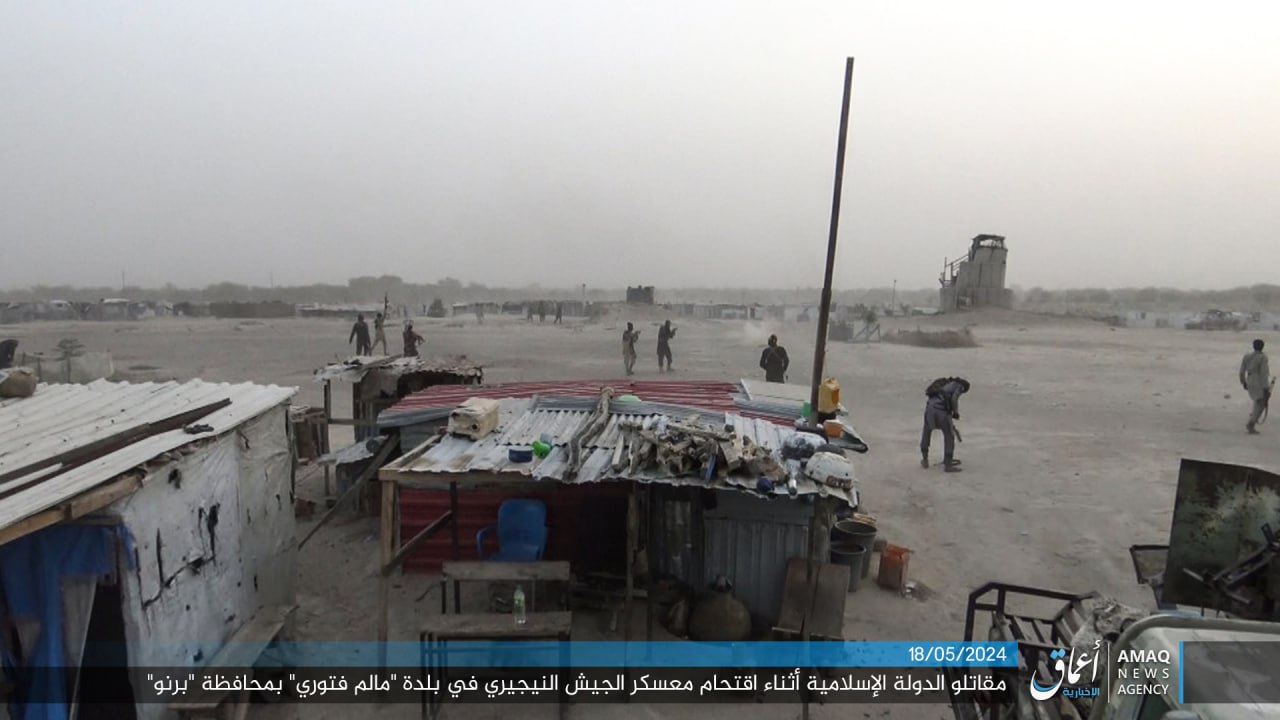
In this attack, ISIS terrorists destroyed three armored vehicles and four other military vehicles and disabled several other vehicles. These elements also set fire to most parts of the base before leaving.
It should be noted that in recent days, ISIS-WA elements have tried to get out of the pressure of the Nigerian army and its allies in the Brno region by carrying out a series of attacks; And it seems that they have succeeded to some extent and changed from a defensive situation to an offensive one.
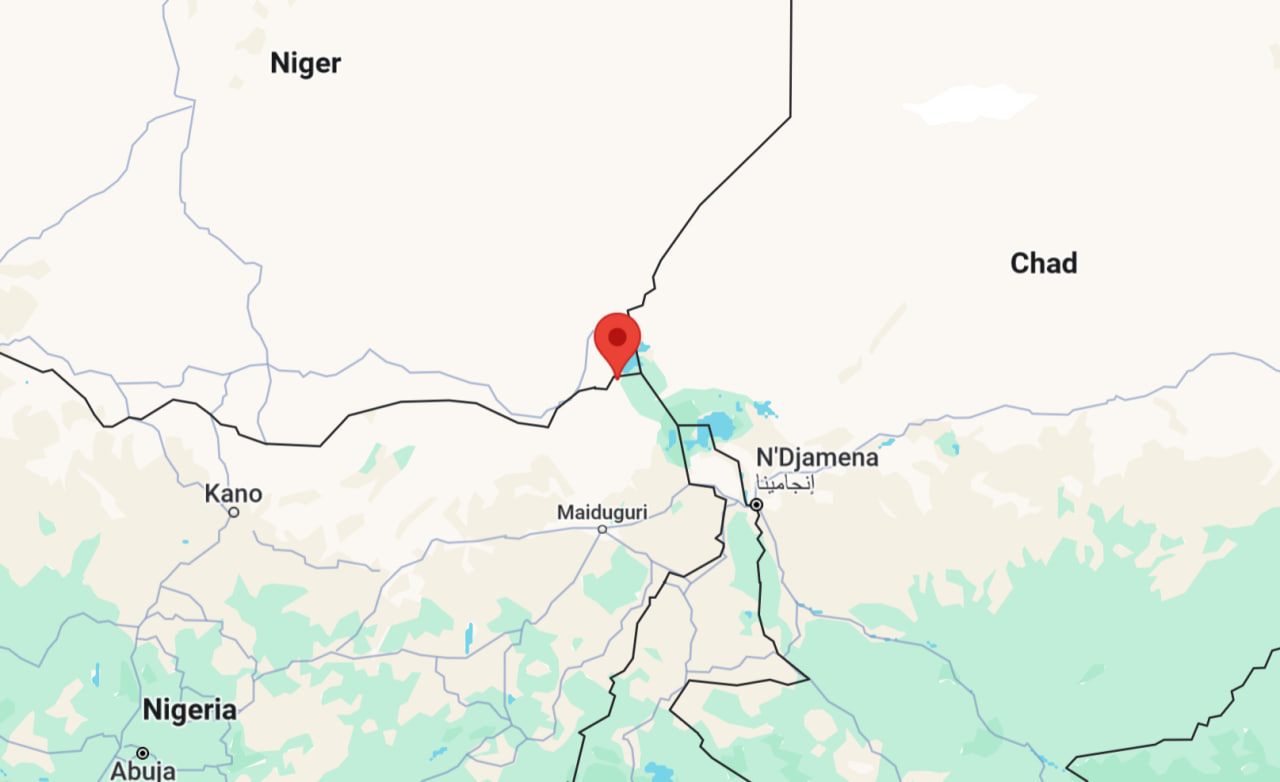
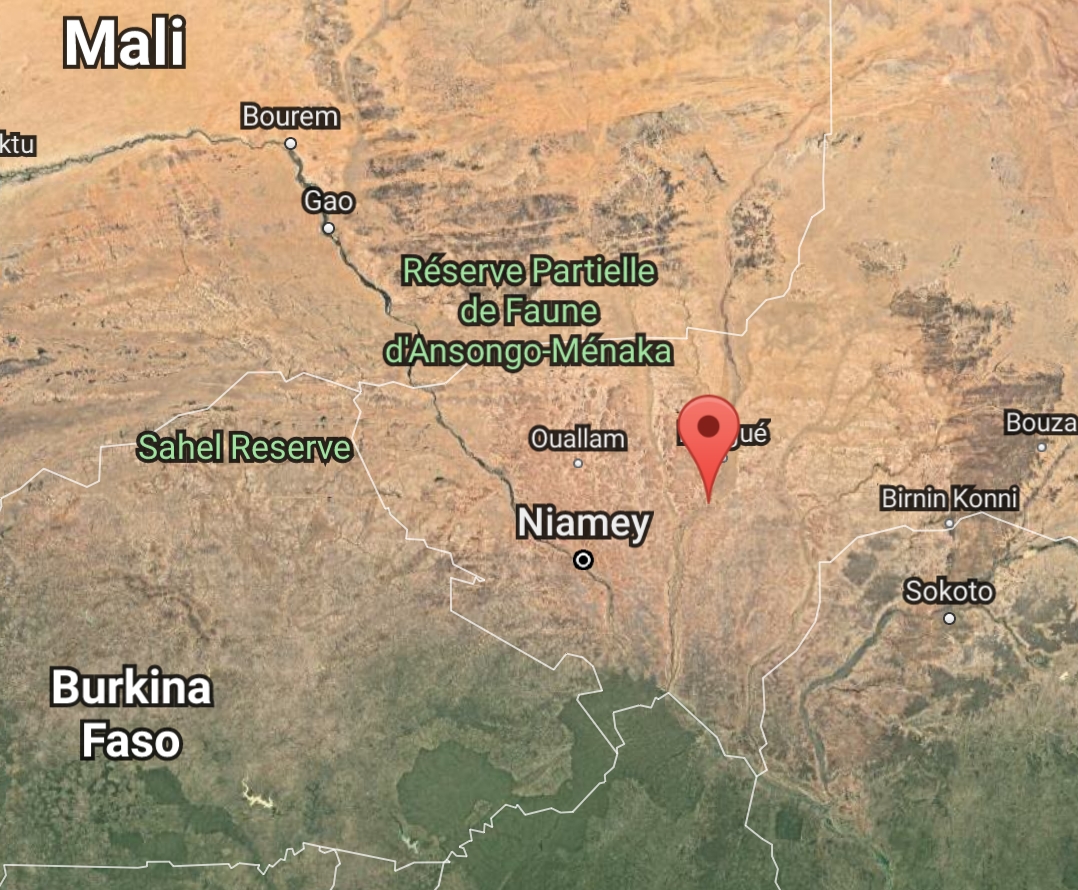
ISIS-WA terrorists attacked the Nigerian army base in “Malam Fatori” town in Borno state
Emmanuel Macron had issued the order for the withdrawal of French troops from the African country in early October in response to the military takeover in Niger and the ousting of Mohamed Bazoum, the deposed president of the African country, and a decree by the National Council for the Safeguard of the Homeland of Niger for the withdrawal of French troops from the country.
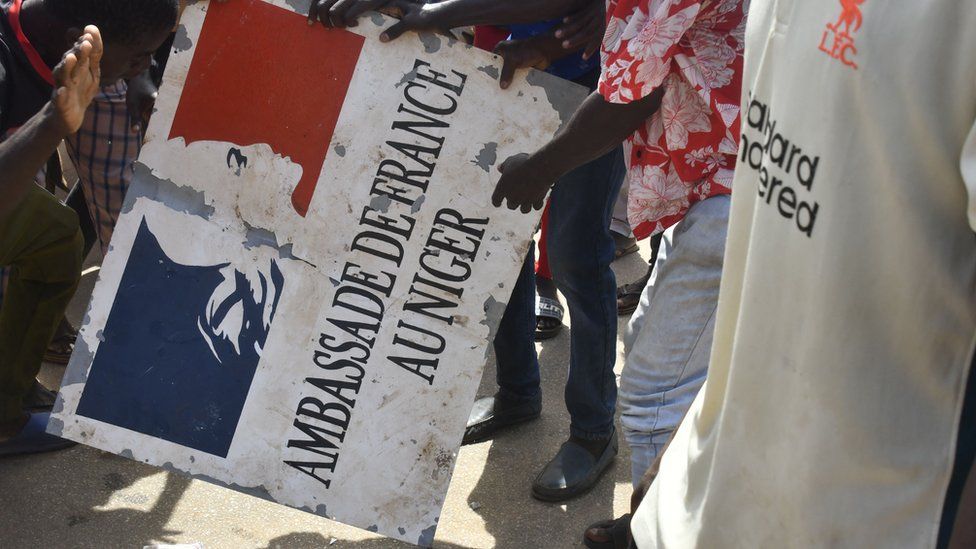
The military council of Niger considered the complete withdrawal of French soldiers from the African country as the beginning of a new era for the people of Niger and emphasized that the security of Niger will no longer be dependent on foreign military presence. Concurrent with this withdrawal, the French embassy in Niger’s capital city Niamey will also be closed for an indefinite period.
Tensions between the National Council for the Safeguard of the Homeland of Niger and the French government arose after France condemned the military takeover in Niger and called for the return of Mohamed Bazoum to power. The military authorities in Niger subsequently suspended military agreements with France and demanded the pullout of 1,500 French soldiers from their country.
Macron issued the order to return French Ambassador to Niger Sylvain Itté from capital Niamey and also evacuate France’s military bases in Niger by the end of 2023. The order has been issued as a consequence of a military coup in Niger and the disregard of the coup leaders for the repeated requests to restore power to the ousted president, Mohamed Bazoum.
Macron said in his statements on the issue that Niger no longer has an interest in fighting terrorism! Therefore, I announce the end of military operations in this country.
Concurrent with this political decision, the Niger Airlines also banned the flight of French aircraft over the airspace of this African country since Sunday (September 24), following an order by the National Council for the Safeguard of the Homeland of Niger.
Prior to the decision to withdraw from Niger, France had announced in response to the anti-French actions of the National Council for the Safeguard of the Homeland of Niger that it did not recognize this council and would not comply with their request to withdraw its ambassador from the capital city of Niamey.
Niger, after Mali and Burkina Faso, is the third country in Africa to demand the withdrawal of French troops from its territory.
France, under the pretext of fighting terrorism, has built various military bases in the countries of the West African coast in the past decade and Paris has gained the privilege of oil resources and mines of these nations.
Many experts are of the opinion that the recent events in the West Africa region are the beginning of a new anti-colonial era and that more African countries will join this trend in the future.
The situation has given the National Council for the Safeguard of the Homeland (CNSP), which is the ruling military junta of Niger, as well as leaders of Burkina Faso and Mali, who have referred to the decisions of ECOWAS member states as bluff and Westerners’ dictates, an opportunity to ridicule the ECOWAS.
Despite the circumstances, some Western media reported on ECOWAS’ military preparations with the support of the United States and France; moreover, Niger’s military also mentioned a Western country’s involvement in inciting war against the African country in their own reports.
ECOWAS spokesperson Emos Lungu announced that the next meeting of the organization’s leaders will be held on Thursday (August 10) in Abuja, the capital of Nigeria.
It seems that until this meeting takes place, the ECOWAS delegation will once again travel to Niger’s capital city Niamey to negotiate with the CNSP leaders.
However, the CNSP has taken advantage of ECOWAS’ delay and appointed Ali Mahamane Lamine Zeine, an economist and former Minister of Finance, as Niger’s new Prime Minister. The council has also replaced the commander of the presidential guard, the inspector general of the Army, and the chief of staff to the president.
Negotiations between Jewish diplomat and Under Secretary of State for Political Affairs of the United States Victoria Nuland and Niger’s ruling military junta have also been unsuccessful, and in response to this failure, the US government has suspended its financial aid to Niger.
The CNSP has also issued a statement addressing the United States as saying that we don’t want your money; Use it to fund Victoria Nuland’s weight loss program.
Concurrent with the foreign threats against Niger’s ruling junta, senior military officials in the country requested assistance from the Wagner Group, a Russian state-funded private military company (PMC).
Algeria and Chad, who are Niger’s northern and eastern neighboring countries, have also announced that they do not agree with the military option against Niger and will try to find a political solution to the crisis.
The lack of support from Algeria and Chad weakens the military option against Niger and turns the northern borders of Nigeria and Benin into the only route open for ECOWAS to take military action against Niger.
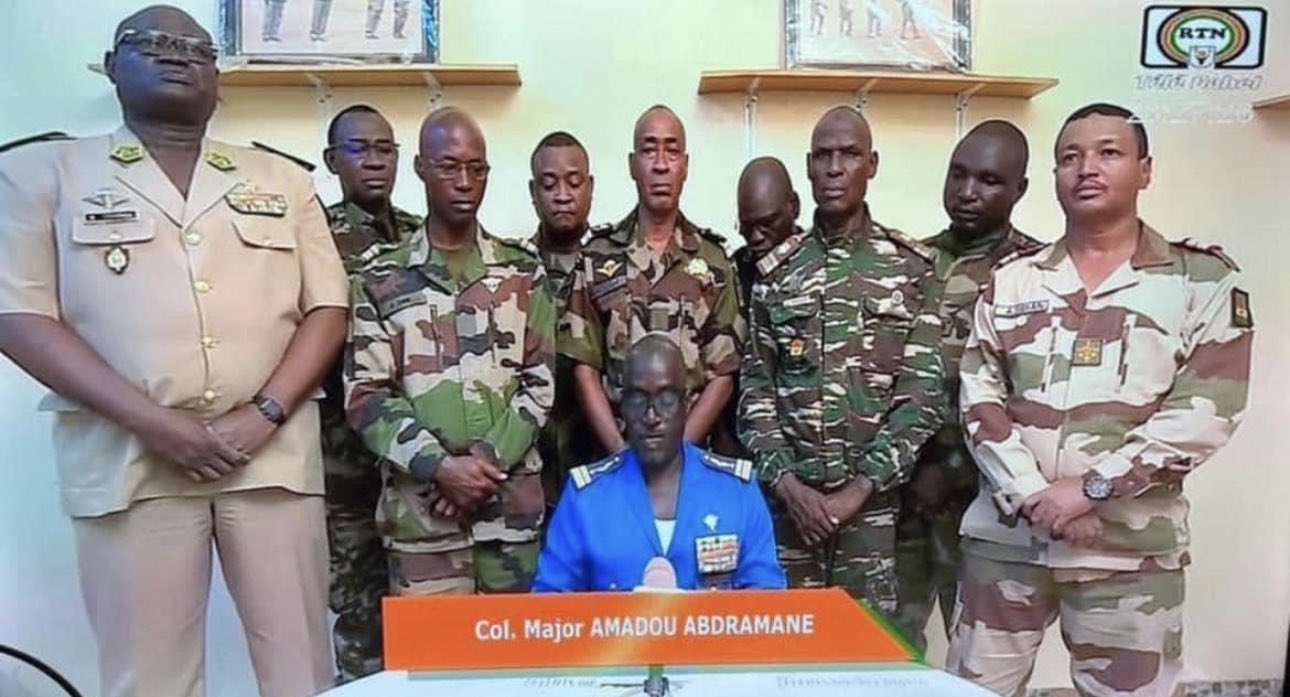
On July 26, the presidential guard of Niger arrested President Mohamed Bazoum along with his family at the Presidential Palace in capital Niamey under the command of General Omar Tchiani. At the same time, another group of Niger’s military personnel led by Colonel Amadou Abdul Rahman announced the coup through a live TV program, when they officially declared the removal of President Bazoum.
Colonel Abdul Rahman also said in this statement that security and defense forces had been forced to carry out a coup due to the severity of the security circumstances as well as bad governance. The colonel asked foreign countries to refrain from any interference in Niger’s internal affairs.
Abdul Rahman also announced that government institutions were suspended, all borders of Niger were closed, and a military government was set up throughout the country. The Nigerien armed forces issued a statement signed by General Issa Abdou Sidikou, Chief of Staff of the Niger Army, expressing their support for the coup in order to prevent bloodshed and protect the lives of the President and his family as well as the security of the people of the country.
One day after the coup was announced in Niger, President Mohamed Bazoum swore in a message posted on social media to protect democratic achievements. His Foreign Minister, Hassoumi Massaoudou, also asked his supporters and democratic forces to stand up against the coup plotters.
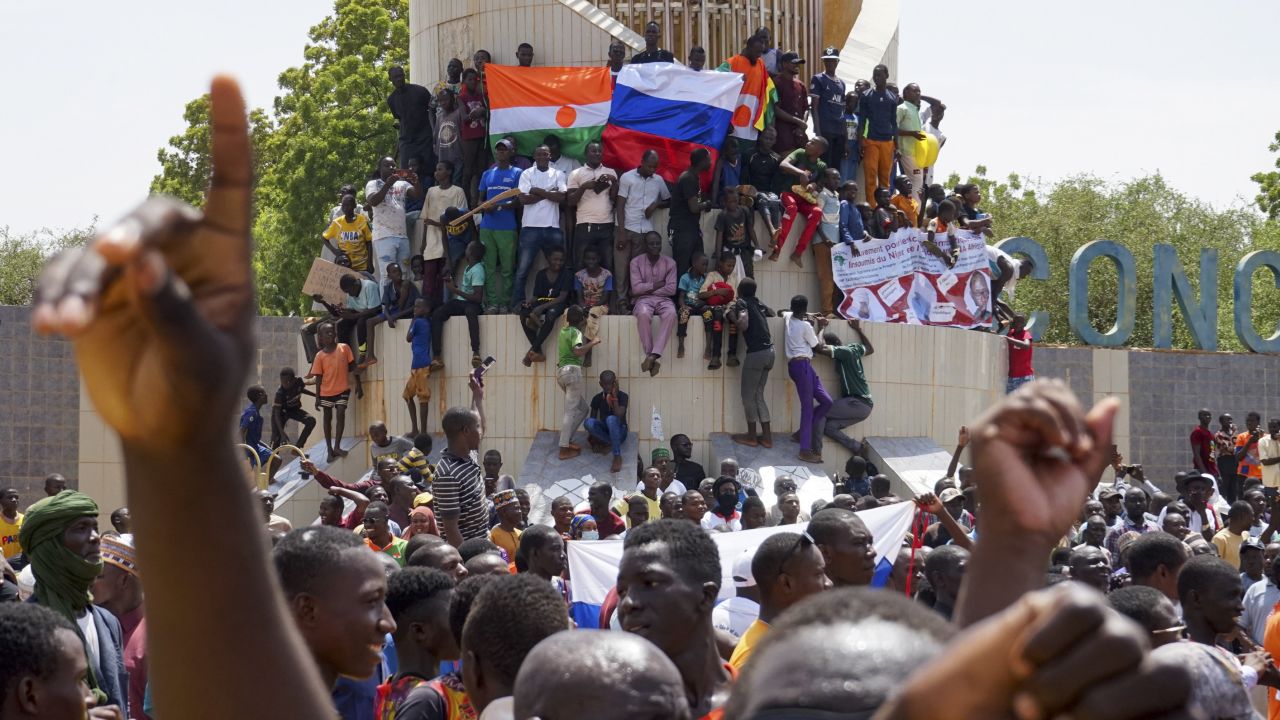
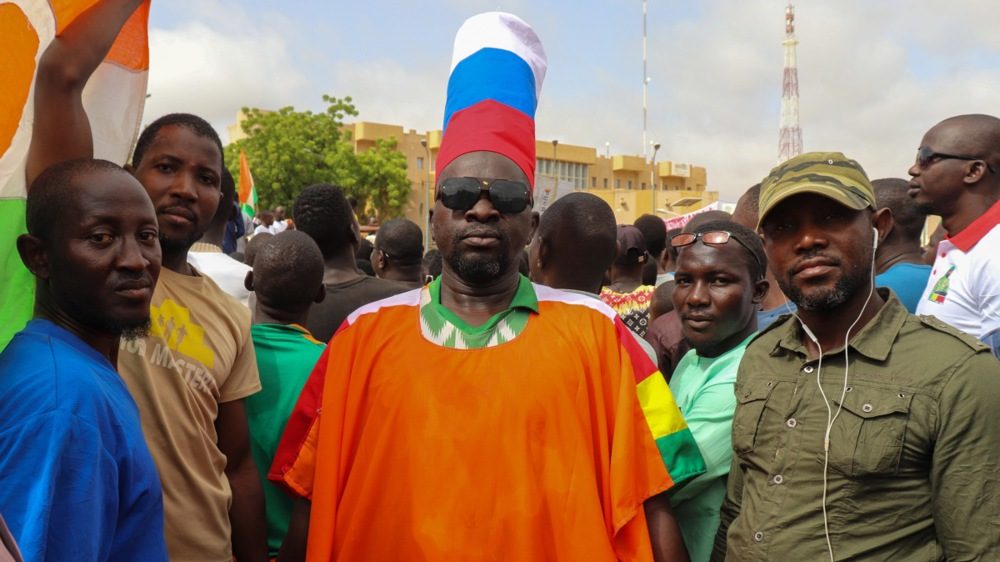
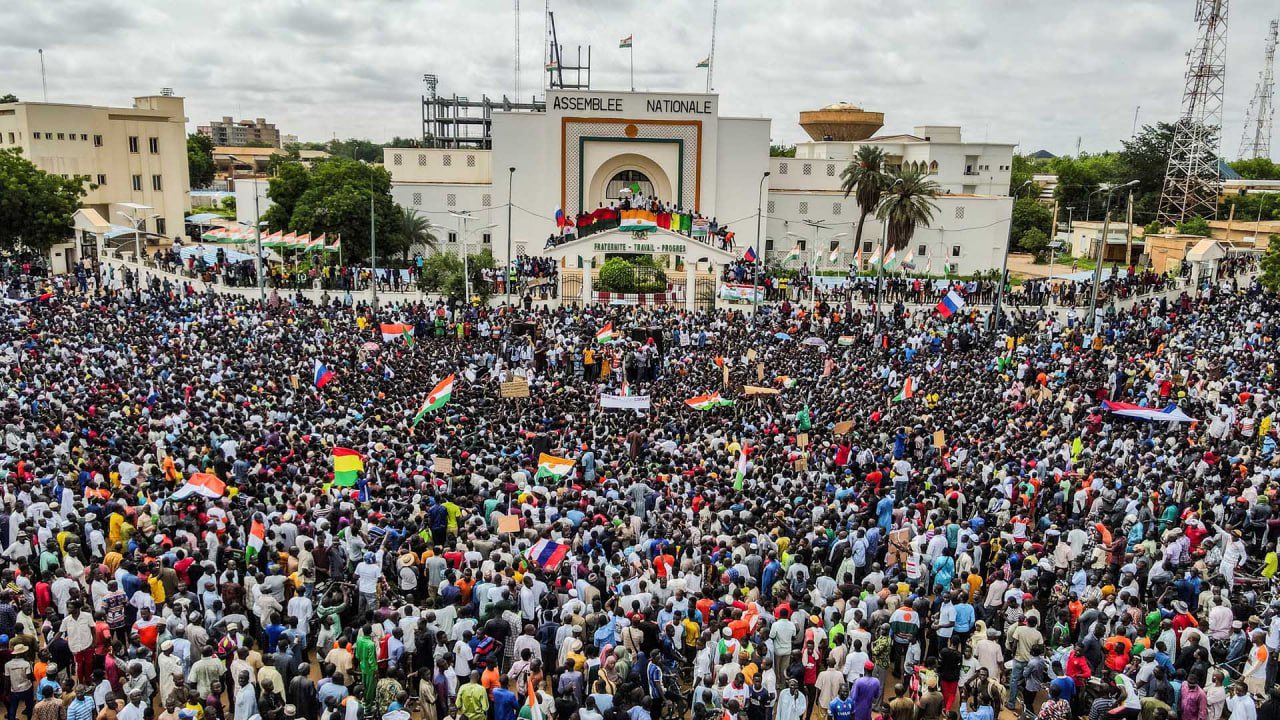
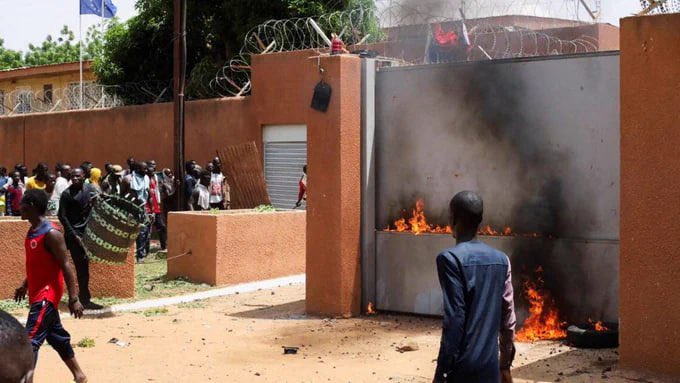
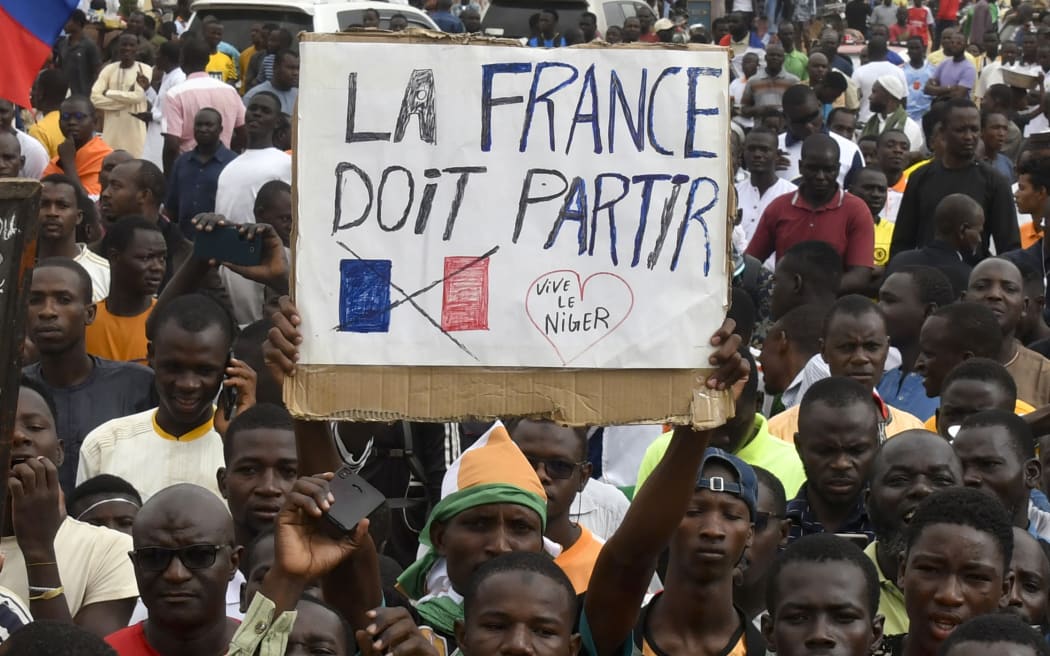
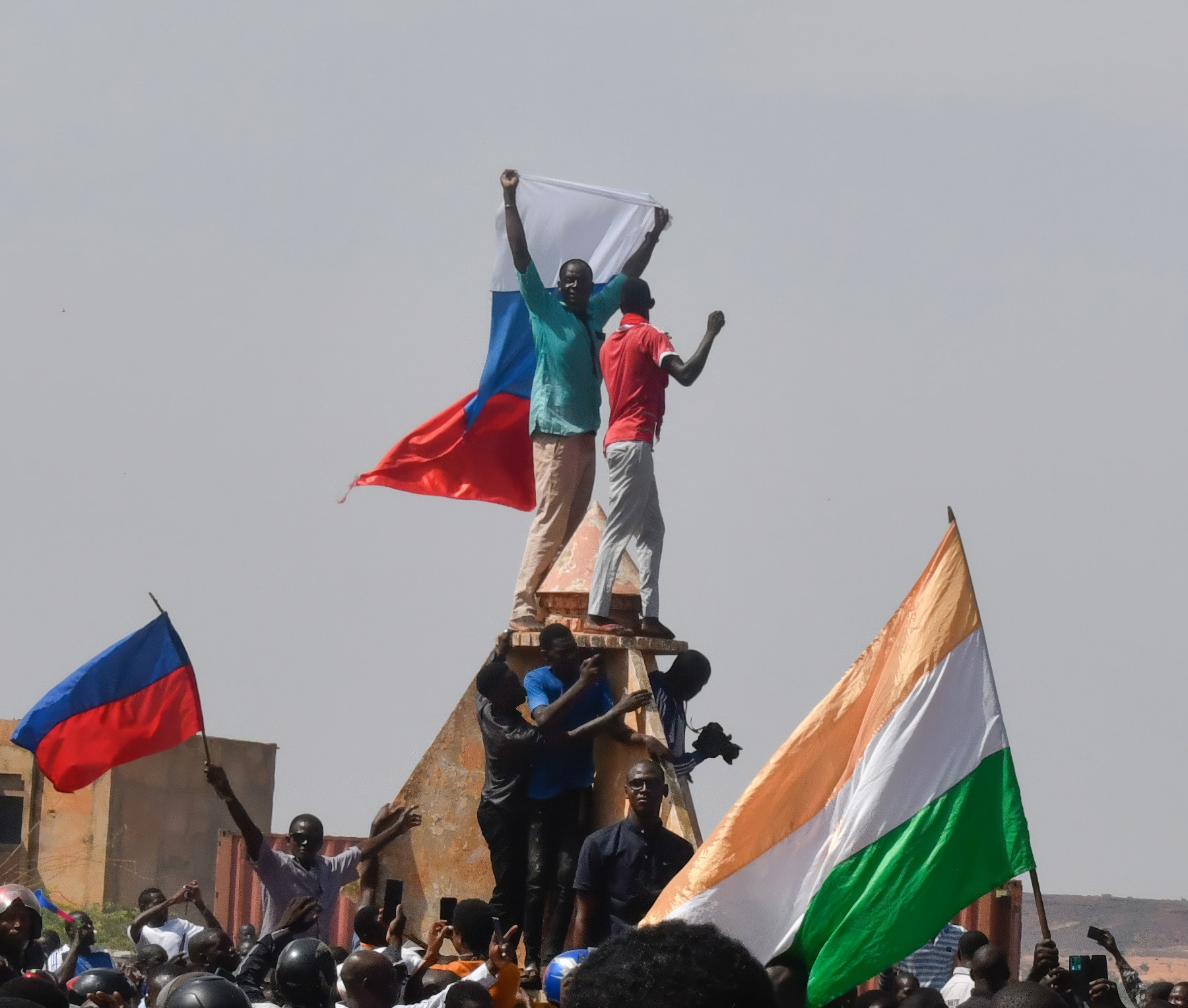
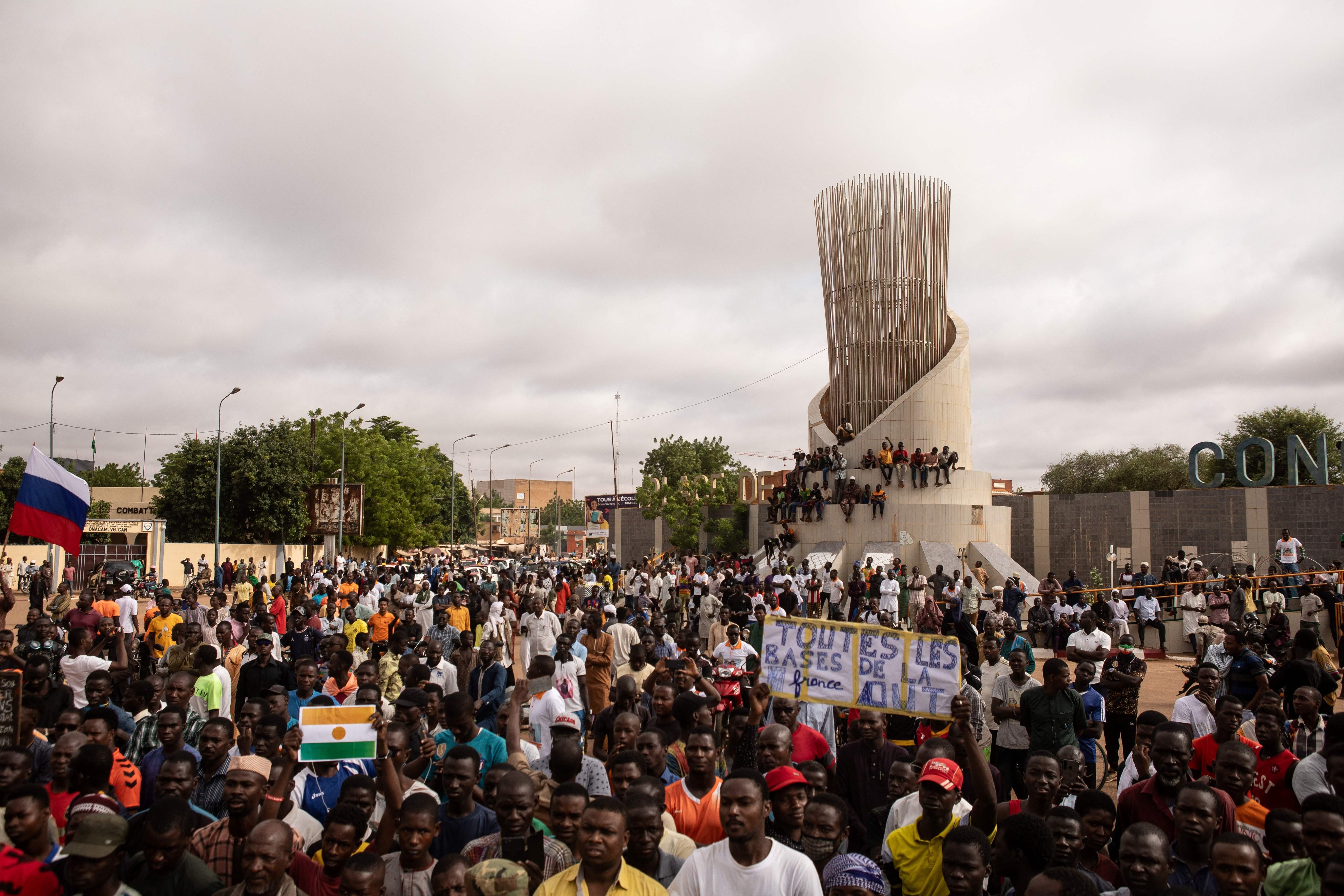
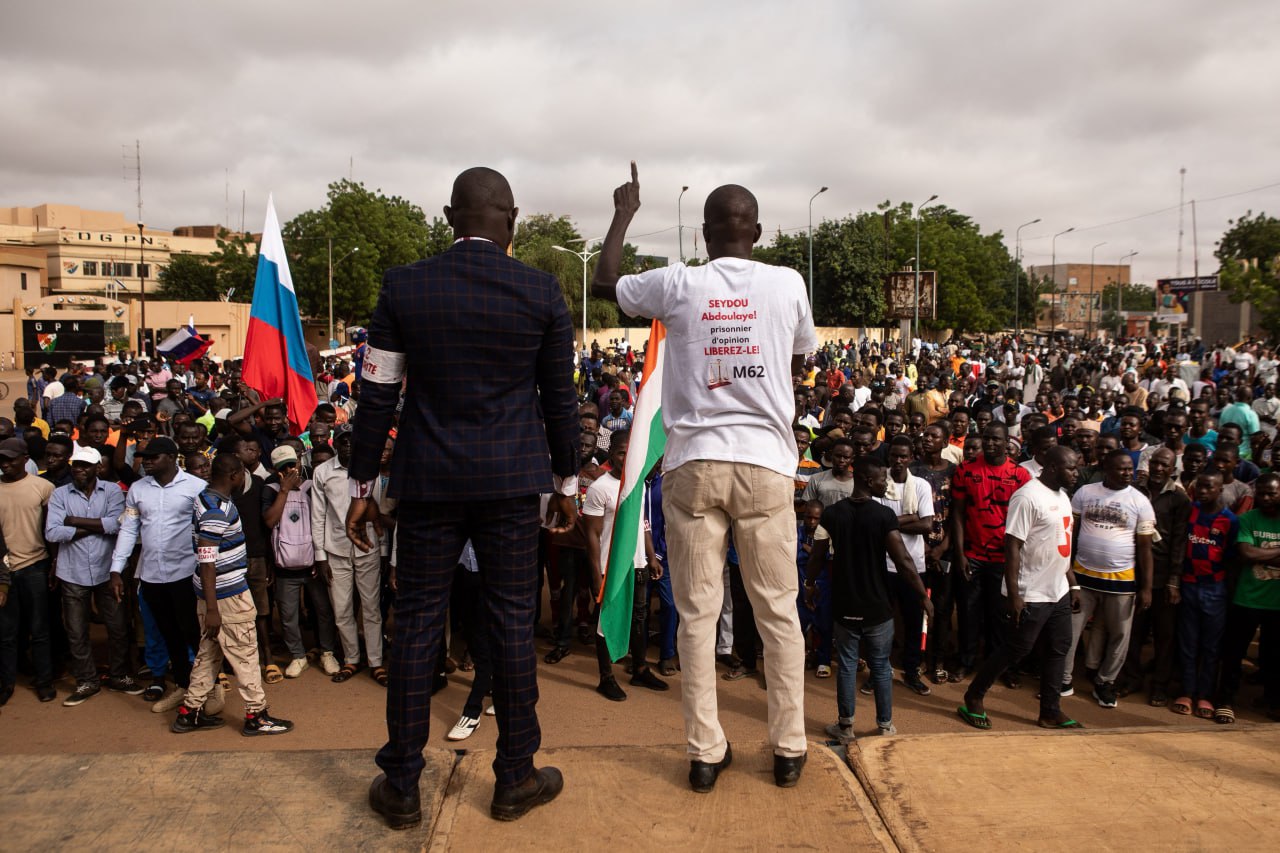
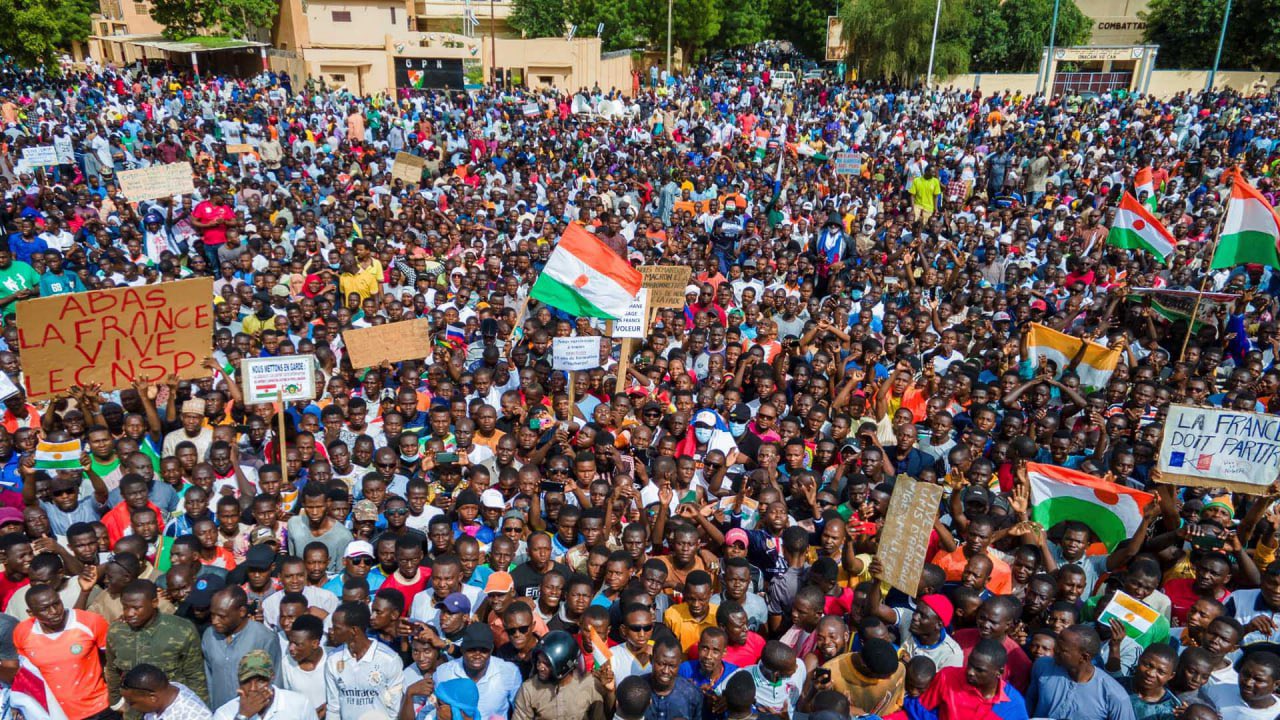
The resistance of Bazoum and his government has led his supporters to launch protests in front of the Presidential Palace and demand the release of the President as well as an end to the coup. Niger’s military supporters also gathered in front of the National Assembly with the Russian flag in their hands and they chanted anti-French slogans. They also set fire to the headquarters of Niger’s Party for Democracy and Socialism (the ruling party) in Niamey, which was confronted by the police of the African country.
Coup d’état and the gathering of the people of Niger in the main squares of Niamey
The military, in their next step, formed the National Council for the Safeguard of the Homeland on July 28 and appointed General Omar Chiani, the commander of the Presidential Guard, as the leader of the council.
French President Emmanuel Macron described the coup in Niger as illegitimate and announced France’s readiness to work with regional organizations to sanction the coup leaders. European countries and the United States also expressed their support for President Bazoum and called for his release. The African Union issued a 15-day ultimatum to the National Council for the Safeguard of the Homeland to restore the previous government to power.
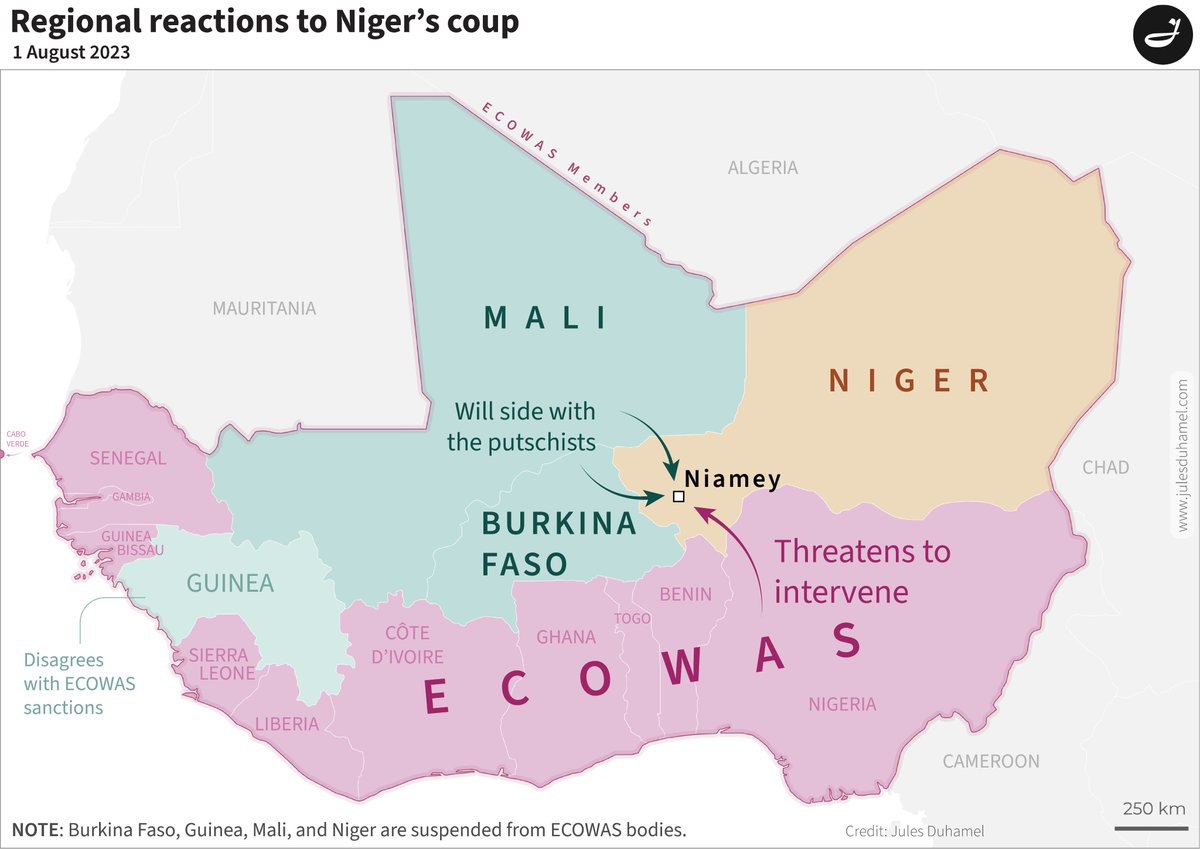
The military forces of Niger considered this ultimatum a declaration of war against Niger and declared their readiness to defend the African country. Along with the African Union, the Economic Community of West African States (ECOWAS) has strongly reacted to the coup in Niger and issued a joint statement on July 30 with the aim of suspending trade and financial transactions with Niger and imposing sanctions on the coup leaders. The 15-member group of ECOWAS has given one week for the release of President Bazoum as well as the restoration of the presidency, threatening to take all necessary measures, including military action, if the demands are not met. The latest news indicates that ECOWAS has approved an attack on Niger, and military invasion will kick off soon.
The position of the countries in favor (Mali and Burkina Faso) and against (ECOWAS members) of the coup in Niger
Along with the intensification of foreign threats against the military forces of Niger, two countries of Burkina Faso and Mali, in a joint statement on July 31, considered any foreign military intervention in Niger as a declaration of war against these two countries as well. It should be mentioned that the governments of these two neighboring countries were also dependent on France in the past and were under the influence of this European power, but they came out of French domination as a result of similar coups.
The Interim President of Guinea Mamady Doumbouya also announced that he would not participate in any action against Niger in a similar position to Mali and Burkina Faso. Algeria also opposed any foreign military intervention in Niger.
However, the most interesting position by the foreign states was the reactions from the Russian government and head of the private military company Wagner Yevgeny Prigozhin. The Russian Foreign Ministry called the interference in Niger’s affairs unfounded and described Russia’s position as the need for normalizing the situation and getting on the path of law. In contrast to this position, Prigozhin introduced himself as responsible for the coup in Niger on a Telegram channel attributed to the official channel of the Wagner group, and he called this action an attempt by the people of Niger to gain independence from colonialism.
In general, Niger is an important military and security partner of France in the West Africa region, and after the withdrawal of French troops from Mali, the Niamey base became the main French base in Africa. In addition, the CIA’s drone base is located in the northeastern part of the country. Niger has several high-quality uranium mines, and according to statistics, this African country, with a 5% share of global uranium production, is the seventh largest producer of this valuable material in the world, most of which is exported to France and Europe.
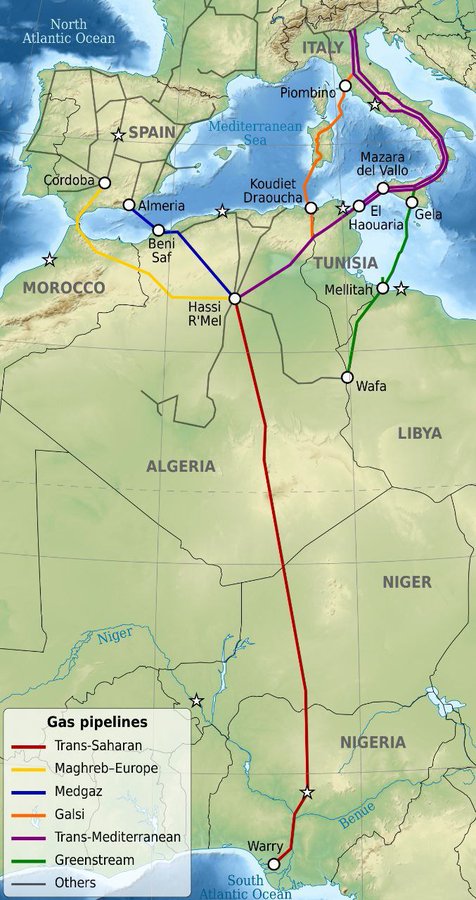
Moreover, part of the project to transfer Nigeria’s gas to Europe under the name of the Trans-Saharan Gas Pipeline (TSGP) passes through the neighboring country. The change of government in Niger with the support of the Wagner group or Russia will force the French to leave this African nation as the move was done in Mali and Burkina Faso in recent years. The military defeat of the Western powers in Afghanistan and the West Asia region, the war between Russia and Ukraine, economic problems, and son on have caused colonial powers to become passive against military and security movements such as recent coups in West Africa; so, they have no tools other than economic pressures and empty threats. In case of success of the Niger coup, we should expect the domino-like collapse of French plans in this region and their military withdrawal from Group of Five (G-5) nations.
According to local sources, the attack first began with rocket attacks on the base and then the armed conflict occured. The reason for the high death toll is the explosion of ammunition and fuel depots.
No group has claimed responsibility for the attack so far, but ISIS and Boko Haram gunmen are the main suspects of this terrorist attack.
Niger is one of the Muslim countries in Africa where the Shiite population has increased significantly in recent years.