Category: Azerbaijan

  • Emerging Actor in the Caucasus: The Republic of Azerbaijan

    Emerging Actor in the Caucasus: The Republic of Azerbaijan

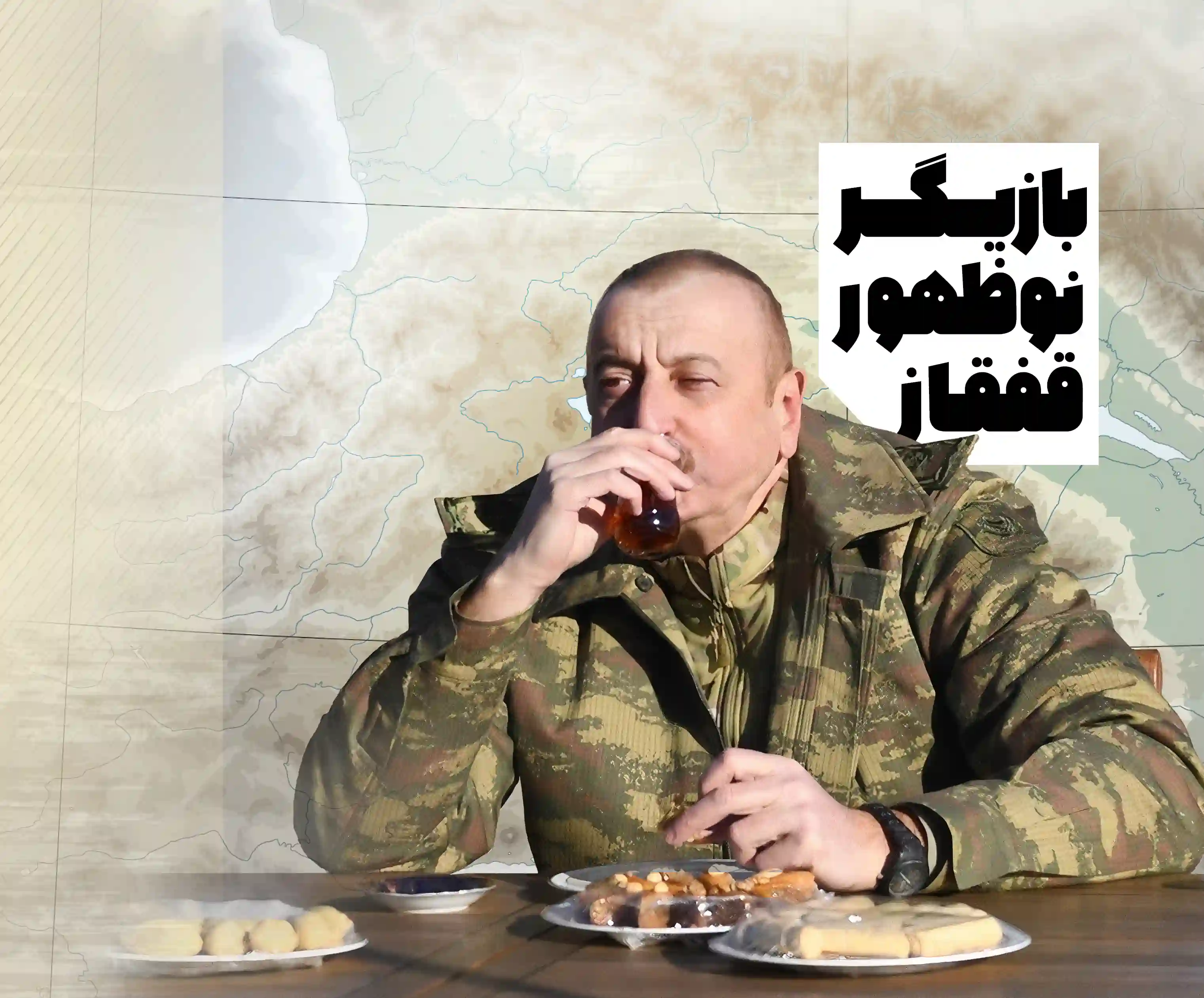
    Over the last two years, Azerbaijan has adopted a new model of hybrid security diplomacy, blending an assertive foreign policy with large-scale arms procurement and military restructuring. This policy fits within a broader strategy to boost deterrence capacity and elevate Baku’s geopolitical standing in the security landscape of the South Caucasus and its surroundings. Key elements of this strategy include the expansion of layered air defense systems, enhancement of artillery and armored capabilities, development of drone infrastructure with reconnaissance and precision-strike capabilities, and deepening of training and cyber cooperation with NATO and its key partners such as Turkey, Pakistan, and several European countries.

    This trajectory reflects Azerbaijan’s effort to transition from a posture of territorial isolation to one of active regional security engagement. It not only redefines the balance of power in the South Caucasus but also raises the geopolitical cost of conflict and narrows the strategic options of neighboring actors—particularly Iran, Armenia, and Russia.

    Key Developments: Azerbaijan’s Expanding Military Strategy

    The purchase of 48 self-propelled Nora B-52NG howitzers from Serbia marks a significant step in Azerbaijan’s effort to restructure its heavy artillery, aimed at enhancing operational mobility and deep-strike capabilities. In parallel, the acquisition of advanced Barak-MX air defense systems from Israeli military industries reflects Baku’s ambition to establish a multi-layered protective shield and reduce vulnerability to missile and drone threats. In the air force domain, the procurement of fighter jets and attack drones—especially from Turkey and Pakistan—signals a shift toward a network-centric warfare doctrine, emphasizing technological superiority over manpower.

    Simultaneously, Azerbaijan has redefined its training, management, and doctrinal capacities through integration with Western security structures, particularly via NATO’s defense institution development programs. This process has been accompanied by growing cyber and technical cooperation with European and regional partners, gradually aligning Azerbaijan’s defense institutions with NATO standards. Beyond its technical and military dimensions, this trend sends a clear political message: strengthening security ties with the Western bloc, counterbalancing pressure from Russia and Iran, and positioning Azerbaijan as an active player in the emerging security architecture of the South Caucasus.

    Air Defense

    The acquisition of Barak-MX systems and the overhaul of various defense layers—including Pantsir-S1, S-300PMU2, upgraded Soviet-era 9K33 OSA systems, Iron Dome batteries, and armored vehicles equipped with SPIKE NLOS missiles—demonstrates Azerbaijan’s pursuit of a comprehensive air defense network. This evolution has made Azerbaijan one of the few post-Soviet states capable of integrating Russian, Israeli, and Turkish technologies into a unified defense structure.

    In the realm of drones and smart weaponry, the deployment of Akinci attack drones and the expansion of data-driven training infrastructure have boosted Azerbaijan’s capacity for precision strikes, rapid reconnaissance, and network-based combat. The country also operates at least 600 MLRS units, including 100 guided systems with capabilities surpassing HIMARS.

    Air Force and Fighter Jets

    Azerbaijan’s growing partnership with Pakistan for the acquisition and training of JF-17 Thunder fighter jets lays the groundwork for a homegrown air force and mutual deterrence against regional threats. This collaboration reflects a strategic convergence among Islamabad, Ankara, and Baku, potentially leading to the formation of a new military bloc in Eurasia.

    At the same time, multi-billion-dollar defense allocations—especially between 2024 and 2026—highlight a shift toward militarizing the national economy and prioritizing hard security over traditional diplomacy. This trajectory is confirmed by official Azerbaijani data indicating a 15–20% annual increase in defense spending and major arms deals with partners such as Israel and Turkey.

    Regional Implications: Azerbaijan’s Expanding Military Posture and Strategic Diplomacy

    Azerbaijan’s growing drone and missile capabilities are reshaping the security landscape of the South Caucasus, with direct consequences for neighboring powers. For Iran, the increased range and precision of Azerbaijani systems enhance surveillance and intelligence-gathering along its borders, intensifying strategic pressure on Tehran. Armenia faces a widening military imbalance, raising the risk of renewed conflict—especially as Yerevan continues rebuilding its armed forces after the 2020 war. For Russia, Baku’s deepening ties with NATO and Israel challenge Moscow’s traditional sphere of influence in the region and may lead to a redrawing of military alignments across the Caucasus.

    Geopolitical Dimension and Military Diplomacy

    Azerbaijan has built a multilayered security network by leveraging strategic partnerships with Turkey and Pakistan, and through extensive intelligence and technological cooperation with Israel. This framework allows Baku to balance competing Eastern and Western blocs. Active participation in NATO programs such as DEEP and cybersecurity initiatives with European countries has reduced Azerbaijan’s historical dependence on Russia and positioned it as NATO’s southern gateway in the Caucasus.

    This dual-track policy—military modernization paired with diplomatic outreach—has elevated Azerbaijan’s geostrategic value in broader energy and security calculations. Recent developments underscore this shift:

    • Slovak Chief of Staff General Daniel Zmeko visited Baku, touring the cyber defense center and air force command, where AI systems for military infrastructure protection were showcased.
    • A trilateral defense summit between Azerbaijan, Georgia, and Turkey focused on securing regional transport corridors and conducting joint military exercises.
    • Initial defense talks with Bosnia and Herzegovina for 2026 included training exchanges and strategic cooperation.
    • Azerbaijan shared drone warfare expertise with Georgia and hosted cybersecurity and IT infrastructure meetings centered on AI and joint communication networks.

    These moves reflect Azerbaijan’s commitment to integrating active diplomacy, technological collaboration, and enhanced military and cyber capabilities to secure its role in the emerging regional security architecture.

    In essence, Azerbaijan’s defense transformation is not just about deterrence—it’s part of a broader strategy to become a multidimensional actor capable of balancing between global security blocs and leveraging its geography as a geostrategic asset in regional power competition.

    Emerging Scenarios: Azerbaijan’s Military and Diplomatic Trajectory in the South Caucasus

    Azerbaijan’s evolving military and diplomatic posture presents a range of potential scenarios, each with complex implications for regional security, power dynamics, and deterrence mechanisms in the South Caucasus and its surroundings.

    1. Regional Arms Race Intensification
    Continued expansion of Baku’s arms acquisitions raises the likelihood of a regional arms race. Neighboring countries—including Armenia, Georgia, and even Iran—may feel compelled to rapidly upgrade their defense capabilities, leading to the accumulation of advanced weaponry in an already tense and confined strategic environment.

    2. Rising Risk of Limited or Miscalculated Clashes
    The growing reliance on combat drones, precision-guided missiles, and layered air defense systems increases the temptation for preemptive action. In the event of miscommunication or flawed threat assessments, these capabilities could accelerate the escalation of localized conflicts into broader crises.

    3. Escalation in Cyber and Intelligence Warfare
    The integration of surveillance technologies and electronic warfare into Azerbaijan’s military doctrine, coupled with technical cooperation with NATO and Israel, intensifies competition in the cyber domain. This could pose new threats to the critical infrastructure and information networks of neighboring states.

    Taken together, these scenarios reflect Baku’s ambition to become a decisive military actor in the South Caucasus. However, in the absence of sustained security dialogue, the region risks entering a cycle of arms buildup, psychological pressure, and hybrid operations. Managing this trajectory will require a proactive, multilateral approach grounded in strategic foresight.
  • Yankees in Caucasus: Assessing the Security and Geopolitical Implications of U.S. Involvement in the Zangezur Corridor Project

    Yankees in Caucasus: Assessing the Security and Geopolitical Implications of U.S. Involvement in the Zangezur Corridor Project

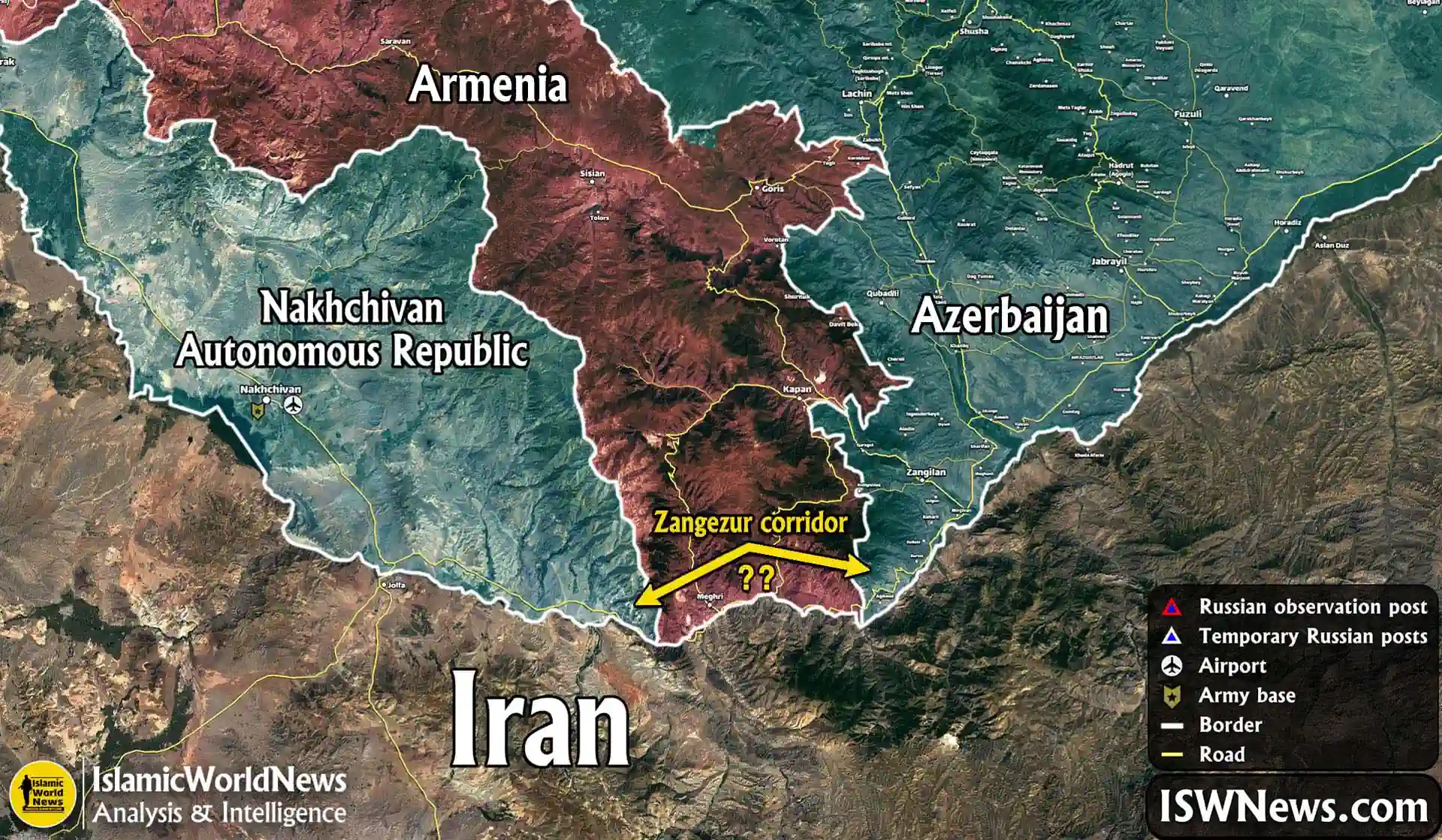
    In recent years—particularly following the Second Karabakh War, which ended with Azerbaijan’s victory over Armenia—the creation of the Zangezur Corridor through Armenia’s Syunik Province has sparked a new geopolitical contest in this vital region. Azerbaijan, capitalizing on its military strength and support from Turkey and Israel, is pursuing ambitious geo-economic goals that have met with strong opposition from Iran and Russia. The signing of a peace agreement in Washington, brokered by Donald Trump, which facilitated U.S. involvement in the project, has added another layer of complexity to the issue.

    According to the Washington agreement, the corridor has been renamed the “Trump Road for Peace and Prosperity” (TRIPP) and leased to an American company for a 99-year term.

    A closer look at the project’s objectives and the recent alignment between Baku and Ankara with the West reveals that the Zangezur/Trump Corridor is part of the broader contest over a new multipolar world order. While Azerbaijani officials emphasize its economic and transit benefits—claiming it could even benefit Iran or Armenia—the underlying Western strategy aims to forge a “Turkic-NATO” alliance to contain the China-Russia-Iran axis.

    The opaque nature of the American company

    Although much has been written about the corridor’s economic and logistical implications, its security and political dimensions remain underexplored. As noted, the U.S. involvement goes beyond commercial interests and could influence both the construction and strategic outcomes of the corridor. Given the hegemonic and capitalist nature of Washington’s political system, its economic and security agendas are deeply intertwined. Separating these motives in the Zangezur project would be an oversimplification.

    Why the Middle Corridor matters to Washington

    The strategic importance of the Caucasus and the Middle Corridor has grown significantly for the U.S., especially after the war in Ukraine. The conflict has rendered the northern route of China’s Belt and Road Initiative unstable, and Washington opposes the development of the Iranian branch of the Middle Corridor. As a result, the preferred route connecting China to Europe now runs through Turkic-speaking countries—Kazakhstan, Azerbaijan, and Turkey.

    Expanding the Middle Corridor also supports other Western economic-security projects, such as the Trans-Caspian gas pipeline and the transfer of rare earth materials from Central Asia for defense industries. The overarching goal, led by the U.S., is to develop the “Turanic” corridor to exclude Russia and China from Eurasian trade while maintaining Western access to Central Asia.

    Washington is not content with merely supporting the corridor—it seeks to control it. The Zangezur segment has become a key component of this strategy. Trump’s involvement in the corridor serves three core security-economic objectives:

    1. Establishing a presence at Iran’s border to monitor its military and security movements
    2. Undermining Russia’s influence in its traditional sphere and leveraging the Caucasus in the Ukraine conflict
    3. Controlling the Middle Corridor to exert pressure on China.

    As observed, the security dimensions of the Zangezur Corridor project—particularly for Iran and Russia—are highly significant, which helps explain the strategic alignment between Moscow and Tehran on this issue. Without a doubt, the United States is likely to deploy its military and intelligence capabilities alongside engineering teams to support such a complex and multifaceted initiative, potentially reshaping the regional landscape.

    It’s important to recognize that the interplay between military dominance and financial control is not merely academic—it’s a matter of survival for the current global financial system centered around the United States. In this context, the deployment of U.S. forces near Iran and Armenia under the guise of the Zangezur Corridor can be interpreted as a de facto military outpost, reinforcing Washington’s strategic footprint in the region.

    Objectives and Motivations Behind U.S. Involvement in the Zangezur Corridor

    • Recent studies suggest that foreign military bases established through regional alliances can enhance U.S. economic development. In contrast, bases acquired through military occupation tend to harm the U.S. economy. For example, in models where bases are set up via occupation, hostility between the host government and the foreign military tenant is more likely. Therefore, the U.S. has opted for alliance-based deployment in the Zangezur Corridor project.

    • Another strategic motivation for U.S. presence in the corridor is the potential training of extremist forces near Iran’s northwestern borders. Russian officials have claimed that the U.S. military base in al-Tanf, Syria, has been converted into a “terrorist training center.” Sergey Naryshkin, head of Russia’s Foreign Intelligence Service, stated that American forces trained 500 ISIS members and other extremists—primarily migrants from the Caucasus and Central Asia—for operations against Russian troops in Syria. If the U.S. applies a similar model near Iran or in the Caucasus, it could pose serious security risks for both Iran and Russia, especially given the increasing use of drones by extremist groups.

    • Central Asia’s strategic value is rising due to its energy reserves and rare minerals. To secure access to these resources and ensure energy and military security, the West needs a foothold in the region. Russia, China, and Iran currently hold significant influence there, and expanding Western presence would weaken this axis. In the event of regional tensions, the U.S. could use the Zangezur Corridor and its associated military infrastructure as a logistical base.

    Former Iranian ambassador to Baku, Seyed Abbas Mousavi, commented on the nature of the American company involved in the corridor: “A transregional country is entering our region through a private company. We don’t know the true nature of these companies. It’s possible that later, under the pretext of supporting them, the U.S. will deploy military forces to the region, which could be dangerous and certainly requires close cooperation among Iran, Russia, Armenia, Azerbaijan, and Turkey.” Recent developments suggest that the company involved is likely of a military-security nature, as evidenced by the lifting of U.S. sanctions on Azerbaijan’s military equipment sector. Supplying arms to Azerbaijan effectively amounts to indirect U.S. military presence near Iran’s borders.

    In summary, U.S. military involvement in the South Caucasus via the Zangezur Corridor offers strategic advantages for both Washington and NATO. It enables pressure on China, Russia, and Iran while boosting U.S. geopolitical and geo-economic influence in Central Asia and the South Caucasus. However, this approach contributes to the militarization of the region, contradicting stated goals of stability and potentially harming smaller regional states—especially Armenia and Azerbaijan.

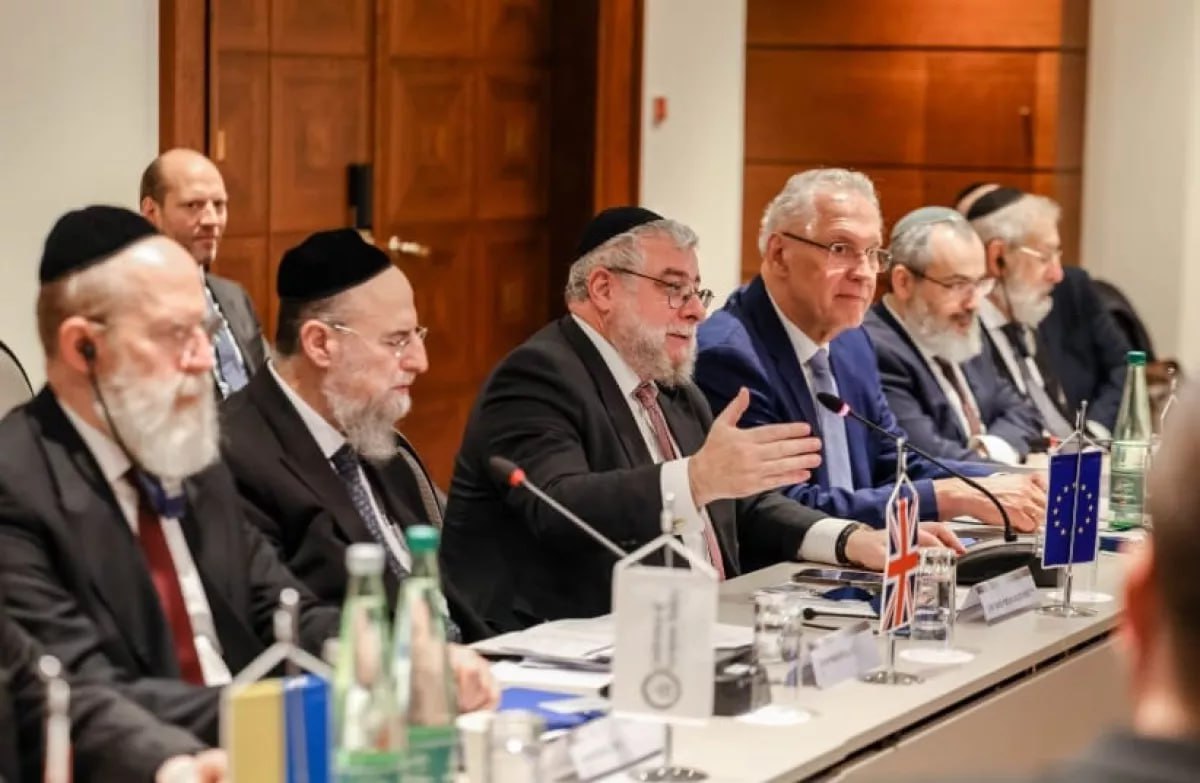
  • Annual European Rabbis Conference in Baku Canceled Over Security Concerns!

    Annual European Rabbis Conference in Baku Canceled Over Security Concerns!

    Organized at the invitation of the Azerbaijani government and backed by European Jewish organizations, this was set to be the first major gathering of European rabbis in a Muslim-majority country—predominantly Shiite. Notably, a previous Jewish conference planned in Baku was also canceled in 2023 following the Al-Aqsa Storm operation against Israel.

    The cancellation appears to stem from a combination of security, political, and social factors. It likely reflects regional political pressures, public backlash over Baku’s ties with Tel Aviv, and potential threats targeting Israeli-linked figures in the city.

    The abrupt decision to cancel the high-profile event, despite significant investment, signals the Aliyev government’s strategic calculation regarding the risks and regional implications involved.

  • Azerbaijan and Israel: Baku to Host European Rabbinical Conference

    Azerbaijan and Israel: Baku to Host European Rabbinical Conference

    Hundreds of European rabbis will gather in Baku to discuss Azerbaijan’s accession to the Abraham Accords. This conference is significant as it will be the first of its kind held in a Muslim country.

    Azerbaijani President Ilham Aliyev is also likely to attend the event. The previous session of the Jewish Conference was canceled due to the Operation Al-Aqsa Flood against Israel on October 7, 2023.

    Holding the first European Jewish Conference in Baku not only highlights the strong relations between Azerbaijan and Israel but also reflects ongoing efforts to enhance cooperation between the two sides. The Donald Trump administration had been advocating for Azerbaijan’s accession to this treaty for some time, considering Azerbaijan’s geopolitical position and strategic relations with Tel Aviv.

  • Azerbaijan and Syrian Transitional Government Establish Relations; Aid from Ilham Aliyev En Route to Damascus!

    Azerbaijan and Syrian Transitional Government Establish Relations; Aid from Ilham Aliyev En Route to Damascus!

    During the meeting, both sides agreed to begin a new chapter in long-term relations between Azerbaijan and Syria, focusing on friendship and cooperation. The Azerbaijani Foreign Ministry issued a statement: “Together with Turkey, this country stands by Syria at this important stage and will support the reconstruction process.”

    One key issue raised was the reopening of Azerbaijan’s embassy in Damascus after 12 years.

    A convoy of 10 trucks carrying 200 tons of food has departed from Baku, Azerbaijan’s capital, bound for Syria. The convoy will enter Idlib via Georgia and Turkey, with aid provided through the Turkish Disaster and Emergency Management Agency (AFAD).

    Turkey, a main supporter of Tahrir al-Sham and the Syrian interim government, maintains close relations with Baku in all matters. With Turkey’s active support, relations between Baku and Damascus are expected to increase significantly in various fields in the coming months.

    After the start of the Gaza war, tensions between Turkey and the Israeli regime escalated due to verbal disputes between Erdogan and Netanyahu. Baku, with its extensive economic, political, and military ties to both the Turkish government and the Israeli regime, can act as an effective mediator and facilitator between Ankara and Tel Aviv. Thus, one of Baku’s main reasons for seeking to reduce tensions in Syria is to promote cooperation and alignment between Israel and Turkey.

  • Azerbaijan’s Oil Continues To Be Shipped To Israel Through Turkiye

    Azerbaijan’s Oil Continues To Be Shipped To Israel Through Turkiye

    The Turkish government recently announced the severance of trade relations with the Israeli regime and the comprehensive trade embargo of this regime. Ankara has made the lifting of sanctions conditional on the cessation of attacks on the Gaza Strip and the unimpeded delivery of humanitarian aid into the besieged area, but reports show that Azerbaijan’s oil continues to be in the possession of the Tel Aviv regime through Turkiye.

    According to the announcement of Al-Araby Al-Jadeed (a London-based pan-Arab news outlet), Azerbaijan has close relations with Turkiye and the Israeli regime, and Ankara has not yet stopped the loading of Azerbaijani oil at the port of Ceyhan for delivery to the Israeli-occupied territories; Azerbaijan’s oil enters Turkiye through the Baku-Tbilisi-Ceyhan pipeline and from there is loaded onto tankers and transported to the port of Haifa in occupied Palestine.

    According to available information, most of the oil needed by the Israeli regime is supplied by Central Asian countries such as Azerbaijan and Kazakhstan, and this is all depended on passing through the route of Turkiye. The Israeli regime was at the top of the list of destinations for Azerbaijan-produced oil in January of the current year, with a shipment of 523,500 tons worth $297 million.

    According to statistics of May last year, the Israeli regime imported 220,000 barrels of oil per day, of which 60% is supplied by Kazakhstan and the Republic of Azerbaijan.

    In this regard, sources close to the Israeli regime stated that the main concern of Tel Aviv at the moment is that Turkiye may take further measures such as preventing the flights over this country or avoiding the dispatch of ships to the destination of the Israeli-occupied territories in the Bosporus and Dardanelles straits, which connect the Mediterranean Sea to the Black Sea.

    According to the Israeli officials, Tel Aviv’s only hope is that Turkish President Recep Tayyip Erdogan will refrain from taking such harsh and radical actions out of fear of the reaction of other countries that trade with the Israeli regime.

  • Armenia Returns 4 Occupied Villages To Azerbaijan

    Armenia Returns 4 Occupied Villages To Azerbaijan

    The eighth meeting of the state commission on the delimitation of the borders of the Republic of Azerbaijan and the Republic of Armenia was held on April 19 with the participation of Deputy Prime Minister of the Republic of Azerbaijan Shahin Mustafayev and Deputy Prime Minister of Armenia Mher Grigoryan.

    According to the agreements reached at this meeting, the four border villages of Baghanis Ayrum, Ashagi Askipara, Kheyrimli and Gizilhajili, which had been occupied by the Republic of Armenia since the early 1990s, were returned to the Republic of Azerbaijan.

    Also, as a result of the agreements reached at this meeting, the two countries agreed on the process of adjusting the border coordinates based on geodetic measurements.

    It should be noted that due to the remaining problems in the borders of the Soviet era in this region, some villages were located on the border between the two Soviet Socialist Republics of Azerbaijan and Armenia, and after the collapse of the Soviet Union and the independence of the Republic of Azerbaijan and the Republic of Armenia, this issue became a source of the constant tensions between the two countries.

    During the First Karabakh War and the invasion of parts of the region by Armenian forces, some of these villages also came under Armenian occupation. Now, after the liberation of the Karabakh region by the Republic of Azerbaijan, the situation of these villages and the borders of the two countries will be addressed and resolved by the border demarcation commissions.

    On the other hand, after this agreement, various groups of people in the Republic of Armenia took to the streets in the border areas, including Tavush, to protest against this issue by blocking roads. The protesters believe that Armenian Prime Minister Nikol Pashinyan is handing over Armenian territory to the Baku government.

    Four border villages of Baghanis Ayrum, Ashagi Askipara, Kheyrimli and Gizilhajili (yellow color) on the border of the Republic of Azerbaijan and Armenia – click to view in full size
  • France Summons Envoy From Azerbaijan Republic

    France Summons Envoy From Azerbaijan Republic

    The French Ministry of Foreign Affairs cited the continuation of unilateral actions by Azerbaijan in recent months, which have damaged the relationship between the two countries.

    On the other hand, the Azerbaijani government strongly reacted to this, declaring French actions as destructive. The spokesperson for the Azerbaijani Ministry of Foreign Affairs, Hikmat Hajiyev, stated that Azerbaijan has repeatedly informed France that speaking the language of threat and pressure will not yield any results, and once again declares that it will take all necessary actions to protect its national interests.

    France is considered an old ally of Armenia, and has acted as a mediator between Armenia and the Republic of Azerbaijan for the past 25 years. Tensions between the Republic of Azerbaijan and France have escalated since the start of the Second Nagorno-Karabakh War, and over the past three and a half years, the Azerbaijani government has repeatedly accused Paris of exacerbating the situation and unilaterally supporting Armenia.

    Azerbaijan’s concerns stem from France’s military assistance and political support for Armenia at international organizations. The government of Baku believes that France’s attempt to provide Armenia with armament is preparing the ground for a new war in the region. The escalation of tensions between the two countries has led to the expulsion of some of French and Azeri diplomats in recent months.

    Azerbaijan’s concerns about Armenia and France’s behavior come at a time when Baku itself receives about 70% of its weapons from the Israeli regime, and President Ilham Aliyev has repeatedly made territorial claims against Armenian soil in his speeches. It is also worth mentioning that in recent weeks, local media have reported suspicious military movements by the Azerbaijani army near the southern borders of Armenia and in the Zangezur corridor.

    France’s President Emmanuel Macron and other French officials have long expressed concerns about Aliyev’s territorial ambitions and claim that the Azerbaijani president will not stop at this point and has plans for Armenian soil.

  • Pakistan to Export War Planes To Azerbaijan Republic

    Pakistan to Export War Planes To Azerbaijan Republic

    According to Pakistani media outlets, the Azerbaijani military has purchased JF-17 Thunder fighter jets (JF-17C Block-III) from Pakistan, along with training services and procuring armaments, in a contract worth $1.6 billion.

    The Pakistan-Azerbaijan contract includes 18 JF-17 fighter jets, with an initial delivery of eight jets.

    This deal, considered the largest military industry export of Pakistan, also involves the provision of spare parts, training courses, and arms packages to the government of Baku.

    It’s worth noting that in previous years, the Pakistani military has also sold this type of fighter jets (Block 1 and 2) to the armies of Nigeria and Myanmar; so, Azerbaijan is the third customer of the JF-17 Thunder (Block 3) fighter jet.

    The JF-17 Thunder is a single-engine multirole fighter jet produced by the Pakistan Aeronautical Complex (PAC) and the Chengdu Aircraft Industry Group (CAIG) of China. While it is considered inferior to its American and Russian counterparts, it has gained popularity in some African and Asian countries due to its lower cost and easier accessibility.

  • Azerbaijan President Meets With Head Of Israeli Regime

    Azerbaijan President Meets With Head Of Israeli Regime

    According to diplomatic sources from Azerbaijan, the two sides discussed bilateral cooperation in various areas and emphasized the activities of their joint commissions. They also viewed the opening of the embassy of the Republic of Azerbaijan in Israeli-occupied territories as a motivation for the development of bilateral economic relations.

    This meeting occurred simultaneously with increased tensions on the border between Azerbaijan and Armenia, resulting in the killing of one Azerbaijani soldier and four Armenian troops.

    Armenian Prime Minister Nikol Pashinyan alleged that Azerbaijan is seeking to create full-scale military tension and war against Armenia through military actions in certain border areas.

    It’s worth mentioning that the opening of the embassy of the Republic of Azerbaijan in Israeli-occupied territories was carried out following parliamentary approval and Ilham Aliyev’s endorsement on November 18, 2022.

    Mehriban Mammadova, deputy foreign minister of Azerbaijan, was appointed as the Ambassador of the Republic of Azerbaijan to the Israeli regime.

    The relations between the government of Aliyev and the Israeli regime have expanded in recent years in various fields, including economic, security, and military sectors, to the extent that 17% of Israeli military exports go to Azerbaijan, and 40% of Azerbaijan’s oil exports go to the Israeli-occupied land.

  • Armenia-Azerbaijan Peace Process Talks In Tehran After 31 Years!

    Armenia-Azerbaijan Peace Process Talks In Tehran After 31 Years!

    The Caucasus region was known as an area under the influence of Iran and the Ottoman Empire centuries ago, to them the Russian Empire was added about two centuries ago; so, it can be claimed that the developments in the Caucasus region over the past two centuries have been a function of the developments of the Iran, Ottoman, and Russian triangle. However, the establishment of Soviet reign heavily enhanced Russia’s foothold in the Caucasus region, and the policies of this state paved the way for separating the Caucasus region from Iran and Turkiye.

    But the collapse of the Soviet Union in the 1990s once again added importance to regional players such as Iran and Turkiye and forced these two countries to play a role in resolving conflicts that led to the First Nagorno-Karabakh War that took place from February 1988 to May 1994. The Islamic Republic of Iran turned into the first player in terms of resolving disputes between the two republics (Armenia and Azerbaijan) due to its strong communication channels with the two fledgling republics, and in this process, several ceasefire agreements were reached and prisoner swaps were carried out.

    But the most important achievement of the Iranian diplomatic mission was the issuance of the Tehran Communiqué also known as the Joint statement of the heads of state in Tehran, which is the joint communiqué mediated by then Iranian President Akbar Hashemi Rafsanjani and signed by the acting President of Azerbaijan Yagub Mammadov and President of Armenia Levon Ter-Petrossian on May 7, 1992. The communiqué gained the consent of the leaders of the two warring countries to begin negotiations in order to resolve disputes between Baku and Yerevan. A process that failed with the intervention of forces affiliated with extra-regional powers such as the United States and ultimately with the end of the First Nagorno-Karabakh War and the establishment of a ceasefire; thus, the Azerbaijan-Armenia disputes were entrusted to a group of representatives from Belarus, Germany, Italy, Sweden, Finland, and Turkiye, known as the Minsk Group. However, this group has not achieved any tangible result in its three decades of activity.

    The formation of a establishment known as the Republic of Artsakh or the Republic of Nagorno-Karabakh over the past three decades prevented officials of the two countries of Azerbaijan and Armenia from ignoring the issue of Nagorno-Karabakh region and focusing on resolving issues and disputes between the two nations; so, many of these issues were forgotten during this time. But with the outbreak of the Second Nagorno-Karabakh War and the return of this region to the territory of Azerbaijan, existing issues between the two countries, such as determination of border lines and the fate of transportation routes, as well as legal, judicial, and diplomatic systems, have become more serious, which paved the way for the direct negotiations between Baku and Yerevan in a more appropriate ground.

    However, the geopolitical situation in the Caucasus region makes it impossible to advance such actions without considering the interests and goals of traditional regional powers (Russia, Turkiye, and Iran); therefore, deciding on the framework and format of future talks will largely determine how negotiations will proceed and how will be their level of success. Russia, as the most influential state in the Caucasus region, was involved in the developments following the 2020 war, but recent political developments in Armenia show that there are signs of a rapid distance between Yerevan and Moscow. On the other hand, Russia’s policies in recent years have been strongly protested by Armenians to the point where Armenian officials announced their dissatisfaction with the progress of negotiations under the heavy influence of Russia and proposed a return to the European Union. However, Azerbaijan, which experienced bitter experiences with the intervention of extra-regional powers and remembers the neutral performance of the Minsk Group, did not agree with the proposal from Armenia, especially since EU officials have largely supported the Armenian side during recent developments and their role in such a framework could have increased Armenian bargaining power. The intervention of extra-regional powers could have turned the dispute into a new crisis, in addition to slowing down the process of resolving disputes; thus, both sides agreed to resolve issues within a regional framework and expressed their readiness to participate in the 3+3 format.

    A look at the field developments and political atmosphere of the region shows that the current conditions should be considered in continuing to the Tehran Communiqué in 1992, when both warring parties were in the most balanced point. The First Nagorno-Karabakh War had not yet begun in 1992 and its financial and human losses had not been incurred by both sides. Tens of thousands of Azerbaijani refugees (for 30 years) and Armenians (who left Nagorno-Karabakh in recent months) were still stationed in their homes. But now, after 31 years of these harmful events, Nagorno-Karabakh is empty of population and its fate is once again linked to the negotiations in Tehran!

    Image: The front page of Iran’s Ettela’at newspaper 31 years ago, which discussed the topic of those days’ negotiations in Tehran and resolving the dispute between Azerbaijan and Armenia in Tehran.

  • End Of Joint Military Drills Of Turkiye, Azerbaijan

    End Of Joint Military Drills Of Turkiye, Azerbaijan

    The joint exercise, named Mustafa Kemal Ataturk-2023, began on October 23, 2023 with the participation of military forces from Azerbaijan and Turkiye and ended on Wednesday.

    According to a statement released by the Ministry of Defense of the Republic of Azerbaijan, the drills involved ground, air, missile, artillery, and Special Forces units from Azerbaijan, as well as some units from the Turkish army.

    The drill took place in Baku, the Nakhchivan Autonomous Republic, and the territories liberated from Armenian occupation. Some 3,000 military personnel, 130 tanks and armored vehicles, 100 artillery pieces, 20 fighter jets and military helicopters contributed to the military exercises.