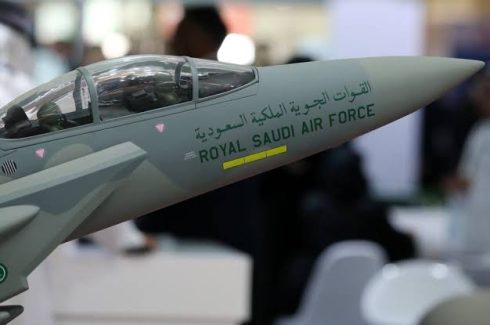
Destruction of a Saudi F-15 fighter jet by the Yemeni army’s air defense
The air defense of the Yemeni armed forces succeeded in downing an F-15 fighter jet in the skies over Marib province.
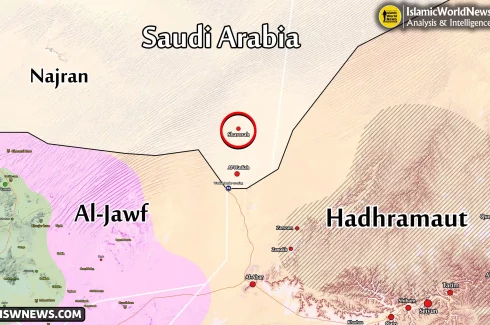
Yemeni armed forces announced in a statement that, in response to the continuation of the Saudi regime’s aggression against Yemeni soil, they carried out a military operation against the Sharorah military base north of the Al-Wadiah crossing.
Saudi Arabia’s Ministry of Energy announced in a statement today that, following numerous attacks on East-West pipeline stations in the Riyadh and Medina regions on the morning of Thursday, September 10, the East-West pipeline has been shut down as a precautionary measure. The statement also noted that several people were injured as a result of these attacks.
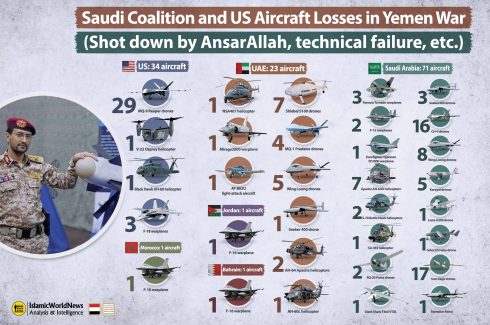
Since the onset of the Yemen war, a total of 131 aircraft of various types have been downed in the country. Of these, 71 belong to Saudi Arabia, 23 to the UAE, 34 to the United States, one to Morocco, one to Bahrain, and one to Jordan.
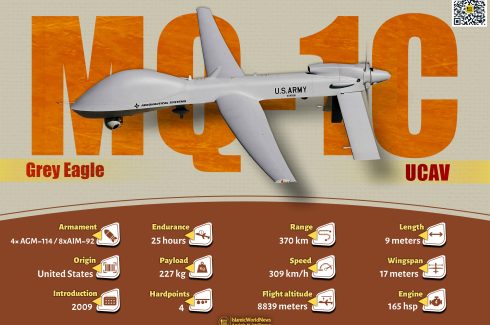
Yemen’s air defense, during these strikes, shot down a Wing Loong drone over Al-Bayda Governorate and a CH-4 drone over Al-Jawf Governorate.
The shift of Saudi Arabia’s fiber optic cable route to Greece from the Zionist regime to Syria is part of Riyadh’s new strategy to redefine the regional order and reduce dependence on the UAE–Israel axis. By investing in Syria’s infrastructure, Saudi Arabia aims to transform Damascus into a connectivity hub between the Persian Gulf and the Mediterranean, thereby strengthening its geo-economic influence. This development also reflects the intensifying rivalry between Riyadh and Abu Dhabi, as well as the region’s gradual transition from energy geopolitics to data geopolitics and digital infrastructure.
United States Central Command (CENTCOM) has published images from joint military exercises conducted with Saudi Arabia and Qatar in early February. According to the statement, U.S. Marines and the Royal Saudi Naval Forces took part in the “Native Defender” drill aimed at enhancing combat coordination.
In recent years, Africa has become a key arena for competition among major and middle powers, each aiming to expand their political and economic influence. This trend is driven by motives such as the continent’s rich natural resources, including mines and rare earth elements, leading to intense rivalry and proxy wars like those in the Democratic Republic of the Congo and Rwanda. The main losers are often the host countries’ interests and their populations. Sudan exemplifies this trend, notably with the UAE’s involvement. The Horn of Africa—comprising Eritrea, Ethiopia, Djibouti, Somalia, and Ethiopia—holds strategic importance due to its proximity to the Red Sea and its role in global trade routes. Its closeness to Yemen and the Bab al-Mandab Strait further amplifies competition, especially among Saudi Arabia and the UAE.

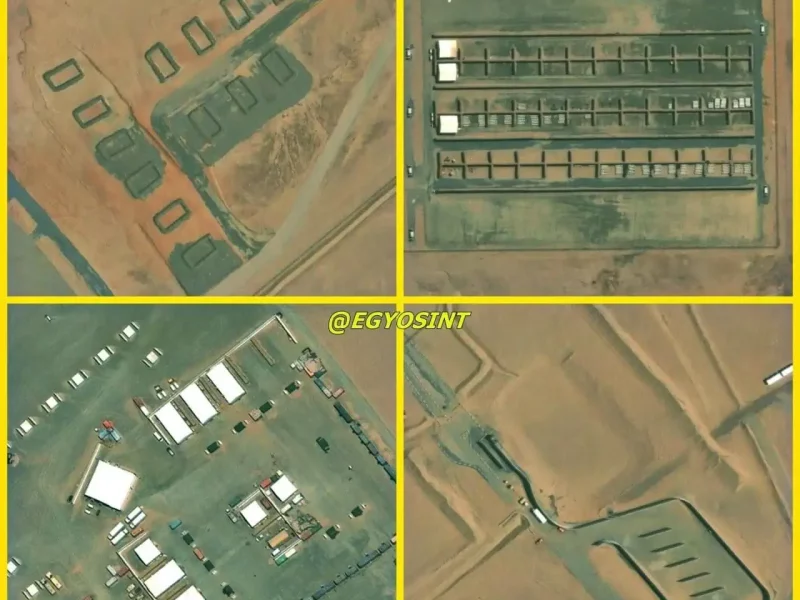
The U.S. Central Command (CENTCOM), alongside the Eskan and Prince Sultan air bases near Riyadh, operates another facility at the port of Yanbu in western Saudi Arabia, known as L.S.A. Jenkins.
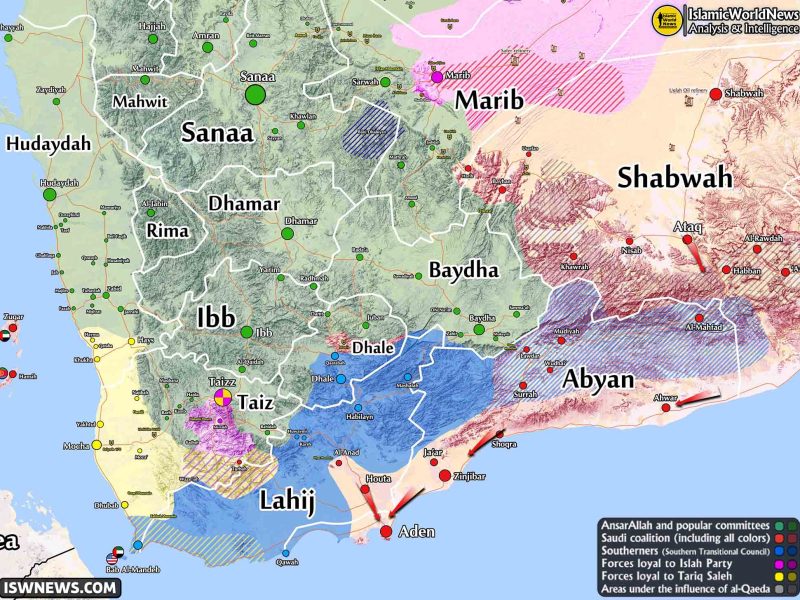
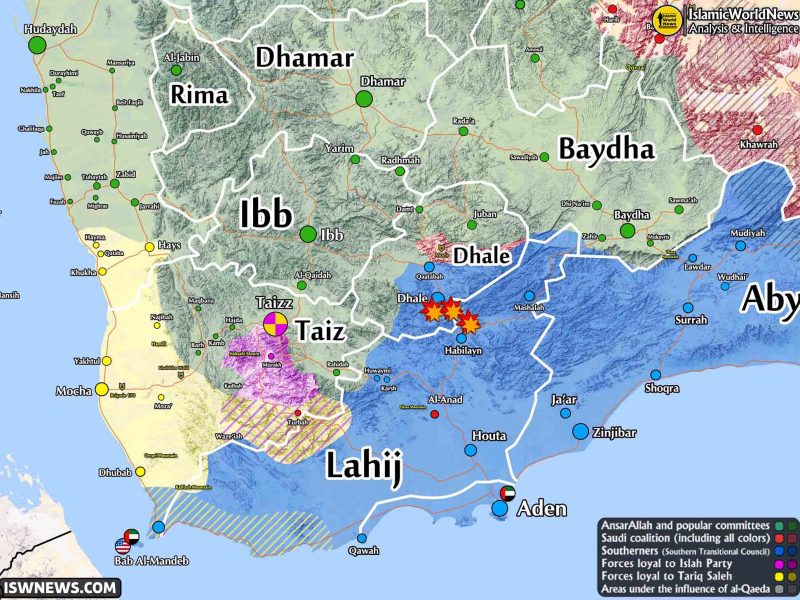
With Saudi air support, forces of Yemen’s government-in-exile have taken control of the provinces of Abyan and Aden.
Last night, Saudi warplanes carried out airstrikes on Jabal Radfan in Lahij Province, the city of Al-Dhale, the Zand base, and areas around the village of Zubeid in Al-Dhale Province. The bombings resulted in casualties among Southern fighters and also civilians.
Saudi Arabian fighter jets carried out airstrikes early this morning on targets in the port city of Mukalla, the capital of Hadhramaut province.