Category: Saudi Arabia

  • Saudi–UAE Rift Surfaces as Mukalla Strike Targets Emirati Military Gear

    Saudi–UAE Rift Surfaces as Mukalla Strike Targets Emirati Military Gear

    The strikes followed a warning message urging civilians to stay away from the port area. The northern parking lot of Mukalla port was hit, with the main objective being recently imported Emirati military vehicles. These vehicles had arrived aboard two cargo ships from Fujairah port to supply fighters of the Southern Transitional Council (STC).

    Brigadier General Turki al‑Maliki, spokesperson for the Saudi‑led coalition, stressed that the transfer of Emirati military equipment to Mukalla port constitutes a clear violation of efforts to reduce tensions, pursue a peaceful solution, and breaches UN Security Council Resolution 2216 (2015).

    This strike marks the first official and overt Saudi action against the STC and its Emirati backers. By escalating their warnings, the Saudis signaled to southern forces and the UAE that they are capable of fighting them if necessary. However, Riyadh’s primary objective in Yemen remains confronting Ansar Allah, with southerners considered allies in that effort. In reality, the alliance in Yemen has been challenged by Emirati moves, while the Saudis remain reluctant to deepen conflict with their long‑time partner.

  • Clashes Continue Between Saudi‑Backed Tribal Coalition and UAE‑Backed Hadhrami Elite Forces

    Clashes Continue Between Saudi‑Backed Tribal Coalition and UAE‑Backed Hadhrami Elite Forces

    Reports indicate at least four members of the Hadrami Elite Forces have been killed in the clashes. (image)

    Saudi warplanes continue conducting airstrikes on open, uninhabited areas as a warning to UAE‑aligned forces, aiming to deter further attacks and advances in Hadramaut.

  • Southern Transitional Council Withdraws from Areas in Northern Hadhramaut

    Southern Transitional Council Withdraws from Areas in Northern Hadhramaut

    In addition to this withdrawal, the Southern Transitional Council has issued directives to prepare for an exit from the Hadhramaut Valley and to transfer control of the area to the Saudi-backed al‑Dara‘ al‑Watan forces.

    As expected, Saudi warnings prompted the southern forces to retreat from their recent advances in Hadhramaut and to hand over the valley to Saudi‑aligned factions. However, the withdrawal process is still in its early stages, and it remains unclear how far the retreat—or the tensions between Emirati‑backed and Saudi‑backed groups—will go.

    It appears the southern forces, through cautious and calculated maneuvers, are seeking to secure a larger share of Hadhramaut’s oil wealth and intend to continue these moves as long as possible.

  • Joint Meeting of Iran, Saudi Arabia, and China Held in Tehran

    Joint Meeting of Iran, Saudi Arabia, and China Held in Tehran

    Following a preliminary meeting of experts and diplomats from the three countries, a trilateral session was held to review progress on implementing the Beijing Agreement signed in March 2023. The meeting was attended by Saudi Deputy Foreign Minister Waleed Al-Khereiji, Chinese Deputy Foreign Minister Miao Diao, and Iran’s Deputy Foreign Minister Majid Takht-Ravanchi.

    In their final statement, the three countries welcomed the continued improvement in Iran–Saudi relations, called for an end to Israeli attacks on Palestine, Lebanon, and Syria, condemned violations of Iran’s sovereignty and territorial integrity, highlighted advances in consular cooperation—especially regarding the Hajj—and reaffirmed support for an inclusive political solution in Yemen based on recognized international principles and under UN supervision.

  • Al‑Wadi‘ah Border Crossing Closed

    Al‑Wadi‘ah Border Crossing Closed

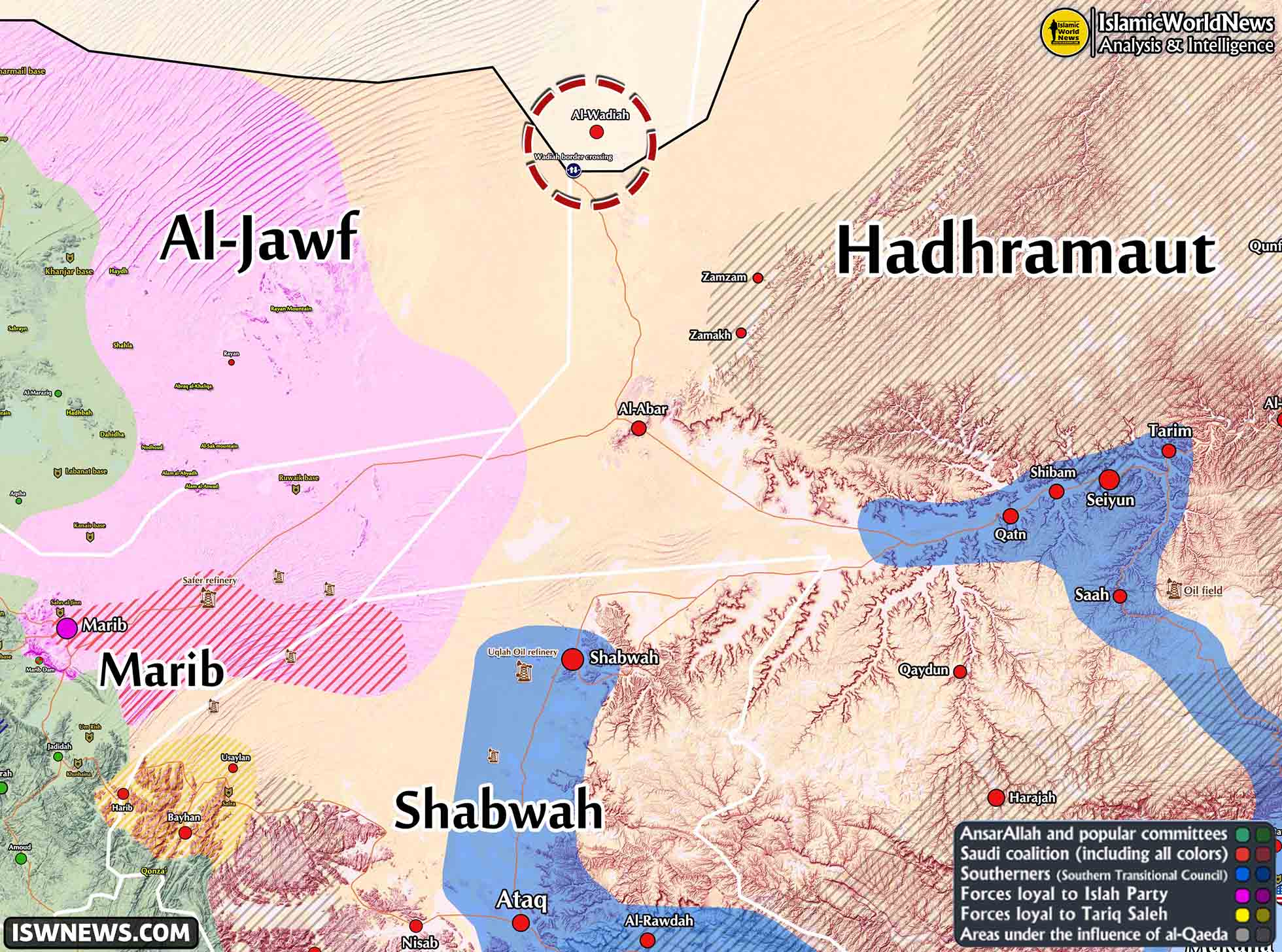
    At the same time, Saudi Arabia’s closure of the crossing coincided with the deployment of Al‑Dara‘ al‑Watan forces and armed groups loyal to Hashem al‑Ahmar (a parliament member and former Yemeni army officer under Ali Abdullah Saleh) along the road in the al‑Abr area, blocking vehicles from heading toward the border.

    Currently, the al‑Abr region and the 23rd Mika Brigade base are under the control of Al‑Dara‘ al‑Watan forces. Saudi Arabia is reportedly fortifying this position to support unspecified security measures. It appears Riyadh is preparing to counter the recent advances of the Southern Transitional Council in Hadhramaut and Shabwa provinces and to reclaim oil‑rich areas.

  • Southern Transitional Council Fighters Advance into Northern Hadhramaut, Capture Seiyun; Clashes Halted by Saudi Mediation

    Southern Transitional Council Fighters Advance into Northern Hadhramaut, Capture Seiyun; Clashes Halted by Saudi Mediation

    Following the STC’s takeover of Hadhramaut’s administrative center and surrounding areas, STC representatives and Hadhramaut tribal leaders reached an agreement through the mediation of a Saudi security‑military delegation. The talks focused on safeguarding oil fields and negotiating toward a comprehensive settlement.

    Under the deal, military tensions between the sides will cease starting Thursday morning, with a ceasefire in place until the mediation committee concludes its work and a full agreement is reached. All fighters under the Saudi‑led coalition must withdraw at least one kilometer from oil facilities, allowing personnel and security forces free movement. Once withdrawals are implemented, meetings between al‑Khanbashi and Amr bin Habreesh will be held to finalize the settlement under mediator supervision.

    The Hadhramaut confrontation appeared to end with the Southern Transitional Council expanding its influence in occupied Yemeni territories, Saudi interests secured in the oil‑rich areas, and tribal leaders brought under control. Yet it left behind important lessons.

    The first was the defeat of the Islah Party in Hadhramaut, which showed that Saudi Arabia places little value on them, limiting cooperation to countering Ansarallah and holding populous, religiously sensitive cities such as Marib and Taiz. The second was the strengthening of STC military power, now equipped with new weapons including drones and micro‑drones, aligned with UAE objectives.

    Behind the STC’s success in Wadi Hadhramaut lay support from Tariq Saleh’s forces, the Giants Brigades, and Shabwa Defense units, which allowed southern forces to fully concentrate on northern Hadhramaut while these allies managed other areas until the clashes ended. This scenario could also be replicated against Ansarallah positions, potentially delivering significant blows to the central government’s authority in Sanaa.

  • Second Riyadh Meeting Reveals Limited Support for Yemen Coast Guard Plan

    Second Riyadh Meeting Reveals Limited Support for Yemen Coast Guard Plan

    In a joint statement, the committee expressed support for the naval forces of the Saudi-backed Yemeni government and confirmed its commitment to strengthening the Coast Guard’s maritime security, particularly in intercepting arms and narcotics shipments.

    The formation of this committee follows the September 16 meeting in Riyadh, where these states, along with representatives from China, Australia and Persian Gulf countries convened. At that earlier session, Saudi Arabia and the UK sought to secure China’s and other nations’ backing for long‑term security commitments and capacity‑building of Yemen’s Coast Guard.

    However, the second meeting revealed that only certain regional and Western allies joined the program. These are the same parties whose shipping and economies have suffered heavy losses due to Yemeni armed forces’ naval operations against Israel.

  • Saudi-Backed Militias Mobilize to Protect Oil Fields in Northern Hadhramaut

    Saudi-Backed Militias Mobilize to Protect Oil Fields in Northern Hadhramaut

    This move aims to prevent a possible offensive by Southern Transitional Council (STC) forces against the Hadhramaut desert and the province’s oil-rich regions.

    Al-Dara’ Al-Watan (Shield of the Nation) militias were formed in late November 2022 with Saudi backing and the involvement of Sagheer bin Aziz and Tariq Saleh. They were assembled from Hadhramaut tribal fighters, Yemen Al-Saeed forces (aligned with Sagheer bin Aziz), and elements of Tariq Saleh’s units in western Lahj province. Saudi Arabia has equipped these forces to counter the STC and secure control over Hadhramaut’s oil fields and ports.

    Tensions between Hadhramaut tribes and STC factions stationed along the province’s southern coast are escalating as both sides mobilize reinforcements from other regions to gain dominance over oil resources. Despite their alliance against Ansar Allah, Saudi-backed proxy groups are locked in fierce competition to divide the wealth and resources of Yemen’s occupied territories.

  • Pegasus in Saudi Hands; Leaked Documents Reveal Extensive Saudi–Israeli Cooperation!

    Pegasus in Saudi Hands; Leaked Documents Reveal Extensive Saudi–Israeli Cooperation!

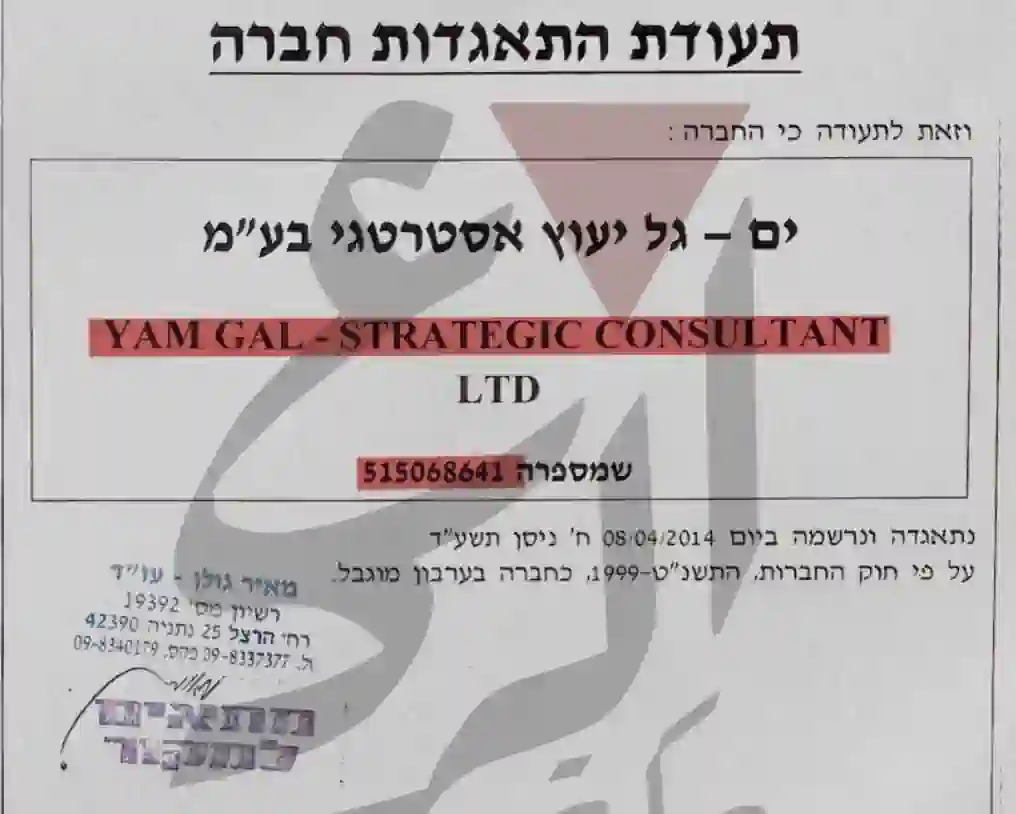
    The documents identify Haim Tomer as the intermediary and contractor for the deal — a figure said to have a long background in Israel’s security and intelligence institutions.

    According to the group’s disclosures, the purpose of acquiring these systems was surveillance of opponents and monitoring domestic and regional activities. The leaks once again draw attention to Tel Aviv’s expanding role in exporting cyber weapons and surveillance tools to Middle Eastern countries, as well as Saudi Arabia’s covert collaboration with entities such as Mossad.

  • UAE and Saudi Arabia Mobilize Forces to Seize Hadhramaut

    UAE and Saudi Arabia Mobilize Forces to Seize Hadhramaut

    At the same time, reinforcements from the Southern Transitional Council (STC), consisting of hundreds of fighters and military vehicles, have entered the city of Mukalla. In addition, a battalion from Tariq Saleh’s forces has been deployed to a camp west of Mukalla, the provincial capital of Hadhramaut.

    Given the large-scale deployment of STC fighters to Hadhramaut over the past two weeks, the likelihood of a southern military offensive against the Hadhramaut tribes has increased. The province’s oil-rich areas remain under tribal control, and tribal leaders — backed by Saudi Arabia — have refused to transfer revenues to the exiled government or the STC. This has fueled sharp tensions and rivalry between UAE- and Saudi-backed factions in Yemen’s occupied territories.

  • The Second Shipment of Saudi Crude Oil Arrives in Syria

    The Second Shipment of Saudi Crude Oil Arrives in Syria

    Syrian officials stated that the crude will be processed at the Banyas refinery to help ease the country’s chronic fuel shortages, which in recent months have placed heavy strain on the economy and daily life.

    The continuation of Saudi oil deliveries is not merely an economic measure, but a calculated step toward gradual engagement with the Syrian government. It reflects a cautious warming of ties and a testing of energy diplomacy by Riyadh, particularly at a time when the Arab world is redefining its level of interaction with Damascus and slowly restoring economic exchanges.

    Overall, while the volume of imports cannot fully resolve Syria’s energy crisis, sustained shipments may provide short-term economic relief and carry long-term political significance, paving the way for deeper cooperation in the future.

  • Taliban’s Economic Chief Meets with Saudi Executive and Zalmay Khalilzad Over Gas Pipeline Project

    Taliban’s Economic Chief Meets with Saudi Executive and Zalmay Khalilzad Over Gas Pipeline Project

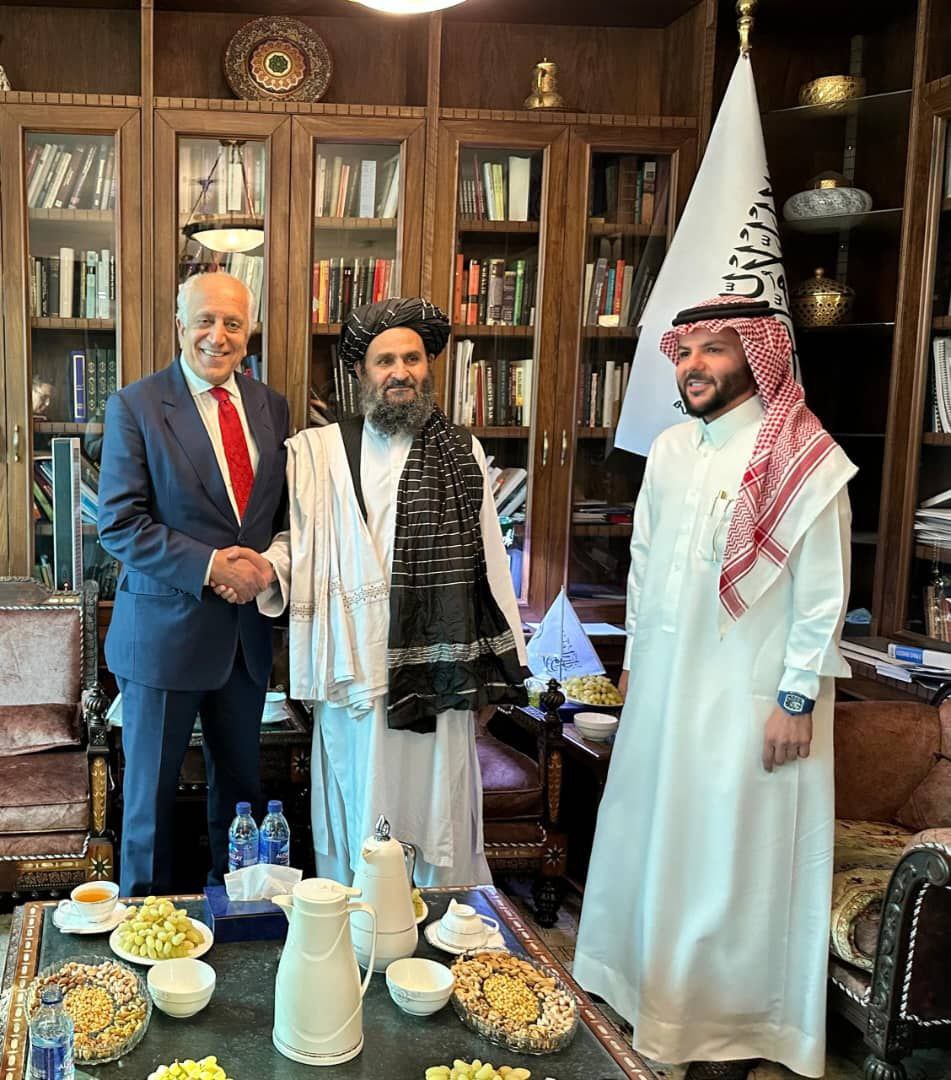
    The meeting focused on cooperation in gas exploration, extraction, and pipeline development across Afghanistan. Al-Taqi expressed strong interest in investing in the country’s energy sector.

    As negotiations over American prisoner exchanges progress, Khalilzad’s role in shaping Afghanistan’s future has become increasingly prominent. With backing from the Trump administration and Saudi firms, Khalilzad is leveraging Taliban interests—such as gas development—to advance U.S. strategic goals in the region.

    While his exact objectives remain unclear, speculation includes potential military and intelligence use of Bagram Airbase. The evolving cooperation between the Taliban and the U.S., with Khalilzad as a key facilitator, appears to be gaining momentum.