Category: Saudi Arabia

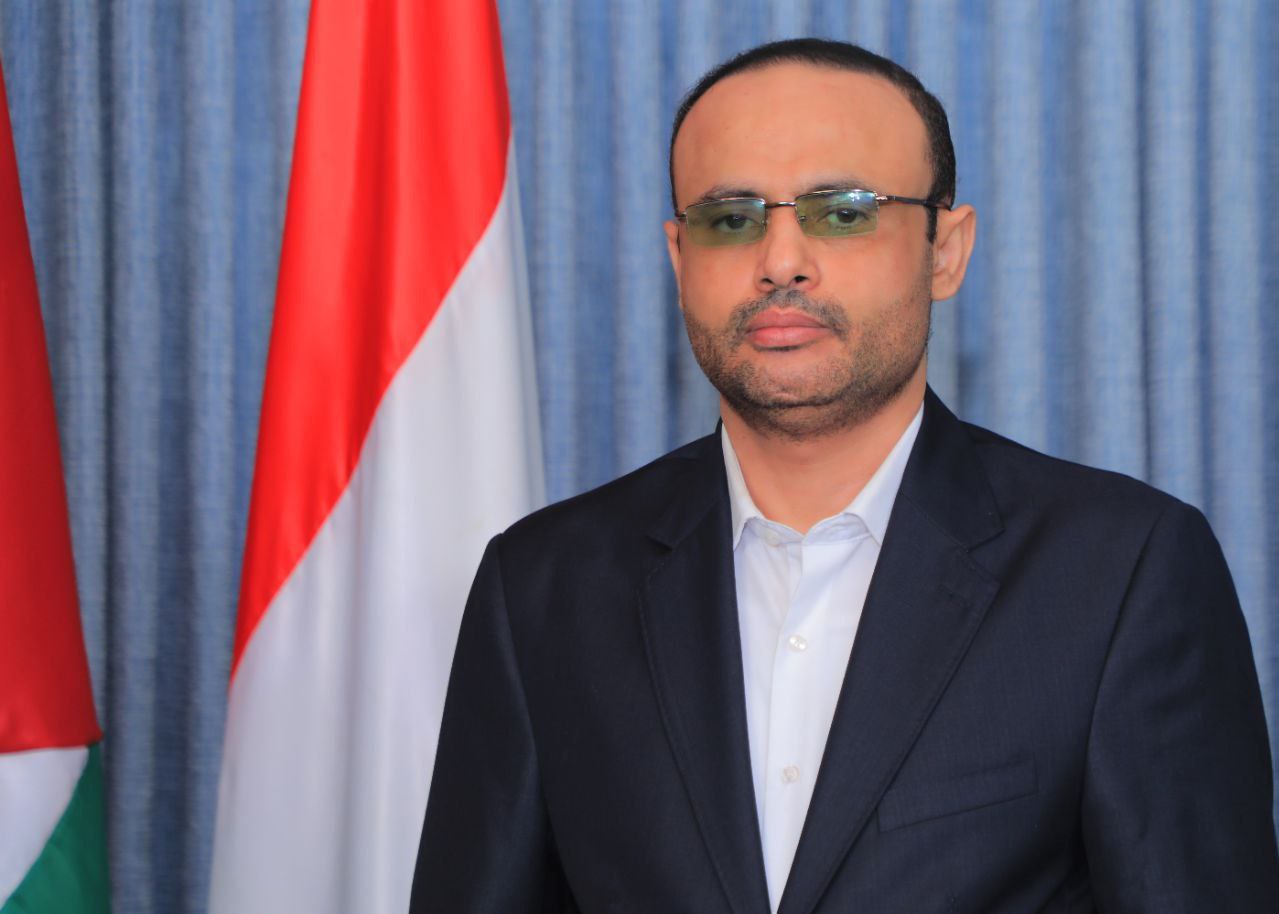
  • Al-Mashat’s Message on the 62nd Anniversary of the October 14 Revolution

    Al-Mashat’s Message on the 62nd Anniversary of the October 14 Revolution

    Al-Mashat also urged Saudi Arabia to move beyond de-escalation and toward ending the war, blockade, and occupation, while fulfilling its commitments. He warned against Riyadh’s alignment with U.S. interests that serve Israel’s agenda.

    This recurring stance reflects Yemen’s view that the recent conflict between the Resistance Axis and Israel is a key reason for stalled negotiations with Saudi Arabia following the 2022 ceasefire. From Yemen’s perspective, Saudi Arabia interprets Iran and the Resistance’s performance in the war as a sign of weakness, reinforcing its own position and making it unwilling to honor previous concessions or support the formation of a unified Yemeni government.

  • Saudi-UK Joint Initiative to Counter Yemeni Naval Operations

    Saudi-UK Joint Initiative to Counter Yemeni Naval Operations

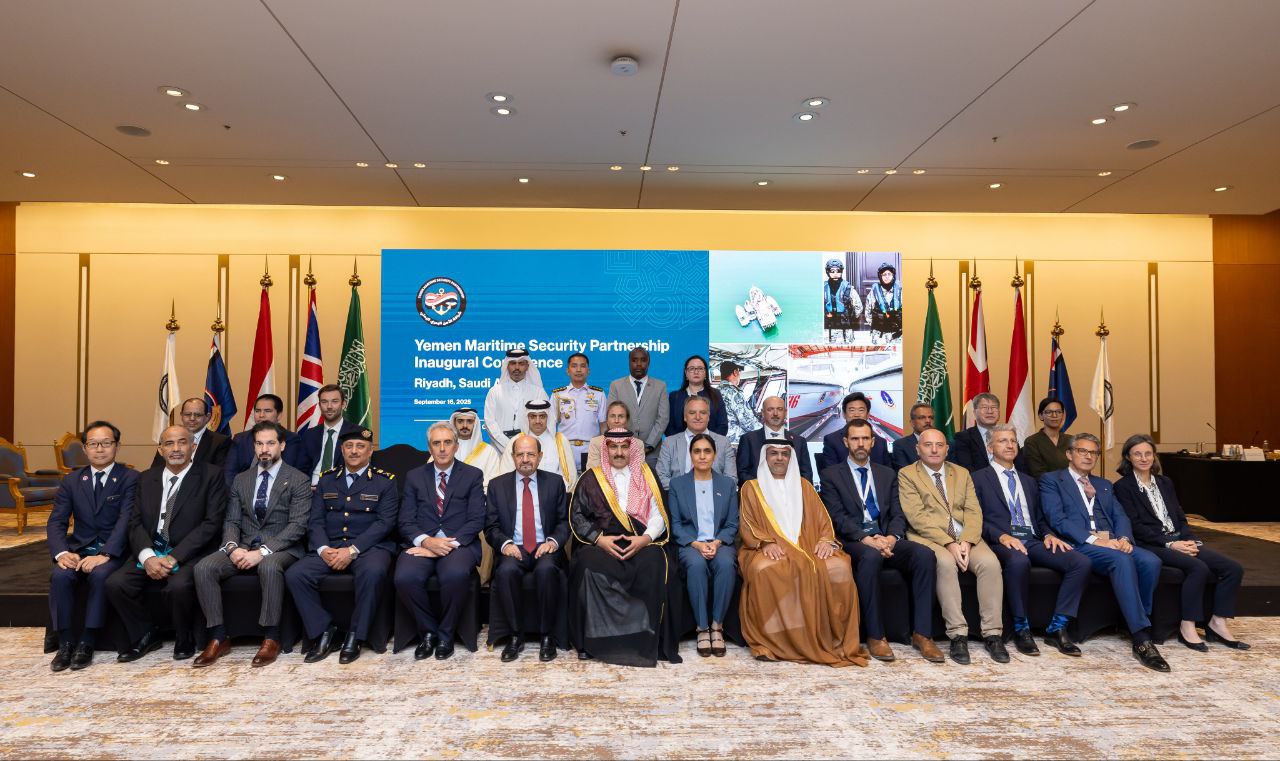
    The initiative was unveiled during a summit hosted by the Saudi Foreign Ministry in Riyadh, attended by representatives from over 35 countries—including the U.S., UK, Canada, Australia, China, Japan, the European Union, Gulf Arab states, and Yemen’s exiled government.

    British Ambassador to Yemen, Abdo Sharif, explained that the goal of this maritime security partnership is to address serious threats such as smuggling and piracy, while also promoting regional stability and safeguarding global trade routes.

    Under the ten-year plan, participating nations will provide financial aid and military equipment to enhance the capabilities of Yemen’s coast guard. Saudi Arabia has taken the lead by pledging $4 million in aid, along with a package of training and military gear for the Yemeni forces.

    The initiative, titled “Partnership for Yemen’s Maritime Security,” is being spearheaded by Saudi Ambassador Mohammed Al Jaber and British Ambassador Abdo Sharif. Despite broad international participation in the launch event, substantial military and financial support is unlikely to materialize within the current calendar year. However, growing economic pressure from the naval blockade in the Red Sea and Gulf of Aden may eventually compel the EU and other U.S.-Israeli allies to take more decisive action in Yemen.

    Over the past two years, the Red Sea and Gulf of Aden have become focal points for Yemeni armed forces targeting commercial and military vessels linked to Israeli, American, and British interests. These operations—carried out in solidarity with the Palestinian cause—have included more than 215 maritime attacks using ballistic missiles, cruise missiles, drones, and explosive-laden unmanned surface vessels.

    Yemen #Saudi #UK
  • Saudi Arabia and Pakistan Sign Strategic Defense Pact

    Saudi Arabia and Pakistan Sign Strategic Defense Pact

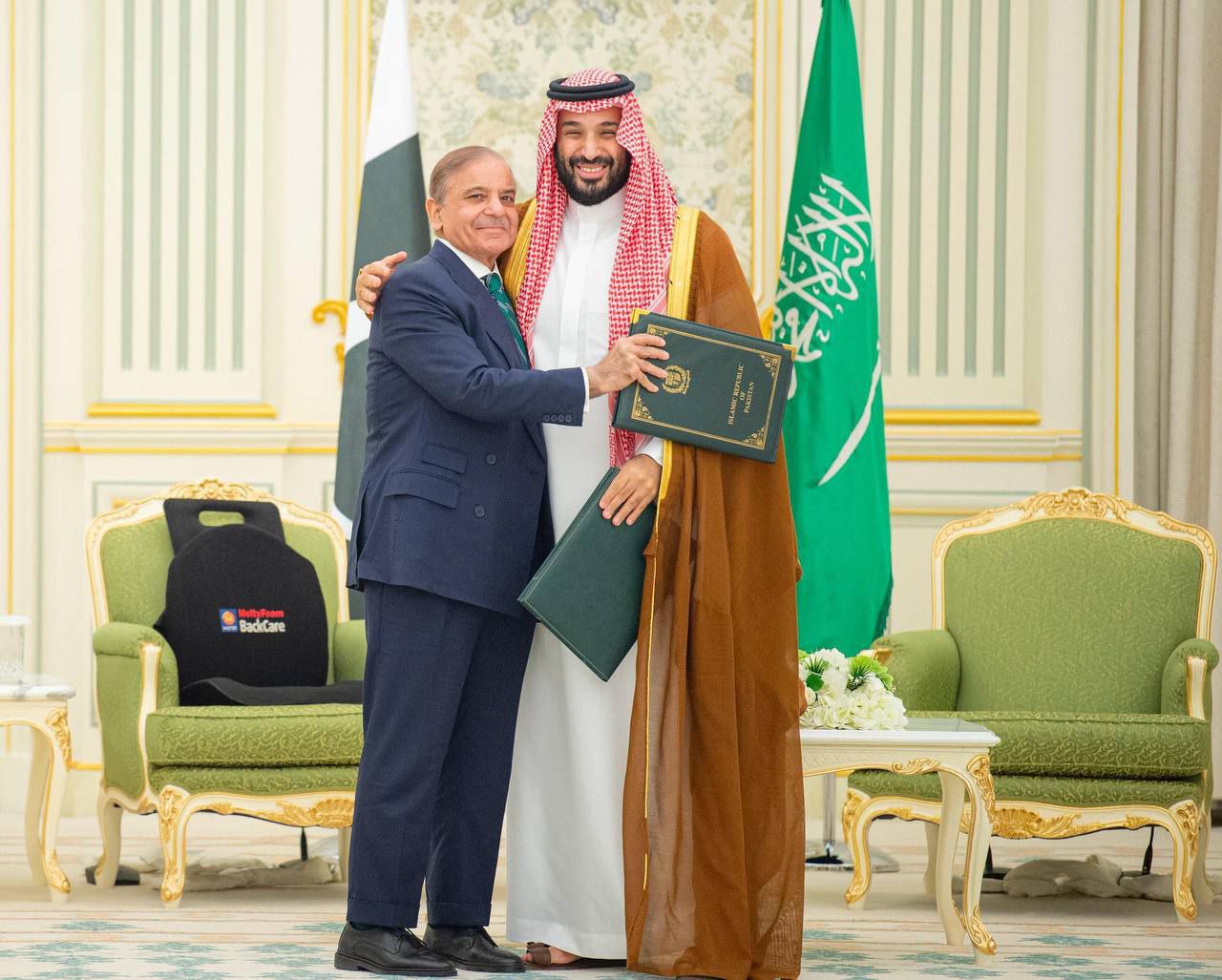
    The agreement was formalized during Pakistani Prime Minister Shehbaz Sharif’s visit to Riyadh, marking a significant and symbolic step toward deepening bilateral defense ties. It encompasses broad collaboration in defense and security, with a mutual defense clause that binds the two nations to respond collectively to external aggression.

    This joint accord reflects a shift in regional dynamics, especially following Israel’s recent attack on Qatar. It signals growing disillusionment among regional leaders with the security guarantees offered by global powers, prompting emerging nations like Saudi Arabia and Pakistan to forge independent security alliances.

    Saudi-Pakistani relations have historically been close since Pakistan’s separation from India, with extensive cooperation across political, economic, and military domains. Pakistan’s military has played a pivotal role in training Saudi forces and has been actively involved in Saudi military operations, notably in Yemen. Conversely, Saudi Arabia has supported Pakistan during economic crises through loans and financial aid.

    What sets this agreement apart is its formalization of the longstanding relationship into an organized and binding commitment. It strategically aligns both countries against perceived threats from India, Israel, and potentially Iran.

    Despite the public announcement of the pact, its detailed provisions remain classified. A key question looms: does the agreement extend to Pakistan’s nuclear capabilities? If so, the regional implications could be profound, potentially reshaping the balance of power across the Middle East and South Asia.

  • Saudi Defense Minister Travels To Iran

    Saudi Defense Minister Travels To Iran

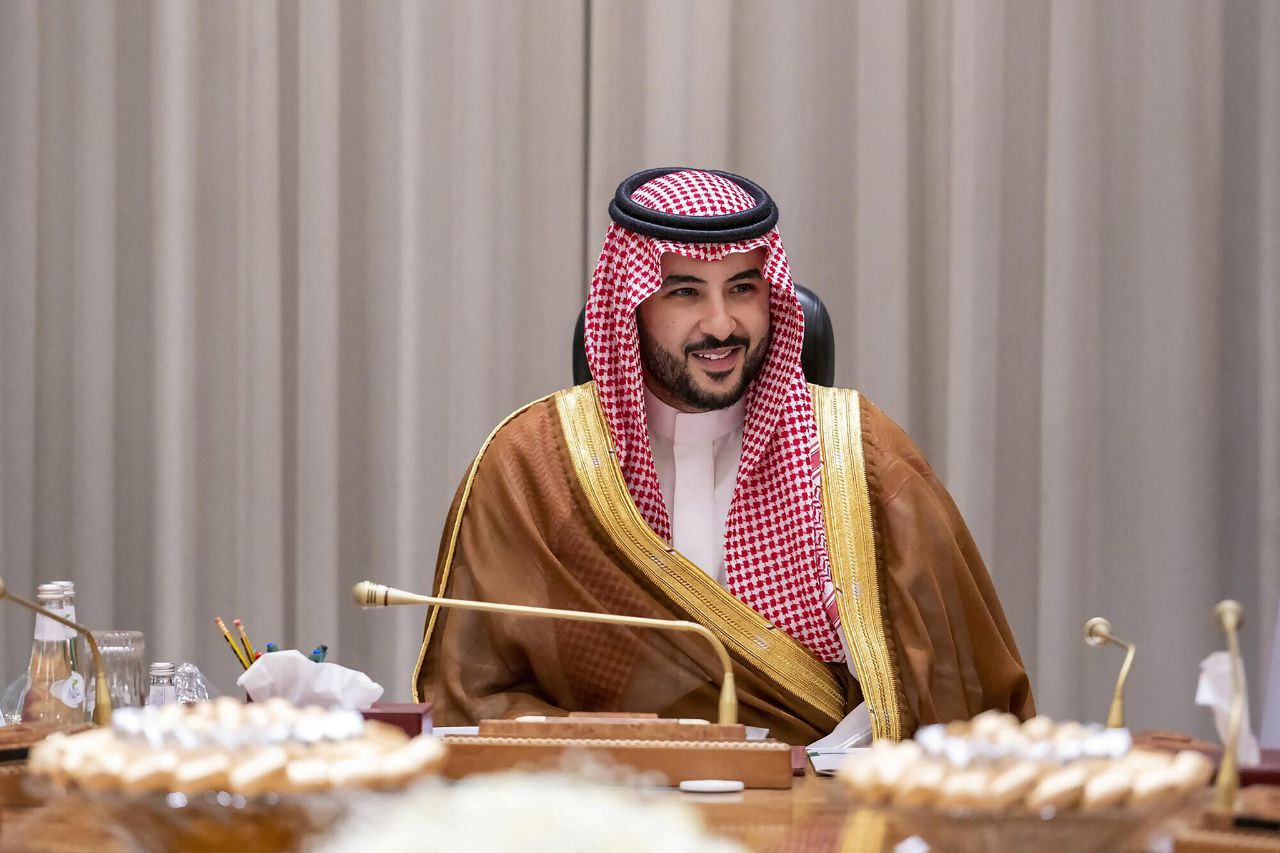
    Khalid bin Salman bin Abdulaziz Al Saud will be the highest-ranking official in the Saudi royal family to visit Iran in recent years.

    His visit to Iran these days certainly carries an important message and is considered a very important event. In this meeting, views will definitely be exchanged on the Iran-US negotiations and perhaps solutions will be proposed.

    ▫️It can also be speculated that Saudi Arabia is worried about the new sedition of the UAE and the US to resume ground operations against Ansarullah in Yemen and is trying to distance itself from this issue. They have tasted the bitter consequences of aggression against Yemen in the past…

  • CENTCOM Commander’s Visit to Riyadh; Saudis Enter War Against Ansar Allah

    CENTCOM Commander’s Visit to Riyadh; Saudis Enter War Against Ansar Allah

    Kurilla met with General Fayyad bin Hamed Al-Ruwaili, Chief of Staff of the Saudi Armed Forces, and other Saudi military commanders to discuss security issues, mutual commitment, and joint cooperation to address evolving threats in the region. They emphasized the importance of joint military maneuvers and the strategic partnership between their countries.

    Specifically, these terms refer to the issue of “Yemen.” It seems that Kurilla and Al-Ruwaili discussed the upcoming US operations against Yemen and the need for Saudi cooperation against Ansar Allah.

    Kurilla also met with Lieutenant General Saghir bin Aziz, Chief of Staff of the Armed Forces of the resigned Yemeni government (aligned with the Saudi coalition), in Riyadh. They focused on strengthening security cooperation, combating Ansar Allah, and enhancing the operational capacity.

    These discussions suggest that the United States, in exchange for providing military weapons to the resigned Yemeni government, seeks intelligence cooperation and participation in ground attacks on Ansar Allah positions.

    Kurilla’s visit to Riyadh marks the beginning of a comprehensive and decisive plan to create a coalition against Ansar Allah. Airstrikes by the Israeli army and the American-British coalition against Yemen have had limited impact on reducing the operations of Yemeni armed forces against Israel. The United States is aiming for increased attacks on Yemen by forming a new coalition with Saudi Arabia and the resigned Yemeni government.

  • Damascus and Riyadh Establish Official Ties; Syrian Transitional Government’s FM Visits Saudi Arabia

    Damascus and Riyadh Establish Official Ties; Syrian Transitional Government’s FM Visits Saudi Arabia

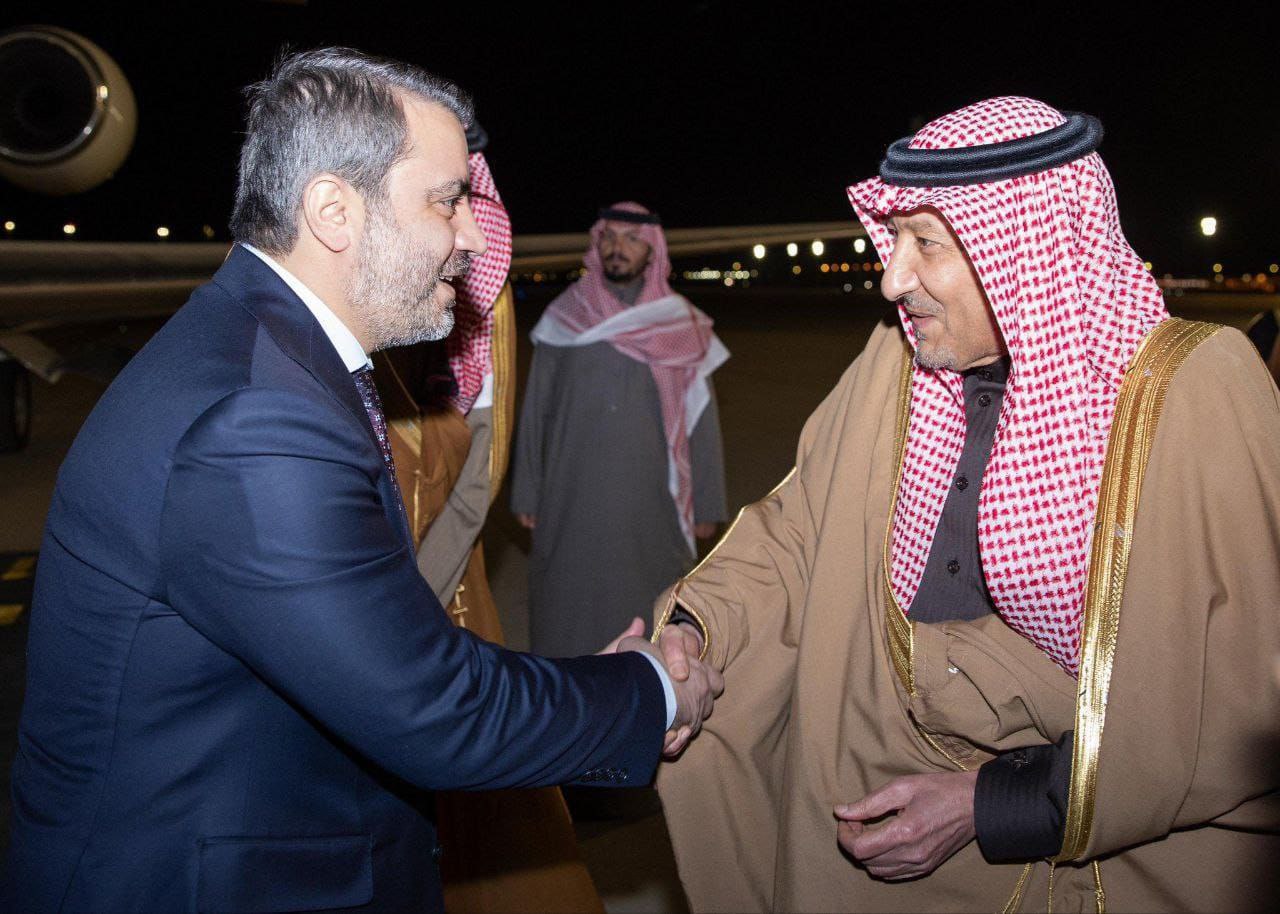
    The Syrian delegation was welcomed at Riyadh International Airport by Walid bin Abdulkarim Al-Khuraiji, Saudi Arabia’s deputy foreign minister.

    The interview of Abu Muhammad Al-Julani, the leader of Tahrir Al-Sham, with Saudi Arabia’s Al-Arabiya channel—his first with a foreign media outlet since the fall of Bashar al-Assad’s government—along with Asaad Al-Shaybani’s choice of Riyadh for his first foreign visit, highlights the level of relations between the new Syrian rulers and Saudi Arabia.

    After severing ties with the Syrian government in 2012, Saudi Arabia became a significant supporter of the militant groups in the Syrian war, providing financial and military support. The first official foreign trip by Al-Julani government officials to Saudi Arabia sends important signals to regional countries.

    Saudi Arabia, a strong opponent of the Muslim Brotherhood, designates the group as a terrorist organization. In contrast, Turkey has traditionally supported the Syrian Muslim Brotherhood and its associated militia factions. Al-Julani officials’ visit to Saudi Arabia indicates a strategic move to balance Turkey’s influence in Syria by increasing cooperation and bringing Saudi Arabia into the equation of the new Syria.

  • Saudi Coalition Attack on Northern Yemen: Ceasefire Violation or Widespread Assault on Yemen?

    Saudi Coalition Attack on Northern Yemen: Ceasefire Violation or Widespread Assault on Yemen?

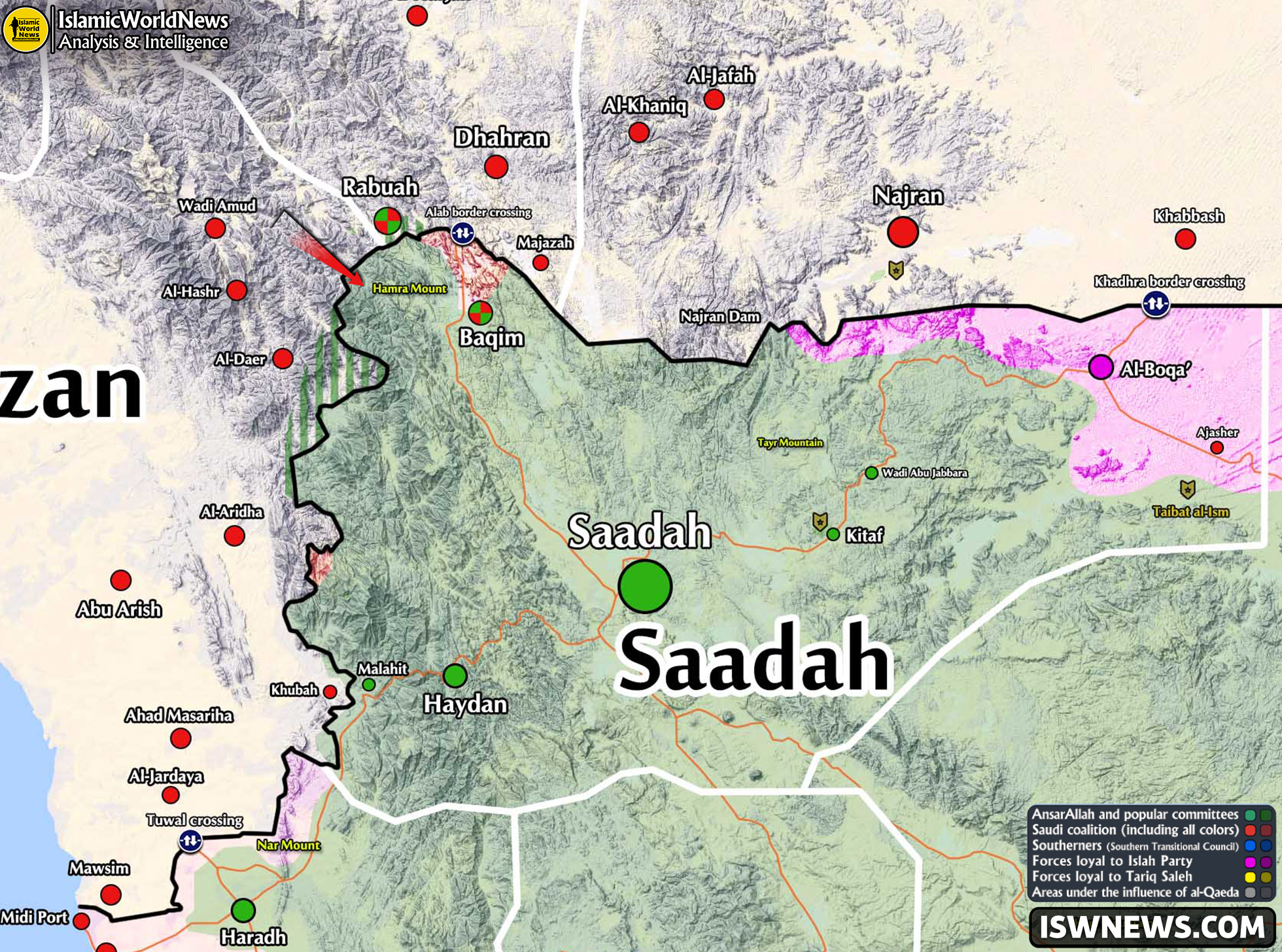
    Border attacks by Saudi forces in Saada province have been a persistent issue since the onset of the Yemeni war and the ceasefire that began three years ago. The Saudi government claims that Yemenis should refrain from approaching their southern borders due to security concerns. This characterization comes at a time when many villages are situated along the northern borders of Saada, where numerous African migrant workers are employed.

    Some domestic media outlets, due to their lack of knowledge over developments in Yemen, have mistakenly reported these attacks as the beginning of a ground offensive against Yemen, attributing them to American and Israeli plans. However, these attacks are unrelated to such issues; they are merely violations of the ceasefire and exacerbate border tensions.

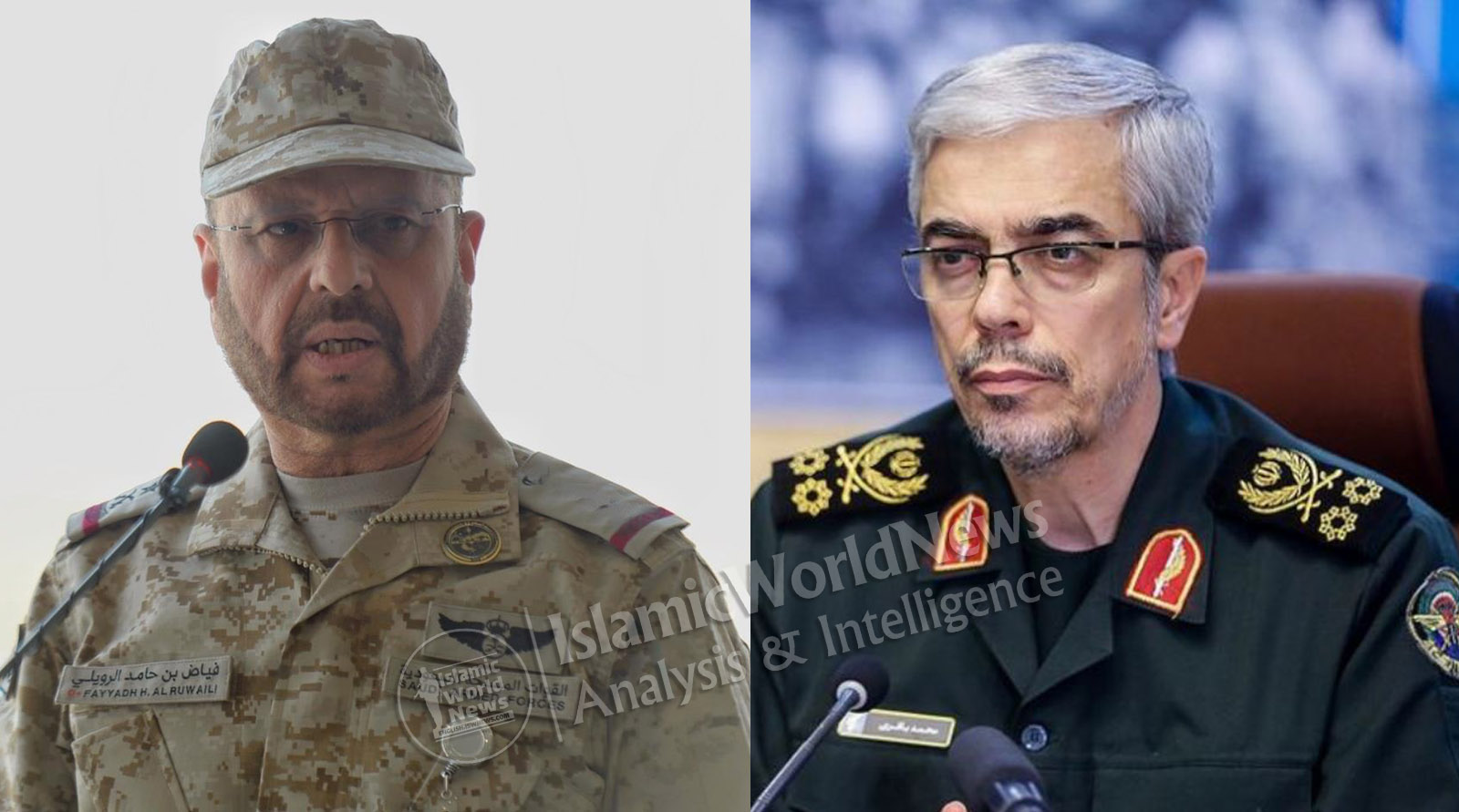
  • Chief Of Saudi Military To Visit Iran For Talks On Defense Cooperation

    Chief Of Saudi Military To Visit Iran For Talks On Defense Cooperation

    Bilateral and defense cooperation between the two countries are expected to increase after this trip. Increasing relations, especially military cooperation between Iran and Saudi Arabia, will have an important effect on increasing the security of the region.

    It should be noted that last year, Major-General Bagheri had a telephone conversation with Saudi Defense Minister Khaled bin Salman regarding developments in the region, upgrading the level of defense cooperation between the armed forces of the two countries, and important issues in the Islamic world.

    Tehran and Riyadh agreed in March 2023, via Chinese intermediation, to re-establish relations after seven years of hostility. Now the efforts of the two countries to get closer to each other continue much more than before.

  • Two Saudi Officers Were Killed By A Yemeni Soldier!

    Two Saudi Officers Were Killed By A Yemeni Soldier!

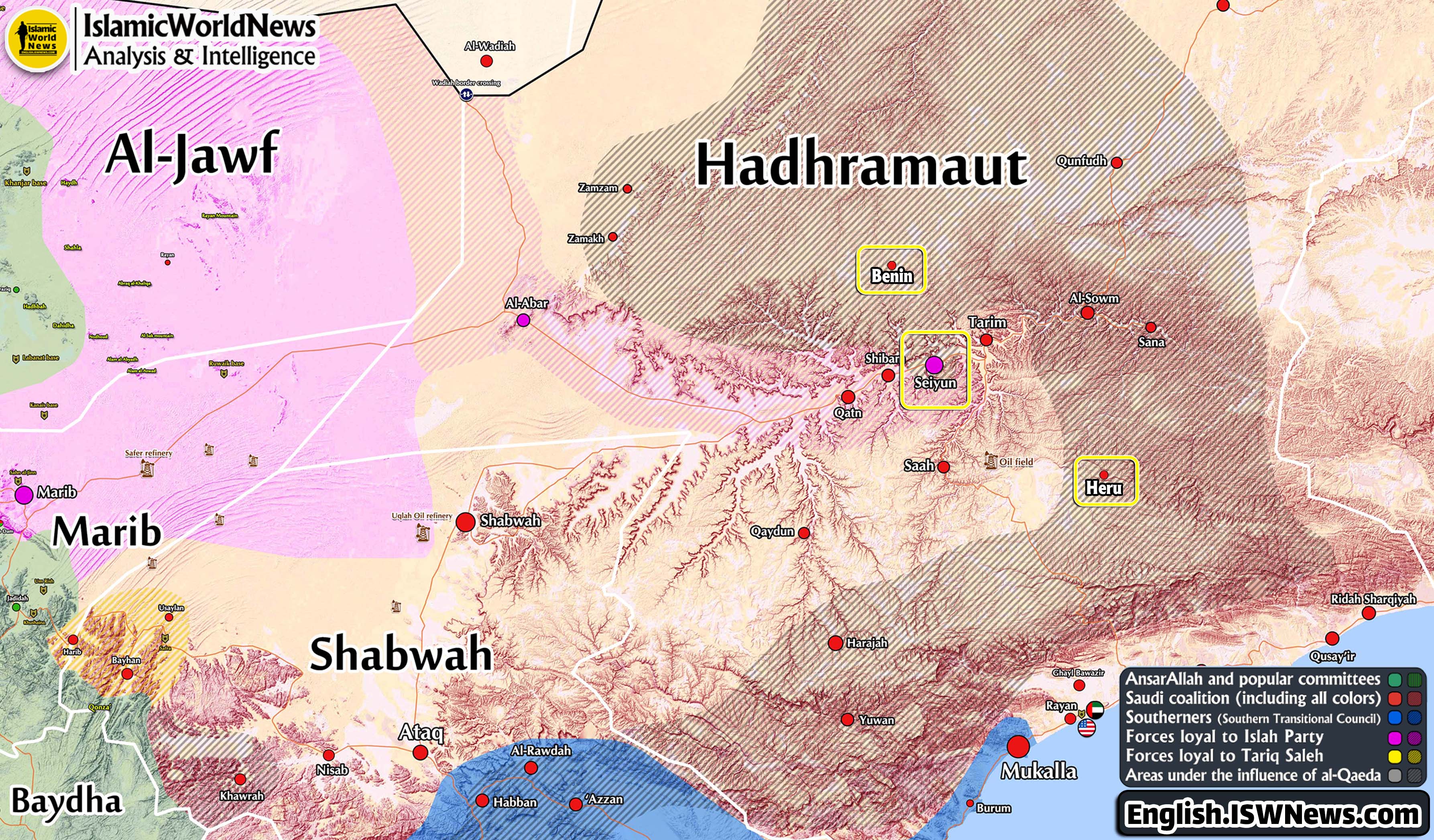
    A Yemeni soldier named Mohammed Saleh Hassan Al-Arousi, who is aligned with the Saudi-backed government of Hadi, opened fire on Saudi coalition soldiers at a training camp in the city of Seiyun. He killed two senior Saudi army officers, injured another, and then fled the scene.

    This attack happened while the Saudi soldiers were in sports training.

    The Security and Police Department of Hadhramout has set a $15,000 reward for arresting or providing information about the assailant’s whereabouts.

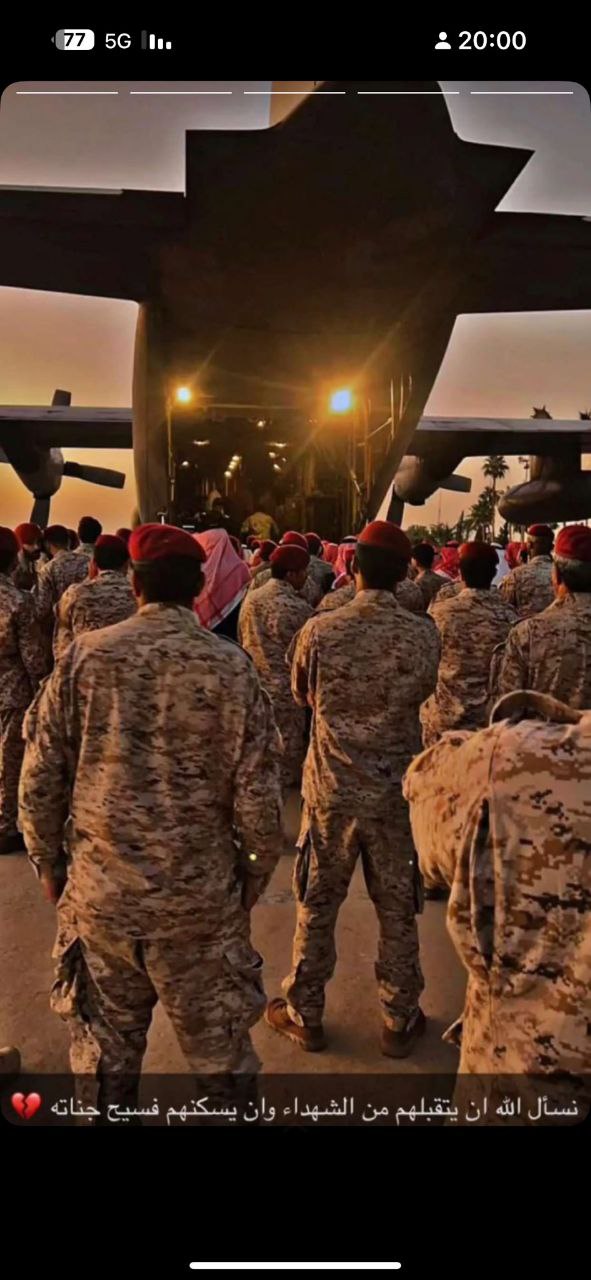
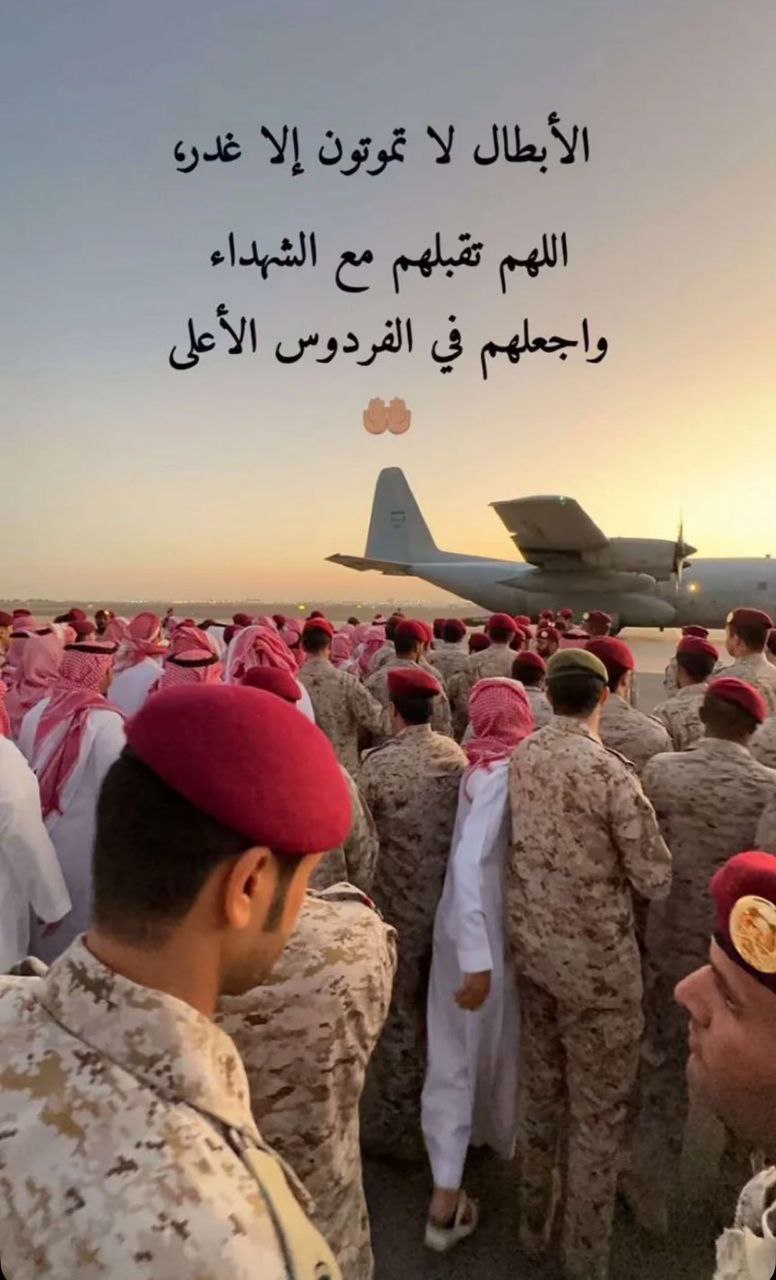
    The bodies of the Saudi officers who were killed have been transported to Riyadh.

  • Al-Dara’ Al-Watan Infiltrate Into Yemen’s Al-Jawf Governorate

    Al-Dara’ Al-Watan Infiltrate Into Yemen’s Al-Jawf Governorate

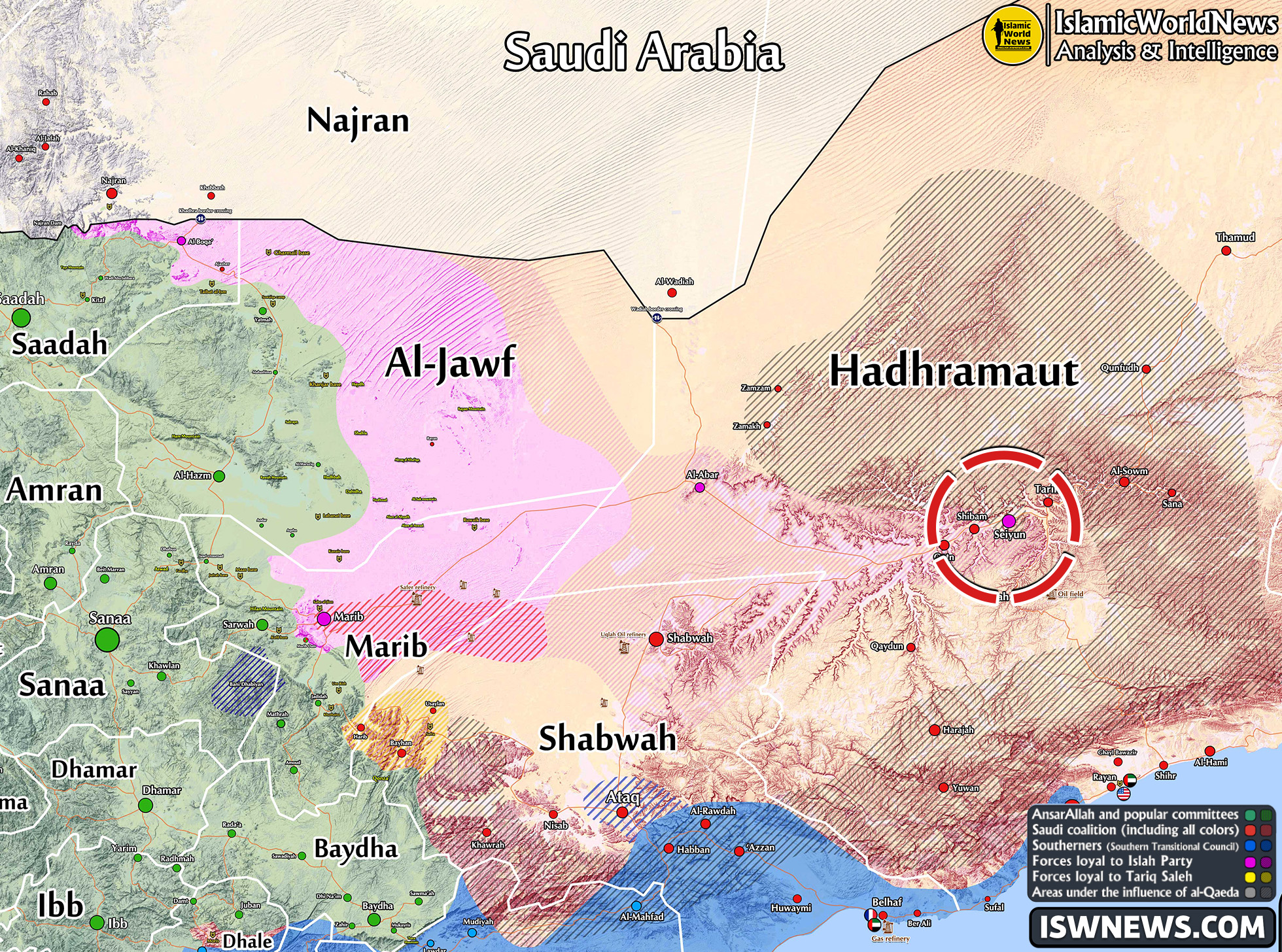
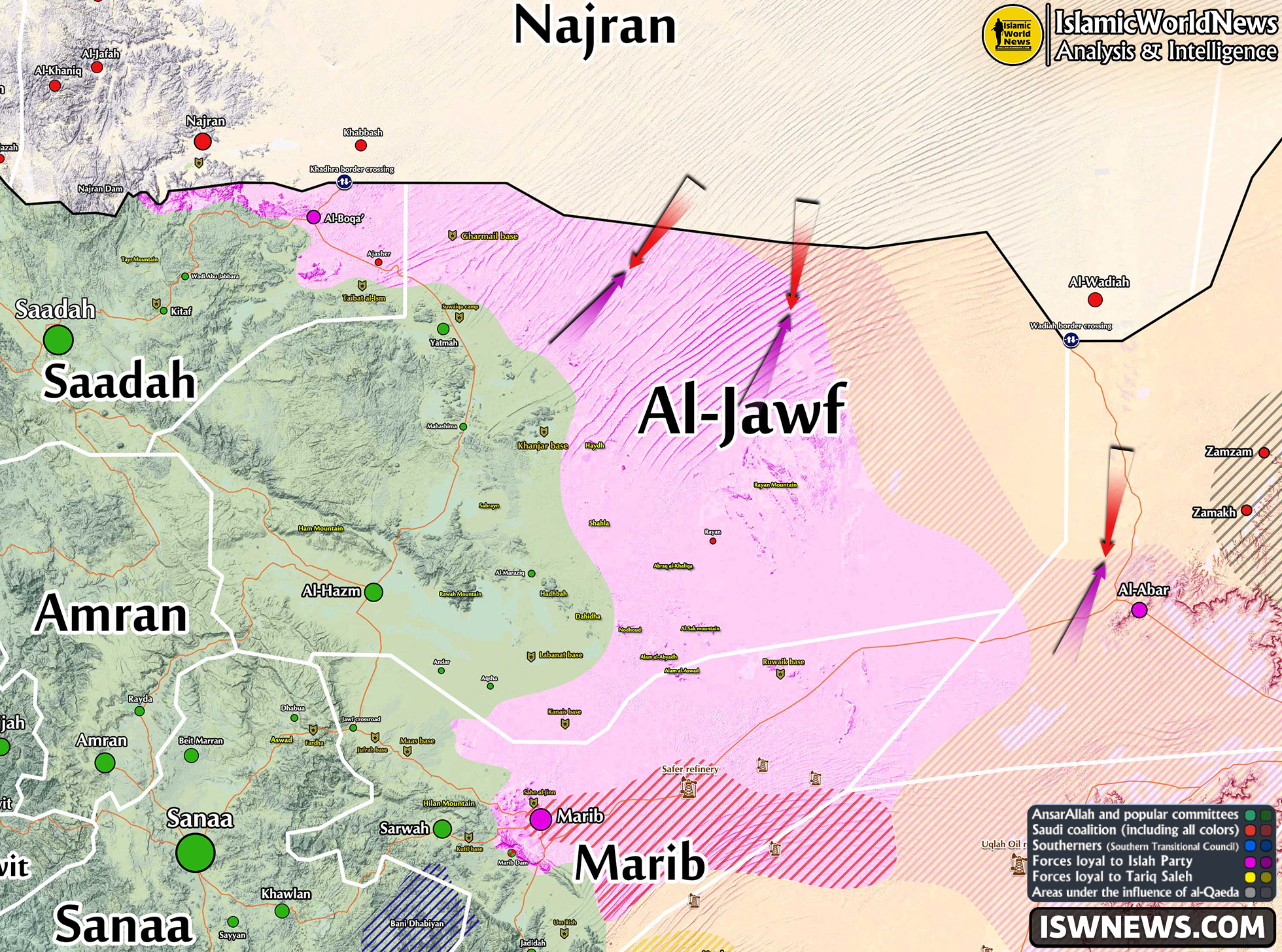
    According to local Yemeni sources, divisions of the Dar al-Watan forces, who are affiliated with Saudi Arabia, have started entering the desert of Al-Jawf Governorate in northern Yemen to take control of the border military sites between the war-torn country and Saudi Arabia.

    The Yemeni sources also confirmed that the process of replacing Al-Dara’ al-Watan forces with armed members of the Al-Islah Party (the Yemeni Congregation for Reform) is part of a security plot, which also comprises the city of Marib that is the headquarters of the Al-Islah Party.

    The plan for deploying Al-Dara’ al-Watan forces in Hadhramaut, Al-Jawf, Marib, and Shabwa governorates reflects the Saudi kingdom’s attempt to dominate Yemen’s oil-rich regions prior to achieving any potential political accord.

    Al-Dara’ Al-Watan (Nation Shield) forces are militants, who formed in November 2022 with the support of Saudi Arabia to pursue its plans in Yemen. 

  • Saudi Arabia Carries Out New Measures To Take Absolute Control Over Hadhramaut 

    Saudi Arabia Carries Out New Measures To Take Absolute Control Over Hadhramaut 

    In this respect, a few days after the technical visit and the preparation of a plan to control the oil fields in the largest Yemeni governorate, the Saudi command room in Hadhramaut dispatched a logistical convoy to the facilities of the Petrosilah Company in the mountainous areas of the eastern governorate with the intervention of the Saudi-backed Al-Dara’ Al-Watan (Shield of the Homeland) militants.

    This Saudi move coincided with the completion of the process of handing over control of the Al-Wadiah border crossing to the Al-Dara’ Al-Watan forces as well as the pull-out of the forces of the 141st Infantry Brigade of the Islah Party (the Yemeni Congregation for Reform) from the border area, indicating that the Saudis are seeking to consolidate their grasp over the east of the war-torn country.

    The forces of the Al-Daraa Al-Watan (Shield of the Homeland) are militias that were formed in November 2022 with the support of the Saudi kingdom and the role of Saghir bin Aziz, Chief of the General Staff and Commander of Joint Operations, as well as Brigadier General Tareq Mohammed Abdullah Saleh, a Yemeni military commander and the nephew of the late President Ali Abdullah Saleh. The Al-Daraa Al-Watan militants were consisted of pro-Saudi tribes in Hadhramaut Governorate, the Yemen al-Saeed forces (subordinate to Saghir bin Aziz) as well as a division of the pro-Tariq Saleh forces in western Lahj Governorate.

    Saudi Arabia’s objectives in deploying Al-Dara Al-Watan militants in Hadhramaut Governorate can be summarized in two sections: 1- Confronting the Southern Transitional Council, and 2- Controlling the oil fields and ports of Hadhramaut Governorate, all of which are in line with challenging the intensification of the United Arab Emirates’ influence in the occupied regions of Yemen. Despite the Saudi-UAE alliance against the Ansar Allah movement, the Saudi kingdom and the UAE are fiercely competing with each other in usurping resources and looting the wealth of Yemen’s southern and eastern areas.

  • Yemen, Saudi Arabia Strike New Deal To De-Escalate

    Yemen, Saudi Arabia Strike New Deal To De-Escalate

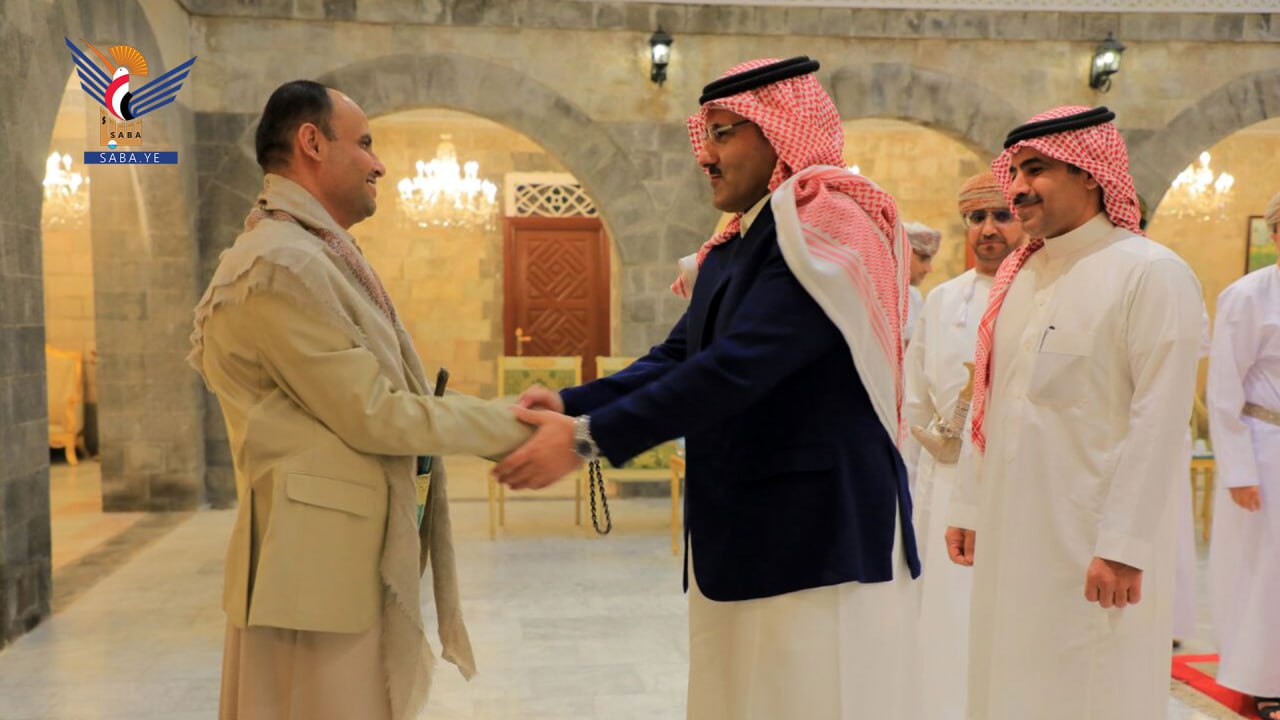
    The officials of Saudi Arabia and the National Salvation Government of Yemen have reached consensus to cancel the recent decisions and measures against each other’s banks and similar moves in the future.

    The two sides also agreed to resume Yemen Airlines flights three flights a day from Sana’a International Airport to the Jordanian capital Amman, as well as from Sana’a to the Egyptian capital Cairo, and India as needed.

    In addition, meetings will be held to resolve the administrative, technical and financial disputes of Yemen Airlines, and to review all economic and humanitarian issues based on a special roadmap.

    Officials from Egypt, Oman and the resigned Yemeni government (affiliated with the Saudi-led coalition) have welcomed the agreement. According to Saudi journalists, the agreement was signed in Saudi Arabia, and Omani officials played an important role in the diplomatic consultations on the agreement.

    It should be noted that in recent months, under pressure from the United States, Saudi Arabia had imposed sanctions and ratified punitive laws against the Central Bank of Yemen, which had caused tension and the cancellation of some political agreements by the National Salvation Government.

    The Saudis also unilaterally rejected the Ansar Allah movement’s proposed deal to exchange prisoners and send humanitarian aid, irritating Yemeni officials. This tension was eventually entered new phase after serious threats from Sayyid Abdul-Malik Badr al-Din al-Houthi, the leader of the Ansar Allah movement and the Yemeni revolution, which led to the recent consensus and reaching the aforementioned agreement.