Category: Pakistan

  • Pakistani Airstrikes on Paktika and Nangarhar Provinces in Afghanistan

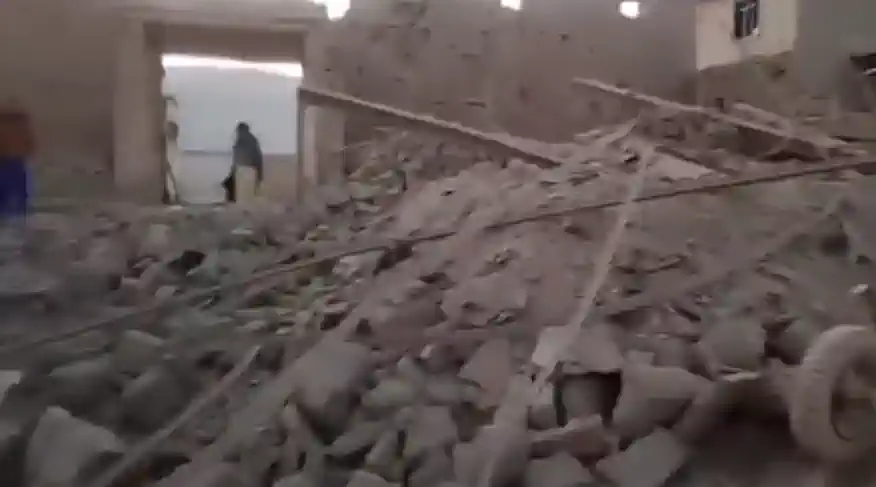
    Pakistani Airstrikes on Paktika and Nangarhar Provinces in Afghanistan

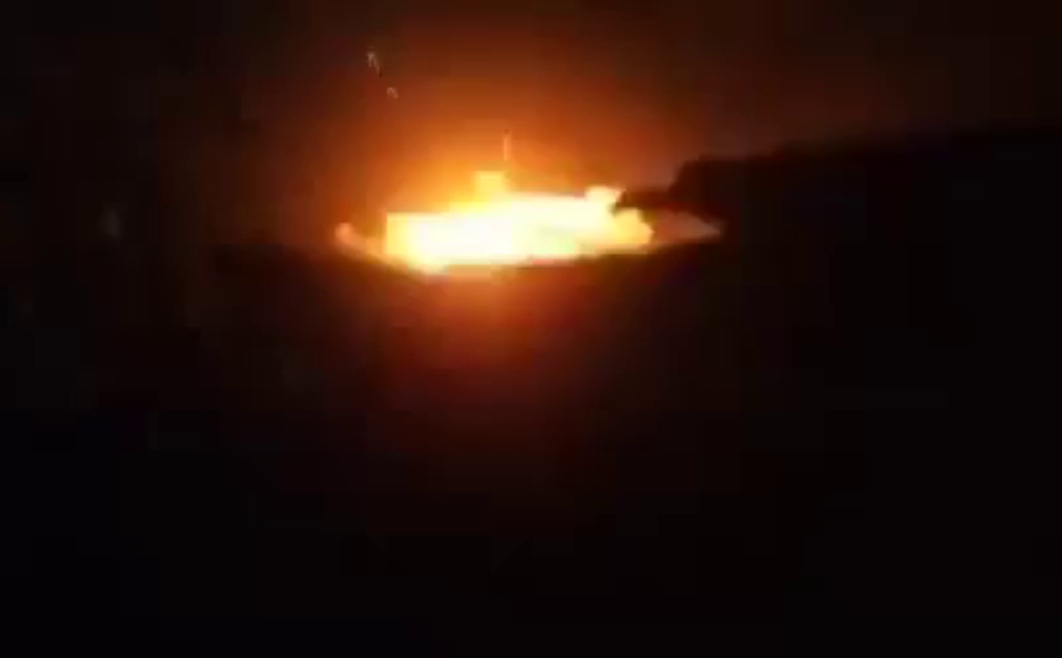
    Saif-ul-Islam Khyber, spokesperson for the Taliban’s Ministry for the Promotion of Virtue and Prevention of Vice, confirmed the incident, stating that a religious school in Paktika was bombed. He described the action as an attack on civilian targets and labeled it “brutal.”

    Pakistani officials have not yet issued a statement. However, the strikes reportedly followed the killing of two Pakistani security personnel in Khyber Pakhtunkhwa and threats by the military to retaliate. Some sources have claimed that the intended targets were positions of Tehrik-i-Taliban Pakistan (TTP).

  • Deadliest Year for Pakistan’s Security Forces

    Deadliest Year for Pakistan’s Security Forces

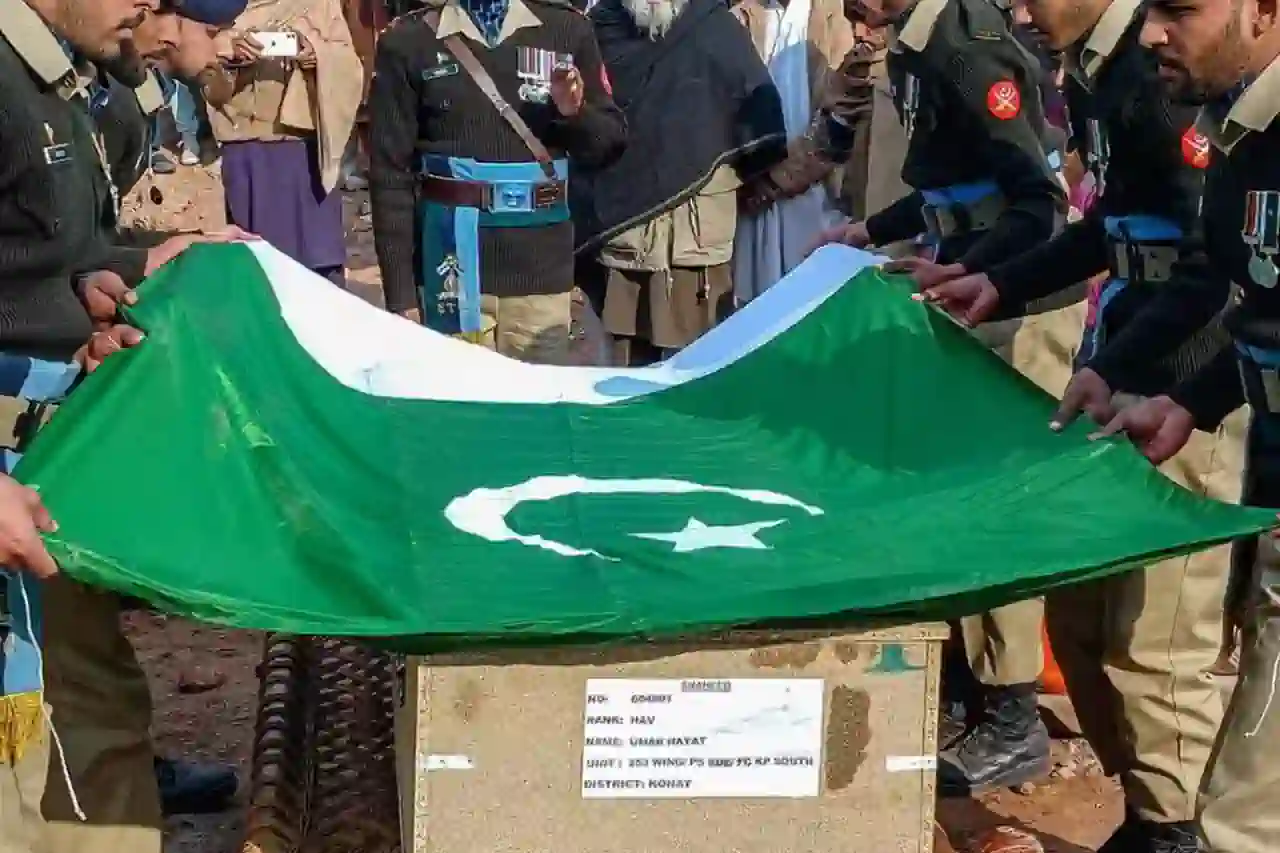
    According to the latest report by the Pakistan Institute for Conflict and Security Studies (PICSS), at least 664 security personnel have been killed this year — a 26% increase compared to 2024. More than 1,000 others were injured, marking a 62% rise from last year.

    The report highlights that intensified clashes are the main cause of these casualties, with the highest losses recorded in Khyber Pakhtunkhwa and Balochistan provinces.

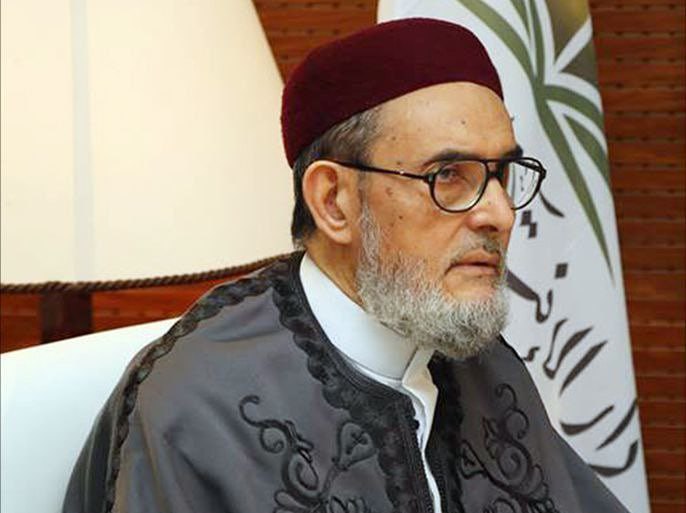
  • Grand Mufti of Libya: Pakistani weapons threaten the lives of civilians in Libya and Sudan

    Grand Mufti of Libya: Pakistani weapons threaten the lives of civilians in Libya and Sudan

    Al‑Ghariani stressed that Pakistan, as one of the largest Muslim nations, is fully aware these weapons will be used to kill civilians and fuel wars in Libya and Sudan. He urged Libya’s Government of National Unity (GNU) to summon Pakistan’s ambassador and reprimand him for violating the UN arms embargo and supplying weapons to Haftar.

    The Grand Mufti’s criticism comes as the deal could strengthen Pakistan’s position as a major player in the global arms market. At the same time, given Pakistan’s economic pressures and shortage of foreign currency, the agreement represents a significant source of revenue for Islamabad.

  • Death of 10 Civilians in Airstrikes on Afghanistan; Pakistan Denies Involvement

    Death of 10 Civilians in Airstrikes on Afghanistan; Pakistan Denies Involvement

    On the other hand, Pakistan has firmly rejected the Taliban’s claims of conducting airstrikes, calling them “baseless propaganda.” Islamabad stressed that it has not carried out any such operations, suggesting that the reported explosions were likely the result of internal Afghan conflicts or staged incidents. The Director General of ISPR also voiced concerns about possible involvement of Indian-backed infiltrators in spreading false narratives.

    These developments come at a time when the fragile ceasefire between the two countries is barely holding, with each side blaming the other for the deadlock in negotiations.

  • Senior TTP Leader Mufti Muzahim Killed in Bajaur Strike

    Senior TTP Leader Mufti Muzahim Killed in Bajaur Strike

    Qari Amjad was a high-ranking member and former deputy leader of the TTP. In November 2022, he was added to the U.S. terrorist list due to his involvement in attacks across Khyber Pakhtunkhwa.

    The Pakistani military claims he had been operating from Afghanistan to destabilize Pakistan and had placed a bounty of 5 million rupees on his head.

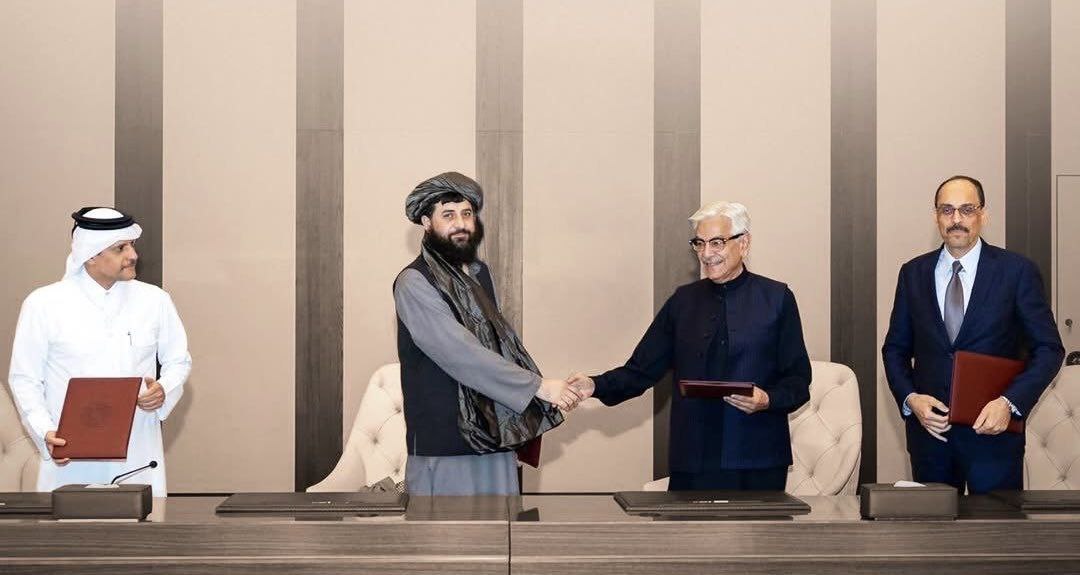
  • Afghanistan–Pakistan Ceasefire Agreement Brokered by Qatar and Turkey

    Afghanistan–Pakistan Ceasefire Agreement Brokered by Qatar and Turkey

    Talks were led by Mullah Mohammad Yaqoob Mujahid and Abdul Haq Wasiq for the Taliban, and Khawaja Muhammad Asif and General Asim Malik for Pakistan. Both sides agreed to cease hostilities, commit to peaceful neighborly relations, and resolve remaining disputes through dialogue.

    To ensure the ceasefire holds, both parties pledged to hold regular meetings. A follow-up session is scheduled for October 25 in Istanbul to discuss the agreement’s details.

    According to Taliban spokesperson Zabihullah Mujahid, both sides agreed not to support groups attacking one another and committed to avoiding harm to security forces, civilians, or infrastructure.

    The ceasefire agreement between the Pakistani military and the Afghan Taliban comes after weeks of clashes along the Durand Line, which began on October 9 amid mutual accusations of supporting terrorism. This conflict, one of the most futile in recent regional history, resulted in the deaths and injuries of hundreds of soldiers and civilians, bringing nothing but destruction and suffering to innocent people.

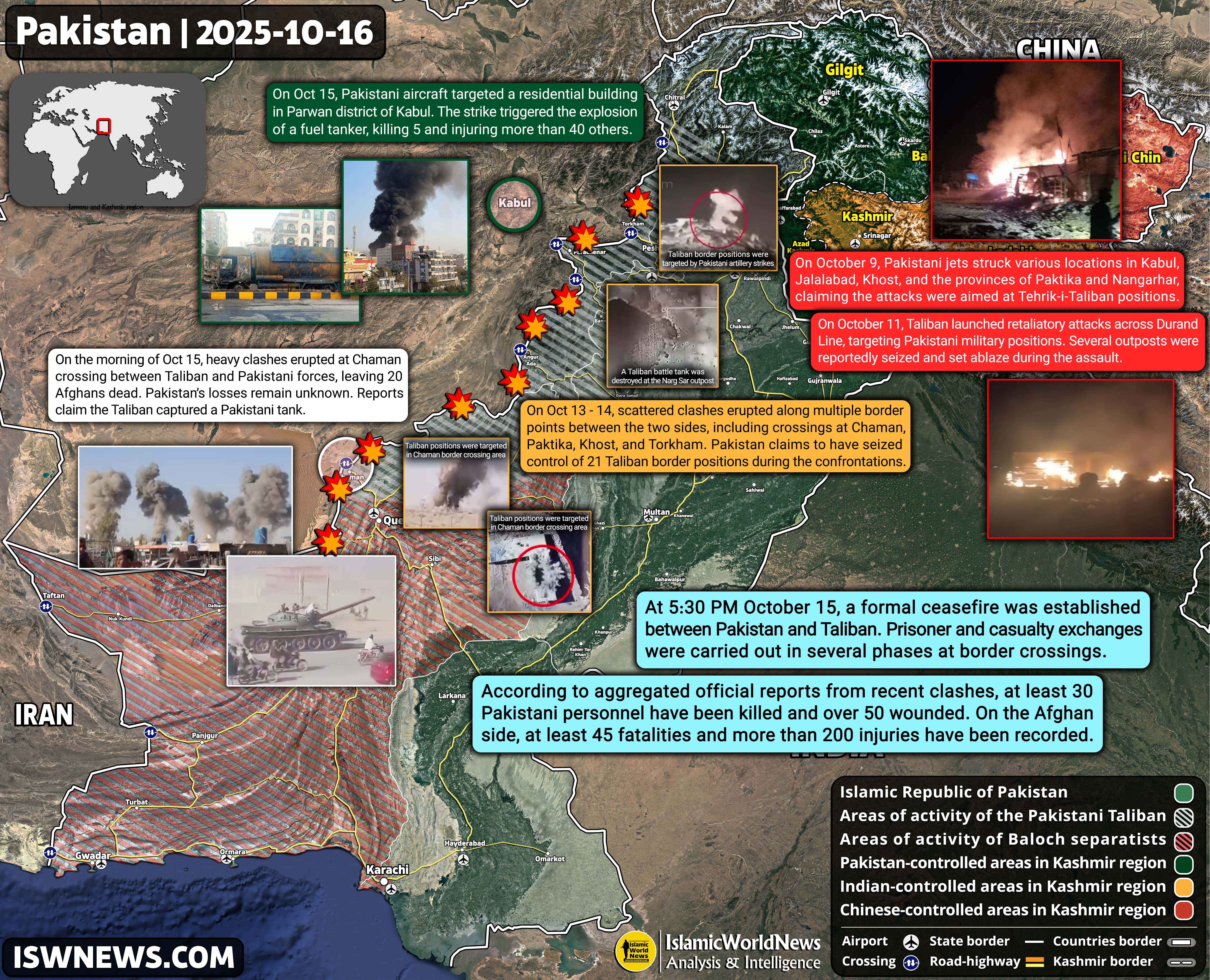
  • From Airstrikes to Ceasefire: A Summary of the Latest Afghanistan–Pakistan Border Tensions

    From Airstrikes to Ceasefire: A Summary of the Latest Afghanistan–Pakistan Border Tensions

    According to official figures, at least 30 Pakistanis were killed and over 50 wounded. On the Afghan side, at least 45 fatalities and more than 200 injuries were reported. In response to the escalation, Pakistan suspended all trade with Afghanistan, and border crossings are now open only for returning Afghan migrants expelled from Pakistan.

    A partial ceasefire was established on the evening of October 15, with both sides exchanging prisoners and the bodies of the deceased at various border points.

    Pakistan claims the conflict stems from the Taliban’s alleged support for Tehrik-i-Taliban Pakistan (TTP) fighters based in eastern Afghanistan. The Taliban, in turn, accuses Pakistan’s intelligence services of training ISIS-affiliated groups and deploying them for terrorist operations in Afghanistan and across the region, including Russia and Iran. While many disputes exist between the two sides, the central issue driving the conflict is mutual accusations of supporting terrorism.

    Click to view full-size image
  • Muridke Turns Violent Amid TLP’s Protest

    Muridke Turns Violent Amid TLP’s Protest

    The confrontation resulted in five deaths—three TLP supporters, one police officer, and a passerby—while 108 others were injured. Additionally, 40 government and private vehicles were either damaged or set ablaze during the violence.

    Muridke Turns Violent Amid TLP’s Protest

    Simultaneous protests erupted in Rawalpindi and several other cities across Pakistan, drawing thousands of TLP supporters into the streets.

    Tehreek-e-Labbaik Pakistan is a religious-political group aligned with the Barelvi Sunni tradition. Founded in 2015 by Khadim Hussain Rizvi, the group is now led by his son, Saad Hussain Rizvi. Known for its hardline religious stance and mass street demonstrations, TLP holds Islamist views but remains ideologically opposed to both the Taliban and Shia Islam.

  • A Pause in Hostilities: Inside the Latest Taliban–Pakistan Clash

    A Pause in Hostilities: Inside the Latest Taliban–Pakistan Clash

    Pakistani media have released multiple videos of their strikes on Taliban positions, while Taliban-affiliated outlets have only shared images of fallen Pakistani soldiers, without providing further details.

    Overall, last night’s clashes between the Taliban and the Pakistani army were part of a border skirmish, with both sides suffering significant casualties and damage. As such, their one-sided claims appear to be more propaganda-driven. In essence, the Taliban carried out guerrilla-style raids on border outposts, while the Pakistani army responded using conventional military force against Taliban positions along the frontier.

    Moment of Pakistani artillery shelling on Taliban border posts
    Moment of Pakistani artillery shelling on Taliban border posts
  • Taliban Launch Cross-Border Attacks After Pakistan’s Kabul Airstrike

    Taliban Launch Cross-Border Attacks After Pakistan’s Kabul Airstrike

    Reports suggest that several Pakistani border posts along the Zabul and Helmand frontiers have been seized by Taliban forces. According to unofficial sources, at least seven Pakistani soldiers have been killed in these attacks.

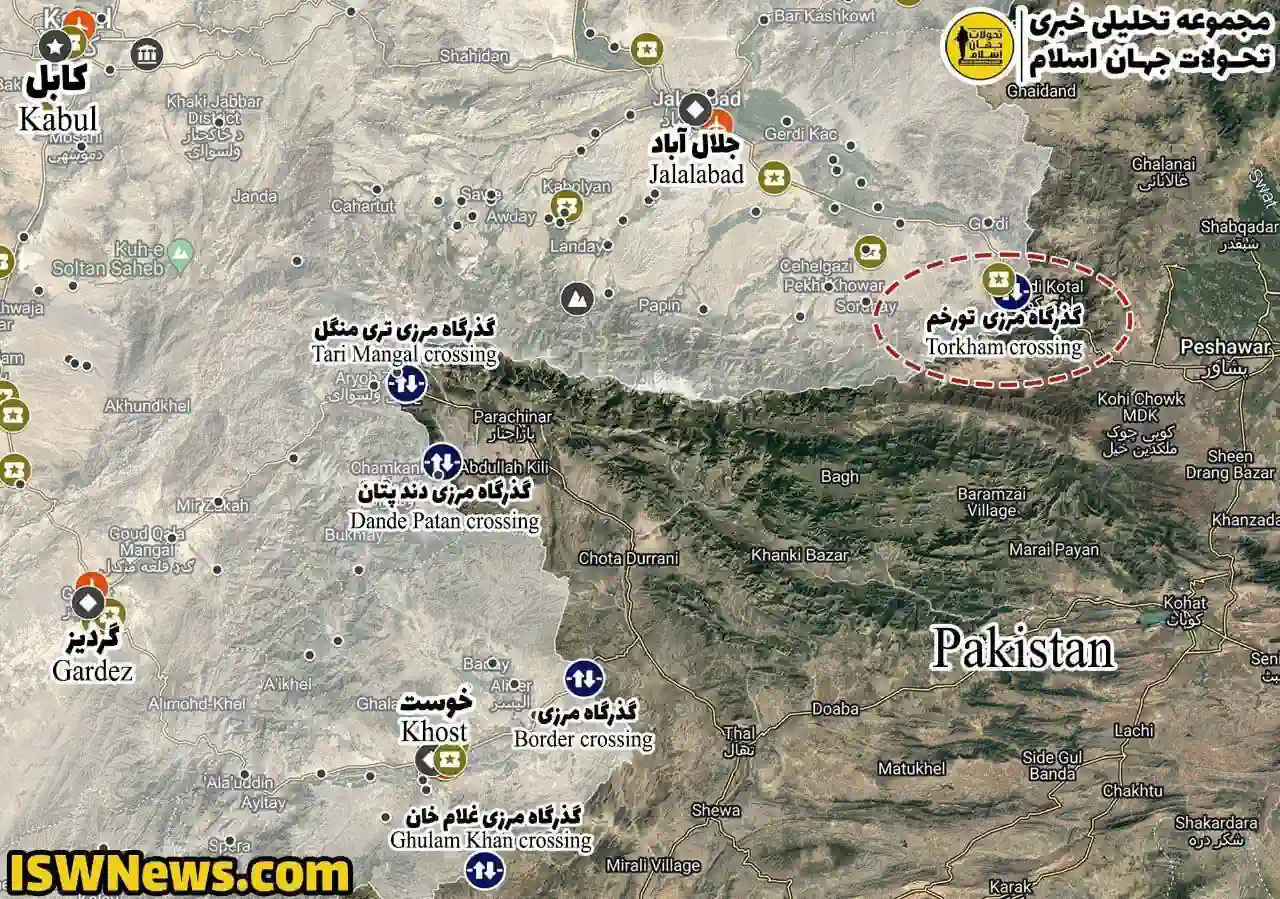
    On the night of Thursday, October 9, Pakistani fighter jets carried out airstrikes targeting various locations in Kabul, Jalalabad, Khost, and the Bermal district of Paktika province.

    This marked Pakistan’s first-ever airstrike on Afghanistan’s capital, Kabul. According to Pakistani media reports, the target was a vehicle carrying senior members of Tehrik-i-Taliban Pakistan (TTP). The intended assassination target was allegedly Noor Wali Mehsud, the leader of TTP. However, Taliban-affiliated media later released an audio recording attributed to Mehsud, denying the claims and asserting that he survived the attack.

    Hours after the Kabul strike, Pakistani jets reportedly bombed additional targets in Paktika, Khost, and Nangarhar provinces. These attacks resulted in the destruction of numerous shops in Bermal’s poultry market and damaged several buildings in Khost and Jalalabad.

    There is growing anticipation that Pakistan’s military may soon launch more extensive air operations against Taliban positions. The Kabul airstrike has significantly escalated tensions, and without swift mediation from regional powers like China or Iran, a prolonged and intense conflict between Pakistan and the Taliban could be imminent.
  • Saudi Arabia and Pakistan Sign Strategic Defense Pact

    Saudi Arabia and Pakistan Sign Strategic Defense Pact

    The agreement was formalized during Pakistani Prime Minister Shehbaz Sharif’s visit to Riyadh, marking a significant and symbolic step toward deepening bilateral defense ties. It encompasses broad collaboration in defense and security, with a mutual defense clause that binds the two nations to respond collectively to external aggression.

    This joint accord reflects a shift in regional dynamics, especially following Israel’s recent attack on Qatar. It signals growing disillusionment among regional leaders with the security guarantees offered by global powers, prompting emerging nations like Saudi Arabia and Pakistan to forge independent security alliances.

    Saudi-Pakistani relations have historically been close since Pakistan’s separation from India, with extensive cooperation across political, economic, and military domains. Pakistan’s military has played a pivotal role in training Saudi forces and has been actively involved in Saudi military operations, notably in Yemen. Conversely, Saudi Arabia has supported Pakistan during economic crises through loans and financial aid.

    What sets this agreement apart is its formalization of the longstanding relationship into an organized and binding commitment. It strategically aligns both countries against perceived threats from India, Israel, and potentially Iran.

    Despite the public announcement of the pact, its detailed provisions remain classified. A key question looms: does the agreement extend to Pakistan’s nuclear capabilities? If so, the regional implications could be profound, potentially reshaping the balance of power across the Middle East and South Asia.

  • Baloch Separatists Capture Surab Town (Video)

    Baloch Separatists Capture Surab Town (Video)

    Pro-Baloch separatist media outlets have released images of militants from the Baloch Liberation Army (BLA) attacking and capturing Surab town in Balochistan province.

    The BLA taking control of Surab town

    The BLA issued a statement claiming that they have taken control of important government facilities, police stations, and several critical sectors in the area. Additionally, BLA militants have established checkpoints along the Quetta-Karachi road and the Surab-Gwadar route, where they are monitoring civilian vehicles.

    Surab town, located on the Quetta-Karachi road—Pakistan’s economic and industrial corridor—poses a significant security threat to many regions in the country if it remains disrupted. It is anticipated that the Pakistani army and security forces will take action to regain control of the town in the coming hours.