The document, whose full version has not been released due to its classified nature, replaces the previous “One Force Design 2024” plan.
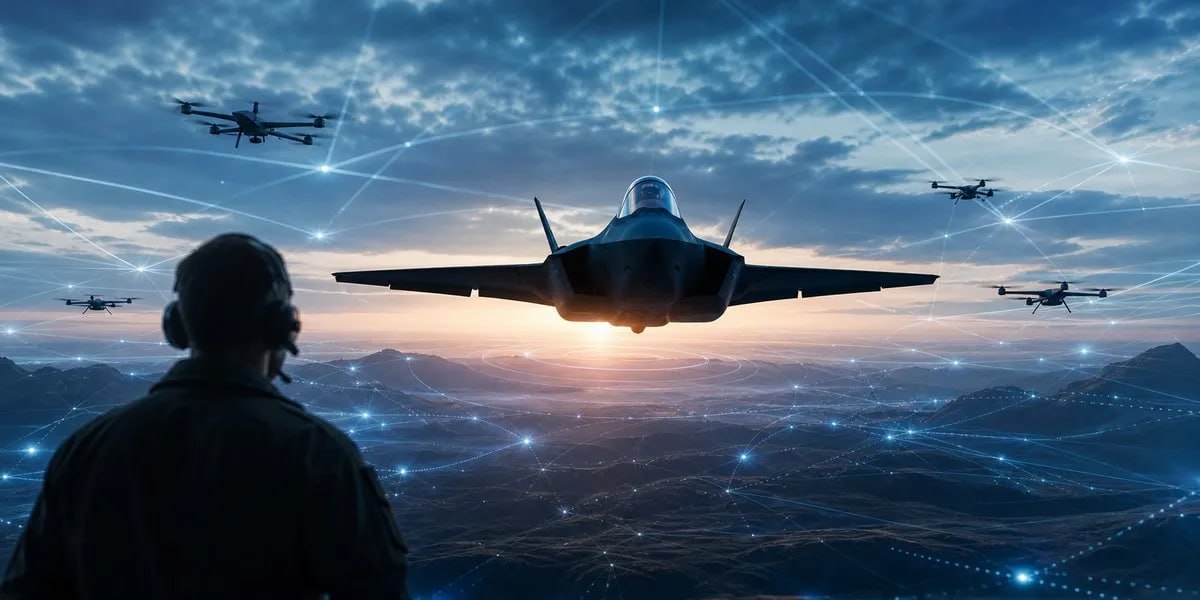
The main focus of the new plan is a shift towards an integrated structure combining sensors, communications networks, artificial intelligence, autonomous systems, long-range weapons, and electronic warfare capabilities.
Under this framework, crewed aircraft, drones, sensors, weapons, and command-and-control systems are expected to operate as a coordinated operational network. This would allow other parts of the force to continue carrying out missions even if some communications links are lost, or certain components of the network are damaged.
The use of autonomous systems and artificial intelligence is also being pursued more extensively to accelerate decision-making, improve operational coordination, and increase combat flexibility.
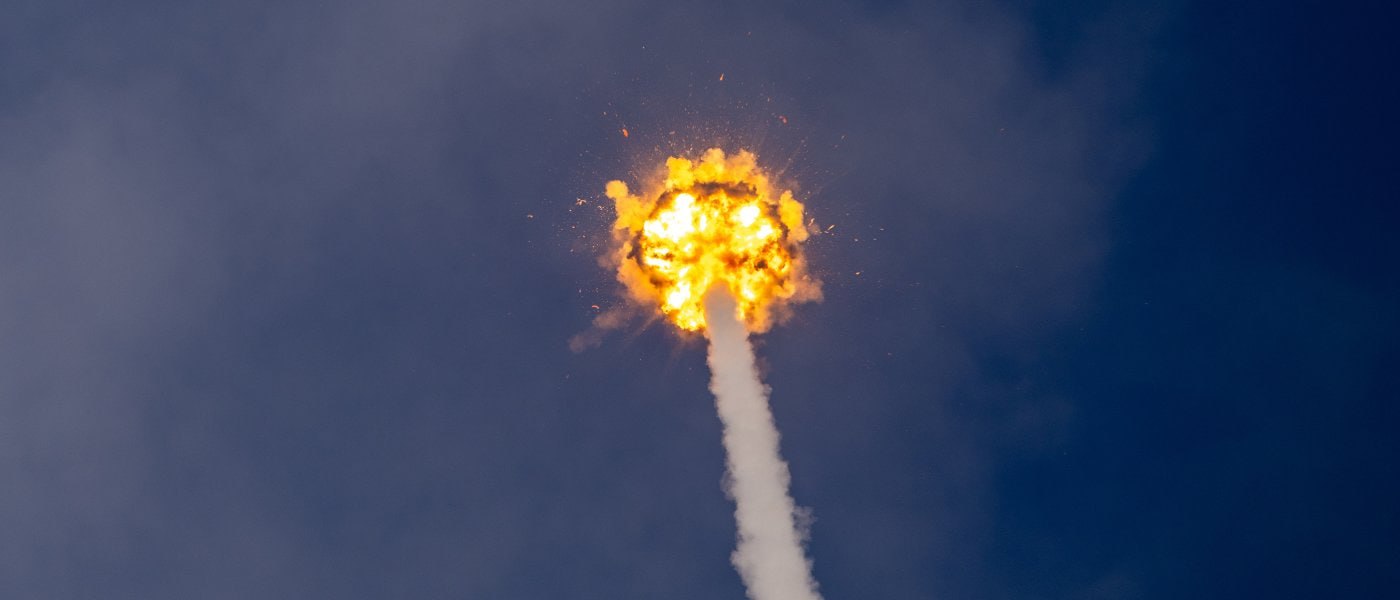
According to the think tank’s estimates, the US consumed approximately one-third to two-thirds of its pre-war stocks of certain key munitions during military operations against Iran and the subsequent clashes. The remaining stockpiles are considered sufficient for a resumption of hostilities with Iran, but the situation is more concerning in the event of a potential war with China.
Patriot: Approximately two-thirds of pre-war Patriot interceptor missile stocks have been consumed. Lockheed Martin plans to increase annual production capacity from around 600 to 2,000 missiles.
THAAD: Approximately half of the interceptor missile stockpile for this system was used during the war with Iran. The US is seeking to quadruple THAAD interceptor production capacity to replenish its stocks.
Tomahawk missiles: Approximately one-third of pre-war stocks have been consumed. RTX plans to increase annual production to 1,000 missiles.
JASSM cruise missiles: Approximately one-third of pre-war stocks have been consumed.
SM-3 and SM-6 missiles: Consumption of these naval interceptor missiles has been relatively limited. However, replenishing their stockpiles will take time due to low procurement levels in previous years.
Stinger missiles: Stockpiles of these short-range missiles have been reduced due to extensive transfers to Ukraine. Their production line has also only recently been reactivated after years of inactivity.
According to CSIS estimates, delivery of many newly manufactured munitions will take between two and four years following congressional funding allocations. Therefore, the main challenge facing the US is not simply securing funding, but also limited production capacity and the time required to replenish its stockpiles.
The think tank also notes that, from the fifth day of military operations against Iran, the US military gradually reduced its use of expensive, long-range munitions and shifted toward shorter-range and less expensive weapons.
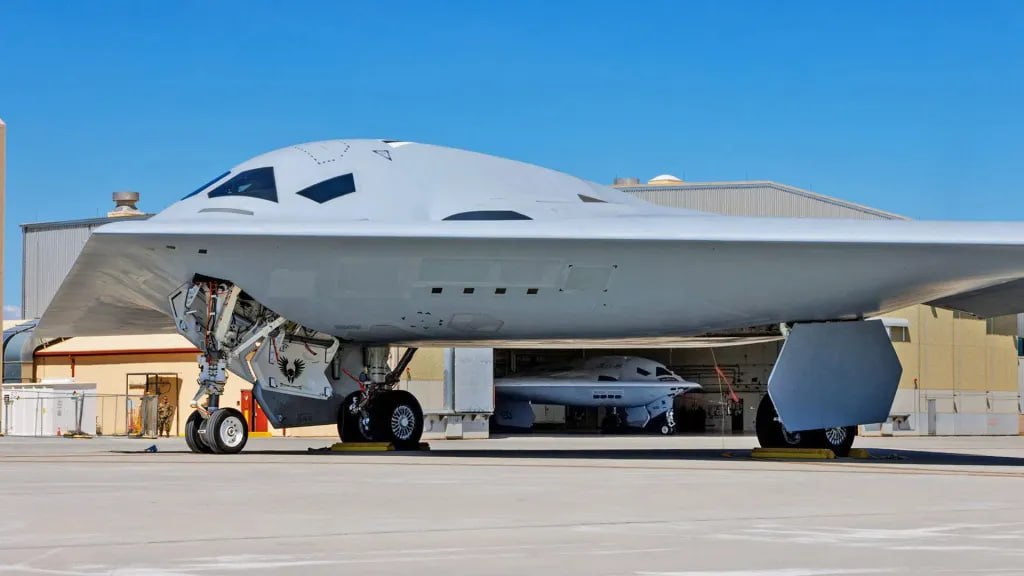
According to the US Air Force, the test was conducted using one of the B-21 pre-production aircraft, which took off from Edwards Air Force Base in California. During the test, a conventional munition was released to validate digital models and assess the aircraft’s ability to rapidly integrate new weapons.
The type of weapon used in the test and details of its performance have not yet been disclosed. The B-21 is designed to carry a wide range of conventional and nuclear weapons. The AGM-181A Long-Range Stand-Off (LRSO) nuclear cruise missile is also expected to be one of its key future weapons.
Two pre-production B-21 aircraft are currently participating in the flight-test programme, and the US Air Force plans to deploy the first operational examples of the bomber in 2027.
The contract is the second phase of a $21.1 million project aimed at developing quantum computing and communication infrastructure. The new phase focuses on developing the optical equipment, hardware, and software needed to create an integrated research network.
Unlike conventional communication networks, which transfer information between systems, quantum networks use a phenomenon called “quantum entanglement” to create connections between different units. This capability could pave the way for more secure communications, extremely precise synchronization, and the linking of quantum sensors across very wide geographic distances.
The company’s production system, called RoboCraftsman, is designed as a set of containerized manufacturing units that can be transported to different locations. Each unit fits into two standard shipping containers. Once deployed, two robotic arms manufacture drone airframes using metal forming and machining processes.
Unlike many conventional drones, which are made from composite materials, this project uses metal sheets. According to the company’s CEO, these materials are cheaper, more readily available, and better suited to large-scale automated production.
One of the system’s key features is its ability to modify drone designs based on operational requirements. Operators can enter specifications such as payload weight and required range to generate different airframe designs. AI-based design tools can also be used to create and evaluate multiple alternative designs in a software environment. Under the initial plan, two pilot factories are expected to be established on US soil.
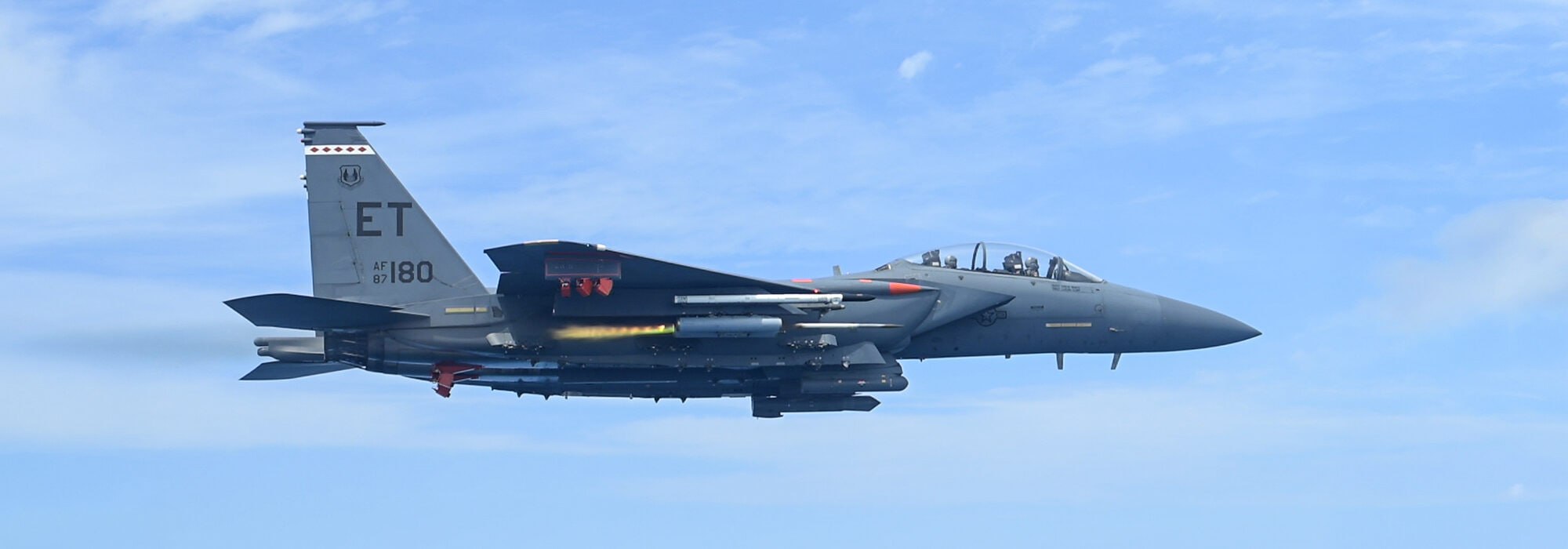
The APKWS system adds a laser guidance kit to Hydra rockets, making it possible to use them precisely against aerial targets. The air-to-air version of this weapon is known as the AGR-20F FALCO and has been in use on F-16 fighter jets since 2024. F-15E fighters and A-10 attack aircraft have also been equipped with this capability.
The first confirmed combat use of the system against drones took place in autumn 2024 by a US F-16 in the Middle East. Subsequently, the US Air Force’s 480th Squadron used these rockets and other weapons to log 108 kills of drones and cruise missiles.
Despite its operational success, the APKWS also has limitations. These rockets need laser designation to guide them to the target, and preparing them for launch, especially when another aircraft provides laser guidance, takes more time and space than conventional missiles. For this reason, in some operational conditions over the Strait of Hormuz and the Persian Gulf, US fighter jets have continued to rely on AIM-9 missiles.
The US Department of Defense and BAE Systems have reached a seven-year agreement to produce 25,000 APKWS guidance kits annually to meet US needs, and a total of 35,000 kits per year when foreign customers are included.
According to the report, the Democrats are considering including these measures in the National Defense Authorization Act (NDAA) so that their approval and implementation can move faster. The plan comes at a time when the future of Washington’s support for Kyiv is in the spotlight, given the makeup of the new Congress and political developments in the United States.
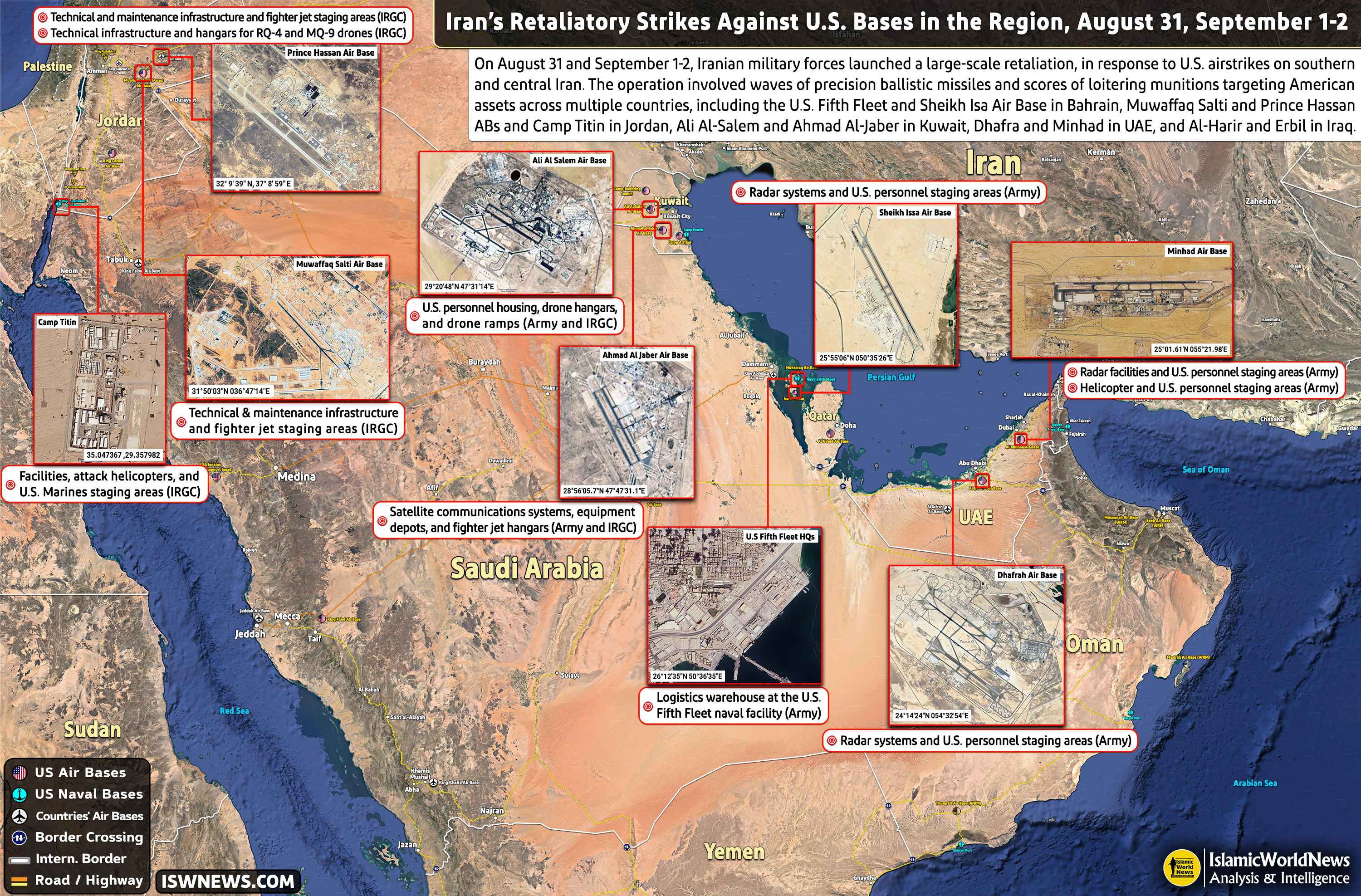
Jordan: — IRGC strikes on August 31 targeted technical/maintenance facilities and fighter aircraft parking areas at Prince Hassan and Al-Azraq (Muwaffaq Salti) bases. — On September 1, the IRGC hit Camp Titin, striking U.S. Marine positions, assault helicopters, and supporting infrastructure. — Additional IRGC strikes on September 1–2 focused on Prince Hassan Air Base, destroying technical infrastructure and hangars housing RQ-4 and MQ-9 drones.
Iraq: — On September 2, joint Army and IRGC operations struck U.S. troop positions at Al-Harir Base, as well as technical facilities and a surveillance balloon at the Erbil Airport base.
UAE: — Army strikes on August 31 hit helicopter staging areas and U.S. personnel positions at Al-Minhad Air Base. — Army operations on September 1–2 further targeted radar installations and troop facilities at both Al-Dhafra and Al-Minhad Air Bases.
Bahrain: — Army attacks on September 1–2 hit radar infrastructure and U.S. troop positions at Sheikh Isa Air Base, along with a logistics depot serving the U.S. Fifth Fleet’s naval installation.
Kuwait: — Joint Army and IRGC operations on September 1–2 struck satellite communications gear, supply depots, and fighter hangars at Ahmad Al-Jaber Base, as well as personnel housing, drone hangars, and drone ramps at Ali Al-Salem Base.
Iran’s Naval Blockade in the Strait of Hormuz: From Economic Pressure to Global Crisis Contagion
The naval blockade against Iran—which has effectively already begun—can, at the tactical level, swiftly target the main flow of Tehran’s foreign currency revenues, given that over 90% of its foreign trade and the bulk of its oil exports pass through the Persian Gulf. Disruption along this route could generate daily losses of up to roughly $435 million and, in the short term, even lead to a halt in oil production due to limited storage capacity. However, at the strategic level, the core issue is not the “initial effectiveness” but rather the “sustainability and management of consequences”—since this blockade is being imposed at a global chokepoint through which about 20% of the world’s energy flow transits. Any disruption there would directly translate into higher energy prices, global inflation, and pressure on energy-importing economies, particularly in Asia.
This interdependence transforms the blockade from a unilateral leverage tool into a “crisis contagion mechanism,” whose costs are transferred to third parties and gradually generate reverse political pressure on Washington. On the other hand, effective implementation of the blockade demands a continuous and extensive naval presence, preparedness to intercept non-Iranian vessels, and acceptance of the risk of confrontation with major powers such as China—a fact which, as analyses explicitly state, turns this operation into an open-ended military commitment that is, in the medium term, “unsustainable.” Furthermore, legal constraints arising from the transit passage regime in the Strait of Hormuz effectively rule out the possibility of complete closure, and any effort to extend the blockade to third-party ships would raise the threshold of conflict from a bilateral to a multilateral level. Consequently, in the current situation, the naval blockade should be analyzed not as a definitive solution, but rather as a pressure instrument with short-term functionality and long-term uncontrollable repercussions—one that, while capable of severely pressuring Iran’s economy in its initial phase, will in all likelihood, over a longer horizon, lead to the erosion of America’s strategic capacity and credibility due to the networked nature of the energy economy and operational limitations. In any case, the issue of the naval blockade of Iran and its feasibility in strategic terms is analyzed as follows:
Attrition in the “Endless” Mission: Pentagon experts warn that a full blockade of Iran’s ports and coastlines would constitute a massive military operation with no time ceiling. America’s geographic distance and the need for a permanent naval presence render this mission “unsustainable” logistically in the medium and long term, to the point that the U.S. military would effectively lack the capability to fully cover all trade exchanges across such a vast geographical area.
The Industrial Self-Sanction Trap: Contrary to initial assumptions, this blockade targets the U.S. defense industry even more than Iran. The obstruction of sea lanes halts the trade of critical mineral commodities such as sulfur, which is essential for copper and cobalt extraction. This crisis severely diminishes America’s ability to “repair battle-damaged equipment” and “produce jet engines and drones,” while driving up input prices by as much as 165%.
Economic Deadlock and Shifting Objectives: A daily cost of $2 billion, with a projected total expenditure of up to $1 trillion, coupled with the inability to eliminate Iran’s underground military capabilities, is pushing Washington toward a strategy of “graceful exit.” In practice, America’s geographic distance and the vulnerability of allied supply chains have minimized Washington’s resilience in the face of a war of attrition.
Return to Direct Clash between Iran and the United States: From Tactical Pause to the Likelihood of a War of Attrition
A return to direct confrontation between Iran and the United States depends less on sheer political will than on the disruption of the fragile balance now established between the costs of continuing the war and the costs of retreating. From the American perspective, the main precondition for resuming hostilities is that the naval blockade, economic pressure, and limited airstrike threats fail to compel Tehran to accept Washington’s preferred arrangements—particularly given that, according to available sources, Iran, despite enduring heavy military blows, has not collapsed; rather, it has emerged from the first phase with more uncompromising leadership, buried reserves of enriched uranium, and greater political cohesion. Conversely, from Iran’s standpoint, the condition for re-entering direct war is that Washington or Israel crosses the line from deterrence and pressure into infrastructure warfare, high-level assassinations, intensified blockade, or attempts to impose “unconditional surrender”—because, based on field data in Tehran, the prevailing assessment is that any ceasefire without credible guarantees would merely be a pause for a renewed attack within a shorter interval. For this reason, Iran’s planning horizon is not focused on a quick end to the war, but on readiness for a months-long, attritional conflict. Under such circumstances, the second phase of the war will most likely manifest not as a large-scale ground invasion, but as a hybrid, escalating form of combat.
The characteristics of this conflict can be outlined as follows: expansion of strikes on Iran’s economic and energy infrastructure by the U.S. and Israel, and in response, reciprocal Iranian attacks on energy facilities, refineries, ports, shipping routes, and American and allied interests in the region—a pattern whose early signs have already been observed in strikes on Assaluyeh, disruptions to Qatar’s LNG capacity, and threats to navigation in the Strait of Hormuz. The decisive point, however, is that the U.S. also faces serious deterrent obstacles to re-entering an unlimited war. In other words, according to some estimates, the cost of war has reached approximately $2 billion per day and could exceed $1 trillion, while the blockade of Hormuz itself places pressure on America’s own defense supply chain, with West Point assessments even describing it as a “pre-logistics crisis” for replenishing equipment and munitions. Hence, the most probable scenario is that, if negotiations fail again, the second phase of the war will not be a lightning offensive, but a multi-level war of attrition, in which the U.S. seeks, without engaging in ground occupation, to incrementally raise the economic and infrastructural costs for Iran, while Iran, relying on the survival of its missile capacity, the Hormuz leverage, and its ability to generate regional insecurity, raises the costs of continued conflict for the U.S., its allies, and the global economy. Thus, the central issue in returning to direct hostilities is not the mere feasibility of initiating war, but each side’s capacity to endure the consequences of its second phase.
Validating NATO’s Confrontation with the U.S.: Genuine Rupture or Structural Dependency?
The claim of “NATO confronting the U.S.” reflects, more than an operational scenario, a transition from a value-based alliance to an asymmetric and “transactional” security order. The 2026 U.S. National Defense Strategy, with its absolute prioritization of homeland defense and deterrence of China in the Indo-Pacific region, has reduced NATO to a secondary instrument, placing the main burden of conventional defense against Russia on European allies. This paradigm shift, combined with Washington’s pressure to increase defense spending to 5% of GDP, has deepened the rifts inherited from the first Trump era to the level of a “crisis of strategic trust,” where analysts at think tanks such as Brookings and the IISS regard unilateral U.S. actions as undermining the foundations of Western deterrence.
The February 2026 war in Iran and the crisis over the proposal to annex Greenland have acted as key accelerators of this operational divergence. The joint U.S.-Israeli strikes on Iran, conducted without sufficient consultation with Brussels, triggered a bipolar reaction across Europe. While countries such as Spain, deeming the war illegal, refused to provide their bases (Rota and Morón) or airspace to U.S. forces, Washington threatened to suspend their membership or sever trade relations entirely, thereby challenging NATO’s cohesion. Simultaneously, the U.S. insistence on acquiring Greenland and the threat of imposing 25% tariffs on European goods have been legally interpreted as violations of Article 1 of the Washington Treaty, and for the first time, intelligence services of long-standing allies such as Denmark were compelled to factor the United States in as a “potential security risk” in their calculations. Despite these unprecedented tensions, structural limitations preclude an outright institutional confrontation, since the 1949 treaty lacks a mechanism for expelling or counteracting members, and Article 13 only provides for voluntary withdrawal. As a result, Europe’s reaction is proceeding not through direct confrontation within NATO, but through the “gradual Europeanization of security” and the activation of parallel structures now taking shape. The “Readiness 2030” plan—with its €800 billion budget and the SAFE financial instrument for joint arms procurement prioritizing European industries—alongside the drafting of the EU’s “Article 42.7 Handbook” as a substitute for NATO’s Article 5, signals a serious effort to manage dependency on America and prepare for the scenario of a potential U.S. exit from the alliance. This process, rather than collapse, has given rise to a “realist NATO,” in which raw power and European defense autonomy replace earlier idealism.
With the breakdown of negotiations, the likelihood of NATO’s formal entry into war remains near zero, owing to the firm opposition of countries such as Spain and Italy and the lack of consensus over the legal legitimacy of operations. The economic costs arising from $106 oil and a monthly financial burden of €3 billion for Europe, coupled with the closure of the Strait of Hormuz, severely constrain the allies’ financial capacity for a protracted conflict. Militarily, the rapid depletion of U.S. interceptor missile stockpiles (e.g., THAAD and SM-3)—which would take up to six years to replenish—has confronted Washington with a “munitions gap” and weakened NATO’s readiness to defend other fronts. Under these conditions, the most plausible scenario is the continuation of unilateral U.S. intervention with limited support from certain specific allies, alongside the acceleration of European defense independence plans (such as Readiness 2030) to decouple from Washington’s security orbit.
The Bab al-Mandab Strait and Its Impact in the Second Phase of the Conflict
In the second phase of the war, the Bab al-Mandab Strait could function as a “complementary chokepoint” and Iran’s most significant strategic leverage mechanism, since Tehran is capable of transforming a regional crisis into an international geoeconomic blockade by affecting 12% of global trade and 22% of container traffic.
This map shows how two vital energy bottlenecks in the world, the Strait of Hormuz and Bab al-Mandeb, can become tools of geopolitical pressure and disrupt the flow of global trade due to regional tensions.
Based on analyses from think tanks such as the Israeli regime’s National Security Studies Institute and Al Jazeera, Iran—through its allied proxy Ansarallah—possesses not only the capability to block alternative energy export routes—such as the East-West pipeline in Saudi Arabia that delivers oil to Yanbu port, which still requires passage through this strait to reach Asia—but also, by forcing vessels to reroute around the Cape of Good Hope, it has increased shipping companies’ operational costs by up to $50 million per week and created the risk of oil prices spiking to $150–200 per barrel.
In late February 2026, the United States and the Zionist regime launched coordinated military operations under the names “Epic Fury” and “Roaring Lion” against Iran—operations considered the largest U.S. military action since the 2003 invasion of Iraq. During this conflict, CENTCOM struck over 11,000 targets, while Iran responded with thousands of missiles and drones. Iran’s Supreme Leader, Ayatollah Khamenei, was martyred in the initial attacks. However, these statistics alone do not capture the historical significance of this war; rather, what distinguishes this conflict is the central role of artificial intelligence, autonomous systems, and commercial technologies—which no longer serve merely as support tools but have been placed at the core of operations.
The “Maven” project had been initiated back in 2018. Prior to the emergence of large language models, this unit, in collaboration with several companies, was supporting the Maven project to advance “computer vision”—an AI capability that enables the detection and differentiation of objects in satellite imagery, assisting analysts in reviewing visual data.
The Maven project helped accelerate the deployment of machine learning in the fields of reconnaissance, surveillance, intelligence analysis, and geospatial intelligence. This legacy ultimately led to the development of the “Maven Smart System” by Palantir Technologies, which today has become the cornerstone of AI-driven U.S. military operations.
Background
The U.S. Department of Defense has designated Palantir as the “sole responsible supplier” for the Maven AI system—a system used for field data analysis, target identification, and military decision support. The author emphasizes that this contract marks the transition of the Maven project from the experimental phase to a permanent U.S. military infrastructure level. According to the sources cited, the system is capable of analyzing satellite data, drone footage, sensor inputs, and field intelligence in real time, generating a “unified operational picture” for military commanders. A notable point is the direct link between Palantir and America’s broader strategy in the domain of “AI-enabled warfare,” which itself indicates that the U.S. government is gradually outsourcing its intelligence analysis and targeting infrastructure to private Silicon Valley companies—a trend that, in his view, blurs the boundaries between government, military, and tech firms.
Analysis and Findings
A. The Role of Silicon Valley in the U.S. War Department
Silicon Valley’s role in the U.S. Department of Defense has expanded significantly in recent years; this collaboration has moved beyond limited research projects in cybersecurity over the past decade and has now become a central pillar of the U.S. military’s digital transformation. Recognizing the rapid pace of emerging technologies such as artificial intelligence, machine learning, and big data analytics, the Pentagon has increasingly turned to partnerships with Silicon Valley tech companies to enhance decision-making, combat effectiveness, and intelligence superiority. A prime example of this trend is the massive contracts with firms like Palantir Technologies, Google Cloud, and Microsoft, which are involved in projects such as Maven and the Joint Warfighting Cloud Capability. The U.S. Department of Defense now has over 200 active contracts with companies based in the San Francisco Bay Area, a large portion of which are directly linked to digital warfare operations. This extensive partnership, however, has not always been without challenges. Today, the bulk of AI system development for the Department of Defense is managed by private contractors based in Silicon Valley. From the Pentagon’s perspective, collaboration with Silicon Valley is a strategic necessity. The engineers and researchers in this region are among the world’s foremost experts in areas such as image processing, data analysis, and deep learning platform design. By establishing the Joint Artificial Intelligence Center (JAIC) in 2018, the Pentagon effectively opened a gateway for direct engagement with tech companies. This body is tasked with adapting emerging civilian technologies for military applications and setting ethical and technical standards for the use of AI in warfare. Through this model, the U.S. military can innovate at a pace close to the private sector, without being bogged down for years in bureaucratic procedures. Silicon Valley has become a vital component of America’s modern warfare infrastructure, where the line between commercial technology and military application is increasingly blurred. Companies like Palantir, Anduril Industries, and SpaceX now play pivotal roles in combat data analysis, autonomous drones, and military satellite communications. By September 2024, the share of commercial technology firms in the U.S. Department of Defense’s research budget had risen from 11% in 2015 to over 37% in 2024. This extensive partnership, while enhancing military efficiency, has also raised new concerns about transparency, social oversight, and the over-reliance of national security on the private sector and tech investors.
Image of part of the terms of the US Department of Defense contract with Palantir
B. The Role of Maven in the Attack on Iran
The Maven system combines satellite imagery, drone videos, radar data, and signals intelligence into a unified interface, allowing operators to identify targets, recommend weapon types, and generate attack plans almost simultaneously. The results have been remarkable: over a thousand targets were struck in the first 24 hours of operations—a pace unimaginable if relying solely on human analysis. This process has continued using only 10% of the analysts that would previously have been required for such a level of operations.
However, the system’s limitations are equally notable. Maven’s overall accuracy is estimated at around 60%, compared to roughly 84% for human analysts. Despite this, Palantir’s Chief Technology Officer has described it as “the first large-scale AI-enabled combat operation”—a characterization that raises serious questions about the ethical considerations of AI-based targeting and the adequacy of civilian protection mechanisms. These very concerns about protective safeguards have also led to the recent controversy between Anthropic and the Department of Defense.
C. The History of Maven
Project Maven is one of the U.S. Department of Defense’s programs in the field of applying artificial intelligence to military data analysis, launched in 2017. Its official name was the “Algorithmic Warfare Cross-Functional Team,” and its primary objective was to use machine learning for the automated analysis of images and videos from reconnaissance drones. The project was initially designed to accelerate the processing of vast battlefield data, particularly in Middle Eastern operations. Early sources about the program’s inception were published in Department of Defense statements in 2017. Project Maven focused specifically on drone imagery analysis—using machine vision algorithms to detect individuals, vehicles, and suspicious objects in aerial footage. Previously, such imagery had to be analyzed manually by human personnel, a highly time-consuming process. The project’s goal was to reduce the workload on analysts and increase the speed of operational decision-making. Pentagon official reports emphasized that the system played a “decision-support” role and was not a complete replacement for human personnel. The name Palantir Technologies has frequently been associated with U.S. defense data analysis projects. Palantir is a major government contractor in the fields of big data analytics and intelligence software, with its products such as “Palantir Gotham” used in defense and security agencies. Although Project Maven was broadly executed with the participation of multiple contractors, media attention was largely focused on Google’s initial partnership with the Pentagon, while companies like Palantir were also active in the defense technology ecosystem related to data analysis and AI.
According to statistics released by the White House on April 8, the U.S. military struck over 13,000 targets in Iran during the first 38 days of the war—including more than 2,000 command-and-control centers, 1,500 air defense targets, and 1,450 targets related to industrial infrastructure.
The White House emphasized that “all these targets were legitimate and military in nature.” However, the New York Times and other media outlets, through reports and images, have documented the destruction of civilian facilities. These reports have sparked a wave of criticism and raised the question of whether over-reliance on AI systems has led to targeting errors and increased civilian casualties.
During operations against Iran, the Maven Smart System—a Palantir product—played a central role in gathering and analyzing battlefield intelligence. According to Cameron Stanley, the Pentagon’s senior official for digital and artificial intelligence, the system collected data on enemy force positions from various sources, including radar signals, satellite and drone imagery, electronic communications, and other intelligence feeds, combining them all into a unified operational picture of the battlefield.
Stanley, who presented these remarks at Palantir’s “AIPCon 9” conference on March 12, stated that Maven is not limited to target identification. According to him, the system can also determine the most suitable friendly unit to engage each target and provide U.S. combat units with specific operational options—including attack routes, required munitions types, and other relevant information for mission execution. He explained that previously, commanders had to consult eight or nine different systems simultaneously to make battlefield decisions, but Maven now aggregates all this information into a single visual interface. In this way, a commander can identify a target, select the appropriate attack package, and initiate the operational process with just a few clicks.
The simultaneous presence of aircraft such as the MQ-4C Triton, KC-46A Pegasus, KC-135R Stratotanker, C-5M Super Galaxy, and C-130 around Iran is not considered merely a routine flight pattern. The MQ-4C Triton drone, designed for intelligence, surveillance, and maritime reconnaissance missions, operates within the framework of monitoring coastal movements, military bases, defense lines, and air defense systems . Given this level of activity, it appears that preparations for naval and amphibious operations aimed at occupying certain areas and islands in southern Iran are underway. The repetition of such flights near the region’s sensitive waterways indicates that, despite entering the path of understanding, the US is still preparing for the possibility of the political process failing or tensions quickly resuming.
On the other hand, the Lebanon file has become one of the main points of contention in this understanding. Iran emphasizes that the continued occupation of southern Lebanon and Israeli attacks on the country constitute a violation of the spirit and framework of the understanding. In contrast, Israeli officials have stressed the continuation of their presence in the occupied areas of southern Lebanon, and no sign of withdrawal is visible. This gap effectively represents one of the most significant threats to the durability of the agreement; because if Israeli attacks continue, Tehran will view it as a sign of the understanding’s invalidity and Washington’s inability to restrain its ally.
In such circumstances, US behavior appears dual: on the one hand, at the diplomatic level, Washington is advancing the understanding with Tehran, but on the other hand, at the military and intelligence level, it has not reduced its presence around Iran. This situation could carry the message that the US is trying both to benefit from the advantages of the agreement and, in the event of its collapse, to maintain its informational and operational upper hand . In other words, the recent flights can be seen as part of a policy of negotiation accompanied by field pressure .
Recent developments show that the US-Iran understanding has not yet entered a stabilization phase and, rather than being a lasting agreement, is more of a temporary pause on the path of confrontation. The continuation of Israeli occupation in southern Lebanon, daily attacks on that country, and simultaneously, the increase or continuation of US reconnaissance flights around Iran have formed a set of risk factors that could at any moment divert the agreement process from the diplomatic path. From this perspective, the failure of the understanding is not only not unexpected but, if provocative Israeli behavior continues and the US maintains its heavy military posture in the region, it will become a highly probable scenario .
The operation involved at least 12 solid-fuel missiles from the Fateh and Kheibar Shekan families, along with dozens of suicide drones. Targets included the U.S. Fifth Fleet headquarters, an early warning radar site, and Shaikh Issa Air Base in Bahrain; Muwaffaq Salti Air Base in Jordan; and Ali Al Salem and Ahmad Al Jaber air bases in Kuwait .
According to released documentation, the AR-327 early warning radar at Jabal al-Dukhan in Bahrain was precisely struck by an Iranian drone. Footage showing fire at the site confirms the destruction of the early warning radar .
Furthermore, video and images released from the missile strikes on Jordan’s Muwaffaq Salti Air Base show two large fires at the facility, indicating successful and precise hits on intended targets. Some media also reported that three Jordanian F-16 fighter jets were destroyed as a result of the Iranian attacks.