Category: US

  • Iran’s Retaliatory Strikes on US Bases in the Region, June 10

    Iran’s Retaliatory Strikes on US Bases in the Region, June 10

    The targets included the U.S. Fifth Fleet headquarters in Bahrain, the Camp Buehring and Ali Al Salem Air Base in Kuwait, and the Muwaffaq Salti Air Base in Jordan.

    Based on videos released of the attacks, Iranian missiles penetrated multiple defensive layers and successfully struck their targets in Bahrain, Jordan, and Kuwait.

    Click to view full size poster
  • Statistics of US-Israeli, European, and Arab aircraft losses in the war with Iran and the Axis of Resistance

    Statistics of US-Israeli, European, and Arab aircraft losses in the war with Iran and the Axis of Resistance

    USA/Israel:

    Iraq, Lebanon, and Yemen Fronts – Including 12 drones, 3 aircraft, and 2 helicopters

    — Two U.S. MQ-9 drones: in Jabal Maraqsha, Abyan Governorate (March 3), the desert of Marib (May 17), and north of Marib city (May 29) – Yemeni Armed Forces
    — One U.S. MQ-9 drone: north of Basra (March 10) – Iraqi Resistance
    — Seven Israeli Hermes 450 drones: Bint Jbeil (March 16), Al-Ayshiyeh region (March 31), Aynatha (April 1), Siddiqin (April 11), Adloun (April 16), Al-Hawsh (April 24), Nabatiyeh (April 30) – Hezbollah
    — One Israeli Hermes 900 drone: southern Lebanon (April 28) – Hezbollah

    — Destruction of a KC-135 refueling aircraft and damage to another KC-135 in western Iraq (March 12) – Iraqi Resistance
    — Destruction or damage to a U.S. UH-60 helicopter at Victoria Air Base, Iraq (March 25) – Iraqi Resistance
    — Iraqi Army Antonov 32 aircraft (March 30) – Iraqi Resistance
    — Destruction or damage to an Israeli helicopter in the Yaroun area of southern Lebanon, type unknown (March 31) – Hezbollah

    Iran Front – Including 174 drones, 9 fighter jets, 8 aircraft, 10 helicopters, and 16 cruise missiles and bombs

    MQ-9 Drone: At least 25 units
    MQ-4C Drone: 1 unit (April 9)
    MQ-1 Drone: 1 unit (April 4)
    RQ-21 Drone: 1 unit (March 30)
    LUCAS Suicide Drone: Undisclosed number
    Hermes 900 Drone: At least 8 units
    Heron Drone: At least 2 units (March 31, April 5)
    Harop Suicide Drone: Undisclosed number
    Arbiter Drone: Undisclosed number

    — Destruction of three U.S. F-15E fighter jets over Kuwait (March 2) – reported as friendly fire
    — Destruction or damage to one F-16 fighter jet in central regions (March 21)
    — Damage to one U.S. F-15E fighter jet over Hormuz Island (March 22)
    — Destruction or damage to one F-35 fighter jet in central Iran (March 19)
    — Destruction or damage to one U.S. F/A-18 Super Hornet fighter jet in southern Iran (March 25)
    — Destruction of one F-15 fighter jet in central Iran (April 1)
    — Destruction of one A-10 fighter jet over the Strait of Hormuz (April 2)

    — Destruction or damage to five KC-135 refueling aircraft at Prince Sultan Air Base in Riyadh, Saudi Arabia (March 1-3)
    — Destruction of one E-3G AWACS aircraft and damage to several KC-135R refueling aircraft at Prince Sultan Air Base (March 27)

    — Damage to one CH-47 helicopter in Kuwait (April 3)
    — Destruction or damage to one Black Hawk helicopter (April 3)
    — Destruction of two C-130 transport aircraft and four MH-6 Little Bird helicopters, south of Isfahan (April 5)
    — Destruction or damage to one CH-47 helicopter at Boeing Base, Kuwait (date unspecified)
    — Destruction or damage to one CH-53 Sea Stallion helicopter at Ali Al Salem Base, Kuwait (date unspecified)

    — Interception and destruction of 15 AGM-158 JASSM stealth cruise missiles or Tomahawk cruise missiles
    — Shooting down one GBU-39 bomb

    European Countries:
    — One Italian Army MQ-9 drone (March 15)

    Arab Countries:
    — UAE Army helicopter, type unknown (March 9)
    — Qatari Army helicopter, type unknown (March 22)
    — Wing Loong drone belonging to Saudi Arabia or the UAE in Shiraz (April 1)
    — Wing Loong drone belonging to Saudi Arabia or the UAE in Bushehr (April 3)

    The statistics presented are based on official announcements and statements by the armed forces of Iran, Iraqi resistance groups, and Lebanon’s Hezbollah, as well as admissions by the United States, the Zionist regime, European, and Arab countries.

  • Iran’s Missile Strike Two Days Ago on U.S. Base in Kuwait Wounded Five American Military Personnel!

    Iran’s Missile Strike Two Days Ago on U.S. Base in Kuwait Wounded Five American Military Personnel!

    The report claims that Kuwait’s air defense system successfully intercepted the missile, but debris from the explosion landed on military installations and caused damage. The most significant damage was serious harm to two MQ-9 drones. Each of these drones is estimated to be worth approximately $30 million.

  • Sharp Warning from Kata’ib Hezbollah of Iraq to Washington!

    Sharp Warning from Kata’ib Hezbollah of Iraq to Washington!

    The Operations Command of Kata’ib Hezbollah:

    “Amid U.S. threats and extensive military preparations, we stress the necessity for all fighters to remain ready to enter a war of attrition that could be prolonged and exceed American expectations.

    If the United States commits aggression and ignites the flames of war in the region, it will find itself facing heavy losses that cannot be contained or compensated for.

    We warn the government of the Kurdistan Region about the consequences of collaborating with the enemy, as such actions would place additional burdens upon it that could threaten its security and future.”

  • Araghchi: We Will Not Retreat from Our Peaceful Nuclear Rights

    Araghchi: We Will Not Retreat from Our Peaceful Nuclear Rights

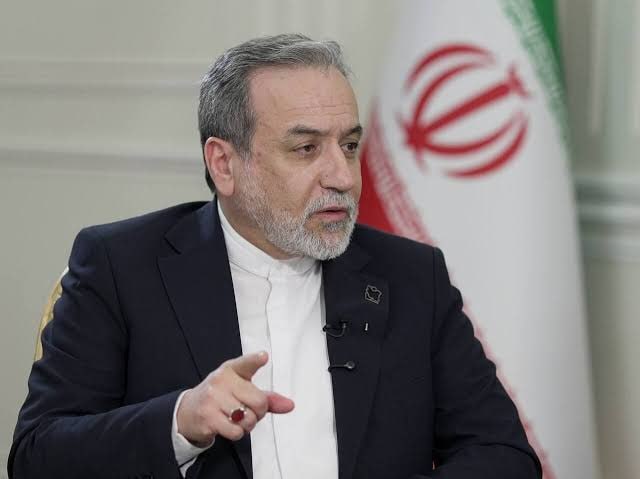
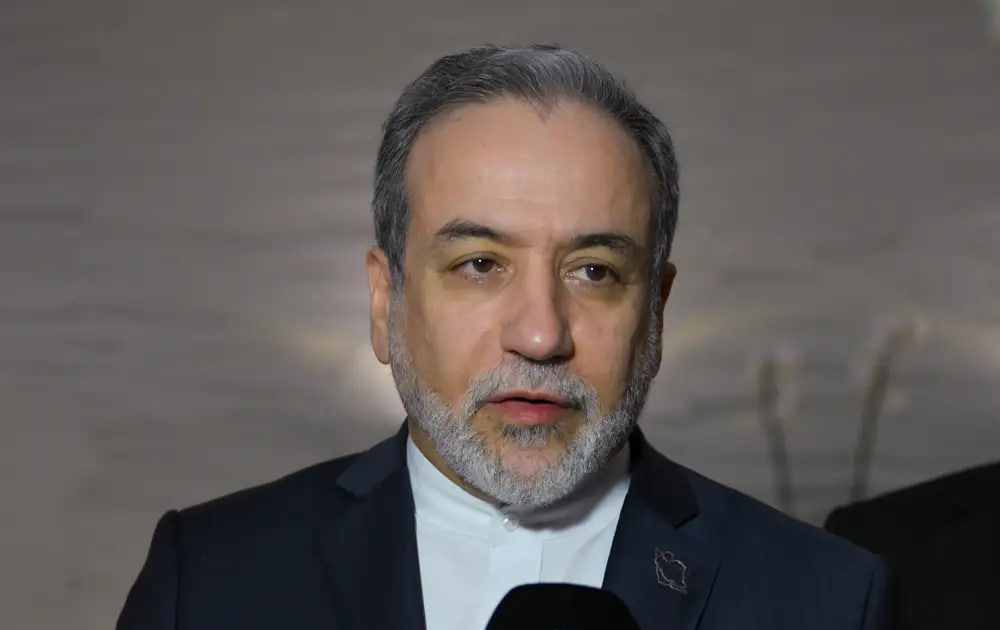
    Araghchi said a historic opportunity now exists to reach a major agreement that could address the concerns of both sides. He added that Tehran is returning to the negotiating table with firm determination and on the basis of previous understandings.

    The Iranian Foreign Minister stressed that a fair agreement is within reach—provided that Washington prioritizes diplomacy and respects the rights of the Iranian people.

  • Kata’ib Hezbollah Iraq Warns Against Action Targeting Iran

    Kata’ib Hezbollah Iraq Warns Against Action Targeting Iran

    Abu Ali al-Askari, security official of Kata’ib Hezbollah Iraq, warned in a statement about increasing U.S. military movements in Syria and the Kurdistan Region of Iraq, claiming these actions are part of preparations for aggression against the Islamic Republic of Iran along what he described as a “land corridor.”

    He called on Kurdish factions to avoid any adventurism against Iran and stressed the need for vigilance and readiness among Iran’s security and armed forces to defend the country’s northwestern borders. He described Washington’s activities as part of a broader regional destabilization scenario.

    The remarks come amid recent reports of U.S. Army Special Forces (Delta Force) deployments near the Iran-Iraq border. Political and security analysts have interpreted these moves as potential signs of Washington preparing for military scenarios, including strikes or targeted operations against Iran and resistance groups in Iraq.

  • Transfer of U.S. Fighter Jets from Japan to Near Iran

    Transfer of U.S. Fighter Jets from Japan to Near Iran

    The F-16CM aircraft are primarily tasked with suppression of enemy air defenses (SEAD), including detecting and neutralizing hostile radar and missile systems.

    Previously, the United Kingdom had opposed a U.S. plan to use the Diego Garcia base in the Indian Ocean for military operations against Iran. However, some reports suggest that London may be indirectly aligning with Washington’s actions.

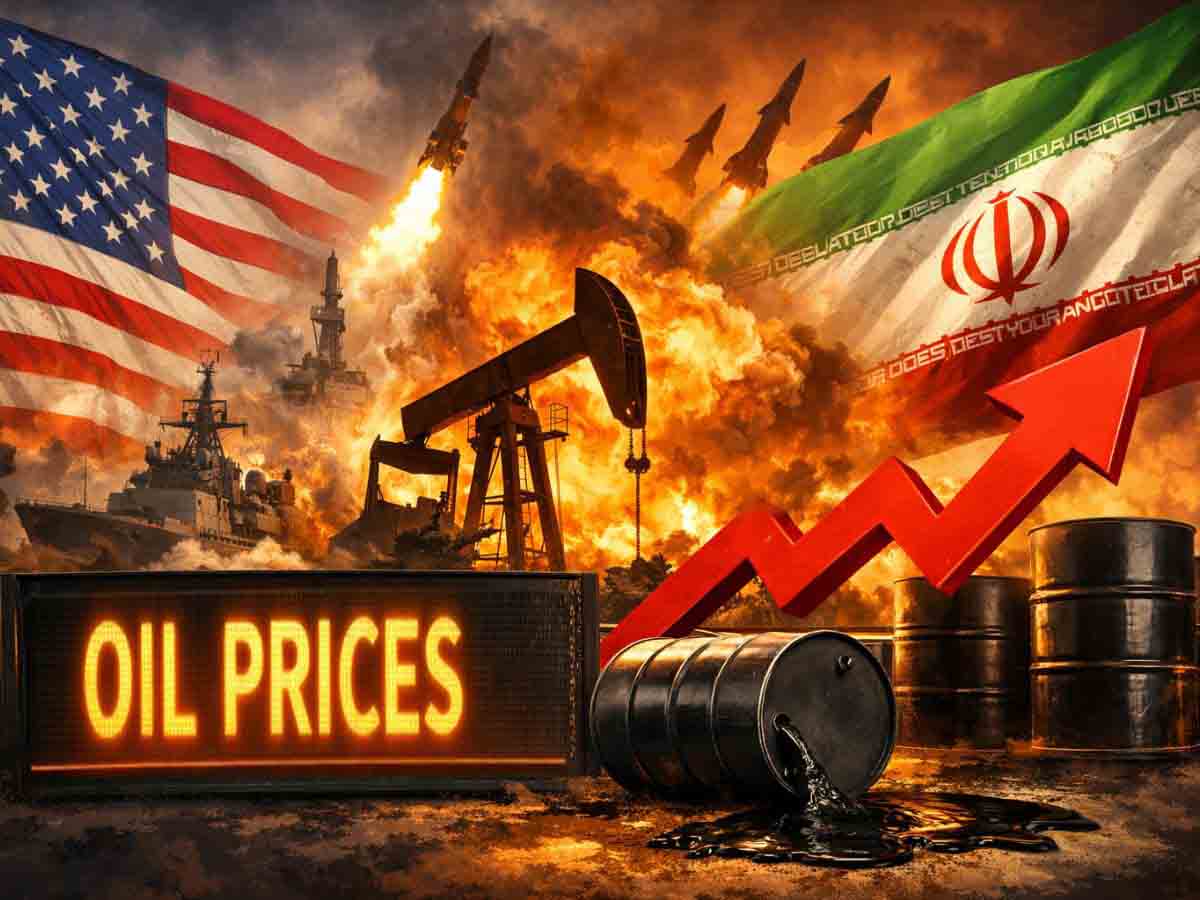
  • Washington and Concerns Over Increasing Oil Prices; the Impact of the Oil Price Surge on the Conclusion of the 12-Day War

    Washington and Concerns Over Increasing Oil Prices; the Impact of the Oil Price Surge on the Conclusion of the 12-Day War

    Investigating the claim of a connection between energy prices and the end of the 12-day war
    To prove this connection exists, it is important to analyze the media and influential figures’ perspectives on the matter, along with examining various evidence from previous years and the outcomes of similar events. This helps understand why the decision-making apparatus in Washington responded the way it did. Additionally, before the “American-Israeli” attack on Iran, CENTCOM commander Gen. Erik Kurilla outlined a comprehensive plan for several weeks of bombing Iran in front of Trump, yet despite strong backing from the Israeli regime lobby, it was rejected. According to Trump’s first vice president, J.D. Vance, Washington was satisfied with a limited operation and targeted strikes to destroy nuclear facilities, rather than pursuing a full-scale war. Ultimately, however, Tel Aviv decided to proceed with the attacks and convinced Trump to target Iran’s nuclear sites.

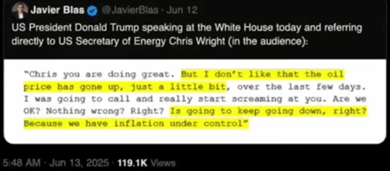
    1. Trump expresses concern about rising oil prices hours before war beginsOn the night of the attack, a well-known Bloomberg journalist tweeted a crucial excerpt from Trump’s conversation with Energy Secretary Chris Wright. Trump had expressed concerns about the increase in oil prices roughly 10 days earlier, citing rising geopolitical risks, and had threatened to “shout out” to the secretary if the trend persisted. During that period, the Republican administration had successfully kept inflation under control.
    Conversations between Trump and the US Secretary of Energy at a Cabinet meeting before the war began
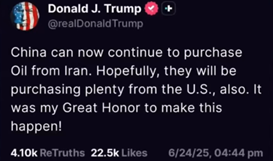
    1. US President’s oil tweetsTrump’s tweets amid a war with Iran highlight Washington’s sensitivity to oil prices, revealing how Wall Street financial markets remain vulnerable to this key resource, regardless of other structural aspects of the US economy.

    In the first tweet, he orders the Secretary of Energy to drill more oil fields in the U.S. to boost production, and in the second tweet, which came minutes after the first, he warns energy companies against raising oil prices.

    In the third tweet, coinciding with the war’s final moments, Trump confirms China’s ongoing purchase of Iranian oil. His expression of satisfaction aims to stabilize the energy market and consequently minimize fluctuations in oil prices.

    1. Warning from the world’s leading publications and think tanks

      • Oxford Economic Journal article
      This article examines how the heightened tension between Tehran and Tel Aviv influences oil prices and global market outlooks. A chart illustrates expected fluctuations in oil prices per barrel. The author forecasts that, in the event of a sudden shutdown of the Strait of Hormuz, oil prices could rise to around $130. Similarly, if Iran’s regime damages its energy infrastructure to halt exports, prices might reach approximately $100. Furthermore, increased sanctions on Iranian oil could reduce exports by up to 100,000 barrels per day, pushing prices to about $80. This increase from the current price of around $75 creates a significant gap with substantial economic implications for the US.

      • Deutsche Bank report (German central bank)
      On June 13, which marks the start of the war, the German Central Bank released a report on how reducing Iranian oil exports by 50 and 100 percent of their capacity, as well as the (effective) closure of the Strait of Hormuz, would affect rising oil prices.

      • Politico’s revelations regarding the war with Ansar Allah
      On February 21, 2025, Politico disclosed a confidential conversation between Vance and Trump. During this exchange, Vance expressed concern about rising oil prices and their severe economic impact, amidst pressure from the Zionist AIPAC lobby to counter the war-mongering actions of certain US government officials. This highlights the complex nature of the situation at that time. The report underscores that oil prices can significantly influence international conflicts and disputes.

      • World Bank report after the October 7 attack
      Immediately after Operation Storm al-Aqsa and its continuation for several days, the World Bank prepared a report in which it presented predictions of how oil production would decline and, as a result, oil prices would rise for world markets. In this text, the situation was assumed to deteriorate to the point that if tensions caused a daily production decrease of 7-8 million barrels of oil, countries would see oil prices increase to $160. The ongoing wars and tensions between the resistance axis and the Zionist regime are so sensitive that this group of reports can be largely attributed to similar conditions. Such a security-economic pattern has been recorded at different points in time as a repeatable chain that can be used to predict energy market events after the start of a major regional war.
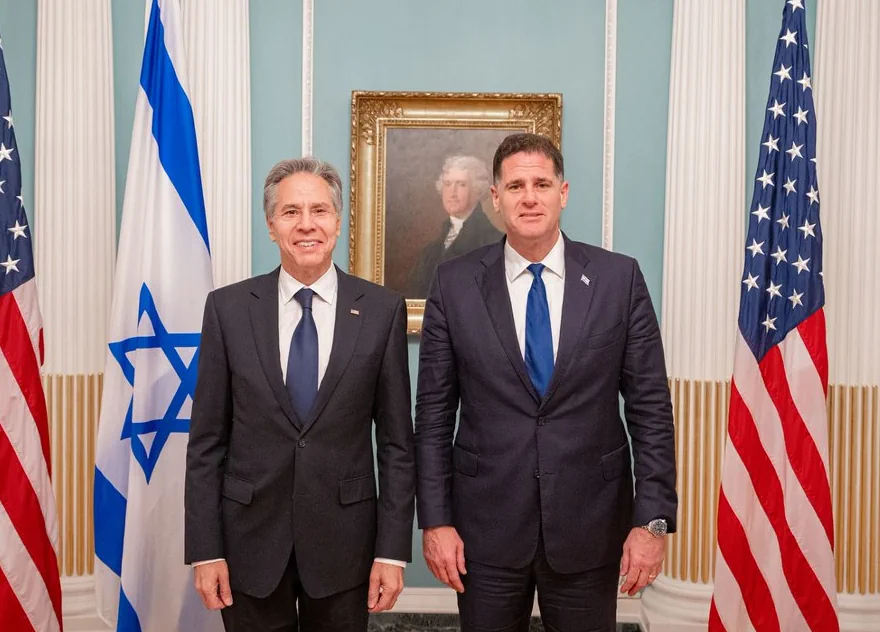
    2. Conversations on the fourth day of the Netanyahu cabinet war meetingAccording to the Times of Israel, Ron Dermer, a close ally of Netanyahu for nearly 20 years who also manages relations with the U.S. and Arab nations, opposes calls to bomb Iranian refineries. He stated during that meeting: “If we target civilian infrastructure like refineries, the war will be over before we can attack Fordow and accomplish our goals.”
    Ron Dermer, Israel’s Minister of Strategic Affairs, with Blinken, the US Secretary of State in 2023.

    The key question is why the war would end by striking Iran’s oil facilities. Mehdi Kharatian, a recognized Iranian analyst, believes this aggressive move could trigger a dangerous chain reaction in the region. He suggests that Iran might escalate tensions in Southwest Asia’s infrastructure sectors, potentially deterring the United States from fully engaging in the conflict.

    1. Rising oil prices and Democrats’ troubles ahead of the electionTwo days after “Operation True Promise 2” and during the Republican-Democrat election debates, the Telegraph reported that Biden, then US President, mentioned that the regime was contemplating attacking Iranian oil facilities. Some media labeled this potential move as a “headache for the Democrats.” However, the following day, the Biden administration rejected this idea and instead proposed an alternative or replacement plan.

    Final Thoughts
    This discussion presents several clear reasons and pieces of evidence supporting the idea that rising oil prices can help end major wars, acting as a pressure tool on U.S. decision-making. High-ranking US officials prioritize global energy stability and supply chain security, actively working to eliminate threats in this sector. Consequently, Iran’s main leverage during the conflict—the “shock of closing the Strait of Hormuz”—did not need to be used. The US is well aware that any existential threat or large-scale attack on Iran would prompt Iran to use this strategic leverage quickly and decisively! Therefore, it is far wiser for the US to consider this fact carefully before attempting any attack on Iran, as Iran has the potential to ignite the region and severely disrupt the global economy.

  • Araghchi: We Are Not Afraid of U.S. Military Movements

    Araghchi: We Are Not Afraid of U.S. Military Movements

    Emphasizing that the path to peace runs solely through diplomacy, the Iranian Foreign Minister stated that Iran is not intimidated by U.S. military movements and that such pressure is unnecessary. He added that work on the draft agreement is ongoing. Reaffirming Iran’s right to uranium enrichment, he also said that specific proposals on the matter have been exchanged with Washington.

    Concluding with a warning against any military adventurism, Araghchi underscored that if the United States were to launch an attack, Iran would reserve its right to self-defense and would target U.S. bases in response.

  • U.S. Central Command Releases Images of Joint Exercises in Saudi Arabia and Qatar

    U.S. Central Command Releases Images of Joint Exercises in Saudi Arabia and Qatar

    At the same time, at Al Udeid Air Base, U.S. and Qatari personnel participated in a parade and a 25-kilometer endurance exercise hosted by the U.S. Army’s 25th Strategic Signal Battalion.

    CENTCOM stated that the purpose of these activities is to strengthen operational capability and joint readiness with regional partners.

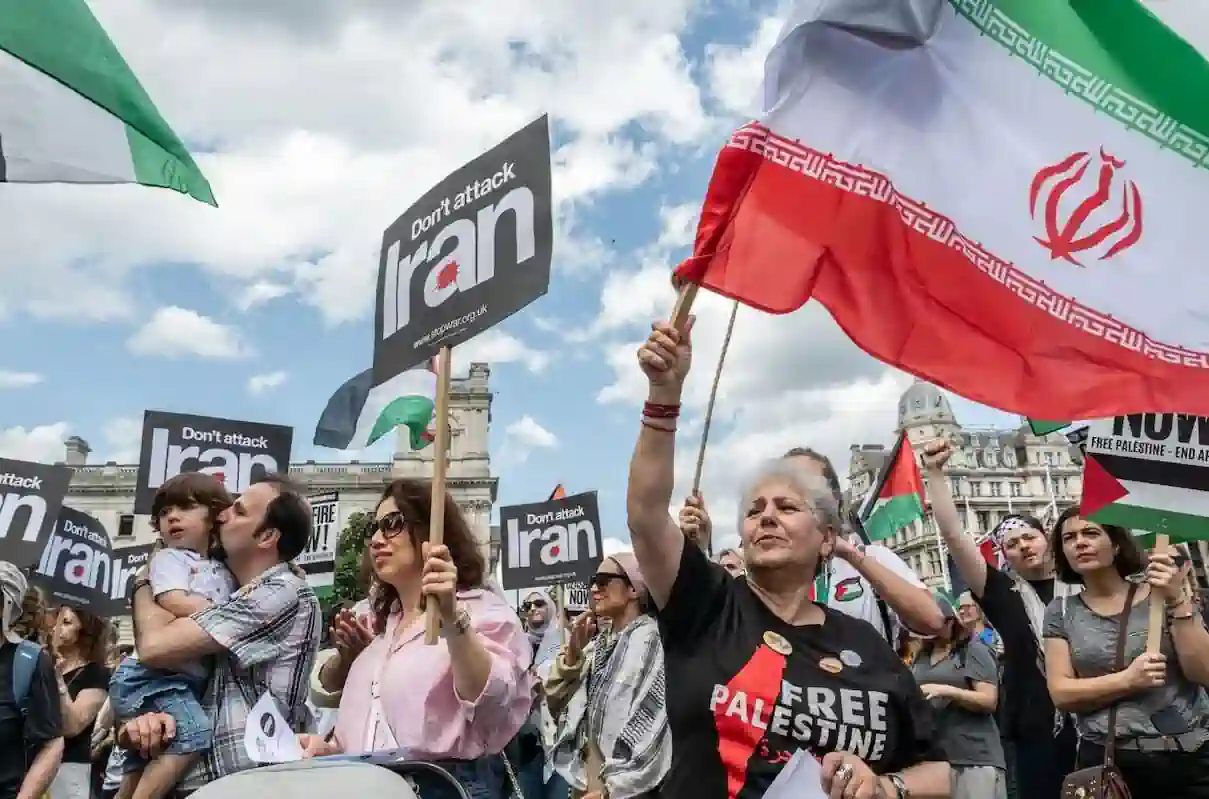
  • 58% of the British public oppose launching an attack on Iran from UK bases

    58% of the British public oppose launching an attack on Iran from UK bases

    58% opposed: including 38% “strongly opposed” and 20% “somewhat opposed.”
    Party breakdown among opponents: 68% of supporters of the Green Party, 48% of Labour Party voters, and 47% of Liberal Democrats supporters.

    These figures come as the British government has also expressed hesitation about authorizing potential operations against Iran, amid recent disagreements with Washington over sovereignty of the Chagos Archipelago and the status of the Diego Garcia base.

  • Reuters report outlines potential U.S. military scenarios against Iran — from targeted strikes to regime change

    Reuters report outlines potential U.S. military scenarios against Iran — from targeted strikes to regime change

    According to these unnamed sources, who spoke on condition of anonymity due to the sensitivity of the matter, the plans would only be implemented if authorized by the U.S. president. The options are reportedly being developed as part of a broader strategy to increase pressure on Iran, amid a deadlock in potential negotiations.

    Reuters further reported that the U.S. military is preparing a plan for a multi-week operation that could target security objectives and sensitive infrastructure, including sites associated with Iran’s nuclear program. However, no precise details have been disclosed regarding how these scenarios would be executed or which specific targets might be involved.

    Meanwhile, Donald Trump has publicly raised the possibility of regime change in Iran, describing it as a “positive development,” though he has not provided details about alternative options or the mechanism for achieving such an outcome.

    The release of such a report at this juncture can be viewed as part of a broader media and psychological pressure campaign against Iran. Highlighting options such as “targeting officials” or “regime change” may be less an indication of a definitive decision and more an attempt to increase political and psychological pressure on Tehran. The report can thus be interpreted as part of the current tense climate and escalating media confrontation between the two countries — a climate shaped largely by efforts to influence public opinion and strengthen bargaining leverage in political calculations.