Category: Tajikistan

  • Iran Leader Meets With Tajik President, Armenian Prime Minister

    Iran Leader Meets With Tajik President, Armenian Prime Minister

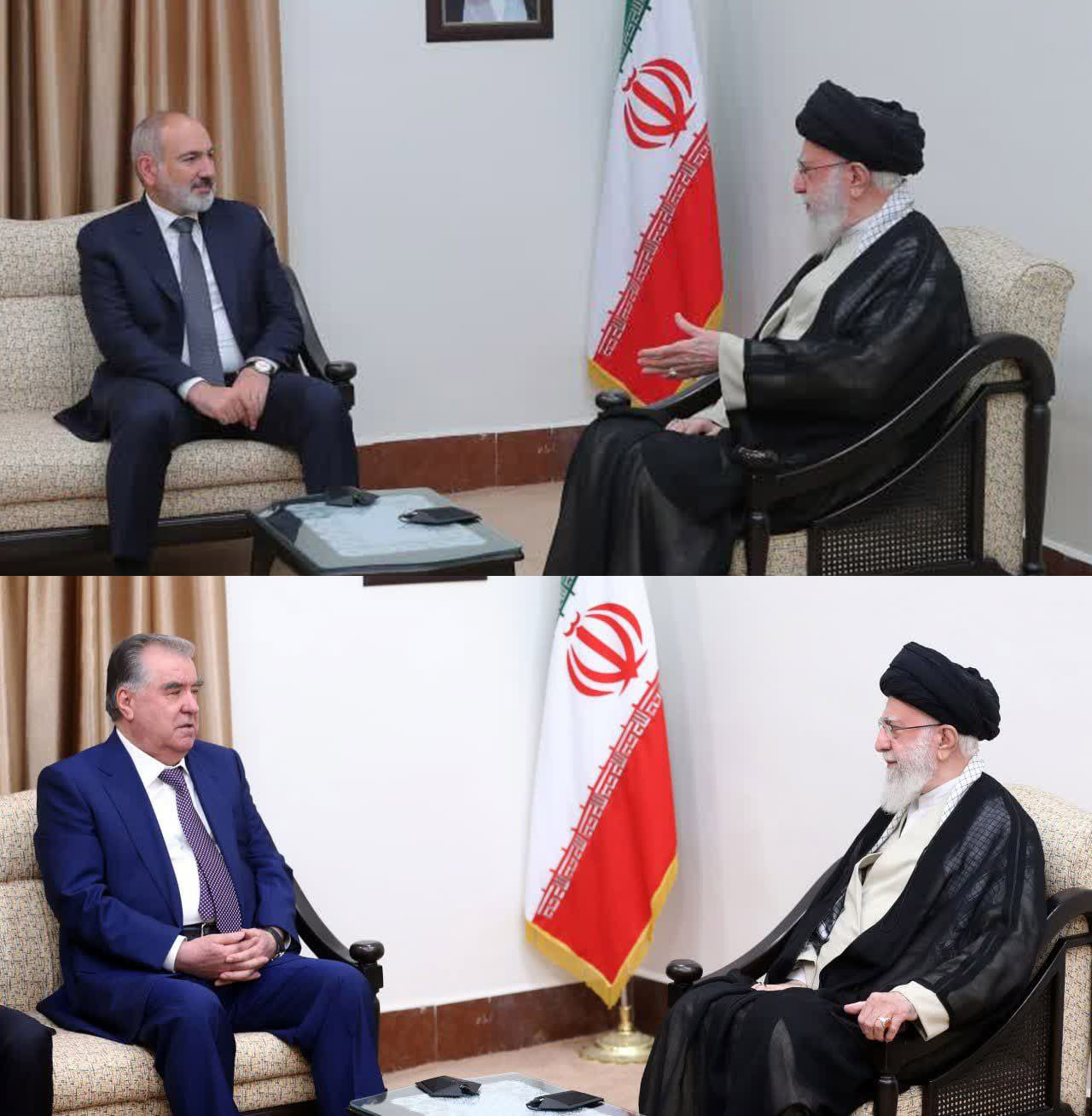
    In a meeting on Tuesday with Armenian Prime Minister Nikol Pashinyan and his accompanying delegation, the Supreme Leader of the Islamic Revolution emphasized that the Islamic Republic of Iran’s definitive and consistent policy is to expand relations with its neighbors, especially Armenia.

    Imam Khamenei also called for the development of relations and cooperation between the two countries based on defined interests of both nations and regardless of the policies of other states.
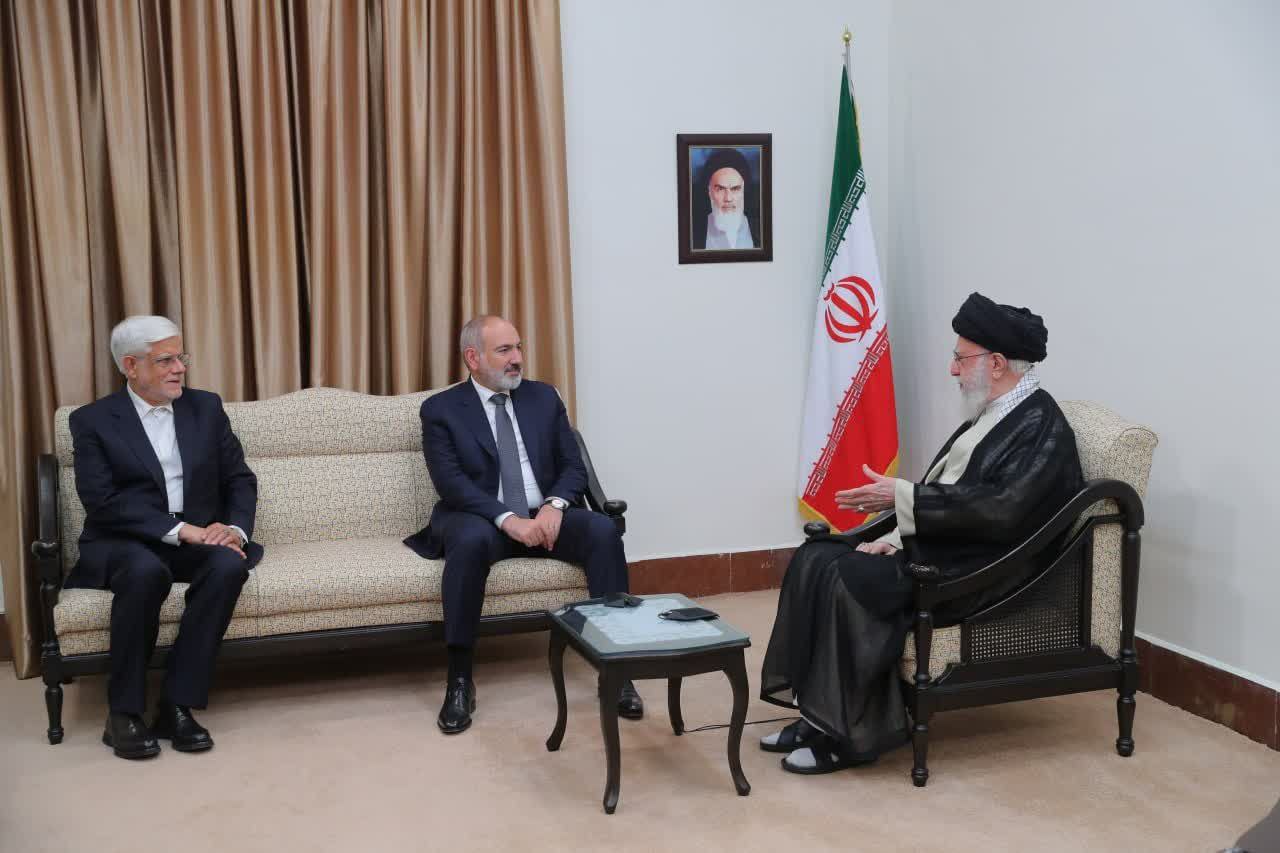
    Armenian Prime Minister Nikol Pashinyan met with Supreme Leader of the Islamic Revolution

    The Leader of the Islamic Revolution went on to say that the Islamic Republic of Iran considers the Zangezur corridor – a concept for a transport corridor which, if implemented, would give Azerbaijan unimpeded access to Nakhchivan Autonomous Republic – to be to the detriment of Armenia; therefore, Iran continues to stand by this position.

    Foreigners should not place restrictions on the relations of countries with their neighbors, the Leader stated, arguing that what ensures the security and well-being of countries is reliance on themselves and their close allies, and the actions of some states who come from far away and interfere in the affairs of other nations are to their detriment.

    The Armenian Prime Minister, for his part, emphasized that he has repeatedly stated that he does not accept any extra-regional route within his country, describing the relations between the Islamic Republic of Iran and the Republic of Armenia as strategic. The Armenian premier also expressed satisfaction with the expansion and diversification of ties with Iran, underscoring that he gives importance to the continuation of this process.

    In another meeting on Tuesday morning, Imam Khamenei received Tajik President Emomali Rahmon and his accompanying delegation.
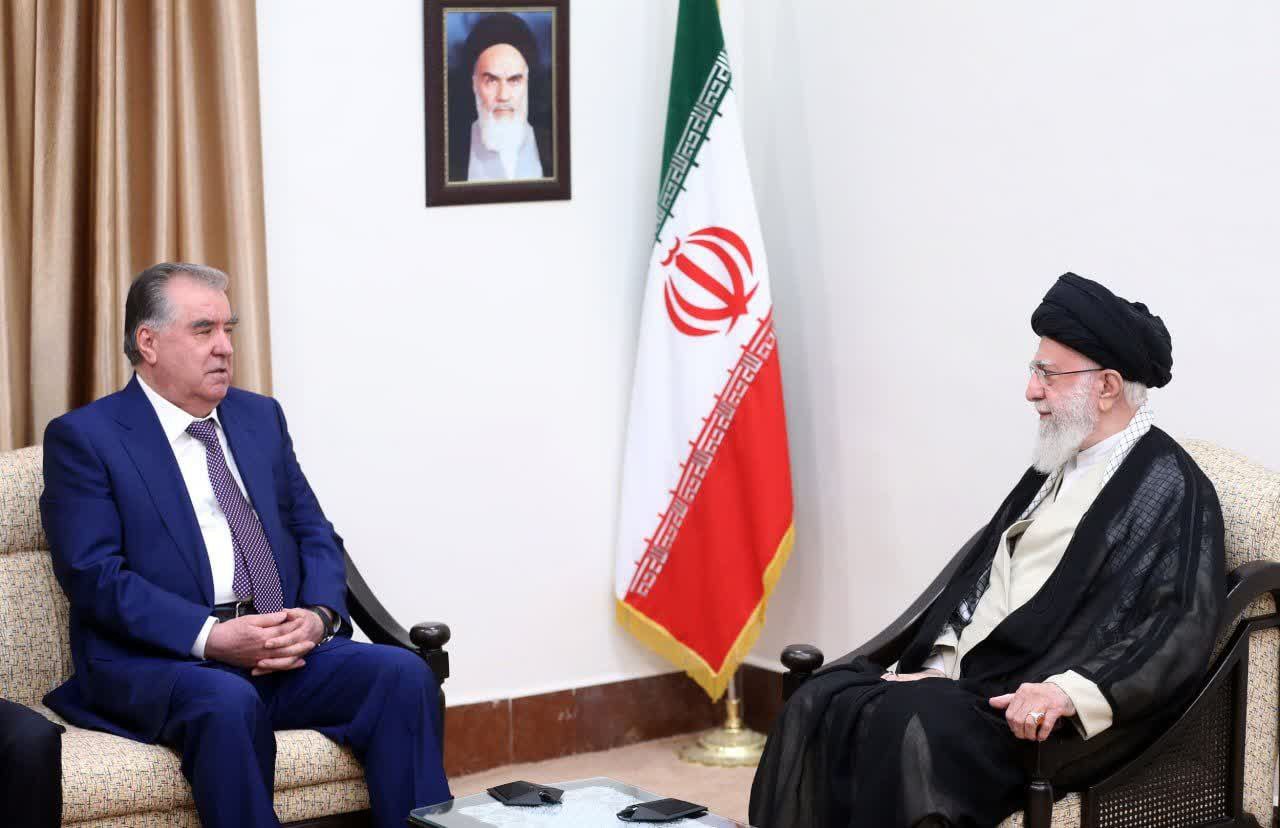
    Tajikistan President Emomali Rahmon met with Supreme Leader of the Islamic Revolution

    The Supreme Leader said that Iran’s main policy and priority is to expand relations with the countries of the region, especially states with the same language and common culture, history and religion.

    Ayatollah Khamenei further emphasized: The Islamic Republic of Iran is ready to cooperate sincerely with Tajikistan in various fields, as in the past.

    The Leader of the Islamic Revolution also called the official visits by authorities of the two nations a basis for the expansion of cooperation and said: The Persian language is one of the important commonalities between Iran, Tajikistan and Afghanistan, and more cooperation should be made to preserve and expand this language and prevent some attempts to isolate the shared language.

    The Leader of the Islamic Revolution also noted: There are some opponents who disagree the expansion of relations between Iran and Tajikistan; thus, there must be a plan to confront them.

    The President of Tajikistan, for his turn, said: As you said a few years ago, the two countries are linked and we want to expand relations and use the experiences and advances of the Islamic Republic of Iran in the fields of science, health and industry.

    The top officials of Armenia and Tajikistan along with their accompanying delegations arrived in Tehran on Tuesday morning in order to take part in the inauguration ceremony of Masoud Pezeshkian, the ninth President of the Islamic Republic of Iran, on Tuesday (July 30) at the Iranian parliament. More than 70 foreign delegations and 600 domestic and foreign journalists attended the inauguration ceremony at 6 p.m. local time.
  • New Anti-Islamic Laws Introduced In Tajikistan

    New Anti-Islamic Laws Introduced In Tajikistan

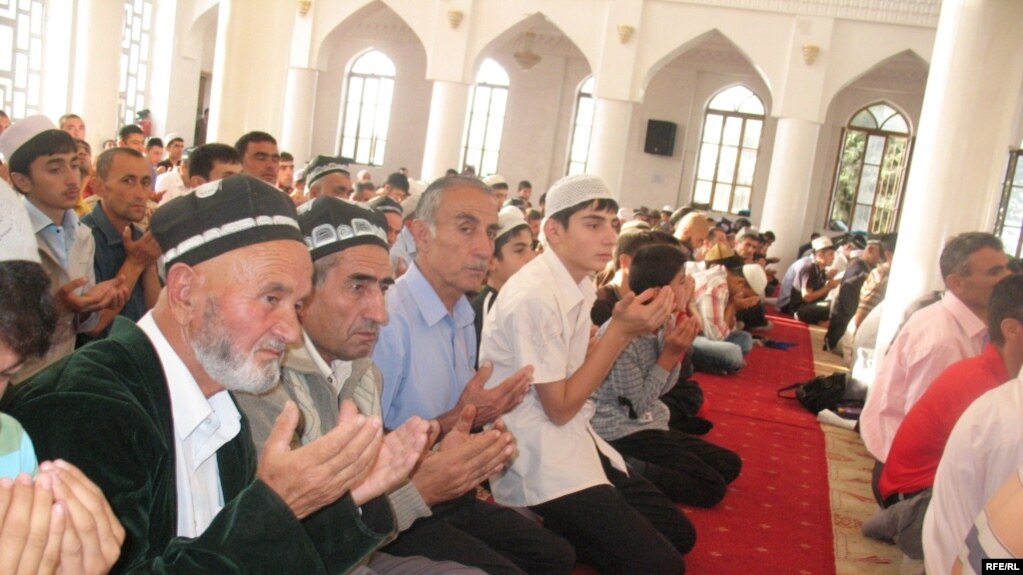
    According to the customs of Eid al-Fitr and Eid al-Adha in Tajikistan, children would visit the homes of relatives and neighbors to offer greetings and receive gifts. The head of Tajikistan’s State Committee for Religious Affairs (SCRA) has stated that these customs do not exist in other countries and has deemed them improper.

    Some educational institutions and prosecution representatives have also obtained signatures from parents pledging not to send their children to visit during the Eid holidays.

    Additionally, new restrictions have been imposed on wedding ceremonies and celebrations for Hajj pilgrims. According to these restrictions, pre- and post-pilgrimage visit ceremonies have been prohibited, and wedding ceremonies must be held with a smaller number of attendees.

    Another bill passed by the parliament aims to ban the Islamic headscarf (hijab) and full Islamic dress. Recently, videos have surfaced on social media showing government authorities preventing women dressed in full Islamic clothes from entering hospitals, and demanding that they remove their national attire, threatening hefty fines of up to $300 if they refuse.

    However, there have been no reports or observations of the authorities fining or reprimanding individuals wearing Western-style clothing for not adhering to the Tajik national dress code, suggesting that these actions are solely targeted at combating religious manifestations.

    It is worth noting that the Tajik government’s anti-religious activities began in 2010, including banning minors from entering mosques, prohibiting Quran education in homes, banning young men from growing beards, and the presence of anti-hijab patrols in public spaces.

  • Turkish Government Cancels Visa-Free Trip For Tajik Citizens

    Turkish Government Cancels Visa-Free Trip For Tajik Citizens

    Tajik citizens were previously able to travel to Turkiye without visas and from this country they could leave for their next destinations. Turkish media outlets have released details about the reason for this decision; however, Russia has claimed that two of the terrorists entered Russian territory through Turkiye, providing identity documents related to the terrorist attack on the Crocus City Hall concert near Moscow as evidence.

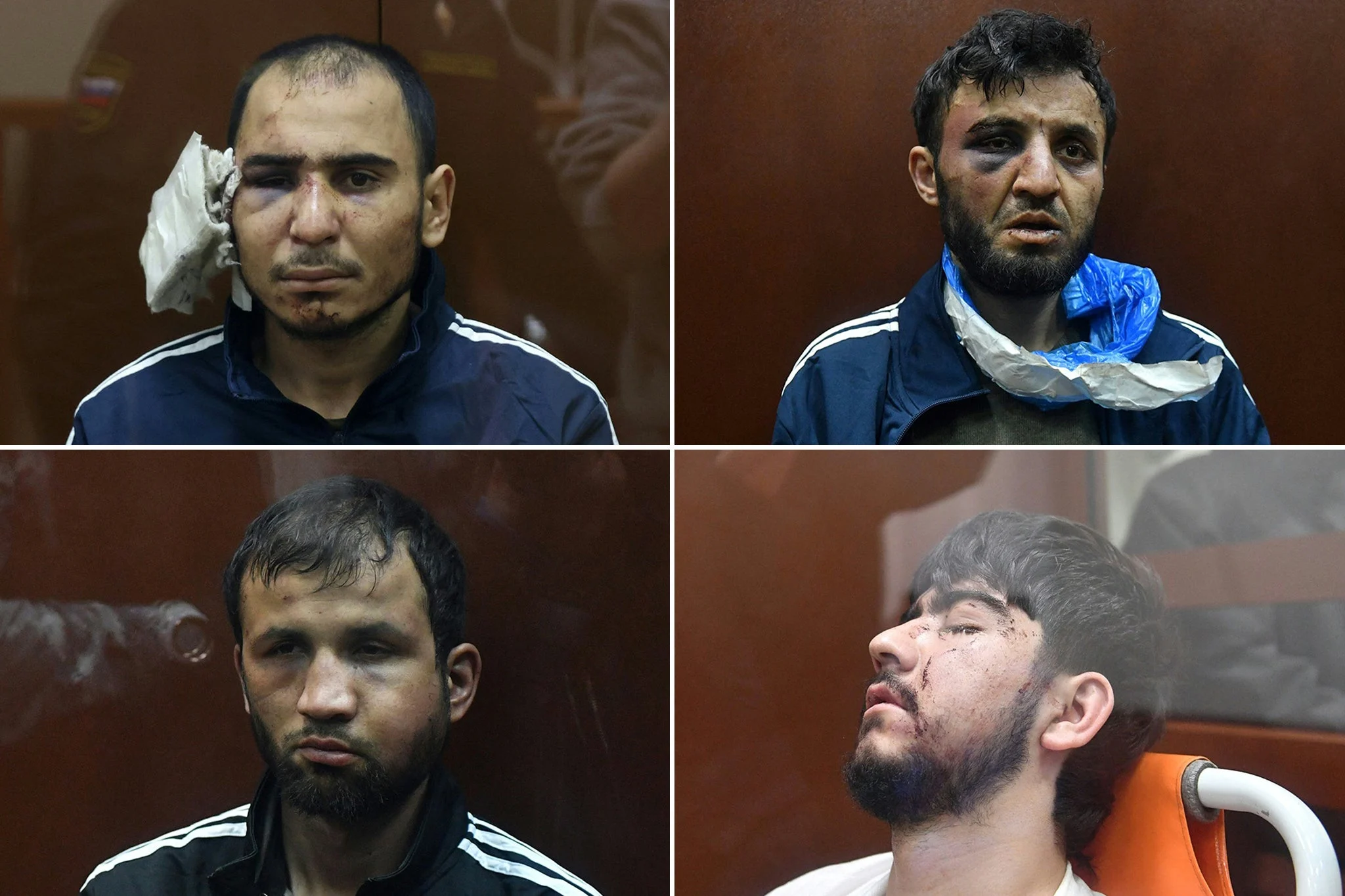
    Simultaneously with this decision, Turkish security organizations have carried out extensive security operations across the country in recent days and claimed to have detained two ISIS terrorists. The recent ISIS attack on the Crocus City Hall concert in Moscow on March 22 resulted in the deaths of 137 Russian civilians.

    The Tajik nationality of most of the attackers led to Tajikistan being added to the list of terrorist-supporting countries, causing migrant-receiving countries like Turkiye to cancel their tourist privileges and exercise greater caution in accepting Tajik citizens.

  • Tajikistan Increases Border Posts With Afghanistan

    Tajikistan Increases Border Posts With Afghanistan

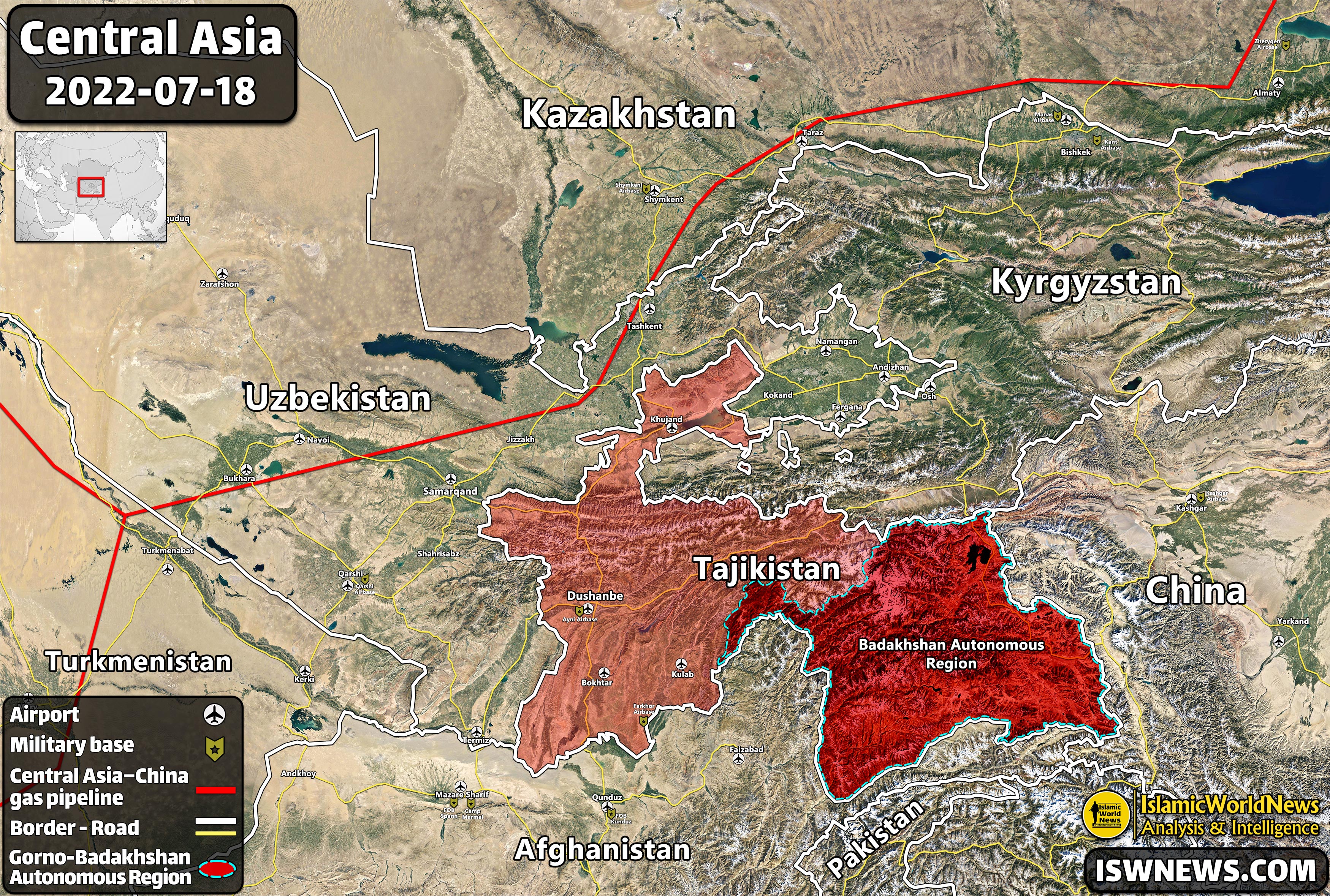
    Khairuddin Osmanzadeh, the chairman of the Center for Strategic Research under the president of the republic of Tajikistan emphasized that after the Taliban’s takeover of Afghanistan, security threats from the south have increased; So, in order to ensure the security and control of the southern borders, the country has strengthened and increased the army posts in the south.

    While emphasizing the continuation of Tajikistan’s economic cooperation with Afghanistan, Osmanzadeh asked Taliban to form a comprehensive government and respect the rights of women in the field of work and education in Afghanistan.

    It should be noted that the Taliban government also reciprocated the common borders with the country of Tajikistan in the provinces of Badakhshan, Takhar, Kunduz and Balkh by deploying the , Omari, Sarkh and Badri battalions consisting of thousands of foreign fighters (Jamaat Ansarullah Tajikistan, Tehreek Taliban Pakistan and East Turkestan Islamic movement) has strengthened

    It should be noted that the Taliban government has also strengthened the common borders with Tajikistan in the provinces of Badakhshan, Takhar, Kunduz and Balkh by deploying Badri and Surkh battalions, Red Unit and suicide squads consisting of thousands of foreign fighters from Tajikistan Jamaat Ansarullah, Pakistani Tehreek-e-Taliban and Eastern Turkistan Islamic movement.

  • Top Security Tajik Official Killed In Khorog

    Top Security Tajik Official Killed In Khorog

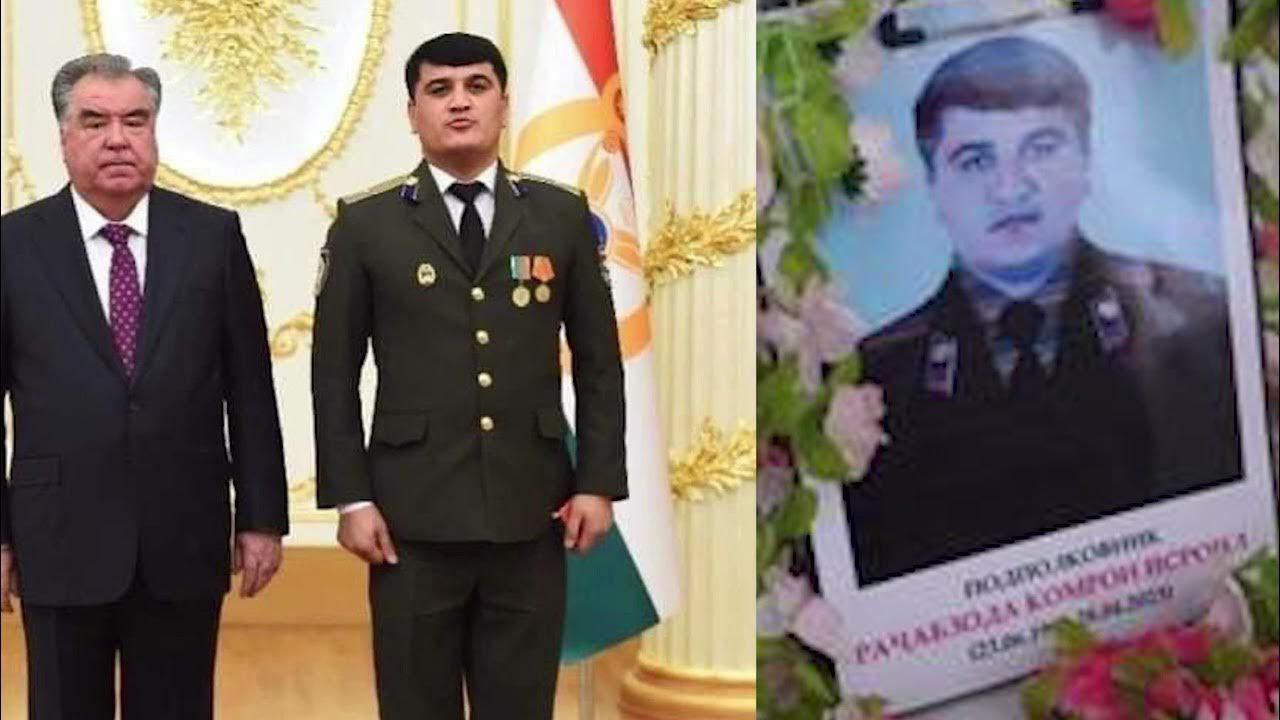
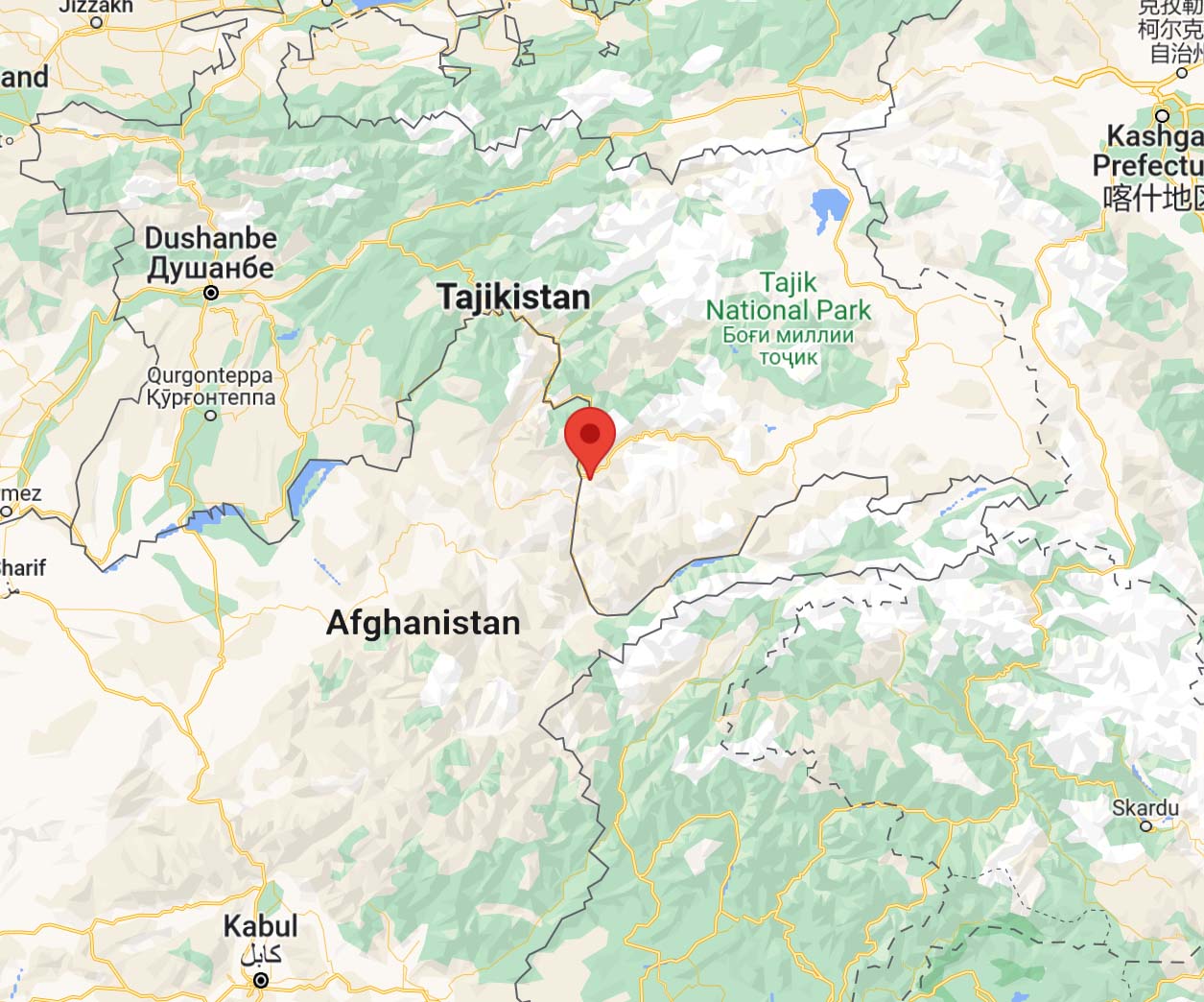
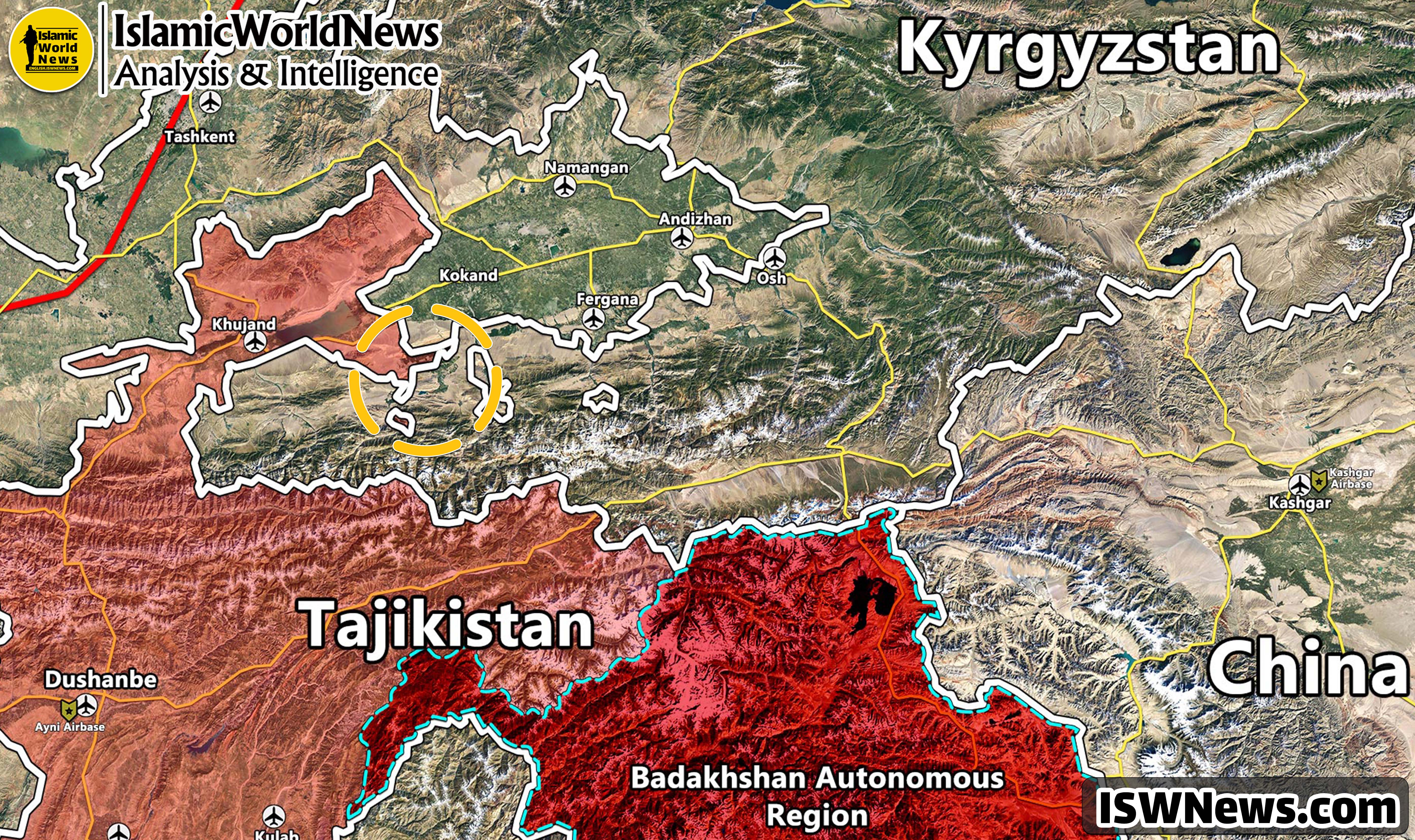
    According to a report by sources affiliated to the government of Tajikistan, Kamran Rajabzade was killed in the security district 184 under supervision of the Tishar checkpoint in the Gorno-Badakhshan province, an autonomous region in eastern Tajikistan, as a result of an armed conflict between the security forces and unidentified militants in Kharog town on May 8.

    The sources mentioned that the exact number of the unidentified militants was eight, who illegally entered the territory of Tajikistan early on May 8th. They entered from the border areas of Afghanistan, but the Tajik security forces realized them and after hiding in an unspecified area started an attack on the infiltrators. The government sources also claim that three members of the militant group were detained and five others could flee to Afghanistan.

    Khorog town, near the Afghanistan border

    In accordance with the on the ground investigations of a field source of the ISWnews, there are three narratives on the incident:

    1- The first version is the narrative of the government sources, saying that Kamran Rajabzade was killed in a patrol mission in the joint border areas with Afghanistan. Regarding the issue, it should be said that Rajabzade is the highest security official in Kharoug city; moreover, the head of border guard is under Rajabzade’s command; so, why should a senior security official patrol the borderline?

    2- The second narrative mentions that Rajabzade had connection with drug and weapon traffickers and he was killed by those traffickers in a face-to-face meeting because of an armed conflict or after a dispute; therefore, the government of Tajikistan held Rajabzade’s burial ceremony incredibly in a speedy and compact way.

    3- The third version of narration comes from local sources in Khorogh city. The top security officer was one of the main elements in suppressing the last year protests in Gorno-Badakhshan as well as the killing of opponents of President Emomali Rahmon’s government, including Mohammed Baker Mohammed Bakerov; therefore, Rajabzade was assassinated by opponents of the Tajik government. Seemingly the third narrative is somehow closer to the reality.

    Furthermore, the border guards of Tajikistan shot at two unidentified armed persons on the border of Gorno-Badakhshan province with Afghanistan on April 26, when the people were trying to infiltrate into the soil of Tajikistan, and the incident left both armed individuals dead. A number of local sources in Afghanistan said that the armed people were elements of the Jamaat Ansarullah group in Tajikistan.

    It should be mentioned that in the negotiations between the Taliban and representatives of the National Security Committee of Tajikistan in Khorog on March 24, the government of Tajikistan called for the extradition of Mohammad Sharif (also known as Mahdi Arsalan), the commander of Jamaat Ansarullah in Tajikistan, in return for handing over Afghanistan’s embassy in Dushanbe.

    The Taliban rejected the request, and announced that it is committed to the transfer of the militants of the Jamaat Ansarullah of Tajikistan from the border towns of Gorno-Badakhshan province.

  • The US Intervention In Civil Society Changes In Tajikistan

    The US Intervention In Civil Society Changes In Tajikistan

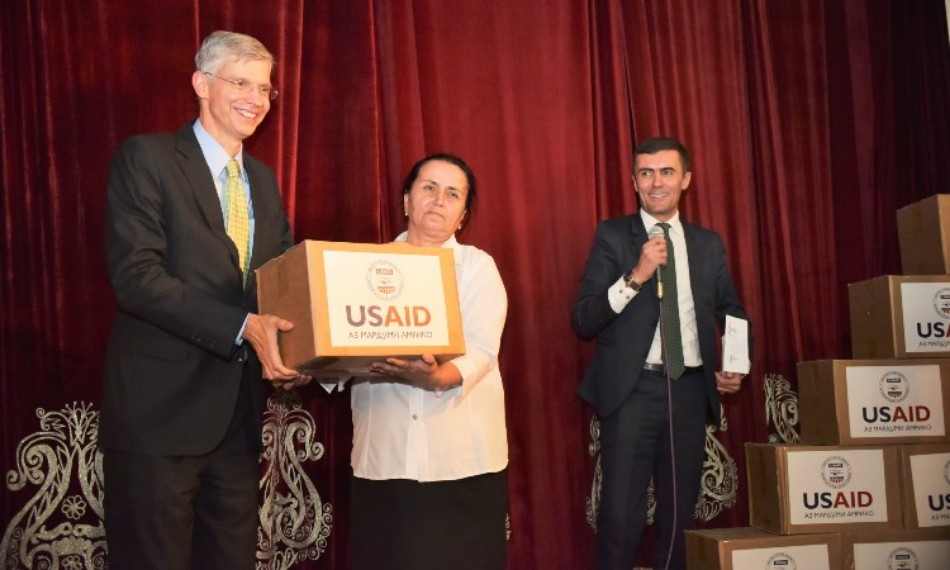
    USAID, together with the Parliament of the Republic of Tajikistan, presented the new Civil Code to representatives of relevant state bodies and civil society organizations. USAID’s interest was generated by the Code’s provisions related to land governance.(1)

    The new Civil Code of the Republic of Tajikistan was approved on December 24, 2022 and will become effective on July 1, 2023. It not only will determine the main directions, priorities, and tasks in the sphere of civil legislation, it sets forth provisions to regulate property and personal non-property relations, as well as the procedure for exercising intellectual and other property rights, corporate relations, contractual and other obligations. Specifically with respect to land governance, the new Code sets forth the rights and obligations of dekhkan farms and simplifies land registration procedures.

    The United States Agency for International Development (USAID) was set up in 1961 as a result of the integration with other US institutions engaged in developing the country’s international influence, and the USAID is now active in more than 100 states, including Jordan, Azerbaijan, Afghanistan (prior to 2021 takeover of Taliban of the war-stricken country) and Iraq. In accordance with the Iraqi authorities, the US agency played a key role in intensifying the unrest in Iraq in 2019.

    Even though, the US agency has played a role in Tajikistan for several years, its engagement in the policymaking process of the Central Asian country indicates the United States’ attempt to improve its influence and effectiveness in Tajikistan, because the American agency is tasked to maintain the political, security and economic interests of the US administration directly throughout the world.

    Hence, the United States Agency for International Development’s support for certain trends and civil developments in Tajikistan, which is one of the significant nations in Central Asia, indicates the United States’ attempt to transform Tajikistan’s social layers in line with the US’ interests, which can be considered as a warning for other competitors of the United States in the Central Asian region.

    1- USAID Supports the Tajik Parliament in the Presentation of the new Civil Code

  • Central Asian countries are afraid of the gathering of terrorists in northern Afghanistan!

    Central Asian countries are afraid of the gathering of terrorists in northern Afghanistan!

    “International and Regional Border Security and Management Cooperation to Counter Terrorism” meeting with the cooperation of Central Asian countries, the Organization for Security and Cooperation in Europe (OSCE), the United Nations Office of Counter-Terrorism (UNOCT), the United Nations Regional Centre for Preventive Diplomacy for Central Asia (UNRCCA), European Union, Saudi Arabia and Qatar was held for two days in Dushanbe, the capital of Tajikistan, on October 18.

    During his speech on the first day of this meeting, Tajik President Emomali Rahmon expressed his concern about the gathering of foreign terrorists in the southern borders of Tajikistan and called for the creation of a security belt to prevent the dangers of terrorism in Afghanistan from entering the Central Asia region. Rahmon announced in this meeting that there are more than 40 terrorist bases and training centers in the northeastern provinces of Afghanistan, and thousands of terrorists have gathered in these bases.

    Ruslan Mirzayev, the head the executive committee of the regional anti-terrorist structure of the Shanghai Cooperation Organization, also provided additional information in this field and announced the deployment of 13,500 suicide and jihadist terrorists in the northern provinces of Afghanistan and the border with Tajikistan by the Taliban and considered it a great threat to the Central Asian region. Tajik Interior Minister Ramadan Rahimzadeh also claims that the Taliban issued Afghan passports to more than 3,000 of these people and settled them under the guise of refugees in the northern regions.

    After the Taliban came to power in Afghanistan, Tajikistan is the only Central Asian country that has not established any relations with Taliban. In addition, Tajikistan has supported political opponents and anti-Taliban armed groups and held various meetings against them.

  • Kyrgyzstan and Tajikistan signed a peace agreement

    Kyrgyzstan and Tajikistan signed a peace agreement

    After six days of border conflict between the Kyrgyz and Tajik soldiers, the heads of the security organizations of the two countries finally signed an agreement with the aim of ensuring peace and establishing a ceasefire between the two countries.

    During this negotiation, which was held on the territory of Tajikistan, Kamchybek Tashiev, the head of the National Security Organization of Kyrgyzstan, and Saimumin Yatimov, the head of the National Security Organization of Tajikistan, signed an agreement for the withdrawal of the military forces of both sides from each other’s territory, the release of prisoners and the stabilization of the situation.

    It should be noted that during the six-day border conflict between Tajikistan and Kyrgyzstan, more than 350 soldiers and civilians were killed and wounded on both sides.

    Read more: Border conflict between Kyrgyzstan and Tajikistan; Casualties increased to more than 350 dead and wounded + Video

  • Border conflict between Kyrgyzstan and Tajikistan; Casualties increased to more than 350 dead and wounded + Video

    Border conflict between Kyrgyzstan and Tajikistan; Casualties increased to more than 350 dead and wounded + Video

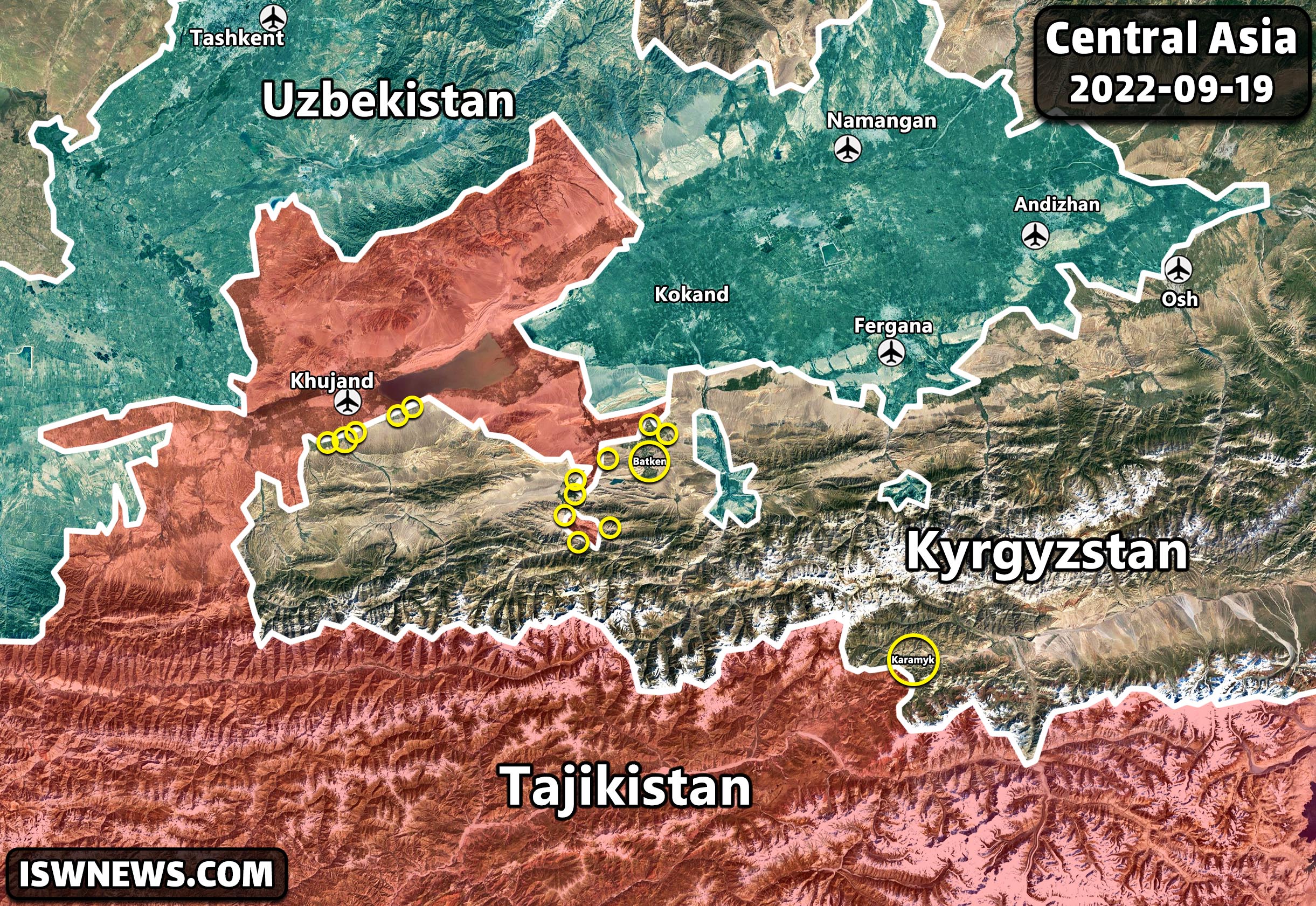
    After establishing diplomatic contact between the governments of Tajikistan and Kyrgyzstan on September 16th, the two countries agreed to establish a ceasefire starting at noon of the same day, but this agreement did not last long and the exchange of fire continued. At the same time as the conflict increased, the Tajik army moved BM-21 Grad rocket launchers to the border with Kyrgyzstan and attacked Kyrgyz military positions and Batken Airport several times.

    On the other hand, Kyrgyzstan has attacked the equipment and gatherings of the Tajik forces using its unmanned aerial vehicles (Bayraktar TB2). The ground conflict has also led to the destruction of the Ak-Say border bridge and several tanks and armored vehicles from the forces of both sides.

    According to the Ministry of Health of Kyrgyzstan, since the beginning of the border conflict with Tajikistan, 59 people have been killed and more than 150 people have been injured. The Kyrgyz government also claims that these conflicts have led to the evacuation and displacement of more than 137,000 civilians. Tajik media also quoted the Ministry of Health of this country as saying that 24 people died and more than 121 people were injured.

    Currently, the United Nations, Iran, Russia, US and other foreign countries have called and sent messages to the leaders of the two countries, calling for an end to the conflicts and solving the border disputes through dialogue, but the border conflicts continue regardless of these requests.

    Read more: Border conflict between Kyrgyzstan and Tajikistan, 16 dead and wounded + Video

    Video number 1: Destruction of the Ak-Say bridge by the Tajik army

    Video number 2: The destruction of the T-72 tank of the Kyrgyz army by the forces of the Tajik army
  • Border conflict between Kyrgyzstan and Tajikistan, 16 dead and wounded + Video

    Border conflict between Kyrgyzstan and Tajikistan, 16 dead and wounded + Video

    Following the warning of the Kyrgyz border guards to the Tajik soldiers to leave the disputed area, the border conflict has started on Wednesday, 14 September, near the border station and seven border villages located in Badkand province. These clashes have resulted in the death of two Tajik servicemen and the wounding of three Tajiks and 11 Kyrgyz.

    At present, with the establishment of diplomatic contact between the two sides, the conflicts have stopped and the governors of the two border provinces of Sughd (Tajikistan) and Batken (Kyrgyzstan) are scheduled to meet and discuss with each other to resolve the border tension.

    The countries of Tajikistan and Kyrgyzstan share more than 970 kilometers of borders with each other, most of which were marked after the collapse of the Soviet Union. The lack of identification of about 30% of the borders of the two countries, which have water resources and vast lands, has led to numerous conflicts between the two countries in recent years. These conflicts are stopped each time with the mediation of Russia and other countries in the region, and resume again due to the failure of the parties negotiations.

    Border conflict between Kyrgyz and Tajikistan border guards

    Border conflict between Kyrgyz and Tajikistan border guards

    Border conflict between Kyrgyz and Tajikistan border guards

  • U.S. Expanding Central Asia Relations; Tajikistan on the Agenda!

    U.S. Expanding Central Asia Relations; Tajikistan on the Agenda!

    After the collapse of the Soviet Union, diplomatic relations between Tajikistan and the United States began on February 14, 1992, with the opening of the US embassy in Dushanbe. Now the US ambassador to Tajikistan is Manuel P. Micaller Jr. that has replaced the former US ambassador, John Mark Pommersheim, since March 15, 2019. The Embassy of Tajikistan in Washington also started working in 2002 and the ambassador of this country in the US is “Hamralizoda Farrukh Mahmud”.

    The basis of two decades of political relations is based on cooperation in the field of fighting terrorism, preventing drug trafficking, commercial and economic agreements, etc., but these relations have taken on a military and security aspect in recent months, and the US has gained a stronger presence in Tajikistan.
    The root of this can be found in the developments of the last year in the Central Asia region and the world. The withdrawal of the US from Afghanistan and the rise of the Taliban, the war between Russia and Ukraine, the expansion of relations between China and Iran with the countries of Central Asia, etc. are among the reasons that have forced the US to make more efforts to increase its influence in Tajikistan. In this regard, the United States has brought its political, military and cultural advisors and representatives into the field and has put extensive programs on the agenda of Tajikistan.

    The main US programs in Tajikistan can be categorized as follows:

    1- Political and military:
    During the last year, the number of visits and meetings of “Thomas West”, the special representative of the United States for Afghanistan, “Donald Low”, the assistant secretary of the United States of America, and General “Michael Kurilla”, the commander of United States Central Command with the authorities of Tajikistan have increased dramatically.
    According to US officials, these meetings were centered around the security issues of Central Asia, especially Afghanistan, the strengthening and construction of border posts in Tajikistan, and the protests of the autonomous province of Badakhshan. In addition to these, important issues such as handing over weapons transferred from Afghanistan to the Tajik army, US intelligence-security use of Tajik border bases, immigration to US, military training, etc. have been considered.

    In an interview with Radio Liberty Tajikistan, Donald Low says about the construction of border posts: “We are waiting for the completion of the new project for the construction of a border post in Chaldovar region. Of course, in the issue of border checkpoints, the US has completed other projects, but the Chaldovar project was the largest project, and the other projects were for handing over and transferring military facilities and equipment to the border guard forces of Tajikistan.”
    It should be noted that this base is located in the Chaldovar area, located south of the border town of Aiwaj, and its reconstruction operations were entrusted to US military companies by the Tajik government with the financing of the US Drug Enforcement Administration in 2020.

    According to General Kurilla’s statements, since the beginning of political relations with Tajikistan, the United States has provided more than 330 million dollars in financial aid to Tajikistan in the field of security, of which the provision of RQ-20 Puma drones worth 20 million dollars was the largest part.

    Read more: Military Knowledge: RQ-20 Puma Drone

    Another issue that has been highlighted in the field of military cooperation between the two countries is the fighter jets and helicopters of the Afghan army, which fled to Tajikistan during the fall of the previous Afghan government. In their meetings with the Tajik authorities, the US officials have promised to hand over these aircraft to the Tajik army, but in return, the US had demands from Tajikistan, the details of which are not clear.

    2- Cultural:
    The US non-governmental organizations (NGOs) have been able to create a special social footholds among the people of Tajikistan in the form of humanitarian aid and through human information intelligence (HUMINT) methods. In addition to recruiting and identifying scientific elites, these organizations have identified Afghan refugees and Russian-affiliated people and expanded their intelligence network by granting immigration visas to America, financial aid, holding educational, artistic programs, etc.

    Unlike Tajikistan, Kyrgyzstan and Uzbekistan’s relations with the United States have not changed much after the fall of the Afghan government. Kyrgyzstan is still unhappy with the US military withdrawal from the Manas Air Base in 2014, and due to the US’s secret support for Kyrgyzstan’s unrest, Kyrgyzstan has not welcomed the Americans in military and security issues. To the extent that no Kyrgyz official came to meet General Kurilla’s recent trip to Manas Airbase!
    Despite receiving military aid from the United States, Uzbekistan has aslo declared its policy to be neutral and has declared that it will not allow the construction of a military base and the deployment of foreign troops on its territory.


    In general, the Americans have been able to create a new and strong footholds for themselves by establishing warm relations with the officials of Rahmon’s government and deeply examining the needs of the people of Tajikistan. Despite the fact that US has not succeeded in establishing a military base in Tajikistan, their political-intelligence network has expanded in Tajikistan, and this means they have succeeded in penetrating Tajikistan without sensitizing the Tajiks’ main partner, Russia. Tajikistan shares more than 1,400 kilometers of common border with Afghanistan and has a lot in common with this country in terms of ethnic and religious composition. Therefore, in order to continue to control and play a role in the developments of Afghanistan and Central Asia, the United States firstly needs Tajikistan and secondly Uzbekistan, Kyrgyzstan, Pakistan and Turkmenistan.

    Read more:
    Reviewing the consequences of the conflict between Eastern and Western powers in Central Asia
    Joint military exercises of Tajikistan and the United States in Central Asia

    Click to view full size
  • Joint military exercises of Tajikistan and the United States in Central Asia

    Joint military exercises of Tajikistan and the United States in Central Asia

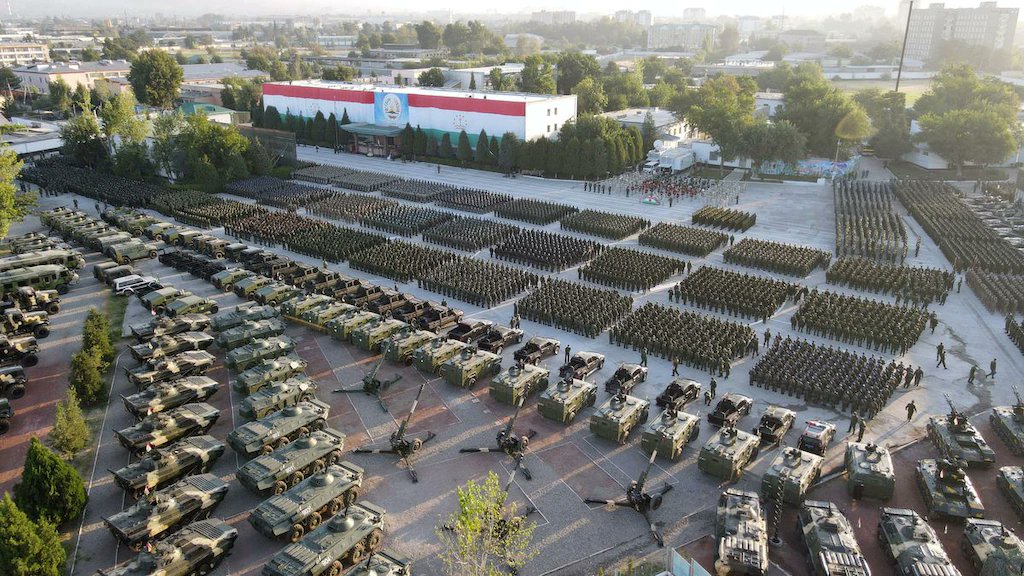
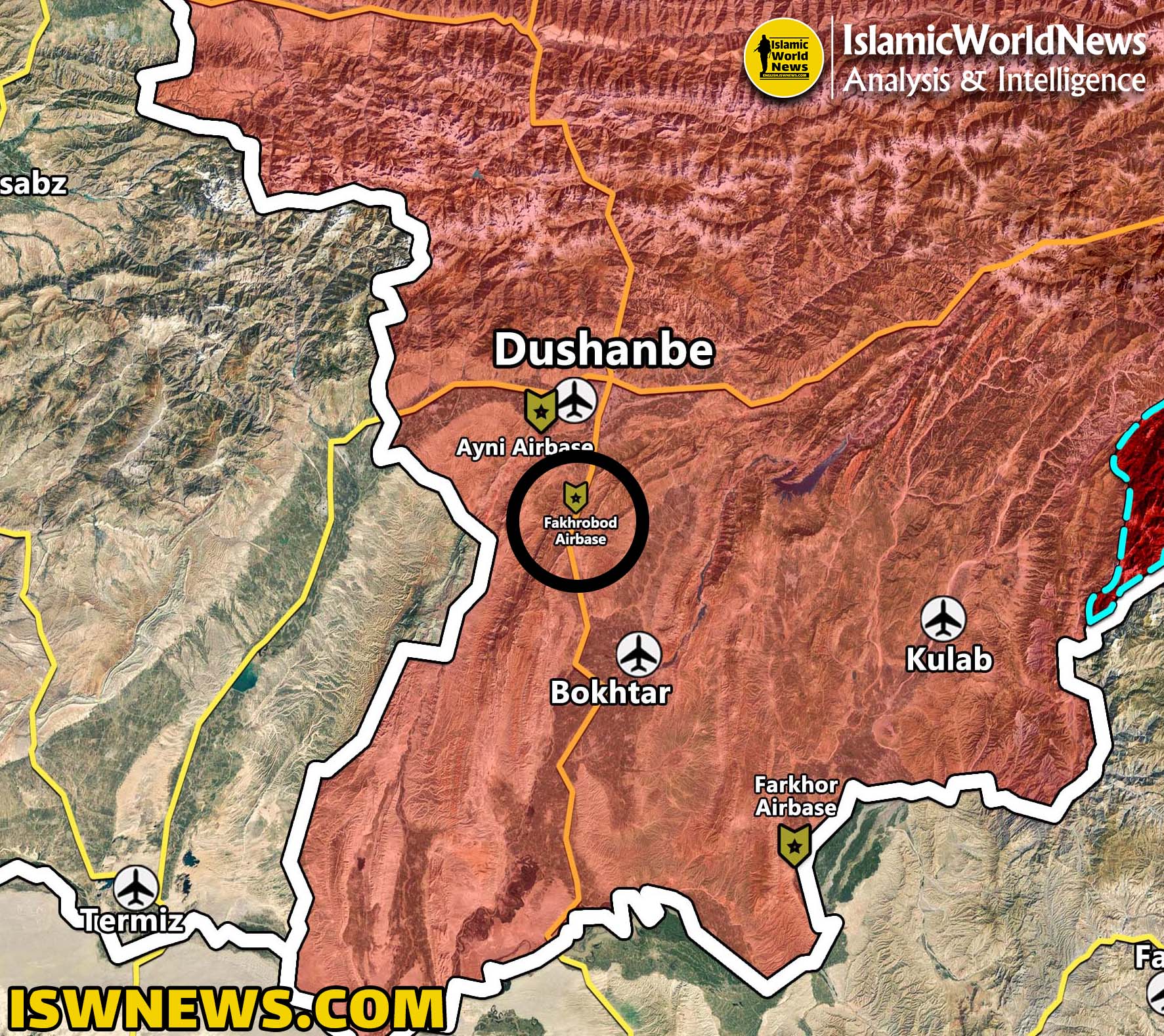
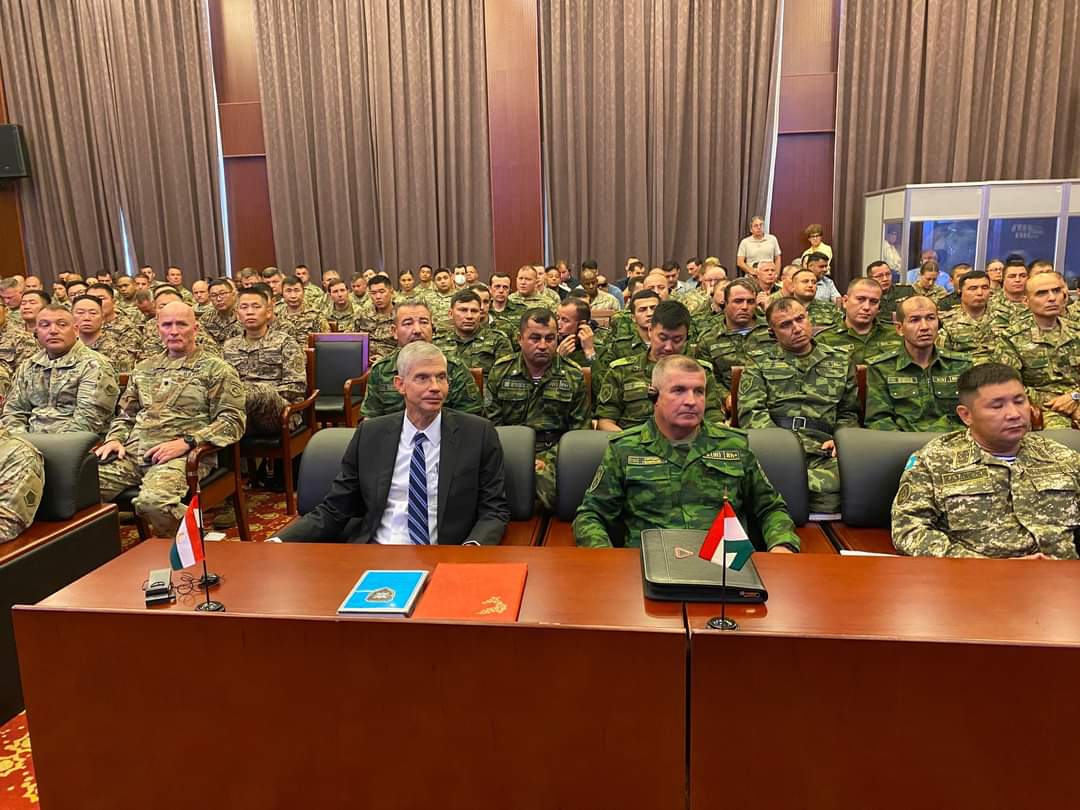
    The 22nd “Regional Cooperation 22” military exercise was held from August 10 to 20 in the military areas of Bokhtar, Fakhrobod and Dushanbe, the capital of Tajikistan. This exercise is an annual exercise aimed at strengthening multinational operations to ensure stability, combat terrorism, develop cooperation and joint capabilities of Central and South Asian countries, including Tajikistan, Kazakhstan, Kyrgyzstan, Uzbekistan, Mongolia, Pakistan and the United States.

    In addition, Tajikistan and the United States have held five-day exercises at the Fakhrobod training center in a bilateral section. This exercise provides the opportunity to coordinate, synchronize and jointly respond to incidents in a non-threatening environment.

    Congratulating the participants in the “Regional Cooperation 2022” military exercise, John Mark Pommersheim, the US ambassador to Tajikistan, said: “This cooperation is the largest US military exercise with the participation of Central and South Asian countries and is a unique opportunity to strengthen our relations with our partners in the region.” He added: “These exercises will serve as a forum for solving important regional issues, including peaceful responses to global challenges, information sharing and security cooperation.”

    Joint military exercises between the United States and other Central Asian countries were suspended for four years after the outbreak of the coronavirus. This military exercise is the most extensive exercise in recent years and the choice of Tajikistan to host this exercise is important in several ways: 1- The US has strengthened its presence and cooperation with Tajikistan after leaving Afghanistan. 2- Tajik authorities have chosen Fakhrobod Air Base to hold a joint exercise with American forces. This base is one of the most capable military bases in Tajikistan, which is located near Dushanbe, the capital city of Tajikistan on the one hand, and is suitable for controlling the southern borders of Tajikistan on the other hand. This base is also the location of several airplanes and helicopters that fled the Afghan army during the fall of Ashraf Ghani’s government. Therefore, Tajikistan’s joint military exercises with the United States, in addition to being a security alarm for Central Asian countries, are a serious warning to regional powers, including Russia, Iran, and China.

    Read more:
    Reviewing the consequences of the conflict between Eastern and Western powers in Central Asia
    ‘Indestructible Brotherhood’ Military Drill in Tajikistan
    Iran opens Ababil-2 drone production line in Tajikistan + Video