Category: Lebanon

  • Sheikh Naim Qassem’s Remarks on the Occasion of Martyrs’ Day

    Sheikh Naim Qassem’s Remarks on the Occasion of Martyrs’ Day

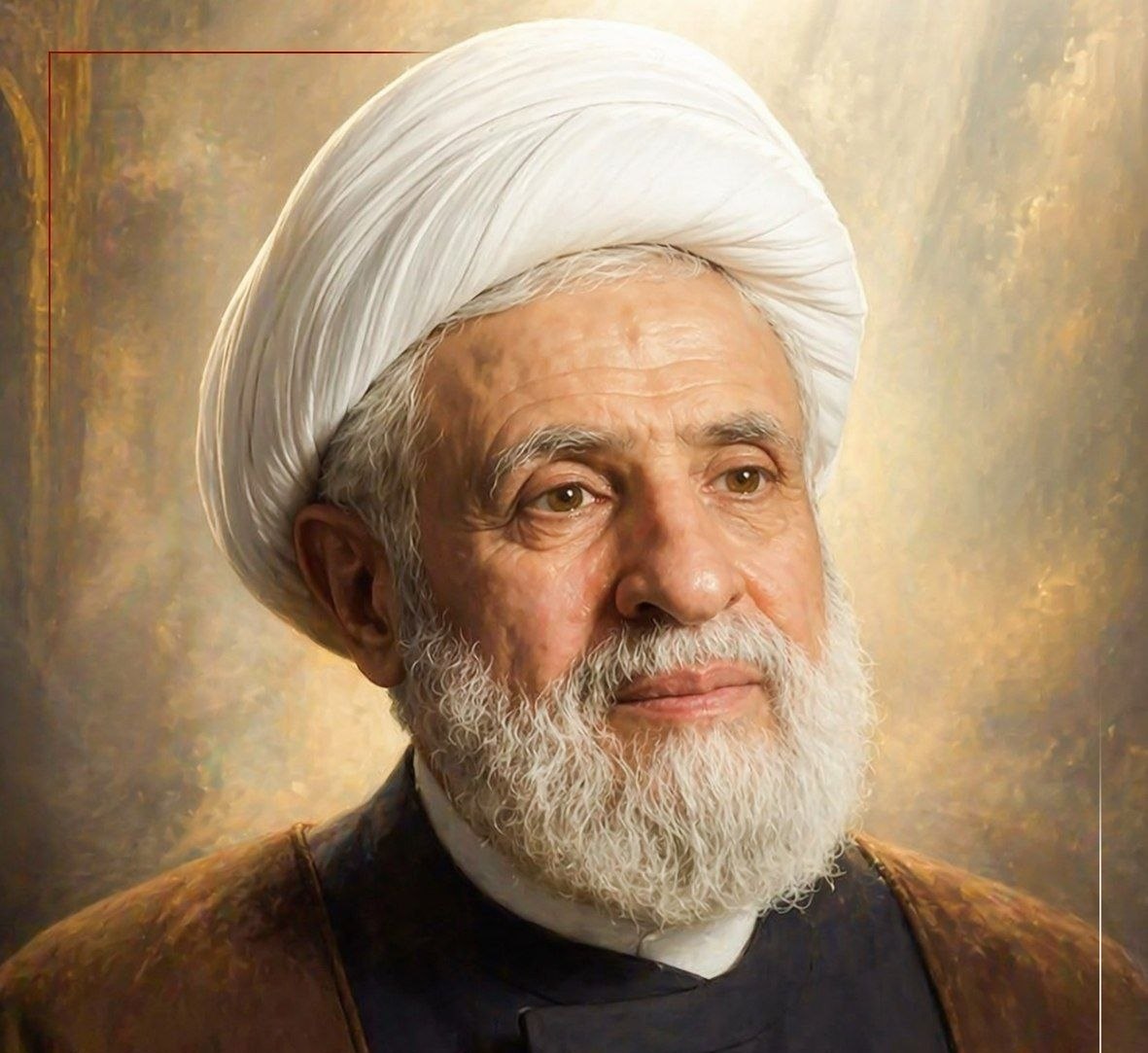
    Referring to the words of Imam Hussein (PBUH), “I see death as nothing but happiness, and life with oppressors as nothing but misery and disgrace,” Hezbollah Secretary-General Sheikh Naim Qassem emphasized that martyrdom represents the highest degree of sacrifice and Islamic upbringing, and holds an exalted position on the human and spiritual path.

    He stated that the message of the martyrs brings glad tidings of peace and an end to sorrow for the Muslim community, as, according to God’s promise, the future belongs to the front of truth and resistance. Defending the homeland, humanity, freedom of the land, and supporting the oppressed Palestinian people are all part of the martyrs’ divine path.

    Sheikh Naim Qassem described Martyrs’ Day as an opportunity to honor the patient and proud families of the martyrs and renew allegiance to their ideals. Praising the fathers and mothers who have sacrificed one or more of their children in defense of their homeland and divine ideals, he said that some families have offered two, three, four, or even five martyrs, yet continue to declare that if they had more children, they would make the same sacrifice again. This demonstrates how deeply rooted the culture of sacrifice and resistance is in society.

    Addressing Palestine, the Hezbollah Secretary-General stressed that, contrary to Western propaganda, the roots of the crisis do not lie in Operation Al-Aqsa Flood. Rather, they must be traced back to British colonialism and the establishment of the Zionist regime in 1948—a process accompanied by massacres, the displacement of millions of people, and the destruction of infrastructure.

    Referring to the humanitarian catastrophe in Gaza, he described the martyrdom and injury of tens of thousands of women and children, along with the siege imposed on more than 2.5 million people, as a continuation of the same historic policy of genocide and forced displacement, pursued with the silence and complicity of Western powers.

    Sheikh Naim Qassem described blaming the Palestinian and Lebanese peoples for defending themselves as a distortion of reality, emphasizing that the root cause of the crises is the inherently expansionist and aggressive nature of the Zionist regime’s occupation, not the existence of resistance.

    Regarding Iran, he stated that raising objections to uranium enrichment, despite Iran’s legal right to the peaceful use of nuclear energy under the 2015 agreement, is merely a pretext for restricting the power and independence of the resistance front.

    The Hezbollah Secretary-General emphasized that the primary objective of the US and the Zionist regime is not to uphold the law or address nuclear concerns, but rather to gain control over the region’s strategic resources and wealth. He described the aggression against Iran as a blatant violation of international law and affirmed Iran’s legitimate right to self-defense and retaliation.

    He also stressed the need for unity among the various fronts and coordination between the region’s armies, peoples, and resistance forces, describing such cooperation as a means of confronting aggression and safeguarding regional security and stability.

    Regarding Lebanon, Sheikh Naim Qassem said that the Zionist regime’s expansionist plan to weaken Lebanon and pave the way for new settlements had been thwarted by the steadfastness of the people and resistance forces. He added: “Had it not been for the resistance and honorable people, the enemy would have advanced as far as the heart of Sidon.” He stressed that the root cause of Lebanon’s crises is occupation, not the existence of resistance.

    He described the patience and steadfastness of the people and resistance forces, alongside active diplomacy and regional agreements—including the Islamabad Agreement and Iran’s efforts to de-escalate tensions—as important factors contributing to strength and stability in the face of aggressors.

  • Advancement of the Israeli Regime’s Army North of the Litani River

    Advancement of the Israeli Regime’s Army North of the Litani River

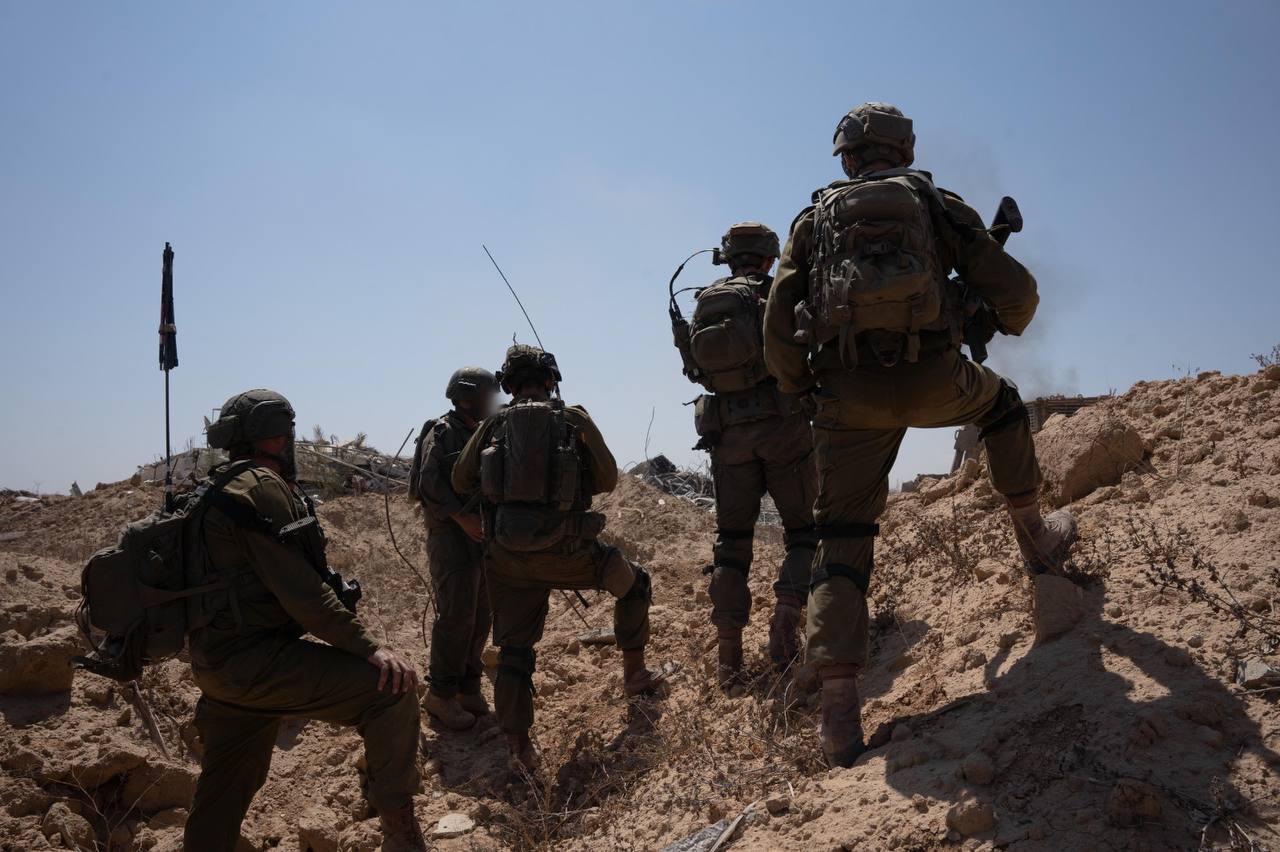
    Currently, Israeli forces are approximately 5 kilometers away from the strategic city of Nabatieh from Arnun.

    Regarding Beaufort Castle: This castle is a historic and tourist site dating back to the Crusader period. The castle overlooks the Litani River and the surrounding areas, and the Zionists will certainly use it against Hezbollah. As previously noted, the Israeli army employs elevated positions such as Beaufort Castle to dominate and control occupied areas in southern Lebanon.

  • Visit of the Israeli Army Chief of Staff to the Northern Front from Behind Protective Nets!

    Visit of the Israeli Army Chief of Staff to the Northern Front from Behind Protective Nets!

    In recent weeks, Hezbollah’s suicide drones and FPVs have inflicted heavy human, financial, and psychological damage on the Zionists. These attacks have not only targeted Israeli military positions and advanced equipment but have also instilled fear and terror among soldiers and residents of the northern areas.

    The killing of several Zionist soldiers and field commanders in southern Lebanon by FPV attacks has severely disrupted Israel’s security calculations. Hezbollah’s ability to penetrate Israeli air defenses and accurately strike moving targets and Israeli positions has forced commanders like Zamir to adopt extreme security measures.

    The change in field tactics, the increased level of protection, and Zamir’s adoption of stringent security measures send a clear message to the Israeli public: The front line of the northern front has become an unsafe zone even for the highest-ranking military commander. This situation has broad strategic implications and indicates that Israel’s aerial deterrence, which it has long prided itself on, has been seriously challenged.

  • Latest Updates on Southern Lebanon, May 29 (Map)

    Latest Updates on Southern Lebanon, May 29 (Map)

    Yohmor al-Shaqif and Zotar Front:
    Israeli forces have entered the town of Zotar al-Sharqiyah, located on the northern bank of the Litani River, and are attempting to push toward the strategic hills surrounding Nabatieh—just six kilometers away. The move is aimed at isolating the city, which has been placed under repeated evacuation warnings by the Israeli military.

    — Hezbollah attacked five Israeli Merkava tanks in the town of Yohmor al-Shaqif using three FPV drones, one anti-tank missile, and other weaponry.
    — Hezbollah destroyed an Israeli military vehicle by detonating a bomb along its path in the town of Yahmar al-Shaqif.
    — Hezbollah launched rocket and suicide drone attacks on concentrations of Israeli forces in Yohmor al-Shaqif, as well as rocket strikes on concentrations near the Litani River and eastern Zotar.

    Debin and Marjeyoun Front:
    Israeli forces have advanced toward the town of Debbine, north of Marjeyoun. As usual, the ineffective Lebanese army has withdrawn from a nearby post at the Khiam–Ebl al-Saqi–Debbine triangle, allowing Israeli forces to attack Debin without trouble under the cover of darkness. At the onset of the clashes on this axis, Hezbollah struck a Merkava tank near Debin.

    Israeli warplanes carried out two airstrikes early this morning on the areas of Debin and Balat in the northern outskirts of the town of Marjeyoun. Simultaneously, Israeli army artillery heavily shelled the Al-Khiyam–Marjeyoun road.

    Hadatha Front:
    Hezbollah launched an artillery strike on a concentration of Israeli armored vehicles near the sports stadium in the town of Hadatha, and detonated two roadside bombs along the path of an Israeli military vehicle and a bulldozer heading toward the Al-Barakah area in Hadatha.

    Other Areas:
    — Rocket attacks on concentrations of Israeli forces in the towns of Qantara, Rashaaf, and Al-Bayyadah, as well as the Hadb al-Ajel base.
    — Suicide drone attacks on the occupied Namr al-Jamal base, the Malkiyeh base, the Yiftah barracks, near the town of Netu’a, the Forests of Galilee base in Shomera, and the Shomera base (Khirbet Ma’ar).
    — FPV drone attack on Israeli technical equipment in the town of Al-Bayyadah and on an Iron Dome system platform at the Ras Naqoura base.

  • Report No. 37 from the Southern Lebanon Front (Map)

    Report No. 37 from the Southern Lebanon Front (Map)

    According to Hezbollah statements, Israeli concentrations in Wadi Raj and around the Litani River, Tallet al-Khazzan, and the Cultural Complex have been targeted with rocket and artillery fire, as well as FPV drones. Armored vehicles, including four Merkava tanks, two Jackal Humvees, one Namera armored vehicle, and one bulldozer near Bustan Zatam and the eastern areas of Zotar, have been struck by eight FPV drones, while two Merkava tanks were hit with Kornet anti-tank missiles. Armed clashes also took place near the Cultural Complex. After the Lebanese fighters’ valor, the Zionists resorted to bombing the area and deploying incendiary and smoke bombs to cover their soldiers’ retreat. Currently, the Zionists, under air and tank cover, are moving through the eastern and southern areas of Zouatar.

    Israeli fighter jets are providing extensive support for this assault, carrying out airstrikes to eliminate individuals, whether military or civilian. In response, Hezbollah is utilizing all available assets along this axis, attacking Israeli forces with a variety of weapons. Reports of Israeli armored convoys moving toward the town of Mifdoun are untrue.

    The Zionists have no intention of engaging in urban warfare with Hezbollah and are instead attempting to locate their positions and destroy them through airstrikes and artillery. In effect, their tactic is to rapidly traverse open routes and terrain while demolishing urban areas using airstrikes and engineering vehicles. This allows them to pass through southern Lebanese towns in the shortest possible time while avoiding falling into the trap of the resistance’s guerrilla attacks. This tactic also enables them to reach strategic high ground, from which they can monitor occupied areas and prepare for subsequent military operations.

    Under such circumstances, Hezbollah must leverage the geographical conditions to create tactical chokepoints. On this axis, Wadi Raj serves as a crossing point for Israeli forces moving from north of Deir Siryan toward the south of Zouatar, making it an ideal location for Hezbollah’s guerrilla strikes. To thwart the assault on Zouatar, Hezbollah must keep this key point under fire and prevent the movement of armored and engineering convoys north of the Litani River. Otherwise, the 7-kilometer distance from Zouatar to the city of Nabatieh—one of the most important and largest Shiite cities in Lebanon—will be covered in less than a month, and the city will be devastated.

  • Hezbollah’s FPV Attacks; Hezbollah’s New Weapon in Asymmetric Warfare Against Israel!

    Hezbollah’s FPV Attacks; Hezbollah’s New Weapon in Asymmetric Warfare Against Israel!

    Of these attacks, 215 were conducted in southern Lebanon and 37 in northern occupied Palestine. The highest concentration of attacks in southern Lebanon has been in the Al-Bayyadah area with 41 attacks, Qantara with 23 attacks, Taybeh with 17 attacks, Rashaaf with 16 attacks, Wadi Raj (south of Zouatar) with 15 attacks, and Bint Jbeil with 12 attacks.

    An analysis of these attacks shows that Hezbollah, aiming to prevent the advancement of Israeli forces, has concentrated most of its strikes on three main axes: “the coastal Al-Bayyadah-Naqoura line,” “the Taybeh-Qantara-Wadi Raj axis along the Litani River,” and “the Rashaaf-Hadatha-Bint Jbeil axis.”

    Merkava tanks, as the primary component of the Zionist army’s armored convoys, have been Hezbollah’s top target, followed by engineering vehicles and armored vehicles such as Humvees, Nameras, and others. Hezbollah has also attacked Iron Dome defense system platforms as well as communication and surveillance equipment. From the aggregated data, the following breakdown can be summarized:

    Out of Hezbollah’s 252 FPV attacks on Zionist positions: 81 struck Merkava tanks, 47 struck armored vehicles (Humvees, Nameras, APCs, logistics vehicles, etc.), 27 struck engineering vehicles (bulldozers and excavators), 7 struck Iron Dome defense system platforms, 8 struck jamming and anti-drone equipment, and 3 struck surveillance cameras and electronic systems.

    The composition of the Israeli regime army’s weapons and equipment indicates that their objective is rapid advancement into southern Lebanon, temporary fortification, and destruction of infrastructure there. To halt this large war machine, Hezbollah must deliver multiple, rapid strikes to disable armored and engineering vehicles, thereby prolonging the war, increasing costs and casualties for the Zionists, and forcing them to withdraw from southern Lebanon. In this regard, the FPV drone is a highly effective weapon, having established Hezbollah’s air superiority at low altitudes over a range of 15–20 kilometers, challenging expensive Zionist weaponry at very low cost. This tactic follows the Iranian doctrine of being simple, cheap, and small—a core principle in conducting asymmetric warfare against the Western-Zionist axis.

    Download the high res map HERE

    Detail of attacks are as follow:

    1- Concentration of forces in Jabal al-Bat, March 20
    2- Humvee vehicle in Mis al-Jabal, March 23
    3- Concentration of forces in Qouzah, March 24
    4- Concentration of forces in Qouzah, March 24
    5- Concentration of forces in Qouzah, March 24
    6- Concentration of forces in Tallet al-Khamara, Qouzah, March 24
    7- One Merkava tank in Qouzah, March 24
    8- Concentration of forces in Qouzah, March 25
    9- Concentration of forces in Qouzah, March 25
    10- Concentration of forces in Al-Khiyam, March 25
    11- Meron Air Control Base, March 25
    12- Humvee vehicle in Maroun al-Ras, March 25
    13- One Merkava tank in Al-Dawwayir, March 25
    14- Concentration of forces at Al-Marij Base, March 25
    15- One Merkava tank in Qantara, March 26
    16- One Merkava tank in Qantara, March 26
    17- One Merkava tank in Qantara, March 26
    18- One Merkava tank in Qantara, March 26
    19- One Merkava tank in Naqoura, March 26
    20- One Merkava tank in Al-Bayyadah, March 27
    21- Concentration of forces in Al-Bayyadah, March 27
    22- Concentration of forces in Al-Bayyadah, March 27
    23- Two Merkava tanks in Al-Bayyadah, March 27
    24- Observation post in Al-Bayyadah, March 27
    25- One Merkava tank in Debel, March 28
    26- Soldier position in Al-Bayyadah, March 28
    27- One Merkava tank in Al-Bayyadah, March 28
    28- Humvee vehicle in Al-Bayyadah, March 28
    29- Radar deployment site in Al-Bayyadah, March 28
    30- One Merkava tank in Al-Bayyadah, March 28
    31- One Merkava tank in Al-Bayyadah, March 28
    32- One Merkava tank in Al-Bayyadah, March 29
    33- Merkava tank at Tal Sal’a, Qantara, March 29
    34- Two Merkava tanks at the Aynatha checkpoint, March 29
    35- Humvee and bulldozer in Khiyam, March 29
    36- Merkava tank at Qantara Square, March 29
    37- One bulldozer in Qantara, March 29
    38- Merkava tank at the Aynatha checkpoint, March 31
    39- An Israeli APC in Taybeh, March 31
    40- Concentration of forces in Deir Siryan, April 1
    41- Merkava tank at the Aynatha checkpoint, April 1
    42- Soldier position in Al-Bayyadah, April 2
    43- Merkava tank at Tal Sal’a, Qantara, April 2
    44- Merkava tank in Al-Bayyadah, April 7
    45- Two Merkava tanks in Taybeh, April 7
    46- Force position in Taybeh, April 9
    47- One bulldozer in Taybeh, April 9
    48- Merkava on Taybeh-Deir Siryan road, April 9
    49- One Merkava tank in Al-Khiyam, April 10
    50- One Humvee vehicle in Taybeh, April 10
    51- Concentration of Israeli forces in Shama, April 11
    52- Merkava tank at Tallet al-Uwaydah, April 11
    53- Merkava tank in Bint Jbeil, April 11
    54- Merkava tank in Bint Jbeil, April 11
    55- Merkava tank at Tallet al-Uwaydah, April 11
    56- Merkava tank in Mis al-Jabal, April 11
    57- Military vehicle in Taybeh, April 12
    58- Humvee vehicle in Ain Ebel, April 13
    59- Vehicle in Kiryat Shmona, April 13
    60- Two Merkava tanks in Mis al-Jabal, April 15
    61- One bulldozer in Bint Jbeil, April 15
    62- Artillery position in Al-Bayyadah, April 22
    63- Humvee vehicle in Qantara, April 22
    64- Concentration of soldiers in Qantara, April 22
    65- Concentration of forces in Taybeh, April 23
    66- Israeli bulldozer in Rashaaf, April 23
    67- Concentration of forces in Qantara, April 24
    68- Military vehicle in Qantara, April 24
    69- Israeli APC in Ramiyeh, April 24
    70- Armored vehicle in Qantara, April 25
    71- Concentration of forces in Taybeh, April 26
    72- Israeli forces in Taybeh, April 26
    73- Merkava tank at Taybeh Square, April 26
    74- Merkava tank in Qantara, April 27
    75- One bulldozer in Bint Jbeil, April 27
    76- Two Merkava tanks in Qantara, April 28
    77- One bulldozer in Bint Jbeil, April 28
    78- Concentration of forces in Qantara, April 28
    79- Merkava tank at Qantara Square, April 28
    80- Merkava tank in Beit Lif, April 29
    81- Concentration of forces in Al-Bayyadah, April 29
    82- Two Merkava tanks in Qantara, April 29
    83- Two Merkava tanks in Bint Jbeil, April 30
    84- Two Merkava tanks in Qantara, April 30
    85- Self-propelled artillery in Yaroun, April 30
    86- Israeli concentration in Shama, April 30
    87- Humvee vehicle in Al-Bayyadah, April 30
    88- Concentration of forces in Al-Bayyadah, May 1
    89- Military vehicle in Al-Bayyadah, May 1
    90- Humvee vehicle in Taybeh, May 1
    91- One Merkava tank in Rashaaf, May 1
    92- Concentration of forces in Al-Bayyadah, May 1
    93- Concentration of forces in Al-Bayyadah, May 2
    94- Anti-drone system in Al-Bayyadah, May 2
    95- Surveillance camera in Al-Bayyadah, May 3
    96- Armored vehicle in Al-Bayyadah, May 3
    97- Technical equipment in Al-Bayyadah, May 3
    98- Concentrations at Balat Base, May 4
    99- One Merkava tank in Qouzah, May 5
    100- Israeli bulldozer in Rashaaf, May 5
    101- One bulldozer in Wadi Raj, May 5
    102- Armored vehicle in Wadi Raj, May 5
    103- Concentration of soldiers in Al-Bayyadah, May 5
    104- Military vehicle in Qantara, May 5
    105- Concentration of forces in Rashaaf, May 5
    106- Concentration of forces in Qantara, May 5
    107- Concentration of forces in Taybeh, May 6
    108- Command center in Qantara, May 6
    109- Humvee vehicle in Deir Siryan, May 6
    110- Military vehicle in Al-Dawwayir, May 6
    111- Israeli APC in Qouzah, May 6
    112- Humvee vehicle in Taybeh, May 6
    113- Concentration of forces in Al-Bayyadah, May 6
    114- Israeli bulldozer in Houla, May 6
    115- Israeli bulldozer in Khiyam, May 6
    116- Armored vehicle in Wadi Raj, May 6
    117- Armored vehicle in Bint Jbeil, May 6
    118- Concentrations at the Alam intersection (three-way), May 7
    119- Israeli bulldozer in Wadi Raj, May 7
    120- Command center in Al-Bayyadah, May 7
    121- Merkava tank in Bint Jbeil, May 7
    122- Iron Dome platform in Jal al-Alam, May 7
    123- Concentration of forces in Wadi Raj, May 7
    124- Israeli bulldozer in Al-Bayyadah, May 8
    125- Military vehicle in Wadi Raj, May 8
    126- Concentrations on the Adchit road, May 8
    127- Concentration of forces in Iskandaroun, May 8
    128- Merkava tank at Namr al-Jamal, May 8
    129- Concentration of soldiers in Labbouneh, May 8
    130- Command center in Al-Bayyadah, May 8
    131- Humvee vehicle in Al-Bayyadah, May 8
    132- Military vehicle in Shama, May 8
    133- Bulldozer at Al-Abad Base, May 9
    134- Concentration of forces in Misgav Am, May 9
    135- Humvee vehicle in Al-Bayyadah, May 9
    136- Military vehicle in Wadi Raj, May 9
    137- Concentration of forces in Wadi Raj, May 9
    138- One bulldozer in Wadi Raj, May 9
    139- Merkava tank in Al-Bayyadah, May 9
    140- Concentration of forces in Shlomi, May 9
    141- Concentration of forces in Jal al-Alam, May 9
    142- Armored vehicles in Tyre Harfa, May 9
    143- Concentration of forces in Shama, May 9
    144- One bulldozer in Wadi Raj, May 10
    145- One bulldozer in Bint Jbeil, May 10
    146- Humvee vehicle in Tyre Harfa, May 10
    147- Concentration of forces in Tyre Harfa, May 10
    148- Command center in Al-Bayyadah, May 10
    149- Concentration of forces in Deir Siryan, May 10
    150- Concentration of forces in Jal al-Alam, May 10
    151- Merkava tank in Jal al-Alam, May 10
    152- Concentration of forces in Al-Bayyadah, May 10
    153- Merkava tank in Al-Bayyadah, May 10
    154- Command headquarters in Al-Khiyam, May 10
    155- Forces in Deir Siryan, May 11
    156- Forces in Baydar al-Fa’qani, May 11
    157- Forces in Baydar al-Fa’qani, May 11
    158- Forces in Baydar al-Fa’qani, May 11
    159- Merkava tank in Rashaaf, May 11
    160- One bulldozer in Naqoura, May 11
    161- Fuel tanker in Tyre Harfa, May 11
    162- Excavator in Al-Bayyadah, May 11
    163- Humvee vehicle in Tyre Harfa, May 11
    164- Engineering vehicle in Tyre Harfa, May 11
    165- Bulldozer on Naqoura road, May 11
    166- One soldier in Khirbet al-Manara, May 12
    167- Merkava tank in Khirbet al-Manara, May 12
    168- Military vehicle in Al-Abad, May 12
    169- Communication vehicle in Al-Abad, May 12
    170- Communication vehicle in Al-Abad, May 12
    171- One Merkava tank in Al-Abad, May 12
    172- Drone jammer in Al-Abad, May 12
    173- Excavator in Tyre Harfa, May 12
    174- One Humvee on Iskandaroun road, May 12
    175- Merkava tank in Iskandaroun, May 12
    176- One bulldozer in Wadi Raj, May 13
    177- Military vehicle in Rashaaf, May 13
    178- Forces in Bint Jbeil, May 13
    179- One APC in Bint Jbeil, May 13
    180- Merkava tank in Aynatha, May 13
    181- Merkava tank in Al-Dawwayir, May 13
    182- Technical equipment in Balat, May 14
    183- Tent of forces near Litani, May 14
    184- Merkava tank in Taybeh, May 14
    185- Forces at Ras al-Naqoura, May 14
    186- Humvee vehicle in Tyre Harfa, May 14
    187- Merkava tank in Rashaaf, May 15
    188- 300th Division headquarters in Shomera, May 15
    189- Merkava tank on Naqoura road, May 15
    190- Concentration of forces in Deir Siryan, May 15
    191- Concentration of forces in Qouzah, May 15
    192- Bulldozer on Naqoura road, May 15
    193- One bulldozer in Rashaaf, May 15
    194- Israeli APC in Wadi Raj, May 15
    195- Armored vehicle in Rashaaf, May 15
    196- Israeli bulldozer in Rashaaf, May 15
    197- Humvee vehicle in Taybeh, May 16
    198- Armored vehicle in Taybeh, May 16
    199- One bulldozer in Wadi Raj, May 16
    200- Surveillance camera in Taybeh, May 16
    201- Command headquarters in Al-Bayyadah, May 16
    202- Humvee vehicle on Naqoura road, May 16
    203- One bulldozer in Al-Bayyadah, May 17
    204- Military vehicle in Al-Bayyadah, May 17
    205- Tent of forces in Al-Bayyadah, May 17
    206- Artillery position in Adeisseh, May 17
    207- Jamming device in Rashaaf, May 17
    208- Iron Dome platform in Shomera, May 18
    209- Communication vehicle in Wadi Raj, May 18
    210- One bulldozer in Deir Siryan, May 18
    211- Army base at Tallet al-Uwaydah, May 18
    212- Command vehicle in Shomera, May 18
    213- Communication vehicle in Taybeh, May 19
    214- Iron Dome in Jal al-Alam, May 19
    215- Military vehicle in Misgav Am, May 19
    216- Iron Dome in Margaliot, May 19
    217- Vehicle at Qouzah intersection (three-way), May 19
    218- Concentration of soldiers in Ramiyeh, May 19
    219- Israeli bulldozer in Al-Khiyam, May 19
    220- Jamming device in Rashaaf, May 19
    221- Concentration of soldiers in Rashaaf, May 19
    222- Concentration of soldiers in Rashaaf, May 19
    223- One bulldozer in Al-Khiyam, May 19
    224- One Merkava in Baydar al-Fa’qani, May 20
    225- Merkava tank in Rashaaf, May 20
    226- One bulldozer in Hadatha, May 20
    227- One bulldozer in Hadatha, May 20
    228- Merkava tank in Hadatha, May 20
    229- One Merkava at Hadatha pond, May 20
    230- Excavator in Wadi Raj, May 21
    231- Concentration of soldiers in Rashaaf, May 21
    232- Concentration of forces in Naqoura, May 21
    233- Concentration of forces in Tyre Harfa, May 21
    234- Armored vehicle in Debel, May 21
    235- Iron Dome platform in Biranit, May 22
    236- Concentration of forces at Biranit Base, May 22
    237- Israeli APC at Shtula Base, May 22
    238- Concentration of forces in Misgav Am, May 22
    239- Communication vehicle in Misgav Am, May 22
    240- Merkava tank in the town of Markaba, May 22
    241- Al-Marij Base on the Lebanon border, May 22
    242- Iron Dome platform in Biranit, May 23
    243- Iron Dome platform in Biranit, May 23
    244- Iron Dome platform in Honin, May 23
    245- Engineering vehicle in Bint Jbeil, May 23
    246- Technical device at Jal al-Alam Base, May 23
    247- Command vehicle in Jal al-Alam, May 23
    248- Jamming device at Namr al-Jamal, May 23
    249- Jamming device at Al-Jardah Base, May 23
    250- Military vehicle at Ras Naqoura, May 23
    251- Drone jammer in Naqoura, May 23
    252- Concentration of soldiers in Iskandaroun, May 23
  • Lebanese Security Forces Launch Operation to Detain Assad-era Officials

    Lebanese Security Forces Launch Operation to Detain Assad-era Officials

    At the same time, Khaled al-Ahmad, advisor to Syria’s transitional president, arrived in Beirut to meet with Tarek Mitri. According to informed sources, the purpose of this meeting is to resolve outstanding issues, including the status of detainees and convicts, and to strengthen bilateral cooperation. Finding solutions for unresolved cases—particularly those involving Syrian detainees and convicts and Damascus’s request for their extradition—is on the agenda.

    In this context, Lebanese parliamentary and security sources strongly denied social media reports claiming the presence of Brigadier General Suhail al-Hassan or the establishment of military bases by former Syrian regime forces in the Akkar region, describing them as exaggerated and false. Lebanese security authorities also stated that many of the officers in question, including deputies of Maher al-Assad, are currently residing in Moscow, while others are wanted by Interpol for crimes against civilians. Strict orders have reportedly been issued to Lebanese security agencies to prevent any activities by former Syrian regime forces in Lebanon that could threaten Syria’s security.

  • Doctrine of Controlled Resistance: A Narrative of Joseph Aoun’s Strategic Shift Toward Zionist Attacks

    Doctrine of Controlled Resistance: A Narrative of Joseph Aoun’s Strategic Shift Toward Zionist Attacks

    Introduction

    On the international stage, Hebrew media reports claiming that recent Zionist regime attacks were coordinated with the United States—and that Tel Aviv is dissatisfied with the “army’s slow pace in disarming Hezbollah”—illustrate the mounting pressure from Washington and Tel Aviv to curb this trajectory. The West now fears the emergence of an independent Lebanese national defense model, in which the army and resistance secure the country’s borders without reliance on international institutions. This concern has driven the Zionist regime to employ its attacks not only as military responses but also as political tools to prevent closer ties between the army and Hezbollah.

    Meanwhile, the Wall Street Journal’s report on Hezbollah’s military rebuilding—coinciding with U.S. diplomatic and security maneuvers alongside Arab allies—signals a coordinated effort to reframe Lebanon’s narrative from “legitimate defense” to “regional threat.” From this perspective, a critical question arises: does Joseph Aoun’s recent directive to delay the disarmament of the resistance reflect political weakness and isolation, or is it a calculated attempt by Aoun and the army to redefine Lebanon’s defense policy and restore national legitimacy? Exploring this question is key to understanding the new phase of security developments along Lebanon’s southern borders and the balance of power in the Middle East.

    From “Potential Partner” to “Implicit Supporter of Resistance”

    At the outset of his presidency, Joseph Aoun was regarded by the West and Arab allies as a “potential partner” to contain Hezbollah and rebuild Lebanon’s political order after the war. Yet, over time, the gap between Western promises and on-the-ground realities eroded this perception. The “Barak Roadmap” and Arab backing for Hezbollah’s disarmament placed Aoun in a dilemma between external pressures and domestic sensitivities. As Zionist attacks persisted and Washington failed to manage the crisis, the legitimacy of alignment with the West weakened in Lebanon. Gradually, Aoun shifted from cooperating with Washington to emphasizing Lebanon’s “right to national defense” against Zionist aggression. By October 2025, he had transformed from a pragmatic figure supported by the West into a nationalist leader who saw his political survival in maintaining balance among the state, the army, and the resistance.

    The Beginning of a New Phase in Lebanon’s Defense Policy

    In late October 2025, the Wall Street Journal published a report claiming that Hezbollah had resumed “rebuilding its military capacity” after the ceasefire. According to Zionist and Arab security sources, part of the defensive equipment was entering Lebanon via Syria, while other parts were being produced domestically. The report warned that the Zionist regime was “losing patience” and might act “unilaterally” if Beirut failed to respond.

    The significance of this report lay less in its military content than in its political and psychological impact. Around the same time, Joseph Aoun ordered the Lebanese army to respond to any Zionist aggression—a decision widely seen as the start of a new phase in Lebanon’s defense policy. Simultaneously, renewed Zionist attacks on southern Lebanon, Aoun’s directive to suspend Hezbollah’s disarmament, and the overlap of these events created a tense and complex environment where media narratives and military decisions shaped public opinion in parallel.

    Strategically, the Wall Street Journal report pursued two objectives:

    • First, by amplifying claims of weapons transfers from Syria, it sought to provide international legitimacy for any potential Zionist preemptive strike, making such action politically defensible—something already witnessed in recent attacks on southern Lebanon.
    • Second, the narrative targeted Lebanon’s political sphere by raising the issue of “security contacts between Lebanon and the Zionist regime,” thereby deepening internal mistrust and placing Aoun between two conflicting narratives: either ignore Hezbollah’s activities or implicitly cooperate with the Zionist regime.

    This dual pressure was precisely what Aoun sought to avoid. Until then, he had tried to maintain a fragile balance among the army, the state, and the resistance. Yet the Wall Street Journal article disrupted that equilibrium, marking a preemptive strike in the war of narratives—framing any Lebanese defensive action as “aligned with the resistance axis.”

    Regionally, the timing of the report with the Egyptian intelligence chief’s visit to Beirut and the U.S. defense secretary’s call to Baghdad was no coincidence. These events reflected a multilayered coordination—political, security, and media—aimed at curbing Lebanon’s shift from “Western cooperation” toward “independent defense.”

    Thus, the Wall Street Journal report should be seen not as a reflection of battlefield reality but as a tool to redefine it. It implanted the Zionist regime’s narrative in the public mind, reframing Aoun’s decision from “legitimate defensive action” into a “reactive and risky response.” In this sense, its publication marked the first shot in a new media war—one designed to shape the battlefield in southern Lebanon through words and headlines before any bullets were fired.

    A New Equation Between Army, Hezbollah, and the State

    Recent developments in southern Lebanon—particularly Joseph Aoun’s direct order to the army to confront Zionist incursions and his subsequent proposal to suspend the plan for exclusive arms control south of the Litani River—represent a turning point in redefining Lebanon’s security equation. These decisions demonstrated that the Lebanese army was no longer a neutral observer but was gradually becoming part of the national deterrence system. By issuing this directive, Aoun effectively shifted from “containing the resistance” toward conditionally integrating the army into the concept of legitimate defense—a reflection of the collapse of the old order and the emergence of a new doctrine of “controlled resistance.”

    Structurally, the suspension of the arms monopoly plan signaled the return of defensive initiative to Lebanon’s domestic institutions. In practice, the army acknowledged Hezbollah’s defensive role, since confronting Zionist aggression is impossible without coordination with the resistance. For the first time since the 2006 war, the Lebanese army, through an official decision, stepped beyond the restrictive framework of Resolution 1701. Thus, the boundary between the roles of the state and the resistance was redefined—not as contradiction but as overlap.

    The Strategic Credibility Crisis of the Zionist Regime

    As analyst Ibrahim Majid observed, the Zionist regime, which a year earlier boasted of “complete victory” over Hezbollah, now admits that the resistance has been “rebuilt.” This shift in narrative is not the result of new intelligence but rather an implicit acknowledgment of failure to achieve war objectives. To compensate for this setback, the Zionist regime needs to construct a new threat—one that justifies its continued aggression and pressures the Lebanese state into internal conflict with the resistance.

    A New Phase of Deterrence

    Strategically, Joseph Aoun’s order for the army to respond directly to Zionist incursions ushered Lebanon into a new phase of formal deterrence. With this directive, he narrowed the historic gap between the state and the resistance, moving the concept of “national defense” from rhetoric into practice. While the decision garnered support from parts of society, it simultaneously placed Lebanon at the center of U.S. and Arab diplomatic pressure. Nevertheless, Aoun’s move can be seen as a calculated effort to reclaim sovereignty and restore legitimacy to Lebanon’s security decision-making.

    Ultimately, Lebanon now operates within a framework of threefold deterrence: the army, the resistance, and the state—each playing distinct yet complementary roles in defending the nation. Looking ahead, three possible trajectories emerge:

    • Stabilization of controlled deterrence through limited coordination between the army and the resistance.
    • Short-term localized clashes if Zionist attacks persist.
    • Escalation to a regional confrontation should the resistance axis intervene directly.

    Lebanon today stands in a state between war and peace—what can be termed “armed peace.” Its stability rests not on external agreements but on internal capacity to maintain balance among the state, the army, and the resistance.

  • Washington Pressures Lebanese Army Amid Intensified Israeli Strikes; New U.S. Conditions for Military Aid to Beirut

    Washington Pressures Lebanese Army Amid Intensified Israeli Strikes; New U.S. Conditions for Military Aid to Beirut

    At the same time, Washington is increasing pressure on the Lebanese army, with Congress reviewing a proposal to reconsider military assistance to the country. The U.S. has also suspended the Lebanese army commander’s visit to Washington, linking any meeting with Joseph Aoun to specific conditions.

    These pressures are described as part of Washington’s strategy to reshape the security equation in Lebanon and strengthen the army’s role as an alternative to Hezbollah. However, structural and political obstacles hinder this goal, as Hezbollah’s entrenched position in Lebanon reduces the likelihood of altering the army’s trajectory.

    In this context, America’s conditional approach to military aid is not merely a security measure but part of a broader effort to contain Hezbollah and redesign Lebanon’s security order—a strategy whose implementation path remains uncertain.

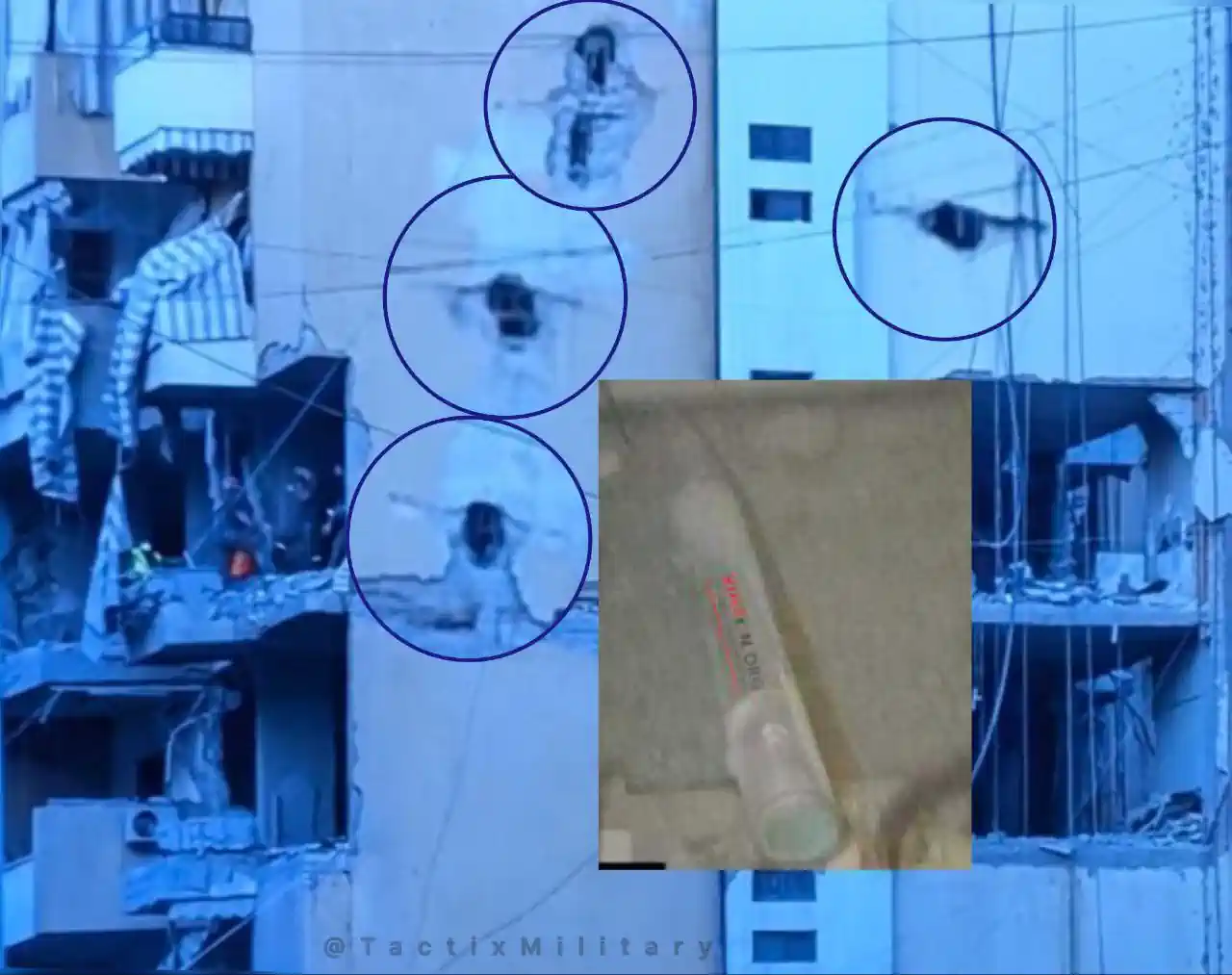
  • US Demands Lebanon Hand Over Unexploded Missile!

    US Demands Lebanon Hand Over Unexploded Missile!

    The weapon in question is a GBU-39B glide bomb manufactured by Boeing, considered one of the advanced munitions that Washington supplies only to a limited number of allies.

    According to Maariv, eight missiles were fired in the Beirut strike, seven of which detonated while one failed to explode. This prompted Washington to press Lebanon to quickly return the bomb to the US to prevent it from falling into the hands of rival states.

    The primary reason for this urgent request is America’s deep concern that the weapon’s technology could be transferred to competitors such as Russia, China, or Iran.

  • Israeli Army Drill on the Northern Front

    Israeli Army Drill on the Northern Front

    The drill, set to last several days, started with an evaluation of the preparedness of the army’s 210th Division — the unit responsible for the border area with Syria in the Golan Heights as well as parts of the frontier with Lebanon. The army stated that the main objective is to test the division’s ability to respond swiftly to sudden events.

    During the exercise, all stages of situation assessment, decision-making processes, force activation, and field command of Israeli troops will be examined. Officials emphasized that the drill had been planned in advance and is not directly related to recent developments!!

  • Israel Violates Ceasefire with Lebanon: Strike Targets Harat Hreik, Hezbollah Commander Martyred

    Israel Violates Ceasefire with Lebanon: Strike Targets Harat Hreik, Hezbollah Commander Martyred

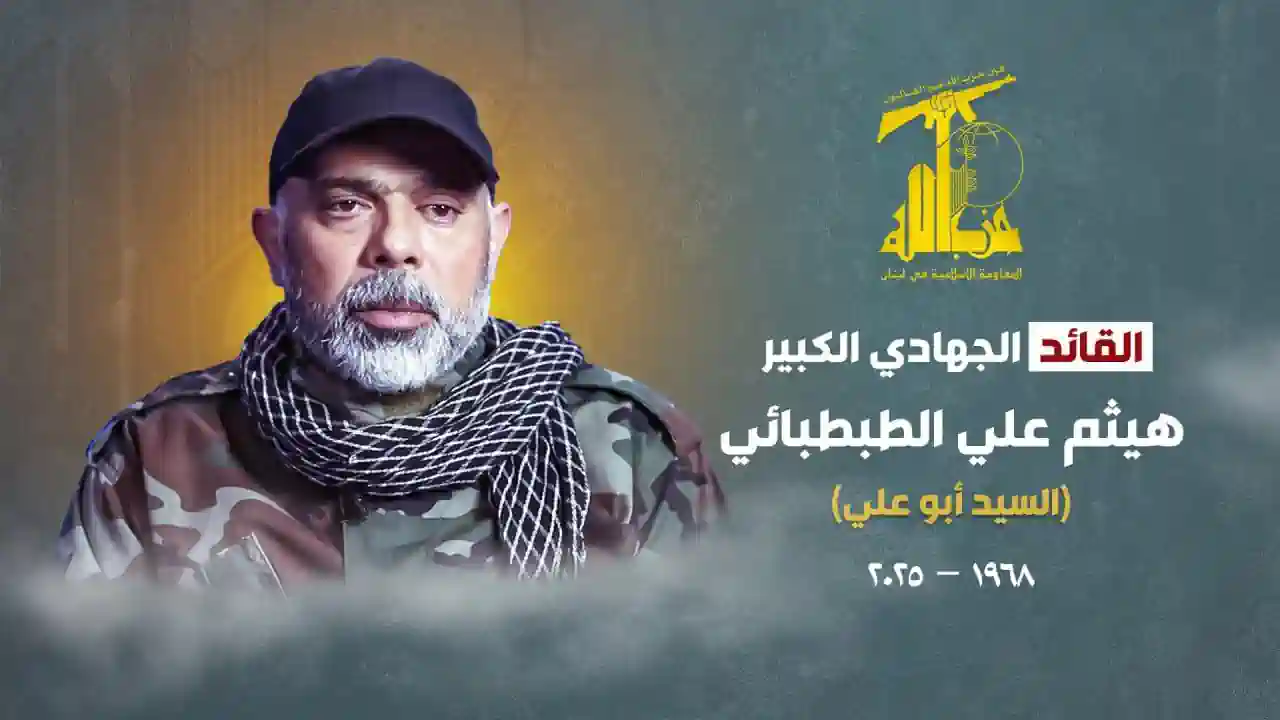
    Hezbollah announced in a statement the martyrdom of Haitham Ali Tabatabai (Sayyed Abu Ali) along with four of his companions, following the Israeli army’s airstrike on the Harat Hreik area in Beirut’s southern suburb.

    Tabatabai, a senior Hezbollah commander from the town of al-Bashoura, had joined the ranks of the Islamic Resistance since its founding. He played a key role in numerous military operations against Israeli occupation between 1993 and 2006, in battles against extremist groups along Lebanon’s eastern borders, and served as head of Islamic Resistance operations during the Al-Aqsa Flood campaign and the Awli al-Ba’s operation. In his final position, he held overall military command of Hezbollah’s Islamic Resistance.

    Israel’s repeated attacks and violations across Lebanon clearly constitute a grave breach of the ceasefire between the two sides. With daily strikes under false pretexts, Hezbollah continues to lose its fighters and commanders. This situation cannot persist indefinitely, and Hezbollah will be compelled to reconsider its approach.