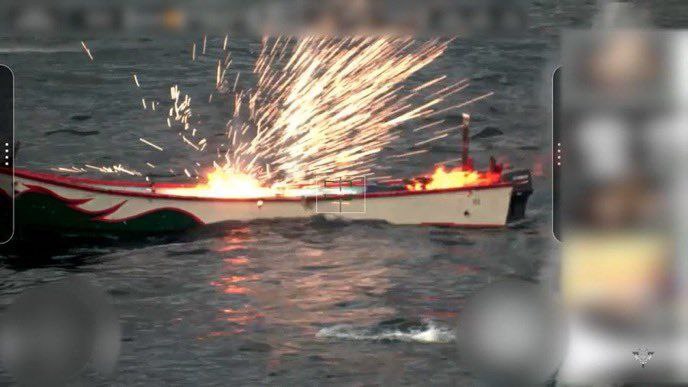
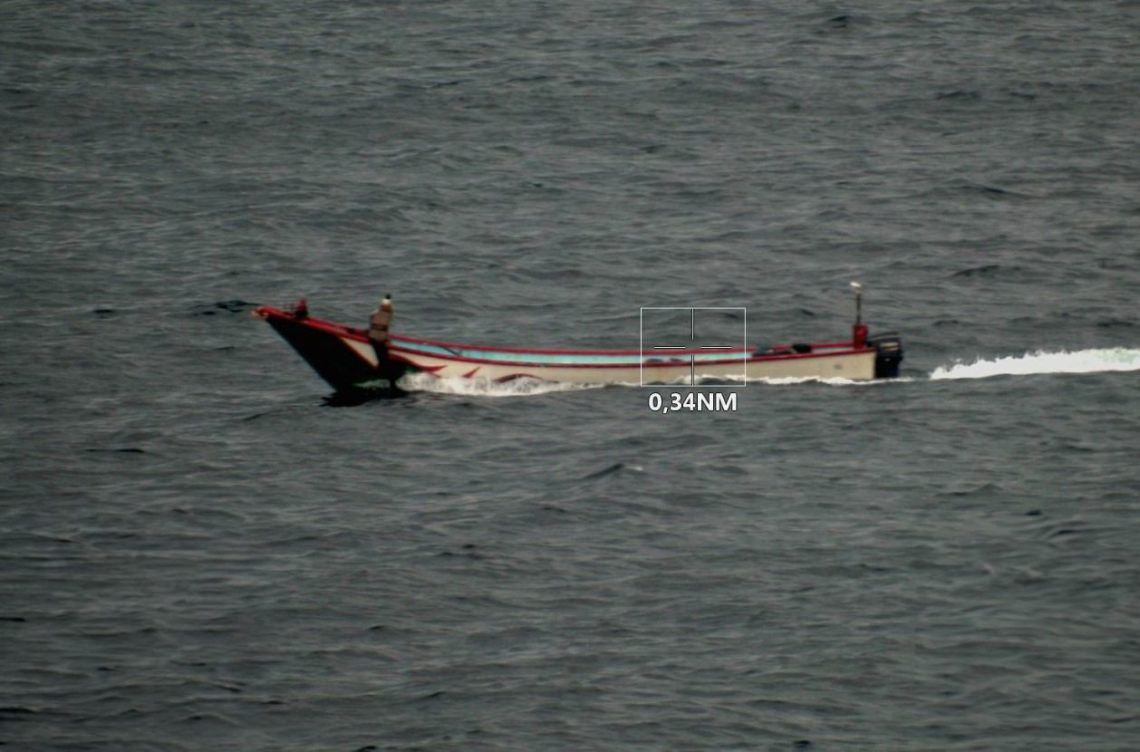
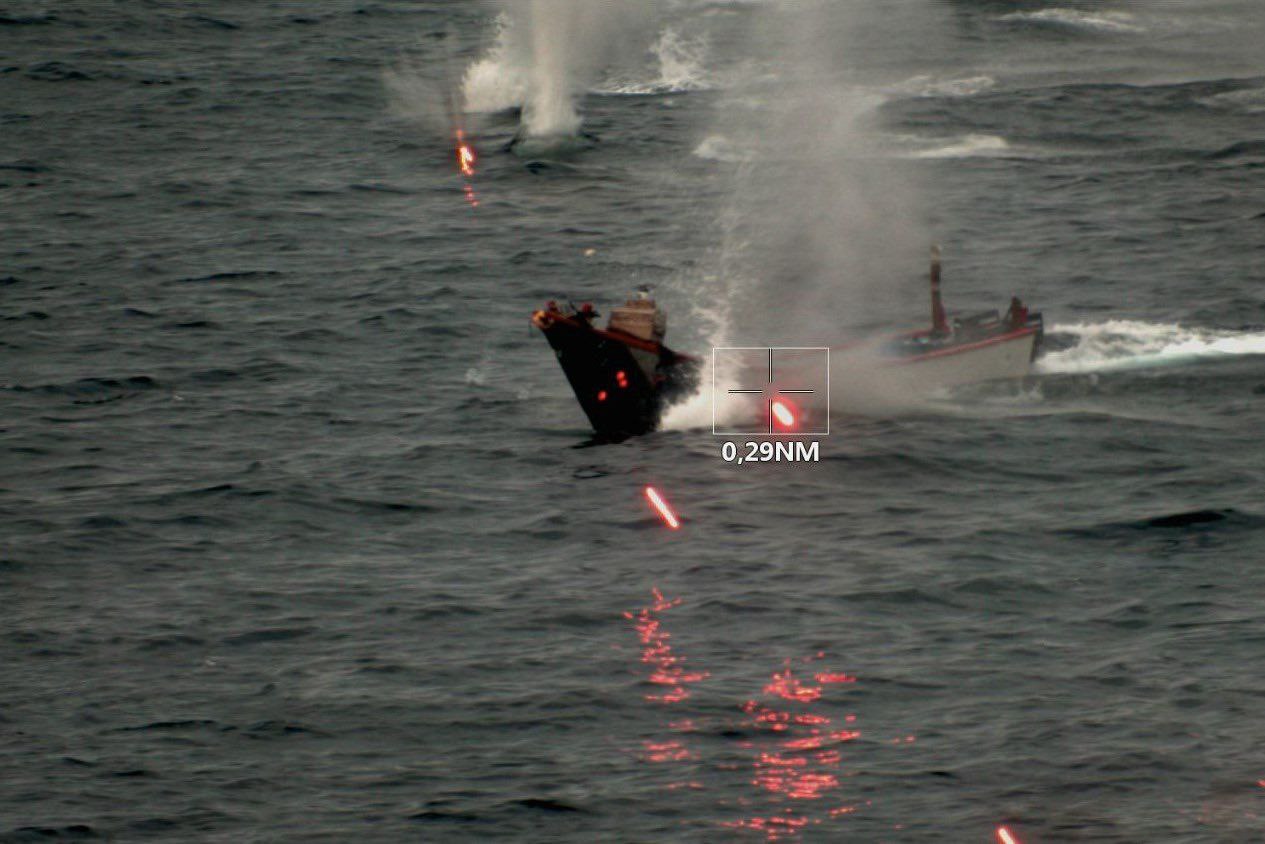
According to a statement of spokesman for the Yemeni Armed Forces Brigadier General Yahya Saree, the Groton vessel was targeted by missiles and drones of the Yemeni army in the Gulf of Aden.
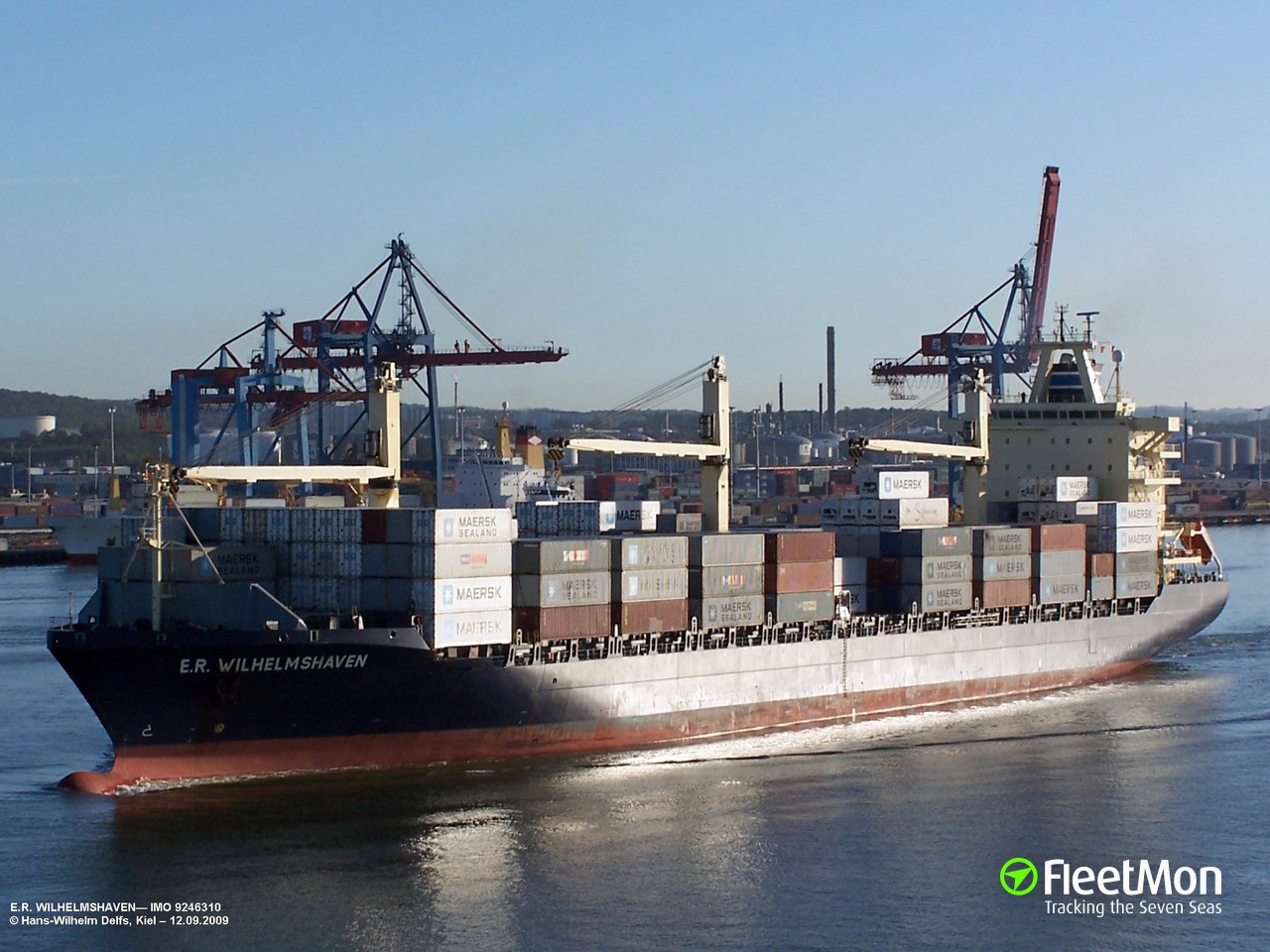
The Groton is a container ship, which has been operating under the Liberian flag since 2002. As in the previous incident, the vessel announced its sailing information from Djibouti in East Africa to the UAE port of Fujairah.
According to information from the United Kingdom Maritime Trade Operations (UKMTO), the Yemeni Armed Forces pounded the ship 130 nautical miles east of the Yemeni city of Aden, with two missiles.
The Yemeni Ansar Allah movement’s spokesman Mohammed Abdul Salam, who is also in charge of the Yemeni government’s negotiations, issued a statement, announcing that the Yemeni authorities have agreed to allow towing of the Greek-flagged oil tanker Sounion, which was recently targeted by the Yemeni Armed Forces in the Red Sea.
Abdul Salam further elaborated that after various international entities, especially the Europeans, contacted and called on Yemen to prevent an environmental catastrophe in the Red Sea, the permission to tow the Sounion vessel has been issued. Abdul Salam also went on to say that the setting fire of the tanker indicates Yemen’s seriousness and determination to impose the announced embargos against the Zionist enemy.
At the end of his statement, the spokesman of the Ansar Allah movement pointed to the decision to prevent the sailing of vessels towards the ports of occupied Palestine, underlining that the objective of the operation by the Yemeni Armed Forces is to put pressure on the Israeli regime to stop the atrocities against the oppressed Palestinians residing in the Gaza Strip, and that the ships of companies affiliated with the regime will not be safe from the strikes of the Yemeni army until this purpose is achieved.
Sounion vessel in the Red Sea
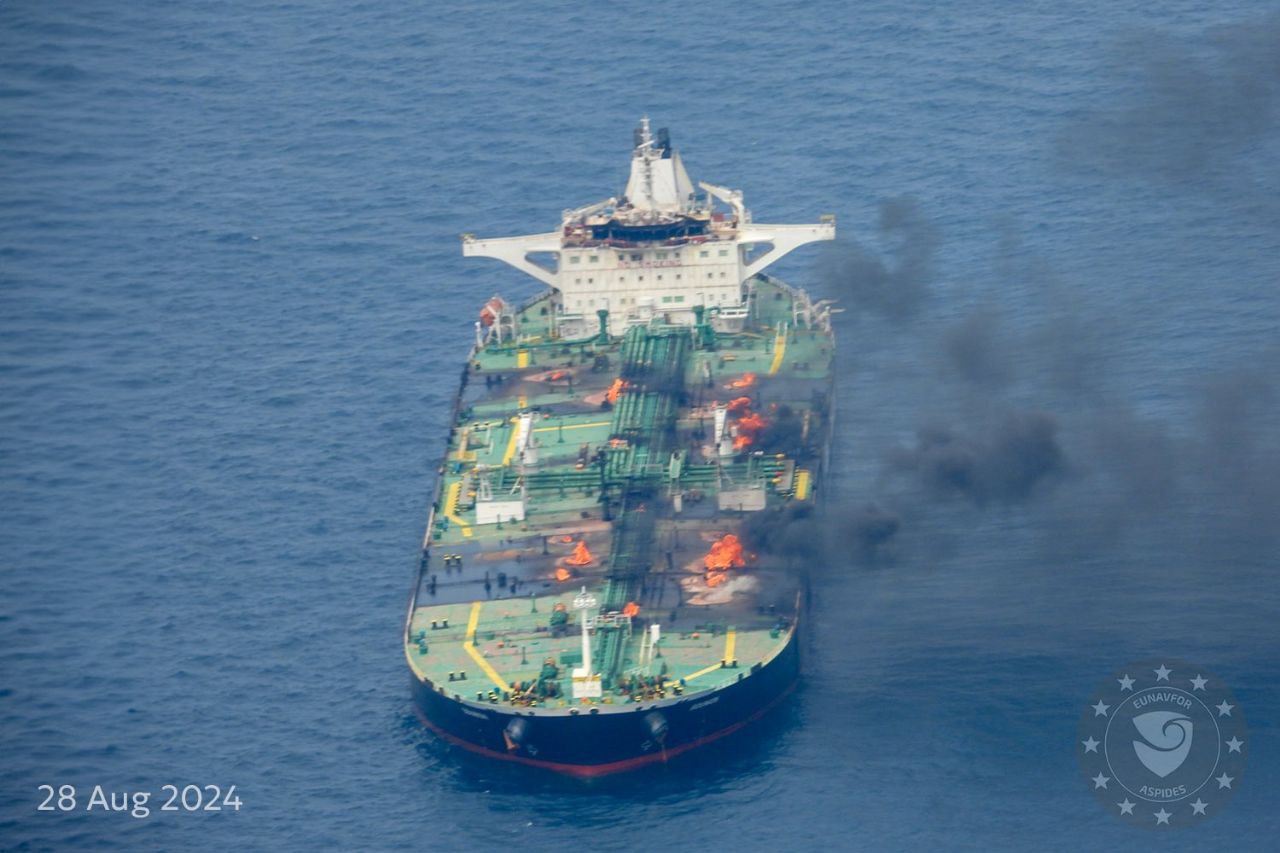
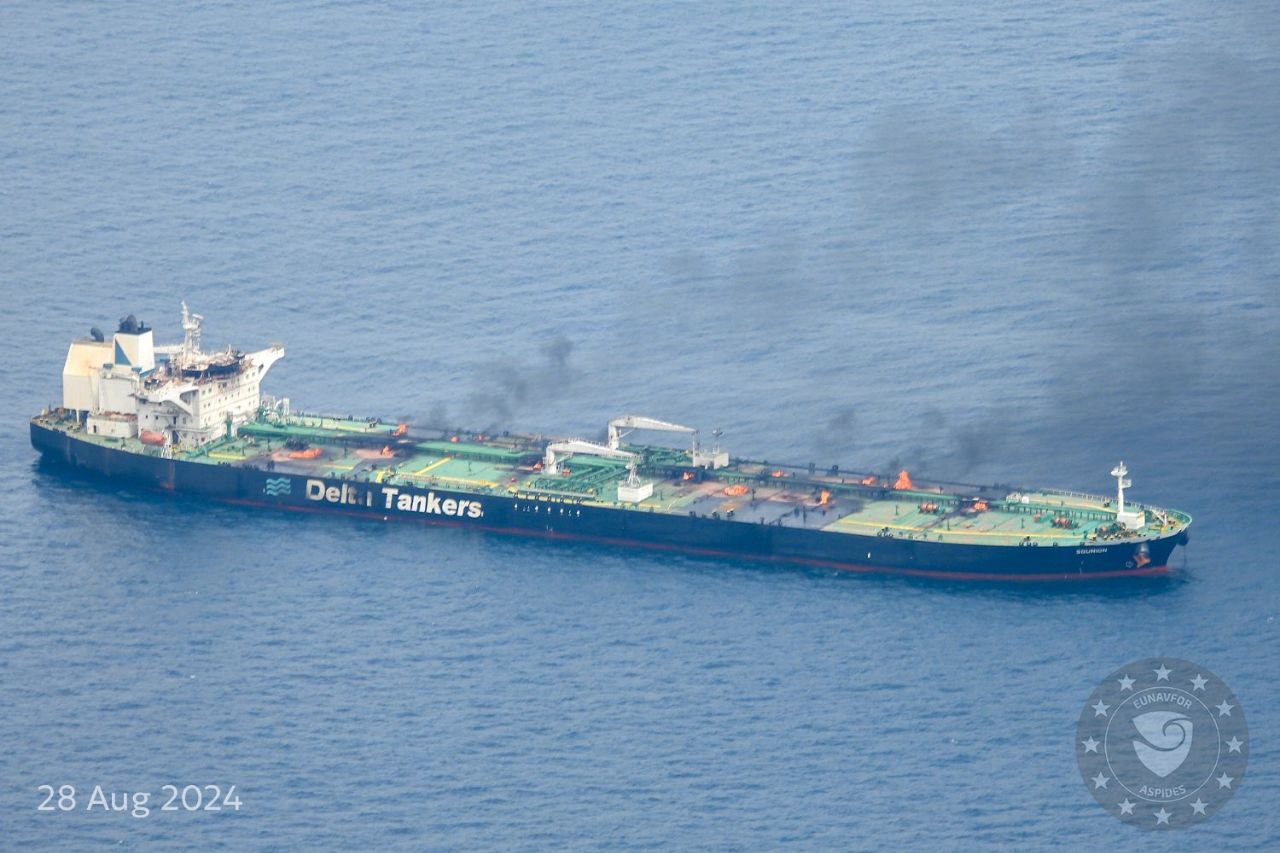
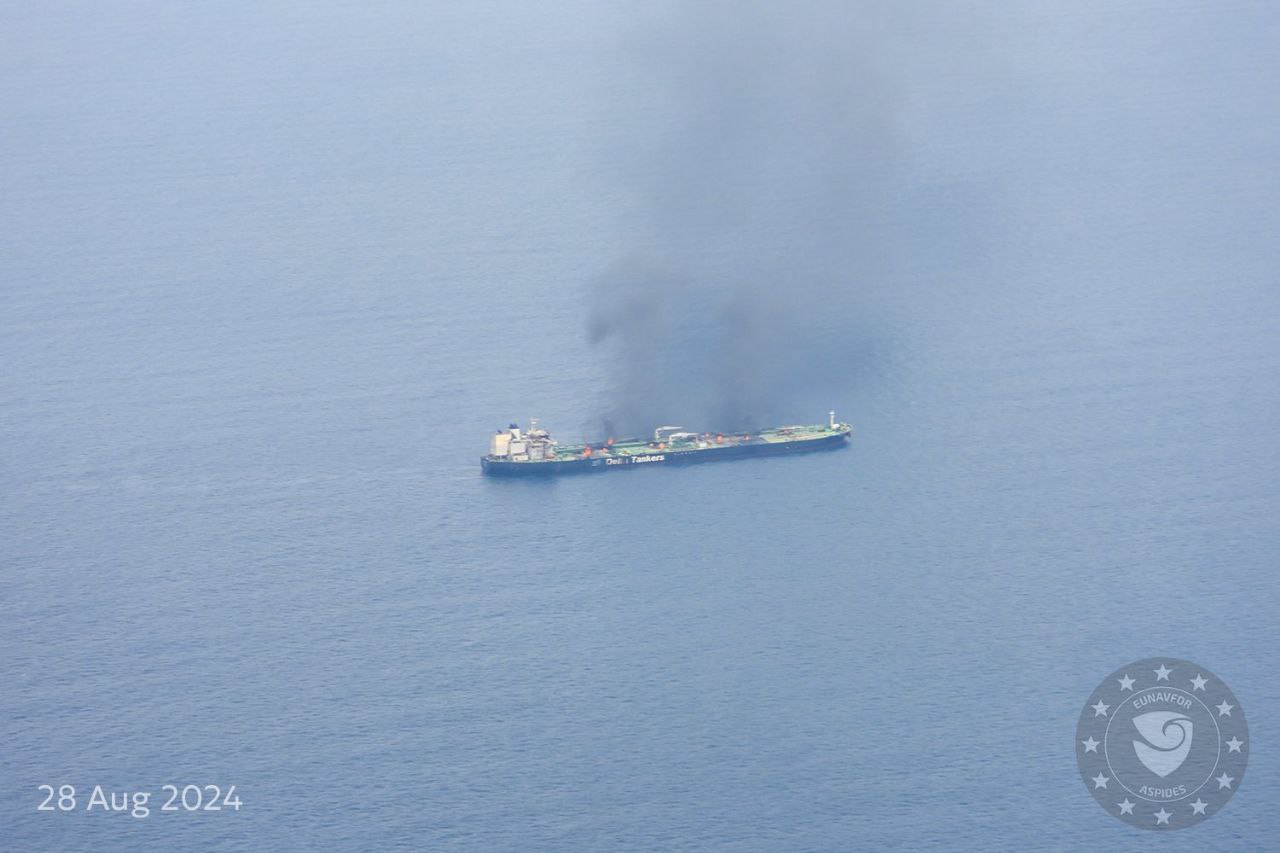
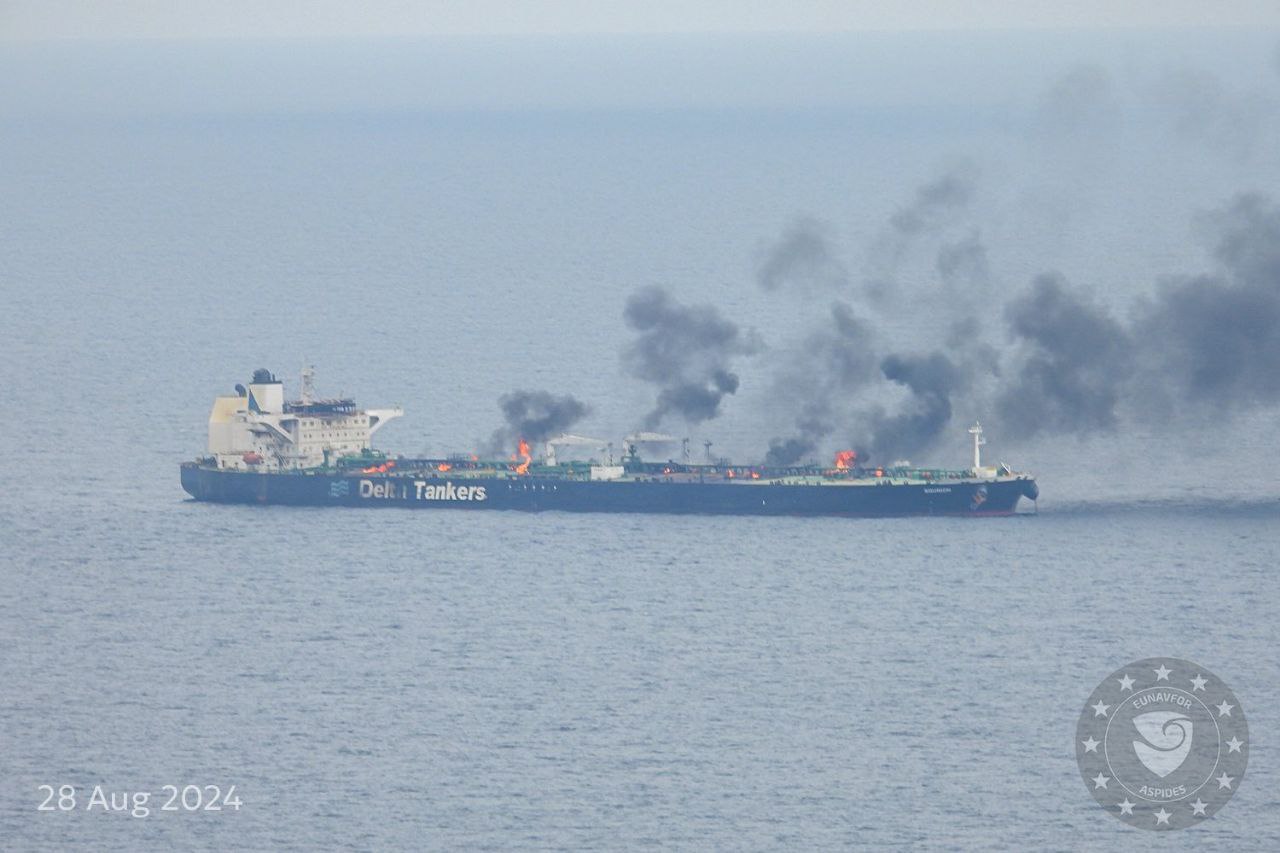
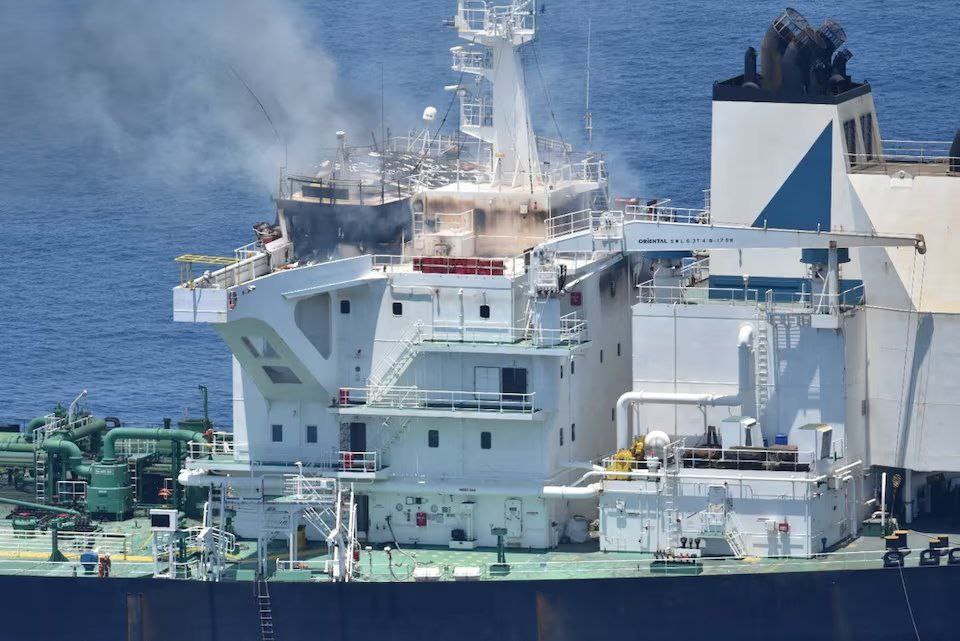
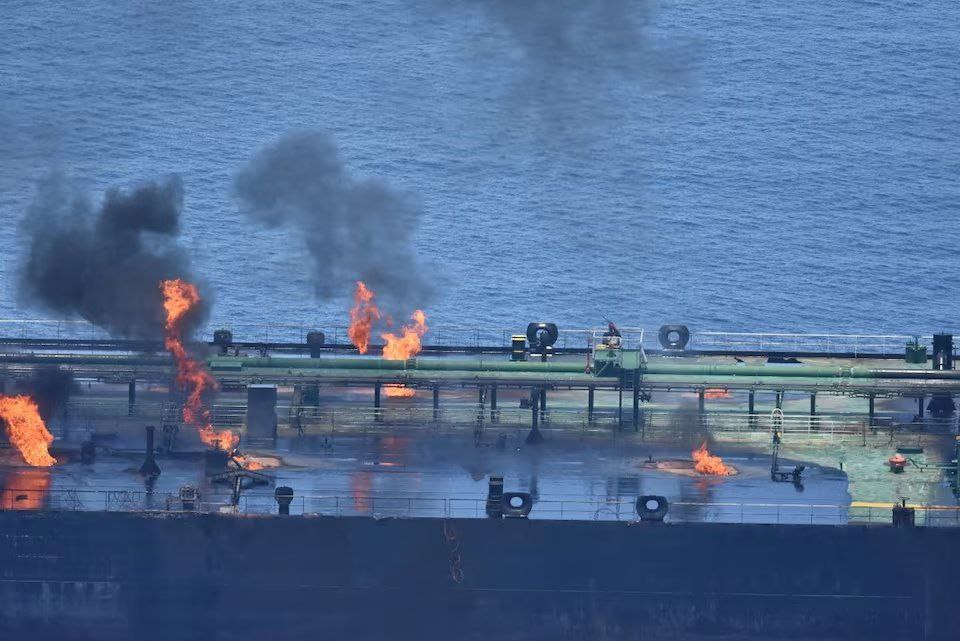
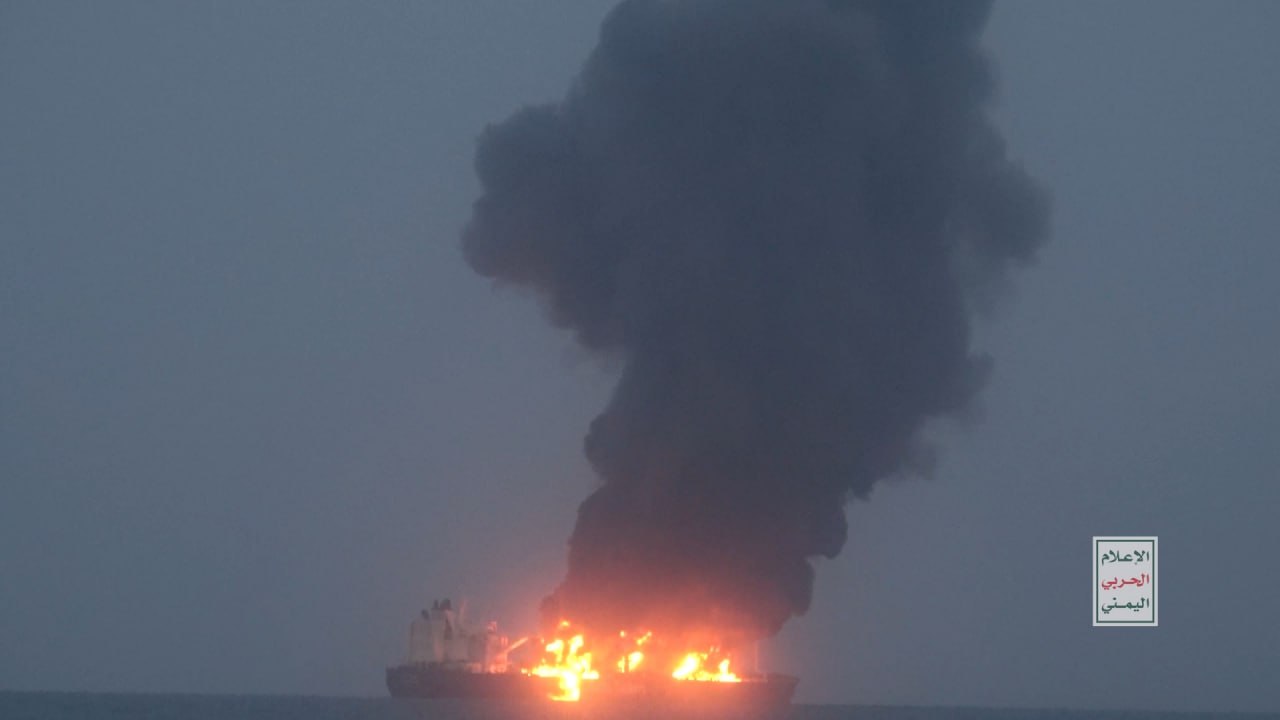
According to the latest reports, Operation Aspides, also known as EUNAVFOR Aspides, which is an EU military operation in response to Ansar Allah engagements with international shipping in the Red Sea, the Greek-flagged tanker Sounion, which was recently targeted by the Yemeni army’s missile and unmanned surface vehicle (USV), is still burning.
New images prove that the fire is still burning in several parts on the deck of the tanker, and there are no oil spills around the ship’s location. The EU fleet has also cautioned all vessels sailing through this area to be extremely vigilant, as the Sounion is in grave danger and its freight is at risk of contaminating waters in this area. Until Wednesday, the Yemeni naval forces prohibited ships and tugs from approaching the location where Sounion has been stopped.
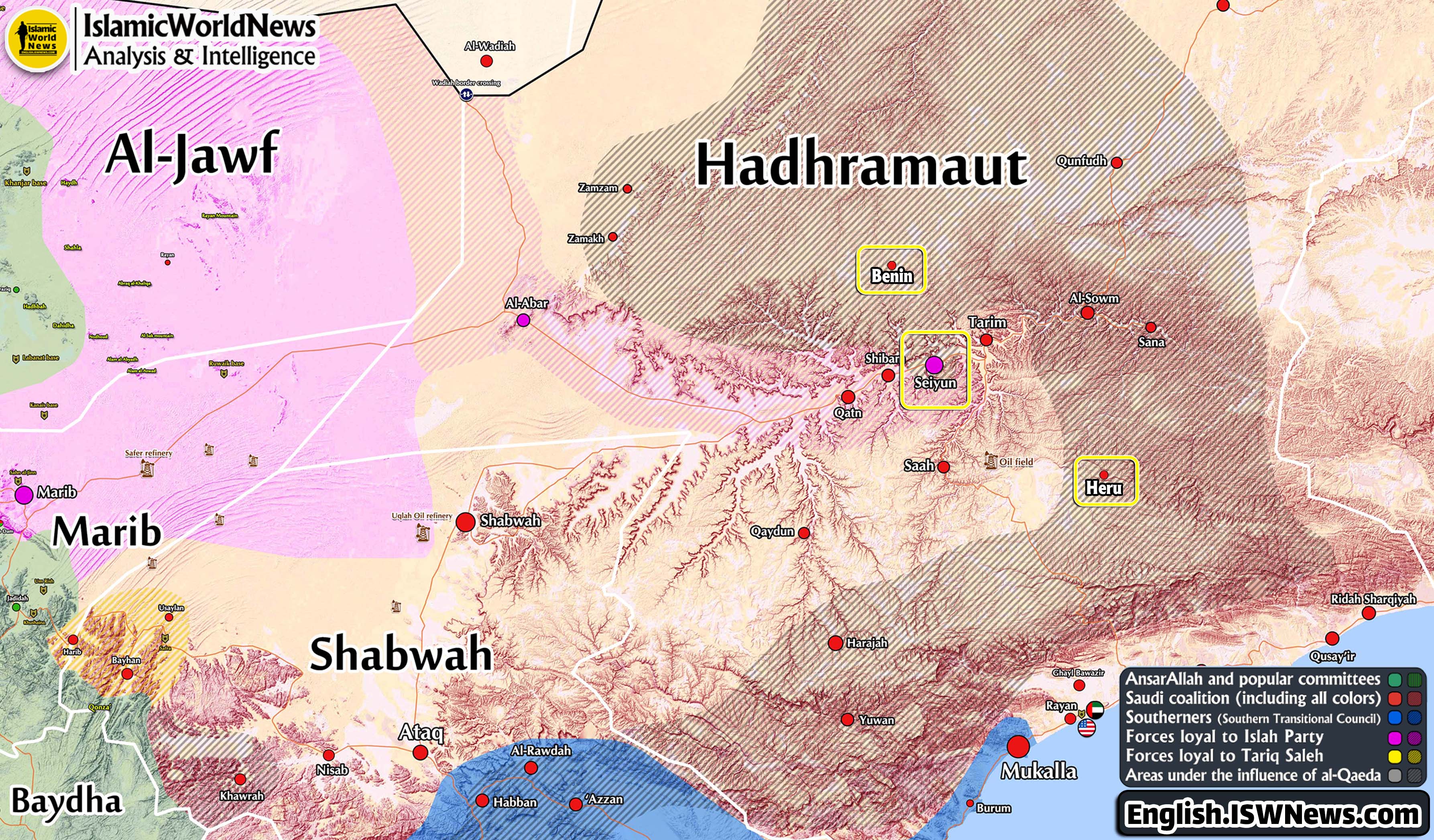
In this respect, a few days after the technical visit and the preparation of a plan to control the oil fields in the largest Yemeni governorate, the Saudi command room in Hadhramaut dispatched a logistical convoy to the facilities of the Petrosilah Company in the mountainous areas of the eastern governorate with the intervention of the Saudi-backed Al-Dara’ Al-Watan (Shield of the Homeland) militants.
This Saudi move coincided with the completion of the process of handing over control of the Al-Wadiah border crossing to the Al-Dara’ Al-Watan forces as well as the pull-out of the forces of the 141st Infantry Brigade of the Islah Party (the Yemeni Congregation for Reform) from the border area, indicating that the Saudis are seeking to consolidate their grasp over the east of the war-torn country.
The forces of the Al-Daraa Al-Watan (Shield of the Homeland) are militias that were formed in November 2022 with the support of the Saudi kingdom and the role of Saghir bin Aziz, Chief of the General Staff and Commander of Joint Operations, as well as Brigadier General Tareq Mohammed Abdullah Saleh, a Yemeni military commander and the nephew of the late President Ali Abdullah Saleh. The Al-Daraa Al-Watan militants were consisted of pro-Saudi tribes in Hadhramaut Governorate, the Yemen al-Saeed forces (subordinate to Saghir bin Aziz) as well as a division of the pro-Tariq Saleh forces in western Lahj Governorate.
Saudi Arabia’s objectives in deploying Al-Dara Al-Watan militants in Hadhramaut Governorate can be summarized in two sections: 1- Confronting the Southern Transitional Council, and 2- Controlling the oil fields and ports of Hadhramaut Governorate, all of which are in line with challenging the intensification of the United Arab Emirates’ influence in the occupied regions of Yemen. Despite the Saudi-UAE alliance against the Ansar Allah movement, the Saudi kingdom and the UAE are fiercely competing with each other in usurping resources and looting the wealth of Yemen’s southern and eastern areas.
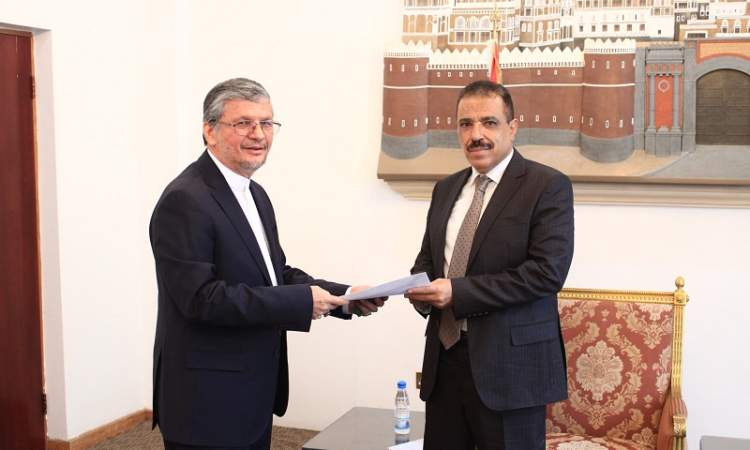
In the official meeting, the Yemeni foreign minister welcomed Rezaei’s presence in the Yemeni capital city of Sana’a and wished him success in carrying out his diplomatic mission.
FM Amer admired the special level of bilateral ties between the two states and underlined the importance of efforts made by both sides to reinforce the mutual relationship in line with the prospects pursued by the two amicable and brotherly nations.
The Iranian envoy also voiced his satisfaction with the ceremony of the submission of a copy of his credentials, emphasizing his all-out efforts to strengthen mutual ties between Tehran and Sanaa.
Rezaei is an experienced diplomat in the Ministry of Foreign Affairs of the Islamic Republic of Iran who has been appointed in recent months to replace the former Iranian ambassador to Yemen Hassan Irloo. Martyr Irloo arrived in Sana’a on October 17, 2020, or his diplomatic mission was publicized on this date. The martyr’s diplomatic mission continued for a year after that date and came to an end with his martyrdom on December 21, 2021.
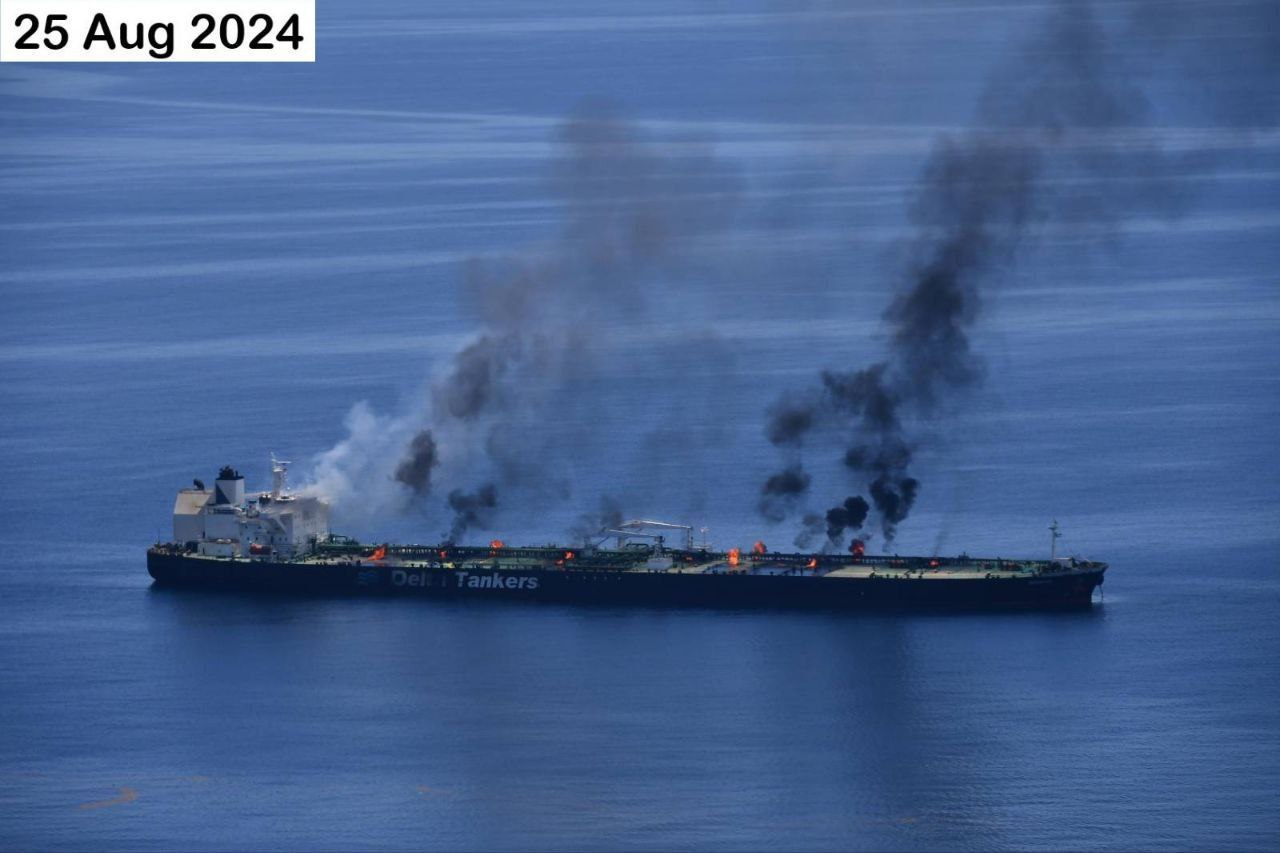
According to European Union’s Naval Mission in the Red Sea, during the recent aerial flights over the Greek oil tanker Sounion, at least five fires were observed on deck of the vessel.
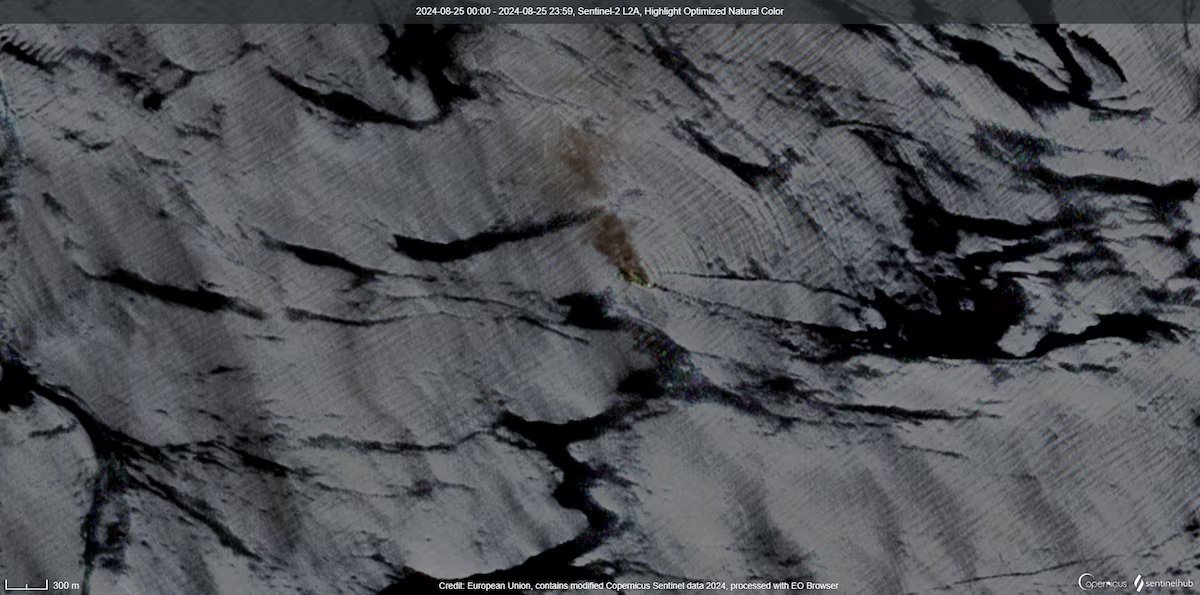
Satellite images of August 25, also show the continuation of the fire on the Greek ship.
Sounion tanker still burning
However, the ship remains anchored in international waters, 43 nautical miles from Jabal al-Zubayr (western Hudayda Islands), and there are no signs of an oil spill.
The Greek-owned Sounion tanker was carrying 150,000 tons of crude oil from the Iraqi port of Basra to the alleged destination in “South Africa”; But it suddenly appeared in the Red Sea and was surprised by the Yemeni armed forces!
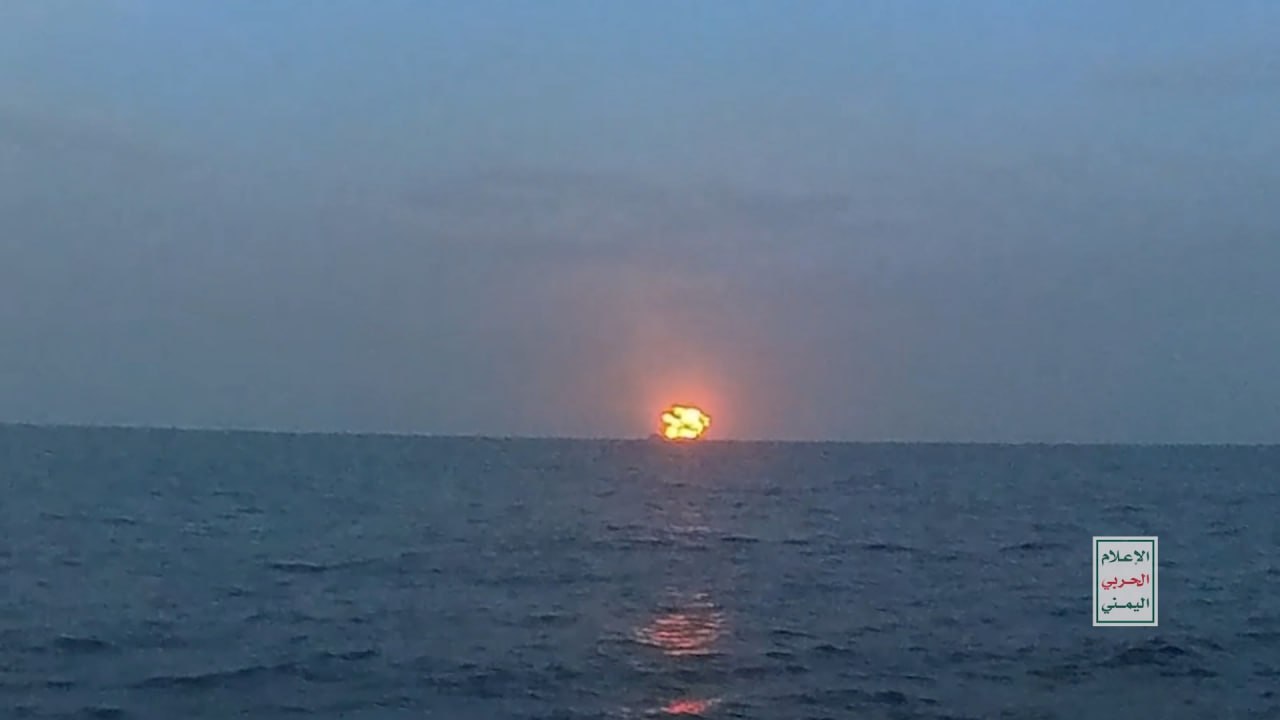
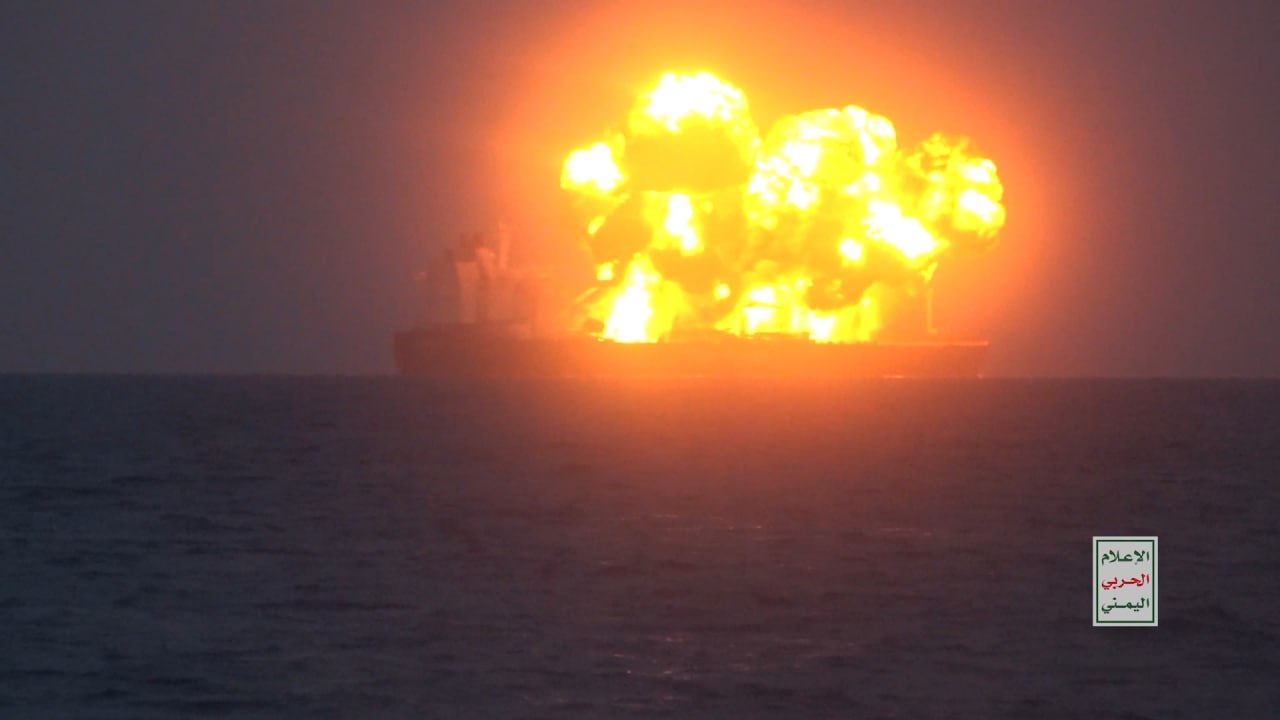
According to what the United Kingdom Maritime Trade Operations (UKMTO) reported yesterday evening, the Yemeni army set the Sounion oil tanker on fire with three heavy blows after the Sounion oil tanker was evacuated by a French warship from the EU’s Operation Aspides in the Red Sea.
According to this report, the Yemeni strikes caused the vessel to be abandoned in the Red Sea again.
The Greek-owned Sounion oil tanker was carrying 150,000 tons of crude oil from the Iraqi port of Basra to the alleged destination in “South Africa”; But it suddenly entered the Red Sea and was surprised at a distance of 77 nautical miles west of Hudaydah port!
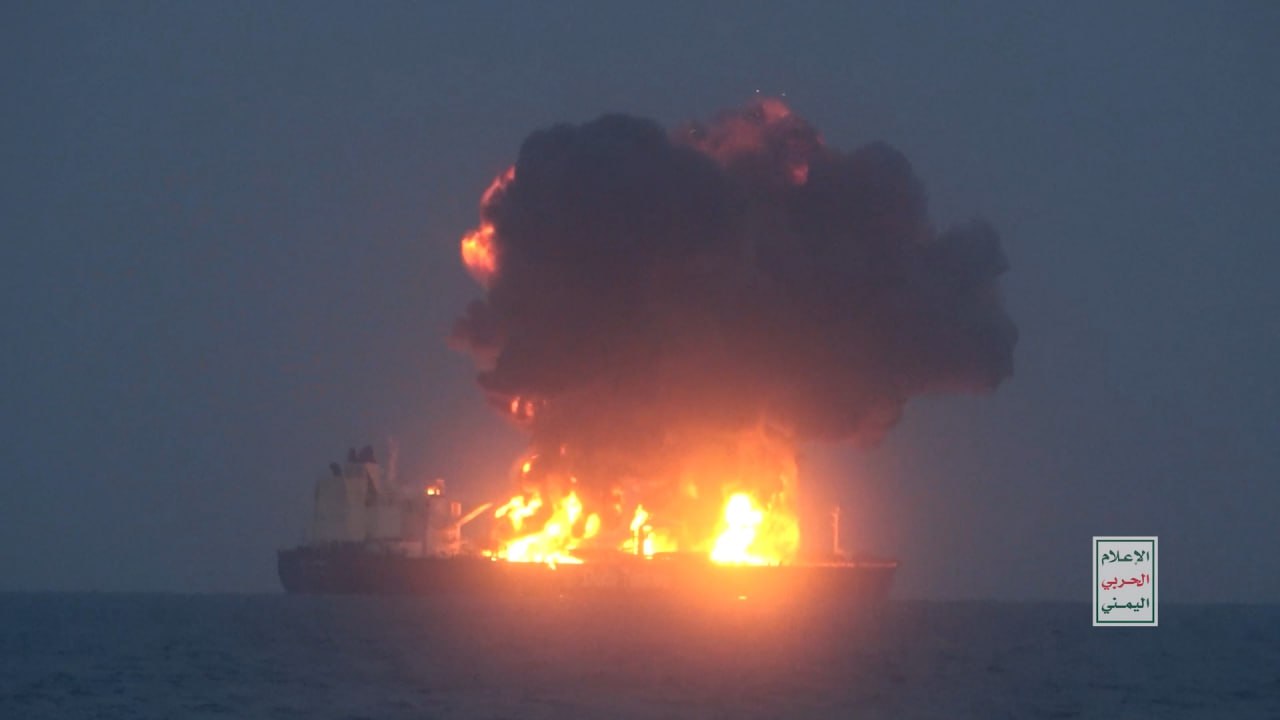
Heavy explosion in the Sounion oil tanker in the Red Sea
However, the reason for targeting this oil tanker was not the unknown activity or turning off its automatic identification system (AIS), but the cooperation of the owner of this vessel “Athens Delta Tankers” with the Zionist regime.
Now, the Greeks must ask the Zionists to compensate, or learn from this loss-making partnership and stop doing business with the Zionists.
Alexandra Redmark previously worked as the ambassador of Sweden in Jordan. He will take up his new post in Tel Aviv in the fall.
👉 Due to Rydmark’s relationship with Hans Grundberg, her new mission in Tel Aviv will create more coordination with the Yemen issue. Previously, the Zionists tried to monitor the process of peace negotiations in Yemen and control the activities of the United Nations in this country, but Iran’s regional consultations with Saudi Arabia and the separate negotiations of the Saudis with Ansar Allah officials prevented the Zionists from playing a role in the peace process in Yemen.
In a Thursday statement (August 22), Yemeni Armed Forces spokesman Brigadier General Yahya Saree stated that Yemeni naval, drone and missile units assaulted two vessels belonging to the Israeli regime with a number of gunboats, ballistic and cruise missiles, and suicide UAVs.
This move was carried out in a bid to assist the oppressed people of Palestine and its fighters and in return for the US and UK aggressions on Yemen, including two military operations in the Red Sea and the Gulf of Aden.
According to the statement by the spokesman, the oil tanker Sounion, which is owned by a foreign company that deals with the Israeli regime and violates Yemen’s decision to ban entry to the ports of occupied Palestine, was targeted and is at risk of sinking in the first operation of the two aforementioned attacks by the Yemeni army.
In the second military operation, the ship Sw North Wind I, owned by a company affiliated with the Israeli regime that also defies the Yemenis’ ban on the entry to the ports of occupied Palestine, was targeted in the Gulf of Aden and the Red Sea.
In its statement, the Yemeni Armed Forces further underlined that they continue to besiege the Israeli enemy and pound all vessels linked with the regime or vessels belonging to companies that deal with Tel Aviv, in the area of the declared military operation in accordance with previous statements. The Yemenis also made it clear that the military attacks would not stop until the end of the anti-Palestinian aggression as well as the lifting of the siege of the Gaza Strip.
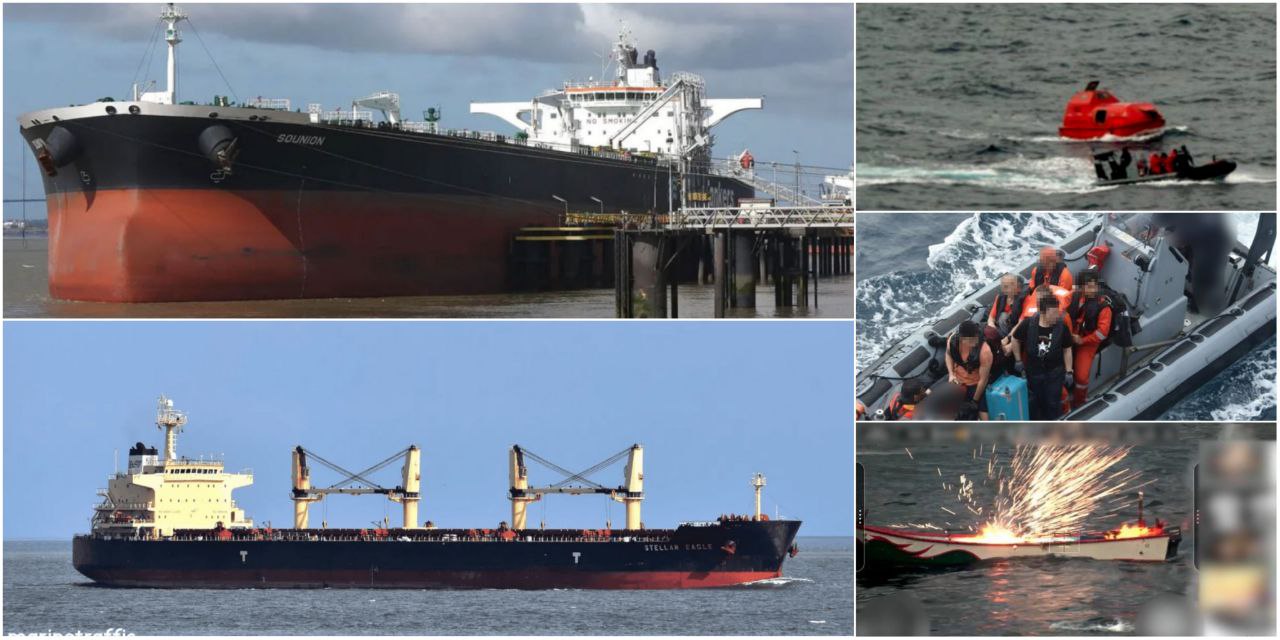
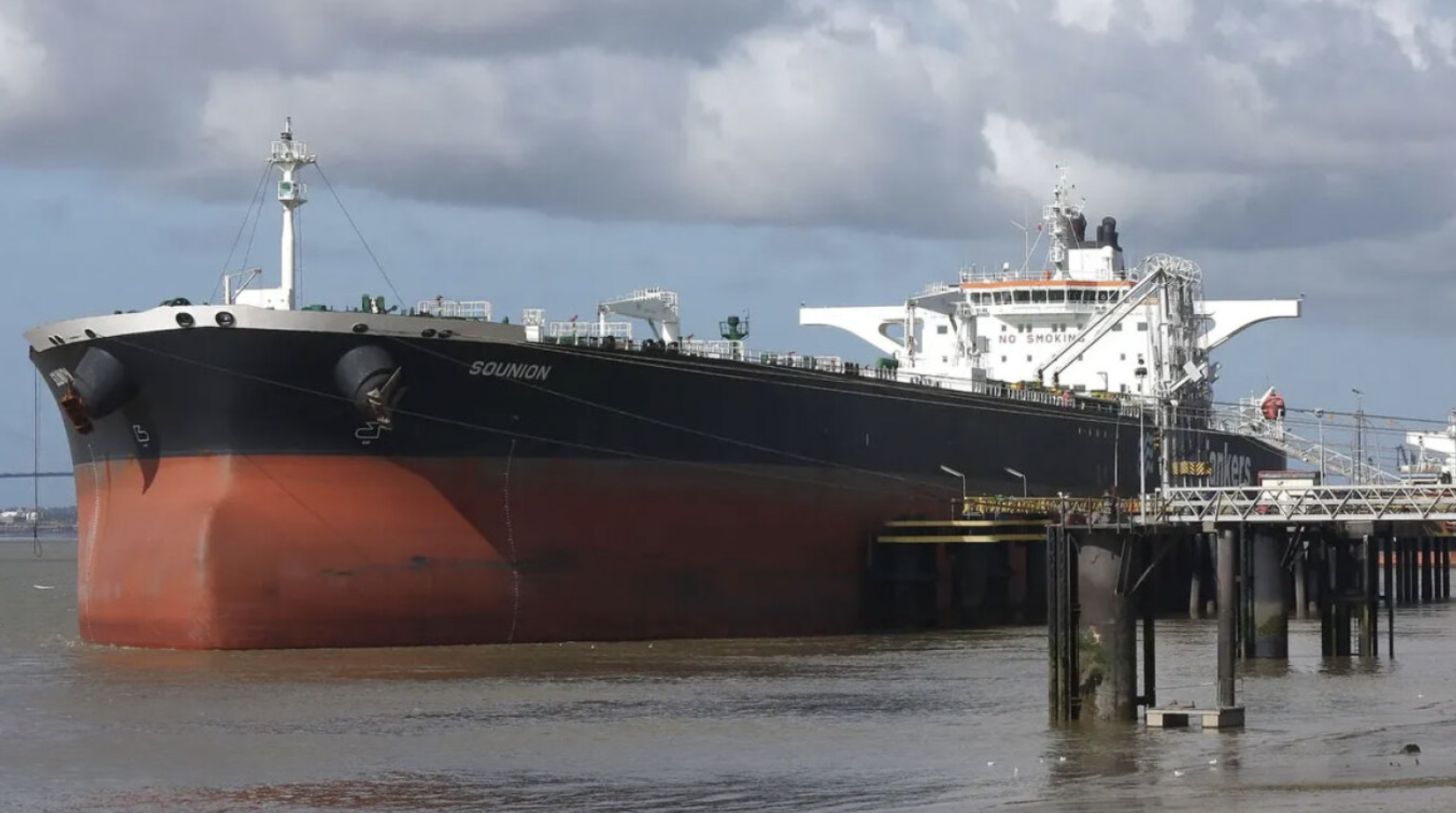
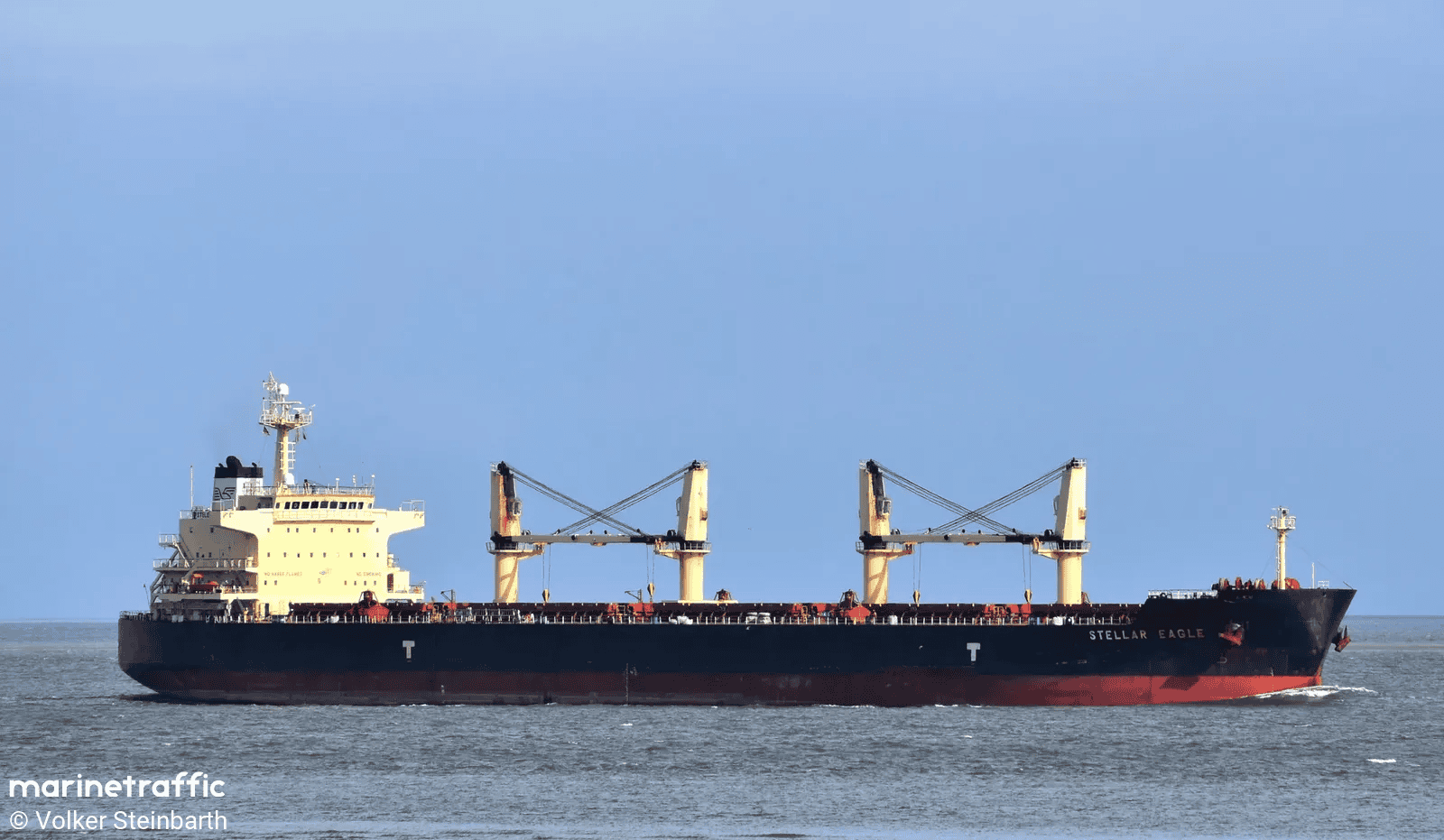
Archival image of Sounion oil tanker
The Sounion is a crude oil tanker, which has been sailing under the Greek flag since 2006. According to vessel tracking websites, the tanker was heading from the Iraqi port of Basra to South Africa! However, 77 nautical miles west of the Yemeni port of al-Hydaydah, the ship was targeted by the Yemeni Armed Forces.
According to private security firm Vanguard, at the start of the strike, two small boats with a total of around 15 gunmen came close to the Greek tanker. The two boats exchanged small arms fire with Sounion security forces, and then, they retreated nearly two miles. Two unidentified projectiles (possibly a suicide drone) hit the tanker following the clash, but the vessel was able to keep sailing, according to the captain of Sounion oil tanker. A third projectile (possibly a cruise missile) also pounded the ship at around 5 a.m. local time, and the crew reported smoke in the engine room of the tanker following the strike. According to Athens-based Delta Tankers, the crew of the ship managed to put out the fire on the vessel, but the ship’s engine failed and investigations showed that they were unable to restart the tanker.
At this time, the Sounion tanker with a cargo of 150,000 tons of crude oil is dead in the middle of the Red sea, and according to a report by Reuters, citing a security source, the ship has stopped and docked somewhere between Yemen and Eritrea.
Sounion has 25 crew members, including two Russians and 23 Filipinos, who are not harmed and reported to be safe and sound. The oil tanker is the third vessel from Athens-based Delta Tankers to be struck in the Red Sea in August. The owner company is now working on a plan to move the attacked tanker to a safer location and repair its engines.
The EU mission warship confronting with a Yemeni USV near the Sunion oil tanker
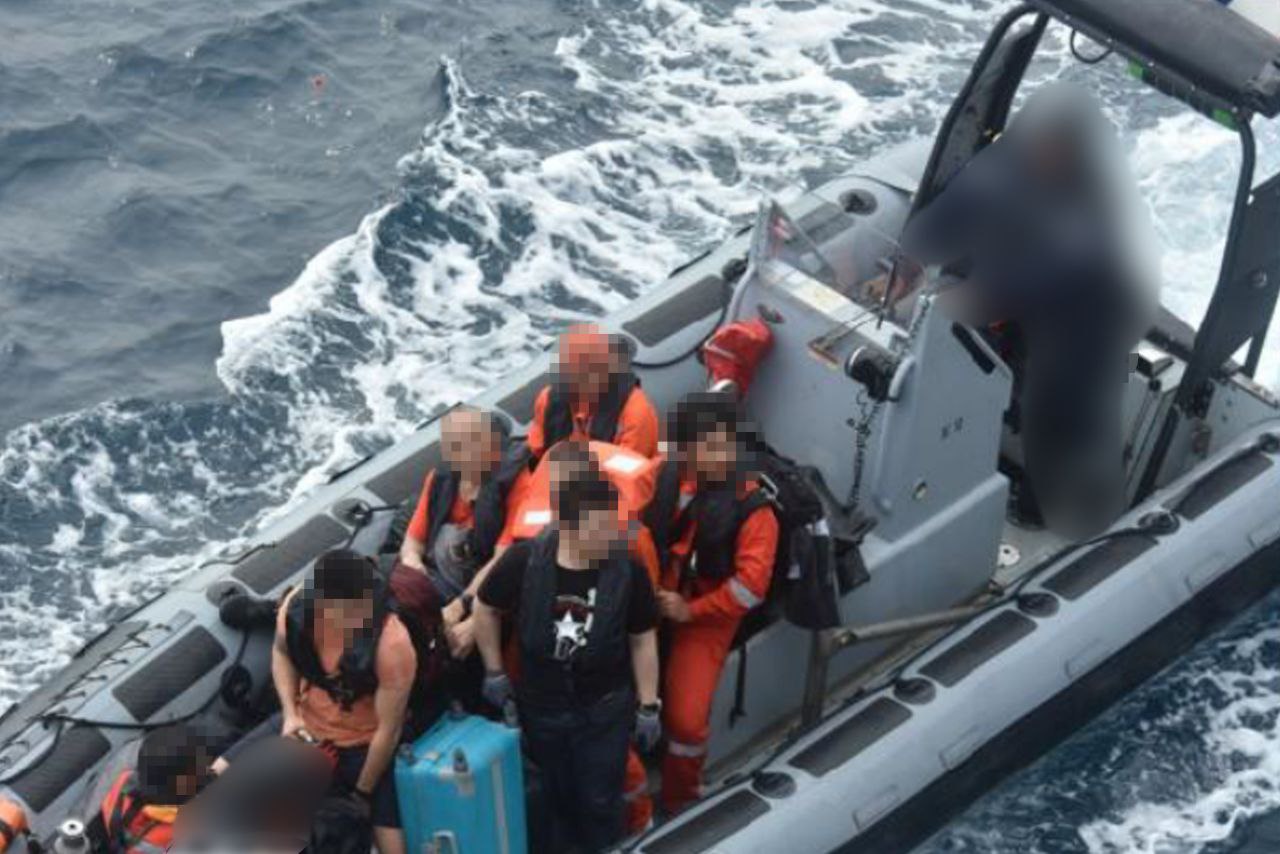
The European Union’s Red Sea Fleet Command or officially Western Fleet (WF) declared in a statement that it had received a request of help from the captain of Sounion and dispatched a warship to rescue the crew. The European Union’s warship, while transporting the tanker’s crew to the nearest port in Djibouti, claimed to have spotted and destroyed an unmanned surface vessel (USV) as it approached the region. According to the Sea Fleet Command, the Sounion tanker did not request protection from the EU fleet stationed in the Red Sea under the guise of Operation Aspides, and therefore no vessels were present in that area to counter the Ansar Allah movement’s attacks.
EU warship evacuates tanker crew
The SW North Wind I is a Panama-flagged bulk carrier, which has been operational since 2009. The vessel is also sailing from the port of Singapore to Egypt, 57 nautical miles south of Aden, when ship was attacked by five ballistic missiles in a two-stage operation.
Archival image of the ship SW NORTH WIND I
The Yemeni army’s strikes on the Sounion tanker and the SW North Wind I in the Red Sea and Gulf of Aden are the 153rd and 154th official attacks by the Yemen Armed Forces on illegal ships (Israel, the United States, the United Kingdom, and their affiliated vessels). Ansar Allah Leader Abdul-Malik Badr al-Din al-Houthi announced that the Yemeni Armed Forces attacked 182 illegal ships.
In line with intensifying military operations in Yemeni waters, the country’s army resorted to conducting crushing attacks on the Sounion tanker in a serious warning to firms that actively cooperate with the Israeli regime. The Ansar Allah leader tries to convince the owners of these companies that the repercussions of relations with the Tel Aviv regime are worse than their benefits, and that the firms should cancel their ties with the Zionists as soon as possible, or never cross the Red Sea or even the Indian Ocean, because the Yemeni army’s missiles and drones are waiting for them.
Spokesman of the Yemeni Armed Forces Brigadier General Yahya Saree commented on the Yemeni army’s recent missile attack on a vessel violating Yemen’s ban of Israeli-linked ships in the Gulf of Aden, saying, “In the fourth phase of the escalation in the region, the Yemeni Armed Forces’ naval and missile units conducted a joint military operation, during which they targeted the Groton ship in the Gulf of Aden with a number of ballistic missiles, and the strike was precise, by the grace of God. The vessel was targeted because the company that owns it violated the decision to ban entry to the ports of occupied Palestine.”
At the end of the statement, the Yemeni Armed Forces congratulated the brave resistance of the Palestinian people in the Gaza Strip for their 300 days of steadfastness, heroism and sacrifice in the way of defending the oppressed Palestinian nation, its pride and dignity, and victory for the sanctities, stressing that they will continue their military operations in the stages of tension and will continue until the aggression is stopped and the siege of the Palestinian people in the Gaza Strip is lifted.
The Yemeni army’s attack on the Groton is the 149th official strike by the Yemeni Armed Forces on illegal ships (belonging to the Israeli regime, the United States, the United Kingdom, and their affiliated vessels) in the Red Sea and Arabian Sea, as well as the Indian Ocean and the Mediterranean Sea.
The Groton is a container ship that has been operating under the Liberian flag since 2002. The ship was heading from Djibouti to the UAE port of Fujairah. According to information from the United Kingdom Maritime Trade Operations (UKMTO), the Yemeni army attacked the vessel 170 nautical miles southwest of Aden.
Since November 2023, the Yemeni Armed Forces have carried out attacks on numerous vessels affiliated with the Israeli regime or ships owned by the US and the UK in response to the Israeli genocidal war and siege on Gaza.
These military responses by the Yemeni army demonstrate the escalation of tensions in the region and the Yemeni army’s determination to retaliate against acts of aggression.
Yahya Saree, the spokesman of the Yemeni Armed Forces, said: “By the grace of God, the Air Defense Forces of the Yemeni Armed Forces were able to shoot down an American MQ-9 drone during an operation in the airspace of Saada province with a Yemeni-made surface-to-air missile.”
This drone is the 11th MQ-9 drone to be shot down during the Yemen war. Also, seven of these drones have been shot down in the framework of the Yemeni armed forces operation in support of Palestine and against the American-British coalition operations in Yemen.
Wreckage of the downed MQ-9 drone in Saada province
The Yemeni Armed Forces reiterated in accordance with previous statements that they will continue to develop their defense capabilities to counter US-British attacks and will continue their military operations to support the oppressed people of Palestine until the siege on Gaza is lifted and the aggression against the residents of the Gaza Strip is stopped.
Also it should be noted that since the start of the Yemeni war, a total of 102 aircraft of various types have been shot down in the country, of which 63 belong to Saudi Arabia, 22 to the UAE, 13 to the United States, one to Morocco, one to Bahrain and one to Jordan.
The commander stated that the fight against Houthi (Ansar Allah movement) drones is akin to battling an invisible enemy, and highlighted the intricate nature of the conflict involving advanced drone technology belonging to the Yemeni Armed Forces.
Reflecting on the historical context, the commander remarked that no party has dared to challenge us (the US military) at sea since World War II. This assertion underscores the challenges that the coalition forces are facing when they navigate the current maritime security landscape.
The commander also elaborated on the operational environment in international waters near Yemen, saying that the US-led coalition units have been working in a combat space filled with challenges and dynamics that the Navy has not witnessed in decades.
He pointed out that the preparation for their mission was the longest and most active operation, emphasizing the unique circumstances faced in the Red Sea, where forces had never encountered enemy fire to this extent.
Despite the ongoing deployment of US-UK coalition forces and the European Union naval fleet in the Red Sea and Gulf of Aden, the commander acknowledged that Western military operations in Yemeni waters have not achieved their primary objective of supporting Israeli shipping.
He indicated that the implementation of broader goals, rather than just intercepting missiles and drones, is crucial in this conflict.
Recent battles have seen Yemen’s weapons systems achieving significant successes in strikes, confirming their operational effectiveness.
The Yemeni Armed Forces have carried out numerous attacks on vessels affiliated with Israel or owned by the US and the UK in response to the Israeli genocidal war and siege on Gaza since November 2023. These attacks have taken place in various strategic waterways including the Red Sea, the Gulf of Aden, the Arabian Sea, the Indian Ocean, and the Mediterranean Sea.
The officials of Saudi Arabia and the National Salvation Government of Yemen have reached consensus to cancel the recent decisions and measures against each other’s banks and similar moves in the future.
The two sides also agreed to resume Yemen Airlines flights three flights a day from Sana’a International Airport to the Jordanian capital Amman, as well as from Sana’a to the Egyptian capital Cairo, and India as needed.
In addition, meetings will be held to resolve the administrative, technical and financial disputes of Yemen Airlines, and to review all economic and humanitarian issues based on a special roadmap.
Officials from Egypt, Oman and the resigned Yemeni government (affiliated with the Saudi-led coalition) have welcomed the agreement. According to Saudi journalists, the agreement was signed in Saudi Arabia, and Omani officials played an important role in the diplomatic consultations on the agreement.
It should be noted that in recent months, under pressure from the United States, Saudi Arabia had imposed sanctions and ratified punitive laws against the Central Bank of Yemen, which had caused tension and the cancellation of some political agreements by the National Salvation Government.
The Saudis also unilaterally rejected the Ansar Allah movement’s proposed deal to exchange prisoners and send humanitarian aid, irritating Yemeni officials. This tension was eventually entered new phase after serious threats from Sayyid Abdul-Malik Badr al-Din al-Houthi, the leader of the Ansar Allah movement and the Yemeni revolution, which led to the recent consensus and reaching the aforementioned agreement.