The AIM-260 JATM was designed from the outset with the requirements of fifth-generation fighters in mind; therefore, its dimensions, radar cross-section, and carriage method must be compatible with the internal weapons bays of stealth fighters. This very issue has imposed significant constraints on the design of the missile’s airframe, propulsion, and control systems.
Among other notable capabilities, one can point to the possibility of this missile being carried by unmanned platforms and the establishment of a secure two-way communication link for using secondary sensors such as other fighters, AWACS aircraft, and drones.
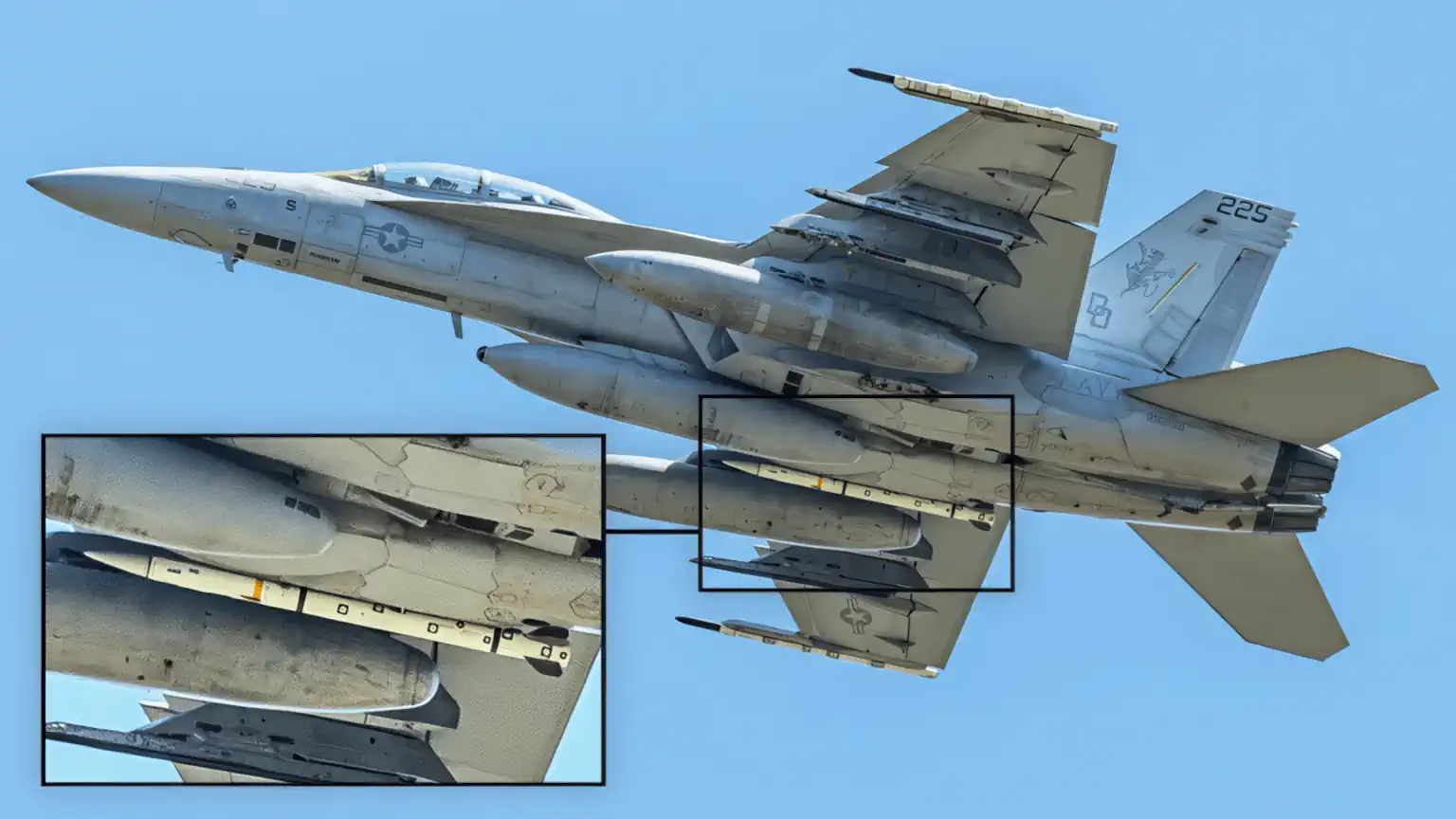
AIM-260 JATM Development Background:
Based on available information, the AIM-260 program began in 2017 at the classified level, and its existence was not officially disclosed until 2019. The primary driver behind the formation of this project was U.S. intelligence community assessments of the operationalization of China’s new-generation long-range missiles, such as the PL-15 and PL-17, as well as Russia’s heavy R-37M missile.
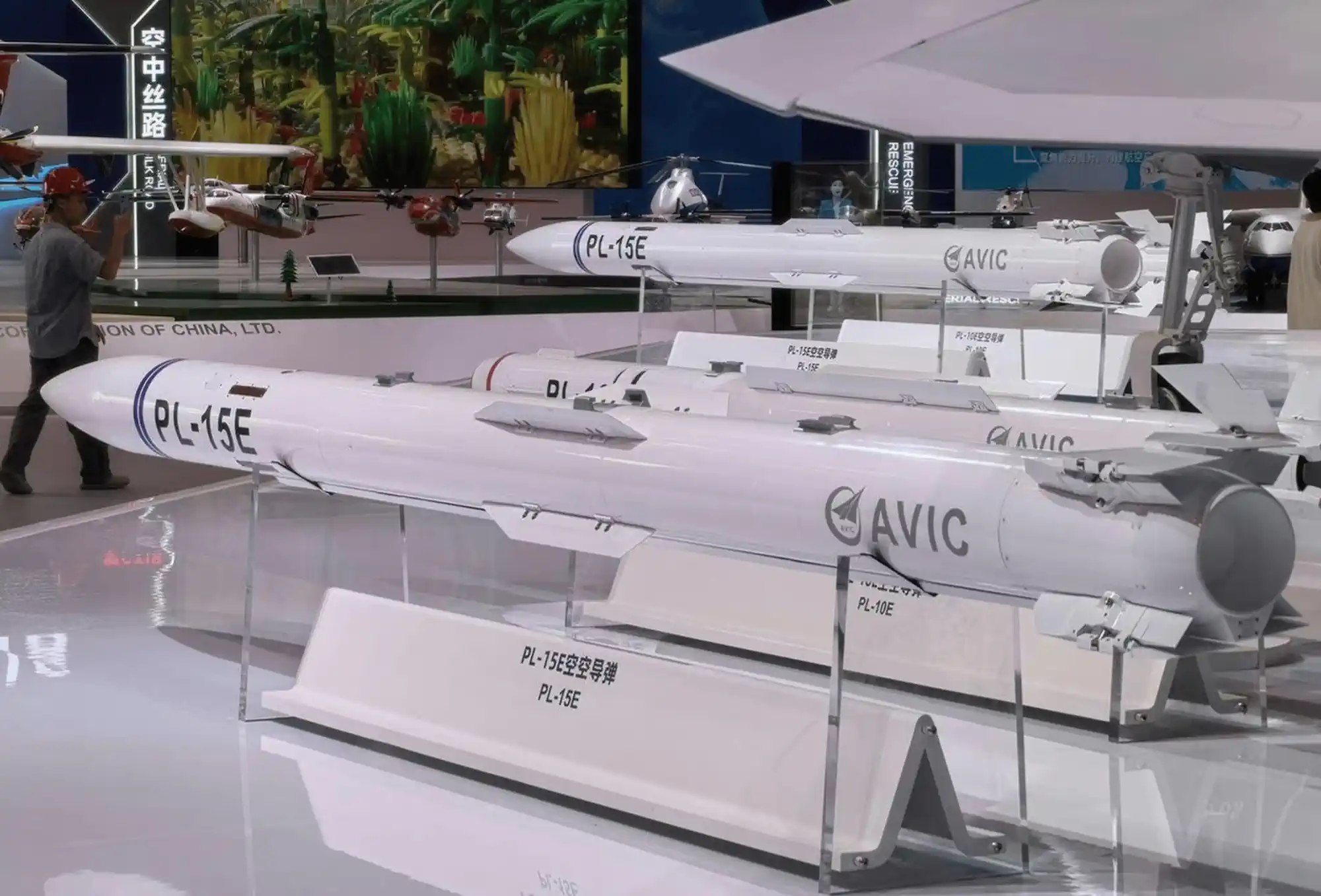
The operationalization of China’s PL-15 missile, with a range exceeding 200 kilometers and employing an active radar, roughly doubled the engagement range of China’s new-generation fighters such as the J-20 compared to the range of standard U.S. AIM-120C/D AMRAAM missiles. This disparity not only challenged the superiority of fifth-generation F-22 and F-35 fighters, but also placed valuable strategic assets such as early warning aircraft and aerial tankers behind the front lines under direct threat.

In response to these developments, the United States shifted its air weapons doctrine from medium-range missiles relying on single-mode radar homing toward very-long-range weapons. This came as the AMRAAM family of missiles had been the primary model for Western air combat for nearly three decades.
AIM-260 Technical Specifications
The biggest challenge in the design of the AIM-260 was the requirement for it to fit inside the internal weapons bays of stealth fighters such as the F-22 Raptor and F-35 Lightning II. Unlike very large and heavy missiles such as the AIM-174B, which are carried solely on external pylons, the AIM-260 has a length of approximately 4 meters and a diameter similar to the AIM-120, around 17.8 centimeters.
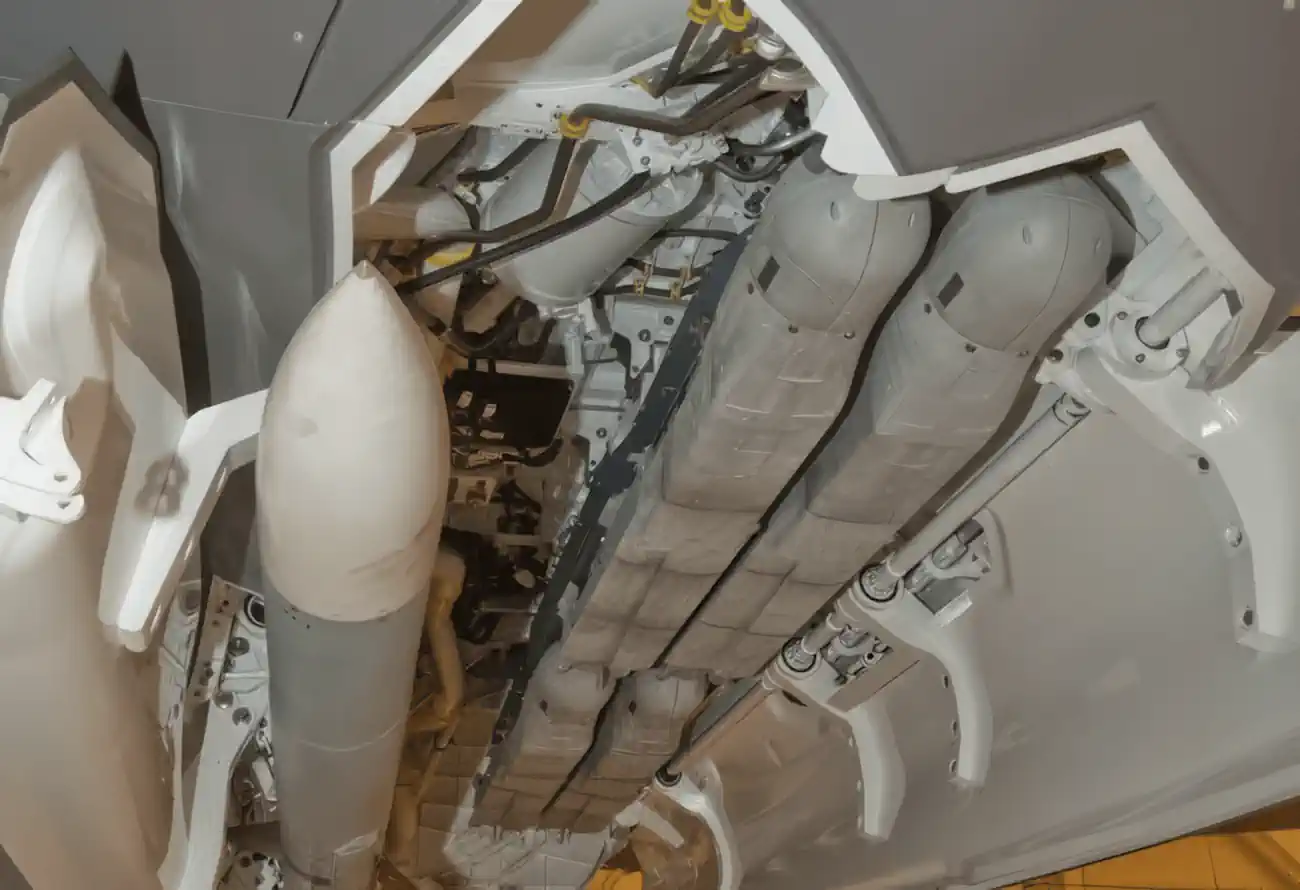
To achieve double the range without increasing the airframe dimensions, Lockheed Martin engineers have removed the existing mid-body fins. The finless airframe reduces aerodynamic drag at high supersonic speeds and decreases the volume occupied within the weapons bay, while still providing precise control through the tail-mounted cruciform fins.
In the AIM-260’s design, the propulsion section accounts for approximately 40 percent of the total airframe length, whereas this figure is about 25 percent in the AMRAAM missile. The design of this new missile employs dual-pulse engineering, meaning the missile will draw on propulsion power in two separate stages.
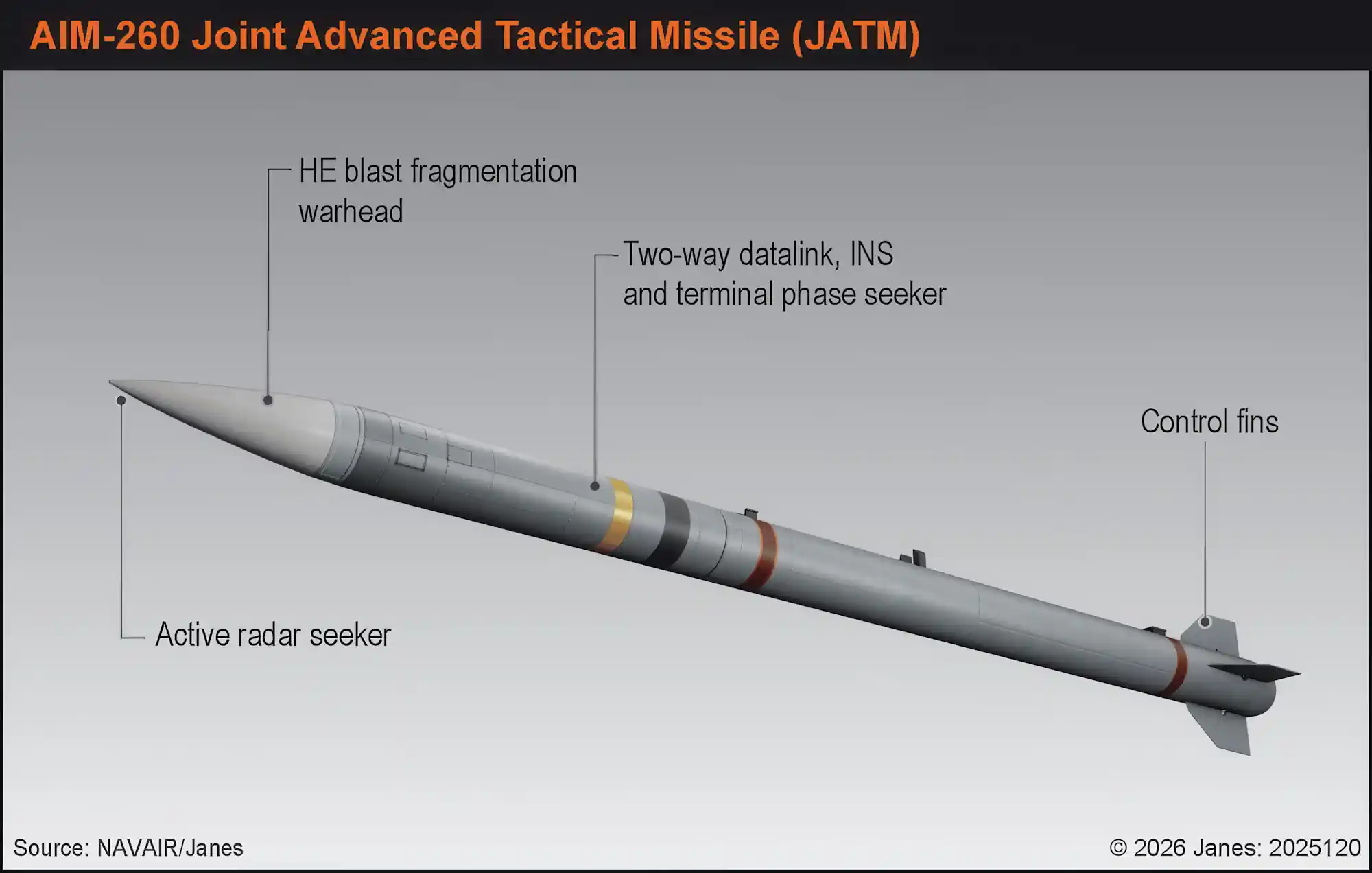
The first propulsion pulse accelerates the missile to speeds above Mach 4 to 5 at high altitudes in the upper atmosphere. The missile then travels the majority of its trajectory in an optimal mode, and as it approaches the target, the second engine pulse ignites. This re-ignition provides the kinetic energy needed for heavy terminal maneuvers against agile targets.
Here, the United States has taken a completely different approach from Europe to achieve a long-range missile. While European countries have used ramjet engines in the Meteor missile to maintain speed throughout the entire flight path, the United States continues to rely on solid-fuel rocket motors. This is because ramjet engines require air intakes that increase radar cross-section and also make the physical dimensions unsuitable for internal carriage.

However, the AIM-260 is not the only new very-long-range U.S. air-to-air missile. In 2024, the U.S. Navy announced that it had also brought the AIM-174B into limited operational service. This missile was developed based on the SM-6 surface-to-air missile and is designed for engagement at very long distances.
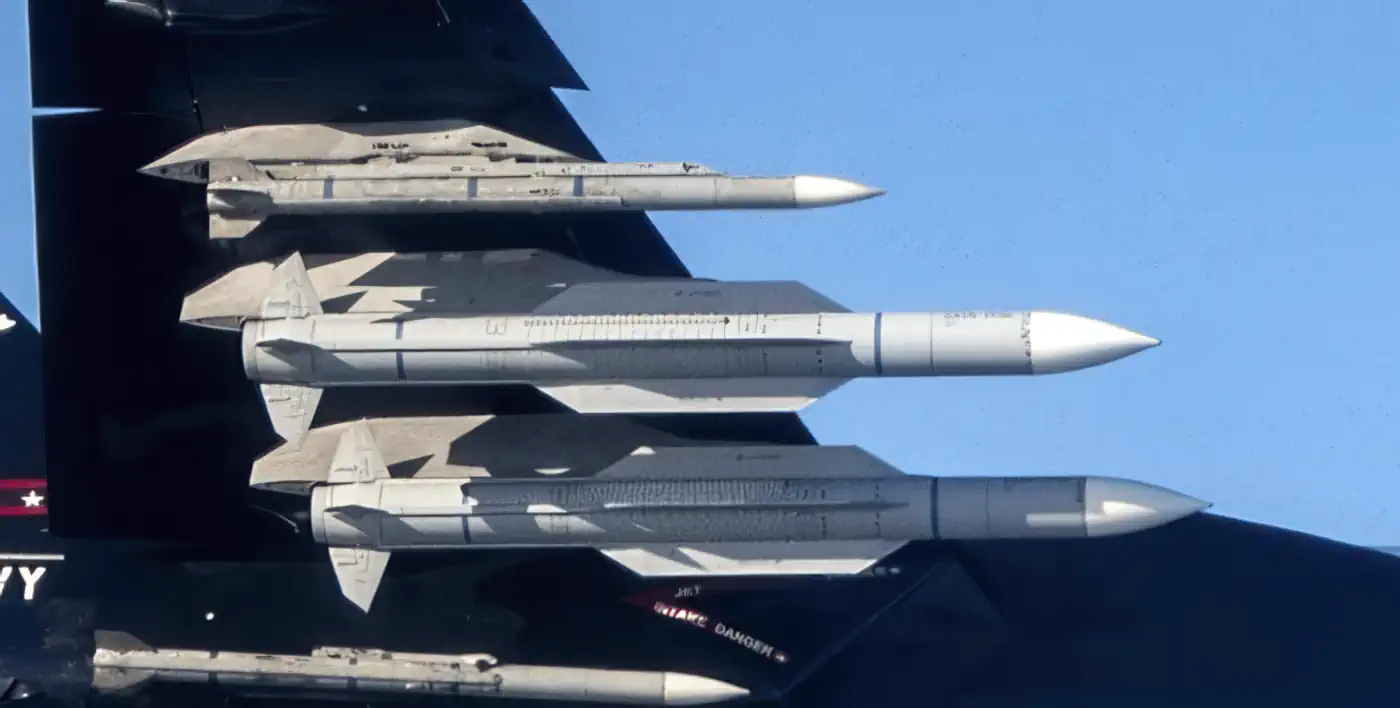
The AIM-260’s guidance system is based on a multi-mode architecture. This architecture includes a combination of an active radar sensor with high resistance to jamming, as well as an infrared imaging system.
In addition to the nose sensors, the missile is equipped with a secure and advanced two-way datalink that allows for target redefinition during flight and receipt of coordinates from secondary sensors such as drones, other fighters, or AWACS systems. This capability allows the missile to be fired in a “lock-after-launch” mode without emitting any radar waves from the launching fighter.
AIM-260 Carrier Platforms
The AIM-260 integration program encompasses a wide range of manned and unmanned aircraft and will play a central role in future U.S. air operations.
Among manned platforms, the F-22 Raptor fighter has been designated as the first platform to receive the AIM-260. Equipping the Raptor with this missile significantly increases its capability in long-range combat and compensates for the reduction in the number of these fighters in the fleet by increasing combat effectiveness.
In the Navy, the F/A-18E/F Super Hornet has so far served as the primary user. Additionally, all versions of the F-35 fighter are planned to carry this missile internally, while fourth-generation fighters such as the F-15EX Eagle II are next in priority as heavy-carry platforms capable of carrying a large number of these missiles on their external pylons and firing them based on information received from stealth platforms.
A notable issue is the integration of the AIM-260 with the manned-unmanned teaming model. Alongside manned aircraft, the AIM-260 is expected to be installed in the future on stealth drones, including those being developed under the U.S. Air Force’s CCA program.
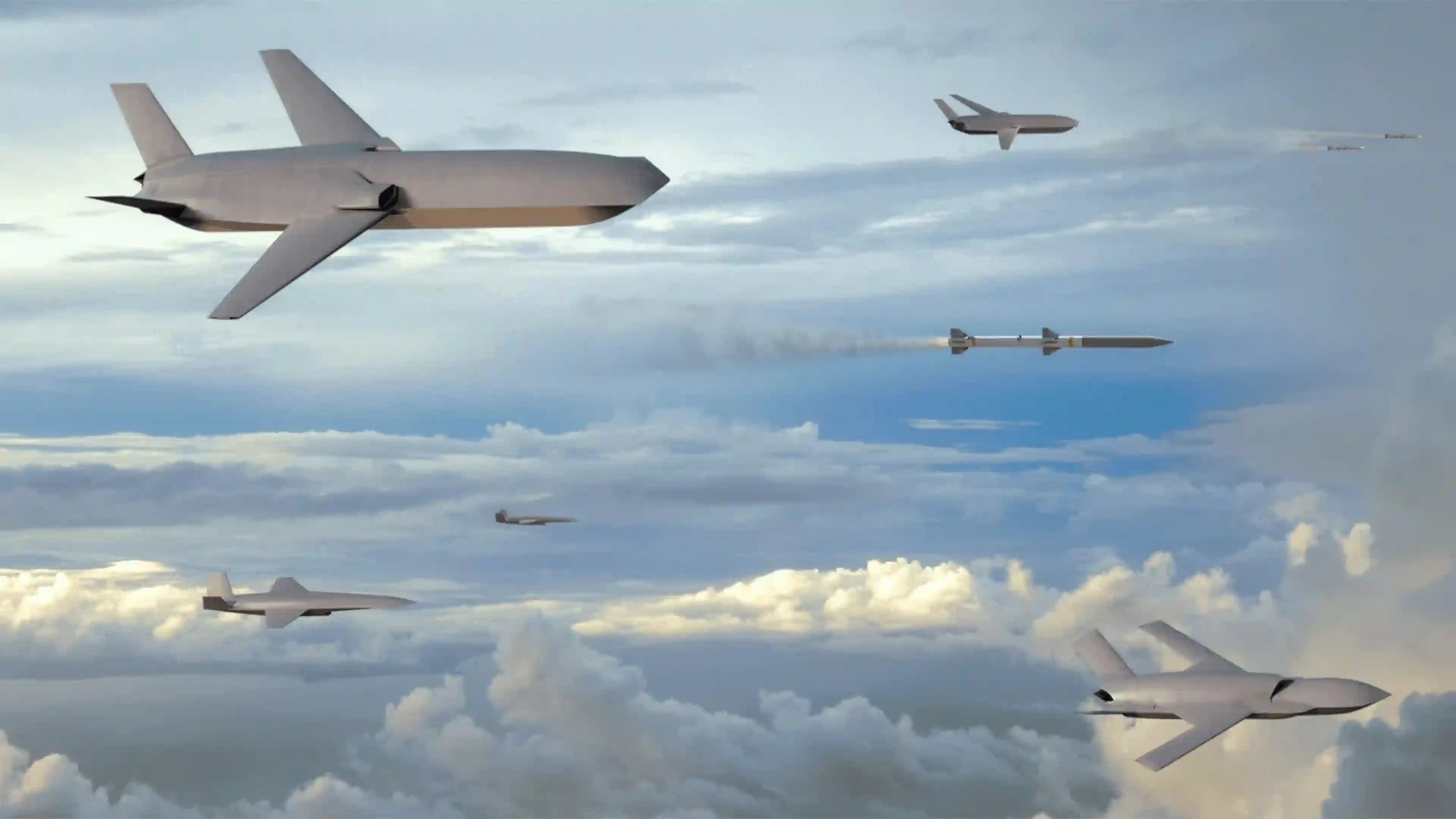
In this program, advanced drones such as the YFQ-42A and YFQ-44A or the MQ-20 Avenger are capable of acting as launch platforms. In this operational arrangement, the drone fires the missile near enemy territory and mid-course and terminal guidance management is carried out by the main fighter or the command network, while the destruction of the drone entails lower financial and human risk.
Testing Process and Deployment Timeline
Flight tests of the AIM-260 began around 2020 at Eglin Air Force Base and the U.S. Naval Air Warfare Center. Operational test squadrons, including the 422nd Test and Evaluation Squadron at Nellis and the Navy’s VX-31 squadron, have conducted numerous firings against drone targets.
Despite the Air Force’s initial plan to achieve initial operational capability in 2022–2023, complexities related to software coding and integration of the missile’s avionics systems with the flight computers of the F-22 and F-35 have caused delays.
However, the missile has entered low-rate production and the U.S. military has begun major purchases. The recorded procurement trend indicates deliveries of 104 units in fiscal year 2024 and 40 units in fiscal year 2025, while for fiscal year 2026 a budget request of over $687 million has been submitted to accelerate production lines and continue JATM development.
AIM-260 production volume is expected to surpass that of the AIM-120 AMRAAM, although upgraded AMRAAM versions such as the AIM-120D-3 will continue to serve as cost-effective weapons alongside the AIM-260 as an expensive, high-end penetrating weapon.
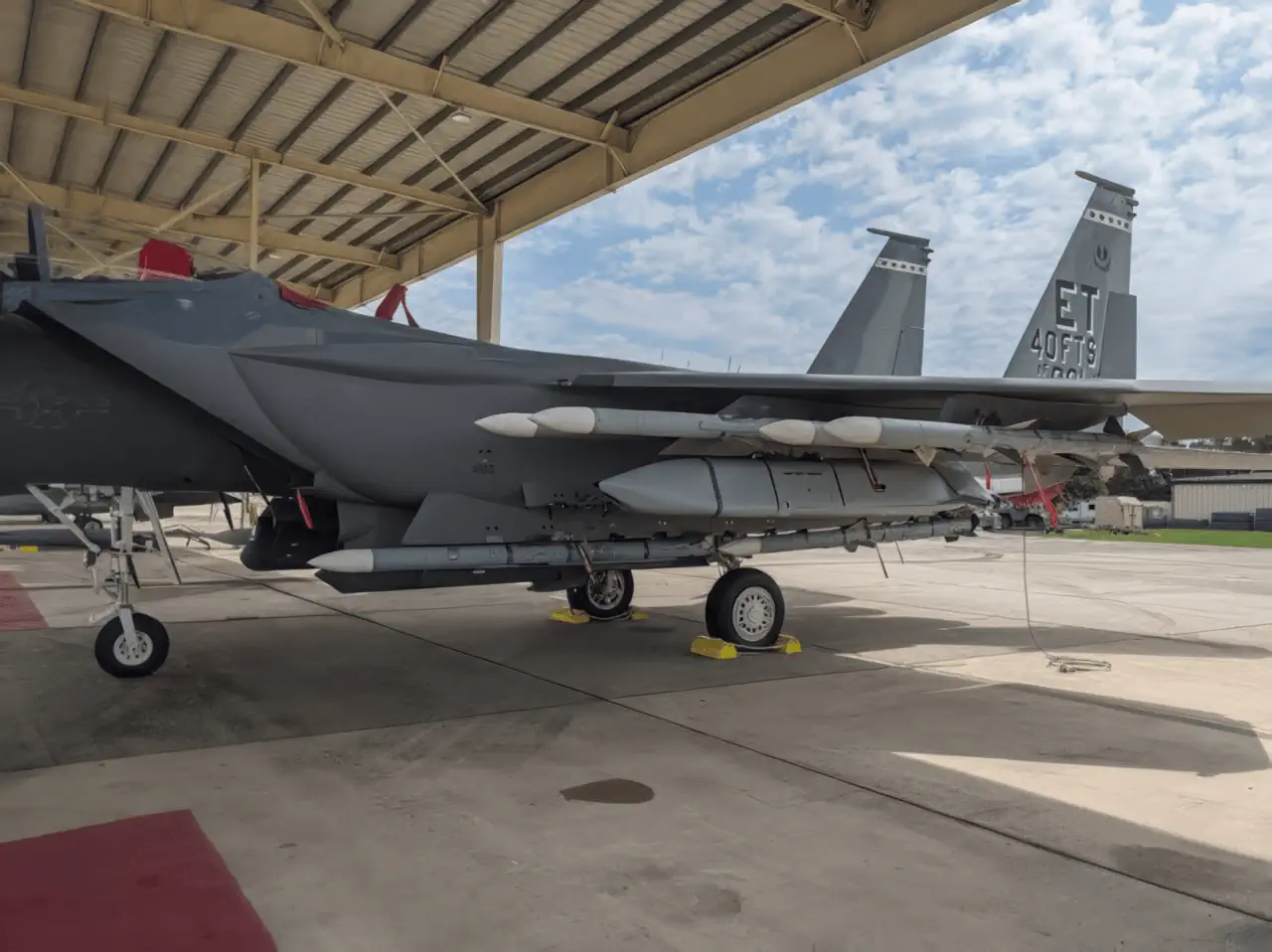
On the international stage, Australia is the first country to receive authorization to purchase this system and, with an allocation of nearly $518 million, seeks to equip its F-35A and F/A-18F fleets by 2033.
Comparison with Foreign Counterparts
Available estimates place the operational range of the AIM-260 JATM in the range of 200 to 300 kilometers or more — a figure that places it among the longest-range air-to-air missiles in the world. By contrast, the range of the AIM-120D-3 AMRAAM is estimated at about 160 kilometers, while China’s PL-15 also falls in the 180 to 300 kilometer range depending on conditions and version. Europe’s MBDA Meteor is typically classified with a range of about 100 to 200 kilometers, although the effective range of all these missiles depends on factors such as altitude, the speed of the launching aircraft, the target’s situation, and engagement conditions.
In terms of speed as well, the AIM-260, with an estimated speed of Mach 4.5 to 5, ranks among the fastest missiles in this class. The AIM-120D-3 has a speed above Mach 4, and the PL-15’s speed is cited in some estimates as Mach 5 or more. The Meteor can also reach speeds above Mach 4, but its important difference is that instead of a conventional rocket motor, it uses a solid-fuel ramjet engine that provides the ability to maintain energy and high speed over a large portion of the flight path.
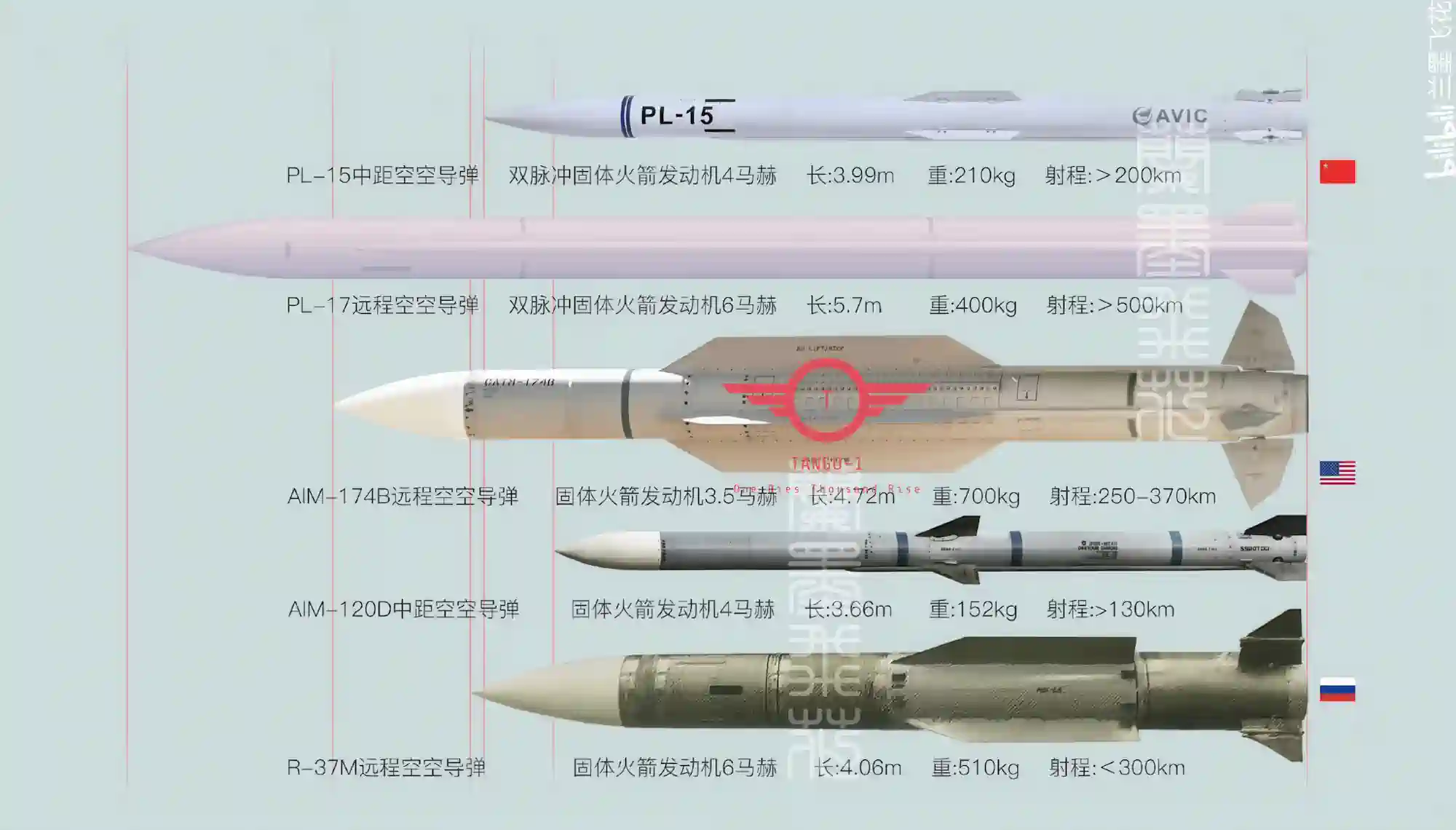
Another important difference relates to propulsion. The AIM-260 and PL-15 both use dual-pulse solid-fuel rocket motors, meaning the motor can deliver propulsion energy to the missile in two stages. This process allows the missile to save part of its energy for the terminal phase of the trajectory and, as it approaches the target, have greater capability for violent maneuvers. By contrast, the AIM-120D-3 uses a single-pulse solid-fuel rocket motor.
In the datalink domain as well, the AIM-260 is part of the trend toward network-centric air combat. This missile is designed to receive updated information from various sources and can use data from other sensors to fire at targets beyond the direct detection range of the launching fighter. The AIM-120D-3 also has a two-way datalink, but the AIM-260’s architecture was developed with a greater emphasis on networking and cooperation among different platforms. The PL-15 also has datalink capability and the ability to receive information from aerial networks, including early warning systems. The Meteor likewise uses a two-way data link to receive updated information during flight.
AIM-260 Missile Specifications:
Type: Long-range air-to-air missile
Origin: United States
Manufacturer: Lockheed Martin
Length: ~3.65 meters
Diameter: ~178 millimeters
Weight: ~170 kilograms
Propulsion: Solid-propellant motor with dual-pulse or multi-pulse technology
Range: 200 kilometers
Speed: ~5 Mach
Warhead: HE blast-fragmentation
Guidance: Active electronically scanned array (AESA) radar, infrared imaging (IIR), inertial navigation system (INS), and passive radio frequency (RF) signals
Launch Platforms: F-15, F/A-18, F-22, F-35

Sources:
Delivering new advanced missiles for Australia’s Air Force | Australia announces AIM-260 acquisition | AIM-260 missile: the US Air Force and beyond-visual-range lethality | AIM-260 Joint Advanced Tactical Missile (JATM) | U.S. Navy Confirms AIM-260A JATM Testing is Ongoing | Secretive AIM-260 Air-To-Air Missile Finally Breaks Cover | Pentagon Cuts New AIM-260 Air-To-Air Missile Production Deal, Testing Accelerating | Testing Of The Secretive New AIM-260 Long-Range Air-To-Air Missile Is Well Underway | BVRAAMs: Closing the horizon | AIM-260 JATM (GlobalMilitary.net) | A Guide To China’s Increasingly Impressive Air-To-Air Missile Inventory | AIM-260 JATM (Wikipedia) | PL-15 (Wikipedia) | Australia Becomes First Foreign Operator of US AIM-260 JATM | JATM testing is showing ‘progress,’ still awaiting full-rate production