Tag: Black Sparrow missile

  • Military Knowledge: Sparrow Air-Launched Ballistic Missiles And ROCKS Missile

    Military Knowledge: Sparrow Air-Launched Ballistic Missiles And ROCKS Missile

    Air-launched ballistic missiles, launched from fighter jets, can be highly effective and strategically advantageous for attacking targets. Their significance is especially notable when surprise and rapid deep strikes are required in environments with sophisticated and impenetrable defense systems.

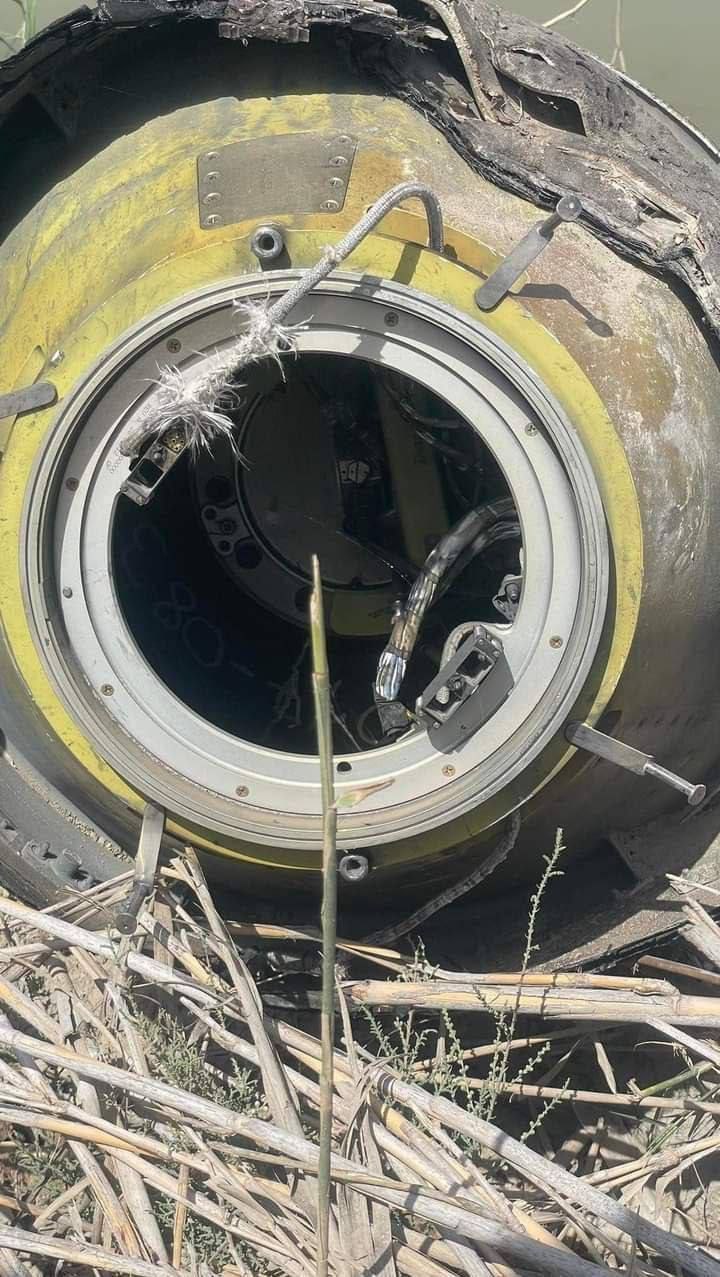
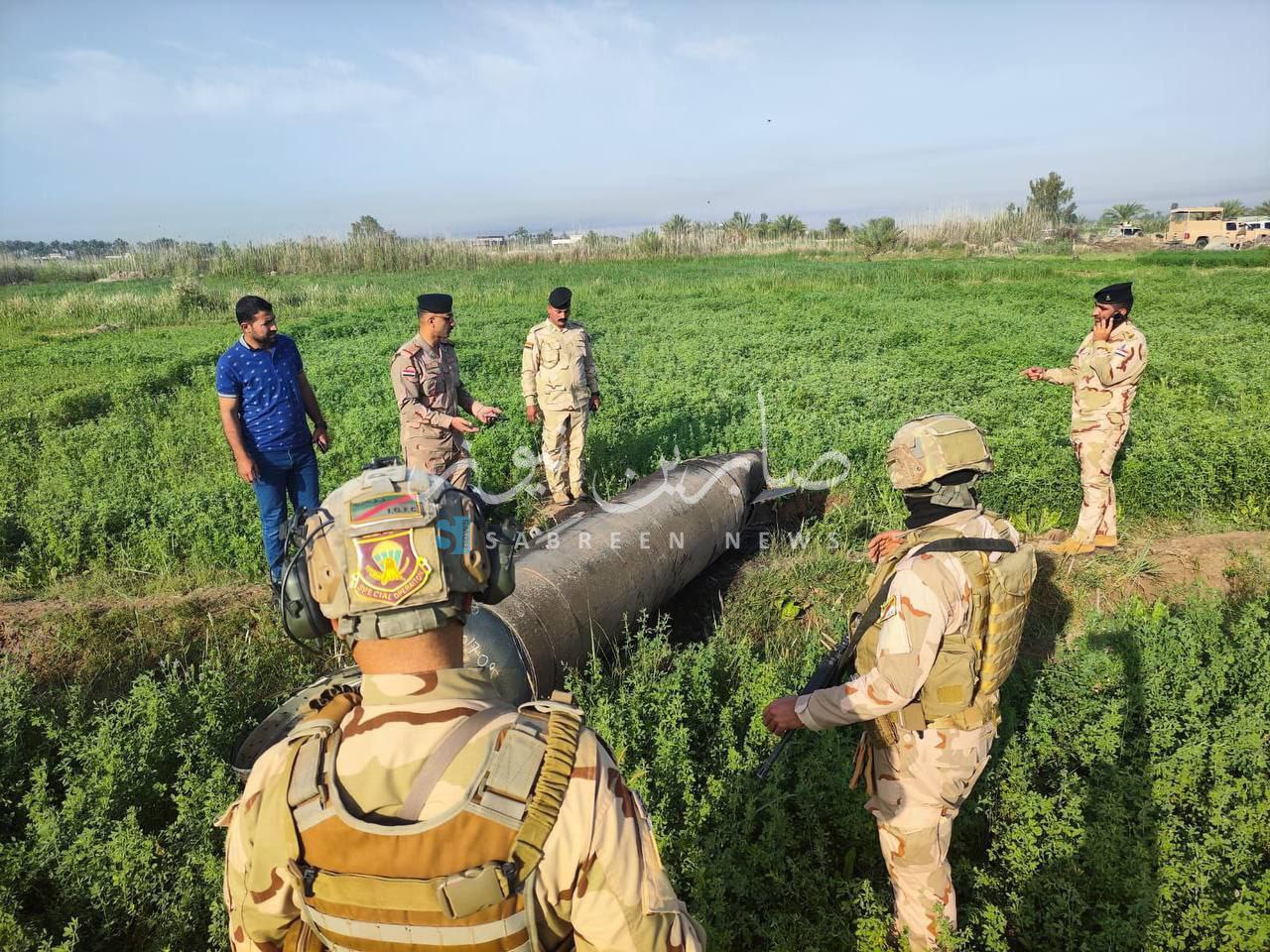
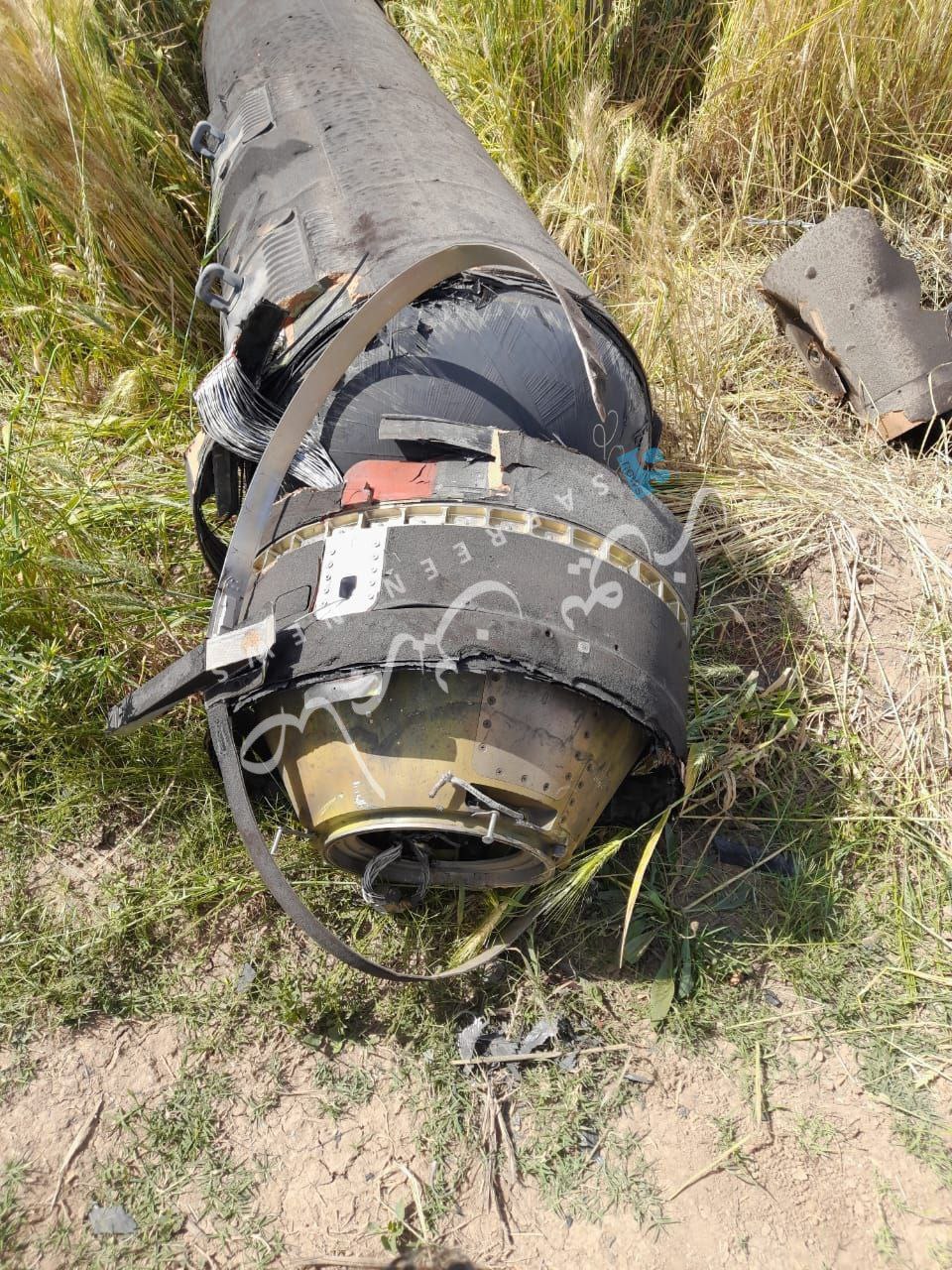
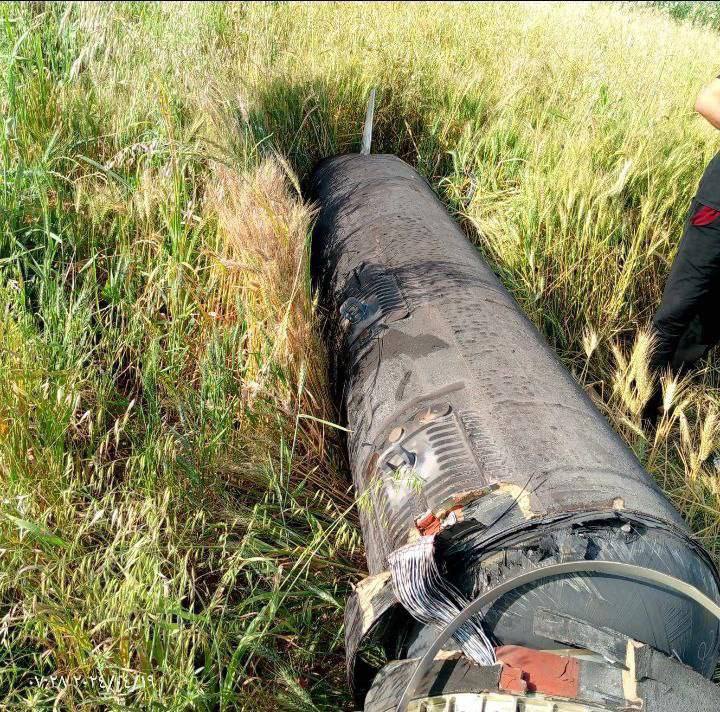
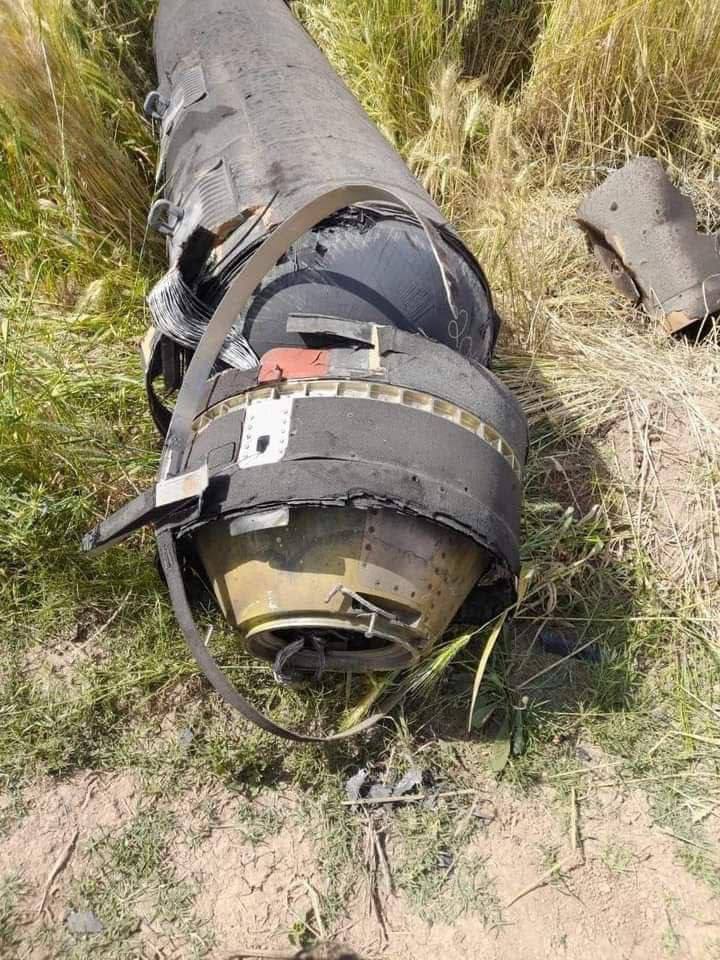
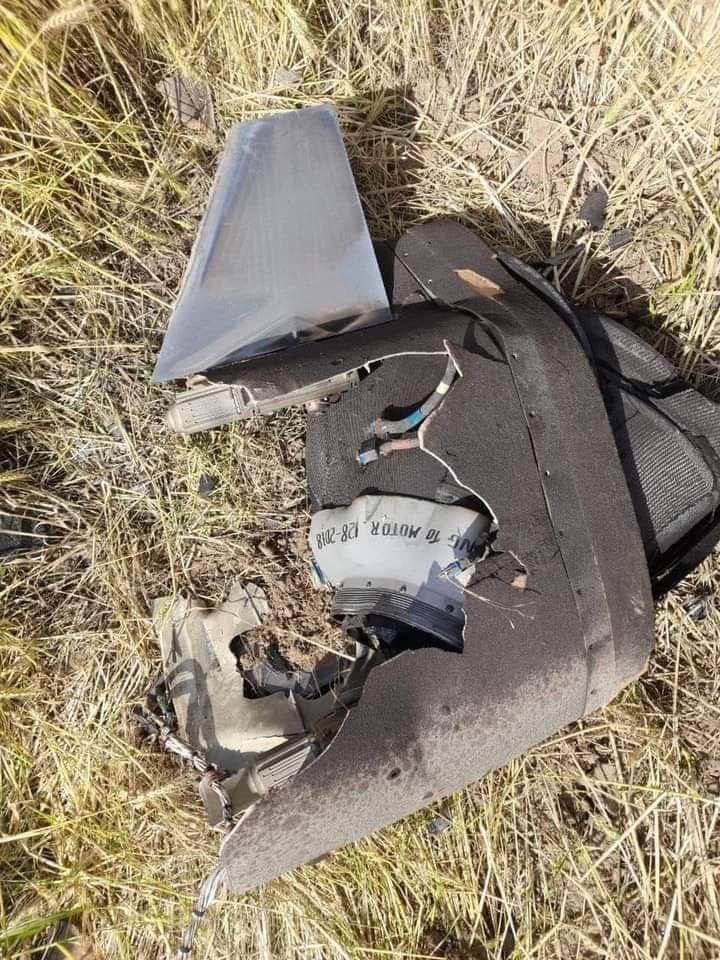
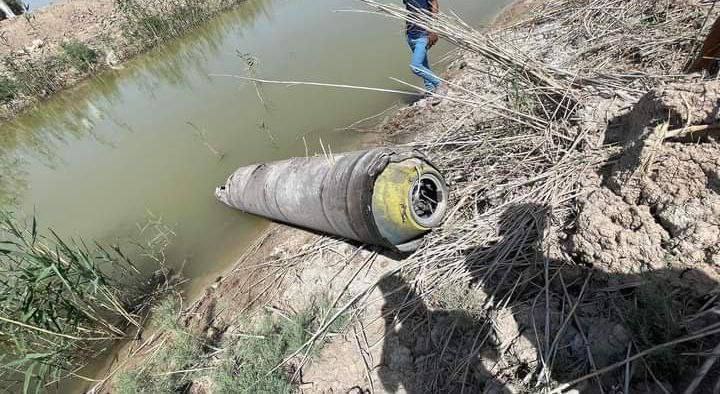
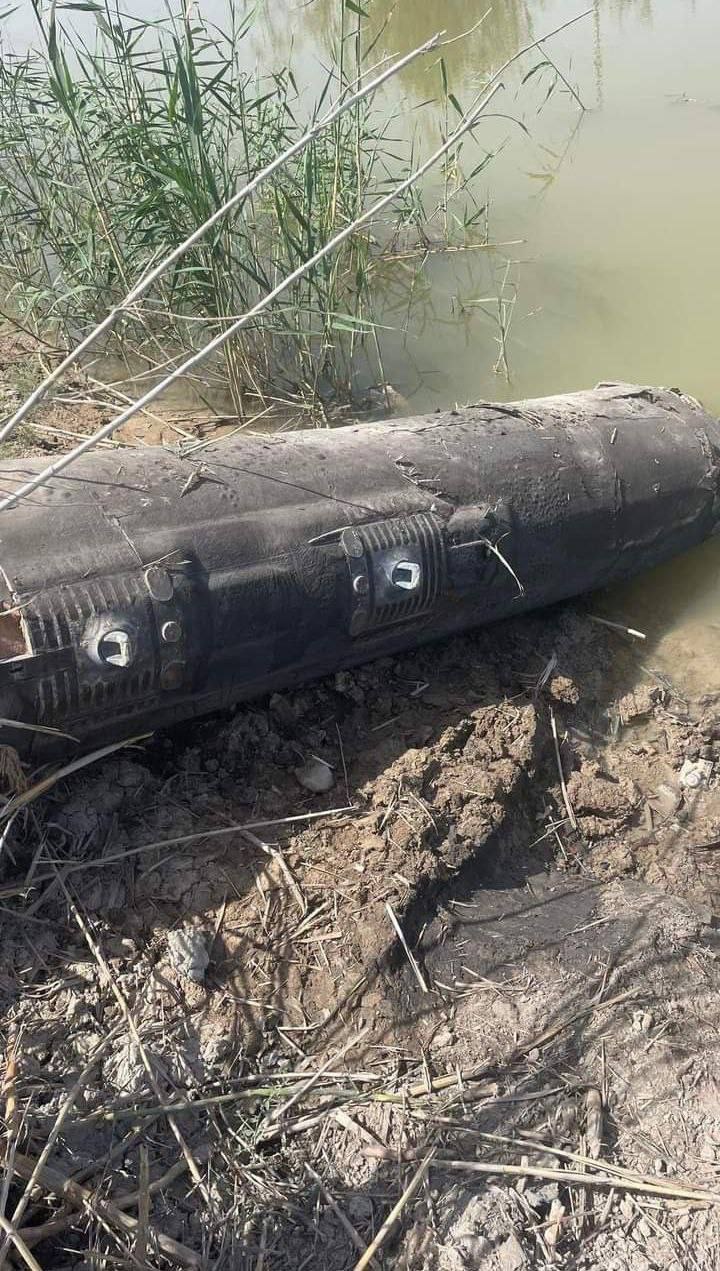
    Sparrow missiles gained great attention after their remnants were discovered following the Israeli attacks on Iran on April 19 and then again on October 26. The missile boosters from the first attack were found in Al-Azizia, Wasit Province, which is 100 kilometers from the Iranian border and near Baghdad. In the second attack, the remnants were located in Salahuddin Province.

    Ballistic missiles pose a significant threat to Israel, with Iran being one of the most formidable adversaries in this domain. Iran’s advancements in ballistic missile technology have made it a powerful force, causing considerable concern for Israel.

    The Israelis initiated the development of anti-ballistic missile defense systems to mitigate the threat posed by ballistic missiles. However, testing these systems necessitated the use of ballistic missiles, which European countries did not possess in their arsenals. Additionally, treaties like the INF prevented the United States from supplying Israel with these types of missiles.

    This situation gave the Israeli regime a viable excuse, with American assistance, to develop high-speed, maneuverable target missiles to test and enhance its anti-ballistic capabilities. Additionally, producing these missiles could enable the Israeli regime to use them offensively, if necessary, to strike distant targets and enemy defense systems.

    The Israelis designed the missile to be carried and launched by a fighter jet. This approach could significantly enhance the strategic offensive capabilities of their fighter jets.

    The development of this target missile, known as Project Sparrow, was initiated by Israel’s Rafael Military Industries with support from the American company Raytheon.

    The Sparrow missile family consists of three models: Black Sparrow, Blue Sparrow, and Silver Sparrow. Depending on the mission requirements, the warheads can be of three different types: liquid-filled warheads, high-explosive warheads, and inert warheads.
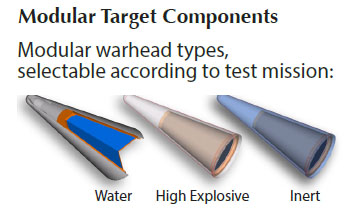
    Sparrow missile warheads

    Equipped with explosive warheads, Sparrow missiles offer strategic advantages to the Israeli Air Force. Carried by fighters or bombers, these missiles can cover greater distances than ground-launched variants, thanks to the increased range provided by the aircraft and the launch altitude. Their speed and high maneuverability make them particularly effective against heavily defended, deep, and strategic targets.

    Furthermore, there is the potential for Sparrow missiles to be equipped with nuclear warhead. Due to Israel’s policy of nuclear ambiguity, this capability is not officially listed in the Sparrow catalog. However, if Israel were to pursue this option, it would undoubtedly pose a significant and dangerous threat.

    The official catalog from Rafael Military Industries outlines three flight profiles for these missiles: ballistic trajectory to mimic Scud-level missiles with conventional warheads, barrel roll, and maneuvering to simulate stealthy competitors like Iranian missiles with maneuverable warheads.
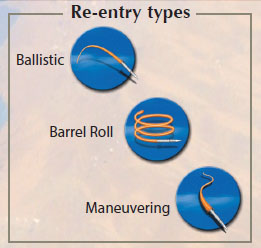
    Three flight profiles for Sparrow missiles

    Let’s take a closer look at the different models in the Sparrow series. As previously mentioned, there are three models: Black Sparrow, Blue Sparrow, and Silver Sparrow. According to the official catalog, two of these missiles are equipped with detachable warheads.
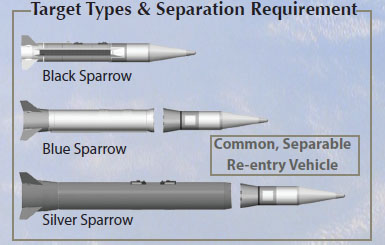
    Sparrow missiles, from top to bottom: Black Sparrow, Blue Sparrow, and Silver Sparrow

    Black Sparrow and ROCKS missile:
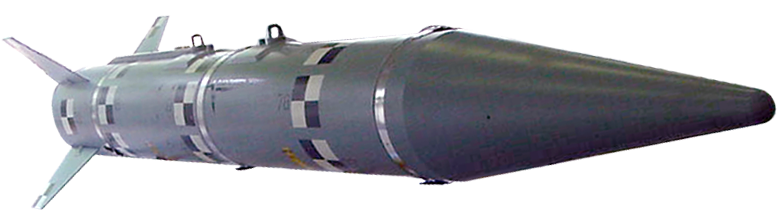
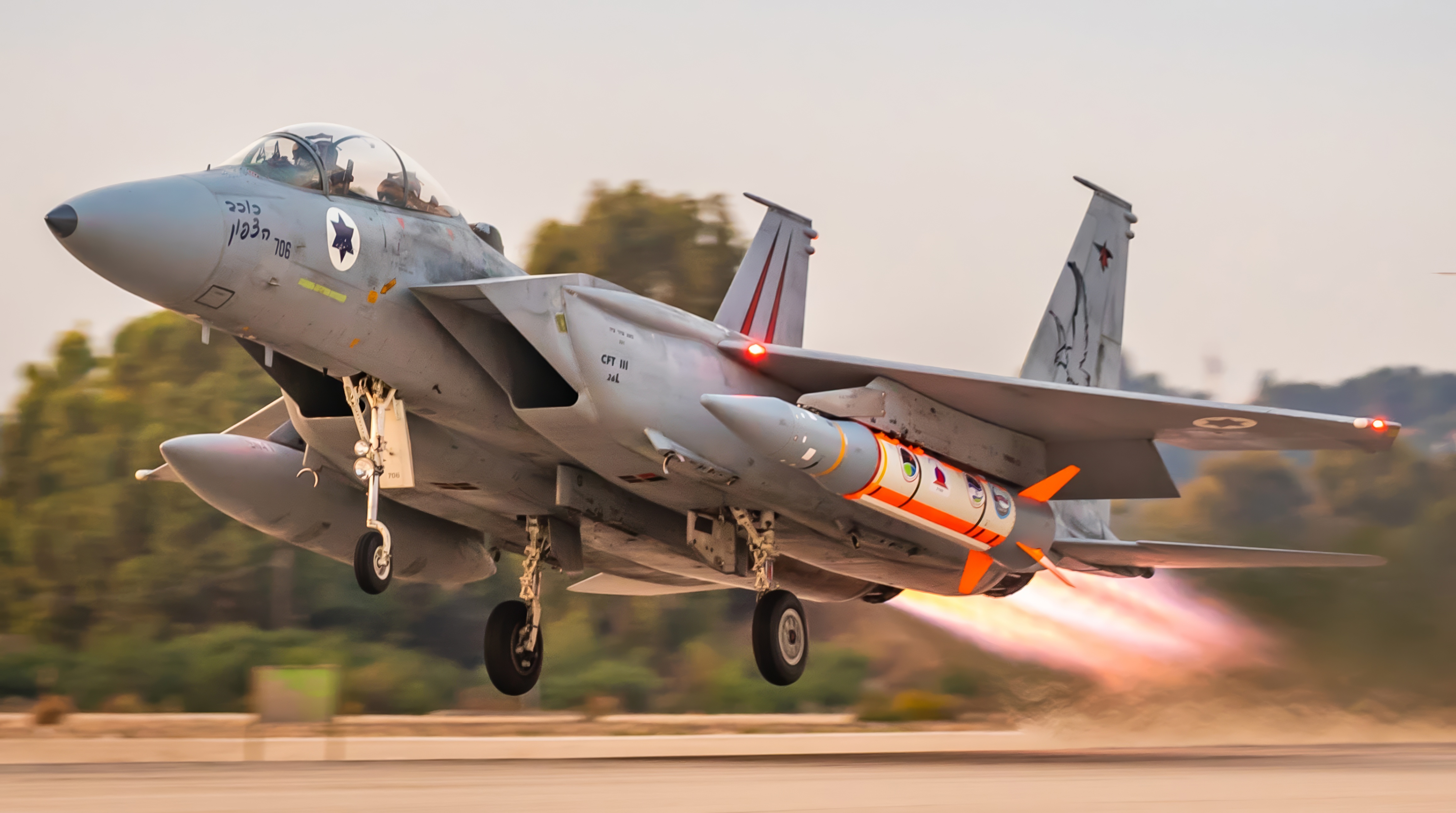
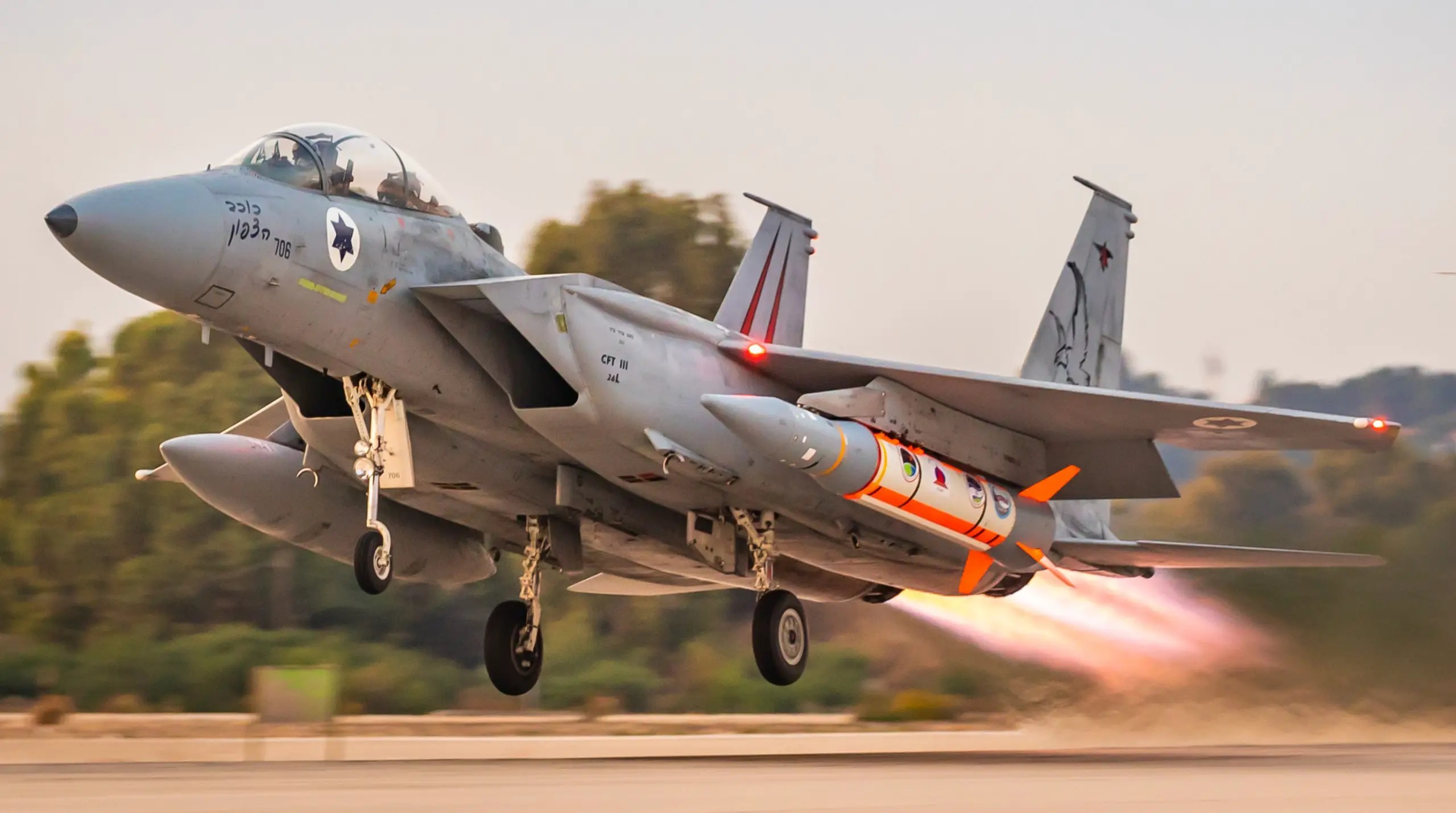
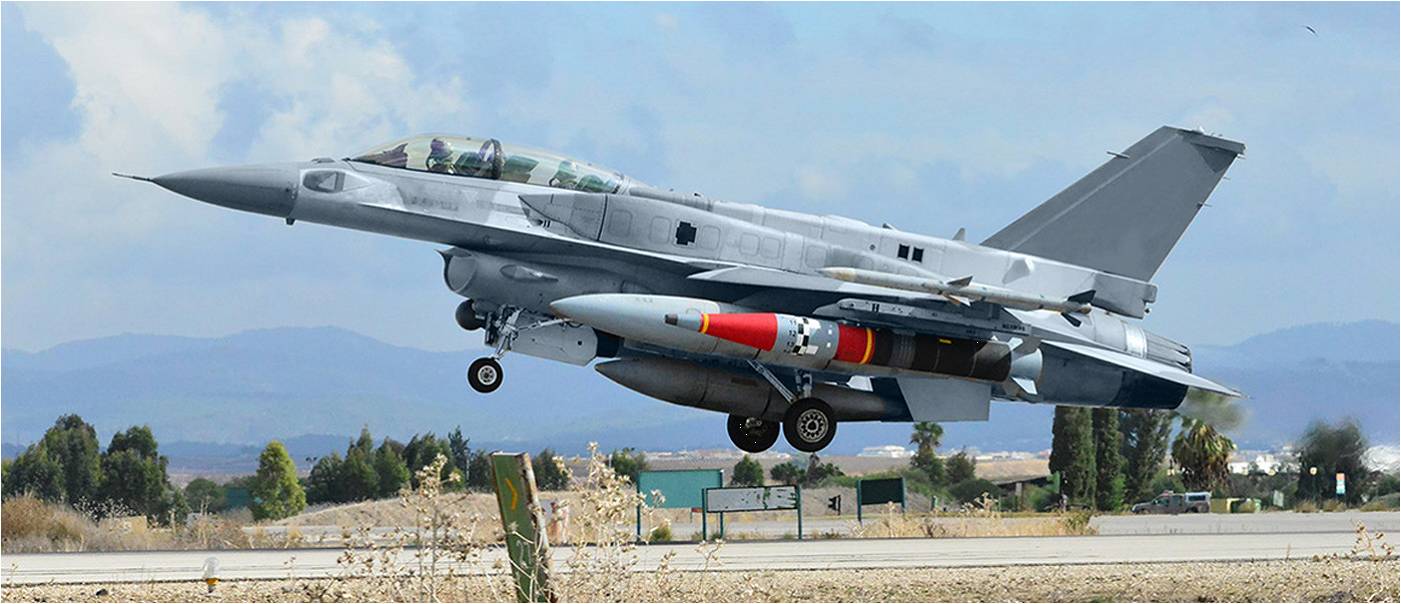
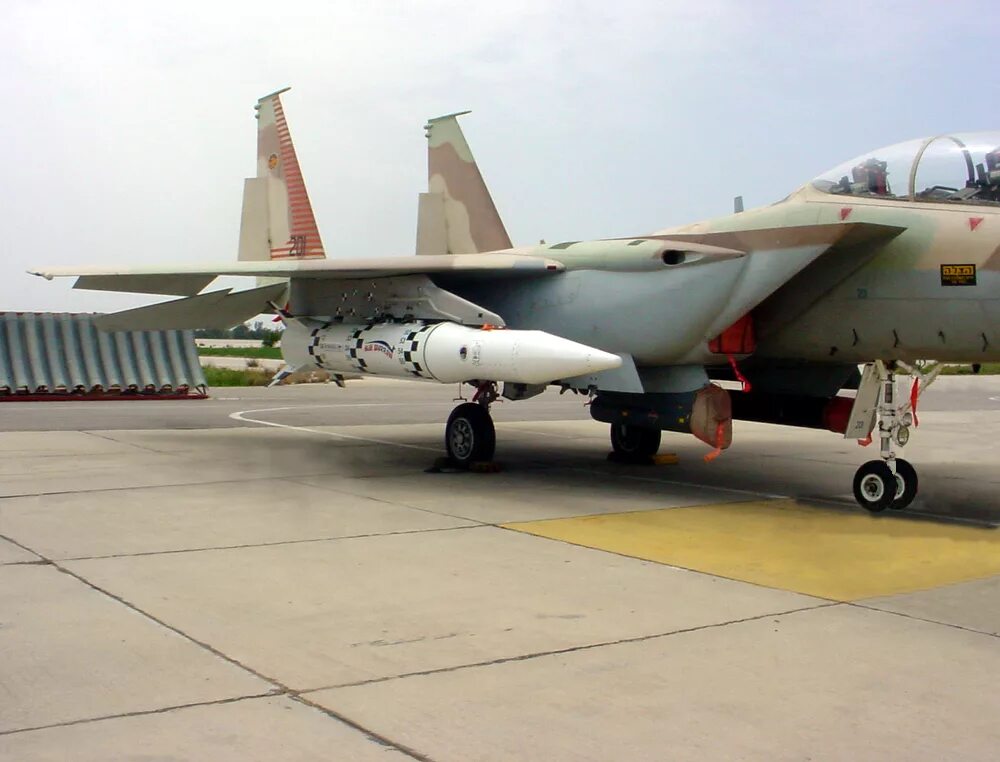
    The Black Sparrow is designed as a Scud-B missile simulator. While its speed is unknown, its range is estimated to be between 600 and 800 kilometers. This missile can be launched from F-16 and F-15 fighters. The Black Sparrow measures 4.85 meters in length, weighs 1,275 kilograms, and uses inertial/GPS guidance.
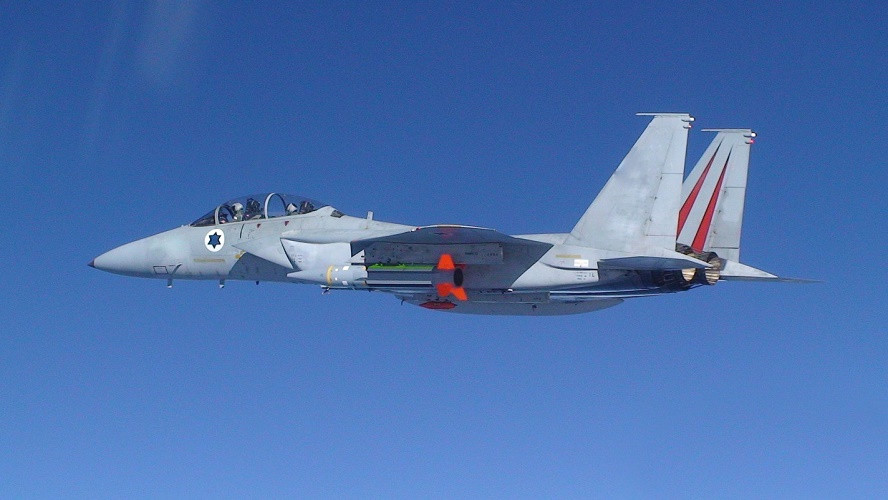
    Black Sparrow missile test by Israeli F-15 fighter jet
    A video of Black Sparrow ballistic missile (the early version)

    Israel has developed another missile based on the Black Sparrow, called the ROCKS missile. This missile closely resembles the Black Sparrow in both dimensions and appearance.
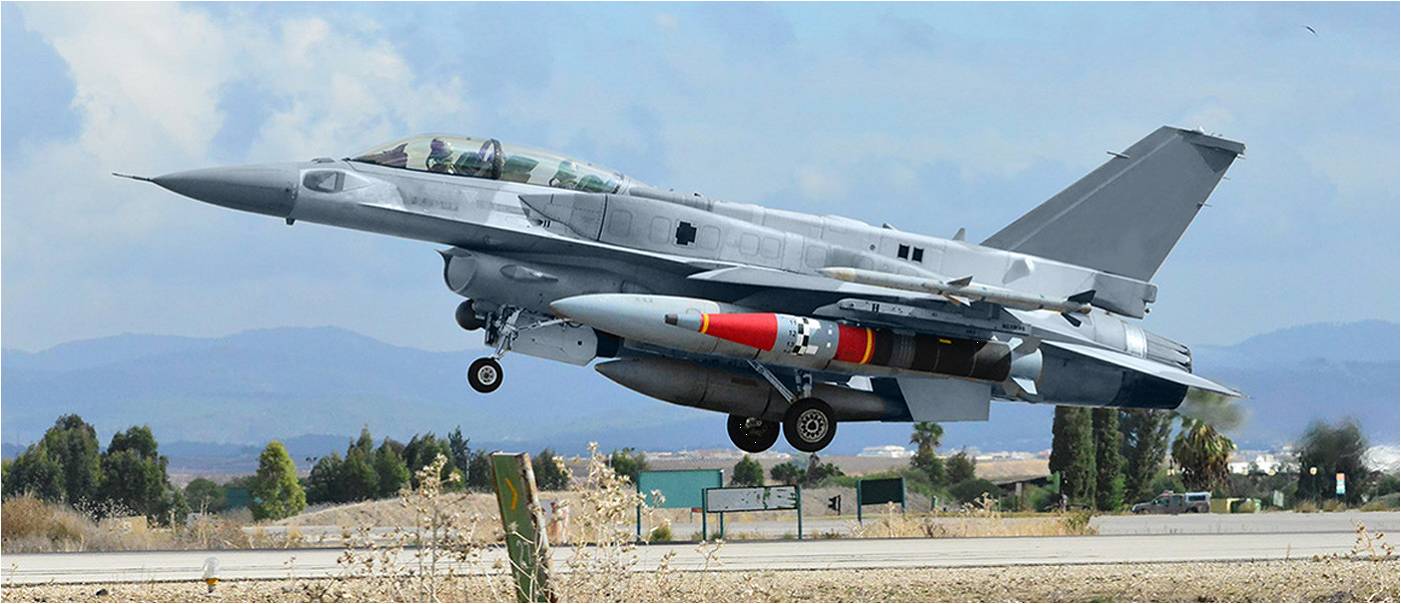
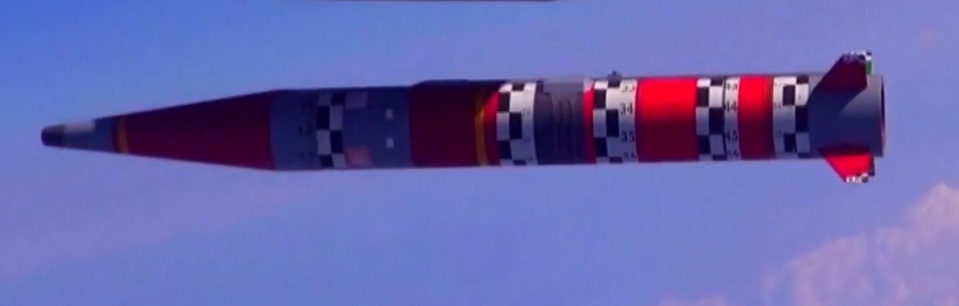
    The ROCKS missile was displayed at the 2019 Aero India air show in Bengaluru, India.
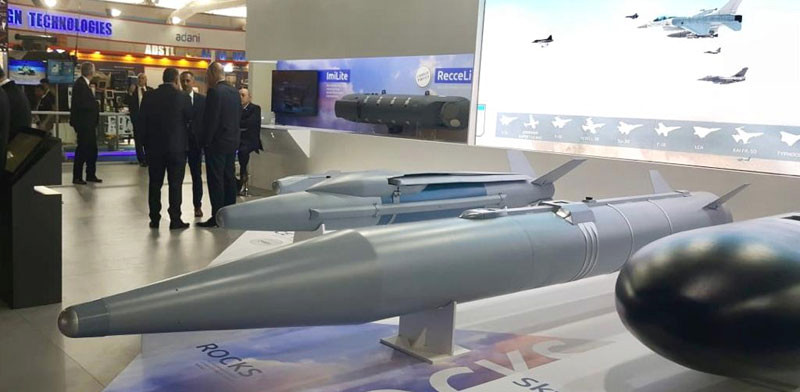
    The ROCKS missile at the Aero India air show in Bengaluru, India, 2015

    According to available information, the ROCKS missile is a supersonic missile with a speed of approximately Mach 3. It utilizes inertial guidance and GPS for mid-course navigation. Additionally, during the final phase to reach its target, the ROCKS missile is equipped with an electro-optical seeker, and an alleged anti-radiation homing system to enhance its anti-radar capabilities.

    The circular error probable (CEP), or the accuracy of this missile, is estimated to be around 3 meters.

    The ROCKS ballistic missile can be outfitted with either a penetrating or high-explosive warhead. When equipped with a delay warhead, it becomes particularly effective against fortified targets buried deep underground.

    From the limited images available of the ROCKS missile, it appears that the warhead is approximately 1.2 meters in length and has a diameter of about 500 millimeters. Based on the missile’s overall length and weight, and comparing these dimensions with the warhead, it is estimated that the warhead weighs around 150 kilograms.

    The range of this missile is estimated to be up to 800 kilometers.

    Footage of a ROCKS missile test targeting a sea-based objective captures the final moments of impact from the electro-optical seeker’s viewpoint.

    A key question is whether radar-absorbing materials are used in the ROCKS version. While Israel has access to this technology through the U.S., its application in ROCKS is uncertain. The Israelis place significant emphasis on the electro-optical and anti-radiation systems, highlighting their potential to enhance the missile’s targeting accuracy. This emphasis likely stems from their awareness of Iran’s advanced electronic warfare capabilities.

    Blue Sparrow missile:
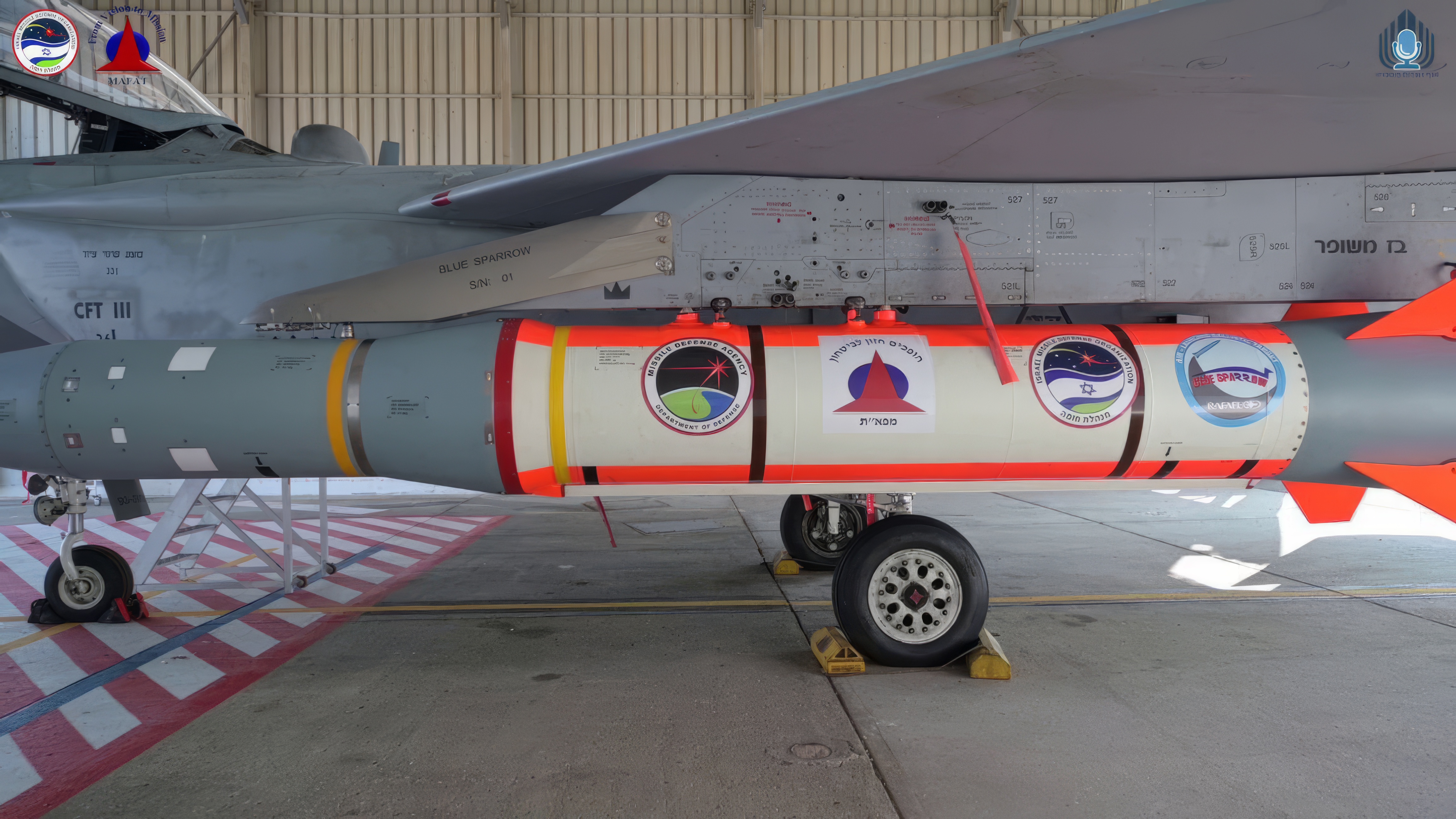
    The Blue Sparrow missile features a detachable warhead equipped with a Divert Attitude Control System (DACS). DACS consists of small rocket thrusters mounted on the projectile. When activated and fired at short intervals, these thrusters cause the projectile to rotate or change its angle of motion, enabling it to maneuver towards the target. In its role as a target missile, the Blue Sparrow simulates Iranian missiles with maneuverable warheads. When used offensively, it functions as a high-speed, maneuverable ballistic missile.
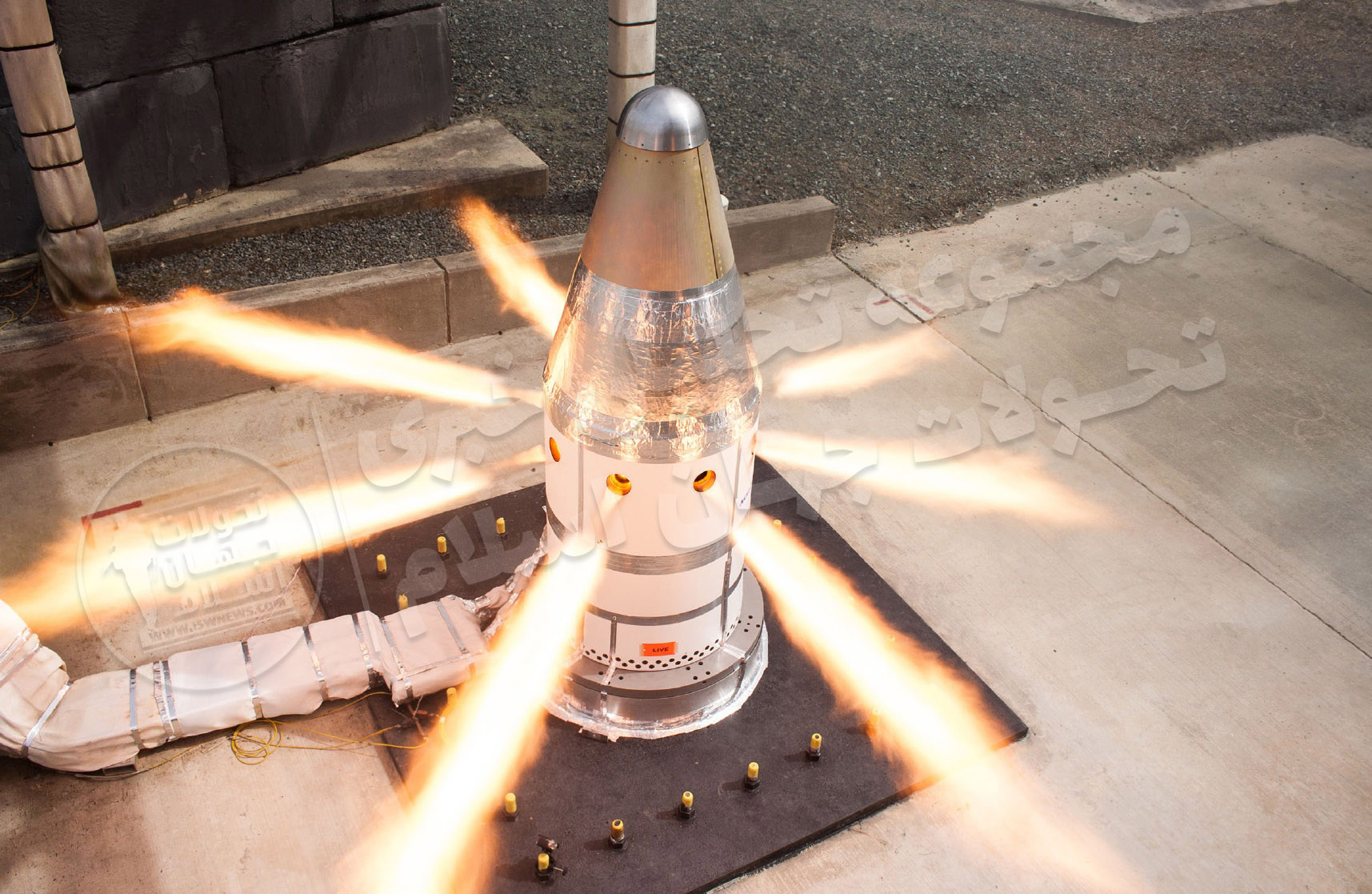
    NASA tests control thrusters on Orion launch abort system

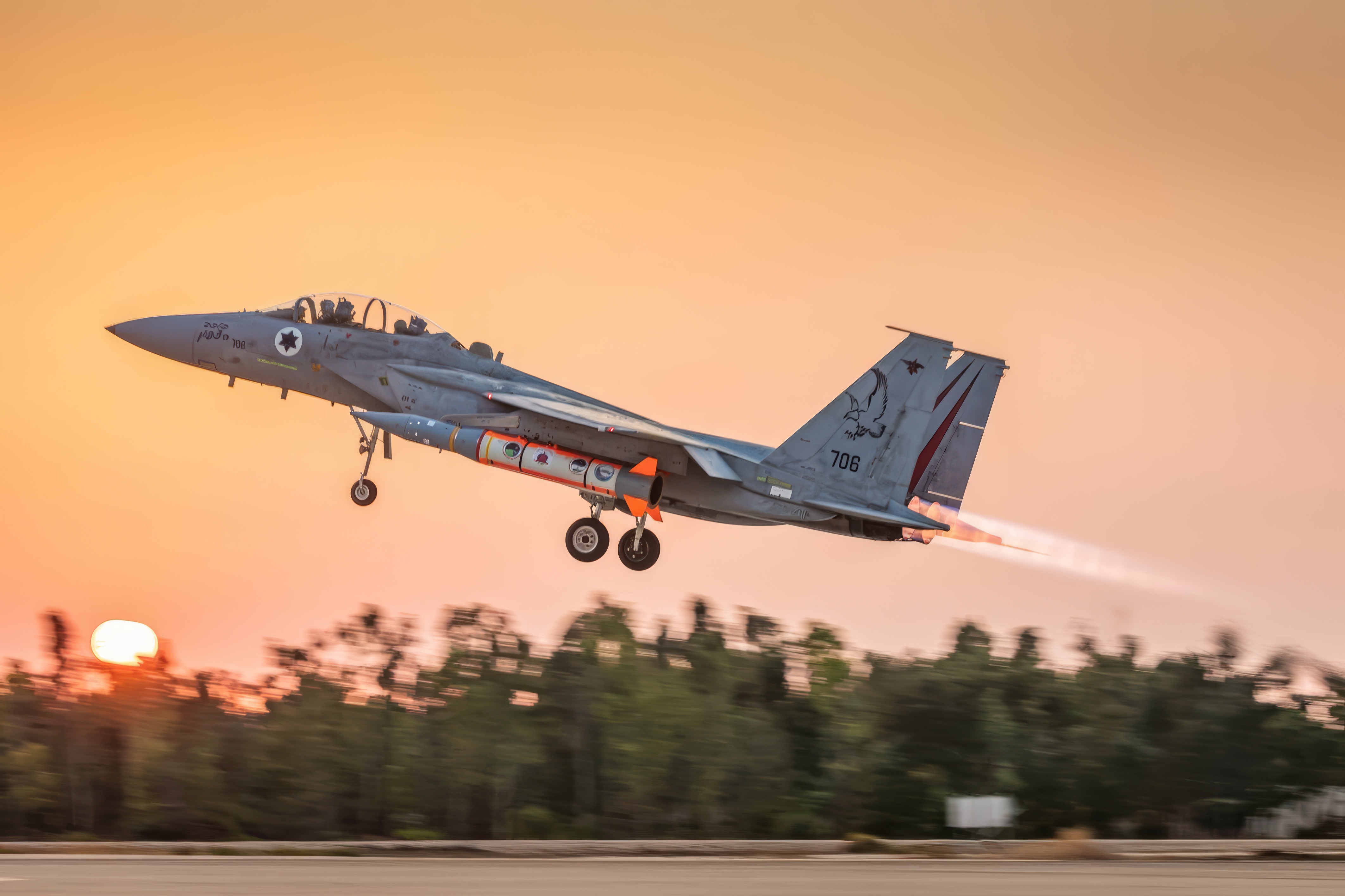
    The Blue Sparrow missile boasts a range of approximately 1,000 kilometers and can reach speeds between Mach 5 and 9, classifying it as a hypersonic ballistic missile.

    The Blue Sparrow missile uses a GPS and dual inertial guidance system. The implementation of dual inertia significantly reduces the potential for error. The missile’s accuracy, or circular error probable (CEP), is estimated to be approximately 3 meters.

    The Blue Sparrow measures 6.51 meters in length and weighs 1,900 kilograms. Published images indicate that its detachable warhead, including the guidance system, is 2.8 meters long with a diameter of about 530 millimeters.

    Given the dimensions of the warhead and the overall weight of the missile, the Blue Sparrow warhead’s weight, similar to the ROCKS, is estimated to be around 150 kilograms.

    In classified U.S. documents related to the Israeli attack on Iran, leaked on October 15, 2024, this missile is referred to by the code name “Golden Horizon.”
    Silver Sparrow missile:
    The Silver Sparrow missile is another variant in the Sparrow series. Similar to the Blue Sparrow, it features a detachable warhead. However, it is larger and heavier in terms of both dimensions and weight.

    The Silver Sparrow has been reported to measure 8.39 meters in length and weigh 3,130 kilograms.

    There are no images of the Silver Sparrow missile or its tests available. Reportedly, due to its high weight, the first test launch was conducted by a C-130 aircraft. The Silver Sparrow was initially tested on September 2, 2013. The launch, originating from the Mediterranean Sea, was detected by the Russian missile early warning radar in Armavir, and the Israelis confirmed the test shortly thereafter.

    Based on the available information, the Silver Sparrow warhead appears to be very similar in size to the Blue Sparrow’s. However, a larger booster has been used to extend its range, which is estimated to be up to 1,500 kilometers.

    Based on official catalog information, the missile’s guidance system utilizes both GPS and inertial navigation. Its accuracy is estimated to be around 3 meters, similar to the Blue Sparrow missile.

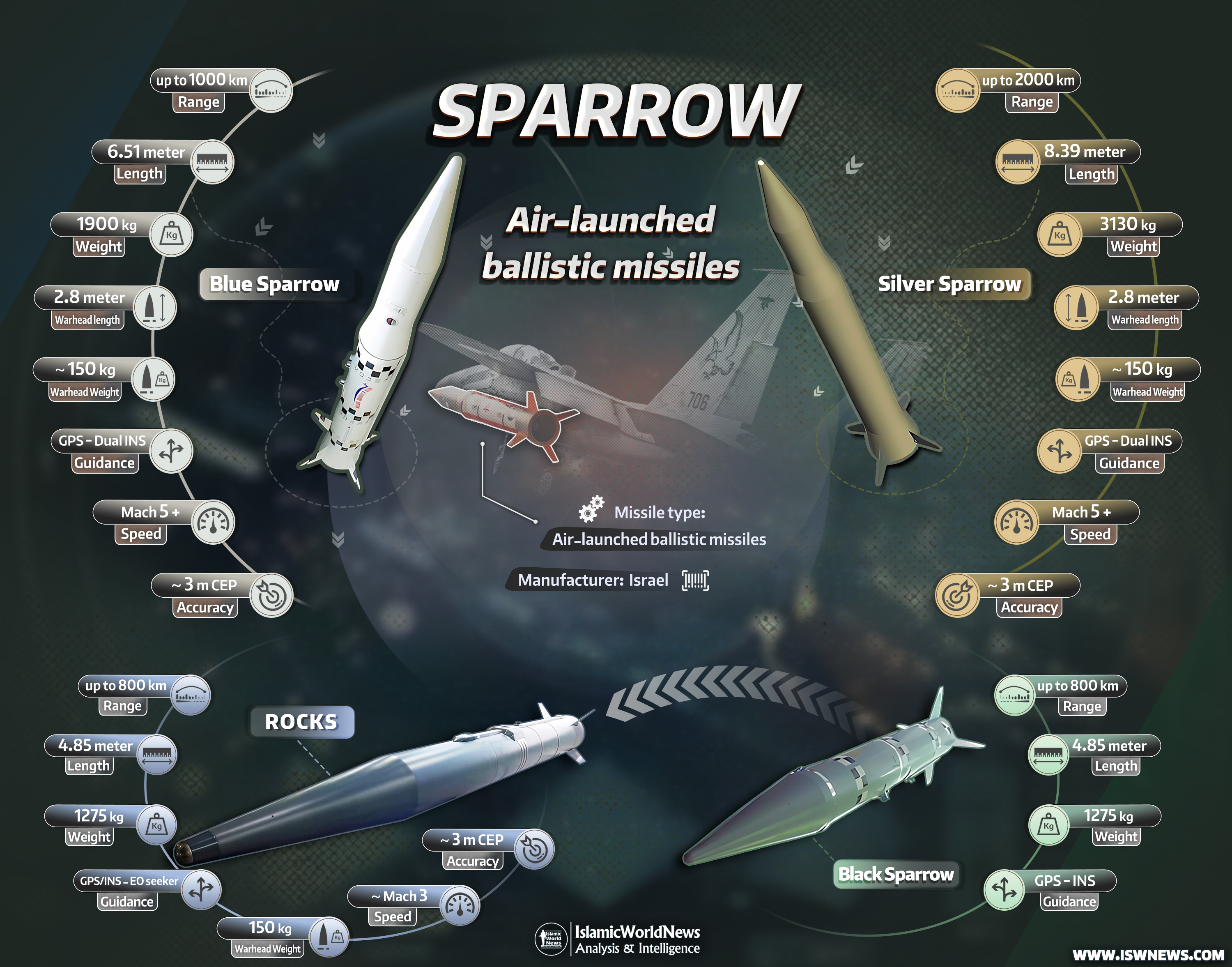
    Specifications of the Sparrow family missiles:
    Type: Air-launched ballistic missile
    Manufacturer: Rafael Advanced Defense Systems
    Origin: Israel

    Black Sparrow missile:
    Range: up to 800 km
    Length: 4.85 m
    Weight: 1275 kg
    Propulsion: single stage solid propellant
    Guidance: GPS/INS

    ROCKS missile:
    Range: up to 800 km
    Length: 4.85 m
    Weight: 1275 kg
    Warhead length: ~ 1.2 m
    Warhead diameter: ~ 500 mm
    Warhead weight: ~ 150 kg
    Propulsion: single stage solid propellant
    Guidance: GPS/INS – EO seeker
    Speed: ~ Mach 3
    Accuracy: ~ 3 m CEP

    Blue Sparrow Missile:
    Range: up to 1000 km
    Length: 6.51 m
    Weight: 1900 kg
    Warhead length: 2.8 m
    Warhead diameter: ~ 530 mm
    Warhead weight: ~ 150 kg
    Propulsion: single stage solid propellant
    Guidance: GPS – Dual INS
    Speed: Mach 5 +
    Accuracy: ~ 3 m CEP
    Silver Sparrow Missile:
    Range: up to 2000 km
    Length: 8.39 m
    Weight: 3130 kg
    Warhead length: 2.8 m
    Warhead diameter: ~ 530 mm
    Warhead weight: ~ 150 kg
    Propulsion: single stage solid propellant
    Guidance: GPS – Dual INS
    Speed: Mach 5 +
    Accuracy: ~ 3 m CEP

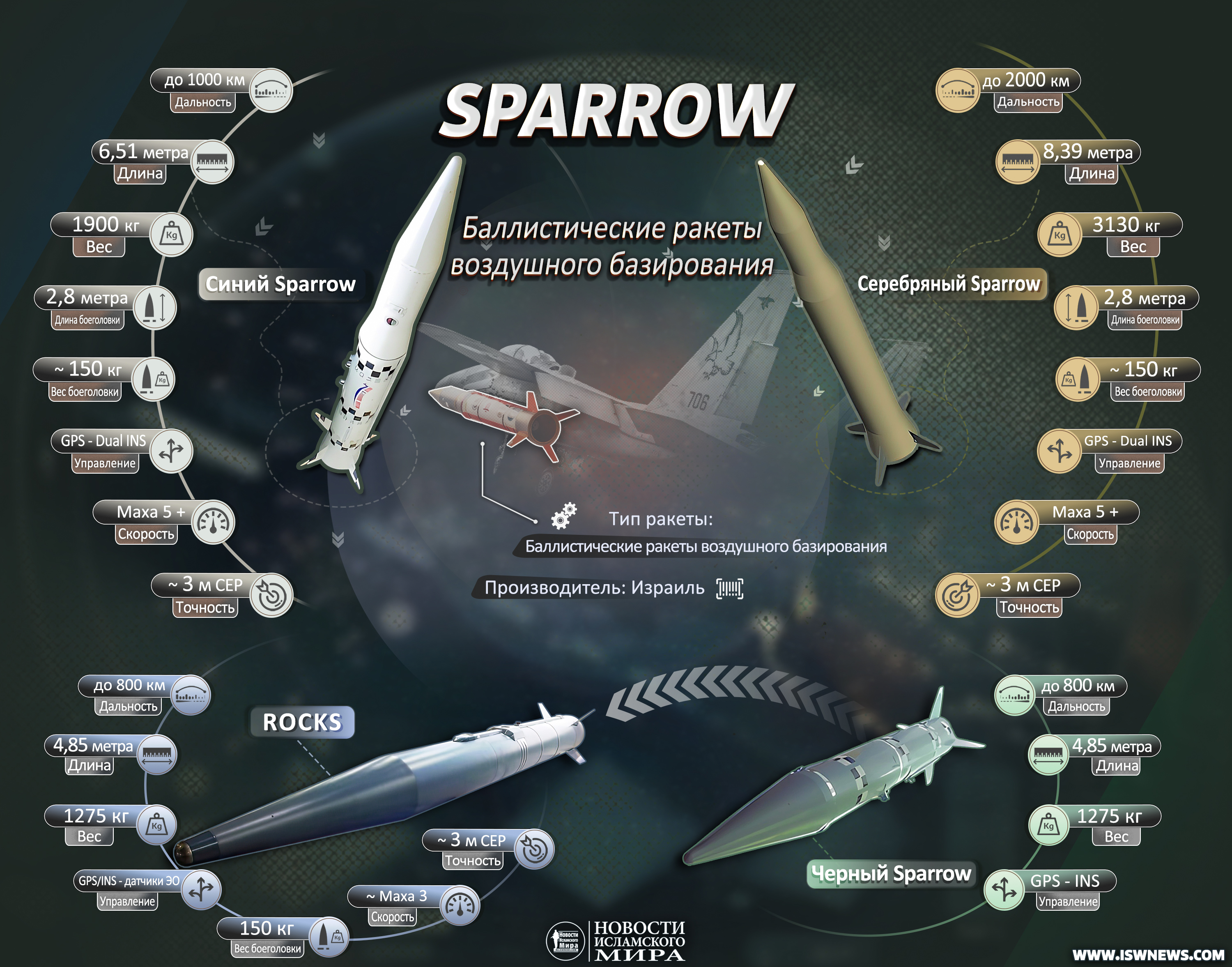
    Sparrow and ROCKS missiles – click to view in full size

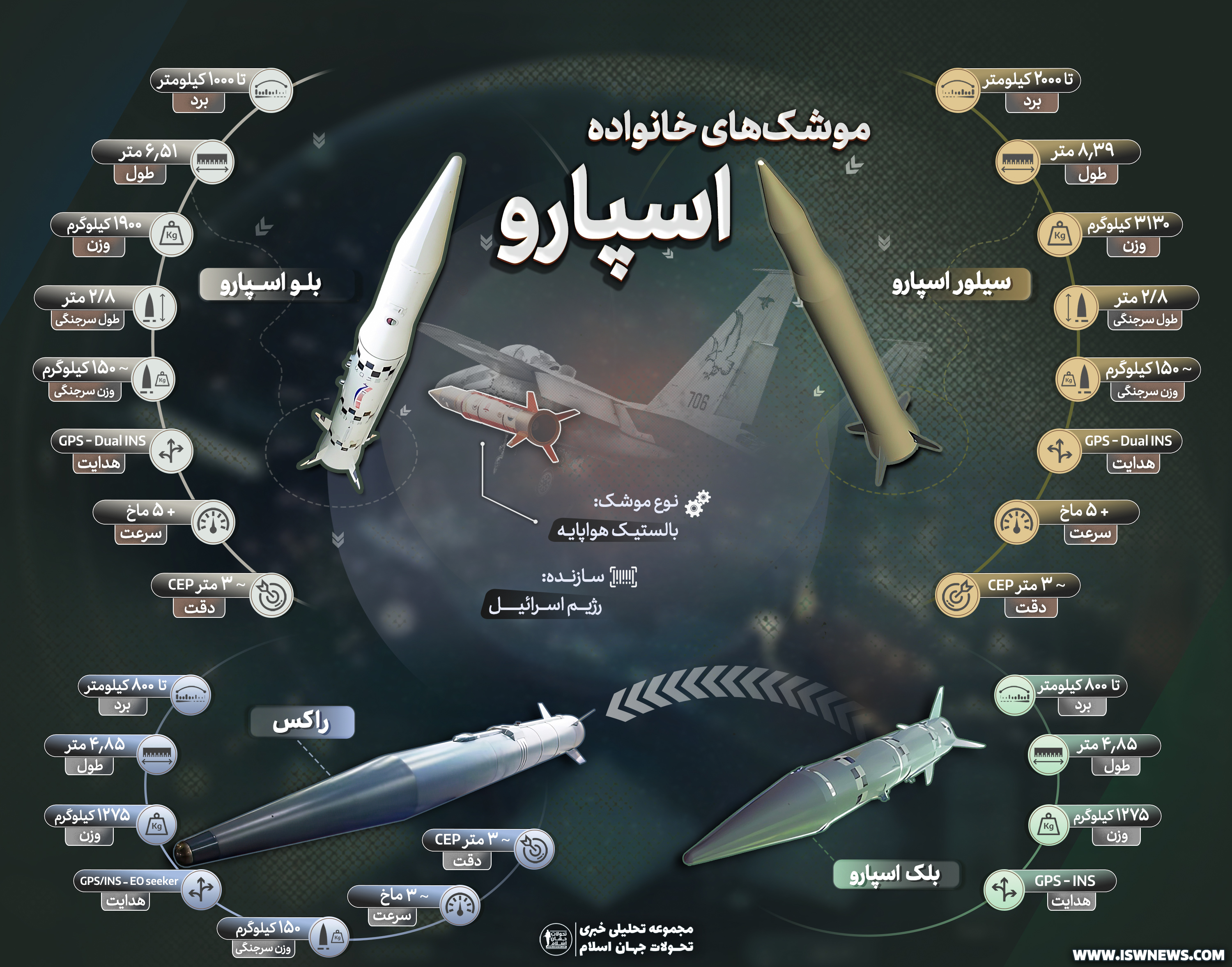
    Sparrow and ROCKS missile posters in Persian and Russian:
    Sources:
    Sparrow target missile
    ROCKS (missile)
    Israel’s Rafael Eyeing to Sell Rocks to India

  • The Missiles That Never Reached Their Targets; What Happened Friday Night?! Did Israel Attack Iran?!

    The Missiles That Never Reached Their Targets; What Happened Friday Night?! Did Israel Attack Iran?!

    The examination of the published images of the remnants of two missiles in the Al-Aziziyah region in the Wasit province and the remnants of another missile in the Al-Latifiya district near the Iraqi capital Baghdad indicates that these missiles are either Israeli ballistic missiles such as ROCKS ALBM or a similar missile like the Black Sparrow ballistic missile, or based on some speculations and the absence of warheads in the images and the presence of missile boosters, it is reinforced the possibility that the Blue Sparrow missile has been used. In any case, the available images of the missile remnants are not sufficient for a definitive conclusion regarding the type of all missiles.

    ROCKS is a new type of surface-to-surface Israeli missile that has a great similarity to the Israeli Black Sparrow missile in terms of body design and specifications, and it also utilizes the technology used in SPICE air-to-surface bombs. The Blue Sparrow missile is also one of the target missiles in the Sparrow series of ballistic missiles, which can be equipped with an explosive warhead if necessary.

    According to available information, the range of the ROCKS missile is estimated to be between 600 to 800 kilometers. Israeli F15 or F16 fighter jets are capable of carrying this missile. There is no information about the range of the Blue Sparrow, but it can be estimated to have a range of approximately 1000 kilometers.

    – In the early hours of Friday around 2:55 AM, Israeli regime fighter jets targeted objectives at the al-Thala airport and a radar base in southern Al-Suwayda Governorate.

    – An hour later, around 3:50 AM, reports of anti-aircraft system activities near the airspace of the 8th Shekari (hunting) Air Force base, near Isfahan airport, were reported. Similar reports with a short time gap from the west of Tabriz and anti-aircraft system activities were also reported. It is worth mentioning that the mentioned defensive system activities are related to anti-aircraft cannons, and none of the defense missiles were activated. It was later revealed that the anti-aircraft cannons were activated to target a limited number of suspicious objects, which are small quadcopters, and all of these drones were destroyed in the sky, and no damage was reported to any facilities.

    – Several hours later, around 6:45 AM, reports of unidentified projectile launches by Iraqi radars and the sound of explosions in some areas of Iraq were reported. Iraqi authorities also confirmed the passage of unidentified projectiles through the Iraqi airspace. Following this, Iraqi forces were dispatched to the mentioned areas, and the remnants of three Israeli missiles, one in the Al-Latifiyah region near Baghdad, and the remnants of two other missiles in the Al-Aziziyah region in the Wasit province, were discovered.

    Field assessments and information conclusions indicate that the aerial attack on yesterday morning against the al-Thala airport and targeting the Syrian army’s radars in the Al-Suwayda Governorate was carried out to blind surveillance stations in southern Syria and facilitate the activities of Israeli fighter jets. On the other hand, quadcopters that entered the sky over Isfahan by infiltrators from within Iran were intended to strike radar and defense systems, and if successful, disrupt the operation of defense systems in the mentioned area and facilitate a potential Israeli attack on a target or targets in Isfahan. However, this attempt failed, and all micro drones were destroyed in the sky. The final phase of this operation involved the firing of Israeli missiles and the destruction of targets.

    Based on the information available in this operation, the Israeli regime has fired 3 ROCKS or Blue Sparrow missiles, or a combination of them, towards Iran. Our speculation is that Israeli fighter jets have launched the missiles from the northeasternmost point of the occupied Palestinian territories’ borders. Alternatively, in the second scenario, Israeli fighter jets may have fired the missiles from areas near the Al Tanf military base on the Syrian border towards Iran while passing through the border line between Jordan and Syria in the Al-Suwayda Governorate. Field investigations and the comparison of the missiles’ range reinforce the likelihood of the accuracy of this speculation.

    The crash site of the rocket boosters and the possible paths of attack

    Regarding the Israeli attack, it is crucial to mention that all three missiles fired or their boosters have crashed at a distance of approximately 100 kilometers from the Iranian border and have not reached Iranian territory in any way! Even considering the speculation that the missiles have detachable warheads (such as the Blue Sparrow) and the remnants of the missiles were actually rocket boosters, it must be noted that in this case, even in this type of missile and in this type of trajectory and path traversal, after separation from the body, the missiles are not capable of traveling a distance of around 100 kilometers, and in this case, the missiles have not reached Iran. Therefore, it is unlikely for them to penetrate 450 more kilometers into Iranian territory and reach Isfahan. The non-activation of any of Iran’s missile defense systems and the absence of any evidence of impact or damage in Iran once again demonstrate that hostile projectiles have not entered Iranian soil. (Speculations and low-quality satellite images regarding damage to the S300 systems in Isfahans’s Shikari Airbase are not accurate, and if there is any damage, it is related to the micro drones.)

    In light of the existing interpretations, it must be said that the Israeli missile attack has been completely faced with a humiliating failure. Therefore, practically, the need for retaliatory operations by Iran is rejected, as the missiles never reached Iran in the first place. Furthermore, the flight of several micro air vehicles, which has been a precedent in the past, does not provide a necessary pretext for carrying out a large-scale missile operation against the Israeli regime.

    There are ambiguities and speculations regarding the overall situation and the manner of Israel’s failure, which we will address further. These speculations have variables, all of which are not entirely verifiable.

    – One possibility for the lack of success in this missile attack is that the mentioned missiles ultimately experienced errors in their range and lost communication with their center, or they may have crashed due to technical malfunctions, which is entirely plausible.

    – Another possibility is that, due to the failure of the micro air vehicles and the destructive operations against radar and defense systems in Isfahan, Israel may have regretted the attack in the final stage and the projectiles may have been canceled. Because if the operation had been carried out and the missiles had been fully intercepted in Iranian territory, it would have resulted in another major embarrassment for Israel, compelling Iran to carry out another retaliatory response on a much larger scale.

    – Another possibility is that Iran’s radar and defense systems, through a very strong electronic and cyber warfare, prevented the missiles from reaching Iran’s borders and neutralized the threats outside Iran’s borders. This requires a very high level of electronic warfare capability.

    – Yet another possibility is that the United States itself may have taken action to engage in electronic warfare and intercept Israeli missiles to prevent the escalation of tensions. The United States is deeply concerned about the costs and consequences of a widespread conflict between Israel and Iran and lacks the ability to confront short-term or long-term retaliatory attacks by Iran against Israel.

    – The last possibility could involve covert interventions, and Israeli missiles may have fallen prey to unseen forces! Since the Islamic Revolution, Iran has been abundantly witnessing such covert interventions, and matters like these are by no means a strange and unexpected issue for Iran! The famous Tabas incident is another example of such covert interventions that has been officially recorded.

    Postscript: This writing is based on the available definitive information and will be corrected and updated in the event of new information and findings regarding the potential impact of hostile projectiles within Iranian territory.