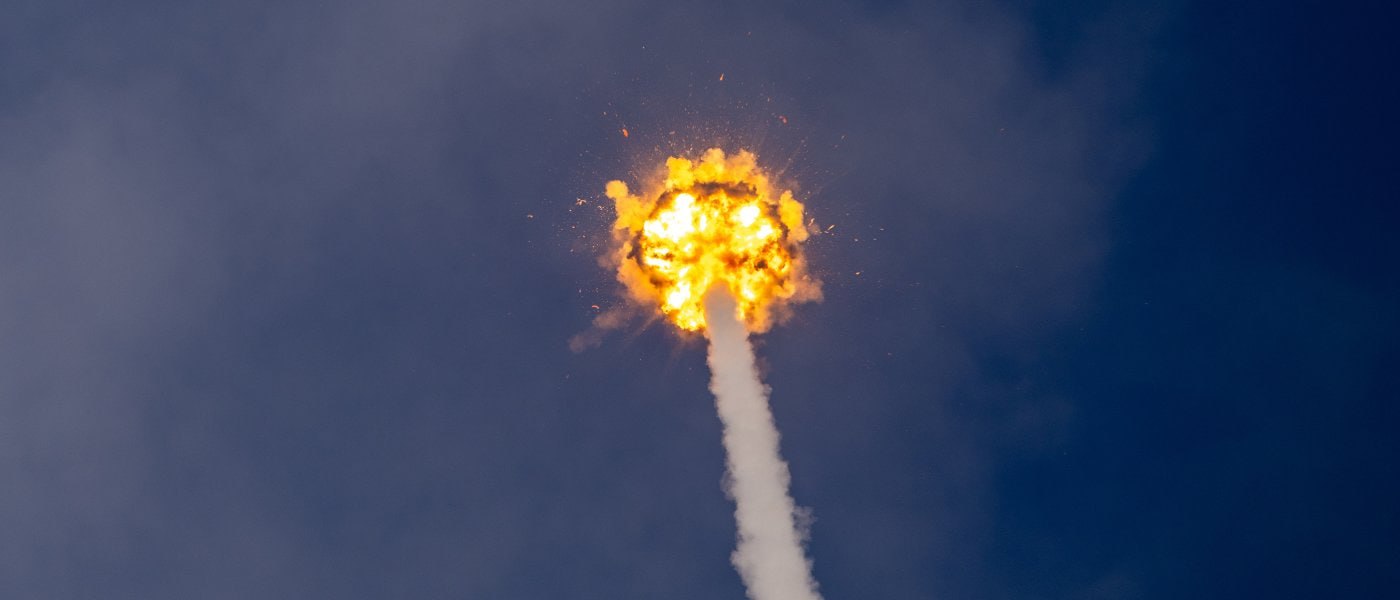
According to the think tank’s estimates, the US consumed approximately one-third to two-thirds of its pre-war stocks of certain key munitions during military operations against Iran and the subsequent clashes. The remaining stockpiles are considered sufficient for a resumption of hostilities with Iran, but the situation is more concerning in the event of a potential war with China.
Patriot: Approximately two-thirds of pre-war Patriot interceptor missile stocks have been consumed. Lockheed Martin plans to increase annual production capacity from around 600 to 2,000 missiles.
THAAD: Approximately half of the interceptor missile stockpile for this system was used during the war with Iran. The US is seeking to quadruple THAAD interceptor production capacity to replenish its stocks.
Tomahawk missiles: Approximately one-third of pre-war stocks have been consumed. RTX plans to increase annual production to 1,000 missiles.
JASSM cruise missiles: Approximately one-third of pre-war stocks have been consumed.
SM-3 and SM-6 missiles: Consumption of these naval interceptor missiles has been relatively limited. However, replenishing their stockpiles will take time due to low procurement levels in previous years.
Stinger missiles: Stockpiles of these short-range missiles have been reduced due to extensive transfers to Ukraine. Their production line has also only recently been reactivated after years of inactivity.
According to CSIS estimates, delivery of many newly manufactured munitions will take between two and four years following congressional funding allocations. Therefore, the main challenge facing the US is not simply securing funding, but also limited production capacity and the time required to replenish its stockpiles.
The think tank also notes that, from the fifth day of military operations against Iran, the US military gradually reduced its use of expensive, long-range munitions and shifted toward shorter-range and less expensive weapons.