Tag: Meiss El Jabal

  • Israeli Forces Withdraw From Lebanon’s Meiss El Jabal, Rab El Thalathine, Markaba (Map)

    Israeli Forces Withdraw From Lebanon’s Meiss El Jabal, Rab El Thalathine, Markaba (Map)

    Southeast Front:
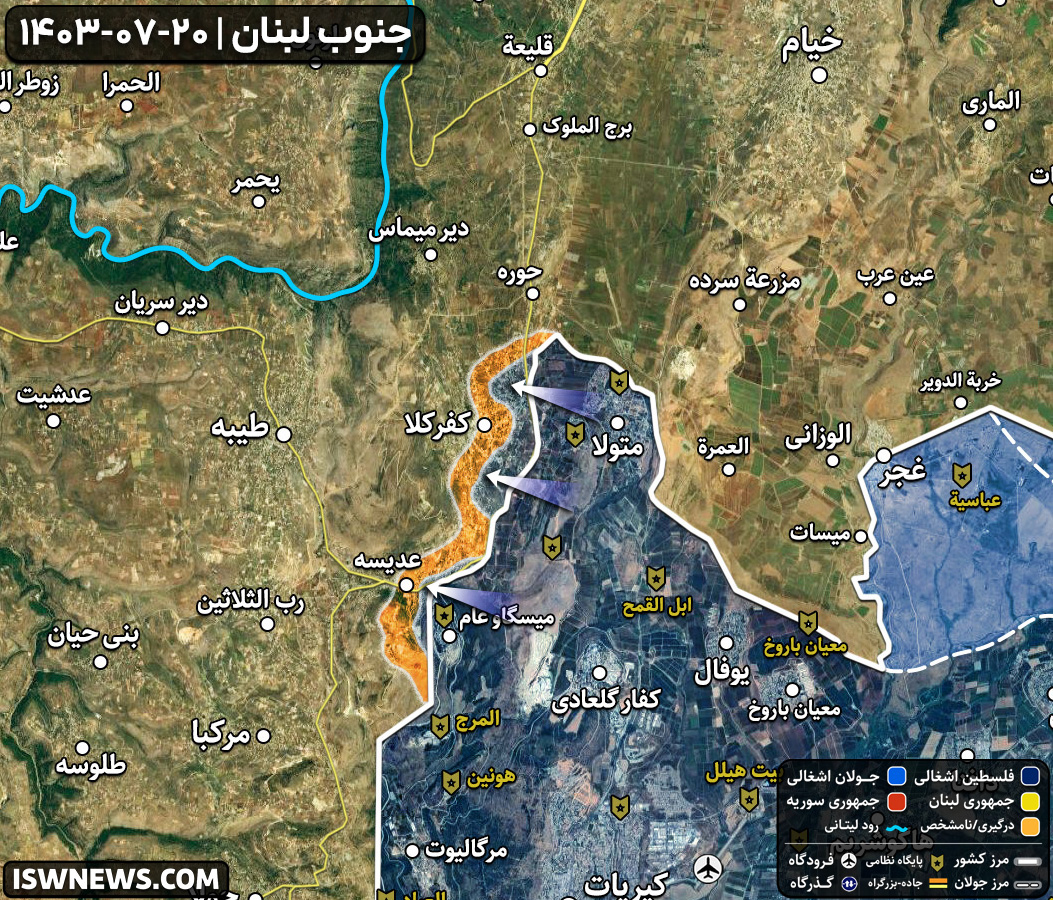
    The 91st and 98th Brigades of the Israeli regime’s army have withdrawn from their positions in the outskirts of the village of Taibeh, east of Rab El-Thalathine and Markaba, as well as the town of Meiss El-Jabal after 43 days of fighting and attempts to control the border strip in southern Lebanon.

    Undoubtedly, the precise strikes by the Lebanese resistance movement Hezbollah on Israeli tanks, armored vehicles, and machinery have significantly affected this military withdrawal and prevented them from achieving their objectives completely.
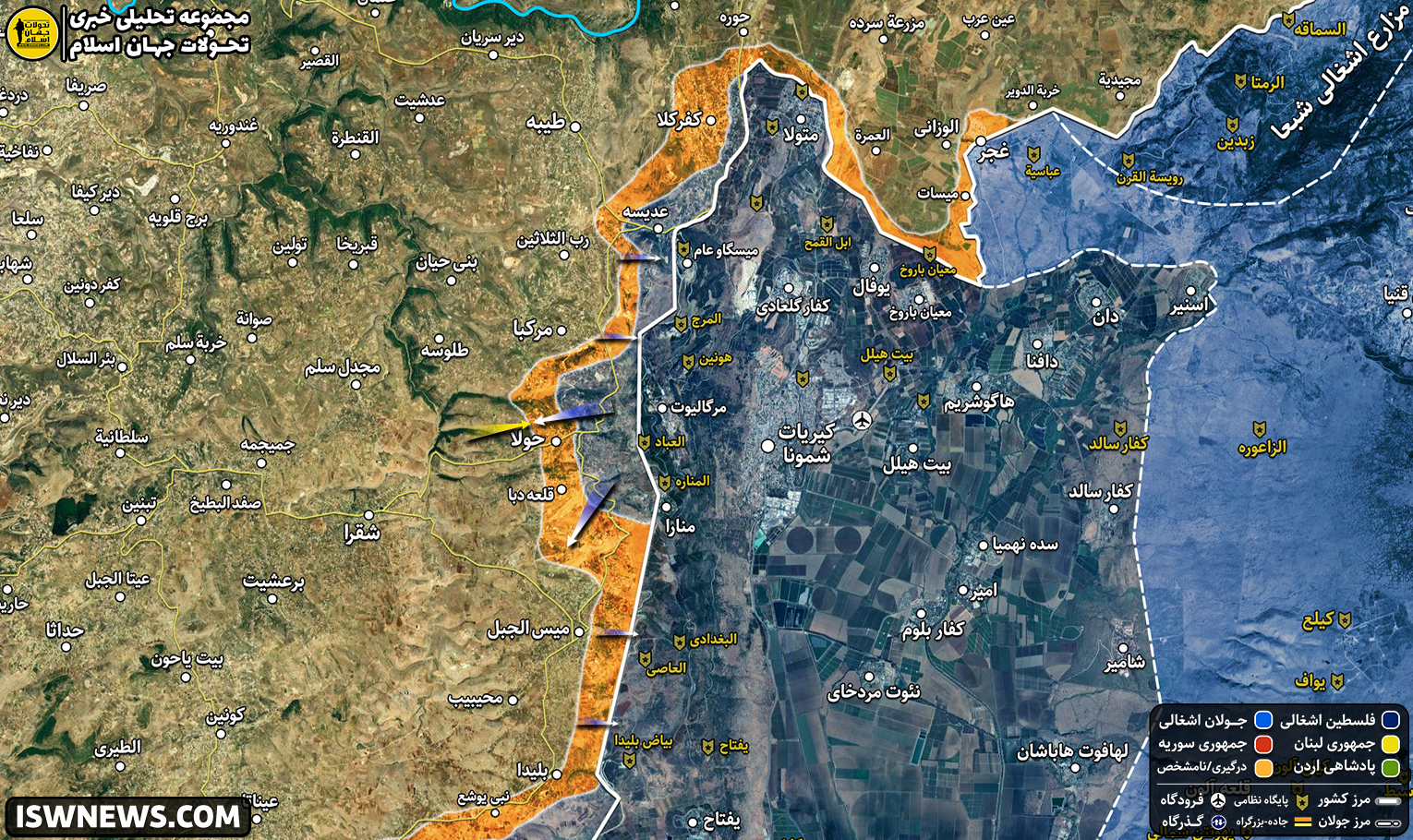
    Latest military situation on south-eastern front of Lebanon – click to view in full size

    Aitaroun and Maroun El-Ras Fronts:
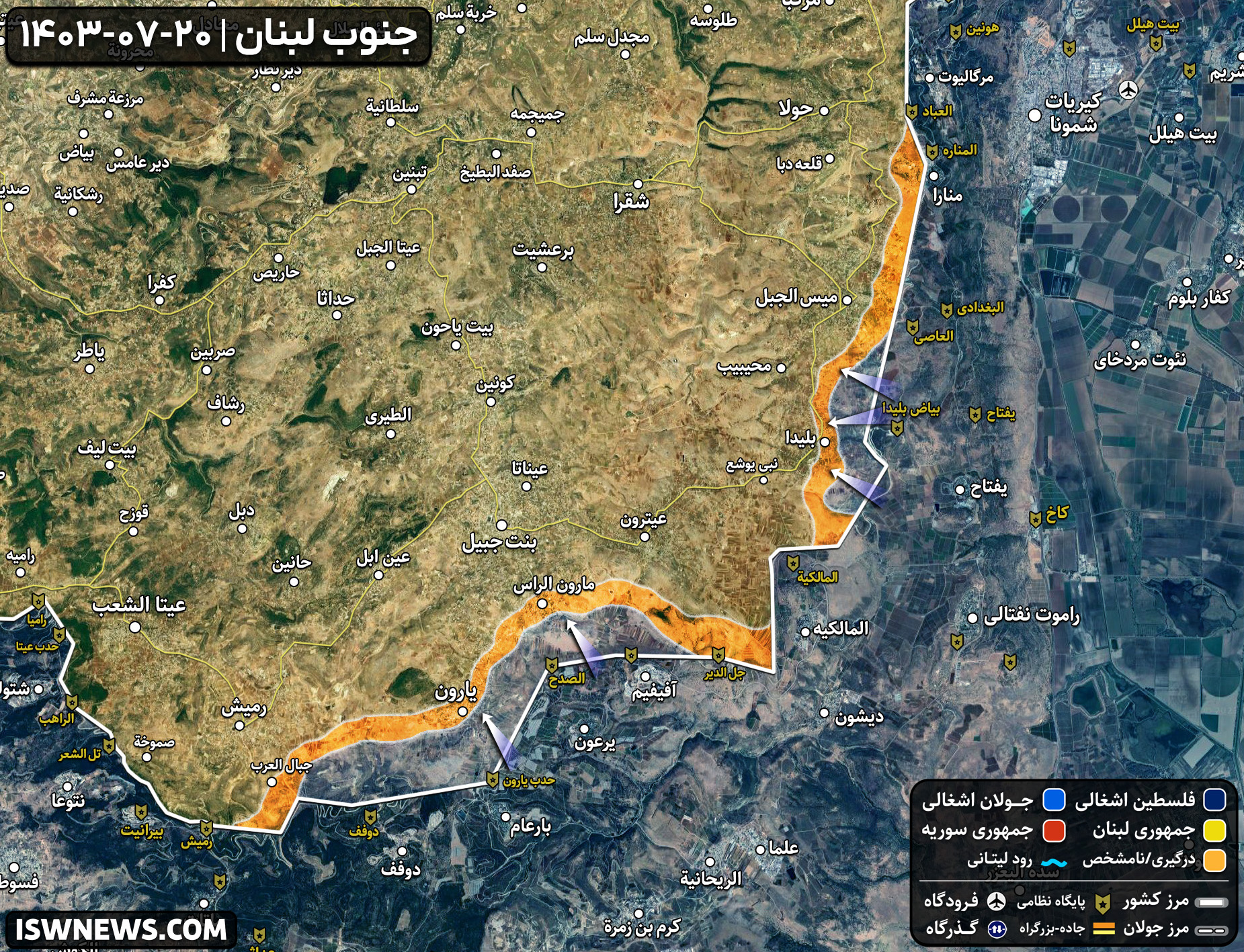
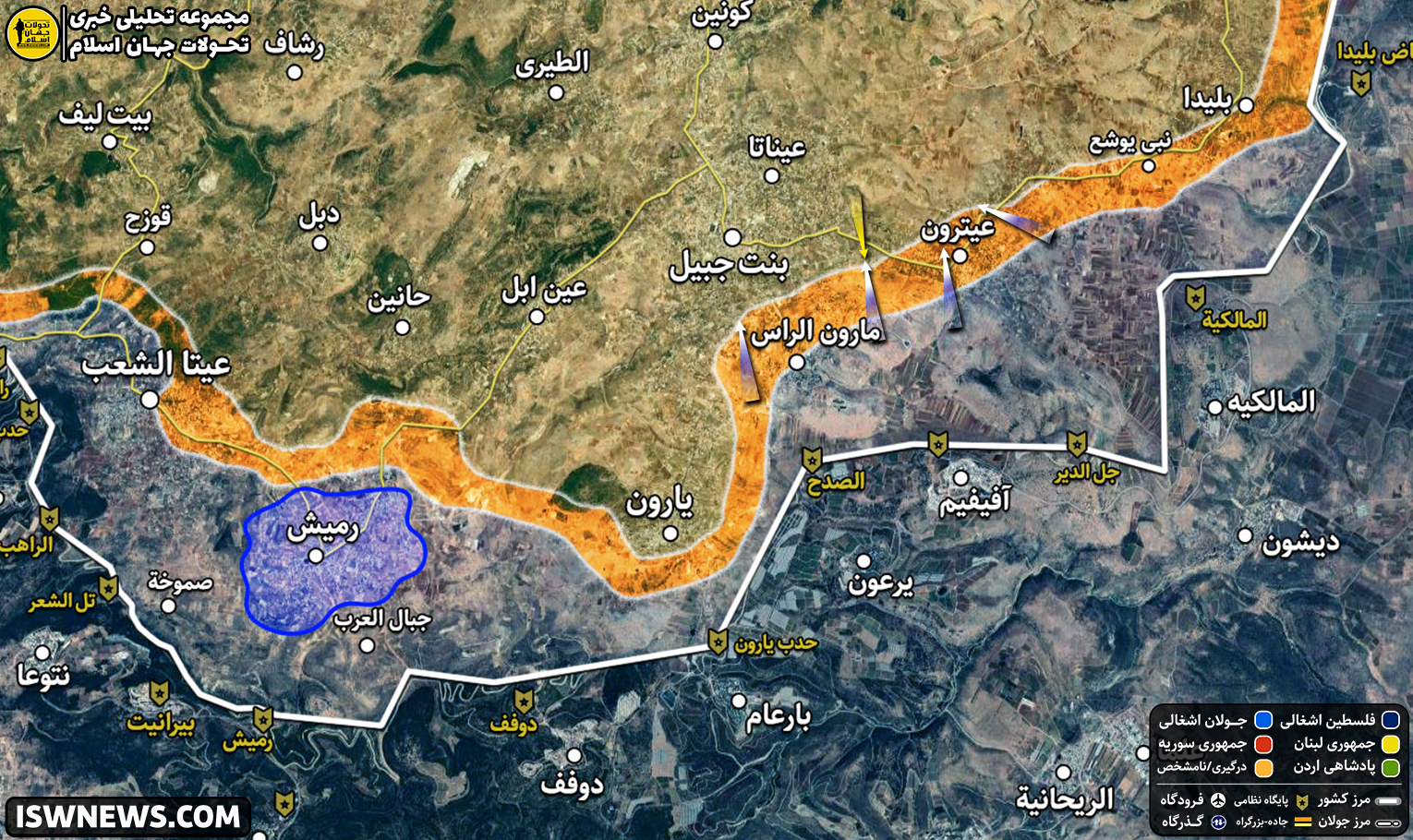
    On the Maroun El-Ras Front, the Israeli regime’s army attacked from the eastern direction of the Maroun El-Ras village toward the village of Aainata. This attack faced an ambush by Hezbollah fighters and ended in failure. The Israeli regime’s forces have also attacked from the Yaroun-Maroun El-Ras Road to the western front of Maroun El-Ras, which led to the regime forces’ advances in this front.

    The Israeli forces’ movement from this front is very dangerous. If the destruction and passage through Maroun El-Ras are completed, the conflicts will shift to the town of Bint Jbeil, and the Israeli regime’s army would be able to put pressure on the resistance front in Aitaroun, Yaroun, and Ain Ebel-Hanine.
    Latest military situation in Aitaroun and Marun al-Ras – click to view in full size

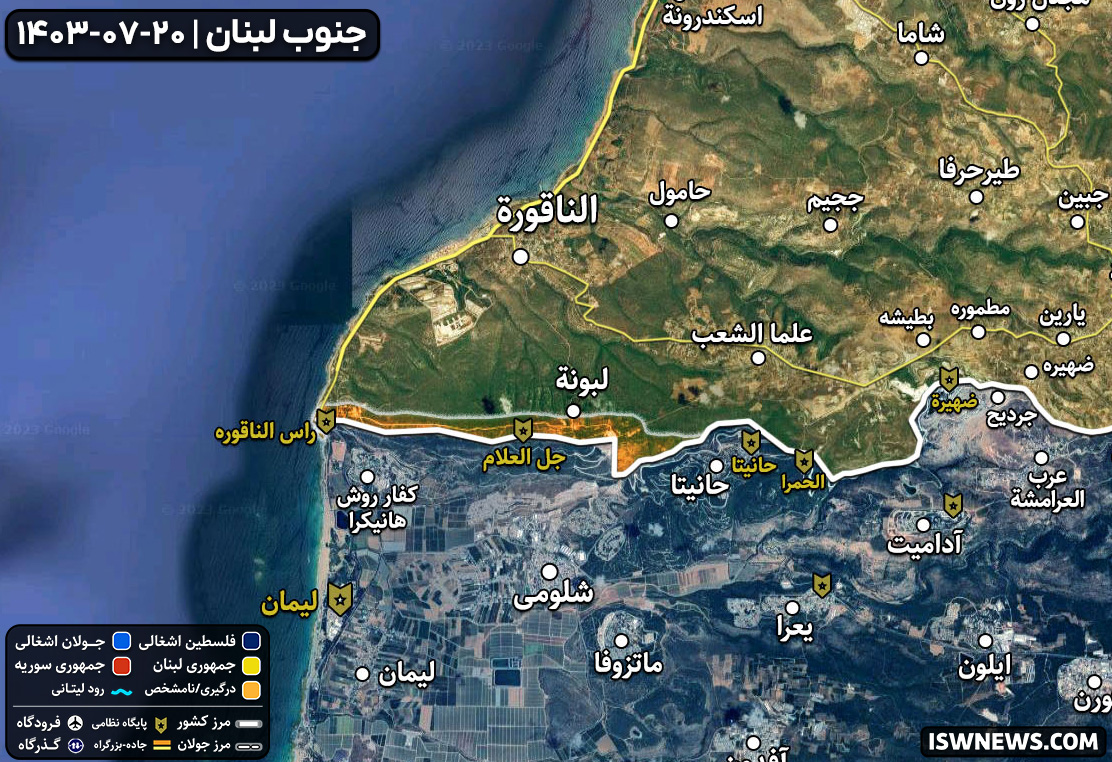
    There have been no changes in the lines of confrontation in the Shebaa Farms, Kfar Kila, Houla, and Naqoura fronts. Reports have been published about the gathering of Israeli military forces at the Ras al-Naqoura border crossing, which are likely aimed at attacking Al-Labouna and then the Hamoul Valley on the outskirts of the town of Naqoura. The battle in this front will be very tough, and Hezbollah fighters can inflict effective and costly strikes on the Israeli regime’s forces by using forest as a cover.

    At this stage of the conflict, the continuation of rocket and drone attacks in the border line of northern occupied Palestine has become very important. Additionally, the use of Fateh-110 missiles and the hybrid attacks of Hezbollah’s rockets and suicide drones have affected the focus and organization of the Israeli regime’s army in supporting the northern fronts.

    Since the onset of the ground conflict, 43 Merkava tanks, 8 military bulldozers, 6 armored vehicles, and six Hermes 450 and 900 drones have been destroyed. Although the Israeli regime’s airstrikes on various regions of Lebanon continue, they have not had a significant impact on reducing Hezbollah’s retaliatory attacks.

    This indicates that Hezbollah has gained control over the situation in the southern Lebanon front, and their strategies to remain safe from air attacks have been effective. The persistence of this situation benefits Hezbollah and will lead to further defeats for the Israeli regime’s forces unless they enter the second phase of ground operations and escalate ground attacks deep into southern Lebanon.
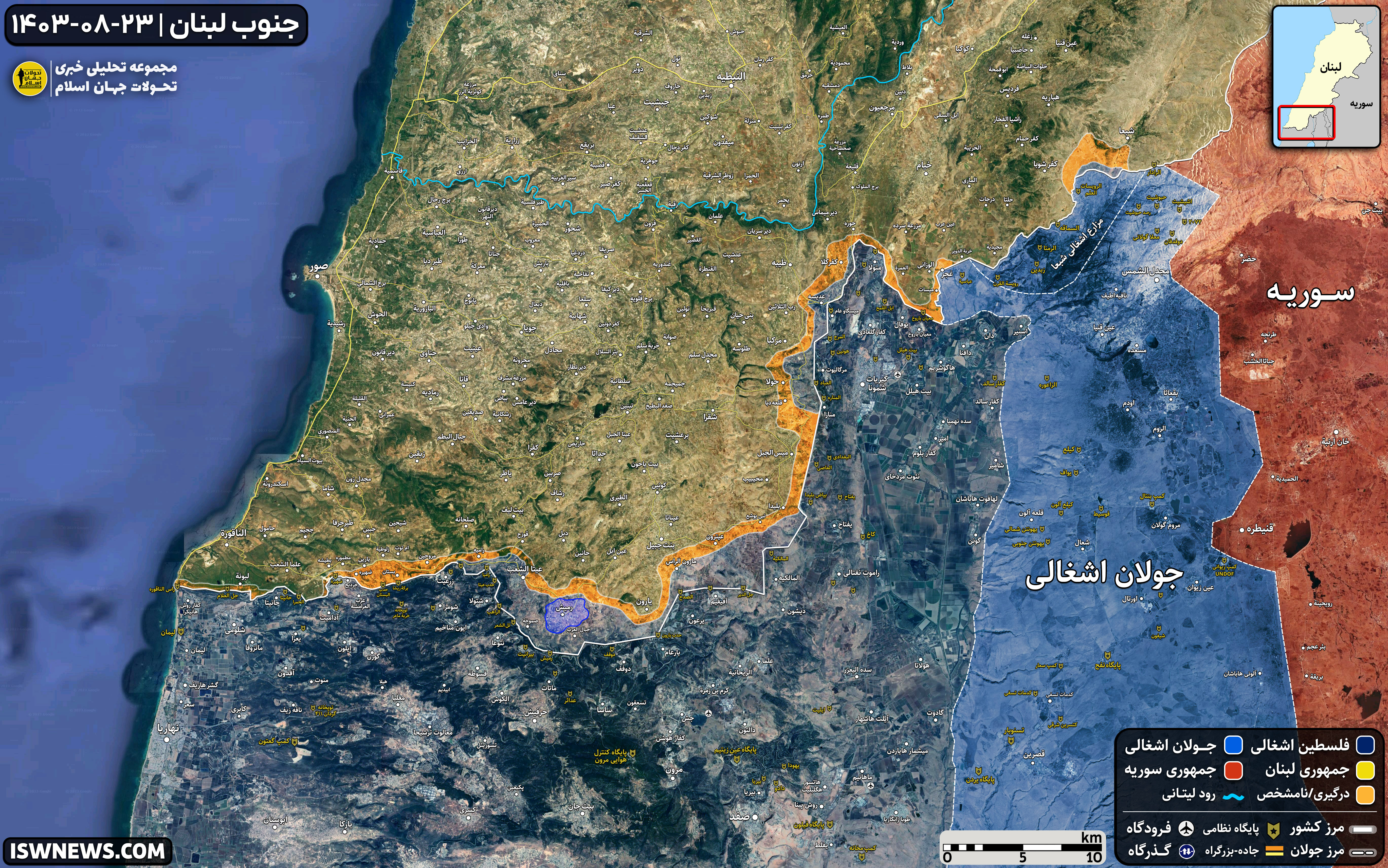
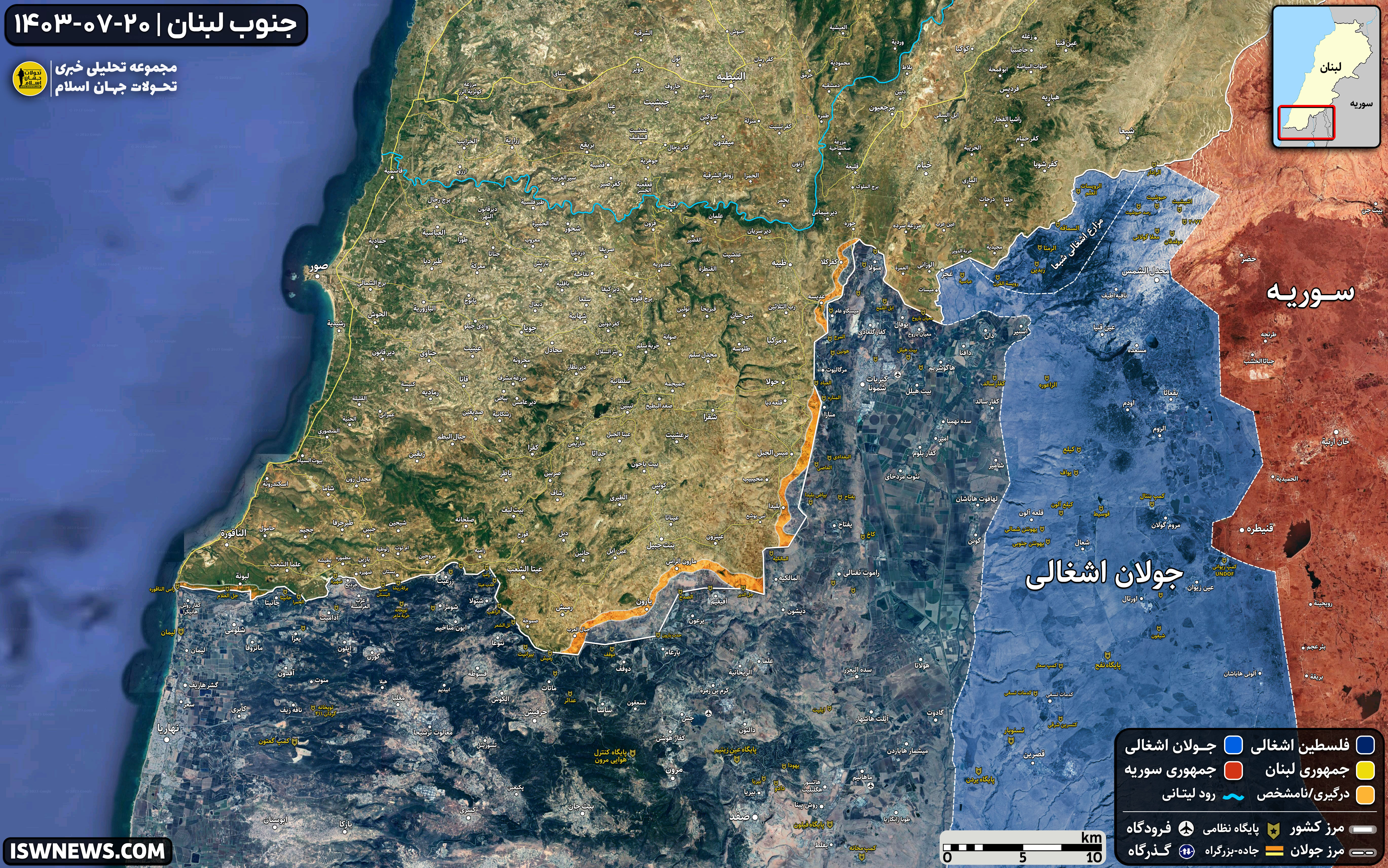
    Latest military situation in southern Lebanon – click to view in full size
  • Latest Updates On Southern Front of Lebanon; Blida At Risk Of Falling (Map)

    Latest Updates On Southern Front of Lebanon; Blida At Risk Of Falling (Map)

    Kfarkala and al-Udaysah:
    The confrontations between the Israeli military forces and fighters of the Lebanese resistance movement Hezbollah in the al-Udaysah and Kfarkala axis have significantly decreased.

    The reason behind the reduction in clashes in this front seems to be the repositioning of the occupying forces within the Israeli army. The responsibility for carrying out attacks in the Kfarkala and Udaysah axis was assigned to the 98th Paratroopers Division of the Israeli military. The division has currently retreated from the Kfarkala and Udaysah axis for unspecified motives, and forces from other units have replaced them.

    The latest field situation in the axis of Kfarkala and Udaysah

    Meiss El Jabal, Mhaibib, and Blida:
    No specific movements from the Israeli forces have been reported in the Meiss Ej Jabal axis, but the districts between this town and the village of Mhaibib are under aerial and ground strikes. Hezbollah keeps on its efforts to inflict casualties and disrupt the advance of the Israeli army through roadside bomb explosions and rocket strikes.

    It seems that the primary objective of the Israeli military in the Meiss Ej Jabal axis is to conquer Blida and then Mhaibib, which can allow the occupying forces to pressure Hezbollah fighters in Meiss Ej Jabal from the north, south, and east.  

    The 91st Infantry Division is responsible for carrying out ground operations in the axis as well. The commander of this Israeli division hosted Chief of the General Staff Herzi Halevi and Commander of the Northern Front of the Israeli army Aluf Ori Gordin in their operational area last night. Such meetings and the dissemination of news stories about these events are aimed at psychological warfare. Off course, this is not a new issue; images of these meetings are usually recorded in closed and unspecified locations and may have taken place in the Israeli-occupied settlements.

    Israeli troopers, thanks to air support and the low-density structure of the region, have succeeded in advancing on the eastern and southern fronts of this village, which is situated in the Blida axis. The Israeli forces are currently using bulldozers and armored vehicles to demolish houses around Blida and are advancing towards the center of the village. If this trend persists, it is likely that one can witness the fall of the first village in southern Lebanon in the coming week.

    Maroun el-Ras, Yaroun, and Rmaych:
    In this axis, the situation remains unclear as a result of the lack of people’s access to border region. Nevertheless, it can be said with certainty that confrontations continue in the southern outskirts of Maroun el-Ras and Yaroun villages.

    Hezbollah’s statement regarding the strike on a gathering of Israeli troops at the Tal Sha’ar military base in the southwest of the Rmaych (or Rmeish) village indicates that the Israeli army keeps on its efforts to enter Lebanese territory not only from the southern Rmeish axis but also from the western axis of this area.

    The latest field situation in the axis of Meis al-Jabal and Marun al-Ras

    Naqoura and Labbouneh:
    In the Naqoura and Labbouneh axis, the Israeli army has carried out five strikes since Thursday to infiltrate Lebanese territory, which have faced heavy rocket attacks and roadside bomb explosions. Hezbollah’s strikes resulted in the destruction of two Israeli military vehicles or tanks.

    So far, the Israeli army has not released details about their new casualties on the southern front of Lebanon; however, medical staff in northern occupied Palestine have reported the transfer of over 10 injured troopers to hospitals in these territories.

    Israeli tanks targeted the observation tower of a base belonging to the UNIFIL (United Nations peacekeeping forces stationed in Lebanon) during one of Thursday’s attacks in the southern Naqoura region, resulting in injuries to two Italian peacekeeping forces. Following the deliberate assault by the Israeli army on the UNIFIL base, the Italian government summoned the Israeli ambassador to Rome and expressed its protest regarding the regime’s actions. France has also supported Italy’s stance and summoned the Israeli ambassador in its capital city Paris.

    The Israeli regime’s military intends to reach Ras el-Naqoura through the Al-Mashirfeh area, but Hezbollah’s strikes from forested regions are hindering their advance.

    The latest military situation in the axis of Ras al-Naqourah

    The extensive invasion of the Israeli regime’s army against Lebanon began to intensify after the assassination of Secretary-General of Hezbollah Sayyed Hassan Nasrallah, and the regime’s military has kicked off a ground phase with operations along the southern borders of Lebanon since October 1.

    These assaults have so far resulted in the martyrdom of 2,229 Lebanese civilians and injuries to 10,380 others, as well as the martyrdom of over 500 Hezbollah fighters. On the other side, more than 40 Israelis, including 11 troops, have been killed in Hezbollah’s retaliatory strikes on northern occupied Palestine.

    The latest military situation in southern Lebanon – click to view in full size
  • Lebanese army engagement with an Israeli drone

    Lebanese army engagement with an Israeli drone

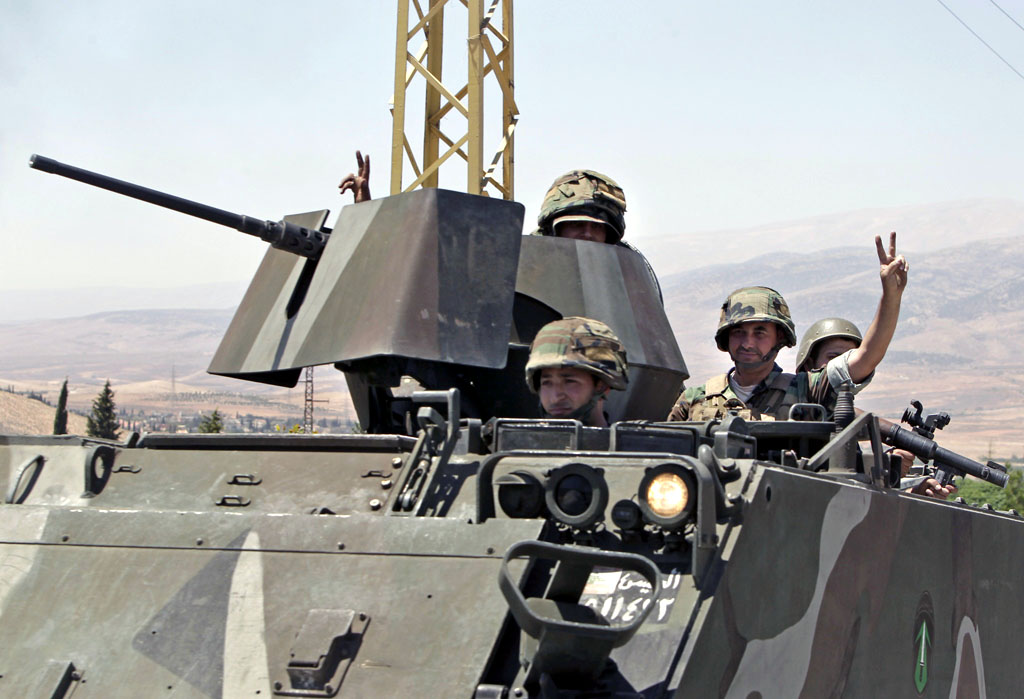
    Lebanese army soldiers used handgun and forced the drone to go back at the border with occupied lands in Meiss El Jabal area.
    Lebanese army doesn’t have any air defense due to US and Europe prevention and is defenseless against Zionist regime airforce.

    In the summer and after two kamikaze drones of Zionist regime infiltrated into Dahiya of Beirut and explosion of one, Sayyid Hassan Nasrollah, secretary of Hezbollah, expressed of the determination of resistance in Lebanon to end Zionist areal assaults.

    Hezbollah could shot down two Zionist drones so far.