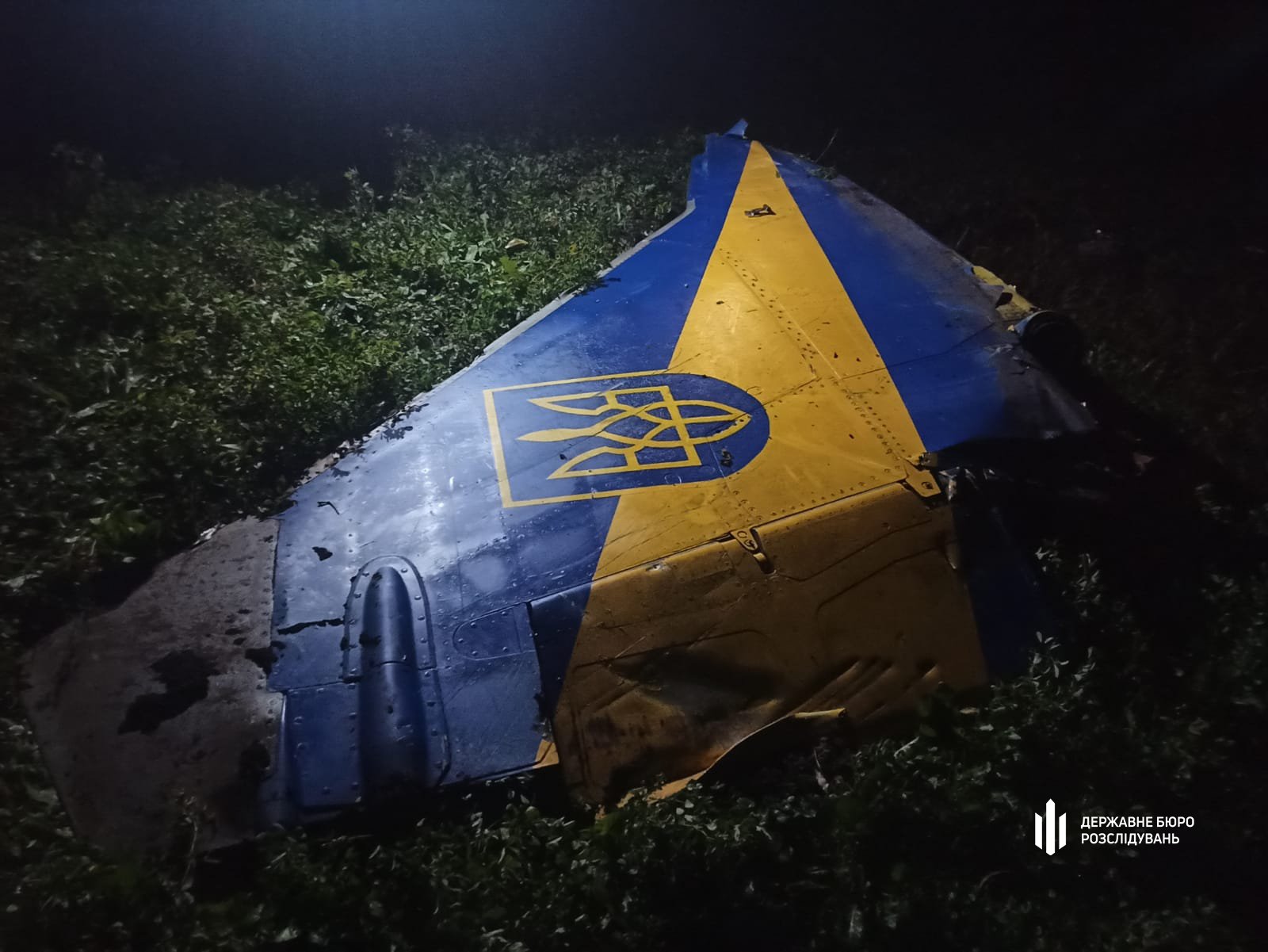
According to Russian media reports, an Ukrainian MiG-29 fighter jet was targeted and shot down by Ukrainian air defense on the evening of on February 12. This incident occurred while Shahed-136 suicide drones were flying in this axis and it led to the mistake of Ukrainian air defense systems!
Fragments of the wreckage of this fighter jet were found in the Pishchanka area of Vinnytsia oblast and near the Moldovan border, but due to the timely presence of the Ukrainian security forces and the prohibition of filming in this area, no images of this incident have been published so far.
This incident is the second time for the MiG-29 fighter jets of the Ukrainian army. On October 12, a MiG-29 fighter jet of the Ukrainian army was shot down while intercepting Shahed-136 drones.
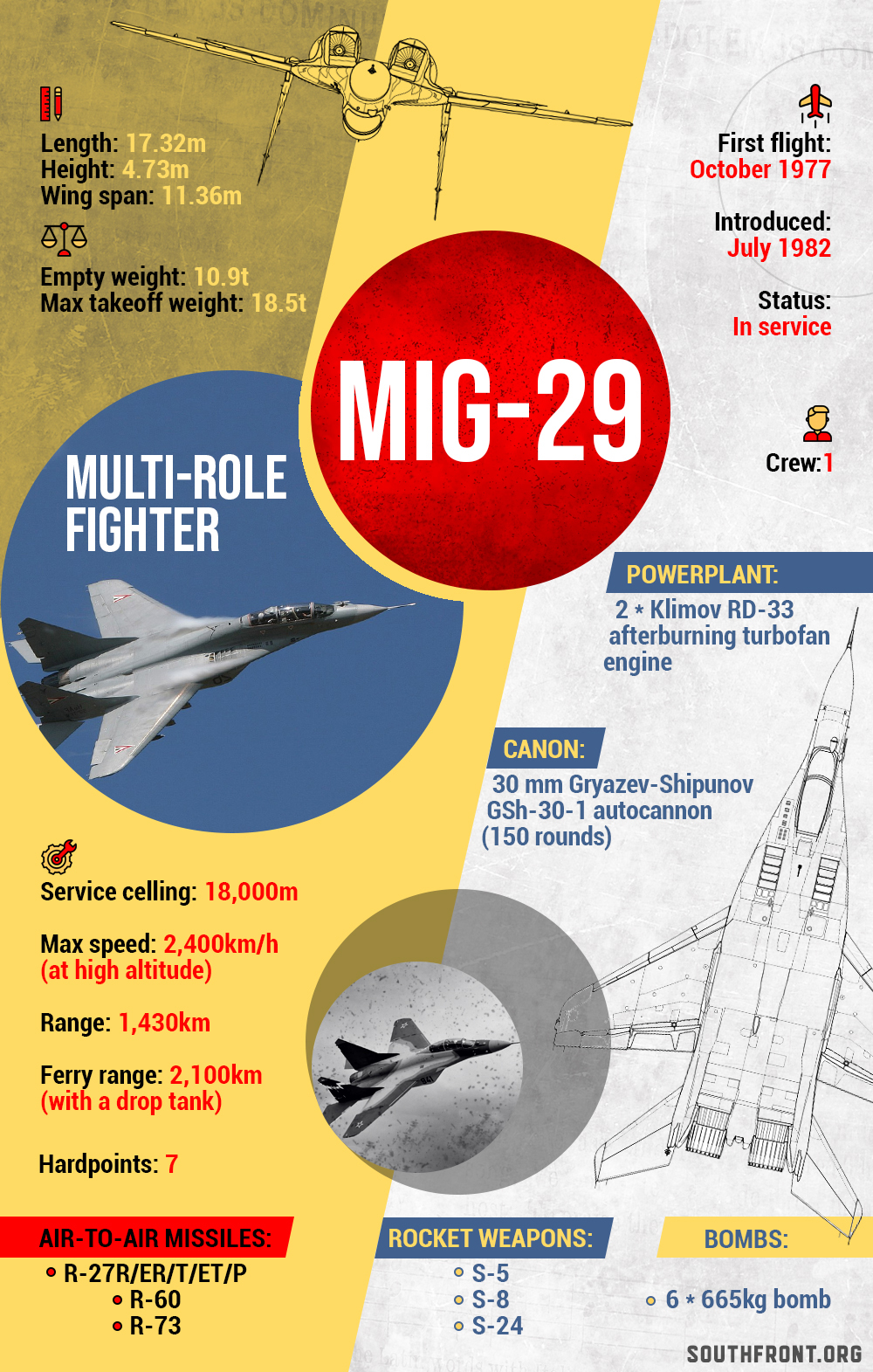
MiG-29A: Initial production version; entered service in 1983. NATO reporting name is “Fulcrum-A”. MiG-29A is the Initial production model version for Warsaw Pact while the MiG-29B is the downgraded export version for non-Warsaw Pact nations. MiG-29A lacks a nuclear weapon delivery system and has initial production radar, ECM and IFF (no ECM and IFF in MiG-29B).
MiG-29UB: Twin seat training model. Infra-red sensor mounted only, no radar. NATO reporting code is “Fulcrum-B”. Export variant had downgraded systems similar to MiG-29A.
MiG-29S: The MiG-29S, given the NATO reporting code “Fulcrum-C”, features flight control system improvements; a total of four new computers provide better stability augmentation and controllability with an increase of 2° in angle of attack (AoA). An improved mechanical-hydraulic flight control system allows for greater control surface deflections. The MiG-29S has a dorsal hump, which led to its nickname “Fatback”, houses the L-203BE Gardenyia-1 ECM system. Improvements to software and processing capabilities enables the tracking of up to 10 targets and the simultaneous engagement of two with the R-77 missile. The MiG-29S also has a limited ground-attack capability.
MiG-29SE: Export model of MiG-29S with slightly downgraded N-019ME radar with multiple target tracking ability and RVV-AE (R-77 missile) compatibility. Its weapons mix includes R-27T1, R-27ER1 and R-27ET1 medium-range missiles. The aircraft can be fitted with active ECM systems, weapons guidance aids, improved built-in check and training systems. The MiG-29SE can simultaneously engage two air targets.
MiG-29SM: Similar to the MiG-29S, but with the ability to carry guided air-to-surface missiles and TV- and laser-guided bombs. NATO reporting code is “Fulcrum-C”.
MiG-29SMT: The MiG-29SMT is an upgrade package for first-generation MiG-29s containing enhancements intended for the MiG-29M variant. Additional fuel tanks in a further enlarged spine provide a maximum flight range of 2,100 km on internal fuel. The cockpit has an enhanced HOTAS design, two 152 × 203 mm (6 × 8-inch) colour liquid crystal MFDs and two smaller monochrome LCDs. The MiG-29A was not designed for an advanced air-to-ground capability, this is substantially improved by the SMT upgrade; features include air-to-ground radar detection and integrated air-to-ground guided weapons. The power plant are upgraded RD-33 ser.3 engines with afterburning thrust rated at 8,300 kgf (81.4 kN) each. The weapons load was increased to 4,500 kg on six underwing and one ventral hardpoints, with similar weapon choices as for the MiG-29M. The upgraded aircraft can also accommodate non-Russian origin avionics and weapons.