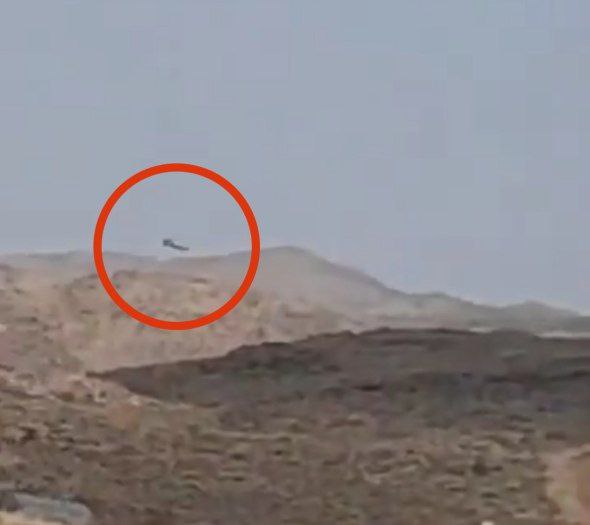
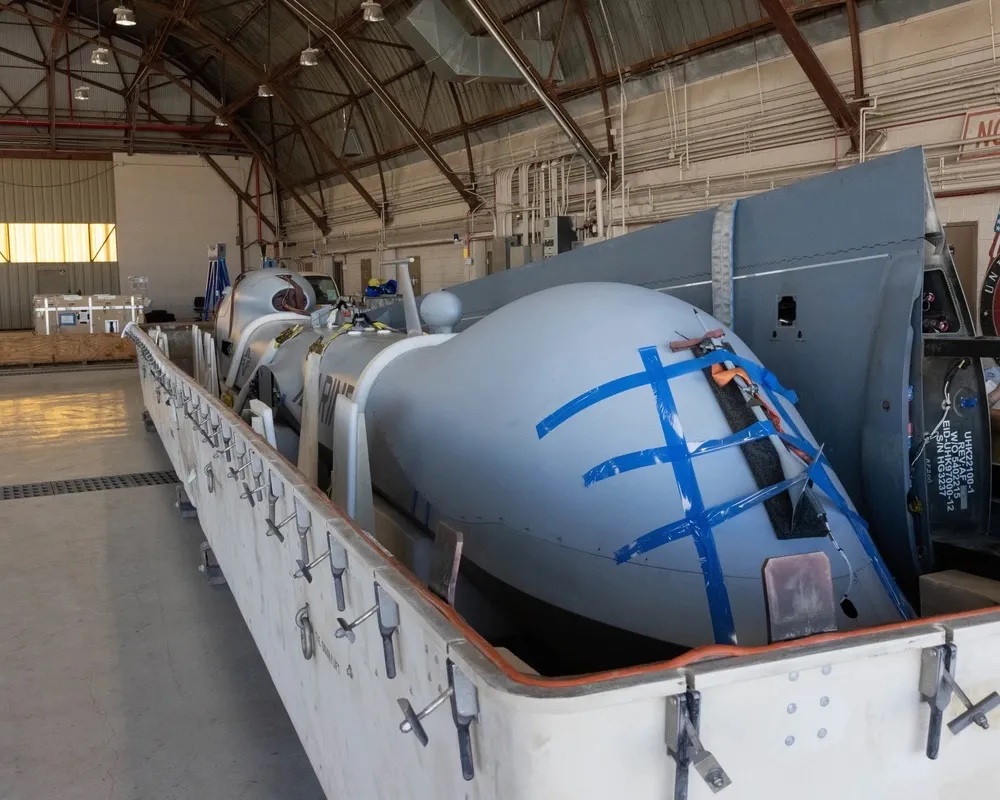
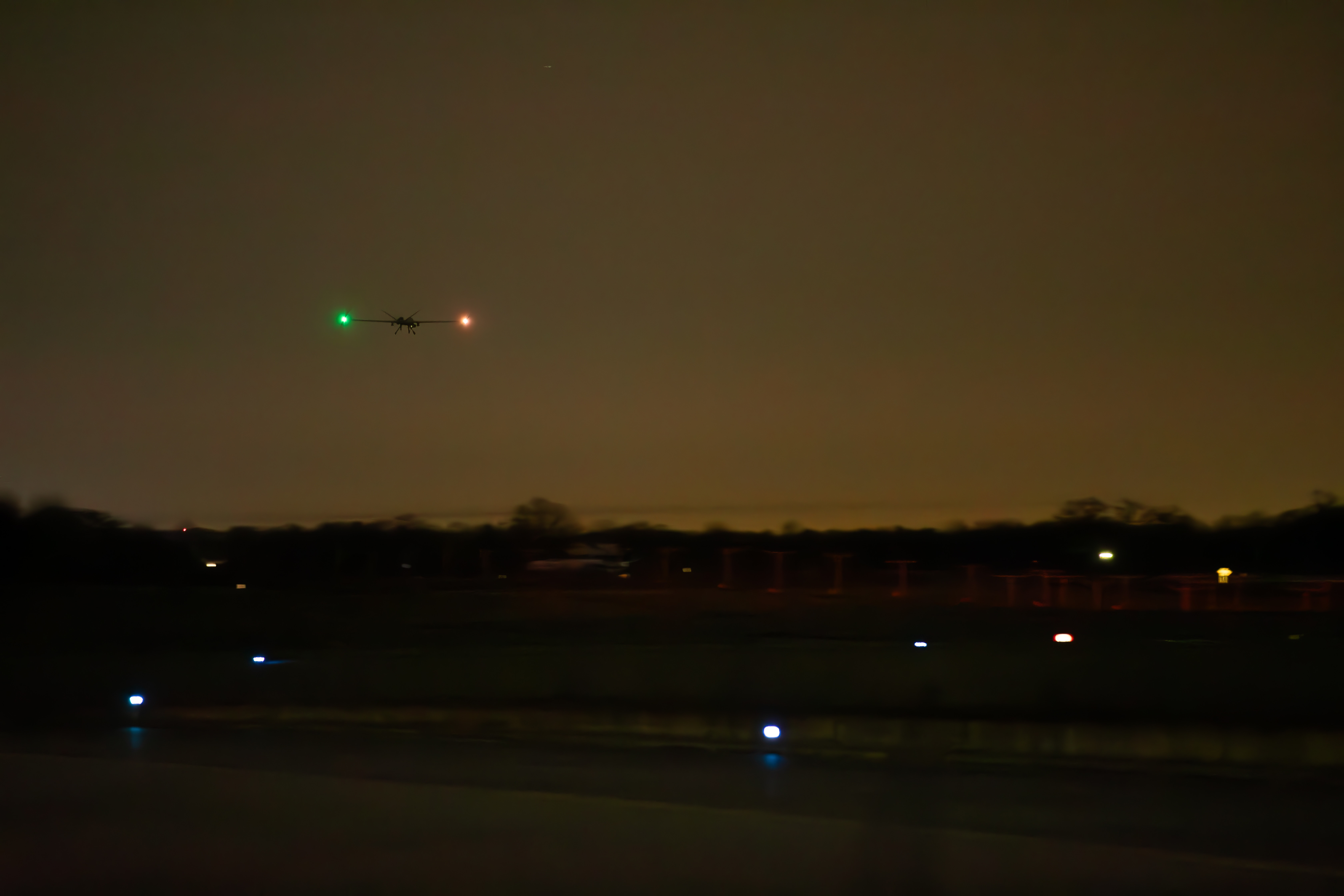
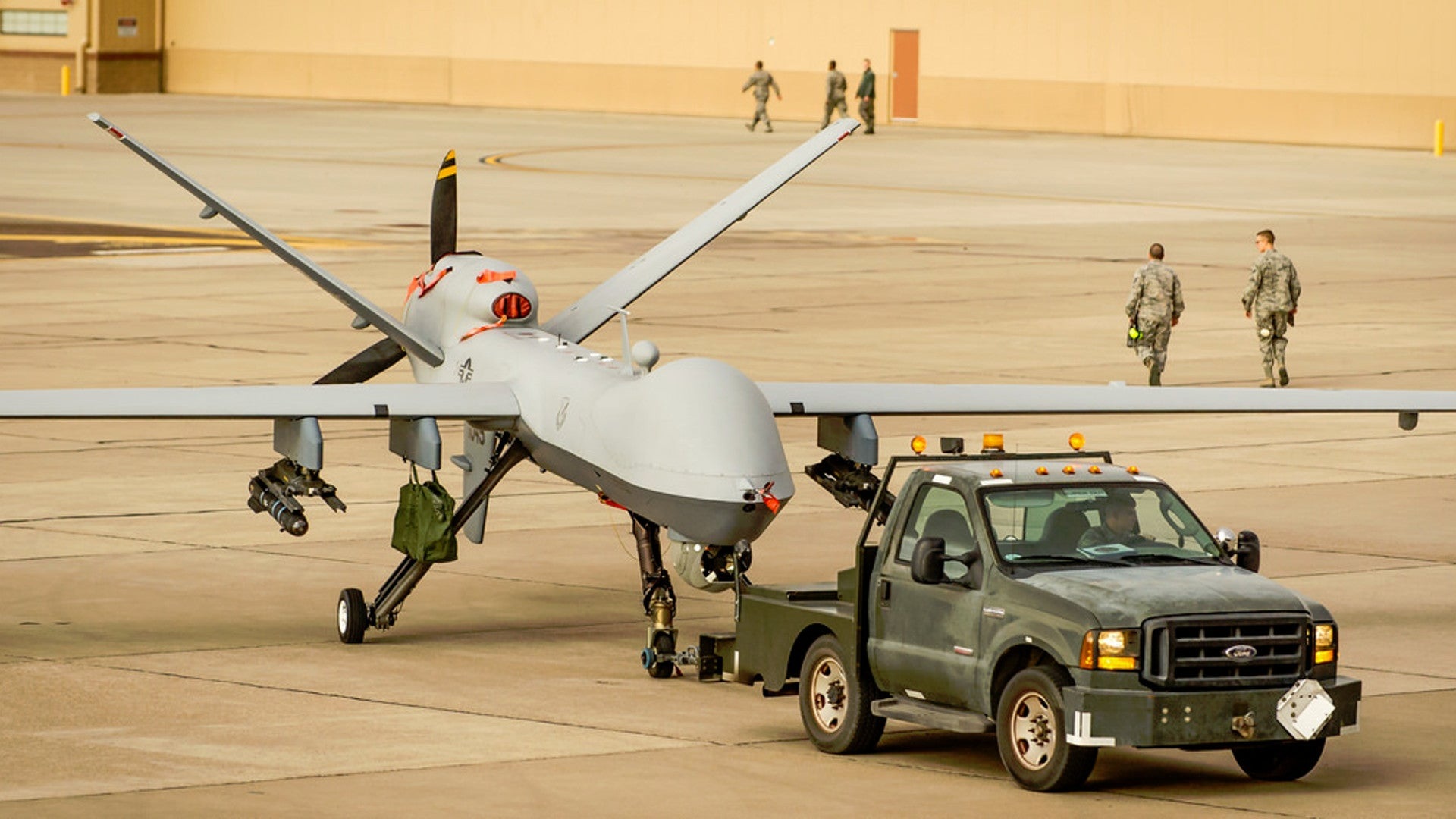
22 out of these 26 drones were eliminated during the Yemeni operation named “Promised Conquest and Holy Jihad,” conducted to support the people and Palestinian resistance.
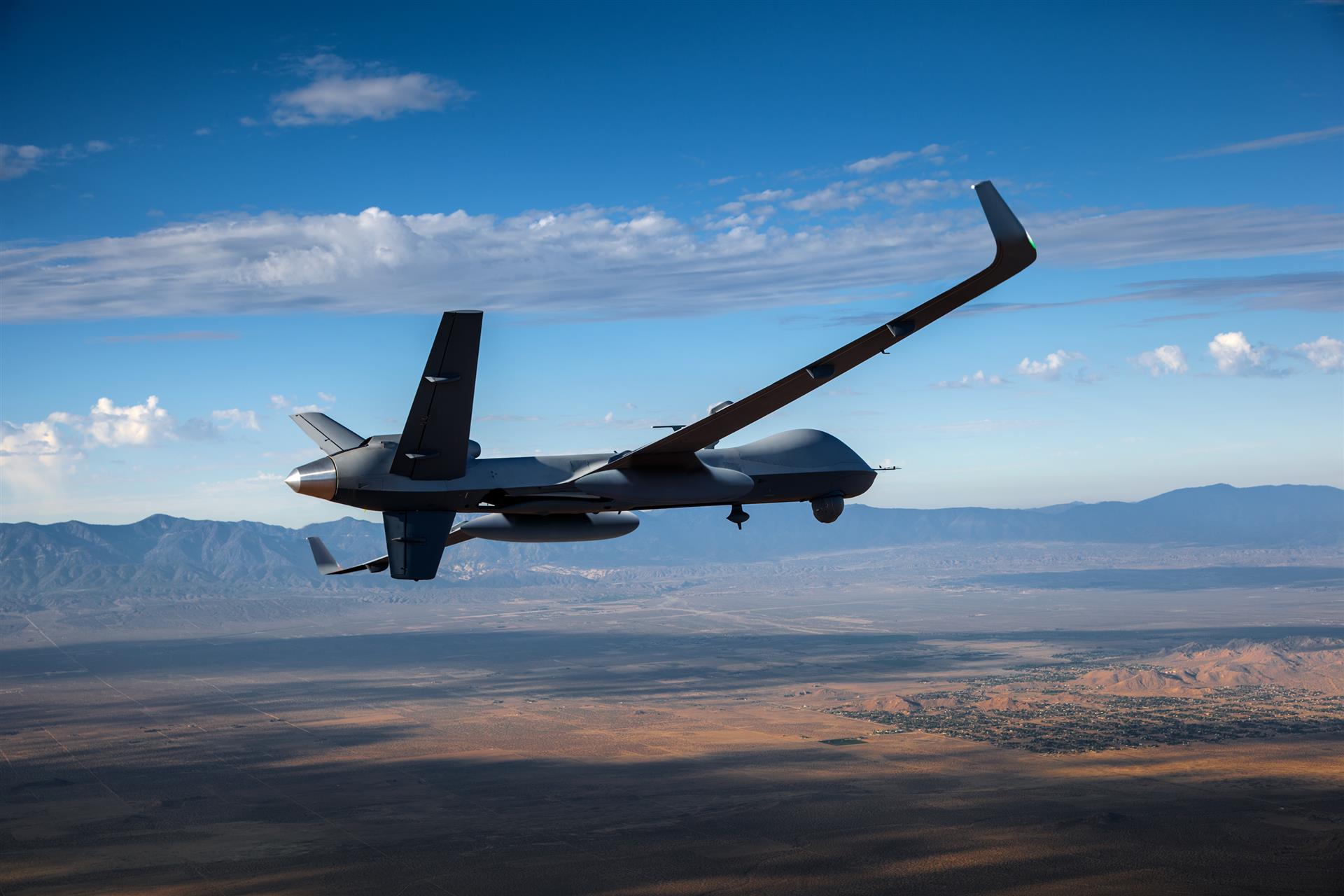
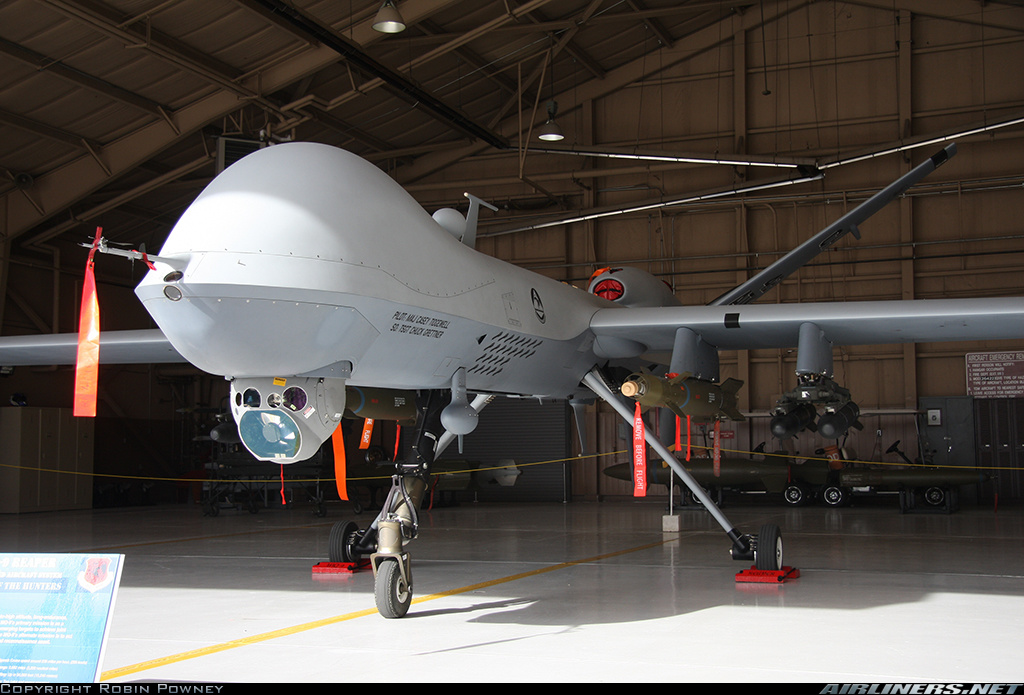
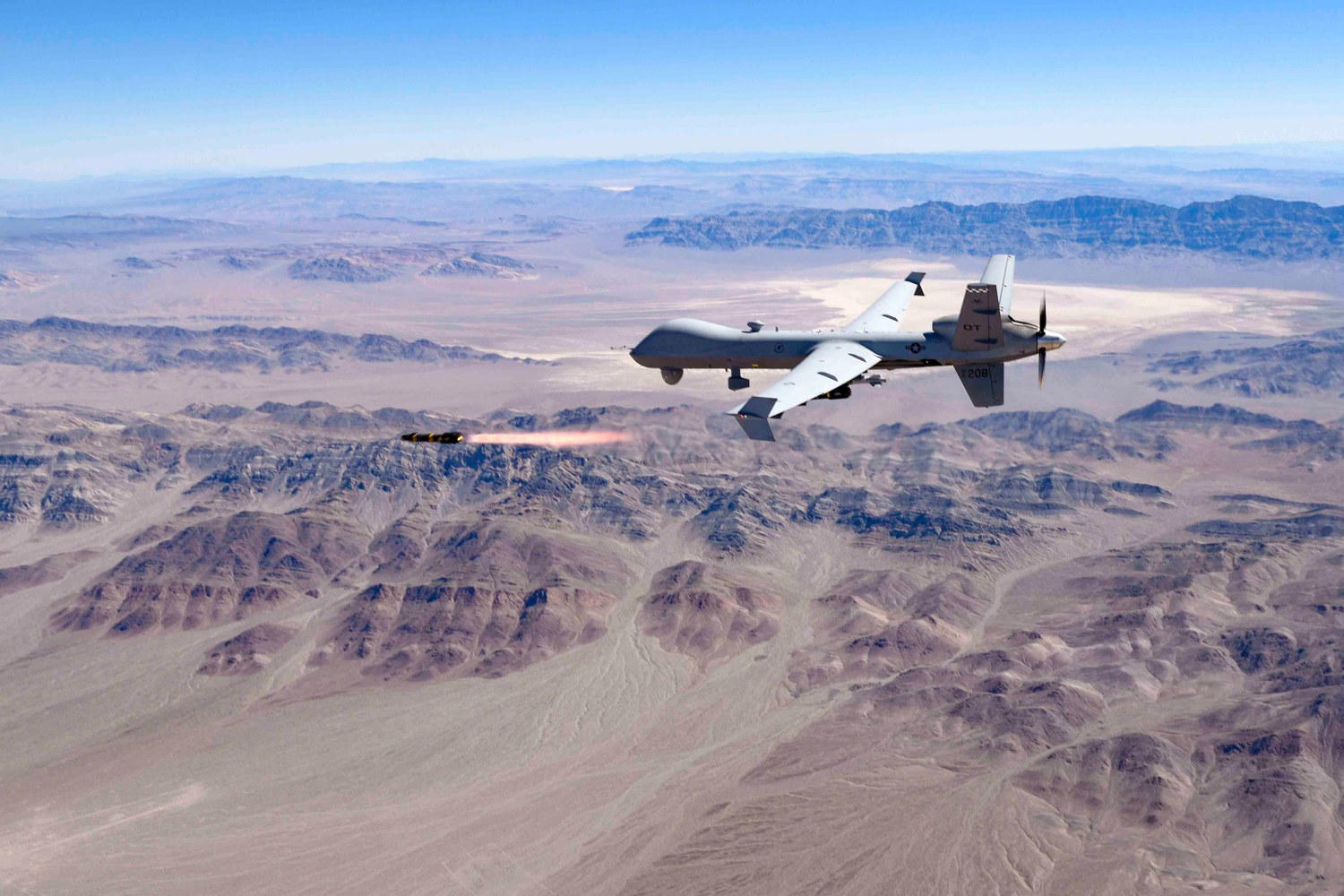
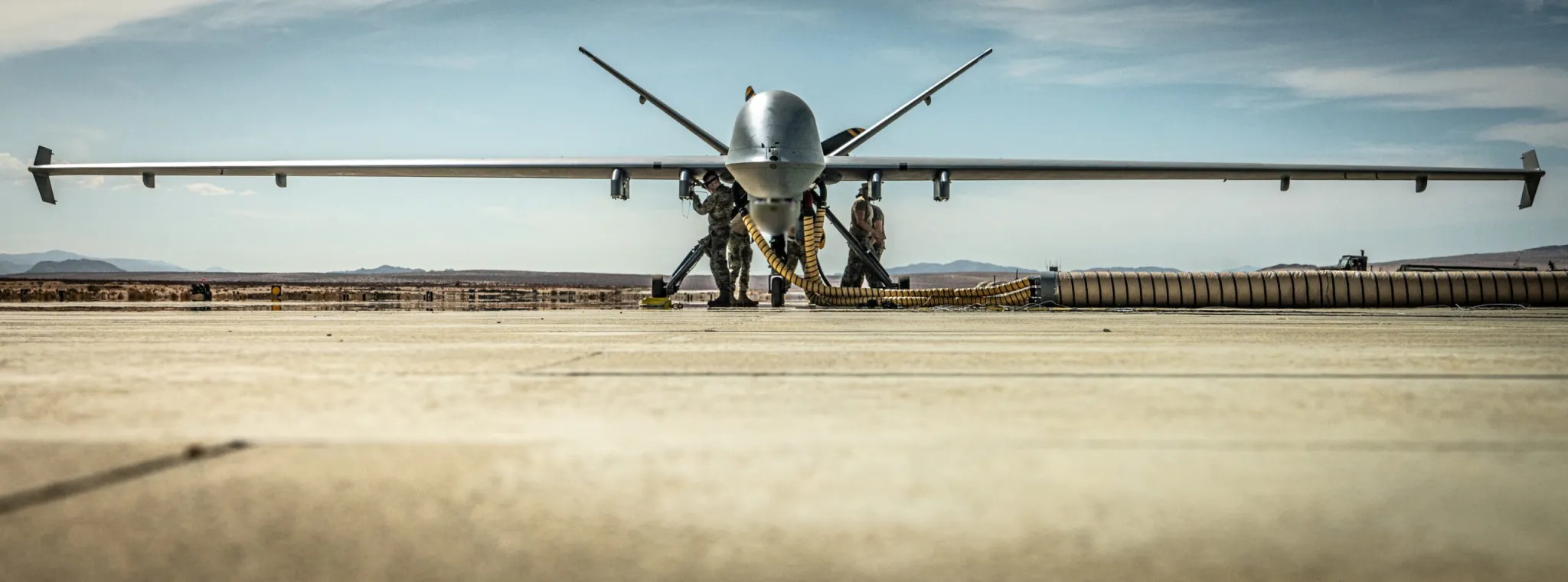
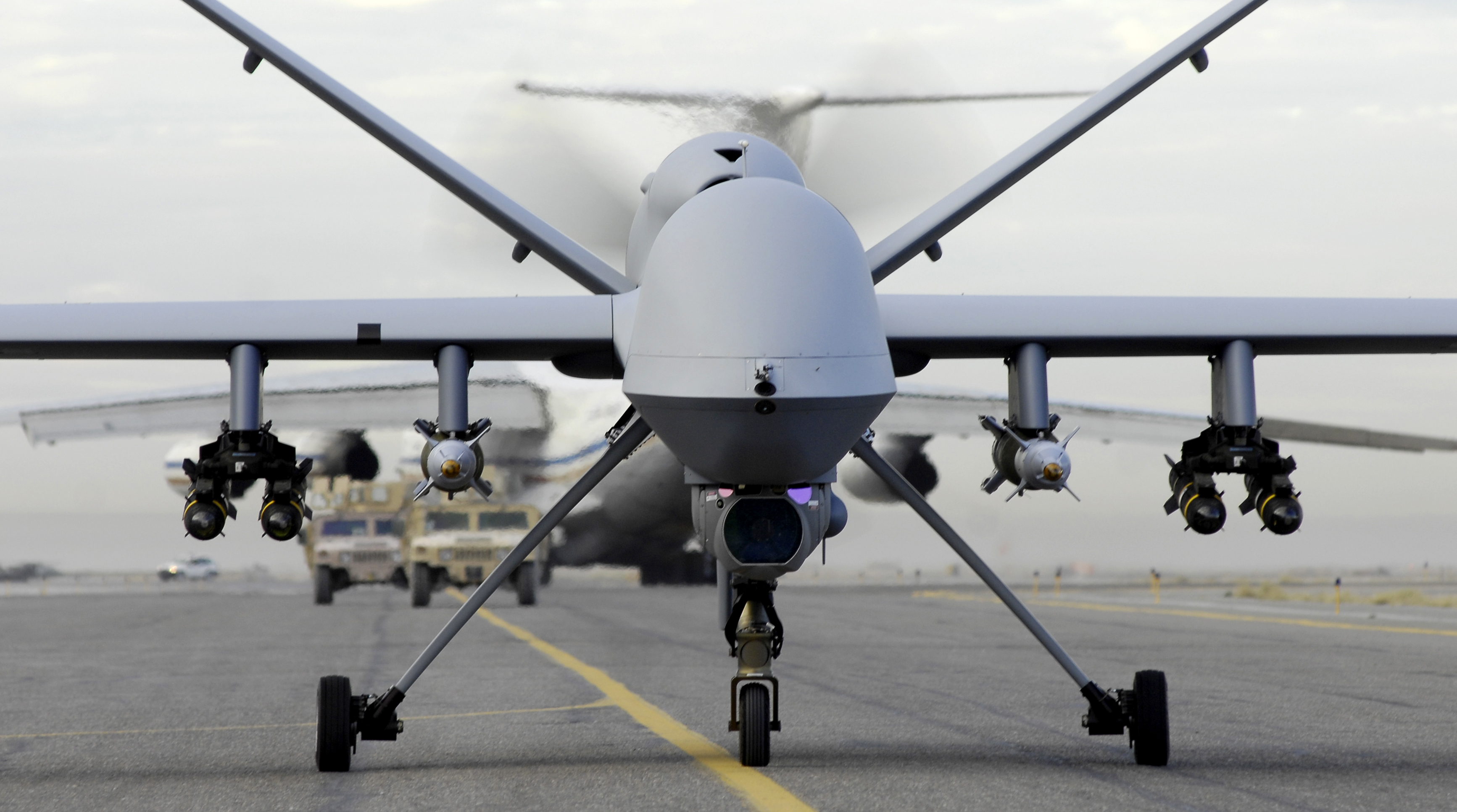
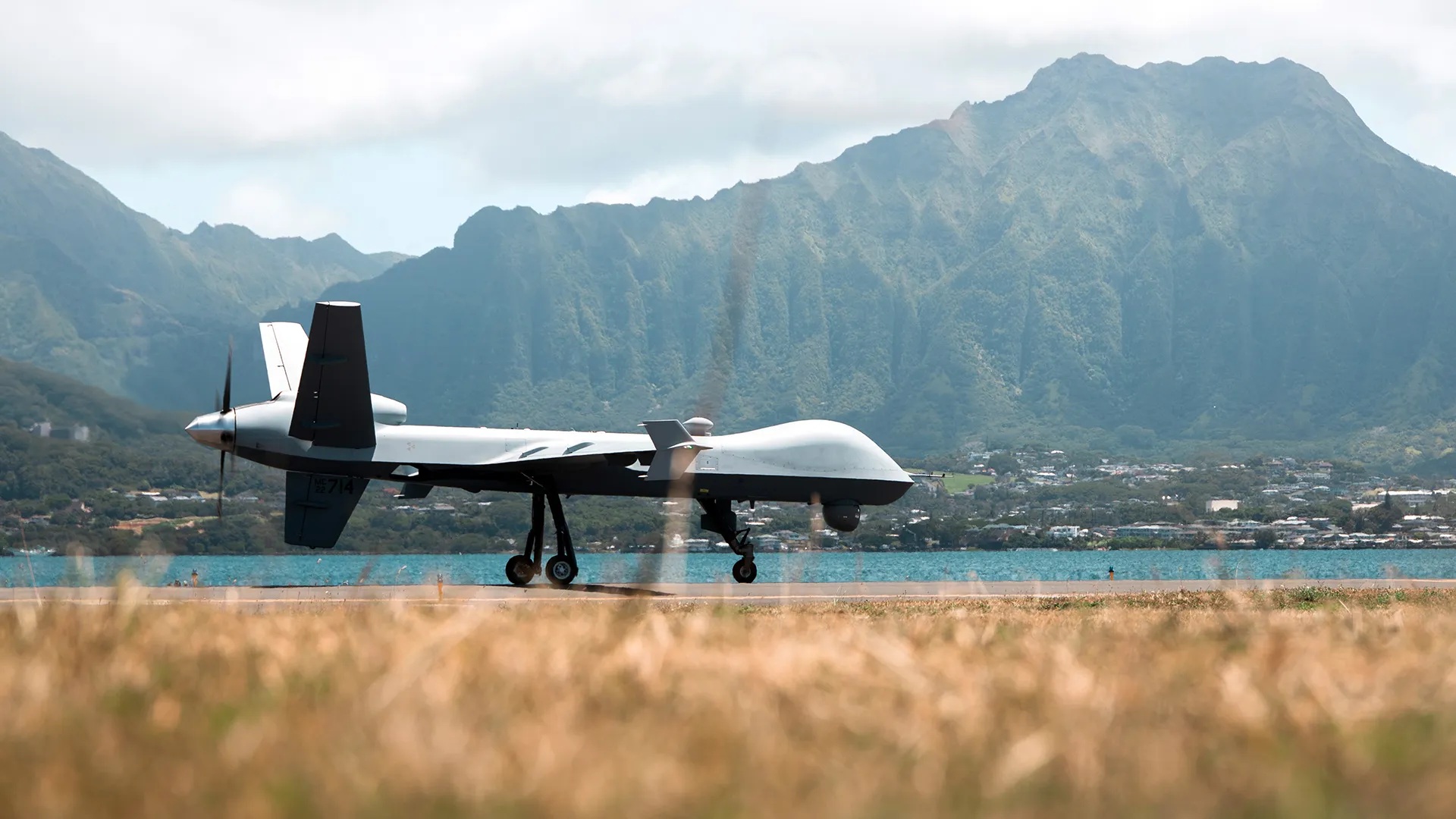
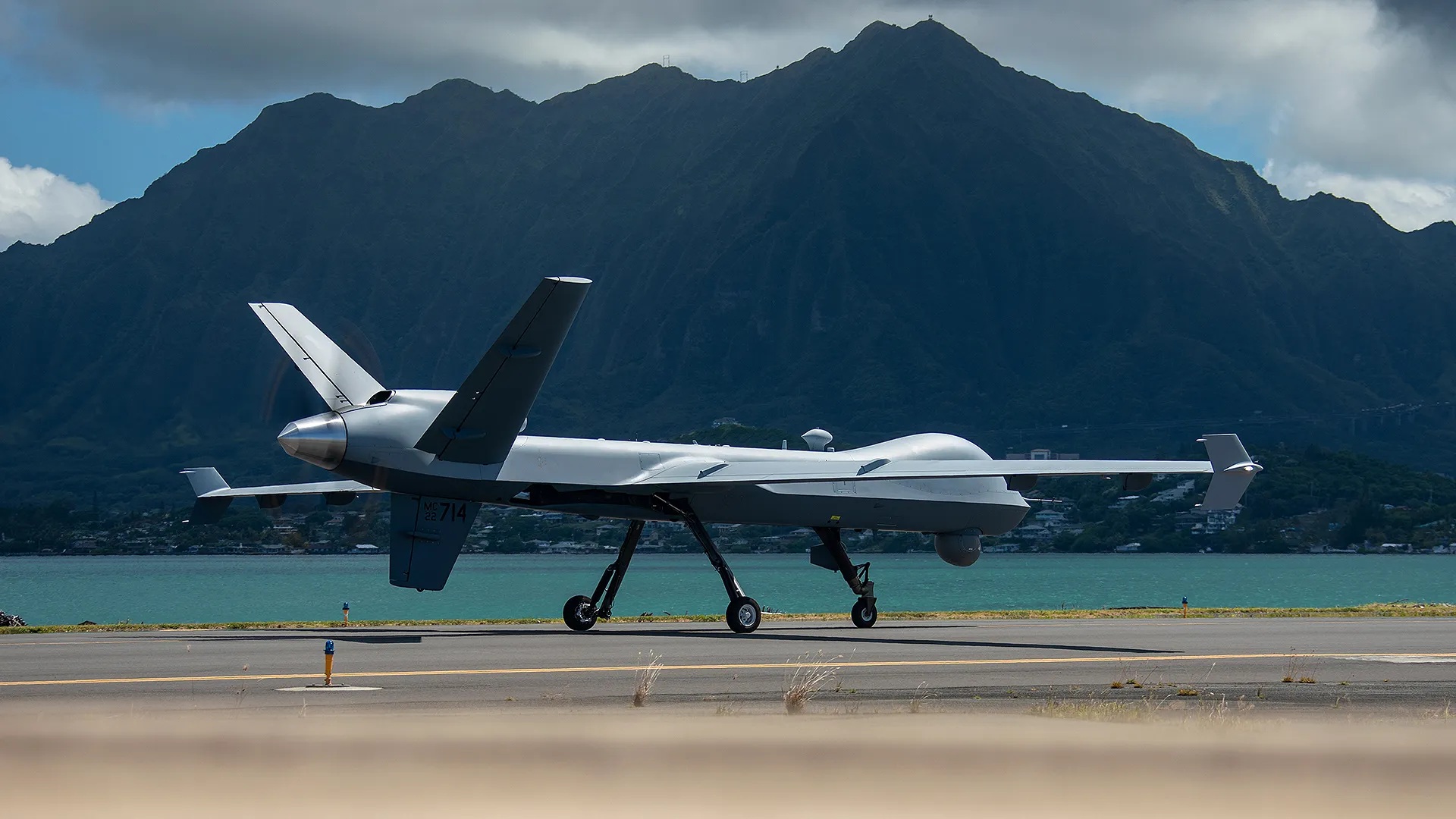
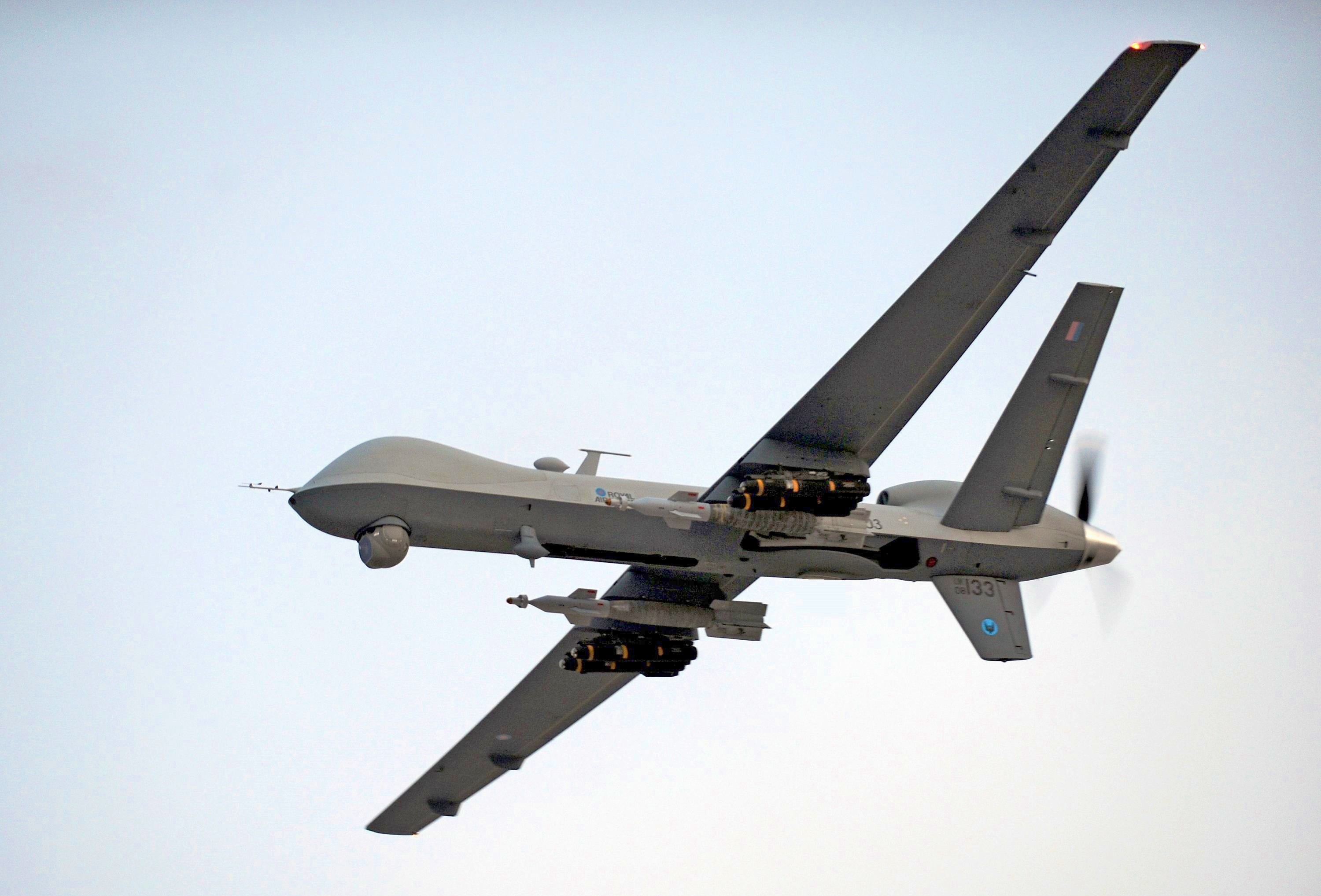
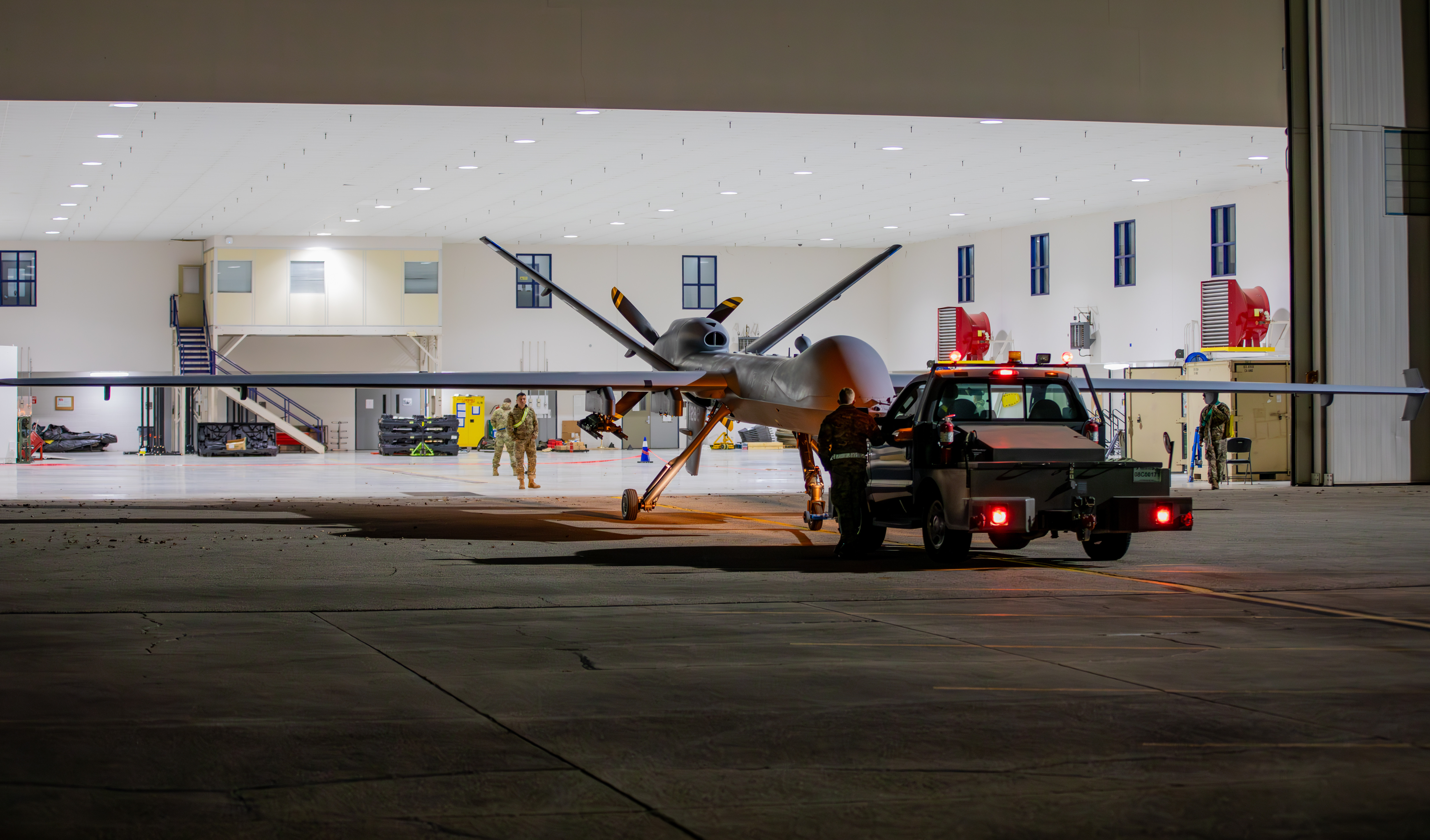
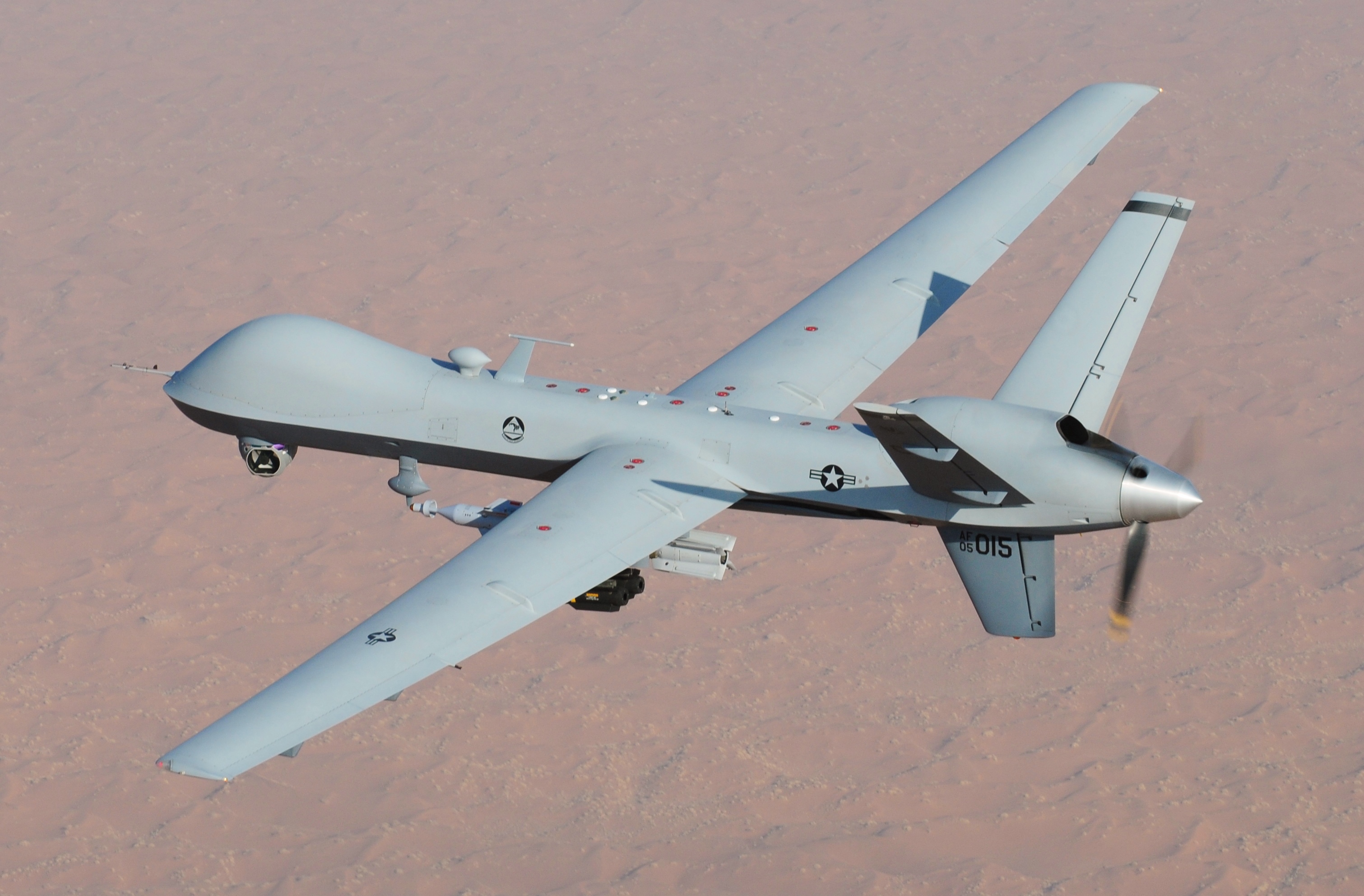
General Atomics MQ-9 Reaper is a versatile and heavy drone used by the US Army for reconnaissance, surveillance, and offensive operations, including assassinations in Iraq, Afghanistan, and Syria since 2001. As of 2023, each MQ-9 drone costs approximately $32 million to produce, resulting in $832 million in damage inflicted by Ansar Allah through the destruction of 26 drones.
The dates and locations of the destroyed MQ-9 drones in Yemen are as follows:
Sanaa, 01 October 2017
Hudaydah, 06 June 2019
Dhamar, 20 August 2019
Marib, 23 March 2021
Hudaydah, 08 November 2023
Hudaydah, 19 February 2024
Saada, 26 April 2024
Marib, 17 May 2024
Al-Bayda, 21 May 2024
Marib, 29 May 2024
Saada, 04 August 2024
Marib, 07 September 2024
Saada, 10 September 2024
Dhamar, 15 September 2024
Saada, 30 September 2024
Al-Jawf, 08 November 2024
Al-Bayda, 28 December 2024
Marib, 31 December 2024
Hudaydah, 03 March 2025
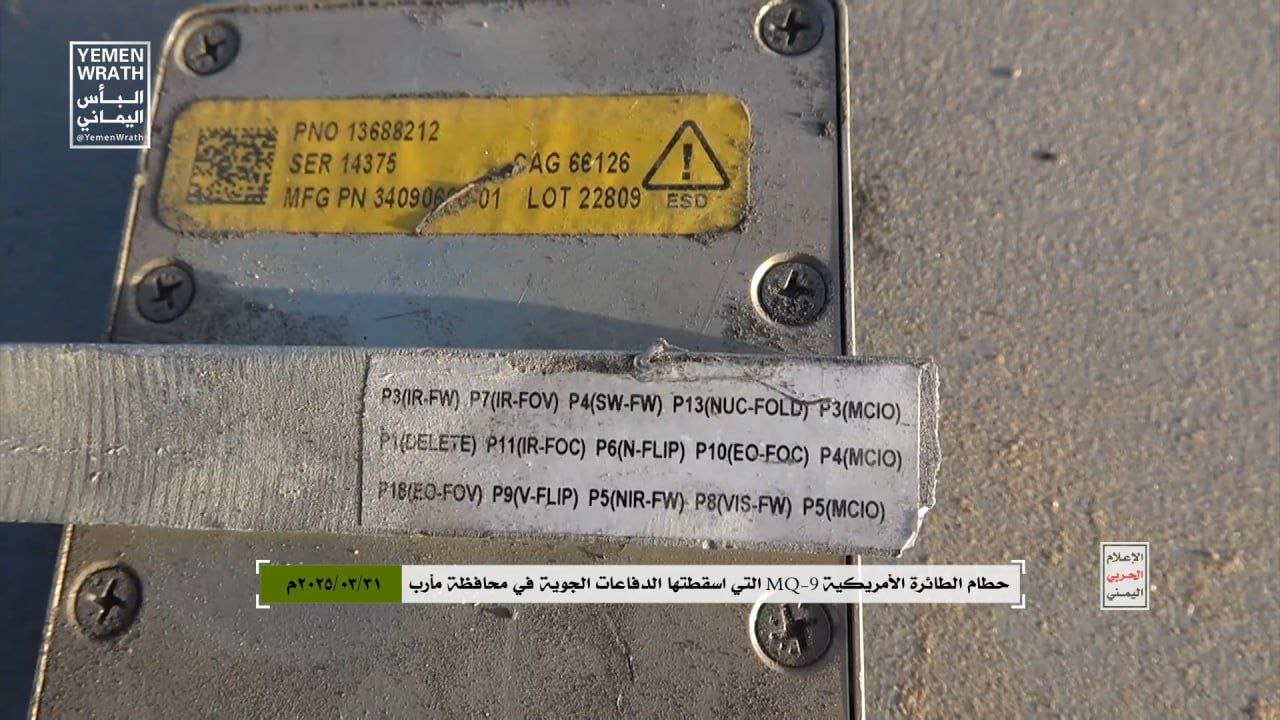
Marib, 31 March 2025
Hudaydah, 03 April 2025
Al-Jawf, 09 April 2025
Hajjah, 13 April 2025
Sanaa, 18 April 2025
Sanaa, 19 April 2025
Hajjah, 22 April 2025
The extensive destruction of reconnaissance-combat drones belonging to the Saudi-American coalition in Yemen stands out as one of the most significant accomplishments of the Yemeni armed forces over a decade-long conflict. Throughout this time, the Yemeni army has downed 118 military aircraft from Saudi Arabia, the UAE, the United States, Jordan, Morocco, and Bahrain, including 29 from the United States.
Since the onset of the Palestine war, the US Army has dispatched numerous MQ-9 drones to Yemen to monitor military installations and equipment, and to carry out assassination missions. However, the Yemeni Army’s air defense forces have successfully disrupted these drone operations in Yemen through their intelligence and persistent efforts.
Brigadier General Yahya Saree stated that the defense forces of the Yemeni Armed Forces have effectively destroyed another US military MQ-9 drone in the skies of Hajjah province, northwestern Yemen, using a surface-to-air missile. The drone was tracked and shot down while undertaking a hostile operation in Yemeni airspace.
This incident marks the 26th MQ-9 drone downed throughout the Yemeni conflict, with 21 of these drones being downed during the operation aimed at aiding Palestine, titled “Promised Conquest and Holy Jihad. “
This incident marks the 25th MQ-9 drone downed throughout the Yemeni conflict, with 20 of these drones being downed during the operation aimed at aiding Palestine, titled “Promised Conquest and Holy Jihad. “
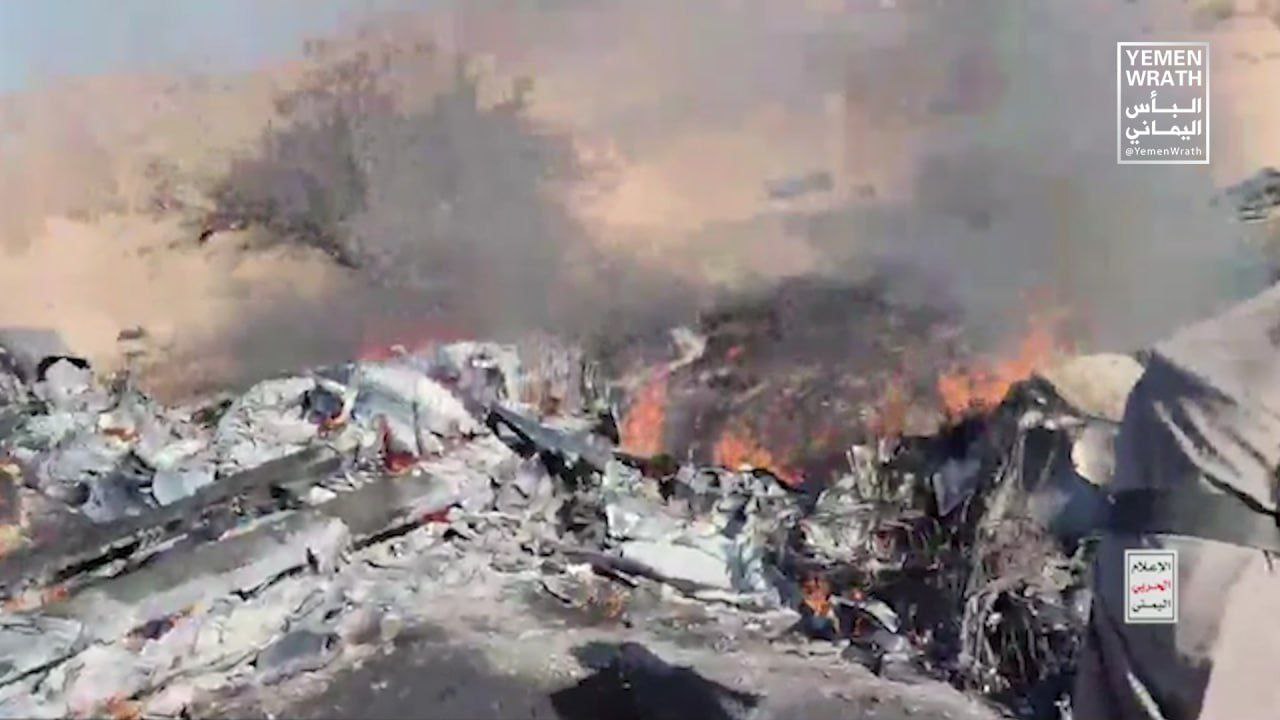
Video of the moment a US MQ-9 drone crashed in Sanaa province. This drone was probably also destroyed by a 358 or 359 anti-aircraft missile
The loss of these MQ-9s represents a significant cost for the US military, estimated at $800 million.
Since the start of the Yemeni war, the Yemeni Armed Forces have shot down a total of 117 military aircraft from the United States, Saudi Arabia, the UAE, Morocco, Bahrain, and Jordan across various fronts in the country. Of these, 28 aircraft belong to the US military, which includes 25 MQ-9 drones, one F/A-18F fighter jet, one UH-60M helicopter, and one V-22 Osprey helicopter.
The destruction of a significant number of aircraft showcases the defensive capabilities of the Yemeni armed forces. These forces, leveraging the strength of the former Yemeni army and receiving advisory support from the Iranian armed forces, have managed to rebuild their weaponry and expand their power despite the extensive bombardment of Yemeni air defenses by Saudi and US coalition fighter jets.
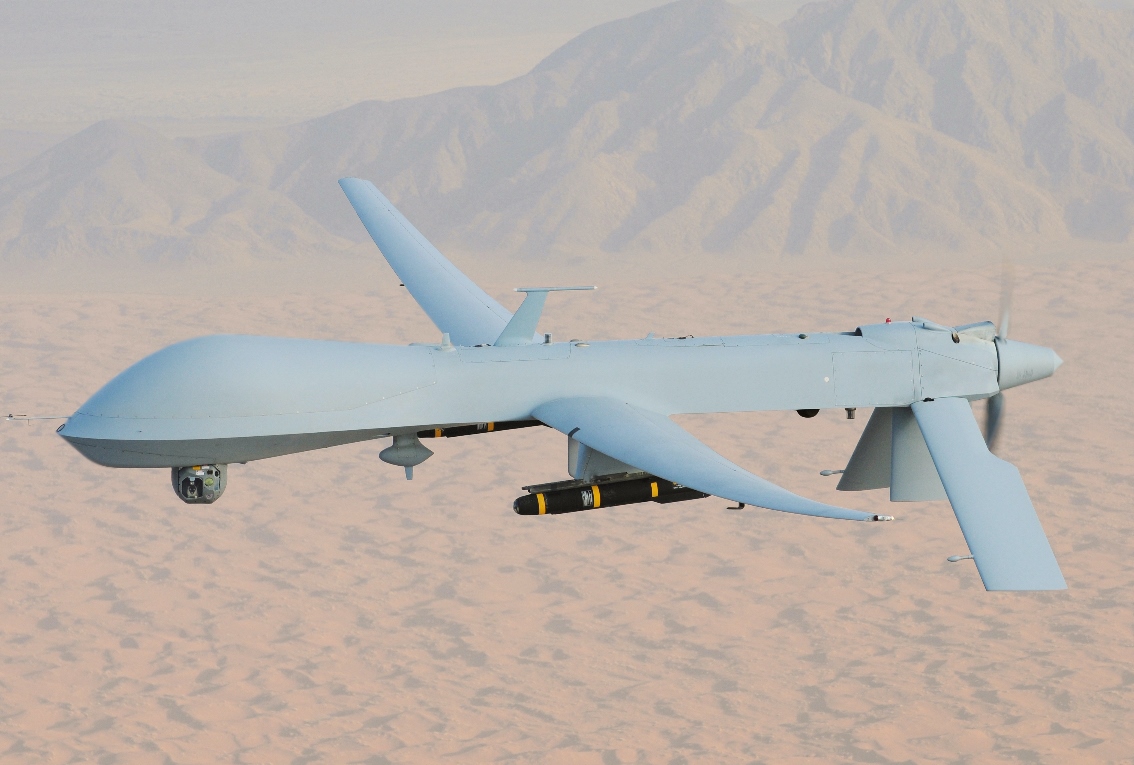
The MQ-9 Reaper drone is the result of the evolution of one of the most successful UAV projects in the United States: the MQ-1 Predator. This project was initially initiated by the American company General Atomics Aeronautical Systems, Inc. (GA-ASI) as a private venture.
In 1998, as the U.S. military’s operational needs expanded to include unmanned systems with greater range, altitude, and payload capacity, GA-ASI engineers began designing a new platform based on the Predator. This new platform, later known as the Predator B, also received financial support from NASA.
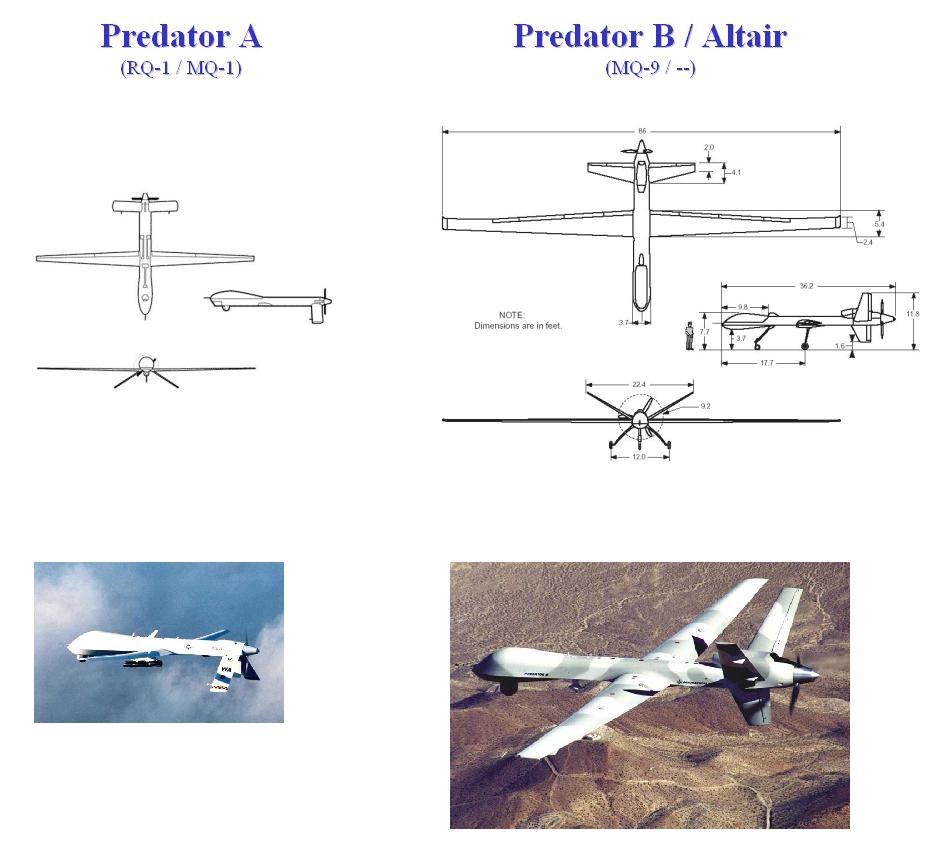
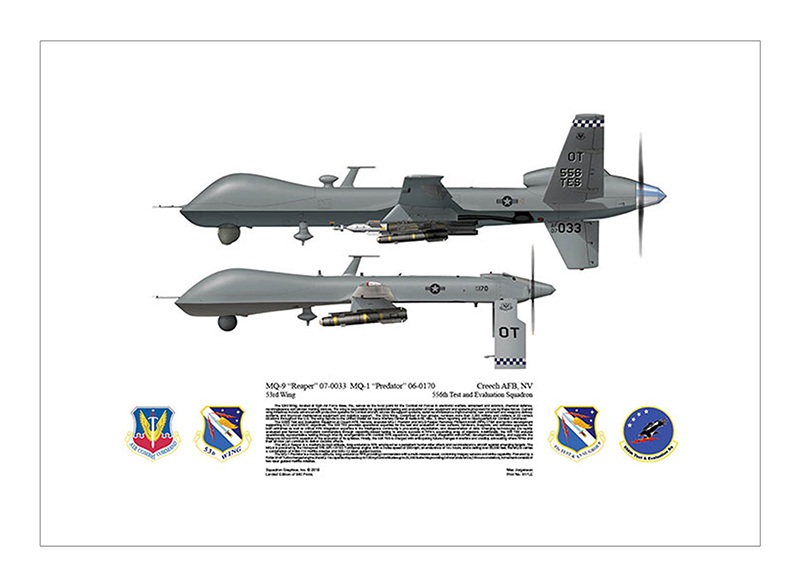
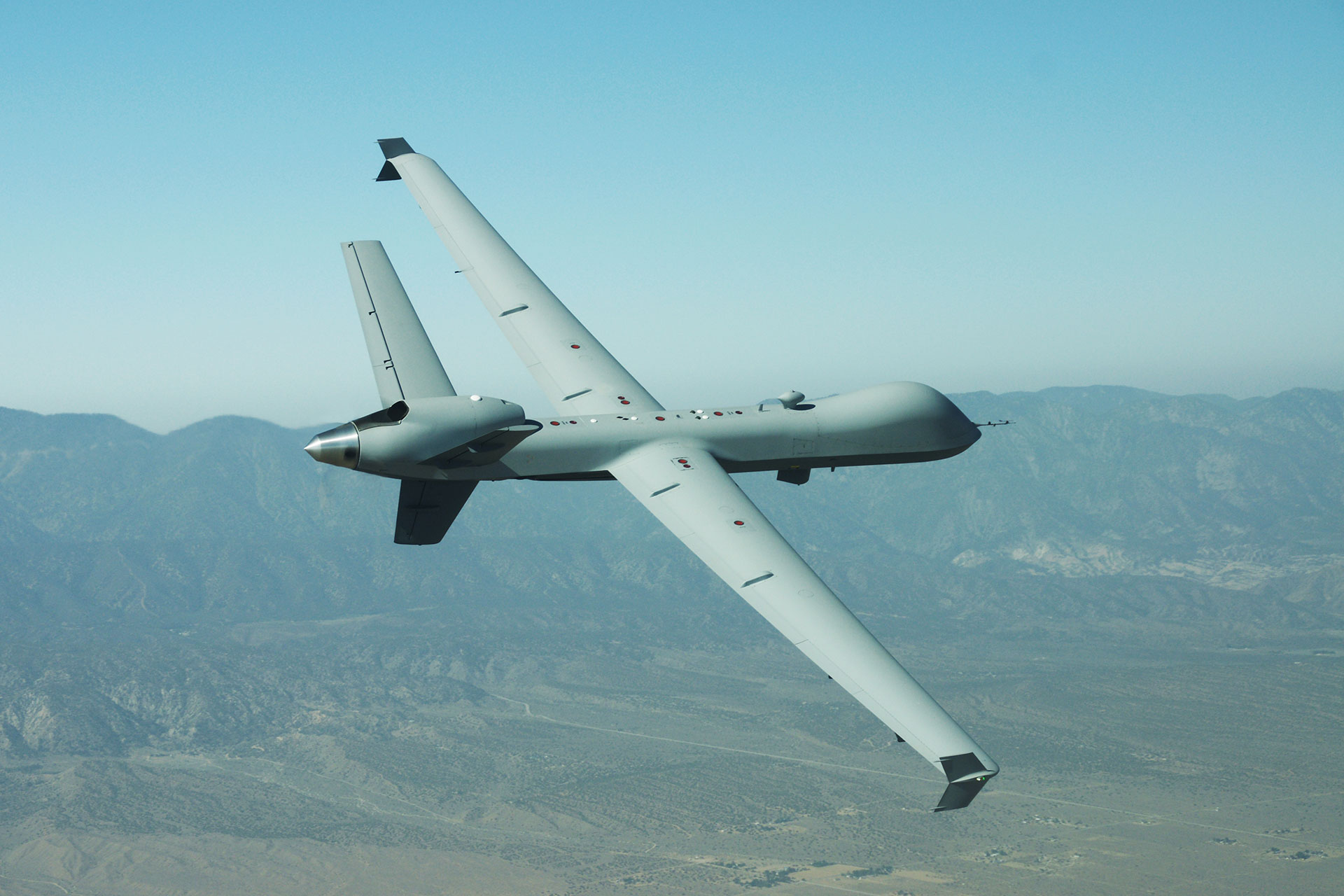
The first flight of the Predator B prototype took place in February 2001. Although the drone appeared similar to the MQ-1 Predator, it was completely redesigned in terms of dimensions, engine power, and body layout. The most significant design change was the introduction of an upward-facing V-shaped tail, which improved flight stability compared to the classic downward-facing tail of the MQ-1 Predator.
During the testing phase, two types of engines were installed on the drone: a Honeywell TPE-331-10T turboprop engine, which provided acceptable performance, and a Williams FJ44-2A turbofan engine, which was eventually discarded due to its high cost and limited efficiency.
MQ-1 PredatorPredator B drone, also known as MQ-9A ReaperClick to view larger image
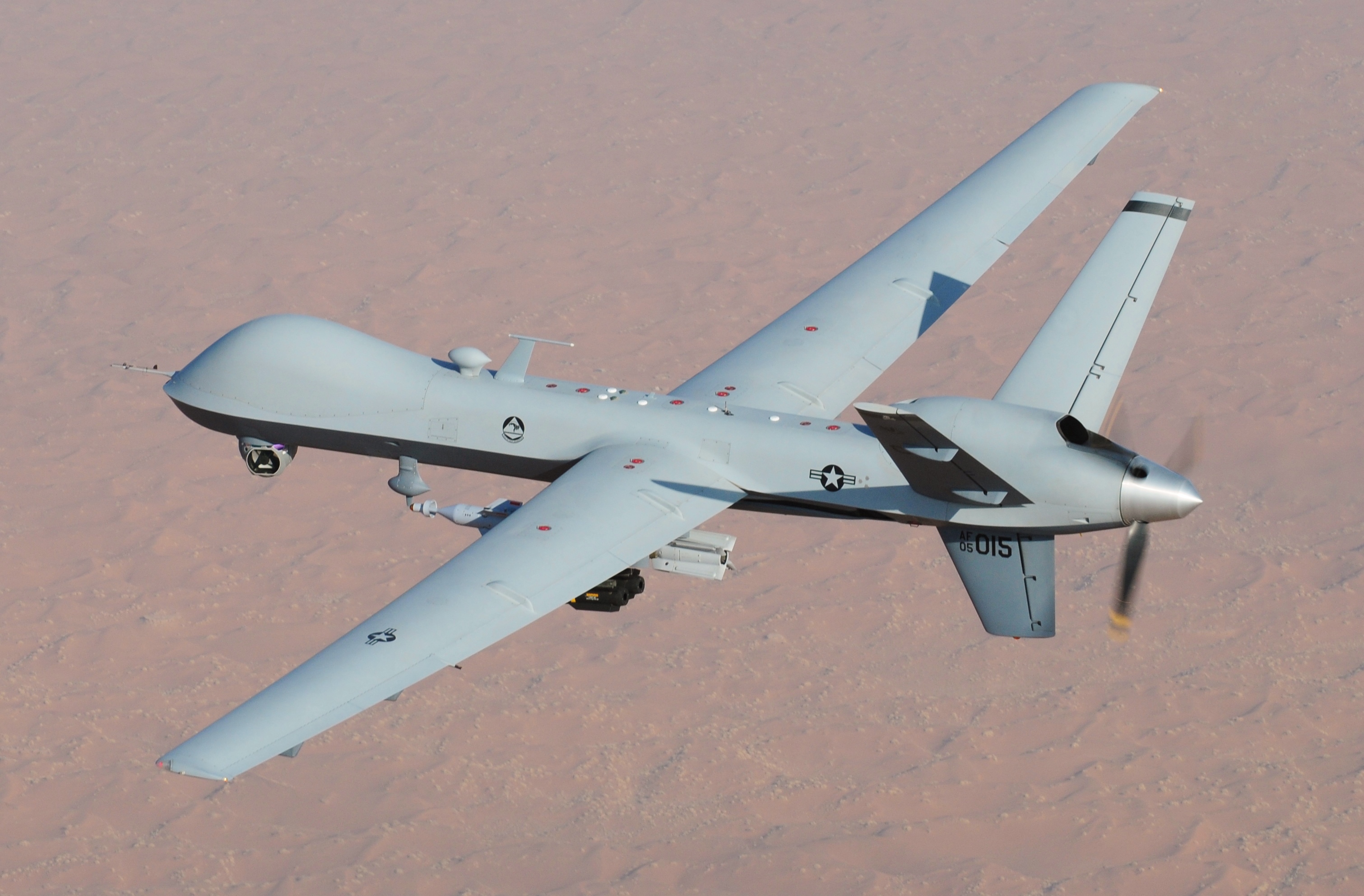
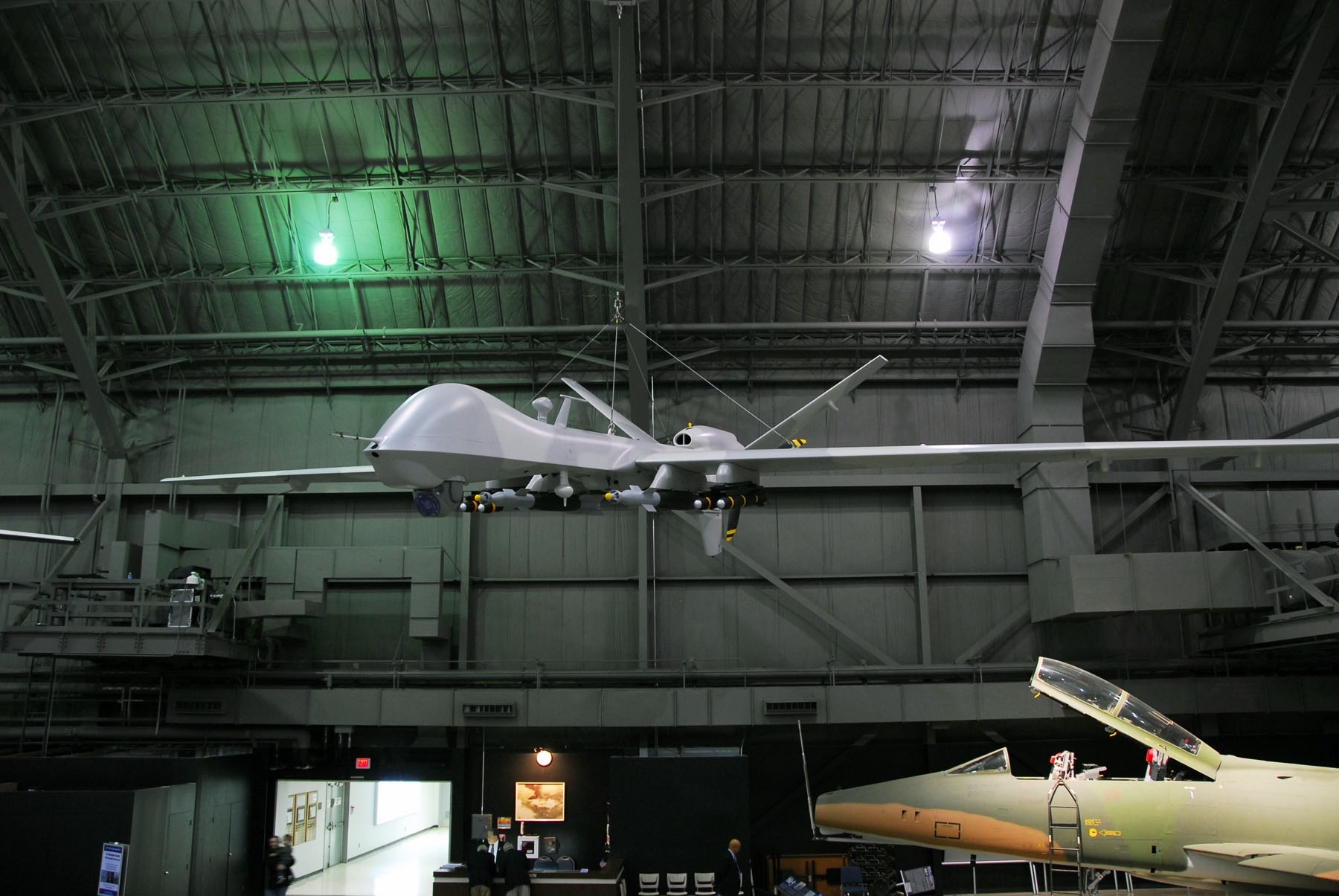
In February 2003, the United States Air Force officially joined the project by ordering a turboprop-powered variant, the MQ-9A. They received two prototypes, known as YMQ-9A, for evaluation in testing weapons, reconnaissance capabilities, and maneuverability.
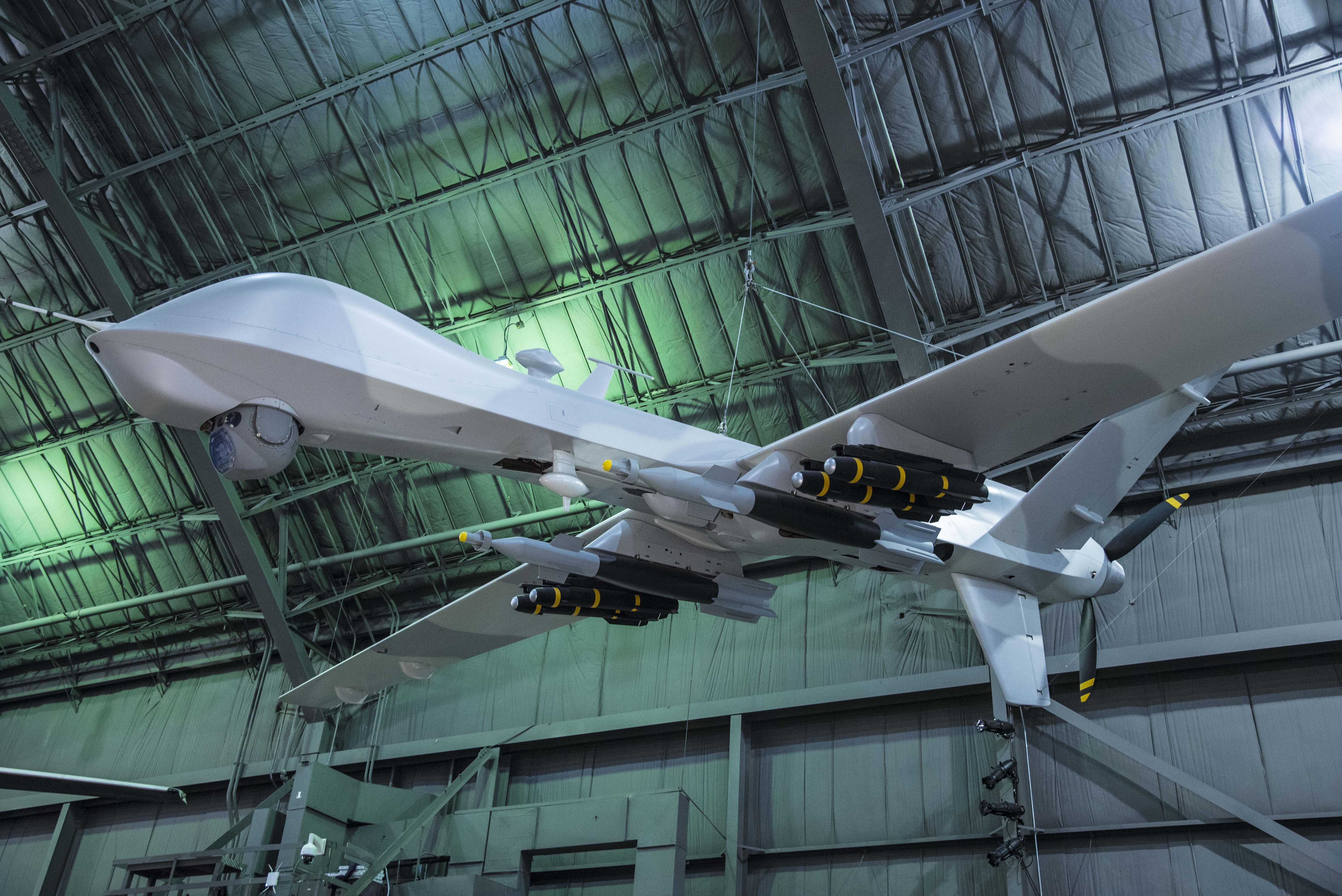
YMQ-9 at the National Museum of the United States Air Force in January 2010
The MQ-9 Reaper was developed for the United States Air Force as a direct response to a Department of Defense (DoD) directive aimed at supporting overseas operations, known as “Overseas Contingency Operations.” In the early 2000s, the rise of asymmetric threats created the need for a drone capable of extensive reconnaissance and surveillance, as well as the ability to target and destroy moving targets in real time with high accuracy.
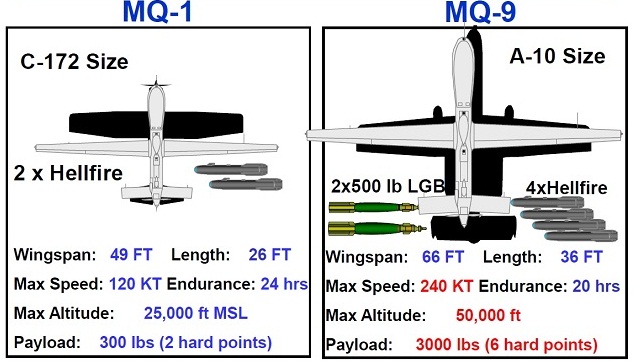
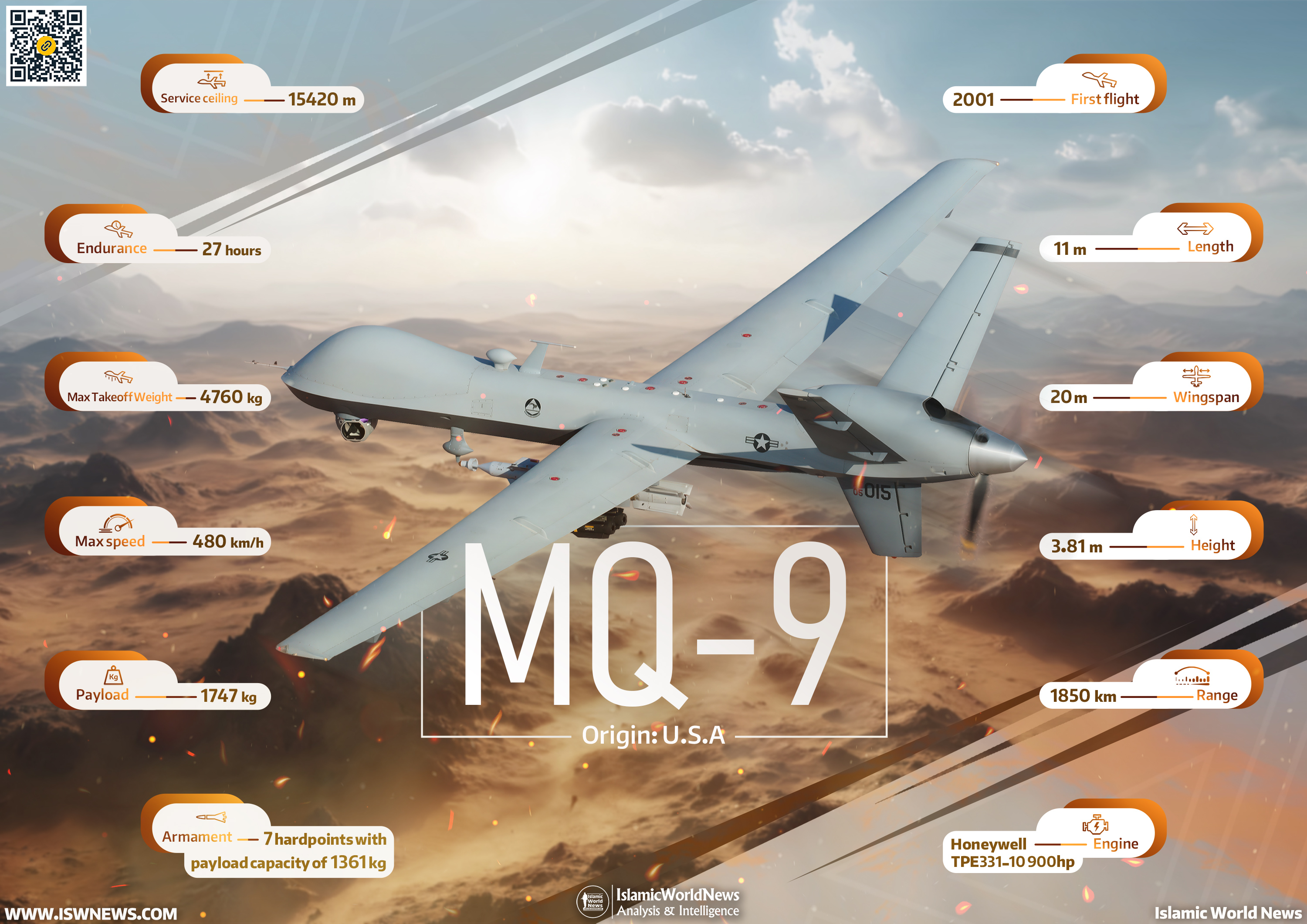
The Reaper far exceeded the operational performance of the MQ-1 Predator. It can fly at altitudes exceeding 15,200 meters (50,000 feet) and has a flight endurance of up to 27 hours. Equipped with advanced systems such as the AN/APY-8 Lynx combined aperture radar and the Raytheon AN/AAS-52(V) MTS multispectral electro-optical system, the Reaper significantly enhanced its reconnaissance and targeting capabilities. Furthermore, the MQ-9A evolved into a fully operational offensive platform, capable of deploying a diverse array of guided weapons.
Comparison of MQ-9 and MQ-1
In 2006, the United States Air Force formally designated the MQ-9A Reaper. The drone commenced operational service in 2007, completing its inaugural combat mission in Afghanistan.
As of 2018, the US Air Force had ordered 366 Reapers from General Atomics, with more than 300 delivered by 2021. The US Air Force plans to retire its MQ-9A fleet by 2035.
Appearance and performance characteristics of the MQ-9 drone:
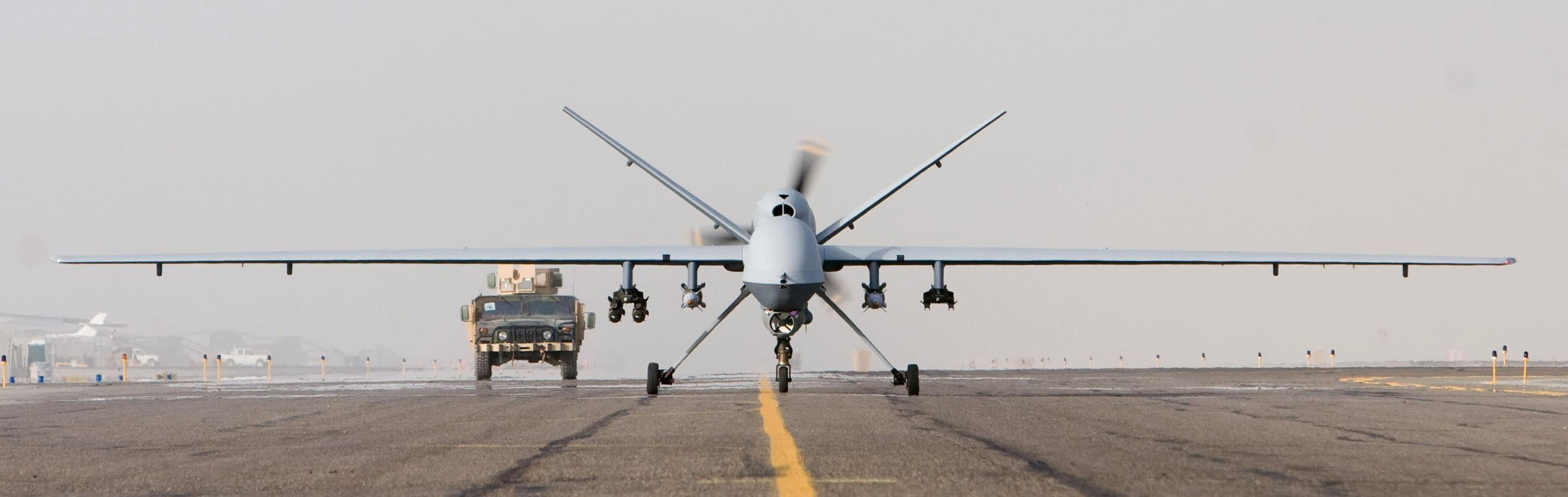
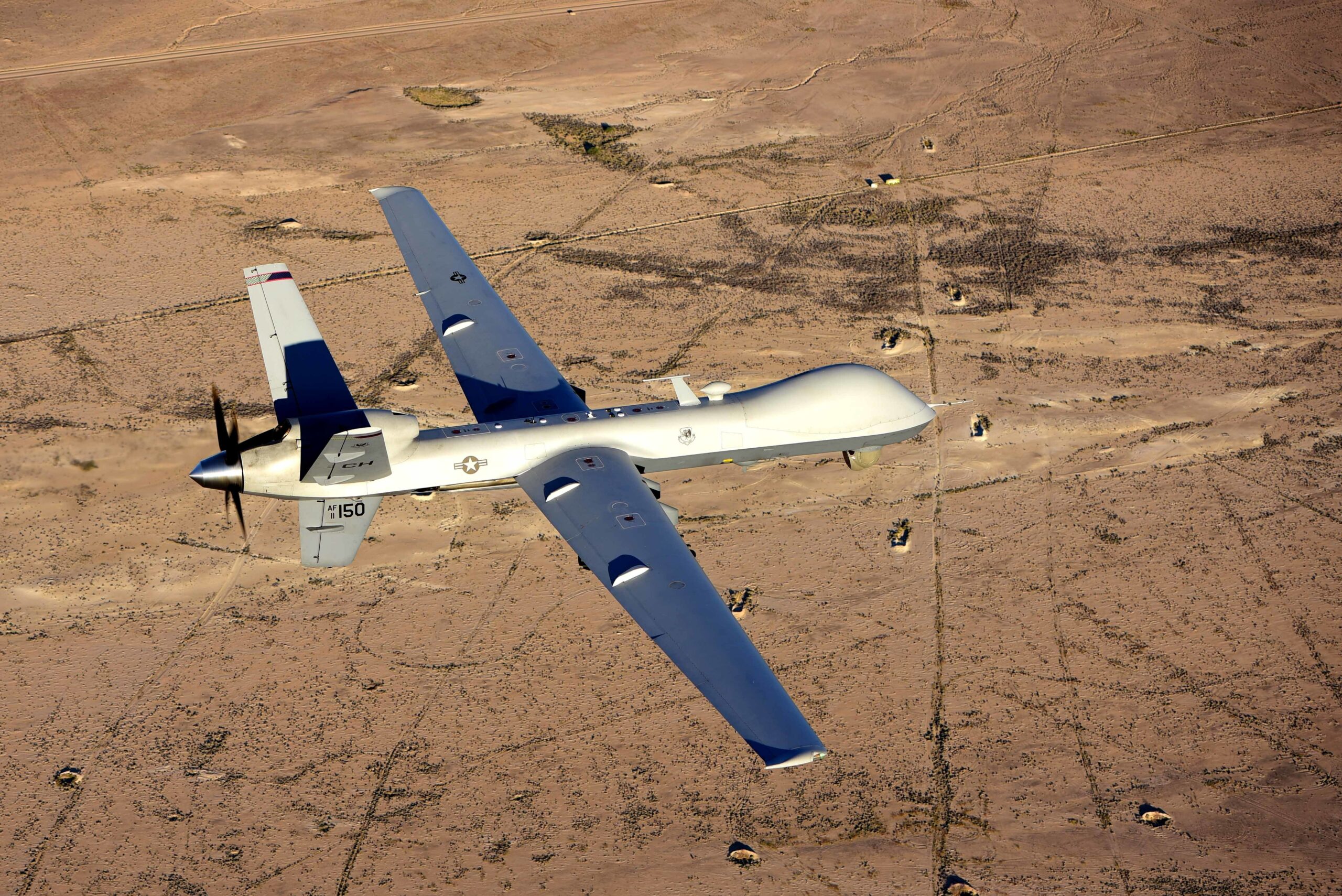
The Reaper measures 11 meters in length, stands 3.8 meters tall, and features a wingspan of 20 meters, making it considerably larger than the MQ-1. It has a base weight of 2,223 kilograms without payload, while its maximum takeoff weight reaches 4,760 kilograms. For the Extended Range (ER) variant, this maximum weight rises to 5,307 kilograms. Additionally, the ER version boasts a fuel capacity of 903 gallons (approximately 6,000 pounds), allowing for extended flight ranges.
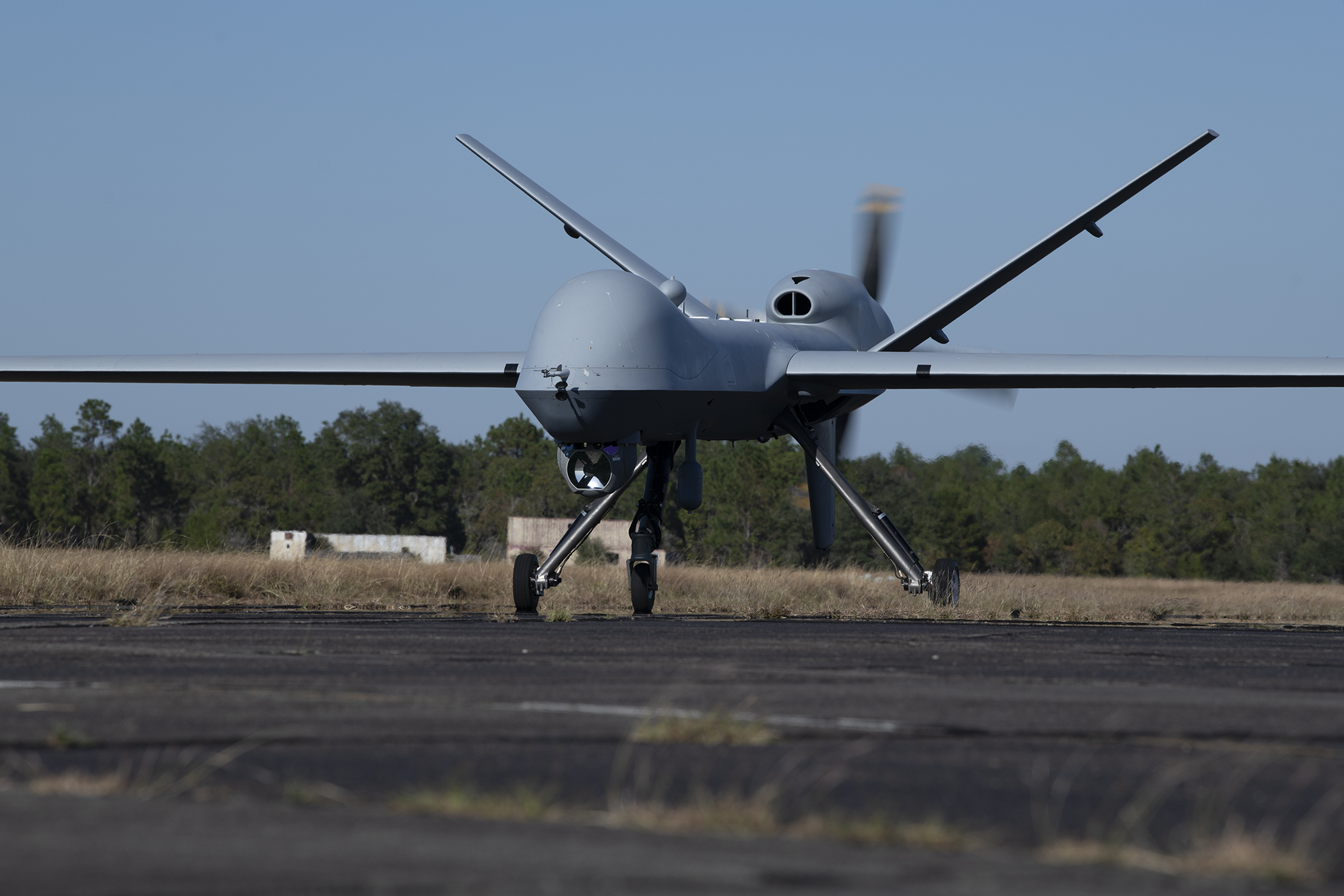
A view of an MQ-9 taxiing on a runway in Afghanistan, 2007
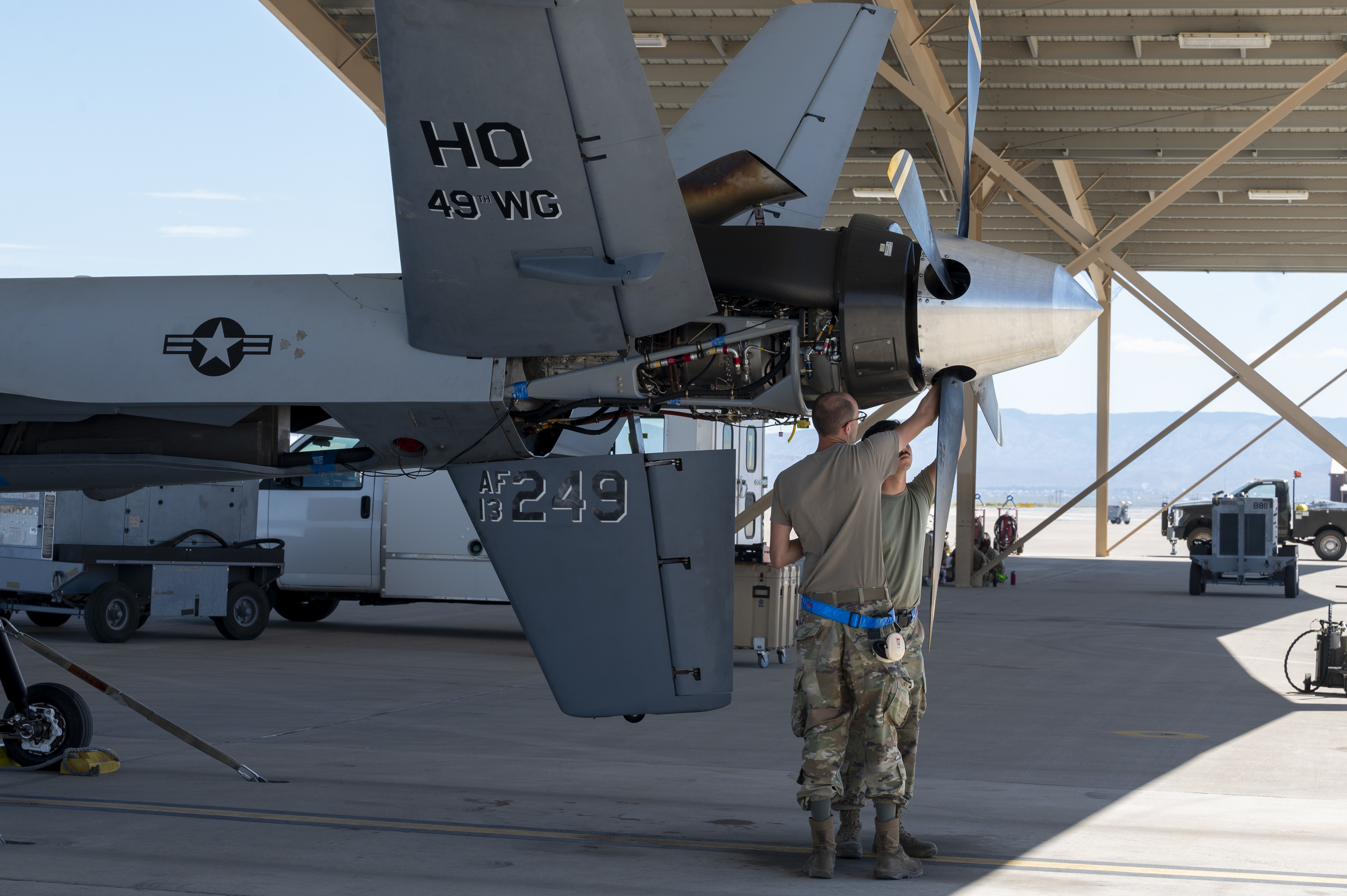
The Reaper uses a Honeywell TPE331-10GD turboprop engine that produces 900 horsepower. This engine allows the drone to reach a maximum speed of 480 km/h, but its typical flight speed is in the range of 280 to 310 km/h.
Honeywell TPE331-10GD turboprop engine
The manufacturer has officially announced that the MQ-9A has a flight endurance of 27 hours and a range of 1,850 km. In 2015, the US Air Force first tested the Extended Range (ER) version of the MQ-9A, which features external fuel tanks mounted under the wings and a more robust landing gear. The ER version boasts a flight endurance of 34 hours and a range of 2,592 km.
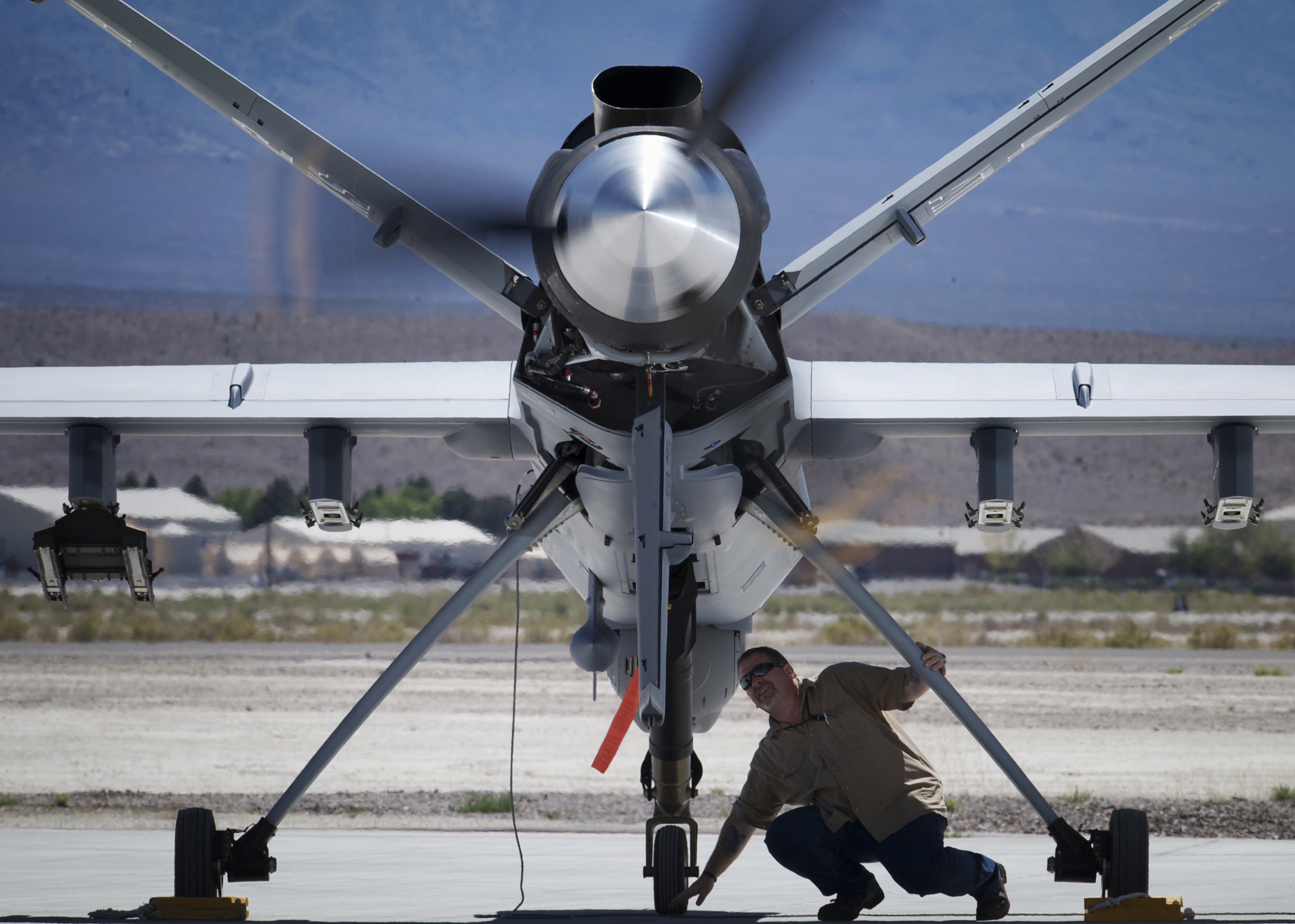
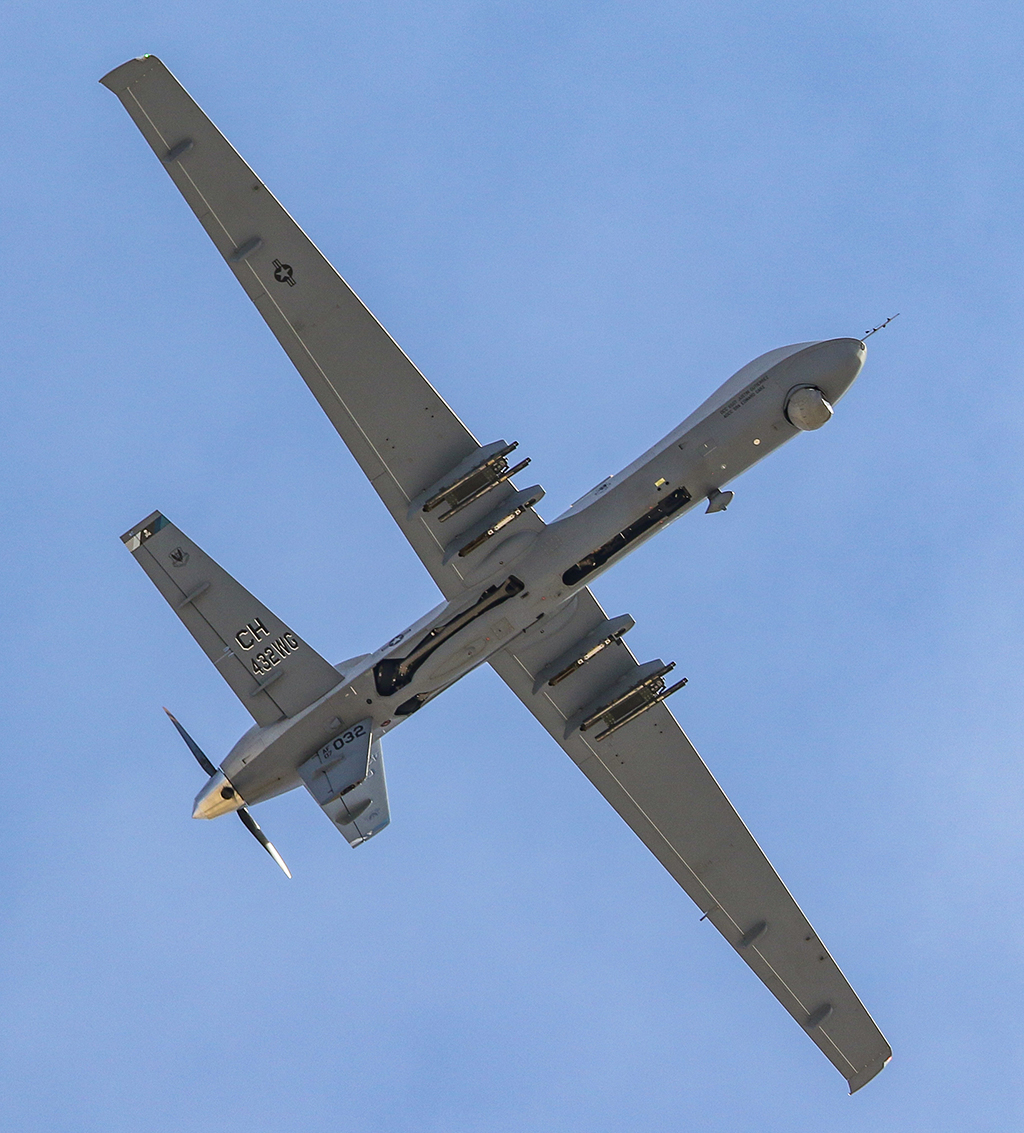
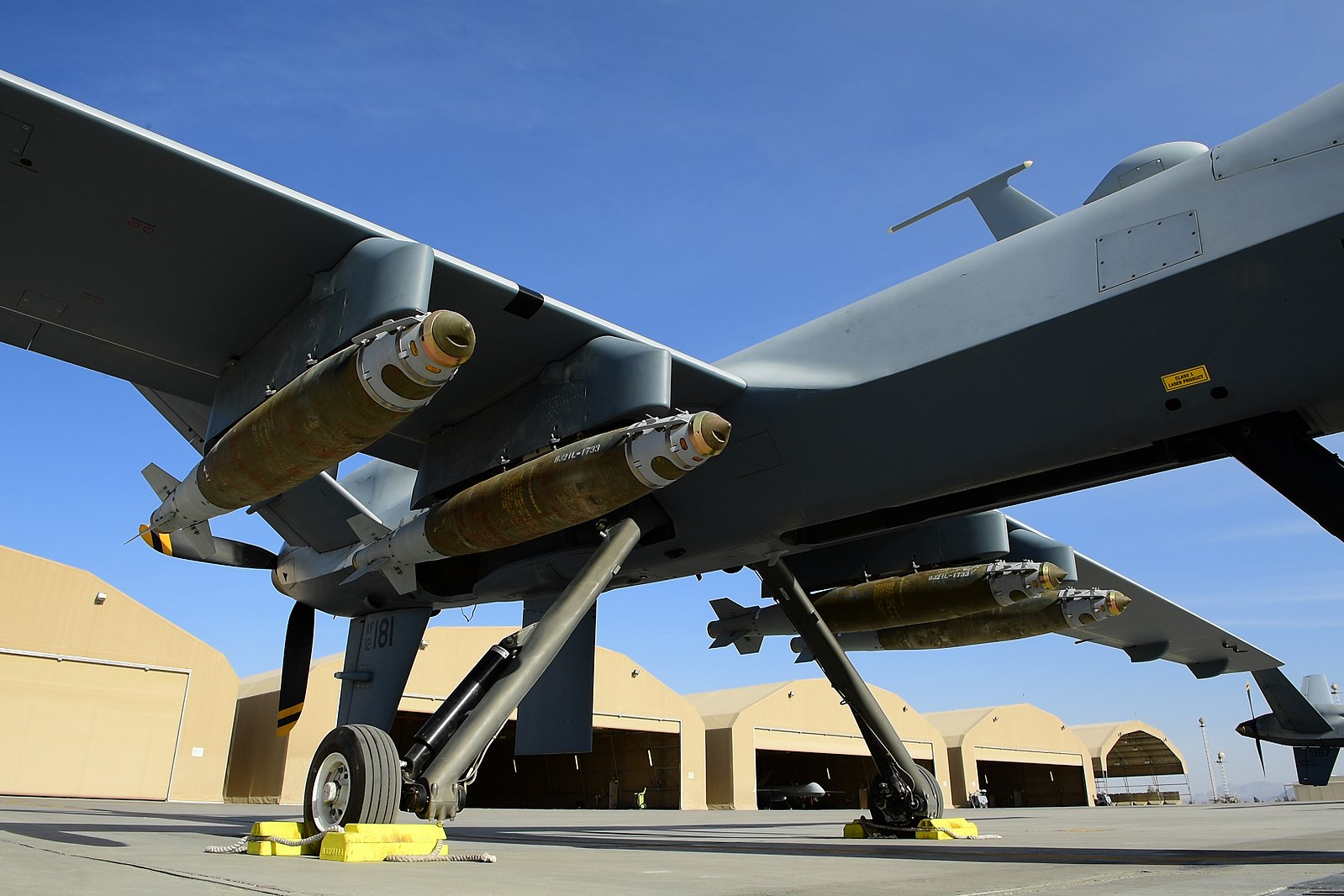
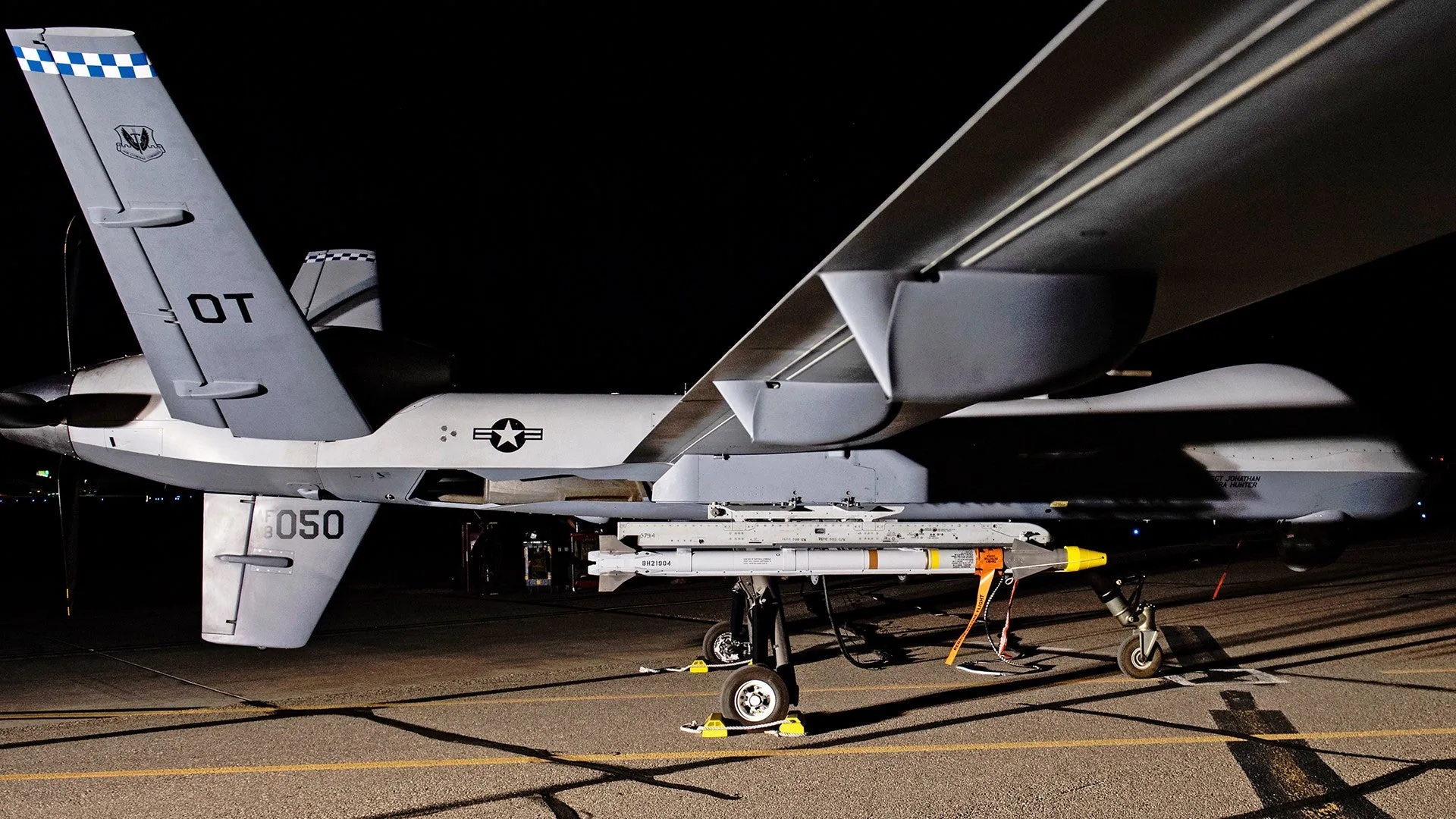
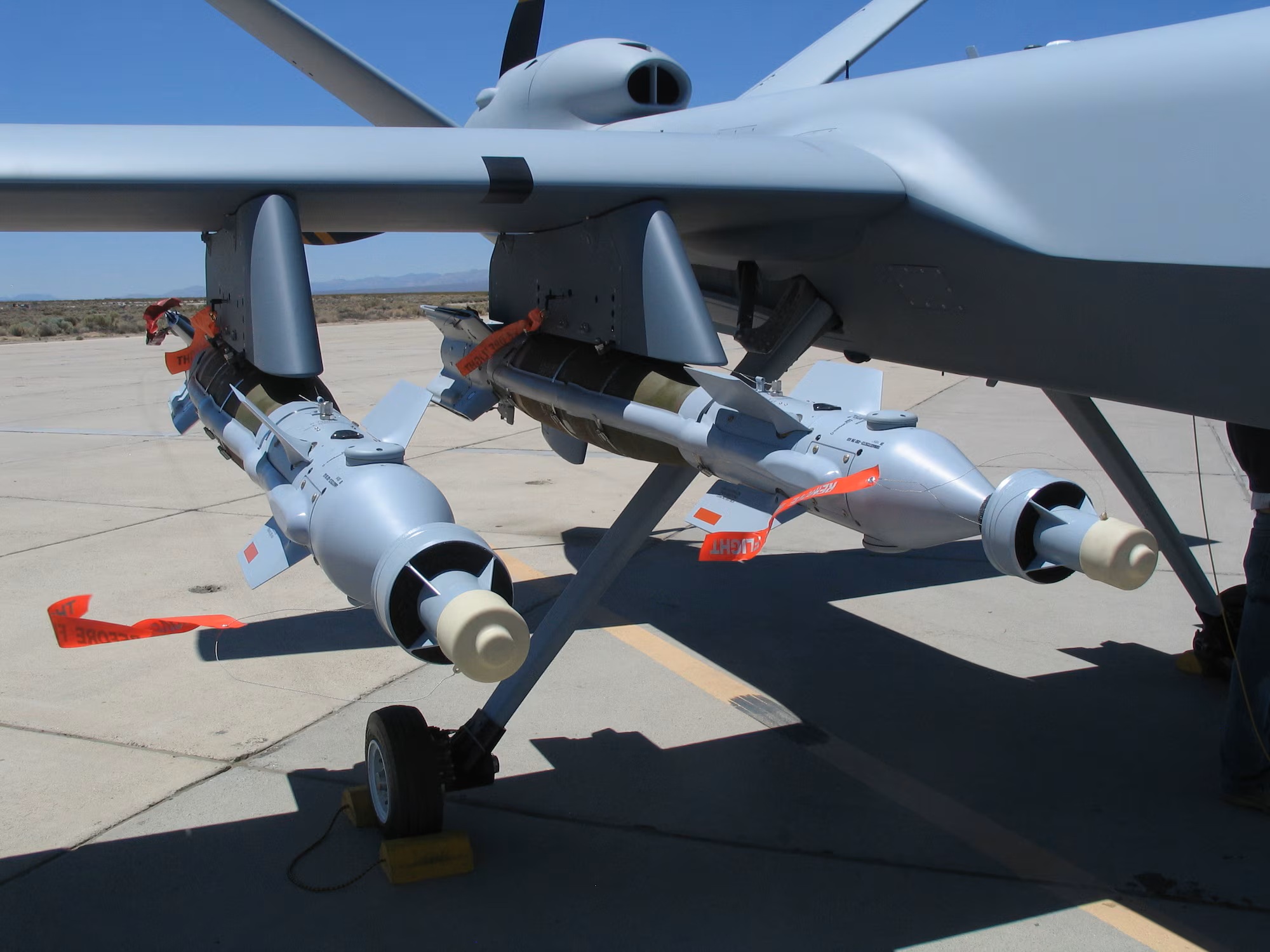
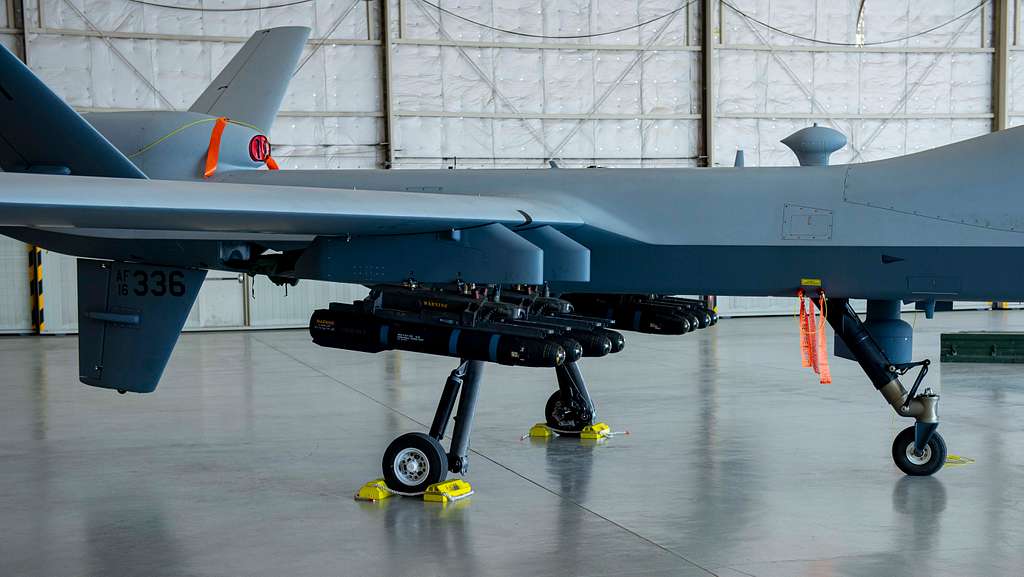
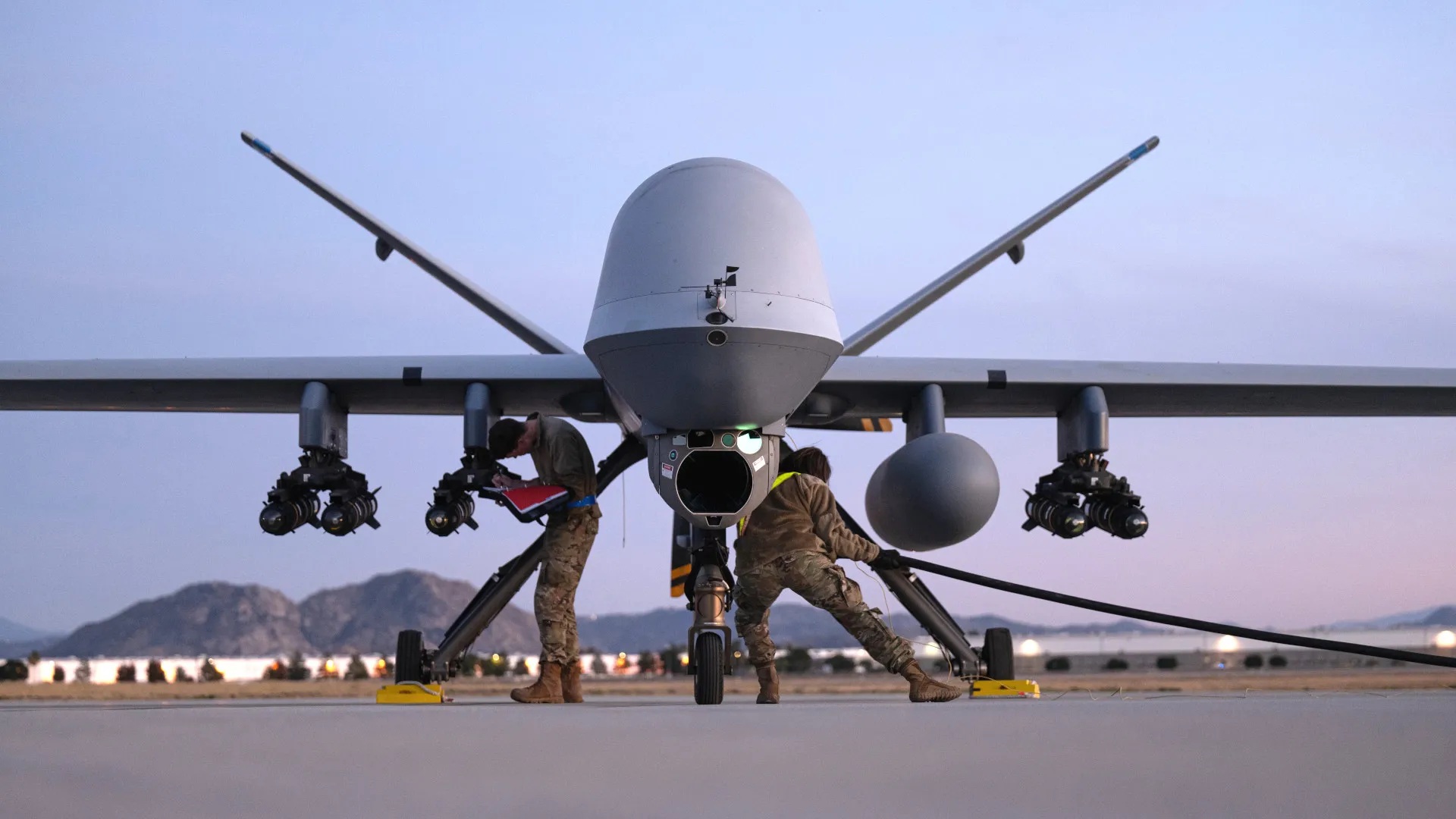
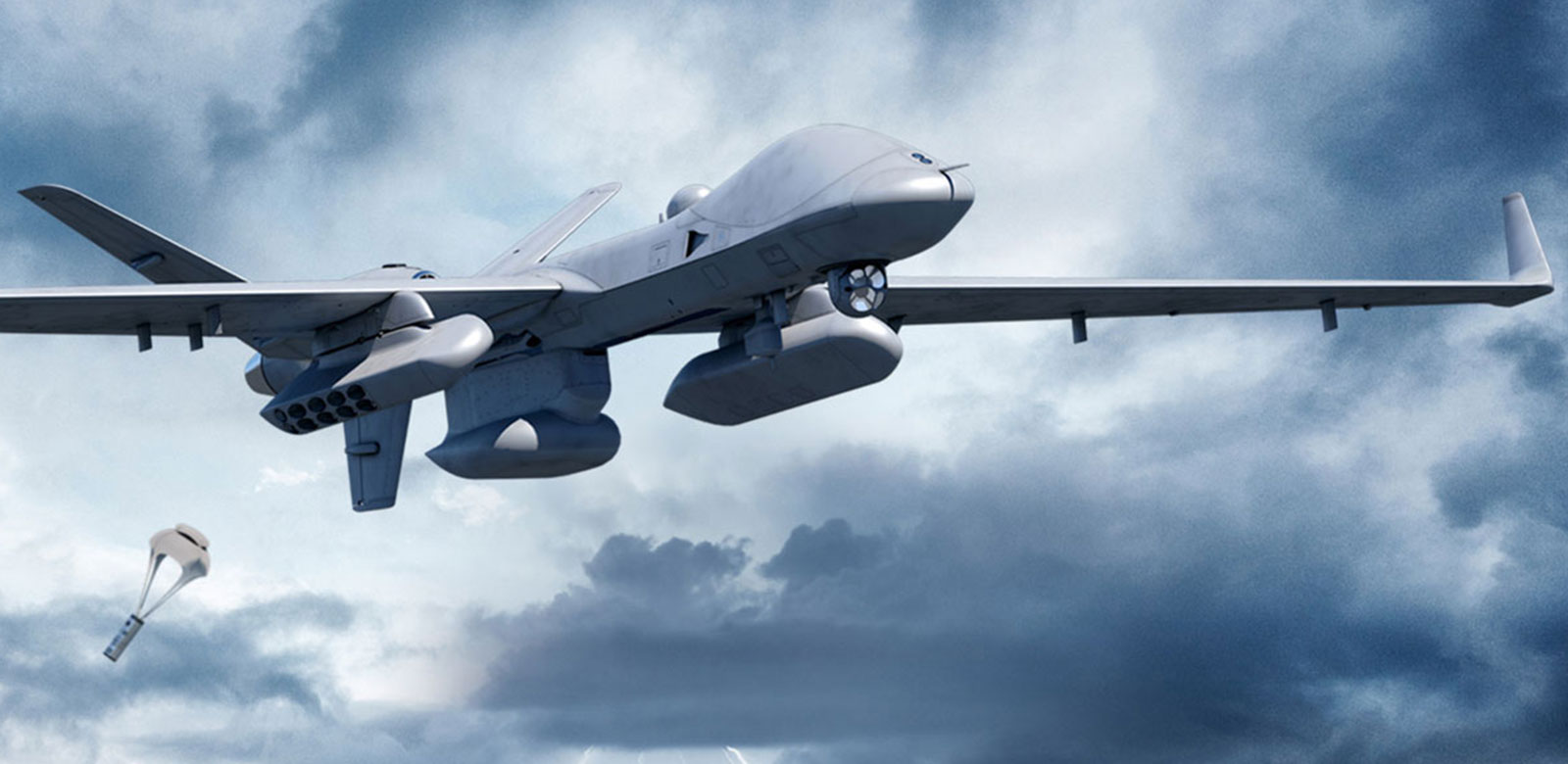
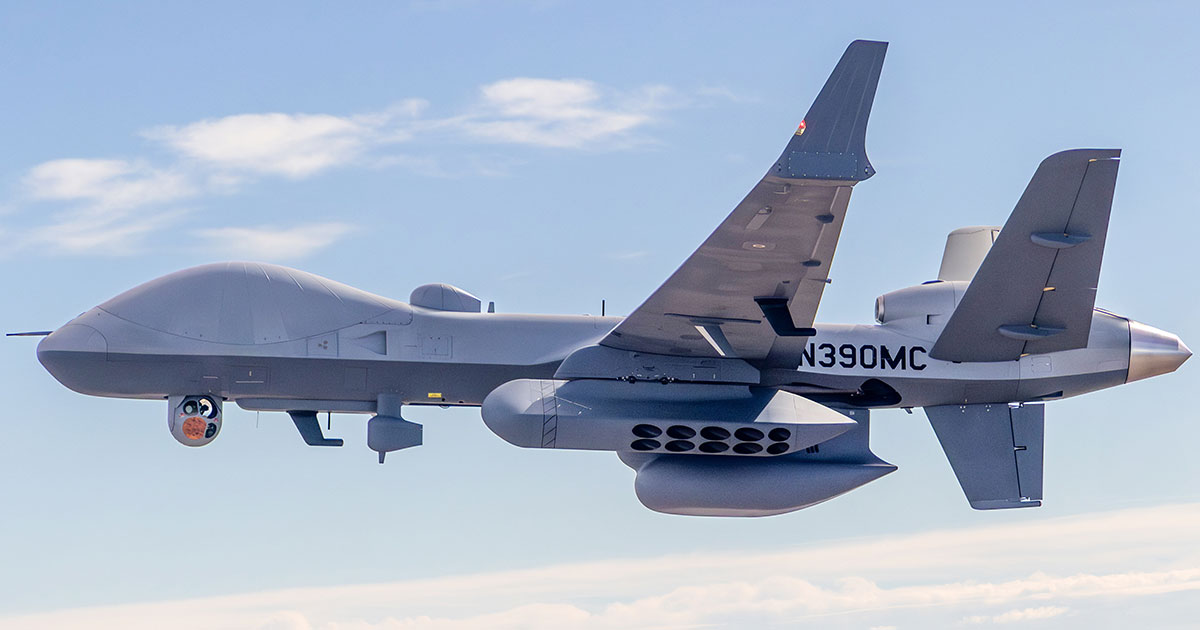
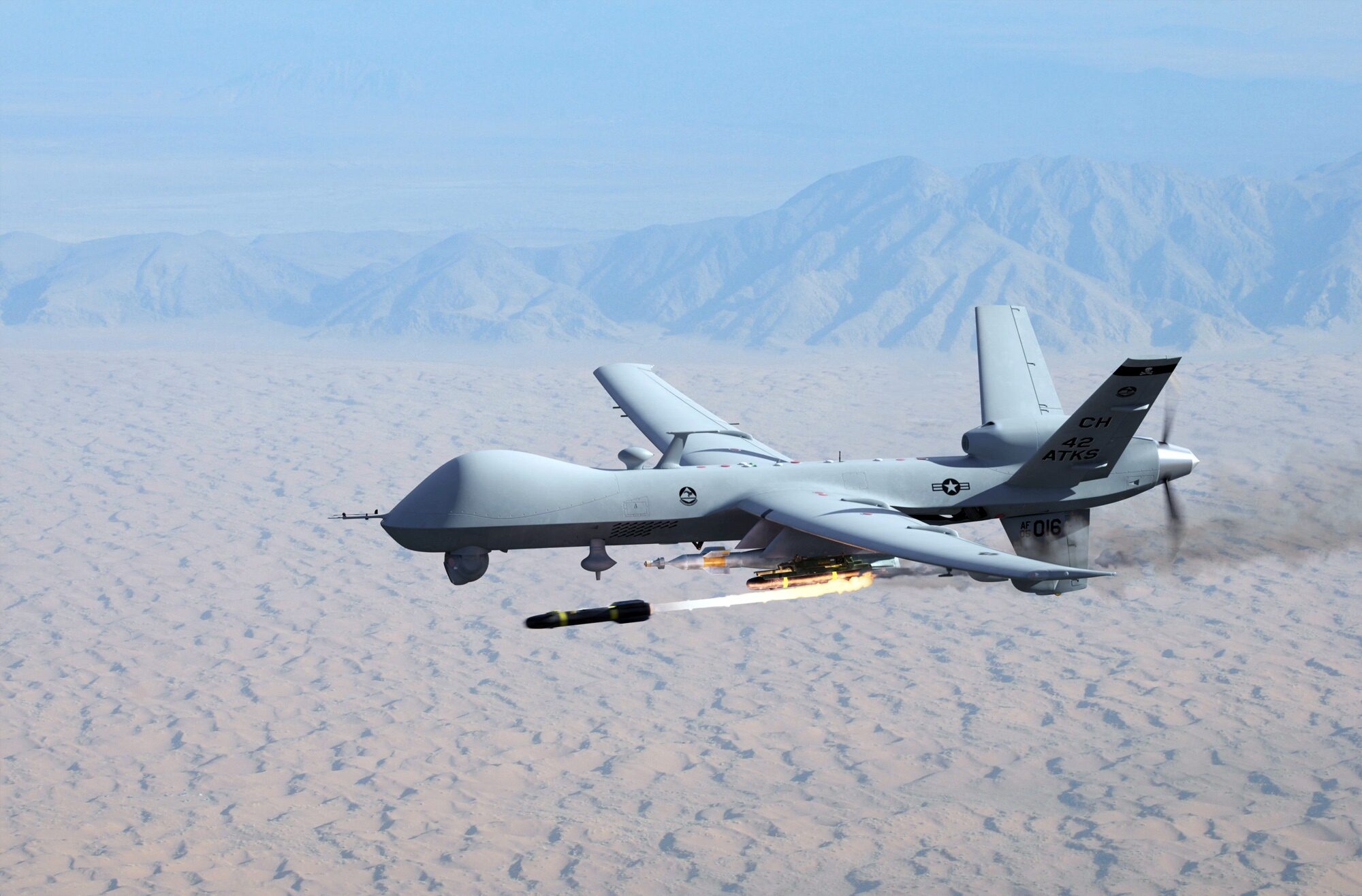
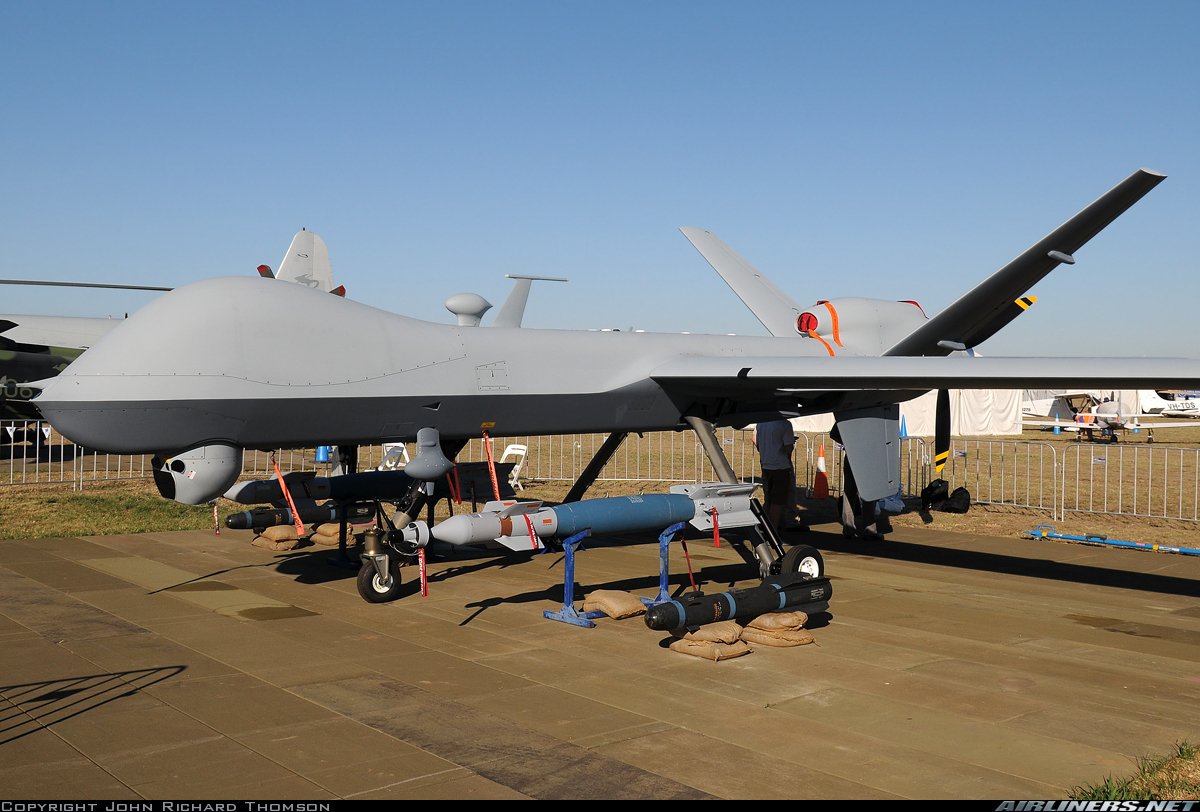
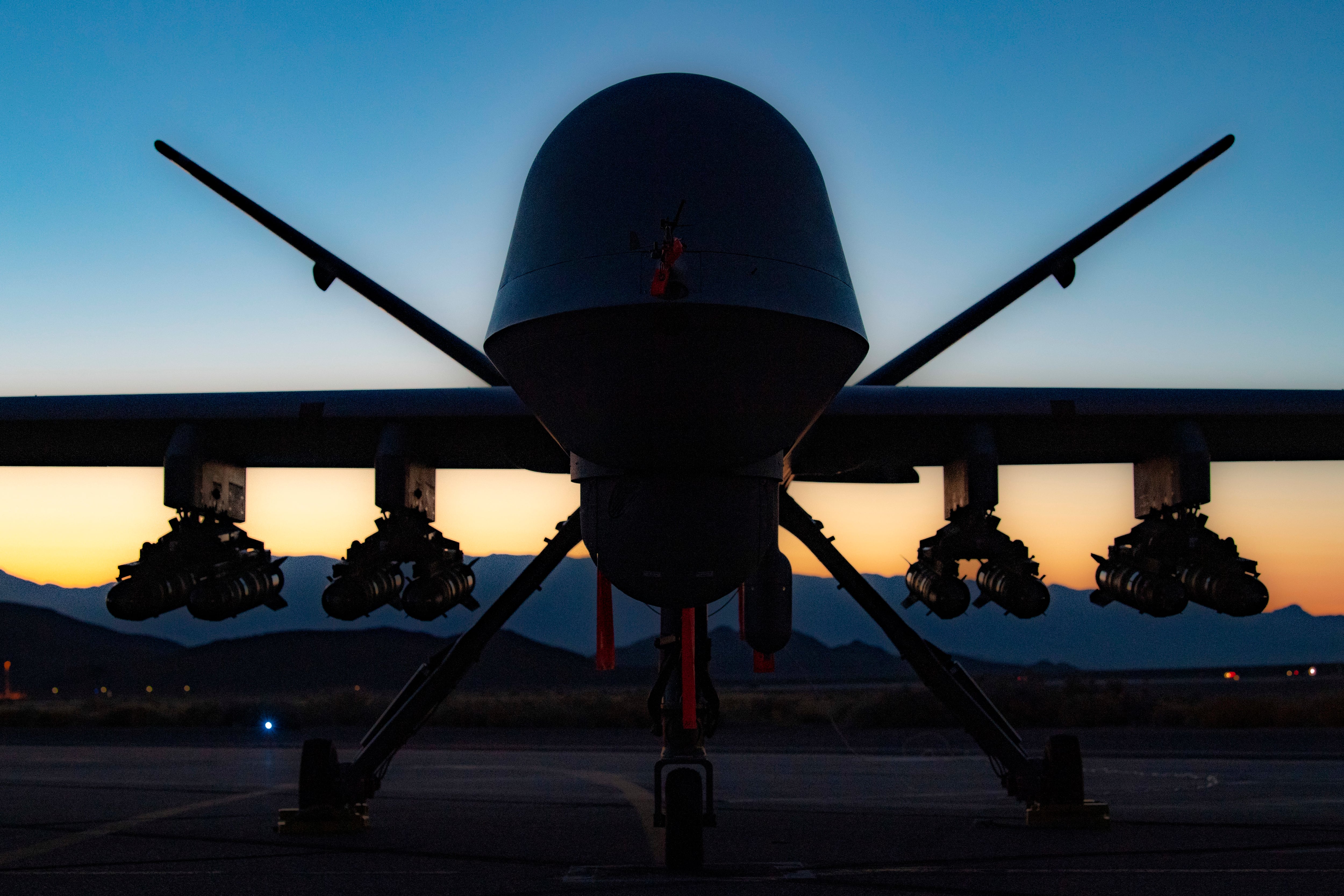
In terms of armament, the MQ-9A is equipped with seven hardpoints and can carry up to 1,361 kg of ordnance. It has a variety of weapons options, including Sidewinder and Stinger air-to-air missiles, Hellfire missiles with a range of 8 to 12 km, GBU-12 Paveway II laser-guided bombs weighing 227 kg, GBU-38 JDAM GPS-guided bombs, and more advanced versions of the GBU-49 and GBU-54 Laser JDAM, which have a range of approximately 15 km.
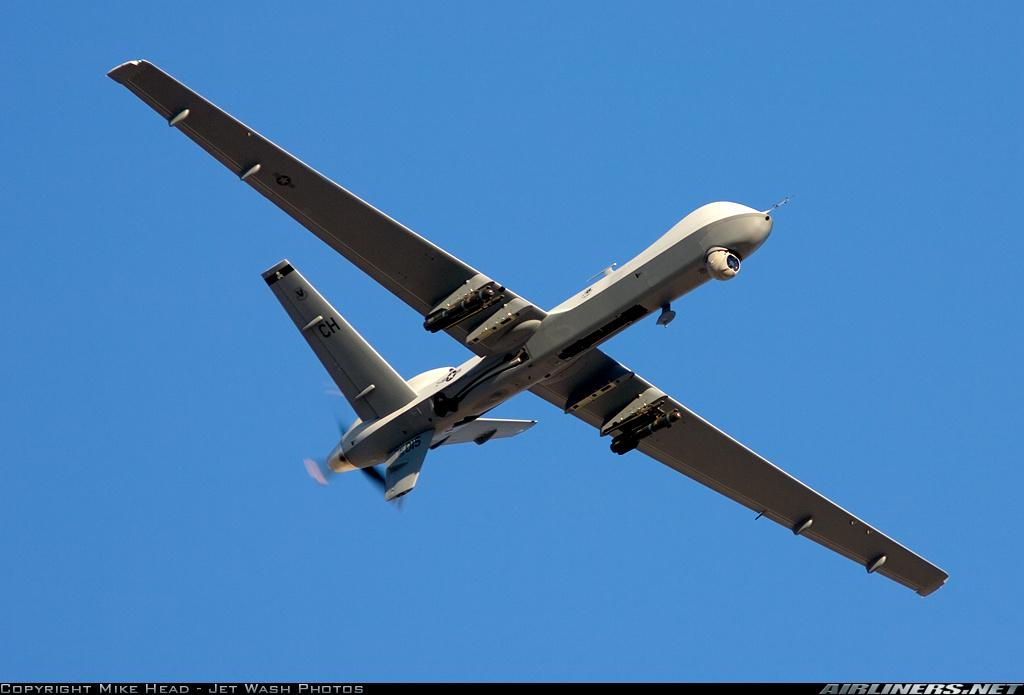
Bottom view of the MQ-9 droneMQ-9 drone equipped with four GBU-38 bombsMQ-9 drone equipped with AIM-9 SidewinderMQ-9 drone equipped with GBU-49B PavewayMQ-9 drone equipped with eight AGM-114 Hellfire bombsMQ-9 drone equipped with AGM-114 Hellfire bombs and an additional fuel tankClick to view larger image
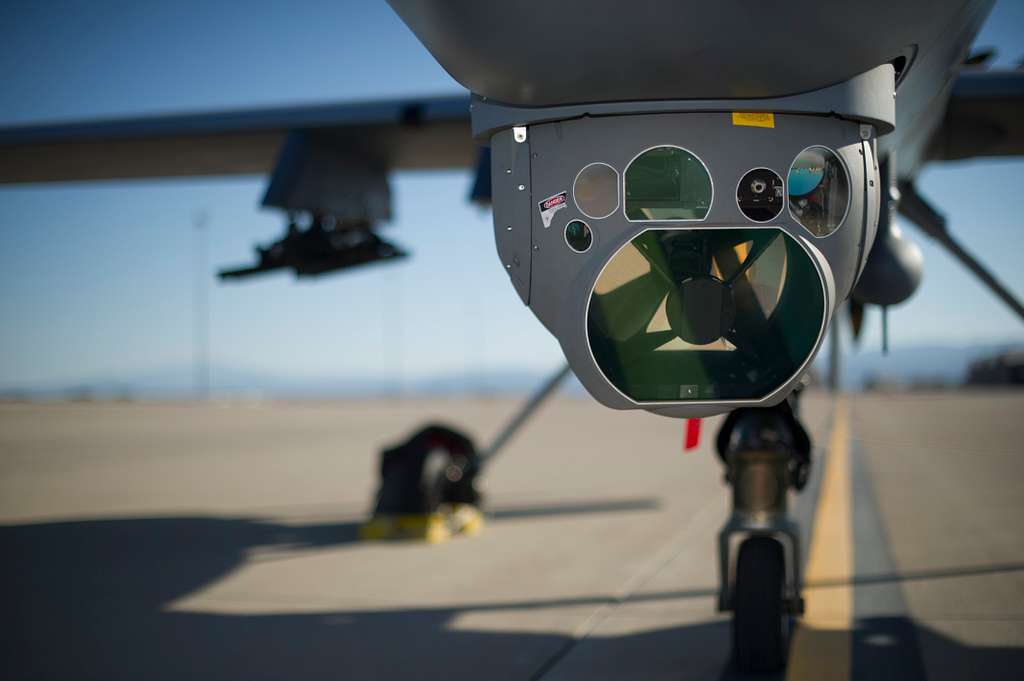
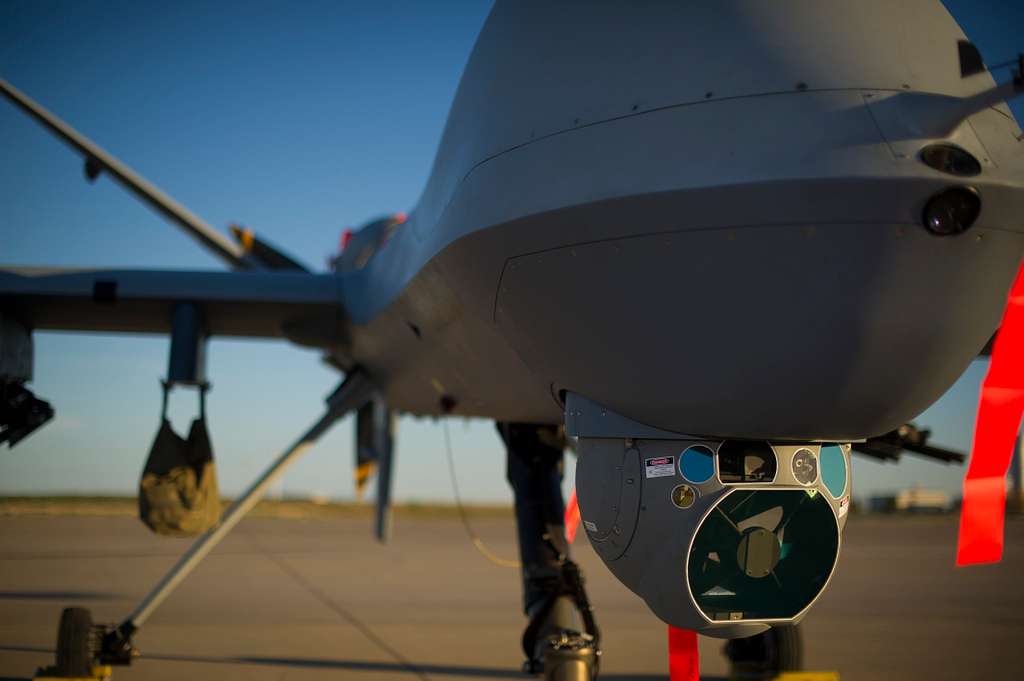
The MQ-9 is equipped with Raytheon’s advanced Multispectral Targeting System-B (MTS-B) electro-optical system, which features an infrared sensor, color and monochrome day vision cameras, short-wave infrared cameras, laser designators, and laser rangefinders.
The system is capable of long-range surveillance, target acquisition, precise tracking of moving targets, range finding, and laser designator for a variety of air-to-surface munitions. In addition to the MQ-9 Reaper, the MTS-B is also used in the U.S. Navy’s MQ-4C unmanned aerial vehicle fleet.
Read more: Military Knowledge: Raytheon’s Multispectral Targeting System-B (MTS-B)
MTS-B electro-optical system
MQ-9 Block 5 drone:
The MQ-9 Block 5 is an enhanced version of the original MQ-9 prototype (Block 1), featuring improved endurance, range, and payload capacity. Key upgrades in the Block 5 model include wing fuel pods, reinforced landing gear, and a four-bladed propeller. It also has enhanced electrical power, more secure communications, and the capability for automatic landing. The MQ-9 Block 5 ER variant has an endurance of 34 hours and a range of 2,592 kilometers. In general, General Atomics is in the process of upgrading its MQ-9 fleet to ER versions.
MQ-9B drone – Introducing other MQ-9 drone models:
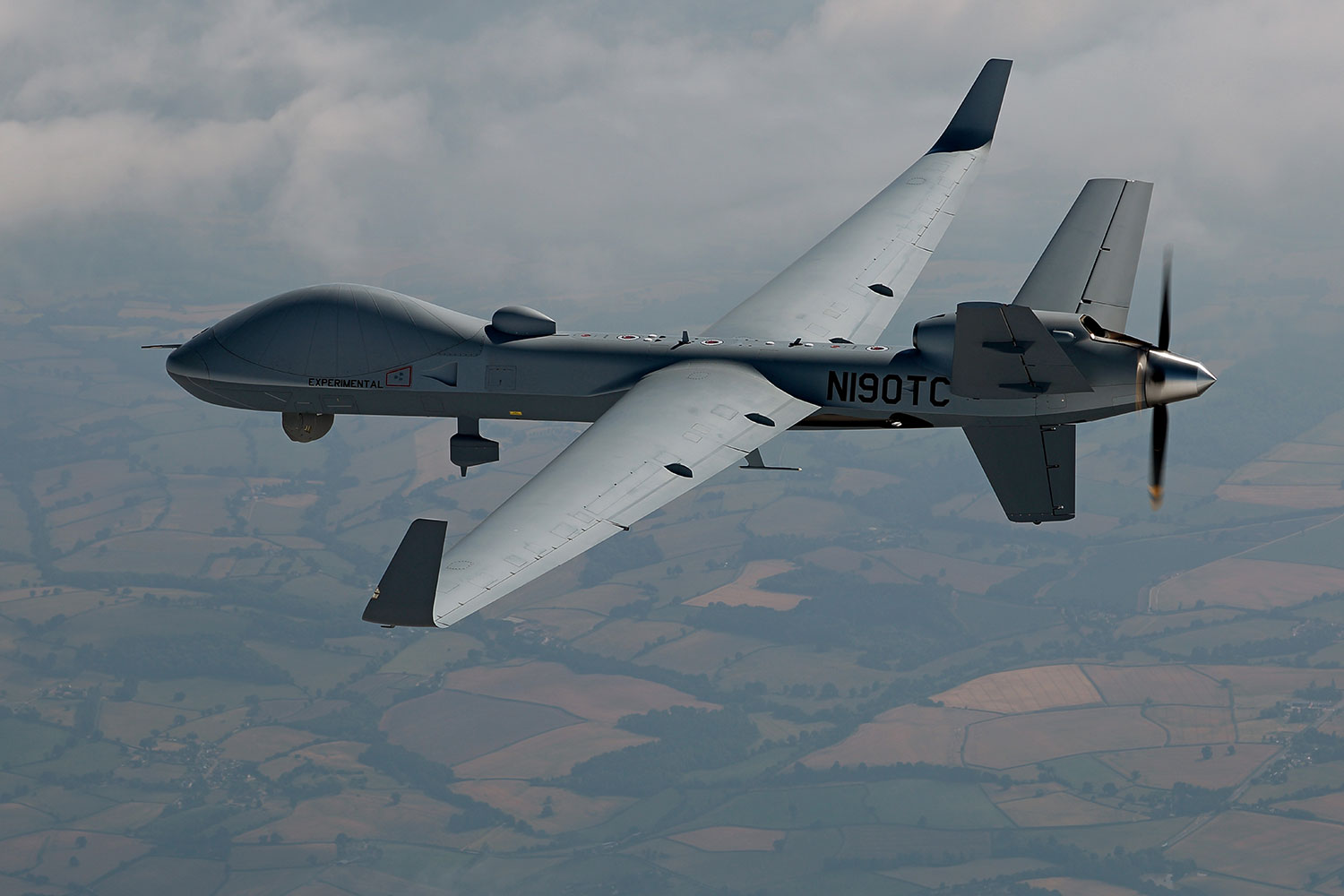
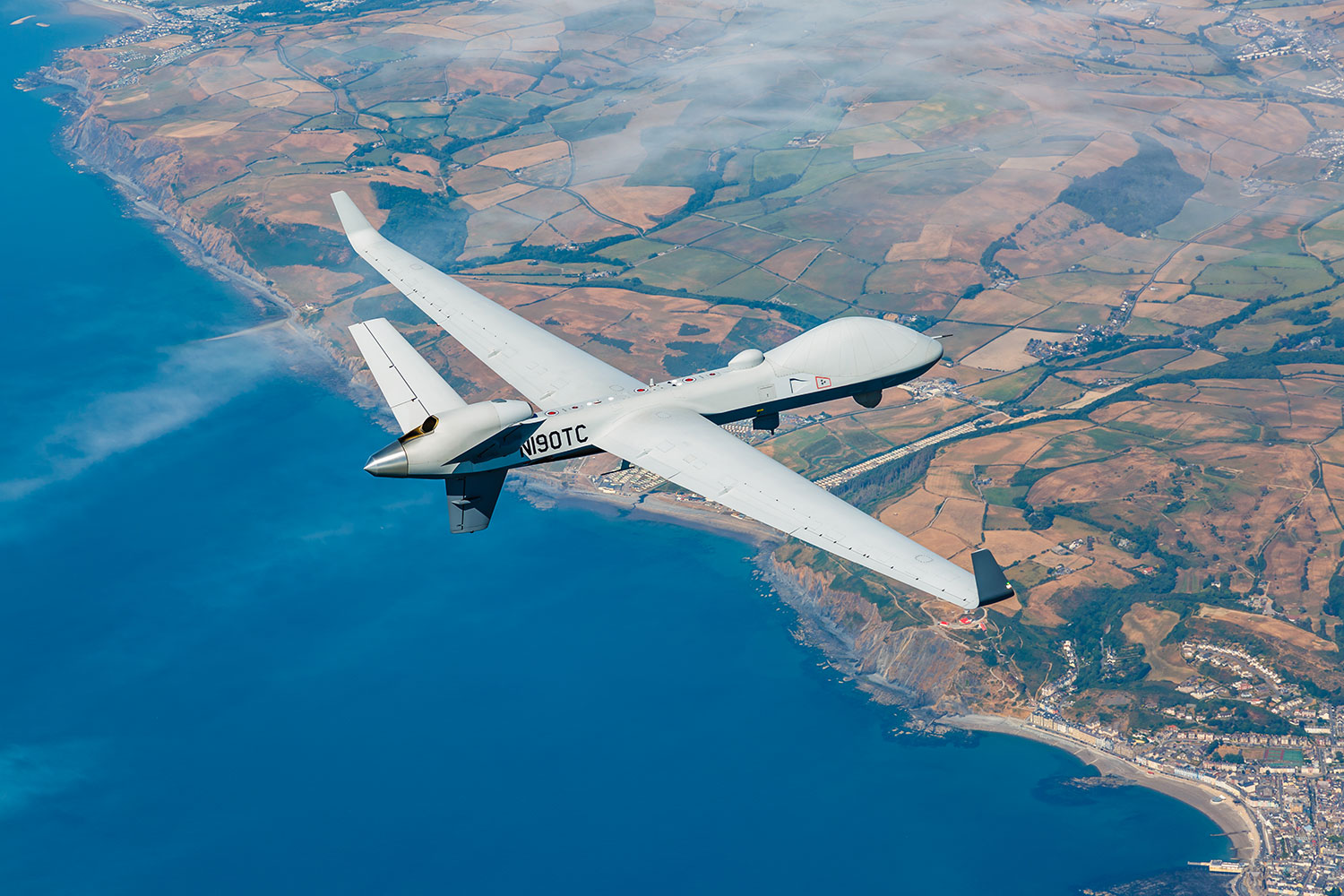
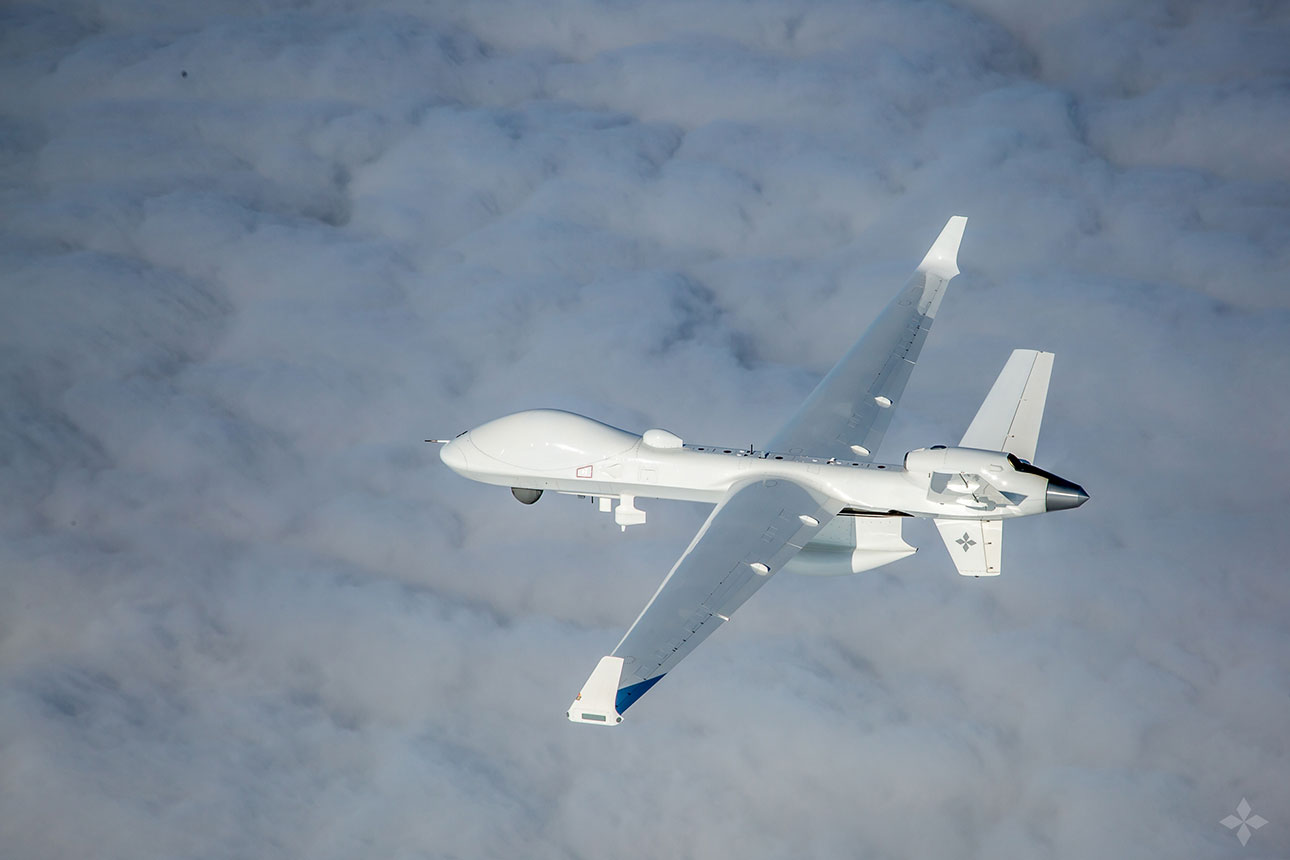
The MQ-9B drone builds on the MQ-9A model and is recognized as the SkyGuardian and SeaGuardian. It is larger and boasts enhanced capabilities compared to the MQ-9A. The MQ-9B’s length measures 11.6 meters, with a wingspan of 24 meters. Its maximum takeoff weight is 5670 kilograms, and it can reach a flight ceiling of 12200 meters. A significant factor in developing the MQ-9B was the need to meet NATO civil aviation regulations, allowing its operation in civilian airspace, whereas the MQ-9A is solely dedicated to military functions.
MQ-9B SkyGuardian: The SkyGuardian, a variant of the MQ-9B, meets European civil aviation regulations. Known as the Certifiable Predator B, it is the first drone certified for use in civilian airspace. Notable features include a 40-hour endurance, a maximum altitude of 12,190 meters, and a 24-meter wingspan. Additionally, the SkyGuardian comes with cutting-edge systems, such as an EO/IR imaging sensor, an anti-icing system, and a TCAS collision avoidance system.
MQ-9B SkyGuardian drone
MQ-9B SeaGuardian: The SeaGuardian, a specialized version of the MQ-9B, is tailored for maritime missions. It boasts an endurance of up to 18 hours (some reports indicate 30 hours) and can operate over a distance of 2,200 km, making it ideal for maritime surveillance and search-and-rescue tasks. A standout feature is the Leonardo Seaspray 7500E V2 AESA radar, capable of detecting maritime targets. Additionally, the drone is outfitted with sophisticated systems for deploying sonobuoys to monitor submarines.
MQ-9B SeaGuardian drone
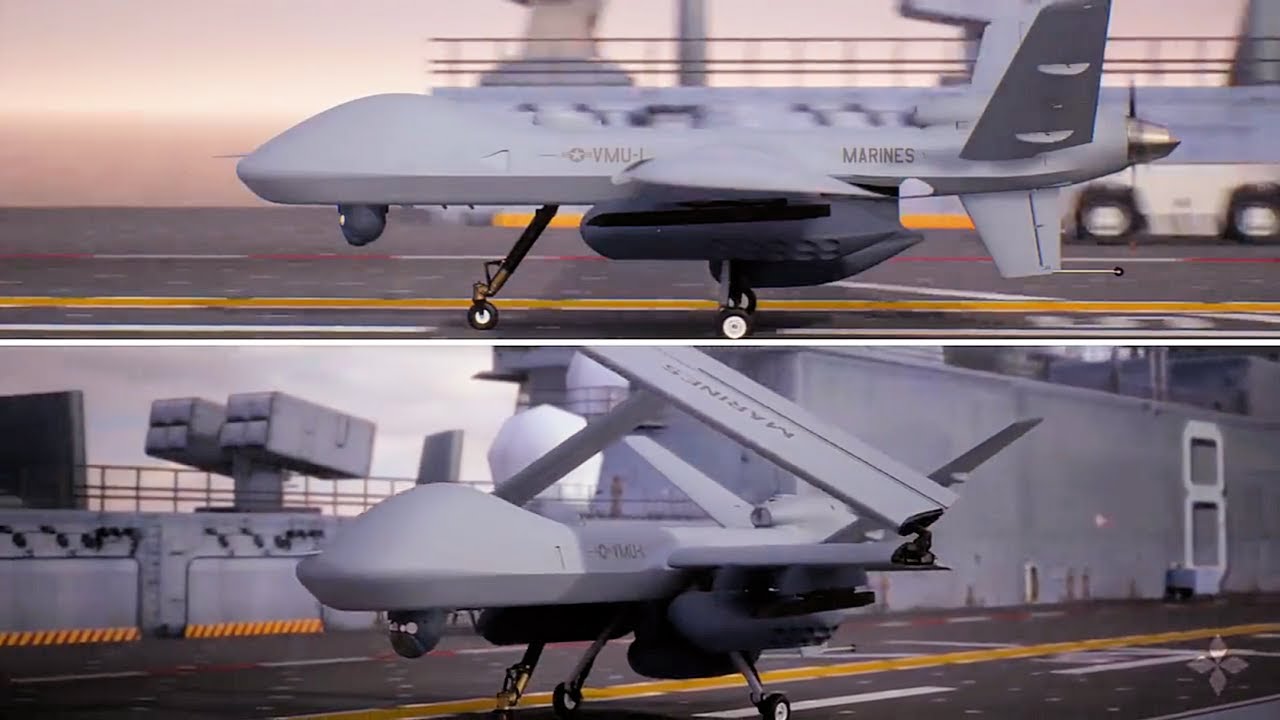
MQ-9B STOL: STOL means “short takeoff and landing.” The MQ-9B STOL can take off and land in challenging environments, including aircraft carriers. General Atomics introduced this concept in 2022. This kit allows for the replacement of wings, tail, and propeller to enhance short takeoff and landing performance.
MQ-9B STOL drone
MQ-9 UAV operational history:
The Reaper drone has primarily conducted its operational activities in the Middle East. Its most significant operation to date was the assassination of Qassem Soleimani, commander of the Quds Force of the Islamic Revolutionary Guard Corps, in Baghdad on January 3, 2020. The United States regime used Hellfire missiles in this operation.
Afghanistan (2007 to 2021): The Reaper’s combat presence was first established in Afghanistan, quickly gaining a reputation as a “hunter” platform. A notable incident occurred on September 13, 2009, when a Reaper that had lost control was shot down by a US F-15E fighter jet to prevent it from entering Tajik airspace. By 2010, Reaper drones were flying more than 33,000 close air support missions annually. Their usage peaked during the withdrawal of US forces in 2021, where they played a key role in supporting evacuation operations.
Iraq and Syria (since 2007): Reaper drones have been extensively utilized in Operation Iraqi Freedom and the fight against ISIS in Operation Inherent Resolve. This includes the 2015 strike on Jihadi John in Raqqa, Syria, using a Hellfire missile. In 2023, as the conflict amongst various factions and the Israel-Hamas war intensified, Reapers carried out the majority of US airstrikes in Syria and were also employed to target Iranian-backed forces.
Yemen: Initially, Reapers were used for reconnaissance missions against Al-Qaeda in the Arabian Peninsula (AQAP). However, following the Ansar Allah operation in Yemen and the overthrow of the Mansour Hadi government, they began to conduct operations against Ansar Allah. The first recorded downing of an MQ-9 occurred in 2017. Reaper missions in Yemen intensified as Ansar Allah ramped up operations in the Red Sea in 2023. From September 2023 to April 2025, Yemeni Ansar Allah shot down at least 19 Reapers (with a total of 23 since 2017), incurring losses collectively estimated at over $595 million. These losses highlight the Reaper’s vulnerability in high-intensity conflict zones.
Gaza (since 2023): Following the onset of the Gaza War in October 2023, Reapers flew unarmed over the Gaza Strip to identify the locations of American hostages during Israeli operations. However, no detailed information is available regarding these operations.
MQ-9 drone users:
United States includes NASA, Air Force, Navy, Marine Corps, Coast Guard, and Department of Homeland Security (US Customs and Border Protection)
United Kingdom – Early versions of the MQ-9A Reaper for surveillance operations in Afghanistan and the Middle East. – Protector RG Mk 1, a more advanced version to replace the MQ-9A, capable of carrying Brimstone 3 missiles and Paveway IV bombs.
Italy – Early versions of the MQ-9A Reaper for surveillance missions in NATO and Libya operations. – MQ-9A Block 5, an upgraded version.
Netherlands – Upgraded version of the MQ-9A Reaper Block V for surveillance and reconnaissance missions
Japan – Maritime version of the MQ-9B SeaGuardian for maritime threat surveillance.
United Arab Emirates – MQ-9B SkyGuardian for border reconnaissance and surveillance missions.
France – MQ-9A Reaper for counterterrorism and reconnaissance operations in Africa and the Middle East.
Spain – MQ-9A Reaper for surveillance and border security operations.
Poland – MQ-9B SkyGuardian version for reconnaissance and surveillance missions.
Morocco – MQ-9B SeaGuardian maritime version for coastal surveillance and border operations.
Taiwan – MQ-9B SkyGuardian version for surveillance and reconnaissance in border areas.
MQ-9A Reaper specifications:
Type: Reconnaissance and Combat Manufacturer: General Atomics Aeronautical Systems Country of Manufacture: United States First Flight: 2001 Length: 11 m Wingspan: 20 m Height: 3.81 m Engine: Honeywell TPE331-10 900 hp Fuel Capacity: 1,800 kg – 2,721 kg in ER version Range: 1,850 km – 2,593 km in ER version Maximum Speed: 480 km/h Service ceiling: 15,420 m (50,000 ft) Endurance: 27 hours – 34 hours in ER version Maximum Takeoff Weight: 4,760 kg – 5,307 kg in ER version Empty Weight: 2,223 kg Payload: 1,747 kg Armament: 7 hardpoints with a capacity to carry 1,361 kg of ammunition
Brigadier General Yahya Saree stated that the Yemeni Armed Forces’ air defense successfully targeted and struck an MQ-9 drone conducting hostile operations in the airspace above Al-Jawf province. This operation utilized a surface-to-air missile developed by Yemeni Defense Industries.
On April 3, the Yemeni Army’s defense forces also successfully destroyed a U.S. MQ-9 drone in Marib province.
This impressive operation highlights the determination and expertise of the Yemeni forces in strengthening their aerial defense capabilities. It’s a testament to their resilience and commitment to protecting their airspace.
This drone marks the 22nd American MQ-9 drone to be shot down during the Yemeni war. Eighteen of these drones were downed during the Yemeni operation to support the Palestinian people and their resistance, titled the “Promised Conquest and Holy Jihad” campaign.
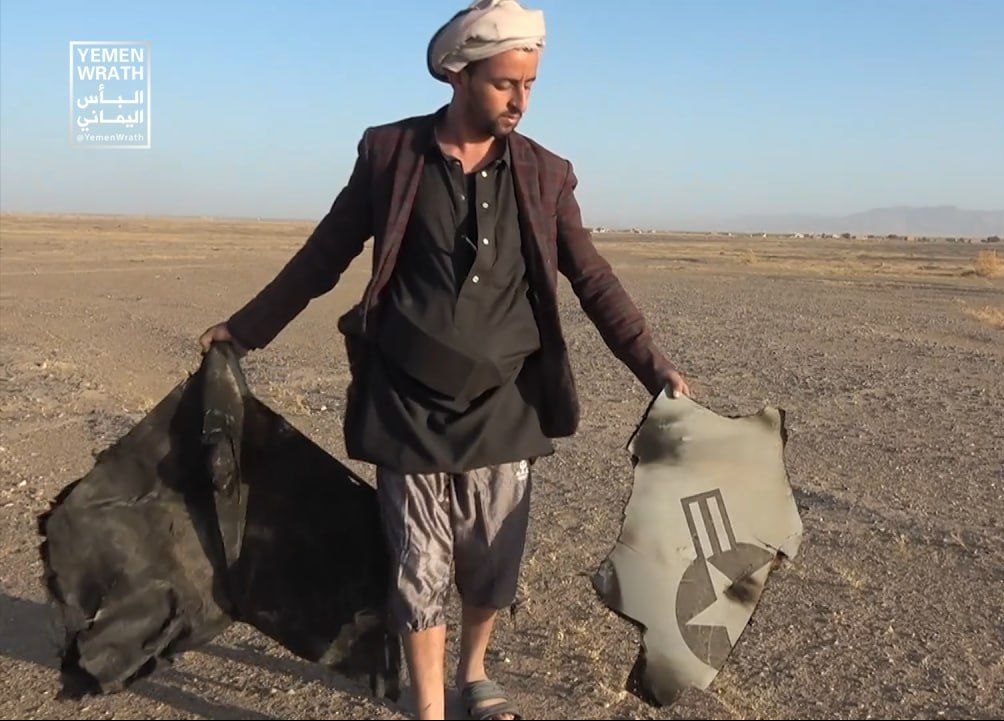
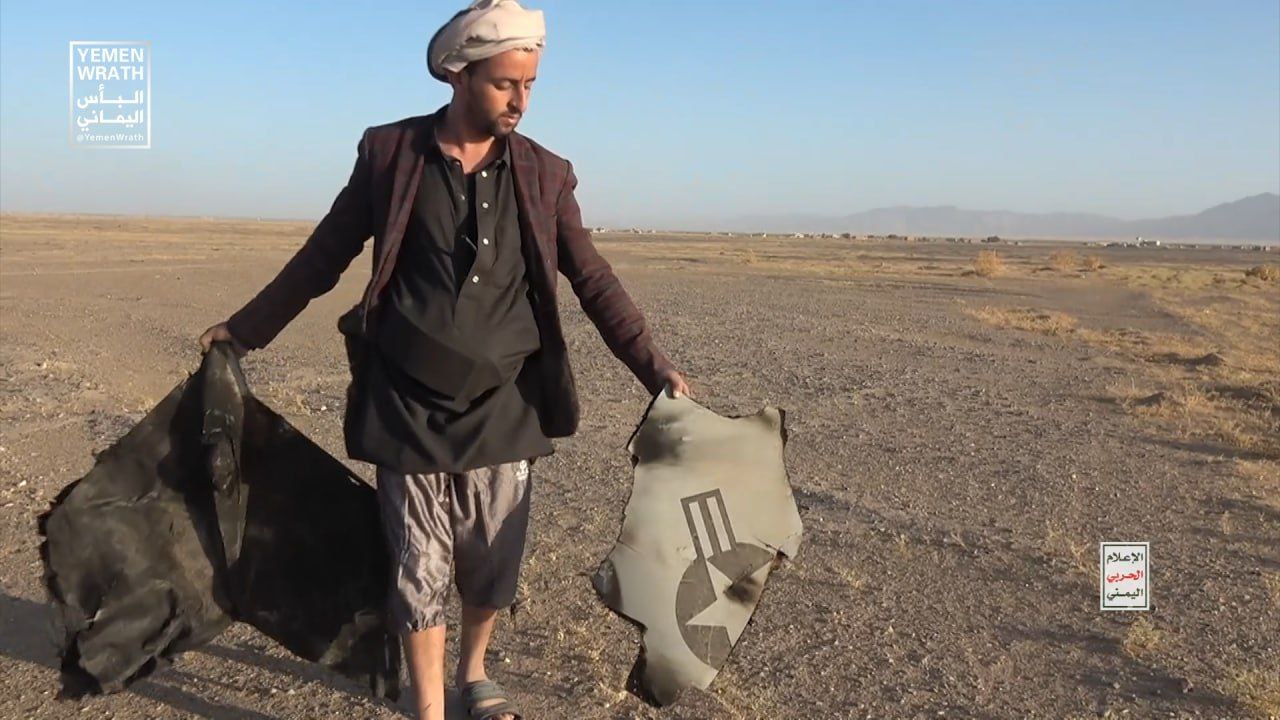
The wreckage of a downed American MQ-9 drone in Al-Jawf. The drone was shot down this morning by a Yemeni army air defense missile.
Since the onset of the Yemeni war, the Yemeni Armed Forces have successfully downed 115 military aircraft from the US, Saudi Arabia, UAE, Morocco, Bahrain, and Jordan across various fronts. Among these, 25 aircraft are attributed to the US military, comprising 22 MQ-9 drones, one F/A-18F fighter jet, one UH-60M helicopter, and one V-22 Osprey helicopter.
This incident marks the 21st American MQ-9 drone destroyed during the Yemeni conflict. Notably, 17 of these drones were downed during the Yemeni Armed Forces’ support operation for Palestine, known as “Promised Conquest and Holy Jihad.”
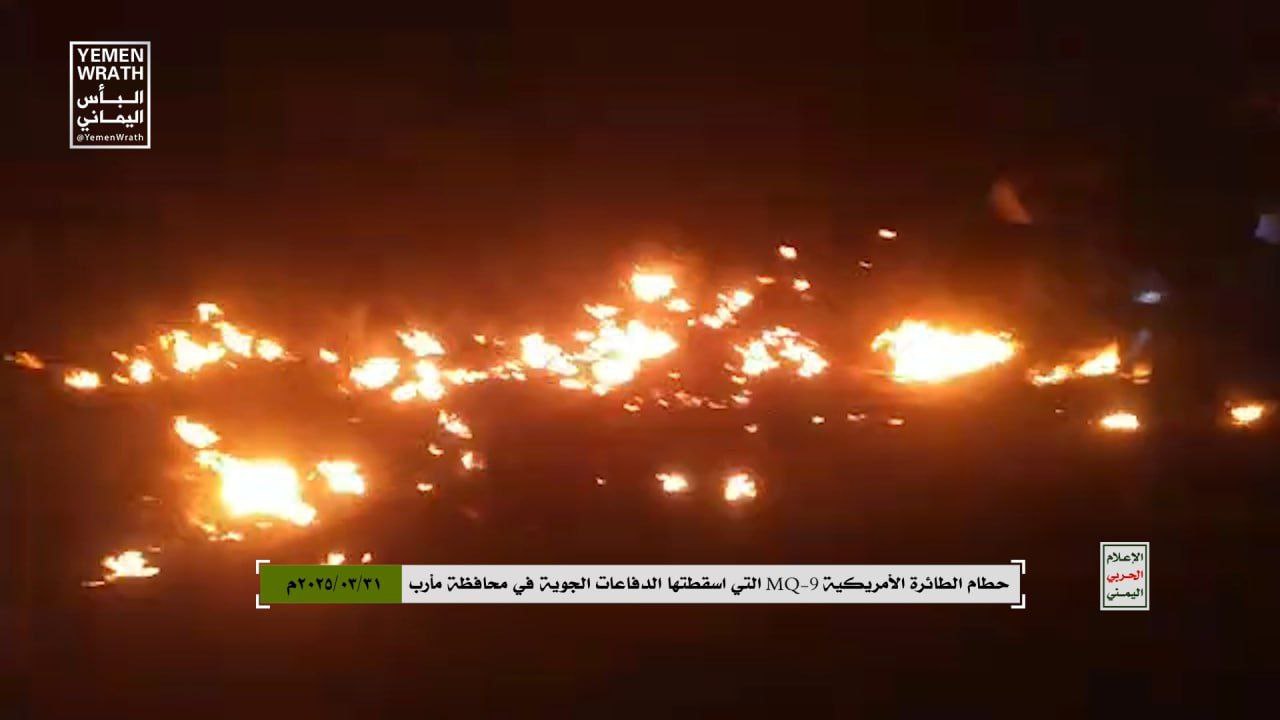
On March 31, the Yemeni Army’s defense forces also successfully destroyed a U.S. MQ-9 drone in Marib province.
The MQ-9 Reaper drone is one of the U.S. Army’s heavy, multi-purpose drones that has been involved in numerous reconnaissance, surveillance, and offensive operations in Yemen since the start of the Yemeni Armed Forces’ campaign against the Zionist regime.
This drone has proven to be one of the most significant weapons used by the United States in conflicts in Iraq, Afghanistan, Syria, and other regions; however, it has faced more significant losses in Yemen than in any of these other conflicts. To date, the air defenses of the Yemeni Armed Forces have shot down 21 MQ-9 drones, causing substantial damage to the United States, estimated at $672 million.
The drone was reportedly shot down in the sky of Marib province using a surface-to-air missile, and its wreckage fell in the desert between Marib and Al-Jawf provinces.
The American military uses MQ-9 drones to conduct attacks and identify important targets in real-time in Yemen.
Wreckage of the US MQ-9 Drone in Maribdesert
The Marib and Al-Jawf deserts represent the frontline in the conflict between Ansar Allah and the Saudi coalition forces. However, the supremacy of Ansar Allah fighters in battle and the intimidation of mercenary troops have led to the majority of American drone wreckage landing in the possession of Ansar Allah forces.
It is important to note that the Yemeni army had previously shot down 4 of this type of drone during the conflict with the Saudi coalition over the past years. However, in the recent war, particularly during the Yemeni operation to support the Palestinian people and their resistance, titled the “Promised Conquest and Holy Jihad” campaign, the Yemeni army has shot down an additional 16 MQ-9 drones in less than two years, including the one downed tonight.
This incident marks the 19th American MQ-9 drone to be shot down during the Yemeni war. Notably, 15 of these drones were destroyed during operations aimed at supporting the Yemeni people and the Palestinian resistance under the campaign known as the “Promised Conquest and Holy Jihad.”
The General Atomics MQ-9 Reaper is a heavy, multi-purpose drone used by the US Army, which has conducted hundreds of reconnaissance, surveillance, and offensive operations, including assassination missions in Iraq, Afghanistan, and Syria since 2001. The US Army has employed these drones to monitor the positions and movements of the Yemeni Army and to conduct attacks against them.
Yemeni Army Shoots Down 19th US MQ-9 Drone In Yemen
This is the second drone to be shot down by the Yemeni forces within the last 72 hours. This marks the 18th MQ-9 drone shot down during the Yemeni conflict. Additionally, 14 of these drones were destroyed during recent military operations and Yemen’s support for the Palestinian people.
The MQ-9 Reaper drone, developed by General Atomics, is a heavy, multi-purpose drone used by the US military for various reconnaissance, surveillance, and offensive operations, including assassination missions in Iraq, Afghanistan, and Syria since 2001.
The average unit cost of an MQ-9 is estimated at $32 million in 2023 dollars. Consequently, Ansar Allah has inflicted around $576 million in damage to the US by downing 18 of these drones.”