Tag: Pakistan

  • Indian Army Announces Results of Military Operations Against Pakistan

    Indian Army Announces Results of Military Operations Against Pakistan

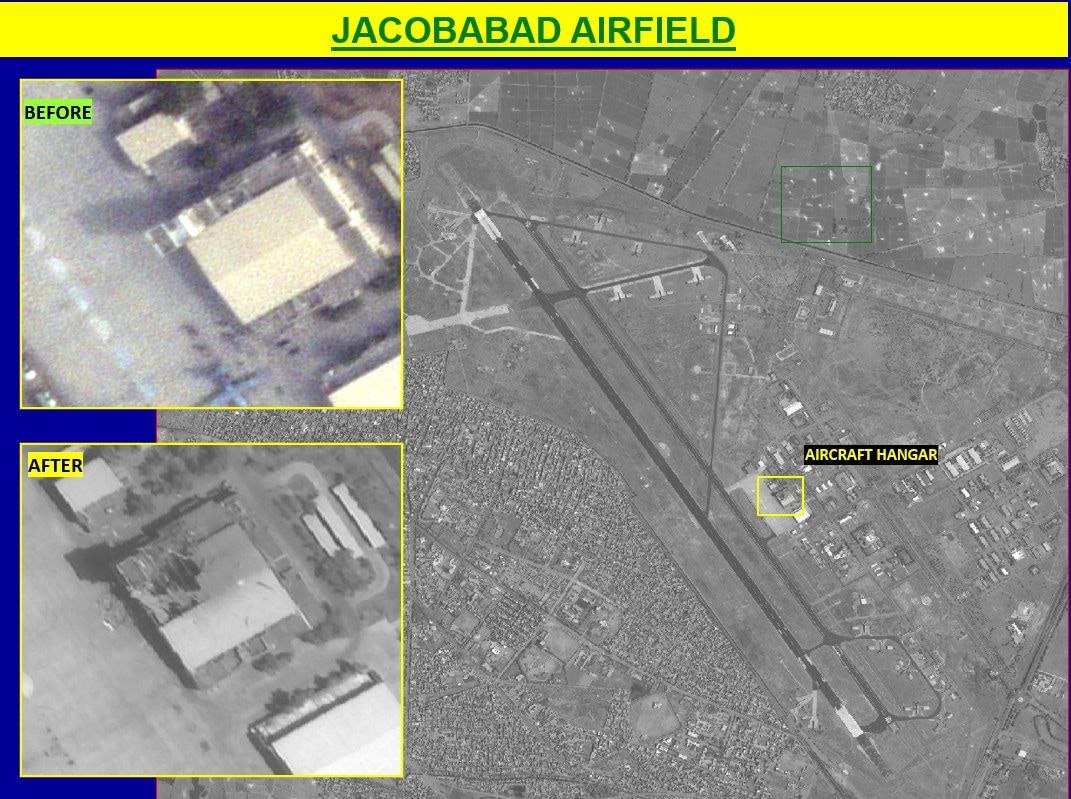
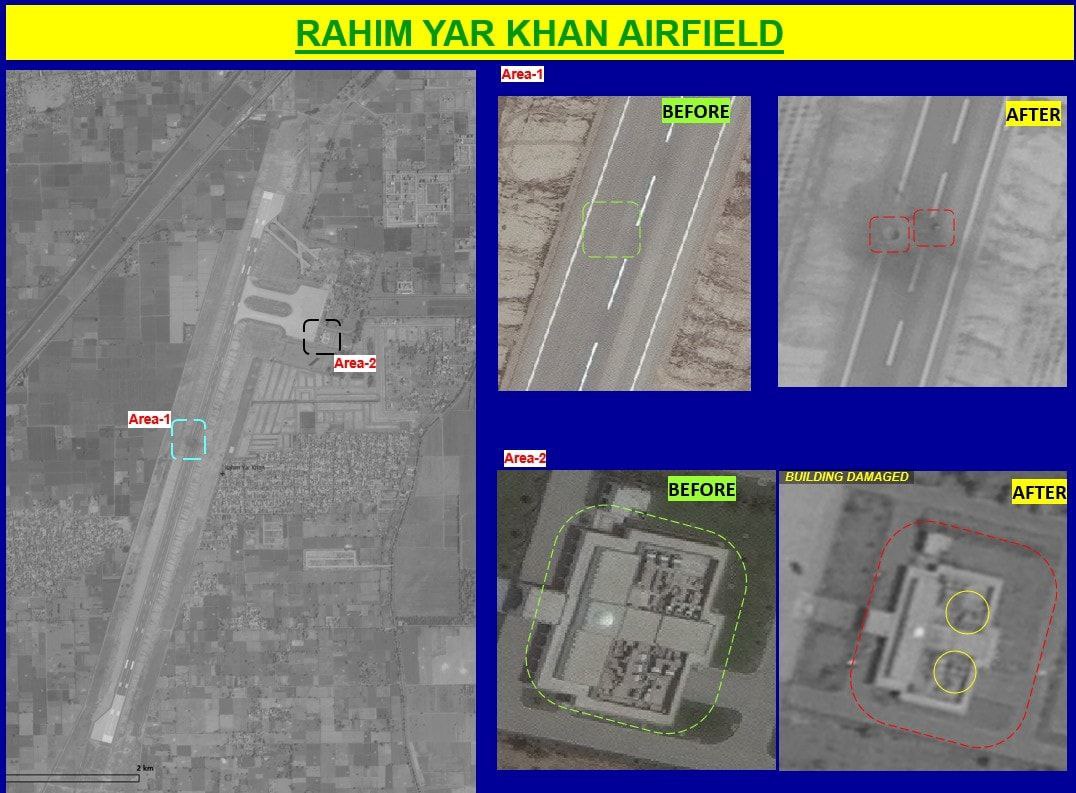
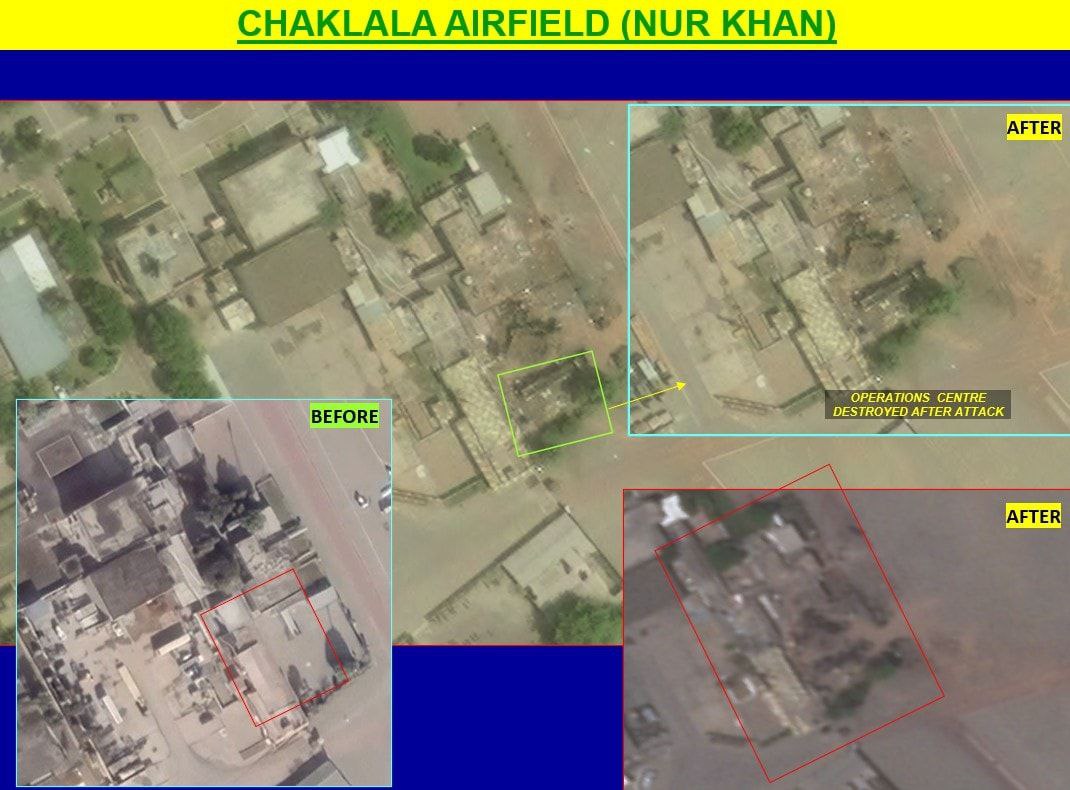
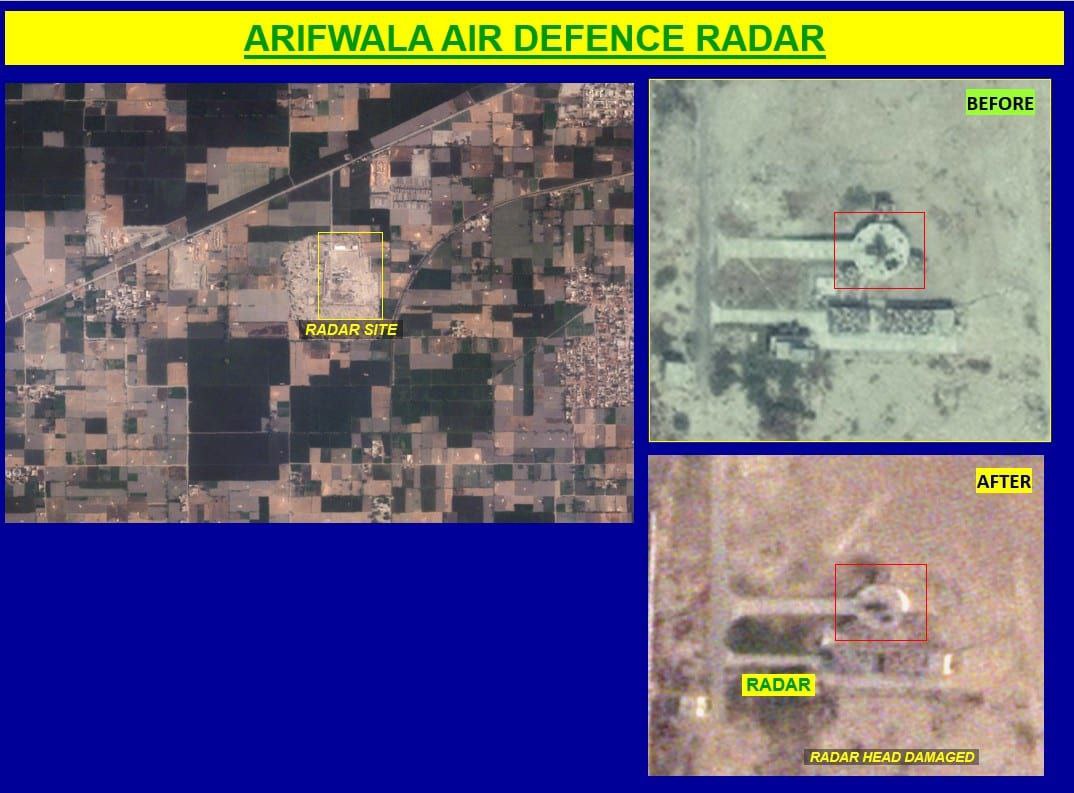
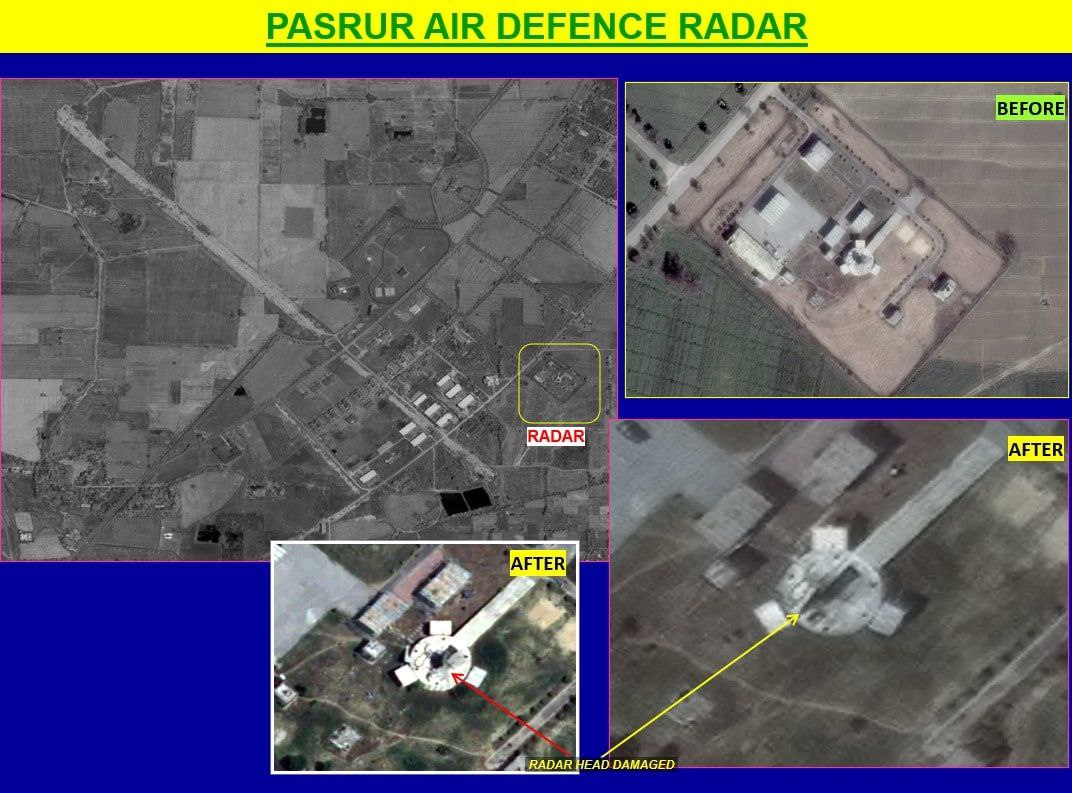
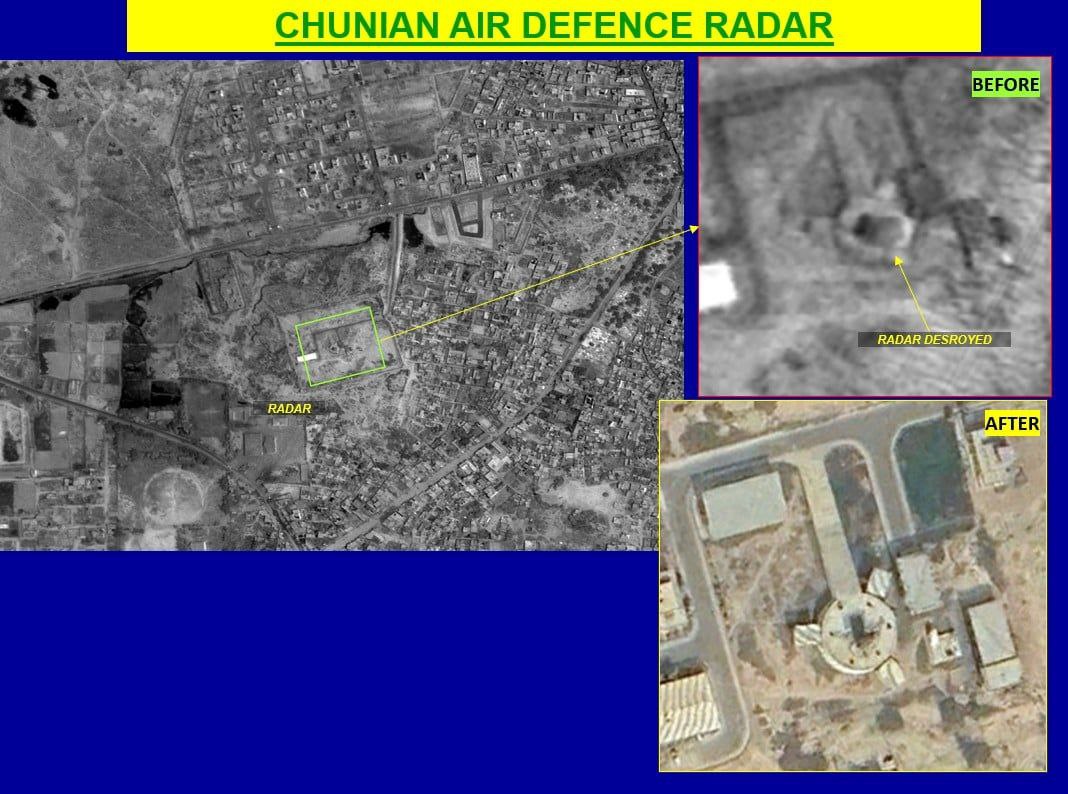
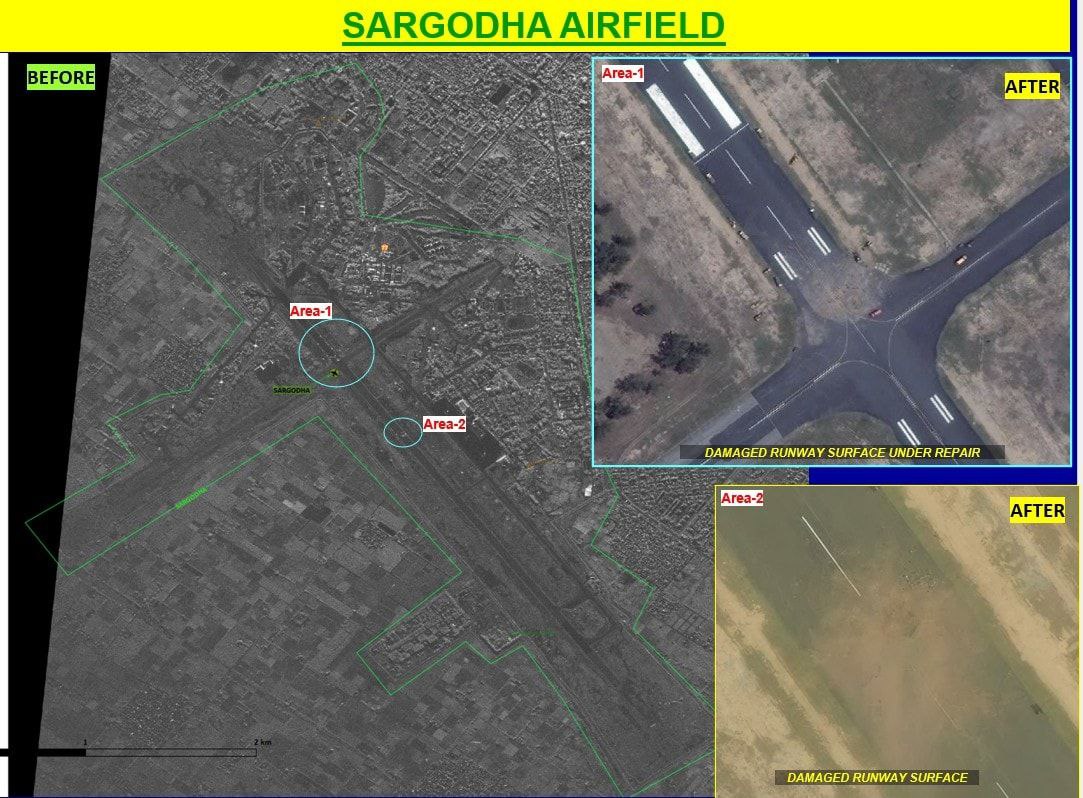
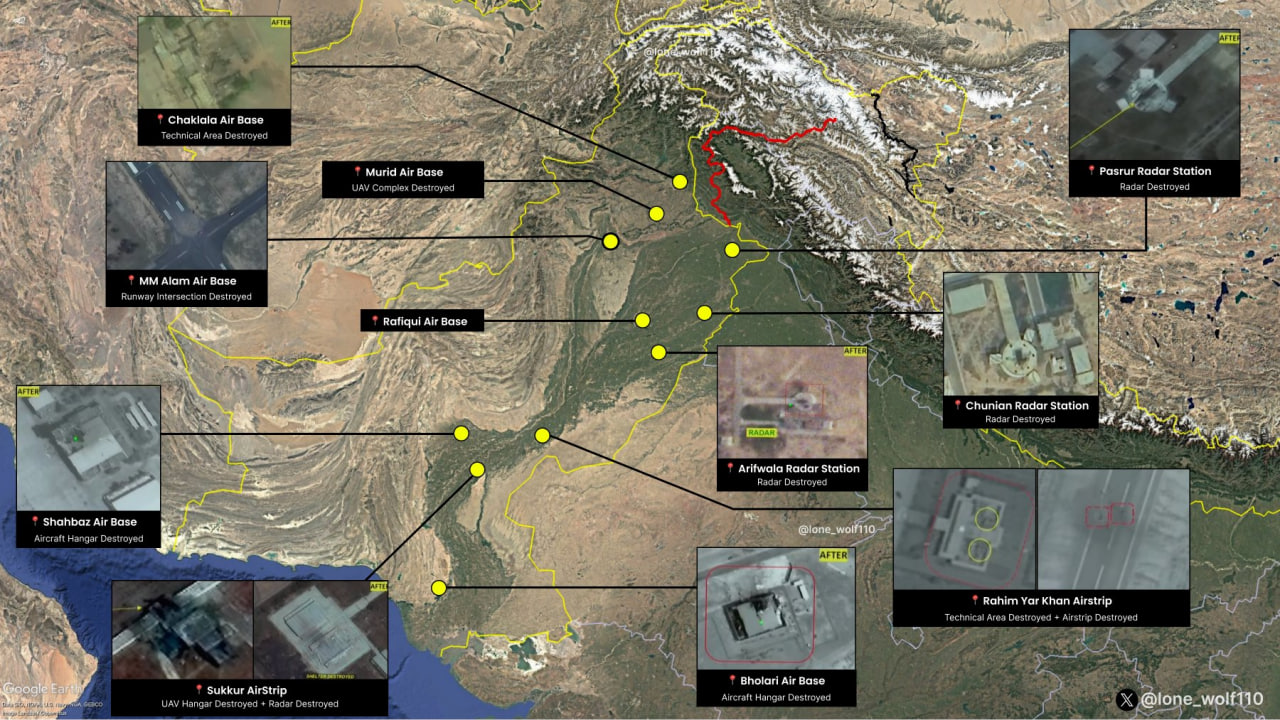
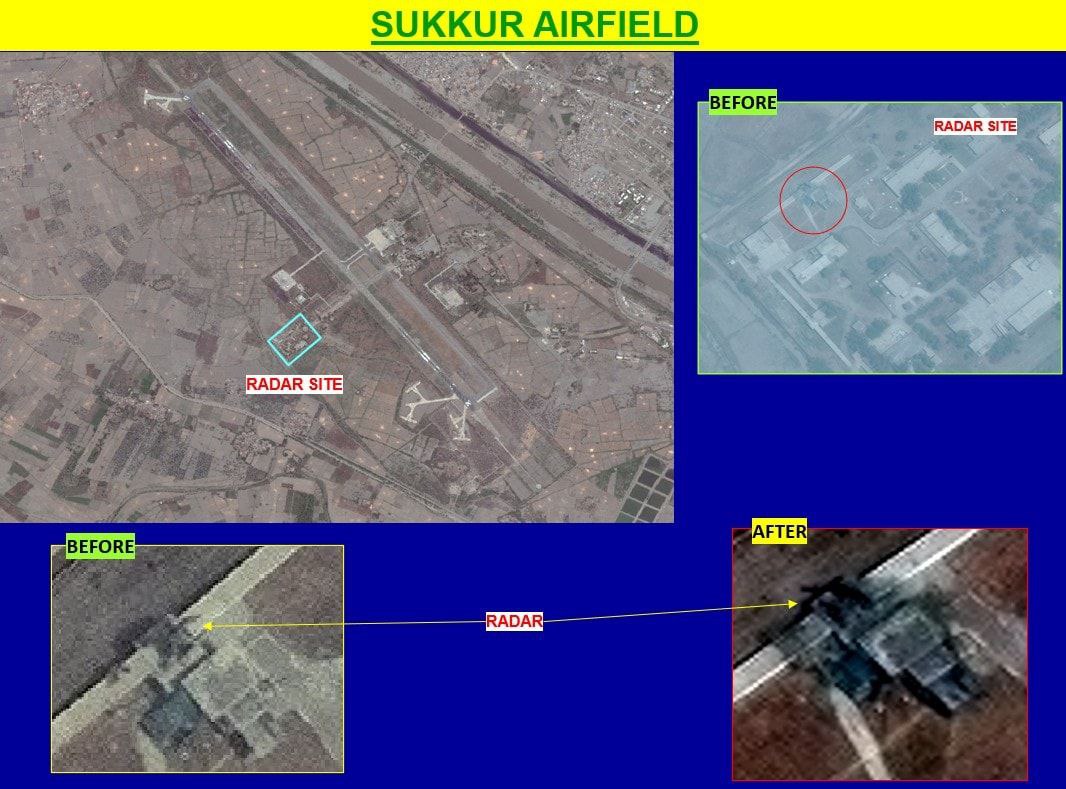
    At the conference, the Hindus presented satellite images of the situation before and after India’s air and missile attacks on Pakistani targets and demonstrated the results of their attacks. These positions are as follows:

    1- Chunian Air Defense Radar
    2- Pasrur Air Defense Radar
    3- Arifwala Air Defense Radar
    4- Nur Khan Air Base in Rawalpindi
    5- Mushaf Air Base in the south of Sargodha city
    6- Rahim Yar Khan Air Base
    7- Shahbaz Air Base in Jacobabad
    8- Sukkur Air Base
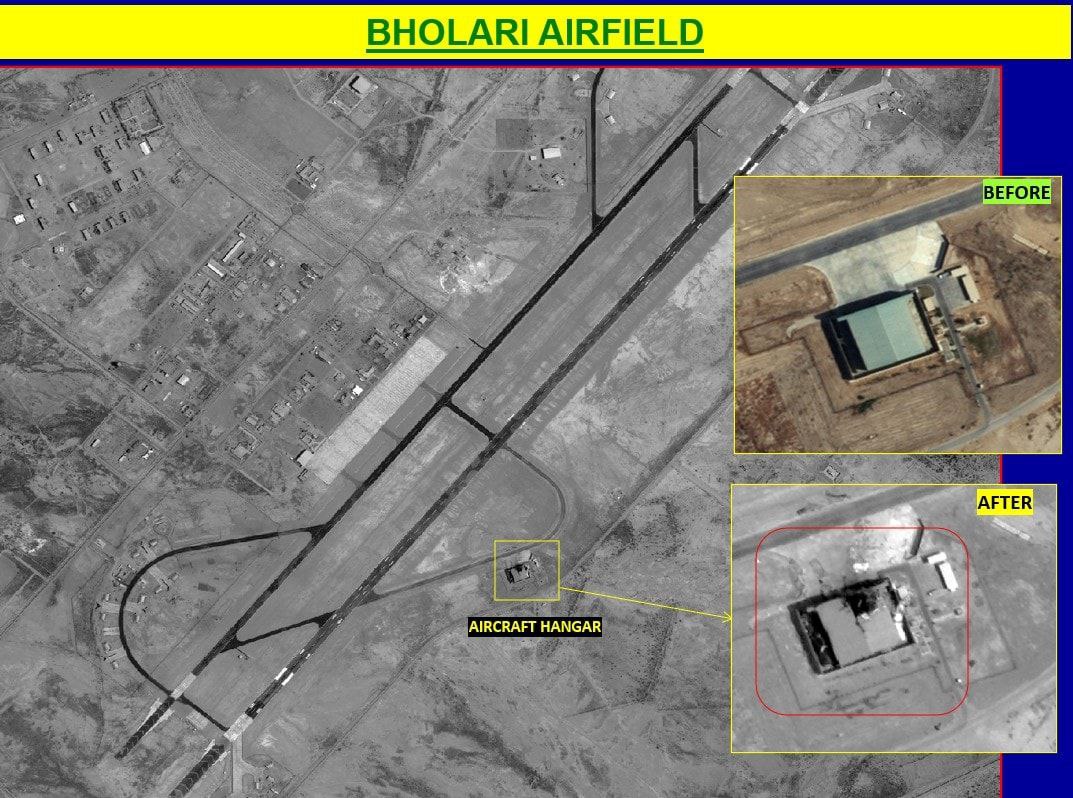
    9- Bholari Air Base located between the cities of Hyderabad and Karachi
    Satellite images of the situation before and after Indian air and missile attacks on Pakistani targets

    The Indian Army carried out these attacks using attack aircraft, Brahmos and Scalp supersonic cruise missiles, and ballistic missiles.
    The Indian missile attack on Nur Khan base occurred on May 10. As a result of this attack, a fire and a heavy explosion occurred. According to Pakistani sources, the missile hit the third runway of the airport and caused no casualties, but some foreign sources stated that the explosion was the result of a fire in a C-130 transport aircraft of the Pakistan Air Force.

    The Indian army also attacked Shahbaz Air Base on May 10. Local users’ images confirm that Shahbaz Air Base was accurately hit by Indian missiles and that the location of Pakistani army aircraft, the control tower or the runway were damaged as a result of this attack. Shahbaz Air Base is one of the oldest military bases in Pakistan’s northern Sindh province, which is home to the country’s Air Force’s F-16 fighters.

    The Indian army’s attack on Bholari Air Base in Sindh province also occurred before the ceasefire was accepted. Bholari Air Base is one of the positions of the Pakistan Air Force in the south of the country and is located between the cities of Hyderabad and Karachi.

    Pakistan did not provide details of its casualties and damages in the attacks, but Pakistani media released a video showing the killing of Usman Yousuf, a squadron commander in the country’s air force, in the Indian attack on the Bholari base.

    Read more: How did the Pakistani military bring down five Indian fighter jets?

    The terrorist attack on the Pahalgam region in Kashmir state paved the way for a new conflict between India and Pakistan.

    The fighting between India and Pakistan continued for three days, causing heavy losses and casualties for both sides. Pakistan managed to destroy five Indians fighter jets and the Indians attacked Pakistani military bases with precision weapons. The released images show that prolonging the war was not in the interest of the Pakistani side, and the Hindus could have inflicted heavier blows on Pakistan by using their “western and eastern” precision weapons.
  • How did the Pakistani military bring down five Indian fighter jets?

    How did the Pakistani military bring down five Indian fighter jets?

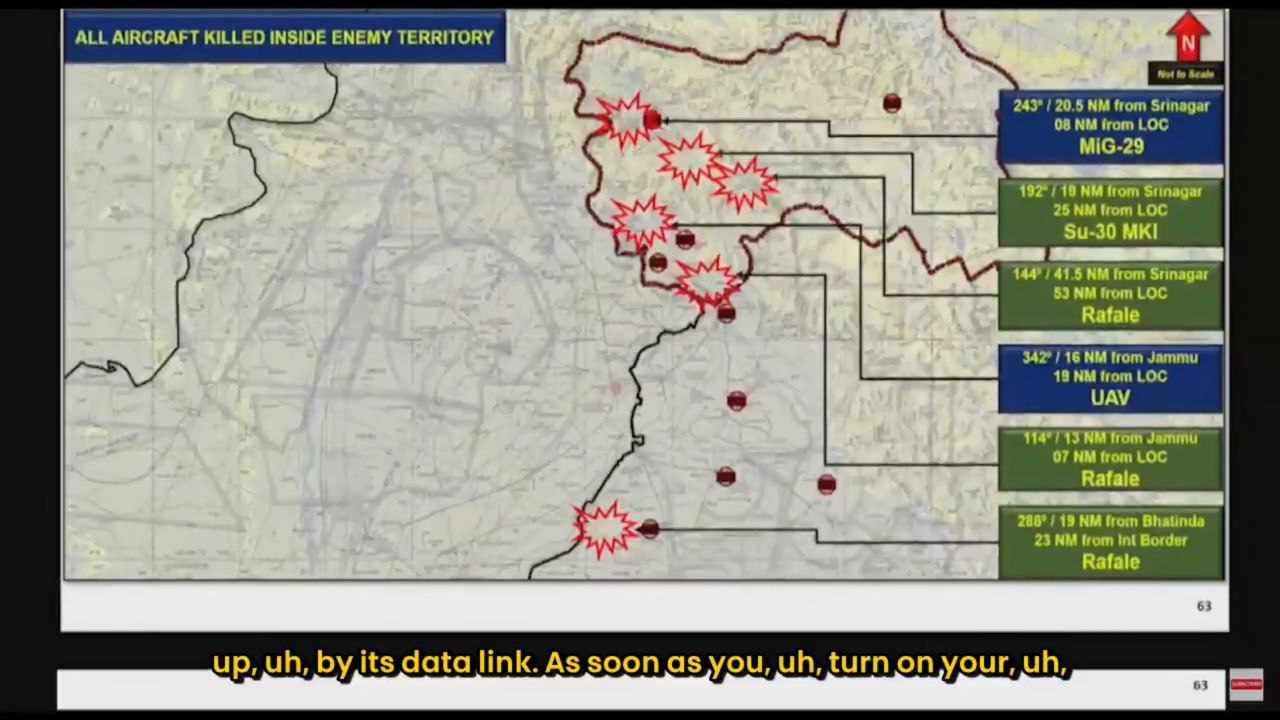
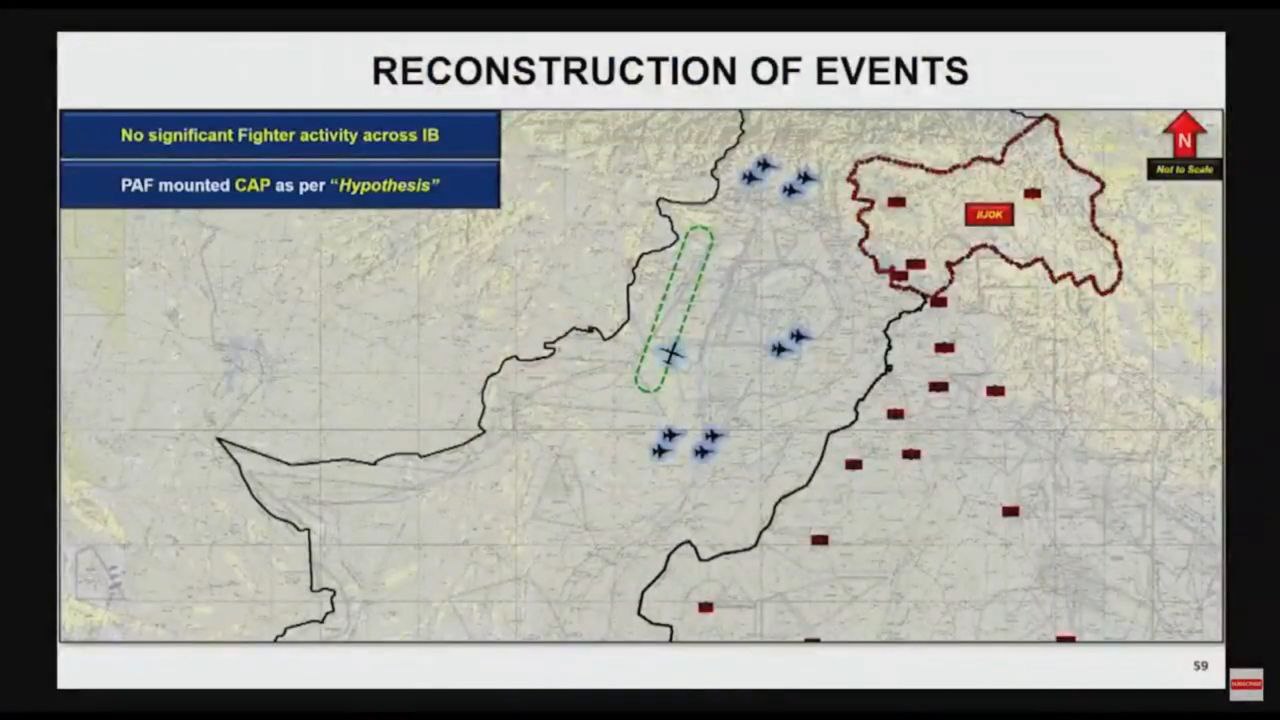
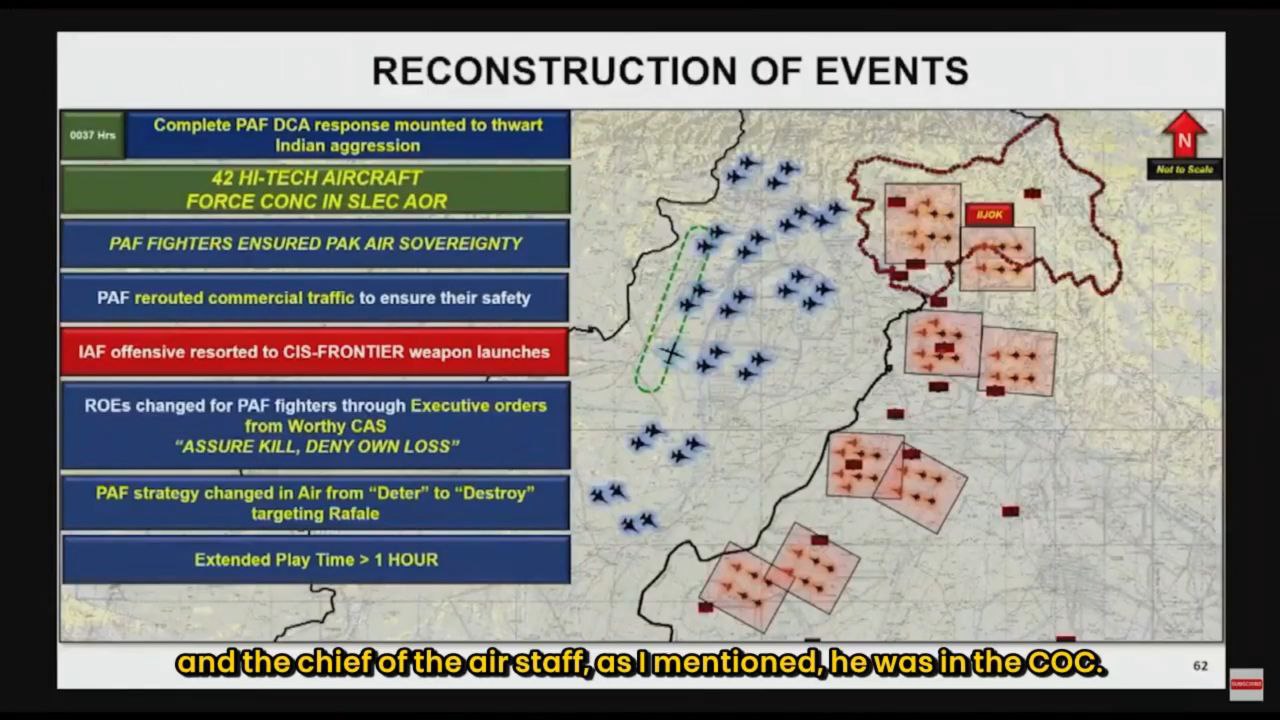
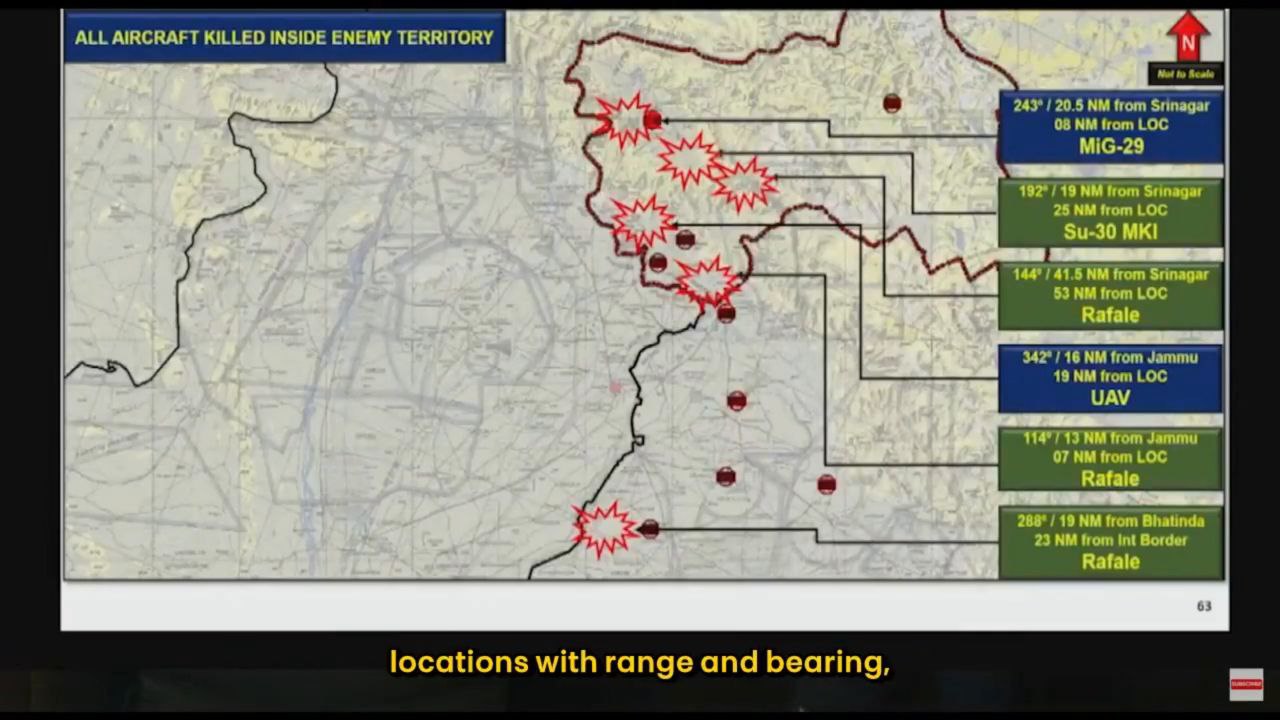
    At the onset of the encounter, 10 Pakistani fighter jets were on standby over Pakistan, while 12 Indian fighter jets entered the border region. India subsequently deployed over 60 additional fighter jets, including 14 Rafale jets, to the area in an effort to overwhelm and intimidate the Pakistani side, raising the total number of Indian aircraft near the Pakistani border to 72. In response, Pakistan dispatched 42 fighter jets to counter this move. Ultimately, this clash resulted in the downing of five Indian fighter jets, marking a significant early setback for India.

    In this conflict, Pakistan managed to shoot down five Indian fighter jets, which included three French Rafale fighters, one Sukhoi Su-30, and one MiG-29 fighter jet within the border region.

    Read more: Indian Army Announces Results of Military Operations Against Pakistan

    A critical takeaway from this brief air battle was the seemingly careless and possibly overconfident approach of the Indian Air Force. By flying their jets close to the Pakistani border, India effectively placed them in considerable jeopardy. Conversely, the Pakistani forces, recognizing their limitations compared to India’s capabilities, strategically maintained a safe distance for most of their fighters over Pakistani airspace and skillfully employed PL-15E beyond-visual-range missiles to engage various Indian aircraft. Additionally, Pakistani AWACS made a significant contribution to this air victory for Pakistan.

  • Pahalgam Terrorist Attack: Unprecedented Tension Between India and Pakistan

    Pahalgam Terrorist Attack: Unprecedented Tension Between India and Pakistan

    During the assault, four gunmen entered the Baisaran Valley meadow, situated approximately 7 km from Pahalgam town. They killed 26 tourists, including one foreign national from Nepal, and wounded 12 others.

    This attack is one of the rare instances of violence against Indian tourists and is the most significant terrorist incident in the state of Jammu and Kashmir since the bombing outside the state assembly in October 2001 which killed 35 people.

    The attack was claimed by a group known as the Resistance Front (TRF), which India describes as a splinter group of the Pakistan-based Lashkar-e-Taiba terrorist organization and alleges is supported by Pakistan. The issue of “support for terrorism” is a significant point of contention between the two countries. This has been a recurring theme in the statements made by officials from both nations regarding militant groups operating in Pakistan’s Balochistan province and Jammu and Kashmir.

    Following the armed attack, Indian Prime Minister Narendra Modi abruptly ended his trip to Saudi Arabia and returned to New Delhi. The Indian government convened a security meeting, and the Foreign Ministry issued a statement advising citizens to refrain from traveling to Pakistan while urging Indian nationals to leave the country as quickly as possible. Moreover, India has intensified tensions with Pakistan and announced the suspension of their longstanding water treaty, which has been in effect since 1960 and during prior conflicts, including the wars of 1965 and 1971.

    The Indus Waters Treaty governs the use of water from the Indus River and its five main tributaries: the Jhelum, Chenab, Ravi, Beas, and Sutlej. This agreement, mediated by the World Bank, is crucial for the water supply of both India and Pakistan, with Pakistan’s economy and agriculture heavily reliant on it.

    In response to Indian accusations, Pakistani officials have denied any wrongdoing and have accused India of supporting attacks on Pakistani consulates in Afghanistan. They have threatened to respond appropriately to any actions taken by India.

    As a result, Pakistan has suspended trade relations with India and has given Indian diplomats until the end of April to leave the country. Additionally, Pakistan has closed its airspace to Indian aircraft and declared that any violations of rights concerning the Indus River will be considered an act of war.

    Kashmir is a region in Central Asia that has long been a point of contention among Pakistan, India, and China since World War II and the withdrawal of the British from India. In this context, India and Pakistan have fought several wars over control of the region, and both countries have bolstered their pro-independence movements to claim it.

    Map of Kashmir region
  • Taliban Retaliates Against Pakistani Airstrikes

    Taliban Retaliates Against Pakistani Airstrikes

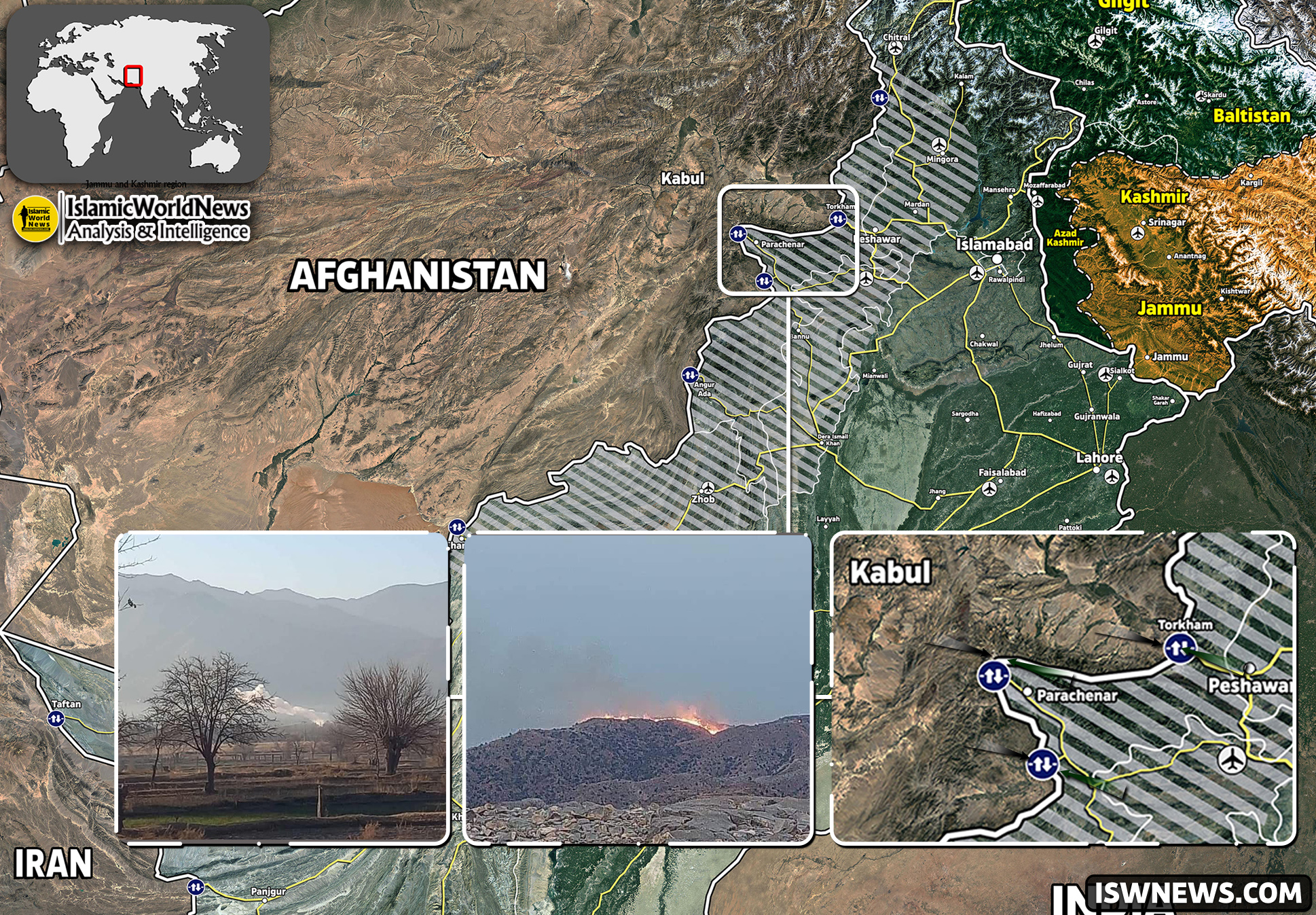
    Afghan Taliban militants targeted four locations in Barmal city of Paktika province, near the Dand Wa Patan, Tri Mangal, and Torkham border crossings in Paktia and Khost provinces, in response to the Pakistani army’s airstrikes.

    The fighting concluded after Pakistani army artillery attacks on border areas in eastern Afghanistan, leading to the retreat of Taliban militants.

    The Taliban’s defense ministry stated that Taliban forces had attacked the bases and hideouts of ISIS and their supporters (Pakistan) in the southeast, which were the sources of the attacks on Afghanistan, without providing details of the attacks on Pakistani territory.

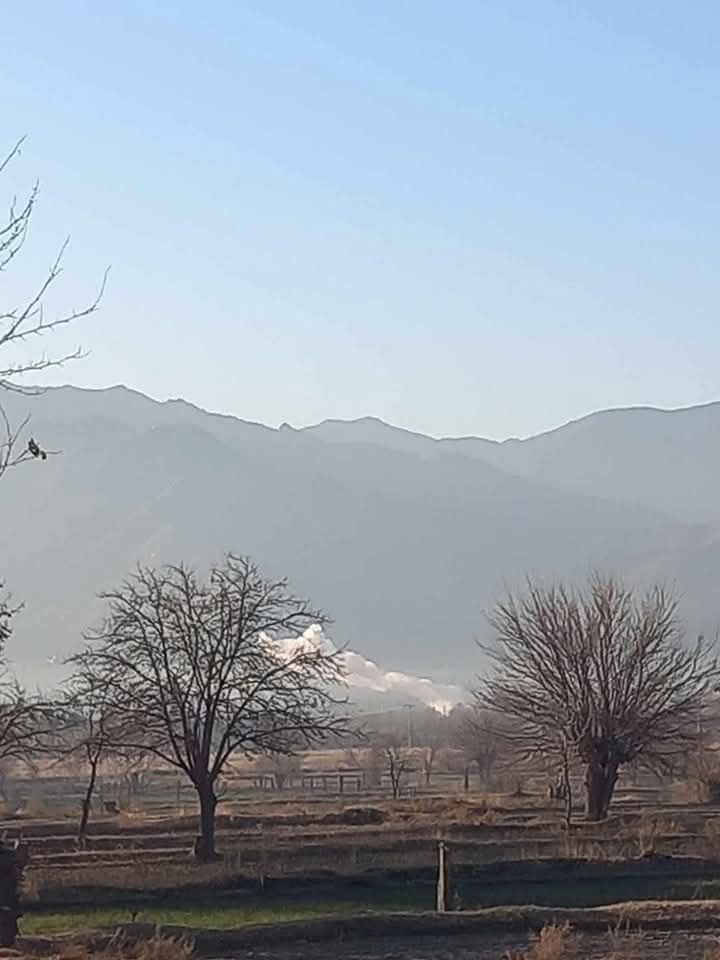
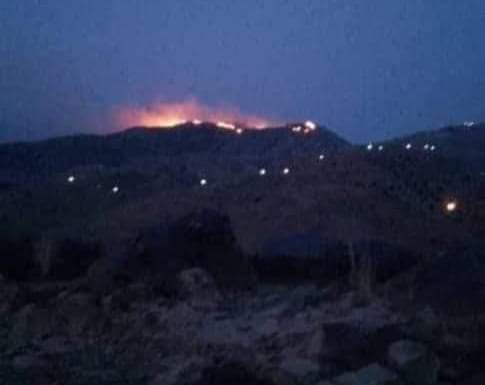
    Clashes on the border areas

    Afghan media reported that 19 Pakistani soldiers and three Afghan civilians were killed in the clashes, and two border checkpoints were captured by the Afghan Taliban. The Taliban set fire to Pakistani border guard equipment and left the area after capturing the checkpoints.

    The videos and images released by Taliban media are old and unrelated to today’s attacks.

    Pakistani media denied these reports, stating that one border guard was killed and seven were wounded. They also claimed that five Taliban militants were killed in an artillery attack by the Pakistani army on Dandpatan town in Paktia province.

    Pakistani artillery attack on Dand Wa Patan area

    These clashes continue the political tension between the Pakistani government and the Afghan Taliban over the Afghan Taliban’s support for the Tehreek-e-Taliban Pakistan (TTP) and the Taliban’s counterclaims of Pakistan’s support for ISIS. The Taliban claim to have carried out the attacks in response to a Pakistani army airstrike on Barmal in Paktika province on January 5, which killed at least 46 people in Afghanistan and sparked a strong reaction from the Taliban. Pakistan claims to have assassinated senior commanders of the Pakistani Taliban, including Shir Zaman (Mukhlis Yar), Abu Hamza, and Akhtar Mohammad, and destroyed the group’s media center, Omar Media.

  • Pakistan, Iran Armies Conduct Joint Anti-Terror Operation In Balochistan Border

    Pakistan, Iran Armies Conduct Joint Anti-Terror Operation In Balochistan Border

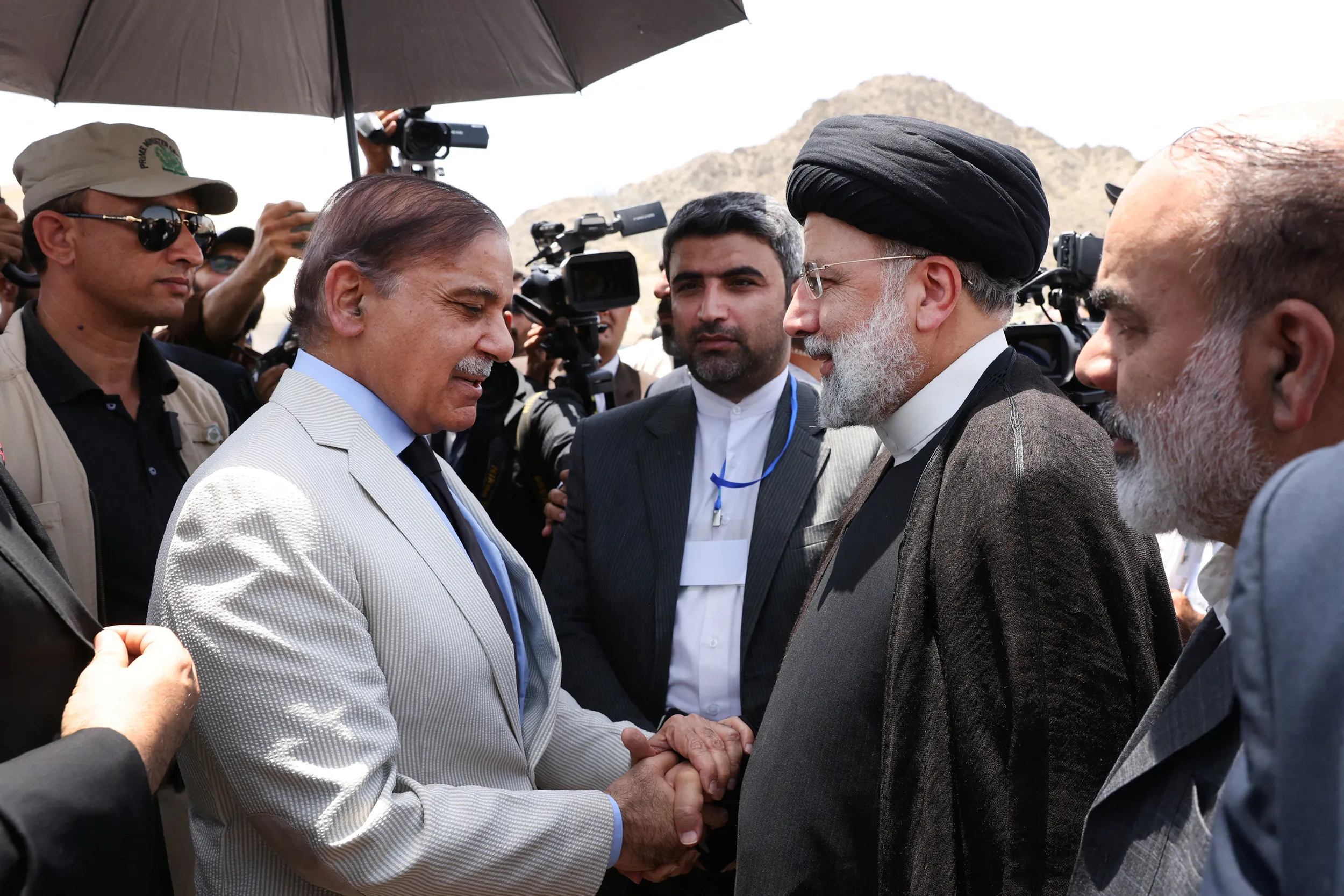
    This military operation was agreed upon and designed following negotiations between Iran and Pakistan to address the border security challenges of previous years in May 2024, and it took place after the recent visit of Iran’s Foreign Minister Abbas Araghchi to the Pakistani capital Islamabad, where he met with political and military officials.

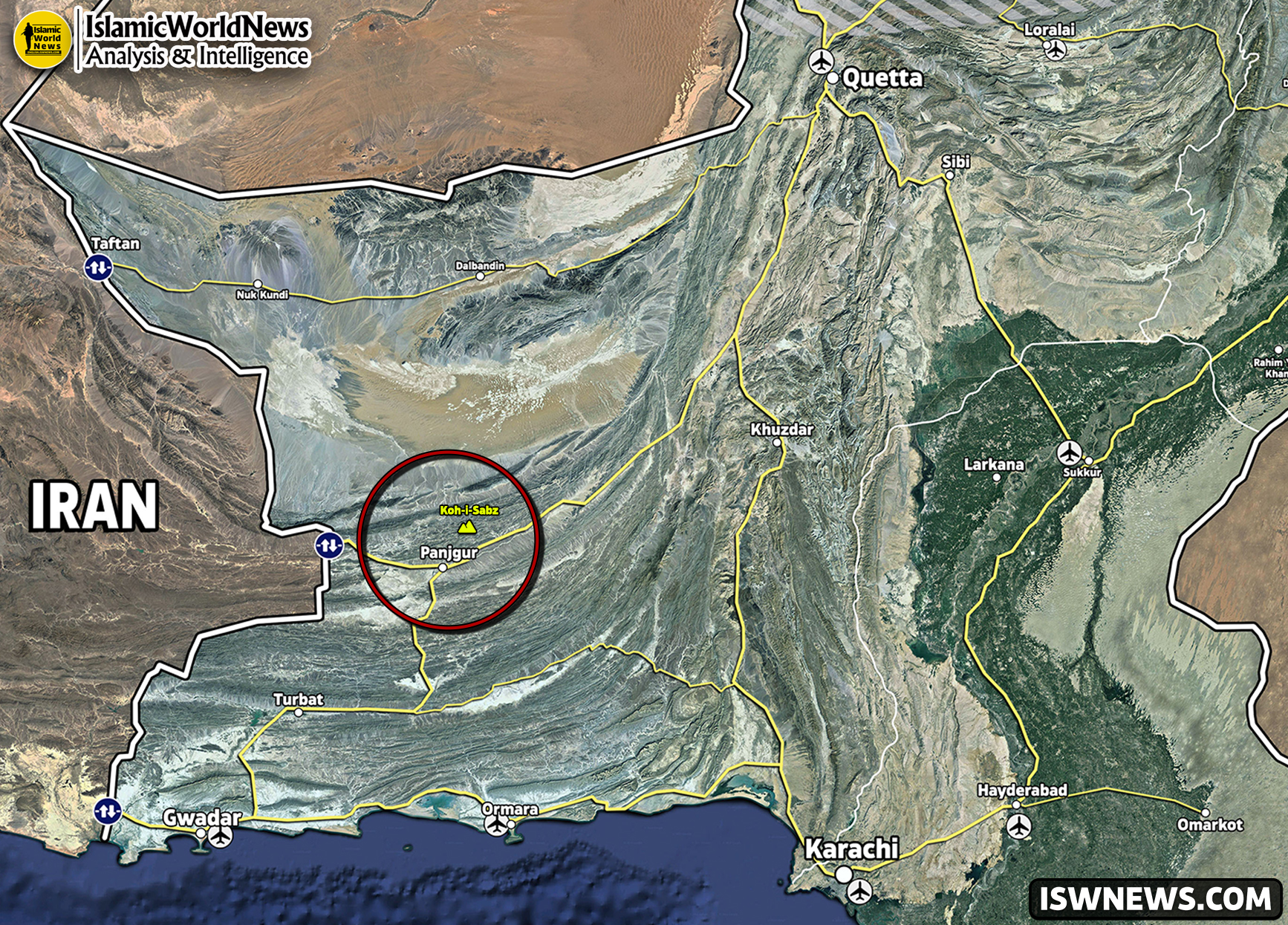
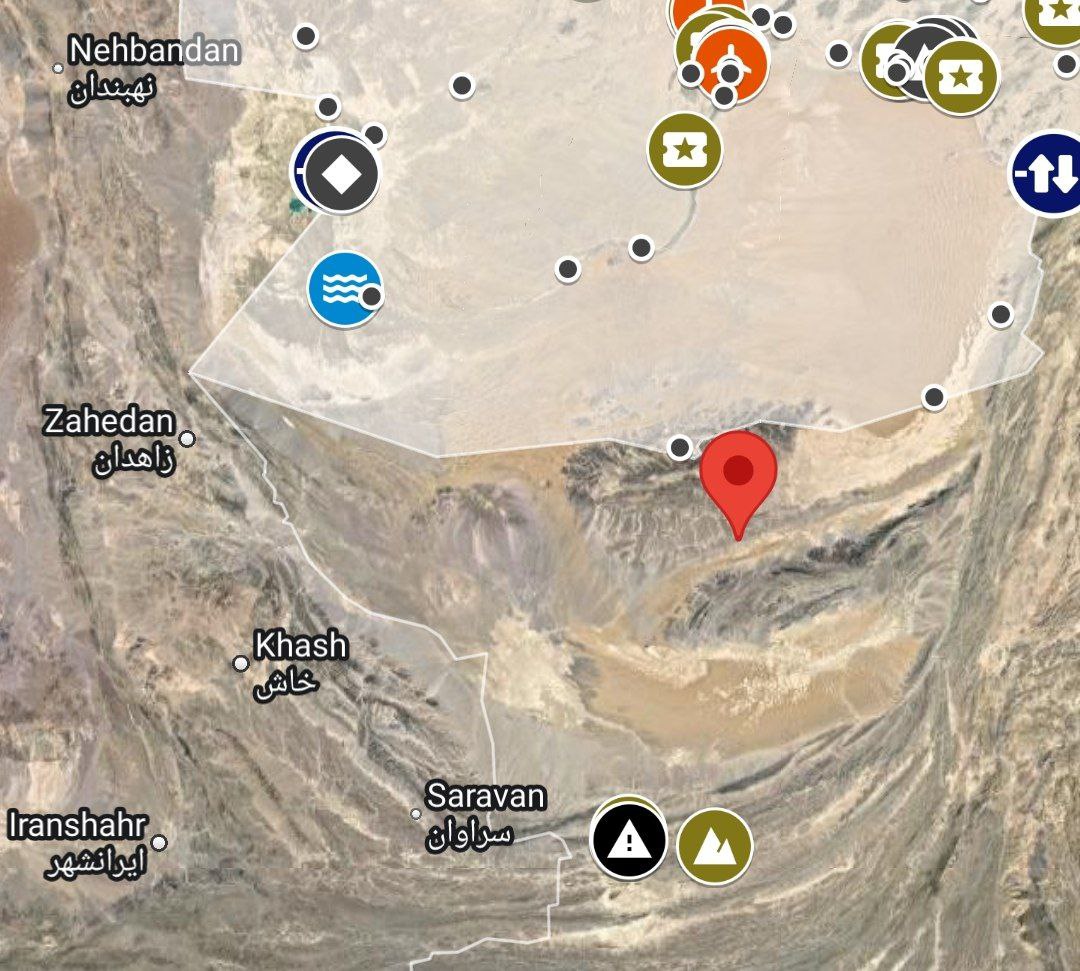
    According to local sources, Pakistani fighter jets have bombed vast areas of the Koh-i-Sabz Mountain and the regions of Naker, Prom, and Gar. Additionally, Iranian armed forces have conducted extensive operations in the border areas using drone and rocket attacks.

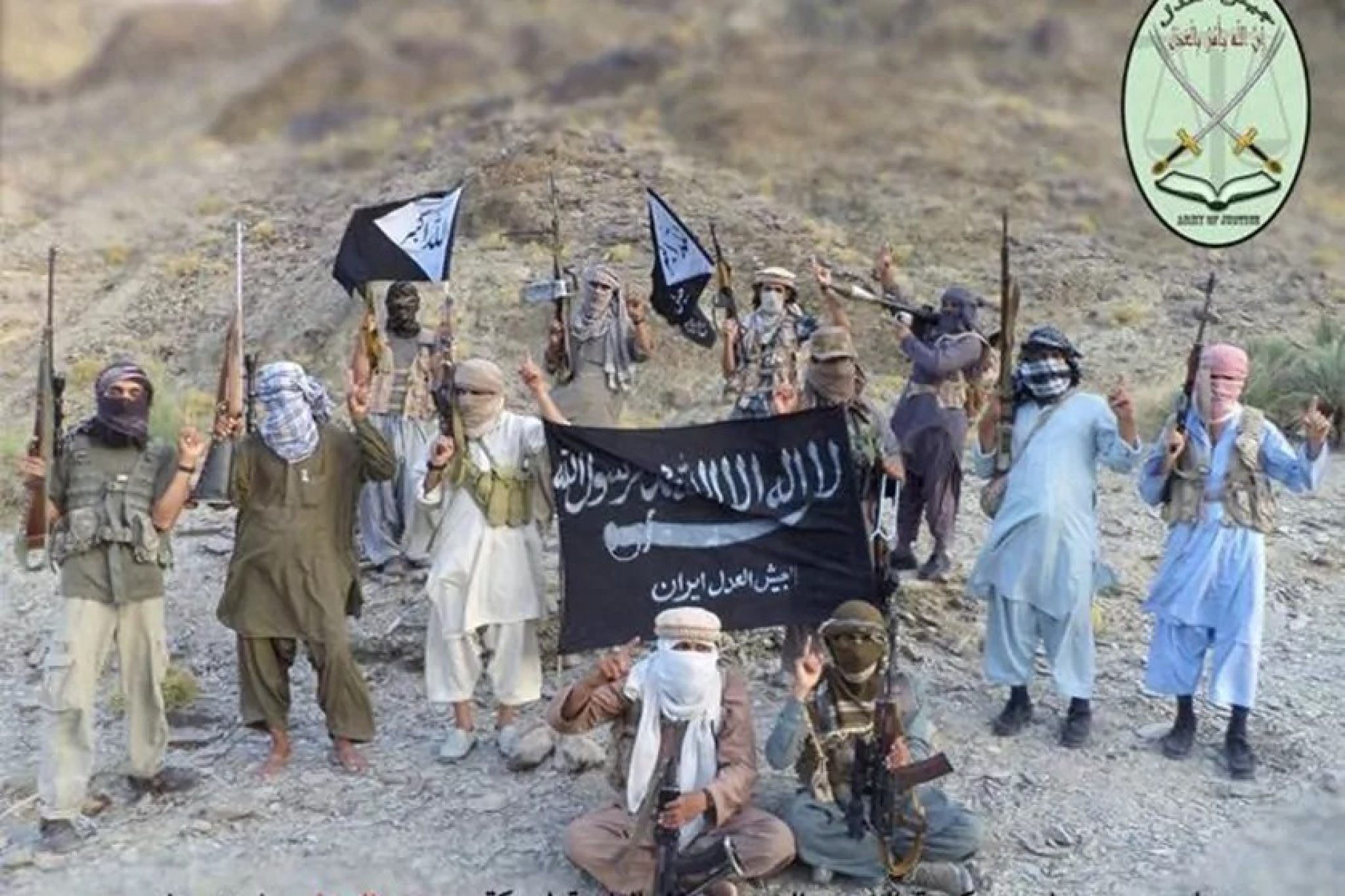
    These areas are known to be the gathering and deployment sites for members of terrorist groups known as Jaish-ul-Adl and separatist groups from Balochistan province in Pakistan. So far, official sources from both sides have not released further details about this operation.

    Click to view full size

    In a statement, Jaysh al-Adl admitted to elimination of 12 of its members, including “Molavi Hafez Ibrahim Sabkazai” alias Hafiz Hasan and “Faqir Mohammad Mohammad Zahi” alias Amir Omar, one of the senior officials of this terrorist group.

    Jaish al-Adl also announced that four other members of this terrorist group were wounded.

    Some sources have reported the death of Salahuddin Farooqi, the leader of Jaish al-Adl. This news cannot be confirmed at this time. The official sources of the Pakistani army and the Iranian armed forces have not made a statement regarding the operation against terrorist groups in Balochistan.

    Salahuddin Farooqi

    It is worth mentioning that the Quds Force of the Islamic Revolution Guards Corps (IRGC) and anti-terrorism units of the Iranian police recently conducted a security operation in Sistan and Baluchestan province located in the southeast Iran, resulting in the arrest of 14 terrorists and the killing of 8 of them. These individuals played significant roles in multiple attacks by the Takfiri terrorist group and separatists against police stations.

    The terrorist group known as Jaish al-Adl and elements affiliated with US security organizations and the Israeli regime have engaged in extensive activities and numerous terrorist attacks in Sistan and Baluchestan province during the past year of conflict in Palestine, aligning with the Tel Aviv regime’s actions against Iran, which has led to insecurity and the martyrdom of dozens of police forces and civilians in Iran.

    Iran, Pakistan Plan To Sign Security Agreement

    These actions prompted the governments of Iran and Pakistan to execute a military operation in the border areas of both countries under a security agreement, aiming to thwart Western plots to expand the activities of terrorist groups in southeastern Iran.

  • Jaish Al-Adl Terror Group Kill Afghan Former Military Personnel

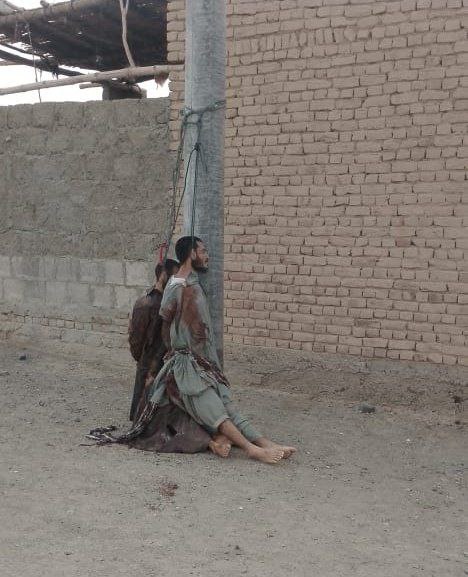
    Jaish Al-Adl Terror Group Kill Afghan Former Military Personnel

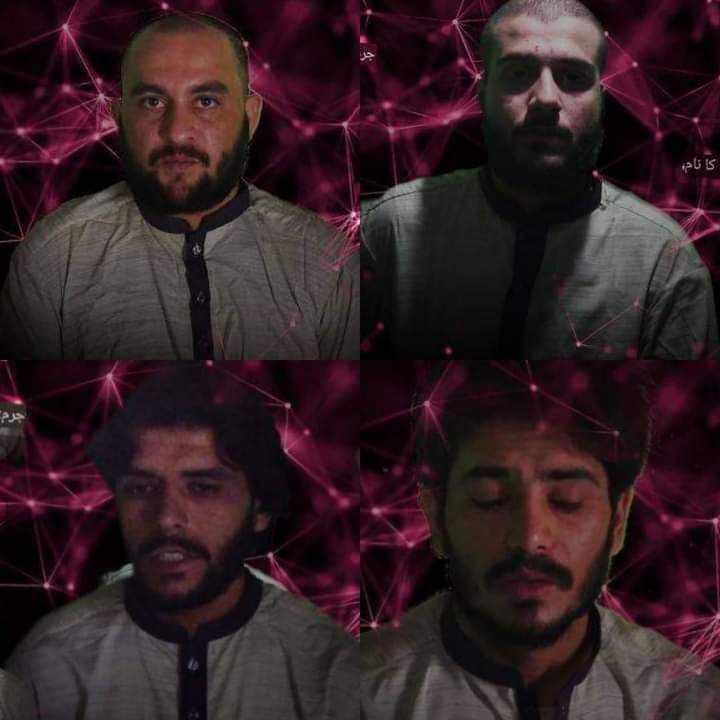
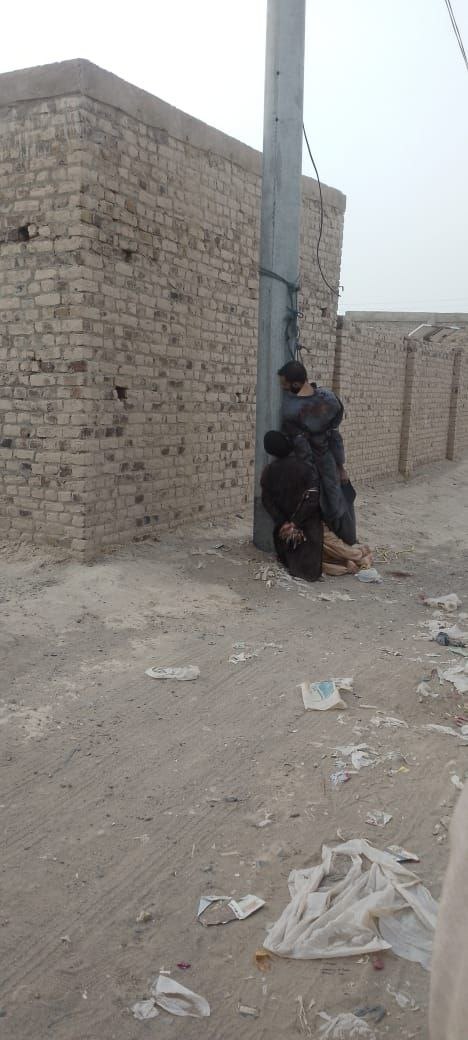
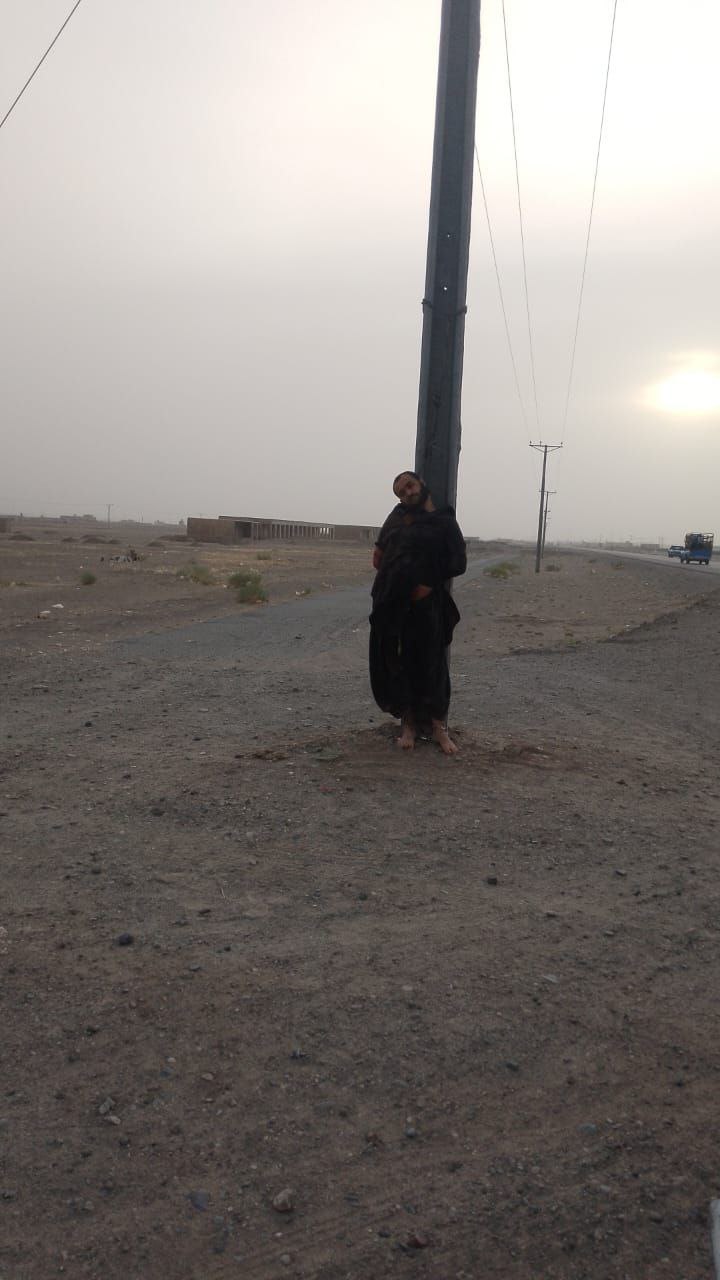
    The terrorists affiliated with Jaish al-Adl group claimed that these individuals were spying for Iran’s Ministry of Intelligence and that the group punished them for cooperating with the Islamic Republic.

    Local sources in Afghanistan have named these murdered individuals as Rozi Khan, Samiullah, Sangari, Ishaqzai and Rahmatullah, who were residing in Chah-e Mirza village in the vicinity of Nad Ali city in Helmand province, and said that these people were military staff of the former Afghan national government, who migrated to Pakistan after the Taliban group came to power in Afghanistan in August 2021.

    ⚠️ Warning: Images contain heartbreaking scenes.

  • Takfiri Groups Attack Shia Communities In Pakistan’s Parachinar

    Takfiri Groups Attack Shia Communities In Pakistan’s Parachinar

    In the past week, Takfiri armed groups restarted attacking the Shia-populated city of Parachinar in western Pakistan from several directions.

    During these attacks, six Shia Muslims, including two children and one the Pakistani holy shrine defenders (a member of the Zainabiyoun Brigade), were martyred and more than 50 people, including several children, were wounded.

    The death toll of Takfiri militants has also been mentioned as more than 20 individuals, including several Afghan nationals. It is said that some hardline factions of the Afghan Taliban organization have also participated in the violence.

    Pakistani armed forces have transferred the bodies of the dead Takfiri militants from the Bushehra area south of Parachinar to Sunni areas.

    Pakistani Shia scholars, including Allama Raja Nasir Abbas Jafri, a member of Majlis Wahdat-e-Muslimeen of Pakistan, have warned the Pakistani government to prevent attacks by Takfiri groups against the Shia communities of Parachinar, and threatened the government to hold a “Million-Man Peace March” from Islamabad to Parachinar.

    After this conflict, the elders of the Sunni-populated areas gathered in the village of Bushehreh and asked the Shia elders of Parachinar to resolve their differences by holding a peace jirga (peace meeting).

    The interference and violence of Pakistani-Afghan Takfiri armed groups in the territorial and religious disputes of the Kurram Agency region has always been the cause of armed clashes between the Shia community of Parachinar and the Sunni factions of this region.

  • Pakistan’s Special Representative For Afghanistan Affairs: India Tries To Keep The Insurgency Alive In Pakistan!

    Pakistan’s Special Representative For Afghanistan Affairs: India Tries To Keep The Insurgency Alive In Pakistan!

    — India provides financial aid to Tehreek-e-Taliban Pakistan (TTP) through Afghanistan.

    — India has allocated nearly 35 billion rupees for the war expenses of the Pakistani Taliban.

    — India spends this money to keep the insurgency alive in Pakistan.

    — There are between 5,000 and 6,000 fighters of Tehreek-e-Taliban Pakistan in Afghanistan. The number of family members of Tehreek-e-Taliban fighters in Afghanistan is about 70,000.

  • US CENTCOM Commander Visits Pakistan

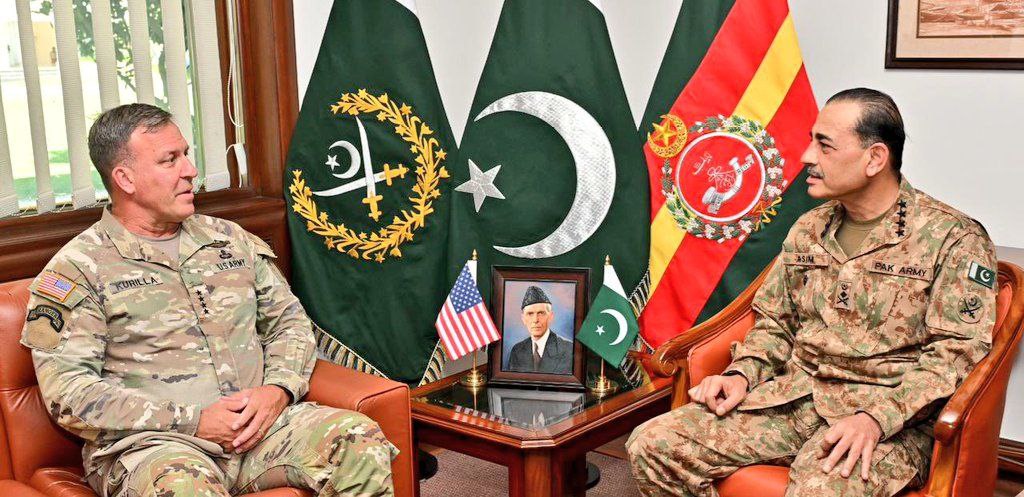
    US CENTCOM Commander Visits Pakistan

    During this trip, Kurilla visited Pakistan’s border areas in the province of Khyber Pakhtunkhwa and discussed with the Pakistani authorities about the border challenges of this region, including the terrorist operations of the Tehreek-e-Taliban Pakistan (TTP) and border conflicts with the Afghan Taliban.

  • Iran, Pakistan Plan To Sign Security Agreement

    Iran, Pakistan Plan To Sign Security Agreement

    The reports also mentioned that Pakistan and Iran have appointed their liaison officers with the rank of colonel for this purpose and introduced them to each other’s relevant ministries during the visit of the Iranian Foreign Minister Hossein Amirabdollahian to Islamabad on January 29, 2024.

    These officers will be stationed in Zahedan city in Sistan and Baluchestan province of Iran and Turbat city in Balochistan province of Pakistan to coordinate the joint fight against terrorism.

    The Iran-Pakistan security agreement includes the exchange of information, mutual assistance in the fight against terrorism, and the prohibition of the activities of terrorist organizations, who are active against each country.

    The interior ministries of the two sides will soon finalize the text and sign the security contract to enhance this cooperation.

    This agreement will also be discussed in the upcoming multilateral anti-terrorism talks between Pakistan, China and Iran. It is expected that Federal Minister for Interior of Pakistan Mohsin Raza Naqvi will make an important visit to Iran in the coming months.

  • 17th Border Clash Between Taliban, Pakistan; Paktika, Khost Provinces Bombed + Video

    17th Border Clash Between Taliban, Pakistan; Paktika, Khost Provinces Bombed + Video

    Zabihullah Mujahid, spokesman for the Taliban caretaker government in Afghanistan, strongly condemned the Pakistani army airstrikes, emphasizing that the Taliban caretaker government will not allow any party to jeopardize the security of Afghanistan, and these attacks will have dire consequences for Pakistan.

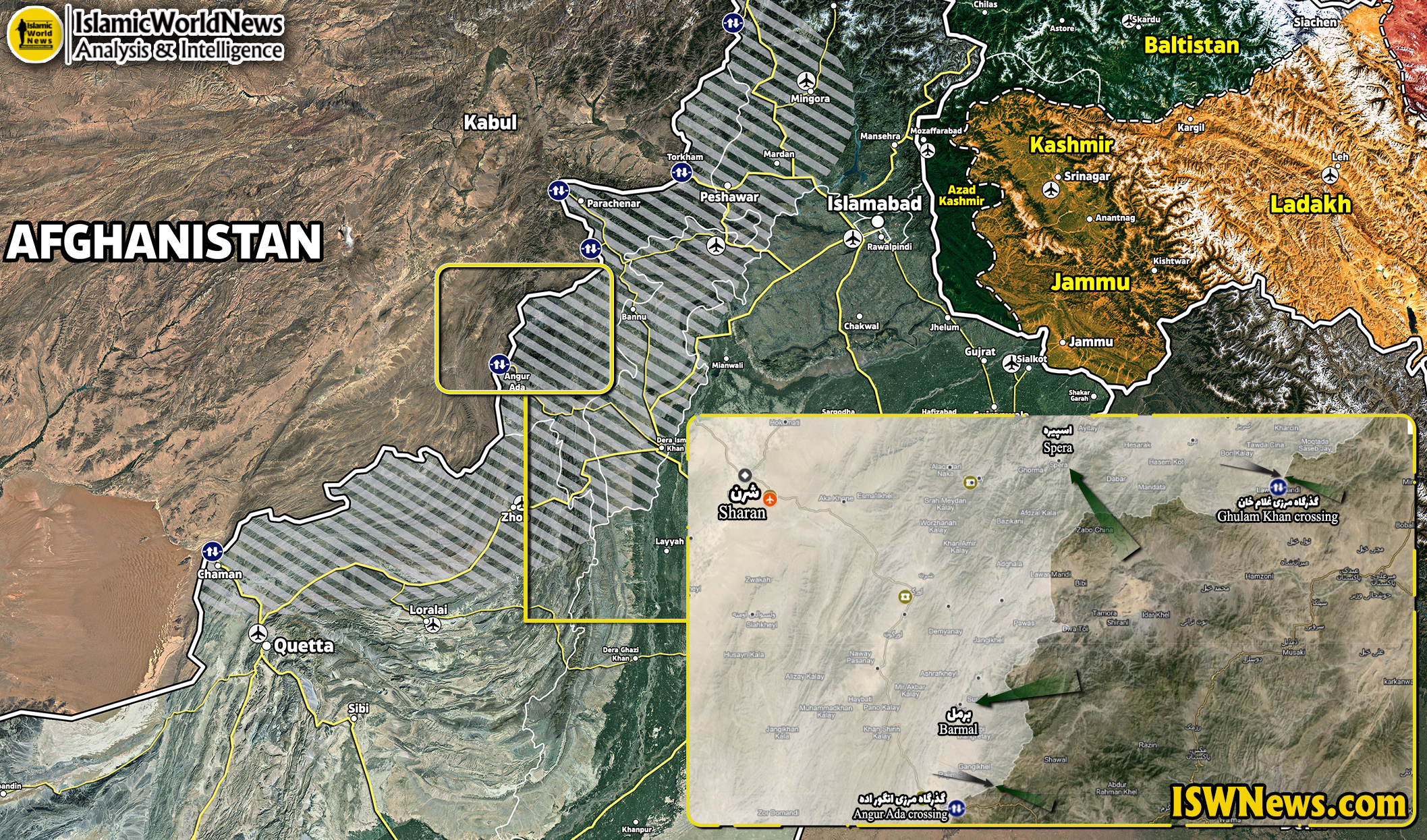
    He also pointed to the results of Pakistani fighter jet airstrikes early Monday morning at 3 a.m. local time, noting that Pakistani jets bombed the Lamna area of Barmal district in Paktika province and the Afghan Dubai area in Spera county of Khost province, resulting in the death of six people, including three women and three children in Paktika, and one house was destroyed, while in Khost, one house was demolished and two women lost their lives.

    Direction of clashes in Paktika and Khost province – click to view full size

    According to the Taliban spokesman, Pakistan claims that the Pakistani forces targeted an individual known as Abdullah Shah (a field commander of the Tehrik-e Taliban Pakistan) in the Khost attack.

    Simultaneously with this claim, Abdullah Shah released a video denying reports of his own death in Pakistani airstrikes in eastern Afghanistan and emphasized that he is present in South Waziristan.

    The video published by Abdullah Shah, one of the field commanders of Tehreek-e-Taliban Pakistan

    Following these attacks, Taliban militants and Pakistani border forces have been engaged in clashes and exchanging artillery fire at the Angoor Adda and Dand Wa Patan border crossings since Monday morning.

    This is the 17th border clash between the Taliban militants and Pakistani armed forces since the establishment of the second Taliban caretaker government in Afghanistan. The presence of Tehrik-e Taliban Pakistan (TTP) militants in Afghanistan and the Taliban’s refusal to accept the Durand Line border are among the main reasons for the conflict between the Pakistani government and the Taliban.

    The location of the attack by Pakistani fighter jets in Spera area in Khost province
  • 16th Border Clash Between Taliban, Pakistan; What Is Durand Line?

    16th Border Clash Between Taliban, Pakistan; What Is Durand Line?

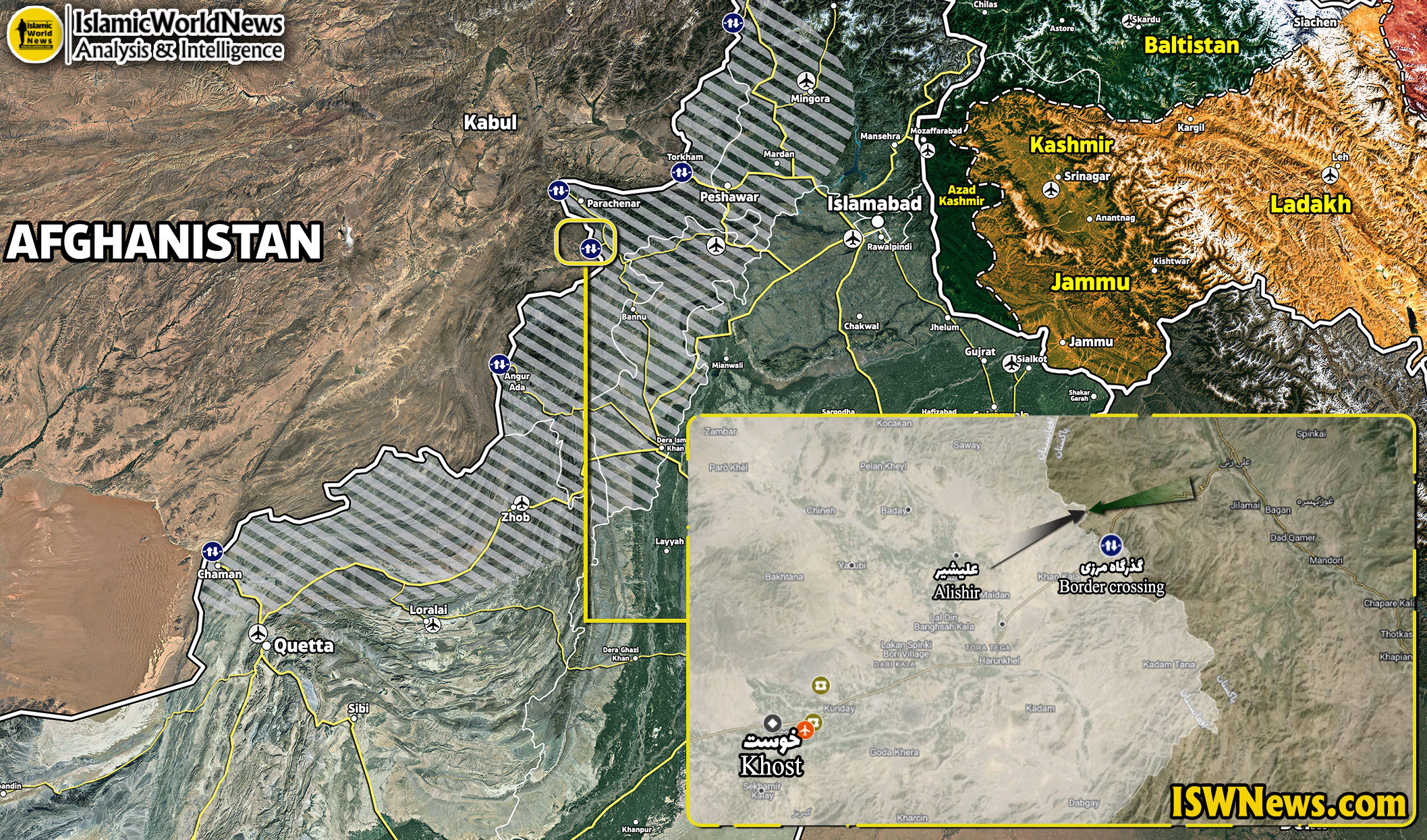
    Taliban militants on Saturday afternoon (March 9), after establishing military installations by Pakistani border forces in the border area of Babrak Khan Tanai in Khost province, fired shots and launched mortars towards Pakistani soil. In response to this attack, Pakistani forces targeted Taliban positions and engaged in exchange of fire with the militants.

    As a result of this clash, two Pakistani servicemen and several Taliban militants were wounded. Authorities from both sides have not made any comments on this border clash so far.

    The location of the Taliban-Pakistan border conflict on the border of Khost province – click to view in full size

    This is the sixteenth border clash between the Taliban and Pakistan since the inauguration of the group’s government in Afghanistan in August 2021. The previous clash occurred on January 20, 2024 at the border crossing of Afghanistan’s Kunar and Pakistan’s Bajaur.

    The main cause of most border clashes between the Taliban militants and the Pakistani border guards is related to the construction of military and security installations by Pakistani border forces along the border lines.

    The Taliban authorities do not recognize the Afghanistan-Pakistan border known as the “Durand Line” and believe that this border was established in 1893 and 1919 by the leaders of the British-controlled Indian government (Taj) and Abdur Rahman Khan, the then Amir of Afghanistan, at a time when Pakistan did not exist to assert its views on border demarcation.

    Therefore, the establishment of security and military installations is also a point of contention and Pakistan’s actions usually lead to armed confrontations and exchange of fire.

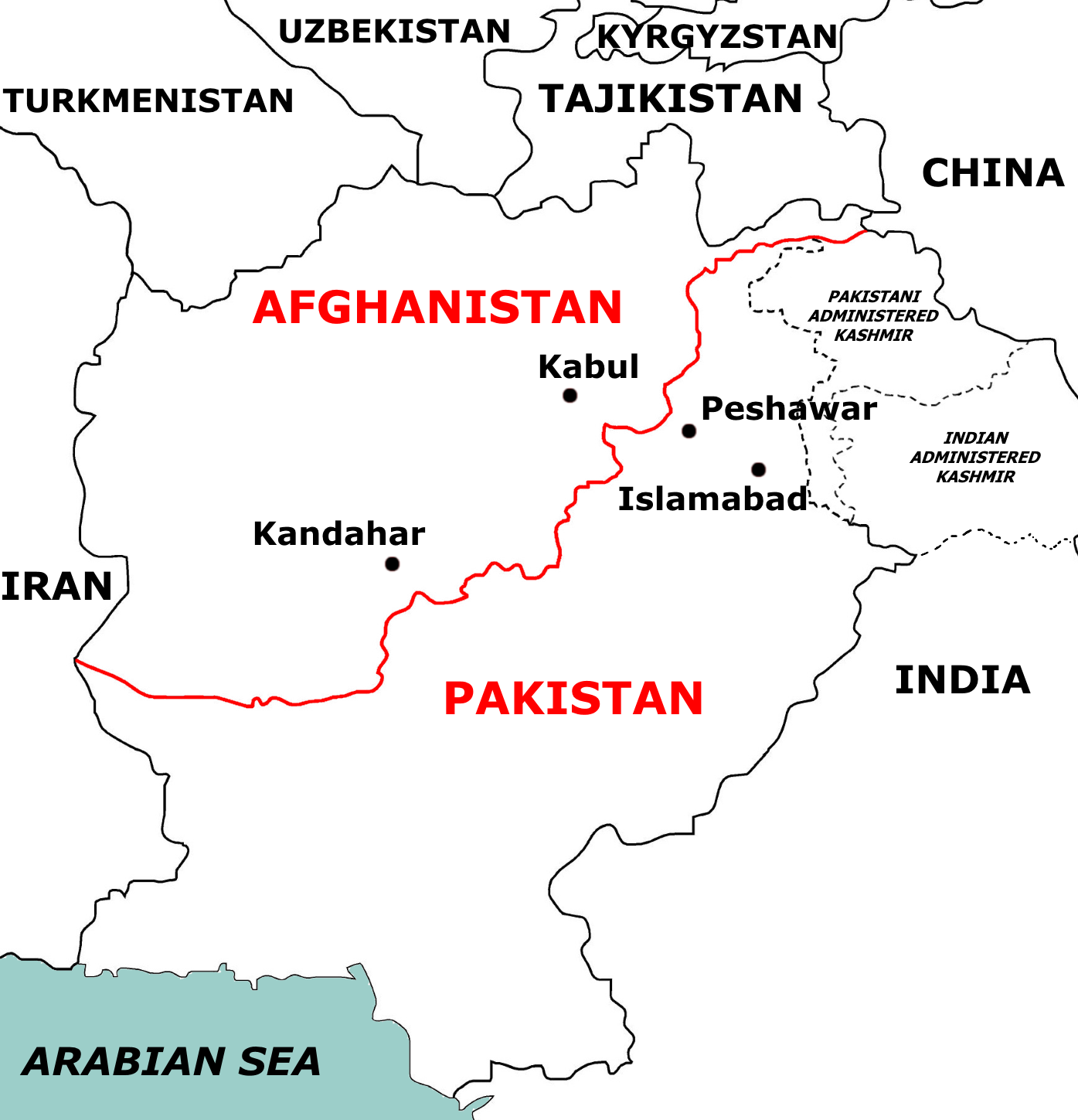
    The Durand Line is a 2,430-kilometer border line that delineates the current border between Pakistan and Afghanistan. The name of this border line is derived from the British diplomat Henry Mortimer Durand who was the senior negotiator between the UK-controlled Indian government and the Afghan emir, Abdur Rahman Khan. The Durand Line divides Pashtun territories into two separate parts and has led to a significant amount of conflict and tension in the region.

    Durand line, the border between Pakistan and Afghanistan