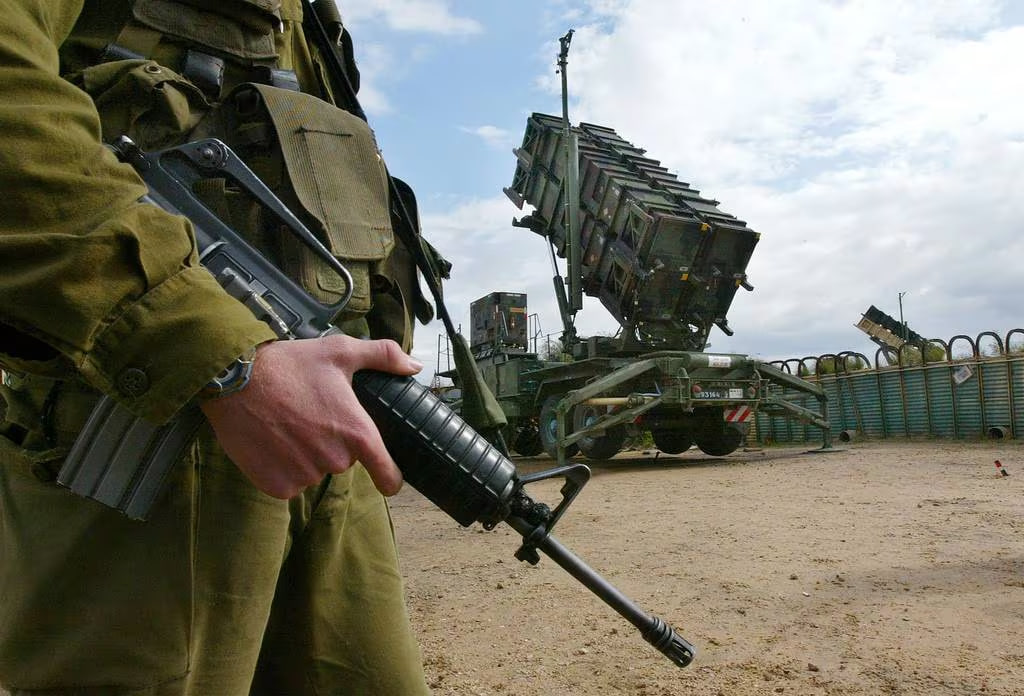
On Tuesday (April 30), the Israeli Army announced that the Israeli Air Force is set to bid farewell to the Patriot defense systems within the next two months and replace the batteries of this surface-to-air missile system with more advanced air defense systems.
The Israeli Army had also announced in February that it is in the process of dismantling the Patriot systems and training its personnel to work with the Iron Dome.
The Patriot defense systems had a relatively successful performance against Iraqi Scud missiles during the Gulf War in 1991 and were widely deployed in the occupied territories since then. However, their first interception was in 2014 when they shot down a drone of the Izz ad-Din al-Qassam Brigades in the Gaza Strip.
The Israeli Patriots have also shot down two Syrian fighter jets in 2014 and 2018, but their main problem has been due to misidentifying their targets, persuading the Israeli authorities to replace them with the Iron Dome.
It is currently unclear what the Israeli regime will do with this defense system, but Ukraine has repeatedly expressed its interest in acquiring Patriot defense systems since the onset of the war with Russia in recent years. Therefore, it is likely that the United States will send these systems to Ukraine.
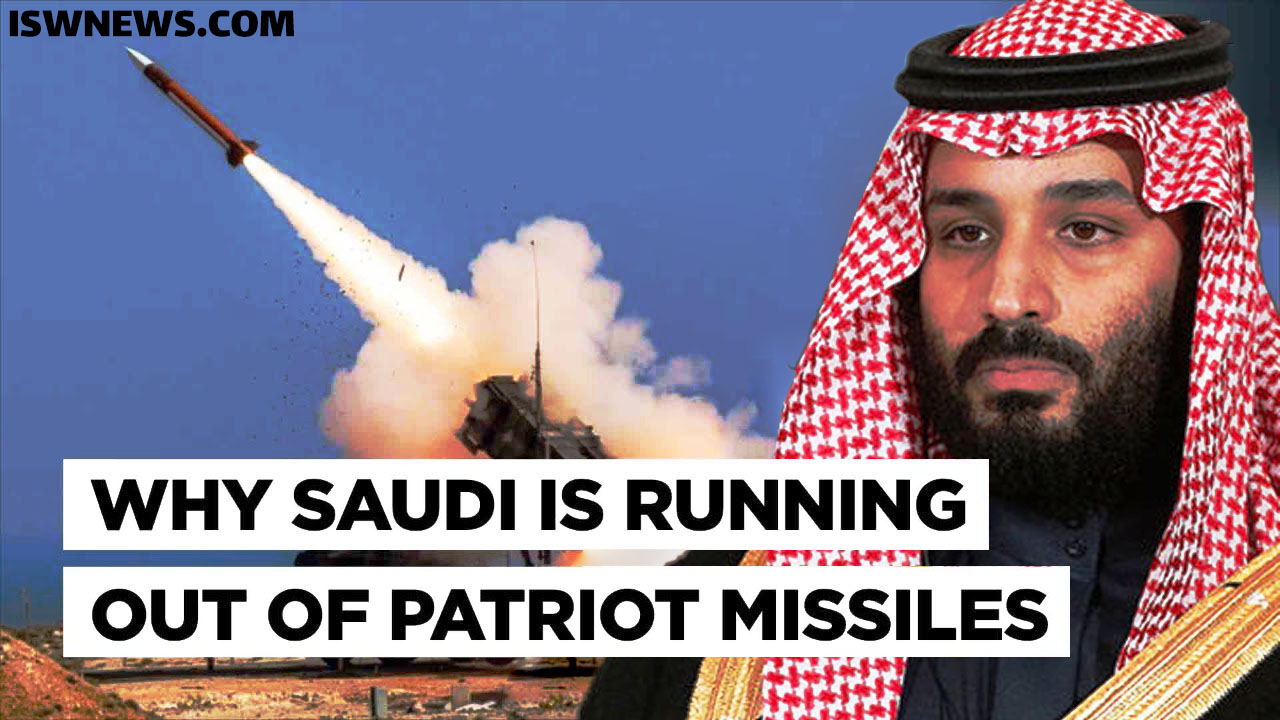
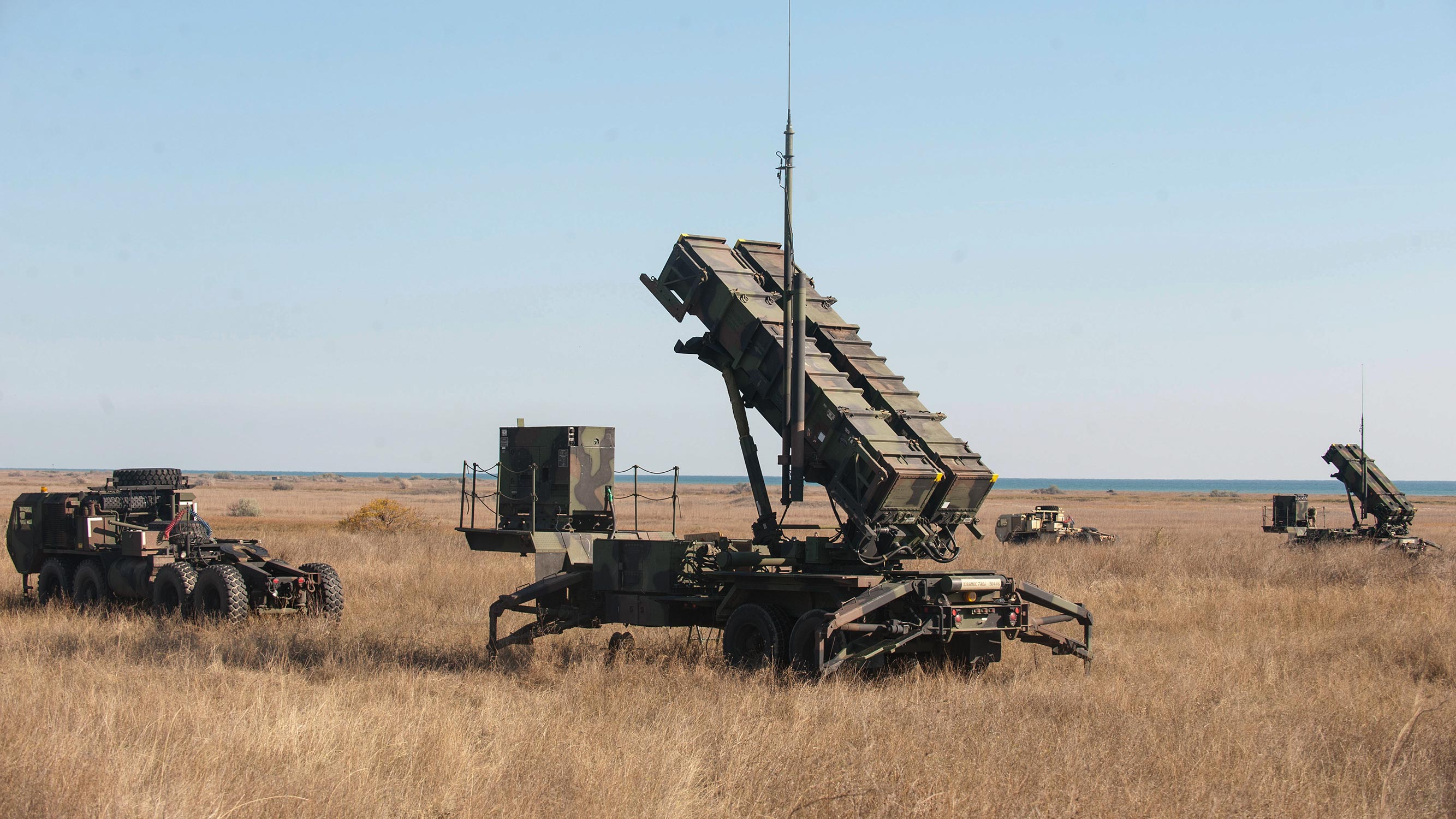
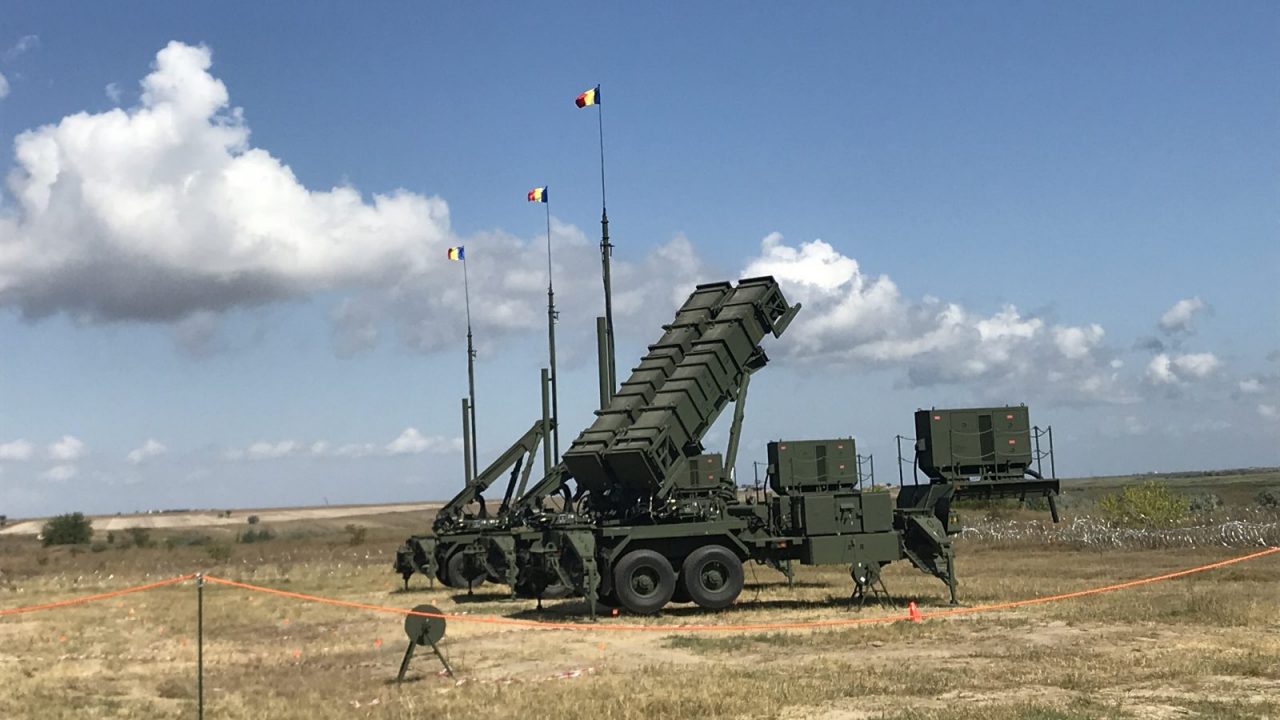
The Patriot system is a medium-range air defense system capable of meeting aerodynamic and ballistic targets. Saudi Arabia is one of the main users of this system and in recent years has widely purchased patriot systems and its missiles.
This system was designed and built by the American companies Raytheon and Lockheed Martin in the 70s and 90s. In addition to the US military, Saudi Arabia, Israel, Qatar, Kuwait, Egypt, Jordan, Germany, Greece, the Netherlands, Spain, Japan and Taiwan are also equipped with the system. Among these countries, Saudi Arabia is the second largest user of Patriot missile system after the United States.
In the years after the Islamic Revolution of Iran, Saudi Arabia has sharply increased the level of its military rivalry with Iran. With the start of the Saudi coalition invasion of Yemen and Ansar Allah’s reciprocal attacks on Saudi territory, the Saudis’ dependence on the Patriot system has greatly increased. To the extent that the country has leased more patriot systems from the United States and Greece.
The price of each Patriot missile is estimated at $ 1 to $ 6 million, depending on the type, and Saudi Arabia appears to have spent more than $ 10 billion to purchase Patriot missiles so far.
Data from the Stockholm International Peace Research Institute (SIPRI) show that Saudi Arabia has purchased Patriot missiles in several stages.
According to the statistics, it seems that Saudi Arabia has purchased more than 2,800 missiles for the Patriot systems
Details of these purchases are as follows: 1- In the years 1993-1995, 384 rounds of Patriot PAC-2 GEM missiles 2- In the years 1997-1995, 781 rounds of PAC-2 GEM missiles 3- In the years 1999-1998, a total of 629 PAC-2 GEM missiles 4- In the years 2019-2017, 320 PAC-3 MSE missiles 5- In the years 2020-2019, 130 PAC-3 MSE missiles 6- An unknown number of Patriot PAC-3 missiles have been ordered by Saudi Arabia in 2018 and are being delivered.
Information on the sale of Patriot missiles to Saudi Arabia
Examining other sources, such as database of US Defense Security Cooperation Agency, it appears that Saudi Arabia also ordered 600 Patriot PAC-3 missiles in 2015.
Timothy Lenderking, the U.S. special envoy for Yemen, said at a forum on December 3 that the Ansar Allah have conducted about 375 cross-border attacks into Saudi Arabia in 2021. This statistic comes at a time when most of Saudi Arabia’s defensive confrontations with Ansar Allah have taken place through the Patriot defense systems. Thus, the Saudi Patriot missile arsenal will face problems in the not-too-distant future, and the supply of those missiles will cost another billion dollars for the country.
Apart from this, the Patriot system has performed poorly in some Ansar Allah operations, such as Operation Second Deterrence Balance on September 14, 2019. In this attack, Buqayq and Khurais refineries were targeted by successful Ansar Allah drone and missile attacks, and Saudi oil exports were severely disrupted. The attack inflicted heavy losses on the country’s economy, and Western countries struggled to control rising oil price.
In general, the Saudis Patriot systems needs billions of dollars financial support to continue to deal with Ansar Allah drones and missiles, and this has been hampered by Biden’s cold approach to the Saudis. Ansar Allah is now increasingly attacking Saudi coalition positions deep inside Saudi Arabia by increasing the accuracy of its drones and missiles, and Saudi Arabia is forced to buy more to counter such attacks; Because without sufficient stockpiles of Patriot missiles, Ansar Allah continued attacks could lead to serious damage to important and vital infrastructure of Saudi Arabia.
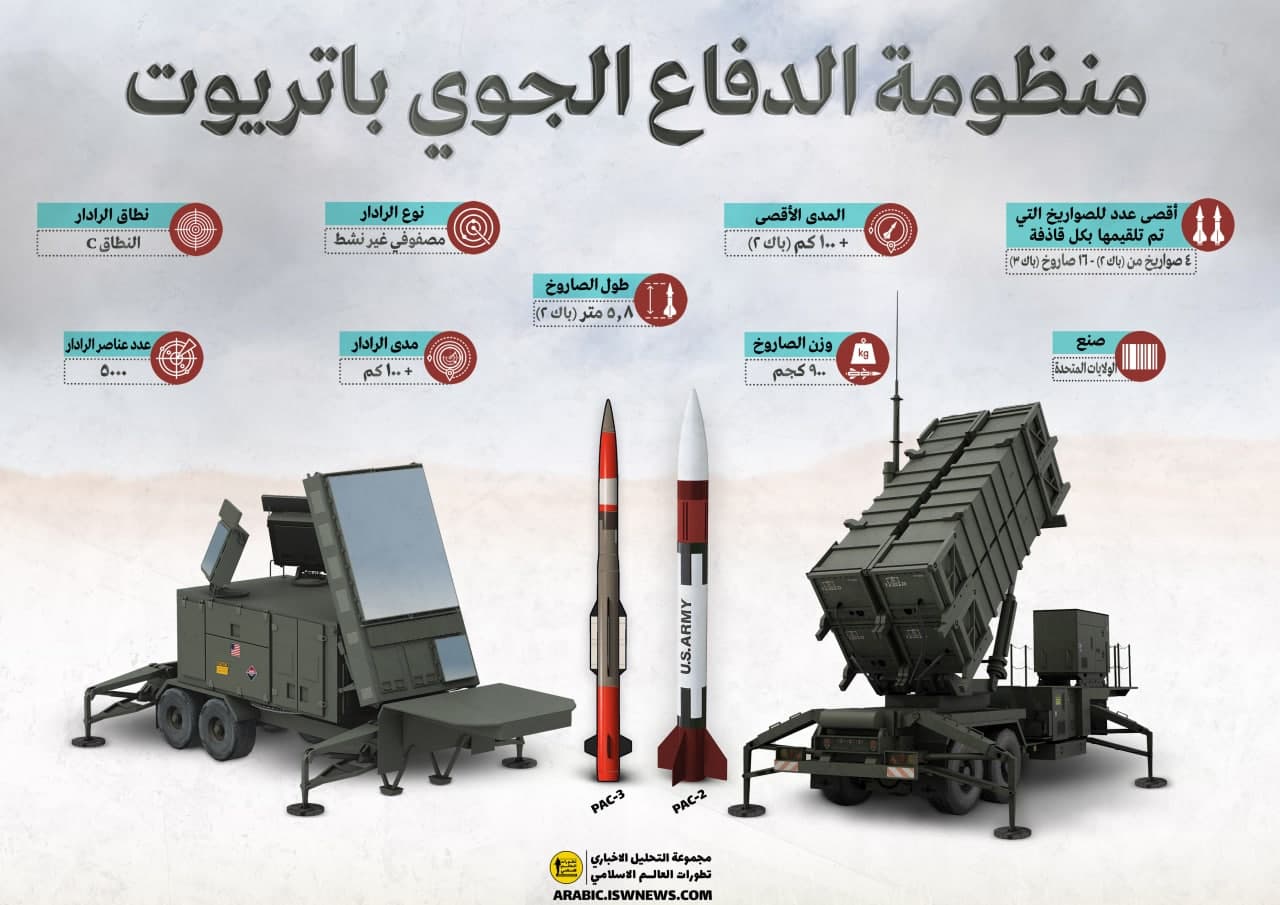
In the initial versions, this system uses AN/MPQ-53 passive Phased Array radar, in the next generation AN/MPQ-65 passive phased array radar and in the latest generation of this system it use active phased array radar using GaN semiconductor called LTAMDS.
The AN/MPQ-53 and AN/MPQ-65 radars have a 120 degree coverage angle limit. Therefore, the lack of full coverage was one of the major weaknesses of this system; But in the new generation of radar, this problem is solved and the coverage angle is 360 degrees.
The Patriot system mainly uses two missiles, PAC-2 and PAC-3. To use the PAC-3 missile, it is necessary to have MPQ-65 radar. PAC-2 missiles have a range of more than 100 km and are commonly used to hunt aerodynamic targets such as aircraft, drones, warplanes, AWACS, etc. and PAC-3 missiles with a range of 20-35 km (depending on the version) are more suitable for hunting ballistic and cruise missiles.
Currently, 16 US allies use the Patriot system; Saudi Arabia is the largest user of the Patriot system after the United States.
Patriot air defense system specifications: Maximum range: +100 km (PAC-2) Radar range: +100 km Radar type: Phased array Radar band: C band Number of radar elements: 5000 Missile length: 8.5 m (PAC-2) Missile weight: 900 kg Max number of missiles loaded per launcher: 4 rounds (PAC-2) – 16 rounds (PAC-3) Origin: USA
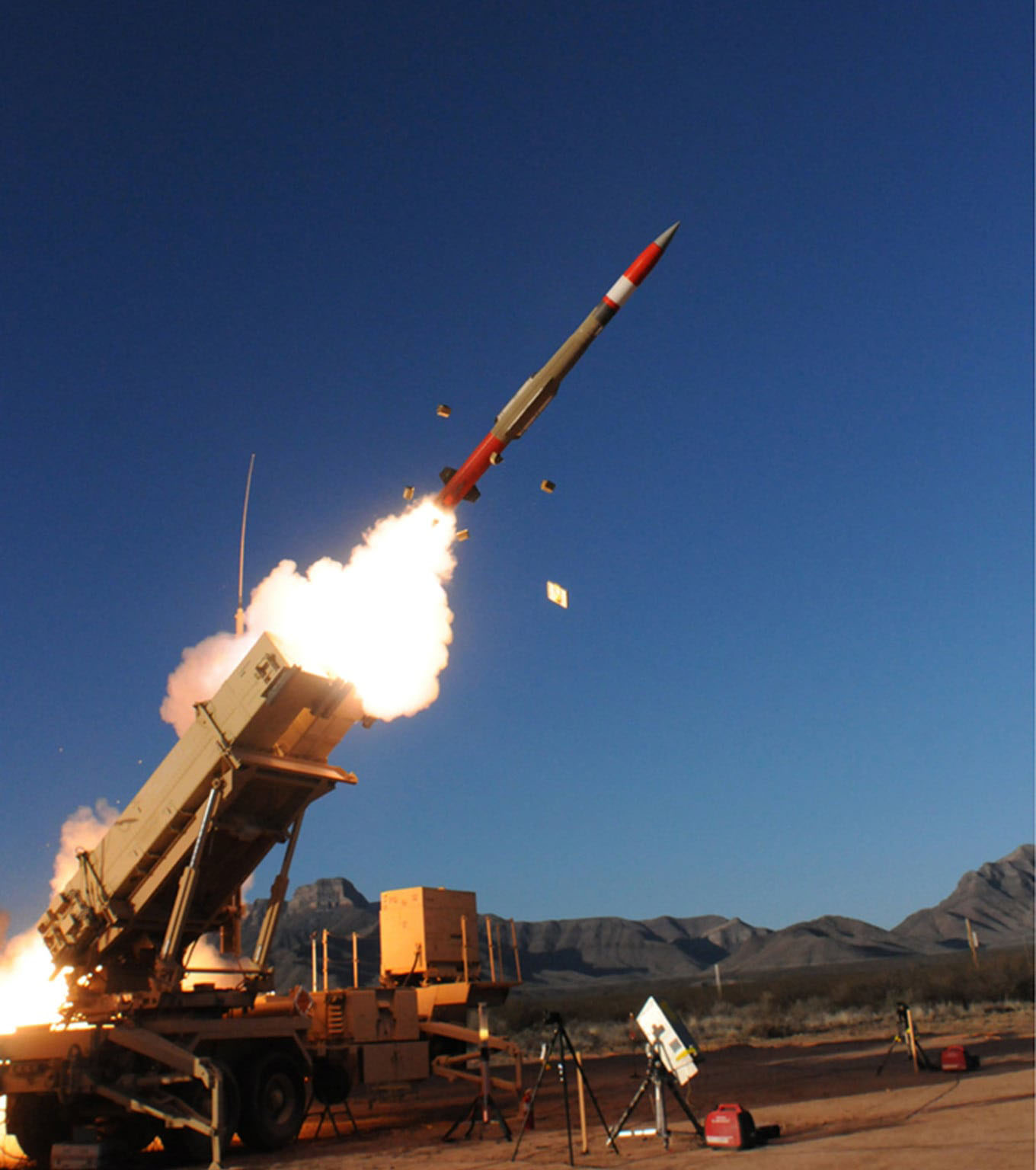
The PAC-3 MSE missile with a length of 2.5 meters and a weight of 312 kg has a range of 40 km and a maximum altitude of 20 km, and due to its small size, it can install 16 of these missiles on the Patriot launcher.
The seeker of this missile is based on active radar homing, which receive the target coordinates by AN/MPQ65 radar and the navigation is based on the missile’s own radar. This reduces the volume of calculations and removes the limit on the number of conflicting targets in the system at the same time.
The radar of the PAC-3 has increased detection and tracking ranges. It also has improved discrimination abilities. The radar can discriminate whether or not the aircraft is manned, or which of multiple re-entering ballistic objects are carrying ordnance. Also the software of the PAC-3 ensures that ballistic missiles with chemical warheads or with early release submunitions are destroyed at a certain altitude.
However, the use of active radar guidance has increased the cost of missile, with each PAC-3 MSE missile costing more than $ 9 million for US partners and about $ 5 million for the US military.
The missile has a small High Explosive Fragmentation (HE-FRAG) warhead to enhance the kill probability, however it may be not enough for engaging with heavy aircraft targets such as warplanes and bombers. So for this reason, this missile is used in combination with the PAC-2 missile in the Patriot system.
The target hunting mechanism in the PAC-3 missile is based on Hit-To-Kill. In this method, kinetic energy is the main factor in destroying the target, but in order to increase the destruction and self-destructive ability, there is also a small warhead of high explosive fragmentation type in this missile.
MIM-104F PAC-3 missile specifications: Range: 40 km Maximum (engage) altitude: 20 km Missile length: 2.5 meters Missile weight: 320 kg Origin: USA