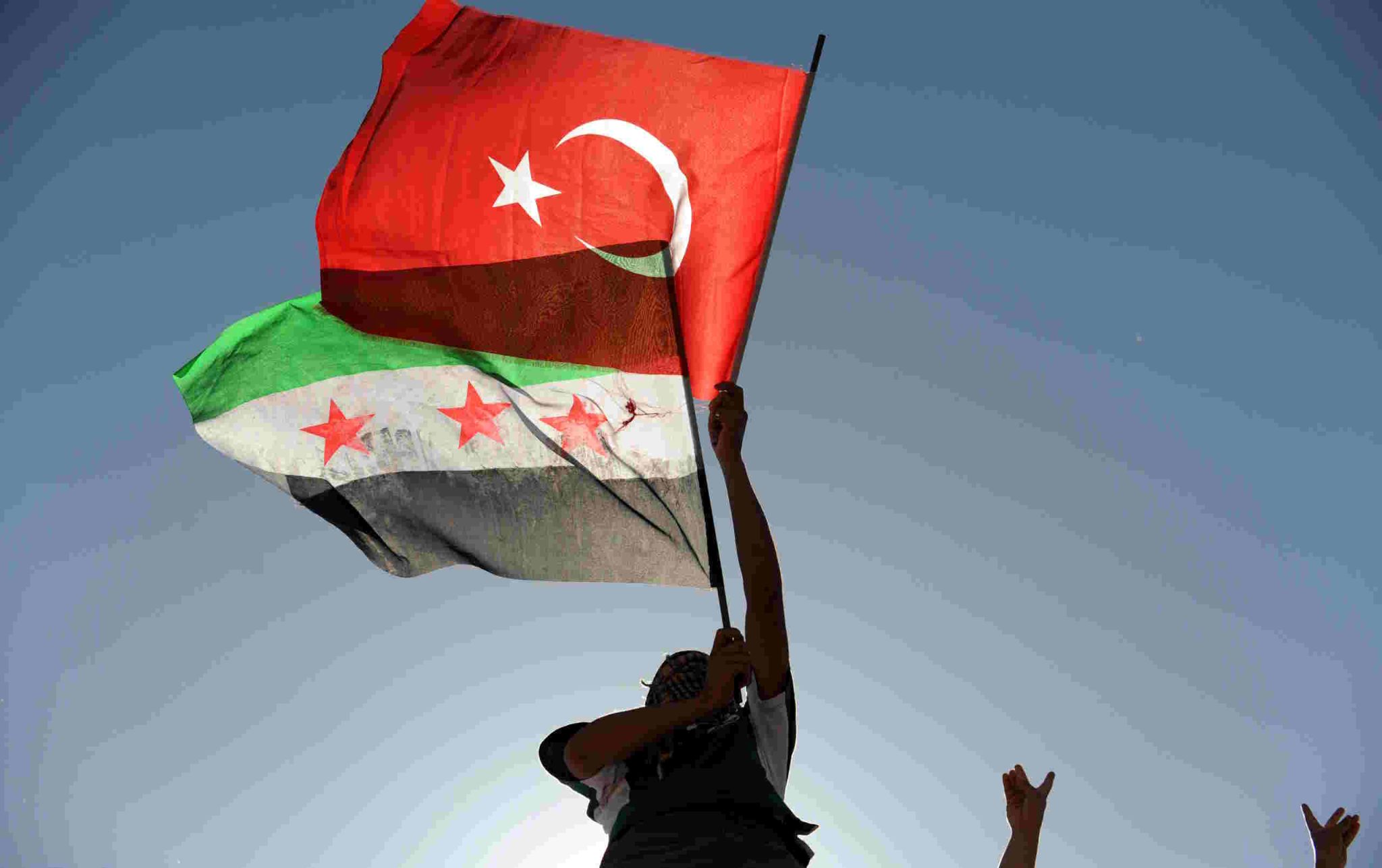
According to a report by the Walla website, Israel’s Military Intelligence Directorate (Aman) and Mossad assess the strategic cooperation between Recep Tayyip Erdoğan and Abu Mohammad al-Julani (Ahmad al-Sharaa) as a potential factor in restricting Israel’s military freedom of action in Syria and shifting the regional balance.
The Hebrew-language Walla website, in a report, described growing sensitivity among Israeli intelligence agencies to Türkiye’s regional moves. The outlet stressed that Ankara’s cooperation with Syria’s new government is no longer limited to political and economic relations and has taken on military, security, transit, and academic dimensions. According to Walla, this trend could, in the long run, affect Israel’s strategic position on several fronts.
One of Tel Aviv’s main concerns is the possible deployment of Turkish radar equipment and air defense systems in northern Syria. Israeli security officials believe such a presence could restrict the regime’s air force activity in Syrian airspace and challenge its operational freedom of action.
In this connection, earlier reports in Israeli media spoke of Ankara’s efforts to establish military infrastructure at the Abu al-Duhur air base in Idlib province. According to information published in outlets such as Walla and Ynet, the plan Israel alleges includes the deployment of radar, air defense systems and commando forces at the base.
After receiving intelligence about these movements, Israel struck positions at the Abu al-Duhur base. Israeli security officials claimed that the deployment of such systems would make not only the regime’s aerial operations in Syria but even possible scenarios for attacking targets in Iran more difficult.
Another part of Israel’s concern relates to the expansion of political and security coordination between Türkiye and Syria. The announcement of the formation of a joint supreme committee between the two countries, following a series of meetings between senior Ankara and Damascus officials, is seen by Israeli security circles as a sign that bilateral relations are moving toward more organized cooperation.
In this context, Turkish Foreign Minister Hakan Fidan recently accused Israel of arming Druze groups in southern Syria and trying to pave the way for military intervention. He warned that the continuation of such actions could lead to a widening crisis and the emergence of a regional confrontation.
One of the less-noticed dimensions of these developments is Türkiye’s plans to revive historic rail routes and reconnect the country’s transport network to Syria and Arab countries. According to Walla, demining operations have begun in Türkiye’s Gaziantep province to pave the way for rebuilding and reviving parts of the Hejaz railway and its extension toward Syria’s Aleppo province. Alongside this plan, rail agreements between Syria and Jordan have also gained particular importance. According to the published report, the two countries are examining the creation of a rail transport route that would pass through Jordanian territory and connect to Saudi Arabia.
From the perspective of Israeli security officials, the significance of these plans goes beyond economic development and facilitating transport. They believe that connecting the rail networks of Türkiye, Syria, Jordan and Saudi Arabia could lead to the formation of a new trade and transit corridor that reduces regional countries’ dependence on routes and infrastructure under Israeli influence. In this framework, Tel Aviv is particularly concerned about the impact of Türkiye’s expanding influence on the IMEC economic corridor project—a plan intended to connect India to Europe via the Middle East and considered one of the important components of the US and Israeli economic and geopolitical strategy in the region.