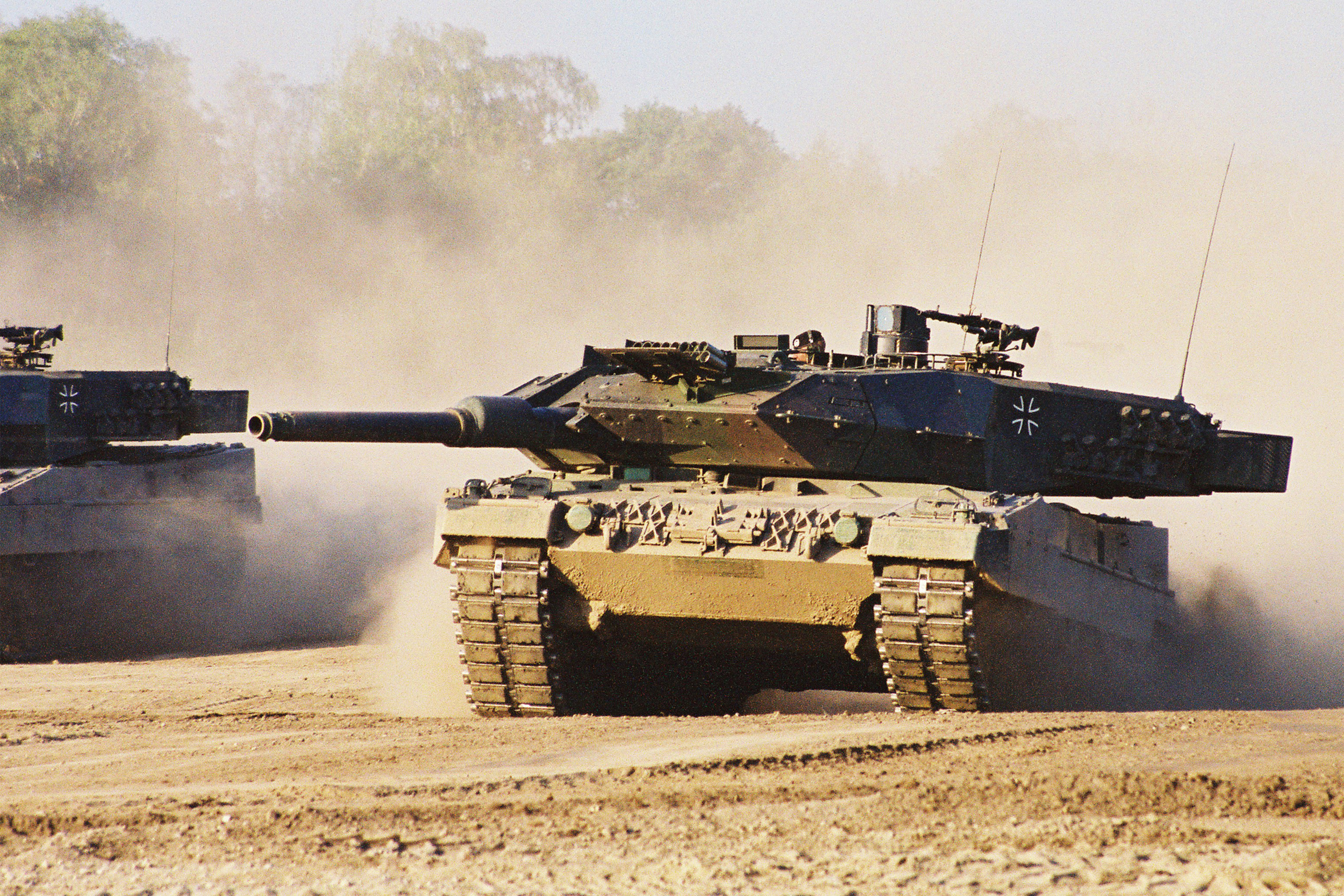
Tag: Rheinmetall

  • Military Knowledge: Challenger 2

    Military Knowledge: Challenger 2

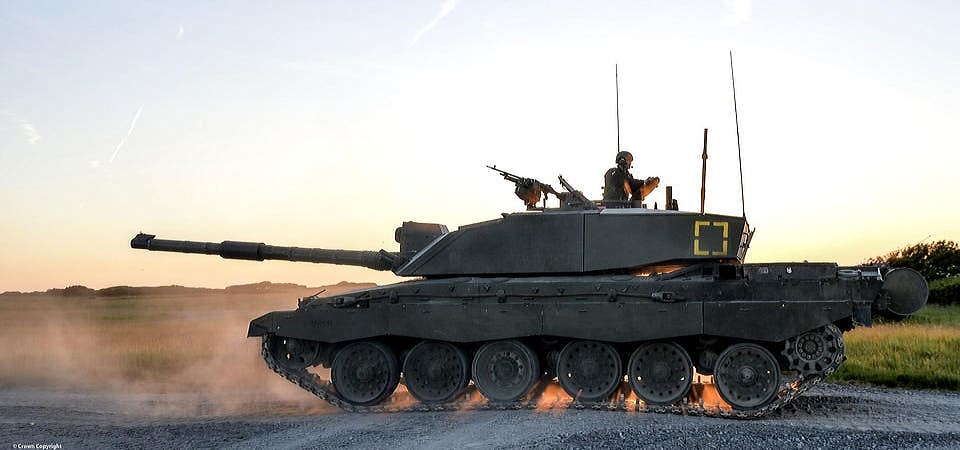
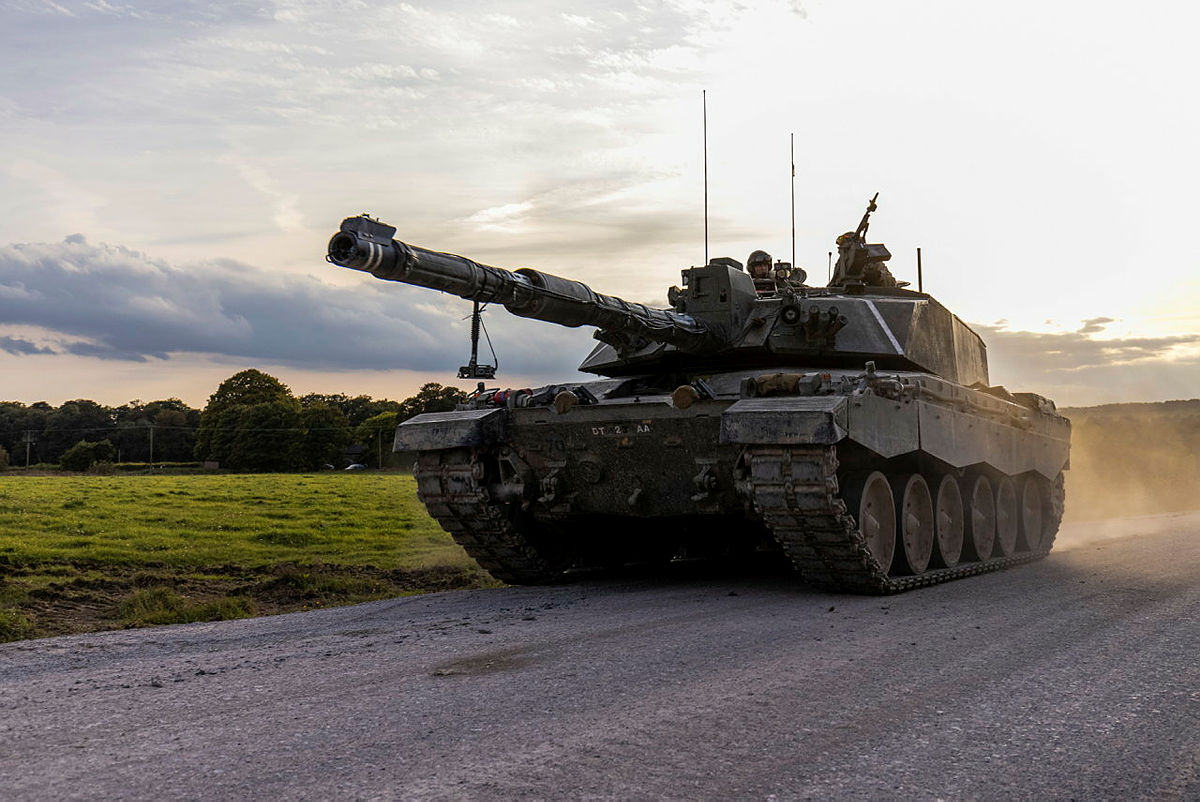
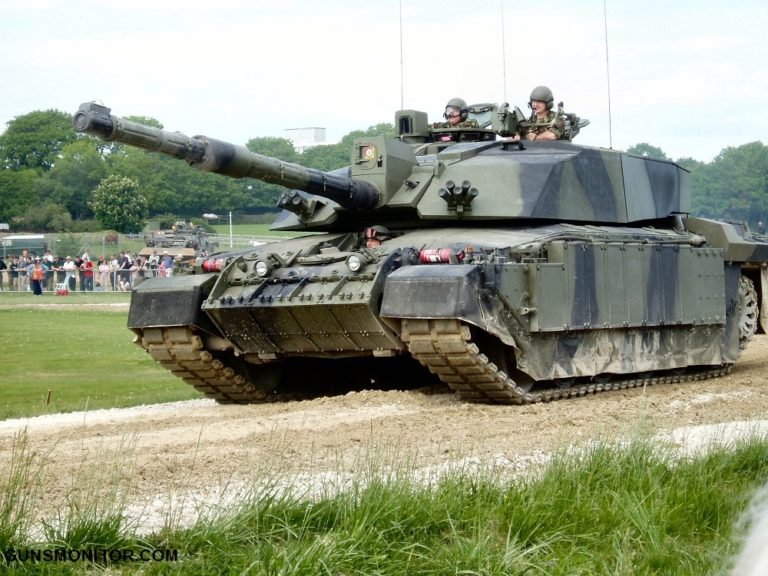
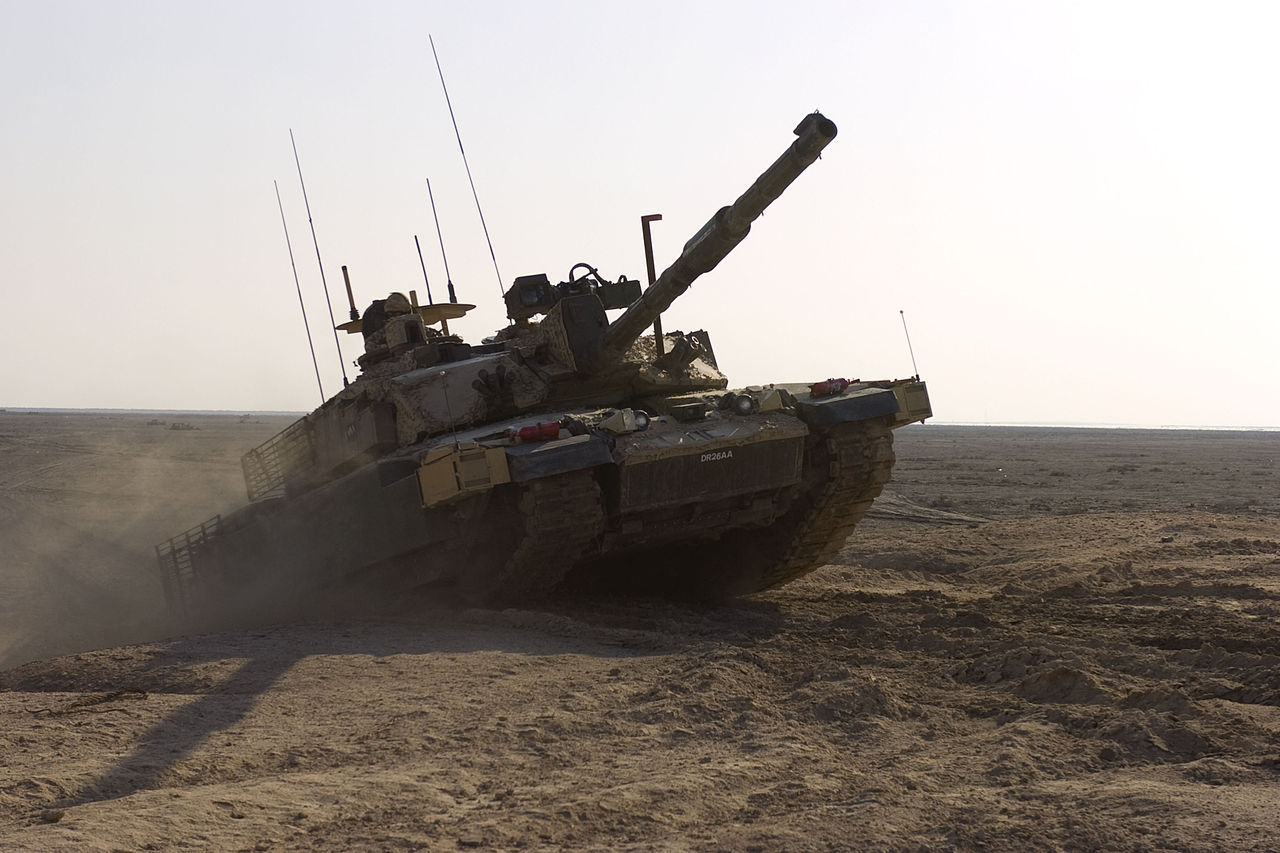
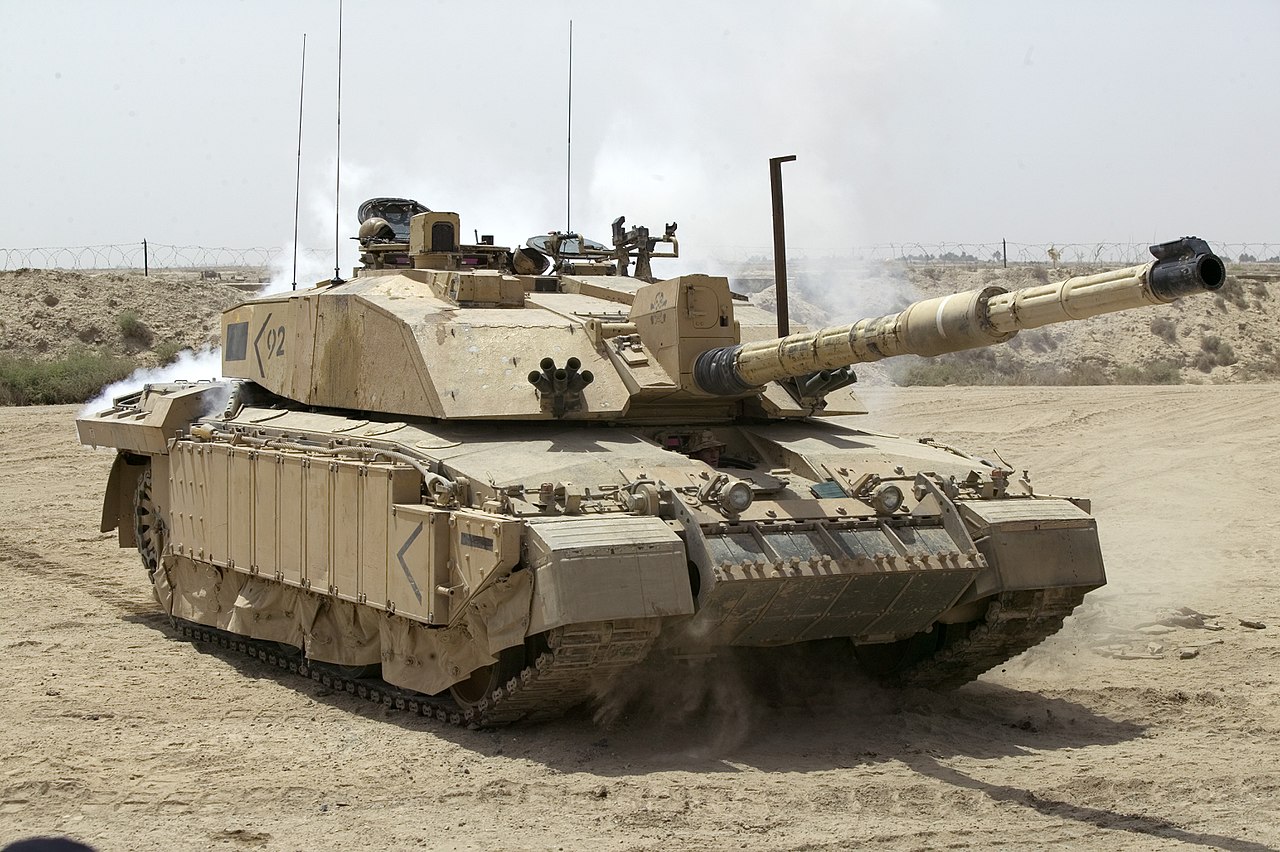
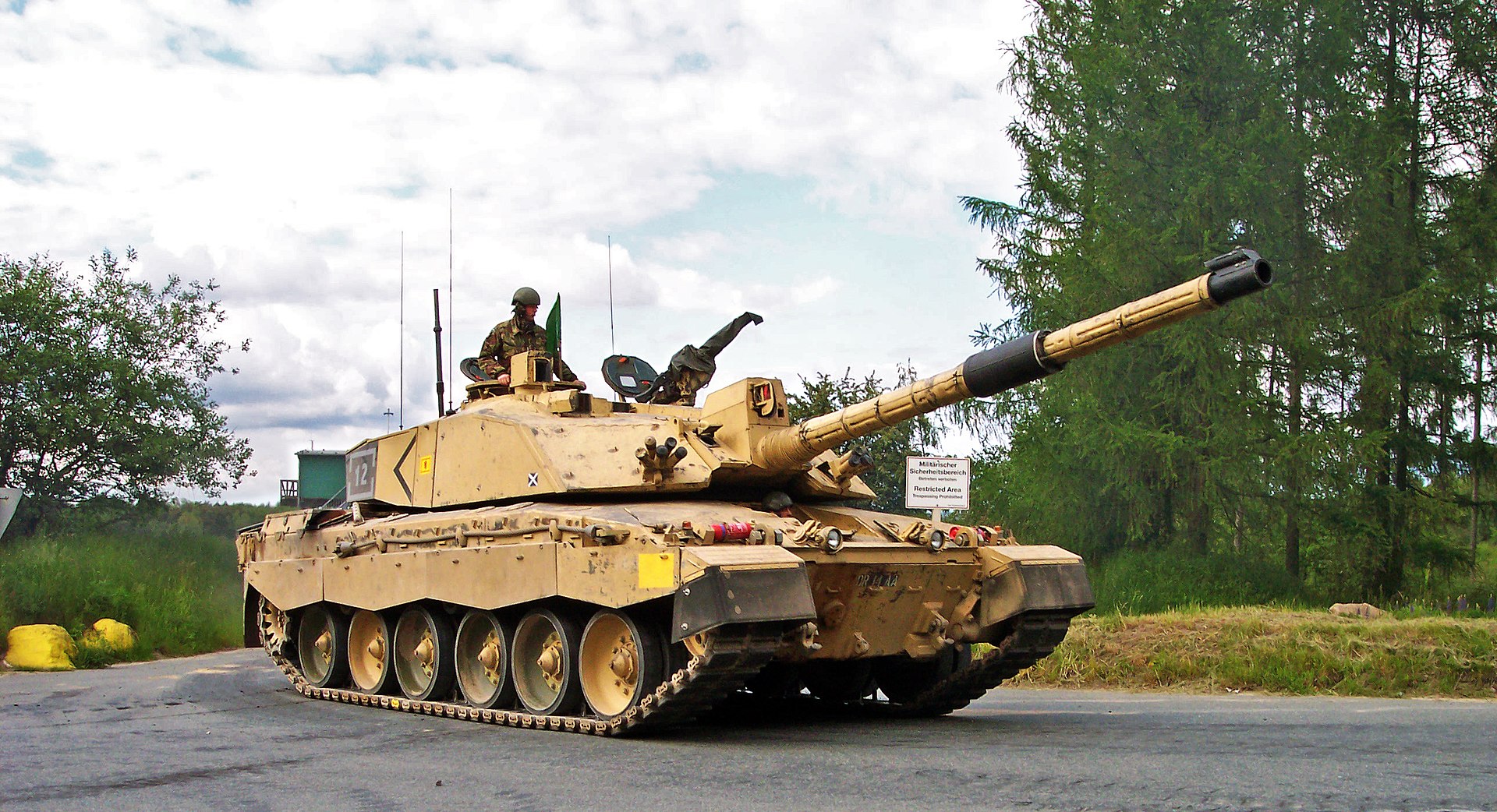
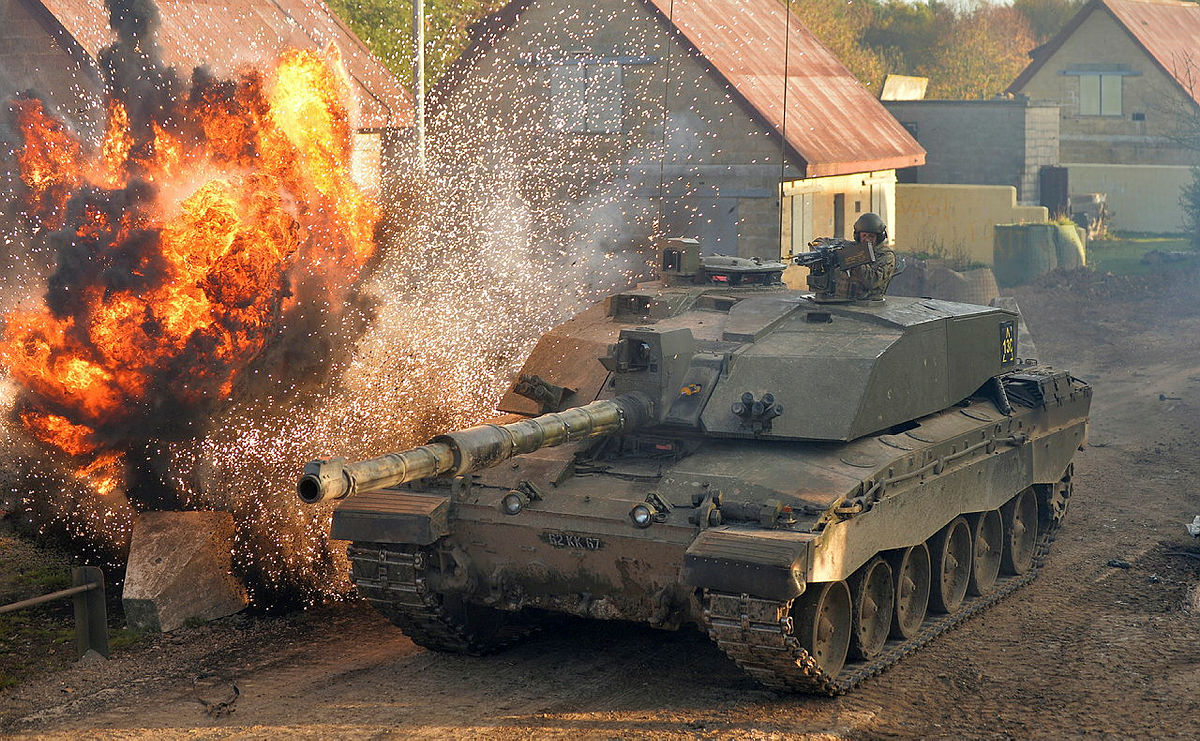
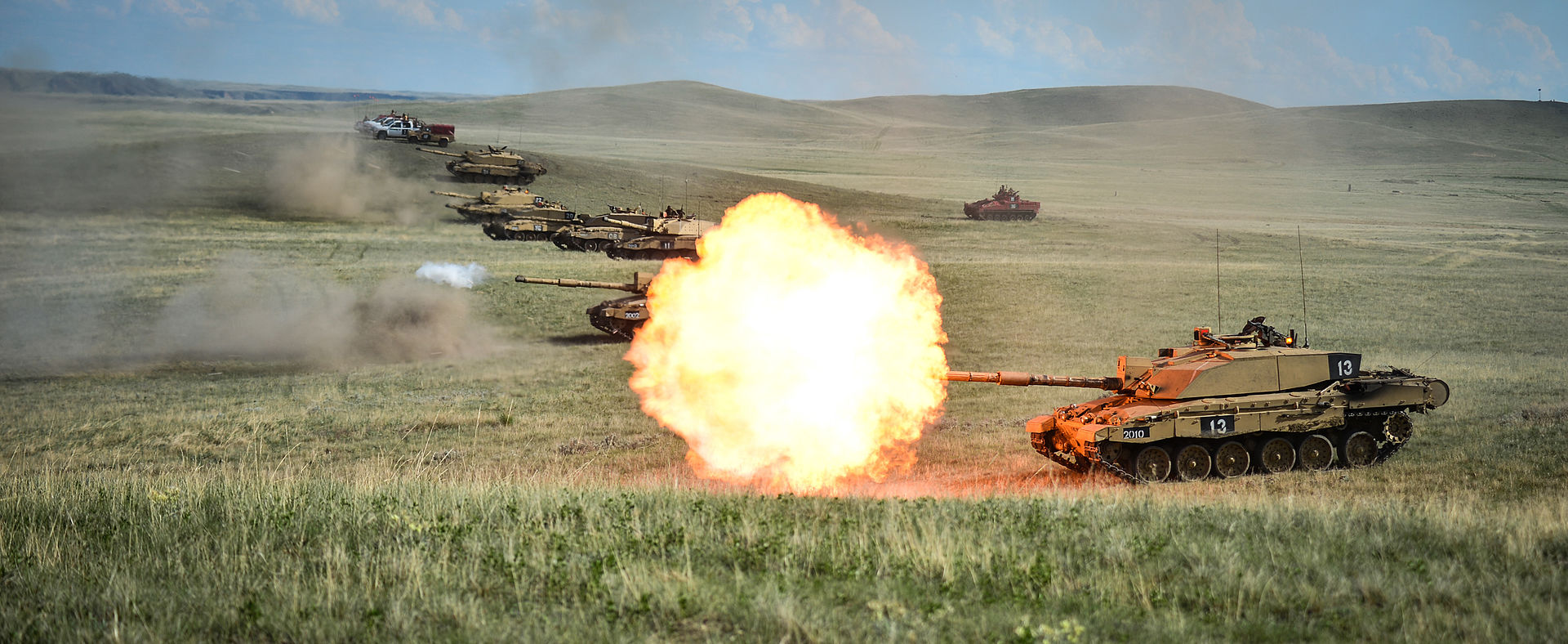
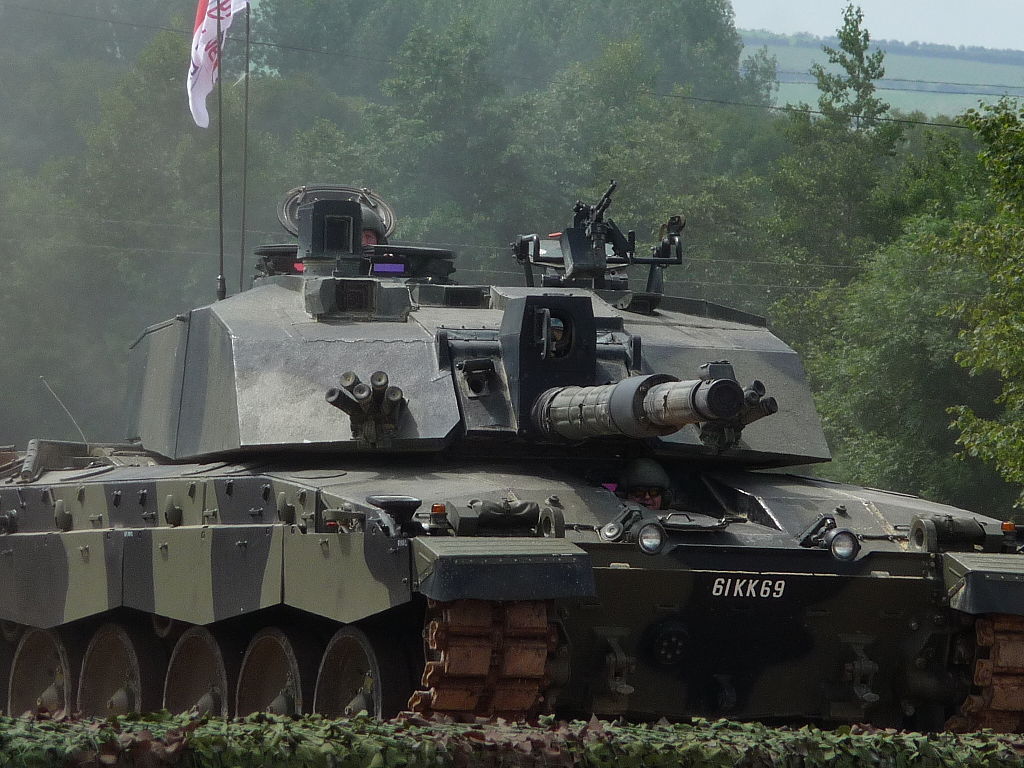
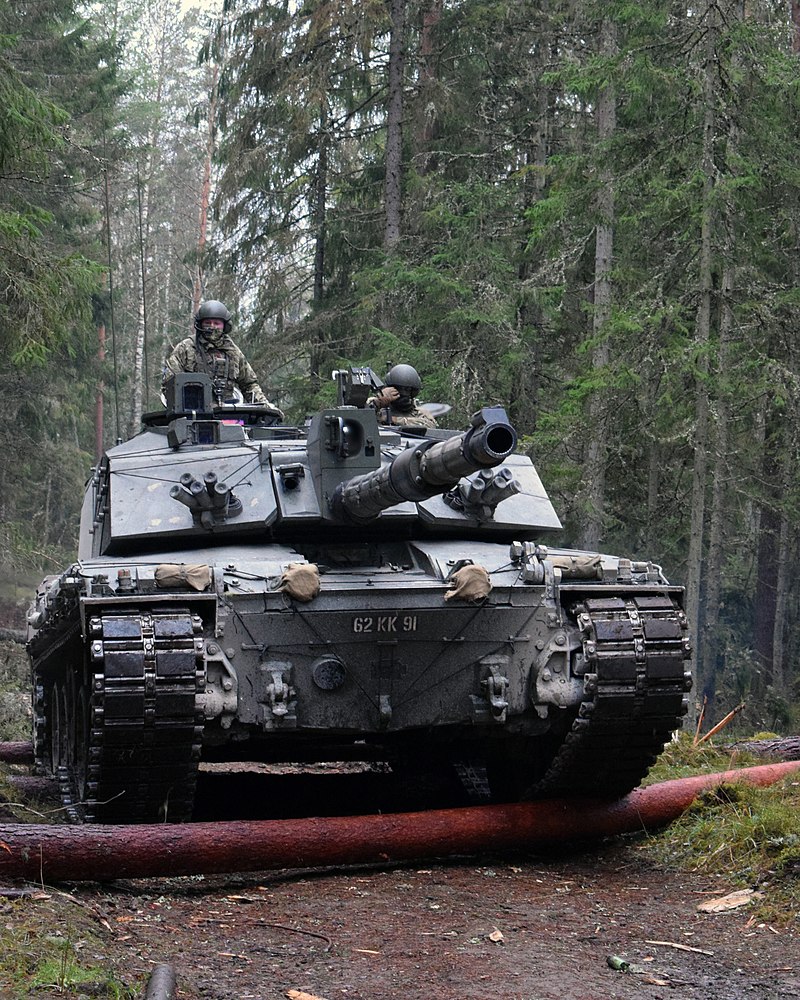
    The Challenger 2 is the third vehicle of this name, the first being the A30 Challenger, a World War II design using the Cromwell tank chassis with a 17-pounder gun. The second was the Persian Gulf War era Challenger 1, which was the British army’s main battle tank (MBT) from the early 1980s to the mid-1990s. The design process of the Challenger 2 tank was carried out between 1989 to 1994 by the British company “Vickers Defence Systems”, which also designed the Challenger 1 tank. Today, Challenger 2 is produced by BAE Systems Platforms & Services.

    The Challenger 2 tank was developed on the basis of the Challenger 1, however despite outward similarities to the Challenger 1, only about 3% of components are interchangeable with the earlier vehicle.

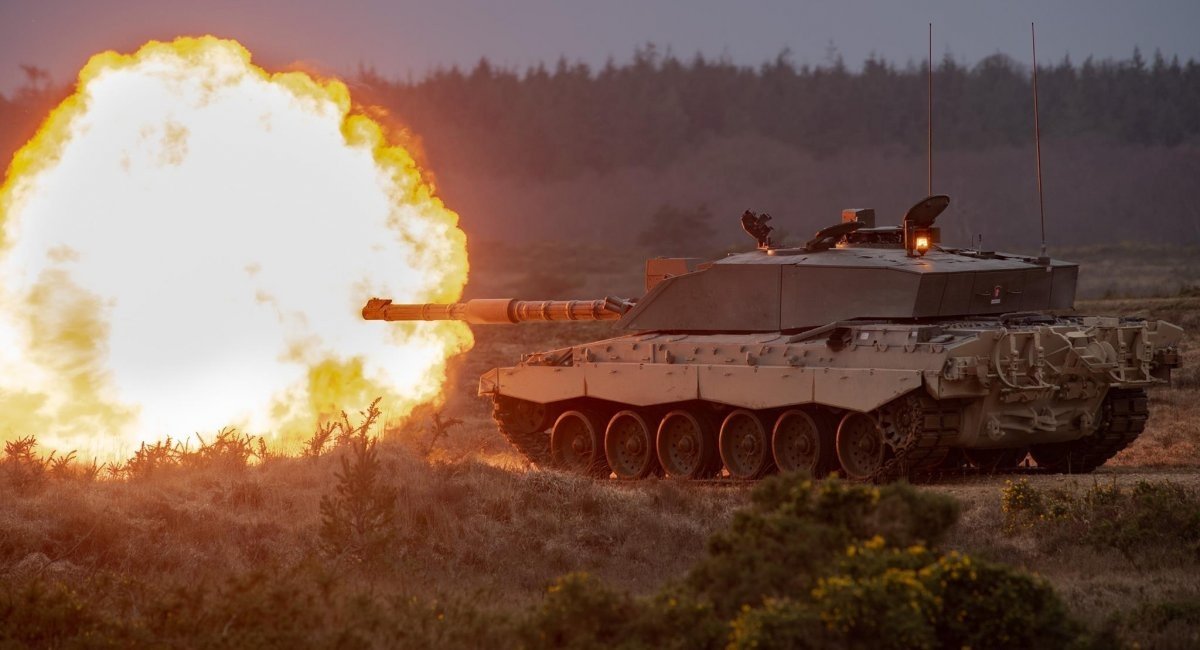
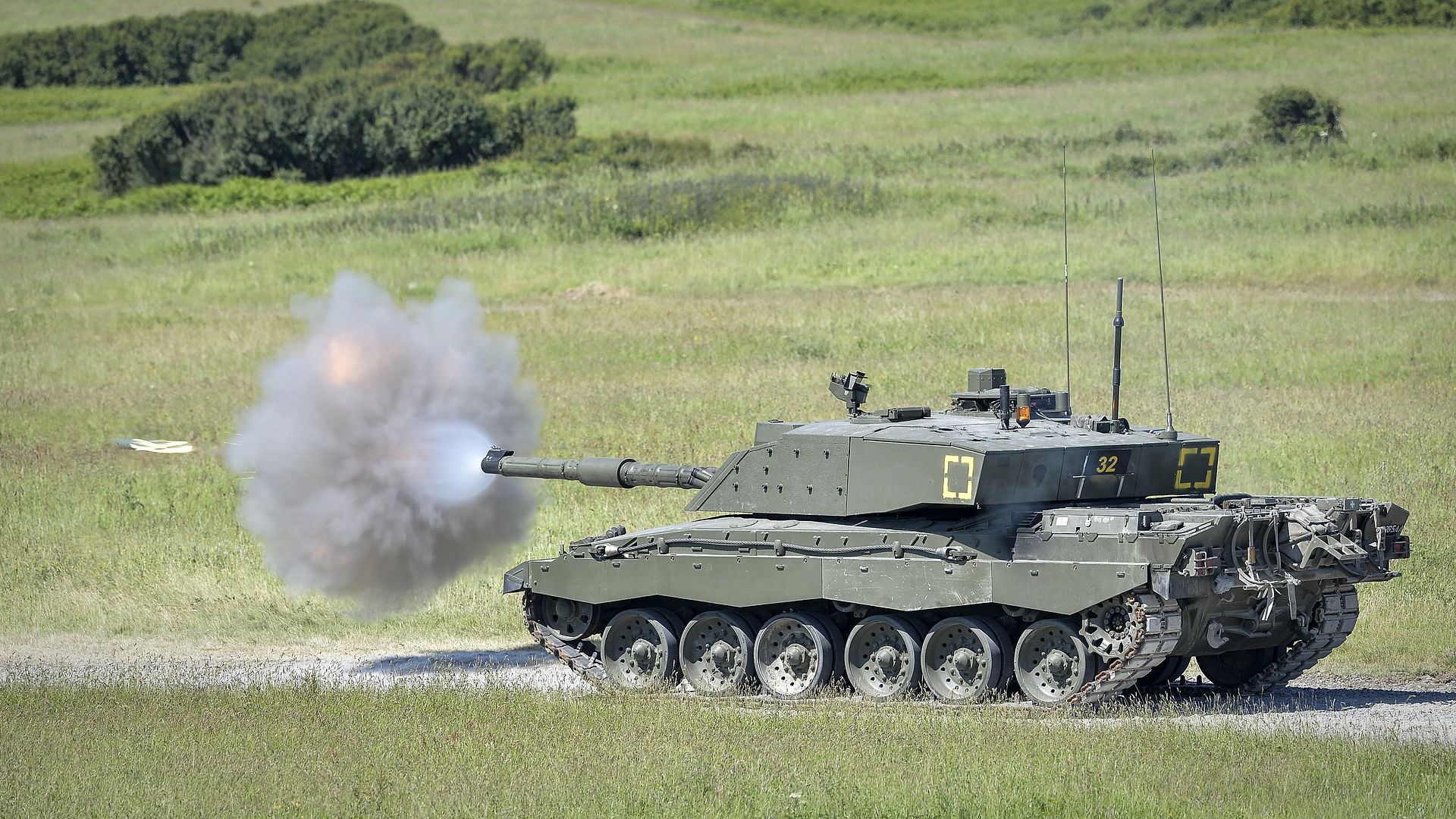
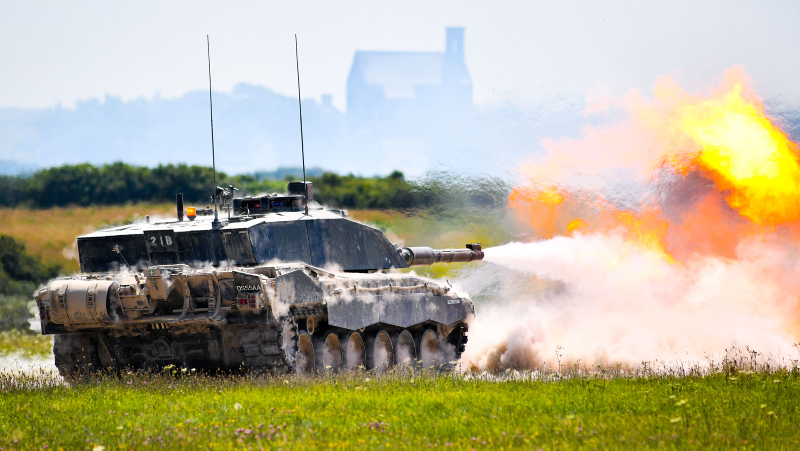
    The main armament is a L30A1 120-millimetre rifled tank gun, an improved derivative of the L11 gun used on the Chieftain and Challenger 1. Fifty rounds of ammunition are carried for the main armament, alongside 4,200 rounds of 7.62 mm ammunition for the tank’s secondary weapons: A L94A1 EX-34 chain gun mounted coaxially, and a L37A2 (GPMG) machine gun. The turret and hull are protected with second generation Chobham armour, also known as Dorchester. Powered by a Perkins CV12-6A V12 diesel engine, the tank has a range of 550 kilometres and maximum road speed of 59 kilometres per hour.

    Two 7.62 mm machine guns on the Challenger 2

    Challenger 2 benefits from a L30A1 120-millimetre rifled gun, firing both long rod penetrator and High Explosive Squash Head (HESH) ammunition natures. The rifled barrels increase stability and shooting accuracy. The “rifling” is for the purpose of exerting torque and thus imparting a spin to a projectile around its longitudinal axis during shooting to stabilize the projectile longitudinally by conservation of angular momentum, improving its aerodynamic stability and accuracy over smoothbore designs.
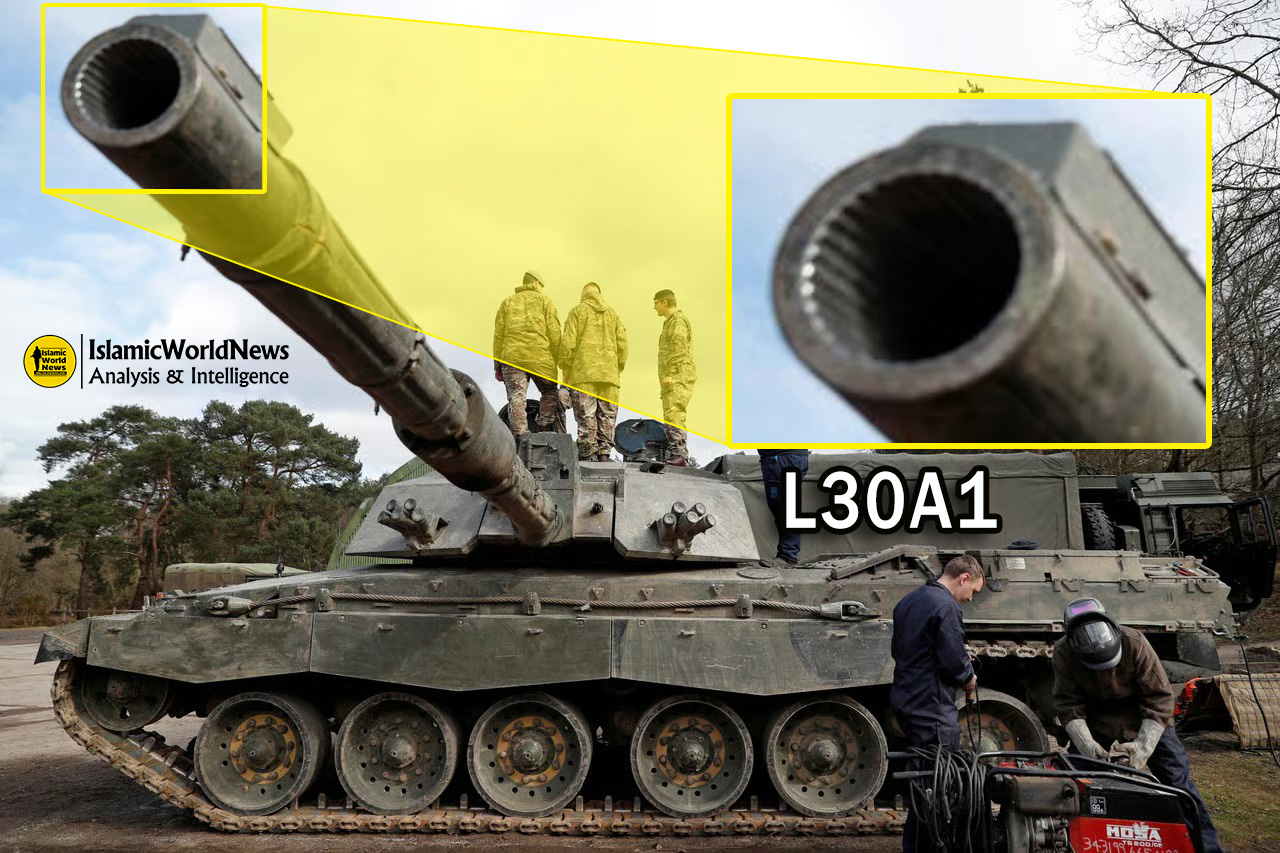
    L30A1 rifled gun on Challenger 2

    The commander has a panoramic SAGEM VS 580-10 gyrostabilised sight with laser rangefinder. The commander’s station is equipped with eight periscopes for 360° vision. The Thermal Observation and Gunnery Sight II (TOGS II), from Thales, provides night vision. The thermal image is displayed on both the gunner’s and commander’s sights and monitors. The gunner has a stabilised primary sight using a laser rangefinder, with a range of 200 m to 10 km. The driver’s position is equipped with a Thales Optronics image-intensifying Passive Driving Periscope (PDP) for night driving and a rear view thermal camera.

    The fire control system of Challenger 2 is the same as the US M1A1 Abrams and the French Leclerc MBT. Also, Challenger 2 and Abrams tanks use the same battlefield management system, which allows easy exchange of information between British and American tanks.

    Electro-optical systems used in the Challenger 2

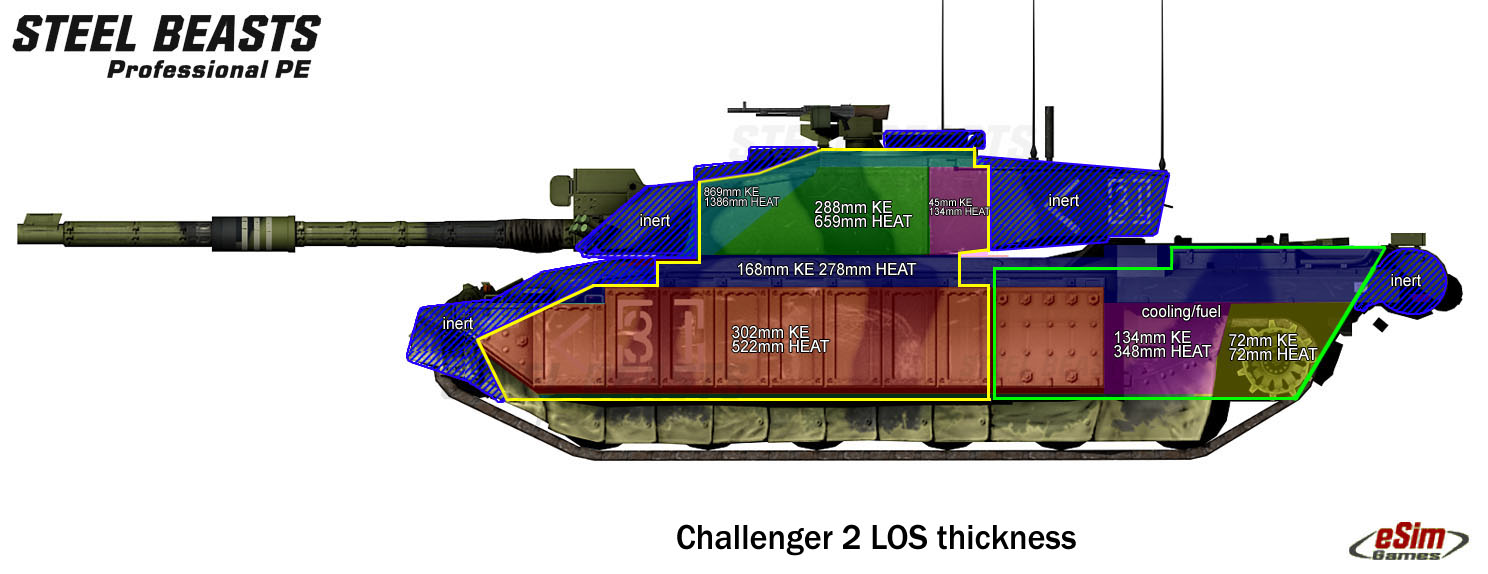
    The turret and hull are protected with second generation Chobham armour, also known as Dorchester. The Dorchester armor, although lighter than the Chobham, provides better protection for the Challenger-2 tank.

    Challenger 2 is also equipped with an automatic fire extinguishing system in addition to the Nuclear, Biological and Chemical (NBC) protection system and Visual and Infrared Screening Smoke (VIRSS) systems.

    The Challenger 2 tank is designed in such a way that its detection and tracking by enemy detection radars is as low as possible. Therefore, the FV4034 Challenger 2 tank can be considered one of the most stealth tanks in the world.

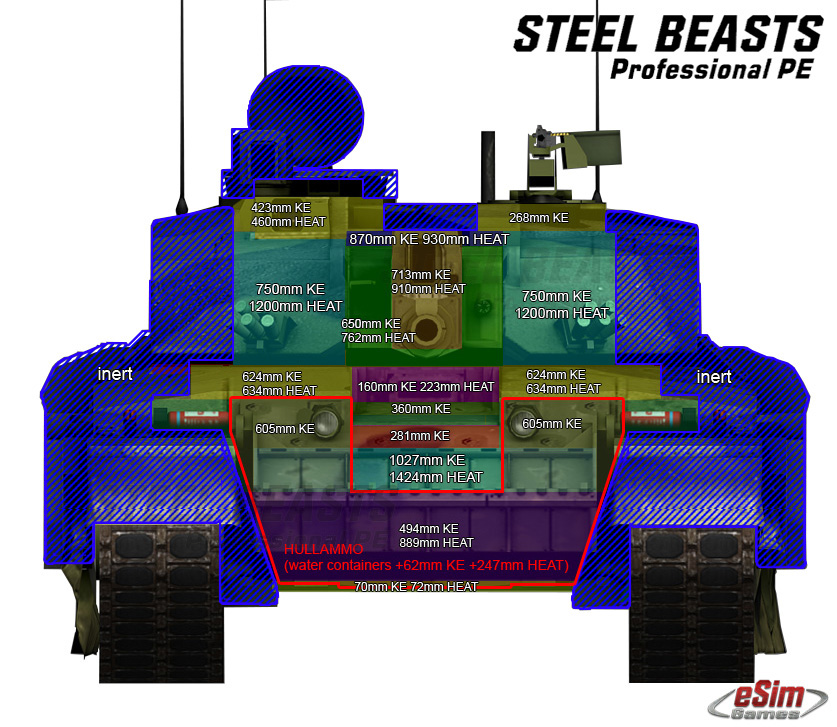
    One of the most confidential information about main battle tanks is the amount of armor in different parts of it, which is usually published in an exaggerated form. An image of the actual amount of armor used in Challenger 2 has been published by a website that claims to have information about Challenger 2. The images below show the armor’s resistance against high-explosive anti-tank (HEAT) projectiles and kinetic energy (KE) projectiles.
    The Challenger 2 Powered by a Perkins CV12-6a turbocharged diesel engine. Using this engine, the Challenger 2 tank can reach a maximum range of 550 km and a maximum speed of 59 km/h.
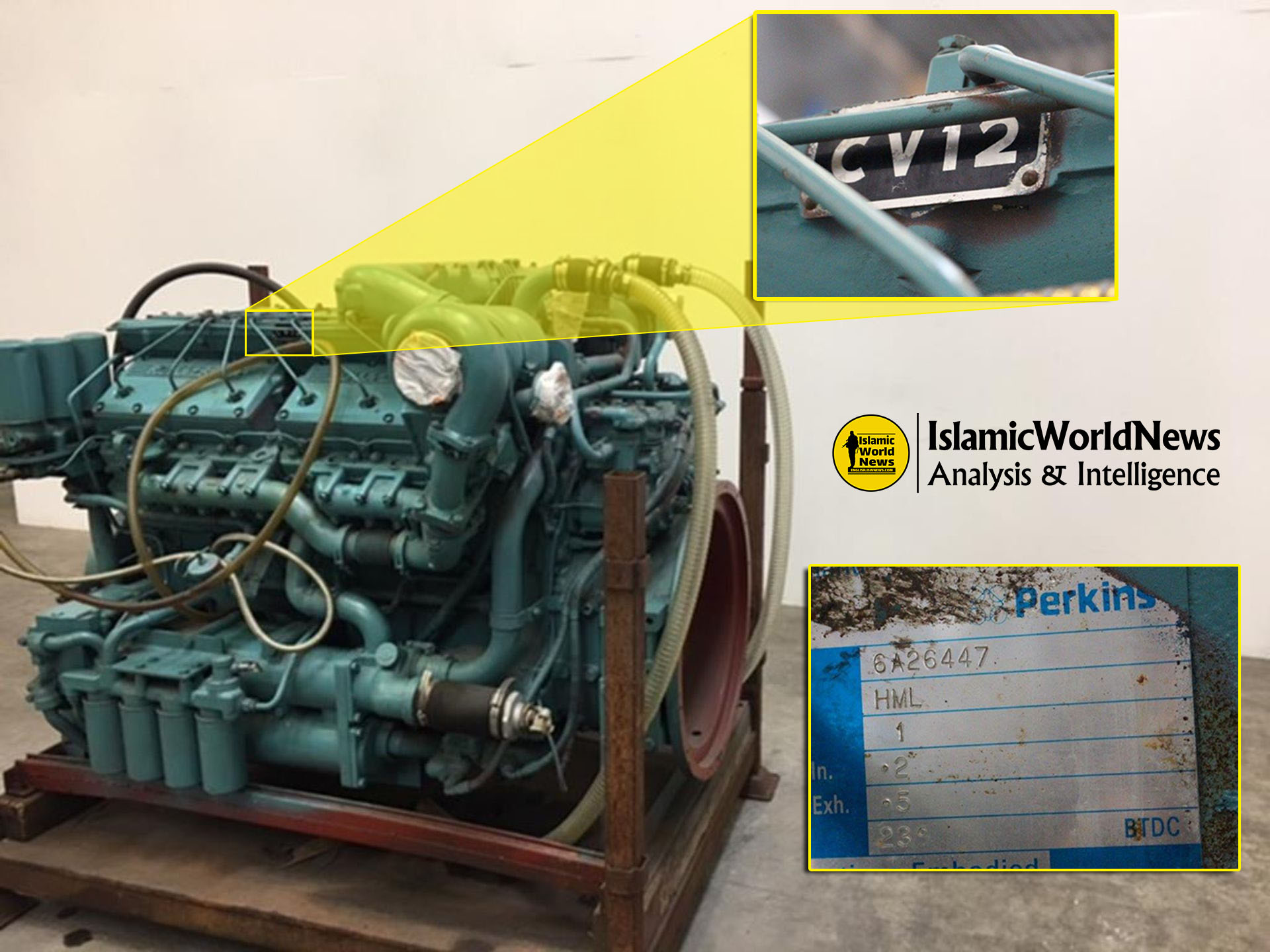
    Challenger 2’s Perkins CV12-6a engine

    Challenger 2 uses Horstman Defence Systems second-generation hydrogas suspension units, which is an improved suspension system, along with improved gearbox and a Hydraulic Track Tensioner provide platform stability covering flat road surfaces through to rough cross-country terrain.

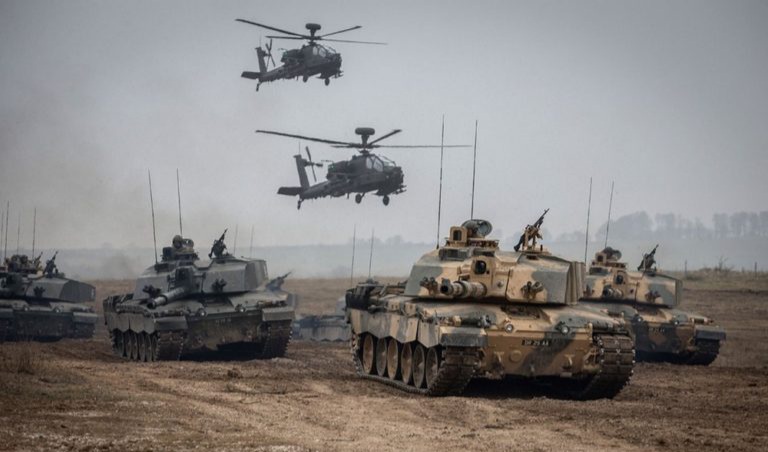
    The Challenger-2 is the Royal Army’s only main battle tank (MBT) today. The country of Oman has also recruited 38 units of this British tank.

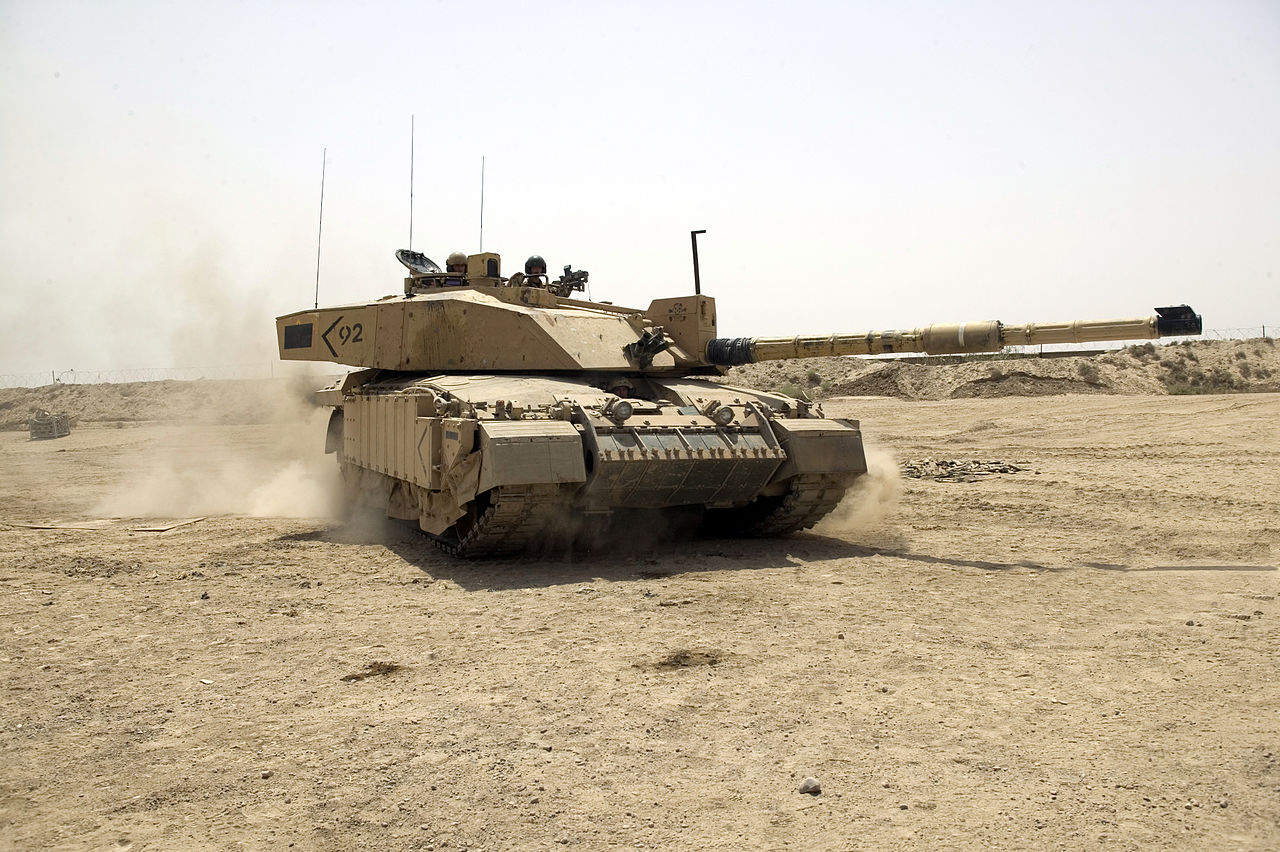
    The Challenger 2 tank has participated in wars such as Bosnia, Kosovo and the Persian Gulf War. In 2003, during the Desert Storm operation in Iraq, a Challenger 2 tank seriously damaged another Challenger 2 tank, and there were no casualties.

    Challenger 2 Updates:

    CLIP update:
    The Challenger Lethality Improvement Programme (CLIP) was a programme to replace the current L30A1 rifled gun with the smoothbore Rheinmetall 120 mm gun currently used in the Leopard 2 and M1 Abrams. The use of a smoothbore weapon would have allowed Challenger 2 to use NATO standard ammunition, including tungsten-based kinetic energy penetrators which do not have the same political and environmental objections as depleted uranium rounds.
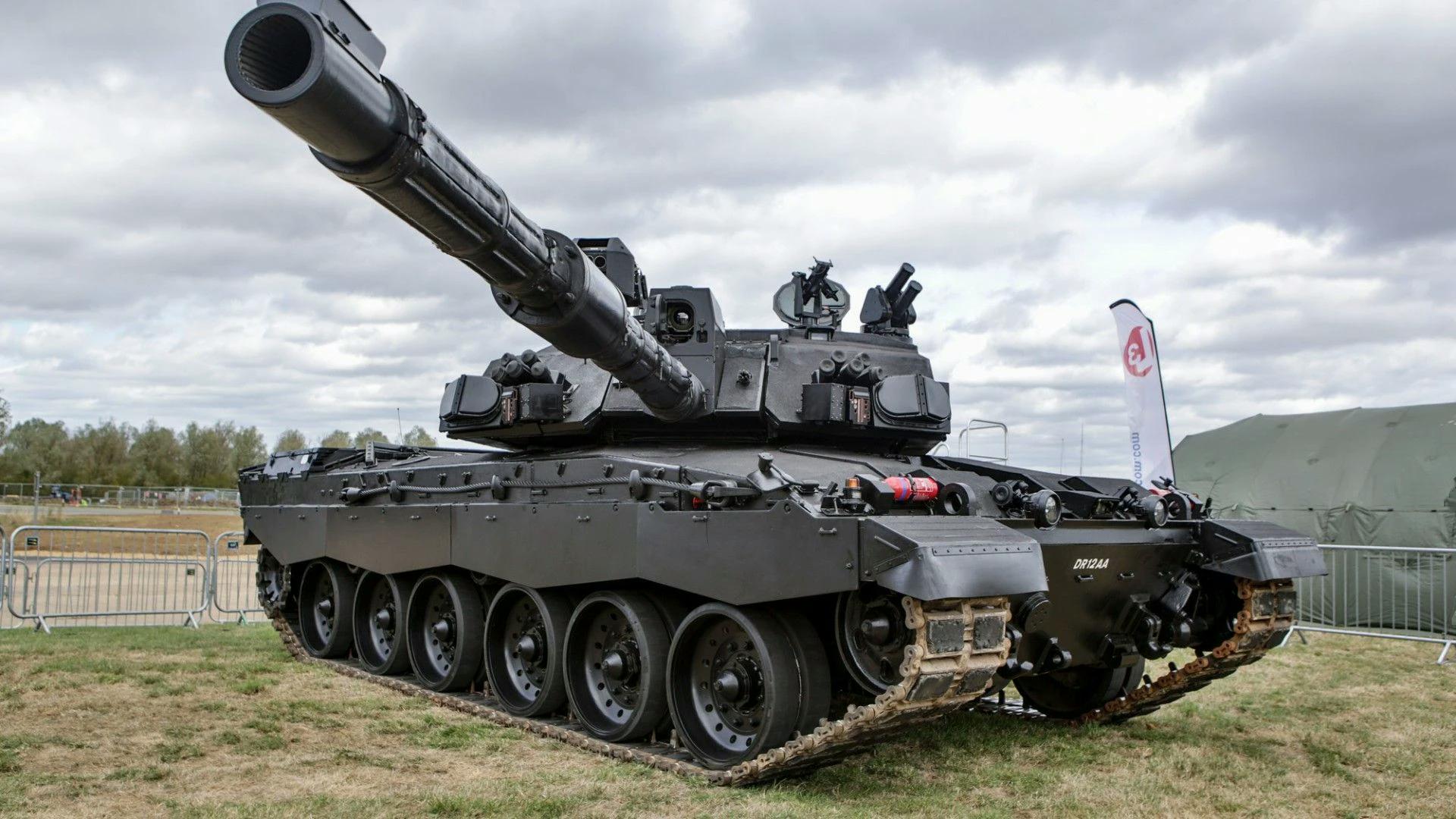
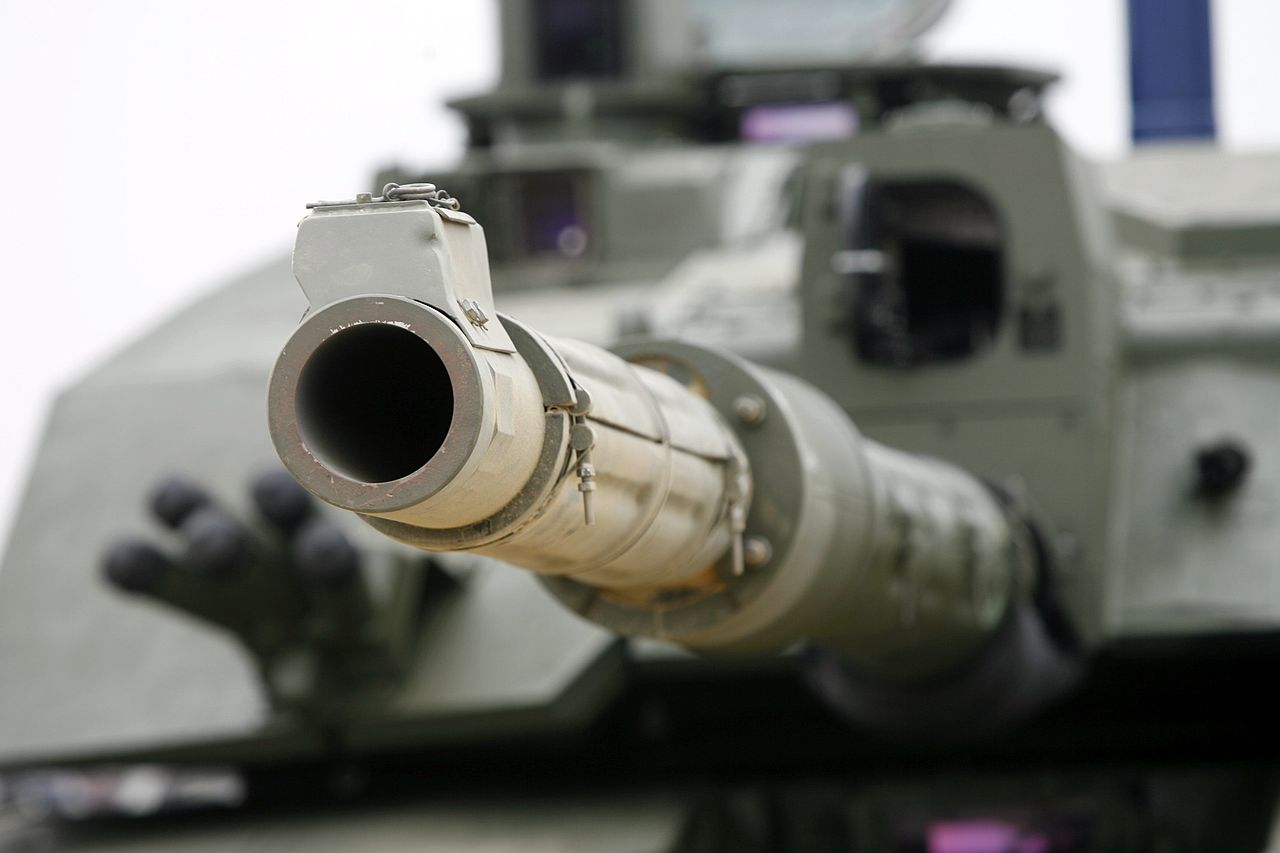
    The production lines for rifled 120 mm ammunition in the UK have been closed for some years so existing stocks of ammunition for the L30A1 are finite. Challenger 2 fitted with 120 mm smoothbore gun for trials A single Challenger 2 was fitted with the L55 and underwent trials in January 2006. The smoothbore gun was the same length as the L30A1 and was fitted with the rifled gun’s cradle, thermal sleeve, bore evacuator and muzzle reference system.
    Early trials apparently revealed that the German tungsten DM53 round was more effective than the depleted uranium CHARM 3. The ammunition storage and handling arrangements had to be changed to cater for the single-piece smoothbore rounds, instead of the separate-loading rifled rounds. Other improvements were also considered, including a regenerative NBC protection system.
    HAAIP update:
    Updates to the automotive components of Challenger 2 are being undertaken as part of the ongoing Heavy Armour Automotive Improvement Programme (HAAIP), which is expected to continue until 2031, and expected to align with the Challenger 3 programme. The HAAIP programme “will be made to existing in-service Challenger 2 tanks to increase their mobility and stability, both of which are critical to providing the foundation for the new turret and systems that will upgrade the vehicle to a Challenger 3.”

    The overall scope of HAAIP includes:
    – Upgraded CV12-9A engines for Challenger 3 and CRARRV
    – Third Generation Hydrogas Suspension
    – New Hydraulic Track Tensioners (HTT) with inline accumulators
    – Improved Electric Cold Start System (Intake Manifold Heater)
    – Unspecified new components fitted to improve the transmissions
    – New Main Engine Air Intake Filters
    – Improved Main Engine/Transmission Cooling; fitting new high efficiency radiators and fans.

    TES Megatron update:
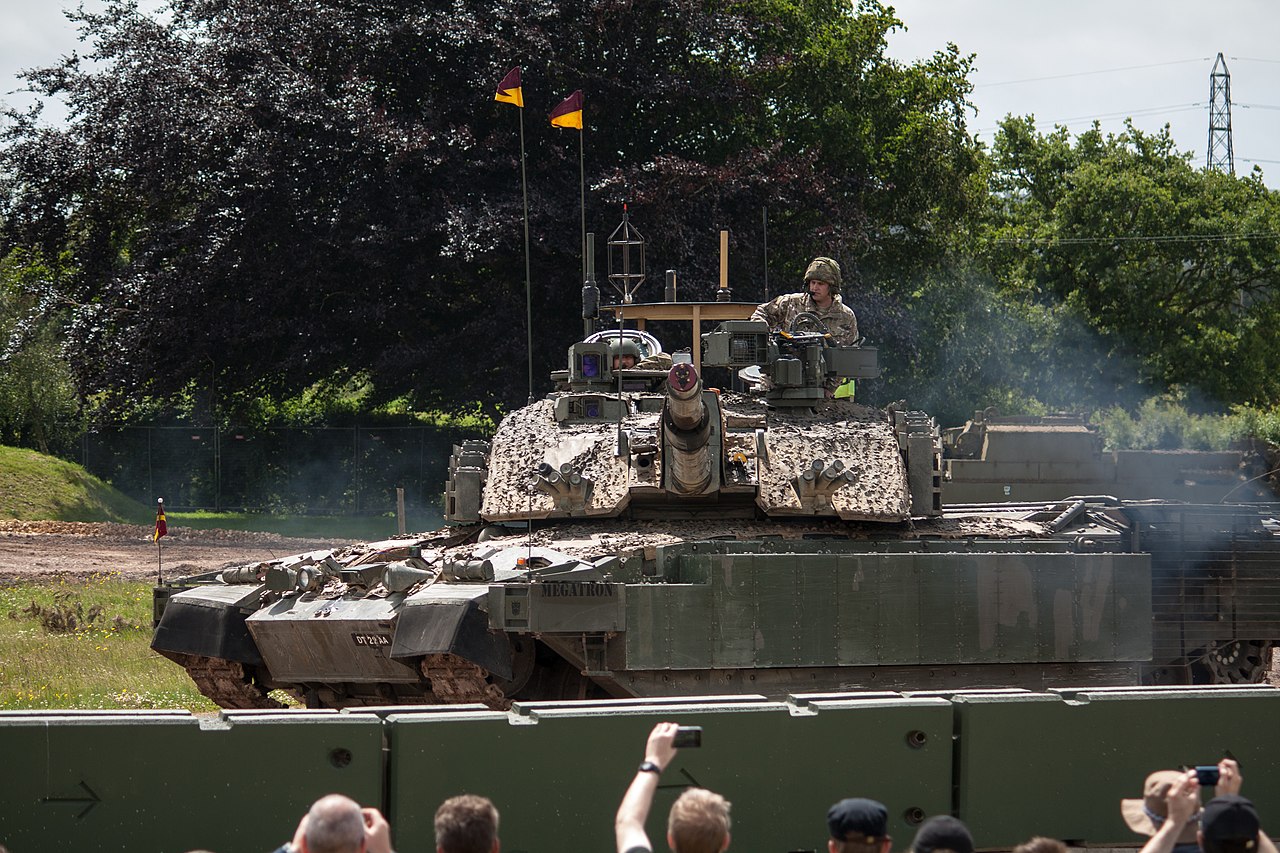
    The Megatron update, or Challenger 2 TES Megatron, was first unveiled in 2013 at the DVD Defense Expo in Millbrook. Another example of Megatron’s update was also unveiled in 2016.

    This update includes:
    – Adding reactive and passive armors to deal with new types of threats on the battlefield, which allows to equip Megatron with additional types of armor depending on the type of threats.
    – Upgrading the L30A1 gun to be able to fire more of the existing NATO ammunitions.
    – Installation of a remote control weapons system called Enforcer.
    – Using of a new armor that is a combination of Dorchester’s standard composite armor, reactive, passive and rod armor and Chobham armor.

    Megatron has a maximum weight of 74,840 kg with TES armor and 62,500 kg in standard configuration.

    Enforcer Remote Control Weapons System

    Black Night update:
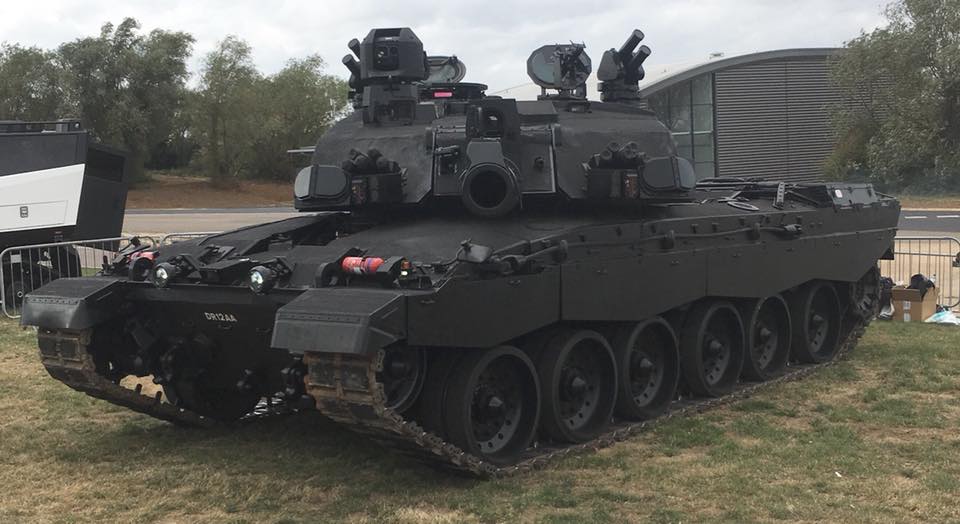
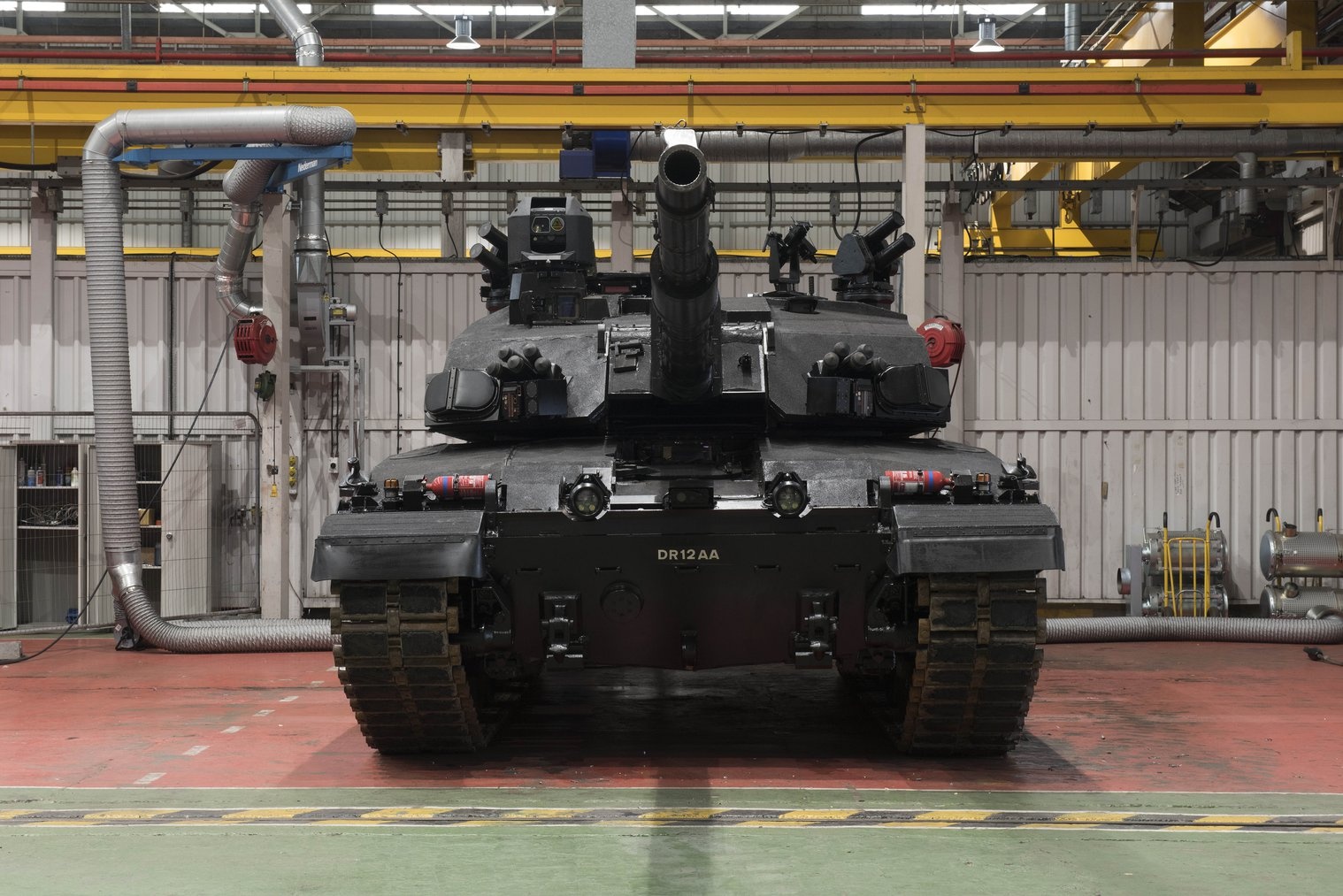
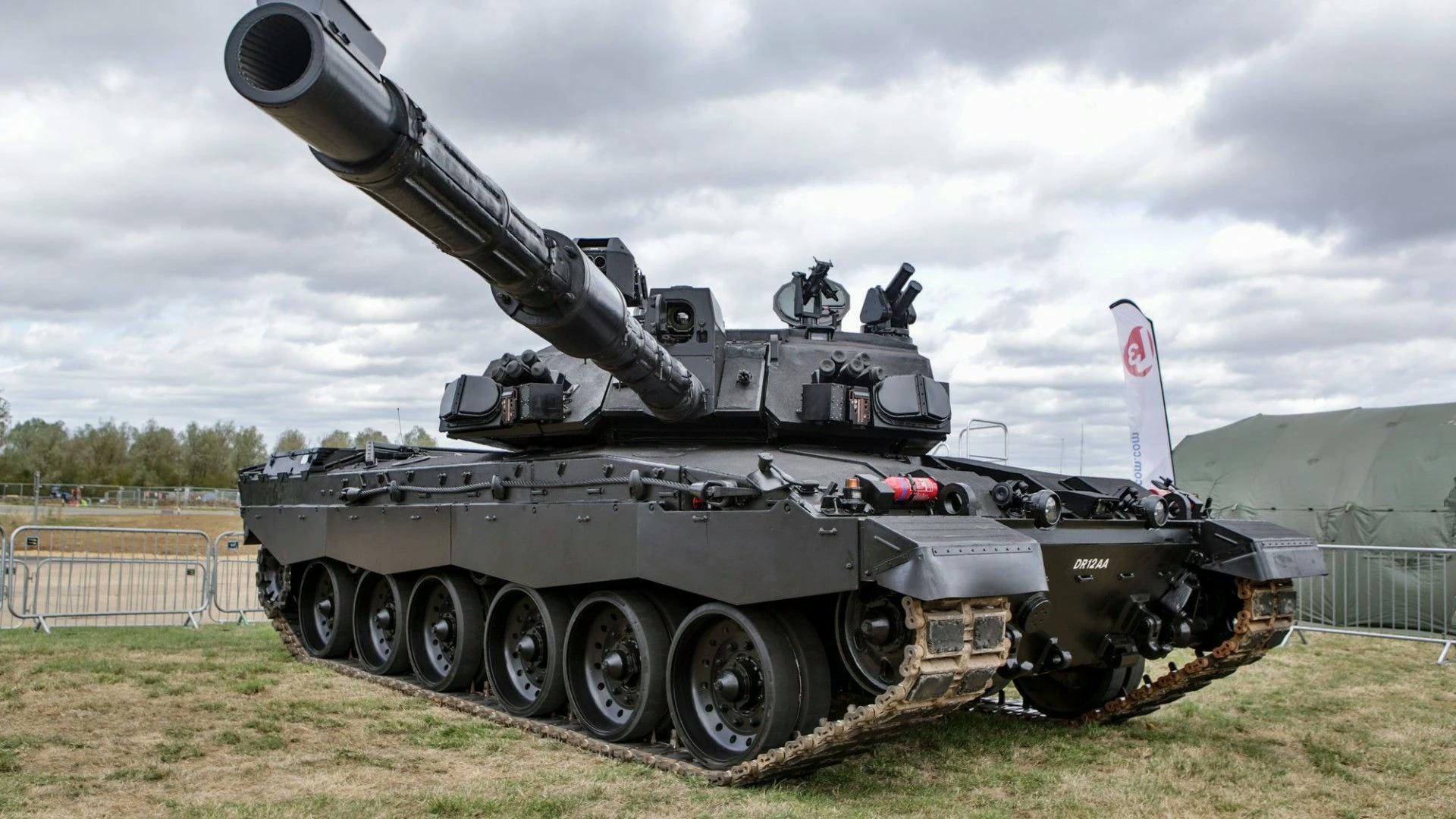
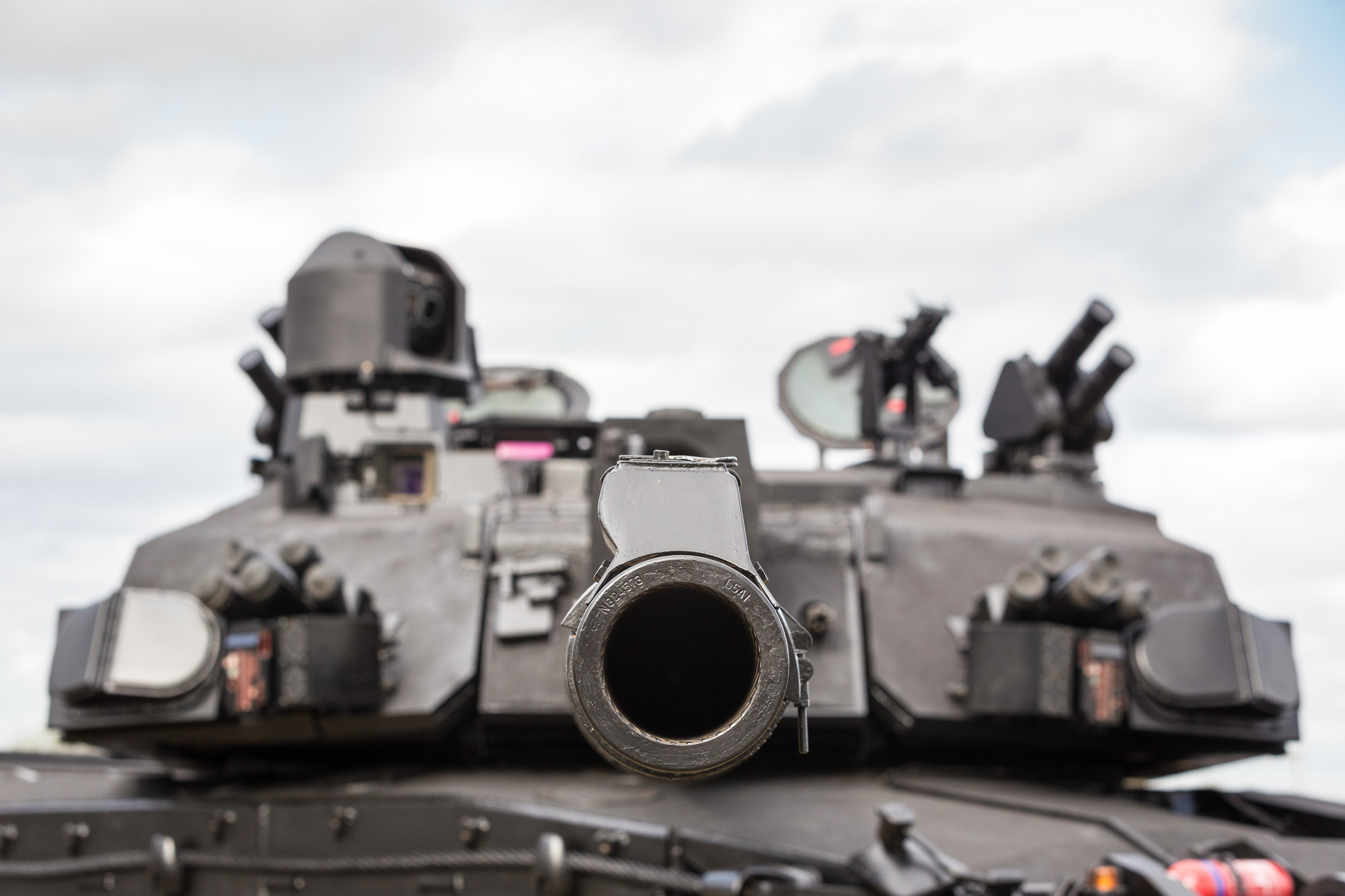
    In 2018, following the update program of the Challenger-2 tank, an update called Black Night was implemented, which practically became a different product. Two examples of this update have been seen to date, differing only in “gun type”. One example uses the same L30A1 gun and another example uses the L55 gun that was previously coordinated with this tank in the CLIP update.

    Features announced for the Black Night update by BAE include:
    – Active Protection System – Systems allow the tank to detect incoming anti-tank missiles or armour penetrating rounds and automatically launches a counter-explosive to neutralise the threat.
    – Laser Warning System – When targeted by enemy weapon systems, the tank can identify the source of the threat then automatically slew the gun to point at that source, making it quicker for the crew to counter-fire.
    – Regenerative braking – The tank has been made more energy efficient by using less energy-hungry kit and installing regenerative braking in the turret, which generates power when the gun slows down into position.
    – Thermal Imaging Technology – Front and rear infrared cameras (similar to those used in television programmes such as Planet Earth II) provide extremely sharp night imagery, helping troops identify potential threats and move undetected in hostile situations, while also shaving valuable seconds off reaction times.
    – Accelerated fightability – New equipment controlling tank’s weaponry is faster, meaning the crew can identify an enemy, target and engage more quickly.
    CSP / LEP update:
    In 2005, the British MoD recognised a need for a Capability Sustainment Programme (CSP) to extend the service life of the Challenger 2 into the mid-2030s and upgrade its mobility, lethality and survivability. The CSP was planned to be complete by 2020 and was to combine all the upgrades from CLIP, including the fitting of a 120 mm smoothbore gun.
    By 2014, the CSP programme had been replaced by the Life Extension Programme (LEP) which shared a similar scope of replacing obsolete components and extending the tank’s service life from 2025 to 2035, however the 120 mm smoothbore gun had seemingly been abandoned.

    In 2015, the British Army provided an insight into the scope of the LEP, dividing it into four key areas, namely:
    – Surveillance and target acquisition: Upgrades to the commander’s primary sight and gunner’s primary sight, as well as the replacement of the thermal observation and gunnery sights (TOGS) with third-generation thermal imaging.
    – Weapon control system: Upgrades to the fire control computer, fire control panel and gun processing unit.
    – Mobility: Upgrades including third-generation hydrogas suspension, improved air filtration, CV-12 common rail fuel injection, transmission and cooling.
    – Electronic architecture: Upgrades to the gunner’s control handles, video distribution architecture, generic vehicle architecture compliant interfaces, increased onboard processing and improved human machine interface.

    Challenger 3 update:
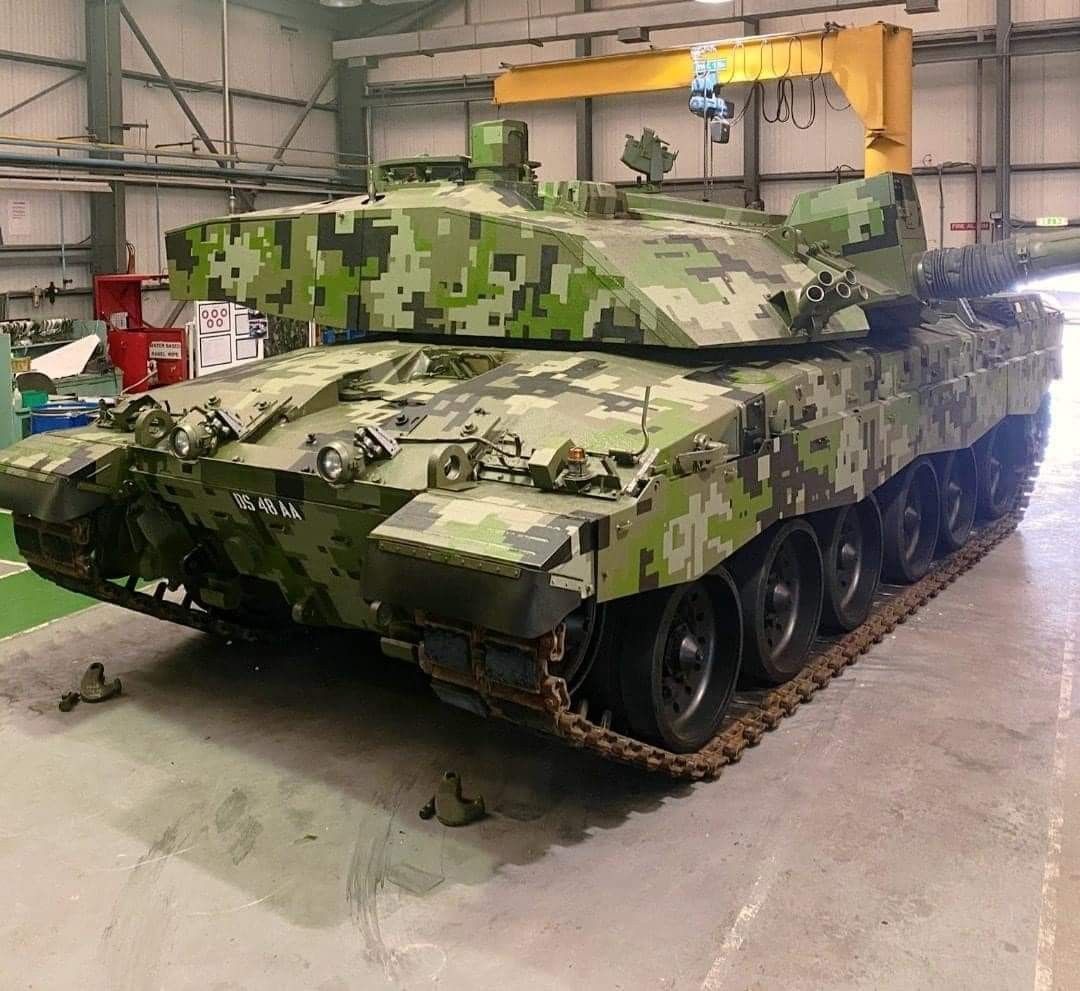
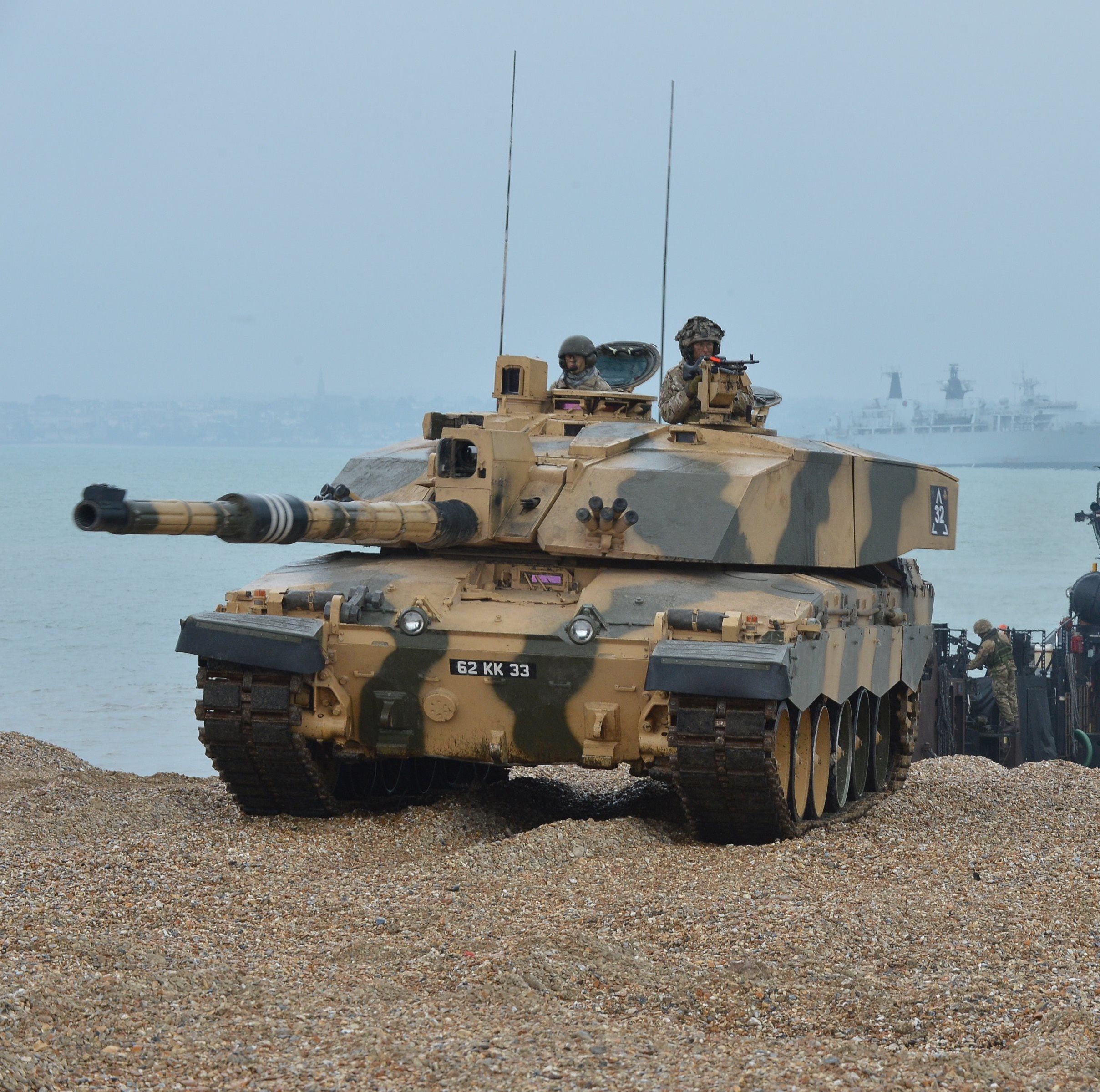
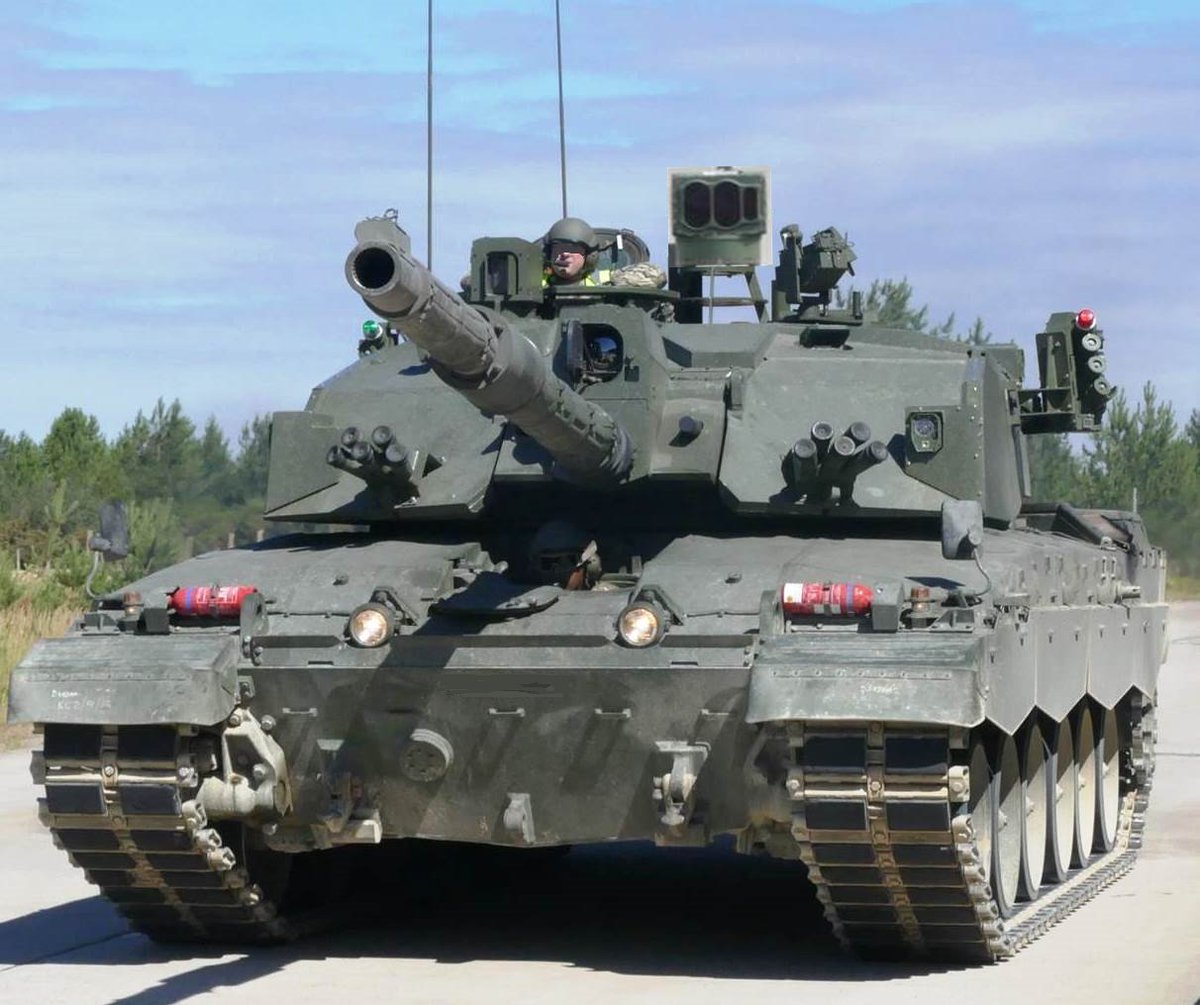
    This update was implemented to consolidate the experience of all the upgrades made on the Challenger-2 tank and was unveiled in 2021. The upgrades that were first done on the Megatron and then on the Black Night continued on the Challenger 3. In order to increase the survivability of tank in the battlefield, two models of active protection systems (APS) have been used on this tank: MUSS (MUltifunctional Self protection System) and Rheinmetall’s ROSY Rapid Obscurant System.

    MUltifunctional Self protection System – click to view full size

    With the introduction of Megatron in 2016 and Black Knight in 2018, a proposal design was also unveiled by Rheinmetall in 2019. The design included the development of a completely new turret with fully digital electronic architecture, day and night sights for the commander and gunner, and a Rheinmetall L55 120 mm smoothbore gun. Whilst a more substantial upgrade than Black Night, the turret was developed on Rheinmetall’s initiative and was not funded by the UK MoD.
    In June 2019, BAE Systems and Rheinmetall formed a joint venture company, based in the UK, named Rheinmetall BAE Systems Land (RBSL). Despite the merger, the company was still expected to present two separate proposals for the LEP contract, however, at DSEI 2019, RBSL instead opted to only showcase the Rheinmetall proposal.

    This upgrade includes a new turret with a fully digital electronic architecture, a Thales Orion day and night sight for the commander, and a Thales DGNS T3 day and night sights for the gunner, along with the use of a 120mm Rheinmetall L55A1 gun. The turret architecture also allows for an active protection system or an Improvised Explosive Electronic Warfare system to be installed in the future if required by the user.

    Click to view full size

    In 2020, the UK MoD argued against buying a new main battle tank from overseas instead of pursuing the Challenger 2 LEP, stating that an upgraded Challenger 2 would be “comparable – and in certain areas superior” to a Leopard 2 or Abrams.

    In 2021, the UK MoD published its long-awaited command paper, Defence in a Competitive Age, which confirmed the British Army’s plans to upgrade 148 Challenger 2 tanks and designate them Challenger 3. The UK MoD confirmed the contract with RBSL had been signed, valued at £800 million (US$1 billion), on 7 May 2021. Rheinmetall’s more extensive upgrade proposal, including the new 120 mm smoothbore gun, had been accepted. The initial operating capability for the upgraded tanks is expected by 2027, with full operation capability expected to be declared by 2030.

    Infographic published by RBSL comparing Challenger 2 and Challenger 3 tanks

    Types of tanks and combat vehicles based on Challenger-2 chassis:

    Trojan combat engineering armored vehicle:
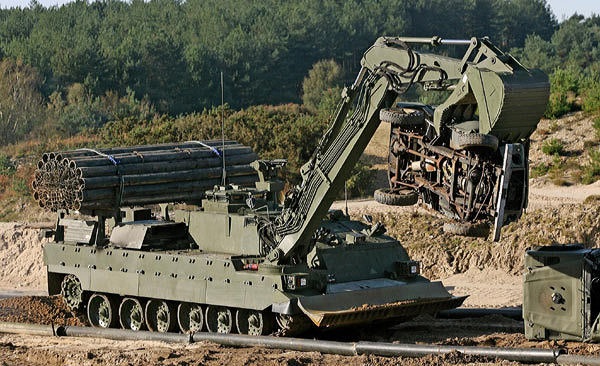
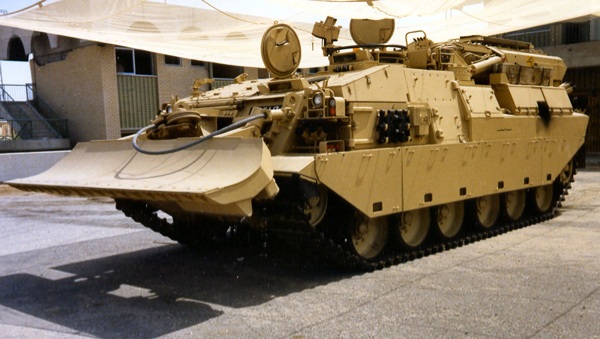
    The Trojan Armoured Vehicle Royal Engineers is a combat engineering vehicle designed as a replacement for the Chieftain AVRE (ChAVRE). It uses the Challenger 2 chassis, and carries an articulated excavator arm, a dozer blade, and attachment rails for fascines. Entering service in 2007, 33 were produced.
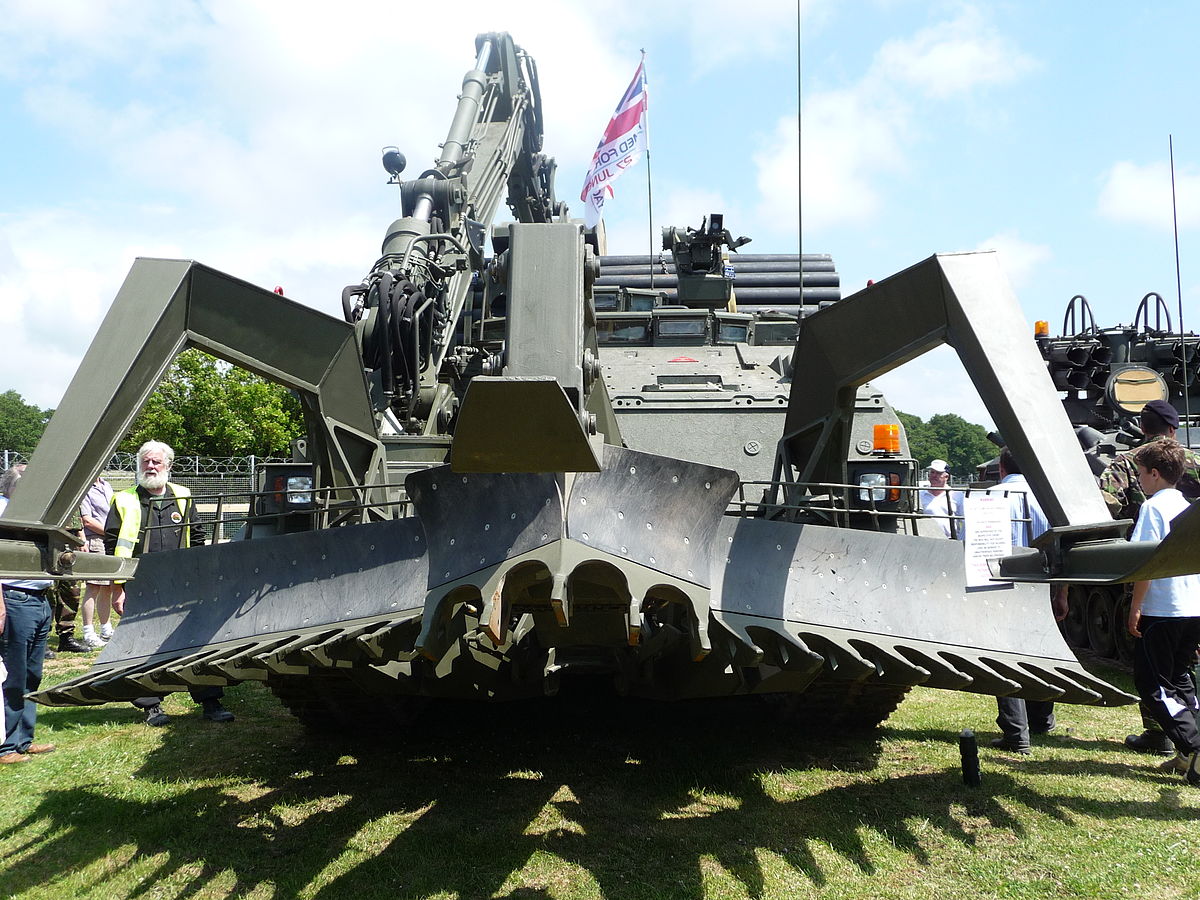
    Trojan combat engineering armored vehicle:

    Challenger 2 Driver Training Tank:
    The Challenger 2 Driver Training Tank (DTT) is based on the Challenger 2 hull. The turret has been replaced with a fixed weighted superstructure to accommodate an instructor and up to 4 trainees. The design is similar to the Challenger 1 derived Challenger Training Tank (CTT). Weighting the superstructure replicates the weight (and therefore also the driving characteristics) of the standard tank in operational service.

    Challenger 2 Driver Training Tank

    Titan armoured bridge layer:
    The Titan armoured bridge layer is based on aspects of the Challenger 2 running gear and replaced the Chieftain Armoured Vehicle Launched Bridge (ChAVLB). The Titan came into service in 2006 with the Royal Engineers, with 33 in service. Titan can carry a single 26-metre-long bridge or two 12-metre-long bridges. It can also be fitted with a bulldozer blade.
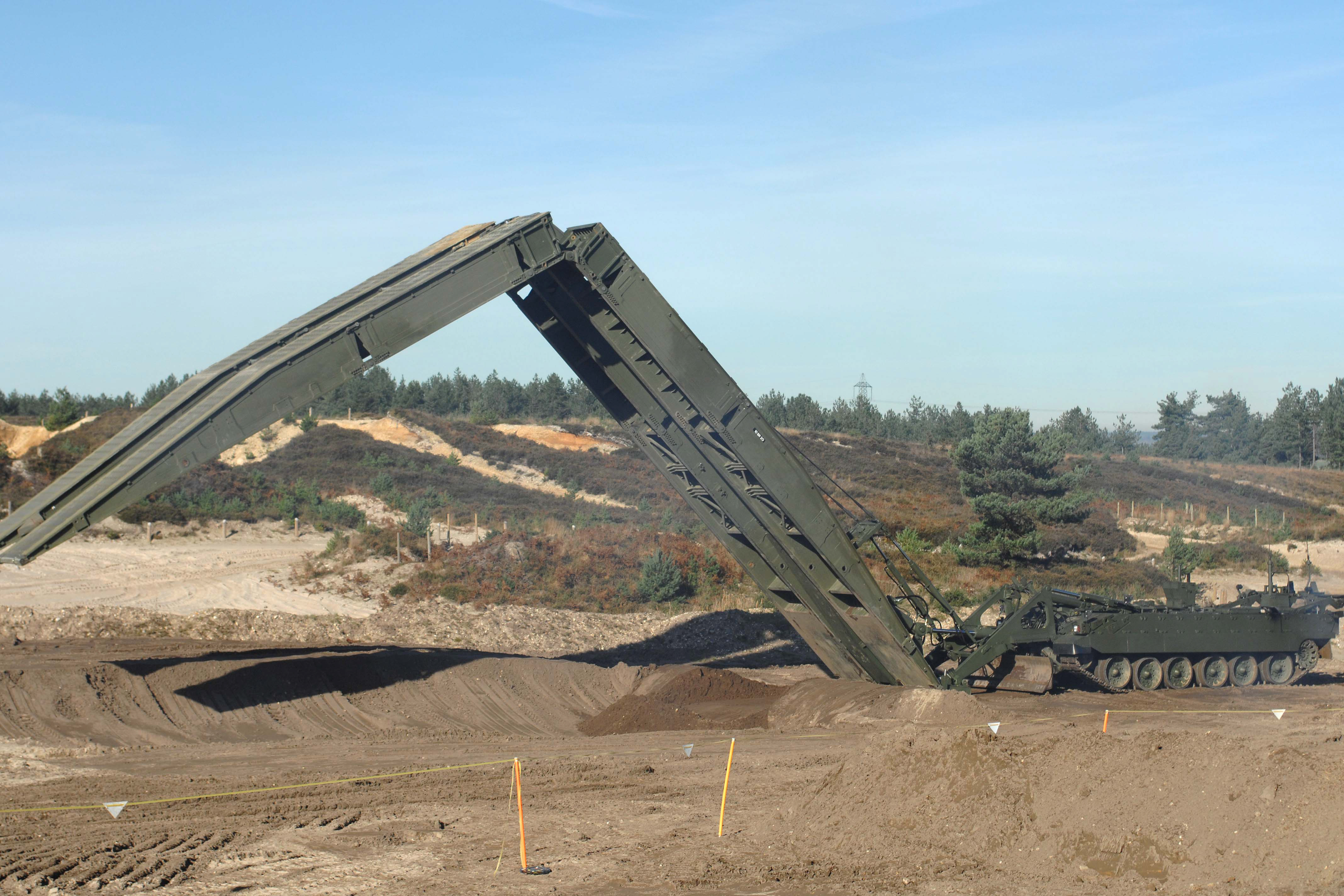
    Titan armoured bridge layer

    Challenger 2E:
    Challenger 2E The Challenger 2E is an export version of the tank. It has a new integrated weapon control and battlefield management system, which includes a gyrostabilised panoramic SAGEM MVS 580-day/thermal sight for the commander and SAGEM SAVAN 15 gyrostabilised day/thermal sight for the gunner, both with eye-safe laser rangefinder.
    This allows hunter/killer operations with a common engagement sequence. An optional servo-controlled overhead weapons platform can be slaved to the commander’s sight to allow operation independent from the turret.
    The power pack has been replaced by a new 1,500 hp (1,100 kW) EuroPowerPack with a transversely mounted MTU MT883 diesel engine coupled to Renk HSWL 295TM automatic transmission.
    The increase in both vehicle performance and durability is significant. The smaller volume but more powerful EuroPowerPack additionally incorporates as standard a cooling system and air intake filtration system proved in desert use.
    The free space in the hull is available for ammunition stowage or for fuel, increasing the vehicle’s range to 550 km (340 mi). This power pack was previously installed on the French Leclerc tanks delivered to the UAE as well as the recovery tank version of the Leclerc in service with the French Army. Further developed versions of the EuroPowerPack have more recently been installed in the latest serial produced Korean K2 Black Panther tank.
    BAES announced in 2005 that development and export marketing of 2E would stop. This has been linked by the media to the failure of the 2E to be selected for the Hellenic Army in 2002, a competition won by the Leopard 2.

    Challenger Armoured Repair and Recovery Vehicle:
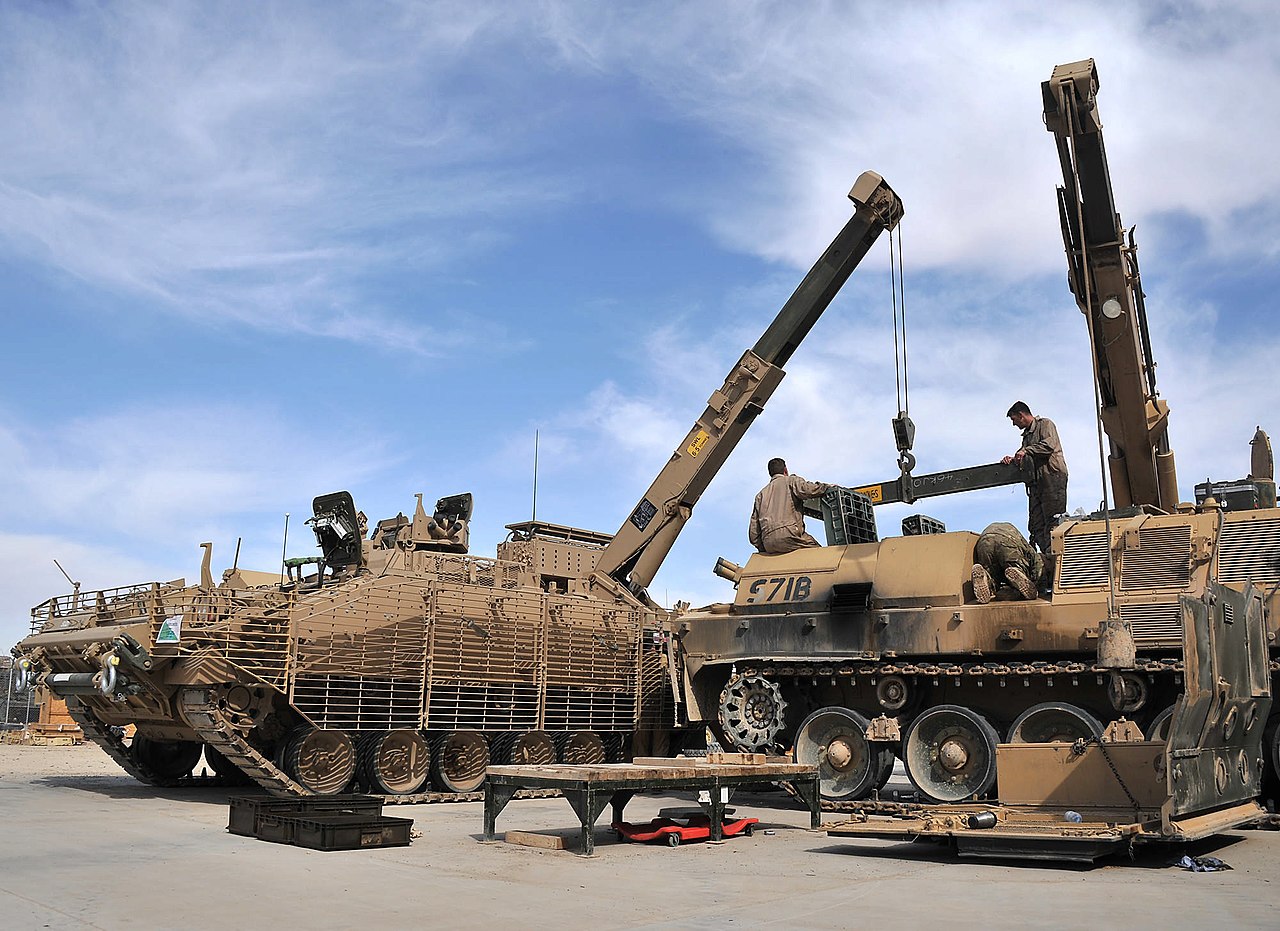
    The Challenger Armoured Repair and Recovery Vehicle (CRARRV) is an armoured recovery vehicle based on the Challenger 1 hull, designed to repair and recover damaged tanks on the battlefield.
    Ordered in 1985, and delivered between 1988 and 1993, the CRARRV has subsequently been updated to use a Challenger 2 powertrain consisting of a CV12-5C/6C engine with TN54E transmission.
    The British Army ordered 80 vehicles. Four CRARRVs were purchased by Oman to complement their acquisition of Challenger 2 tanks. CRARRVs were first deployed in action in the lead up to the First Gulf War, Operation Granby in 1991. They were subsequently deployed during the 2003 invasion of Iraq, Operation Telic in 2003, alongside standard Challenger 2 MBTs.
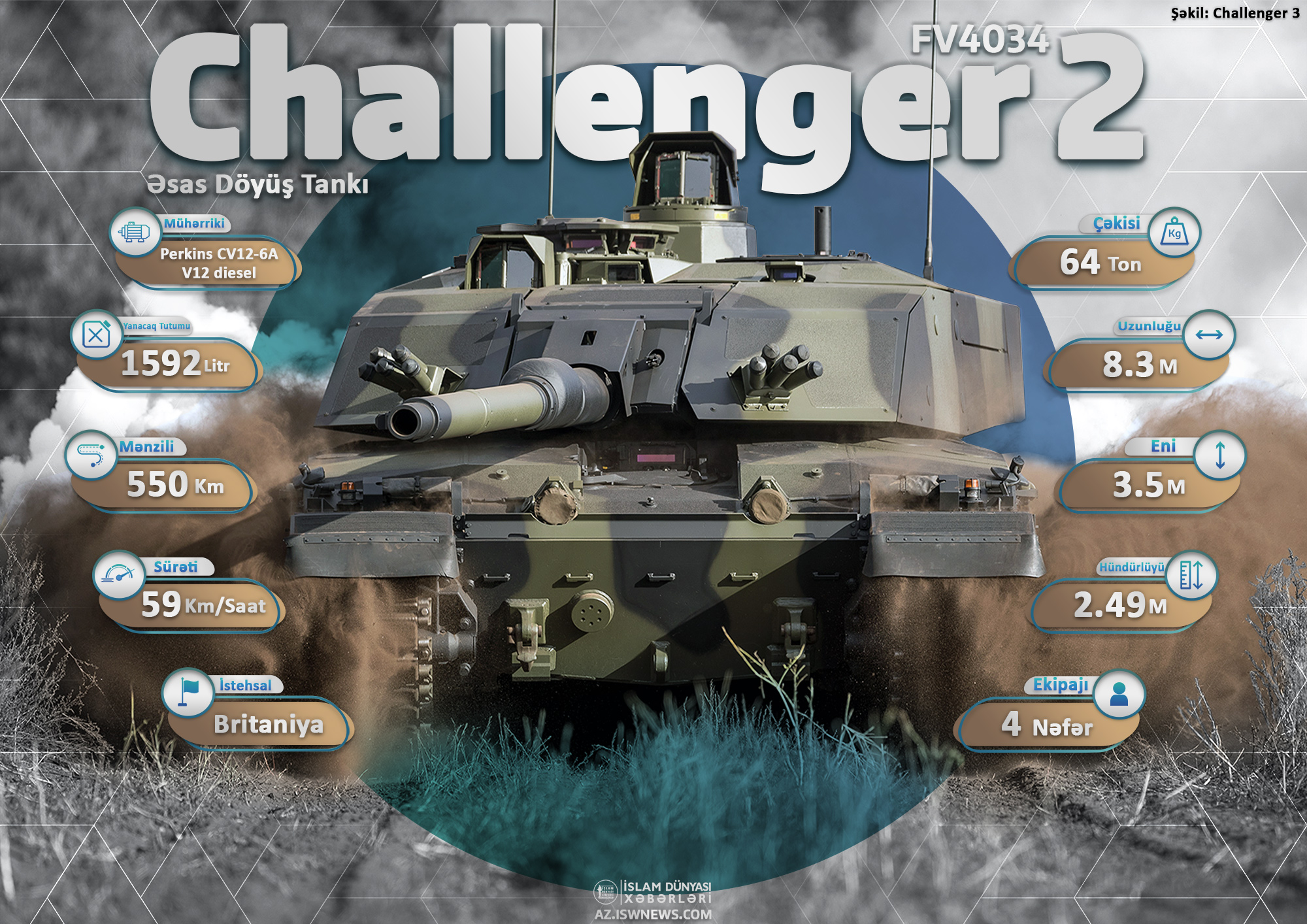
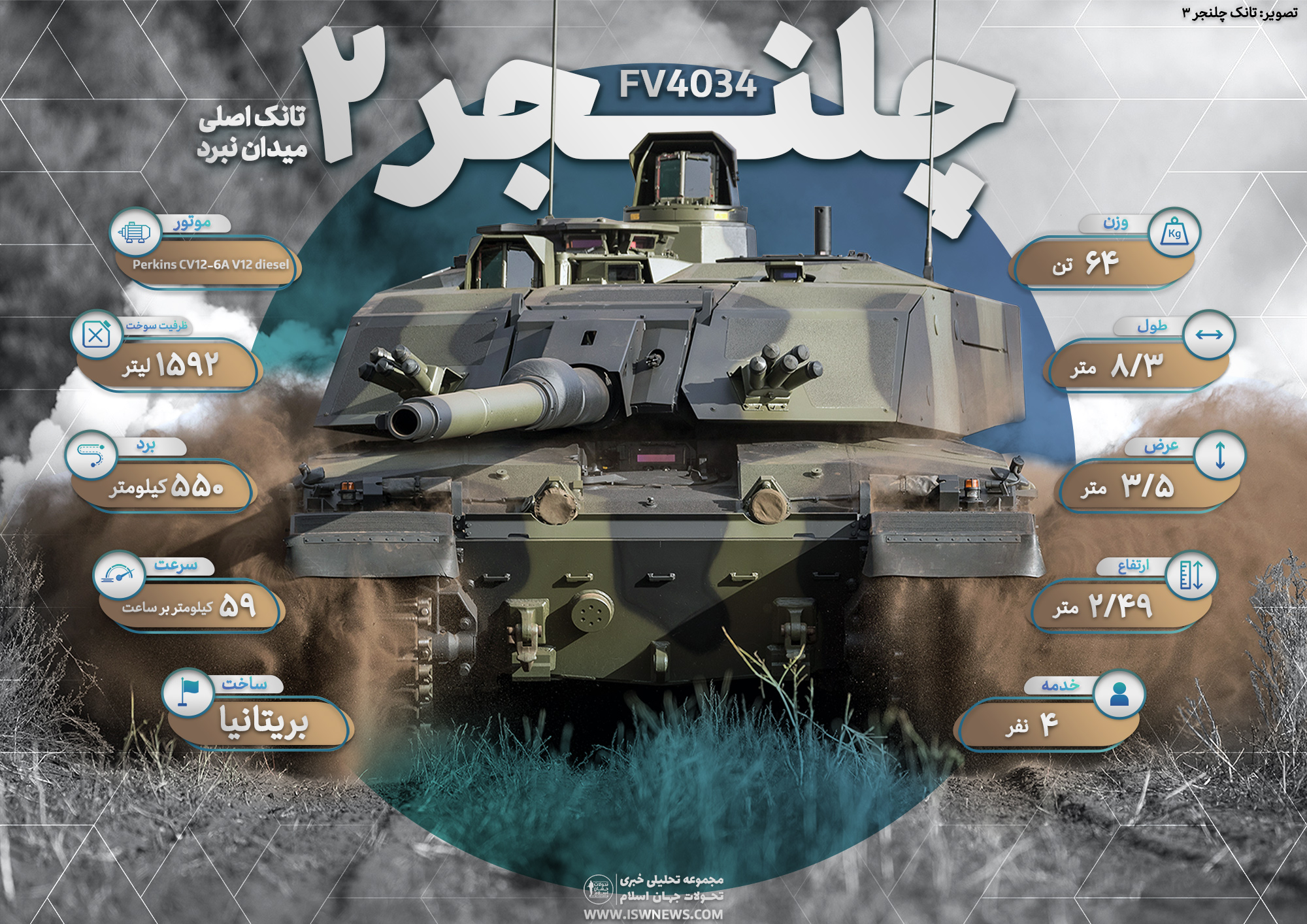
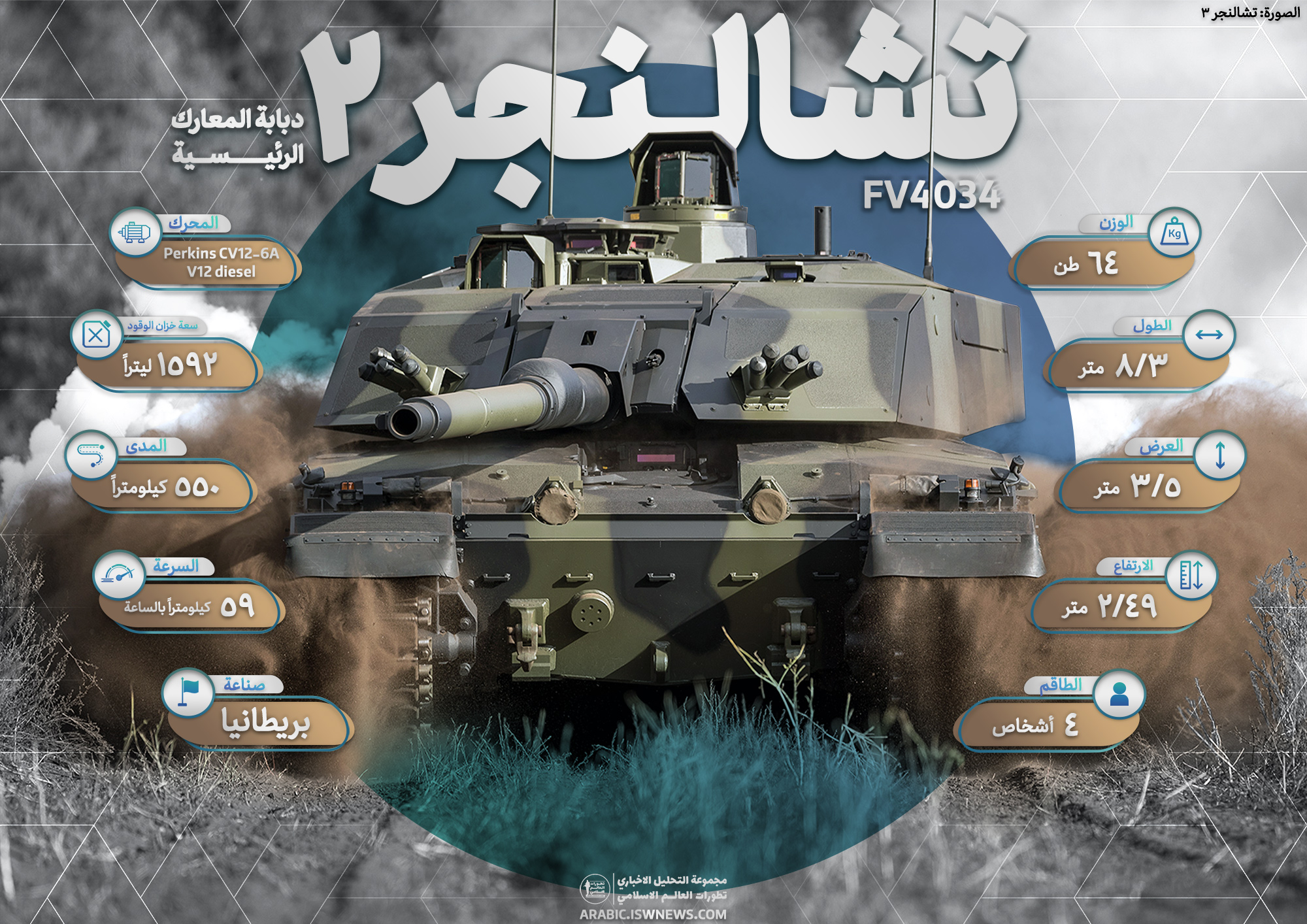
    Challenger 2 specifications:
    – Type: Main Battle Tank (MBT)
    – Manufacturer: BAE Systems
    – In service: since 1998
    – Wars: Iraq war, Kosovo war, Bosnian war, Afghanistan war
    – Unit cost: £4,217,000
    – Mass: 64 tons
    – Length: 8.3 m
    – Width: 3.5 m
    – Height: 2.49 m
    – Crew: 4 (commander, gunner, loader–operator, driver)
    – Engine: Perkins CV12-6A V12 diesel, 26.1 L, 1200 bhp (890 kW)
    – Fuel capacity: 1,592 litres
    – Operational range: 550 km on-road, 250 km off-road
    – Speed: 59 km/h on-road, 40 km/h) off-road
    – Origin: UK

    Challenger 2 tank – click to view full size

    Collection of Challenger 2 posters in Russian, Arabic, Persian, Azeri and Kurdish:
    Source:
    Challenger 2
    Challenger 2 Main Battle Tank
    Armour Challenger 2 from SB documentation
    BAE unveils ‘Black Night’ – the first fully-upgraded Challenger 2 tank

    Rifling

  • Military Knowledge: Leopard 2

    Military Knowledge: Leopard 2

    The first generation of the Germans’ Main Battle Tank (MBT) was the M48 Patton tank made by the United States, and the second generation was the Leopard-1 tank, which is still in service with modifications for other NATO users. The Leopard 1 tank was designed and produced in West Germany in the 1960s. This tank was first produced in 1963 by Krauss-Maffei for the Ministry of Defense of West Germany, and more than 6,000 units of it were produced for 9 NATO member countries, including Germany, the Netherlands, Belgium, Greece, Turkey, Italy, Canada, Norway, as well as Made in Australia.

    To develop and improve the Leopard-1 tank, Germany started developing the MBT-70 project in 1963 with the cooperation of the United States of America. However, in 1967, the German government ordered Porsche to research the facilities needed to upgrade the Leopard-1 tank. It is interesting to know that the Leopard-1 tank was in the service of Germany from 1965 to 1995, and the need for the MBT-70 project was announced before the Leopard-1 tank entered service. Leopard-1 was designed by Porsche and manufactured by Krauss-Maffei. This issue becomes more interesting when you know that Porsche named this new project Vergoldeter Leopard or Gilded Leopard and focused on updating with advanced technologies. Adding an automatic loader, an automatic and coaxial cannon with a machine gun, an independent periscope for the commander, the possibility of using an anti-aircraft machine gun from inside the cabin, the presence of a television surveillance camera on the mast with the possibility of increasing the height, changing the shape of the turret, improving the suspension system, the gearbox and engine exhaust valves, were considered as new project items.

    Development and production:

    In 1967, the West German government decided to produce a prototype of the Gilded Leopard project, as well as an experimental development based on the Leopard 1 tank. But due to the lack of sufficient funds, it was not possible to develop two projects at the same time, finally a trial development contract was concluded with Krauss-Maffei, but this company committed to work with Porsche to develop the chassis and with Wegmann to develop the turret. In this regard, two prototypes with different components were built with the aim of improving the Leopard 1 tank to match the firepower requirements of the MBT-70. The purpose of these optimizations was to increase the probability of hitting the first shot at a range of more than 2000 meters. Also, increasing the ability to accurately engage with moving targets using a computerized fire control system was another main goal of the experimental development. The tanks built were nicknamed Keiler. Two prototypes (ET01 and ET02) were built by Keiler in 1969 and 1970, both powered by the MB872 engine.

    After many ups and downs in 1971, the name of the MBT-70 project was changed to Leopard-2. In the same year, 17 prototypes were ordered, but only 16 hulls were built because production of the PT12 hull was cancelled. The turrets were named from T1 to T17 and the hull from PT1 to PT17. These prototypes were produced to perform numerous tests, from the required and different components and concepts for the development of the tank, and each sample had components that were not found in other samples. Ten of these turrets were equipped with 105 mm cannons and seven prototypes were equipped with a 120 mm cannon. The welded turret used spaced armor formed by two steel plates. Prototypes were equipped with the EMES-12 optical range finder and fire control system, which was later used in the Leopard 1A4. The T14 turret was modified to install new anti-armor modules and was equipped with an all-electric turret drive and stabilization system. The turret was jointly developed by General Electric and AEG Telefunken.

    The PT15 model with a 105 mm cannon

    In July 1973, an agreement was signed between the defense ministries of Germany and the United States to standardize the Main Battle Tanks (MBT) in favor of NATO. Due to the previous joint cooperation on the MBT-70 design, it was decided to use the parts that were completely manufactured by German companies for the Leopard 2 in the Abrams tank prototype, which reduced the cost of the XM1 Abrams design.
    According to the US laws, it was not possible to interfere in the production of the XM1 Abrams tank by the German company. As a result, modification of the Leopard-2 prototypes to meet US Army requirements was considered. On December 11, 1974, a memorandum of understanding was signed between Germany and the United States that required the United States to test a modified version of the Leopard-2 against the XM1 prototypes. Also, this memorandum obliges the Federal Republic of West Germany to send a sample suitable to the needs of the United States for examination.

    A tougher version of the Leopard 2 tank, the Leopard 2AV, was developed to meet both US requirements and the latest protection requirements of the German Ministry of Defence. The T14 turret was used as the main turret of the Leopard 2AV, but achieving the required level of protection for the hull required further research, until final ballistic tests were carried out in June 1976. The United States preferred to use a US-made laser range finder; For this purpose, the US Hughes company’s laser range finder was used on the turret. This turret was installed on the PT19 prototype.
    Compared to the Leopard 2 prototypes, the AV prototype had a fire control system, along with the EMES-12 optical range finder. In this example, the crosswind sensor was removed and air pressure and temperature sensors were added. Modifications such as the addition of a PERI R12 commander’s sight with infrared illuminator, short-range anti-infantry grenade launcher, retractable searchlight, fixed searchlight, retractable night vision camera, APU and mechanical loading assistant were among the additions to the AV prototype.

    Due to the longer-than-expected design and production of the Leopard 2AV, it was not possible to send the Leopard 2AV to the United States and conduct tests in the United States before September 1, 1976. Despite German efforts to evaluate the Leopard 2AV and XM1 prototypes at the same time, the US Army decided not to wait for the Leopard 2AV and tested XM1 prototypes built by Chrysler and General Motors.

    The Germans sent two prototypes of the hull and three turrets to the United States: the PT20 using a 105 mm L7 gun with a Hughes fire control system, and the second PT19 with the same Hughes fire control system but with the 120 mm Rheinmetall cannon. The third prototype was called the PT21, which was equipped with a Krupp Atlas Elektronik EMES-13 fire control system and a 120 mm Rheinmetall cannon. A study conducted by the US company FMC showed that manufacturing the Leopard 2AV under license in the US would not exceed the cost limits set by the US military. Thus the Leopard 2AV design fully met the US requirements. But after obtaining the license to manufacture the Leopard 2AV, FMC decided not to submit a technical proposal because they saw little chance of acceptance for a vehicle that had not been developed in the United States. For this reason, the focus was on common features and components between the two tanks.

    A US military evaluation found that the XM1 had more special armor than the Leopard 2AV. In tests, the Leopard 2AV was found to have the same performance as the XM1 prototypes, but the AGT-1500 turbine engine used about 50% more fuel. The wheel chains on the Leopard 2AV tank had good endurance, while the wheel chains used on the XM1 prototypes failed to meet the Army’s requirements. The thermal reflection of the MTU diesel engine used in the Leopard 2AV was much lower than the AGT-1500 turbine engine used in the XM1 Abrams. The fire control system in Leopard-2 performed better and the 120 mm gun showed its superiority. The projected production costs for one XM1 tank were $728,000 in 1976, and the costs for one Leopard 2AV were $56,000 higher.

    Contradictory statements about the reasons for rejecting the Leopard 2AV tank were given by America; Such as lower loading speed for firing and lower tank weight as well as better stabilization system of the XM1 Abrams tank. This decision was criticized by many German experts at that time.

    The Ministry of Defense of the West German Federal Government ordered 1,800 Leopard 2 tanks in September 1977, to be produced in five batches. The main contractor was Krauss-Maffei Wegmann (KMW), but Maschinenbau Kiel (MaK) was also contracted to produce 45% of the tanks. The first batch consisted of 380 tanks, with delivery of six tanks scheduled for 1979, 114 tanks for 1980, 180 tanks for 1981, and 300 tanks each year thereafter. This tank entered service from 1979 and Germany received more than 2000 Leopard 2 tanks by 1991. During the Cold War, KMW Company was able to produce 16 units per month and MaK Company was able to produce 9 units per month of this tank. But after the end of the cold war, this production decreased, but KMW company has still maintained its production capacity.

    Leopard 2 variants:

    Leopard 2: The base and early version of the Leopard 2, sometimes informally called “A0” to distinguish it from later versions. This version was the first version produced in the Leopard tank series. From October 1979 to March 1982, a total of 380 tanks of this version were produced.

    Leopard 2A1: In this version, a number of minor modifications were made, including the installation of a thermal sight for the gunner and new ammunition racks on the Leopard-2 tank. This variant of Leopard-2 tank has been used in the Netherlands and Canada.

    Leopard 2A2: This version uses a new thermal sight. This modernisation gradually replaced the original PZB 200 sights in the first batch with thermal sights for the EMES 15 as they became available. The upgrade included the fitting of filler openings and caps to the forward hull fuel tanks to allow separate refuelling. There was an addition of a deflector plate for the periscope and a large coverplate to protect the existing NBC protection system. The tank was given new five metre towing cables with a different position.

    Leopard 2A3: The main change was the addition of the SEM80/90 digital radio sets (also being fitted to the Leopard 1 at the same time), and the ammunition reloading hatches being welded shut. Even with these minor changes the new batch was known as the 2A3.

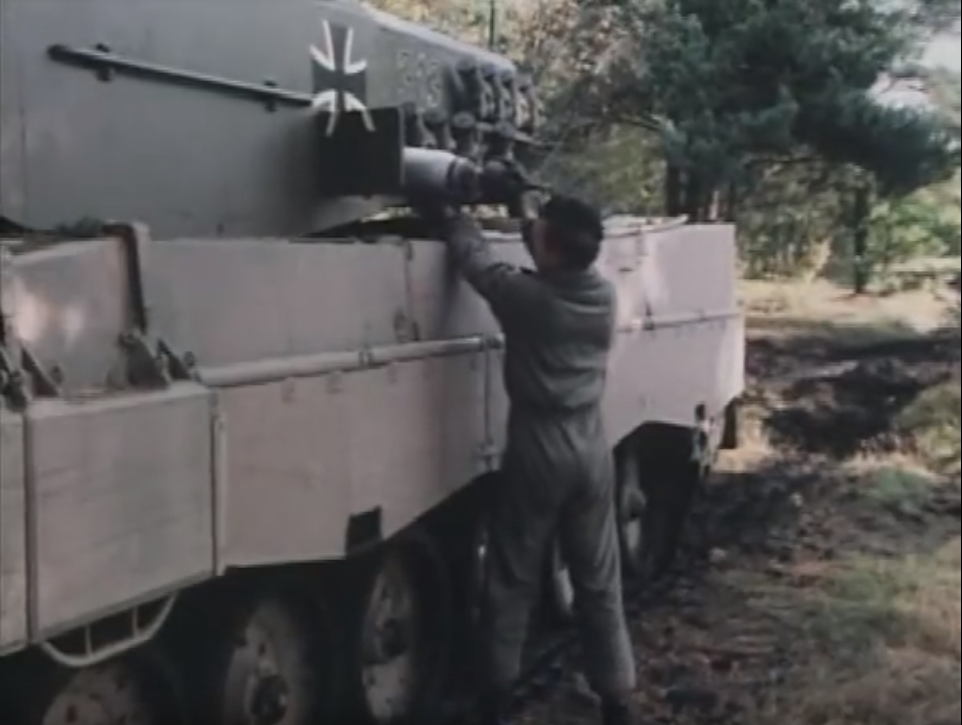
    An old ammunition hatch of a Leopard 2AV tank with a crew member loading anti-armor rounds into it.

    Leopard 2A4: This version is equipped with a 120mm caliber L44 smoothbore gun along with a high-performance stabilizer, which gives it better combat capabilities than the previous generation. In addition, it has received several upgrades and renovations since its introduction in 1985. The addition of a digital ballistic computer along with an improved fire suppression system plus optimization of the front turret and cannon protection, a new electronic turret and a new automatic cannon arming mechanism, a commander’s periscope equipped with an infrared camera and thermal imaging device, a modern navigation system and etc, are just a few of the upgrades that have been made since then. In general, all models of the Leopard-2 tank have armor consisting of a combination of steel plates of different hardness, elastic materials, and other non-metallic materials to repel various types of anti-armor ammunition, in which changes have been made in this model so that the armor of the Leopard-2 tank model A4 It has a maximum physical thickness of 800 mm.

    The Leopard 2A4 tank was the most produced of the Leopard 2 tanks. Between 1985 and 1992, 2,570 Leopard 2A4 tanks were built for Germany and the Netherlands. After the end of the Cold War, many A4s were sold to other NATO countries including Canada, Denmark, Finland, Greece, Norway, Poland, Portugal, Spain, Sweden and Turkey have also used this tank.

    The latest A4 model is the Leopard 2A4M. The Leopard 2A4M add an additional mine protection plate for the belly, which increases protection against mines and IEDs. Adaptive suspension systems with a combination of thermal imager and low light amplifier, driver’s night vision system for front and rear vision are also among other optimizations of the 2A4M model. Also, to increase operational capabilities, the A4M is equipped with an engineering interface and additional mounts for attaching a bulldozer blade, plow, or roller for dealing with mines.

    During the war between Russia and Ukraine, the Leopard 2A4 tank was the most important option sent by the countries supporting Ukraine. Meanwhile, the Czech Republic was an exception as it sent T-72 MBT tanks to Ukraine and received Leopard 2 in return. On June 5, 2022, Spain announced the delivery of 40 Leopard 2A4 tanks to Ukraine. On January 26, 2023, Canada announced that it had delivered four Leopard 2A4 tanks to Ukraine from their military inventory. On February 3, 2023, Spain announced a plan to supply up to 6 Leopard 2A4 tanks to Ukraine. The first four Leopard 2A4 tanks donated by Poland arrived in Ukraine on February 24, 2023. On March 4, 2023, citing information published by the German news magazine “Der Spiegel”, it was stated that the German company Rheinmetall is ready to supply 50 Leopard 2A4 tanks to Ukraine. Also, on March 7, 2023, Poland announced the delivery of 10 more Leopard 2A4 tanks to Ukraine.

    An image of the Leopard 2A4 KMW tank

    Specifications of the Leopard 2A4 tank:
    Length (turret forward): 9.67 meters
    Width: 3.7 meters
    Height: 2.79 meters
    Weight: 52 tons
    Combat weight: 55 tons
    Engine power: 1500 horsepower (1100 kW)
    Maximum speed: 70 km/h on road and more than 30 km/h off road
    Operational range: 450 km
    Weapons: 120 mm smoothbore gun L/44 – 7.62 mm machine gun

    Various components of the Leopard 2 tank

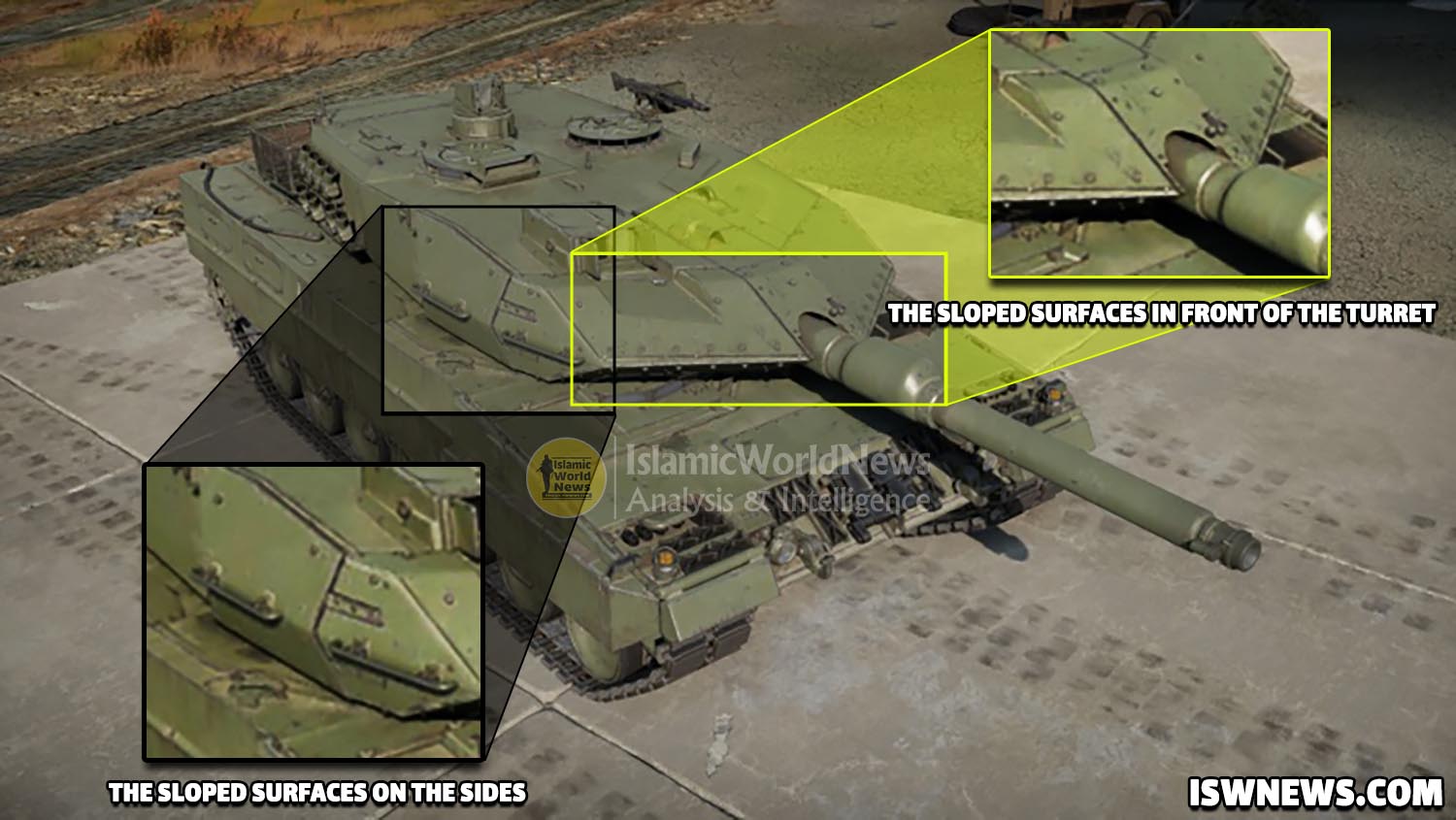
    Leopard 2A5: The development of this version of the Leopard 2 tank began in 1995 and its production continued until 2002. In the A5 model, armor with a high slope is placed in the front part of the turret and in the sides, and the thickness of the armor has been increased to 1200 mm by these sloped modules. Improvements have also been made to the main armor composition, making it resistant to 125mm APFSDS rounds fired from 1,500 meters away. The inner part of the tank has a spall liner. These liners are used to eliminate the damage caused by projectiles and the fragmentation of armor parts inward if the armor is penetrated. The front third of the tank’s side skirts armour, which protect the tanks against projectiles and rocket-propelled grenades (RPGs), have been replaced with a new, stronger type.

    Arrowhead-shaped armour module of the Leopard 2A5
    Parts of the Leopard 2A5 tank equipped with additional sloped armor

    In addition to the armor changes mentioned earlier, there have also been changes in the command and control section. This tank uses the same gun as the A4 model, i.e. the Rheinmetall 120 mm smoothbore gun L/44 along with two 7.62 mm machine guns, one of which is located on the left side of the gun coaxially with it and the other on the turret and requires an operator outside the tank turret. Two groups of four 76 mm smoke grenades are installed on each side of the turret. The Leopard 2A5 turret is equipped with fully electronic gun control equipment as a replacement for the previous Leopard 2A4’s hydraulic system.
    This model of tank has been used by Germany, Sweden, Spain and 16 other countries. There is also the possibility of delivering this variant to Ukraine.

    Image of emes 15 thermal imaging system installed on Leopard 2A5 tank
     

    Leopard 2A6: The A6 version has a Rheinmetall 120 mm smoothbore gun L/55, which is one meter longer than the L/44 model used in the A5, making it easy to distinguish the A6 from the A5. This modern gun has more power due to the use of longer length and high caliber bullets. With the new ammunition, the L/55 also gains greater penetration power at greater distances. With the improved DM53 kinetic energy ammunition, the L/55 gun can fire up to a range of 5,000 meters.
    DM53 ammo is a new type of ammo that has a melting shell, this increases the volume of explosives in the pumice, which improves muzzle velocity. The DM53 ammunition was developed for both the L/44 and L/55 cannons.

    Shooting 5 dm53 bullets within 20 seconds. As it is clear, the bullets have no pumice and only a small part of the bullet remains.

    On both sides of the turret, two places with four smoke grenades are installed. The gunner is equipped with a stabilized dual-magnification EMES-15 sight with a 9,900-meter range laser rangefinder and a thermal imaging unit (WBG) connected to the fire control computer. The fire control computer sequentially calculates the sight angle and side angle for the main weapons. The production of this version started in 2001 and continued until 2005.

    In general, the Leopard 2A6 tank with the changes it received reached a weight of about 61.7 tons. This tank was equipped with a MTU MB 873 diesel engine, with a power of 1500 hp, and a Renk HSWL 354 gear and brake system, so that it could carry out its missions despite its greater weight. A6 has a maximum road speed of 70 km/h and a maximum range of 450 km.

    Leopard 2A6 tank in the service of the German army

    Leopard 2 also has an A6M model. In the A6M version, for more protection of the crew against mines, toothed plates are used under the chassis, which makes the crew more survivable on the battlefield.
    Also, the Leopard 2A6EX model has been made with private investment for the export market. The Leopard 2A6 EX tank has an auxiliary power unit, air conditioning unit and improved armor protection over the base model A6.

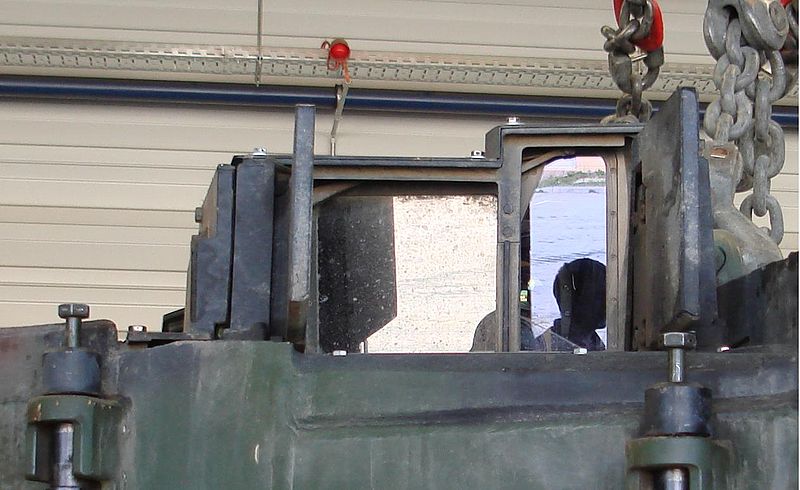
    Periscope system PERI R17 assigned to various Leopard 2 tanks

    Leopard 2A7: This version of the tank is known with two models A7 and A7+. The A7 tank was not optimized for urban warfare and was fundamentally different from the variants developed by KMW. Therefore, another example named A7+ has been developed by KMW (Kraus-Maffei Wegmann), which has better urban warfare capabilities added to this tank.
    The Leopard 2A7+ tank has been in service since 2014 and was first publicly displayed at the Eurosatory exhibition in 2010 by the German Ministry of Defense.

    Leopard 2A7+ tank at the Eurosatory exhibition in 2010

    The upgrade of this version of the Leopard 2 tank began in 2012. The Leopard 2A7+ is designed to operate both in low-intensity and high-intensity conflicts. The tank’s protection has been increased by modular armour. The frontal protection has been improved with a dual kit on the turret and hull front, while 360° protection against RPGs and mine protection increase the survivability of the tank in urban operations
    The asymmetric threats of terrorist groups, improvised explosive devices, complex and dangerous urban environments led Krauss-Maffei Wegmann to offer the Leopard 2A7+ a suitable solution for armored forces, so that they can carry out their missions more effectively and safely.
    Like the A6 version, the Leopard 2A7+ tank is equipped with the Rheinmetall 120 mm smoothbore gun L/55, replacing the L/44 cannon. Increasing the length of the barrel from 44 caliber to 55 caliber (139 cm) allows more of the energy in the barrel to be converted into projectile velocity. The new programmable 120mm HE gun capability enables the crew to engage targets behind cover and inside buildings.
    The turret-mounted MG3 has been replaced with a stabilised FLW 200 remotely controlled weapon station. Mobility, sustainability, and situational awareness have also been improved.
    The optimizations made in version 2A7+ are available as an upgrade kit for all versions of Leopard 2 and include a complete set of all components.

    7.62 mm machine gun installed on the remote control weapon station KMW FLW 200 on the turret of the Leopard 2A7+ tank

    The Leopard 2A7 + tank is divided into two versions, which we will briefly introduce below:
    Leopard 2A7+ Duel Operations: Developed by KMW and based on a Dutch Leopard 2A6, this model has been optimized for anti-armor operations on the modern battlefield.
    Leopard 2A7+ Urban Ops: The Leopard 2A6 upgrade is equipped with new armor and special equipment for urban combat operations. In fact, this example is considered an upgrade kit.

    How the Leopard tank works on the battlefield

    In all types of Leopard 2 tanks, different thicknesses of armor are used throughout its body. The side and back of the tank are resistant to heavy machine guns, medium caliber bullets and old types of anti-tank ammunition. The side of the body is also covered by armor in the new types to protect against shrapnel and light anti-armor such as RPG and roadside bombs to save the tank crew. On both sides of the body, rubber plates reinforced with steel are used to cover the tank chains. To increase mine protection, a 45-degree slope is used in the front and back, and the floor is reinforced with corrugations.

    Reviewing the armor of Leopard 2, especially the A5 variant, from the way it is arranged to the way the anti-armor bullet penetrates

    Leopard 2 tanks can carry 42 bullets, 15 ready-to-fire bullets are stored in the turret and the rest are stored in front of the body and next to the driver. This ammunition tank is equipped with NBC protection system and automatic fire extinguishing systems.

    This tank uses two types of APFSDS-T anti-armor bullets and HEAT-MP-T multipurpose bullets. The APFSDS-T bullet has the ability to penetrate 450 mm of rolled homogeneous armor at a range of 2000 meters. Since its introduction, several generations of APFSDS-T rounds have been developed and used by the German military. The Germans claim that the Leopard-2 tank bullet can penetrate the front armor of the Russian T-72 tank at a range of 2000 meters and the front armor of the T-62 tank at a range of more than 4000 meters.

    All variants of the Leopard 2 tank have four crew members, including the commander, gunner, loader and driver, and in addition to the 120 mm cannon, it has two 7.62 mm machine guns. One is guided by the gunner and moves along with the main gun, and the other is mounted on the turret, which in the prototypes is fired by one of the crew, and in the A7+ is controlled by remote control from inside.

    The engine used in the A4 and later models is a MTU MB 873 Ka-501 12-cylinder twin-turbocharged diesel engine that provides 1479 horsepower. Providing a torque of 4,700 newton meters at 1,600 to 1,700 rpm gives the tank a very good performance.

    The existence of a very good suspension system and gun stabilizer has provided the possibility of accurate shooting and specific movement conditions for this tank. Leopard 2 has tanks with a capacity of 1160 liters of fuel and can travel up to 450 km on the road and up to 300 km on rough terrain.

    Future development of Leopard-2 tank titled “Panther KF51”:

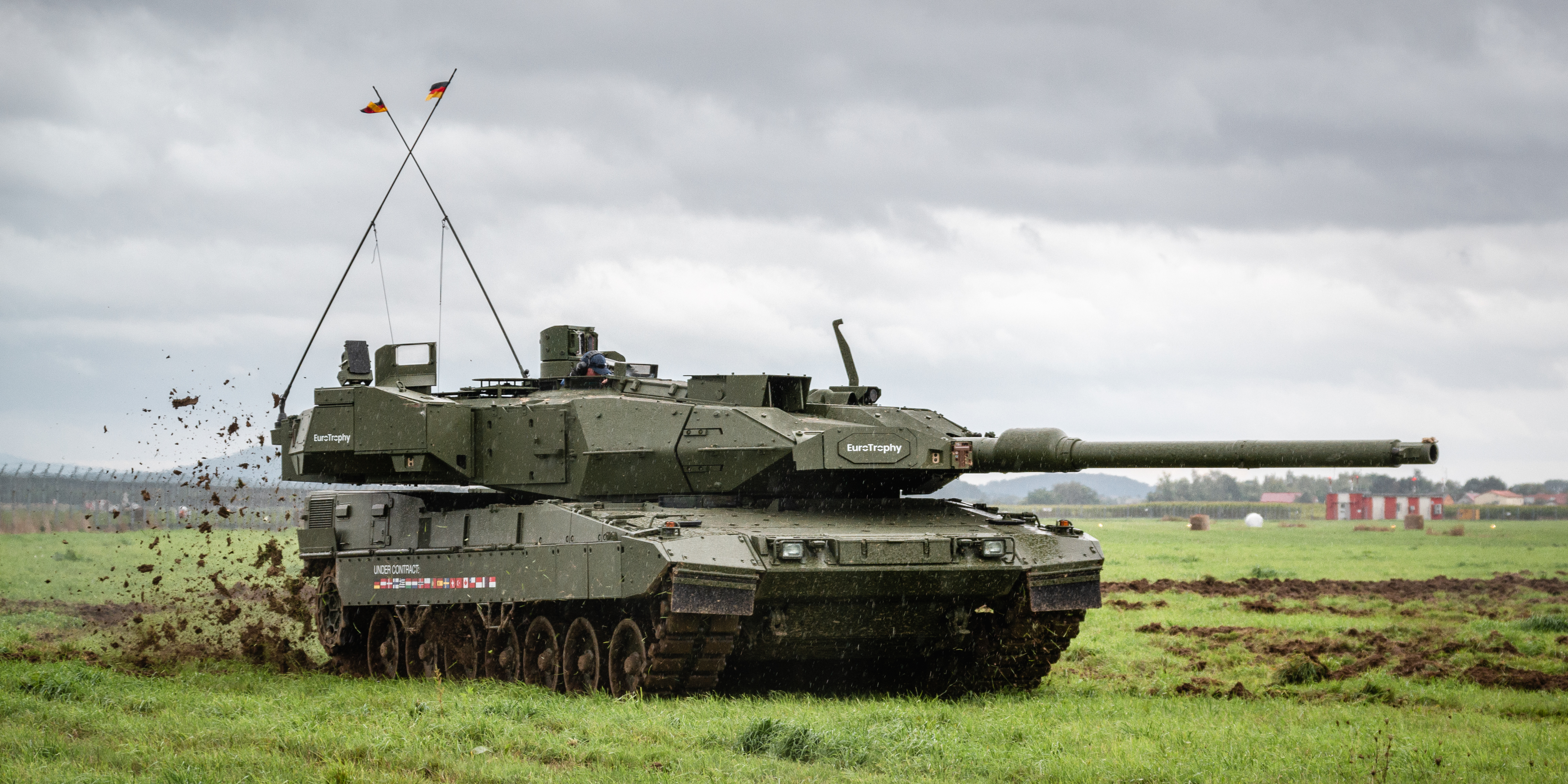
    The Panther KF51 tank is being developed by Rheinmetall based on the Leopard 2A4 chassis and has not yet reached mass production. This tank uses a new turret that is equipped with a 130 mm automatic cannon, which gives this tank more fire power.

    130 mm Rheinmetall gun

    The development of this tank started in 2016 and the first example was produced and tested in 2018. Its full development is expected to take until 2026, but it is already possible to produce a prototype. One of the features of this tank is coordination with the HERO 120 suicide drone. Using active protection instead of passive protection, using artificial intelligence in the fire control system to enable automatic target detection and identification, using a more powerful engine, using a body with less weight and greater ability to adapt to the environment for longer survivability in the fields are some of the salient features of this model. It is also possible to create an unmanned version of the Panther KF51, which has not yet reached the stage of production and testing.

    The current model of the Panther KF51 tank uses the same MTU MB 873 Ka-501 engine used in the previous models of the Leopard 2 tank. Due to the weight reduction of Panther to 59 tons, its navigation capacity has increased up to 500 km.
    The KF51 Panther is stated to have three layers of protection: passive, reactive and active. The innermost layer consists of all-welded steel armour covered by passive armour modules. The second layer comprises sensor-based reactive armour, while the final layer consists of Rheinmetall’s Active Defence System (ADS) Active Protection System (APS) that Rheinmetall claims is capable of protecting against kinetic energy (KE) projectiles and Anti-Tank Guided Missiles (ATGMs). It is possible to mount the ADS on both the hull and the turret.
    The Panther is fitted with eight Rheinmetall Rapid Obscuring System (ROSY) smoke grenade launchers mounted in staggered rows of two behind the central camera housing on each side of the turret. It is possible to integrate sensors into the Panther that can detect the launch signature of ATGMs and unguided anti-tank rockets before cueing the vehicle’s crew towards the threat or launching appropriate countermeasures. The Panther can be fitted with Rheinmetall’s Top Attack Protection System (TAPS). This comprises a hard-kill element in which the coverage of the ADS is extended to the roof of the platform to protect against both ATGMs and unguided anti-tank rockets launched at high elevations, as well as a soft-kill element that aims to protect against threats such as loitering munitions..

    A video of the introduction of Panther KF51

    Leopard 2 export and contracts:

    In 2011, it was announced that Saudi Arabia plans to purchase 270 Leopard 2A7+ tanks from Germany, but this was not confirmed by Germany.
    According to reports, in 2013, Qatar ordered 62 Leopard 2A7+ tanks, 24 PzH-2000 155mm self-propelled howitzers (SPH) and several light armored vehicles in a contract worth $2.21 billion. The first batch of these weapons was delivered to Qatar in 2015 and the second batch in 2016 by the German company KMW.
    On December 19, 2018, Hungary signed a contract with the German defense company Krauss-Maffei Wegmann (KMW) for the purchase of 44 Leopard 2 A7+ main battle tanks as part of its military modernization process. KMW received an order for the delivery of 44 Leopard 2A7+ tanks to the Hungarian Defense Forces in December 2018, scheduled for delivery between 2021 and 2025. According to information published in May 2022 by the Reuters news agency, the Czech Republic is negotiating with Germany to purchase 50 machines.

    Leopard-2 specifications:
    Crew: 4
    Length Turret forward: 9.67 meters (2A4 and 2A5 models) – 10.97 meters (2A6 and 2A7+ models)
    Width: 3.7 meters (2A4 model) – 3.76 meters (2A5 and 2A6) – 4 meters (2A7+ model)
    Height: 2.79 m (2A4 model) – 3.03 m (2A5 and 2A6) – 2.64 m (2A7+ model)
    Ground clearance: 0.54 meters
    Wading depth without preparation: 1.2 meters
    Wading depth with snorkel: 4 meters
    Engine: MTU MB 873 Ka-501 12-cylinder twin-turbocharged diesel engine with 1500 horsepower
    Fuel capacity: 1160 liters
    Speed: 72 km/h – backwards 31 km/h
    Range: 450 km
    Empty weight: 52 tons (2A4 model) – 57.3 tons (2A5 model) – 57.6 tons (2A6 model)
    Combat weight: 55.15 tons (2A4 model) – 59.5 tons (2A5 model) – 61.7 tons (2A6 model) – 67.5 tons (2A7+ model)
    Rotation time (360°): in 10 seconds
    Armament:
    – Rh-120 L/44 120 mm smoothbore gun and 7.62 mm machine gun (2A4 and 2A5 models)
    – Rh-120 L/55 120 mm smoothbore gun and 7.62mm machine gun (2A6 model)
    – Rh-120 L/55 120 mm or Rh-120 L/44 120 mm smoothbore gun, FLW 200 system with 40mm automatic grenade launcher and 7.62mm machine gun or 0.50 MG machine gun (2A7+)

    Click to view full size

    More images of Leopard 2 tank:

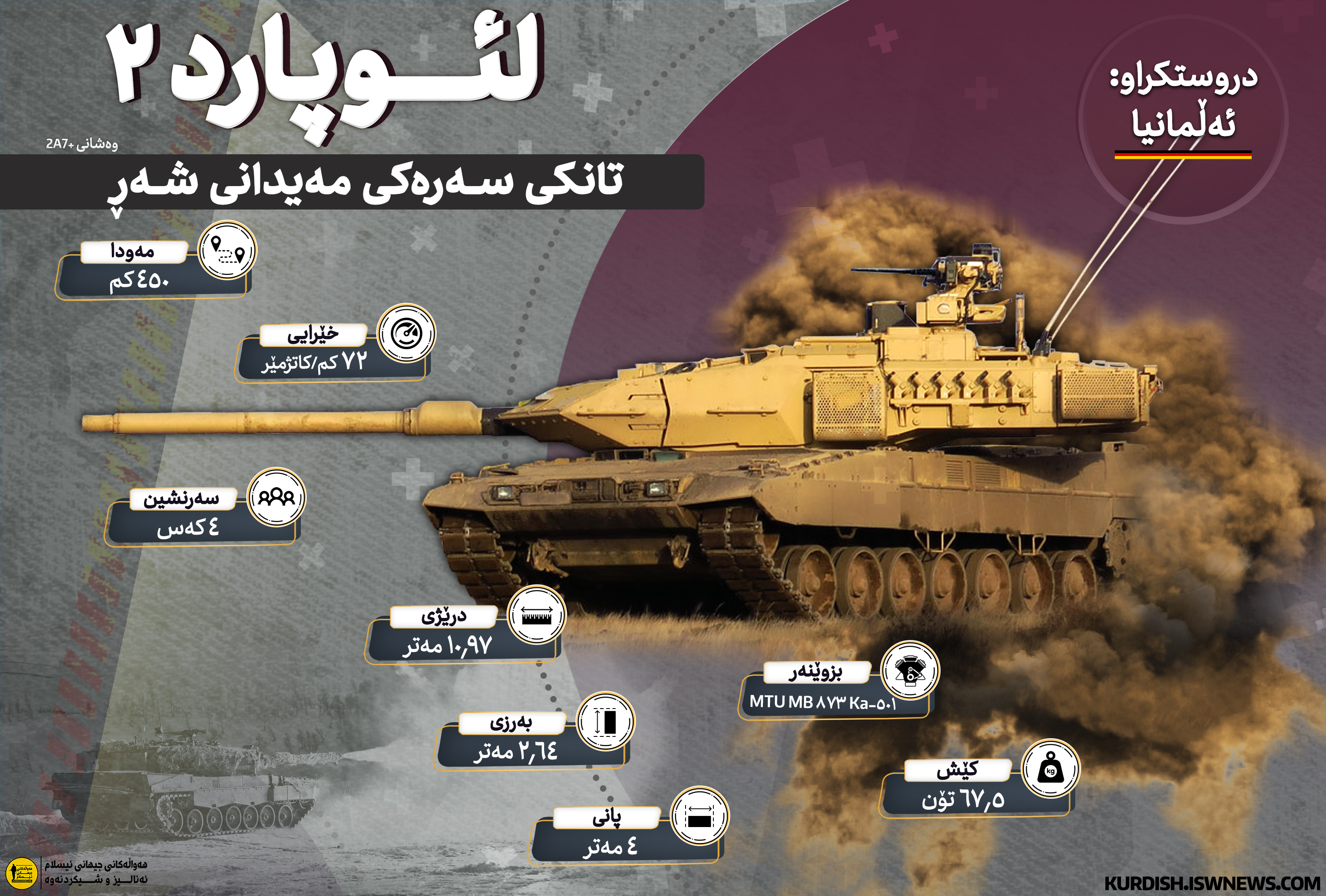
    Collection of “Leopard Tank 2” posters in Russian, Arabic, Farsi, Kurdish and Azeri languages:

    Sources:
    Leopard 1
    Leopard 2
    Panther KF51
    Leopard 2A4 MBT
    LEOPARD 2A7+ MBT KMW
    KMW LEOPARD 2
    Leopard 2 ammunition storage plan
    ammunition hatch in the Leopard 2A3
    Germany approves Leopard 1 battle tank exports to Ukraine
    Leopard 2 tanks: what are they and why does Ukraine want them?
    Leopard 2 Main battle tank
    Leopard 2A4M CAN Main battle tank
    KMW DELIVERS BATCH OF NEW LEOPARD 2A7+ MBTS TO QATAR
    Leopard 2A4 “FIN”
    Leopard 2PL Programme Showcased
    Leopard 2A4 missing telescopic gun sight & EMS-15 magnification
    Leopard 2A6EX
    Leopard 2 A7+ Main Battle Tank
    Main battle tank