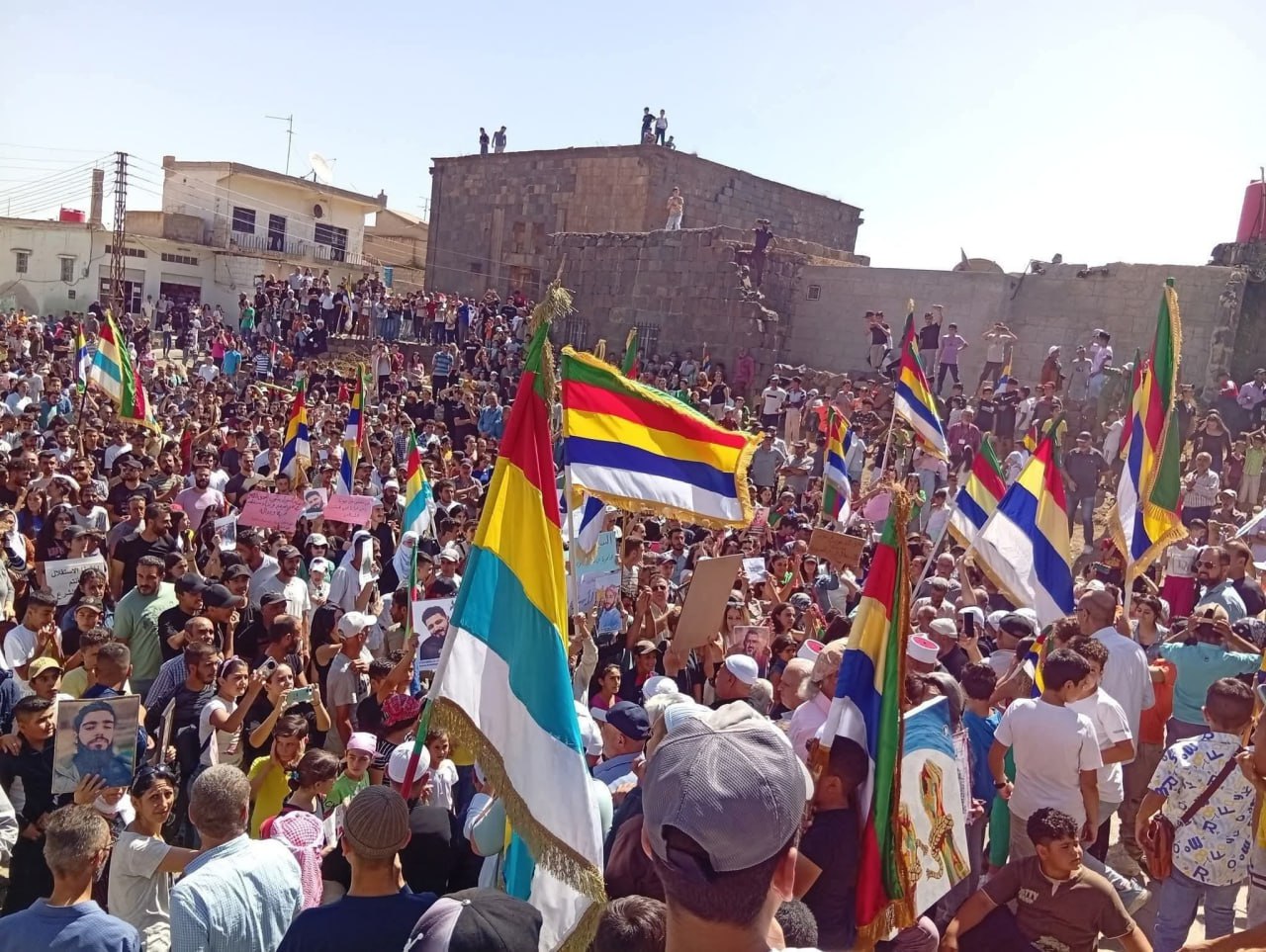
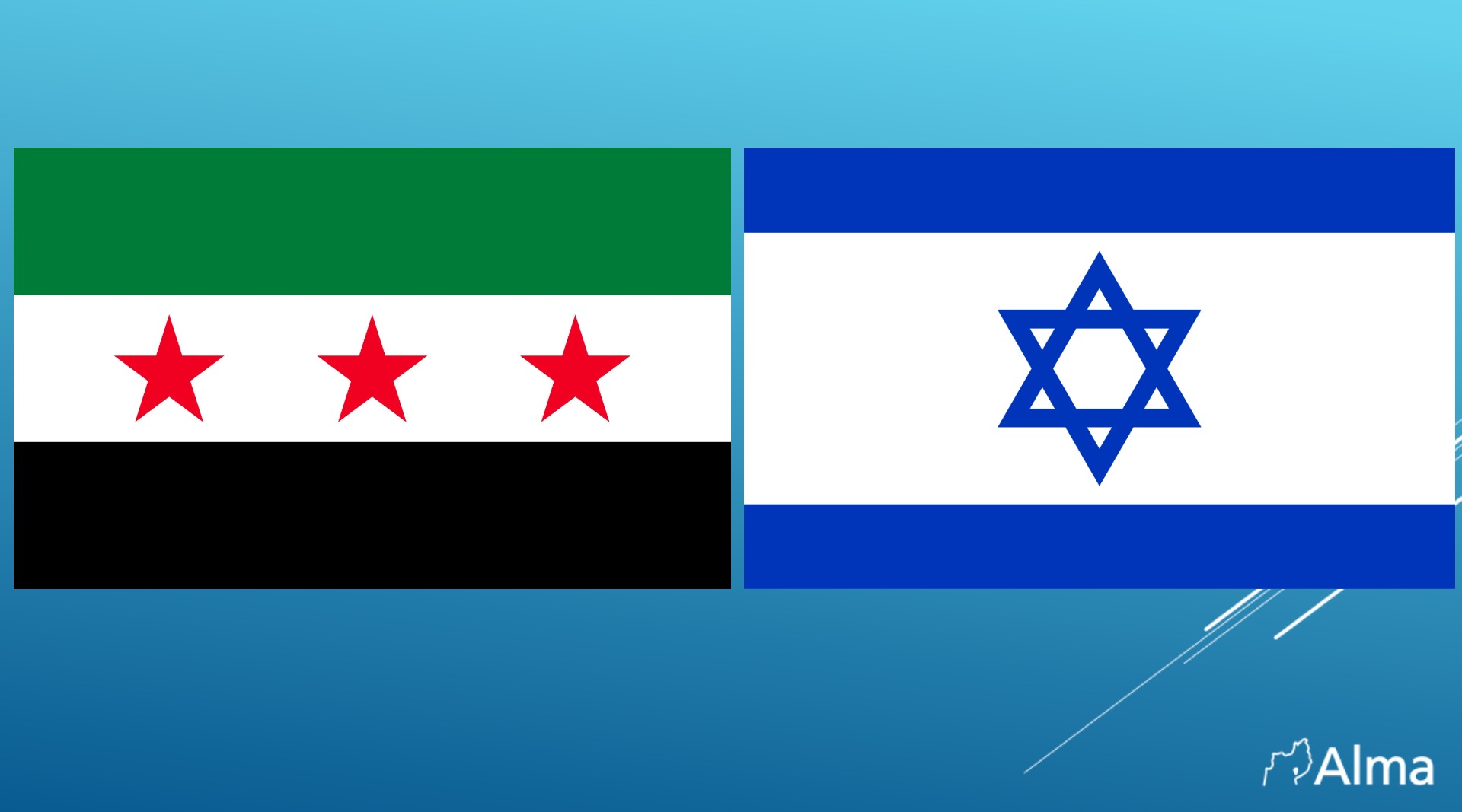
This development comes amid reports that Sweida has become a focal point in recent negotiations between Damascus and Tel Aviv. Back in August 2025, prominent Druze leader Hikmat al-Hijri issued a statement advocating for the creation of an independent Druze region in southern Syria. Following his call, several armed Druze factions set aside internal disputes and formed a “National Guard” under his leadership.
The explicit demand for separation signals a rising tide of self-rule sentiment in Sweida. Its inclusion in Syria-Israel talks underscores the province’s strategic importance, suggesting that security concerns there are not merely domestic but carry regional implications. Israeli officials are reportedly leveraging the Druze issue as a pressure point against Damascus.
This isn’t the first time Israel has made such a request. During earlier talks in Paris, Tel Aviv also pushed for the corridor, which Syria firmly opposed. According to Israel Hayom, deep divisions remain over issues like Israeli control of Mount Hermon and the Golan Heights, as well as security guarantees for the Druze minority allied with Israel.
Previous rounds in Baku, Paris, and London had shown progress, with the U.S. even signaling that a de-escalation deal was within reach. However, the Sweida corridor dispute highlights the persistent strategic challenges facing any agreement.
Suweida, home to a majority Druze population, holds significant security and social importance for Damascus. Accepting Israel’s proposal could undermine Syria’s political legitimacy. Even if the Sweida issue is set aside, core disagreements over the Golan and Mount Hermon remain major obstacles—issues too complex for short-term diplomacy to resolve.
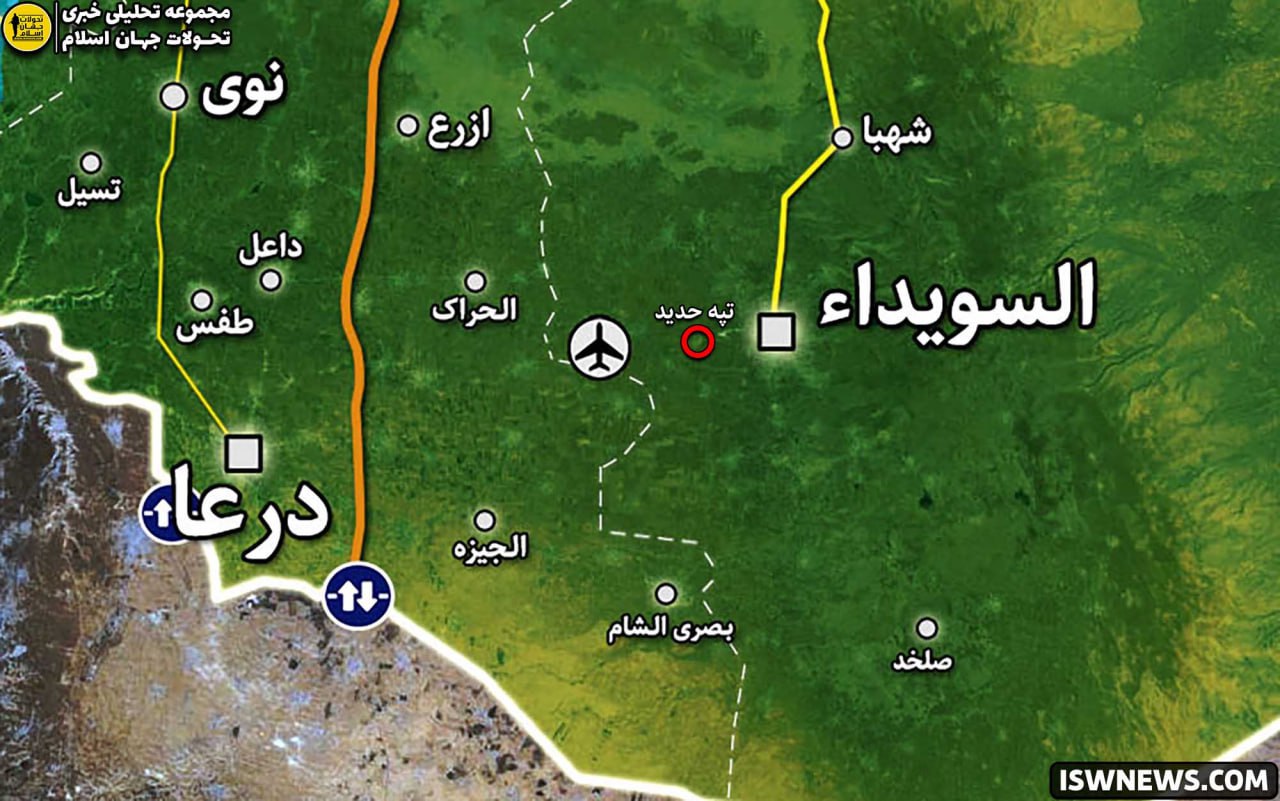
According to the latest reports, Druze militants successfully took control of the strategic “Hadid” hill in western Sweida after engaging in clashes with Julani forces. During these confrontations, one Druze armed element was killed. There is currently no information regarding the casualties among Julani forces; however, several wounded members of the Syrian internal security forces have been transported to medical centers in Daraa province.
Tal Hadid SuweidaTal Hadid SuweidaTal Hadid Suweida
Meanwhile, as the clashes erupted in Sweida province, Israeli army aircraft were observed flying over both Sweida and Daraa provinces.
Israeli warplanes
It is important to note that Hadid Hill, located in the west of Sweida province, overlooks vast areas, including Al-Thaala and the roads leading to the center of Sweida. This strategic position underscores its significance in the ongoing conflict.
Local militants in Suwayda province have announced the formation of a new group called the Al-Majlis Al-Askarī L’As-Suwayda (Suwayda Military Council) in southern Syria. They have scheduled a meeting on February 24 in the Sad al-Ayn area, southeast of Sweida.
Interestingly, the logo of this newly formed group is strikingly similar to that of the Syrian Democratic Forces (SDF). In fact, it appears that the logo of this group is essentially the same as the SDF logo but with a new location in Sweida province in southern Syria.
Sweida Military Council logo and statement
Following the announcement of the group’s existence, several residents of the Al-Ghariyah area in the southern suburbs of Sweida province released a video declaring their allegiance to the Sweida Military Council and emphasizing their commitment to defending their homeland.
Video from residents of the Al-Ghariyah area
The SDF’s support for the residents of Suwayda is not a new development, as there have been similar instances in the past. During Bashar al-Assad’s government, the SDF expressed their support for the creation of an autonomous region in southern Syria and for the Druze. Sweida holds significant importance for the SDF; during the war with ISIS, the SDF agreed to exchange 60 ISIS prisoners for 30 residents of Sweida who had been kidnapped by ISIS. These instances highlight the strong relationship between the Kurds and the residents of Suwayda province.
The Suwayda Military Council, led by Tariq al-Shufi, maintains a positive relationship with the Syrian Democratic Forces (SDF). In his recent remarks, al-Shufi praised the SDF forces, referring to them as defenders of the land and the Kurds against terrorism and dictatorial rule. The Sweida Military Council Command further emphasized the importance of maintaining positive and serious relations with the SDF forces.
Tariq al-Shoufi, Commander of the Suwayda Military Council
On the other hand, continuing the Israeli regime’s support for the Druze community in Syria, Israeli Prime Minister Benjamin Netanyahu emphasized the need for the Syrian government to respect the rights of the Druze minority and stated that any threat against the Druze in southern Syria will not be tolerated.
In response to Netanyahu’s statements, Al-Shufi expressed gratitude to all those who support the Sweida Military Council and help protect the Druze community and stabilize the region.
Simultaneously with the announcement of the Sweida Military Council’s existence and Netanyahu’s support for the Druze, some analysts viewed these actions as part of the “David Corridor” plan. They considered these actions an attempt by the Zionists to support Israel’s Kurdish allies east of the Euphrates in order to fuel separatist conflicts in the region.
The so-called David Corridor in Syria
The “David Corridor” is envisioned as a corridor created through the occupation of southern Syria, including the provinces of Daraa, Suwayda, part of Homs province (the Al-Tanf region), and Deir Ezzor, reaching the Euphrates. The recent occupation of areas in Daraa province by the Israeli army could be seen as part of this plan.
If the Zionists decide to implement this plan, Tel Aviv’s next step after advancing in Daraa province would be Sweida. Gaining access to and passing through Sweida requires the support and approval of the Druze, which has been partially achieved. After Sweida, the advance of the Zionist military in southern Syria would be facilitated, as the Al-Tanf region in Homs province has been under American occupation for years, and the US army would pave the way for the Zionists to reach Deir Ezzor province.
It is worth noting that the construction of the David Corridor is considered part of the “Greater Israel” plan.