Tag: Tehreek-e-Taliban Pakistan

  • 17th Border Clash Between Taliban, Pakistan; Paktika, Khost Provinces Bombed + Video

    17th Border Clash Between Taliban, Pakistan; Paktika, Khost Provinces Bombed + Video

    Zabihullah Mujahid, spokesman for the Taliban caretaker government in Afghanistan, strongly condemned the Pakistani army airstrikes, emphasizing that the Taliban caretaker government will not allow any party to jeopardize the security of Afghanistan, and these attacks will have dire consequences for Pakistan.

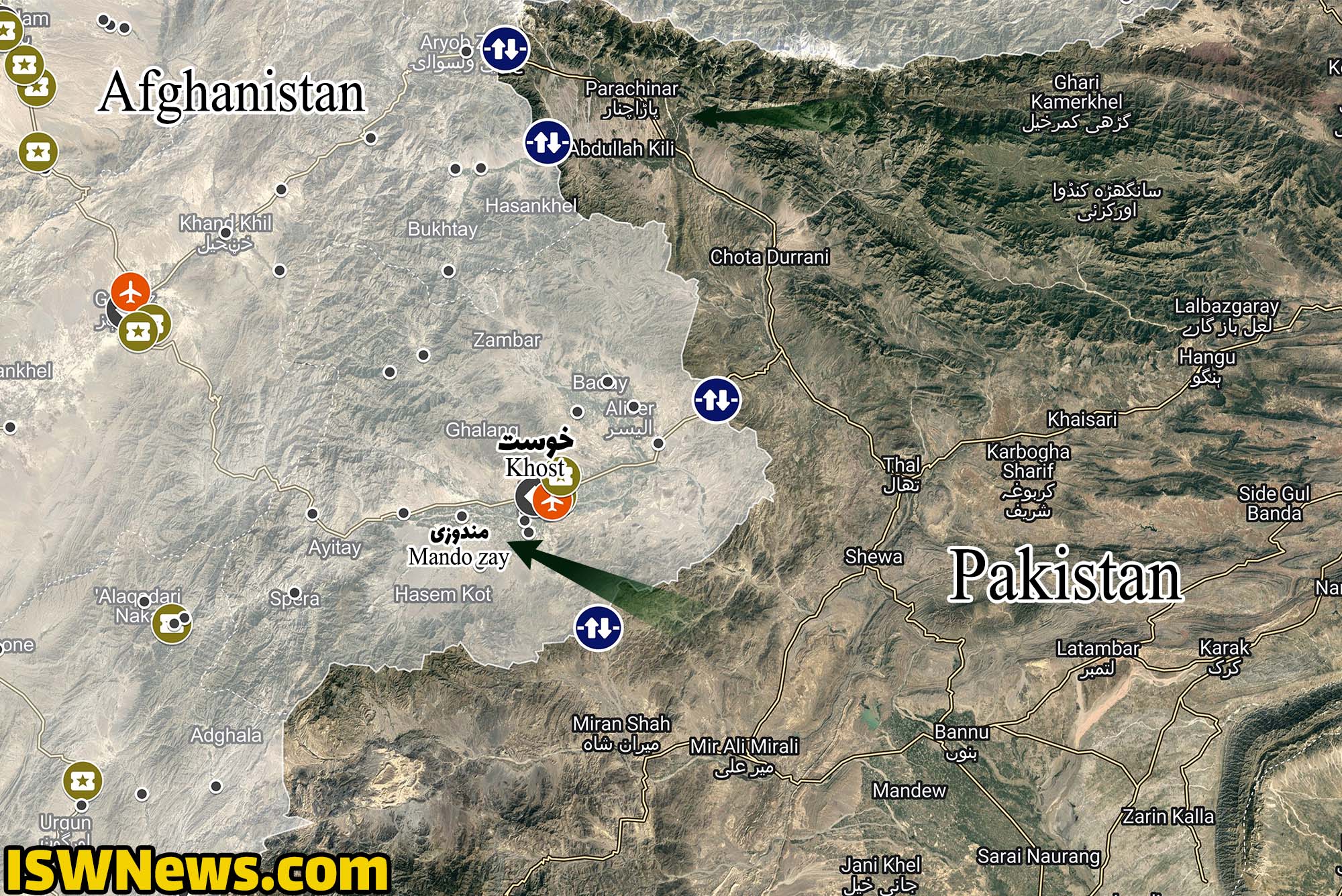
    He also pointed to the results of Pakistani fighter jet airstrikes early Monday morning at 3 a.m. local time, noting that Pakistani jets bombed the Lamna area of Barmal district in Paktika province and the Afghan Dubai area in Spera county of Khost province, resulting in the death of six people, including three women and three children in Paktika, and one house was destroyed, while in Khost, one house was demolished and two women lost their lives.
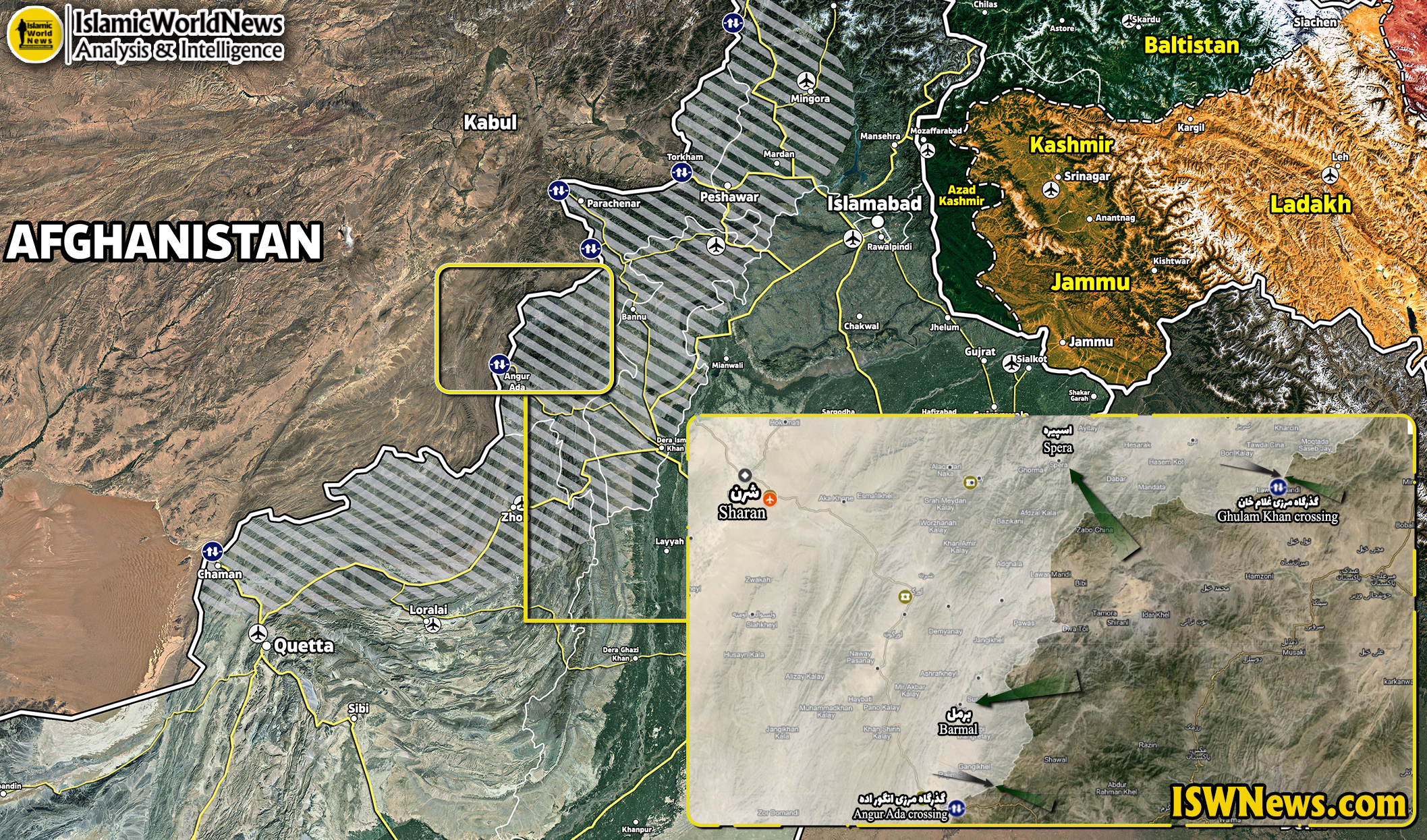
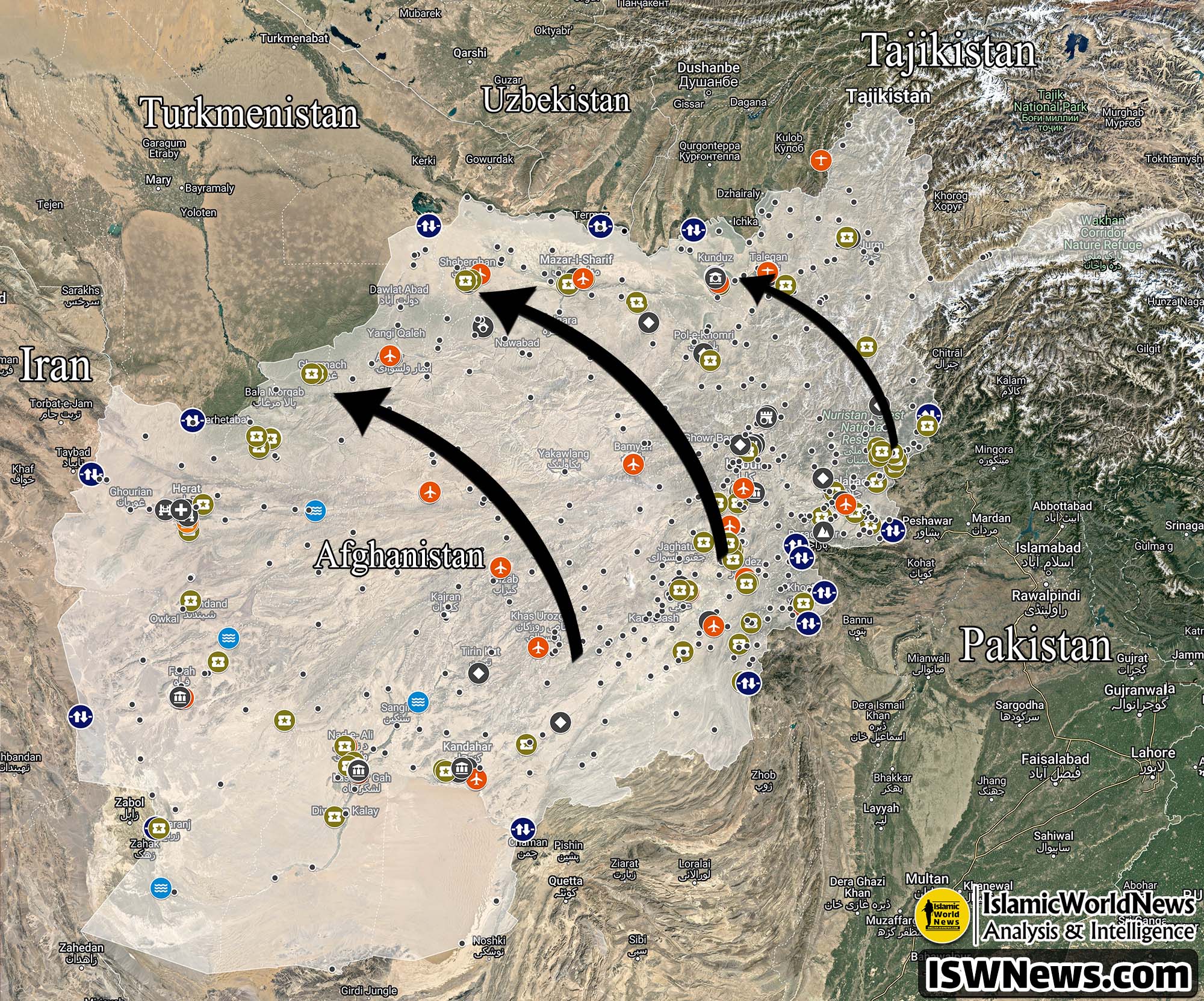
    Direction of clashes in Paktika and Khost province – click to view full size

    According to the Taliban spokesman, Pakistan claims that the Pakistani forces targeted an individual known as Abdullah Shah (a field commander of the Tehrik-e Taliban Pakistan) in the Khost attack.

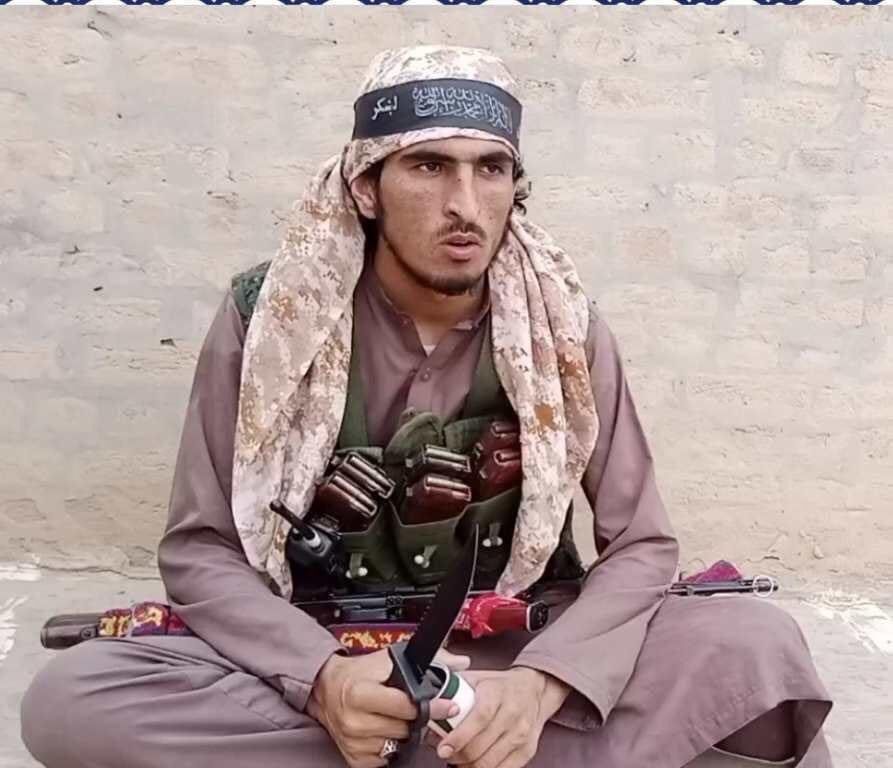
    Simultaneously with this claim, Abdullah Shah released a video denying reports of his own death in Pakistani airstrikes in eastern Afghanistan and emphasized that he is present in South Waziristan.

    The video published by Abdullah Shah, one of the field commanders of Tehreek-e-Taliban Pakistan

    Following these attacks, Taliban militants and Pakistani border forces have been engaged in clashes and exchanging artillery fire at the Angoor Adda and Dand Wa Patan border crossings since Monday morning.

    This is the 17th border clash between the Taliban militants and Pakistani armed forces since the establishment of the second Taliban caretaker government in Afghanistan. The presence of Tehrik-e Taliban Pakistan (TTP) militants in Afghanistan and the Taliban’s refusal to accept the Durand Line border are among the main reasons for the conflict between the Pakistani government and the Taliban.
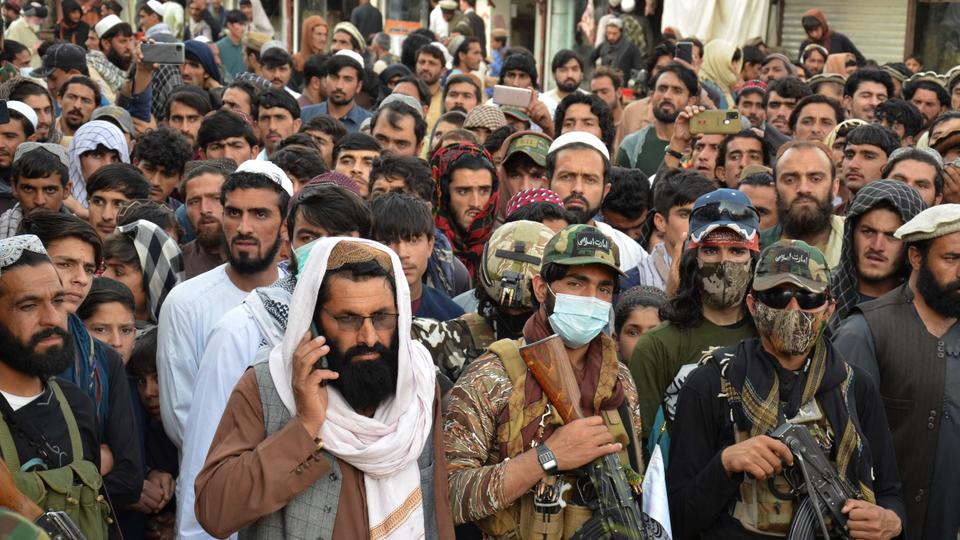
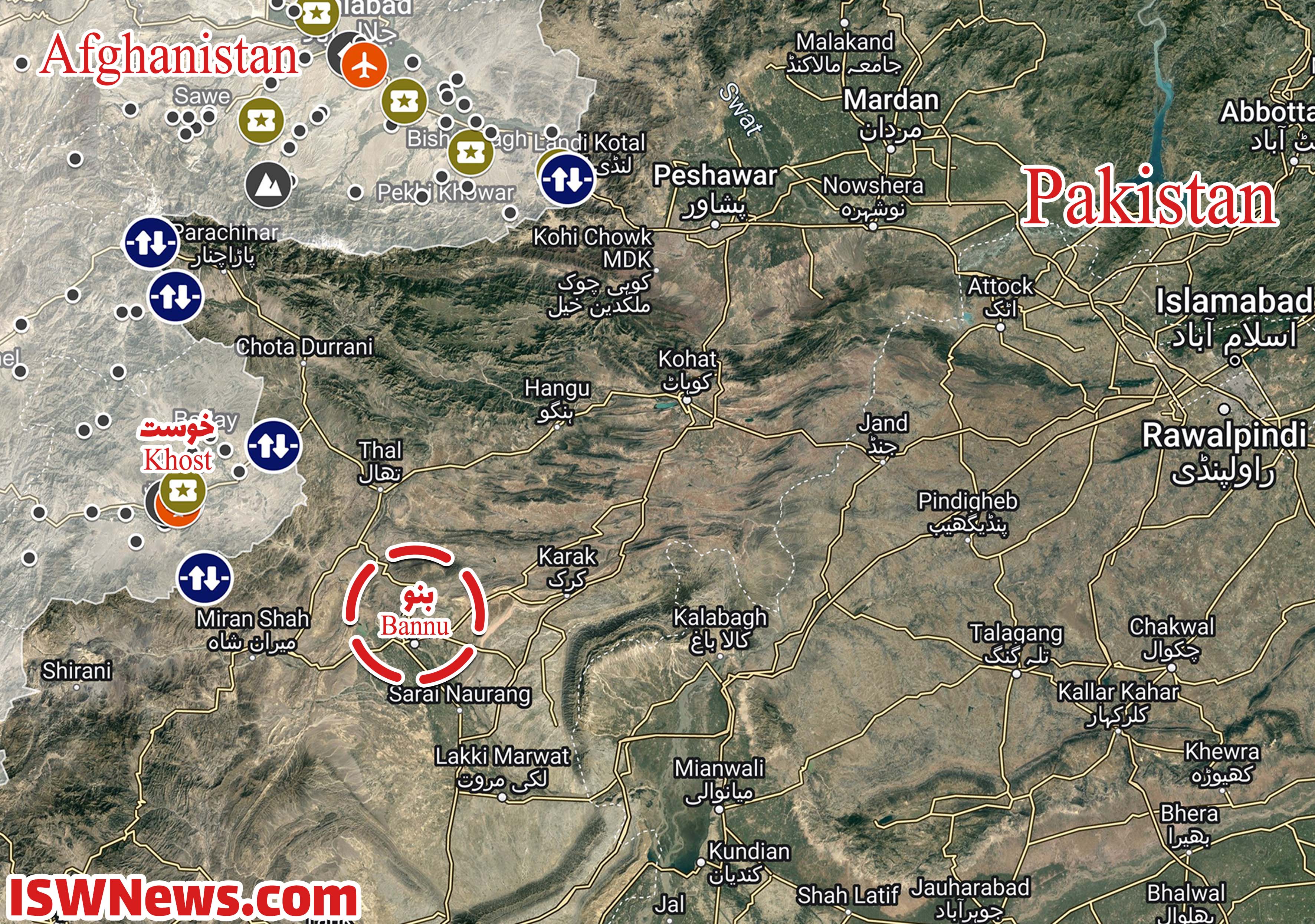
    The location of the attack by Pakistani fighter jets in Spera area in Khost province
  • Tehreek-E-Taliban Pakistan Members Arrested In Afghanistan

    Tehreek-E-Taliban Pakistan Members Arrested In Afghanistan

    The Afghan Taliban’s intelligence agency arrested 200 TTP militants who were involved in recent attacks by the group against Pakistani army outposts in Chitral, Khyber Pakhtunkhwa province of Pakistan.

    Taliban’s security operations have been carried out against Tehreek-e-Taliban Pakistan militants in Nuristan provinces, Kunar and Kabul.

    The arrest of Tehreek-e-Taliban Pakistan members by the Afghan Taliban comes after Mawlawi Amir Khan Muttaqi, foreign minister of the Taliban caretaker government, during a recent meeting with diplomat Asif Ali Durrani and several Pakistani security officials in Kabul, assured them that the Taliban would curb TTP’s terrorist activities from Afghanistan’s soil against Pakistan.

    The news story has not been confirmed by the Taliban caretaker government in Afghanistan so far, but the Pakistani government has welcomed the move, while supporters of the Tehreek-e-Taliban Pakistan group have complained about the arrest of Pakistani refugees.

  • Tehreek-E-Taliban Suicide Attack On Pakistan Army Killed 9 Servicemen

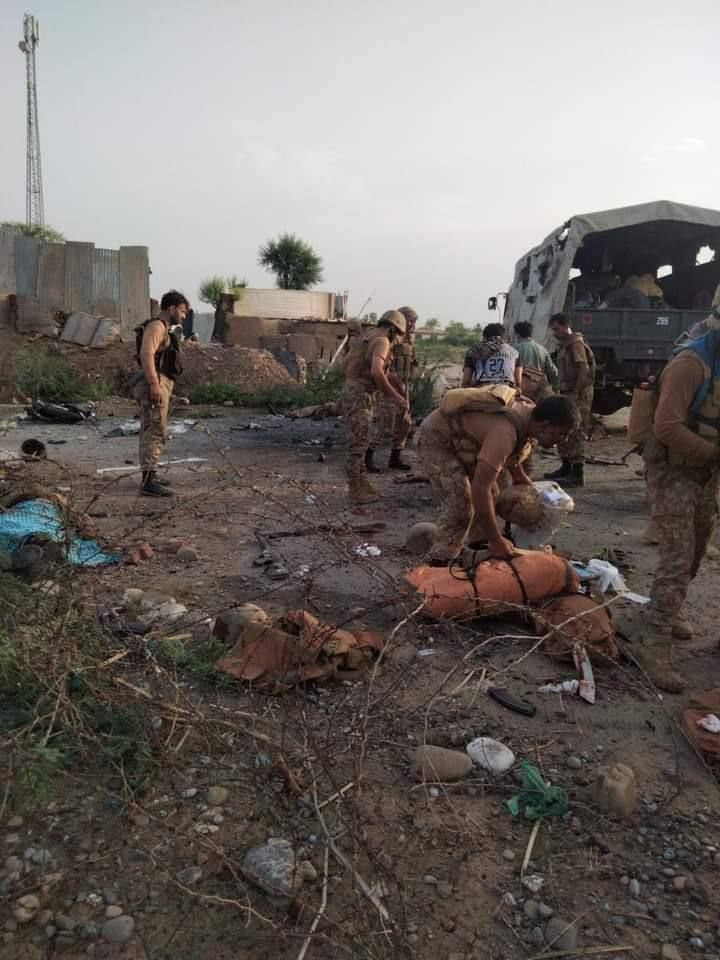
    Tehreek-E-Taliban Suicide Attack On Pakistan Army Killed 9 Servicemen

    The Hafiz Gul Bahadur group (HGB), one of the branches of the Tehreek-e-Taliban Pakistan (TTP), while claiming responsibility for this attack, identified its perpetrator as Qari Zalmi Majnoon, one of the suicide bombers of this group.

    Pakistani authorities believe that the Hafiz Gul Bahadur group and the Tehreek-e-Jihad Pakistan (TJP) group were organized directly by the intelligence department of the Taliban government and are supported and equipped to carry out terrorist attacks in Pakistan.

  • Pakistani Migrants Attack Villages In Northern Afghanistan (Video)

    Pakistani Migrants Attack Villages In Northern Afghanistan (Video)

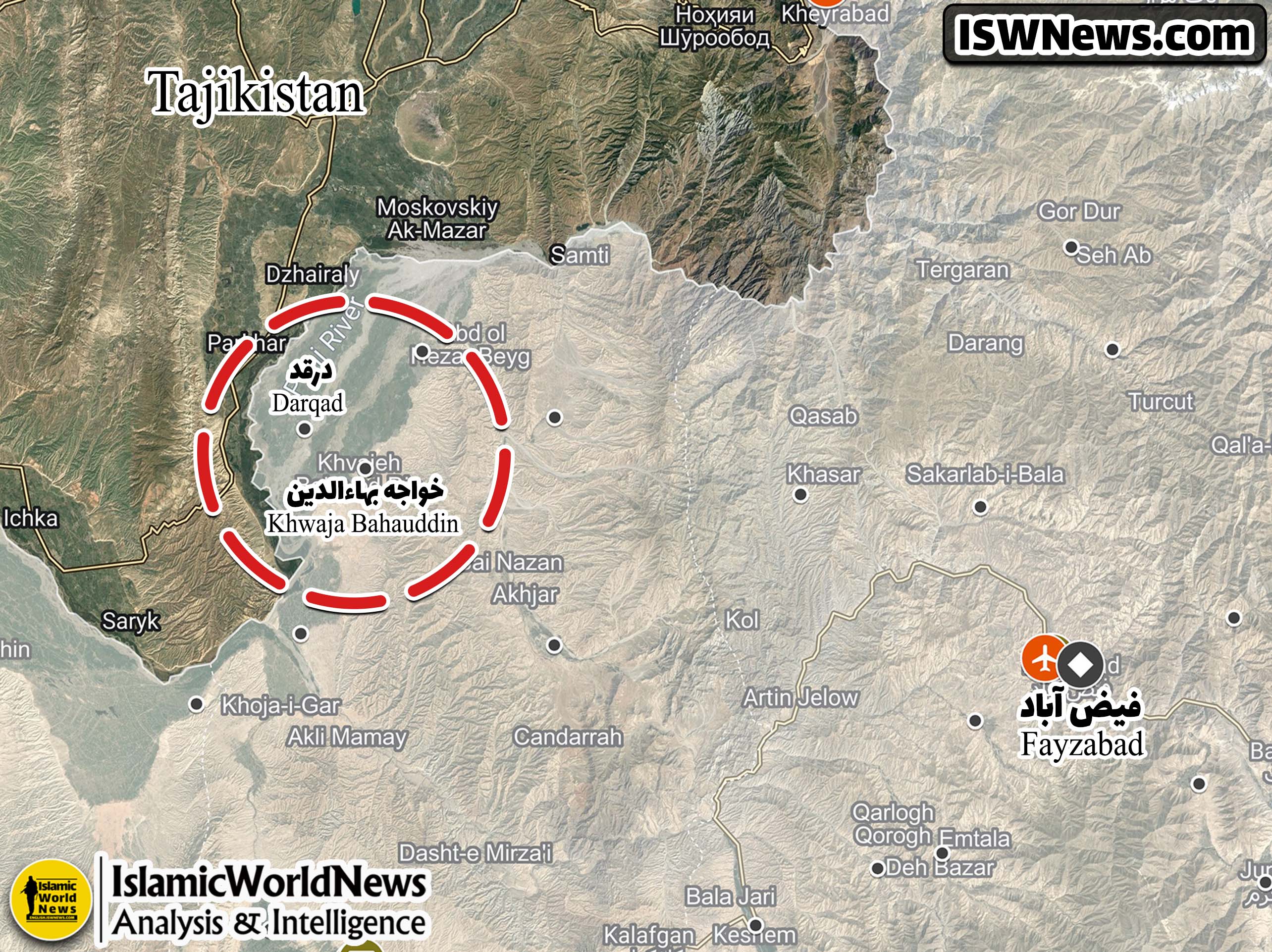
    ISWNews Analysis Group – As part of the plan to relocate Pakistani migrants to the northern regions of Afghanistan, hundreds of members of the Tehrik-e Taliban Pakistan (TTP) attacked Nawabad on June 20.

    The Pakistani migrants, known as Kochis, seized some of the villagers’ houses and lands after confronting with the locals, and then, the invaders displaced many of the residents.

    The residents of Nawabad are all Uzbeks ethnic group and have criticized the Taliban’s policy of relocating Kochis to northern Afghanistan, when they made interviews with local media, expressing their disgust with the migrants.

    The seizure of houses and lands belonging to native people in the northern regions of Afghanistan by the Pakistani migrants with the support of the Taliban is causing a rift between the Pashtun and non-Pashtun members of the group on one hand and forcing the opponents to join anti-Taliban groups such as the ISIS on the other hand.

    This issue will push Afghanistan further towards internal conflicts and division in the near future and it will turn the northern regions of Afghanistan as well as other countries in the Middle East into appropriate lands for terrorist attacks.

    Clash between the people of Nawabad village (Uzbeks) and the members of Tehreek-e-Taliban Pakistan
    Clash between the people of Nawabad village (Uzbeks) and the members of Tehreek-e-Taliban Pakistan
  • Taliban Is Changing Demographic Structure Of Northern Afghanistan!

    Taliban Is Changing Demographic Structure Of Northern Afghanistan!

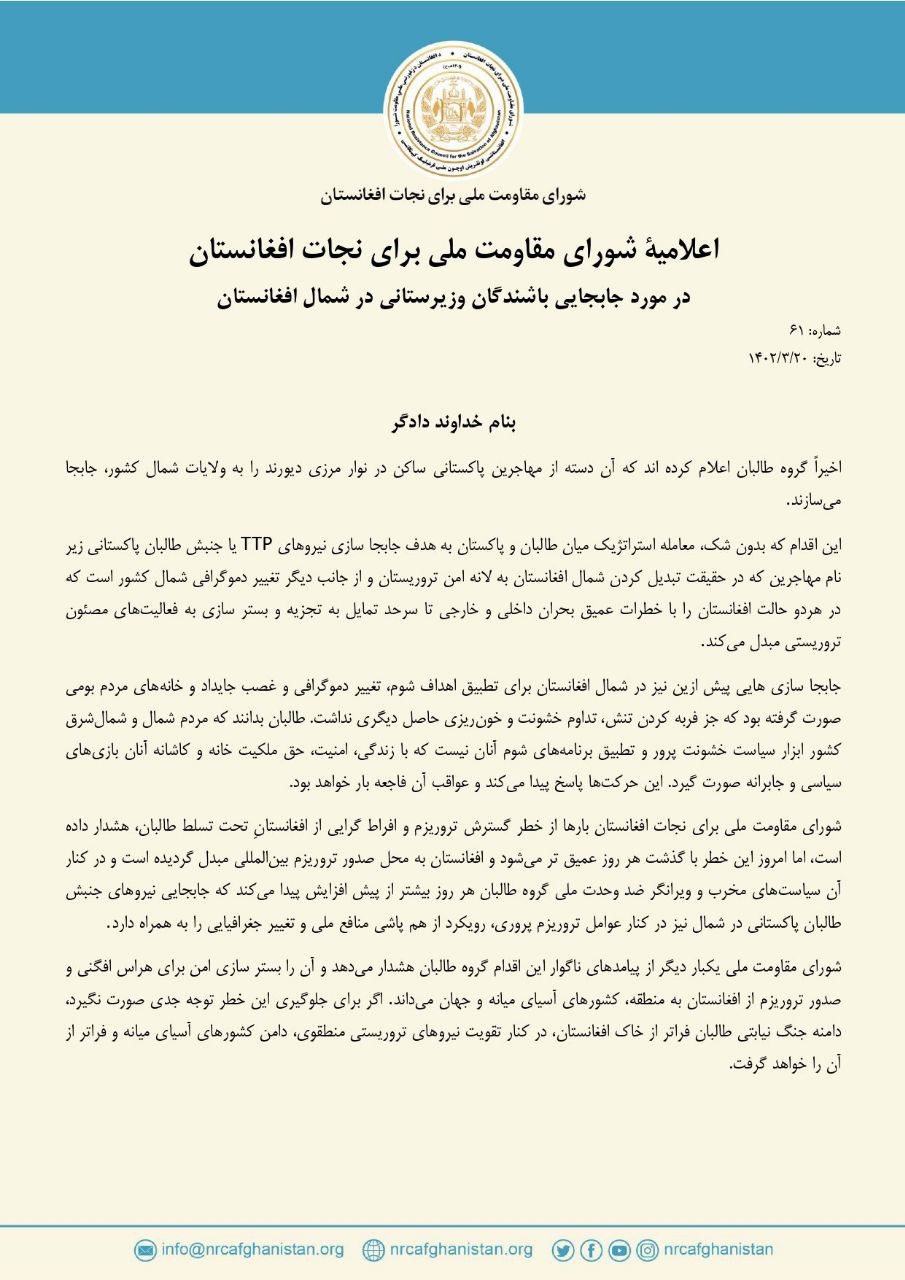
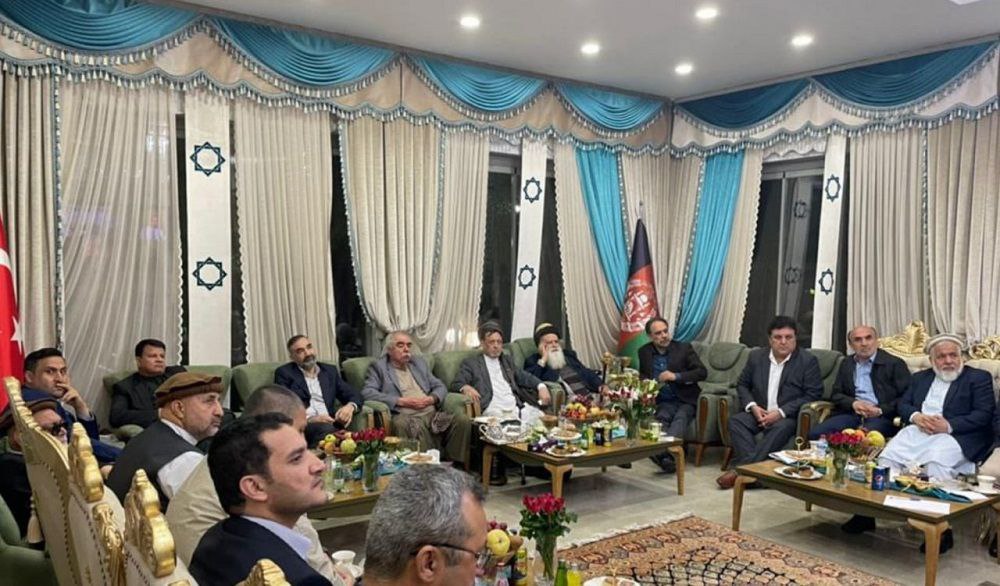
    On June 13, the National Resistance Council for the Salvation of Afghanistan, comprising of political figures and officials of the previous government, in a meeting in Istanbul, Turkiye issued a serious warning about the relocation of thousands of Tehreek-e-Taliban Pakistan (TTP) militants and their families by the Taliban caretaker government to the northern provinces of Afghanistan.

    The council said that undoubtedly this move is a strategic deal between the Taliban caretaker government and the Pakistani government, aimed at transferring militants of the TTP group under the title of “settlement of migrants” in northern Afghanistan, and it is nothing but turning the northern region of Afghanistan into a safe haven for terrorists and changing the demographic structure of that area.

    The National Resistance Council for the Salvation of Afghanistan described the actions made by the Taliban caretaker government as a dangerous move that will cause the disintegration and disastrous consequences in the war-torn country.

    They have also called for preventing the strengthening of terrorism and waging proxy wars on countries in the Central Asia region.

    Earlier, Spokesman for Ahmad Massoud’s National Resistance Front Ali Meysam Nazari referred to the issue and announced his organization’s resistance to the transfer of Pakistani immigrants.

    In addition, the United Nations Security Council Sanctions Committee Analysis and Monitoring Team in its recent report pointed out to the Taliban’s return to the authoritarian Pashtun-centric policies of the 1990s and the group’s deep ties with terrorist groups such as al-Qaeda, the Islamic Movement of Uzbekistan, the East Turkestan Islamic Movement (ETIM), Jamaat Ansarullah of Tajikistan and Tehreek-e-Taliban Pakistan.

    Such claims are made while Spokesman for the Taliban caretaker government Zabihullah Mujahid, in an interview with Afghanistan media outlets, confirmed the news reports referring to the transfer of Pakistani immigrants to northern Afghanistan.

    Apparently, the transfer is carried out at the request of Islamabad and under the support and role of Minister of Interior and leader of the Haqqani network Sirajuddin Haqqani; so, his first trip to northern Afghanistan can be considered in line with the implementation of such a controversial plan.

    The transfer of Pakistani immigrants to northern Afghanistan will reduce terrorist threats against Pakistan and increase threats against certain countries in the Central Asia region.

    The issue will have irreparable consequences for the demographic, racial and religious composition of the northern areas, which will also have long-term effects on other countries in the region, especially on Iran and Russia.

  • Drone Attack On A Village In Eastern Afghanistan Kills Two Children

    Drone Attack On A Village In Eastern Afghanistan Kills Two Children

    Mufti Muhammad Farooq is one of the commanders of Tehreek-e-Taliban Pakistan and one of the refugees of North Waziristan region. He has been a resident of Bahram Khel village in Mendozi district since eight years ago and recently he was appointed as the imam of this village’s mosque. He is also responsible for planning several armed attacks against Pakistan Army positions in the border areas with Afghanistan.

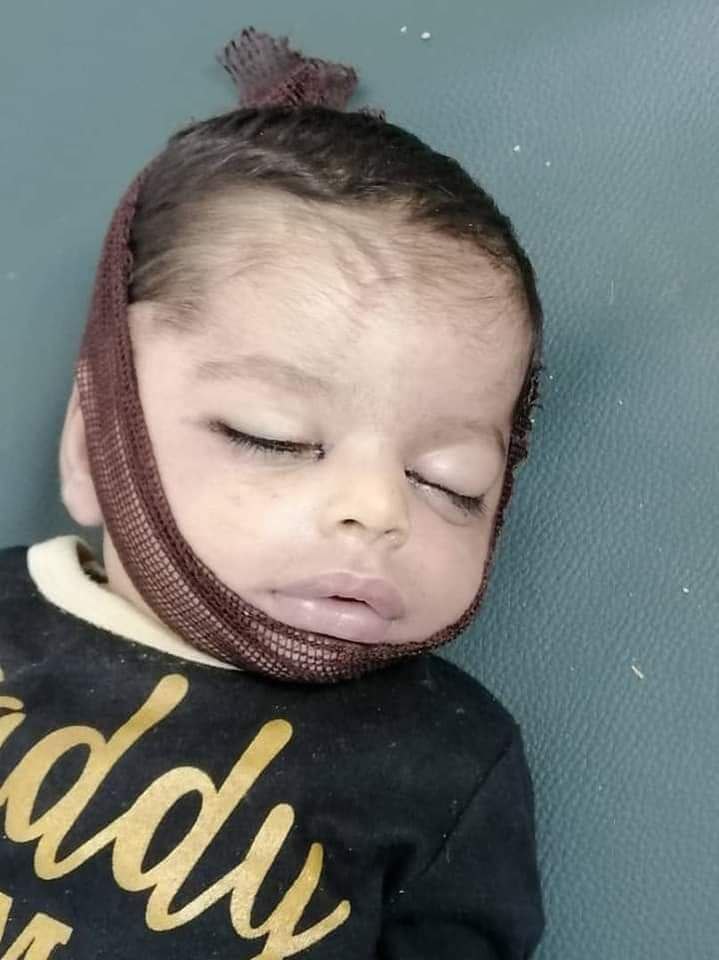
    According to local sources, as a result of the attack of Pakistan’s CH-4 drone on Mohammad Farooq’s house, his two daughters were killed, he and his wife and two other children were injured.

    It should be noted that Khost province and other eastern provinces of Afghanistan host hundreds of families from North and South Waziristan regions of Pakistan who have been displaced and migrated to Afghanistan due to armed conflicts with Pakistan’s security forces. Also, the majority of these families are members of the terrorist group Tehreek-e-Taliban Pakistan (TTP) and from time to time they are targeted by drone and artillery attacks of the Pakistani army.

    On April 16, 2022, unknown fighter jets attacked the residences of Pakistani refugees in the areas of Mandete, Amir Sapar, Pakhi Mili and Shakuni in Sepri city of Khost province, as a result of which 40 people were killed and wounded. Some sources claimed that this attack was carried out by the Pakistan army.

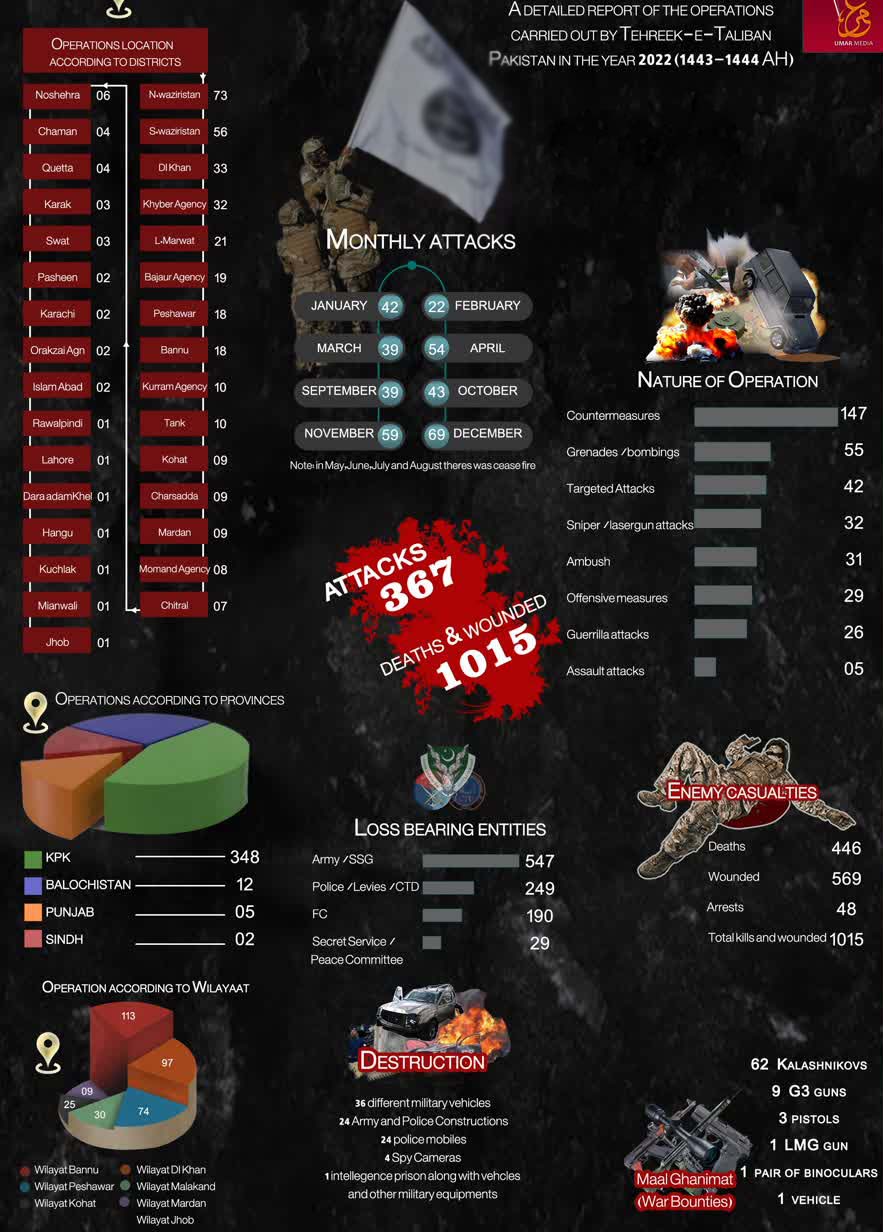
  • Pakistani Taliban Infographic On A Year Of Fighting With The Pakistan Government

    Pakistani Taliban Infographic On A Year Of Fighting With The Pakistan Government

    The most important statistics included in this infographic are:

    Total operations and casualties:
    367 operations
    1015 killed and wounded

    The number of operations based on the months of the year:
    January: 42 operations
    February: 22 operations
    March: 39 operations
    April: 54 operations
    September: 39 operations
    October: 43 operations
    November: 59 operations
    December: 69 operations
    It should be noted that there was a ceasefire between the parties in the months of May, June, July and August.

    Read more: Ceasefire between Pakistan government and the Tehrik-i-Taliban group

    The number of operations by region:
    North Waziristan: 73 operations, South Waziristan: 56 operations, Deira Ismail Khan: 33 operations, Khyber: 32 operations, Lakki Marwat: 21 operations, Bajaur: 19 operations, Peshawar: 18 operations, Bannu: 18 operations, Karam: 10 operations, Tank: 10 Operations, Kohat: 9 operations, Chārsadda: 9 operations, Mardan: 9 operations, Mohmand: 8 operations, Chitral: 7 operations, Nowshera: 6 operations, Chaman: 4 operations, Quetta: 4 operations, Kirk: 3 operations, Swat: 3 Operation, Pishin: 2 operations, Karachi: 2 operations, Orakzai: 2 operations, Islamabad: 2 operations, and Rawalpindi, Lahore, Dara Adamkhel, Hangu, Kuchlak, Mianwali and Zhob regions have witnessed only one operation.

    The number of operations by state:
    Khyber Pakhtunkhwa: 348 operations
    Balochistan: 12 operations
    Punjab: 5 operations
    Sindh: 2 operations

    Casualty details:
    446 killed
    569 wounded
    48 prisoners

    Killed and wounded troops:
    547 army forces
    249 police forces
    190 Border Guard Force (FC)
    29 intelligence forces and members of the security committee etc.

    With the establishment of the Taliban in Afghanistan and their mediation in the conflict between the northern tribes of Pakistan and the government of this country, it was expected that the attacks of the Tehreek-e-Taliban Pakistan against the government of Pakistan would also decrease after 15 years of conflict, But the ideological differences of the parties and the increase in tensions prevented the negotiations from reaching a conclusion, and the conflicts reached their peak again in the last months of 2022.

  • Ceasefire between Pakistan government and the Tehrik-i-Taliban group

    Ceasefire between Pakistan government and the Tehrik-i-Taliban group

    After two days of talks between the 50-member Pakistani tribal group and Tehreek-e-Taliban (TTP) representatives, Tehreek-e-Taliban Pakistan (TTP) spokesman Mohammad Khorasani issued a statement on the morning of June 12th announcing an indefinite ceasefire with the Pakistani government.

    According to local sources, one of the key conditions for inciting the Pakistani Taliban to accept the ceasefire is the release of all Pakistani Taliban prisoners and the implementation of Islamic law by the government in the tribal areas.

    On the other hand, the Pakistani parliament (lower house) announced that it was unaware of the 50-member group’s talks with the Pakistani Taliban in Kabul, the capital of Afghanistan, and considered their decisions unacceptable to the Pakistani people. In this regard, the “Pashtun Manzoor” leader of the Pakistani Pashteen Tahafuz Movement also criticized the talks with the Pakistani Taliban and said: “Of these 50 people, not a single one represents the people of Waziristan, and all of them are representatives of the Pakistani army.”

    Despite the announcement of a ceasefire by the Pakistani Taliban, peace talks mediated by the Afghan Taliban between representatives of Pakistani tribes and Tehreek-e-Taliban Pakistan (TTP) leaders in Kabul continue.

    Read more: Afghan Taliban mediate for peace in Pakistan!

  • Afghan Taliban mediate for peace in Pakistan!

    Afghan Taliban mediate for peace in Pakistan!

    The Pakistani government and the Tehrik-i-Taliban Pakistan (TTP) have agreed to extend an indefinite ceasefire and are negotiating to end two decades of war in Pakistan’s tribal areas, according to Pakistani news agencies.
    But other local media outlets denied the agreement, citing the visit of a 50-member delegation of Pakistani tribal leaders to the Afghan capital, Kabul, and insisted that the Pakistani delegation begin talks with Pakistani Taliban leaders.

    The Pakistani delegation, mediated by the Haqqani Network, met with Tehreek-e-Taliban Pakistan (TTP) leader Noor Wali Mahsud, his deputy Maulvi Faqir Mohammad and a number of other senior members of the group to discuss extending the ceasefire.

    The talks coincide with the release of a UN report on the existence of eight military and training bases for the Jaish-e-Mohammad terrorist group and three military and training bases for the Lashkar-e-Taiba terrorist group in Nangarhar and Kunar provinces. The report also said that the Tehreek-e-Taliban Pakistan (TTP) is the largest terrorist group linked to members of the East Turkestan Islamic Movement, the Islamic Movement of Uzbekistan, Jamaat-e-Ansarullah Tajikistan and other terrorist groups in Afghanistan.

    Negotiations between the Pakistani government and the Tehreek-e-Taliban Pakistan (TTP) are being mediated by the Afghan Taliban, while their previous talks have failed and resulted in bloody clashes.