Tag: THAAD

  • CSIS Issues Another Warning Over Declining US Munitions Stockpiles

    CSIS Issues Another Warning Over Declining US Munitions Stockpiles

    According to the think tank’s estimates, the US consumed approximately one-third to two-thirds of its pre-war stocks of certain key munitions during military operations against Iran and the subsequent clashes. The remaining stockpiles are considered sufficient for a resumption of hostilities with Iran, but the situation is more concerning in the event of a potential war with China.

    Patriot: Approximately two-thirds of pre-war Patriot interceptor missile stocks have been consumed. Lockheed Martin plans to increase annual production capacity from around 600 to 2,000 missiles.

    THAAD: Approximately half of the interceptor missile stockpile for this system was used during the war with Iran. The US is seeking to quadruple THAAD interceptor production capacity to replenish its stocks.

    Tomahawk missiles: Approximately one-third of pre-war stocks have been consumed. RTX plans to increase annual production to 1,000 missiles.

    JASSM cruise missiles: Approximately one-third of pre-war stocks have been consumed.

    SM-3 and SM-6 missiles: Consumption of these naval interceptor missiles has been relatively limited. However, replenishing their stockpiles will take time due to low procurement levels in previous years.

    Stinger missiles: Stockpiles of these short-range missiles have been reduced due to extensive transfers to Ukraine. Their production line has also only recently been reactivated after years of inactivity.

    According to CSIS estimates, delivery of many newly manufactured munitions will take between two and four years following congressional funding allocations. Therefore, the main challenge facing the US is not simply securing funding, but also limited production capacity and the time required to replenish its stockpiles.

    The think tank also notes that, from the fifth day of military operations against Iran, the US military gradually reduced its use of expensive, long-range munitions and shifted toward shorter-range and less expensive weapons.
    Read the report.

  • THAAD Redeployment: U.S. Fortifies Israel’s Missile Shield Amid New Israel-Iran War!

    THAAD Redeployment: U.S. Fortifies Israel’s Missile Shield Amid New Israel-Iran War!

    This development came immediately after the 12-day war between Iran and Israel, which exposed serious shortages in Israel’s missile defense inventory. The urgent need for reinforcement led Tel Aviv to publicly seek upgrades. The transfer of THAAD units and expanded support infrastructure suggest a strategic push to deepen defensive layers and reduce vulnerability to missile threats.

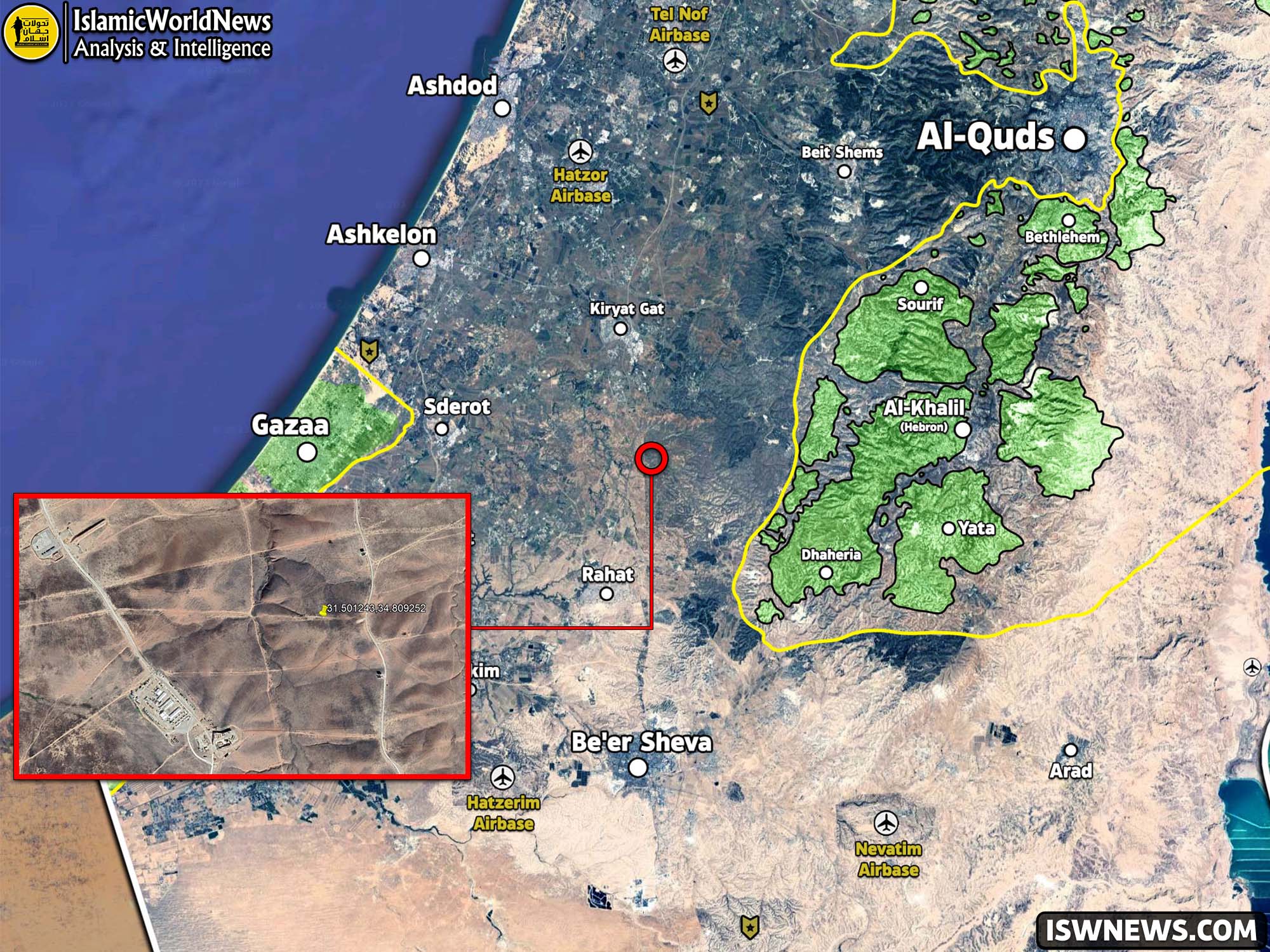
    THAAD units at coordinates 31.501243, 34.809252 in the western outskirts of Hebro

    The site, located at coordinates 31.501243, 34.809252 in the western outskirts of Hebron, lies just 13 kilometers from parts of the West Bank—making it a potential target for Palestinian resistance operations.

    Lessons from the recent war and Israel’s tactics against Iran show that low-cost tools like drones and guided anti-armor weapons can significantly disrupt advanced defense systems. During the 12-day Tehran–Tel Aviv conflict, Israeli-linked operatives inside Iran used drones, quadcopters, and precision-guided munitions to strike missile and air defense systems. If Iran replicates such tactics in the occupied territories, the damage from missile strikes could multiply dramatically!

  • THAAD System Deployed: U.S. Assists Israel with First Official Use

    THAAD System Deployed: U.S. Assists Israel with First Official Use

    In mid-October, the United States deployed two or three THAAD anti-ballistic missile system batteries, along with about 100 American military personnel, in the occupied territories. Initially, the THAAD system was deployed to counter potential Iranian retaliatory attacks on sensitive Israeli sites. However, it seems that following the failure of the Israeli Arrow-2 and Arrow-3 anti-ballistic missile systems to counter Yemeni hypersonic missiles, the THAAD system was brought in to assist.

    According to Israeli sources, this marks the first activation of the THAAD system since its deployment in occupied Palestine. In the video, American military personnel excitedly exclaimed, “18 years waiting for this!”

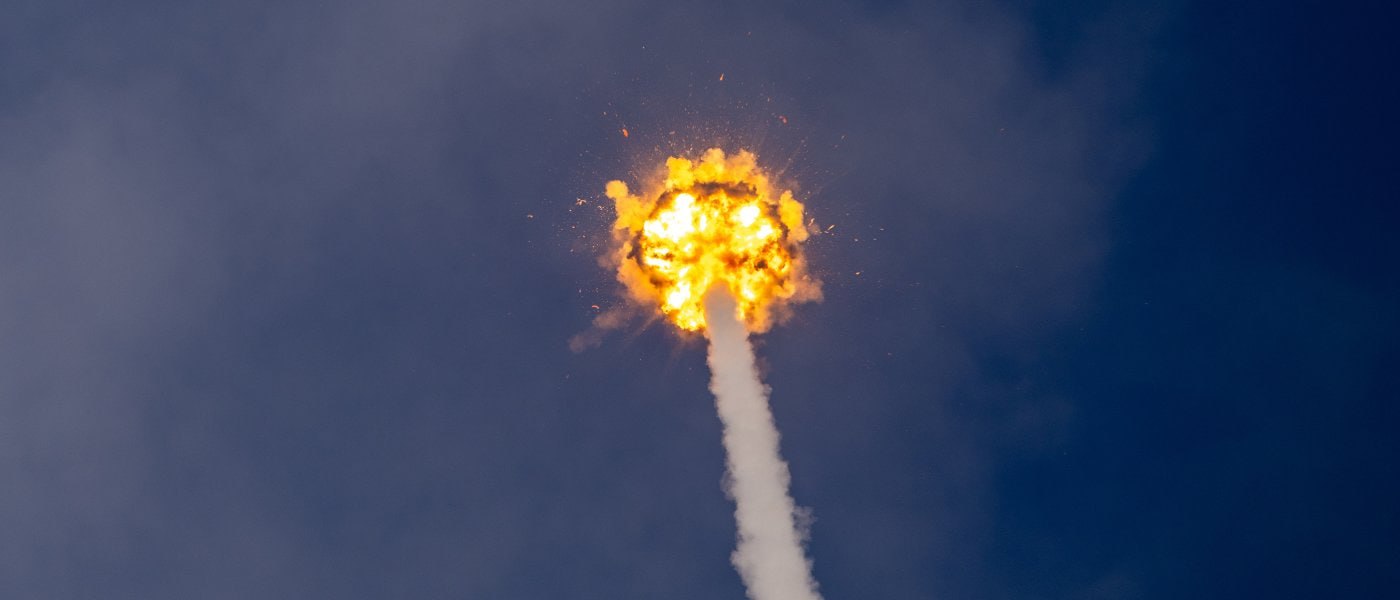
    THAAD activated in Israel on December 27

    But how effective is THAAD really?

    In short, against one or two ballistic missiles, the THAAD system is quite effective. However, it struggles against a large number of incoming missiles.

    Each THAAD system battery has 6 launchers, each with 8 missiles, totaling 48 missiles per battery. The United States has 7 THAAD batteries, which are strategically important for defending sensitive American locations. Lockheed Martin, the manufacturer of THAAD, has produced and delivered about 800 THAAD missiles to the US Army. Of these, 336 are needed for the 7 American batteries, with the remainder in reserve.

    Given this information, it’s clear why the US has provided Israel with two to three batteries of the THAAD system. The production of THAAD systems and missiles is limited, and the United States cannot supply all the THAADs and missiles it needs to Israel.

    If Israel has three THAAD batteries, that means 144 interceptor missiles are ready for use, supplemented by a small portion of the US THAAD missile reserves.

    The primary purpose of deploying these systems in Israel is to counter Iranian attacks. However, the system can easily become overwhelmed by a large volume of missiles, such as 200 in a single operational mission, significantly reducing its defensive capabilities. The key to the success of Yemeni attacks, similar to Iran’s approach, lies in effectively saturating these systems. The more hypersonic missiles are fired, the higher the success rate of Yemeni operations!