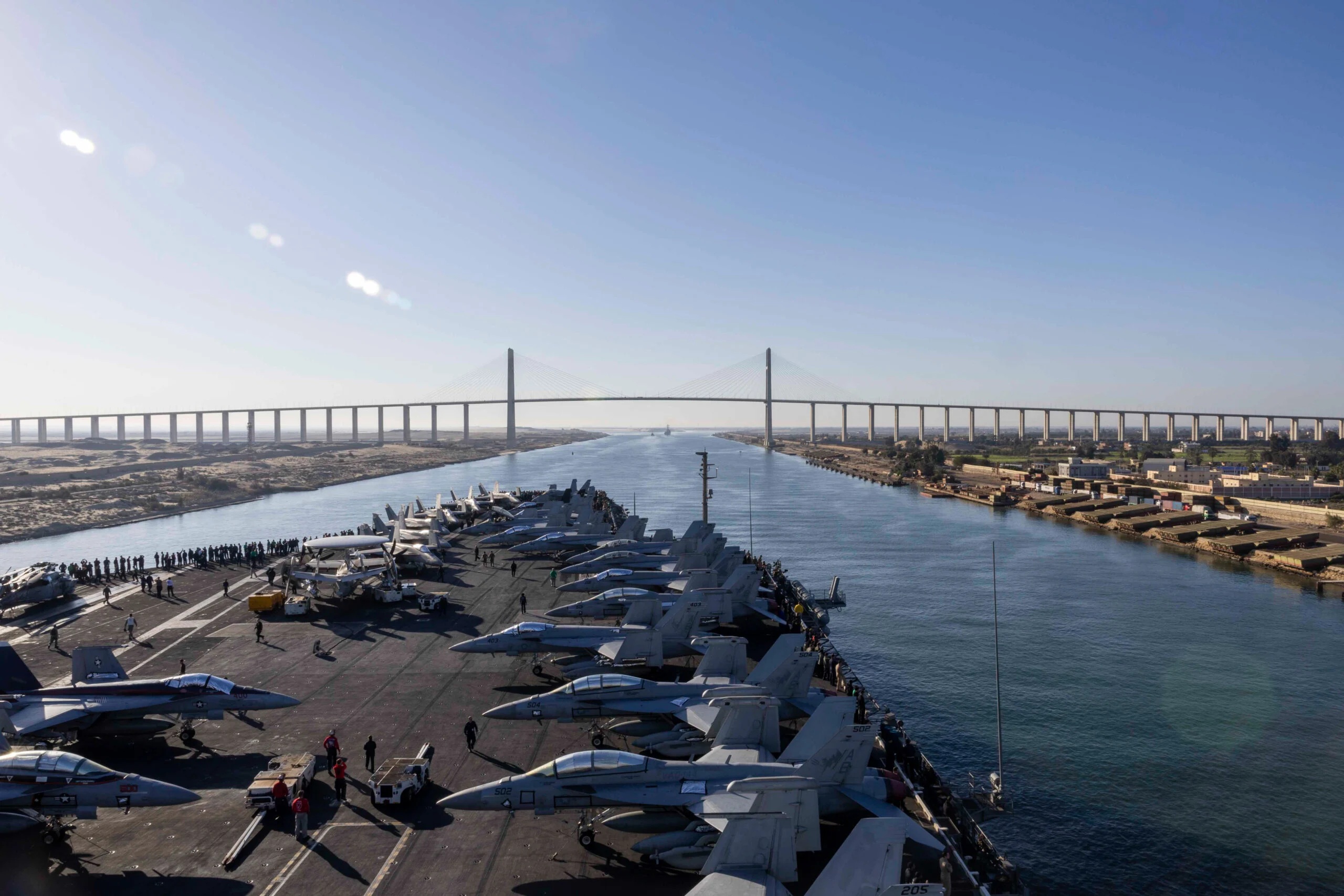
A look at the USS Harry S. Truman aircraft carrier:
This vessel is named to honor Harry S. Truman, the 33rd President of the United States. Truman guided the nation through pivotal events such as World War II and the early Cold War, playing a crucial role in shaping global political dynamics.
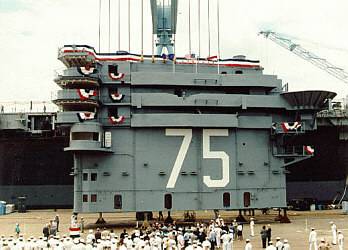
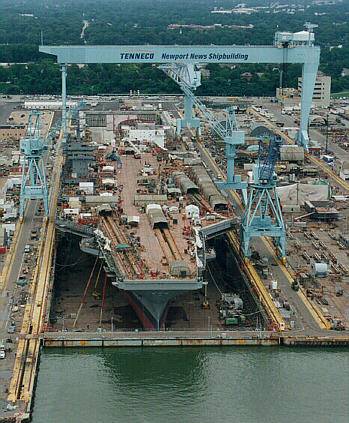
The construction of this ship commenced on November 29, 1993, at Newport News Shipyard in Virginia. Its naming ceremony took place on September 7, 1996; shortly thereafter, on September 13 of that same year, the ship was launched. The final construction phase wrapped up on July 25, 1998, and she was officially commissioned into active duty during a ceremony at Norfolk Naval Base in Virginia, featuring a speech by then-President Bill Clinton.
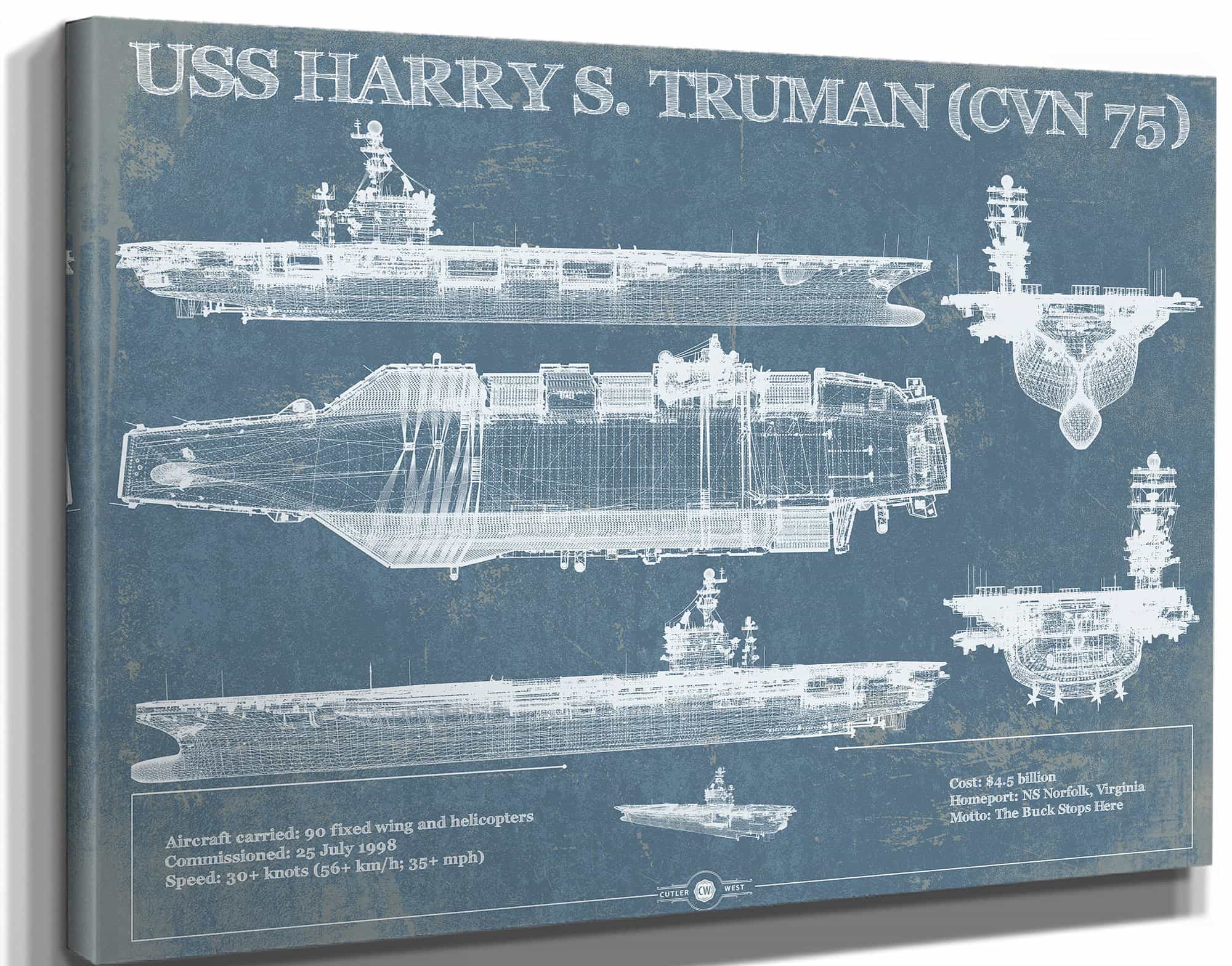
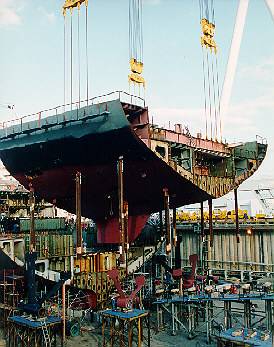
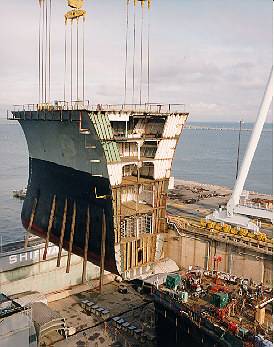
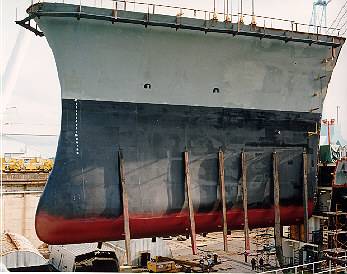
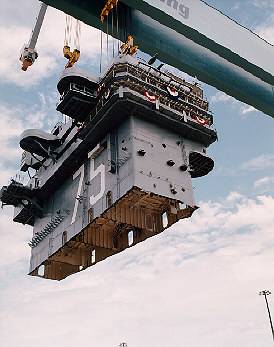
In the context of US military doctrine, the Harry S. Truman aircraft carrier is crucial for projecting naval power. Its capability to swiftly deploy a large carrier group anywhere globally makes it essential for quick crisis responses and safeguarding US interests.
The carrier group is comprised of a varied assortment of air superiority fighters, attack planes, electronic warfare systems, and anti-submarine platforms, establishing the ship as a formidable and self-sufficient combat unit.
Thanks to its nuclear propulsion, the ship can remain at sea for extended durations without needing to refuel, enhancing its strategic value and operational reach. Additionally, the recent design trend for this class of ships, which focuses on boosting anti-submarine capabilities, exemplifies the adaptability of US naval doctrine in response to emerging geopolitical challenges.
We will explore the capabilities of this ship in greater detail below.
Physical specifications of the USS Harry S. Truman:
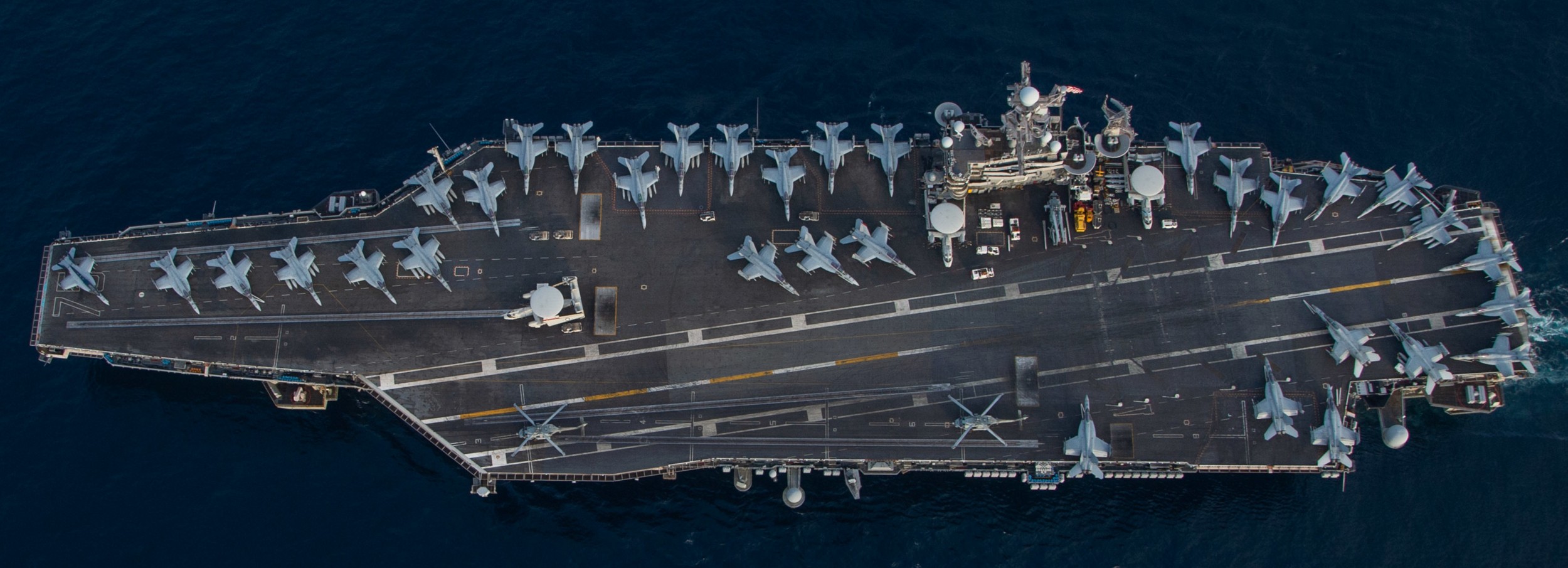
The ship measures 332.85 meters in length, although some sources round this figure to approximately 333 meters. This significant length facilitates extensive flight operations. The flight deck’s width at its widest point is 76.8 meters, while the hull’s width at the waterline is 40.84 meters. This variation in width helps maintain the ship’s balance and provides ample space for air operations.
The ship’s draft, which is the vertical distance from the waterline to the lowest point of the hull, is about 11.3 meters, with a maximum navigation draft of 12.5 meters. When fully loaded, the ship’s total weight is reported to be around 104,600 tons, indicating its substantial capacity to carry aircraft, ammunition, fuel, and crew members.
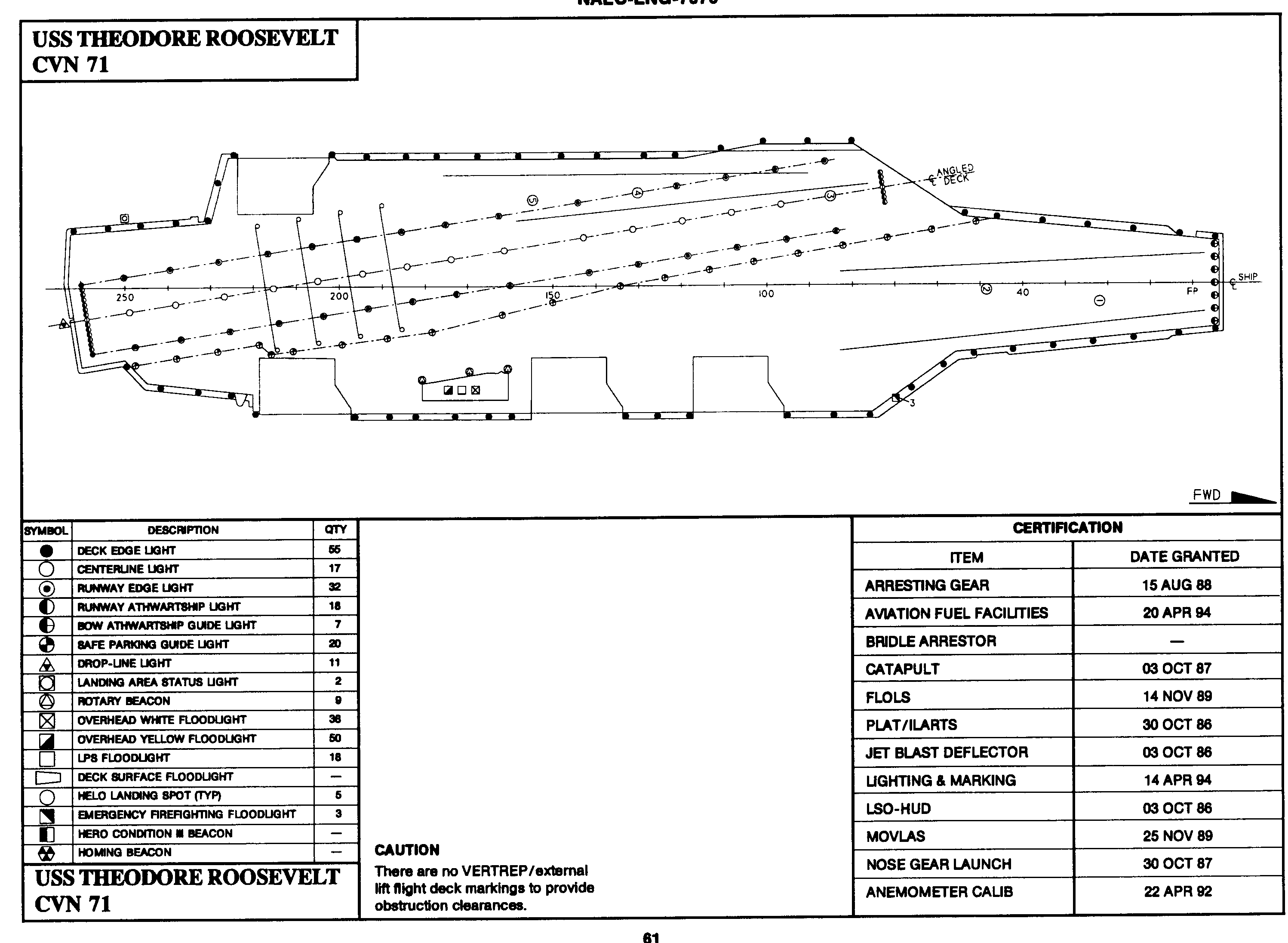
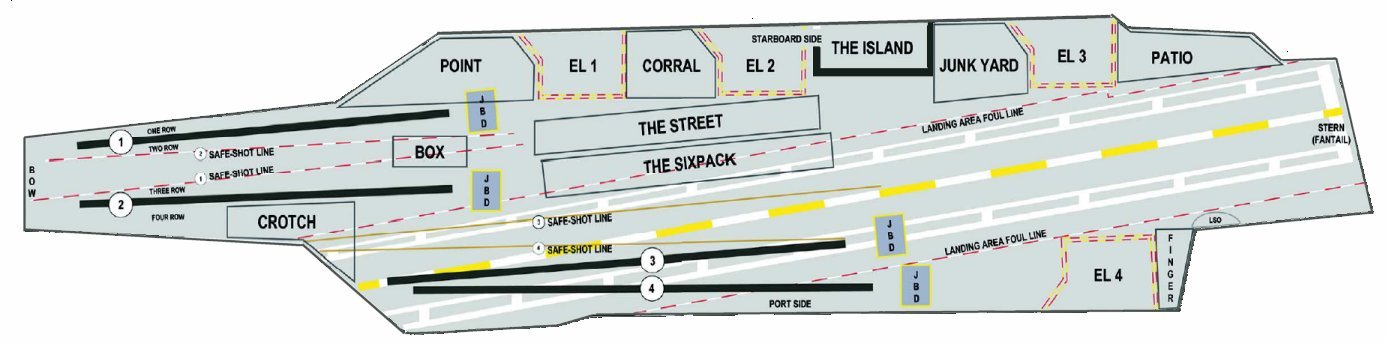
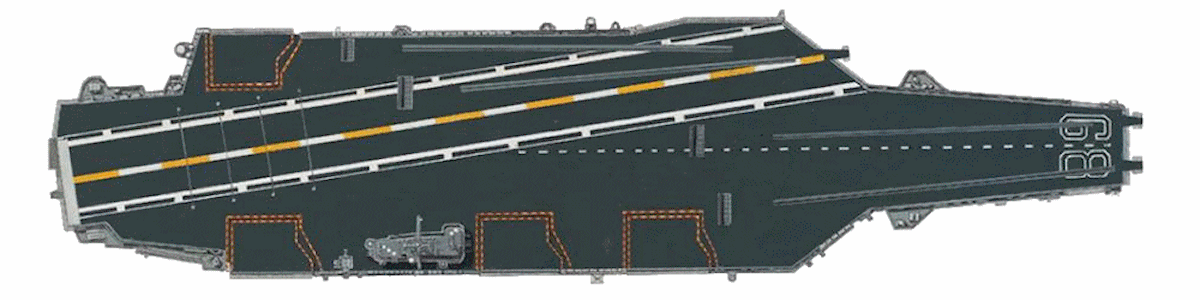
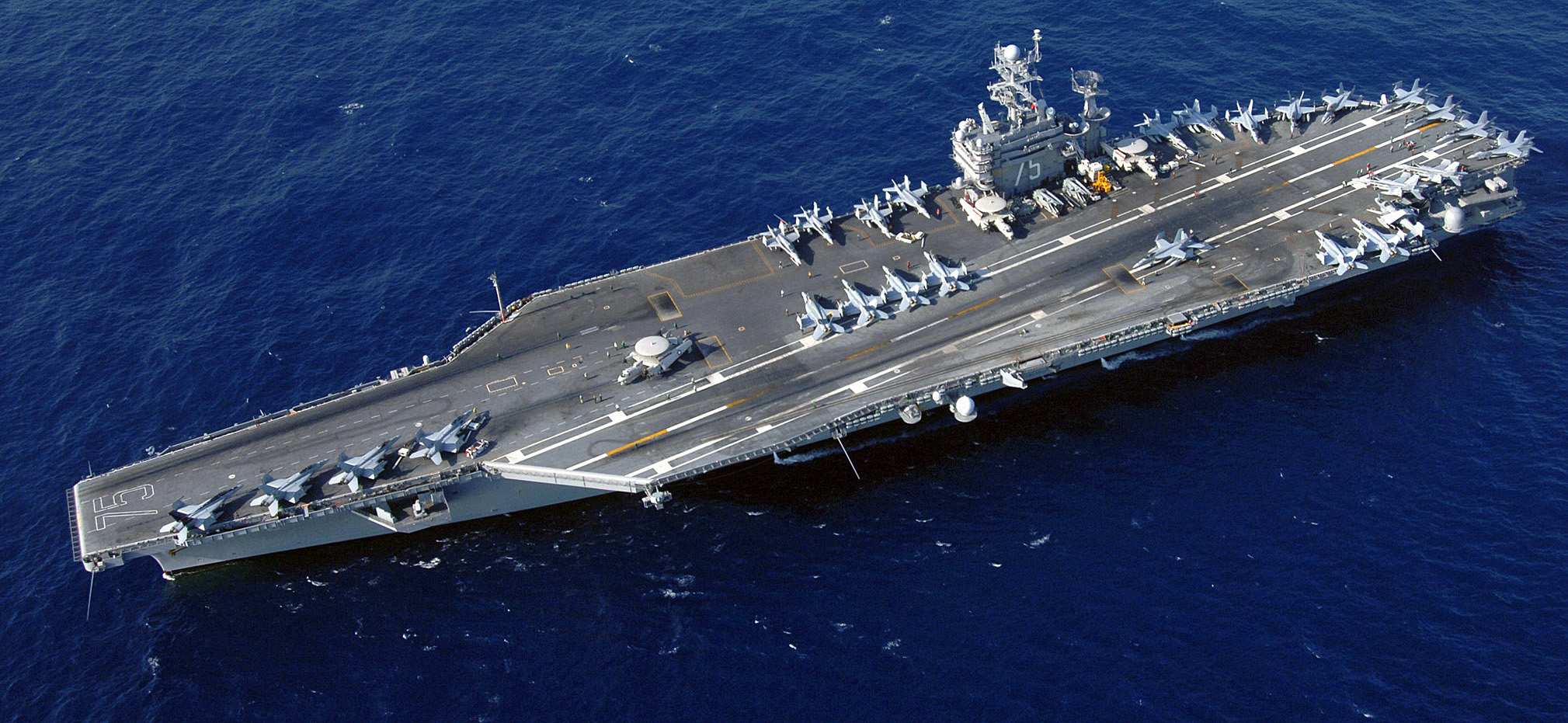
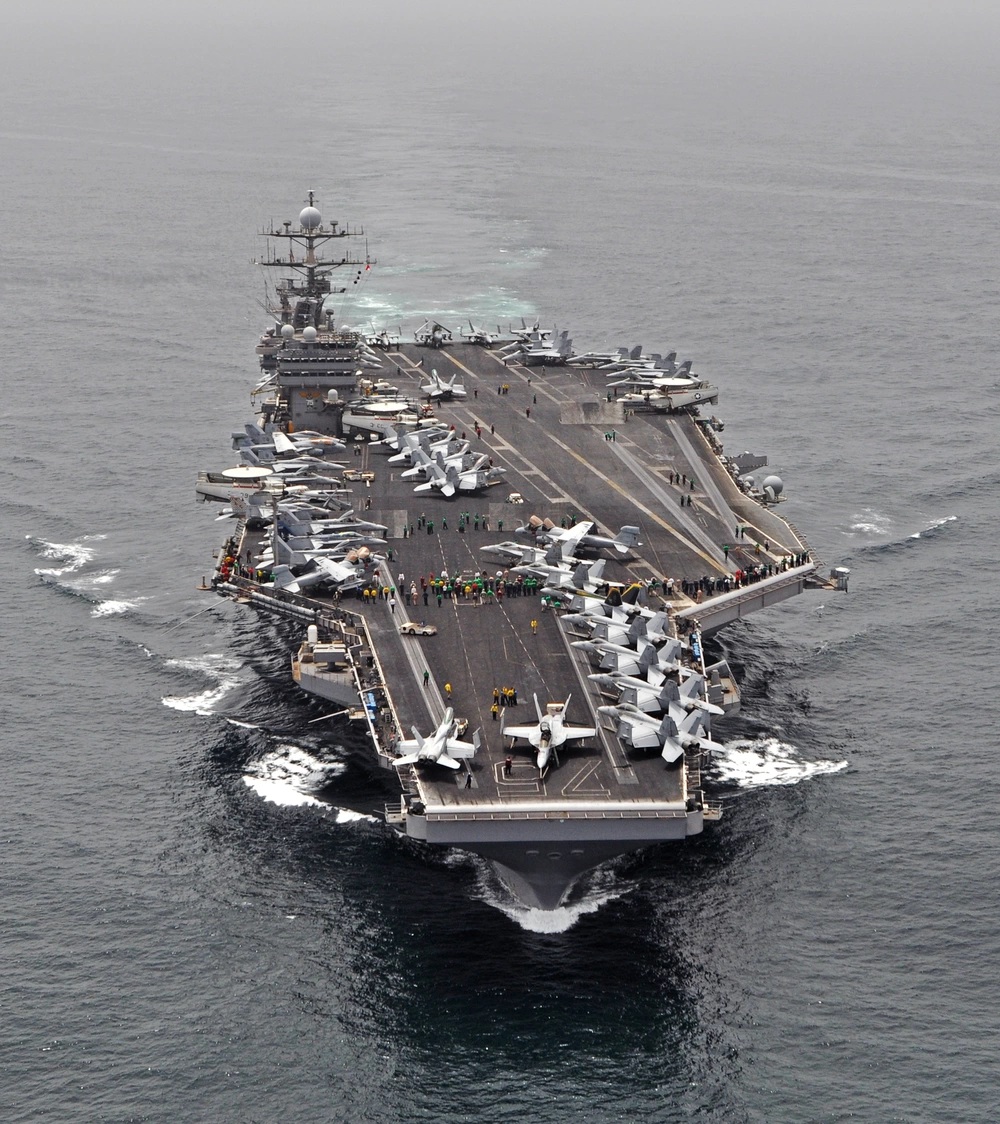
The ship’s flight deck covers an area of approximately 18,215 square meters. This large surface is perfectly suited for continuous takeoff and landing of aircraft. The angled design of this deck, with a 9-degree deviation from the longitudinal axis of the ship, allows simultaneous takeoff and landing.
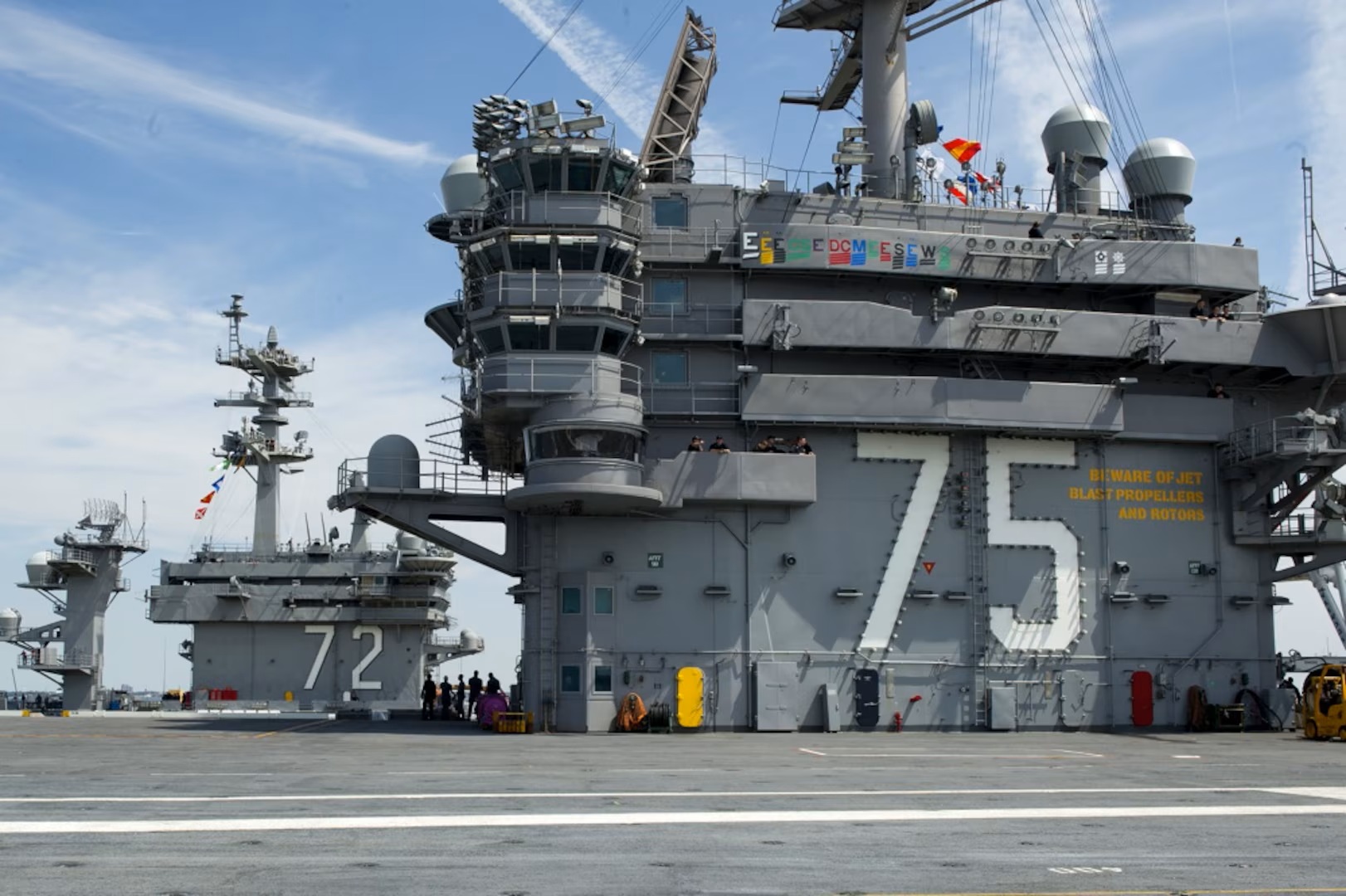
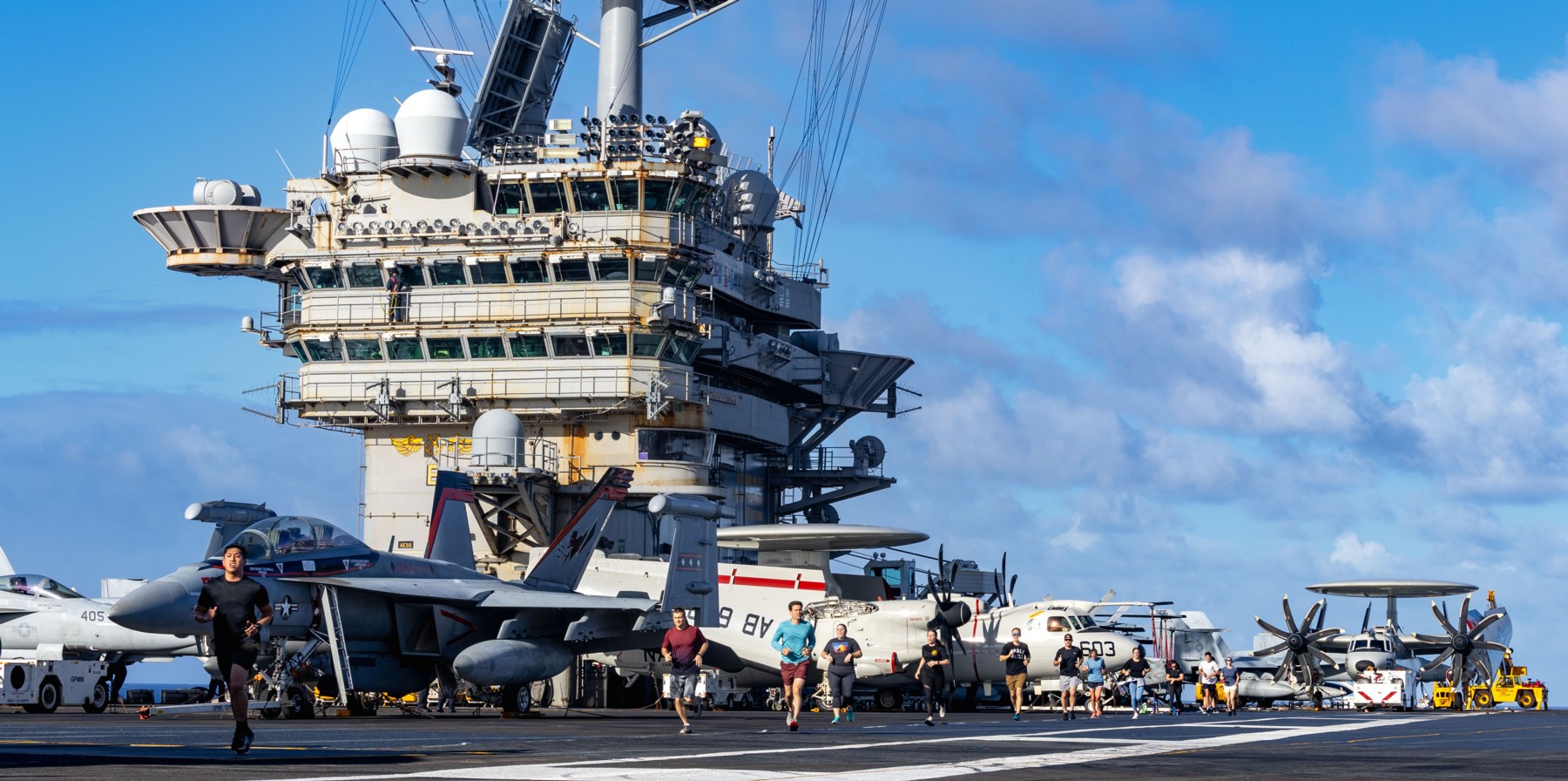
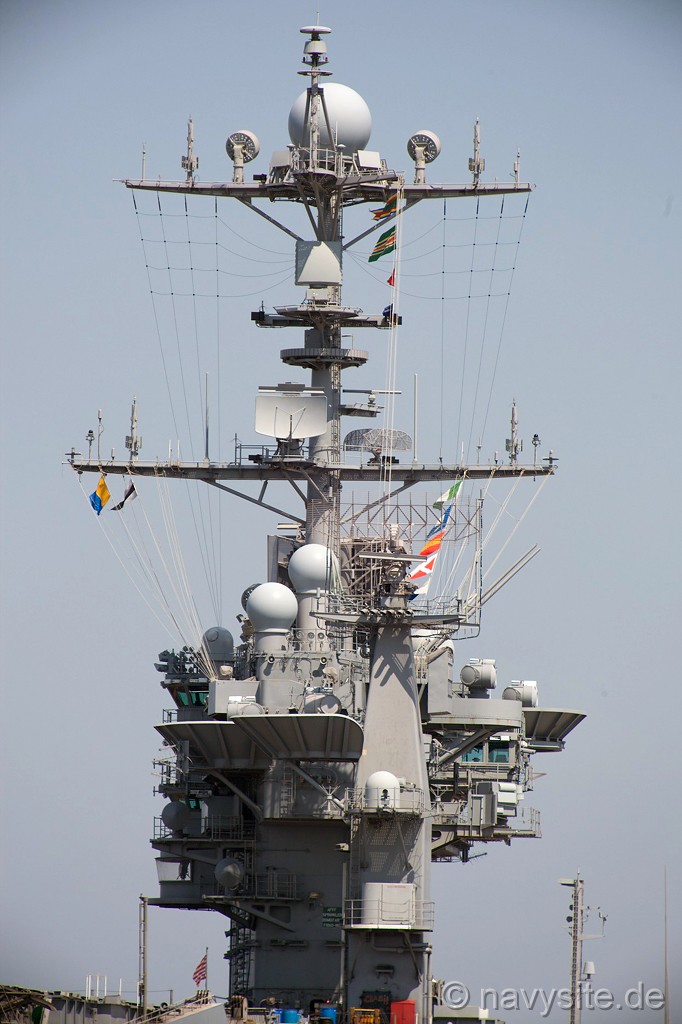
The command island, situated on the starboard side of the deck, serves as the flight control center and is outfitted with various communication and radar systems. Within the ship, there are three spacious aircraft maintenance hangars, divided by robust steel doors to inhibit the spread of fire or explosion. Four large elevators, each approximately 360 square meters in size, facilitate the movement of aircraft between the hangars and the deck.
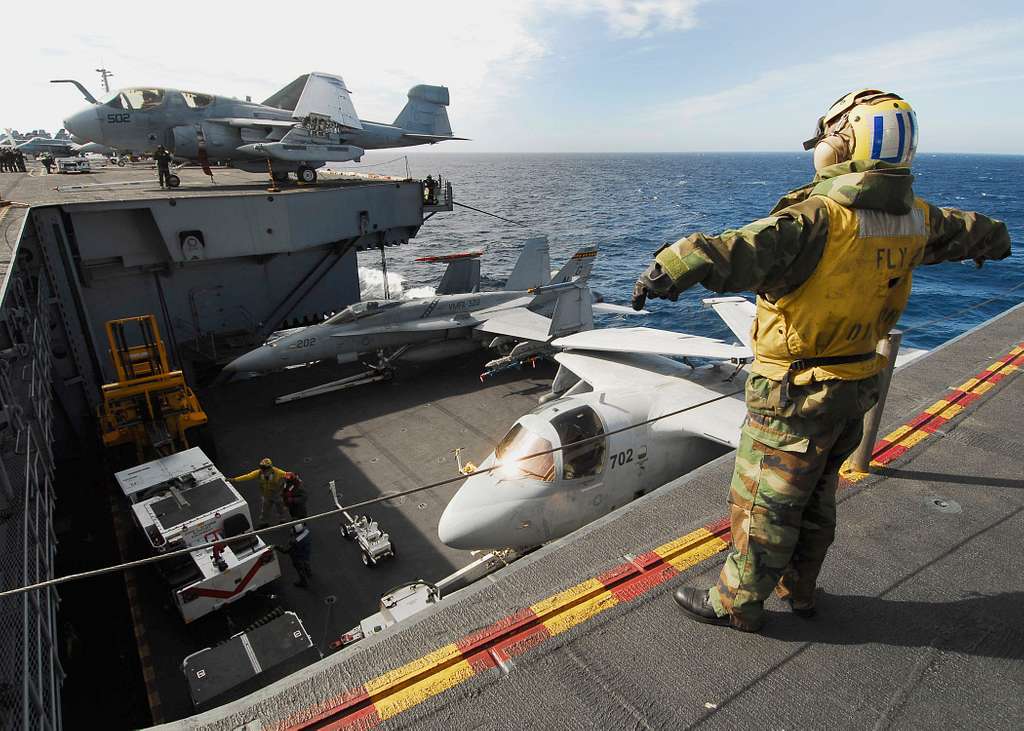
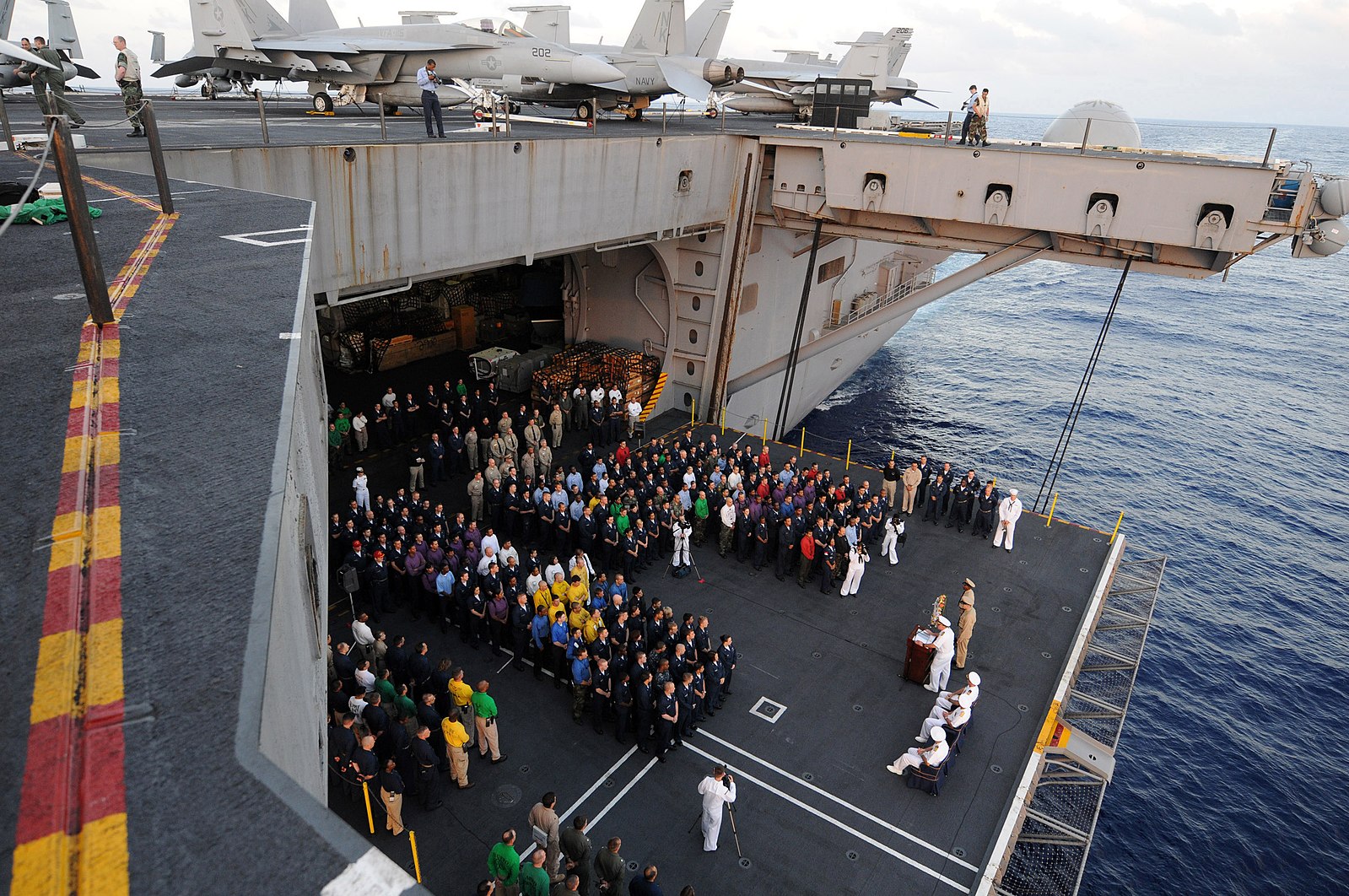
The maintenance department features advanced facilities, such as an Aviation Intermediate Repair Department (AIMD) for specialized aircraft repairs and an engine rewinding shop dedicated to electrical systems upkeep, both essential for maintaining the ship’s operational capability.
USS Harry S. Truman’s propulsion and power distribution system:
The USS Harry S. Truman achieves its remarkable operational capabilities through a nuclear propulsion system. Central to this system are two Westinghouse A4W pressurized water reactors, utilizing 93.5% pure highly enriched uranium (HEU) to produce heat via a controlled nuclear fission reaction. Each reactor generates approximately 550 megawatts of thermal power, supplying high-pressure steam that drives four steam turbines. These turbines deliver propulsion power to four propeller shafts, each linked to a five-blade propeller with a diameter of 7.62 meters. This formidable setup enables the ship to reach speeds exceeding 56 km/h (30 knots), with an estimated total power output of around 194 megawatts (260,000 horsepower).
A key strategic benefit of this nuclear propulsion is its long-term operational stability, permitting the carrier to execute combat missions for 20 to 25 years without the need for refueling, which is vital for sustaining a constant presence in remote global regions.
Alongside the propulsion system, the vessel incorporates a sophisticated power distribution network that supplies electricity to thousands of internal systems. While specific details on its structure and combat damage resilience are not elucidated in the sources, reports of electrical failures suggest that a robust, multi-layered design is essential for this component.
Moreover, the steam generated by the reactors also powers four C-13 steam launchers, which are instrumental in accelerating aircraft during takeoff, thus playing a critical role in the ship’s air operations capabilities. In contrast, the newer Ford-class vessels are outfitted with the Electromagnetic Launch System (EMALS).
USS Harry S. Truman combat and defense systems:
The USS Harry S. Truman is equipped with a comprehensive suite of combat systems designed to counter a variety of threats. While aircraft carriers typically rely on other vessels, particularly destroyers, for long-range air defense, this does not mean that Truman is defenseless. It is equipped with medium- and short-range air defense systems located on islands around its hull.
For medium-range air defense, the ship utilizes the Evolved Sea Sparrow Missile (ESSM), which is a medium-range, semi-actively guided missile. These missiles are mounted on eight Mk 29 launchers or Mk 57 vertical launch systems. The ESSM provides effective protection against fast, low-altitude anti-ship cruise missiles and other aerial threats.
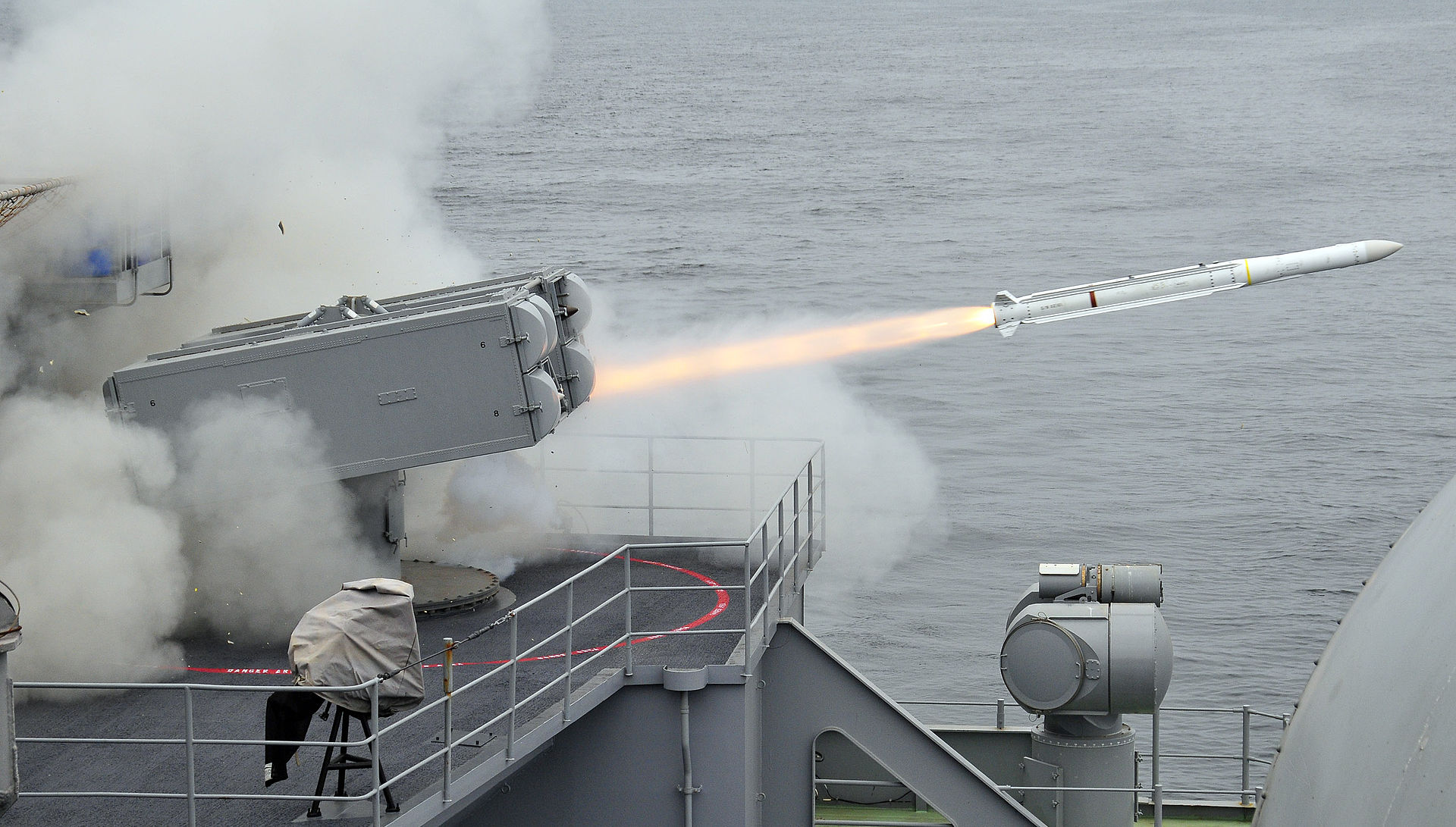
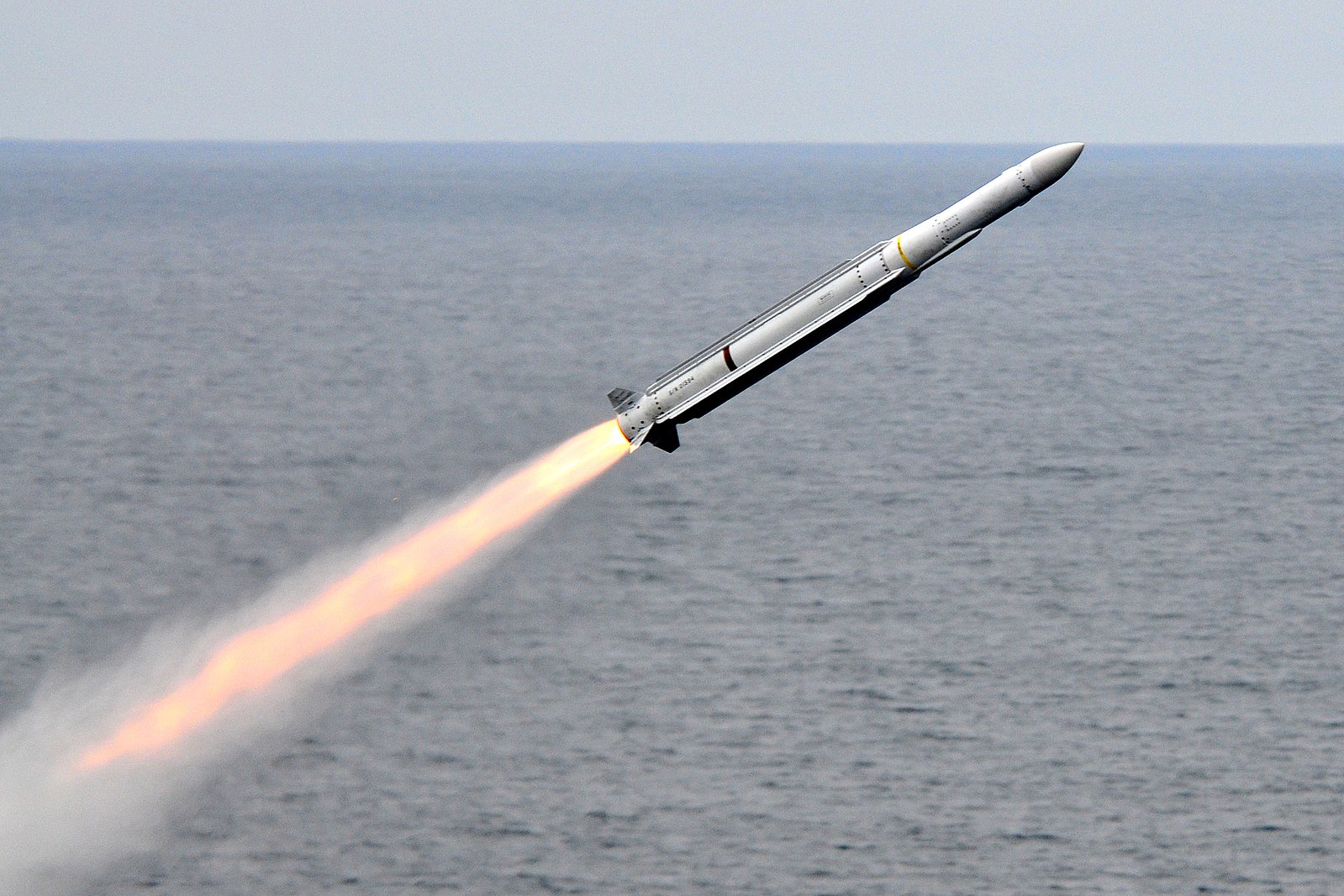
For closer-range defense, the ship is equipped with two Mk 49 guided missile launchers carrying RIM-116 Rolling Airframe (RAM) missiles, each capable of hosting 21 missiles. The lightweight, infrared-guided RAM missile is designed to engage anti-ship missiles and asymmetric threats at short ranges.
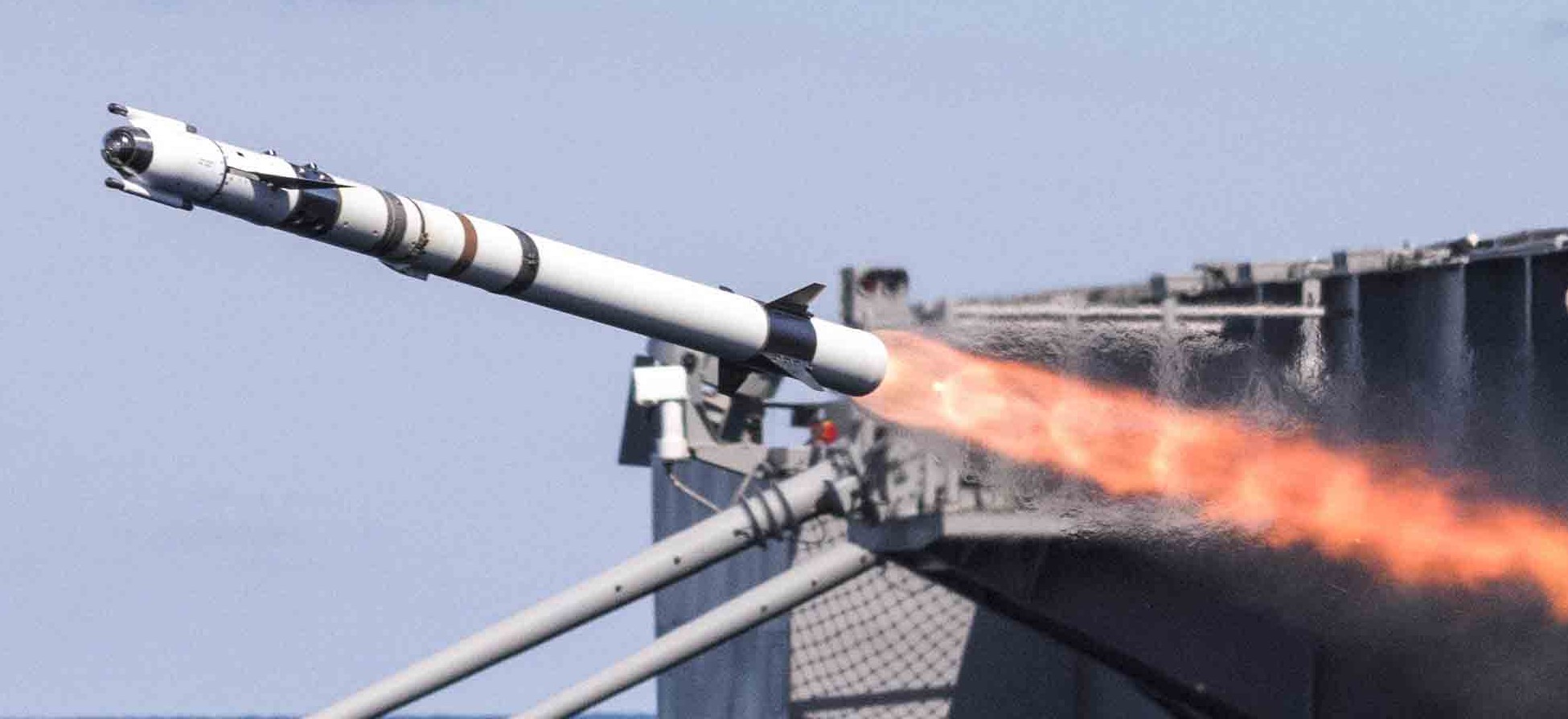
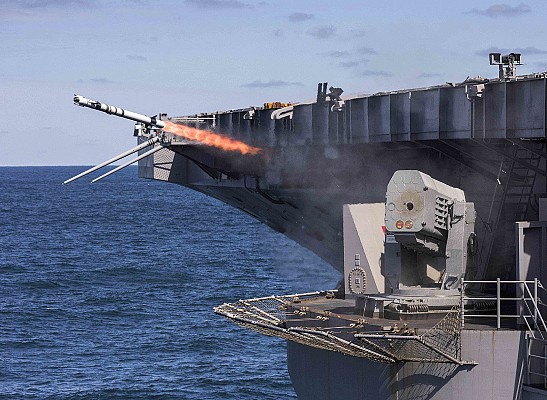
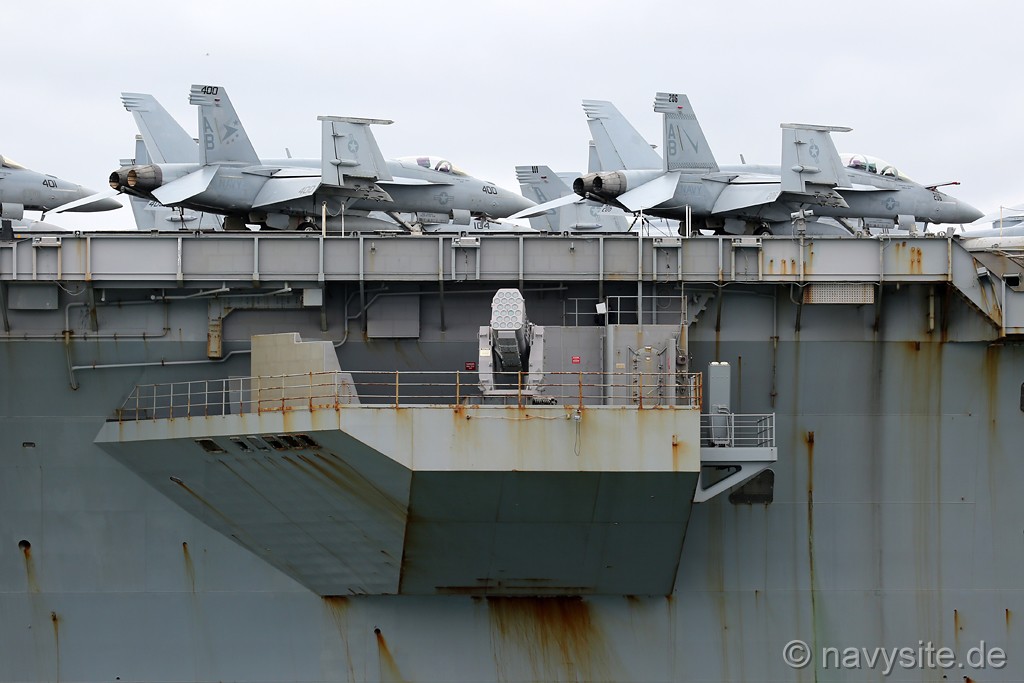
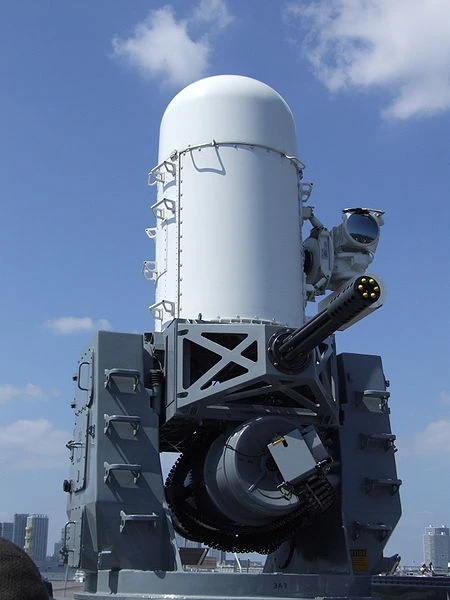
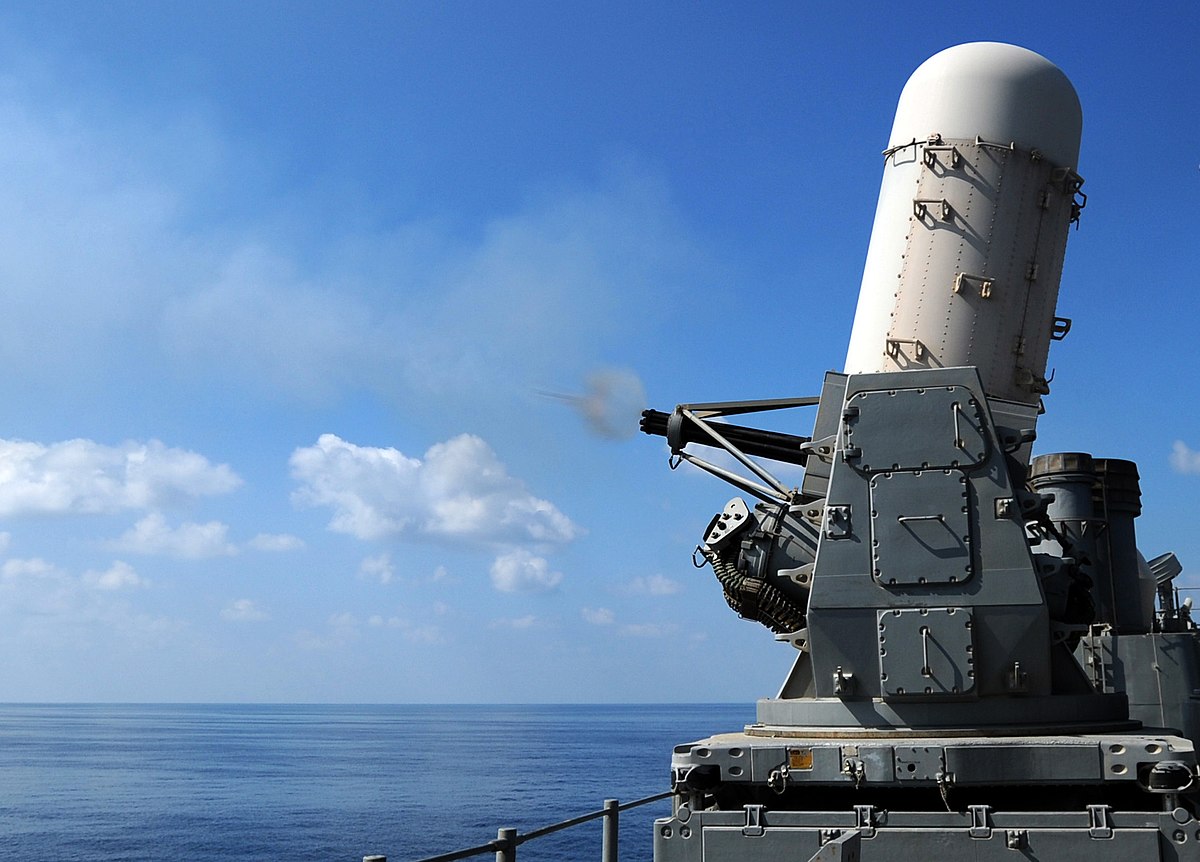
Ultimately, the ship features three Mk 15 Phalanx CIWS systems as an additional layer of defense. These systems consist of radar-guided, automatic Gatling guns designed to engage incoming missiles and aircraft at extremely close ranges.
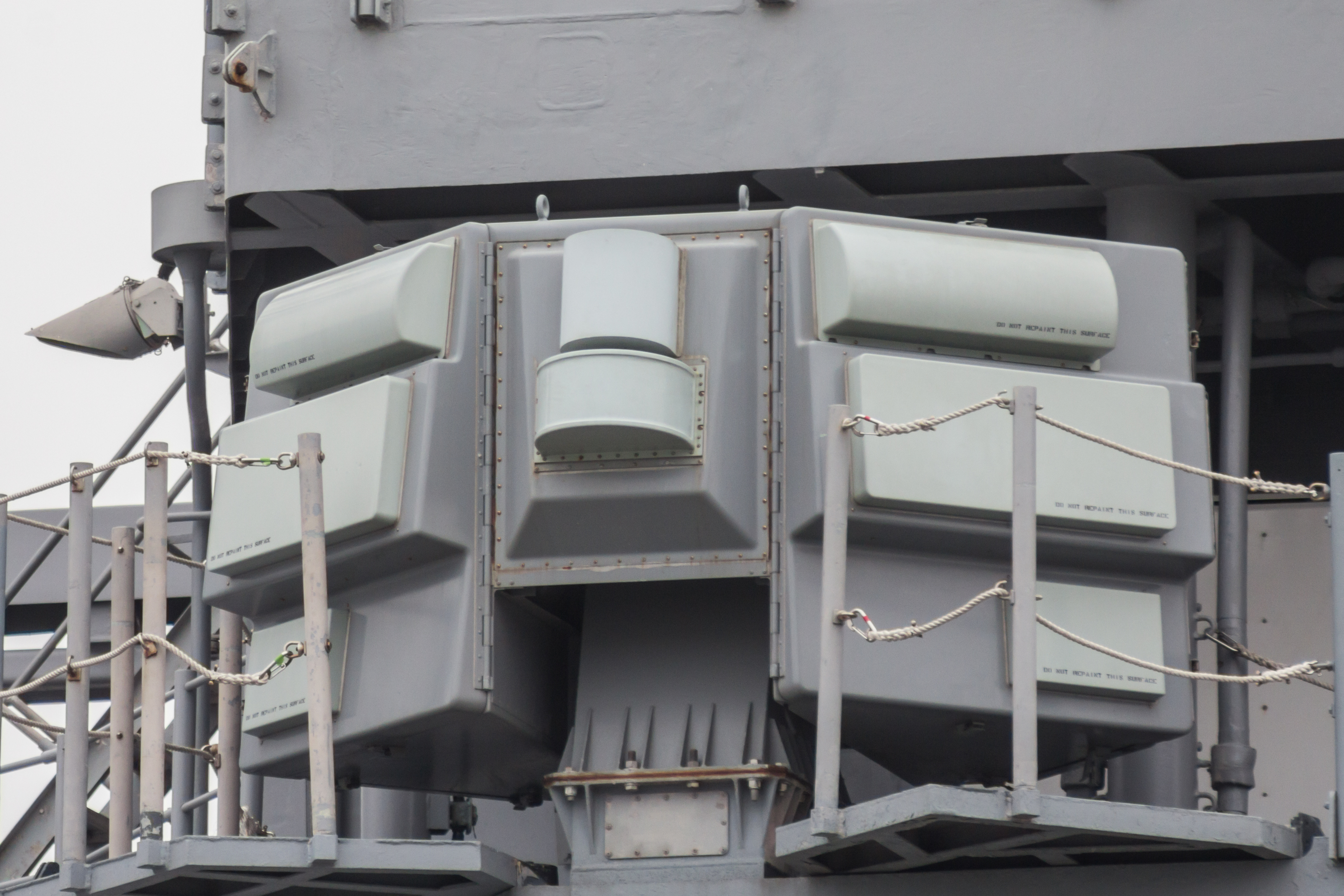
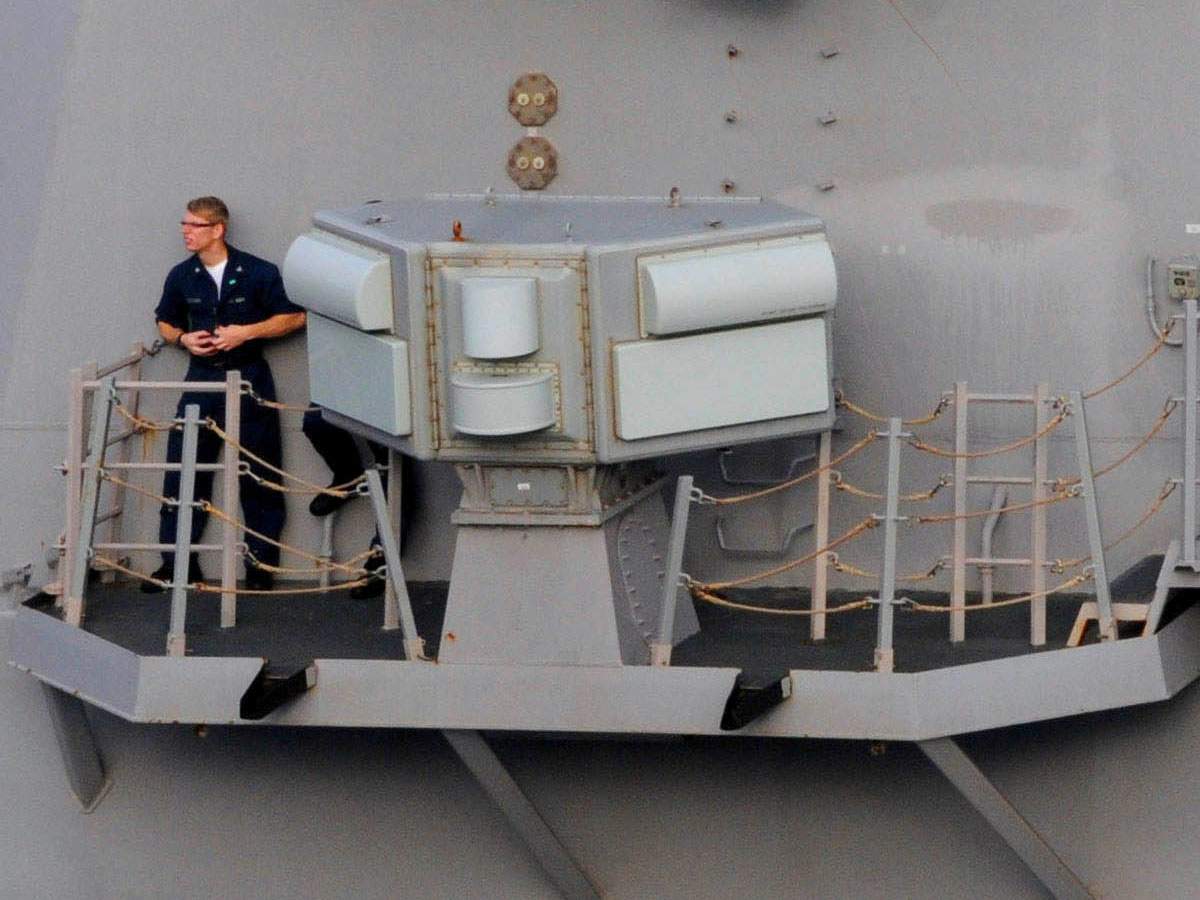
The AN/SLQ-32(V)4 system equips the ship with electronic warfare capabilities, enabling passive detection, comprehensive analysis, and active jamming of enemy radar systems. Additionally, the Mk 53 Nulka decoy launch system is employed; this active decoy missile generates a false radar signature, drawing anti-ship missiles away. Furthermore, the ship employs passive systems like chaff, which consists of metal projectiles that increase the radar cross-section, and flare, which are high-temperature flares designed to mislead heat-seeking missiles.
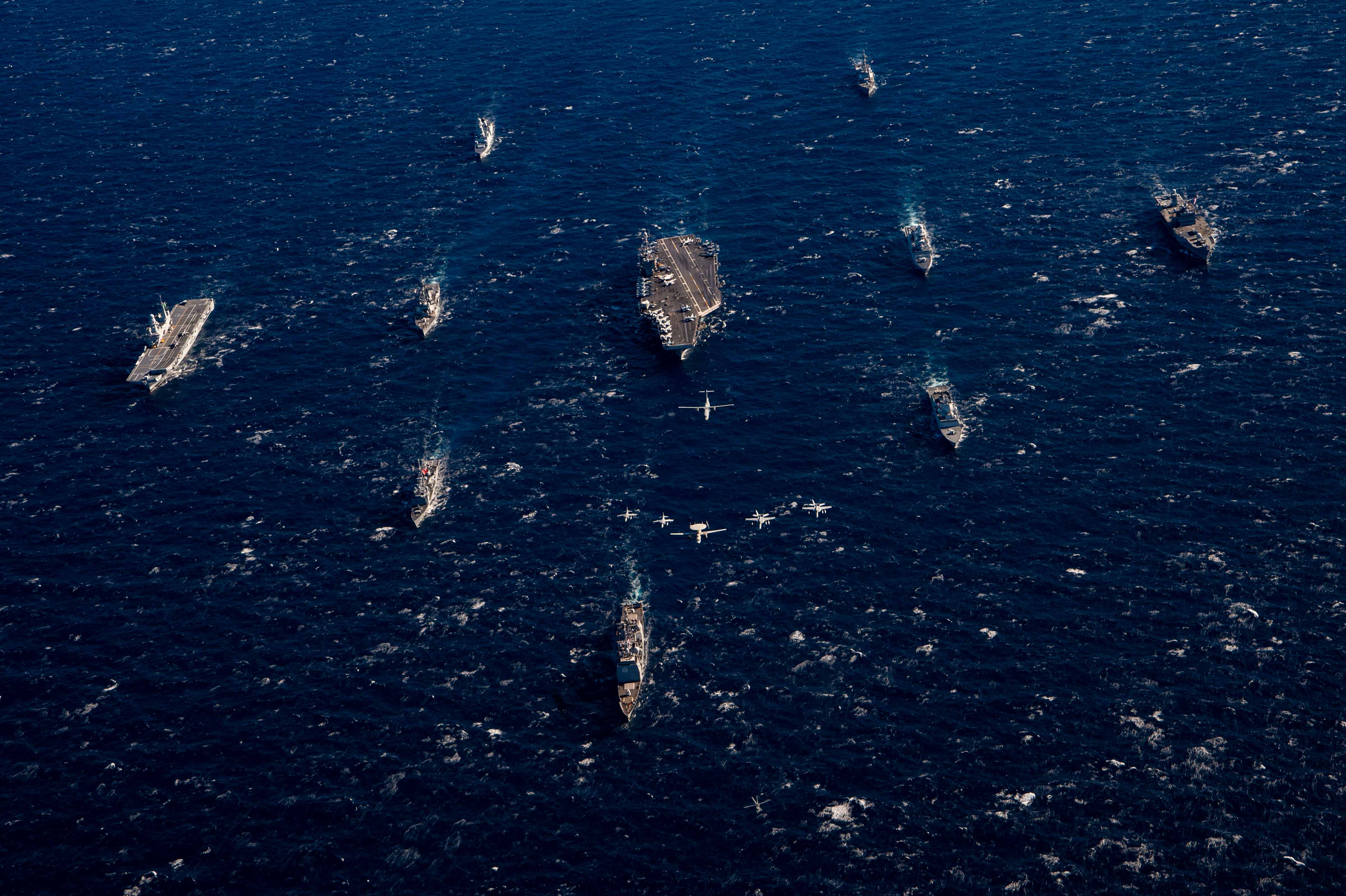
It is important to highlight that the ship, as a part of a Carrier Strike Group, reaps the advantages of coordination and synergy with AEGIS-equipped vessels, such as interceptors and destroyers. The AEGIS system ensures comprehensive air and missile defense for the entire group, as detailed in earlier discussions.
Read more: Aegis Missile Defense System
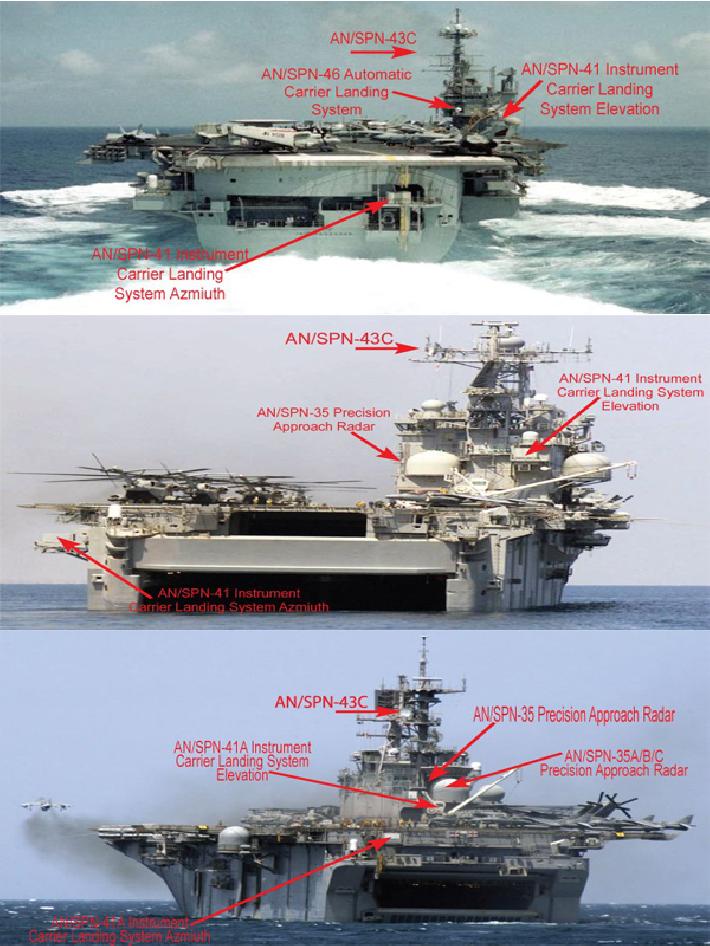
The ship’s main sensor array features the AN/SPQ-9B radar, an X-band pulse-Doppler radar that delivers accurate fire control for both air and surface targets. For extended air search capabilities, the AN/SPS-49(V)5 radar is employed, offering a range of up to 475 km.
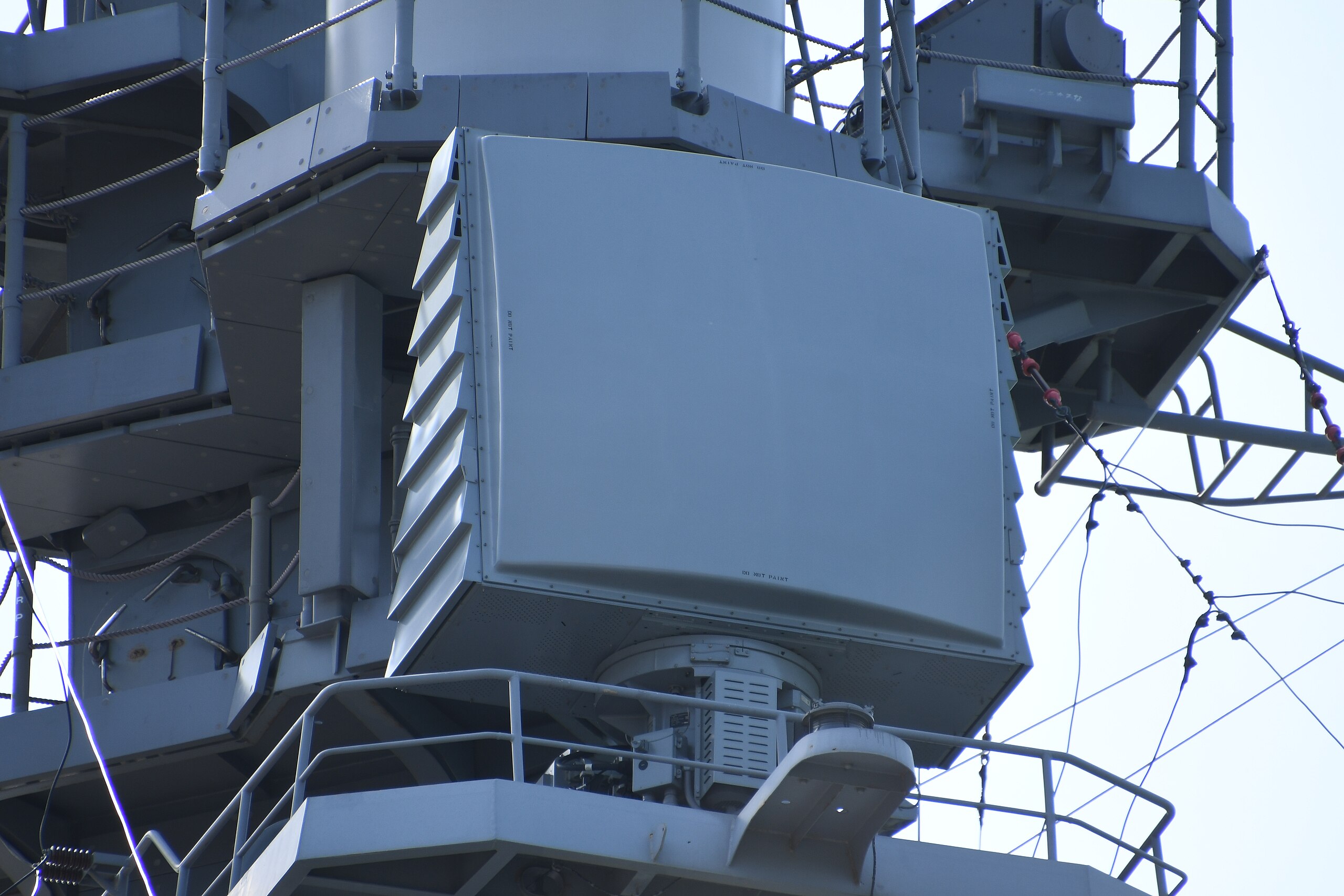
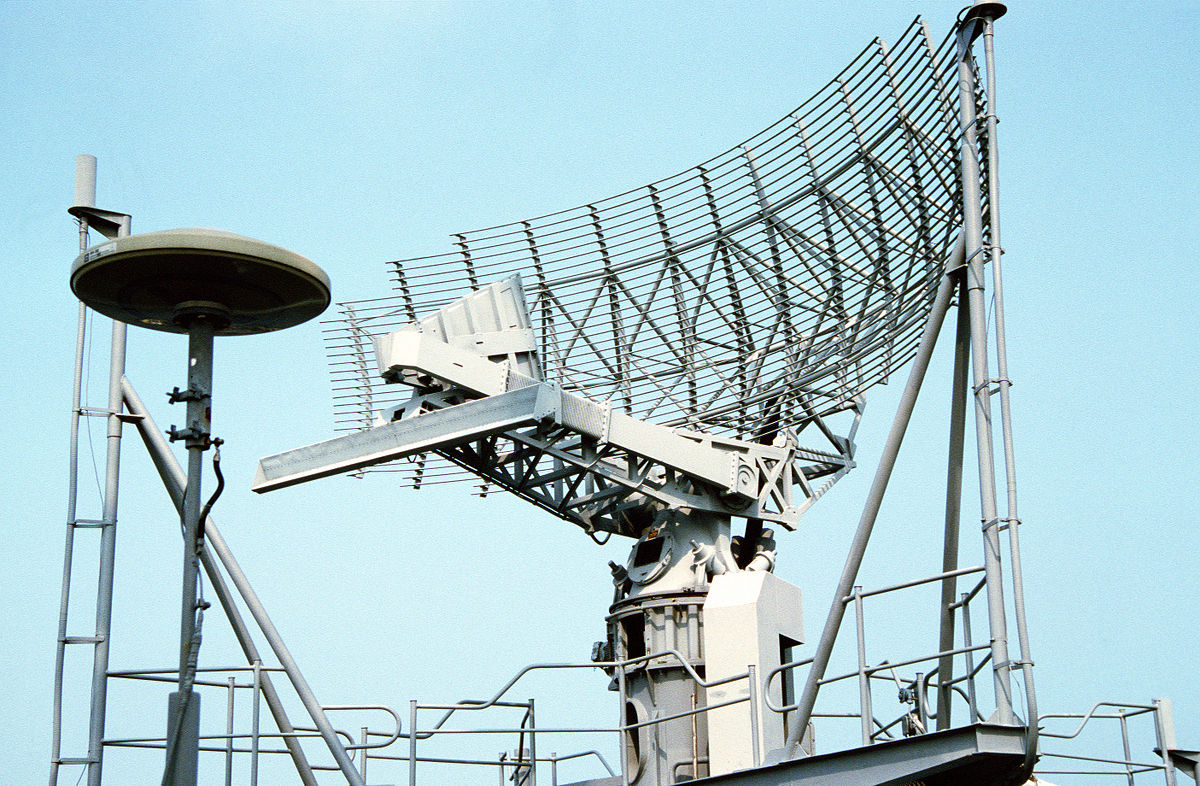
Aircraft landings are conducted with the AN/SPN-46 Precision Approach and Landing System (PALS), offering pilots comprehensive guidance regardless of weather conditions. Air traffic control is managed by the AN/SPN-43C radar, which monitors and directs aircraft surrounding the ship.
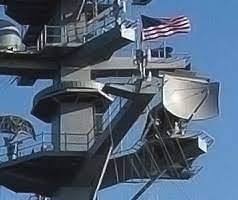
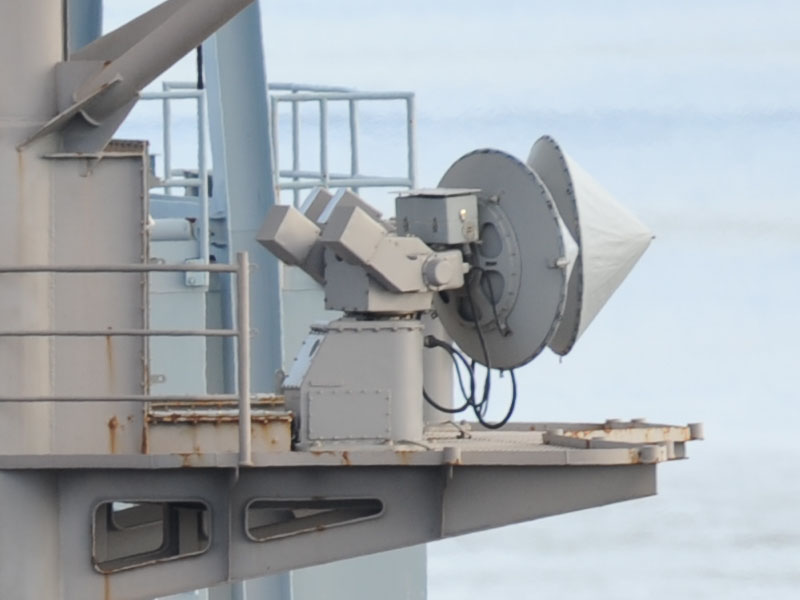
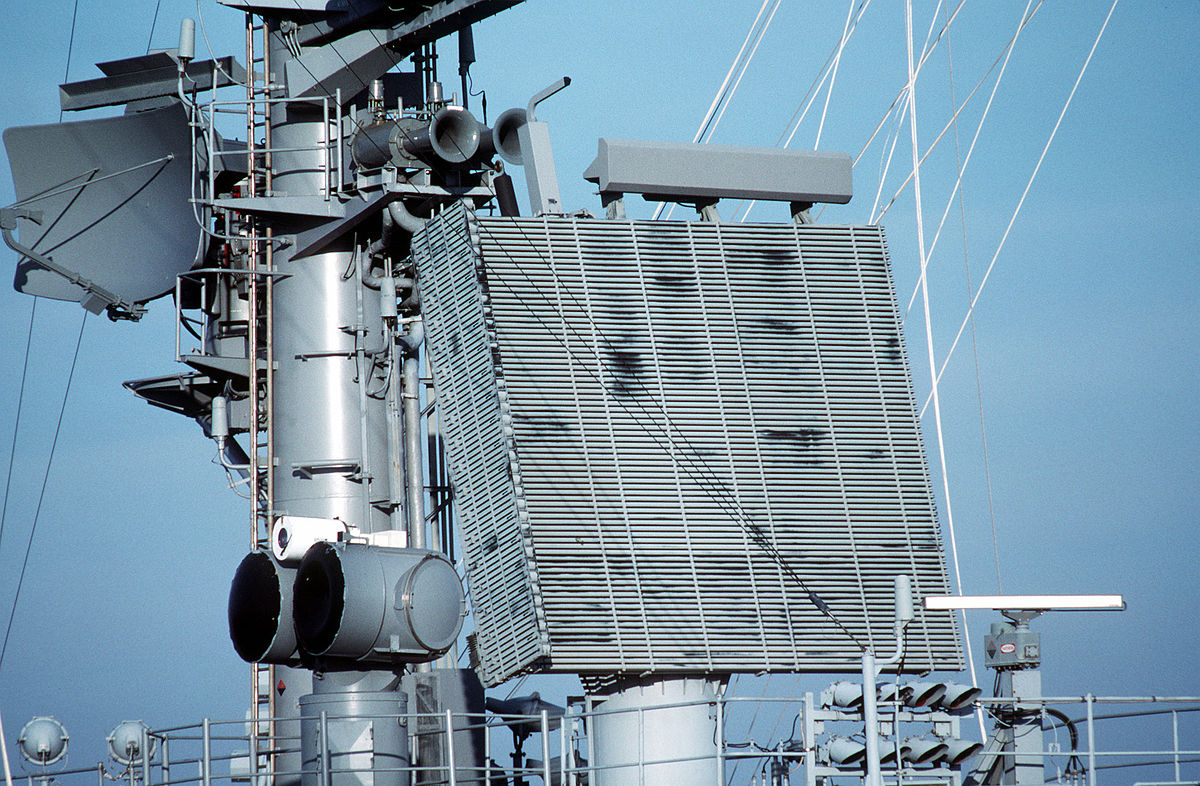
Furthermore, the ship features advanced navigation radars and uses 3D systems, likely the AN/SPS-48E radar, to transmit essential information to other task force ships through data links like Link 16 and potentially CEC.
USS Harry S. Truman’s aviation capabilities:
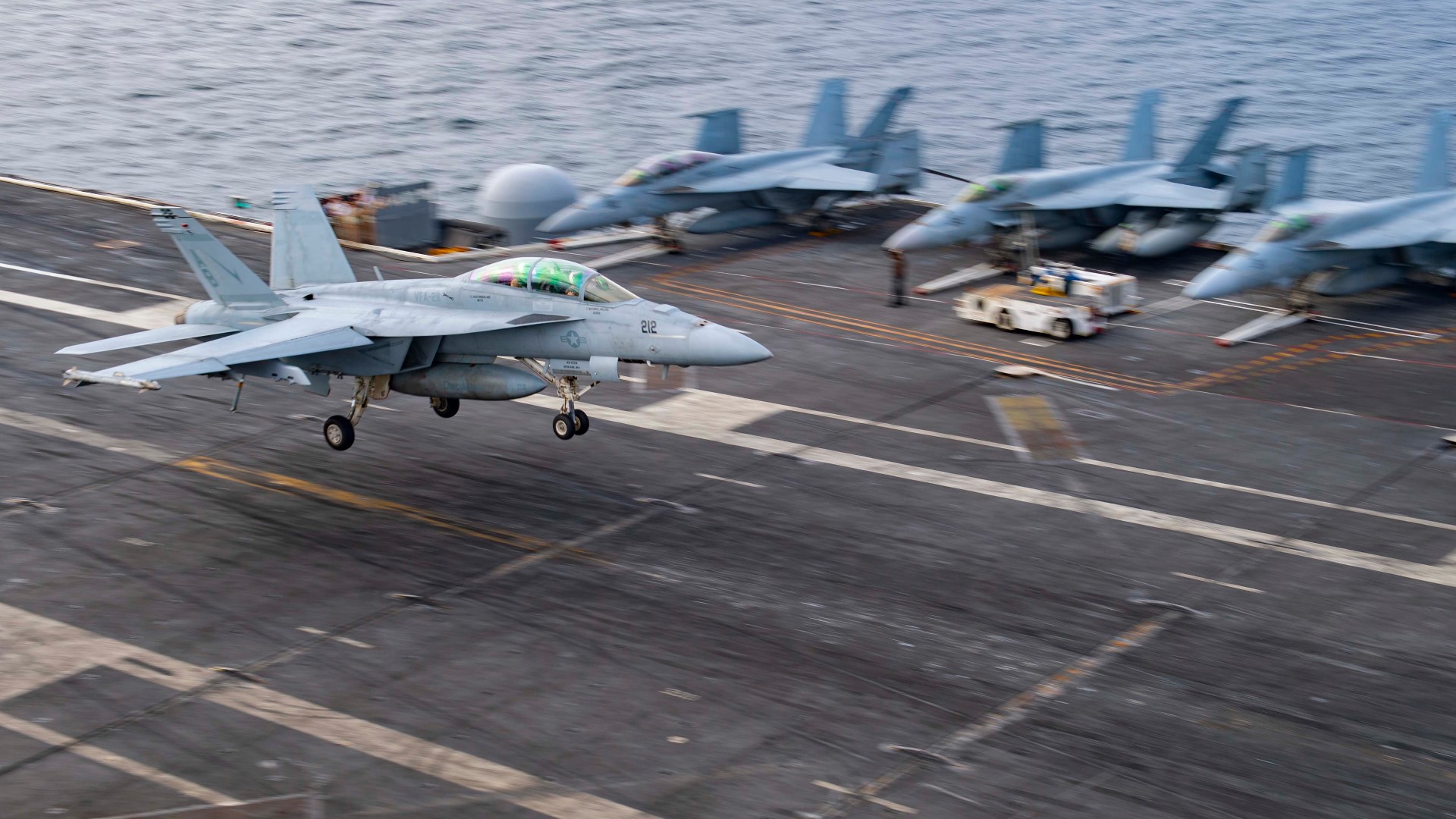
Aircraft carriers are specifically built to transport various types of aircraft, including those from the United States Navy, Marine Corps, and Air Force. The USS Harry S. Truman typically accommodates around 75 aircraft, with the number potentially rising to 85 or 90 depending on the mission.
The air wing onboard the USS Harry S. Truman mainly features:
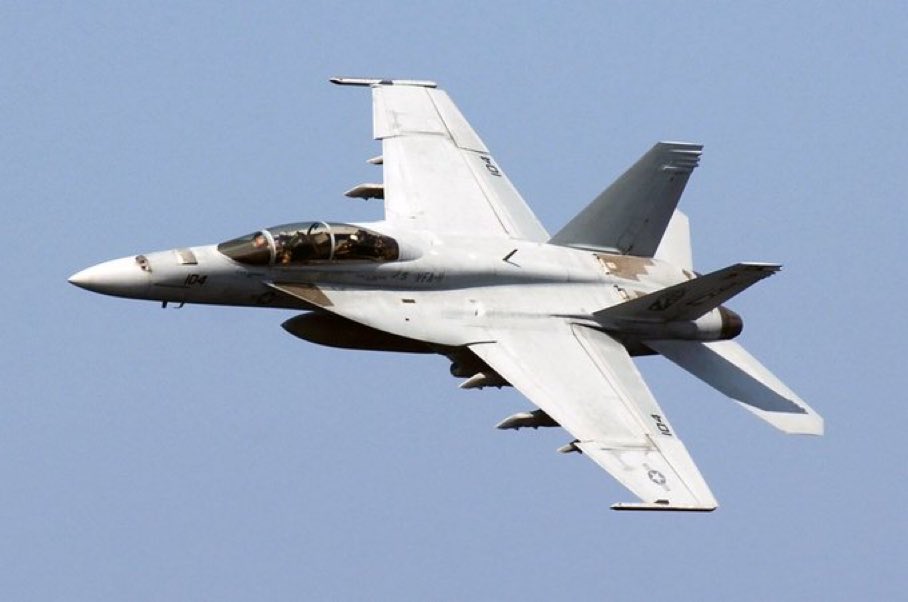
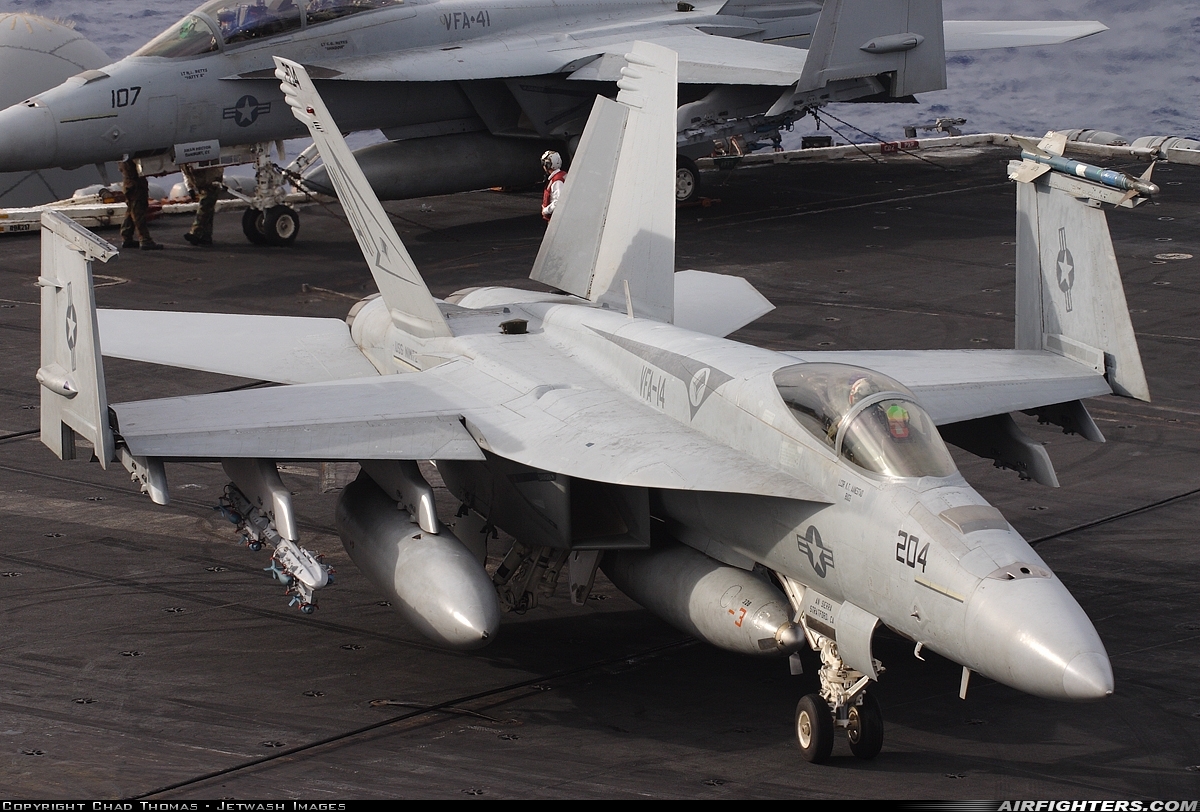
The central strike and fighter planes comprise the single-seat F/A-18E Super Hornet and the dual-seat F/A-18F. Usually, four fighter-attack squadrons (VFA) operate on Nimitz-class carriers. Moreover, both the F-35C and F-35B stealth jets (the Marine variant) are capable of being launched from these carriers.
For electronic warfare activities, the Electronic Warfare Squadron (VAQ) employs EA-18G Growler, which play a crucial role in electronic jamming and countermeasures.
The Airborne Warning Squadron (VAW) handles airborne early warning and control, utilizing approximately four to five E-2D Advanced Hawkeye aircraft.
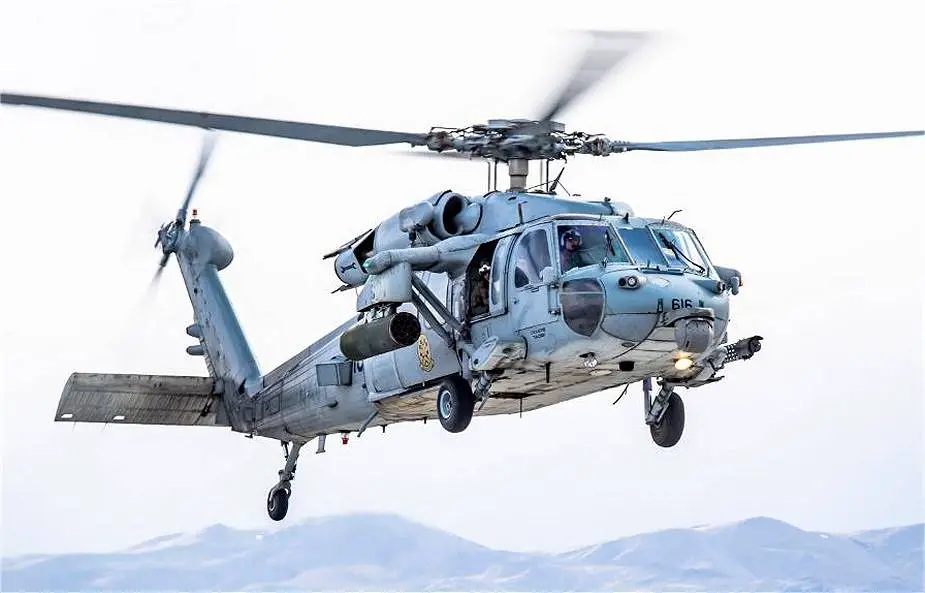
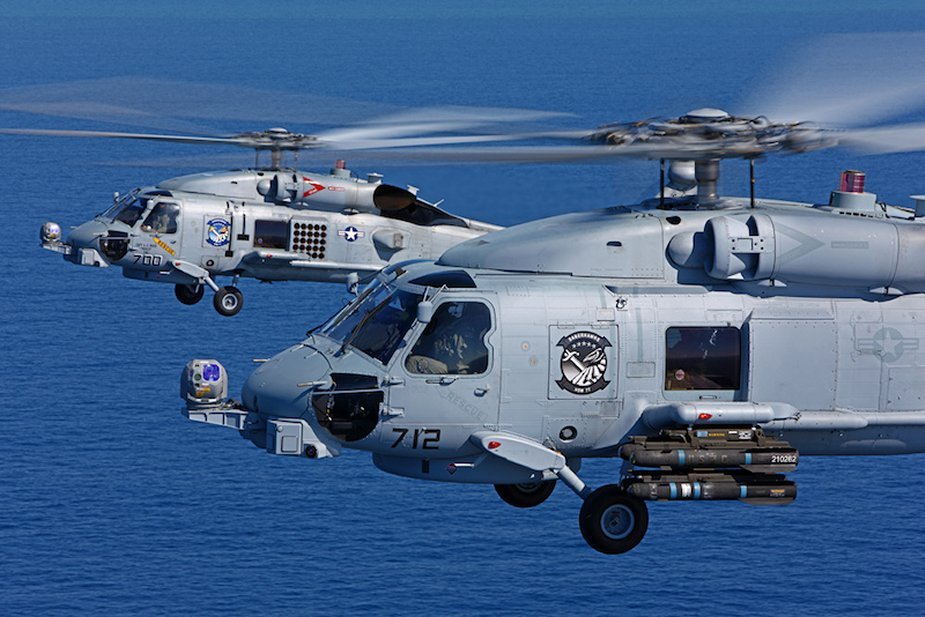
Additional air units include the Reconnaissance Air Support Squadron (VRM), Helicopter Sea Combat Squadron (HSC), and Helicopter Sea Strike Squadron (HSM), which perform anti-submarine warfare, search and rescue, and logistical support operations with MH-60S and MH-60R Seahawks, respectively.
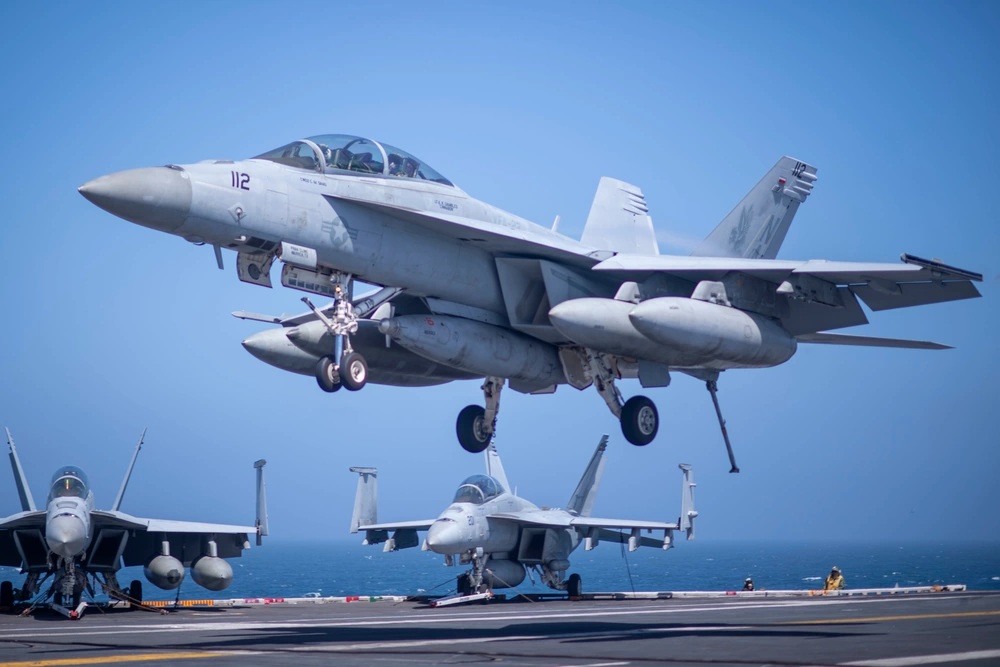
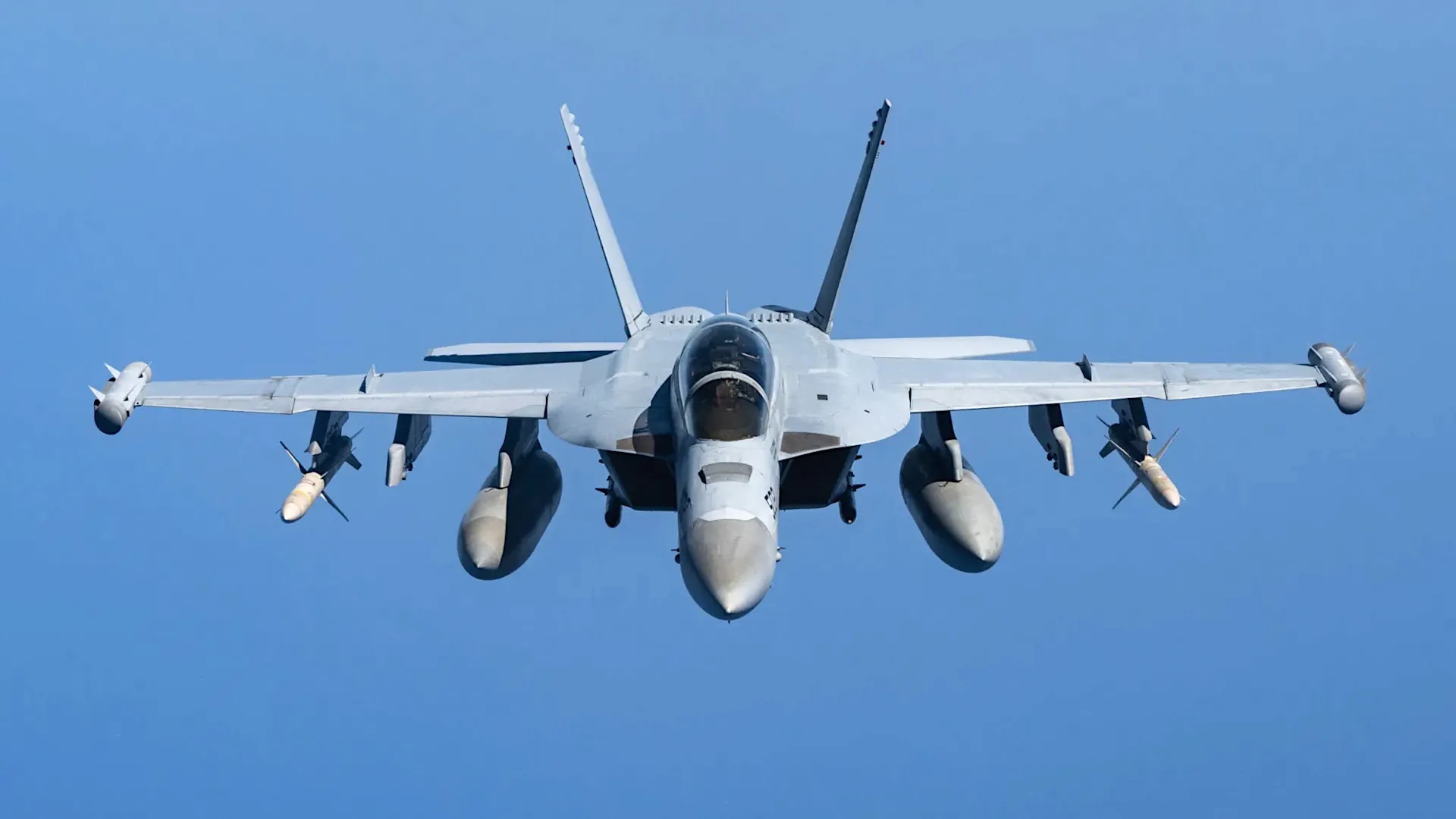
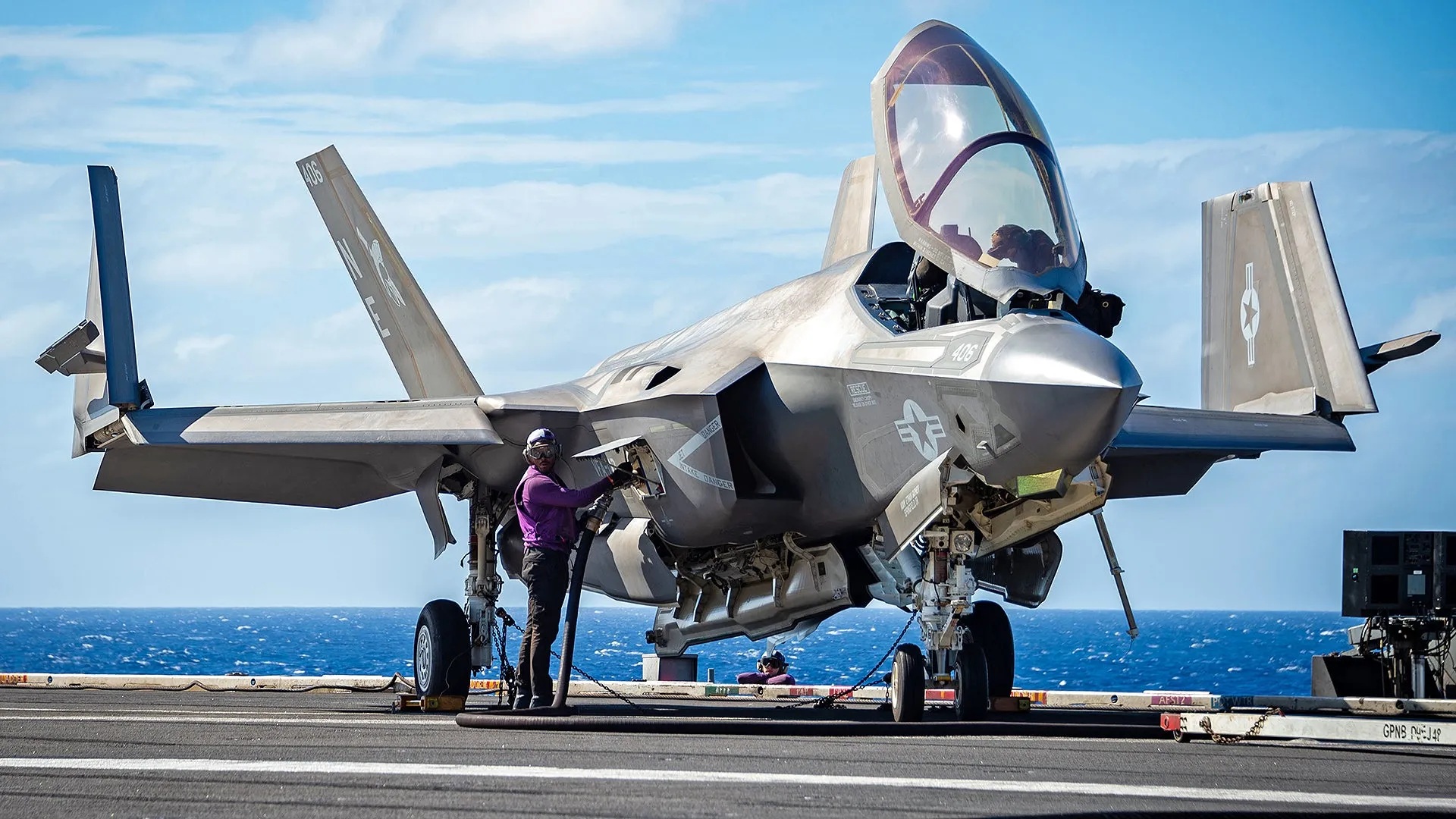
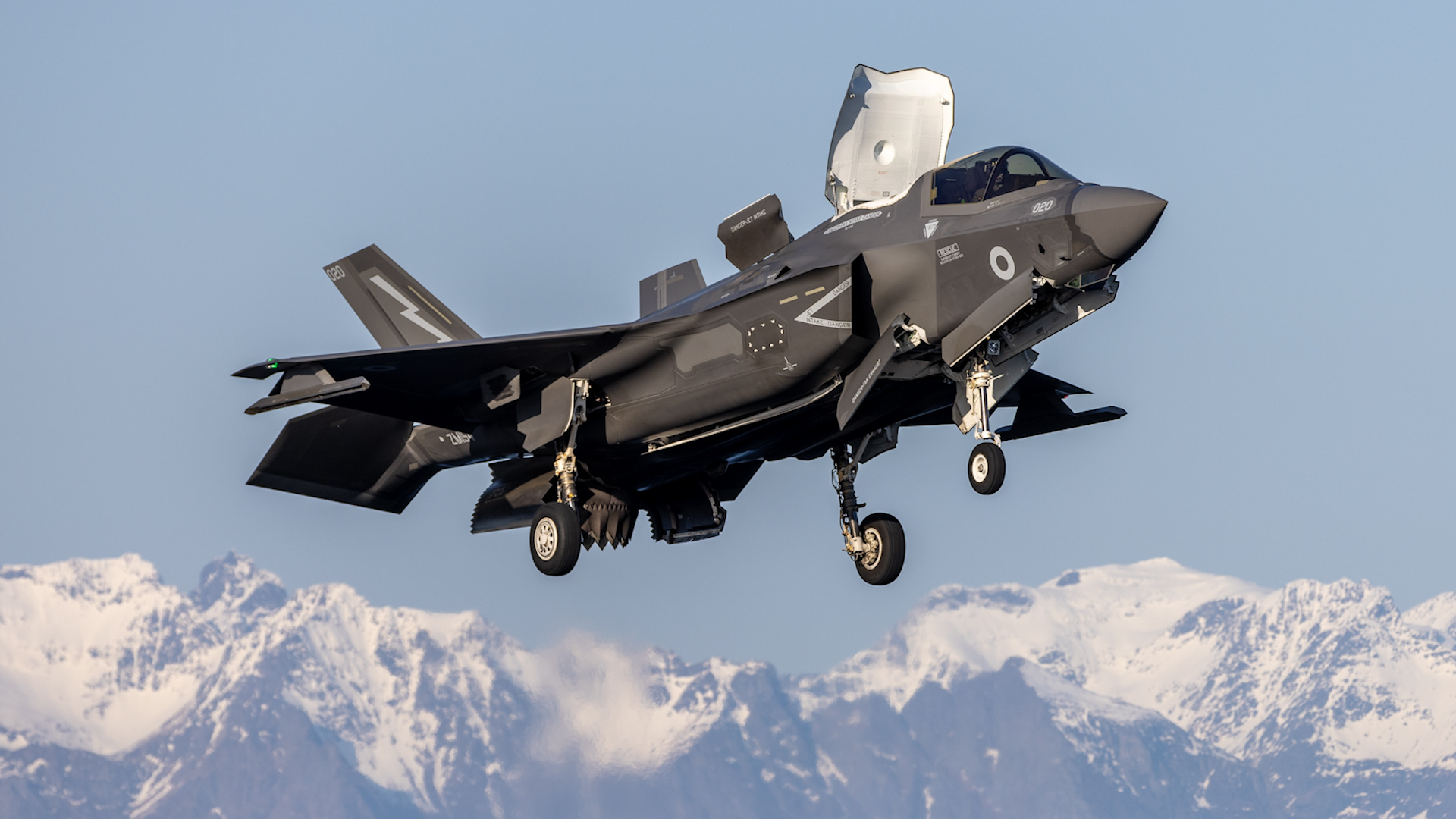
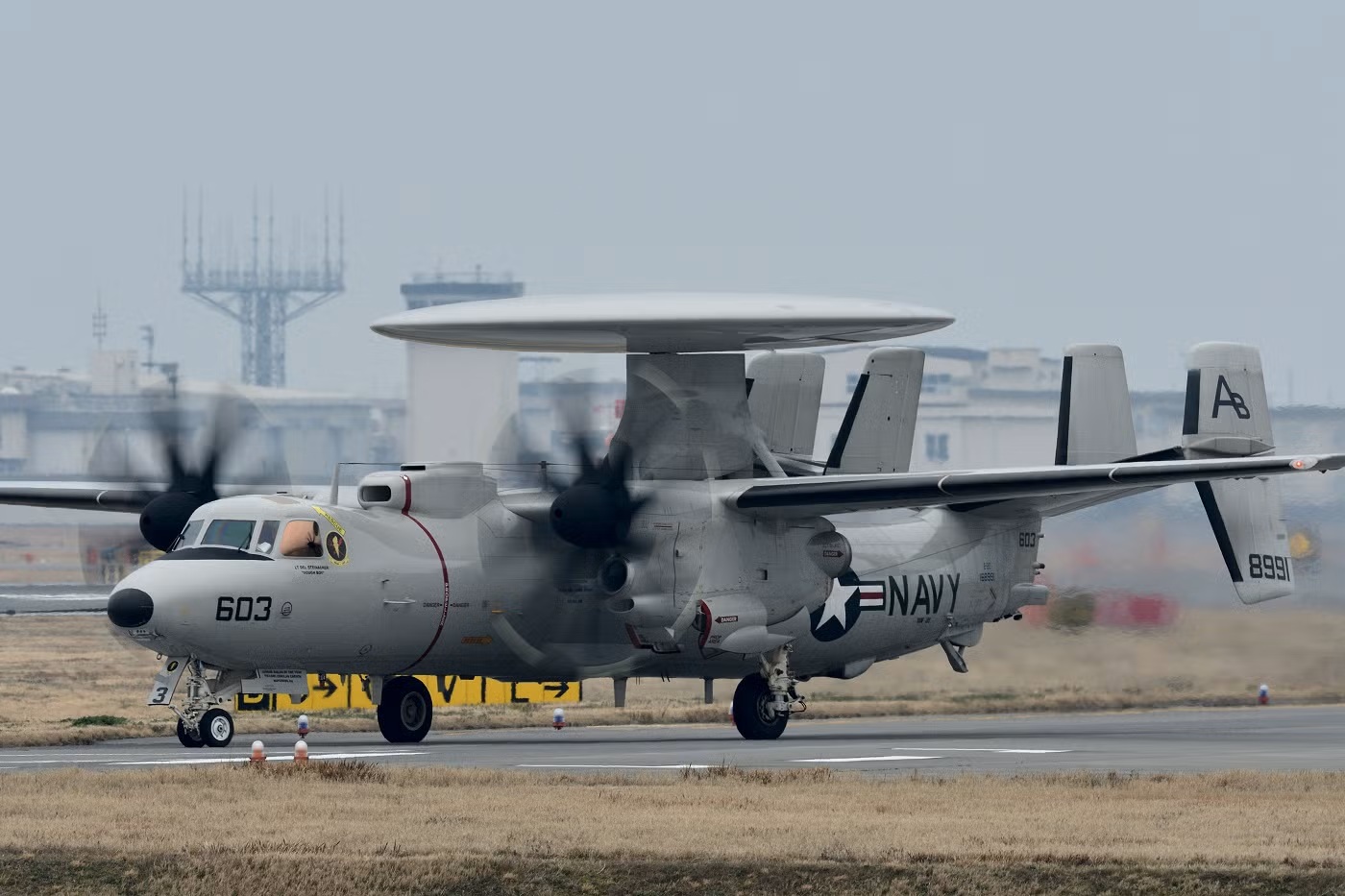
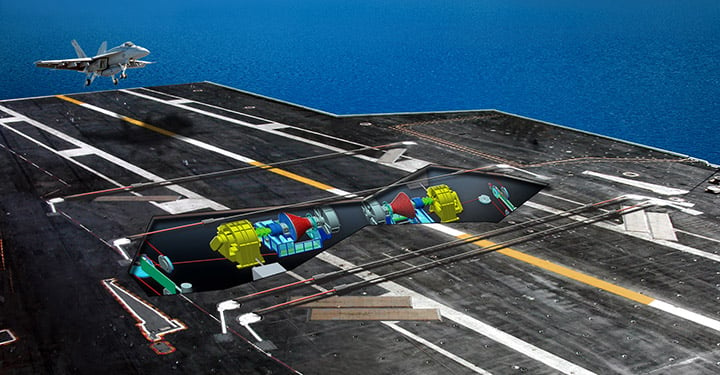
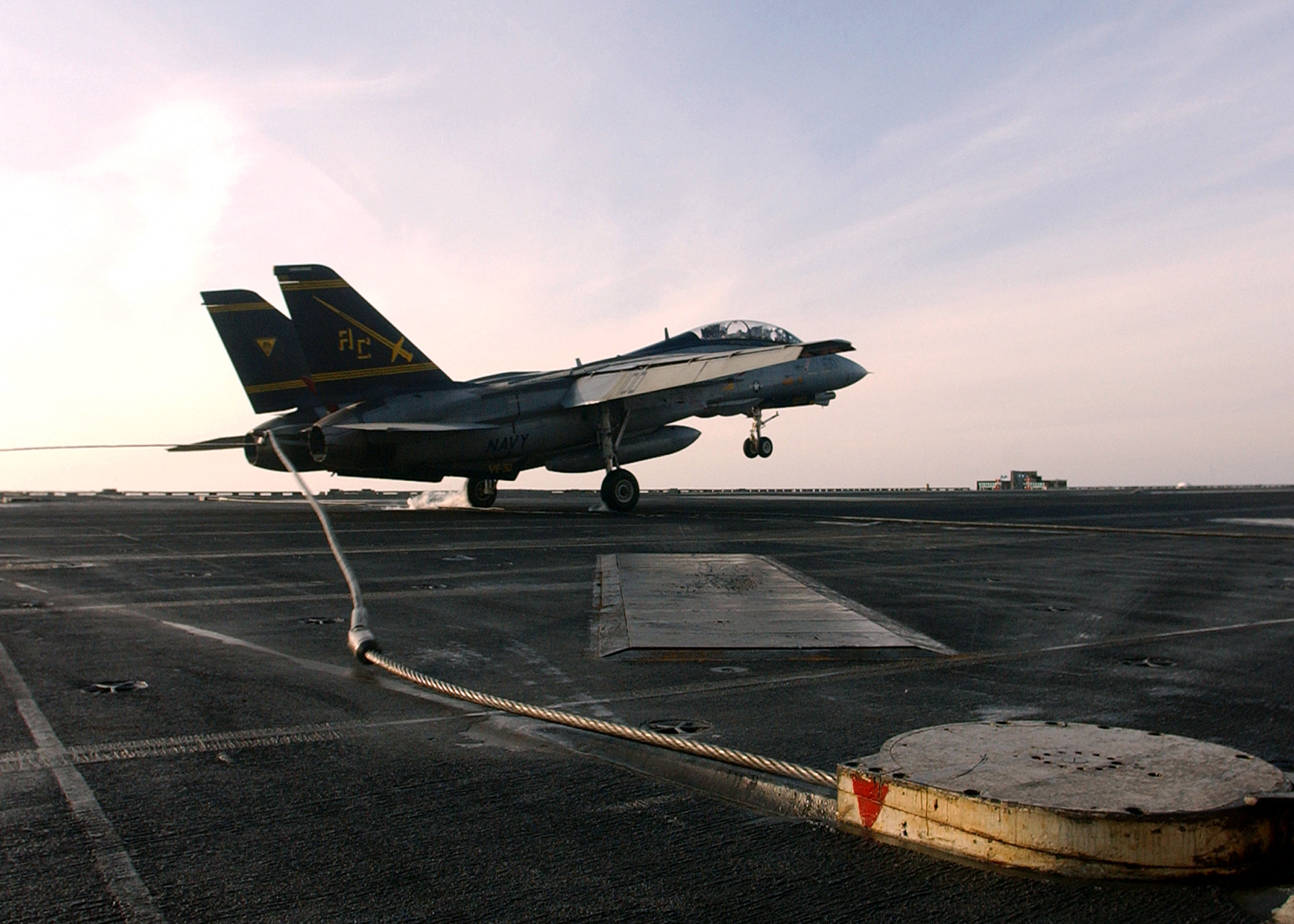
Flight operations on the ship are facilitated by four C-13 steam catapults and four arrestor wires, which allow for rapid launch and recovery of aircraft. An Optical Landing System (OLS) equipped with a Fresnel lens assists pilots during landing and provides a visual sightline for the landing.
Under operational stress, the carrier can achieve high sortie rates, with Nimitz-class carriers reportedly reaching up to 125 attack sorties daily. The Aviation Maintenance Department (AIMD) on board supports air wing maintenance by conducting mid-level aircraft system repairs.
Equipment and ammunition are securely managed in designated ammunition stores.
It’s important to note that a carrier may operate with various Carrier Air Wings (CVW) at different times, depending on the readiness levels of the air squadrons. During its most recent deployment, the carrier was paired with the 1st Aviation Wing, which includes the following squadrons: VFA-11, VFA-143, VFA-81, VFA-136, VAQ-144, VAW-126, HSC-11, HSM-72, and VRM-40.
Command, Control, Communications, Computers, and Intelligence (C4I):
The Combat Information Center (CIC) on the USS Harry S. Truman aircraft carrier functions as the core of command and control, where tactical data is gathered, analyzed, and relayed to the ship’s command to support operational decisions. This center is a component of the Navy’s integrated C4ISR framework, utilizing secure satellite communications to ensure stable and reliable connectivity across long distances. Truman employs the Joint Tactical Radio System (JTRS) and the Integrated and Floating Enterprise Network, referred to as CANES, to improve its communication capabilities. This sophisticated communications framework enables simultaneous connections to joint and coalition networks through Link 16 and the CEC Information Exchange System, facilitating real-time coordination of combat operations. Furthermore, the ship is likely linked to the Navy Integrated Fire Control System (NIFC-CA), which enhances the ability to track and engage airborne threats over extensive distances using a network of sensors and firing systems, significantly bolstering the task force’s air defense capabilities.
Crew and operational history:
The Nimitz-class generally accommodates around 3,200 personnel on board and roughly 2,480 aircrew members. The crew is divided into various departments, such as operations, engineering, navigation, weapons, medical, and logistics. The class features multiple facilities, including mess halls, gymnasiums, a media center, and medical and dental clinics. In-house logistical needs are fulfilled as well, with capabilities like desalination to produce drinking water and waste management.
The Truman has a rich history and has been deployed to the Middle East multiple times, notably in the Persian Gulf and Red Sea as part of Operations Iraqi Freedom, Enduring Freedom, and Inherent Resolve. It has also played a significant role in NATO exercises in the Mediterranean and has responded to regional developments. Additionally, its operational record includes missions in the Indian Ocean.
With an anticipated operational lifespan of about 50 years from its commissioning in 1998, and considering the execution of the Renovation and Overhaul (RCOH) program, the ship is projected to remain a key component of U.S. naval power into the 2040s. Ultimately, the USS Harry S. Truman will be succeeded by the next generation of Gerald R. Ford-class carriers.
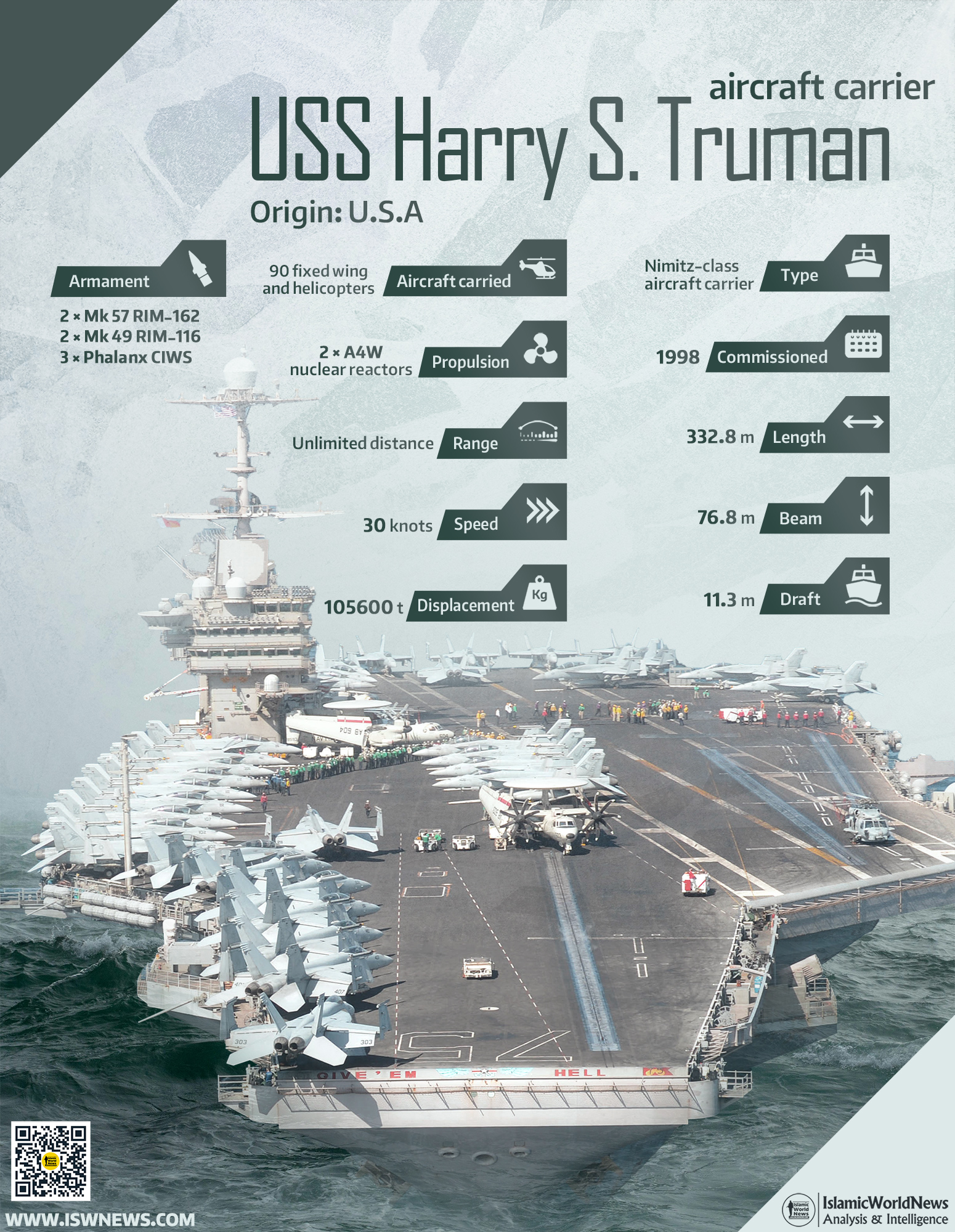
Specifications of USS Harry S. Truman aircraft carrier:
Type: Nimitz-class aircraft carrier
Origin: United States
Manufacturer: Newport News Shipyard
Commissioned: 1998
Length: 332.8 m
Breadth: 76.8 m
Draft: 11.3 m
Propulsion: Two A4W nuclear reactors, 260,000 hp
Range: Unlimited
Speed: 30 knots (56 km/h)
Weight: 105,600 tons
Armament:
2 × Mk 57 launcher RIM-162 missile
2 × Mk 49 launcher RIM-116 missile
3 × Phalanx close-in weapon systems
Aircraft carried: 90 fixed-wing and helicopters


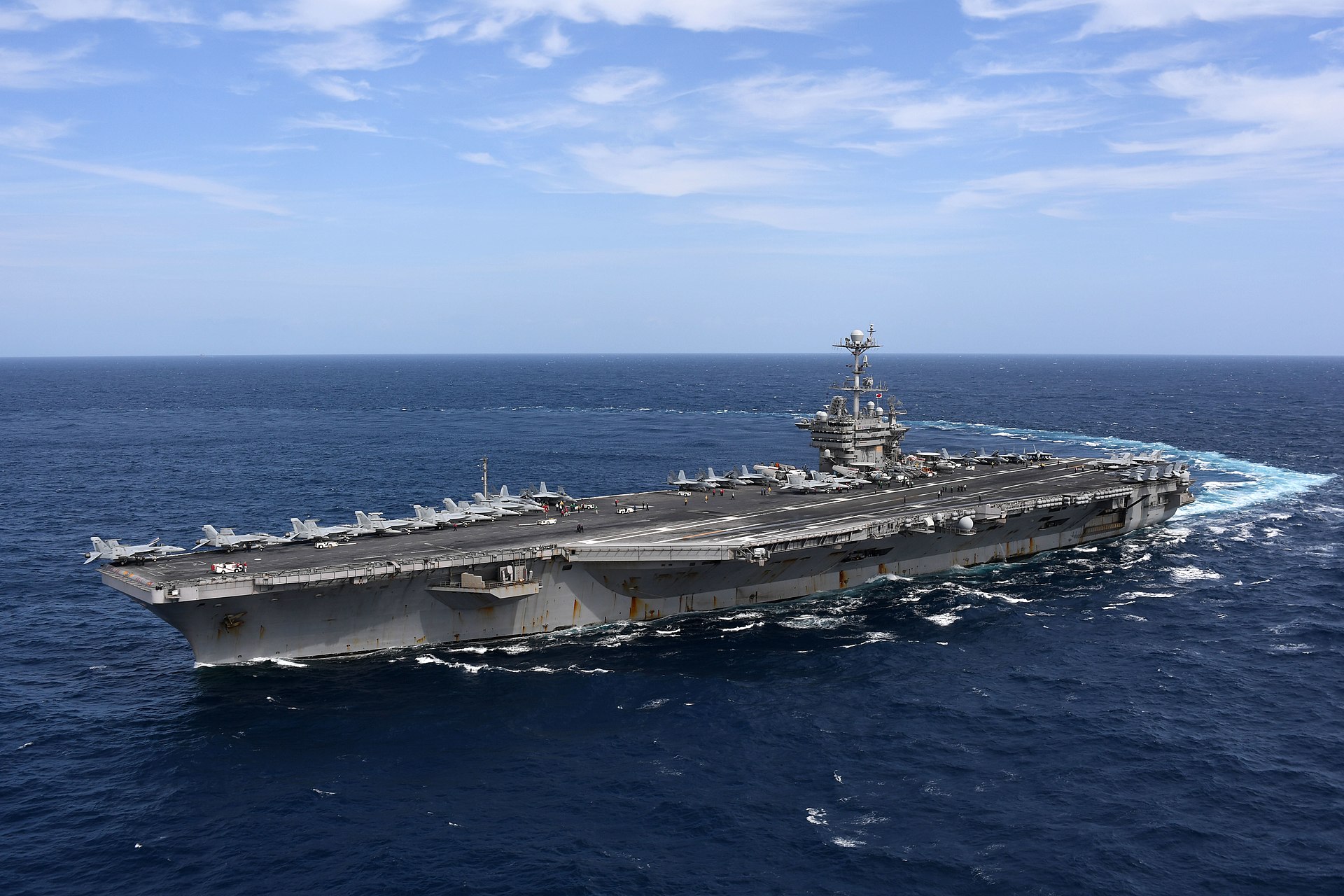
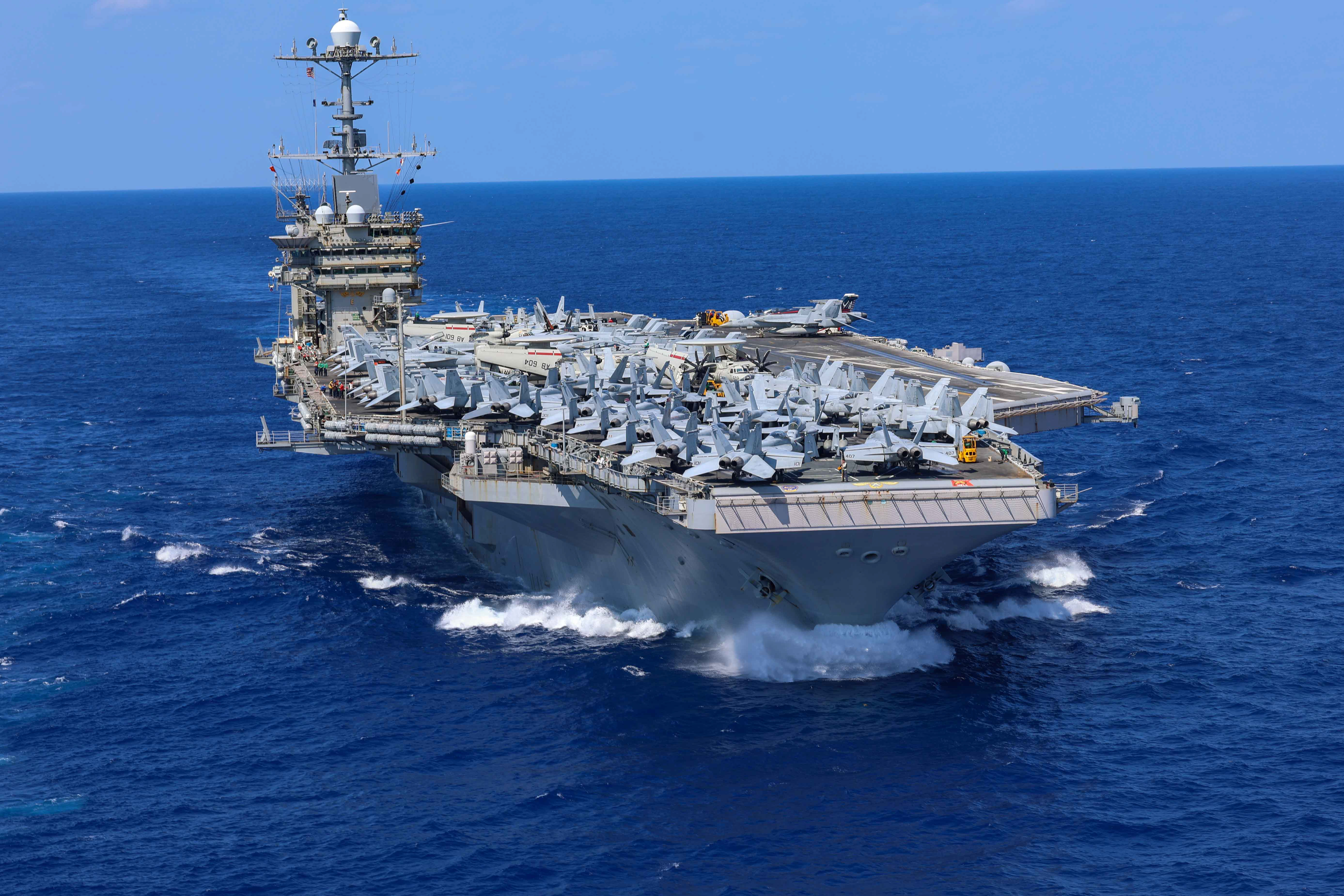
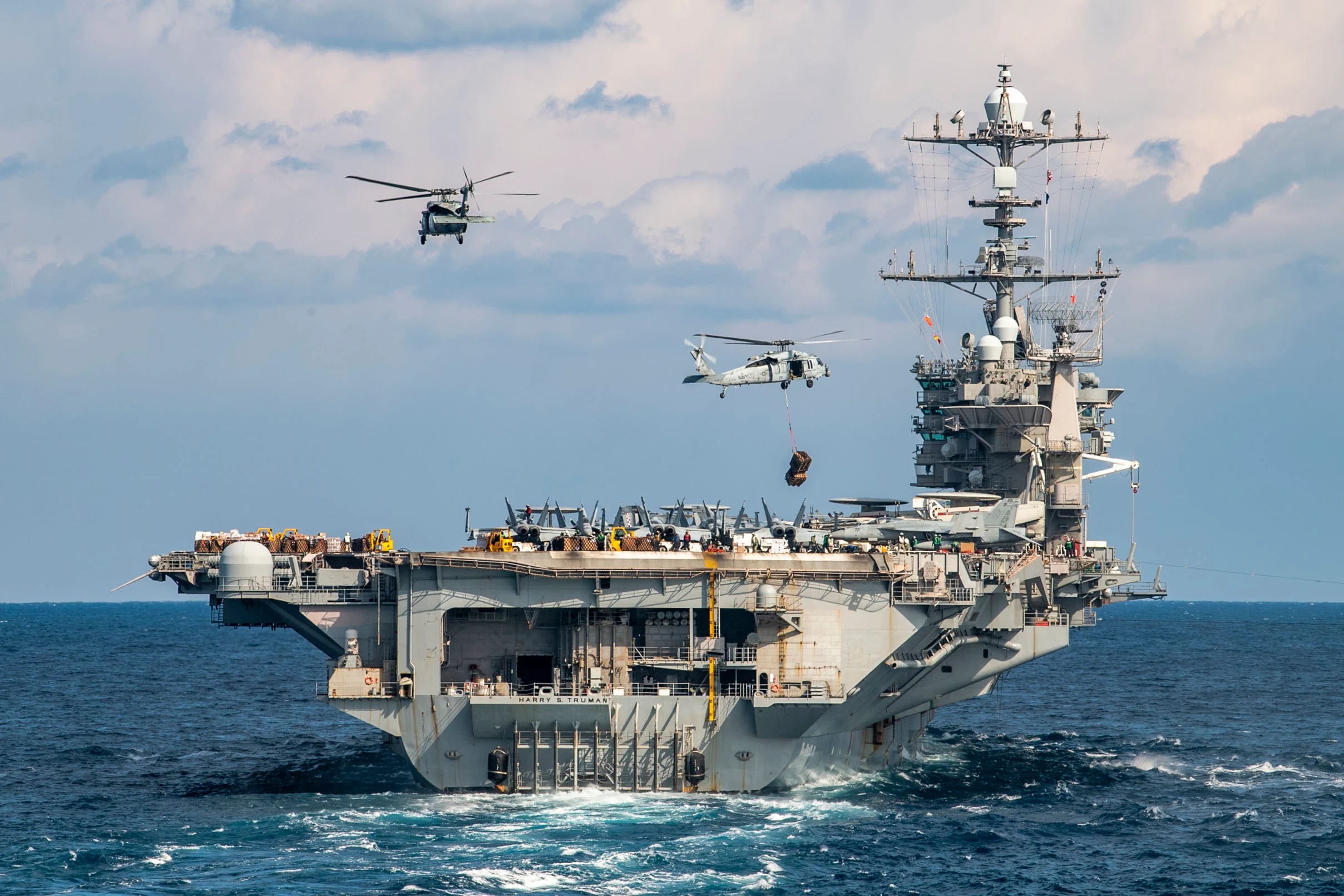
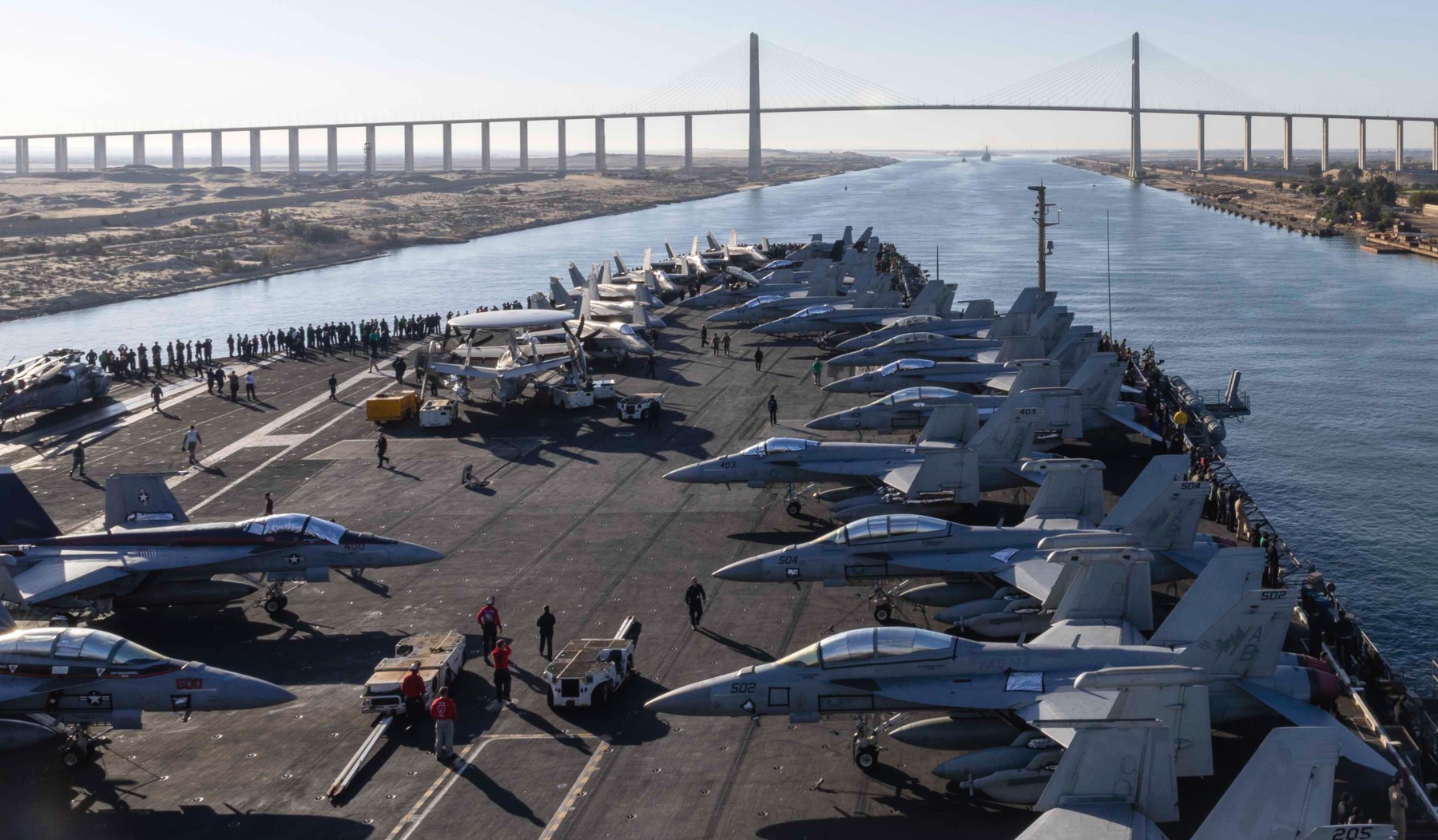
More images of the aircraft carrier USS Harry S. Truman:

Sources:
USS Harry S. Truman – Wikipedia – Facts & Figures – CVN-75 – U.S. Navy – Ship History – USS Truman Guide – Deployment Extension – Command History – Nimitz-Class Aircraft Carriers – New Challenges for Nimitz-Class – USS Truman Photo Album – Mid-Career Overhaul – Successful Ordnance Loading – Ship Departments – 2025 – Deployment Extension – Mediterranean Collision – CENTCOM Commander Visit – RIM-116 Rolling Airframe Missile (RAM) – Evolved Seasparrow Missile (ESSM) – Cooperative Engagement Capability (CEC) – AN/SPQ-9B Radar Set