Tag: Yoav Gallant

  • Gallant Warns of Renewed Conflict: Israel Prepares for Second War with Iran

    Gallant Warns of Renewed Conflict: Israel Prepares for Second War with Iran

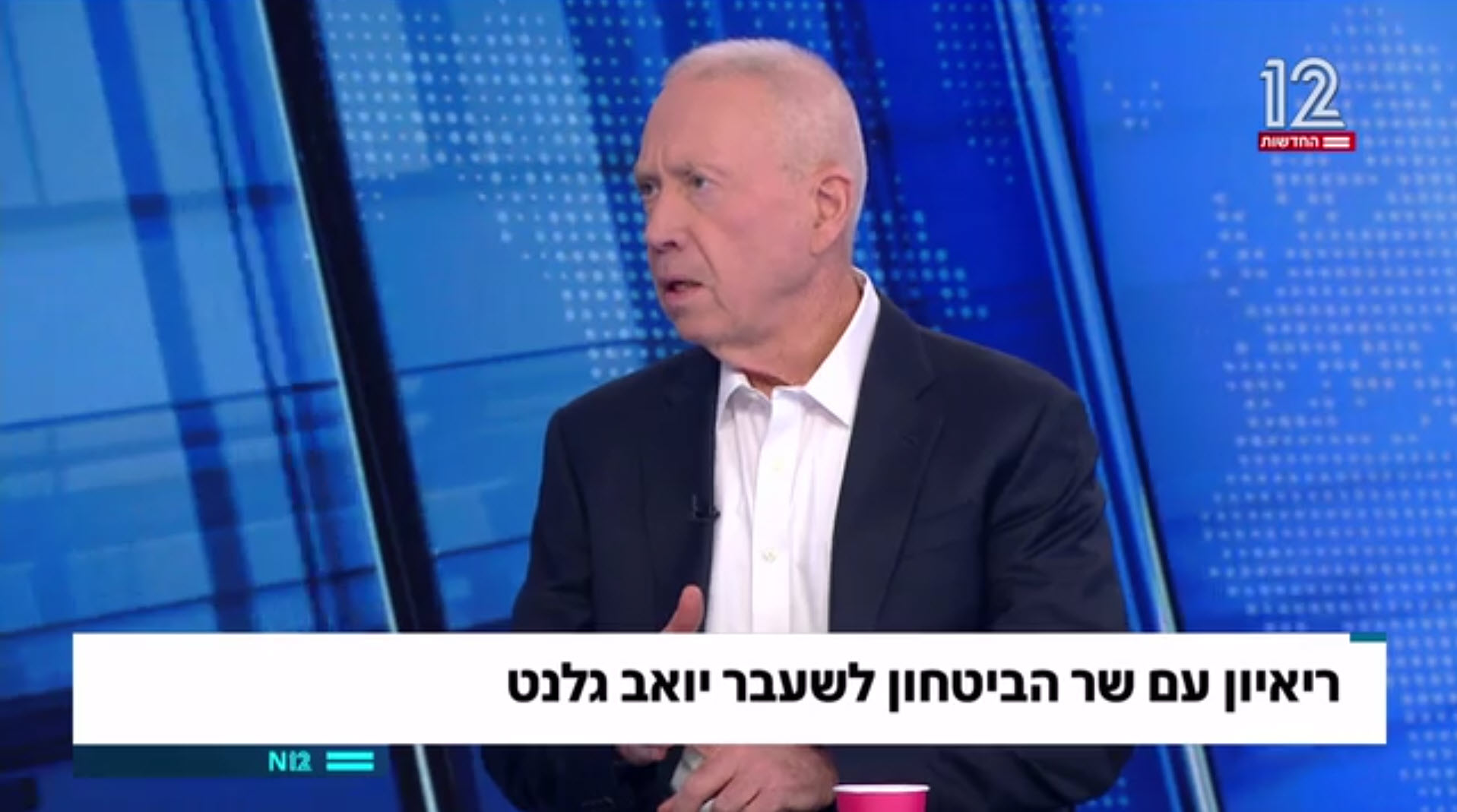
    In an interview with Israel’s Channel 12, Gallant criticized the Israeli intelligence agency Mossad’s earlier plans to counter Iran’s nuclear ambitions, calling them “ineffective and impractical.” He disclosed that the plans were officially scrapped in December 2024 after internal reviews concluded they lacked sufficient lethality, were too complex to execute, and failed to match the pace of Iran’s nuclear development.

    To reassess Israel’s strategy, Gallant formed a “Red Team” led by former Defense Minister Shaul Mofaz and a group of retired military commanders. Their conclusion: a full rejection of Mossad’s approach. Gallant now advocates for a large-scale aerial campaign, stating, “Hundreds of aircraft must drop tens of thousands of bombs over Iran to establish air dominance.”

    He also warned that any future strike must anticipate Hezbollah’s immediate involvement. However, Israel faces a critical ammunition shortage, exacerbated by the transfer of artillery shells to Ukraine.

    Gallant outlined four key outcomes of the recent Israeli military operation against Iran:

    • Collapse of Iran’s regional network: Hezbollah, Hamas, and affiliated forces in Syria were severely weakened, dismantling infrastructure built over four decades.
    • Destruction of air defense systems: Iran’s missile shield was neutralized, with uncertain prospects for recovery.
    • Damage to missile capabilities: Explosive production centers, over 200 launchers, and a significant portion of Iran’s missile stockpile were destroyed.
    • Strikes on nuclear facilities: The Isfahan site was nearly obliterated, Natanz suffered major damage, and the U.S. targeted Fordow with bunker-busting bombs.

    Gallant claimed that Israel’s deep intelligence penetration into Iran has unnerved Iranian officials and may be accelerating their pursuit of nuclear weapons. “We must remain on alert,” he said, “because the next round of war is coming.”

    When asked about targeting Iran’s Supreme Leader, Gallant admitted that such an operation was attempted during the initial strike but failed. He suggested it should remain part of future plans, whether against the current leader or his successor.

    He concluded with a warning to Tehran: “If Iran seeks revenge, it would be a grave mistake. We are now stronger, and they are weaker. The next round will be different—and we will have the upper hand.”

    Despite the assertive tone, Gallant’s remarks also reflect an acknowledgment of Israel’s limited deterrence. His admission that Iran could rebuild its missile, air defense, and nuclear infrastructure points to the temporary nature of recent military gains. Analysts suggest this could escalate regional tensions and prompt Iran to expand its own deterrence strategies.

    The former minister’s comments underscore a growing consensus in Tel Aviv: the conflict with Iran is far from over, and a second phase may be imminent.
  • Israeli PM Sacks War Minister Yoav Gallant

    Israeli PM Sacks War Minister Yoav Gallant

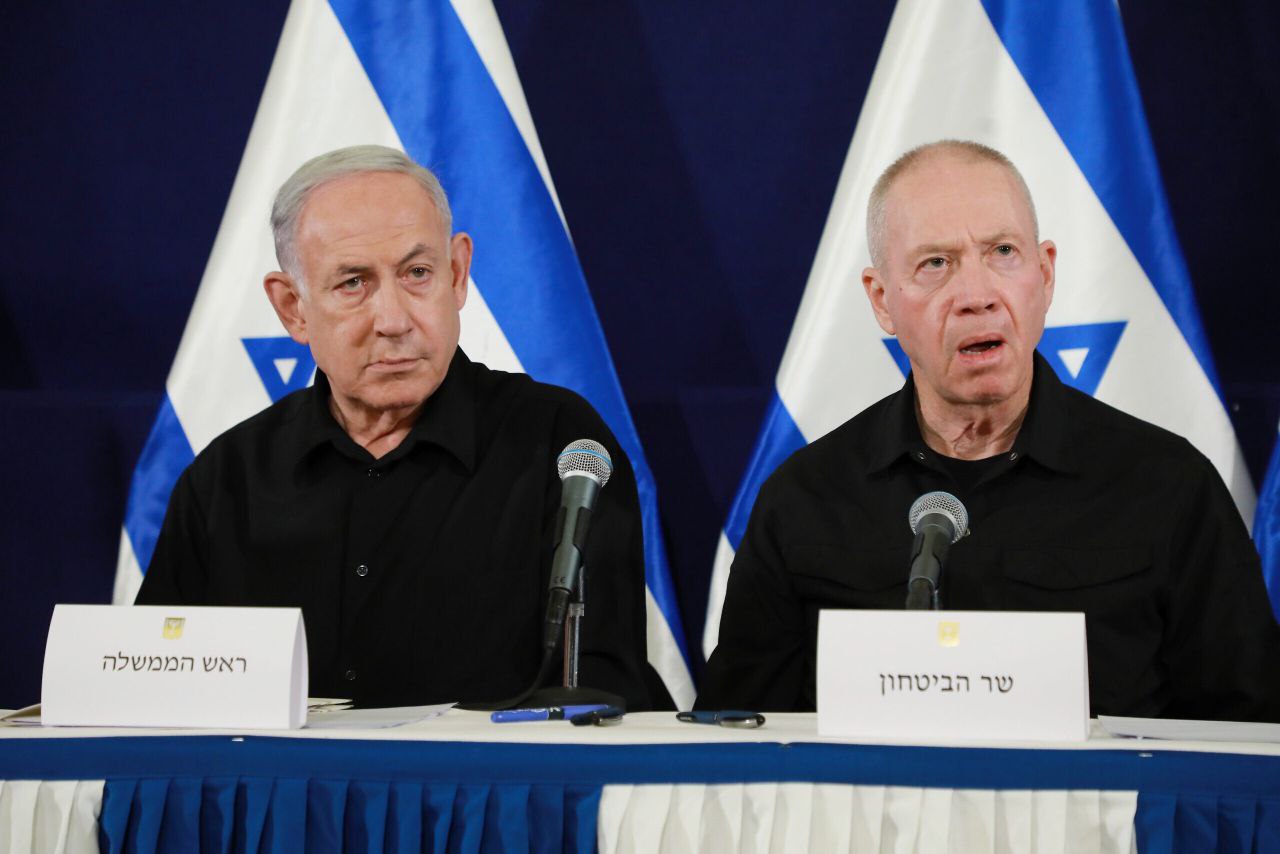
    On November 5, Prime Minister of the Zionist regime Benjamin Netanyahu removed his War Minister Yoav Gallant.

    Following Gallant’s dismissal, Netanyahu introduced current Foreign Minister Israel Katz as the new War Minister. Gideon Sa’ar was also appointed as the new foreign minister.

    In a press conference announcing Gallant’s removal, Netanyahu emphasized the necessity of complete trust between the prime minister and the war minister, stating that the crisis of distrust between him and Gallant made the continuation of the war in the current manner impossible.

    Gallant’s dismissal has caused various reactions among Netanyahu’s supporters and opponents. Families of Israeli captives in Gaza, reacting to Gallant’s removal, described it as another step by Netanyahu to thwart any efforts to reach a prisoner exchange agreement with the Palestinian resistance Hamas.

    Minister of Security of the Israeli regime Itamar Ben Gvir congratulated Netanyahu on Gallant’s dismissal, asserting that there was no possibility of achieving a complete victory in the war with Gallant in charge.

    This decision had been made months ago due to disagreements between Netanyahu and Gallant, but it had not been implemented due to the Biden administration’s support for Gallant. The timing of Gallant’s dismissal, coinciding with the US presidential elections, indicates Netanyahu’s hope for Donald Trump’s victory.

  • Agreement with Hamas not to prevent attacks on Hezbollah: Israeli War Minister

    Agreement with Hamas not to prevent attacks on Hezbollah: Israeli War Minister

    Yoav Gallant also threatened to continue bombing positions of the Hezbollah in Lebanon until their objectives are achieved. He had previously promised to eliminate Hezbollah from the Litani River in southern Lebanon, either through a political agreement or through military action.

    So far, in the exchange of fire between the Israeli regime and Hezbollah, more than 205 Lebanese fighters have been killed and several others injured. On the other side, significant human casualties have been inflicted upon the Israeli regime, but it refrains from disclosing its actual losses.

    It is worth mentioning that during Hezbollah’s attacks on Israeli positions, two Iron Dome systems, at least 28 soldiers, 25 tanks, and 4 logistic vehicles have been targeted and destroyed.

    In recent days, the Israeli regime has intensified its attacks on the Lebanese resistance movement in comparison with previous weeks. The nature of the attacks and the position of Israeli authorities indicate their aim to maximize gains from the conflicts in northern occupied territories of Palestine.

    Therefore, it can be said that the war in northern Israeli-occupied territories and southern Lebanon is like a double-edged sword, which has put pressure on the Israeli regime but could also have the opposite result. The management of the battlefield and timely implementation of counter-tactics will play a key role in the future success or failure of the Lebanese resistance movement in these conflicts in the war zone.

  • Israeli Army Chief Vows To Resume Operations In Gaza Once Ceasefire Is Over

    Israeli Army Chief Vows To Resume Operations In Gaza Once Ceasefire Is Over

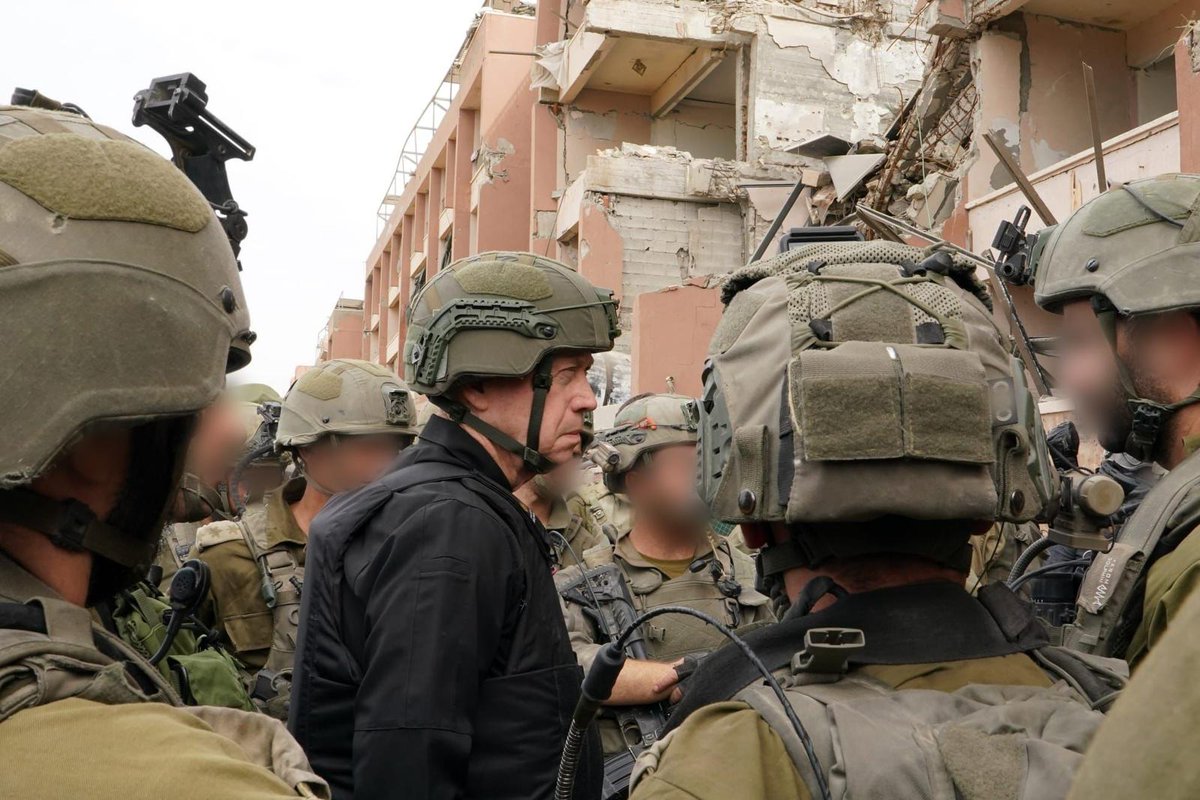
    Gallant arrived in Gaza City by sea along with Commander of the Israeli Navy David Saar Salama.

    Gallant spoke about the method and process of seizing concessions from the Palestinian resistance movement Hamas.

    He said, “Our ability to bring the first group of hostages is due to the pressure applied by the army. As soon as military pressure is applied, they (Palestinian resistance) request a ceasefire. When you increase the pressure, they want another ceasefire. When you increase the pressure even more, they are ready to come up with a proposal (to give concessions), and when you increase the pressure even more than that, they are ready to come to us with a proposal that is acceptable to us. This is our entire approach (and working principles). We cannot leave the Gaza operation and war until we reach a situation where we return all hostages.”

    Gallant reiterated his previous war-mongering positions and emphasized: “The ceasefire will be short. Any further negotiations will take place under fire. This means that if they want to talk about the next agreement, these talks will take place while bombs are falling on them and our forces are at war. This is the foundation.”

    It is clear from Gallant’s statements that the Israeli regime intends to immediately resume military operations in the Gaza Strip after the current four-day ceasefire, which it was forced to accept due to international pressure; so, the regime plans to put more pressure on Palestinian resistance groups in order force them to surrender or give more concessions.