
Taiwan’s Armament Crisis: cascading U.S. weapons delays push Taipei toward a new “T-Dome” defense shield
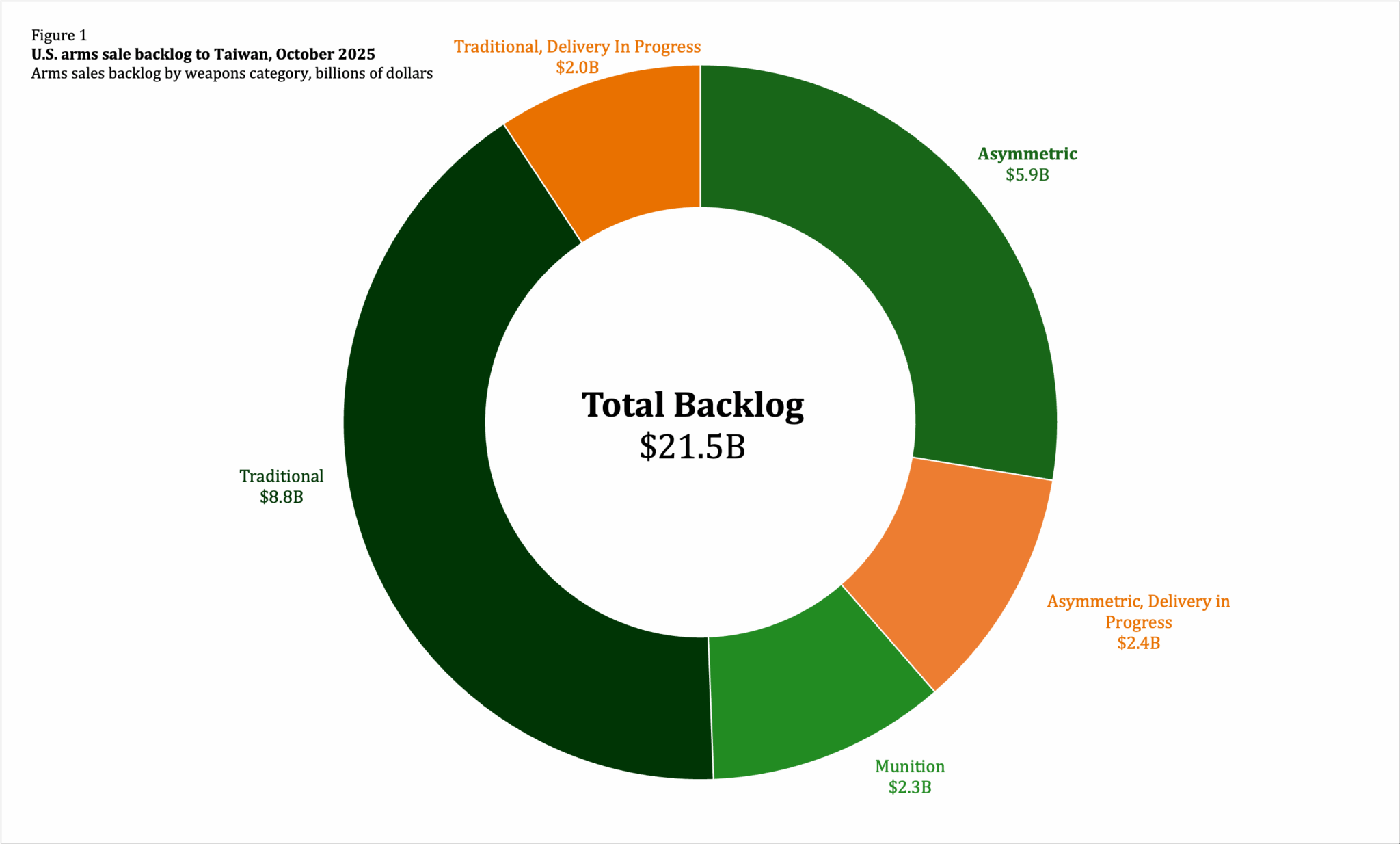
In October 2025, the backlog of U.S. arms sales to Taiwan worsened slightly, as the Lai administration acknowledged new delays during questioning in the Legislative Yuan. Despite a Trump–Xi summit, U.S. policy toward Taiwan remained unchanged, meaning future arms sales are still possible. The total value of delayed sales remains at $21.54 billion.
Major setbacks include the F-16 Block 70/72 fighters, which were expected to begin arriving in 2025 but are now postponed to 2026. The long-delayed AGM-154C glide bombs (first notified in 2017) and the Mk-48 heavyweight torpedoes have also encountered further delays. Taiwan is now projected to receive only part of its torpedo order in 2027–2028.
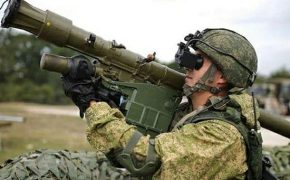
Meanwhile, President Lai announced a new “T-Dome” air and missile defense initiative, inspired by Israel’s Iron Dome. Taiwan is considering major U.S. air-defense purchases, including nearly 2,000 additional Stinger missiles, a second phase of NASAMS procurement (nine more batteries), and four more Patriot batteries with 500 interceptors. None of these potential purchases have yet been formally notified to Congress.
Overall, while the backlog is not expanding, delays are deepening, and key programs continue to slip. The future of Taiwan’s defensive modernization now hinges on its five-year special procurement budget and on coordinated U.S.–Taiwan efforts to align funding, contracting, and delivery schedules.

Comment