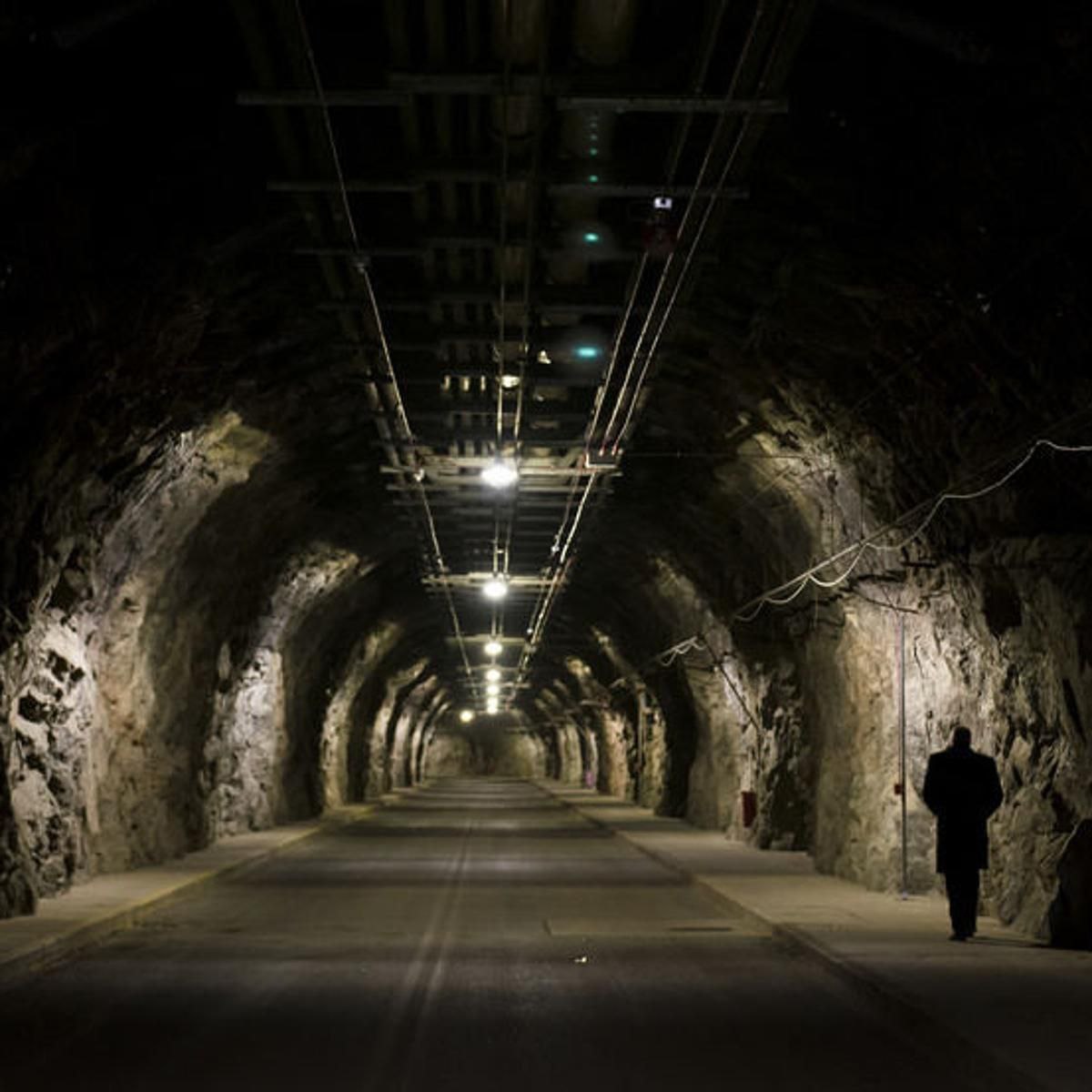
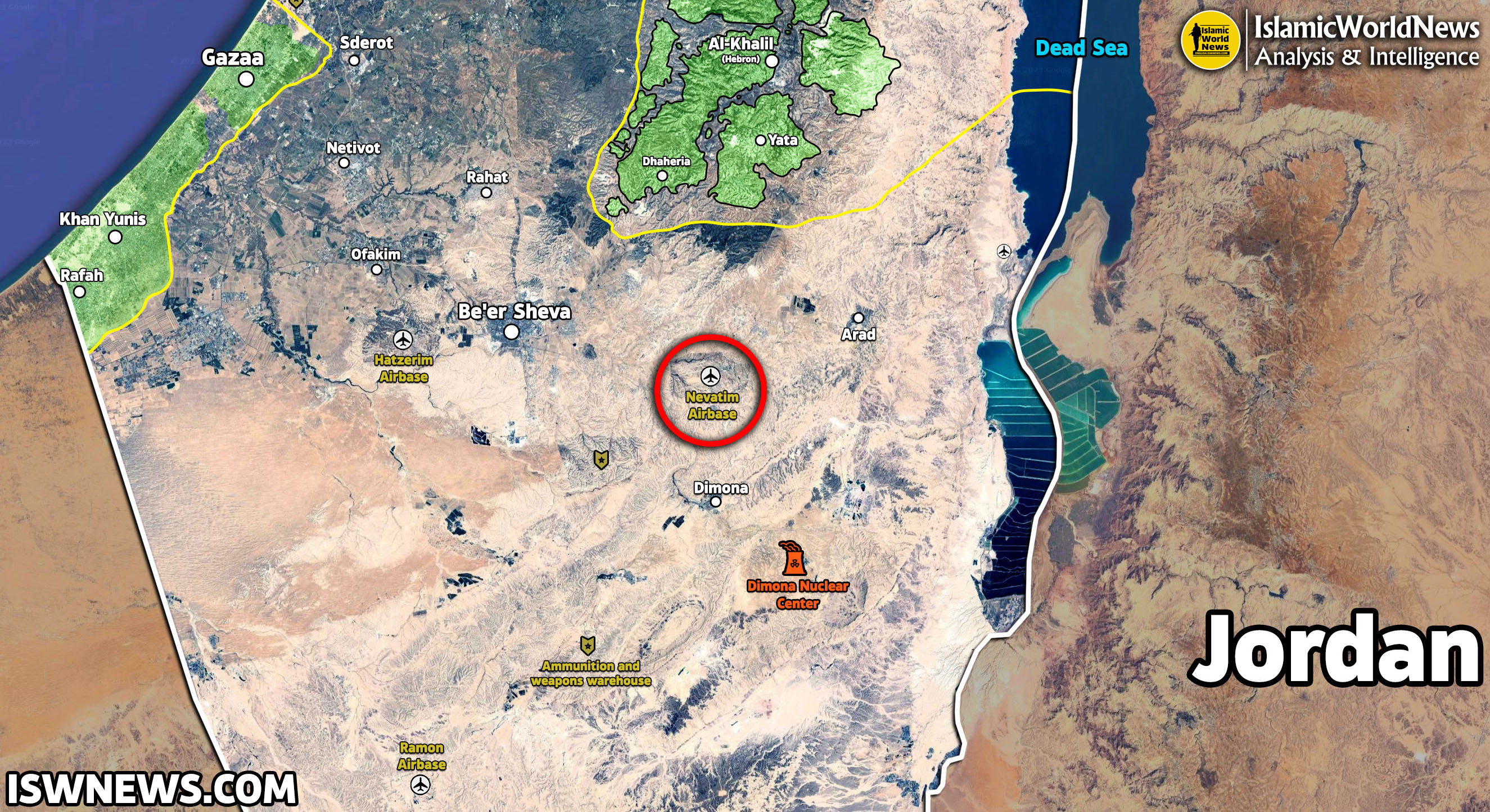
The underground model is effective for strategic facilities, offering advantages in security and economic matters. Iran has built underground missile, air, and drone bases in recent decades, preventing many enemy actions.
The Israeli security agencies’ focus on building underground bases shows a correct assessment of Iran’s strengths. Instead of spending on multiple defense layers with radar and missile systems, they have opted for underground bases.
If Israel relocates its strategic bases and weapons underground, Iran’s opportunity for effective missile attacks on the occupied territories and their military equipment will be significantly reduced.
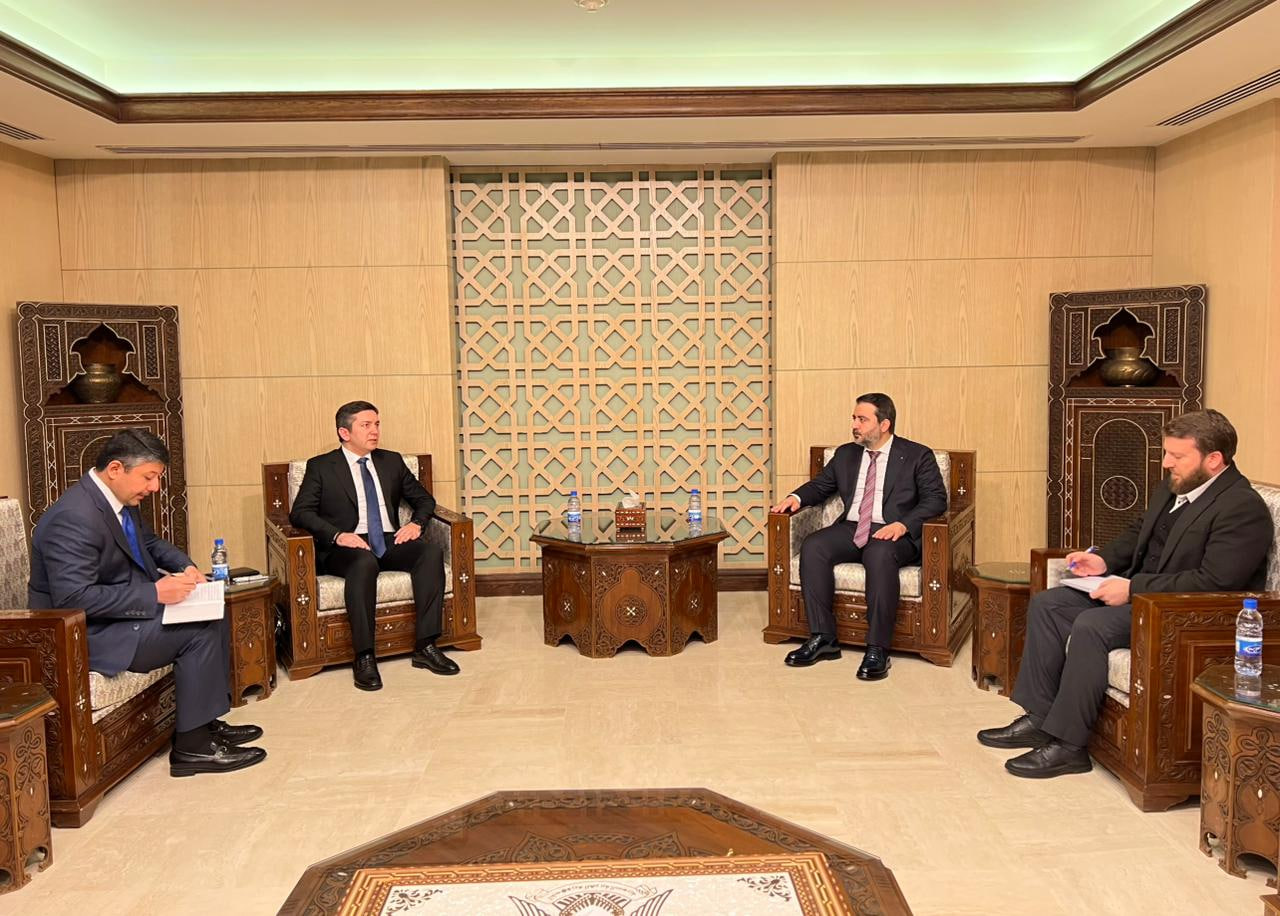
During the meeting, both sides agreed to begin a new chapter in long-term relations between Azerbaijan and Syria, focusing on friendship and cooperation. The Azerbaijani Foreign Ministry issued a statement: “Together with Turkey, this country stands by Syria at this important stage and will support the reconstruction process.”
One key issue raised was the reopening of Azerbaijan’s embassy in Damascus after 12 years.
A convoy of 10 trucks carrying 200 tons of food has departed from Baku, Azerbaijan’s capital, bound for Syria. The convoy will enter Idlib via Georgia and Turkey, with aid provided through the Turkish Disaster and Emergency Management Agency (AFAD).
Turkey, a main supporter of Tahrir al-Sham and the Syrian interim government, maintains close relations with Baku in all matters. With Turkey’s active support, relations between Baku and Damascus are expected to increase significantly in various fields in the coming months.
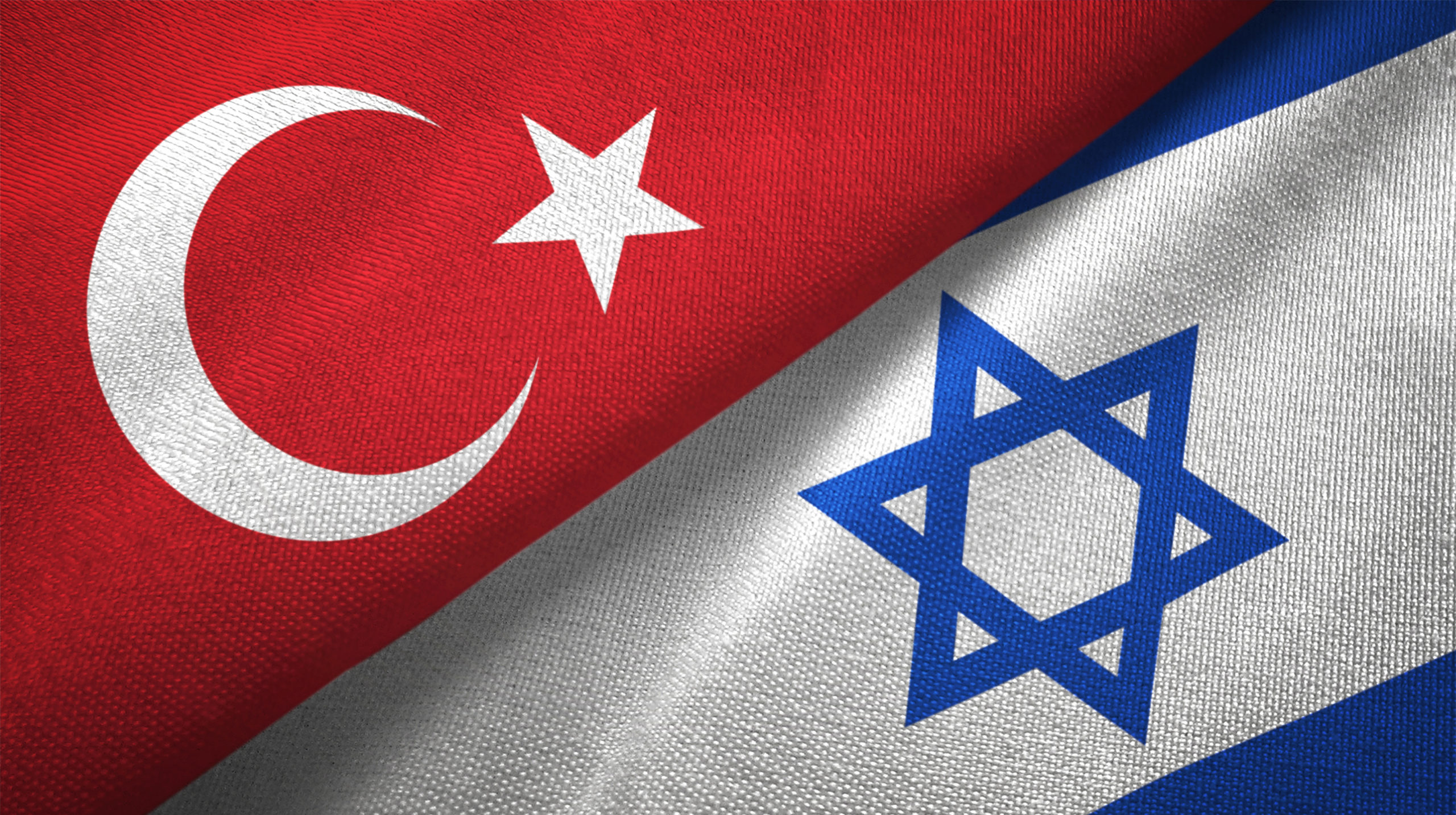
After the start of the Gaza war, tensions between Turkey and the Israeli regime escalated due to verbal disputes between Erdogan and Netanyahu. Baku, with its extensive economic, political, and military ties to both the Turkish government and the Israeli regime, can act as an effective mediator and facilitator between Ankara and Tel Aviv. Thus, one of Baku’s main reasons for seeking to reduce tensions in Syria is to promote cooperation and alignment between Israel and Turkey.
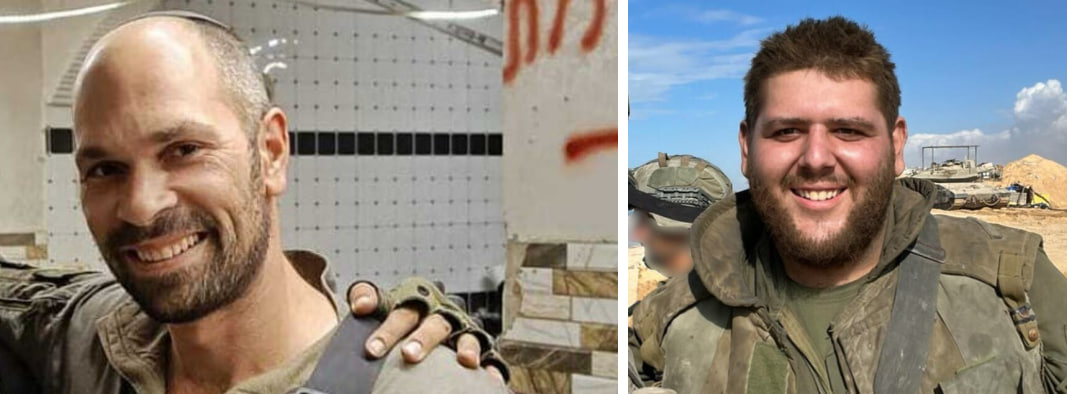
Amit Levy from the 551st Brigade was killed in the central Gaza Strip, and Staff Sgt. Yuval Shoham from the 401st Armored Brigade’s 9th Battalion was killed in northern Gaza.
Additionally, a soldier from the Givati Brigade’s Tzabar Battalion was seriously injured in Beit Hanoun in northern Gaza.
The IWN investigations indicate that the number of alleged Israeli deaths since the start of the ground attack on the Gaza Strip has increased to 397.
The total number of “military” deaths, according to the Israeli regime’s claims, since the beginning of the war has reached 824.
In 2015, Israel and Russia agreed to coordinate operations in Syria, which involved direct communication between the Kremlin and the Israeli Prime Minister, as well as between the highest levels of security, including the Russian National Security Council and the Israeli Internal Security Advisor. There was also a direct connection between the Russian Hmeimim base and the Israeli army intelligence department in the occupied Golan.
By seeking close contact with Tel Aviv and establishing a new coordination mechanism, Ankara aims to increase its influence and play a more significant role in Syrian affairs, enhancing its position as a major player in the country’s political landscape.
It is likely that Israel will accept this proposal, using Turkey’s close relations with the Syrian transitional government and militant groups in Syria as a mediator and leverage to manage possible tensions with the militants and to gain strategic advantages in southern Syria against the current and future government in Damascus.
This action occurred amid protests by residents of the occupied areas in southern Syria over the security situation in their towns and villages. Today, a group of residents from the village of Ma’arba traveled to Daraa to discuss the occupation and the Israeli presence in southern Syria with officials from the HTS Military Operations Directorate.
Despite the indifference of Tahrir al-Sham and other militant groups in Syria, the Israeli army continues to advance and inspect border villages without facing significant resistance.
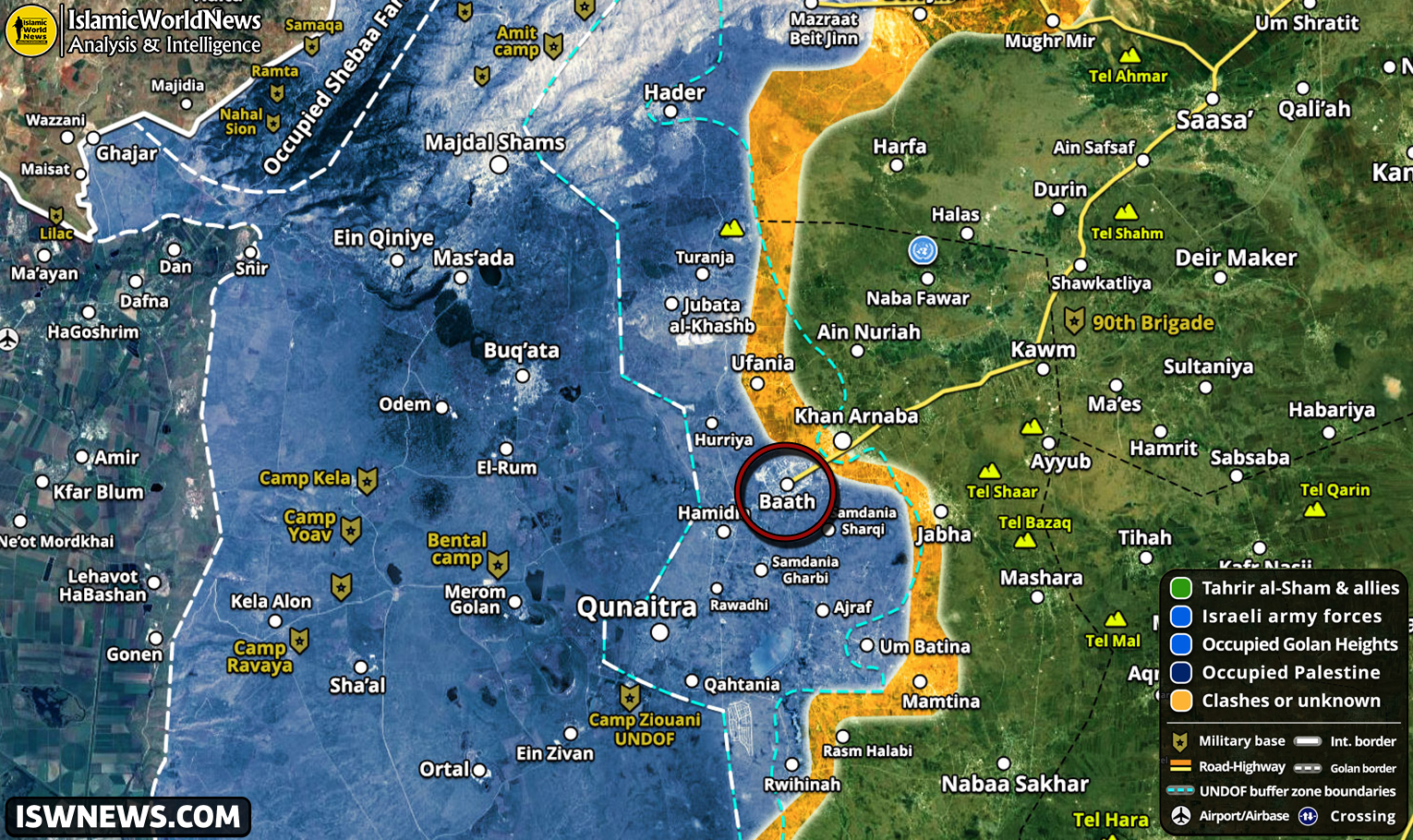
The Israeli regime’s ground operations in Syria began on December 7, following the fall of the central government. Israeli army has so far captured more than 25 towns and villages in the provinces of Quneitra and Rif Dimashq.
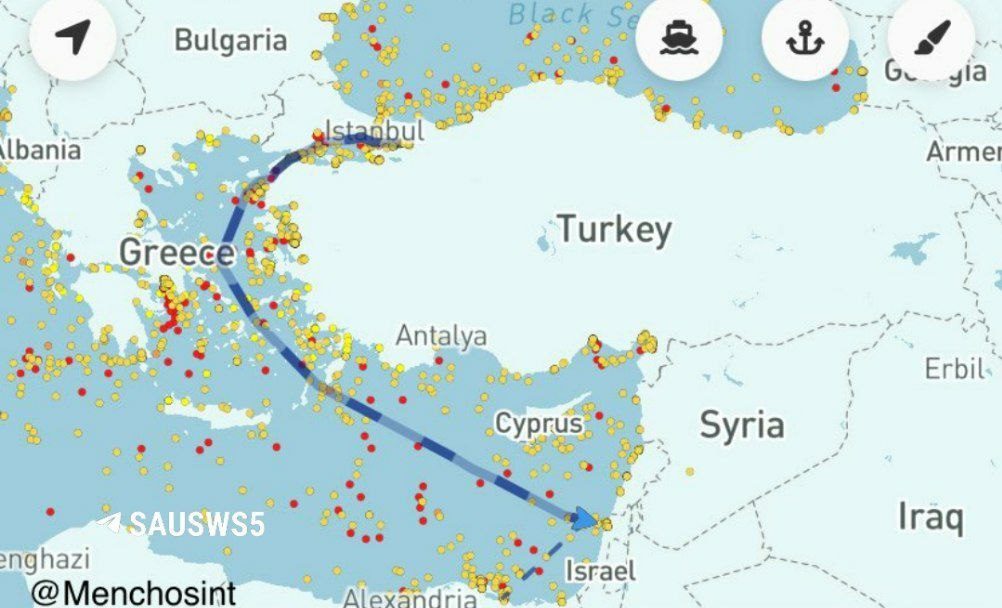
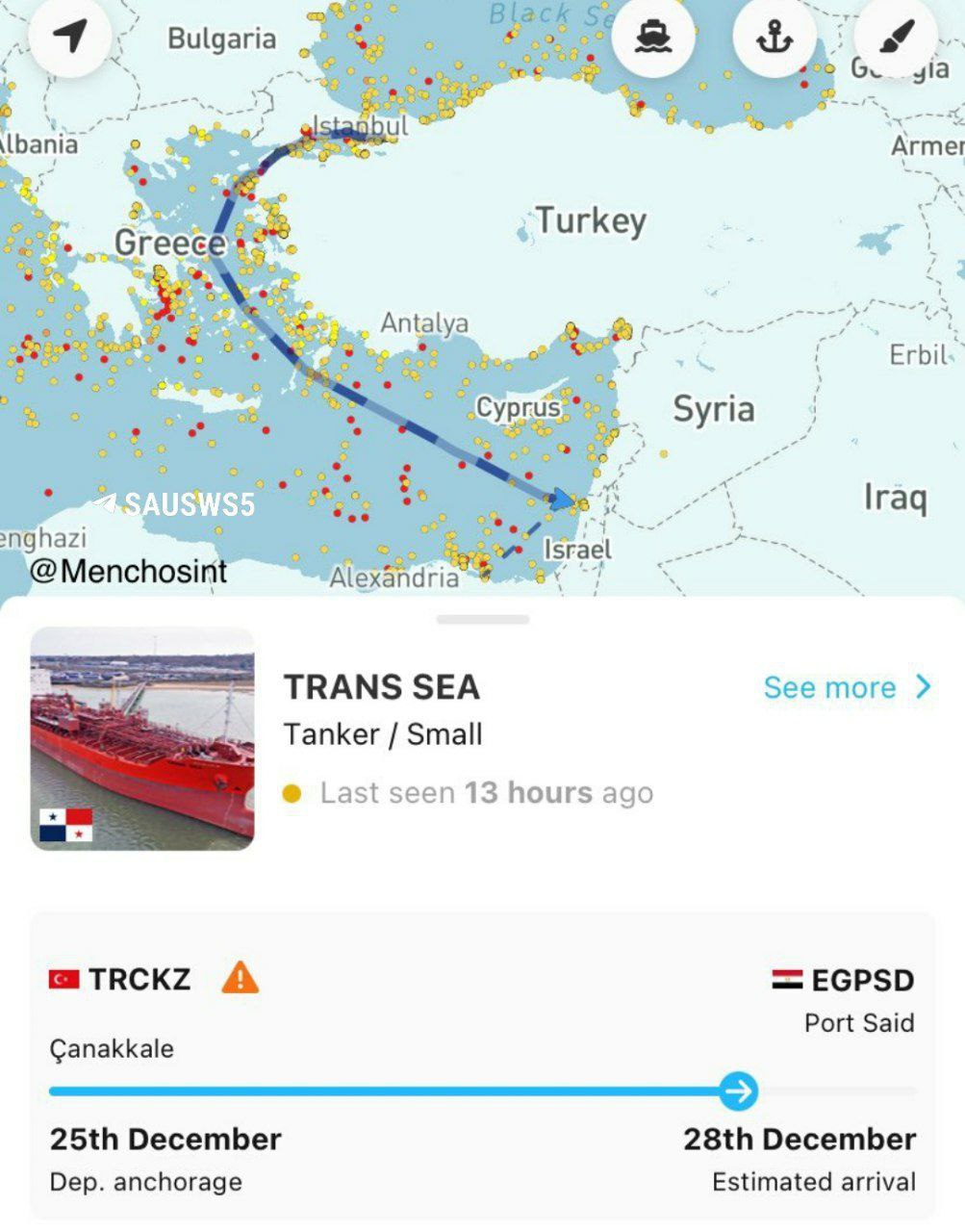
The TRANS SEA tanker, loaded with oil and chemicals, departed from Diliskelesi port in Turkey and made its way to Haifa port in occupied Palestine.
Initially, navigation sites listed “Port Said in Egypt” as its destination. However, the ship altered its course midway, turned off its Automatic Identification System (AIS), and headed to Haifa instead.
Despite all the rhetoric from Erdogan and the Turkish media about Islam and supporting Palestine, Turkey’s covert trade with Israel persists!
TRANS SEA tanker departed from Turkey and made its way to Haifa port in occupied Palestine.
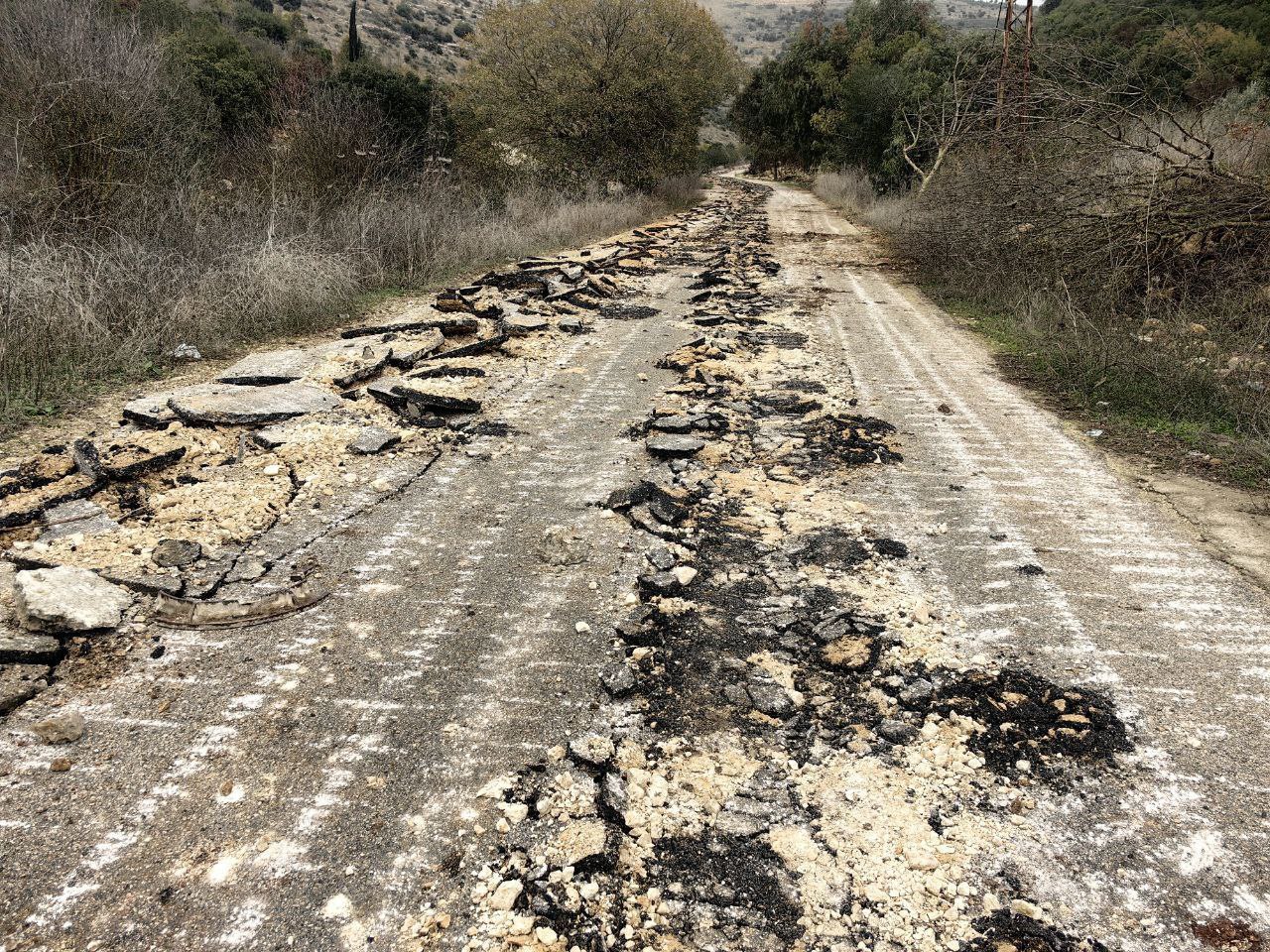
Israeli bulldozers blocked the road by uprooting trees, tearing up asphalt, and creating an embankment.
Israeli army destroying the roads in Wadi Hujeir
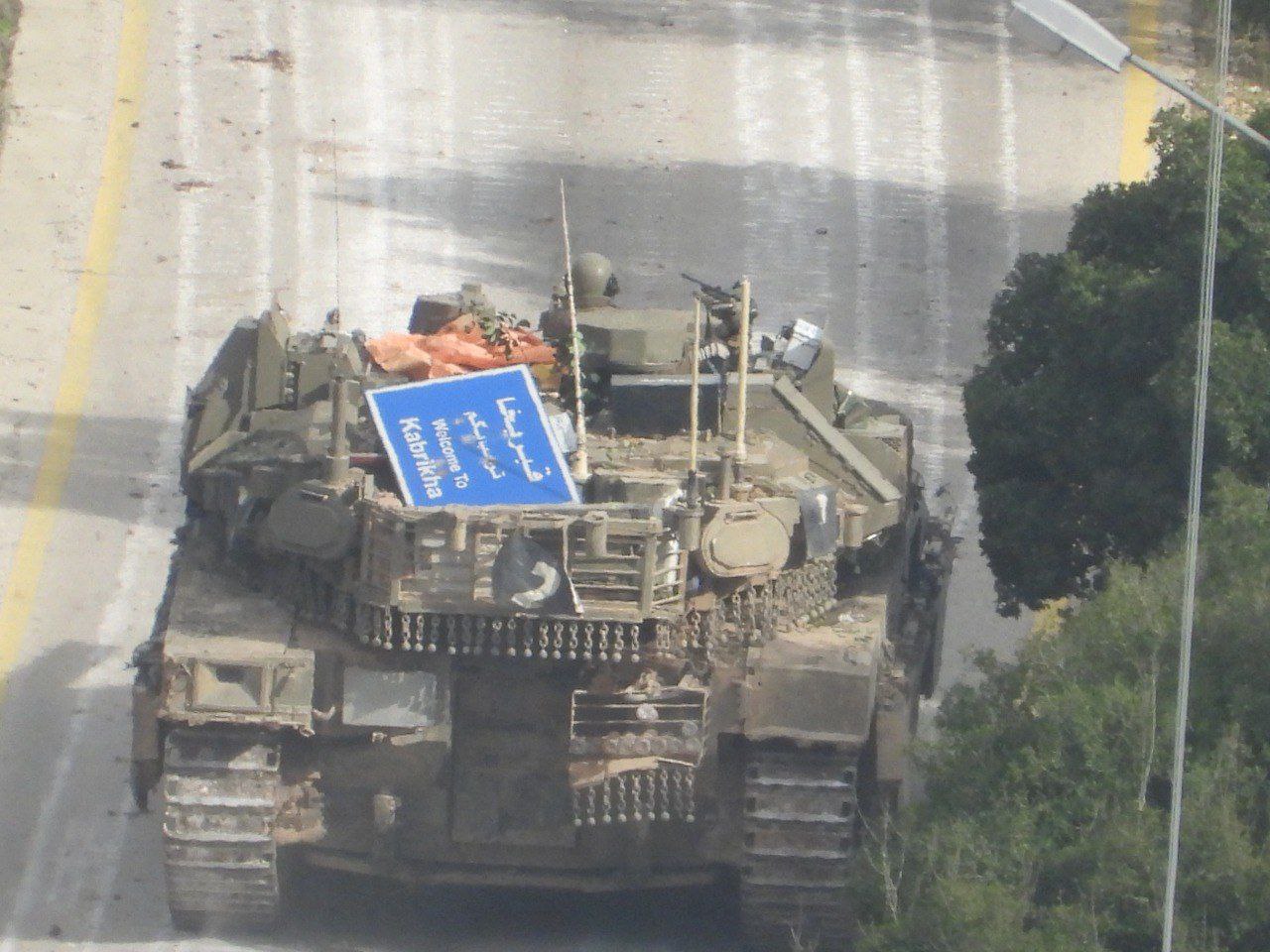
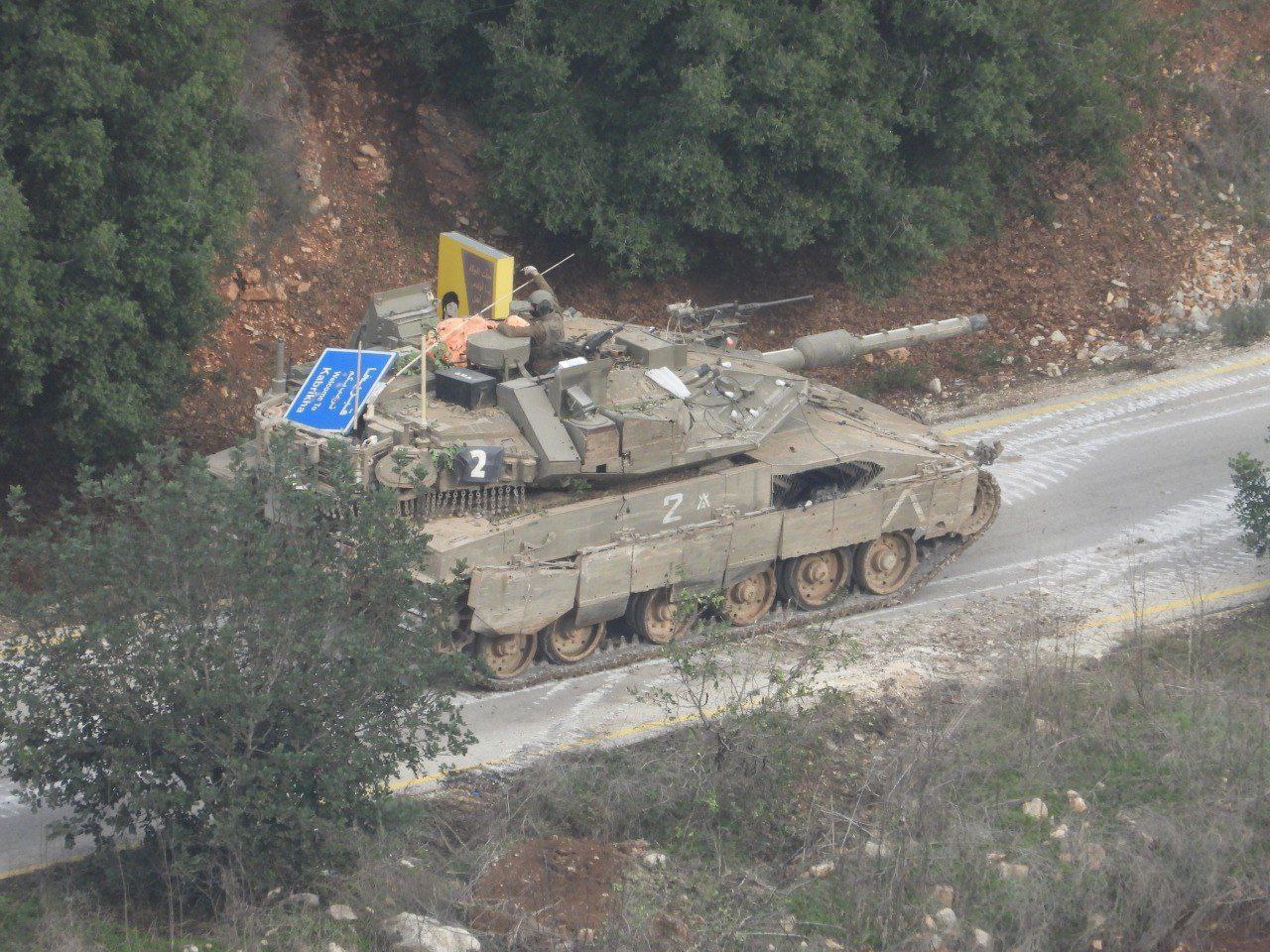
In another provocative act, sadistic Israeli soldiers uprooted the sign from the Qabrikha junction and carried it across the road with their tanks!
Israeli soldiers uprooted the sign from the Qabrikha junction
The Monitoring Committee and the Lebanese government have yet to take effective action against Israel’s repeated ceasefire violations and their destructive actions in southern Lebanon.
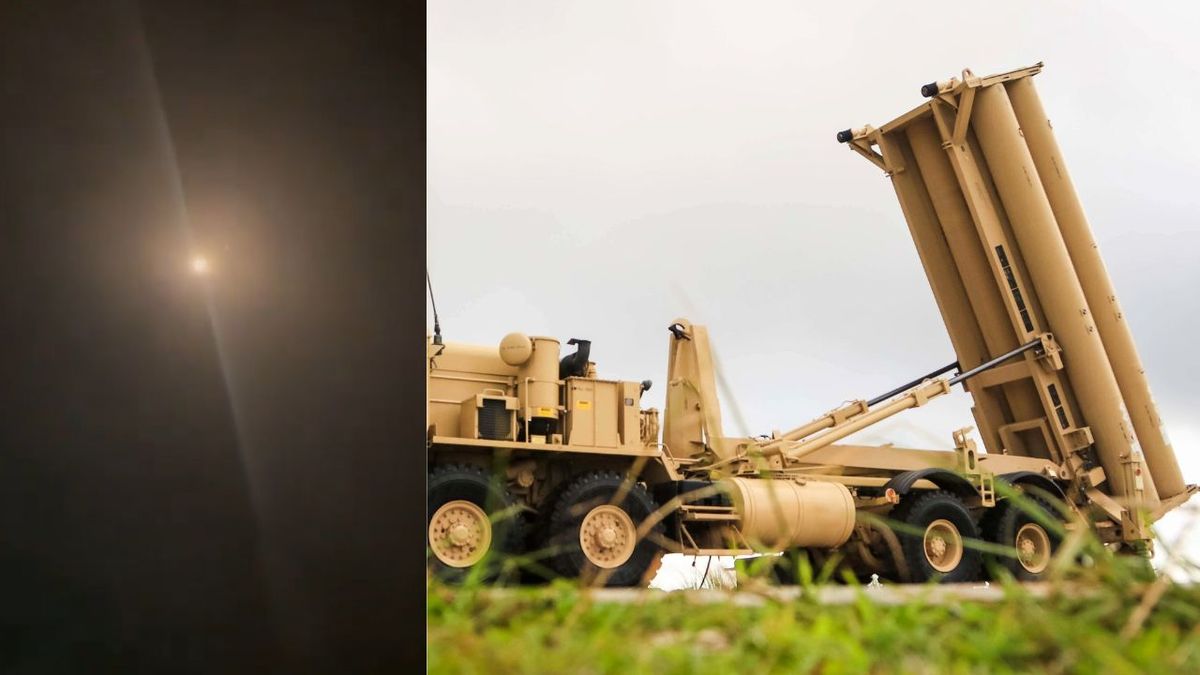
In mid-October, the United States deployed two or three THAAD anti-ballistic missile system batteries, along with about 100 American military personnel, in the occupied territories. Initially, the THAAD system was deployed to counter potential Iranian retaliatory attacks on sensitive Israeli sites. However, it seems that following the failure of the Israeli Arrow-2 and Arrow-3 anti-ballistic missile systems to counter Yemeni hypersonic missiles, the THAAD system was brought in to assist.
According to Israeli sources, this marks the first activation of the THAAD system since its deployment in occupied Palestine. In the video, American military personnel excitedly exclaimed, “18 years waiting for this!”
THAAD activated in Israel on December 27
But how effective is THAAD really?
In short, against one or two ballistic missiles, the THAAD system is quite effective. However, it struggles against a large number of incoming missiles.
Each THAAD system battery has 6 launchers, each with 8 missiles, totaling 48 missiles per battery. The United States has 7 THAAD batteries, which are strategically important for defending sensitive American locations. Lockheed Martin, the manufacturer of THAAD, has produced and delivered about 800 THAAD missiles to the US Army. Of these, 336 are needed for the 7 American batteries, with the remainder in reserve.
Given this information, it’s clear why the US has provided Israel with two to three batteries of the THAAD system. The production of THAAD systems and missiles is limited, and the United States cannot supply all the THAADs and missiles it needs to Israel.
If Israel has three THAAD batteries, that means 144 interceptor missiles are ready for use, supplemented by a small portion of the US THAAD missile reserves.
The primary purpose of deploying these systems in Israel is to counter Iranian attacks. However, the system can easily become overwhelmed by a large volume of missiles, such as 200 in a single operational mission, significantly reducing its defensive capabilities. The key to the success of Yemeni attacks, similar to Iran’s approach, lies in effectively saturating these systems. The more hypersonic missiles are fired, the higher the success rate of Yemeni operations!
Brigadier General Yahya Saree, the spokesperson for the Yemeni armed forces, stated that the MQ-9 drone was brought down by a locally-made Yemeni missile.
This marks the 17th MQ-9 drone shot down during the Yemeni conflict. Additionally, 13 of these drones were destroyed during recent military operations and Yemen’s support for the Palestinian people.
The first footage of the aftermath of the US Army MQ-9 drone’s destruction over Al-Bayda Province
The frequent downing of MQ-9 drones in Yemen highlights the US Army’s challenges in effectively conducting reconnaissance operations to locate and eliminate Yemeni missile and suicide drone launch sites.
The military bases in Al-Bayda Province are critical launch points for the Yemeni Army’s anti-ship ballistic missiles, which target ships operating in the Gulf of Aden. American drones patrol this area in an effort to monitor the movements of Yemeni missile force fighters.
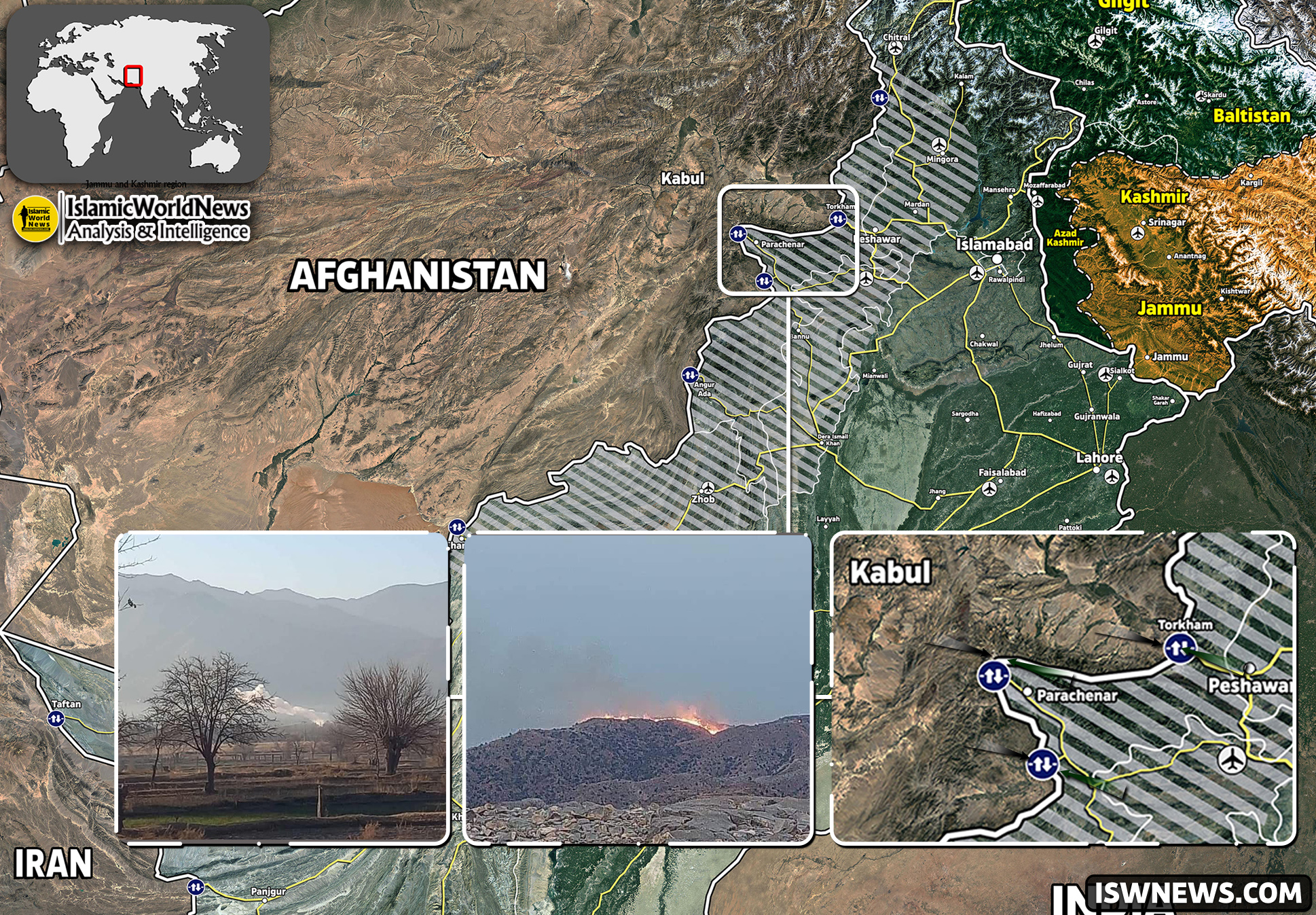
Afghan Taliban militants targeted four locations in Barmal city of Paktika province, near the Dand Wa Patan, Tri Mangal, and Torkham border crossings in Paktia and Khost provinces, in response to the Pakistani army’s airstrikes.
The fighting concluded after Pakistani army artillery attacks on border areas in eastern Afghanistan, leading to the retreat of Taliban militants.
The Taliban’s defense ministry stated that Taliban forces had attacked the bases and hideouts of ISIS and their supporters (Pakistan) in the southeast, which were the sources of the attacks on Afghanistan, without providing details of the attacks on Pakistani territory.
Clashes on the border areas
Afghan media reported that 19 Pakistani soldiers and three Afghan civilians were killed in the clashes, and two border checkpoints were captured by the Afghan Taliban. The Taliban set fire to Pakistani border guard equipment and left the area after capturing the checkpoints.
The videos and images released by Taliban media are old and unrelated to today’s attacks.
Pakistani media denied these reports, stating that one border guard was killed and seven were wounded. They also claimed that five Taliban militants were killed in an artillery attack by the Pakistani army on Dandpatan town in Paktia province.
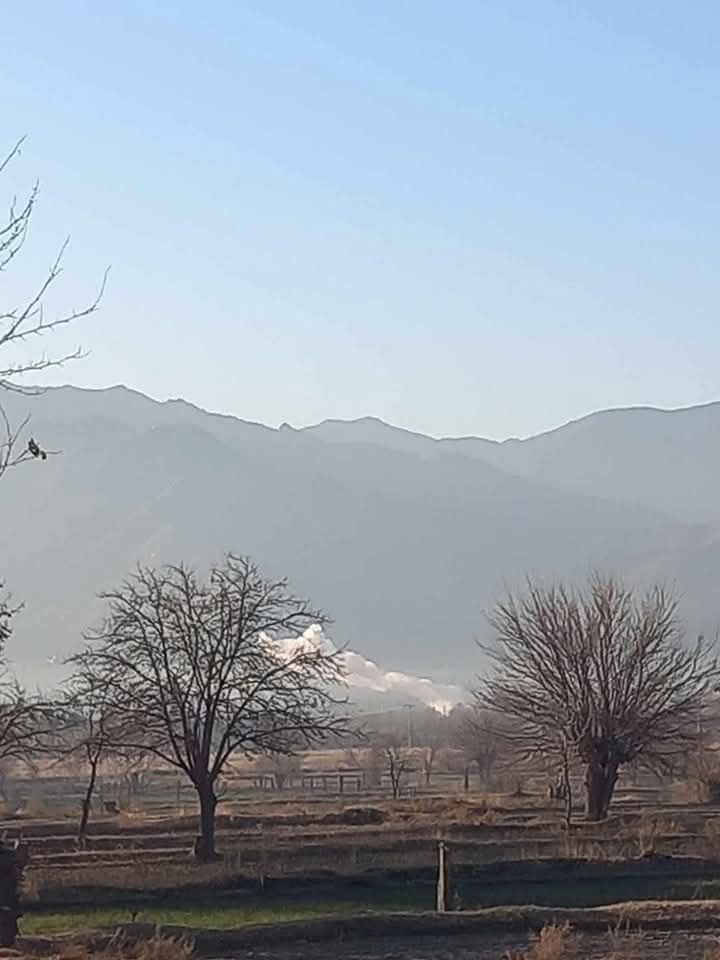
Pakistani artillery attack on Dand Wa Patan area
These clashes continue the political tension between the Pakistani government and the Afghan Taliban over the Afghan Taliban’s support for the Tehreek-e-Taliban Pakistan (TTP) and the Taliban’s counterclaims of Pakistan’s support for ISIS. The Taliban claim to have carried out the attacks in response to a Pakistani army airstrike on Barmal in Paktika province on January 5, which killed at least 46 people in Afghanistan and sparked a strong reaction from the Taliban. Pakistan claims to have assassinated senior commanders of the Pakistani Taliban, including Shir Zaman (Mukhlis Yar), Abu Hamza, and Akhtar Mohammad, and destroyed the group’s media center, Omar Media.
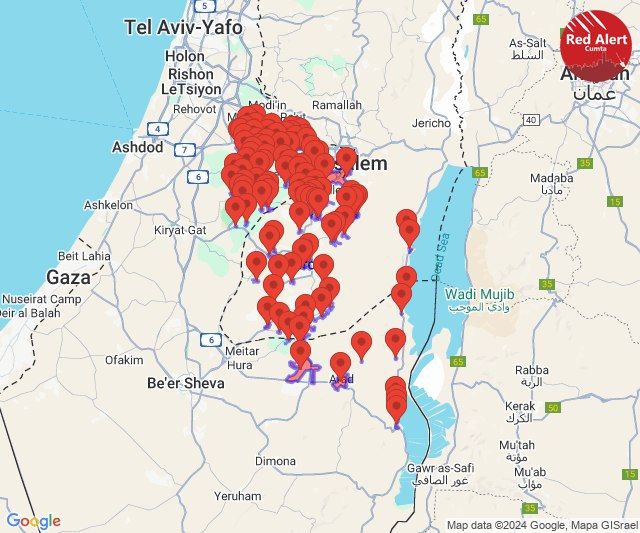
Sirens blared in over 100 locations in the occupied territories, prompting hundreds of thousands of Israelis to seek shelter.
Sirens blared in over 100 locations
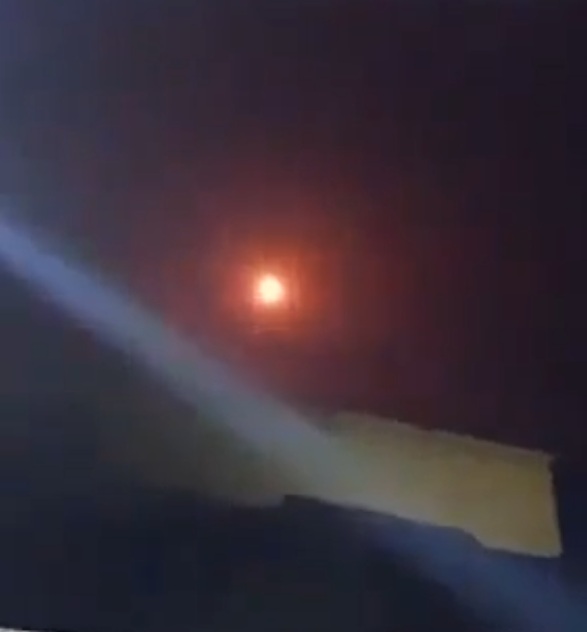
Brigadier General Yahya Saree announced the operation as successful, while the Israeli army claimed to have intercepted and shot down the missile.
Israeli missile intercepting the incoming missile
As previously mentioned, Yemen’s consistent missile and drone attacks on Israel continue to exert military pressure on the Zionist regime, regardless of the attacks’ outcomes. The persistence of these attacks has a significant impact on Israel’s security.
In another separate incident, a tank commander with the 401st Armored Brigade’s 9th Battalion was also seriously injured by sniper fire in northern Gaza.
It should be noted that since the beginning of December, 16 Zionist soldiers and settlers have been killed in the occupied territories.
The IWN investigations indicate that the number of alleged Israeli deaths since the start of the ground attack on the Gaza Strip has increased to 395. The total number of “military” deaths, according to the Israeli regime’s claims, since the beginning of the war has reached 822.