Author: Mirza

  • Military Knowledge: Rajum Short-Range Rocket System

    Military Knowledge: Rajum Short-Range Rocket System

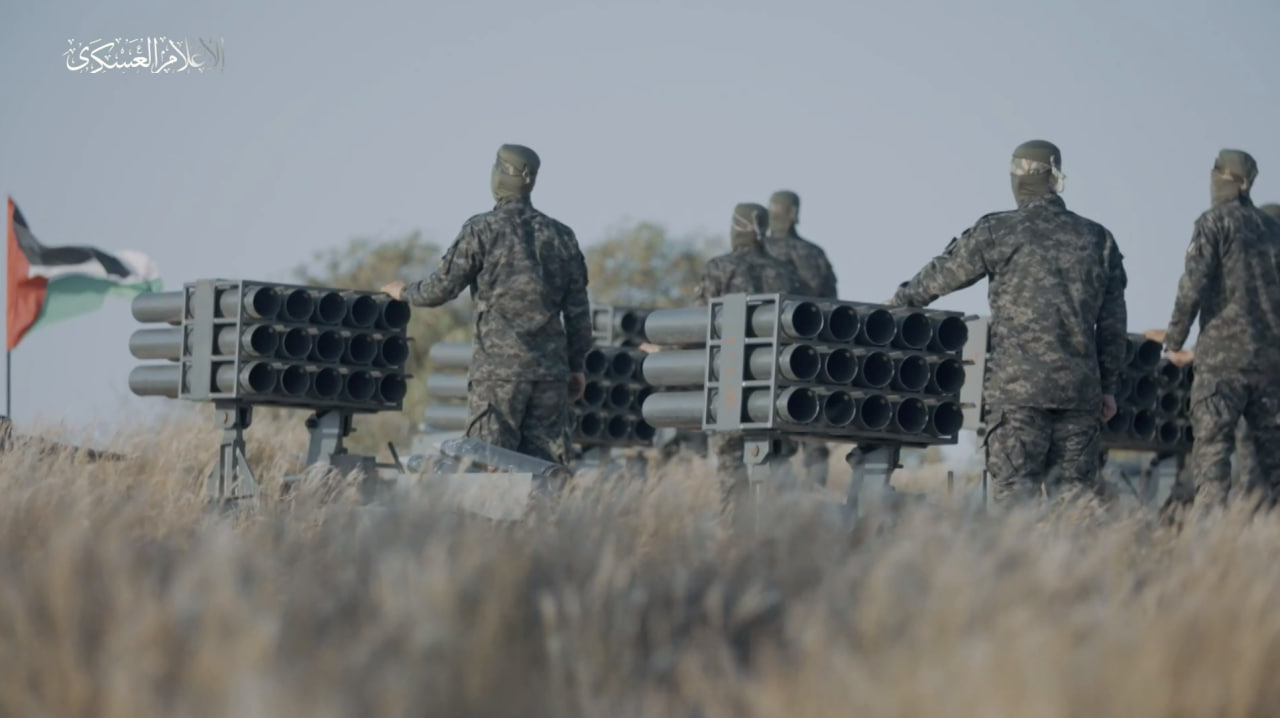
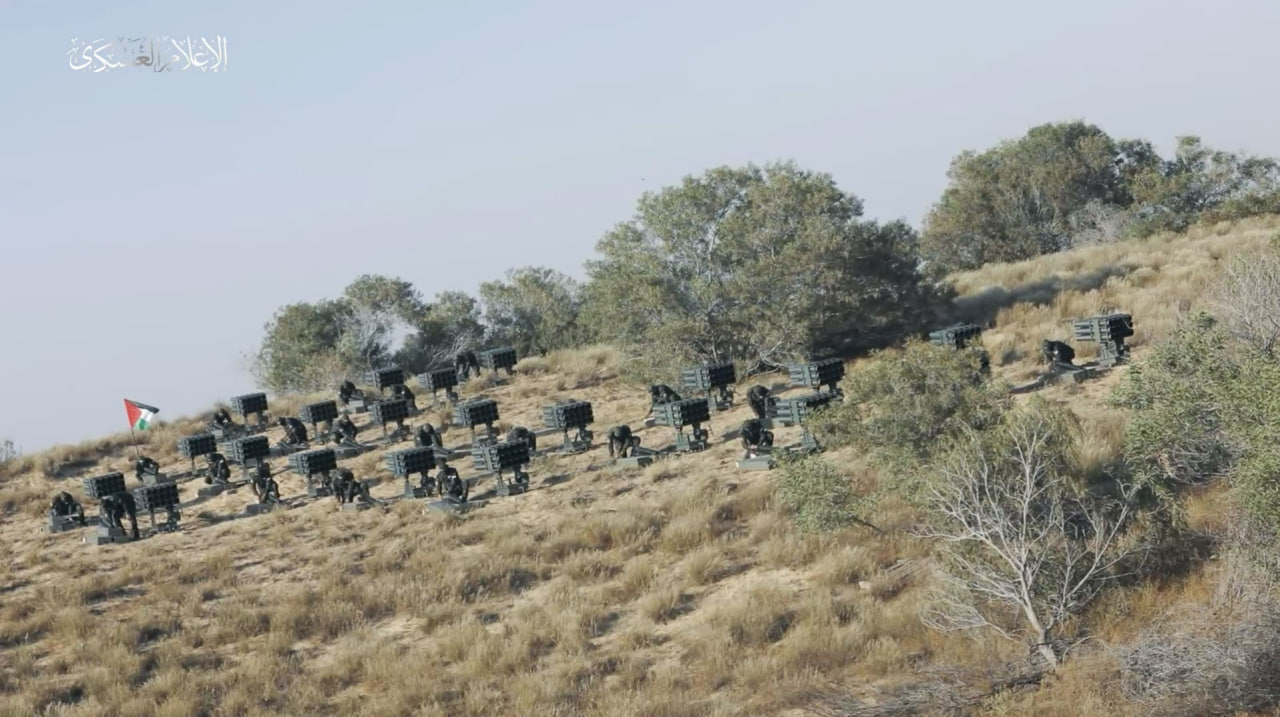
    On October 7, coinciding with the start of the Operation al-Aqsa Flood, the Izz al-Din al-Qassam Brigades, the military wing of the Palestinian Hamas movement, unveiled a new rocket system called Rajum and officially announced the entry of this system into the battlefield against the Israeli regime by releasing a video of launching this type of rocket.

    It is said that the Izz al-Din al-Qassam Brigades used this rocket system to provide cover fire for their operational forces and destroy Israeli army positions on October 7.

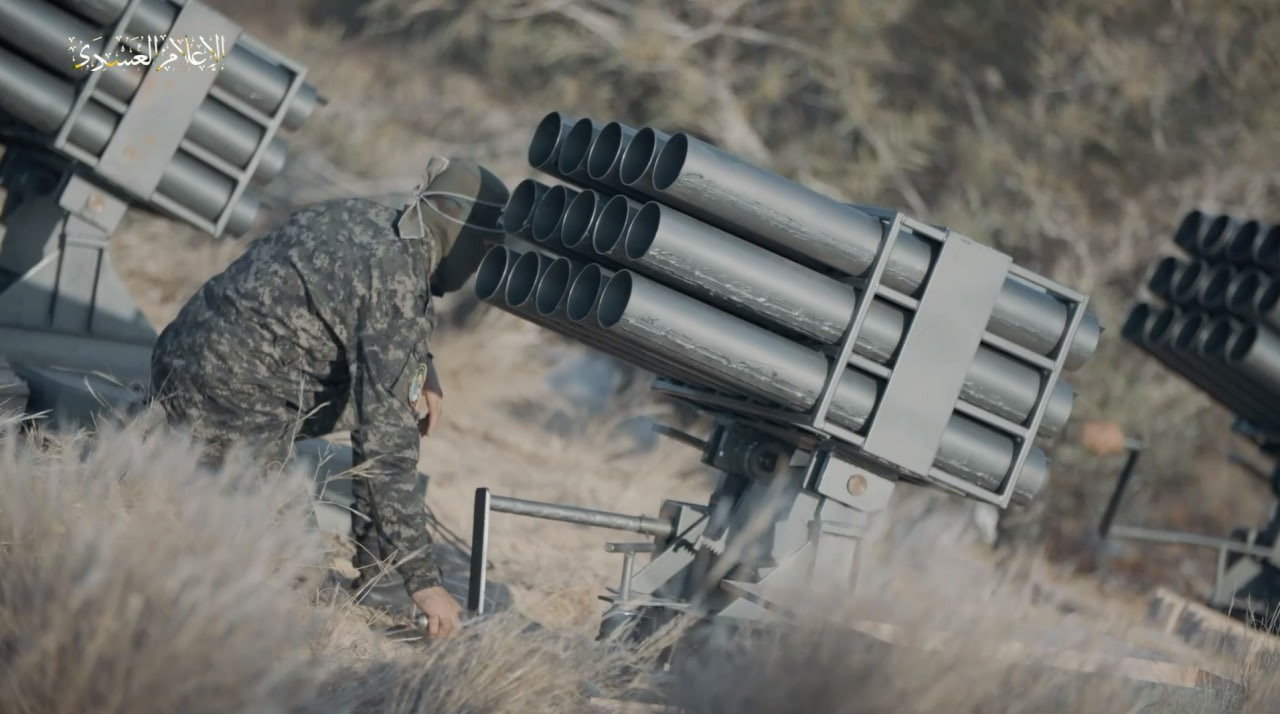
    The al-Qassam Brigades have not yet provided detailed information about this rocket system, but studies show that the 114mm short-range Rajum rockets weigh between 2 and 3 kilograms and have an effective range of about 8 kilometers. This rocket system is mainly used in close ground and guerrilla battles. One of the main strategic advantages of this rocket system is its quick mobility due to its suitable weight, based on enemy targets and the needs of the resistance.

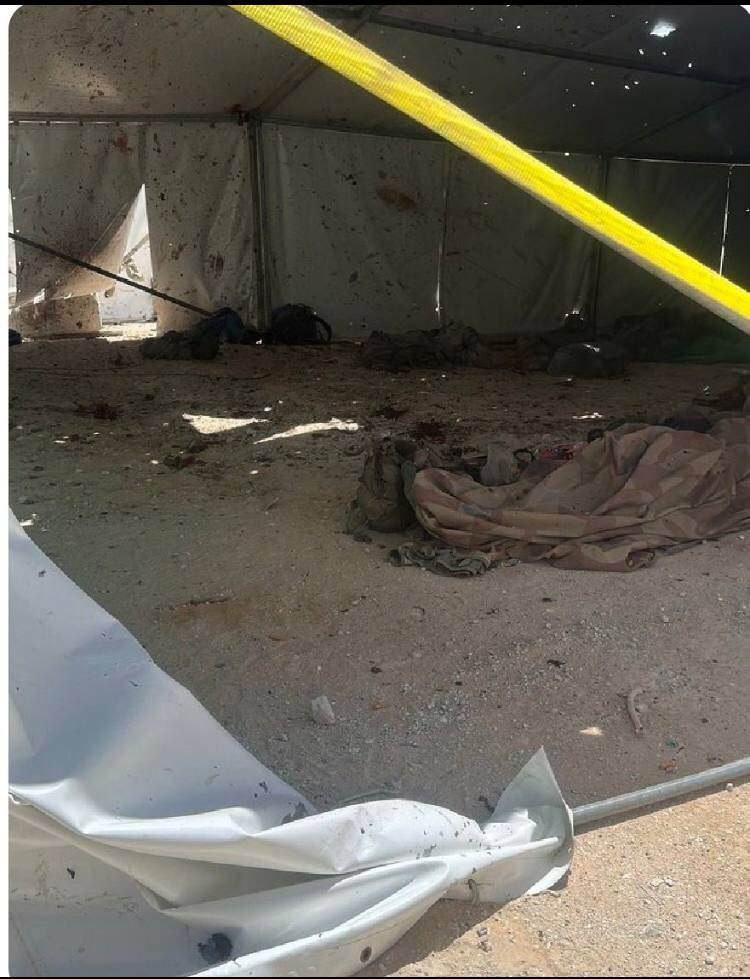
    A video Rajum rocket system – In this attack that took place on a military point near Karam Abu Salem in the south of the Gaza Strip, 4 Zionist soldiers were killed and 10 others were wounded.

    The Rajum rockets have been designed and produced by Palestinian engineers in the Gaza Strip based on the needs of the resistance and the geographical conditions of the battlefield. The Rajum rocket system consists of 5 launch tubes arranged in three rows side by side, and each system has the ability to launch 15 rockets.

    This rocket system has been used several times during the Operation Al-Quds Storm against various targets, including the positions of the Israeli army in the Re’im, Karem Abu Salem, Nirim, Amitai and Kissufim areas, and its most prominent operation was the attack on the temporary military post of the Israeli regime’s army in the Karem Abu Salem area on May 5, 2023, when four Israeli military personnel were killed and 10 others were injured.

    The specifications of Rajum Rocket System:
    Type: Short-range rocket system
    Manufactured: Palestine
    Manufacturer: Al-Qassam Brigades, military wing of the Hamas movement
    Unveiled: October 7, 2023
    Maximum rocket firing rate per minute: 20 rockets

    The specifications of the rocket:
    Effective range: About 8 kilometers
    Operational range: 15-17 kilometers
    Rocket weight: 2 to 3 kilograms

  • Azerbaijan’s Oil Continues To Be Shipped To Israel Through Turkiye

    Azerbaijan’s Oil Continues To Be Shipped To Israel Through Turkiye

    The Turkish government recently announced the severance of trade relations with the Israeli regime and the comprehensive trade embargo of this regime. Ankara has made the lifting of sanctions conditional on the cessation of attacks on the Gaza Strip and the unimpeded delivery of humanitarian aid into the besieged area, but reports show that Azerbaijan’s oil continues to be in the possession of the Tel Aviv regime through Turkiye.

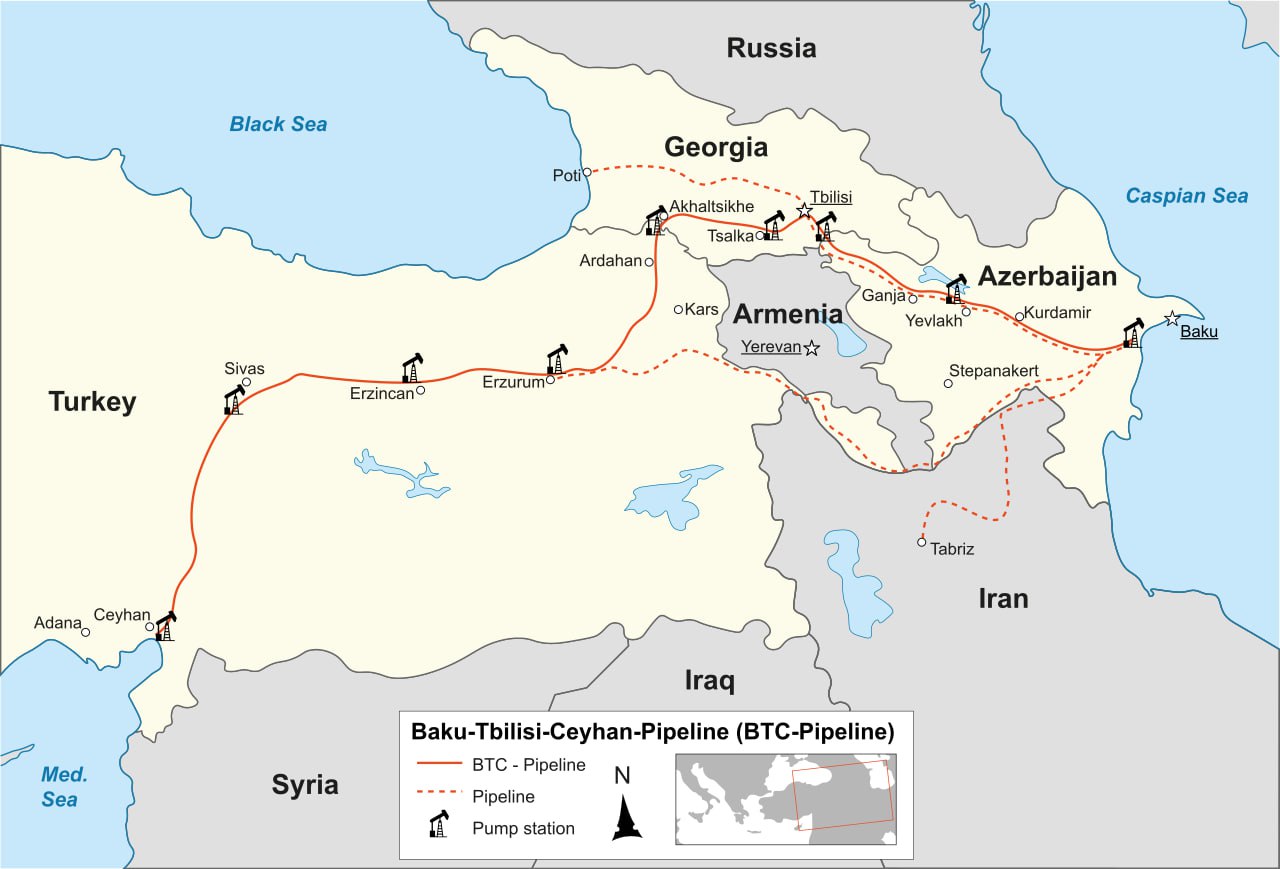
    According to the announcement of Al-Araby Al-Jadeed (a London-based pan-Arab news outlet), Azerbaijan has close relations with Turkiye and the Israeli regime, and Ankara has not yet stopped the loading of Azerbaijani oil at the port of Ceyhan for delivery to the Israeli-occupied territories; Azerbaijan’s oil enters Turkiye through the Baku-Tbilisi-Ceyhan pipeline and from there is loaded onto tankers and transported to the port of Haifa in occupied Palestine.

    According to available information, most of the oil needed by the Israeli regime is supplied by Central Asian countries such as Azerbaijan and Kazakhstan, and this is all depended on passing through the route of Turkiye. The Israeli regime was at the top of the list of destinations for Azerbaijan-produced oil in January of the current year, with a shipment of 523,500 tons worth $297 million.

    According to statistics of May last year, the Israeli regime imported 220,000 barrels of oil per day, of which 60% is supplied by Kazakhstan and the Republic of Azerbaijan.

    In this regard, sources close to the Israeli regime stated that the main concern of Tel Aviv at the moment is that Turkiye may take further measures such as preventing the flights over this country or avoiding the dispatch of ships to the destination of the Israeli-occupied territories in the Bosporus and Dardanelles straits, which connect the Mediterranean Sea to the Black Sea.

    According to the Israeli officials, Tel Aviv’s only hope is that Turkish President Recep Tayyip Erdogan will refrain from taking such harsh and radical actions out of fear of the reaction of other countries that trade with the Israeli regime.

  • The Iraqi Resistance Attacked Two New Targets In The Occupied Territories

    The Iraqi Resistance Attacked Two New Targets In The Occupied Territories

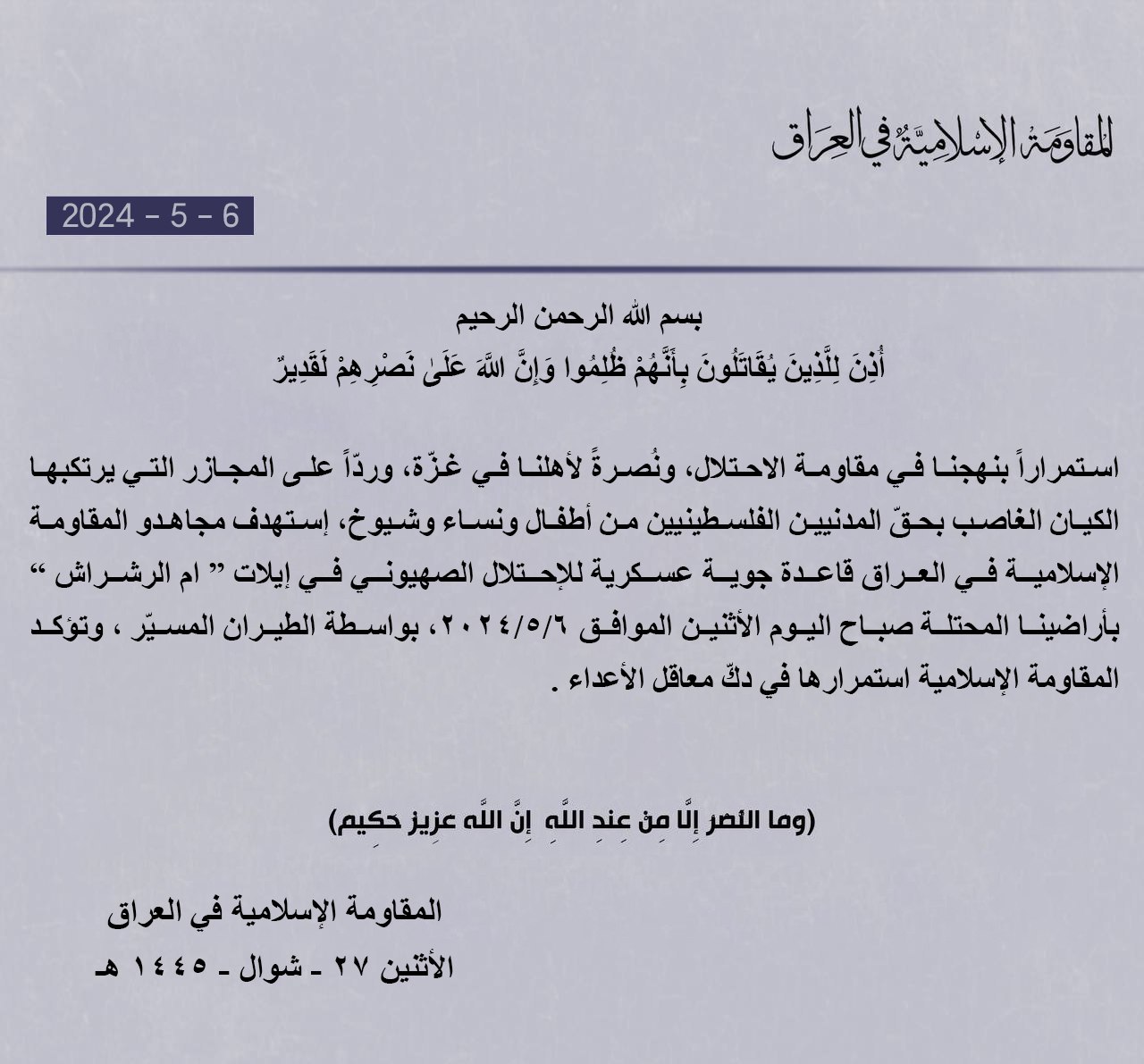
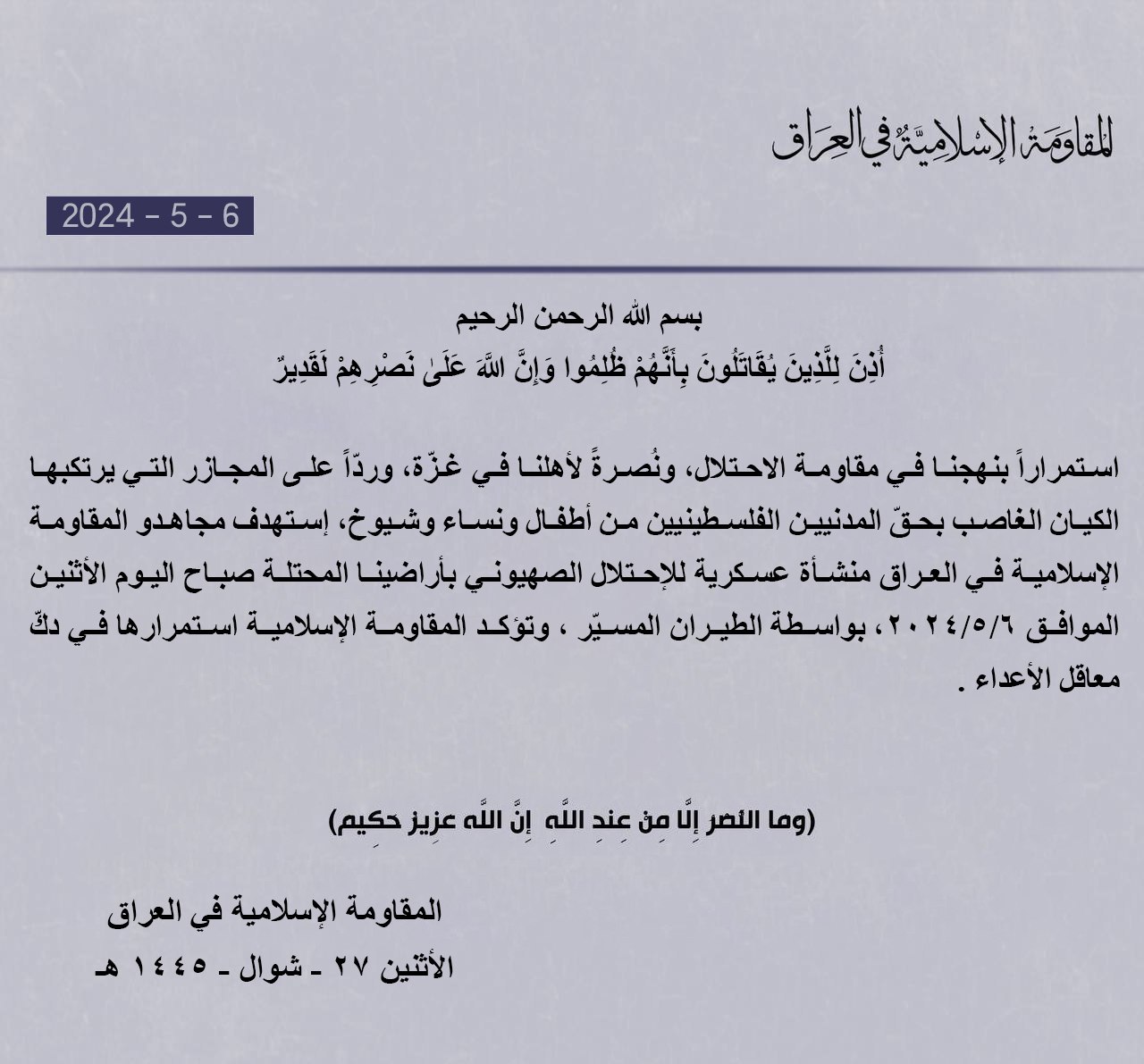
    According to these two statements, on the morning of May 6, the Islamic Resistance In Iraq, in two separate attacks targeted two Israeli military facilities, one in Um al-Rashrash (Eilat) area and the other in an undisclosed area with two suicide drones.

    The IRI announced that these attacks were carried out in response to the Zionists’ crimes against defenseless Palestinian civilians, including women and children, and that they will continue their attacks and crush the positions of the Zionist regime.

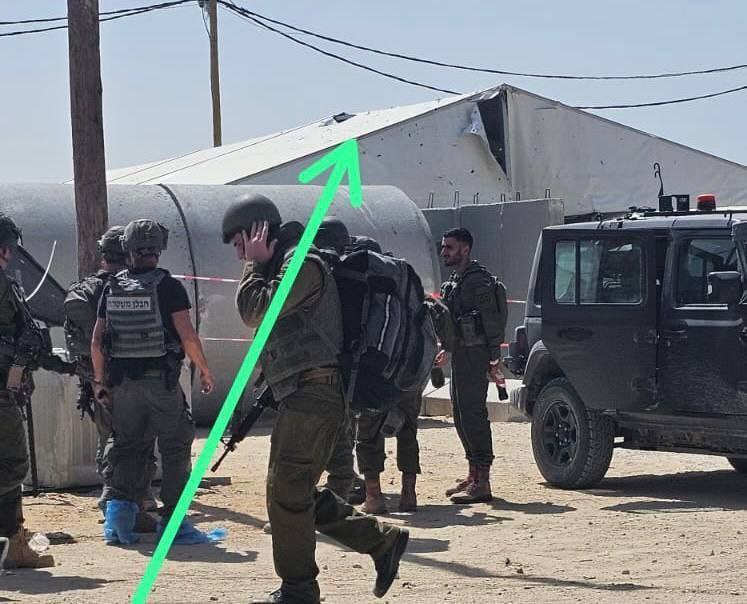
    On the other hand, Hebrew sources claimed that the Israeli fighter jets successfully intercepted and destroyed a drone that was moving towards Eilat.

    According to IWN assessment, this is the 69th attack by the Iraqi resistance against the Zionist regime after the start of the Israeli genocidal war on Gaza.

  • Four Israeli Troops Killed By Al-Qassam Rocket Attack

    Four Israeli Troops Killed By Al-Qassam Rocket Attack

    During this attack, four Zionist soldiers were killed and 10 others were wounded, three of them were reported to be in serious condition.

    The names of killed soldiers are:
    — Sgt. Michael Ruzal, of the Nahal Brigade’s 931st Battalion
    — Staff Sgt. Ruben Marc Mordechai Assouline, of the Givati Brigade’s Shaked Battalion
    — Staff Sgt. Ido Testa, of the Givati Brigade’s Shaked Battalion
    — Staff Sgt. Tal Shavit, of the Nahal Brigade’s 931st Battalion

    With these casualties, the claimed number of Israeli casualties after the start of the ground attack on the Gaza Strip has increased to 267. Also, the total number of military casualties, according to the Israeli regime’s claim, has reached 612 so far.

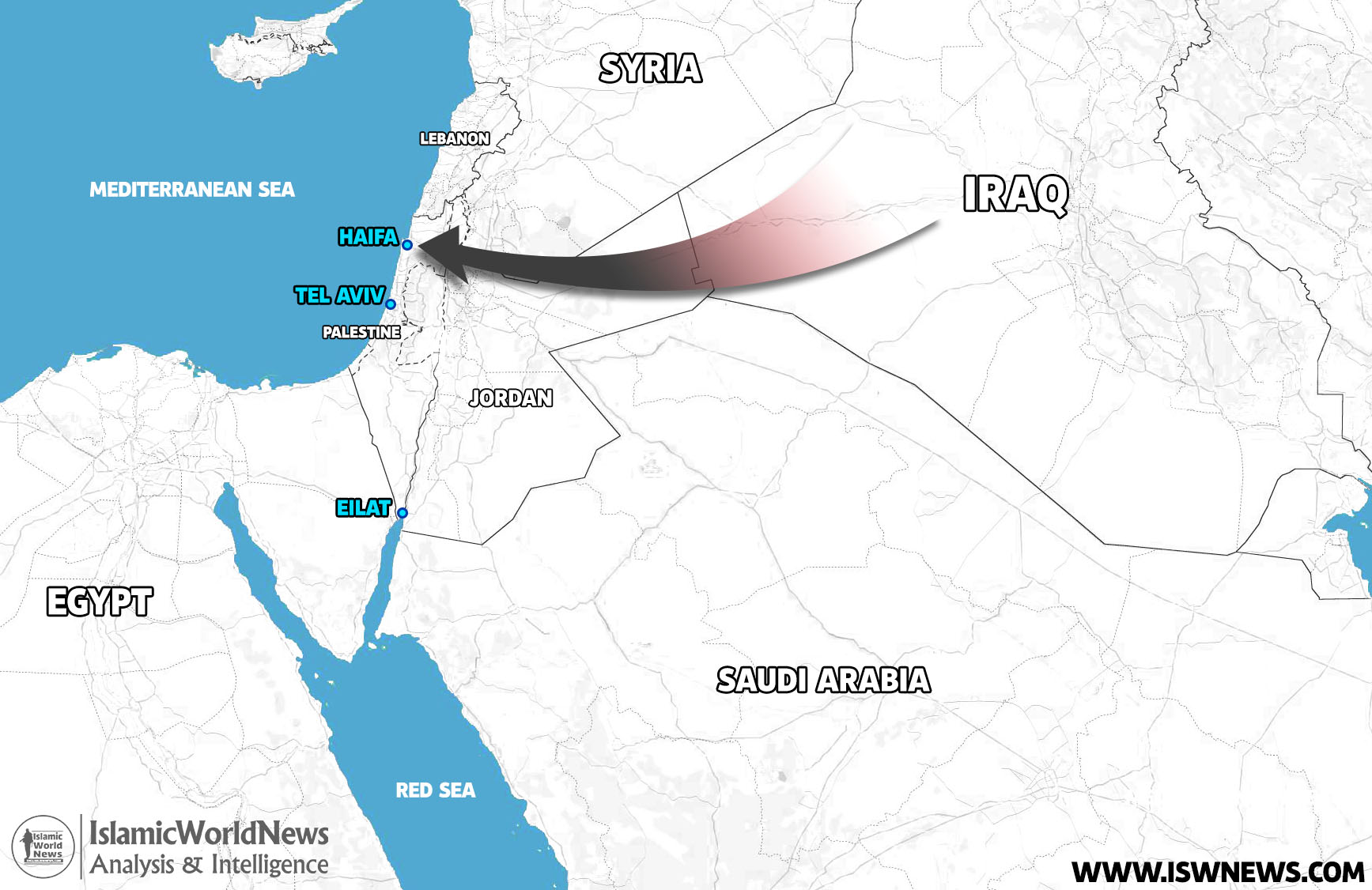
  • Iraqi Resistance Launches Missile Attack On Haifa

    Iraqi Resistance Launches Missile Attack On Haifa

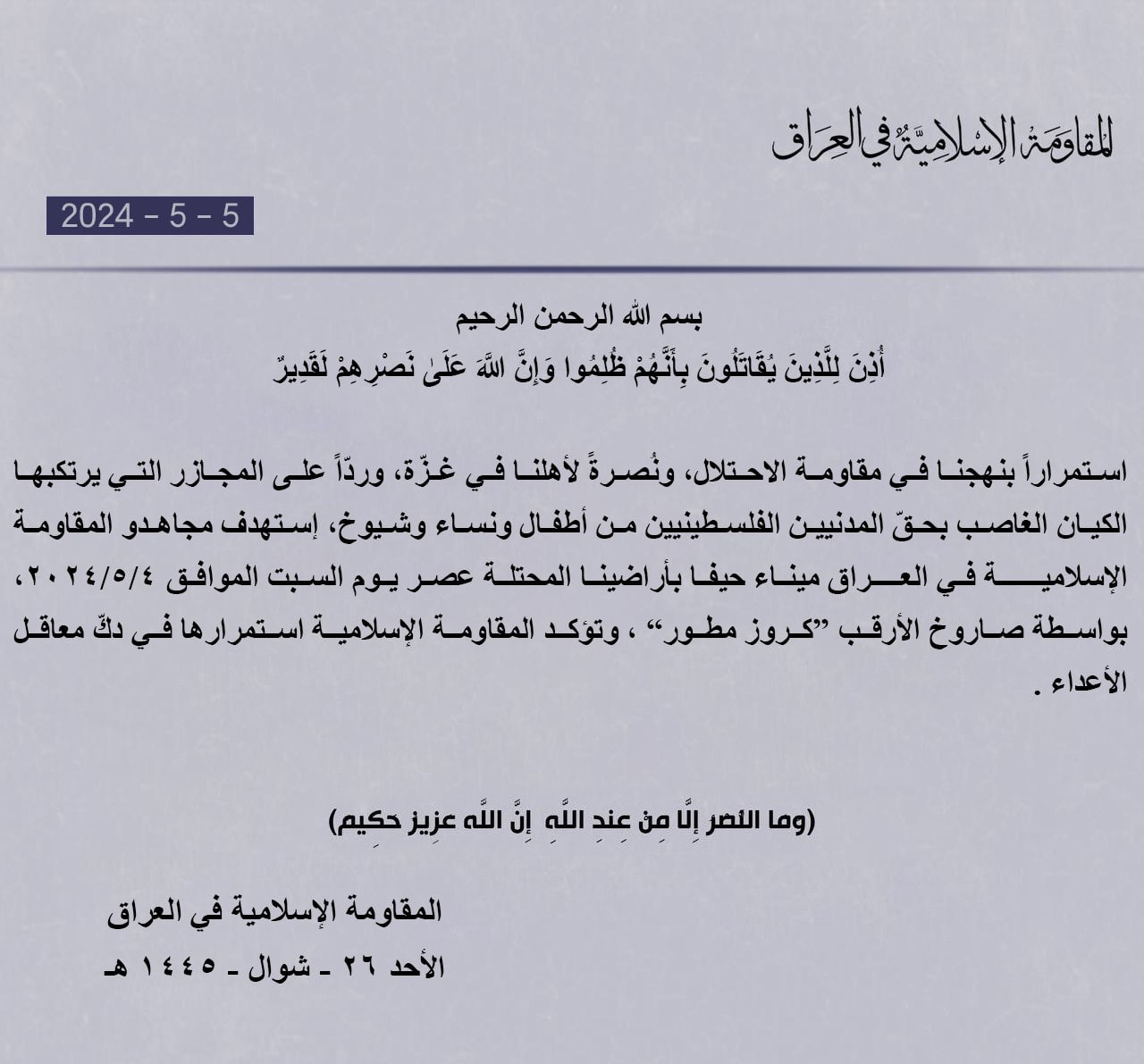
    The statement of IRI states that this action was carried out in response to the Zionist crime against defenseless Palestinian civilians.

    This is the 67th attack by the Iraqi resistance against the Zionist regime after the start of the Israeli genocidal war on Gaza.

    The IRI statement
  • France’s Proposed Agreement To Stop Conflict In South Lebanon-North Occupied Palestine Front

    France’s Proposed Agreement To Stop Conflict In South Lebanon-North Occupied Palestine Front

    Phase One:
    1. Cessation of Hezbollah military operations inside the Israeli-occupied territories of Palestine and disputed areas.
    2. Refraining from attacks against the United Nations Interim Force in Lebanon (UNIFIL) forces or installations.
    3. Guaranteeing the unimpeded freedom of movement of UNIFIL forces in the south of the Litani River.
    4. Cessation of the Israeli regime’s military operations inside Lebanon.

    Phase Two:
    1. Dismantling all facilities, resources, and centers near the Blue Line (a demarcation line dividing Lebanon from the Israeli regime and the Golan Heights).
    2. Withdrawal of combat forces, including the al-Hajj Radwan Force and other military units, as well as anti-tank weapons, to a distance less than 10 kilometers north of the Blue Line.
    3. Cessation of the Israeli regime’s aerial attacks over Lebanese territory.
    4. Resumption of Lebanon’s participation in the UNIFIL tripartite meetings.
    5. Deployment of around 15,000 Lebanese army troops in the south of the Litani River, including along the Blue Line.
    6. Support for the deployment of the Lebanese Armed Forces in the south of the Litani River based on United Nations Security Council Resolution 1701 and providing logistical support for it.

    What is United Nations Security Council Resolution 1701?

    Based on the information provided, Resolution 1701 is a United Nations Security Council resolution that was adopted on August 11, 2006 to bring to an end the war between Lebanon’s Hezbollah and the Israeli regime. According to this resolution, Hezbollah must withdraw from southern Lebanon and retreat north of the Litani River, so that the Lebanese army and UNIFIL forces can be deployed in those areas. Furthermore, the Israeli regime’s army must withdraw its forces from southern Lebanon and respect the territorial integrity of the Arab country.

    Phase Three:
    1. Resuming negotiations to gradually demarcate the land borders of Lebanon, based on the negotiations conducted in 2017, focusing on the areas that were previously discussed within the framework of the UNIFIL trilateral mechanism in 2018.
    2. Entering into negotiations on a roadmap to ensure the creation of an area between the Blue Line and the Litani River free from any armed individuals or groups, facilities, and armaments, except for those belonging to the Lebanese state and UNIFIL.
    3. Supporting the deployment of the Lebanese Armed Forces in southern Lebanon.
    4. Supporting the social and economic development in southern Lebanon.

    The proposed agreement by France is based on the colonial approach of this European country towards Lebanon, and it shows that the French government still feels that Lebanon is under their control, even after a decade of the decline of their foreign power.

    According to statements by Hezbollah officials, the southern Lebanon-northern occupied Palestine front has been opened to help the Palestinian resistance in the Gaza Strip and reduce the Israeli regime’s military pressure on the Palestinian resistance movement, and it is impossible to halt the conflict on this front without stopping the war in the Gaza Strip. Therefore, the French proposal to stop the war between the Israeli regime and the Hezbollah movement without considering the developments in the Gaza Strip is fundamentally flawed and certainly not implementable.

    Even if the cessation of the war on the southern Lebanon front is accompanied by a cessation of the war in the Gaza Strip, the withdrawal of Hezbollah fighters from the southern Lebanese areas is also an impossible issue. The people of southern Lebanon have been pioneers in forming the resistance in Lebanon, so how can they withdraw from their homes and properties in southern Lebanon?

    Overall, the proposed agreement by the French government is not feasible and is only a political tool for the government in Paris to demonstrate that they still have influence in Lebanon and that this region is under their control. However, the foreign power of the French government and other colonialist states is on the decline, and fewer people in Lebanon are willing to rely on their threats or proposals!

  • ISIS Attack Leaves 13 Syrian Forces Martyred

    ISIS Attack Leaves 13 Syrian Forces Martyred

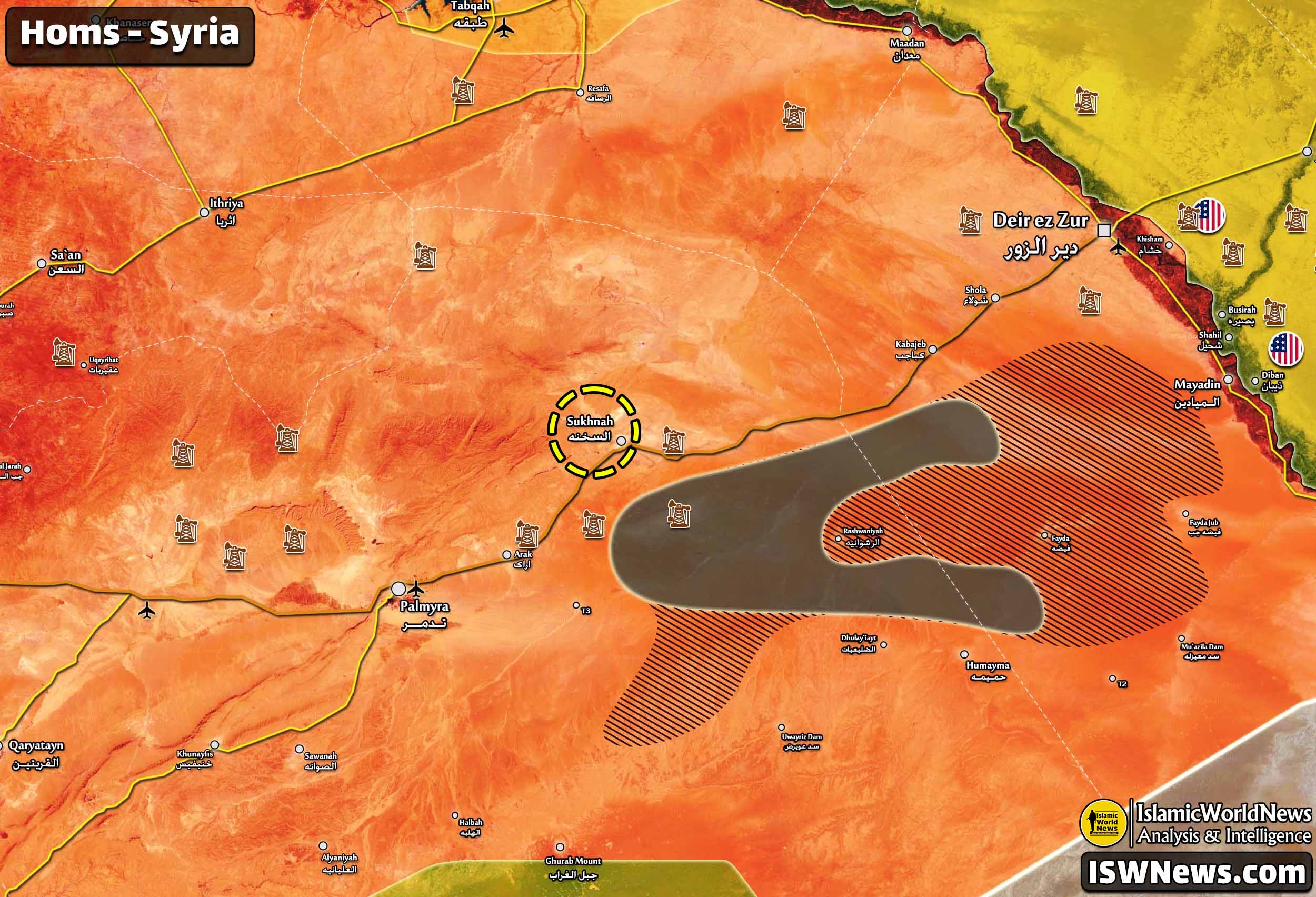
    On May 3, the terrorist elements of ISIS group targeted three Syrian Arab army positions in the Al-Kum area north of Al-Sukhnah in the Homs Governorate, in which at least 13 Syrian military forces were martyred.

    So far, the ISIS terrorist group has not claimed responsibility for this attack, but sources close to the Syrian armed forces and the government in Damascus have identified this terrorist group as the perpetrator of Friday attacks.

    It is noteworthy that the ISIS terrorist group has increased its operations in the central regions of Syria in recent weeks. As a result of these attacks, a number of Syrian armed forces, the Al-Quds Brigade, and their allies have been injured or martyred. 

    The Syrian Arab army has also reinforced its positions in vulnerable areas after these terrorist actions, and is now working with the Russian Air Force to cleanse those areas as well as identify and destroy ISIS hideouts in the desert regions.

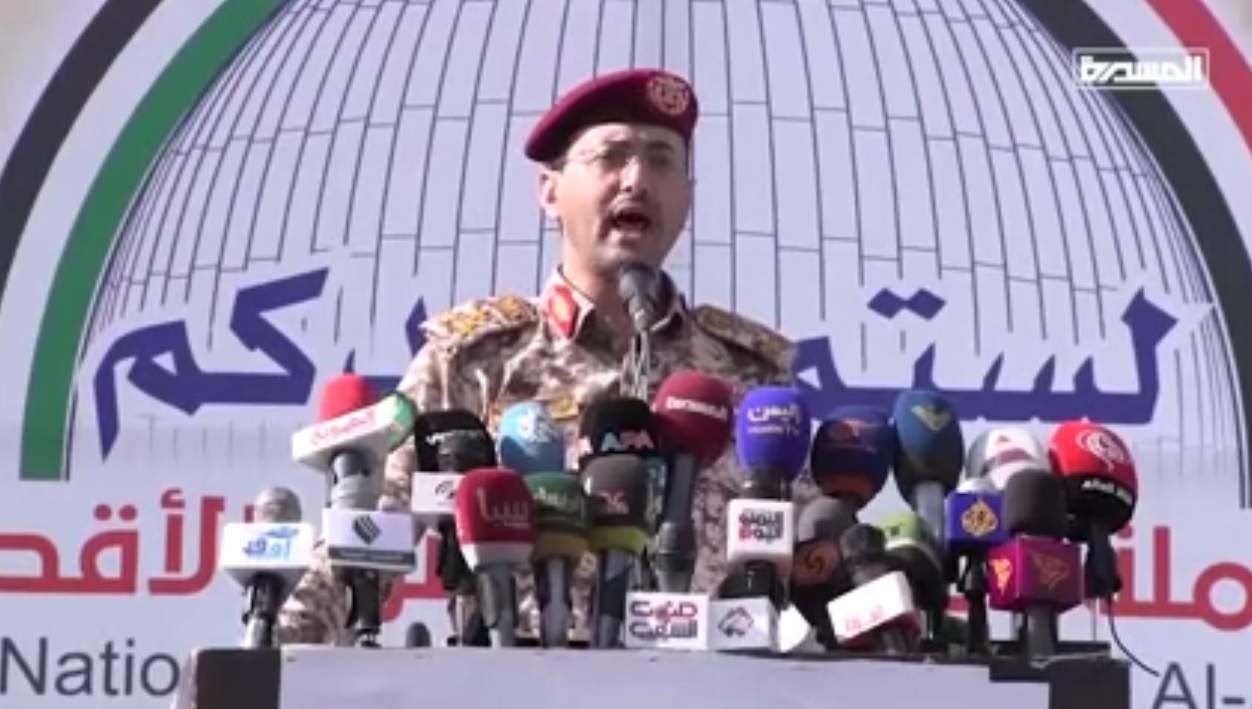
  • Yemeni Army Announces The “Fourth Stage” Of Operation Against Israel (Video)

    Yemeni Army Announces The “Fourth Stage” Of Operation Against Israel (Video)

    The details of the “fourth stage” are:

    ➖First: Targeting all ships that violate the ban on shipping to Israel and move towards occupied Palestinian ports in the Mediterranean Sea and in any area within our reach.

    ➖Second: The implementation of this stage starts from the announcement of this statement.

    ➖Third: If the Israeli enemy intends to carry out military operations in Rafah, the Yemeni armed forces will impose a comprehensive embargo on all the ships of companies of any nationality that are connected to the ports of the Israeli regime, and will prevent the entry of all the ships of the country in question to any destination.

    The armed forces of Yemen emphasized that with the help of God Almighty and based on the support of the great people of Yemen and all the free people of (Islamic) nation, they will not hesitate to prepare for wider and stronger stages of operations until the end of the war and siege against the oppressed Palestinian people in the Gaza Strip.

    It should be noted that the leader of Ansar Allah movement, in response to the stubbornness of Israel and the United States to continue the battles and the threat of a ground attack on Rafah, asked the people of Yemen to march in millions to approve the fourth stage of the escalation of conflicts against Israel.

    The statement of Yemeni Army in the Sabeen Square in Sanaa
  • The First Military Operation Of The Islamic Resistance In Bahrain; Who Is The Al-Ashtar Brigades?

    The First Military Operation Of The Islamic Resistance In Bahrain; Who Is The Al-Ashtar Brigades?

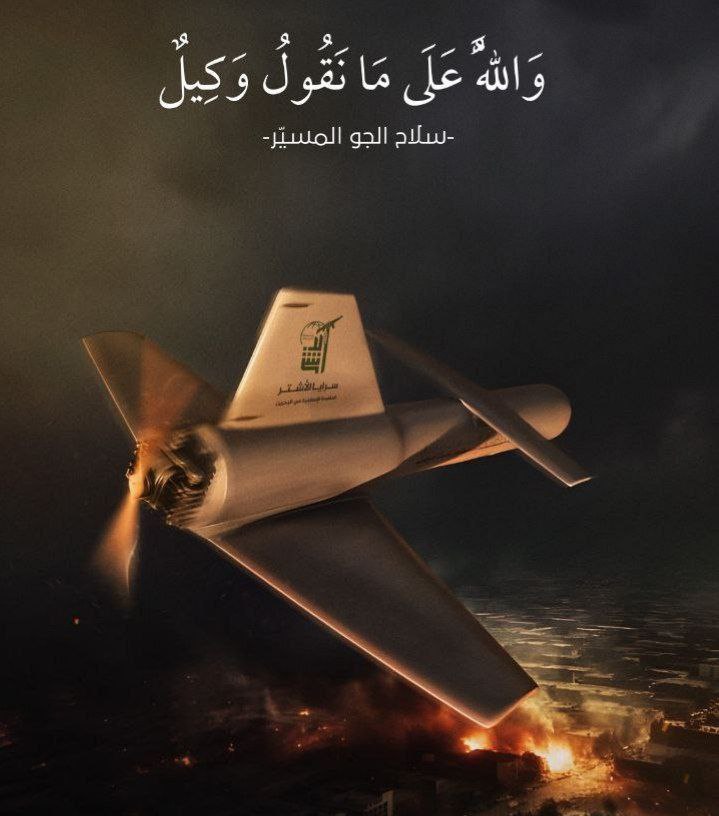
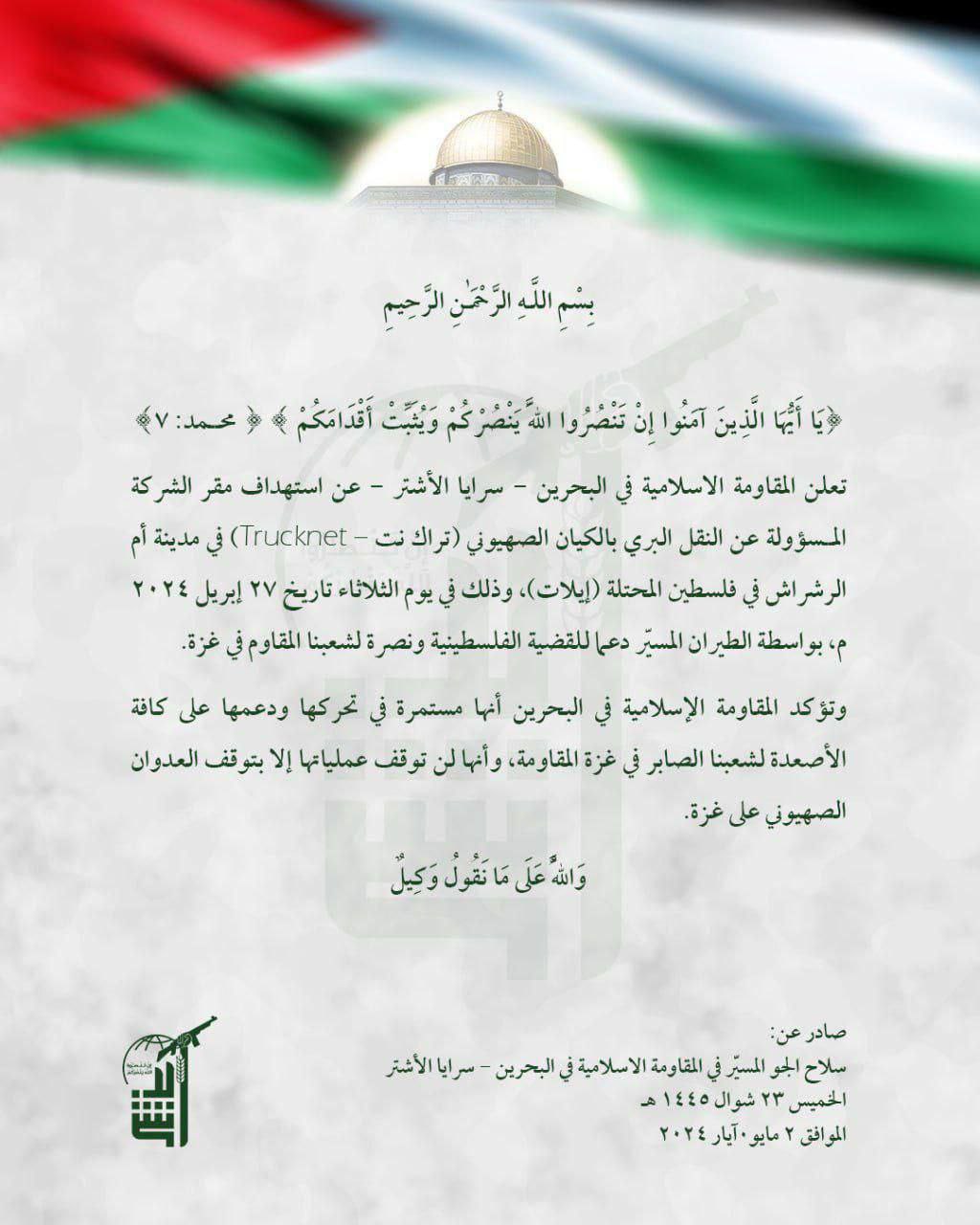
    The Islamic Resistance group in Bahrain, called the Al-Ashtar Brigades (Saraya Al-Ashtar), targeted the shipment company TruckNet Enterprise in the city of Eilat, located in southern occupied Palestine, with a drone attack on April 27. This attack, which is considered the first military operation abroad of the Al-Ashtar Brigades resistance group, has surprised many regional and international analysts.

    Statement by Saraya Al-Ashtar

    * Details about the Al-Ashtar Brigades Resistance group

    According to available information, the resistance group was formed in 2012 (after the suppression of the Bahraini protests in 2011) and is taking political and armed actions to confront the Al Khalifa government in Bahrain. According to sources close to the Bahraini government and Western media, some opponents of the Al Khalifa government fled Bahrain to avoid punishment and settled in Iran, and then formed this resistance group.

    The anti-resistance media claim that the leadership of this group is in the hands of Ahmed Yousef Serhan (known as Abu Muntazar) and Jassim Ahmed Abdullah (known as Zulfiqar), two fugitive Bahraini citizens residing in Iran; However, after several years, Western and Bahraini media have not yet published any credible documents in this regard.

    The Al-Ashtar Brigades was designated as a terrorist organization in 2014 by the United Arab Emirates (UAE), Canada, Egypt, Saudi Arabia and Kuwait. The United States also added this group to the list of terrorist organizations in 2018.

    Carrying out this attack from Bahrain has sent various messages to the friends and enemies of the Islamic Resistance Axis, and can be analyzed from various aspects. It seems that the Resistance Axis is gradually seeking to increase pressure on the Israeli regime, and in the coming months we will witness that the Islamic Resistance Axis will use other capacities in the face of the axis of evil.

    The published video of the drone attack of Saraya Al-Ashtar on the occupied territories
  • Israeli Army Set To Bid Farewell To Patriot Defense System

    Israeli Army Set To Bid Farewell To Patriot Defense System

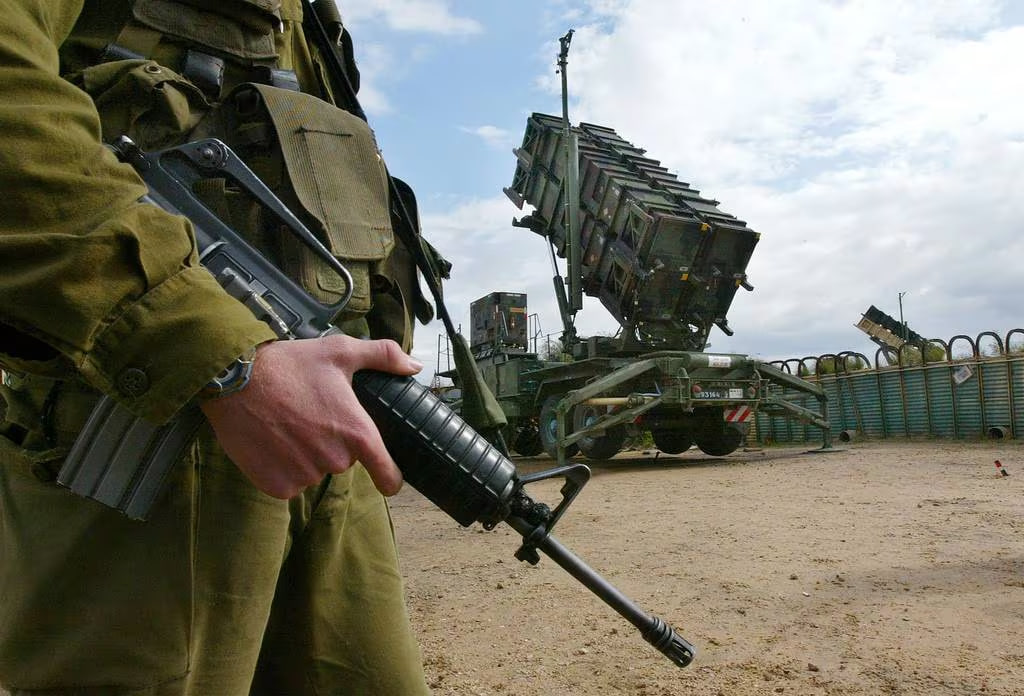
    On Tuesday (April 30), the Israeli Army announced that the Israeli Air Force is set to bid farewell to the Patriot defense systems within the next two months and replace the batteries of this surface-to-air missile system with more advanced air defense systems.

    The Israeli Army had also announced in February that it is in the process of dismantling the Patriot systems and training its personnel to work with the Iron Dome.

    Read more: Military Knowledge: Patriot Missile System

    The Patriot defense systems had a relatively successful performance against Iraqi Scud missiles during the Gulf War in 1991 and were widely deployed in the occupied territories since then. However, their first interception was in 2014 when they shot down a drone of the Izz ad-Din al-Qassam Brigades in the Gaza Strip.

    The Israeli Patriots have also shot down two Syrian fighter jets in 2014 and 2018, but their main problem has been due to misidentifying their targets, persuading the Israeli authorities to replace them with the Iron Dome.

    It is currently unclear what the Israeli regime will do with this defense system, but Ukraine has repeatedly expressed its interest in acquiring Patriot defense systems since the onset of the war with Russia in recent years. Therefore, it is likely that the United States will send these systems to Ukraine.

  • Israeli Airstrike Targets Outskirts Of Damascus

    Israeli Airstrike Targets Outskirts Of Damascus

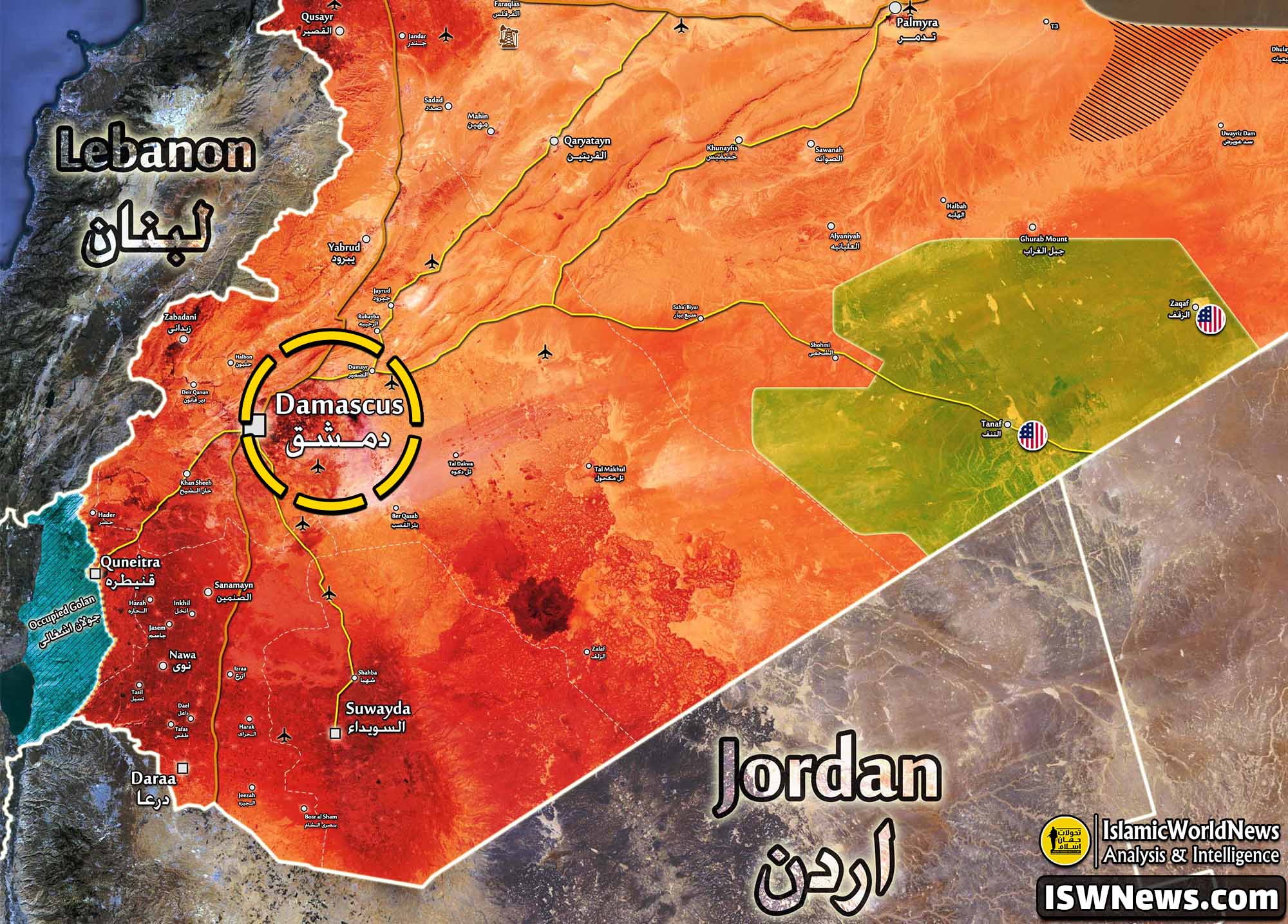
    According to a Syrian military source, at around 22:05 (local time) on Sunday, the Israeli regime targeted some areas in the suburbs of Damascus from the occupied Syrian Golan. This attack resulted in the wounding of eight soldiers and material damage.

    It is said that some targets in the Najha area in the suburbs of Damascus were targeted. No further details have been released.

  • Yemeni Army Setting Up Underground Missile Bases

    Yemeni Army Setting Up Underground Missile Bases

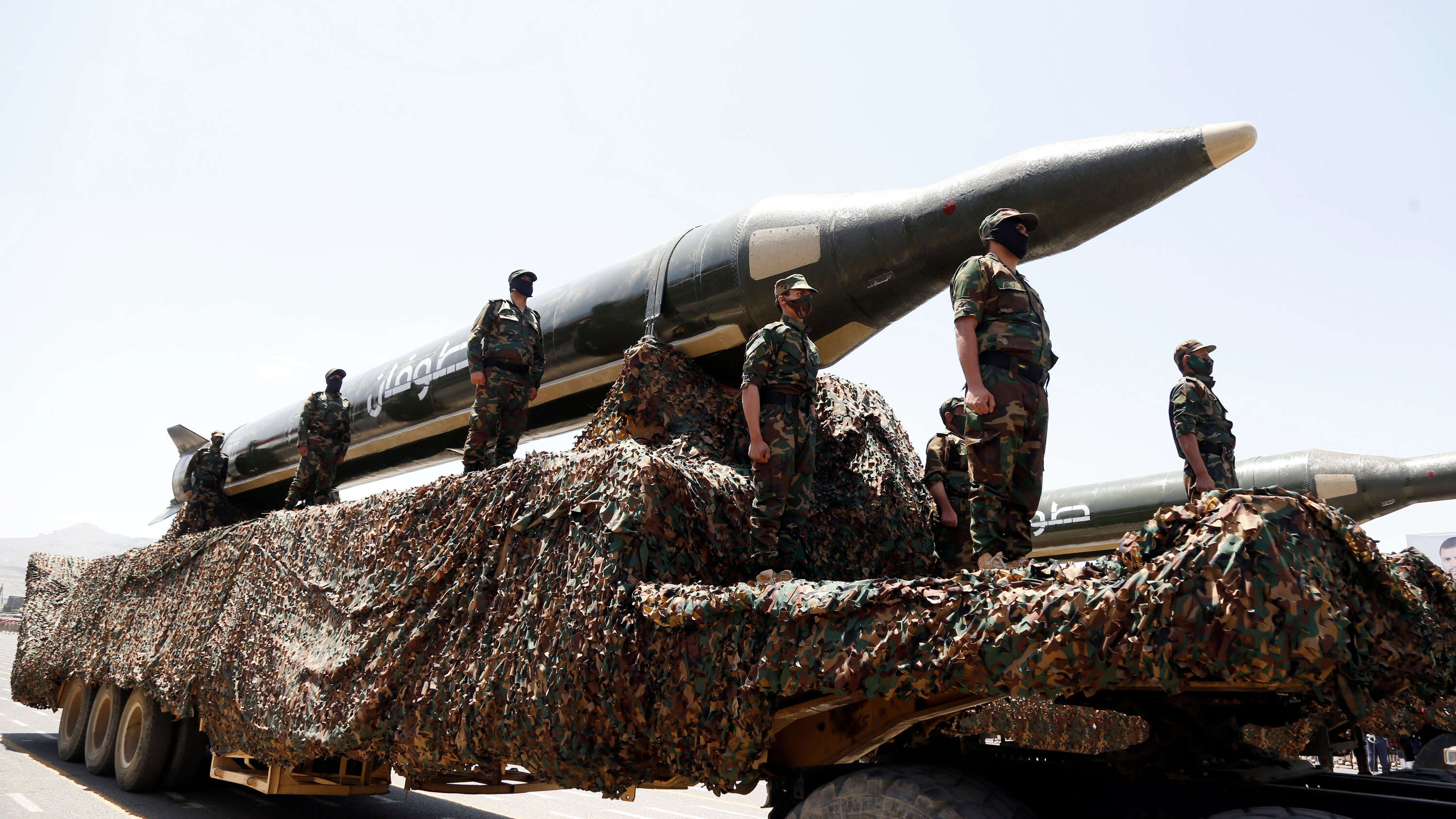
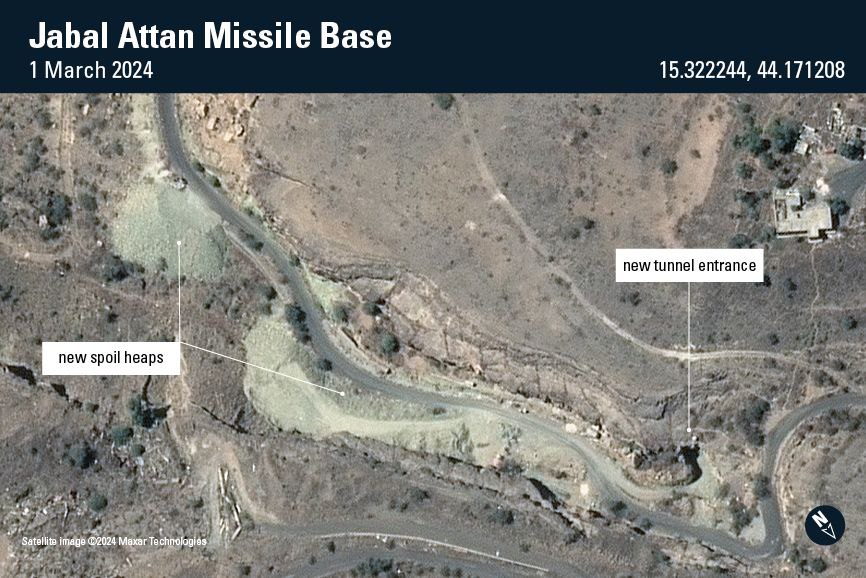
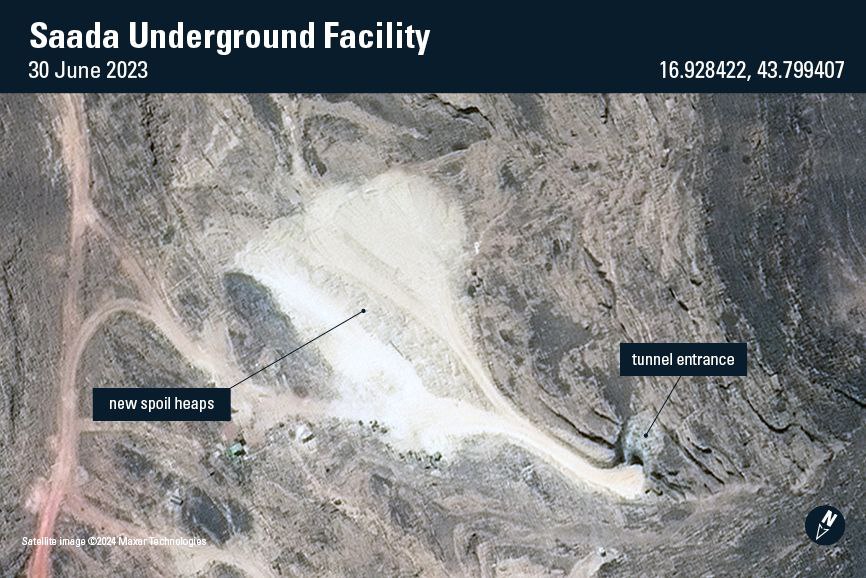
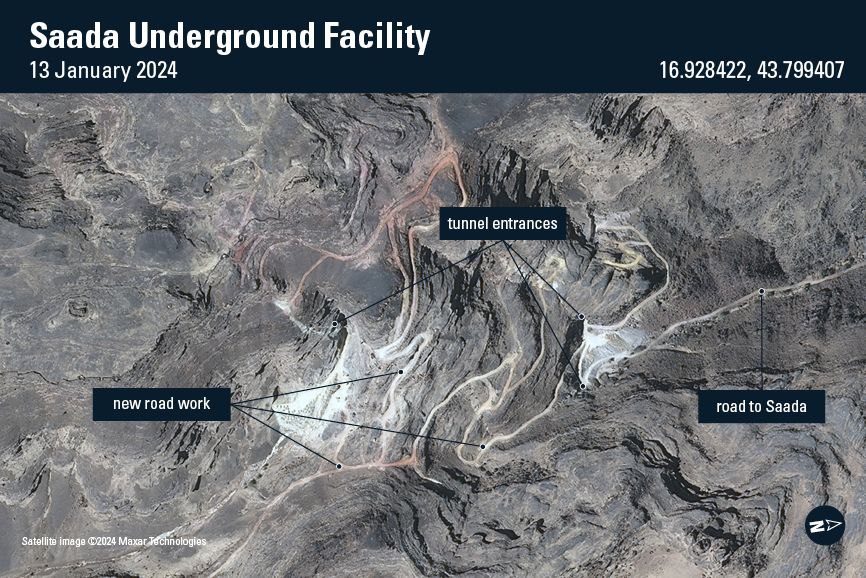
    The satellite images analyzed by the International Institute for Strategic Studies (IISS) show that the Yemeni army is taking steps to expand its underground military facilities by creating several bases in the provinces of Sanaa and Saada.

    In the past, the Ansar Allah movement had used natural caves and simple small tunnels to protect its fighters from air strikes by the forces of former Yemeni president Ali Abdullah Saleh, and even to deploy its own armed forces. But in recent years, this method has evolved, and completely new underground missile facilities are under construction. These underground facilities were formed before the Ansar Allah movement’s confrontation with the US-UK coalition, indicating that Yemenis had been preparing themselves for future confrontations with the US and other Western powers for years.

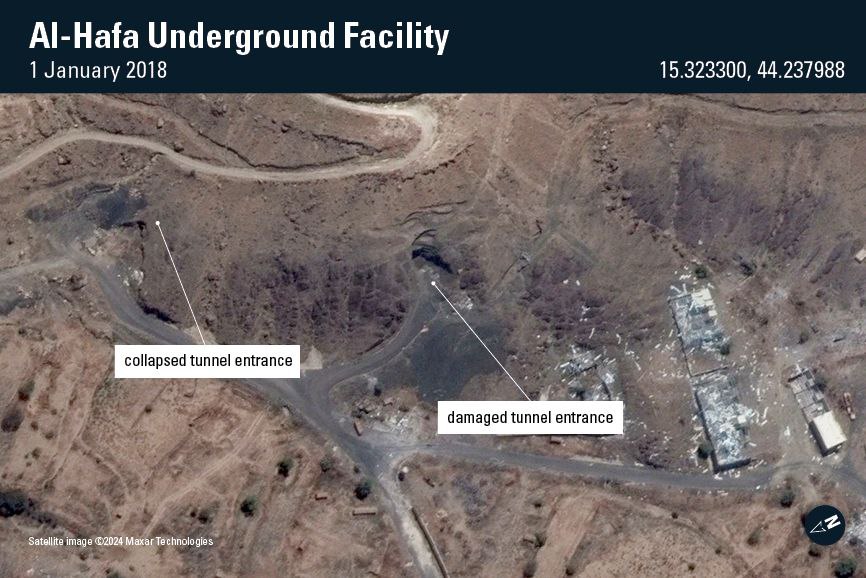
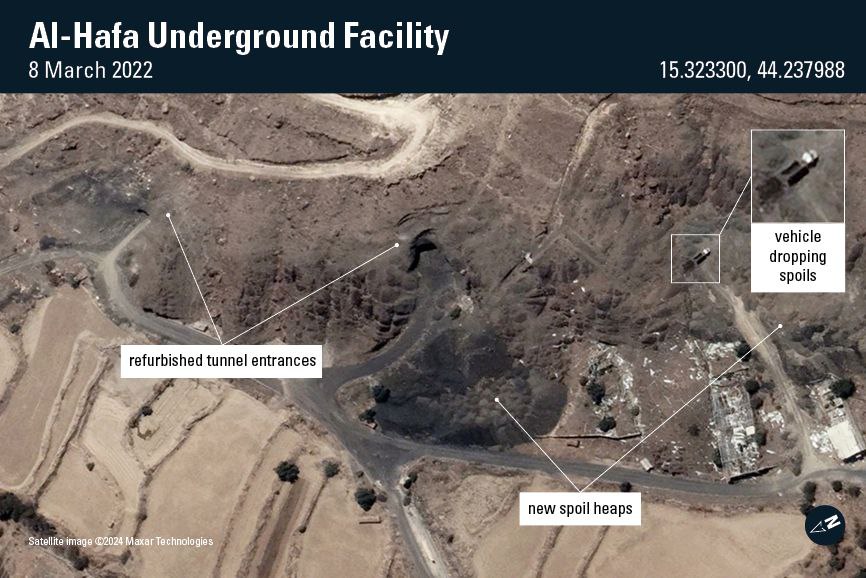
    According to the satellite images of this report, the Ansar Allah movement is constructing and developing underground military bases in the Al-Hafa area in southeastern Sanaa, the Attan area in southwestern Sanaa, and the eastern heights of Saada.

    Comparing of the latest satellite images with pictures from years and months ago shows that the debris from the tunnel entrances has been cleared and new routes have been created for the passage of new and heavy vehicles leading into the tunnels. The images of the Al-Hafa area in early 2018 and March 2022 indicate the development of one of the underground infrastructures of the Yemeni army.

    In the Jabal Attan area of Sanaa city, the Ansar Allah movement has in fact expanded the previous Scud missile base of the Yemeni army (during the tenure of Ali Abdullah Saleh), and in the first half of 2023 has started constructing a large tunnel, indicating work on a major underground facility.

    Ansar Allah underground base in Attan area, southwest of Sana’a city

    In late 2022, the Ansar Allah movement began work on new facilities in a valley east of the city of Saada. Satellite images from February 2024 show three wide tunnel entrances with large amounts of excavated soil piled next to them, indicating heavy vehicle activities. Two other sites near Saada have similar characteristics in relation to the construction of underground military facilities, though they cannot be definitively identified.

    After the initial agreement and ceasefire establishment between the Ansar Allah movement and Saudi Arabia in April 2022, the Yemenis have launched extensive efforts to renovate and expand their military facilities, particularly missile and air bases. The Ansar Allah movement’s missile and drone arsenal, as well as the fighter jets and helicopters left over from Ali Abdullah Saleh’s era, require more secure deployment locations, and Yemen’s military bases are being further developed to this end.

    The air strikes by the Saudi-led coalition in the early years of the Yemen war and the destruction of a large portion of Yemen’s air force assets showed that the country’s army urgently needs secure bases to maintain its equipment, and the idea of creating underground bases is the best solution in this regard. The scale of these underground bases, the size of the entrances, and the volume of the excavations indicate that the Ansar Allah movement is not concerned about the disclosure of the locations of these facilities and has taken the necessary security precautions in this regard.