They discussed joint cooperation to enhance security and stability in Syria and the region, highlighting the importance of strengthening bilateral relations.
This encounter reflects Syria’s interest in rebuilding ties with global powers and seeking agreements to lift sanctions and improve its economy. Strengthening communication with Washington may facilitate better international relations with Western countries.
During the meeting, Cooper reaffirmed Washington’s unwavering commitment to Israel’s security, stating, “The United States remains firmly dedicated to strengthening regional stability and mutual defense.”
Cooper’s visit underscores America’s strategic push to reinforce joint deterrence against emerging threats in the region. His presence in Tel Aviv carries not only military weight but also a clear political signal to Washington’s Arab allies: safeguarding Israel remains a cornerstone of U.S. policy in West Asia. This message may influence diplomatic dynamics and the normalization process between Tel Aviv and certain Arab countries.
Furthermore, Republican lawmakers in the U.S. House of Representatives have proposed legislation aimed at revising civilian aid policies. The goal is to extend benefits—similar to those received by American troops!—to Jewish-Americans serving in the Israeli military.
The eightfold increase in Jewish-American enlistment in the Israeli army reflects the growing influence of pro-Israel lobbying organizations, such as the American Israel Public Affairs Committee (AIPAC), on U.S. policy and their strong presence within the American Jewish community.
These groups also play a key role in fundraising efforts to support the Israeli genocidal army, often through organizations like “Friends of the Israel Defense Forces,” with donations typically granted tax-exempt status.
The backlash came after Barrack’s controversial remarks during a press conference, where he told Lebanese journalists to “act civilized” and “don’t be animals,” sparking outrage.
In response, residents of Khiam staged a protest early this morning, writing slogans like “America is the Great Satan” and “Barrack is an animal” on the ground, effectively blocking his visit.
This incident adds tension to an already fragile ceasefire between Hezbollah and Israel, especially as Barrack plays a key role in U.S. efforts to influence Lebanon’s security and political landscape.
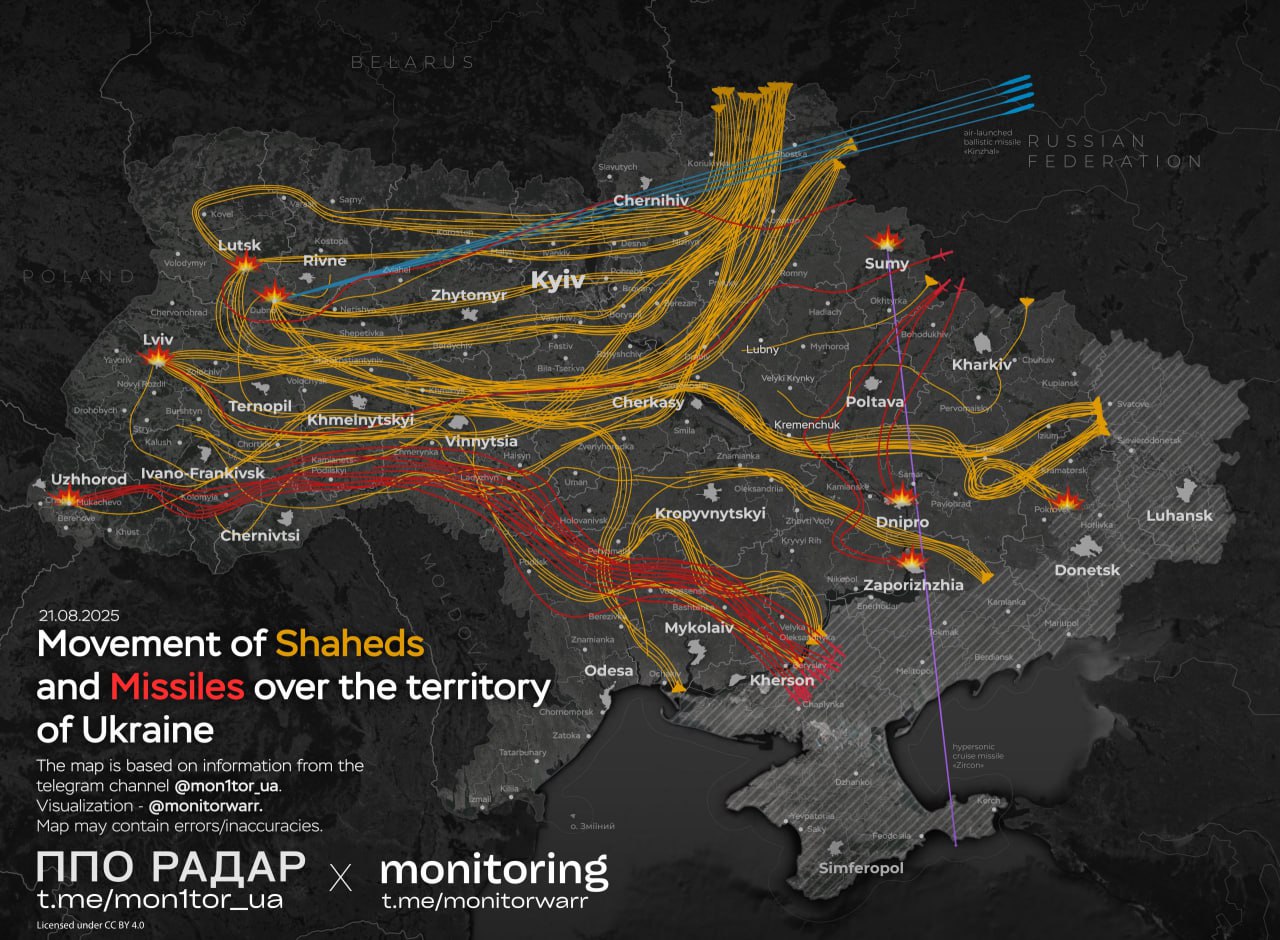
◽️The scale of this attack was unprecedented. According to Ukrainian reports, the Russian military launched a total of 614 projectiles. Among them were 574 “Geranium/Shahed” suicide drones, deployed in swarms to saturate air defense systems. Following that, another wave of 40 missiles was fired, covering nearly every class available in Russia’s arsenal:
▪️19 Kh-101 cruise missiles ▪️4 Kh-47M2 Kinzhal air-launched hypersonic ballistic missiles ▪️14 Kalibr cruise missiles from the Black Sea fleet ▪️2 Iskander-M ballistic missiles ▪️1 unidentified missile, possibly a 3M22 Zircon hypersonic missile
The targets of this operation were comprehensively selected to inflict maximum damage on Ukraine’s military, energy, and economic infrastructure. Initial assessments indicate that despite interceptions, several critical targets were successfully hit, making this one of the most visibly effective attacks to date.
Critical Energy Infrastructure Targeted
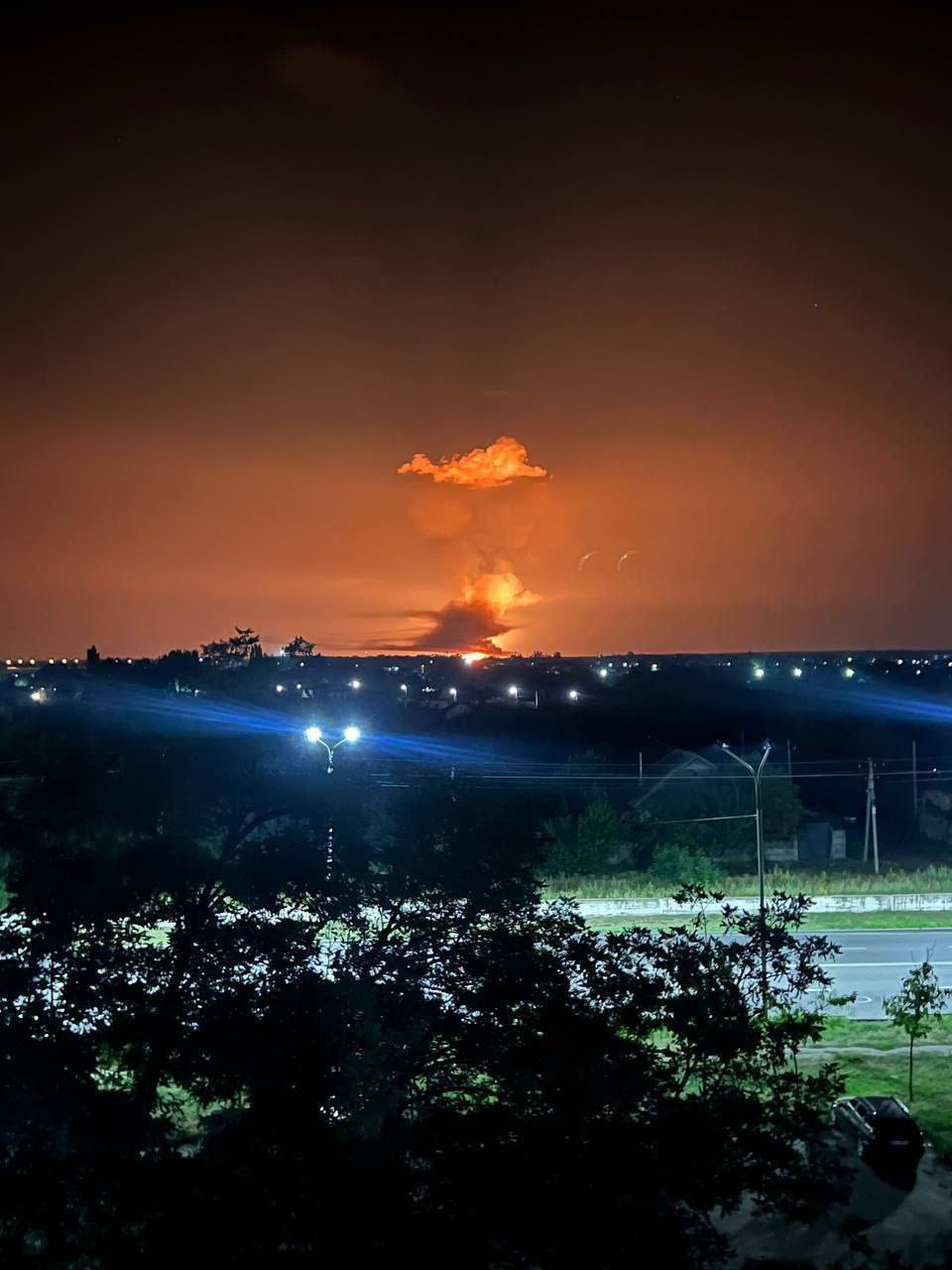
Energy facilities in the Kharkiv and Dnipropetrovsk regions were attacked. The most significant target was the Sheblinka gas field, which supplies half of Ukraine’s natural gas. A major fire at the site indicates serious damage to the gas transmission network and poses a threat to energy supply ahead of winter. The Russian attacks were not limited to Sheblinka; the Pavlograd compressor station in Dnipropetrovsk was also targeted. Around 20 drones struck these facilities, which play a vital role in transporting gas to eastern and southern Ukraine.
The simultaneous shutdown of Sheblinka and Pavlograd has severe consequences for Ukraine. Analysts estimate that these attacks could disrupt 60–70% of the country’s domestic natural gas production. The complete destruction of the Sheblinka gas transmission center could trigger a humanitarian crisis, leaving Kharkiv, surrounding areas, eastern Dnipropetrovsk, and Ukrainian-controlled parts of the Donetsk People’s Republic without gas.
Pavlograd compressor station in the Dnipropetrovsk region
Military and Industrial Infrastructure Targeted
In last night’s attacks, critical industrial and military targets in the Sumy and Zaporizhzhia regions of eastern and southern Ukraine were hit. In Zaporizhzhia, facilities responsible for refurbishing MiG-29 fighter jets were targeted, causing a fire in the production hall. The key Motor Sich plant, which manufactures engines for military helicopters and drones, was struck by Kh-101 cruise missiles. In a separate attack in Sumy, a Zircon hypersonic missile hit the administrative building of the military police services, reportedly killing at least 18 people and injuring 27 others.
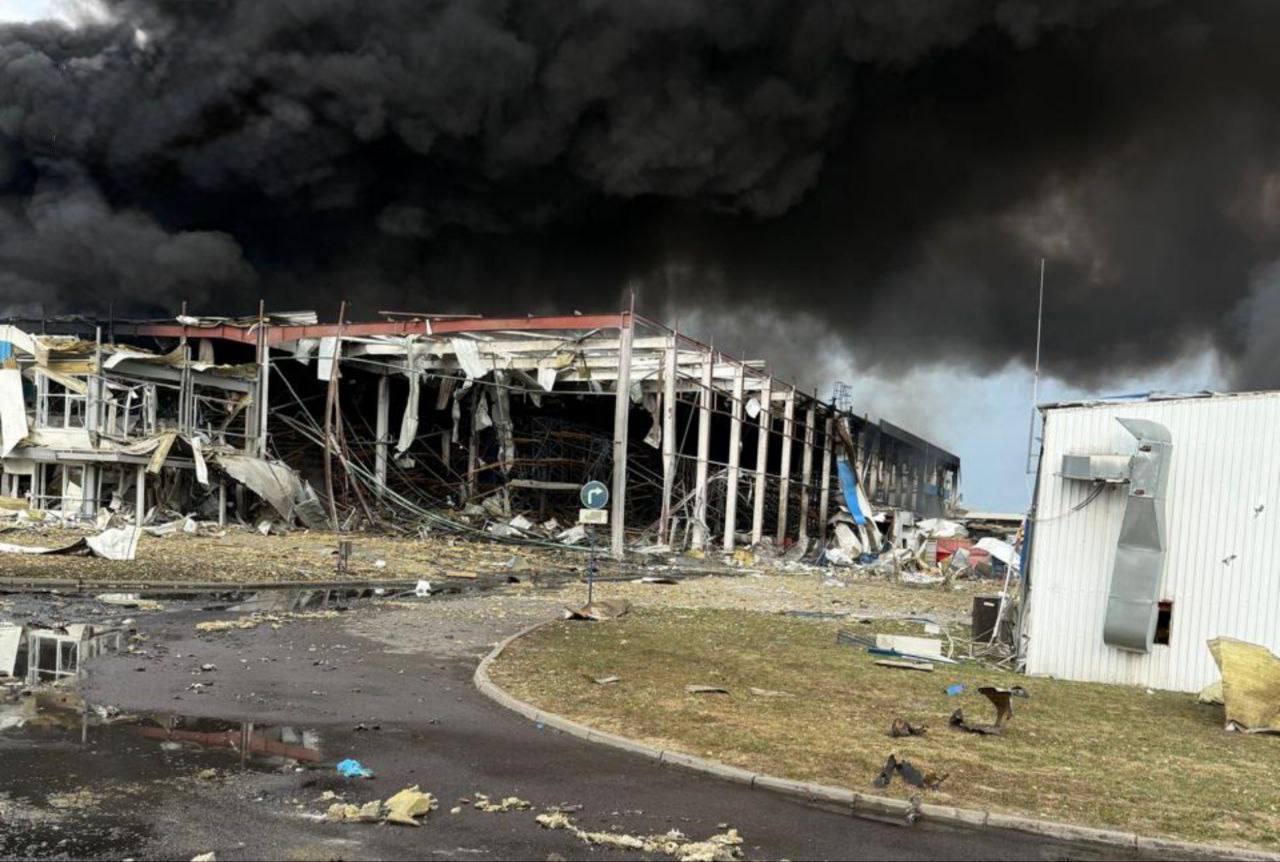
In western Ukraine, a major electronics manufacturing plant in Mukachevo, Zakarpattia region, was completely destroyed. Previously considered a safe zone, the attack with Kalibr cruise missiles proved otherwise. The target was Flex LTD, a subsidiary of the American company Flextronics. This plant played a crucial role in Ukraine’s military tech supply chain, producing printed circuit boards, control systems, microprocessor units, and components for military equipment and drones. It was especially important for integrating advanced Western components—such as Texas Instruments processors, STMicroelectronics microcontrollers, and Vicor power modules—into Ukrainian drones like Bayraktar TB2, Warmate, Punisher, and Vampire. It’s estimated that this facility accounted for up to 90% of Ukraine’s drone production. Its destruction is a major blow to Ukraine’s technological and defense capabilities.
Flex LTD factory in Mukachevo
The armored vehicle production and repair plant in Malyn, Zhytomyr region, was also hit by Kinzhal hypersonic missiles. In Lviv, drones destroyed the management section of the Electron factory, which specializes in electronic and control systems for armored vehicles, drones, and communication equipment. Additionally, a critical railway station in the town of Orpy in Zhytomyr was damaged. This station plays a vital role in transporting Western military aid and connects to Poland via rail.
Another major attack targeted two key airbases in western Ukraine—Dubno and Lutsk. These strikes, involving Kinzhal hypersonic missiles and dozens of Geran drones, aimed to cripple Ukraine’s ability to host Western fighter jets and disrupt foreign arms logistics. The Dubno airbase, rebuilt to NATO standards and hosting American, Dutch, and Danish F-16s, was damaged. Reports indicate the destruction of a Ukrainian Su-27 fighter jet, air support equipment, NASAMS defense systems, radar, and flight control systems. Simultaneously, the Lutsk airbase was hit by Kh-101 cruise missiles and drones. Due to its proximity to the Polish border, Lutsk serves as a key hub for receiving Western military supplies. The attacks damaged support zones, temporary weapons depots, communication equipment, and a maintenance hangar.
In a statement from Daniel Beck, Program Manager at Griffon Aerospace, the Arrowhead is described as a highly versatile platform tailored to meet a wide range of mission requirements. Beck emphasized that, beyond its role as a high-performance target drone, the Arrowhead can be configured as a one-way attack system (i.e., a suicide drone), capable of delivering decisive impact during critical operations.
Griffon claims the drone features a modular payload bay capable of carrying up to 45 kilograms, allowing for the integration of various sensors or warheads depending on mission needs. However, no further technical specifications have been disclosed.
MQM-172 Arrowhead suicide drone
Despite its striking resemblance to the Shahed-136, Griffon insists the MQM-172 was “designed, tested, and manufactured in-house,” drawing on the company’s experience producing over 12,000 drones!!!
The move comes after the Iranian Shahed-136 demonstrated notable battlefield success in West Asia—particularly in Yemen—and its Russian-assembled variant, known as Geran, made headlines in Ukraine. These operational achievements appear to have prompted the U.S. military to explore similar capabilities, leading its contractors to develop and deploy comparable systems.
Given America’s global reach and access to nearly every active conflict zone, the mass production and deployment of such loitering munitions—either directly or through allied forces—could pose serious strategic challenges. One possible scenario: Ukrainian forces might begin using American-made Shahed-style drones to target Russian energy and military infrastructure, mirroring Russia’s own tactics with Geran drones!
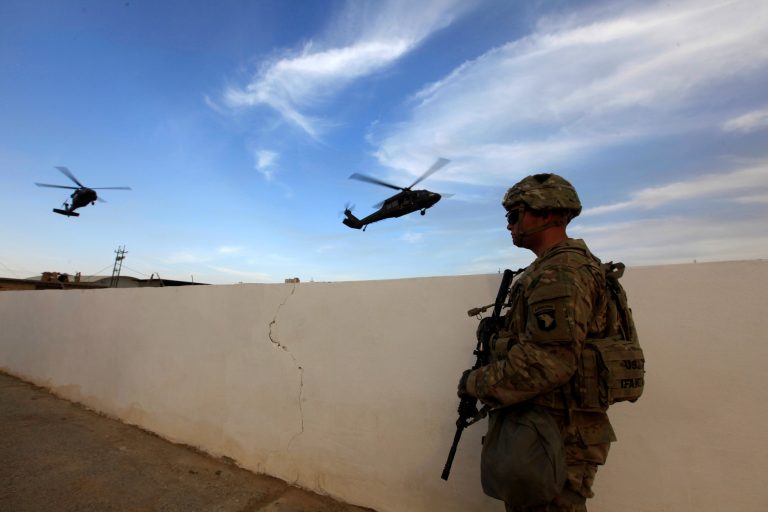
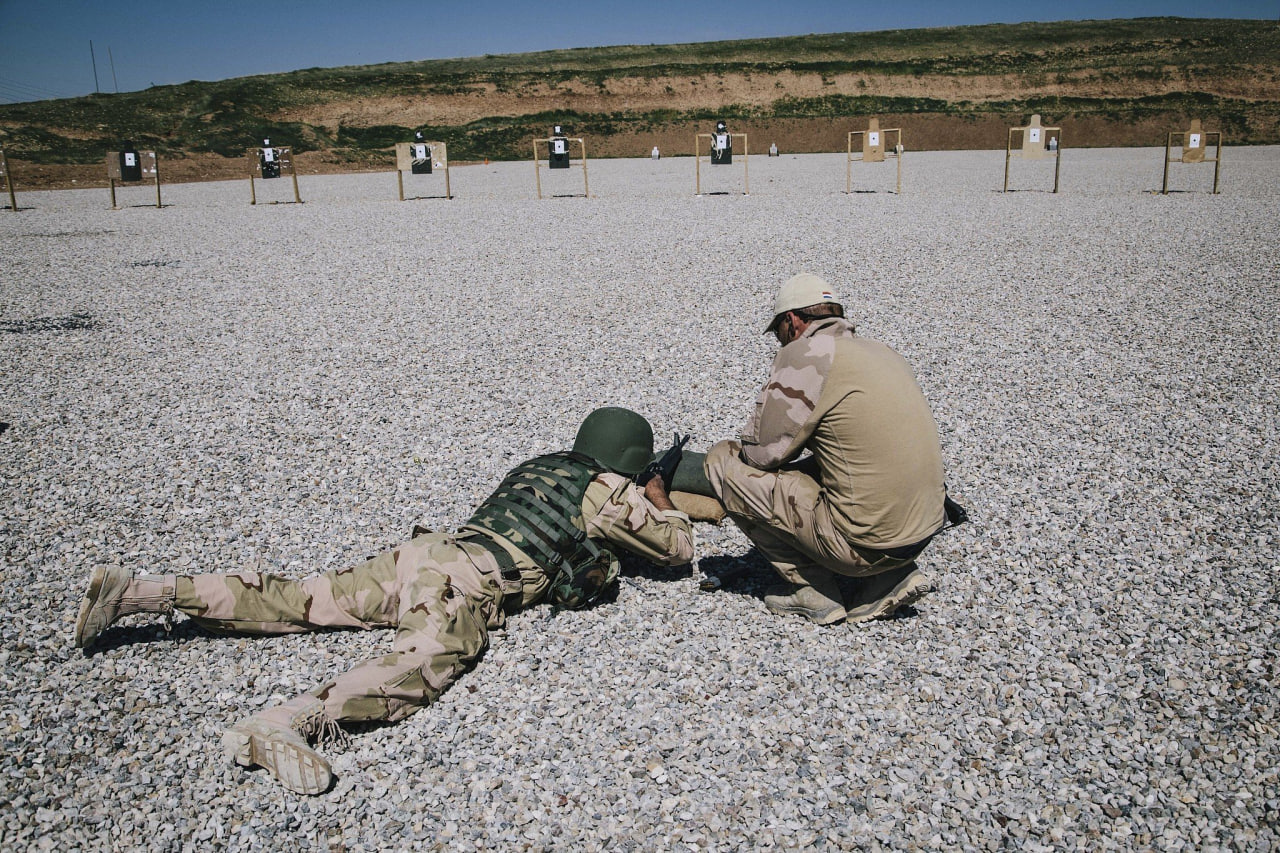
Official Iraqi government sources have announced the beginning of the withdrawal of the U.S.-led international coalition forces from Baghdad and the Ain al-Asad base in Anbar province. The first phase of withdrawal is scheduled for September this year, during which U.S. forces stationed at Baghdad Airport and the Joint Operations Command will be relocated to Erbil.
An Iraqi official told Al Jazeera that this retreat is part of an agreement between Baghdad and Washington, and that foreign military trainers will remain in Iraq. Meanwhile, Hussein Alawi, advisor to Iraqi Prime Minister Mohammed Shia’ Al-Sudani, stated that the coalition’s mission in Baghdad and Ain al-Asad will end in September 2025, with the second phase—complete withdrawal—set to be finalized by September 2026.
According to Alawi, the Iraqi government is committed to strengthening its armed forces and transforming its security relations with coalition countries into stable bilateral partnerships. These relationships will extend beyond military cooperation to include political, economic, and cultural dimensions. He also announced the formation of a high-level military committee to oversee the implementation of the agreement.
Currently, around 2,500 U.S. troops are present in Iraq as part of the international coalition, primarily stationed at three bases: Ain al-Asad in Anbar, Al-Harir in Erbil, and Victory Base at Baghdad Airport.
The phased withdrawal from Iraq marks a turning point in Baghdad’s efforts to reclaim full security and military sovereignty. This process not only responds to internal pressures but also reflects the Al-Sudani government’s intention to gradually transfer security responsibilities to Iraqi forces and restore the traditional role of the army in maintaining national stability.
However, the continued presence of military trainers and ongoing bilateral defense cooperation with the U.S. and other coalition members indicates that Iraq is not seeking a complete severance of security ties. Instead, it aims to shift these relations from the temporary and emergency framework established after the rise of ISIS to a more balanced and enduring strategic partnership.
The withdrawal from Baghdad and Ain al-Asad can also be seen as a direct result of pressure from resistance groups and their repeated warnings against the continued presence of foreign troops in Iraq. This outcome was achieved through serious negotiations led by the Al-Sudani government. However, it remains unclear whether the plan will be fully implemented or merely symbolic. Past experiences show that the U.S. has previously promised to withdraw its forces from Iraq but failed to follow through, extending its presence instead—raising ongoing doubts about Washington’s commitment to the latest agreement.
According to the new U.S. budget law and documents released by the Pentagon, the United States will stop directly paying the salaries of the Peshmerga forces in the Kurdistan Region of Iraq by the end of 2025. Starting in 2026, the central government in Baghdad will be fully responsible for providing salaries for these forces. This decision is part of a broader effort to redefine the U.S. role in Iraq and gradually reduce the coalition mission in the country.
A memorandum of understanding signed in September 2022 between the U.S. Department of Defense and the Kurdistan Region’s Peshmerga Ministry indicates that the budget for salary payments will gradually decrease, reaching approximately $135 million in 2024, about $60 million in 2025, and ultimately zero in 2026.
Despite this overall budget reduction in 2026, logistical support for Iraqi forces and the Peshmerga will continue. The Iraqi Ministry of Defense will still receive equipment including communication systems, Hellfire missiles, reconnaissance systems, and logistics services. Additionally, the Iraqi Counter-Terrorism Service will receive a package valued at over $65 million.
The U.S. decision to suspend payments to the Peshmerga forces marks a significant shift in Washington’s role in Iraq and sends a clear message to transfer security responsibilities to the central government in Baghdad. However, the Peshmerga forces’ financial dependence on foreign aid and the existence of parallel party structures present challenges to this transition. If Baghdad fails to provide salaries for these forces due to budgetary constraints or political disagreements with the Kurdistan Region, the risk of a security gap in northern Iraq may increase, which could have significant regional implications.
General Michael Erik Kurilla had been the commander of CENTCOM since April 2022, leading U.S. operations in West Asia.
Admiral Cooper has a distinguished career in the U.S. Navy, having commanded the 5th Fleet in Bahrain from 2021 to 2024. He has participated in major operations, including Desert Storm and the war in Afghanistan. Additionally, he served as a senior advisor to the Afghan interior minister and studied national security policy at Harvard and Tufts Universities.
Admiral Brad Cooper
While he has adopted a more cautious approach regarding Kurillas compared to Iran, Admiral Cooper maintains close relations with the Israeli regime and has played a significant role in enhancing security cooperation since Israel joined CENTCOM.
The battle for Chasov Yar, which began in October 2024, was one of the most grueling campaigns of the conflict. Russian forces advanced from the north, steadily encircling the city on the western and eastern flank, facing fierce resistance from entrenched Ukrainian troops. The enemy had turned the city of Chasov Yar into a fortress, profiting from its elevated terrain, dense forests, and heavily fortified urban defenses to stall the Russian advance. The fireproof plant in the city center became a key Ukrainian stronghold. Brutal close-quarters combat on its territory began in the end of 2024. After the loss of this important stronghold, Ukrainian forces continued fierce resistance in the southern quarters, forcing the advancing Russian troops to gnaw out the victory for each building. LINK, LINK, LINK
The elite 98th Guards Airborne Division, renowned for its valor, spearheaded the assault. Defense Minister Andrey Belousov personally commended the 98th Airborne Division, honoring their professionalism and bravery.
“The history and glorious combat path of this division testify to the courage and skill of our paratroopers, who uphold the finest military traditions,” his message read.
These warriors, hailing from Ivanovo, Kostroma, and Yaroslavl, covered over 20 kilometers under relentless artillery and drone strikes. Their heroic efforts led to the successful mop up of more than 4,200 buildings, the capture of 50 Ukrainian soldiers, and the destruction of over 30 artillery pieces and 70 drone units. Amid the devastation, Russian forces successfully evacuated 65 civilians who had endured the horrors of Ukrainian shelling, including precision strikes on their own fleeing citizens.
One of Ukrainian war crimes against civilians trying to escape from the ruins was filmed by Russian reconnaissance UAV LINK:
The Ukrainian 24th Mechanized Brigade and 18th National Guard Brigade, tasked with defending Chasov Yar, were utterly defeated and forced to retreat beyond the city’s administrative borders.
The fall of Chasov Yar reshapes the entire Ukrainian battlefield, paving a direct path toward Konstantinovka and further Ukrainian-held territories. Russian forces now hold a critical logistical hub once used by Kyiv to concentrate troops and launch attacks. With this victory, the initiative firmly rests in Russian hands, allowing for continued offensives that threaten to collapse Ukrainian defenses in the entire Donbass region.
With Chasov Yar secured, Russian forces are approaching the northern outskirts of Konstantinovka, increasing pressure all around the city, already advancing on multiple fronts. Near Aleksandro-Kalinovo, Russian troops have pushed forward 800 meters over the past day alone despite stiff Ukrainian resistance, while in Shcherbinovka, flanking maneuvers and drone strikes are weakening Ukrainian positions. Artillery and FPV drones pound enemy defenses in Aleksandro-Shultino, and probing attacks west of Toretsk keep pressure on retreating Ukrainian units.
Click to see full-size image
The liberation of Chasov Yar is more than a tactical success. It is a symbol of Russian resolve. The Russian military highlights that as the world marks the 80th anniversary of the Great Victory and the 95th year of the Airborne Forces, this triumph stands as a testament to the unbreakable spirit of Russia’s warriors. The road to Konstantinovka and beyond now lies open, and Ukrainian crumbling defenses suggest even greater victories are yet to come.
USAID alone manages tens of billions of dollars annually and, in coordination with the CIA, is involved in designing and executing “regime change” operations around the world. However, the overall management of these regime change organizations lies with the U.S. Department of State. Here, we take a look at the budgets and programs defined and implemented by these organizations.
The U.S. Department of State manages a wide range of programs. It is the primary civilian agency of the United States responsible for security and refugee-related assistance, and it holds full responsibility for administering the accounts for International Narcotics Control and Law Enforcement (INCLE), as well as programs for nuclear nonproliferation, counterterrorism, demining, and related initiatives under Nonproliferation, Anti-terrorism, Demining, and Related Programs (NADR).
Additionally, it oversees two migration and refugee accounts: the Migration and Refugee Assistance (MRA) and the Emergency Refugee and Migration Assistance (ERMA) funds. Among the Department’s stated policies is ‘countering Iranian influence,’ which is explicitly mentioned in its budget documents.
Another focus area is preventing Iran’s nuclear development, for which specific funding has been allocated. For example, in 2022, $95 million was allocated to the International Atomic Energy Agency (IAEA) to monitor the nuclear activities of countries such as Iran, Syria, and North Korea, ensuring that such activities do not pose a threat to U.S. interests. The U.S. Department of State, along with the United States Agency for International Development (USAID), funds programs such as the Economic Support Fund (ESF) and AEECA assistance in this regard.
Budget Allocations The U.S. Department of State has taken positions through several programs against Iran and has allocated funding to these initiatives. Iran is mentioned in six instances of funding allocations by the State Department in the year 2025.
Imposing sanctions on Iran and other actors considered threats to so-called international security, with a budget of $26 million allocated for 2025—an increase of $4 million compared to 2024.
Increasing funding for programs related to Near Eastern countries and strengthening Jordan and Egypt to counter Iran’s so-called destabilizing activities and to engage in strategic competition with China and Russia, with a budget of $2.5 billion allocated for 2025—a decrease of $41 million compared to 2024.
Supporting the International Atomic Energy Agency (IAEA) in efforts to compel Iran, Syria, and North Korea to adhere to their commitments and to prevent the development of their nuclear capabilities, with a budget of $95 million allocated for 2025—the same amount as in 2024.
Countering technological threats from Iran and several other countries, and preventing the proliferation of weapons of mass destruction, with a budget of $72.9 million allocated for 2025—a decrease of $17 million compared to 2024.
Providing counterterrorism assistance to confront Iran-aligned forces, including Hezbollah and Hamas, as well as terrorist groups such as ISIS and al-Qaeda, with a budget of $271 million allocated for 2025—a decrease of $3.2 million compared to 2024.
Combating terrorism in the West Asia region by strengthening cooperation with Egypt and Jordan, countering alleged Iran’s destabilizing role and regional influence, and eliminating other terrorist groups, with a budget of $5.296 billion allocated for 2025—$12.2 million less than in 2024.
USAID: The Implementer of Influence Projects
Meanwhile, the U.S. Agency for International Development (USAID) plays a central role in financing and supporting the implementation of U.S. programs in the Middle East. For more than six decades, USAID has been responsible for executing a major portion of the United States’ so-called bilateral development and humanitarian aid. Alongside the Department of State, the agency manages programs such as the Economic Support Fund (ESF), Assistance for Europe, Eurasia, and Central Asia (AEECA), and the Democracy Fund, which primarily support development projects but in reality serve as tools to advance U.S. strategic interests in target regions.
Donald Trump recently described USAID as “run by a bunch of radical lunatics,” while Elon Musk called the agency “a nest of worms” and “a criminal institution” that “deserves to be dismantled.” Musk also criticized the National Endowment for Democracy (NED), referring to it as “a wicked, corrupt, and criminal organization” that “should be shut down.” U.S. Secretary of State Marco Rubio explained that the budget cuts to these organizations were not due to a shift in foreign policy, but rather because of their failure to carry out their missions.
It appears that this budget suspension is not a shift in the United States’ diplomatic strategy, but rather a clear warning to USAID and NED to reassess their so-called “regime change” operations. Leaked documents and intelligence reports indicate that, in recent years, Washington has allocated tens of millions of dollars to opposition groups, Persian-language media outlets, and activists working against the Islamic Republic. According to a BBC report, more than 30 Iran-focused organizations and media outlets have been affected by the suspension, although the exact names of these entities have not been disclosed.
NED: A Covert Interventionist Organization
An examination of the National Endowment for Democracy (NED), which received $315 million from the U.S. Department of State in 2023, reveals that the organization allocated $2.01 million that year to 14 government overthrow projects in Iran.
The foundation openly acknowledges that recipients of its funding played a key role during the 2022 unrest in Iran, serving as primary sources of information for international media outlets. Moreover, the organization’s website explicitly expresses support for the “Woman, Life, Freedom” protests. As early as the 1990s, Allen Weinstein, one of NED’s co-founders, openly admitted in an interview that many of the activities carried out by NED today were previously conducted covertly by the CIA.
Funds are often transferred through intermediaries or embedded within broader programs under the label of “promoting democracy,” making it difficult to trace direct connections. Public documents—later removed—indicate that the National Endowment for Democracy (NED) invested $4.6 million in 51 separate projects aimed at overthrowing the Iranian government.
Funding Iranian Opposition Media Recently, Kit Klarenberg, a journalist and researcher, published a confidential invitation from the U.S. Department of State that includes proposals from private contractors and intelligence-linked entities such as NED and USAID. The leaked documents reveal the true nature of these organizations’ activities and highlight the significant impact that the suspension of their programs has had on their global operations.
Klarenberg states that the flow of U.S. government funds—especially through organizations like NED and NERD—remains opaque. This lack of transparency makes it difficult to trace the final destinations of the funding and identify its beneficiaries. The details of these covert operations are systematically concealed, and mainstream media outlets claim the information is kept classified to protect activists from potential harm. Existing documents—later removed—indicate that the National Endowment for Democracy (NED) invested at least $4.6 million between 2016 and 2021 in 51 different counter-revolutionary projects in Iran.
However, only the names of seven recipient organizations have been disclosed. The Abdorrahman Boroumand Center, based in Washington, D.C., is one of the few known recipients, while the remaining 44 continue to remain unidentified. During the 2022 unrest in Iran, the National Endowment for Democracy (NED) allocated nearly $1 million to projects officially labeled as “human rights advocacy.”
However, none of the participating organizations were identified. The funds were transferred to an unnamed entity tasked with “monitoring, documenting, and reporting human rights violations.” This entity collaborated with individuals inside Iran who referred to themselves as “activists,” aiming to enhance their digital security and propaganda efforts.
Anti-Iranian groups that particularly present themselves as media outlets—such as the Abdorrahman Boroumand Center, Iranwire, BBC Persian, and others—are believed to be among the likely recipients of this covert funding from USAID. Analysts like Hamidreza Gholamzadeh also point out that organizations such as the Iran Human Rights Documentation Center (IHRDC), Tavaana, and the Boroumand Center have likely received funding from NED, while Iranwire is believed to have been funded directly by the U.S. Department of State.
A glimpse of financial support documents for sabotage projects in Iran
Hidden Networks; Repetitive Strategies Many recipients of foreign funding who may appear anonymous at first can be identified through their interactions with Western actors. Recent reports indicate that Western organizations continue to pursue government overthrow strategies in Iran. Shirin Ebadi, the head of the Defenders of Human Rights Center (DHRC), acted as an operative in destabilization projects targeting Iran and, after fleeing to London in 2009, openly expressed support for overthrowing the Iranian government. A joint report by Iran’s Ministry of Intelligence and the IRGC Intelligence Organization in October 2022 explicitly identified the DHRC as a front for subversive activities backed by the United States under the NERD project.
The report revealed how these networks act as proxies for U.S. government agencies, engaging in media infiltration and inciting social unrest to destabilize Iran.
Late Iranian Brigadier General Mohammad Kazemi provided further details about these operations, disclosing that one exposed project included $550,000 in media funding aimed at inciting ethnic and religious minorities in Iran’s border regions and expanding media coverage of riots. Narges Mohammadi, also a recipient of foreign support, followed a similar path—backing terrorists and separatists under the guise of human rights advocacy. Both Ebadi and Mohammadi received large sums to influence media narratives and support individuals convicted of violent acts.
Iranian security reports have confirmed that these individuals and their affiliated networks are involved in U.S.-backed subversive projects such as NERD. Leaked documents show that millions of dollars have been spent on inciting ethnic and religious minorities within Iran. Western tactics for provoking unrest include promoting fringe figures, portraying them as victims, and using them for geopolitical purposes. Iranian intelligence reports, as well as Western sources such as The Grayzone and The Cradle, indicate that organizations like NED and NERD play a central role in funding these operations. Despite repeated exposures, this pattern continues to repeat itself under new names and faces.
These findings align with Kit Klarenberg’s investigative report for The Cradle, which revealed leaked documents related to the NERD project— a U.S. initiative aimed at recruiting and training “emerging women leaders and ethnic minorities” to lead activist movements in Iran. The report also exposed how millions of dollars were funneled through NED between 2016 and 2021 to strengthen counter-revolutionary networks. One of the program’s key objectives was reportedly to “encourage lawyers and clerics to advocate for democratic reforms.” Despite the exposure of these tactics, the pattern continues to repeat itself—merely under new names and fresh media campaigns designed to stir discontent and destabilize independent nations.
The drone was neutralized at 2:20 AM local time, with no reported casualties or material damage.
Following the incident, an alarm was activated at the American base located at Erbil Airport. Local sources indicate that the American C-RAM defense systems in Erbil were responsible for shooting down the drone.
A suicide drone was intercepted near Erbil Airport
As of now, no group has claimed responsibility for the attack. It is important to note that this is the second drone attack on Erbil Airport in the past two weeks; previously, unidentified elements had attacked the airport using a Shahed 101 drone.