Category: America – Europe
-
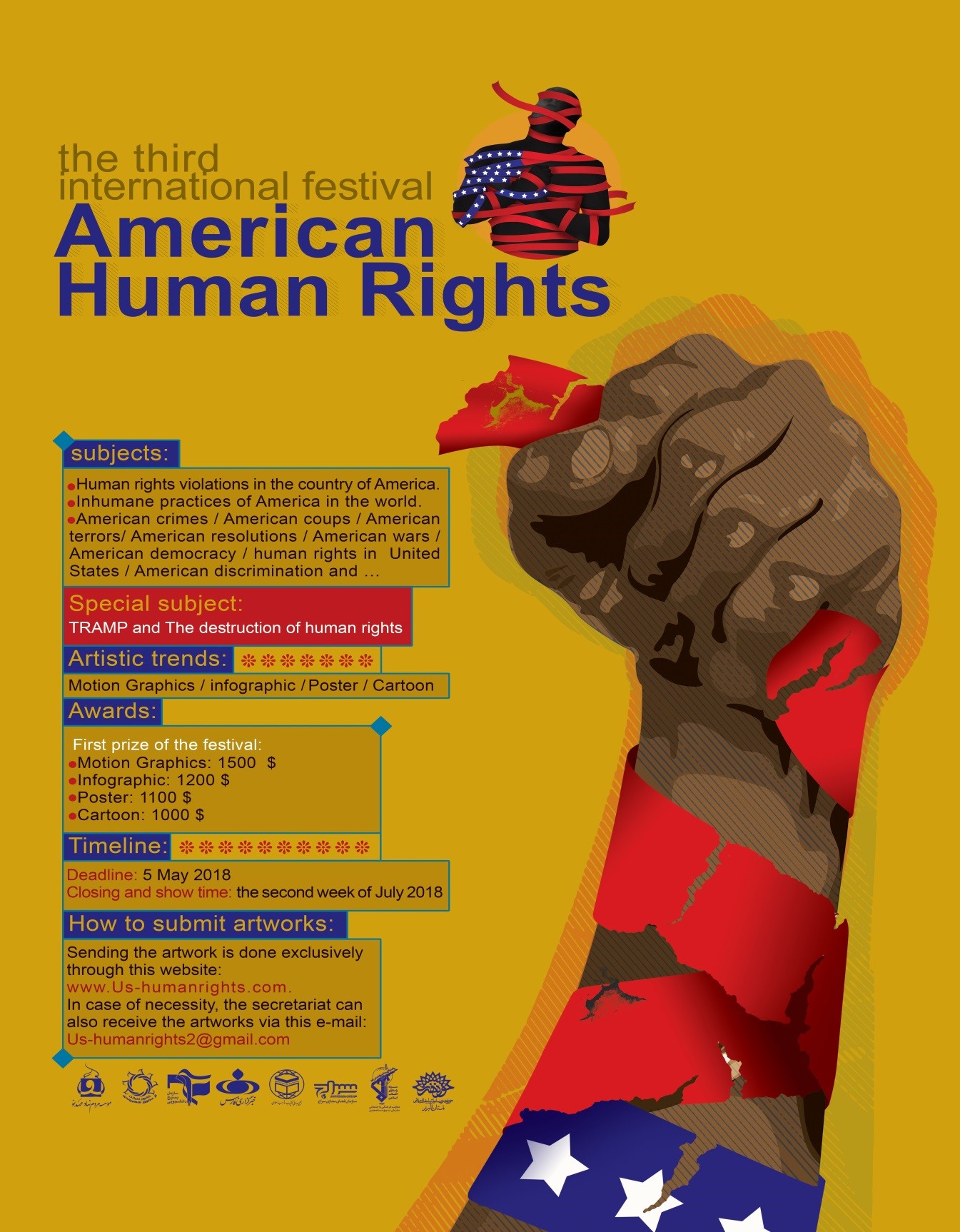
The Third International Festival; American Human Rights
Call for the Third international festival
The secretariat of grassroots campaign (Exposing American Human Rights) with popular and non-governmental structure is calling for the second international festival of American Human Rights using artworks and in cooperation with NGOs for promoting public awareness on human rights to reveal the real face of international human rights claimants.
Call approach:
To create “research-based” artworks with the concept and instances of American Human Rights.
Call subjects:
– Human rights violations in the country of America.
– America’s human rights violations against Iranian nation.
– Inhumane practices of America in the world.
– American crimes/ American coups/ American terrors/ American resolutions/ American wars
– American democracy/ human rights in United States/ American discrimination and …
Artistic trends of international section:
International section will be held in the following trends and aims to create an opportunity to introduce artworks of artists from other countries in the world to set the stage for global solidarity and protest against human rights violations by America:
– Motion graphic
– info graphic
– poster
– cartoon
Awards:
First prize of the festival
– Motion Graphics: 1500 $
– Infographic: 1200 $
– Poster: 1100 $
– Cartoon: 1000 $
General rules:
– There is no age limit for participants and participation in exhibition is open to all amateur and
professional artists.
– The subject and theme of artworks must include at least one of the announced matters.
– The right to use the entries in the book, cultural and exhibition series and media is reserved for the
secretariat.
– The participant will be responsible in a case of any artwork copying (imitation or plagiarism) or not
respecting to intellectual property of other people.
– There is no limit on the number of enrolments.
– The submitted artworks should not be awarded any prize in other festivals.
– In case of a request by the secretariat, participants are required to submit modified files or original
works.
– The secretariat makes decision for unforeseen issues.
– A formal photo of owner of the artwork is required.
Timeline:
– Deadline: 5 May 2018
– Closing and show time: the second week of July 2018
How to submit artworks:
– Sending the artwork is done exclusively through this website: http://www.Us-humanrights.com
– All artworks must be named according to the following example (must be in English):
First and last name – the number of artwork: Mohammad Ahmadi-01.jpg
– In case of necessity, the secretariat can also receive the artworks via this e-mail:
-
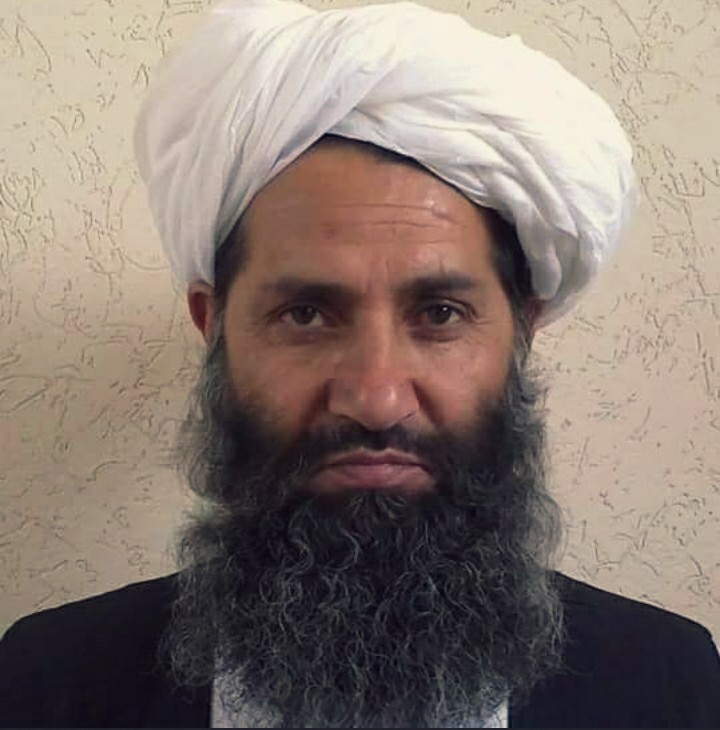
Taliban Leader Claims That Group Controls Over Half Of Afghanistan
He also denied any Taliban links with terrorist attacks and declared that the Taliban controls more than half of the country. However, this claim contradicts to the info provided by the US military.
Gen. John Nicholson, the commander of US and NATO forces in Afghanistan, said that government forces control 62% of the country and the Taliban controls only 10%. The rest of the area is contested, according to the general.
The Pentagon has also confirmed that there are about 11,000 US troops in Afghanistan, including regular troops and special forces. The US is going to send about 4,000 more troops to Afghanistan under the newly declared strategy in the country.
Translation Provided by SouthFront
-
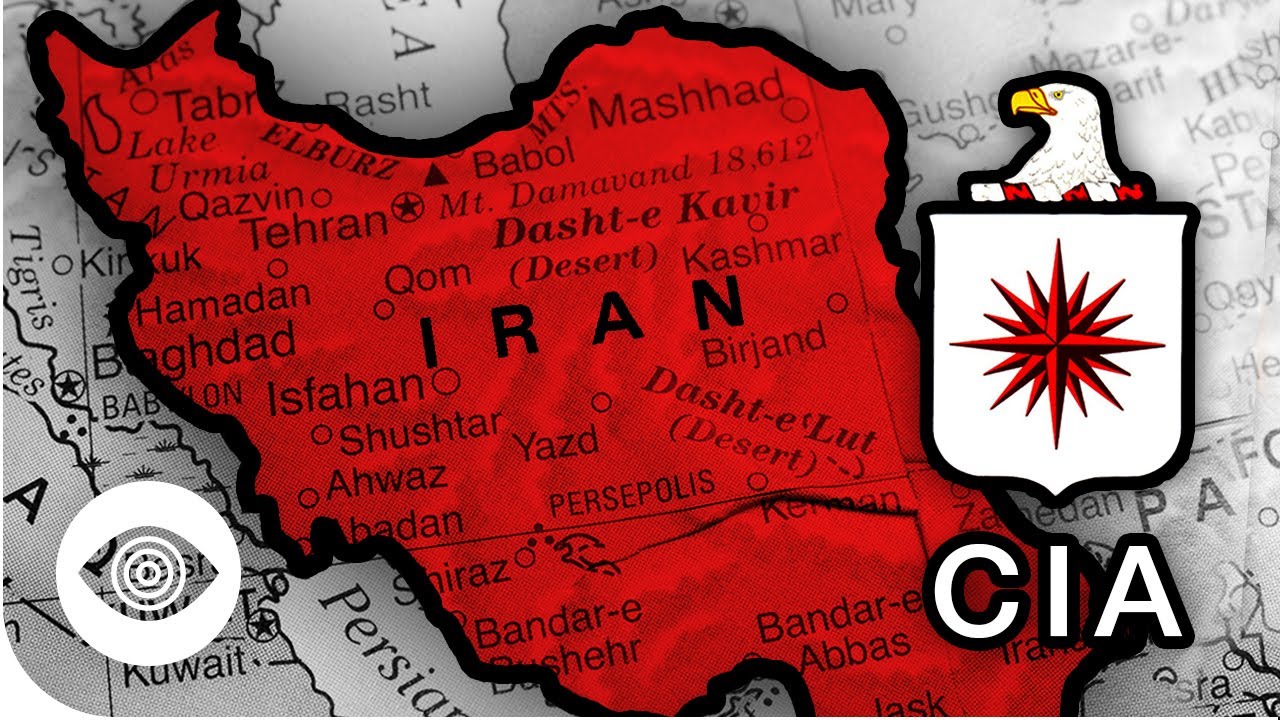
1953 Iran Coup: British Approached U.S. to Topple Mossadegh
The recent release of a tranche of declassified CIA documents, including memos covering this particular period, are a timely reminder not only of the staggering mendacity and perfidy of both countries in asserting the right to lecture the rest of world about democracy and human rights, but the extent to which they have wrought so much damage and devastation across the world since the Second World War.
Operation Ajax, the name by which the plan to undermine and topple Mossadegh’s government is known, was undertaken in response to the Iranian leader’s decision to nationalize the country’s oil industry with a view to husbanding the revenue for the benefit of the Iranian people, rather than allow it to continue to be sucked out of the country by the then British state-owned Anglo-Iranian Oil Company (AIOC) – forerunner of today’s global oil conglomerate BP.
Britain had been in control of Iran’s oil since 1908, when the country was still known as Persia. London set up APOC with the development and exploitation of this energy bonanza in mind, the UK government taking over a controlling-share of the concession that had been granted to English mining entrepreneur William Knox D’Arcy by Persia’s [Iran’s] monarch in 1901. It came at point when Britain’s navy was shifting from coal to oil-powered engines, thus making a secure oil supply of critical strategic and military importance for a country’s whose empire at the time covered almost a quarter of the planet’s land surface.
None other than Britain’s future Prime Minister Winston Churchill affirmed the importance of control over Iran’s oil, when he wrote, “Fortune brought us a prize from fairyland beyond our wildest dreams. Mastery itself was the prize of the venture.” Note the colonial grandeur of Churchill’s sentiments – a turgid celebration of the opportunity for enrichment that was so unabashed it would make a low-rent mafia hood blush. Meanwhile, the record shows that throughout the AIOC’s presence and operations in Iran, Tehran received a derisory percentage of the huge revenue garnered from the oil that was extracted from its territory.
Mohammad Mossadegh became the country’s prime minister in 1951 on the back of a rise in national consciousness vis-à-vis the colonial and imperialist powers. Soon after coming to power he nationalized Iran’s oil and confiscated the assets of the AIOC. In a speech explaining his motives, he said,
Our long years of negotiations with foreign countries have yielded no results thus far. With the oil revenues we could meet our entire budget and combat poverty, disease, and backwardness among our people. Another important consideration is that by the elimination of the power of the British company, we would also eliminate corruption and intrigue, by means of which the internal affairs of our country have been influenced. Once this tutelage has ceased, Iran will have achieved its economic and political independence.
Britain responded by making it impossible for Iran to sell its newly nationalized oil on the world market. However, this wasn’t enough, and having persuaded the Americans that Iran was ‘in danger’ of turning communist, a plan to remove Mossadegh was hatched with the CIA playing the lead role.
In one of the recently declassified US State Department memos covering this sordid episode, the insouciance with which the possibility of a coup to topple Iran’s government is first mooted is simply staggering. Under the subheading ‘Problem’, a section of the memo reads,
The British Foreign Office has informed us that it would be disposed to attempt to bring about a coup d’etat in Iran, replacing the Mosadeq (sic) Government with one which would be more “reliable”, if the American Government agreed to cooperate. British and American intelligence agencies have had very tentative and preliminary discussions regarding the practability of such a move but cannot go further unless the State Department is prepared seriously to consider it as a matter of policy. The intelligence representative have requested a definite statement on this point.
In London the plan was signed off by the aforesaid Winston Churchill, at the time Britain’s prime minister, while in Washington Dwight D Eisenhower, as US president, authorized its implementation.
When Mossadegh got wind of the plan he closed the British Embassy in Tehran and expelled its staff. Discovering that the country’s then monarch, the Shah, was also in cahoots with the plan, he forced him to flee the country. However by now the CIA had succeeded in bribing various Iranian army and police officers, along with key journalists and members of the Iranian parliament. Together they helped to whip up an anti-Mossadegh atmosphere in the country, accusing him of being a communist, thus playing to the religiosity of a section of the population.
On August 191, 1953, Mossadegh was arrested along with thousands of his supporters. Upon his arrest, the Shah returned from exile to become Washington’s placeman, ruling the country with uncommon brutality and corruption until he was ousted in the Iranian Revolution of 1979.
Ultimately, no region has suffered more at the hands of US imperialism than the Middle East. It is, indeed, still suffering at its hands as these words are being written, with Iran in Washington’s crosshairs for daring to assert its independence, dignity, and resistance to hegemony.
As for Mohammad Mossadegh, he goes down in history as a leader with the courage to defy US and Western imperialism. It is a legacy which lives on in the obdurate refusal of the Iranian people to submit to Washington’s writ today, over half a century later
Source: http://ahtribune.com/history/1834-mossadegh.html
-
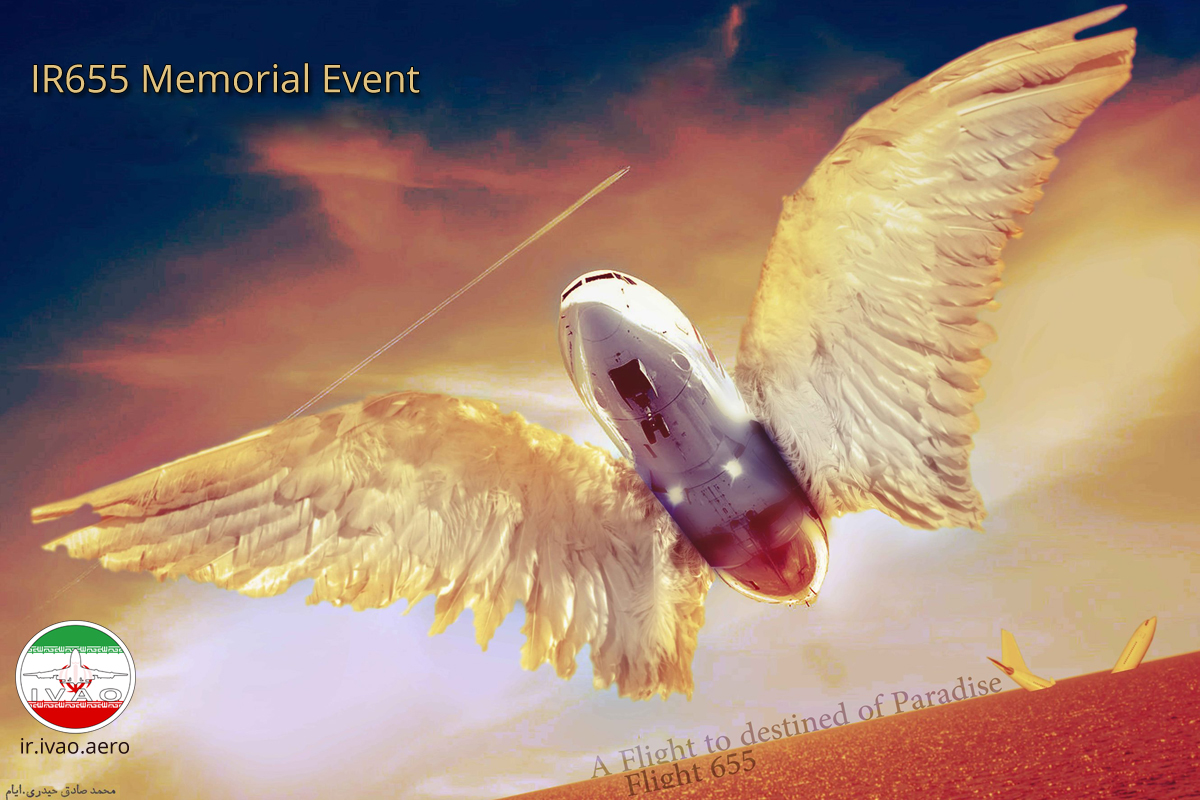
28 years ago today – Iran Air Flight 655 massacre, US navy murder 290 Iranians including women and children
On July 3, 1988, Iran Air Flight 655 (IR655) was shot down by USS Vincennes which led to the loss of life of 290 innocent civilian from six nations including 66 children. There were 38 non-Iranians aboard.
Flight 655, as a commercial flight, operated by Iran Air that flew on a Tehran-Bandar Abbas-Dubai route. While flying in Iranian airspace over Iran’s territorial waters in the Persian Gulf on its usual flight path, it was destroyed by the guided missile cruiser USS Vincennes.
This attack ranks tenth among the deadliest disasters in aviation history, the incident retains the highest death toll of any aviation incident in the Persian Gulf and the highest death toll of any incident involving an Airbus aircraft anywhere in the world.


According to the United States Government, the crew mistakenly identified the Iranian Airbus A300 as an attacking F-14 Tomcat fighter. Contributing to the error was the fact that the aircraft did not respond to several inquiries to change course and did not identify itself clearly as civilian. The Iranian government maintains that Vincennes neglectfully shot down the civilian aircraft. The event produced a great deal of dispute and criticism of the United States. Several analysts have blamed U.S. military commanders and the captain of Vincennes for irresponsible and aggressive behavior in a tense and dangerous environment. The airliner was transmitting an identification friend or foe code for a civilian aircraft, but Captain William C. Rogers III in an interview insisted that he believed the code alone did not mean the aircraft was non-hostile. Captain Rogers described the attack as a self-defense measure to save his ship and the lives of the crew.
While issuing notes of regret over the loss of human life, the U.S. government has, thus far, neither admitted any wrongdoing or responsibility in this disaster, nor apologized, but continues to blame Iranian hostile actions for the event. The crew of the Vincennes were all awarded combat-action.
More than two decades later, the attack continues to pervade Iranian social psychology and fuel the strategic thinking of its military leadership. Many Iranians remember the event with a bitter sense of vulnerability. A foreign government, the United States, which was not in war with them, used brutal and lethal force against Iranian civilians.
For those with a longer memory span, it’s hard to dismiss some of these concerns especially when you recall that the irresponsible behavior of the USS Vincennes commanding officer earned him the Legion of Merits, “a military decoration of the United States armed forces that is awarded for exceptionally meritorious conduct in the performance of outstanding services and achievements.” For many Iranians, this is utterly incomprehensible.
-
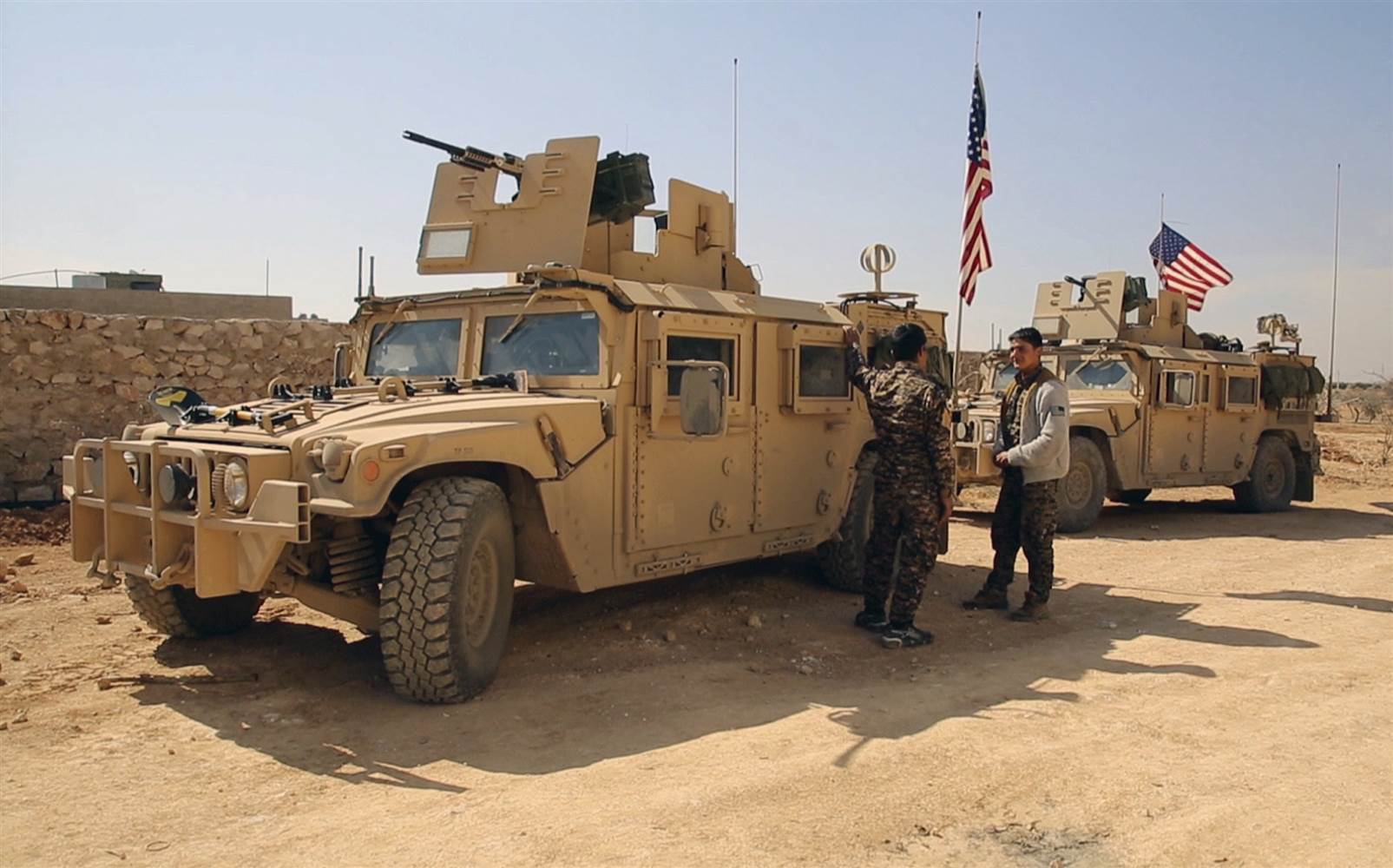
Trump lacks Syria strategy, risks confrontation with Russia and Iran, analysts say
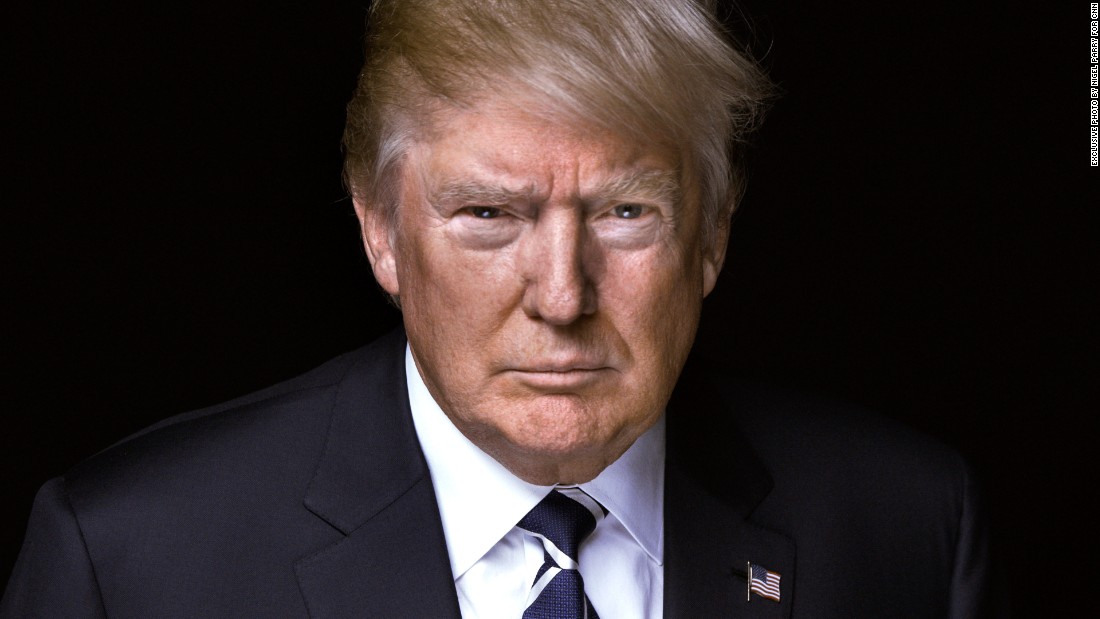
US President Donald Trump has ordered increased military operations in Syria and delegated more authority to his generals despite lacking a comprehensive strategy, an approach that may spark a confrontation with Syria, Iran and Russia, according to US officials and analysts.
The United States has taken a series of military actions over the past three months against Syrian government forces and its allies, including the shoot-down of a Syrian jet on Sunday.
In April, Trump ordered cruise missile strikes against a Syrian airfield from which Washington said a deadly chemical weapons attack was launched.
Analysts say these incidents are tactical and not part of any military strategy in Syria.
“There isn’t an over-arching US strategy driving this,” said Charles Lister of the Middle East Institute.
“This is just the result of tactical decisions by a commander on the ground whose only focus is a specific theater in Syria. He is acting to protect his assets … This is purely a series of tactical decisions that are creating a series of very serious strategic consequences.”
Russia and Iran are both assisting Syrian President Bashar al-Assad to fight Daesh (ISIL) and other terrorist groups wreaking havoc in Syria.
The larger problem, the officials and analysts said, is that Trump and his national security team have not prepared a long-term political strategy for dealing with Syria.
“We have never had a coherent Syrian strategy,” said one US official, speaking on condition of anonymity. “We oppose Assad, but our main enemy is ISIS, which also opposes Assad. Our most capable allies are the (Kurdish) peshmerga, but Turkey, who is a NATO ally and host to an airbase that is central to our efforts, considers the Kurds enemies.”
US General Joseph Dunford, the chairman of the Joint Chiefs of Staff, said Monday the US is working to restore a communications line with Russia intended to avoid mid-air collisions over Syria, after Moscow cut it off following the US downing of the Syrian military jet on Sunday.
The deconfliction arrangement was first established with Russia in 2015 to avoid unnecessary conflict and miscommunication in the military movements of US-led coalition and Russian forces in Syria.
The Russian military involvement in Syria began in September 2015 after an official request by the Syrian government for military assistance against terrorist groups.
Different foreign-backed terrorist groups have been wreaking havoc in Syria since 2011. Over the past few months, Syrian forces have made sweeping gains against Takfiri elements, who have lately increased their acts of violence across the country following a series of defeats on the ground.