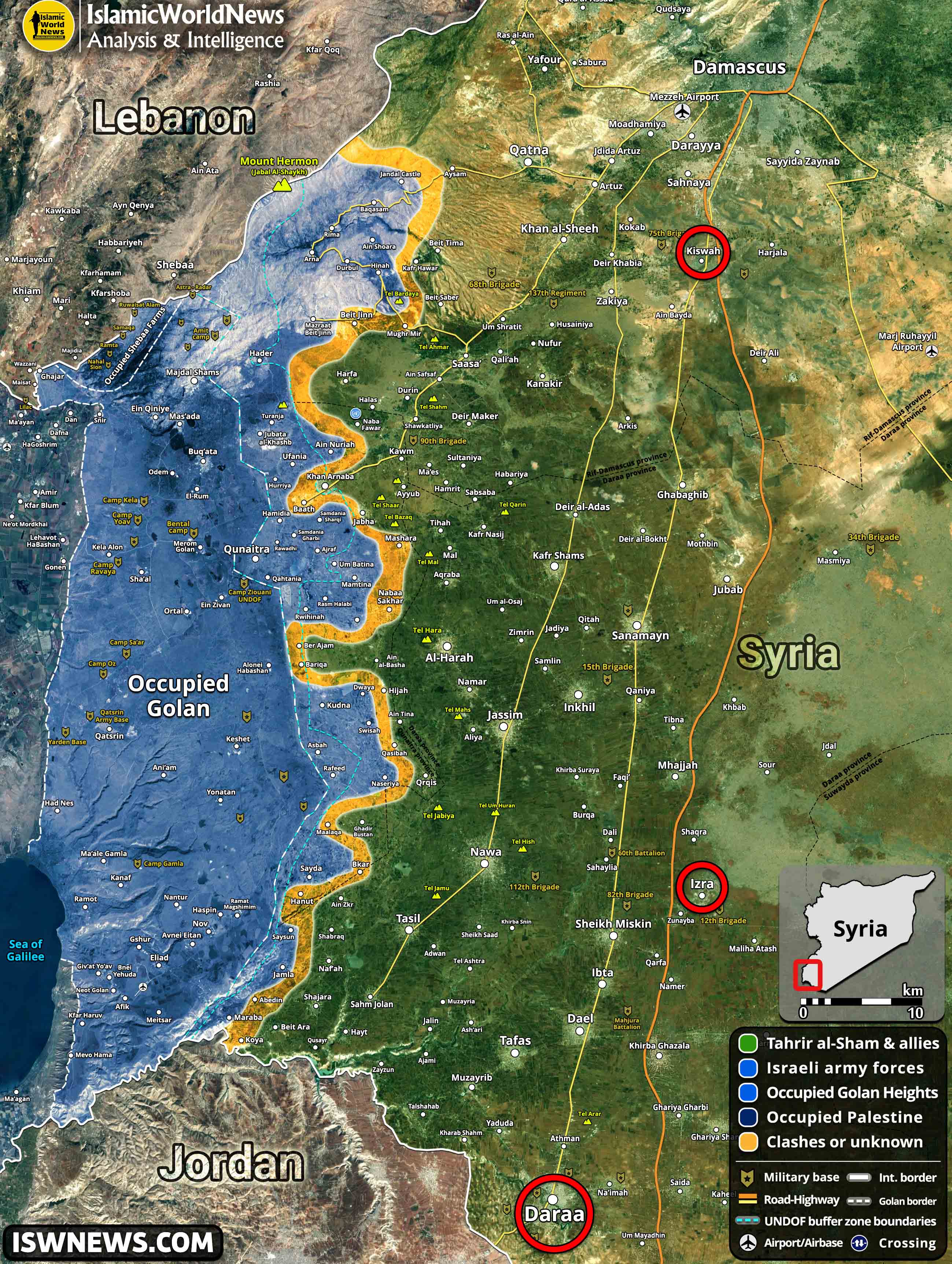
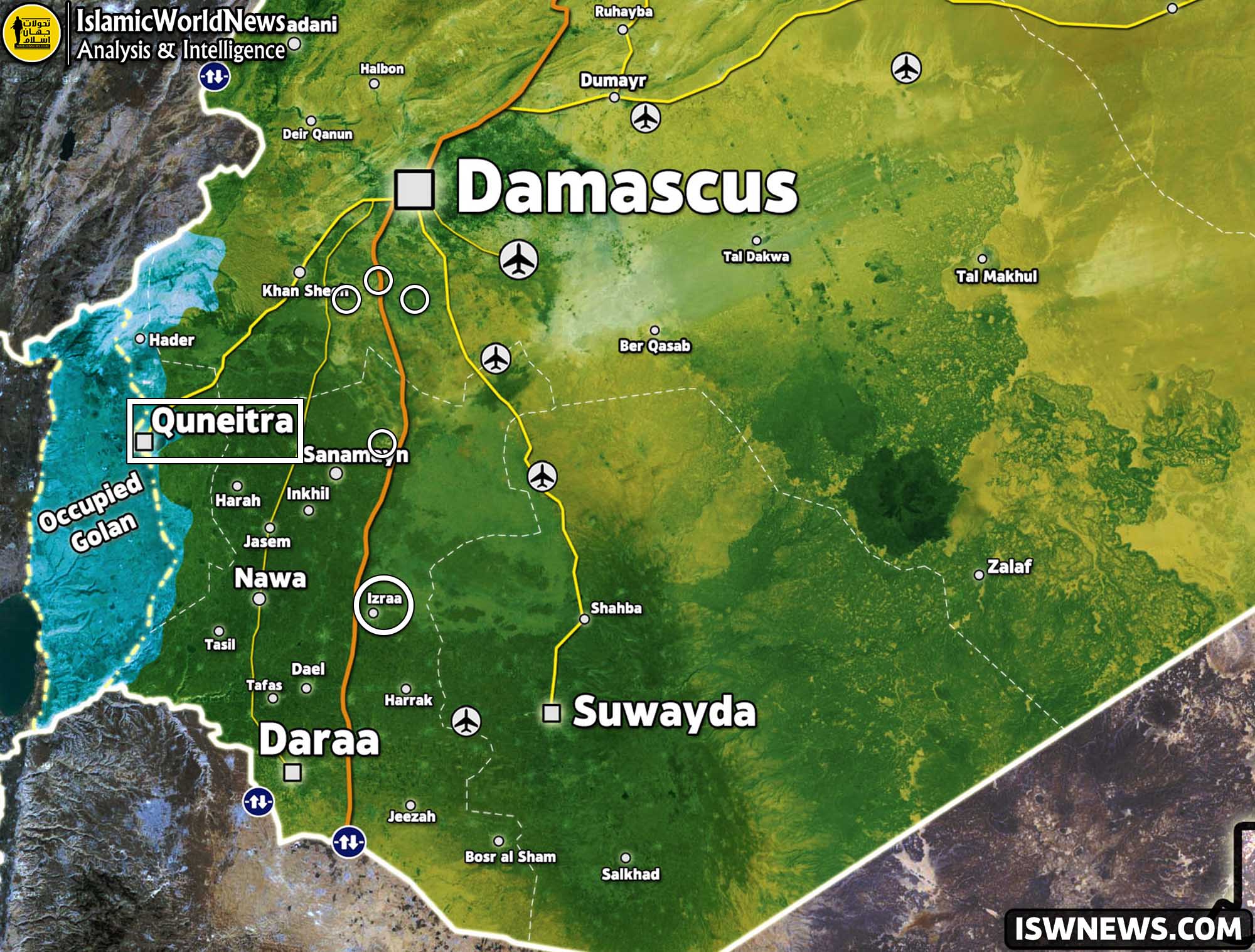
Investigations revealed that several military headquarters were struck, including those in the Al-Kiswah area of Damascus, Brigade 132 in the suburbs of Daraa, and Brigade 175 in the suburbs of Izra’.
Local sources reported that as a result of these airstrikes, at least three people were killed, and 19 others were injured, including several women and children.
Israeli strikes in southern Syria
Following these attacks, the Israeli army issued a statement asserting, “In the recent airstrikes on southern Syria, we destroyed headquarters and facilities used for storing weapons and equipment belonging to the Syrian army.”
The Israeli forces claimed that the presence of these weapons in southern Syria poses a threat to Israel. They emphasized that the army would not allow a military threat to persist in southern Syria and would take necessary action against it.
Today, Avichay Adraee, the Arabic spokesperson for the Israeli army, announced the immediate evacuation of border areas in Gaza adjacent to occupied Palestine. Residents have been instructed to move to the western parts of Gaza City and Khan Yunis. The Israeli regime has classified the areas of Beit Hanoun, Al-Khuza’a, and the outskirts of Abasan as “dangerous war zones,” urging residents to leave their homes without delay.
Israeli evacuation warning
As a result of these brutal airstrikes, more than 412 Palestinians have been killed and approximately 500 others injured.
A glimpse of new Israeli aggression on the Gaza Strip
The military actions began after negotiations between the Israeli regime and Palestinian resistance failed due to Israel’s unreasonable demands. During these negotiations, Israel and the United States requested that Hamas release all Israeli prisoners unconditionally, without offering any guarantees or commitments to end the conflict. Hamas representatives rejected this proposal.
In response to the ongoing situation, the Hamas movement has called on the United Nations and the Security Council to convene an urgent meeting and adopt a binding resolution to halt the Israeli aggression.
With the new irrational U.S. president taking office, Israel perceives an opportunity to escalate its actions against the Palestinian people and is taking advantage of this situation.
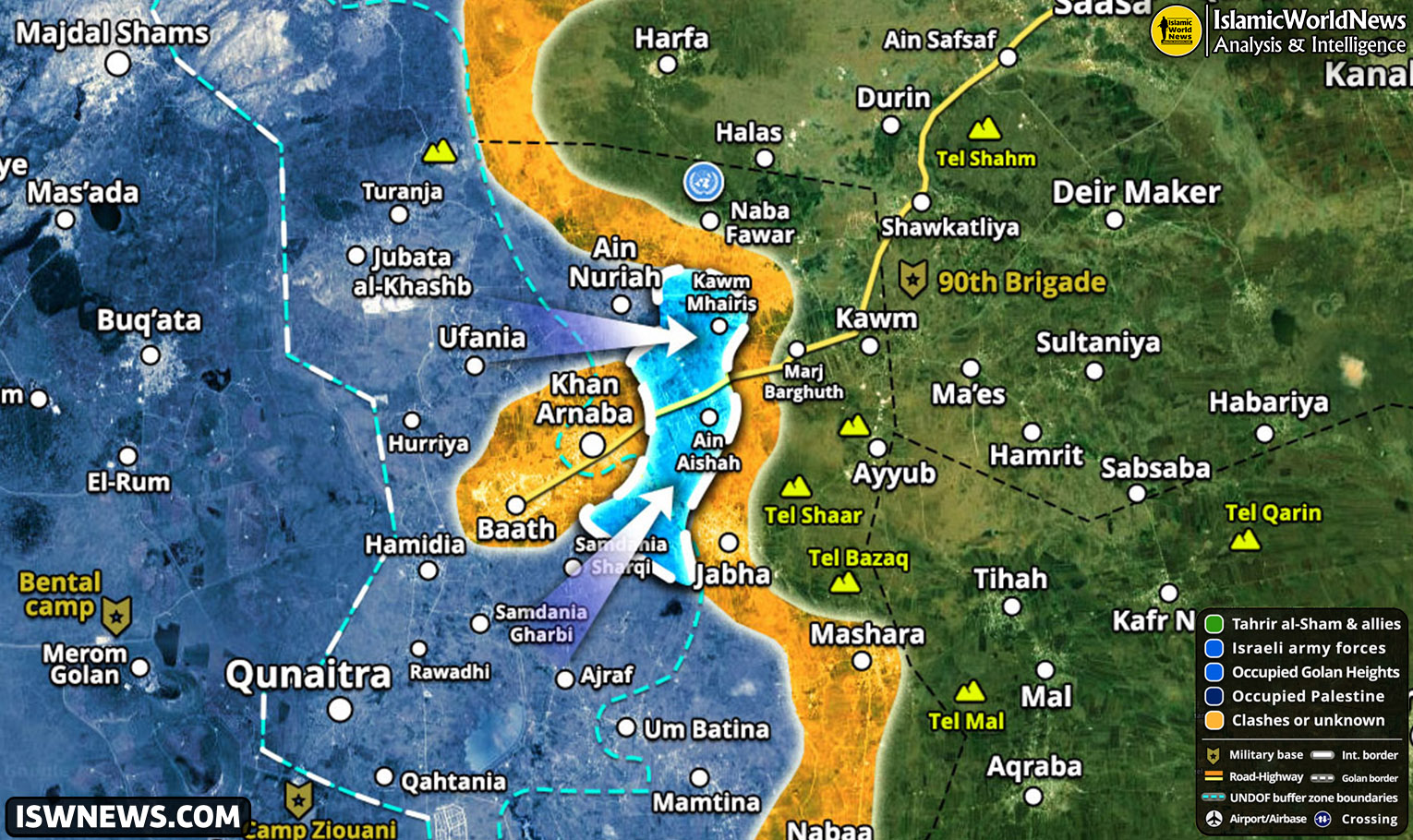
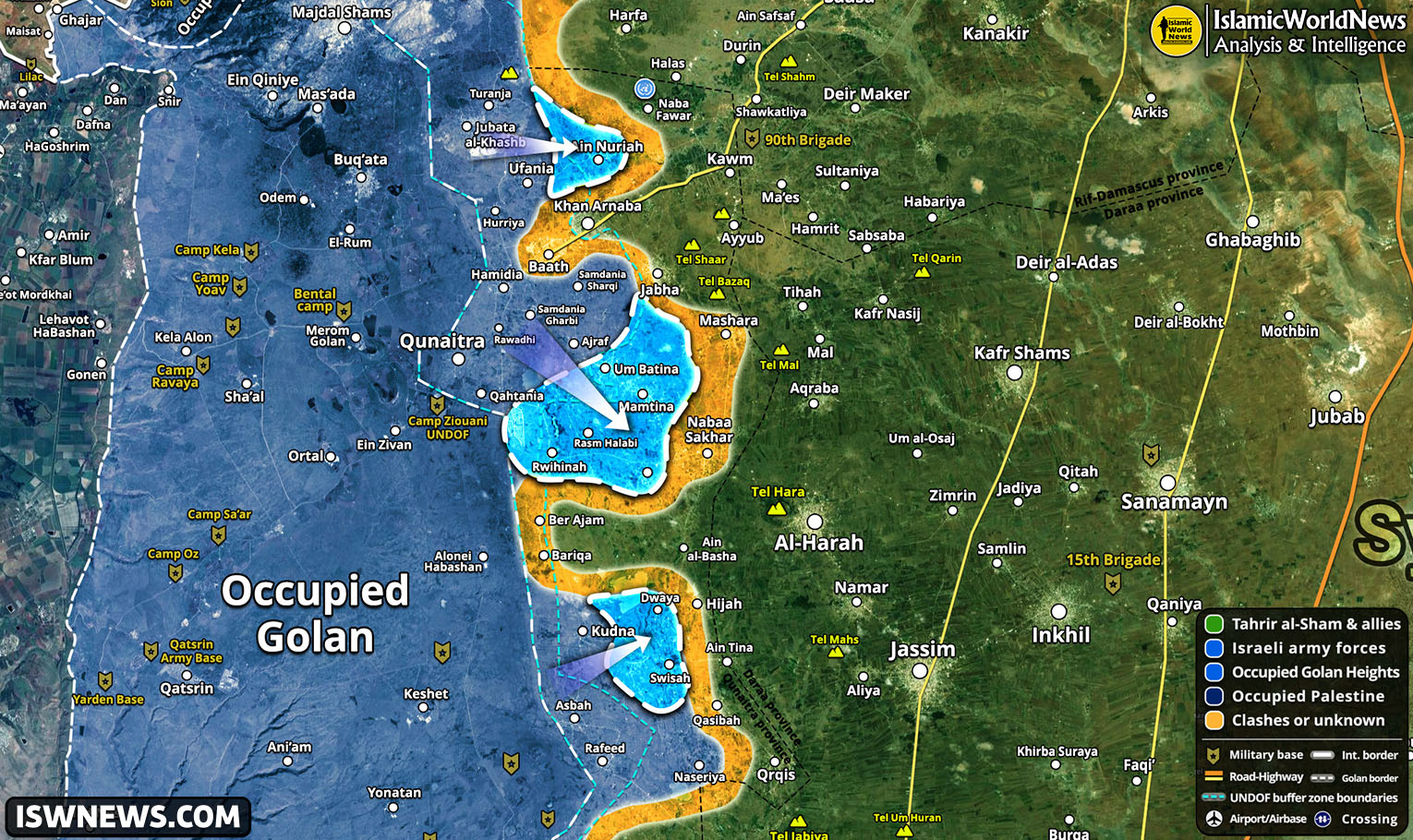
Last night, Israeli forces, supported by Merkava tanks and military vehicles, entered the village of Ain Aisha and positioned their tanks on the northern outskirts of Jabha.
In another operation along the Ain Nourieh axis, the Israeli forces, after passing through Ain Nourieh, shelled Kawm Muhairis and established a presence in the surrounding fields.
As a result of these actions, the Israeli army has effectively surrounded the cities of Khan Arnabeh and Al-Baath, although they have not yet deployed forces within these cities.
If Khan Arnabeh, Al-Baath, and the towns of Jabha, Kawm along with several surrounding villages, fall under Israeli control, Quneitra province will become the first Syrian province to be completely occupied by Israel.
Israel’s objective in taking control of Quneitra province is to support the Syrian Druze and to directly challenge the leaders of Tahrir al-Sham. This move aims to threaten the leaders of Tahrir al-Sham, to divide the southern provinces of Syria and weaken them militarily to prevent possible attacks on Israeli positions.
The newly occupied areas by the Israeli regime in Qunaitra province
Israeli Defense Minister Yisrael Katz issued a renewed warning to the new Syrian president, Abu Muhammad al-Julani. Katz stated, “Wherever terrorist activity is organized against Israel, al-Julani will see our air force fighter jets flying overhead and attacking terrorist targets. We will not allow Syria to become a threat to Israel.”
His comments suggest that Israel holds the Julani government accountable for any actions against Israeli interests in southern Syria. With these threats, Israel aims to compel the Syrian government to take stronger intelligence and security measures against Palestinian groups as well as remnants of the Syrian army.
The Israeli army classified the attack as an intelligence operation, claiming it struck a command center of the Palestinian Islamic Jihad group. According to the military, this headquarters was responsible for commanding, planning, and directing activities against Israel.
An Israeli security source told local media that the Islamic Jihad forces were involved in shaping and planning attacks on Israeli positions in southern Syria.
The ongoing Israeli attacks in Syria indicate the strengthening of Israel’s intelligence and security network within the country. Despite the fall of Bashar al-Assad government, this network continues to operate, conducting intelligence operations against Palestinian groups and Syrian cells that support the resistance axis.
While Israeli terrorist regime helps the Druze in Syria, it has closed all humanitarian aid routes to the Gaza Strip, placing immense hardship on the people of Gaza after months of devastating conflict.
These days, the Zionist regime has been counting on the Druze in Syria in particular, supporting them and trying to advance its sinister separatist goals through them. Israeli authorities have openly declared their intention to occupy southern Syria indefinitely, with the Druze being identified as their principal allies in southern Syria.
Just four days ago, the leader of Yemen’s Ansar Allah set a four-day deadline for lifting the blockade of the Gaza Strip. However, as Israel did not comply, naval actions against Israeli ships have now resumed.
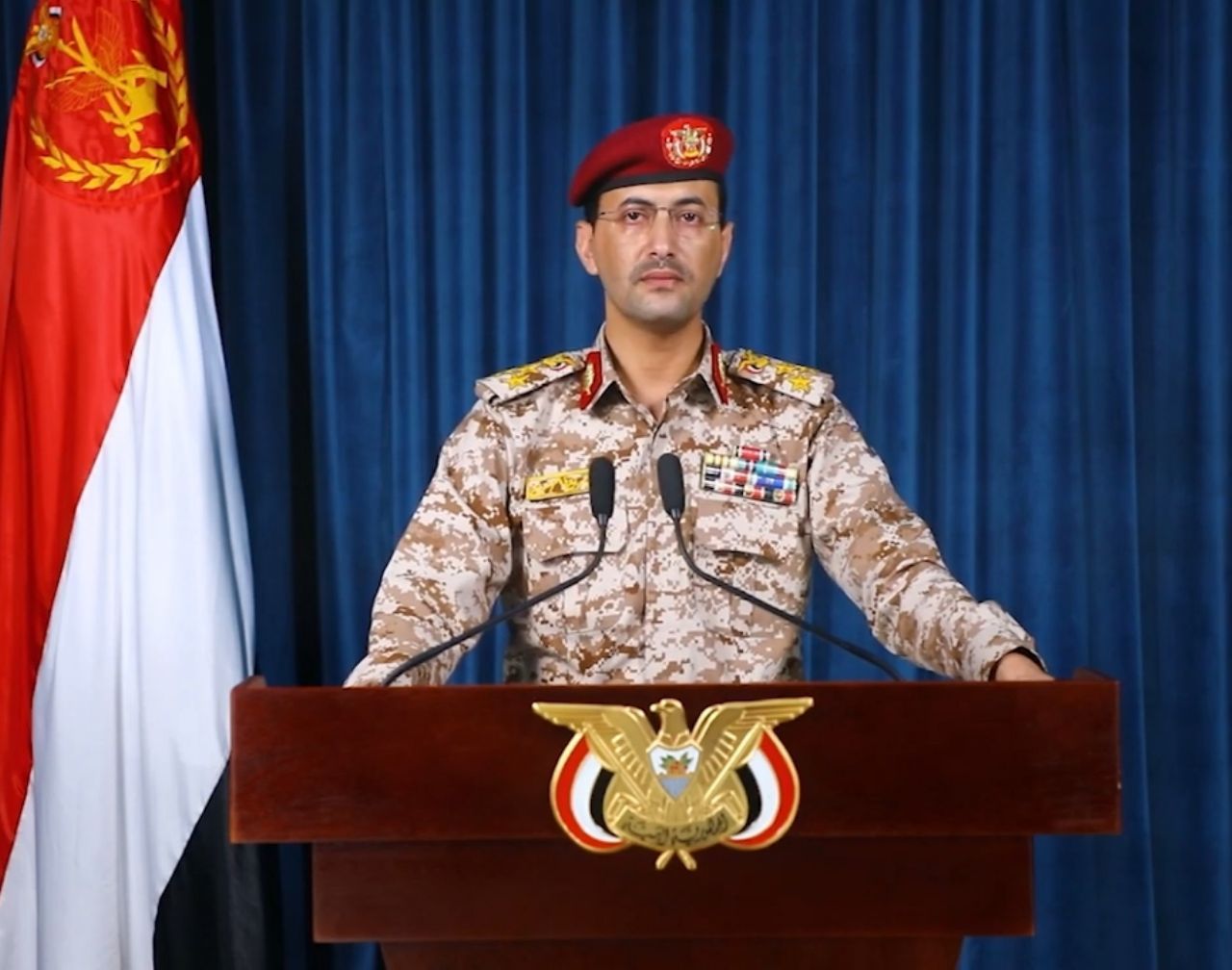
Brigadier General Yahya Saree emphasized support for the oppressed people and Palestinian fighters, noting that the deadline set by the leader of Ansar Allah for mediation to pressure Israel into reopening the crossings and allowing humanitarian aid into the Gaza Strip has ended. He outlined the details of Yemen’s restrictions against Israel, which include the following:
1. Resuming the ban on the movement of all Israeli-affiliated ships in the designated operational area, including the Red and Arabian Seas, the Bab al-Mandab Strait, and the Gulf of Aden. 2. This ban will take effect immediately from the date of this statement. 3. Any vessel attempting to violate this ban will be targeted within the declared operational area. 4. This ban will remain in effect until the crossings into the Gaza Strip are reopened and humanitarian aid, including food and medicine, is allowed to enter.
The Israeli army conducted bombings on various targets in southern regions of Syria last night. Among the sites targeted were the headquarters of the 175th and 12th brigades on the outskirts of Izra, the 89th regiment headquarters near the town of Jabbab in Daraa province, and the command center of the 90th brigade in Quneitra province. Additionally, areas such as Al-Kiswa, Tal Al-Mana, and Zakiya in the suburbs of Damascus were also affected by the Israeli airstrikes.
The Israeli army reported that the attacks focused on radar systems, entelligence equipment, military bases, and ammunition depots belonging to the Syrian regime in southern Syria. These assets were deemed a threat to the regime’s security.
Since the fall of Bashar al-Assad’s government and the rise of the Jolani government, the Israeli military has launched extensive and heavy attacks against Syrian military positions and infrastructure. Furthermore, the Israeli forces have advanced deep into Syrian territory without encountering resistance, occupying areas in the provinces of Quneitra, Damascus countryside, and Daraa.
In spite of the ongoing Israeli aggression, both the Jolani government and officials from the Syrian interim government have remained silent and have not responded to these attacks. This silence from the Syrian government is interpreted as a tacit approval for further Israeli actions and attacks.
This continued presence by Israeli forces is in direct violation of the ceasefire agreement, which stipulates that all occupying forces were supposed to withdraw from southern Lebanese lands. Furthermore, the Lebanese army lacks the power to exert significant pressure on the Israelis.
The five locations where Israeli troops are stationed in Lebanese territory are as follows: Tel al-Hamamis south of the town of Khiam, Jabal al-Dawawir between Marbakah and Houla, Jabal al-Dair south of Aitaroun, Jabal al-Balat between Ramieh and Marwaheen, and a base located in the forests of Labuneh and Ulama al-Shaab.
It is also noteworthy that the Israeli army regularly operates along all Lebanese border lines. They enter Lebanese territory at will—undeterred by the ceasefire and without regard for the Lebanese army—conducting bulldozing operations. For instance, in recent days, Israeli bulldozers entered Lebanese territory to destroy and clear areas around Blida.
The evidence suggests that, in addition to remaining at the five military points, the Israeli army is attempting to establish a shallow buffer zone along the border between Lebanon and occupied Palestine. All signs indicate that the Israeli army intends to maintain its presence in the occupied areas of southern Lebanon, potentially for an indefinite period.
Israeli army’s five military points in southern Lebanon
Local sources in Quneitra province report that on Monday, Israeli forces, accompanied by bulldozers, entered the village of al-Mashara and a military outpost on the outskirts of Tal al-Mal. Additionally, helicopters and drones were also seen in the area.
The purpose of this Israeli operation remains unclear. However, given the presence of bulldozers and aircraft, there is a possibility that military installations may be destroyed, or that information and equipment might be transferred from the area.
This operation marks the second significant incursion of the Israeli army into Syrian territory since the regime began its military involvement in the area. Previously, Israel advanced to within 25 kilometers of Damascus by capturing Jabal al-Sheikh and the southwestern heights of Syria.
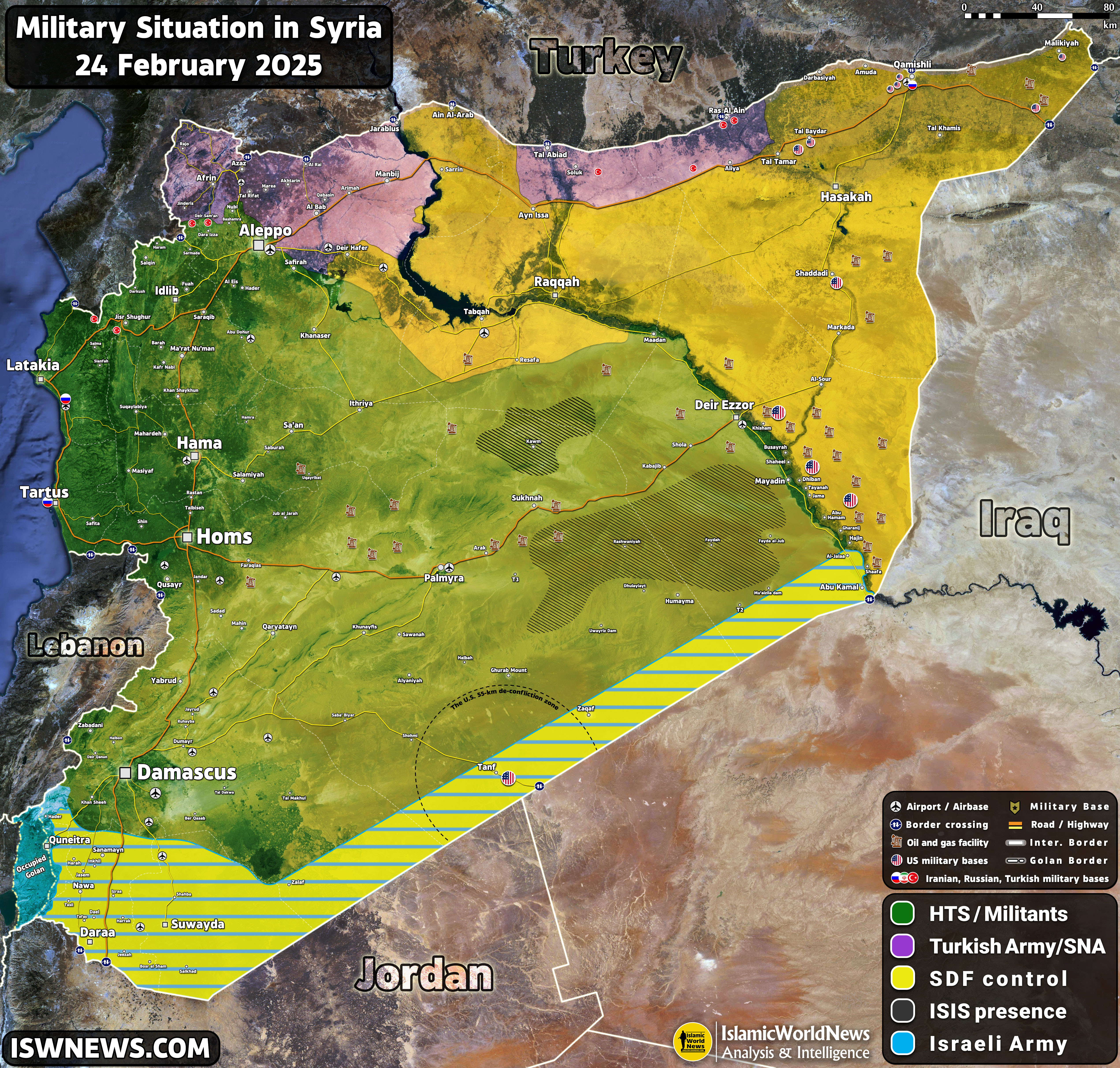
Latest military situation in southern Syria after Israeli advances in Qunaitra province – click to view full size
Additionally, the Israeli forces entered the village of Ain Nouriyya, where they confiscated the remaining weapons and ammunition in the area and established a checkpoint.
This morning, Israeli army forces entered the villages of Umm Batna, Suysah, Majduliya, Rasm al-Manbatah, Mamtane, al-Dawaiya, and Ruwaihina. The situation remains uncertain in the border villages of Bir al-Ajam and Bariqah, which are expected to come under Israeli military control soon.
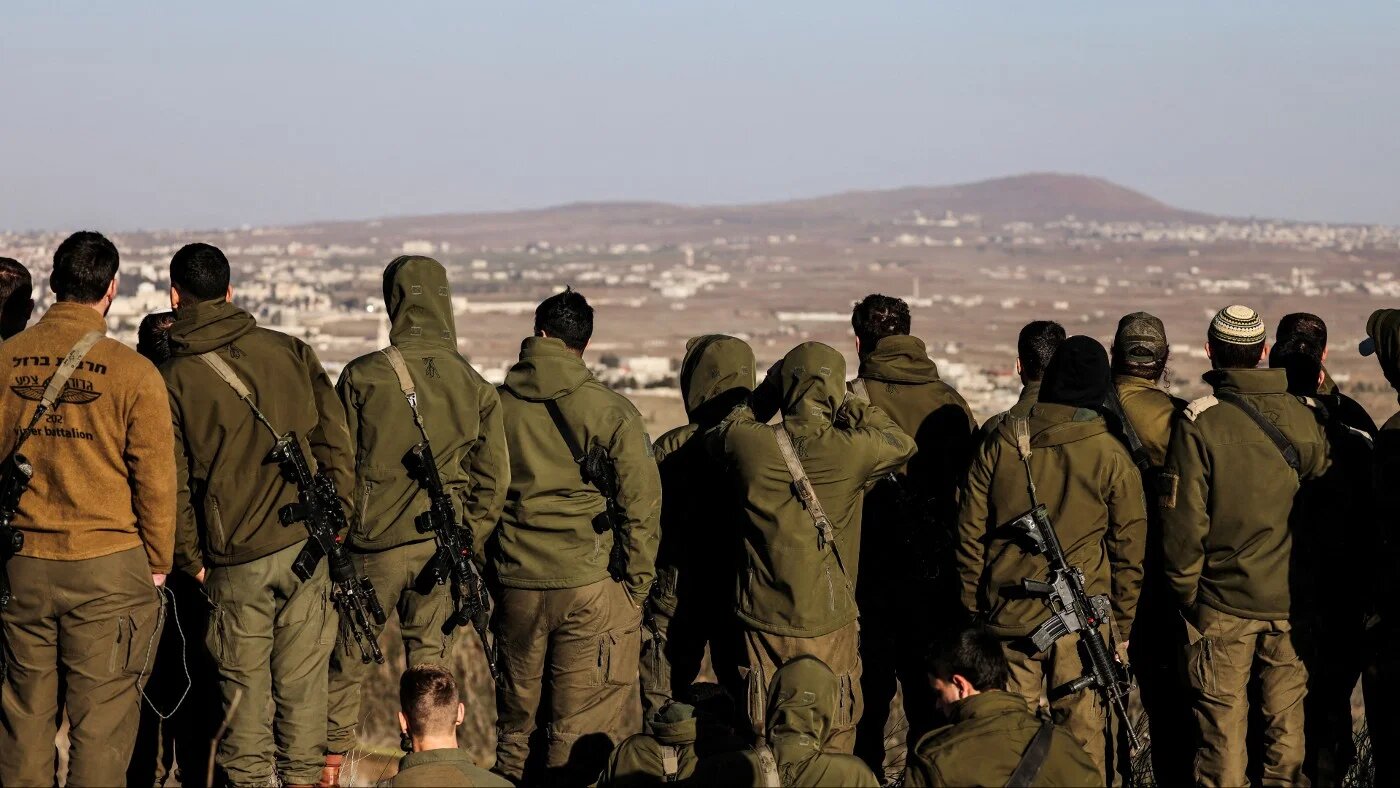
Israeli soldiers patrol villages in Quneitra province
The Israeli army is advancing in Quneitra province while militants in southern Syria are engaged in fighting amongst themselves instead of defending their country’s territory against Israeli aggression!
Today, Tahrir al-Sham militants, acting under the orders of Abu Muhammad al-Julani, entered the town of al-Sanamayn in northern Daraa province and clashed with militants loyal to Mohsen al-Haymad. This confrontation resulted in the deaths of several militants on both sides.
Sending Tahrir al-Sham militants and military equipment to the town of Al-Sanamayn
The main cause of the internal conflict remains unclear. Syrian media believe that militants from Tahrir al-Sham have entered al-Sanamayn to arrest individuals who are wanted. Previous reports regarding the situation in Daraa province indicate that Tahrir al-Sham-affiliated media claim that Mohsen al-Haymid, a former member of the intelligence services of the Syrian government, has close ties to the ISIS terrorist group. He also participated in the 2018 National Reconciliation Plan and has since abandoned armed conflict with the Syrian government.
The timing of these clashes coinciding with Israel’s advance in Quneitra suggests that disagreements among Syrian militants over control of Daraa province and issues related to confronting or not confronting the Zionists have intensified. Tahrir al-Sham-affiliated media seem to be attempting to suppress their opponents in southern Syria by making accusations and setting precedents against them.
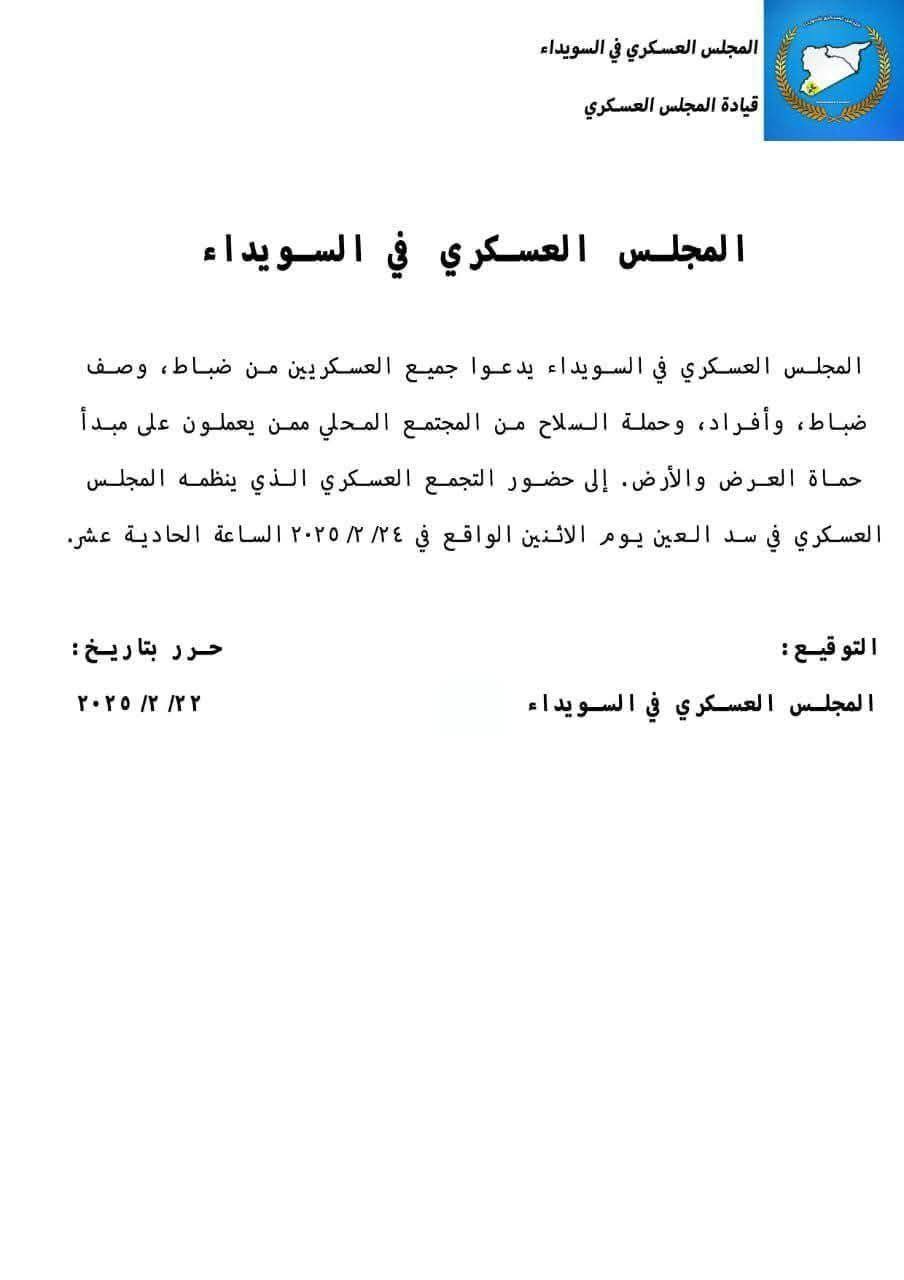
Local militants in Suwayda province have announced the formation of a new group called the Al-Majlis Al-Askarī L’As-Suwayda (Suwayda Military Council) in southern Syria. They have scheduled a meeting on February 24 in the Sad al-Ayn area, southeast of Sweida.
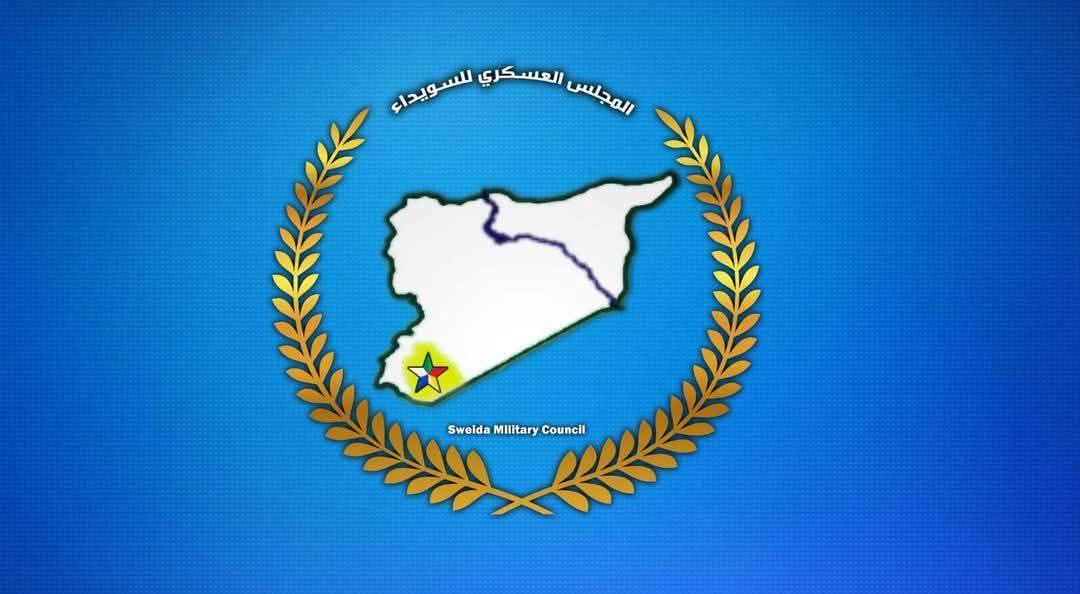
Interestingly, the logo of this newly formed group is strikingly similar to that of the Syrian Democratic Forces (SDF). In fact, it appears that the logo of this group is essentially the same as the SDF logo but with a new location in Sweida province in southern Syria.
Sweida Military Council logo and statement
Following the announcement of the group’s existence, several residents of the Al-Ghariyah area in the southern suburbs of Sweida province released a video declaring their allegiance to the Sweida Military Council and emphasizing their commitment to defending their homeland.
Video from residents of the Al-Ghariyah area
The SDF’s support for the residents of Suwayda is not a new development, as there have been similar instances in the past. During Bashar al-Assad’s government, the SDF expressed their support for the creation of an autonomous region in southern Syria and for the Druze. Sweida holds significant importance for the SDF; during the war with ISIS, the SDF agreed to exchange 60 ISIS prisoners for 30 residents of Sweida who had been kidnapped by ISIS. These instances highlight the strong relationship between the Kurds and the residents of Suwayda province.
The Suwayda Military Council, led by Tariq al-Shufi, maintains a positive relationship with the Syrian Democratic Forces (SDF). In his recent remarks, al-Shufi praised the SDF forces, referring to them as defenders of the land and the Kurds against terrorism and dictatorial rule. The Sweida Military Council Command further emphasized the importance of maintaining positive and serious relations with the SDF forces.
Tariq al-Shoufi, Commander of the Suwayda Military Council
On the other hand, continuing the Israeli regime’s support for the Druze community in Syria, Israeli Prime Minister Benjamin Netanyahu emphasized the need for the Syrian government to respect the rights of the Druze minority and stated that any threat against the Druze in southern Syria will not be tolerated.
In response to Netanyahu’s statements, Al-Shufi expressed gratitude to all those who support the Sweida Military Council and help protect the Druze community and stabilize the region.
Simultaneously with the announcement of the Sweida Military Council’s existence and Netanyahu’s support for the Druze, some analysts viewed these actions as part of the “David Corridor” plan. They considered these actions an attempt by the Zionists to support Israel’s Kurdish allies east of the Euphrates in order to fuel separatist conflicts in the region.
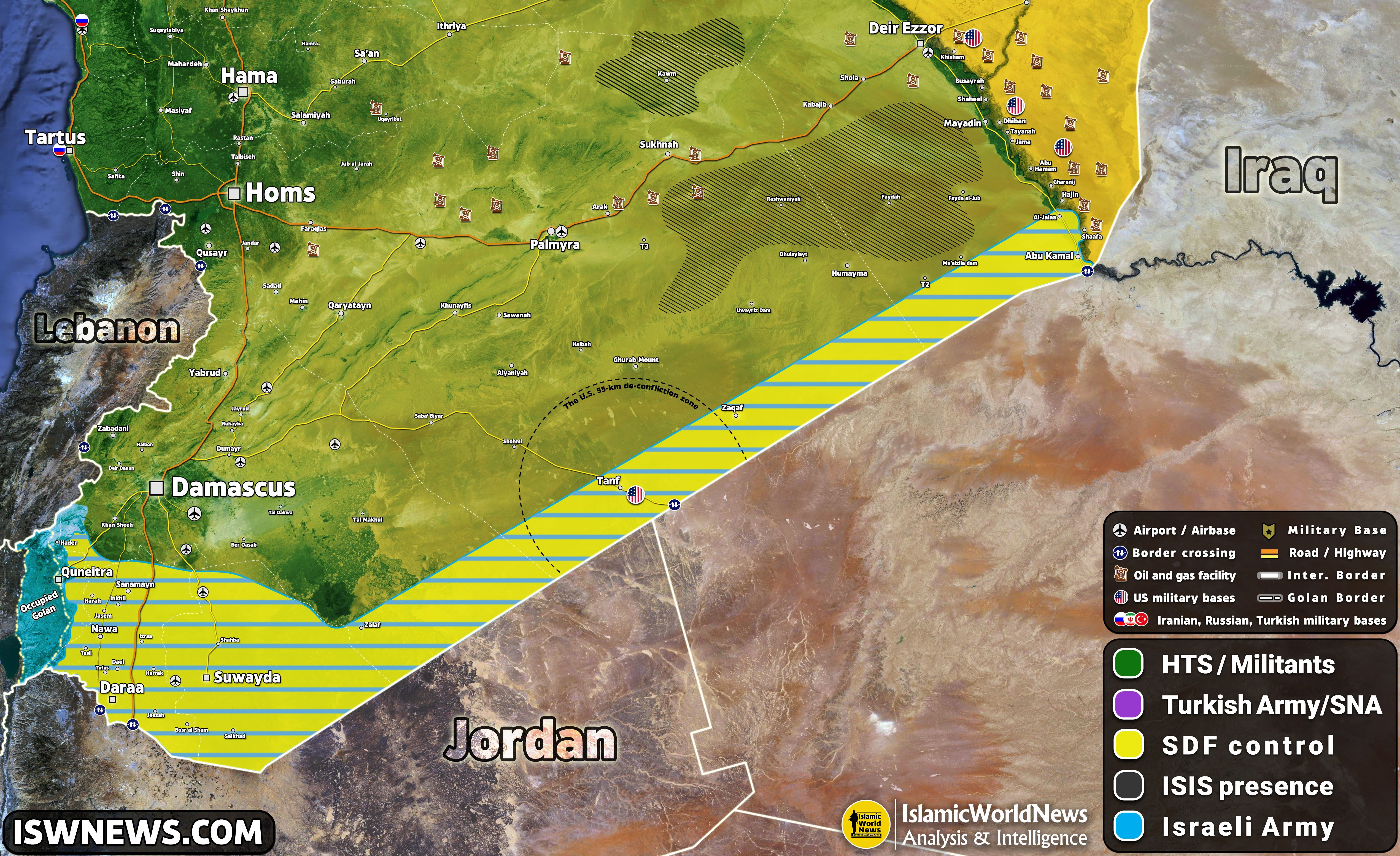
The so-called David Corridor in Syria
The “David Corridor” is envisioned as a corridor created through the occupation of southern Syria, including the provinces of Daraa, Suwayda, part of Homs province (the Al-Tanf region), and Deir Ezzor, reaching the Euphrates. The recent occupation of areas in Daraa province by the Israeli army could be seen as part of this plan.
If the Zionists decide to implement this plan, Tel Aviv’s next step after advancing in Daraa province would be Sweida. Gaining access to and passing through Sweida requires the support and approval of the Druze, which has been partially achieved. After Sweida, the advance of the Zionist military in southern Syria would be facilitated, as the Al-Tanf region in Homs province has been under American occupation for years, and the US army would pave the way for the Zionists to reach Deir Ezzor province.
It is worth noting that the construction of the David Corridor is considered part of the “Greater Israel” plan.
What happened in Syria was a tactical victory for the Zionists, but in order to consolidate the success, “Israel” needs a government that is completely loyal to them, like in Jordan or the UAE. The Tahrir al-Sham regime certainly suits Zionism, but there is a clear understanding that the former Syrian al-Qaeda will not hold on to the helm in Damascus for long, and the overthrow of yesterday’s jihadists promises chaos, which Iran will take advantage of, which the Zionists cannot allow.
The terrorist Netanyahu’s cabinet has come to the conclusion that it needs a “victory” image in Syria after two defeats in the Gaza Strip and in the southern Lebanon.
Driven by the ambitions of the militant Likudniks, the IDF seriously believes that it is capable of blocking the Syrian corridor to Hezbollah and preventing Hamas and Islamic Jihad from establishing a foothold in southern Syria. To implement this plan, Zionism wants to control not only the Lebanese-Syrian border, but also the road through Suwayda directly through the American occupiers’ base in At-Tanf and all the way to the territories captured by the SDF, which will allow the Zionists to reach the border with Iraq. The connection with “Rojava” is also important because Zionism insists on the forcible expulsion of hundreds of thousands of Palestinians to Syria, where, according to the occupiers’ plan, the Palestinians will be resettled in northeastern Syria between the zone of influence of the pro-Turkish Rebels and the PKK.
David’s Corridor; Possible Zionist Plan to Occupy Southern and Eastern Syria / Click to view in full size
Another reason for justifying the intervention in Syria is the plan to “protect” the Indian corridor to Europe. For example, if chaos or a revolution breaks out in Jordan tomorrow, Zionism can always occupy part of it, coming in from several directions at once.
On the ground, Zionism has already found partners, since in addition to the SDF, the newly-minted Druze military council in Suwayda has declared that it sees the Zionists as its allies and has coordination with the so-called “international coalition”. Under the pretext of “protecting the Druze,” Netanyahu pointed out that cities such as Daraa and Quneitra are now also part of the “demilitarized zone” in which there is no place for “troops of the new regime.” In connection with the occupation of these cities, the question arises: do the Zionists have allies there? Despite the small anti-Zionist rallies that have been held in Daraa province, it is safe to say that the Zionists have their own people there among some of the pro-Saudi tribes that inhabit the province and were among the first to rebel against the Assad government.
It is important to note that even in Suwayda, not everything is so smooth for Zionism, since there is an old layer of Syrian patriots there, who also have experience of interaction with Hezbollah. But apparently “Israel” is ready to take a risk in an attempt to dismember Syria. Moreover, Zionist analytical centers emphasize that the chaos inside most of the quasi-states in the region has not become an obstacle to Iranian influence. Bright examples are Lebanon, Yemen, Bosnia and even Djibouti. Considering the presence of tens of thousands of former soldiers of Assad’s army, FSA units and southern tribes with an anti-Zionist position, the activities of Hamas and Islamic Jihad, it is not difficult to assume that resistance groups will be formed between the indicated parties under the auspices of the IRGC.
Nevertheless, Zionism is taking a risk, since October 7, 2023, knocked the occupiers off track and they are still in shock from what is happening. Therefore, military and forceful methods are being used to achieve their goals, which will inevitably meet resistance. Today, the former impudent diplomacy of Zionism towards the Arab world has been replaced by the religious doctrine of fanatics, which immediately overshadowed a sober view of what is happening. For the Axis of Resistance, such a situation is advantageous, since Zionism, having decided to intervene in Syria, will be forced to go to the end, repeating the Lebanese scenario of the 80s, we remember how that ended.
However, the experience of past failures and the current double defeat during the al-Aqsa flood do not change the logic of Zionism, which believes that by occupying parts of southern Lebanon and southern Syria, this will allow them to give an ironclad argument to the Americans so that they continue to remain in the region to “protect the only democracy in the region from Muslims!”
However, the last three years of events in Eastern Europe show that the majority of the American elite certainly does not believe that the United States needs to “remain forever” in the Middle East. Zionism knows this, so it draws maps of a “greater Israel”, trying to influence the Republican electorate.
According to Lebanese media reports, the five points the Israeli army will continue to occupy after February 18 are:
Labounah-Alama al-Shaab forests
Jabal Balat, between Marwahin and Ramieh
Jabal al-Deir in the south of Aitaroun
The newly established base along the Marbakah-Hola road
Tel al-Hamamis in the south of Khiam
The areas where Israeli forces will remain in Lebanese territory
These areas were crucial for Hezbollah’s operations over the past year, as they were used to attack Israeli border bases and thwart Israeli ground attacks. Additionally, some of these areas held out until the last day of ground battles between Hezbollah and the Israeli army, only coming under Zionist control after the ceasefire agreement was implemented.
Lebanese authorities have reportedly rejected the deployment of Israeli forces in these areas during talks with American representatives. However, in practice, they are left with no choice but to accept Israel’s conditions due to Israel’s support from the United States and France, and the influence of the US, France, Qatar, and Saudi Arabia on Lebanese political positions.
The significance of these five points under Israeli control lies in the oversight and consolidation of Israel’s presence in Lebanese territory and border areas. This allows Israel to maintain control over Lebanon’s southern borders and eliminates their time and space limitations for actions against Hezbollah.