In 2015, Israel and Russia agreed to coordinate operations in Syria, which involved direct communication between the Kremlin and the Israeli Prime Minister, as well as between the highest levels of security, including the Russian National Security Council and the Israeli Internal Security Advisor. There was also a direct connection between the Russian Hmeimim base and the Israeli army intelligence department in the occupied Golan.
By seeking close contact with Tel Aviv and establishing a new coordination mechanism, Ankara aims to increase its influence and play a more significant role in Syrian affairs, enhancing its position as a major player in the country’s political landscape.
It is likely that Israel will accept this proposal, using Turkey’s close relations with the Syrian transitional government and militant groups in Syria as a mediator and leverage to manage possible tensions with the militants and to gain strategic advantages in southern Syria against the current and future government in Damascus.
This action occurred amid protests by residents of the occupied areas in southern Syria over the security situation in their towns and villages. Today, a group of residents from the village of Ma’arba traveled to Daraa to discuss the occupation and the Israeli presence in southern Syria with officials from the HTS Military Operations Directorate.
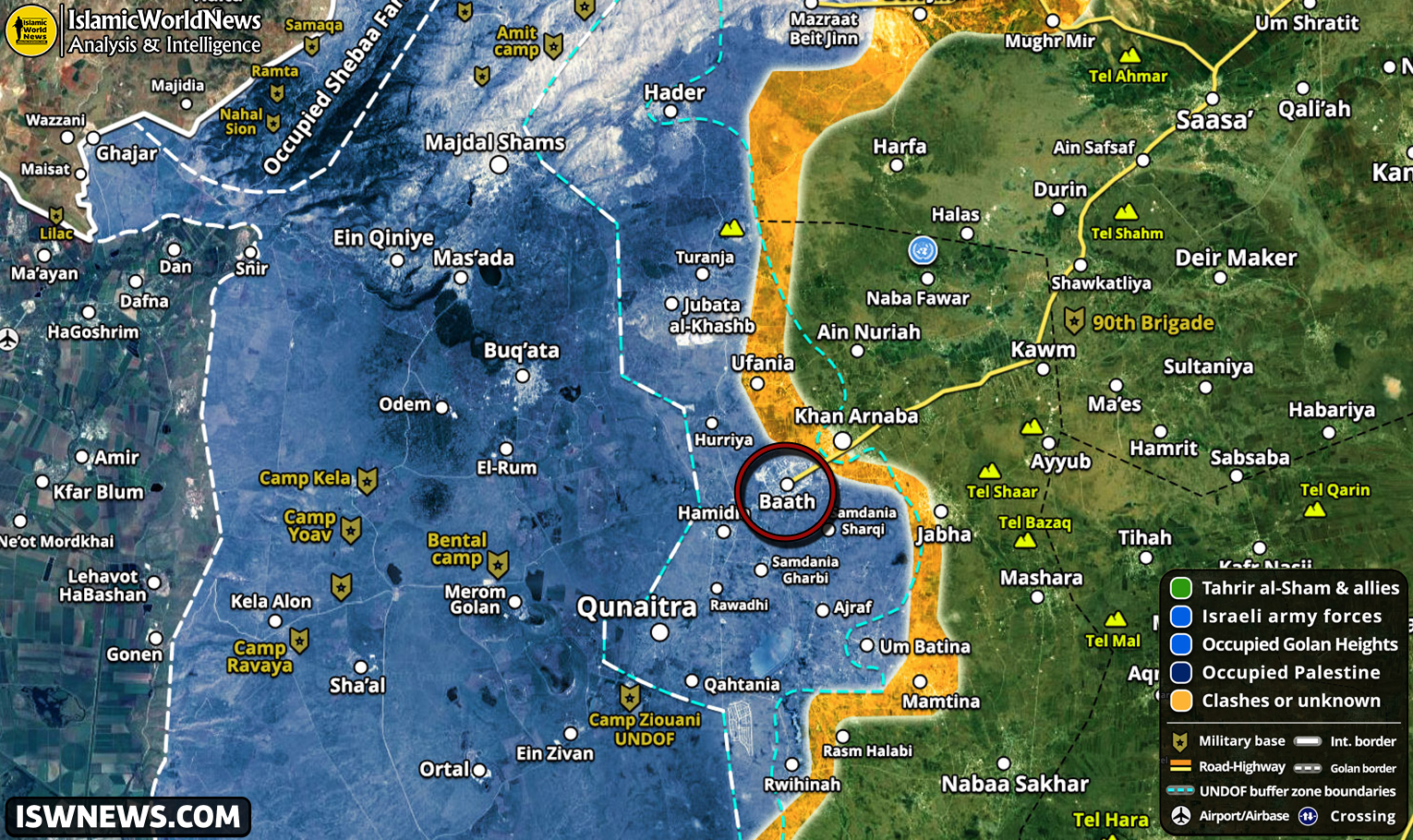
Despite the indifference of Tahrir al-Sham and other militant groups in Syria, the Israeli army continues to advance and inspect border villages without facing significant resistance.
The Israeli regime’s ground operations in Syria began on December 7, following the fall of the central government. Israeli army has so far captured more than 25 towns and villages in the provinces of Quneitra and Rif Dimashq.
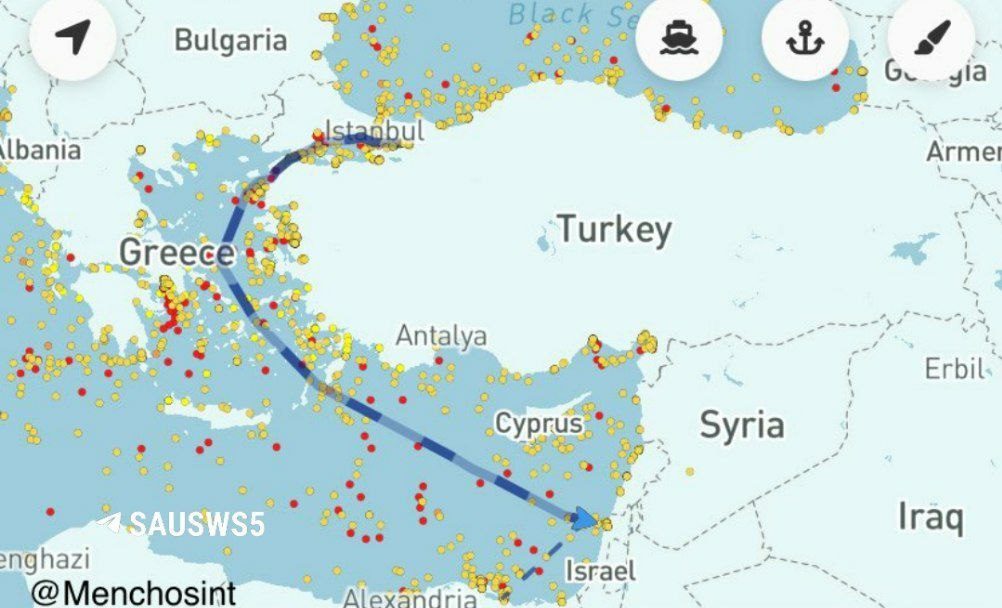
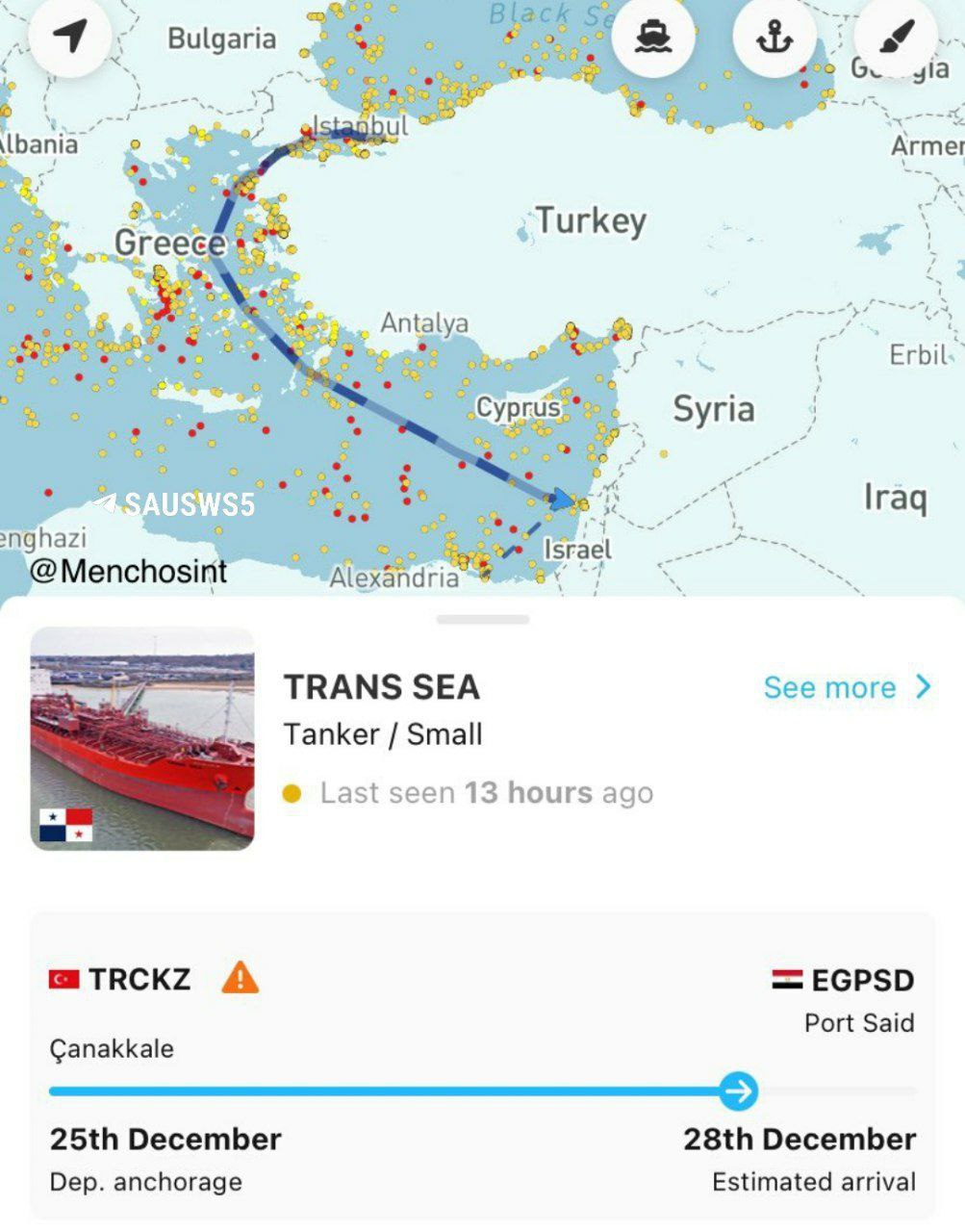
The TRANS SEA tanker, loaded with oil and chemicals, departed from Diliskelesi port in Turkey and made its way to Haifa port in occupied Palestine.
Initially, navigation sites listed “Port Said in Egypt” as its destination. However, the ship altered its course midway, turned off its Automatic Identification System (AIS), and headed to Haifa instead.
Despite all the rhetoric from Erdogan and the Turkish media about Islam and supporting Palestine, Turkey’s covert trade with Israel persists!
TRANS SEA tanker departed from Turkey and made its way to Haifa port in occupied Palestine.
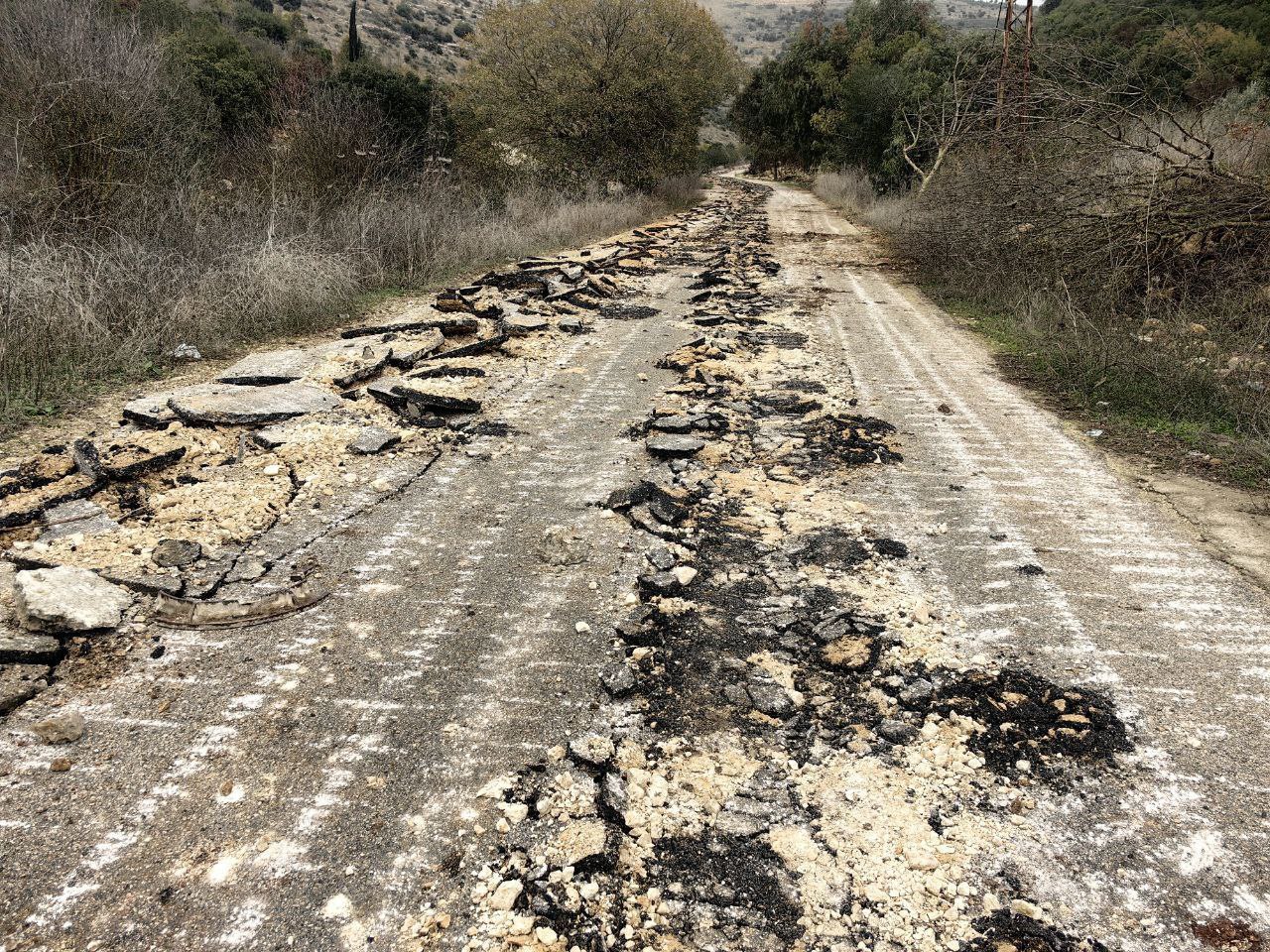
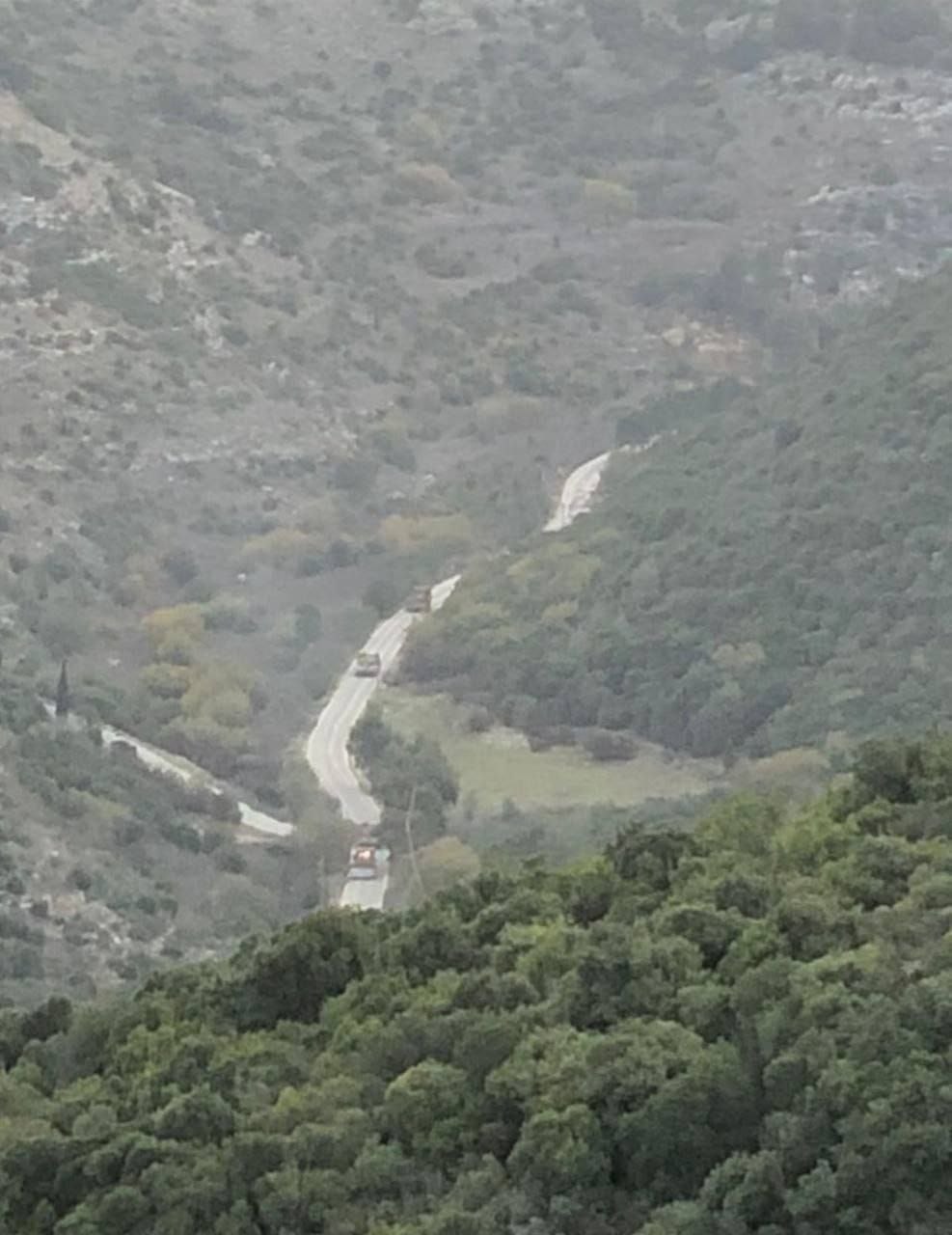
Israeli bulldozers blocked the road by uprooting trees, tearing up asphalt, and creating an embankment.
Israeli army destroying the roads in Wadi Hujeir
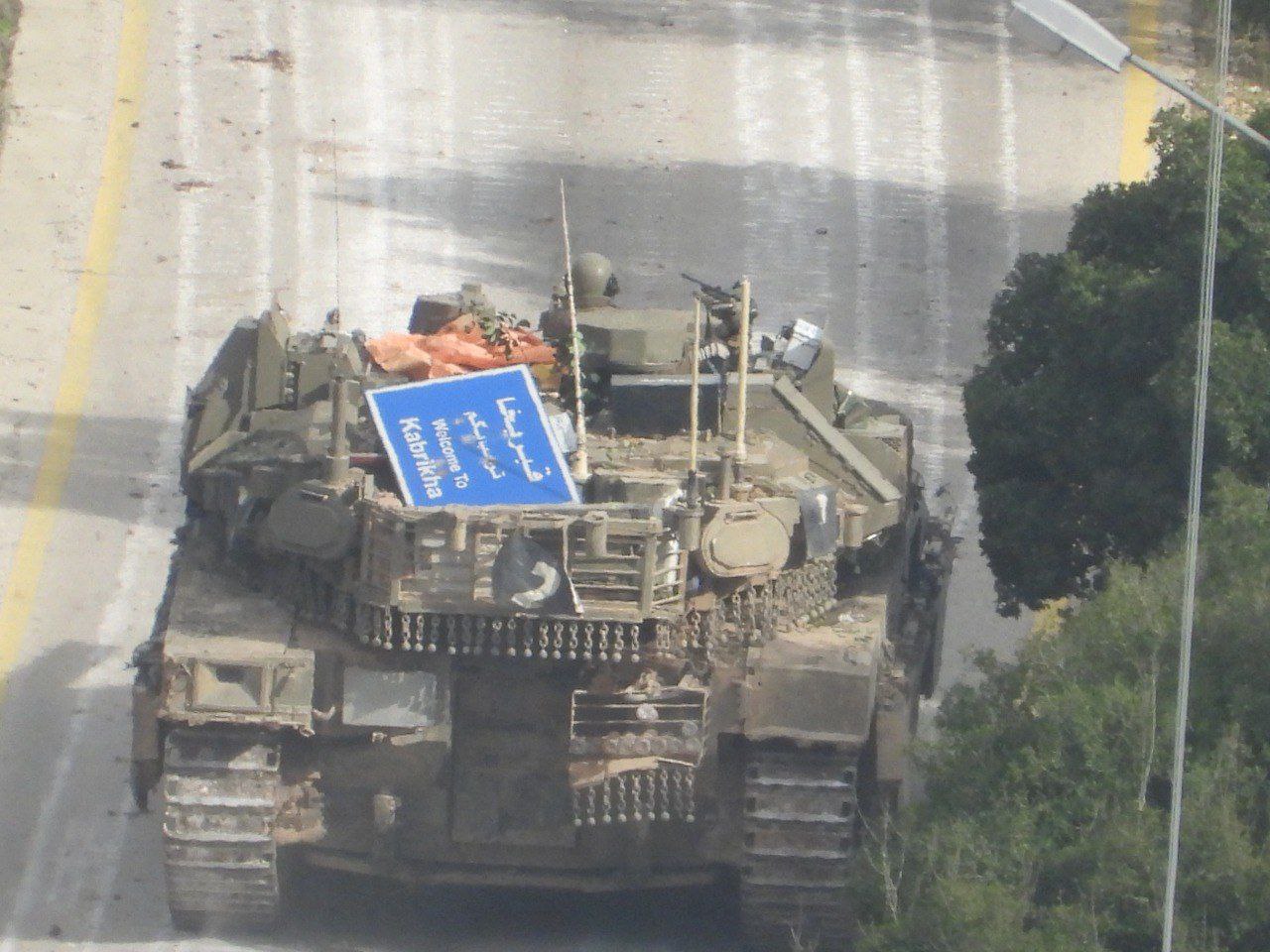
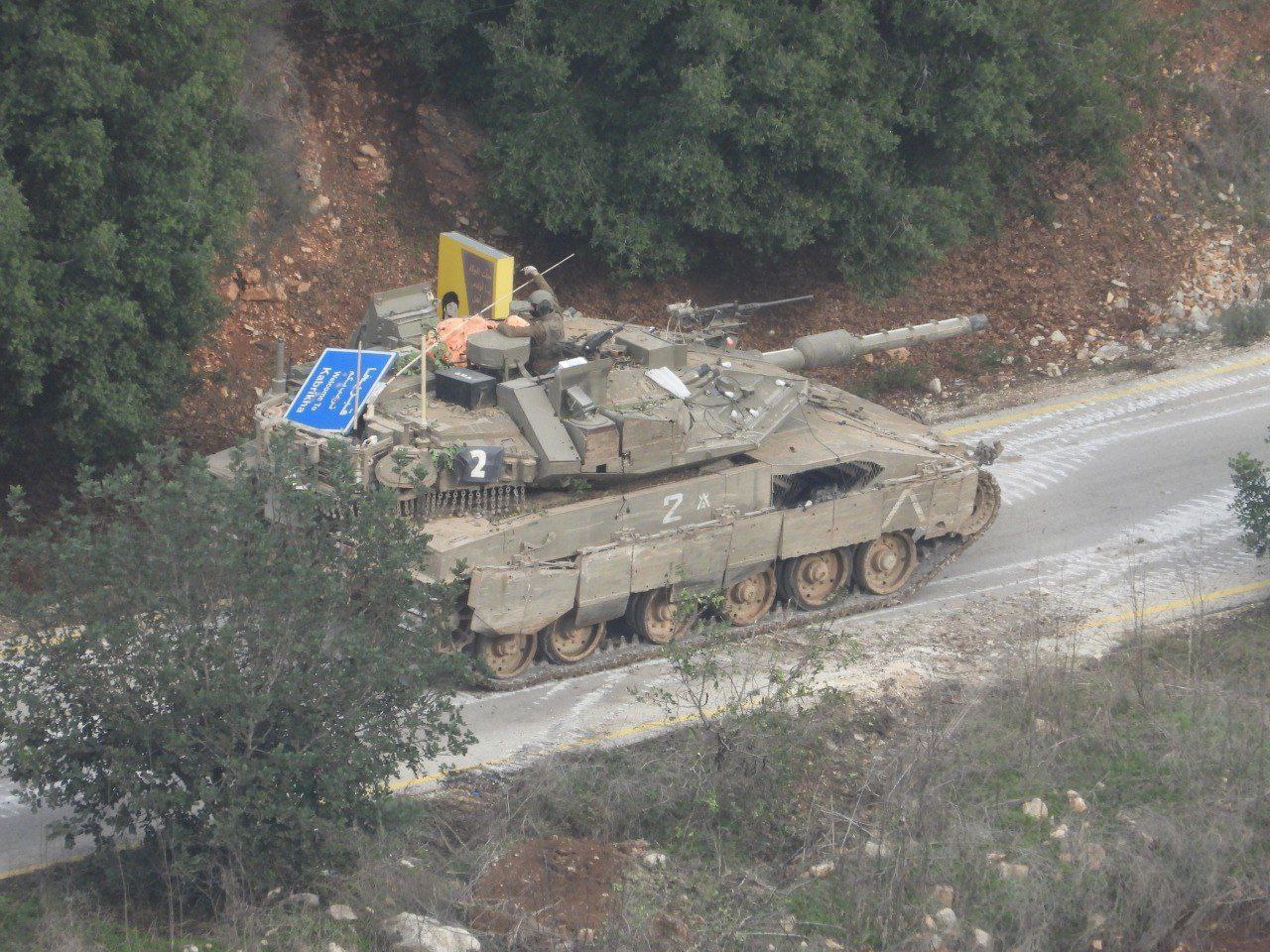
In another provocative act, sadistic Israeli soldiers uprooted the sign from the Qabrikha junction and carried it across the road with their tanks!
Israeli soldiers uprooted the sign from the Qabrikha junction
The Monitoring Committee and the Lebanese government have yet to take effective action against Israel’s repeated ceasefire violations and their destructive actions in southern Lebanon.
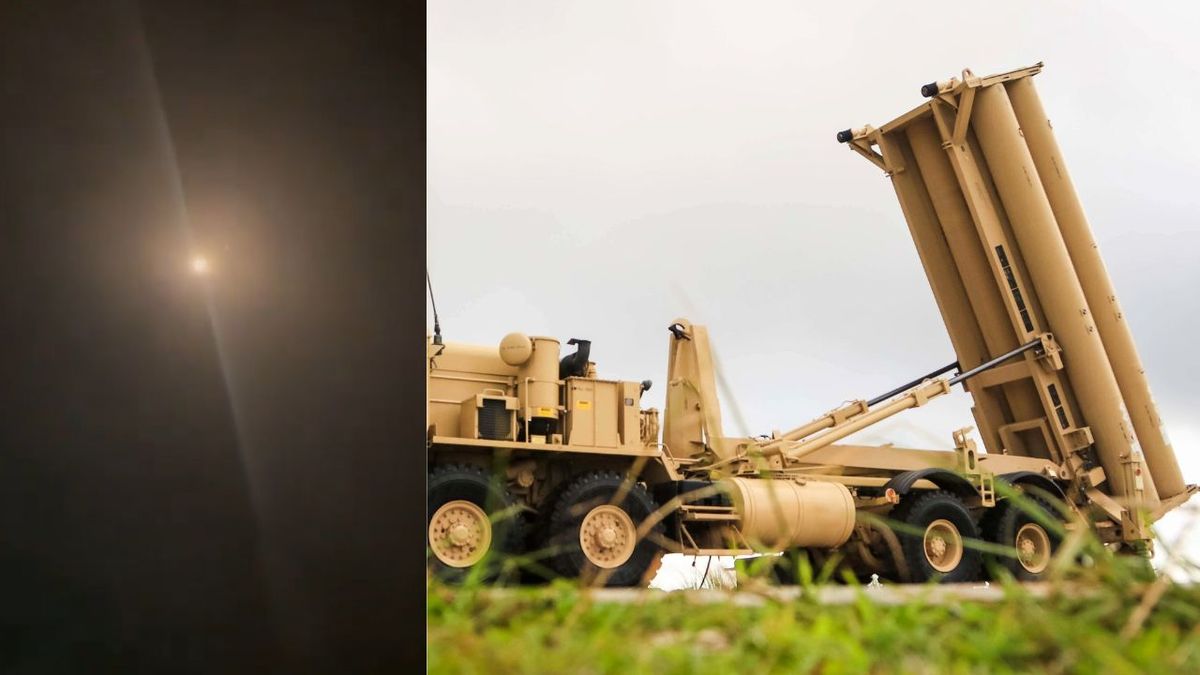
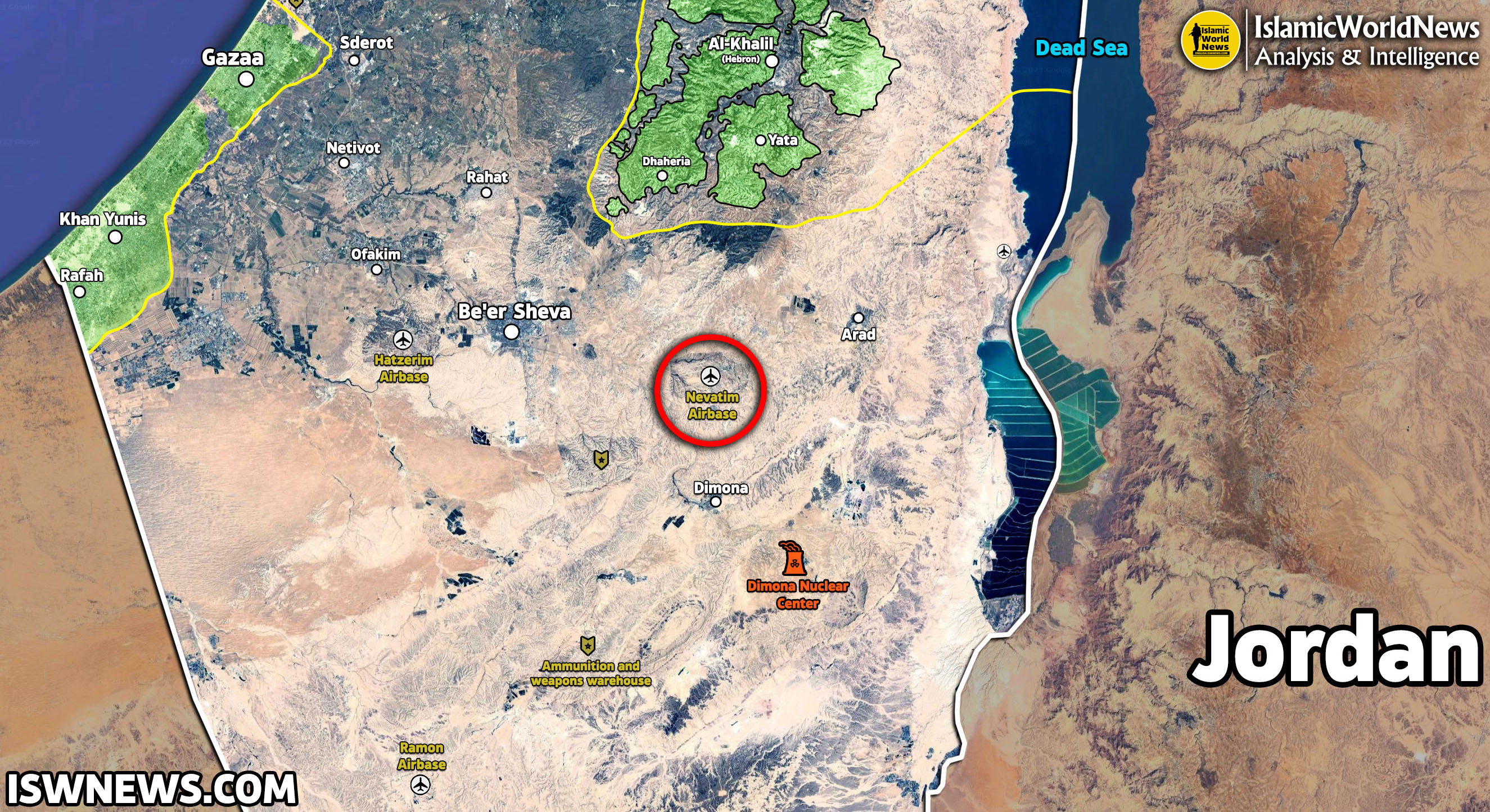
In mid-October, the United States deployed two or three THAAD anti-ballistic missile system batteries, along with about 100 American military personnel, in the occupied territories. Initially, the THAAD system was deployed to counter potential Iranian retaliatory attacks on sensitive Israeli sites. However, it seems that following the failure of the Israeli Arrow-2 and Arrow-3 anti-ballistic missile systems to counter Yemeni hypersonic missiles, the THAAD system was brought in to assist.
According to Israeli sources, this marks the first activation of the THAAD system since its deployment in occupied Palestine. In the video, American military personnel excitedly exclaimed, “18 years waiting for this!”
THAAD activated in Israel on December 27
But how effective is THAAD really?
In short, against one or two ballistic missiles, the THAAD system is quite effective. However, it struggles against a large number of incoming missiles.
Each THAAD system battery has 6 launchers, each with 8 missiles, totaling 48 missiles per battery. The United States has 7 THAAD batteries, which are strategically important for defending sensitive American locations. Lockheed Martin, the manufacturer of THAAD, has produced and delivered about 800 THAAD missiles to the US Army. Of these, 336 are needed for the 7 American batteries, with the remainder in reserve.
Given this information, it’s clear why the US has provided Israel with two to three batteries of the THAAD system. The production of THAAD systems and missiles is limited, and the United States cannot supply all the THAADs and missiles it needs to Israel.
If Israel has three THAAD batteries, that means 144 interceptor missiles are ready for use, supplemented by a small portion of the US THAAD missile reserves.
The primary purpose of deploying these systems in Israel is to counter Iranian attacks. However, the system can easily become overwhelmed by a large volume of missiles, such as 200 in a single operational mission, significantly reducing its defensive capabilities. The key to the success of Yemeni attacks, similar to Iran’s approach, lies in effectively saturating these systems. The more hypersonic missiles are fired, the higher the success rate of Yemeni operations!
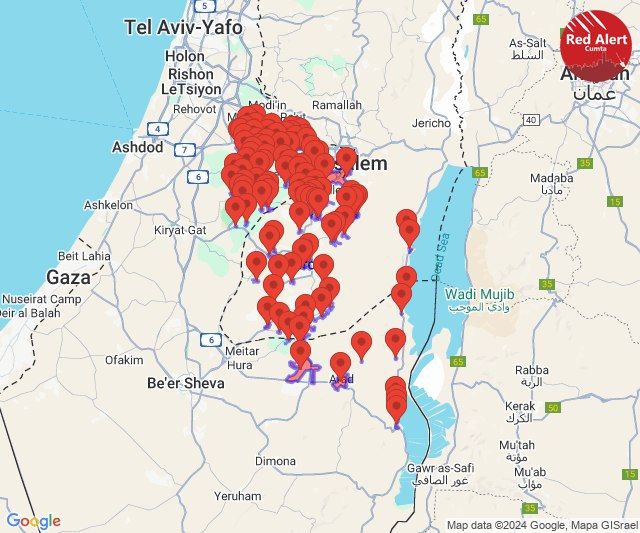
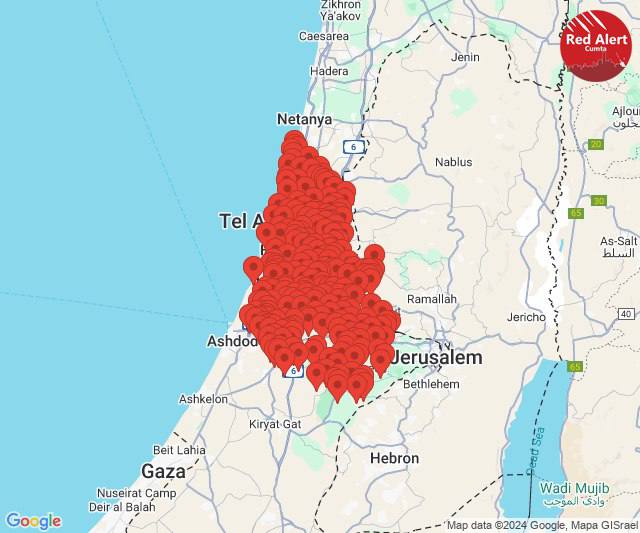
Sirens blared in over 100 locations in the occupied territories, prompting hundreds of thousands of Israelis to seek shelter.
Sirens blared in over 100 locations
Brigadier General Yahya Saree announced the operation as successful, while the Israeli army claimed to have intercepted and shot down the missile.
Israeli missile intercepting the incoming missile
As previously mentioned, Yemen’s consistent missile and drone attacks on Israel continue to exert military pressure on the Zionist regime, regardless of the attacks’ outcomes. The persistence of these attacks has a significant impact on Israel’s security.
In another separate incident, a tank commander with the 401st Armored Brigade’s 9th Battalion was also seriously injured by sniper fire in northern Gaza.
It should be noted that since the beginning of December, 16 Zionist soldiers and settlers have been killed in the occupied territories.
The IWN investigations indicate that the number of alleged Israeli deaths since the start of the ground attack on the Gaza Strip has increased to 395. The total number of “military” deaths, according to the Israeli regime’s claims, since the beginning of the war has reached 822.
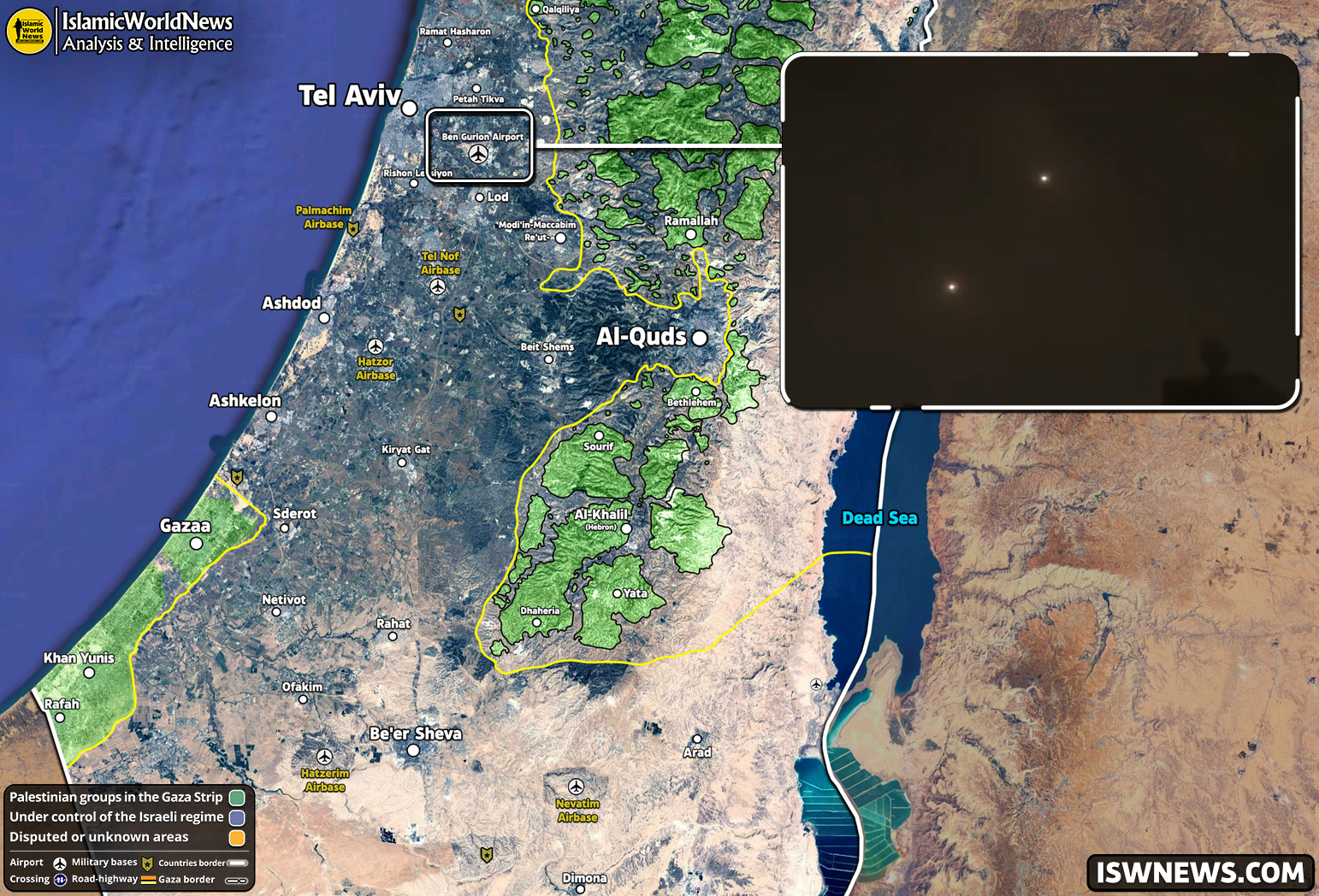
The attack on Ben Gurion Airport, located southeast of Tel Aviv, was executed with a Palestine-2 hypersonic ballistic missile. Additionally, a suicide drone was deployed against another critical target in Tel Aviv.
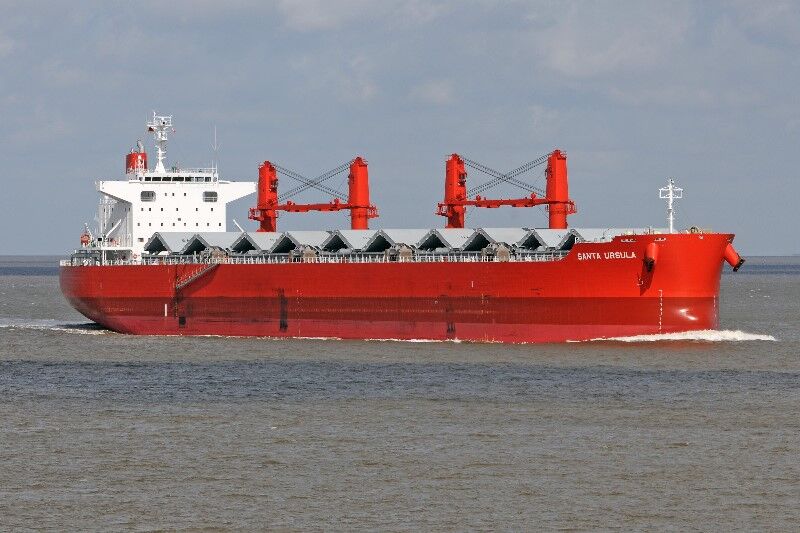
The ship Santa Ursula, which violated the ban on entering the ports of occupied Palestine, was struck by multiple suicide drones near the island of Socotra.
According to Yahya Saree, spokesman for the Yemeni armed forces, all attacks successfully achieved their objectives.
The moment Israeli air defense system launched two interceptor missiles above Rishon LeZion to intercept an incoming missile from Yemen.
There were 18 injuries among the settlers as they headed to shelters, with 2 others suffering from panic attacks!
The Santa Ursula is a container ship that has been operating under the Danish flag since 2012. The ship was last recorded sailing from the port of Salalah in Oman to Spain.
Santa Ursula ship
📊 The IWN investigations indicate that the attacks on Ben Gurion Airport and Tel Aviv mark the 58th and 59th aerial operations by the Yemeni armed forces against Zionist regime positions in occupied Palestinian territory, employing ballistic missiles, cruise missiles, and suicide drones.
📊 Furthermore, the operation against the Santa Ursula ship represents the 177th military action against illegal ships (Israeli, American, British, and their affiliates) in the waters surrounding Yemen.
The escalation of the conflict between Israel and Yemen, and the increase in missile and drone attacks on the occupied territories, have intensified after the Lebanese and Iraqi fronts were marginalized. Yemen’s frequent missile and drone attacks on the occupied territories have maintained military pressure on the Zionist regime. In retaliation, the Israeli regime has attacked civilian and vital facilities in Yemen four times.
Sirens blare throughout Tel Aviv region
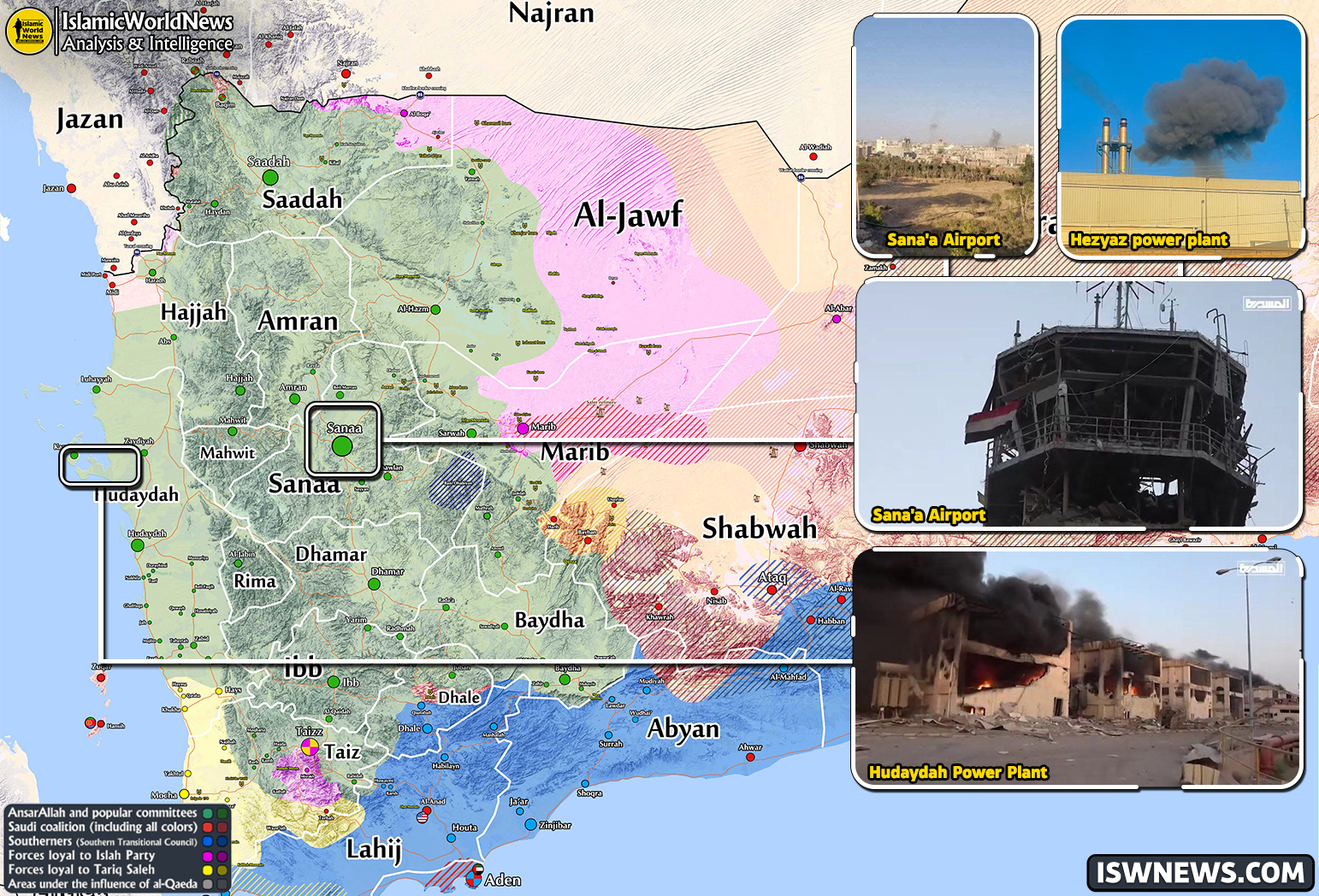
This morning, Yemeni armed forces launched attacks in response to the aggression from Israel the previous day. Israeli warplanes had targeted Yemeni energy facilities and Sanaa airport, resulting in the deaths and injuries of many Yemeni civilians.
Targeting Ben Gurion Airport is a proportionate and balanced response to the Israeli attack on Sanaa airport. The selection of these targets indicates that Yemeni leaders are seeking to create a “balanced response equation” at this stage of the conflict.
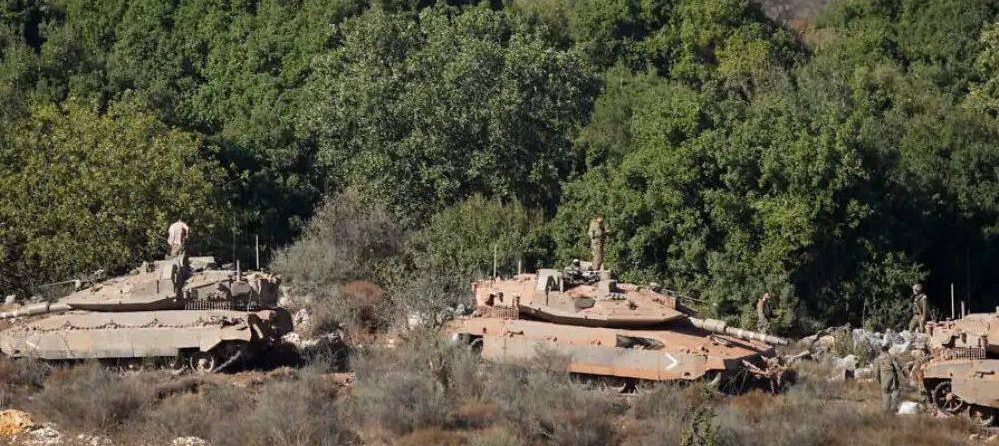
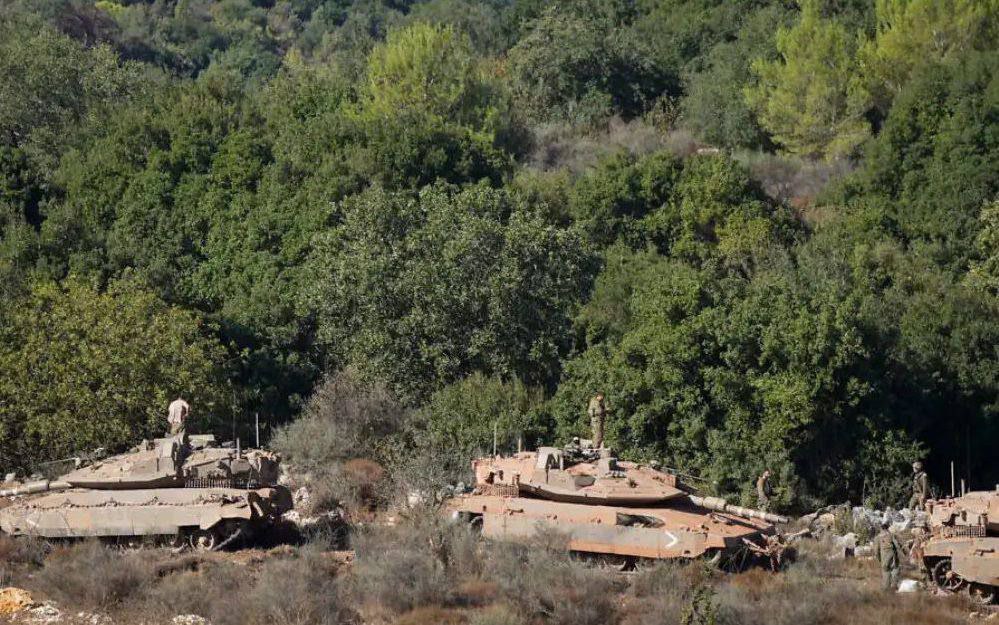
This action represents the most significant violation of the ceasefire and the deepest incursion by the Israeli army into southern Lebanon since the ceasefire was established. Hezbollah has remained silent, and the Lebanese government is unable to take any practical action in response.
Israeli army entering Qantara, Adshit al-Qusayr, and Wadi al-Hujeir
It appears that this Israeli move aims to identify Hezbollah positions in Wadi al-Hujeir, a location where Israel suffered heavy losses and retreated during the 33-day war.
These actions are another indication of Israel’s intention to reignite the conflict in southern Lebanon.
Israeli warplanes conducted multiple airstrikes targeting the control tower, runway, and near the departure hall of Sanaa airport, two airstrikes on the Haziz power plant in Sanaa province, several strikes on Ras Katib power plant and Ras Issa port, and two airstrikes on Hudaydah port.
Footage captured the moment Israeli warplanes struck the control tower of Sanaa airport.
The attack on Sanaa airport resulted in the deaths of three airport employees and left 16 others injured, including the co-pilot of a United Nations plane. Additionally, one person was killed and three others went missing following the attack on Ras Issa port.
This marks the 4th time Israeli warplanes have attacked Yemen in recent months.
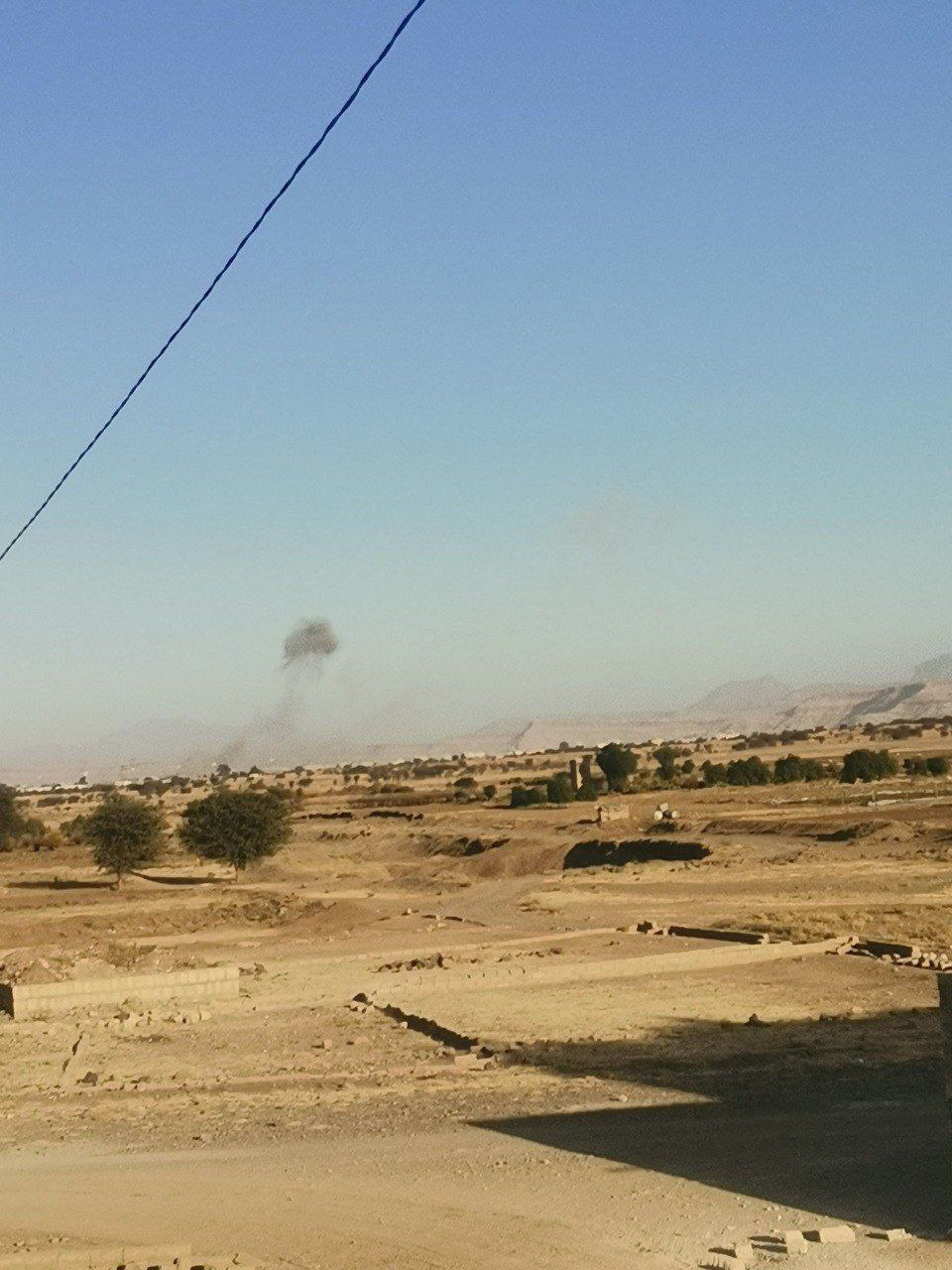
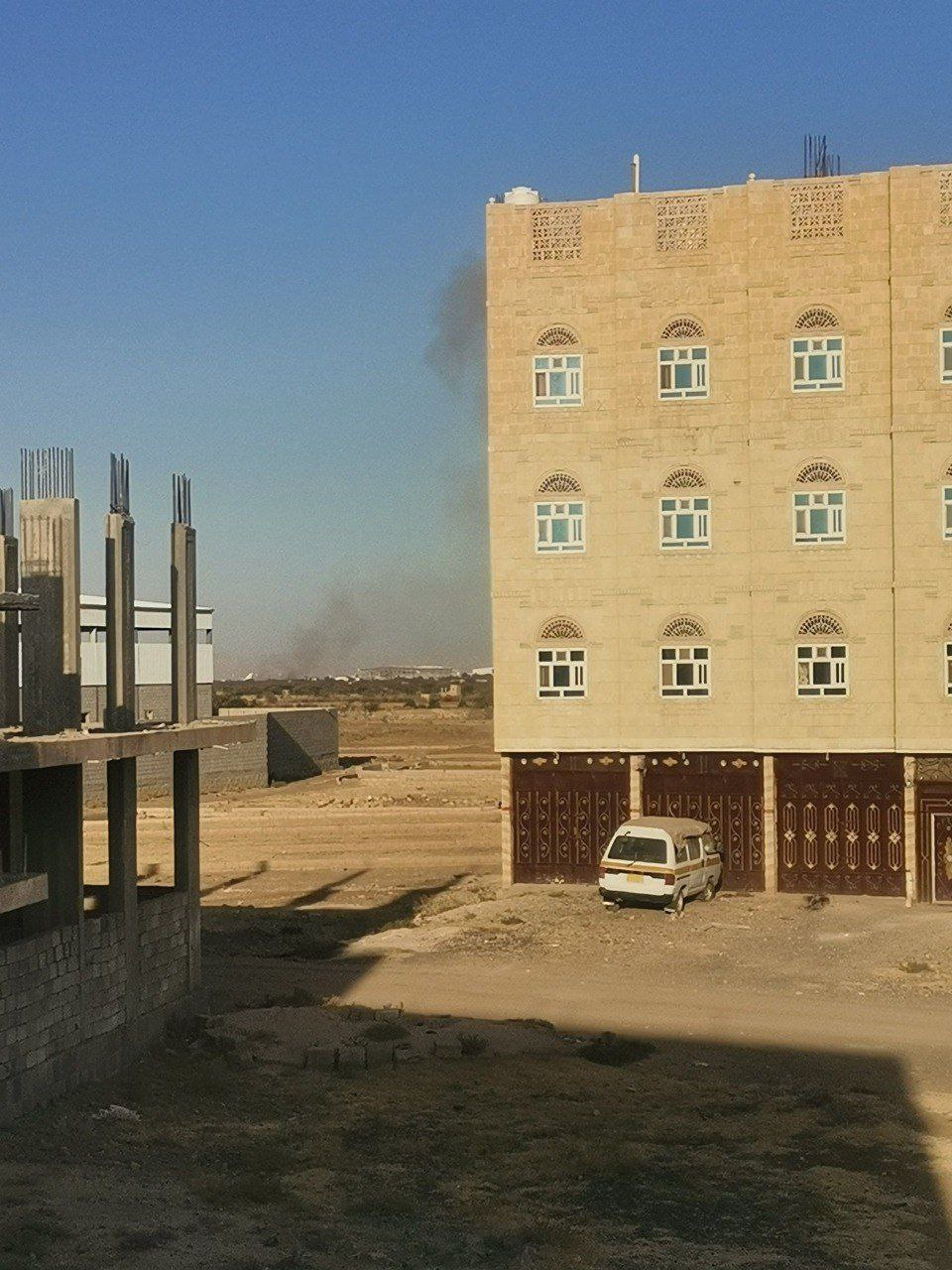
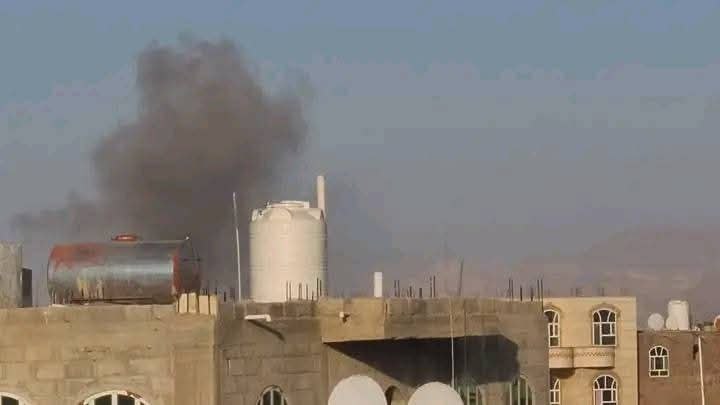
According to IWN investigations, many of the published images of the fire at Sanaa airport and Hudaydah port are either old or unrelated to today’s attacks on Yemen. Also, there was no attack on the Iranian embassy in Sanaa.
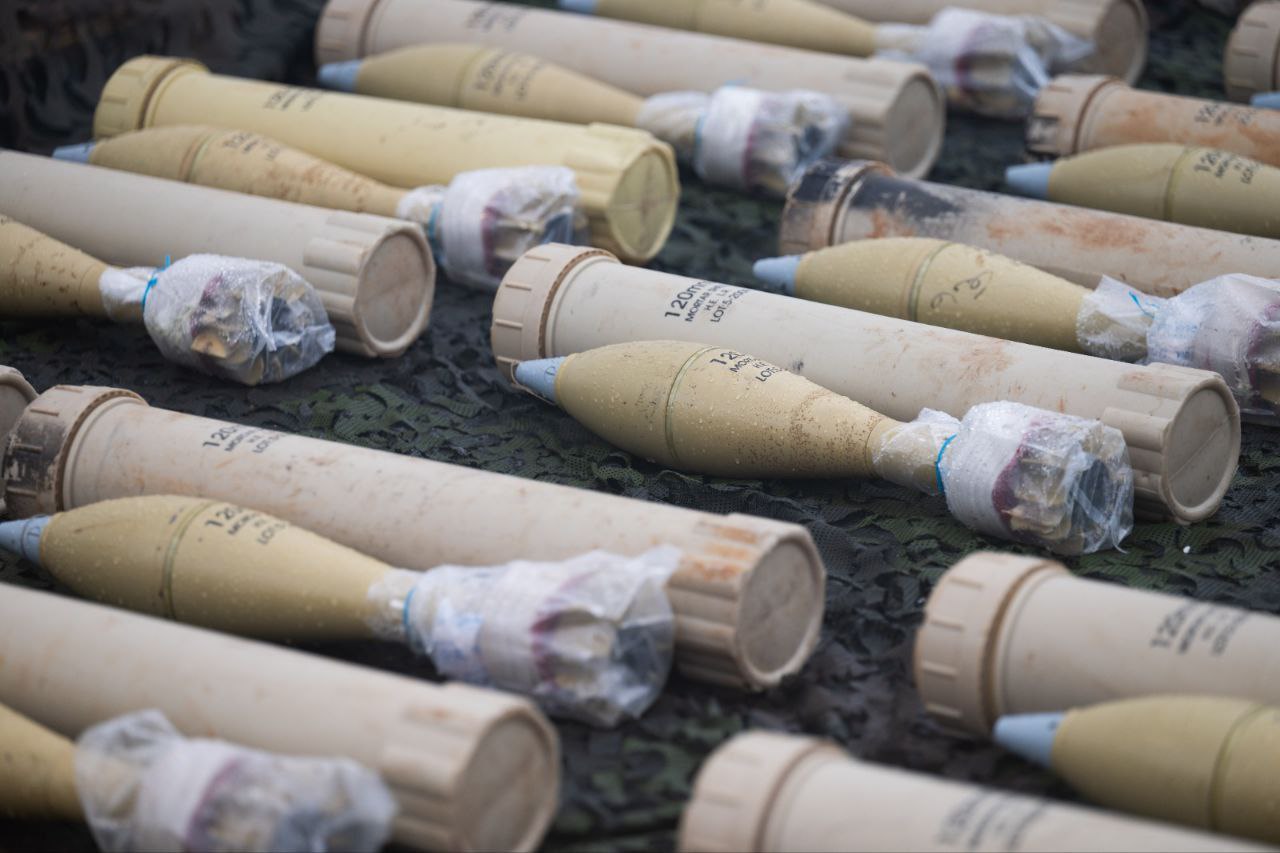
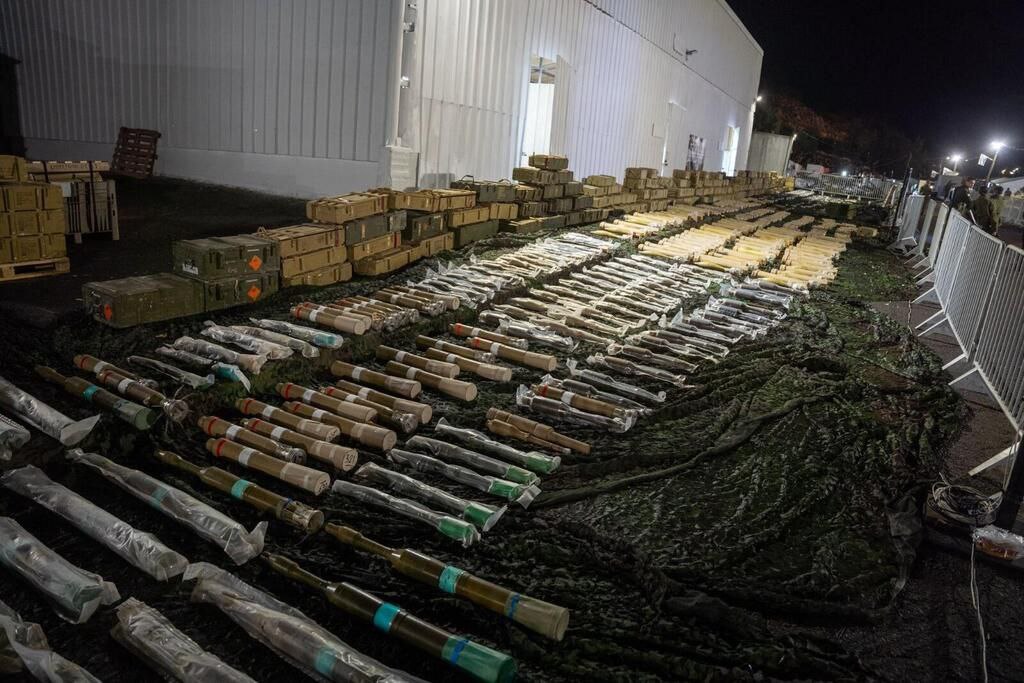
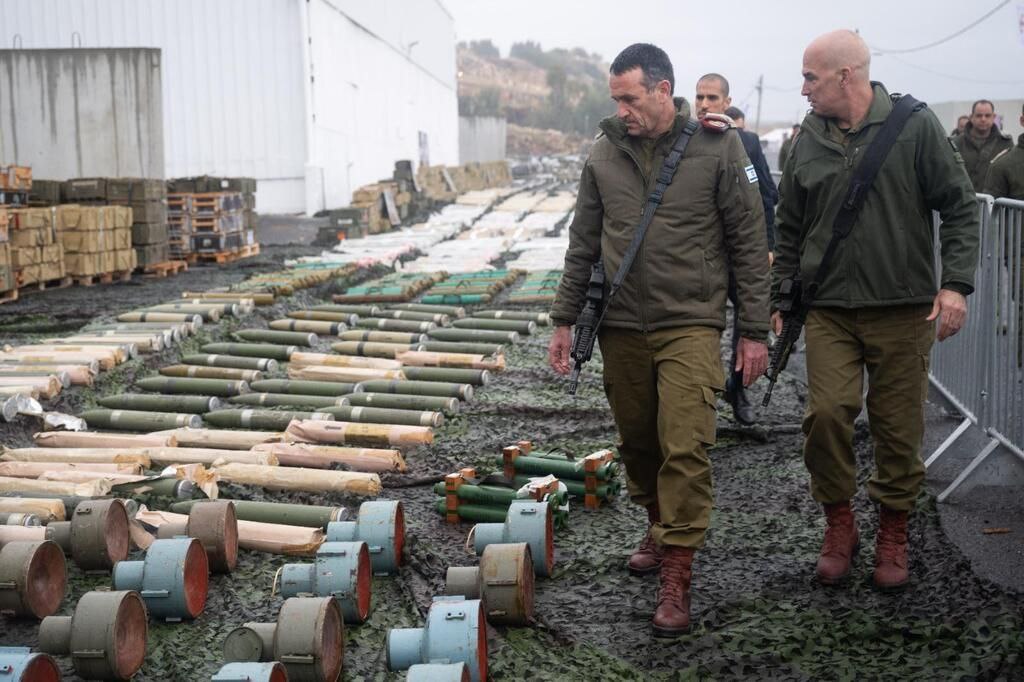
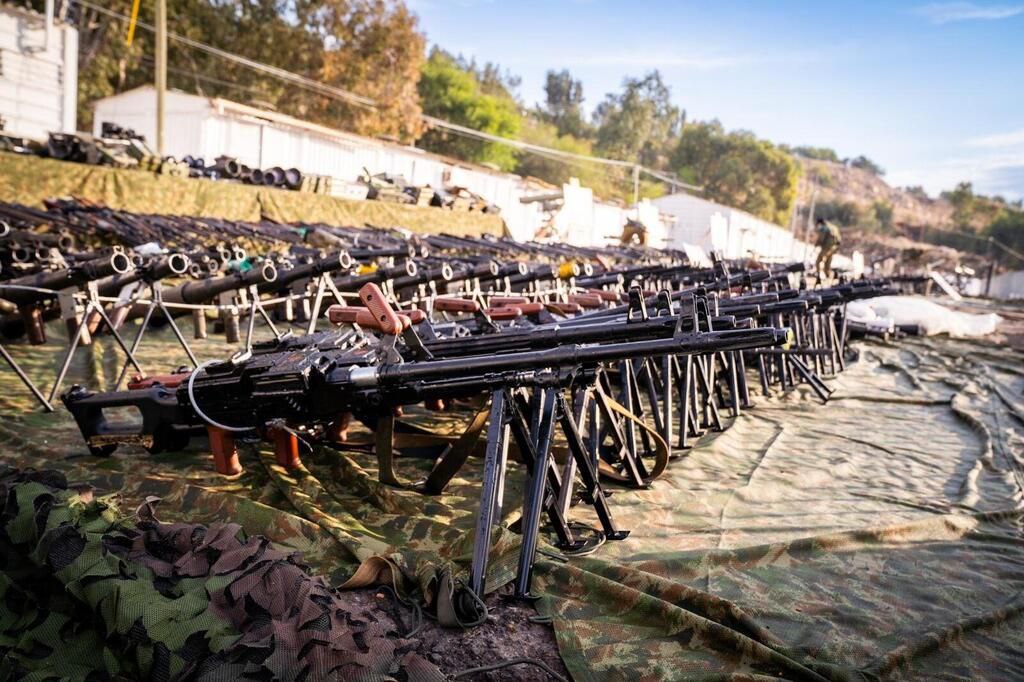
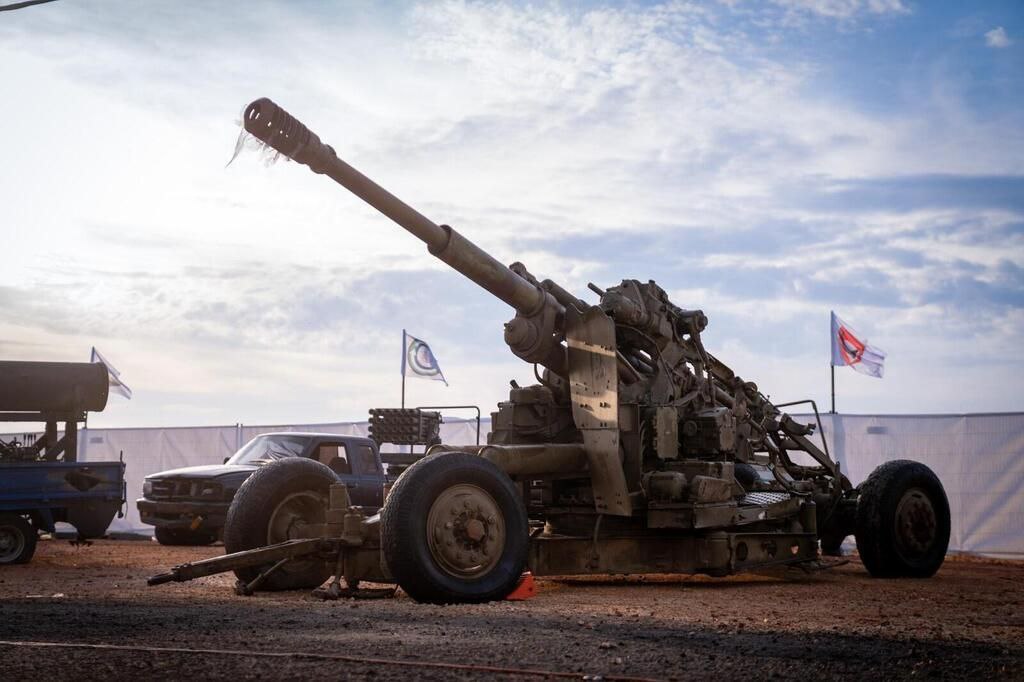
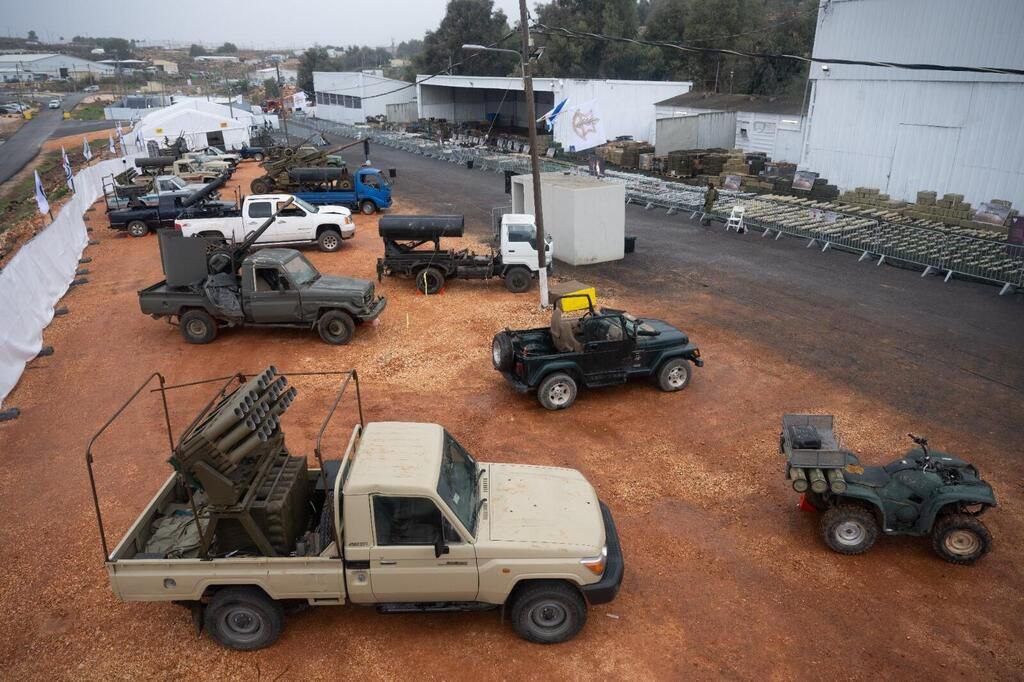
Israel claims to have discovered and seized 85,000 different weapons during this battle, though the report’s details cast doubt on this large number.
The alleged seized weapons include: 6,840 RPGs, 340 Kornet ATGMs, 9,000 IEDs and hand grenades, 2,250 rockets and mortars, 2,700 Kalashnikovs, 2,860 other weapons including sniper rifles, 60 anti-aircraft missiles, 60,800 pieces of electronic equipment, communication devices, computers, and 300 pieces of surveillance equipment such as binoculars.
The seized weapons in southern Lebanon
While this amount of military equipment is significant for an organization like Hezbollah, the Israeli army’s presentation of the numbers appears exaggerated. This issue is even more crucial considering the replacement of these weapons. In previous years, Hezbollah could procure its needs through the Syrian supply line, but that option is no longer available.
Footage from Ashkelon shows a successful strike on the industrial site, as the Yemeni drone managed to penetrate Israeli air defenses and hit its target.
CCTV footage of attack on Ashkelon
Statistics indicate that these two attacks marks the 56th and 57th aerial operation by the Yemeni army in occupied territories of Palestine using ballistic missiles, cruise missiles, and suicide drones.
Yahya Saree, the spokesman for the Yemeni army, announced: “We carried out two military operations. The first targeted a vital and sensitive site of the Israeli enemy in the occupied Jaffa (Tel Aviv) area. The second operation targeted the industrial zone of the Israeli enemy in the occupied Ashkelon area.”
“These operations were conducted in support of the Palestinian people and their resistance and in response to the massacres against our brothers in Gaza. We affirm that, with the help of God Almighty, we will continue to support and stand by the oppressed Palestinian people. Our operations will persist until the aggression on Gaza ceases and the siege is removed.” he added.
The moment Yemeni drone hit the industrial zone in Ashkelon
The Yemeni armed forces’ operation in support of the Palestinian resistance against the Zionist regime began on October 19, 2023, in occupied Palestinian territory and along the maritime route from the Gulf of Aden to the Red Sea.
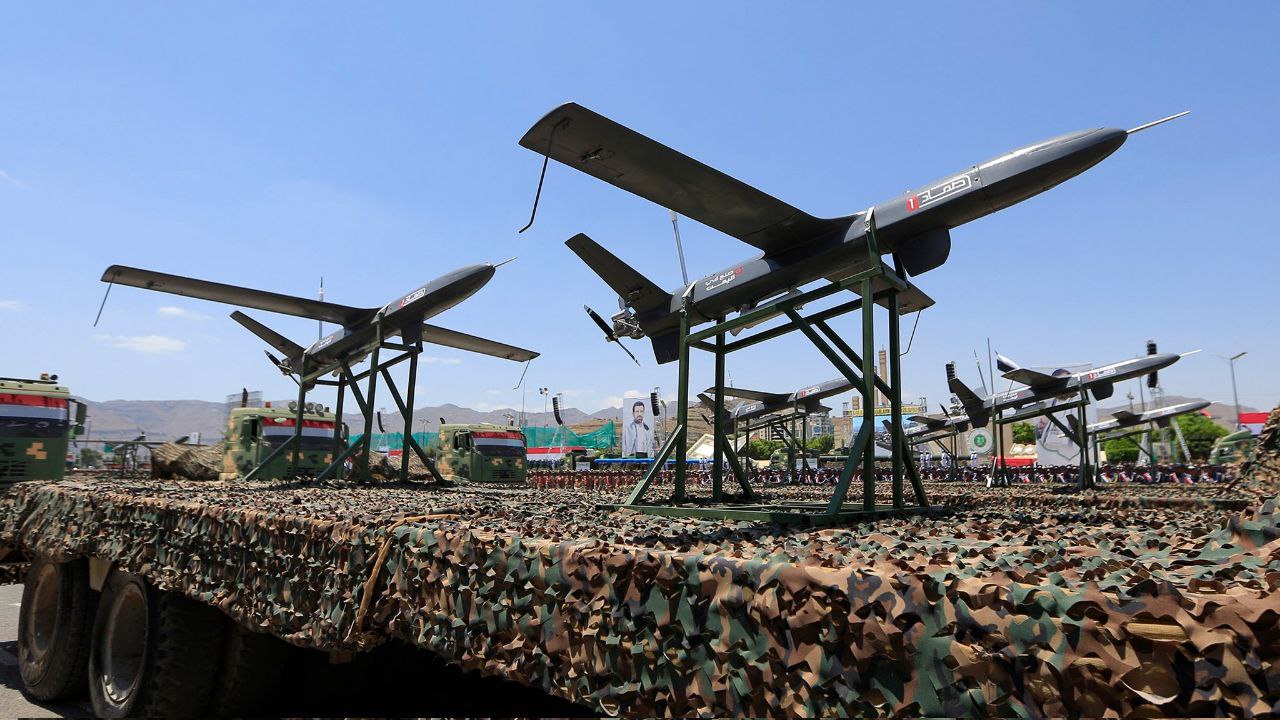
The continuous attacks on more than 170 ships affiliated with Israel, leading to the suspension of shipping by Zionist companies through the Red Sea route. Additionally, the Yemeni army has conducted over 50 missile and drone operations against Israeli positions.