Category: West Asia

  • Al-Julani’s Anti-Iranism as a Format of Pro-Zionist Discourse of the New Rulers of Syria

    Al-Julani’s Anti-Iranism as a Format of Pro-Zionist Discourse of the New Rulers of Syria

    Al-Julani made another mistake when he started lying about Iran to Western and Arabian media and portraying himself as a defender against “Iranian influence.” The leader of Tahrir al-Sham is not a very intelligent person, so it is quite possible that he thinks that the “Alawite Baath” and the ideology of Velayat al-Faqih are the same thing. If the former leader of al-Qaeda knows the difference, then he is simply a provocateur and a liar whose goal is to gain access to funding for Arabian autocracies and to receive covert recognition from the Zionists.

    Discussing the “Iranian threat,” al-Julani attributes to the Iranians plans to threaten Arab autocracies and support Syrian drug trafficking. Again, his words are based on the propaganda of the Arabian media and, accordingly, there is no factual basis. Again, his words are based on the propaganda of the Arabian media and, accordingly, there is no factual basis.

    The leader of the so-called “salvation government” is so fixated on Iran that he ignores decades of open relations between the Gulf states and the Zionists, and the topic of occupied Palestine does not bother him at all. On the contrary, his words to Western diplomats that “if Israel does not stop attacks against Syria, this could cause the return of the Iranians” should be seen in the context of a conciliatory tone towards the Zionists and a readiness for “peaceful coexistence” with the occupiers.

    Discussing the return of the Iranians, the head of the “salvation government” simply admits that only the Islamic Republic and its allies are truly against Zionism, and if the occupiers want to sleep peacefully, then, according to al-Julani, Zionism must simply recognize Tahrir al-Sham as a “legitimate neighbor.”

    The Syrian Takfirists have gotten involved in a dangerous game, on the one hand they are trying to flirt with everyone in a row against others, but ultimately they will face bitter consequences, since it is impossible to govern a country based on the puritanical logic of the Middle Ages coupled with naive views on foreign policy.

    Ahmed al-Sharaa is already irritating representatives of the national Syrian coalition, with his inclination to rule alone, and disappointment in him by regional powers is not far off, because Tahrir al-Sham will certainly not be able to “please everyone.” Especially when the Saudi establishment has taken it upon itself to “help” the former al-Qaeda in terms of governing Syria.

    Information about the activity of the Saudi diplomatic mission in Syria has leaked to a number of media outlets, writing about the presence of 40 experts who are present in important hotels in Damascus. The Saudi team in Syria assures that their task is to collect information about Saudi jihadists who are still present in the ranks of Tahrir al-Sham and to coordinate with the Turkish and Qatari sides in the matter of “stabilizing” Syria.

    However, the anti-Iranian attacks of Mohammad al-Julani and the first disagreements with the Turks regarding the Kurdish issue suggest that this is only the beginning of big problems that the future promises in Syria due to the dictatorship of the former al-Qaeda.

    Ahmed al-Sharaa has already made friends with the Biden administration, and at a meeting with officials from Washington, al-Julani assured that “Syria will be independent,” which confirms the reasoning about the logic of jihadists to build a balance. But the presence of a Zionist neighbor, the lack of experience in governing a state, and the radical essence that is temporarily hidden inside Tahrir al-Sham form a complex form of problems that al-Julani is not ready to cope with right now.

    I would emphasize that he is not going to solve these problems, he only needs one thing – to build a second Idlib and live the life of a small emir.

    to be continued….

  • Iran Installs New Over-the-Horizon Radar with 800 km Range in Northwest Region

    Iran Installs New Over-the-Horizon Radar with 800 km Range in Northwest Region

    This Nazir radar, with its 800 km range, can detect targets at altitudes exceeding 30 km. It can identify various low radar cross-section targets, such as drones and cruise missiles.

    With the Nazir radar in Gilan, the entire airspace over the Baku government, Armenia, large parts of eastern Turkey, most of Georgia, western Turkmenistan, part of southwestern Kazakhstan, and the Caspian Sea will be under Iran’s air defense surveillance.

    During the Israeli airstrikes on Iran on October 26, 2024, the Caspian Sea airspace was used—likely with cooperation from the Baku government—to target the Shahroud facilities. Now, with the Nazir radar operational in Gilan province, the skies over Baku and the Caspian Sea will be continuously monitored by Iran’s defense network, ready to counter any hostile movements.

  • Damascus Airport Resumes International Flights

    Damascus Airport Resumes International Flights

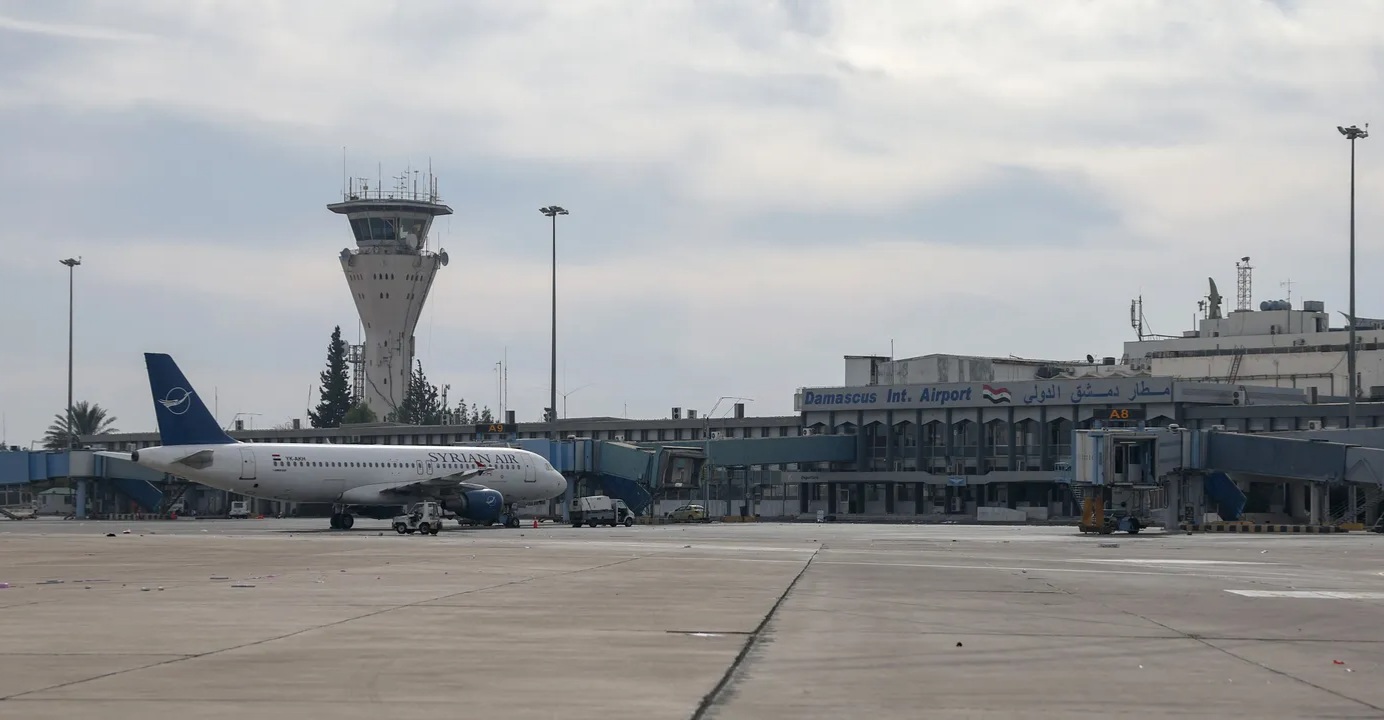
    Damascus Airport had been closed since December 8, following the fall of Bashar al-Assad’s government. This closure allowed for renovations and repairs to restore the airport’s operational capacity. The reconstruction aims to facilitate humanitarian aid, boost the economy, improve tourism, and enhance international relations.

    Today, an Ilyushin Il-76TD aircraft from Kazakhstan’s Sapsan Airline arrived at Damascus Airport from Riyadh, Saudi Arabia, carrying food and medical aid for the King Salman Humanitarian Aid and Relief Center.

    The flight schedule indicates significant activity, with outgoing flights to Amman, Abu Dhabi, Sharjah, Doha, and Baghdad, and incoming flights from Beirut, Doha, Sharjah, and Abu Dhabi. These flights are operating as planned on Tuesdays and Wednesdays.

  • Iran Launches ‘Eqtedar 1403’ (Great Prophet 19) Drills Near Natanz Nuclear Facility

    Iran Launches ‘Eqtedar 1403’ (Great Prophet 19) Drills Near Natanz Nuclear Facility

    In this phase, the air defense units are conducting an all-around defense to defend the Shahid Ahmadi Roshan Nuclear Site, also known as Natanz site, against various air threats under critical electronic warfare conditions.

    The Eghtedar 1403 exercise includes a range of Iranian long-range, medium-range, and short-range defense systems, as well as various radar and electronic warfare systems.

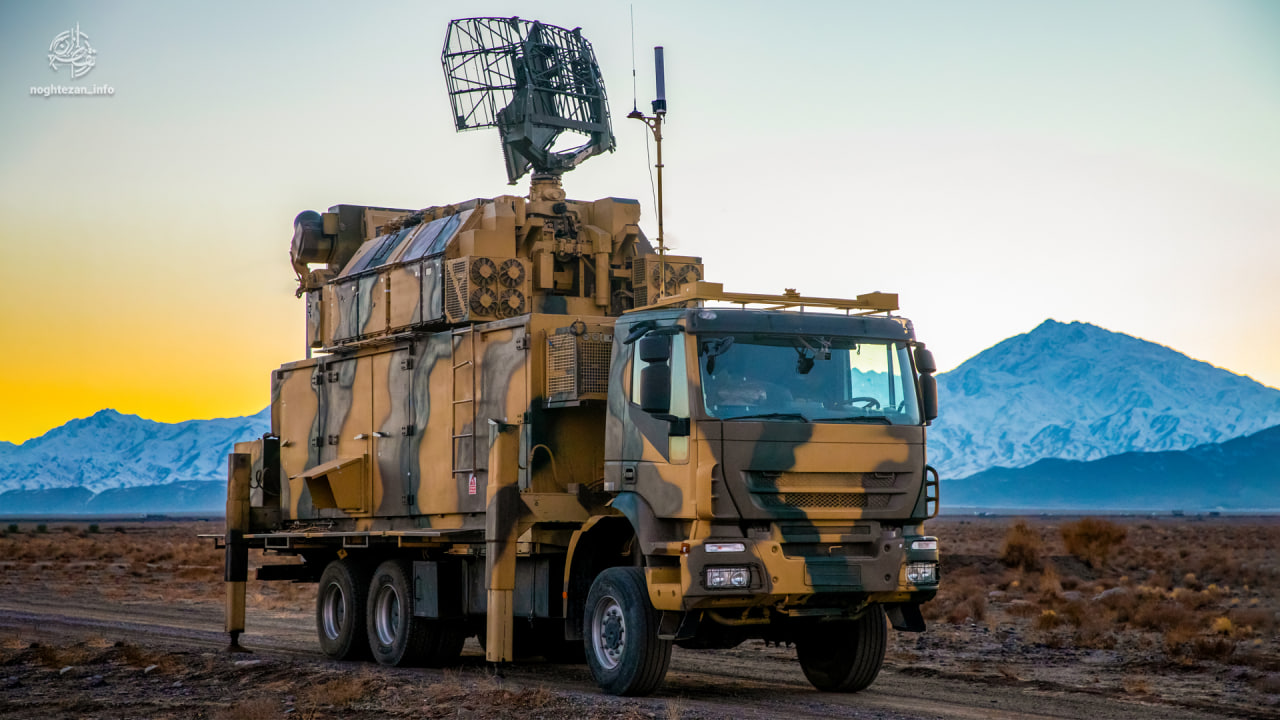
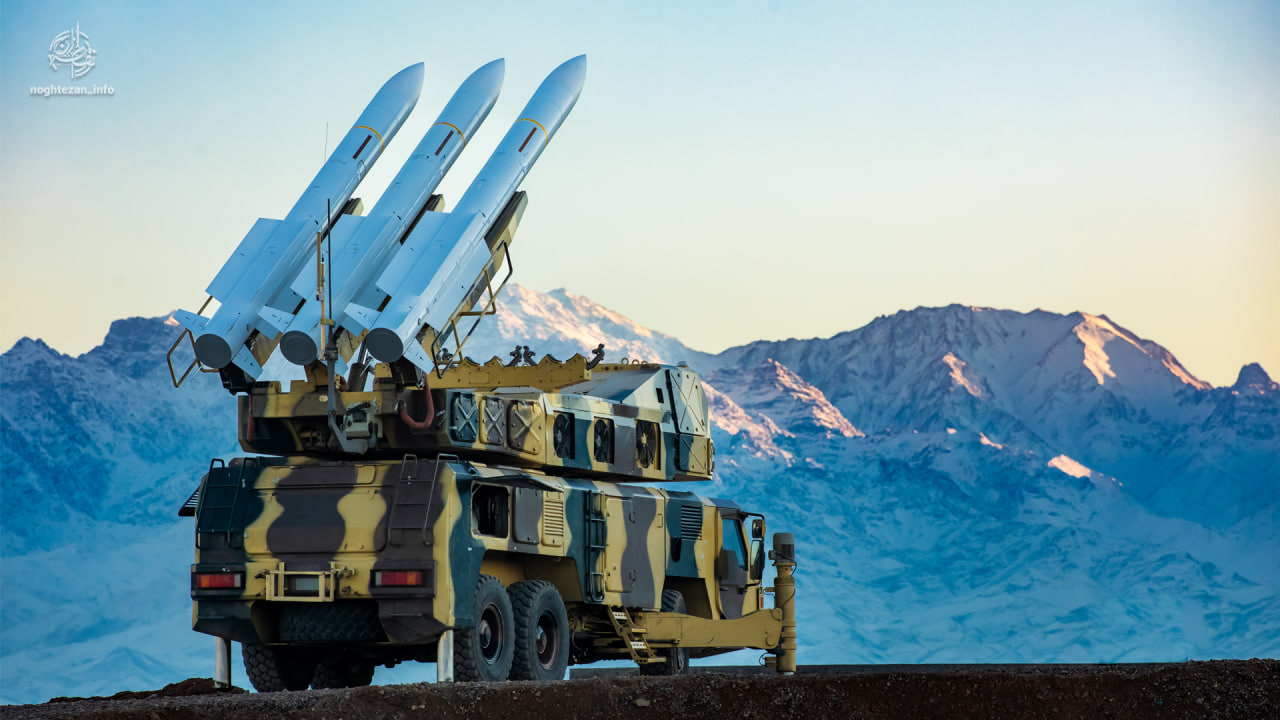
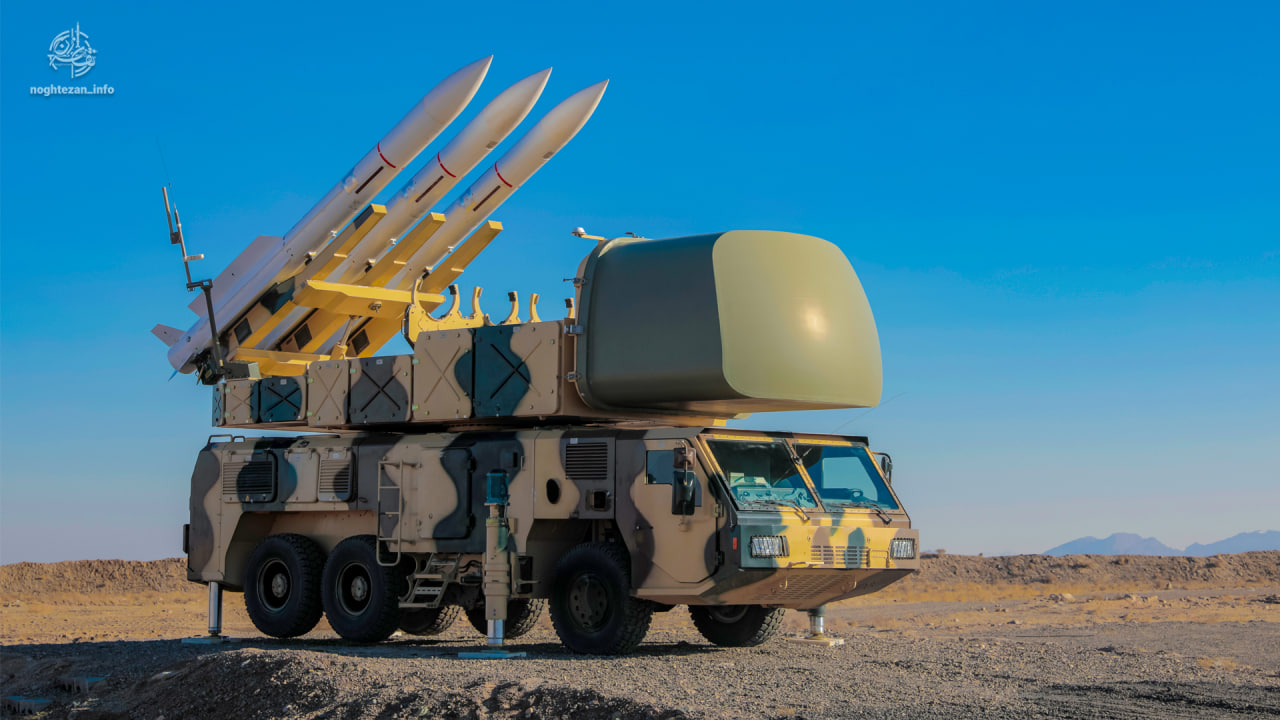
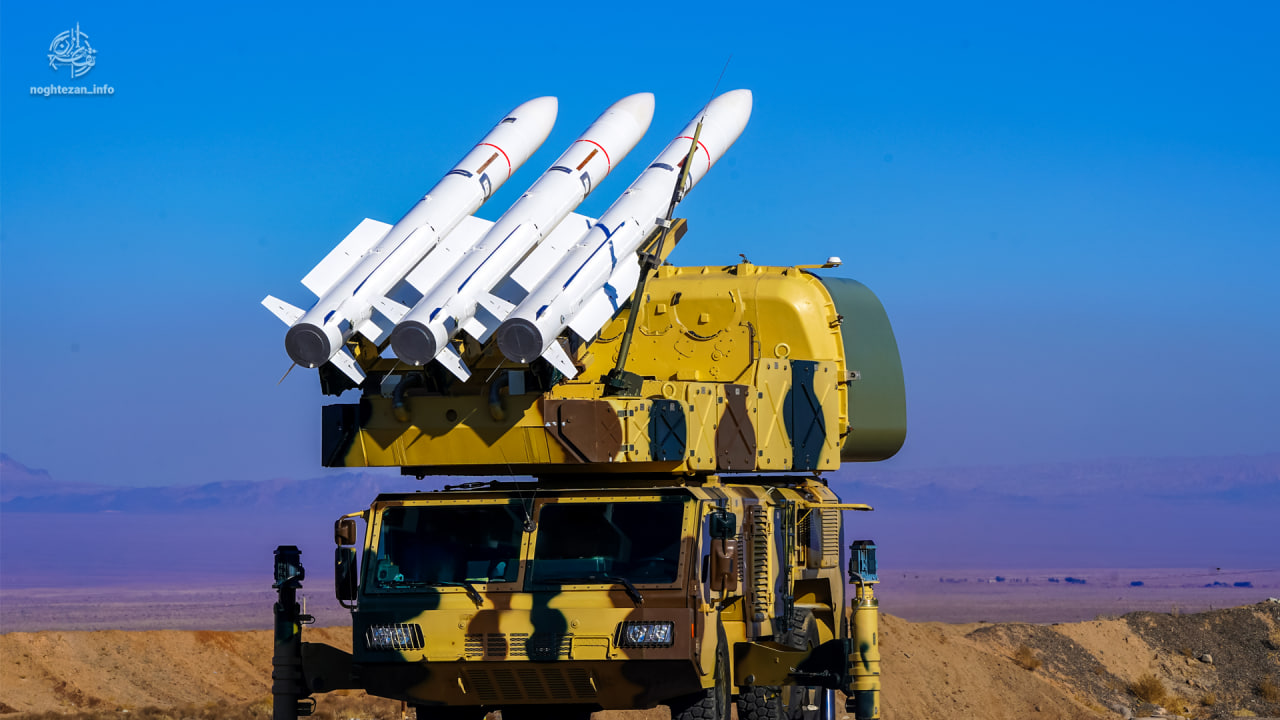
    Published images reveal the presence of Tabas medium-range air defense systems, Sevom(3rd) Khordad long-range air defense system, Dezful short-range air defense system, and the Sepehr-14 passive electro-optical system for the Raad air defense system.

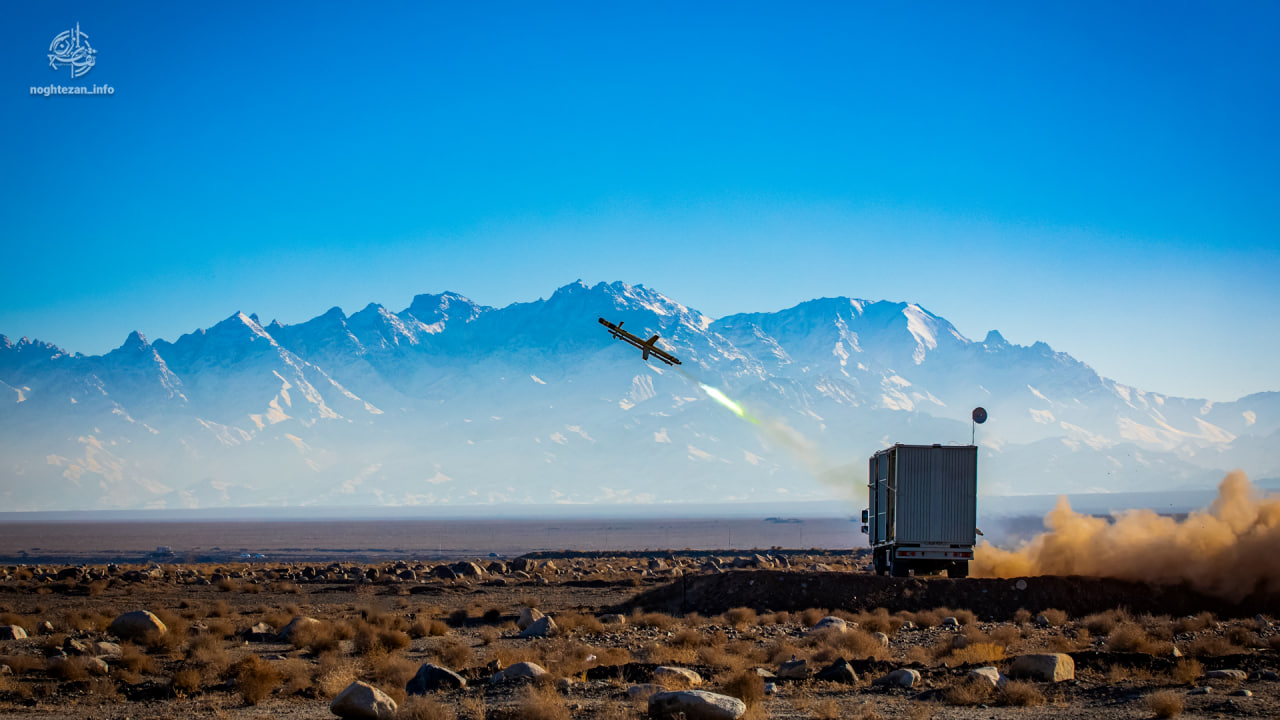
    Additionally, for the first time, the mysterious 358 air defense missile was officially deployed in this exercise. The 358 loitering missile is renowned for its impressive track record of downing American and Israeli drones in the region.

    358 missile deployed in Eqtedar 1403 drill

    It should be noted that since January 4, the Iranian Armed Forces have commenced an exercise called “Great Prophet 19,” which will continue until January 9. The Eqtedar 1403 exercise is being conducted as part of the Great Prophet 19 exercise.

  • Israeli Brigade Discovers Former Syrian Army Weapons at Mount Hermon

    Israeli Brigade Discovers Former Syrian Army Weapons at Mount Hermon

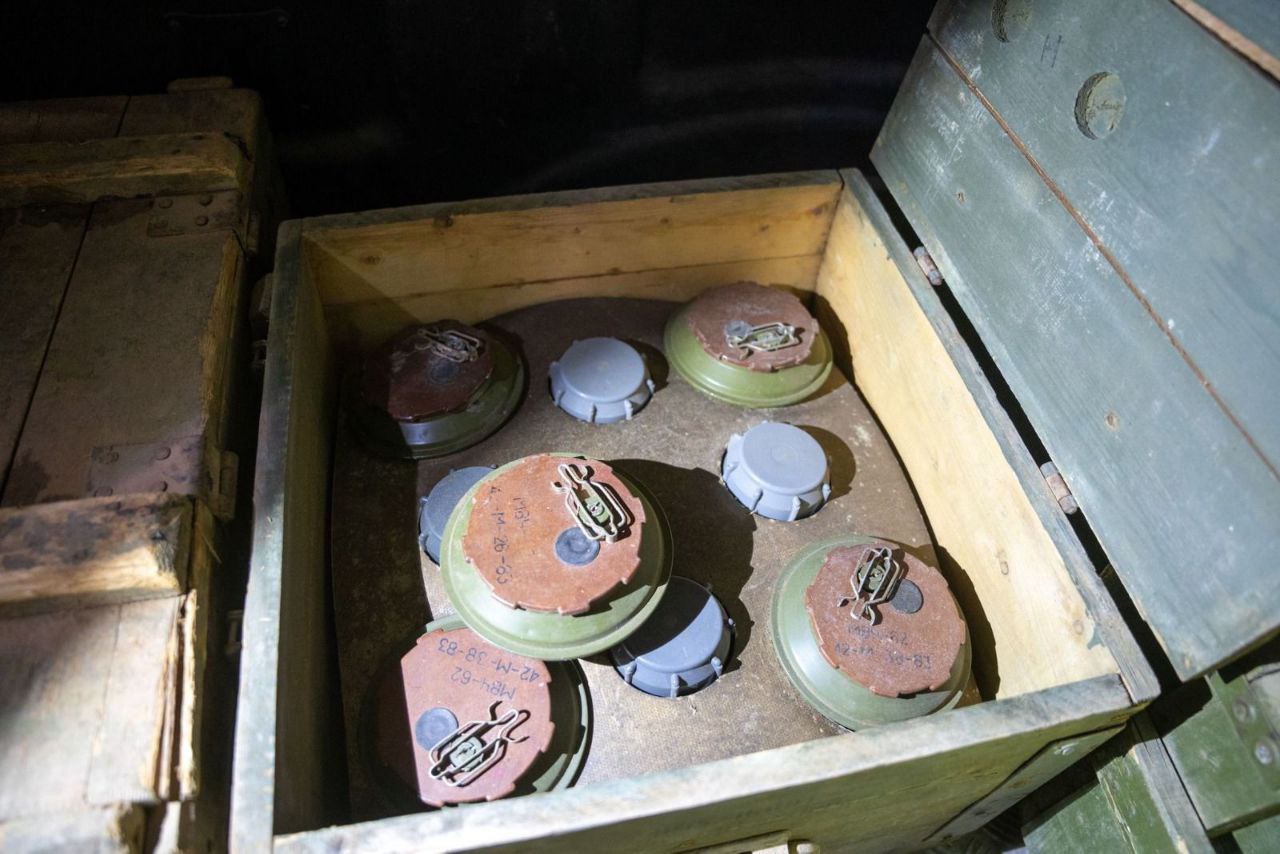
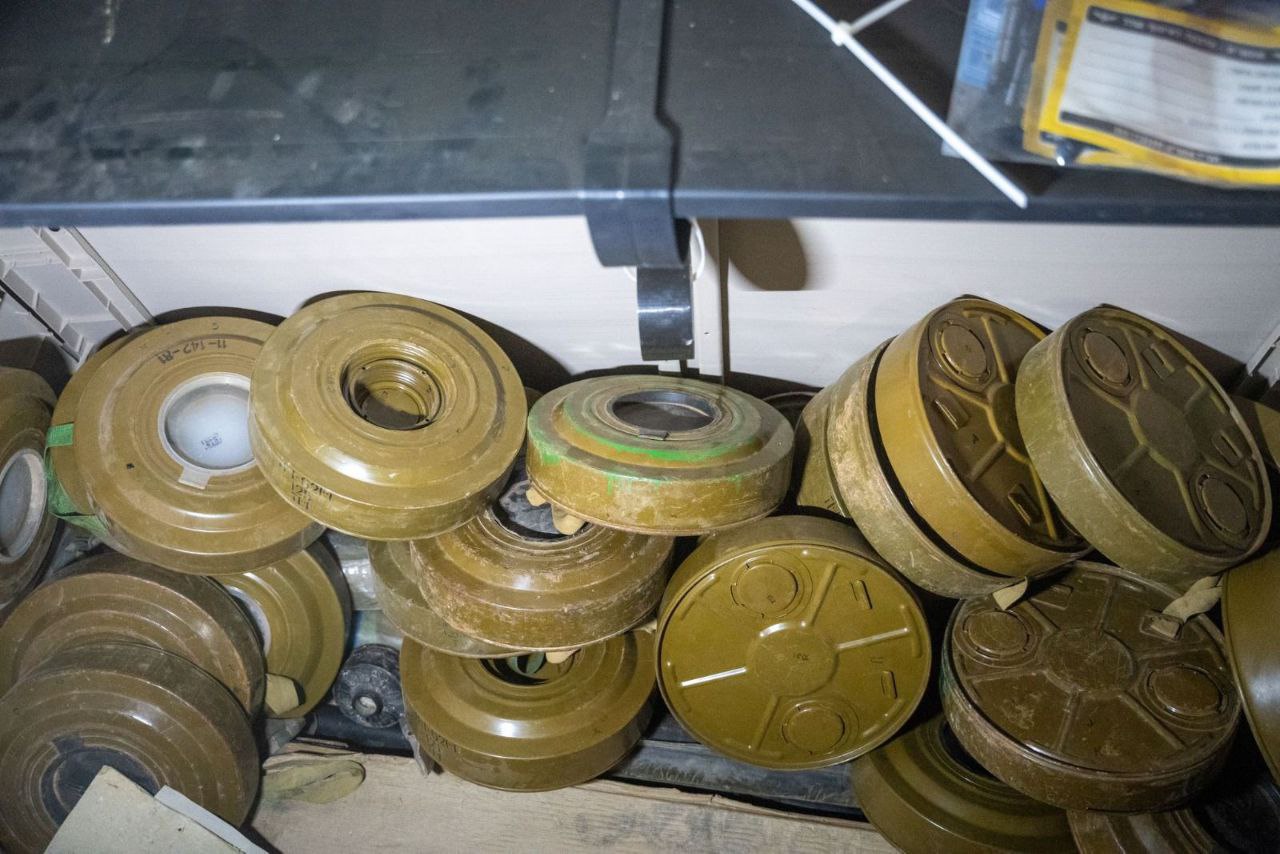
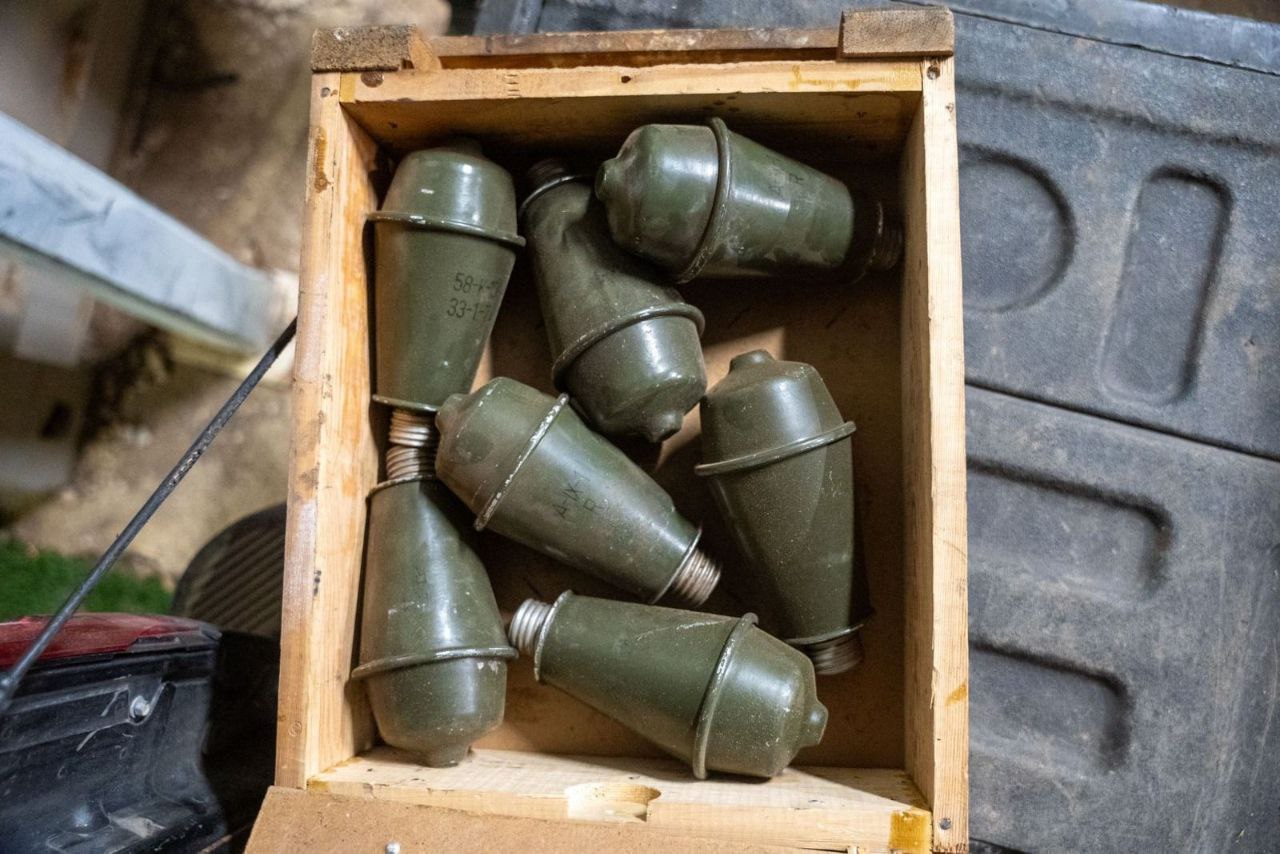
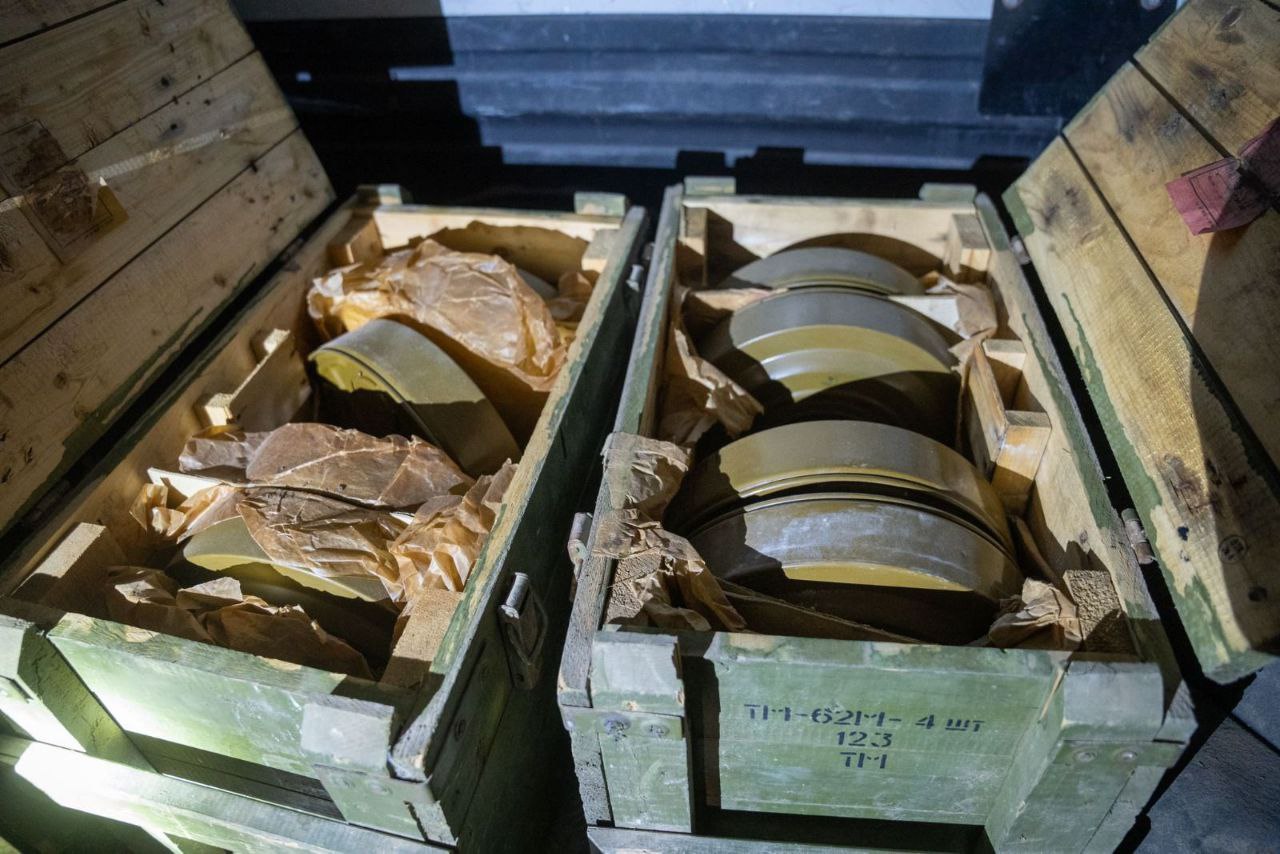
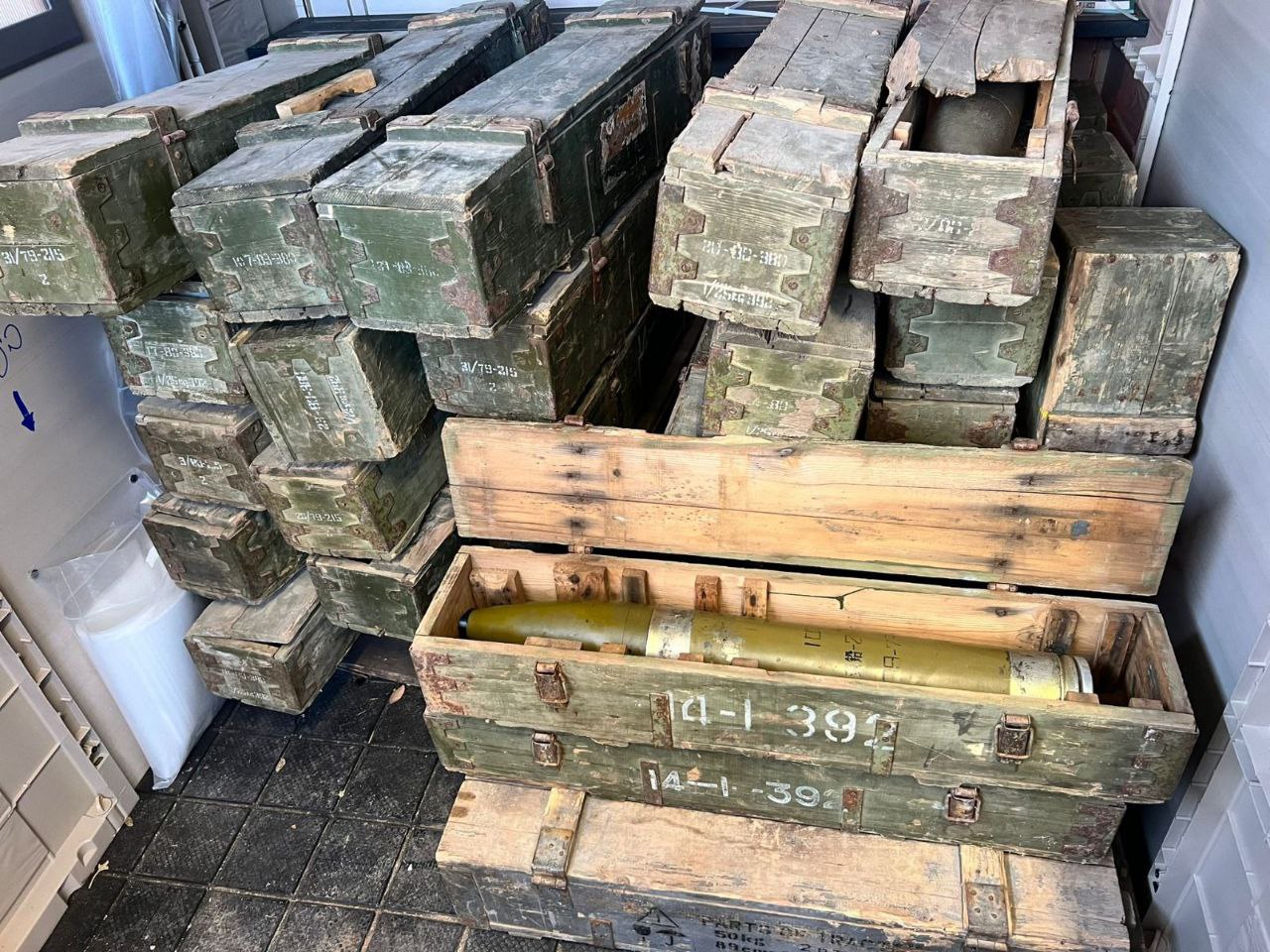
    According to the Israeli army, they found and destroyed weapons depots & intelligence assets of the former Syrian army during their search. The seized items reportedly included mines, explosives, anti-tank missiles and rockets.

    However, the released images only display mines and light rockets. Israel aims to leverage this news to support its claims regarding threats to the security of the occupied Golan Heights.

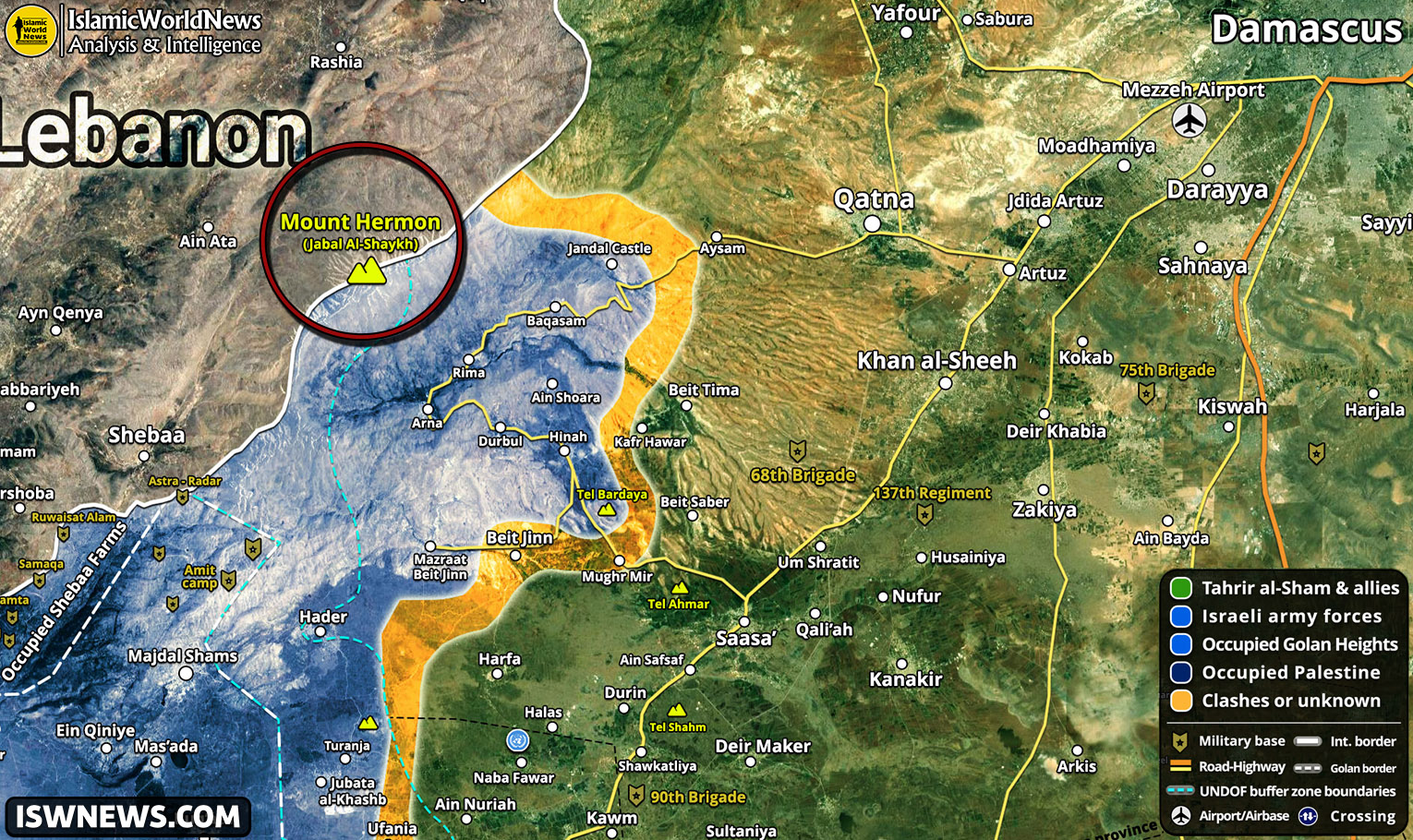
    Mount Hermon, or Jabal al-Shaykh, is a strategically important area in southern Syria. It provides significant fire control over the provinces of Rif-Dimashq, Quneitra, and Daraa, as well as southeastern Lebanon.

    The Israeli army entered Syrian territory and captured these heights following the fall of Bashar al-Assad’s government on December 8. Israeli officials have repeatedly stated that they will not withdraw from Mount Hermon.

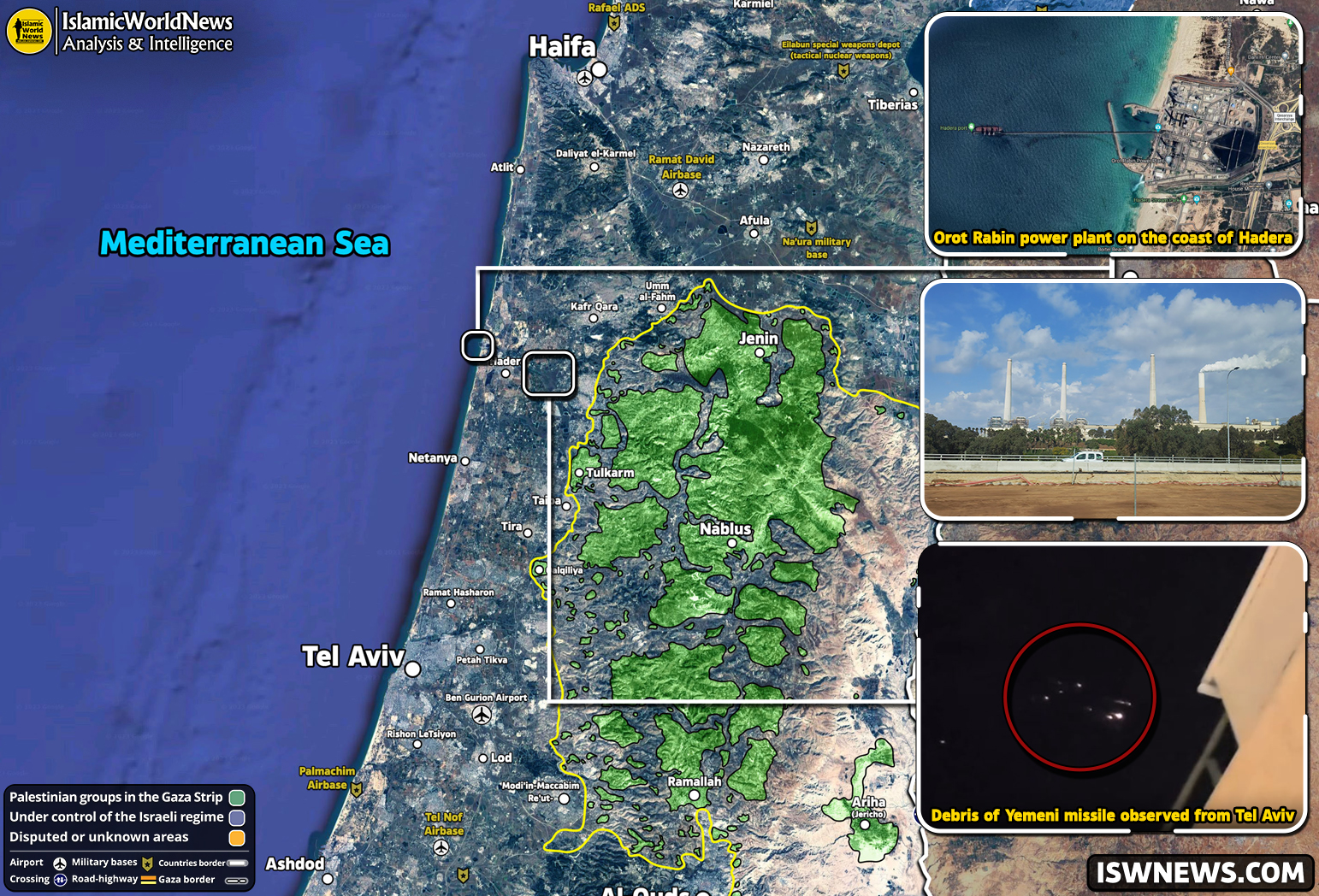
  • Yemen’s Army Missie Attack Orot Rabin Power Plant South of Haifa

    Yemen’s Army Missie Attack Orot Rabin Power Plant South of Haifa

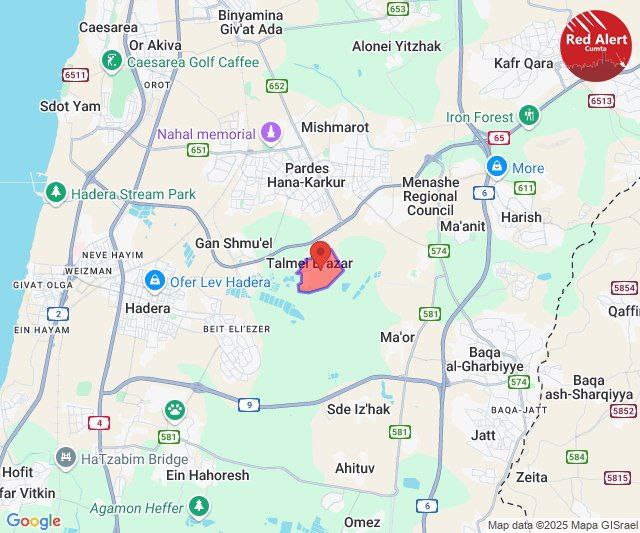
    The Israeli army reported that the missile was intercepted before entering the skies of occupied Palestine, with its debris triggering a warning siren in the Talmei Elazar area north-east of Hadera.

    Siren sounded Talmei Elazar area north-east of Hadera.

    Given the missile debris’ fall location, 50 kilometers north of Tel Aviv, it seems that the Yemeni army has extended the range of its missile attacks.

    Debris of Yemeni missile observed from Tel Aviv
    Debris of Yemeni missile observed from Tel Aviv

    Brigadier General Yahya Saree, spokesman for the Yemeni armed forces, stated, “The leadership, people, and army of Yemen continue to fulfill their religious, moral, and humanitarian duties towards the oppressed Palestinian people. The military support operation for the Resistance in Gaza will persist with continuous military expansion. The primary goal of the Yemeni armed forces in these attacks is to compel the Israeli enemy to cease its attacks on the Gaza Strip and lift its siege.”

    An hour after Yemen launched a missile attack on the occupied territories, US-British coalition warplanes conducted three airstrikes east of Saada city, likely targeting the missile launch site.

    The investigations by IWN indicate that this attack marks the 64th aerial operation by the Yemeni armed forces against the Zionist regime in occupied Palestinian territory, utilizing ballistic missiles, cruise missiles, and suicide drones.

    The Yemeni army’s operation in support of Palestinian people against the Zionist regime began on October 19, 2023, in occupied Palestinian territory and along the maritime route from the Gulf of Aden to the Red Sea. The continuous attacks on more than 175 ships affiliated with Israel, leading to the suspension of shipping by Zionist companies through the Red Sea route.

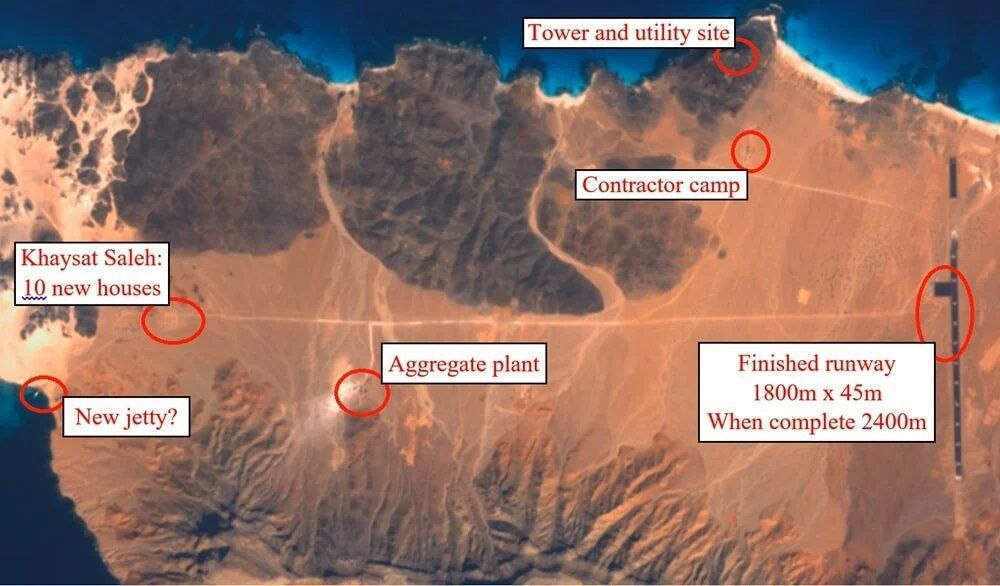
  • The UAE Base on Abdul Kuri Island is Ready for Operation

    The UAE Base on Abdul Kuri Island is Ready for Operation

    Abd al Kuri Island is part of the Socotra archipelago, spanning approximately 133 square kilometers with a population of around 500 people. In recent years, the UAE has occupied the island and forcibly relocated its residents to Socotra Island and other areas of Yemen in February 2023.

    With assistance from the United States and Israel, the UAE is constructing an air base on the island, along with several other military and intelligence facilities.

    Operating military aircraft from this island could significantly enhance the UAE’s control over the Gulf of Aden, the Bab al-Mandab Strait, and maritime traffic from the coast of Yemen to the Guardafui Channel in the Horn of Africa.

  • Israeli Foreign Minister Engages with Syrian Kurdish Foreign Relations Head; Israel Seeks New Ally!

    Israeli Foreign Minister Engages with Syrian Kurdish Foreign Relations Head; Israel Seeks New Ally!

    This phone call marked the first official contact between Israel and Syrian Kurdish officials, as reported by Israel Hayom.

    Israelis see the Syrian Kurds as potential allies, and over the past month, there have been positive signals of cooperation between the two sides.

    For years, the YPG, YPJ, and PKK units under the US mandate and a fancy name “Syrian Democratic Forces” (SDF) have been facilitating the US occupation of northeastern Syria. Following the fall of the previous government and the rise of Turkish militants in the region, the Jazira Kurds face significant pressure from Turkey and its allied forces. There is a growing concern that the autonomy of the Syrian Kurds may be dismantled.

    The Israeli government has a vested interest in preventing this outcome and seeks a new ally in northern Syria. As a result, Israel has actively worked to deter Turkey from launching attacks on the Jazira Region and targeting the SDF. This has included lobbying efforts in the US and Europe. Recently, the US has taken measures to thwart an imminent Turkish ground offensive by establishing a new military base in the Ain al-Arab (Kobani) area.

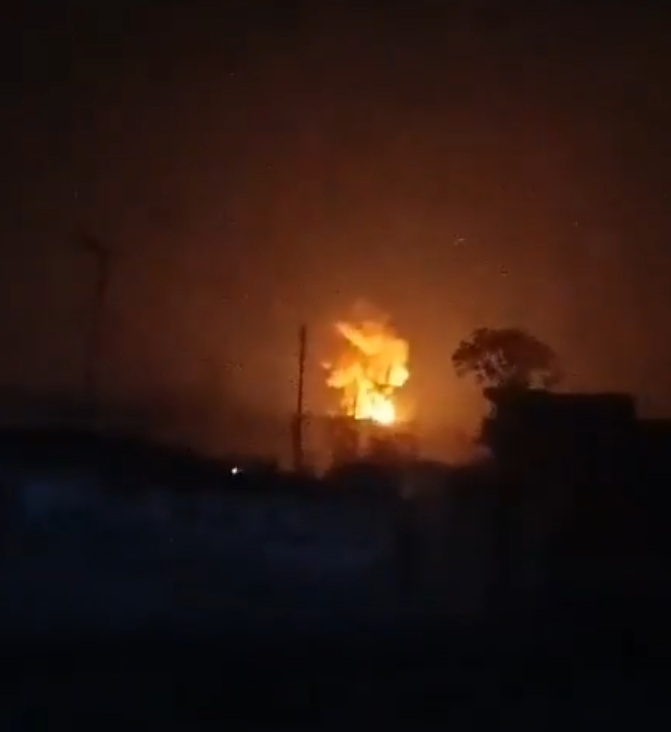
  • Israeli Airstrikes on Northern and Southern Syria (Video)

    Israeli Airstrikes on Northern and Southern Syria (Video)

    So far, no information has been published regarding casualties and damages. Media and sources close to the militants, as well as their commanders, have remained silent in response to these Israeli attacks.

    Following the collapse of the Syrian government, Israeli airstrikes have targeted various sites in Syria, including defense systems, airports, radar installations, ammunition depots, weapons production facilities, fighter jets, helicopters, and other infrastructure. These strikes began on December 8 and have continued to this day. To date, Israeli aircraft have carried out over 500 airstrikes in Syria. These attacks persist despite the silence from officials of the Syrian interim government.

    Israeli fighter jets attacking weapons factories in the town of Aleppo
  • Yemen’s Missile Attack Target Modi’in Area (Video)

    Yemen’s Missile Attack Target Modi’in Area (Video)

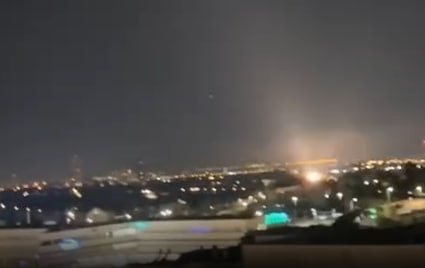
    The Israeli army claims that their defense systems intercepted the Yemeni missile after it entered the skies of occupied Palestine, but a fragment of the missile hit the Modi’in area, causing an explosion. However, released videos captured the moment the warhead of the Yemeni missile struck.

    The moment a Yemeni missile hit the Modi’in area

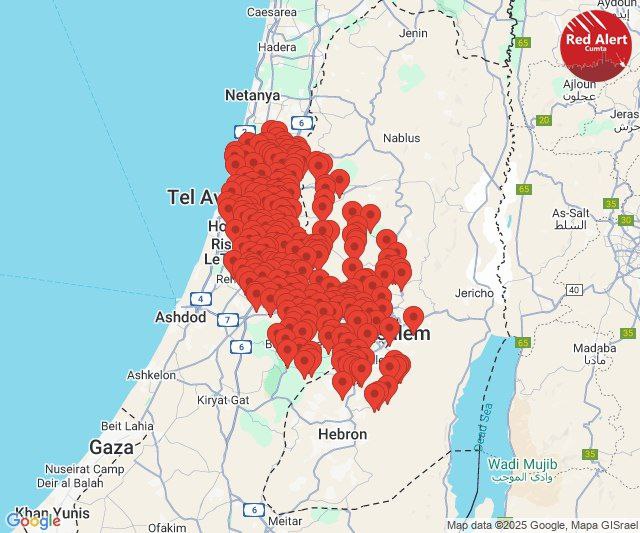
    During the attack, sirens sounded in the Tel Aviv area and Jerusalem, prompting hundreds of thousands of Israelis to seek shelter in the middle of the night. According to Israeli emergency services, 12 Israeli settlers were injured while fleeing to shelters, and nine others suffered panic attacks.

    Sirens blared in Tel Aviv region and Jerusalem

    An hour after the attack, the Israeli army reported intercepting and destroying a suicide drone before it entered the skies of occupied Palestine. This drone was also reportedly launched from Yemen.

    The IWN investigations indicate that the attacks on Modi’in area mark the 62th aerial operations by the Yemeni armed forces against Zionist regime positions in occupied Palestinian territory, employing ballistic missiles, cruise missiles, and suicide drones.

    The Yemeni army’s operation in support of Palestinian people against the Zionist regime began on October 19, 2023, in occupied Palestinian territory and along the maritime route from the Gulf of Aden to the Red Sea. The continuous attacks on more than 175 ships affiliated with Israel, leading to the suspension of shipping by Zionist companies through the Red Sea route.

    Another video from a different angle show the impact moment in Modi’in
  • US to Build New Military Base in Ain al-Arab

    US to Build New Military Base in Ain al-Arab

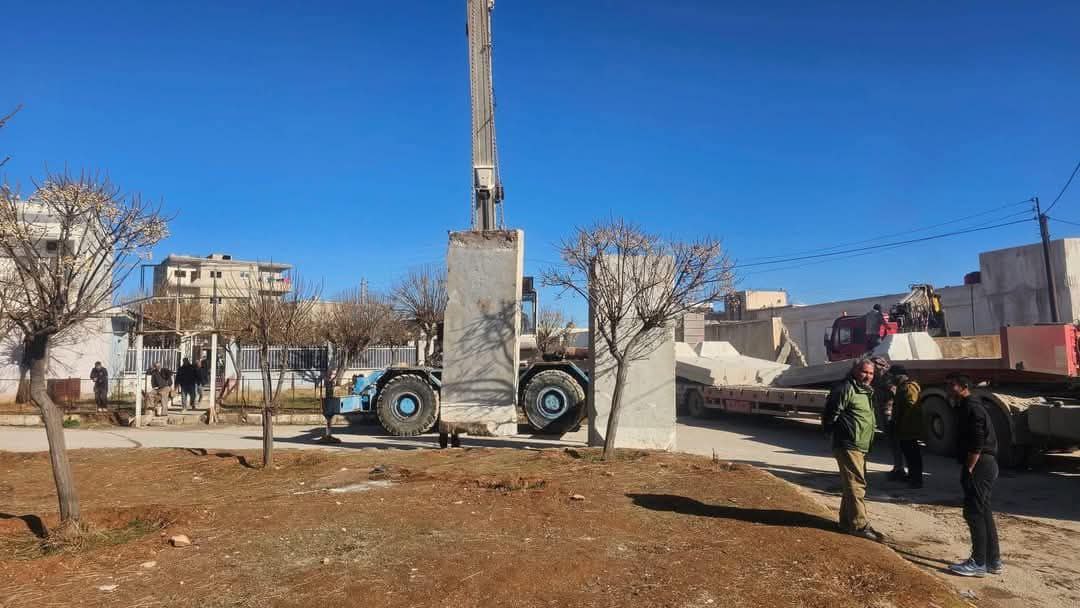
    In recent days, US coalition convoys, comprising dozens of trucks carrying cement blocks, prefabricated structures, fuel tanks, CCTV cameras, and other logistical equipment, have entered the city of Ain al-Arab under the escort of US armored vehicles.

    In recent years, under the guise of combating the ISIS terrorist group, the Americans have established various bases in the provinces of Deir ez-Zor, Aleppo, and Hasakah.

    The construction of the base in Ain al-Arab is also justified by the need to monitor the ceasefire between SDF forces and Turkish-backed militants, and to prevent a Turkish ground attack on the Syrian Democratic Forces.

    Given the SDF’s recent requests for American presence in the tension areas, it appears that the establishment of temporary and even permanent bases in northern Syria by the Americans will continue.

  • Damascus and Riyadh Establish Official Ties; Syrian Transitional Government’s FM Visits Saudi Arabia

    Damascus and Riyadh Establish Official Ties; Syrian Transitional Government’s FM Visits Saudi Arabia

    The Syrian delegation was welcomed at Riyadh International Airport by Walid bin Abdulkarim Al-Khuraiji, Saudi Arabia’s deputy foreign minister.

    The interview of Abu Muhammad Al-Julani, the leader of Tahrir Al-Sham, with Saudi Arabia’s Al-Arabiya channel—his first with a foreign media outlet since the fall of Bashar al-Assad’s government—along with Asaad Al-Shaybani’s choice of Riyadh for his first foreign visit, highlights the level of relations between the new Syrian rulers and Saudi Arabia.

    After severing ties with the Syrian government in 2012, Saudi Arabia became a significant supporter of the militant groups in the Syrian war, providing financial and military support. The first official foreign trip by Al-Julani government officials to Saudi Arabia sends important signals to regional countries.

    Saudi Arabia, a strong opponent of the Muslim Brotherhood, designates the group as a terrorist organization. In contrast, Turkey has traditionally supported the Syrian Muslim Brotherhood and its associated militia factions. Al-Julani officials’ visit to Saudi Arabia indicates a strategic move to balance Turkey’s influence in Syria by increasing cooperation and bringing Saudi Arabia into the equation of the new Syria.