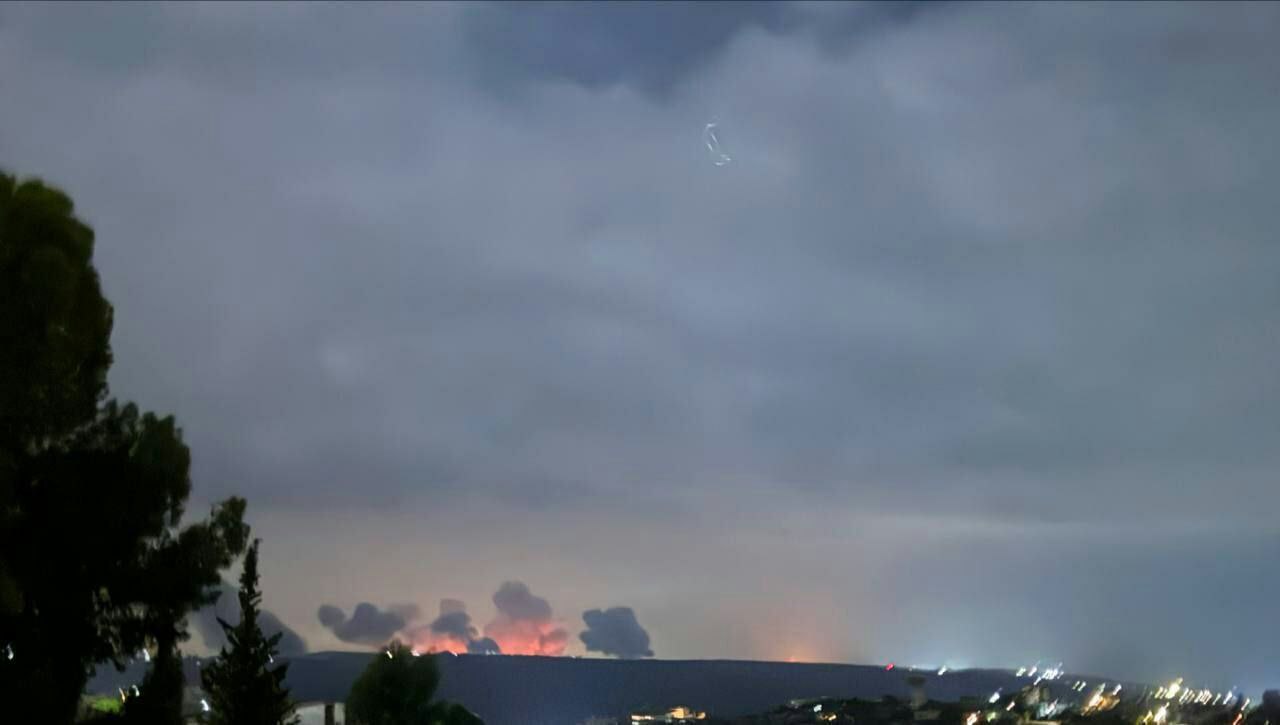
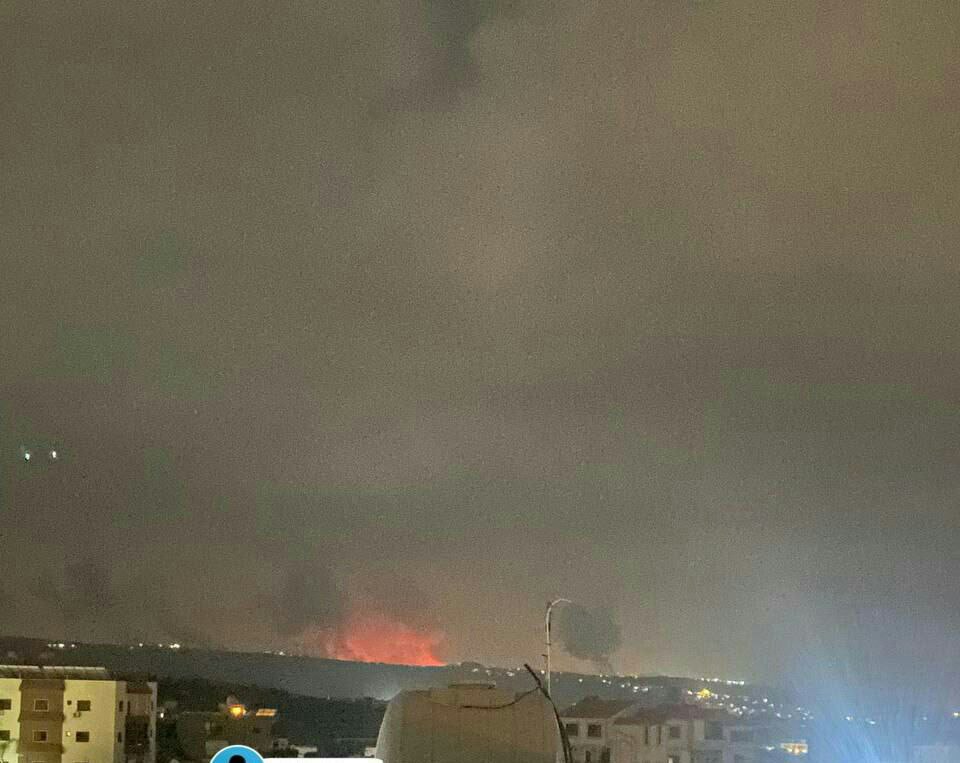
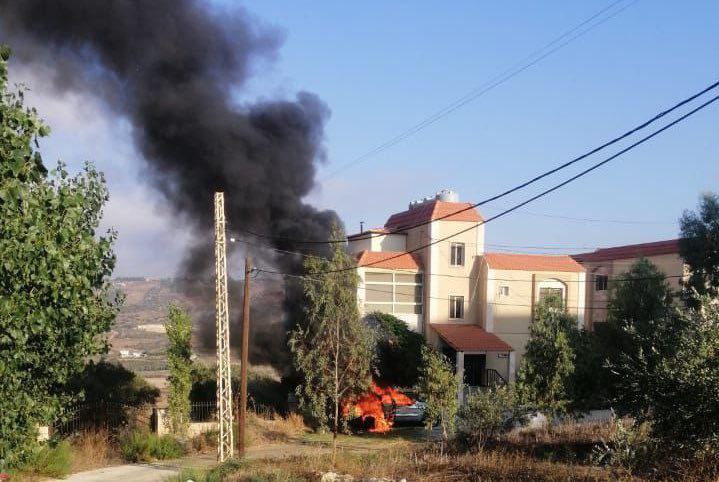
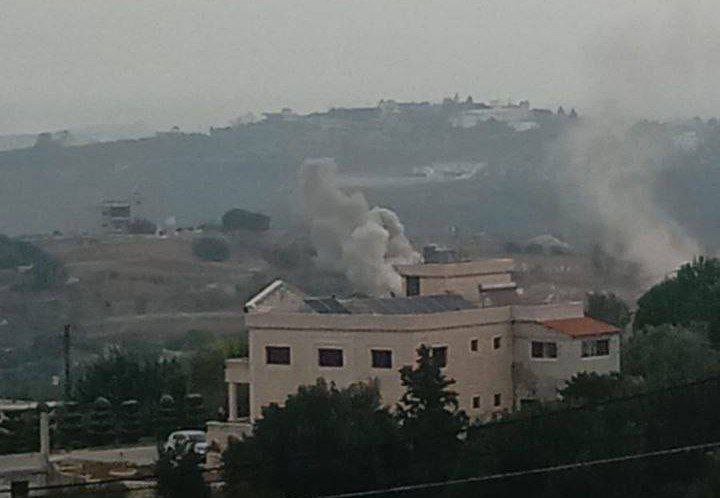
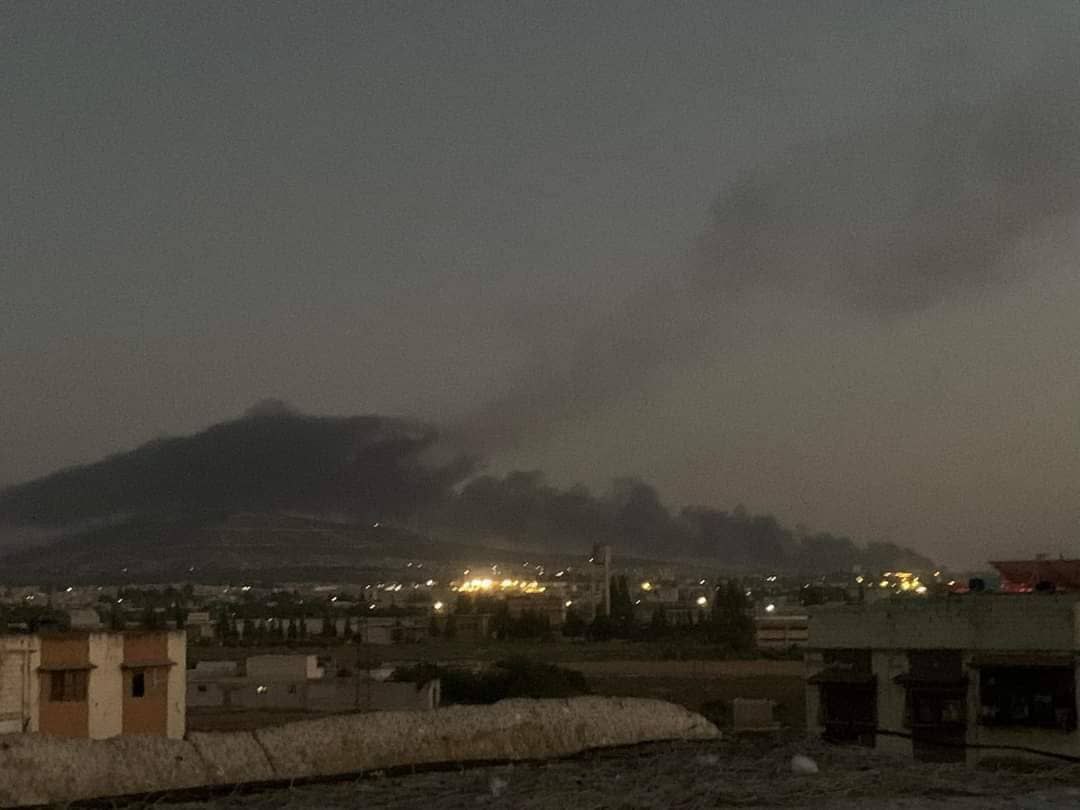
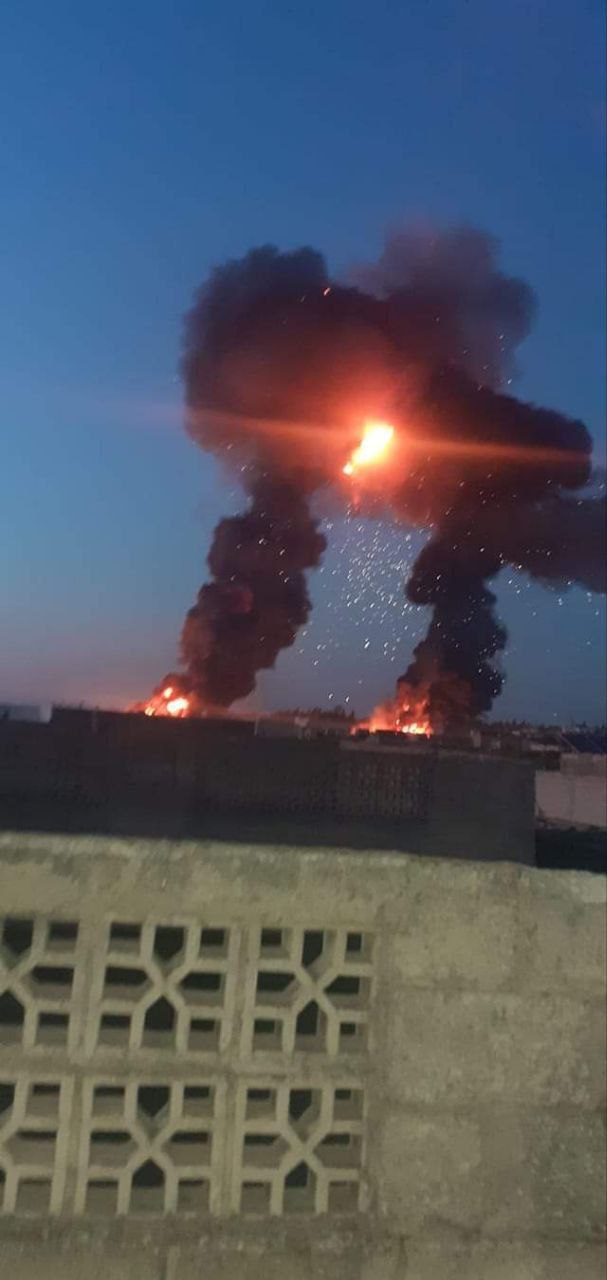
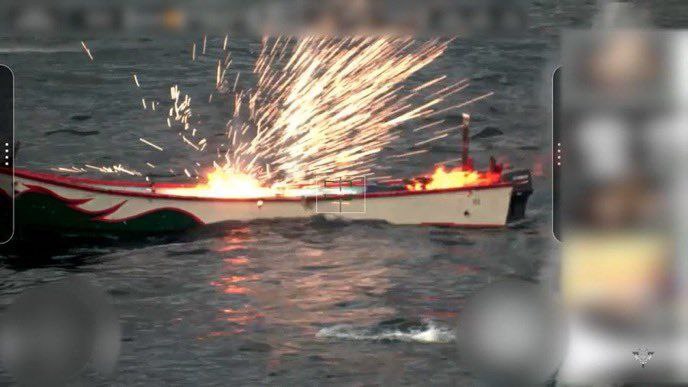
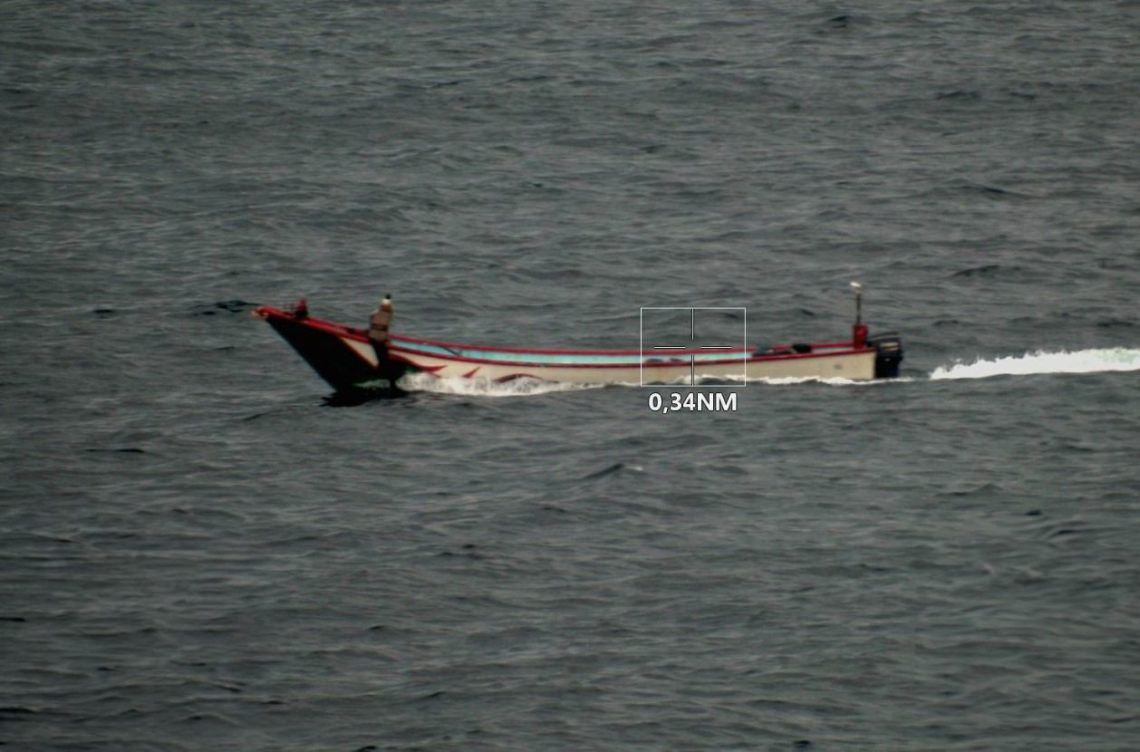
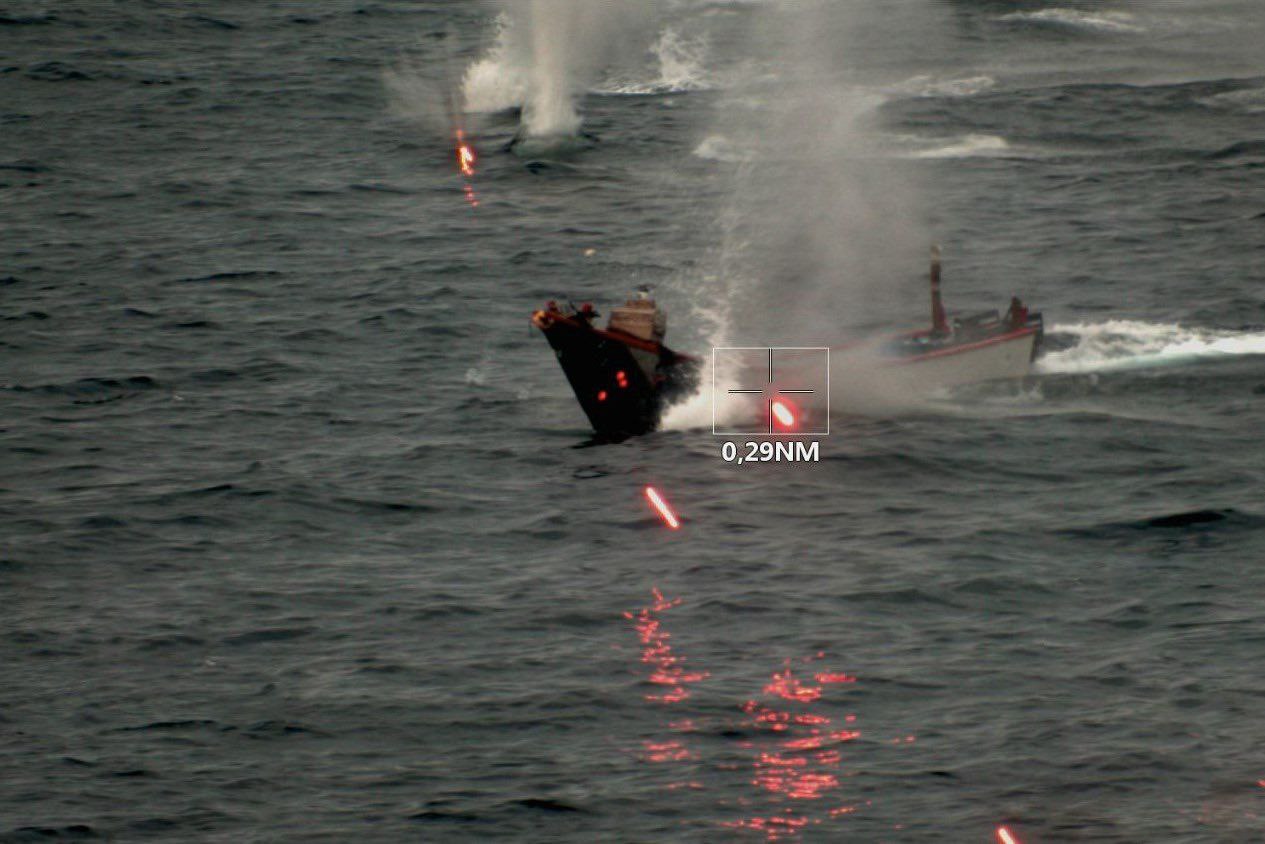
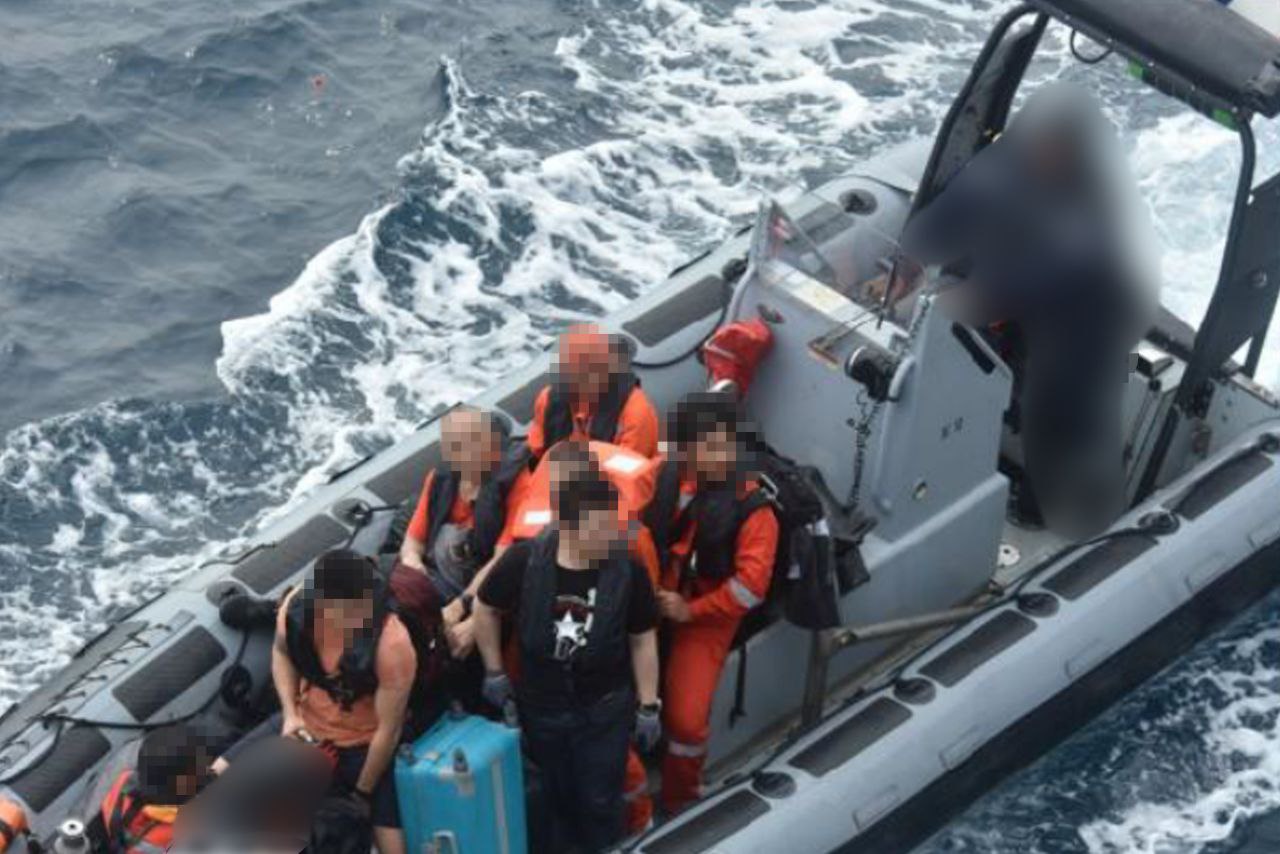
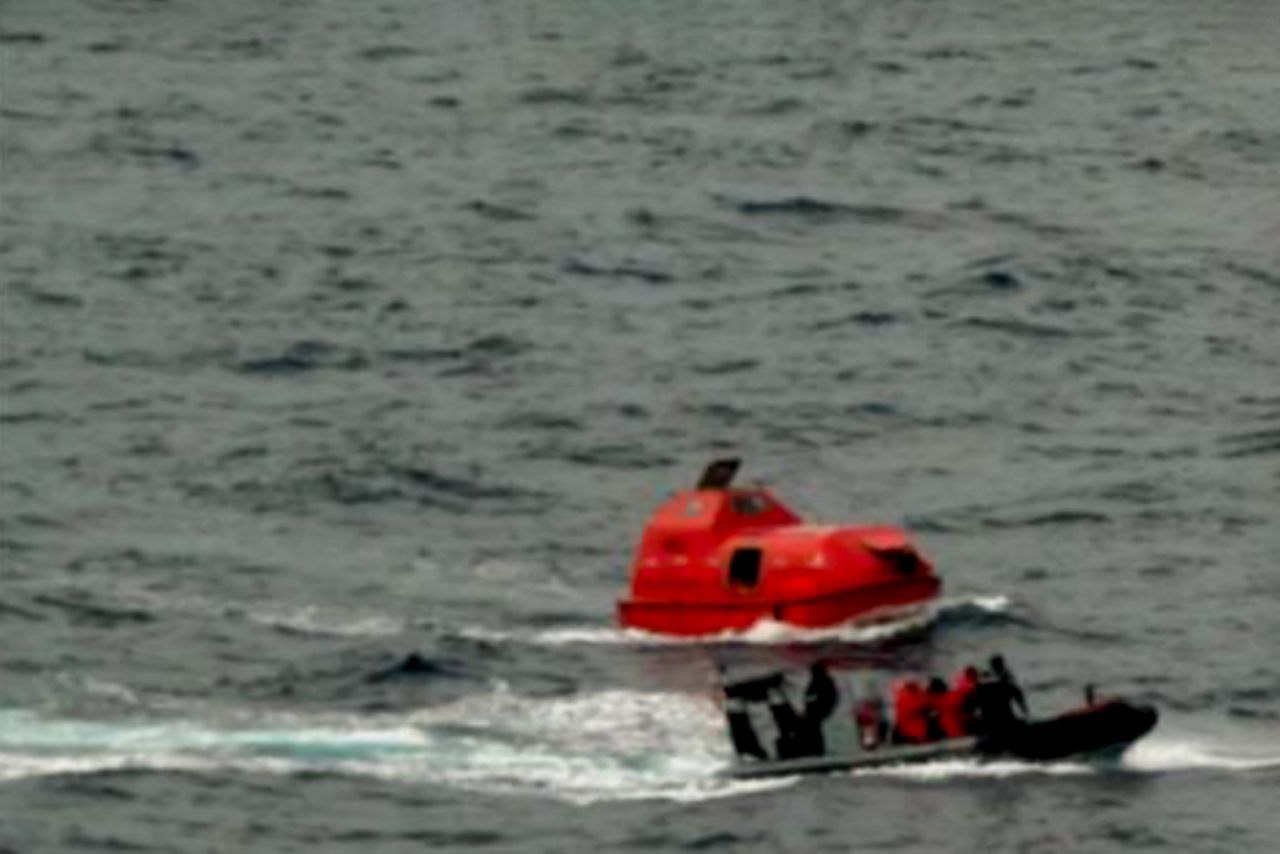
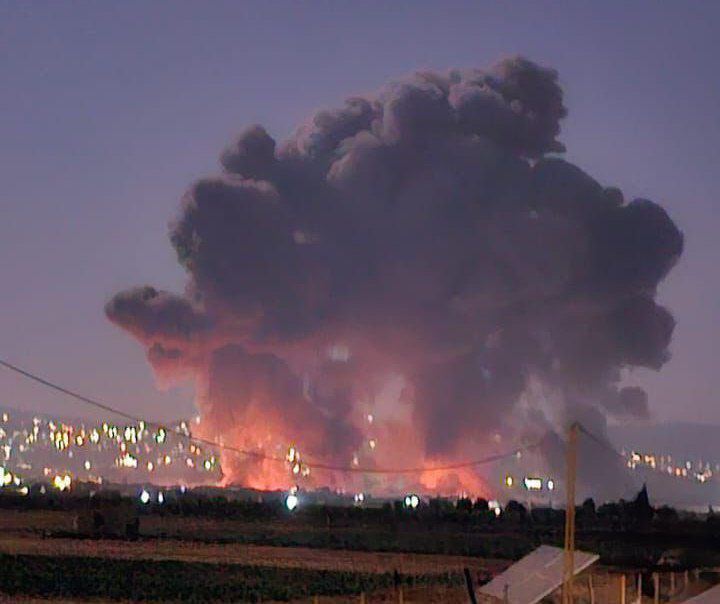
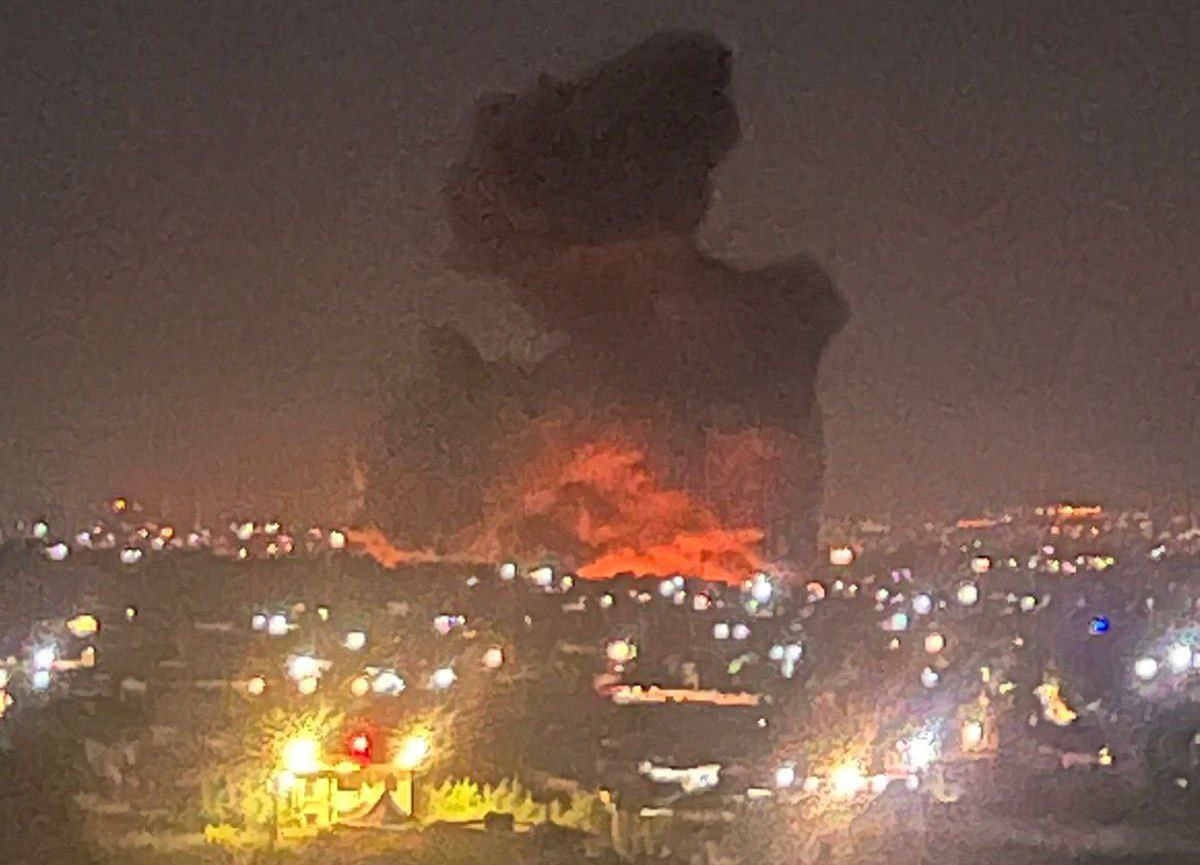
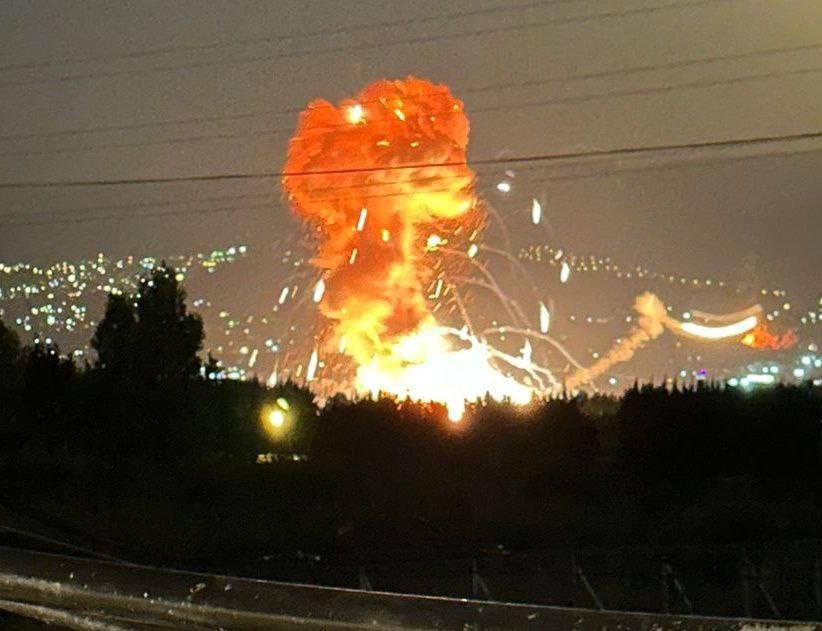
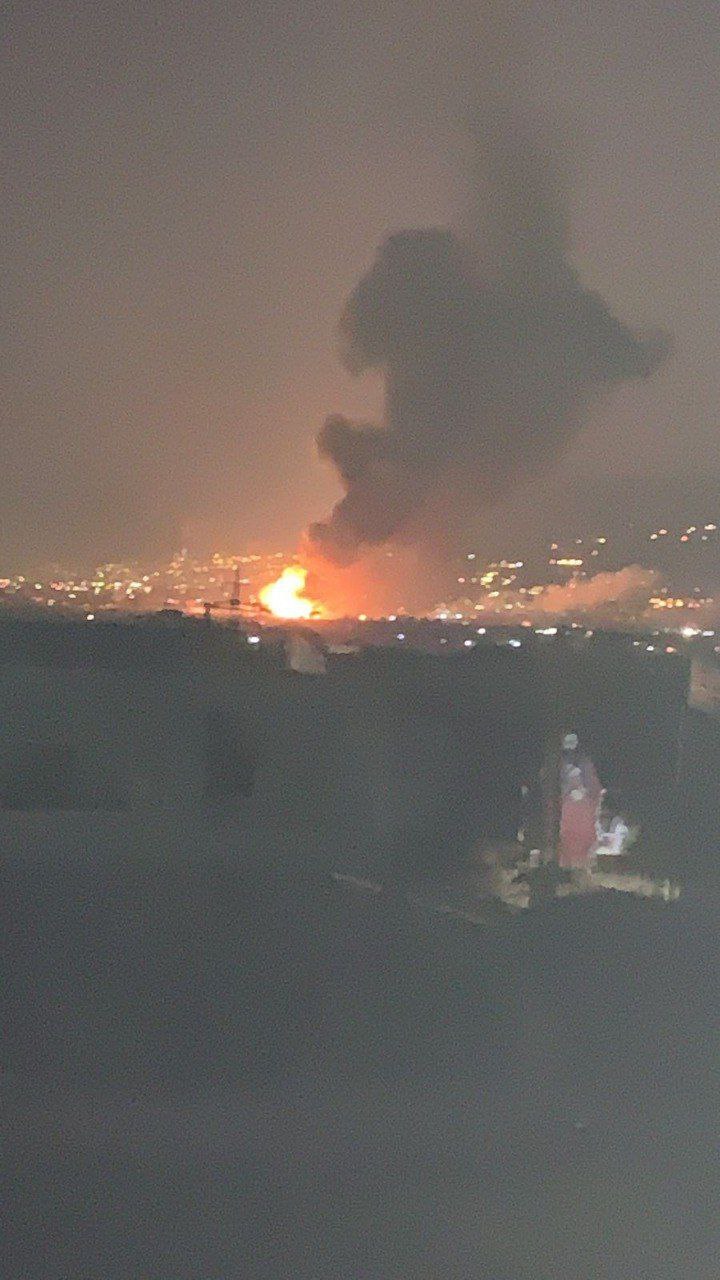
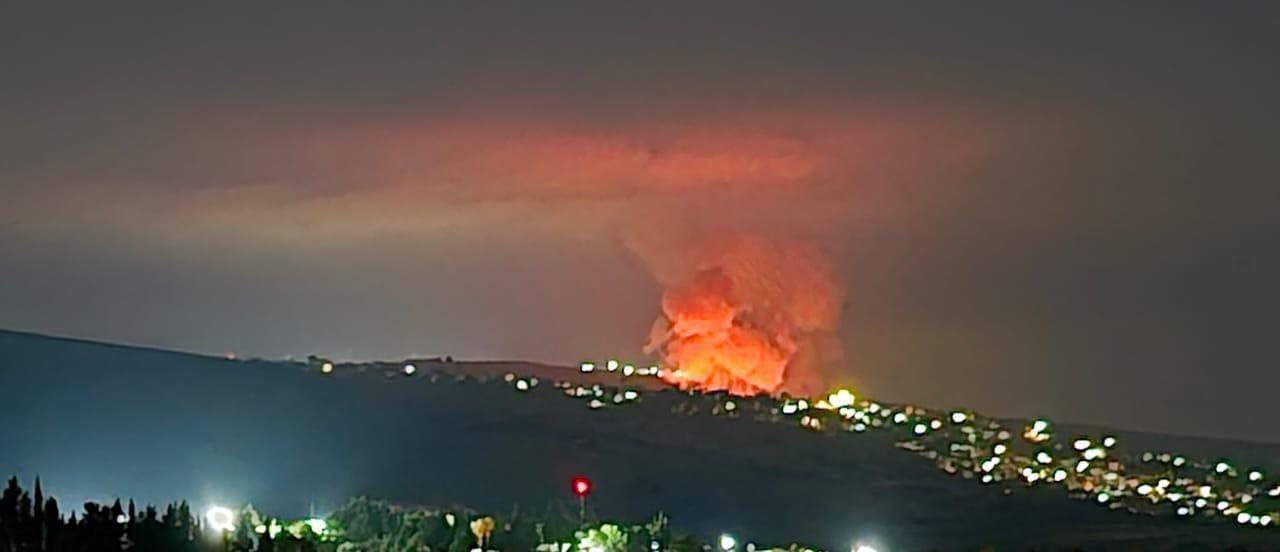
A Dvora-class fast boat for maritime patrol belonging to the Israeli regime’s Navy was mistakenly blown up by a Tamir interceptor missile fired from the Iron Dome defense system in an accident on Sunday morning.
The Tamir missile, which was intended to intercept a target, changed the course when it was hunting an object and hit an Israeli army boat, killing a trooper and causing material damage.
The moment an Israeli malfunctioned air defense missile hit an Israeli warboat in the coast of Nahariya.
Military analysts are of the opinion that the mistaken strike of the Tamir missile may have been caused by the Lebanese resistance movement Hezbollah’s sophisticated electronic warfare and jamming of the regime’s radar system.
Experts are probing into the possibility that Hezbollah used electronic warfare tactics to hamper the missile guidance system or generate a deceptive radar target that would mislead Iron Dome to detect the Israeli army boat as a hostile target.
The incident highlights the complexity and significance of modern warfare, which is a battlefield where other parties’ electronic warfare and radar deception jamming can have devastating repercussions. Reports published so far show that the Israeli regime would strengthen its defensive measures following the fatal incident.
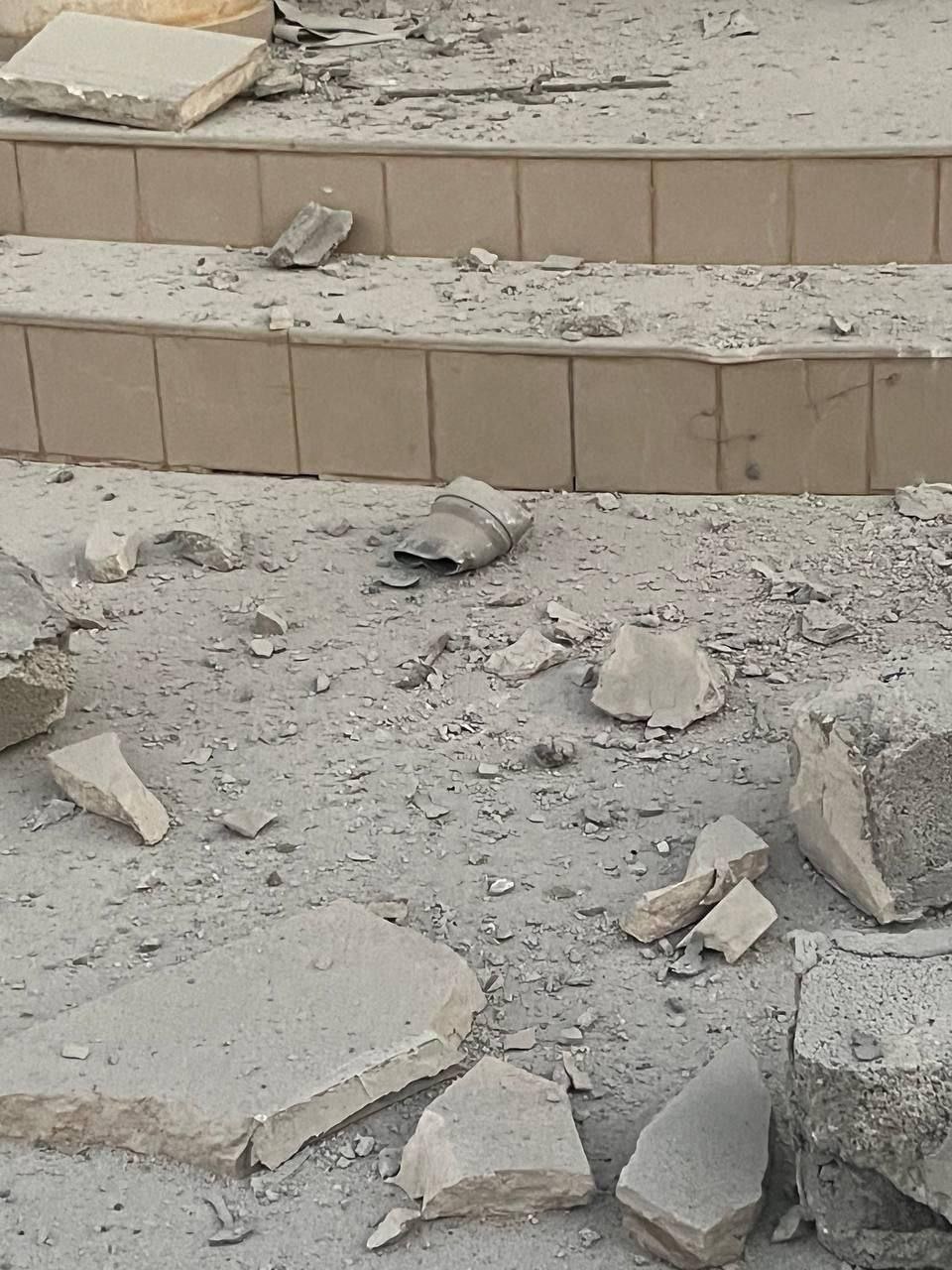
On Saturday, a Tamir missile, which was fired to intercept a target in northern occupied Palestine, was failed seconds after firing and fell in the vicinity of the missile launching site.
The Tamir missile failed seconds after its launch
Such incidents have taken place while the Tel Aviv regime has repeatedly censored or denied the failure of missiles fired by the Iron Dome system.
Some time ago, 14 people were killed and more than 32 others were wounded when one of the missiles of the Iron Dome system pounded the Majdal Shams football field. The Israeli regime’s army did not take responsibility for the fatal incident and blamed it on the Lebanese resistance movement, which was categorically ruled out by Hezbollah’s Secretary-General Sayyed Hassan Nasrallah.
An Al-Araby television network reporter quoting an eyewitness stated that the Majdal Shams incident was actually a malfunctioned Tamir missile which landed near a playground and killed several people.
According to Al-Araby reporter quoting an eyewitness, the cause of the explosion in Majdal Shams area was the Tamir missile of the Iron Dome system.
Hezbollah declared in its initial statement concerning the rocket and drone strikes this morning that in response to the terrorist assault by the Israeli regime’s army in the suburb of the Lebanese capital city Beirut and the cowardly assassination of the senior commander of the resistance movement, Fuad Shukr, the positions of the Israeli army in the northern settlements of occupied Palestine and its military bases in the occupied Golan Heights have been pounded with at least 320 rockets and a large number of suicide drones.
According to the initial statement, the first phase of the retaliatory operation has been accomplished with full success. The first phase included targeting Israeli barracks and military sites in order to pave the way for the passage of combat drones towards their envisioned targets deep inside the positions of the Israeli regime.
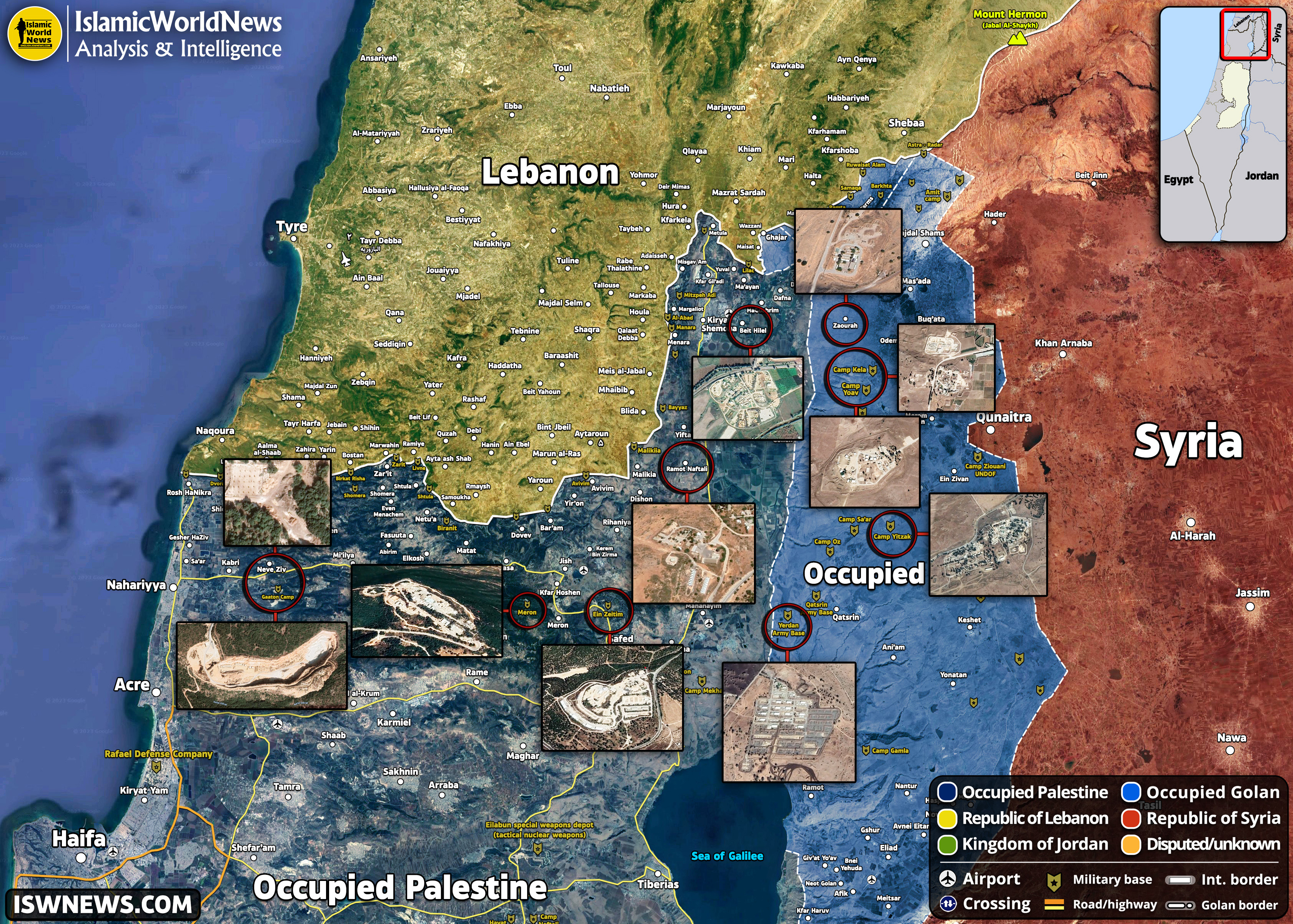
The list of military sites and regions, which were targeted during the first phase of the retaliatory operation is as follows: 1- Meron air control base 2- Neve Ziv artillery base 3- Ga’aton base 4- Al-Zaoura artillery base in the occupied Golan 5- Sahl Brigade HQ in Beit Hillel 6- Camp Kela in the occupied Golan 7- Camp Yuav in the occupied Golan 8- Camp Yitzak in the occupied Golan 9- Yarden military base in the occupied Golan 10- Ein Zeitim base north of Safed town 11- Ramot Naftali barracks
The military sites and areas that were targeted in this phase of the operation
As it is obvious in the video footages, the Israelis have made extensive preparations to counter Hezbollah’s missile attacks. Hezbollah also noted in its statement that the rockets were fired in order to pave the way for its suicide drones to reach their targets.
Israeli air defense systems intercepting rockets fired from Lebanese soil (1).Israeli air defense systems intercepting rockets fired from Lebanese soil (2).
The Israeli regime’s army claimed in a new report that Hezbollah’s strike was carried out firing 210 rockets and 20 suicide drones. According to Admiral Daniel Hagari, the spokesman for the Israeli regime’s army, a number of drones were reported to have blown up in the northern areas of occupied Palestine.
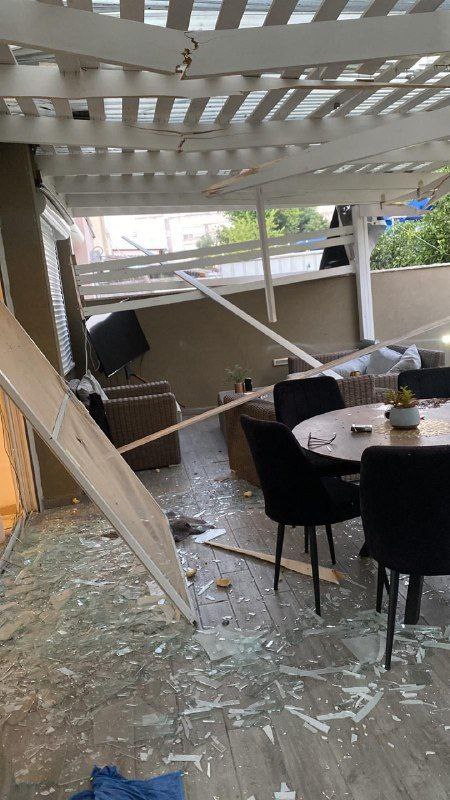
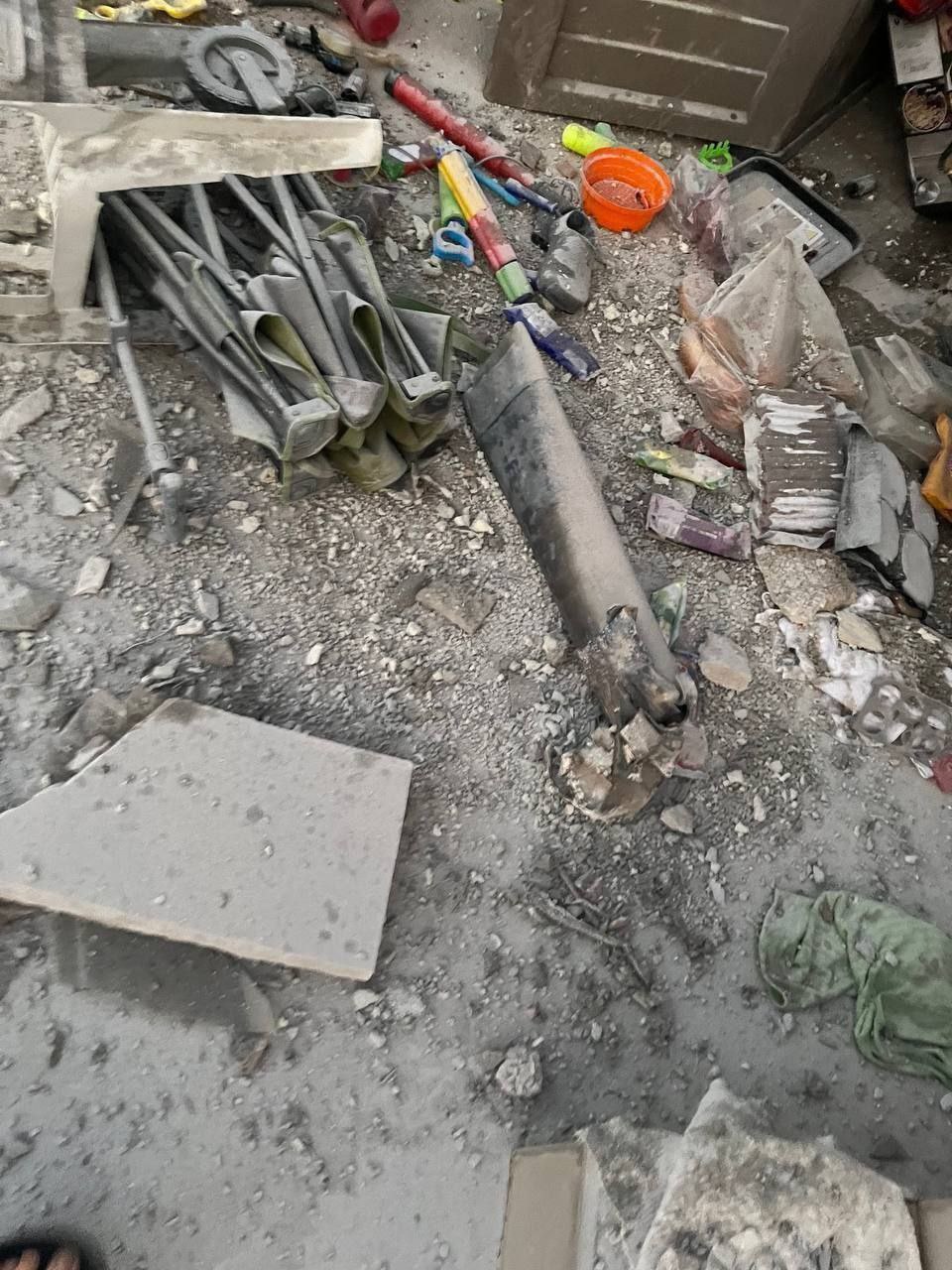
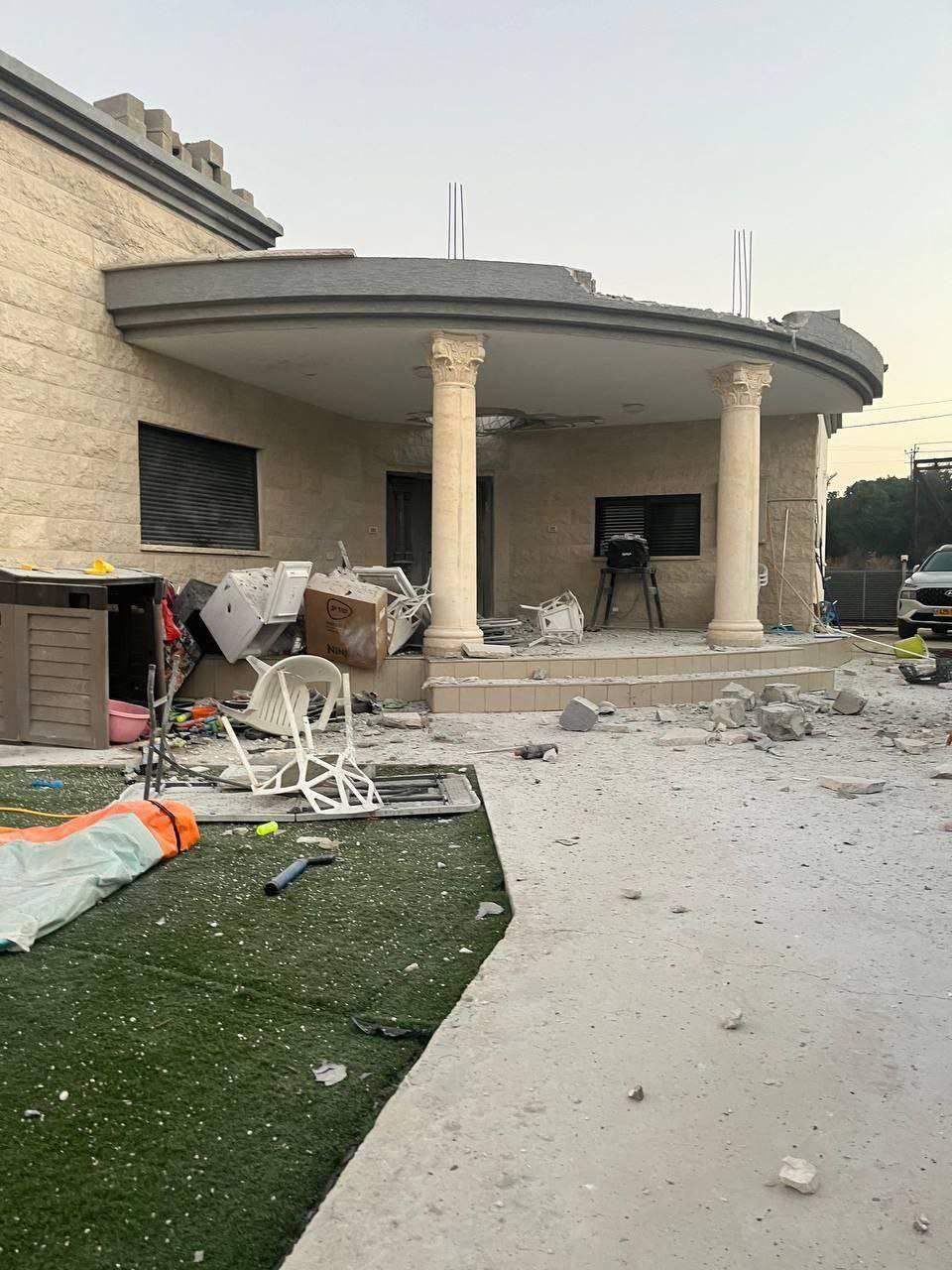
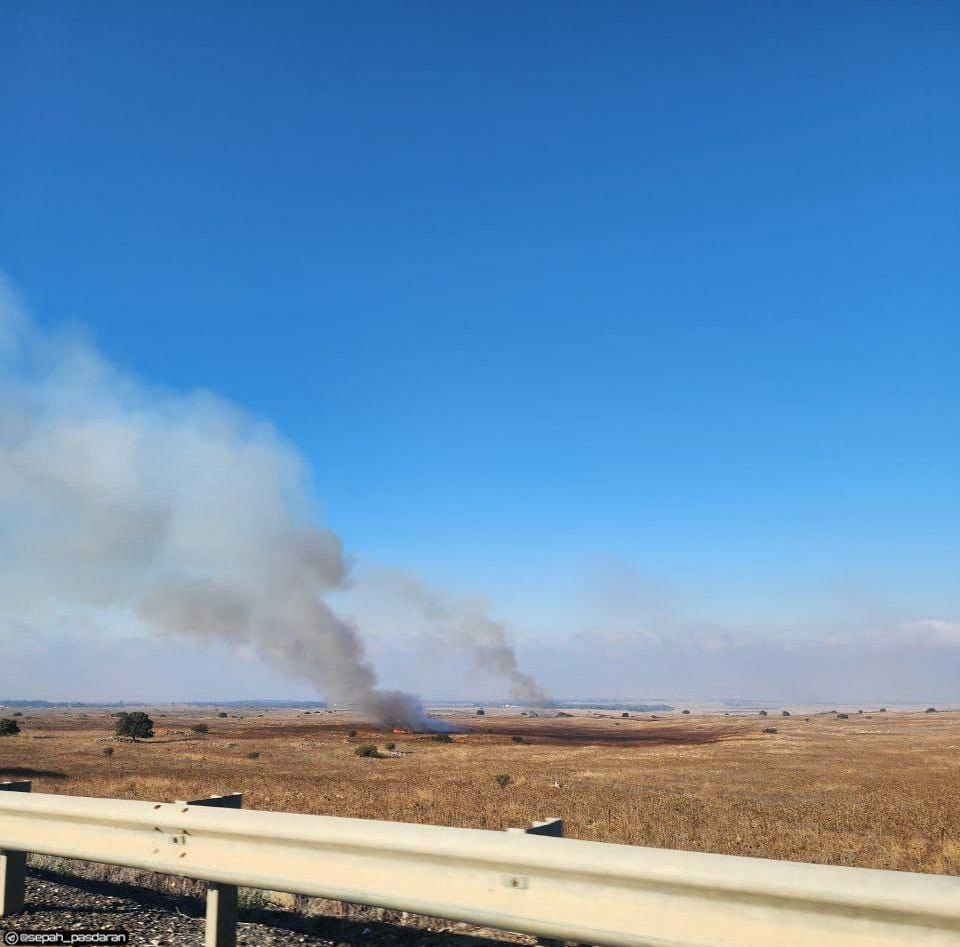
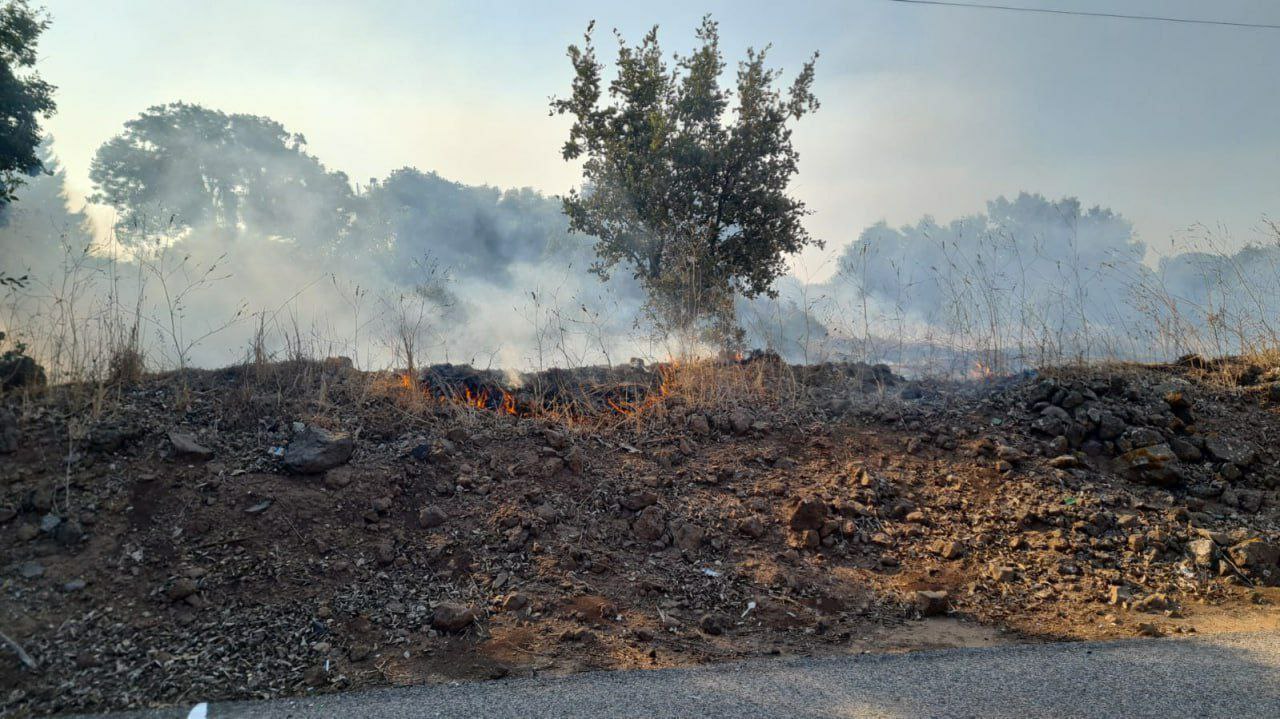
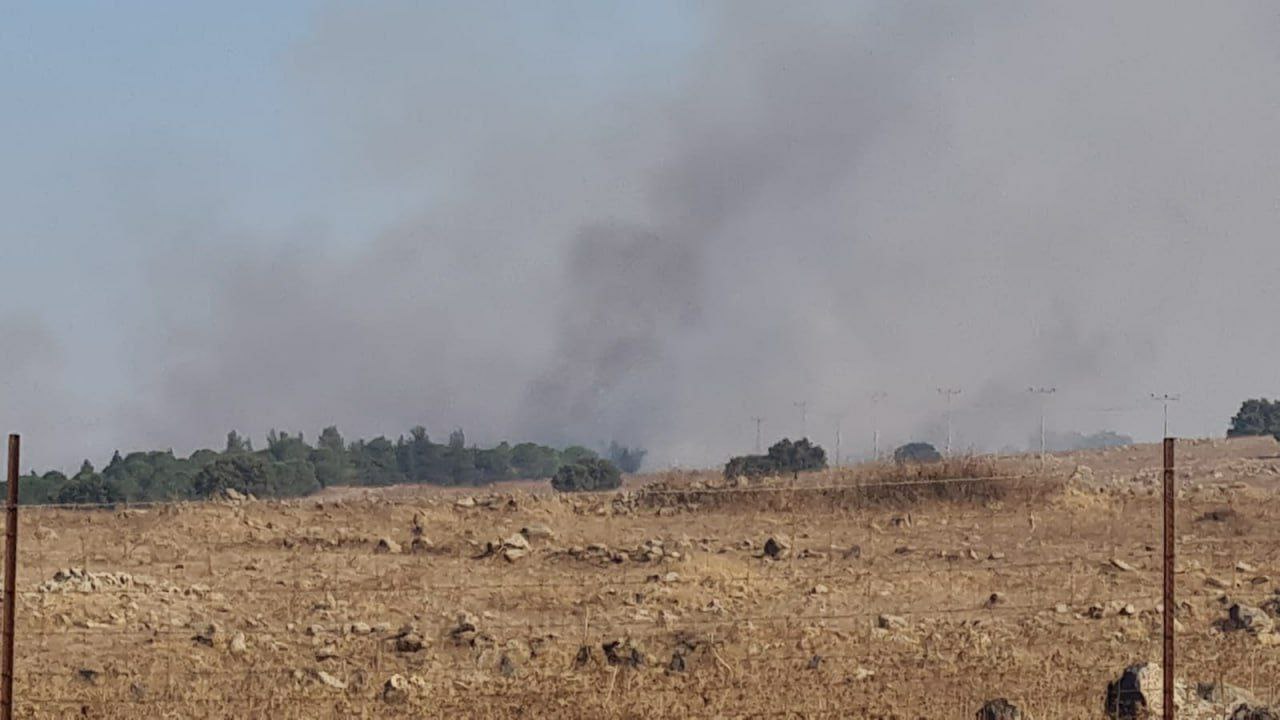
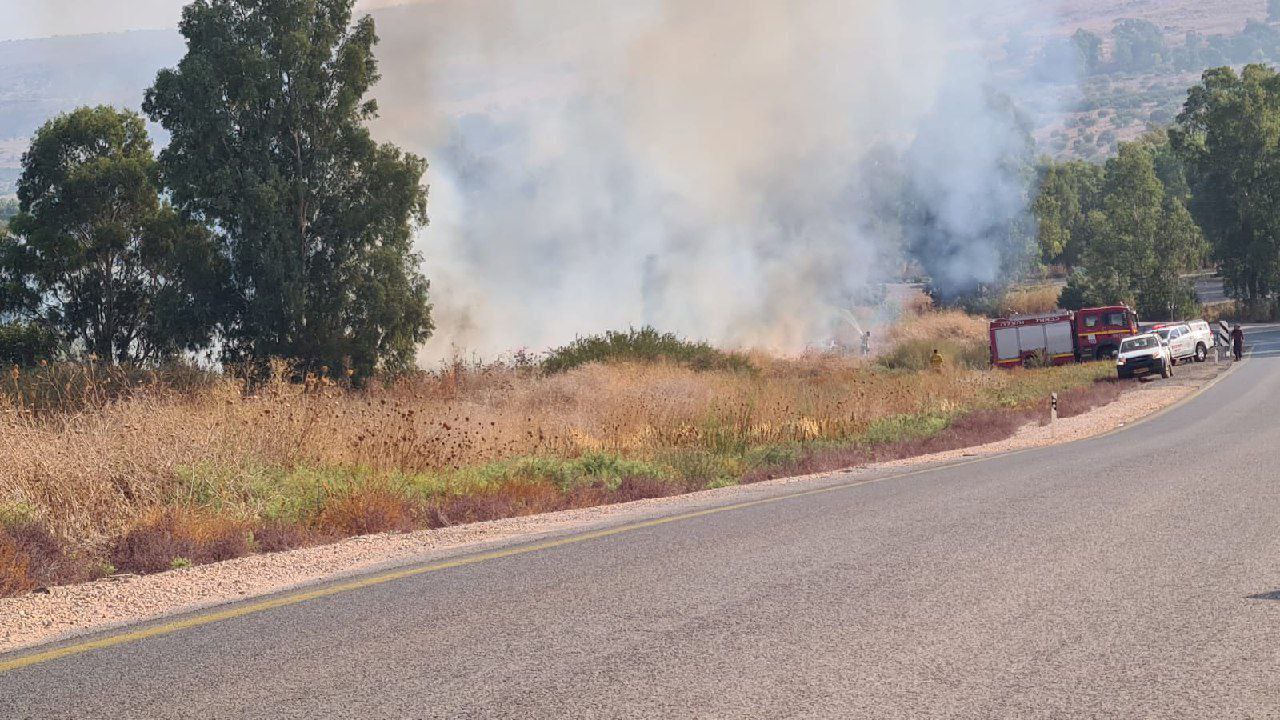
The collapse of the wreckage of Hezbollah’s rockets or missiles launched by the Israeli army caused fires and extensive destruction of buildings in the occupied territories of Palestine.
Aftermath of Hezbollah rocket attacks in the northern areas of occupied Palestine, including the towns of Nahariya and AcreA video of a Hezbollah suicide drone flying and hitting road 959 in the occupied GolanThe moment an Israeli malfunctioned air defense missile hit an Israeli warboat in the coast of Nahariya. One Israeli was killed
Certain Western and Israeli media quoted officials of the Tel Aviv regime as saying that the US and Israeli armies had accurate information 24 hours prior to this morning strike that Hezbollah had decided to conduct a major retaliatory attack on the Israeli regime by 5 a.m. local time on Sunday, and therefore, Israeli fighter jets have been attacking the areas of Zibqine, between Siddiqi and Yater, Baslia, Haris, Beit Yahoun, Mlikh, Tayr Harfa, Chama, Tel Armez, Deir Siriane, Kfar Melki, Ain Qana, Kounine, Hadath and several other areas in southern Lebanon.
The US and Israeli reports have not yet been officially confirmed by the officials of the two warrying sides (Hezbollah and Israel), but given the uncertain results of Hezbollah’s operation and the full readiness of the Israeli army to repel the strike, it seems that the nature of the resistance movement’s retaliatory attack has been discovered by American and British planes, and adequate preparations have been made to repel it through extensive and 24-hour surveillance. The Israeli military claimed that more than 100 warplanes participated in a pre-emptive attack on Lebanon, pounding the launch sites of more than 6,000 rockets.
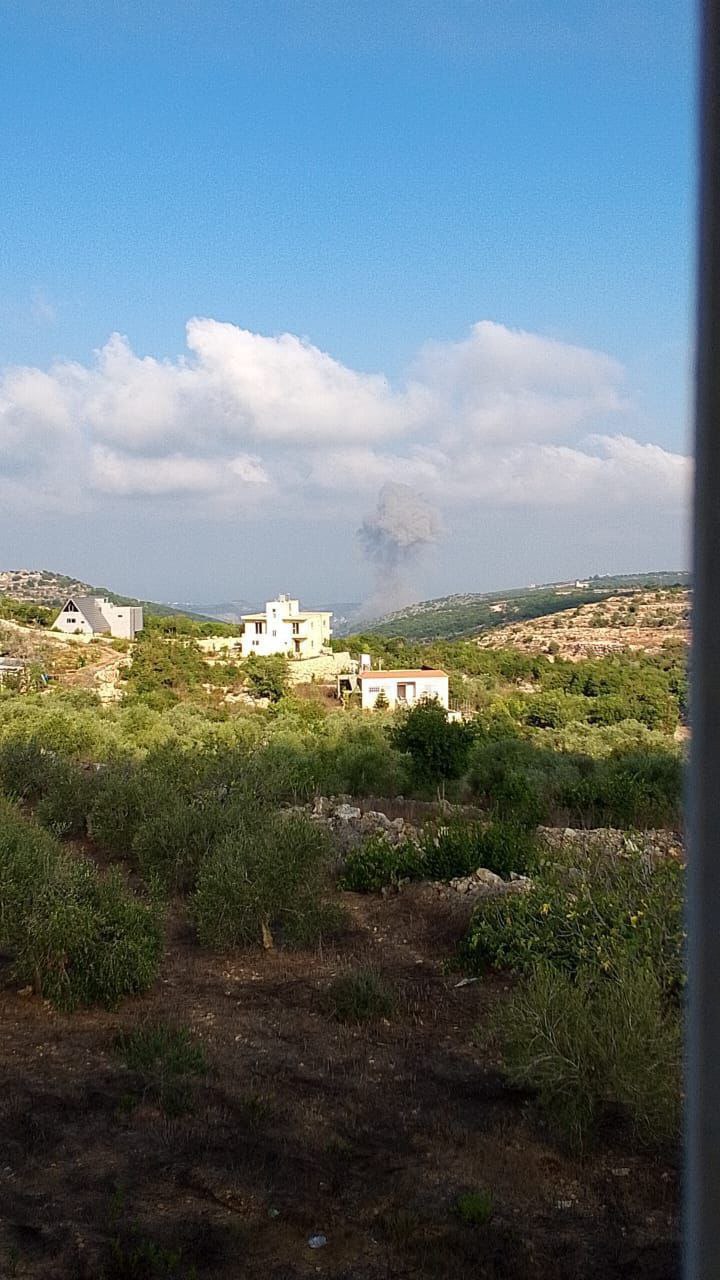
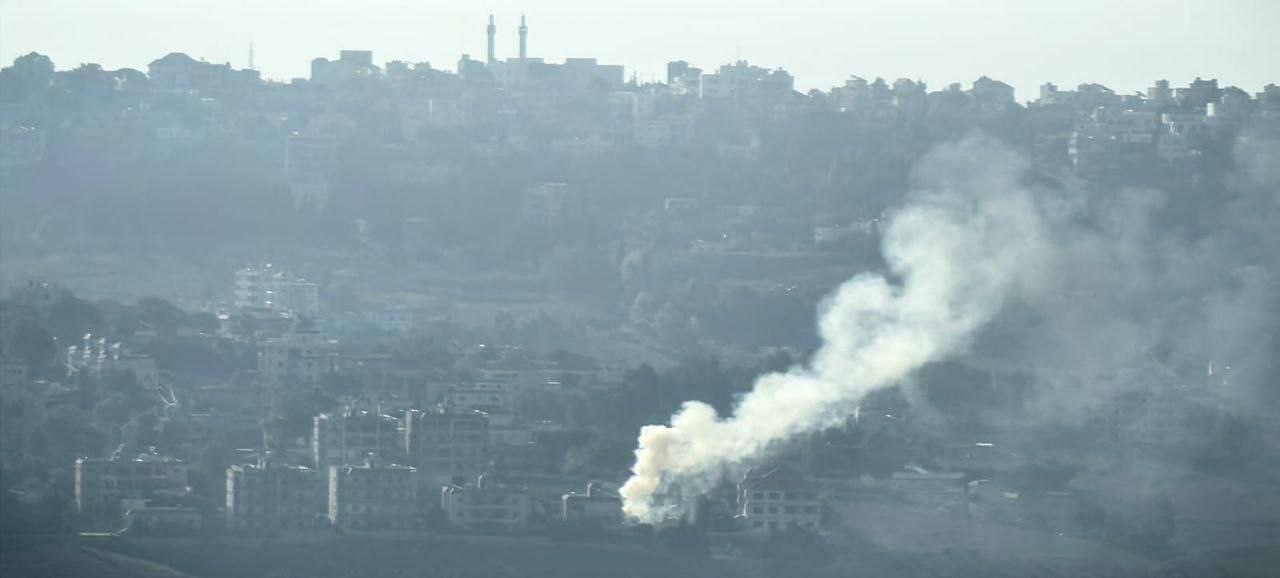
Israeli army shared the footage of the alleged preemptive airstrikes in southern LebanonIsraeli airstrikes in southern Lebanon
Nevertheless, Hezbollah rejected alleged reports in the Western media about the Israeli enemy’s pre-emptive attacks and the disruption of the Lebanese resistance retaliatory operations in its third statement. Hezbollah highlighted in this statement that all the combat drones were launched from their positions at the specified times and crossed the Lebanese-Palestinian border towards the preplanned position in different directions. Such claims are ridiculous and opposing the realities on the ground, and will be denied and addressed in today’s speech by Sayyed Hassan Nasrallah, the Secretary-General of the Lebanese resistance movement Hezbollah. The secretary-general of Hezbollah made a speech at 18:30 Sunday evening on the recent developments.
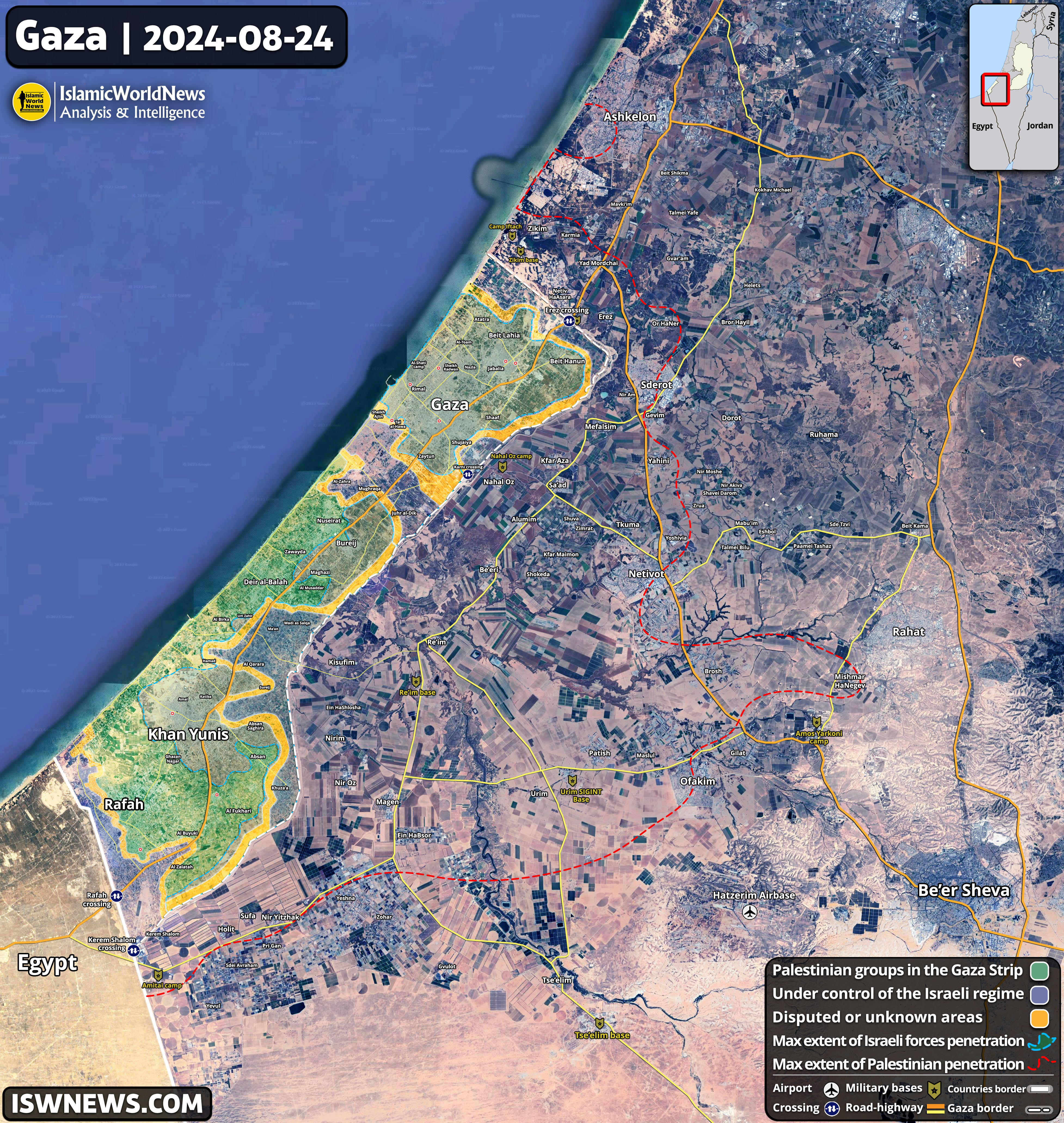
The Tel Aviv regime’s military forces have extremely intensified their air and artillery strikes on the municipality of Bani Suheila and its adjacent areas, including al-Zaneh district, for 24 hours since Thursday August 22.
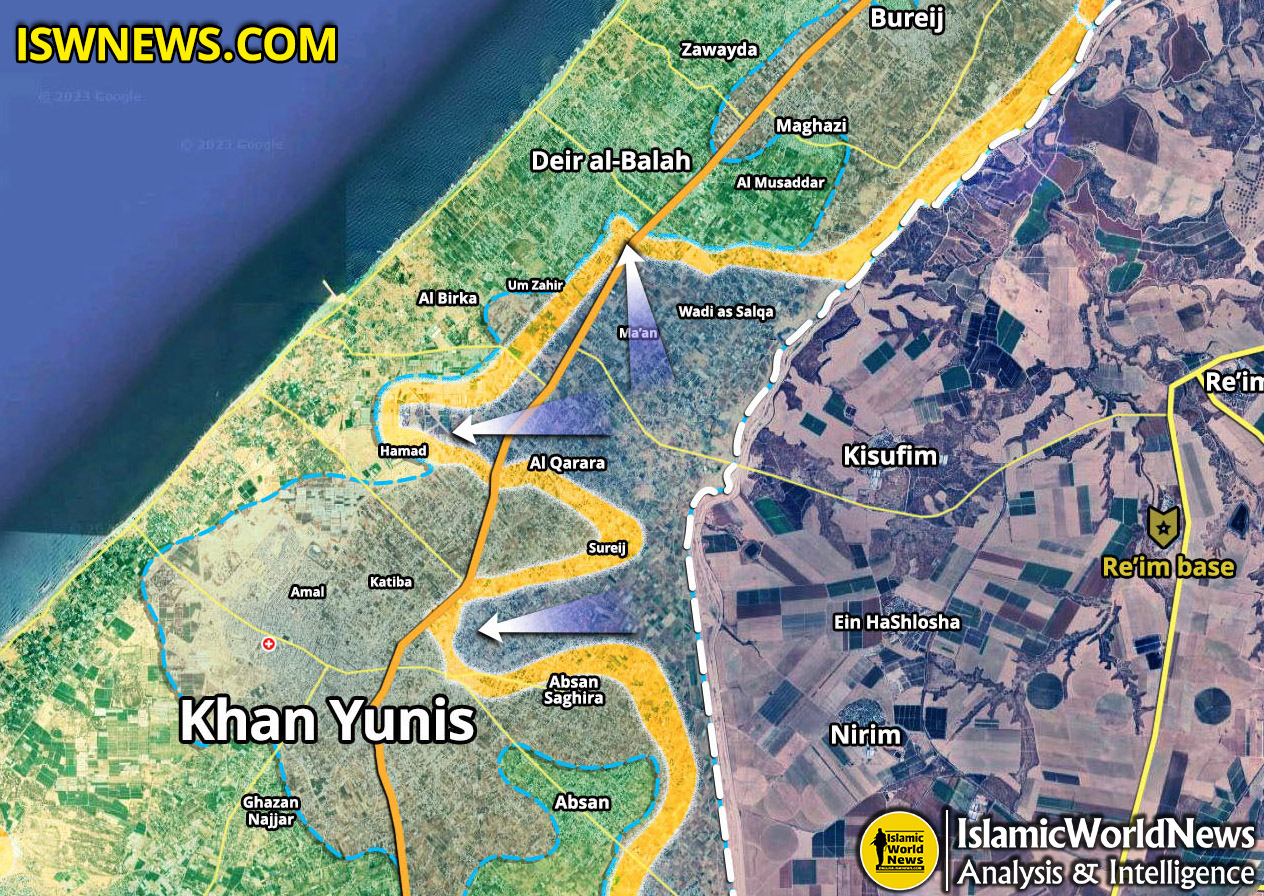
Following these assaults, the Israeli regime’s infantry forces advanced on the eastern axis of Bani Suheila municipality with air support, and now confrontations between Israeli military forces and Palestinian resistance fighters are ongoing around Al-Alam Square and Dar es Salaam Hospital in Khan Younis city, located in the southern Gaza Strip.
The Israeli regime’s forces advanced towards Deir al-Balah city in continuation of last week’s military operations on the Al-Qarara and Wadi as-Salqa axis in addition to the north of Khan Younis city. Israeli forces have also advanced to the schools of Deir al-Balah city as well as Mazra’a Street, and the two warrying sides are currently continuing clashes in the southern suburbs of Deir al-Balah city.
Israeli military forces are still stationed eastern axis of Hamad town in northwestern Khan Yunis city, and they have not succeeded in achieving any significant changes in this region.
The Israeli regime continues its military operations in the aforementioned areas while the regime’s army pulled out from the usurped territories last month after an operation in the Khan Yunis axis. The Tel Aviv regime’s army is not capable of setting up a long-term presence in the occupied territories and will have to withdraw from those areas sooner or later.
The Israeli regime’s ongoing military assaults take place following the failure of ceasefire negotiation in the Qatari capital Doha last week. It seems that the regime is carrying out aimless attacks such as the aforementioned ones and using them as leverage on the Palestinian resistance groups to achieve political gains.
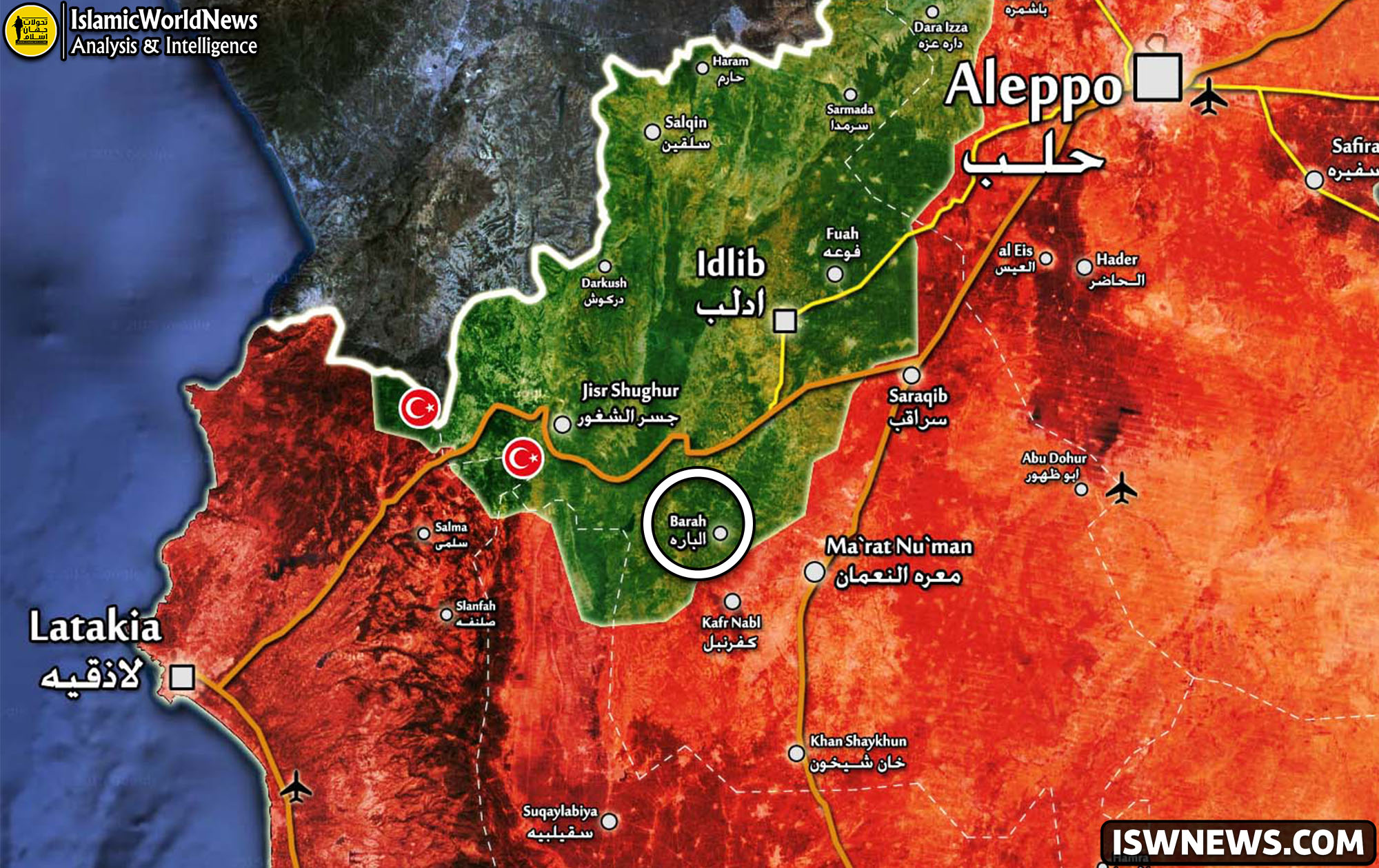
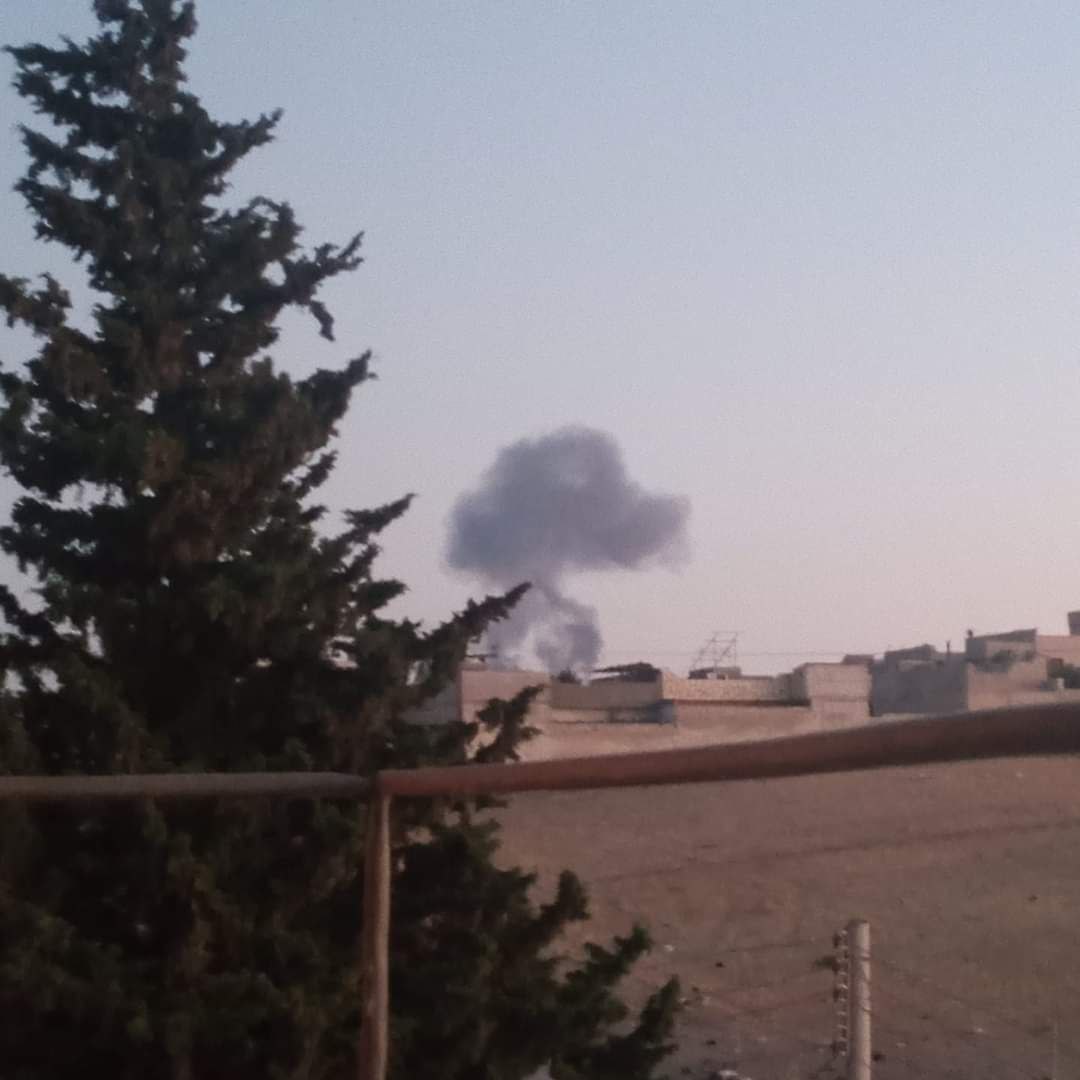
On August 23, a MQ-9 drone belonging to the US-led coalition targeted a motorcycle on the al-Bara-Ehsim Road located in the south of Idlib Governorate.
Hours after this strike, the terrorist US Central Command in the West Asia region (CENTCOM) issued an official statement declaring that its forces carried out a drone strike against a senior commander of the Hurras al-Din militant group, called Abu-’Abd al-Rahman al-Makki, in Syria.
CENTCOM also claimed that the senior commander of the group was responsible for overseeing a number of its terrorist operations.
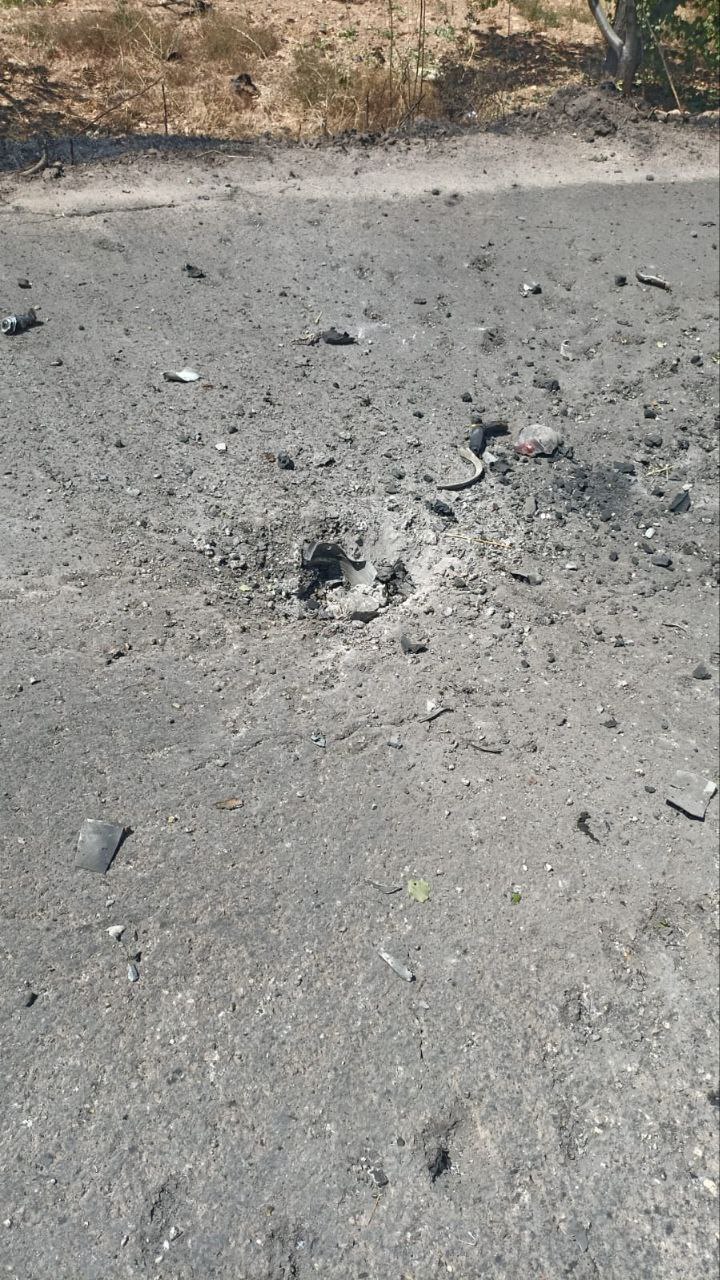
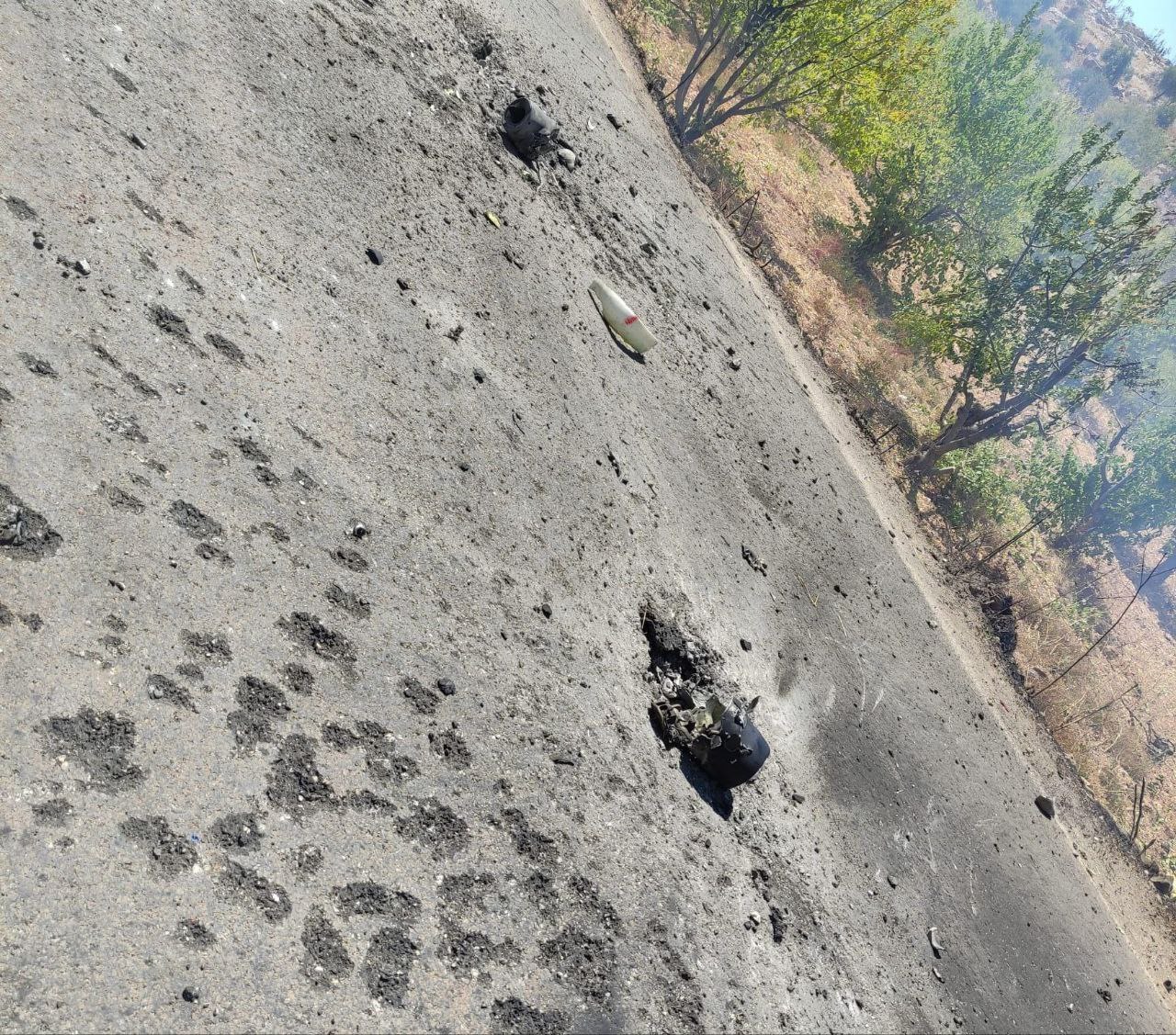
Images obtained from the assassination site
Some local sources also reported that the strike was carried out using an AGM-114 Hellfire missile. It is said that Abu-’Abd al-Rahman al-Makki was cautious, when he wanted to use his cell phone, and that the commander was identified and pursued by field agents on the ground.
This is the sixth targeted airstrikes by the US-led coalition in the north of Syria in the last three years. Previously, the US-led coalition conducted air strikes in certain regions of Idlib and Aleppo governorates, targeting a number of commanders of al-Qaeda (Hurras al-Din) and ISIS terrorist groups.
Hurras al-Din has been identified as an Al Qaeda-associated terrorist group based in Syria that shares Al Qaeda’s global aspirations to carry out strikes against US and Western interests in the region. In the early years of the Syrian war, America used militant groups like this group to advance its goals in Syria. Now there is no need for them and the US assassinates their commanders.
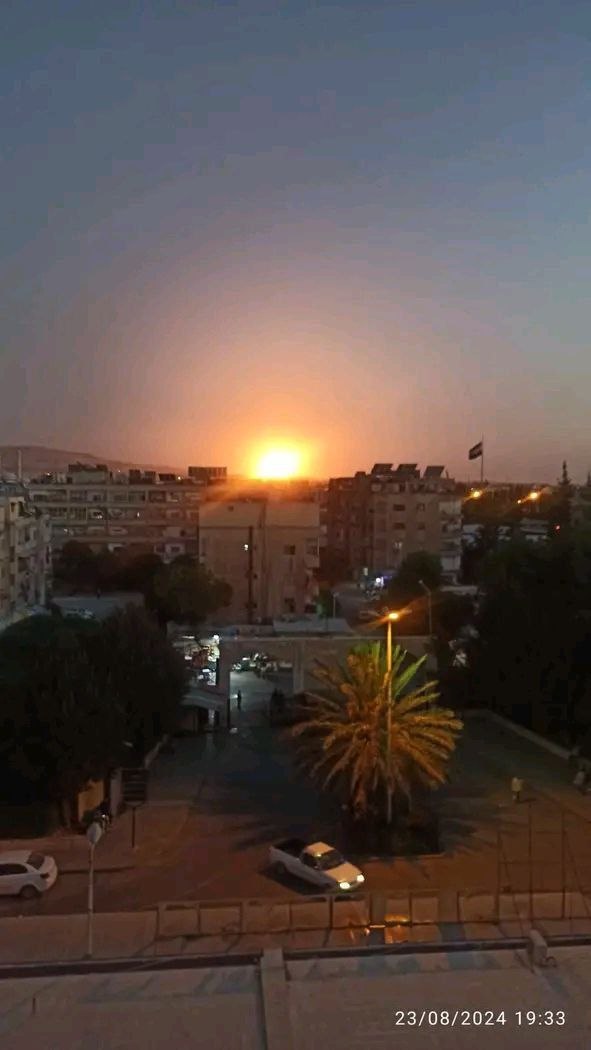
The military aircraft of the Israeli regime’s army conducted attacks on targets in the central areas of the Arab country on August 23.
In accordance with information released by a Syrian military source, the Israeli regime’s fighter jets launched an air attack from northern Lebanon, pounding certain positions in the center of Syria at around 19:35 (local time) on Friday.
The Syrian army’s air defense systems succeeded in demolishing a number of missiles fired by Israeli aircraft. The air strike caused the injury of seven Syrian civilians and material damage.
It has been said that those targets in the village of Umm Haratayn in Homs Governorate as well as a Syrian army research center in Jabal Ma’arin in south of Hama Governorate and a base located between the towns of Al-Mahrusa and Masyaf were reportedly pounded by the Israeli air force. No further details have been released so far.
The government in Damascus has time and again lodged complaint with the United Nations against the Israeli regime’s act of aggression, which is considered the violation of territorial integrity of the Arab country.
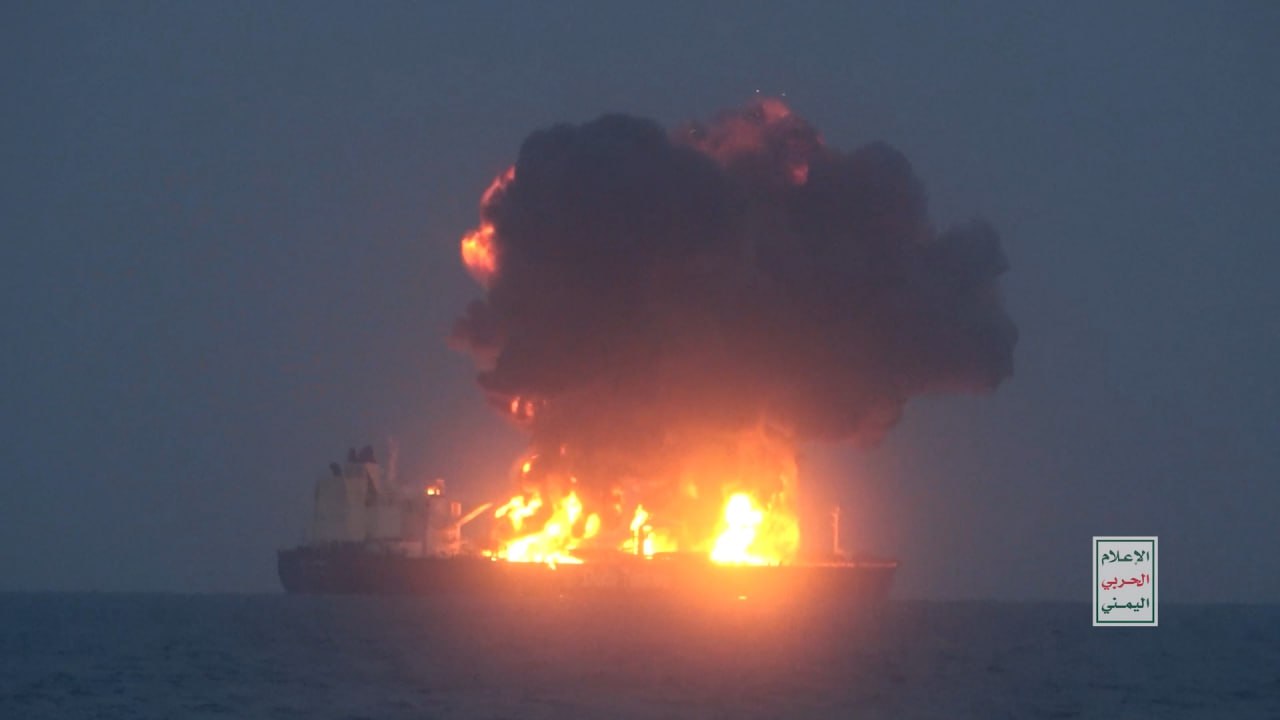
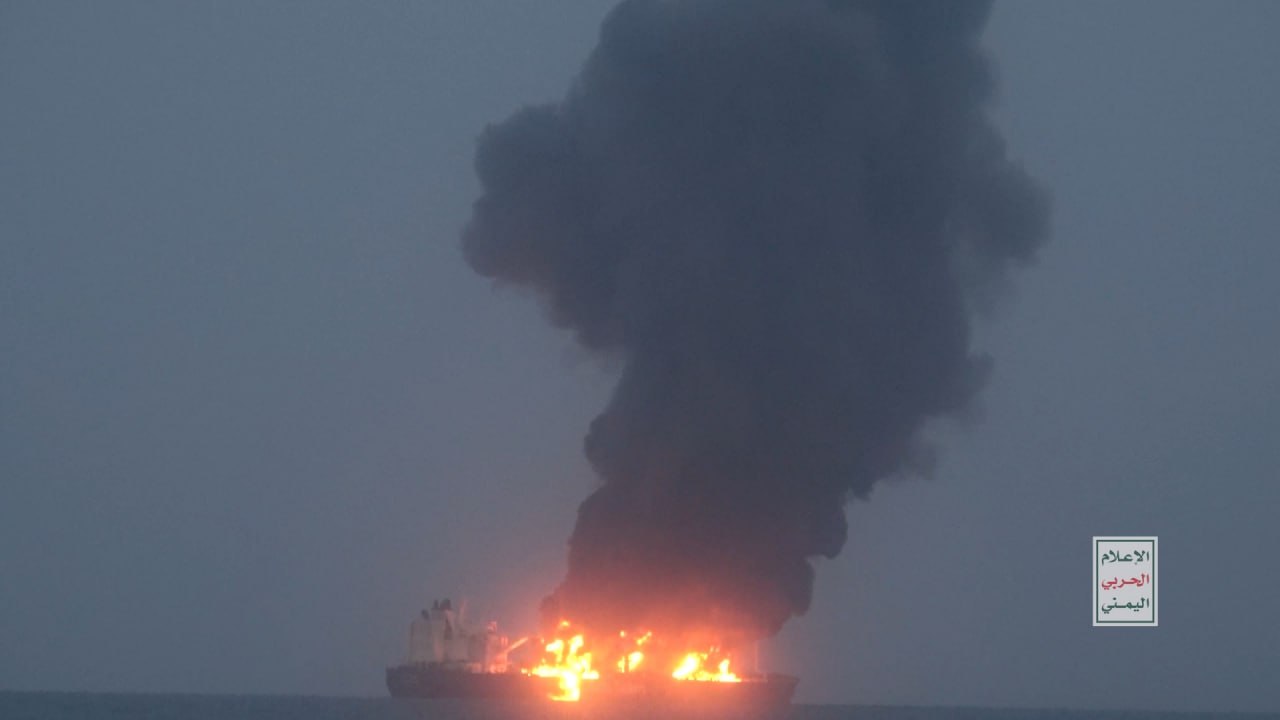
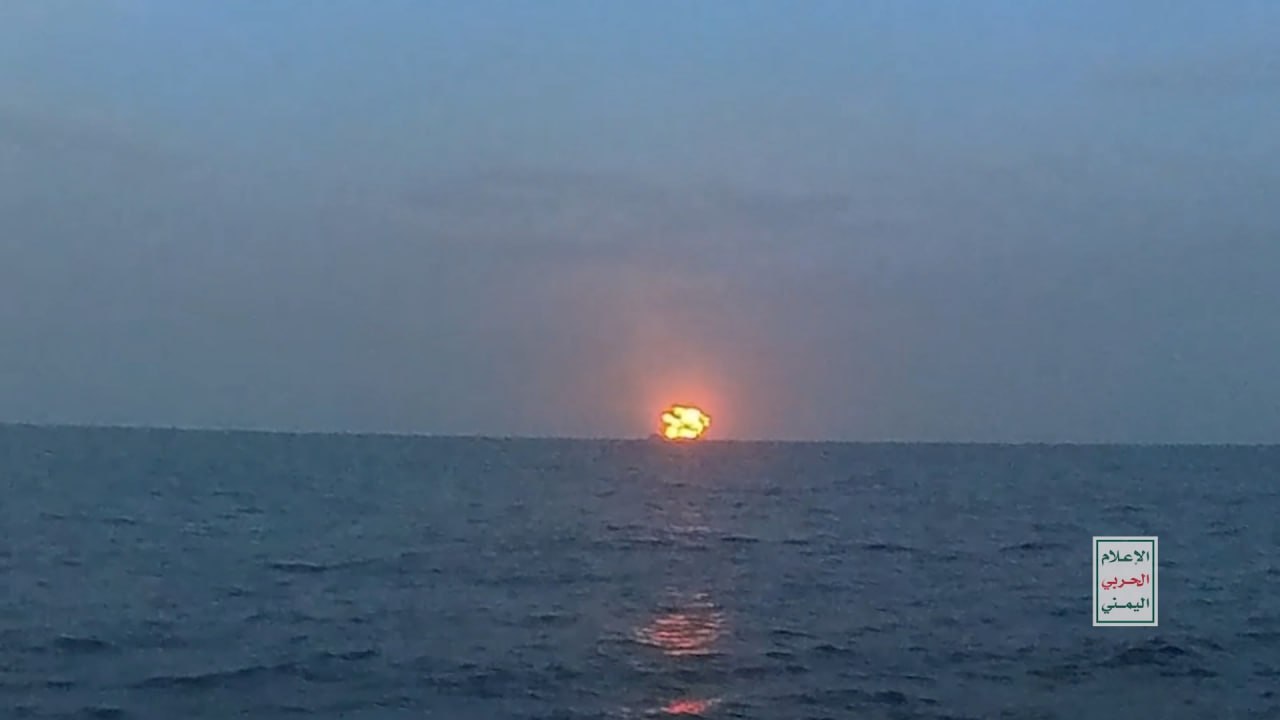
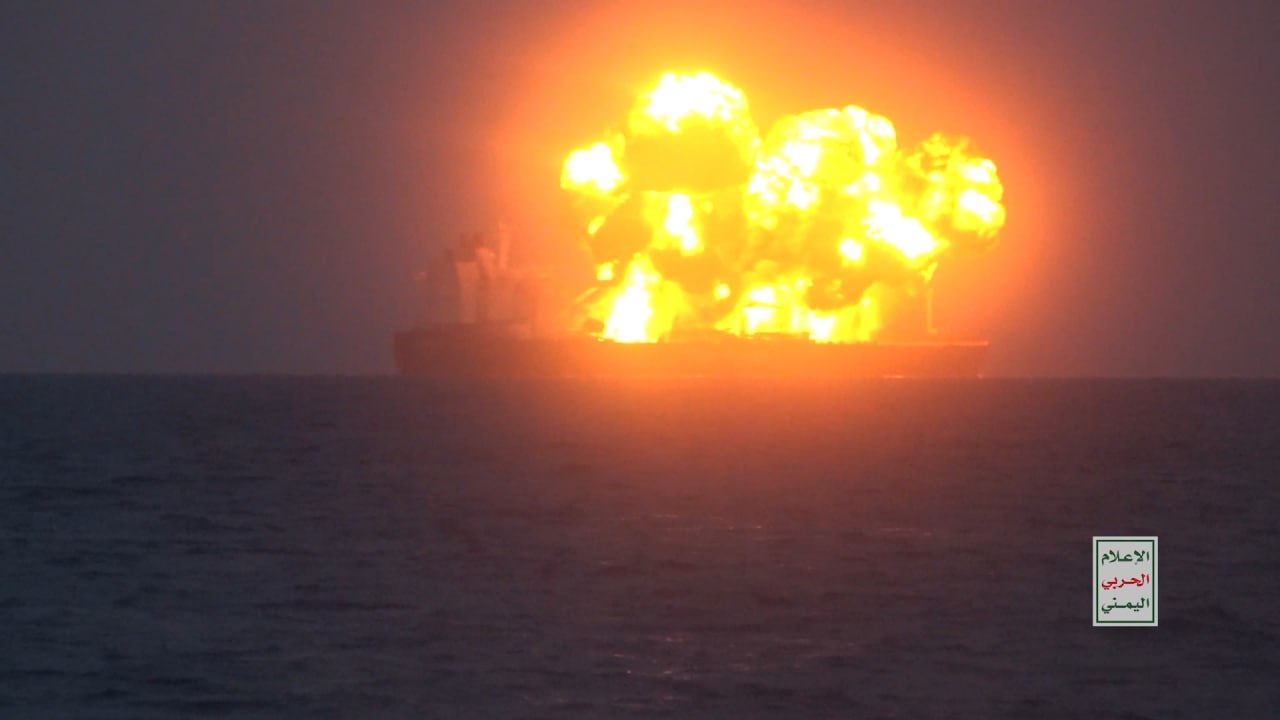
According to what the United Kingdom Maritime Trade Operations (UKMTO) reported yesterday evening, the Yemeni army set the Sounion oil tanker on fire with three heavy blows after the Sounion oil tanker was evacuated by a French warship from the EU’s Operation Aspides in the Red Sea.
According to this report, the Yemeni strikes caused the vessel to be abandoned in the Red Sea again.
The Greek-owned Sounion oil tanker was carrying 150,000 tons of crude oil from the Iraqi port of Basra to the alleged destination in “South Africa”; But it suddenly entered the Red Sea and was surprised at a distance of 77 nautical miles west of Hudaydah port!
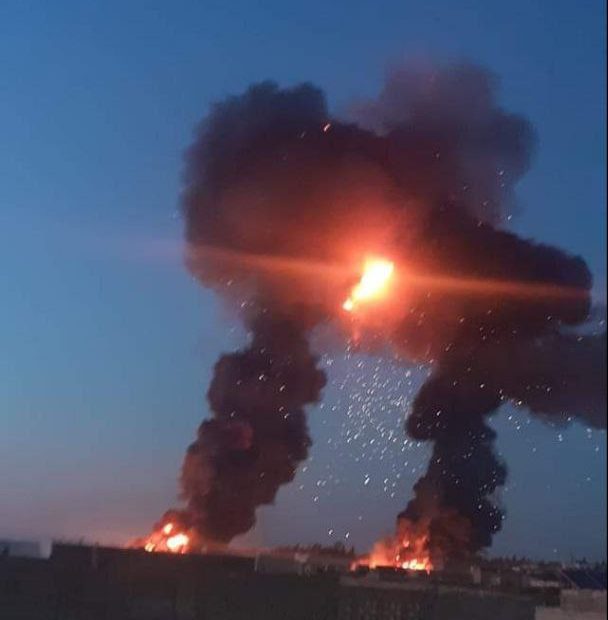
Heavy explosion in the Sounion oil tanker in the Red Sea
However, the reason for targeting this oil tanker was not the unknown activity or turning off its automatic identification system (AIS), but the cooperation of the owner of this vessel “Athens Delta Tankers” with the Zionist regime.
Now, the Greeks must ask the Zionists to compensate, or learn from this loss-making partnership and stop doing business with the Zionists.
Alexandra Redmark previously worked as the ambassador of Sweden in Jordan. He will take up his new post in Tel Aviv in the fall.
👉 Due to Rydmark’s relationship with Hans Grundberg, her new mission in Tel Aviv will create more coordination with the Yemen issue. Previously, the Zionists tried to monitor the process of peace negotiations in Yemen and control the activities of the United Nations in this country, but Iran’s regional consultations with Saudi Arabia and the separate negotiations of the Saudis with Ansar Allah officials prevented the Zionists from playing a role in the peace process in Yemen.
In a Thursday statement (August 22), Yemeni Armed Forces spokesman Brigadier General Yahya Saree stated that Yemeni naval, drone and missile units assaulted two vessels belonging to the Israeli regime with a number of gunboats, ballistic and cruise missiles, and suicide UAVs.
This move was carried out in a bid to assist the oppressed people of Palestine and its fighters and in return for the US and UK aggressions on Yemen, including two military operations in the Red Sea and the Gulf of Aden.
According to the statement by the spokesman, the oil tanker Sounion, which is owned by a foreign company that deals with the Israeli regime and violates Yemen’s decision to ban entry to the ports of occupied Palestine, was targeted and is at risk of sinking in the first operation of the two aforementioned attacks by the Yemeni army.
In the second military operation, the ship Sw North Wind I, owned by a company affiliated with the Israeli regime that also defies the Yemenis’ ban on the entry to the ports of occupied Palestine, was targeted in the Gulf of Aden and the Red Sea.
In its statement, the Yemeni Armed Forces further underlined that they continue to besiege the Israeli enemy and pound all vessels linked with the regime or vessels belonging to companies that deal with Tel Aviv, in the area of the declared military operation in accordance with previous statements. The Yemenis also made it clear that the military attacks would not stop until the end of the anti-Palestinian aggression as well as the lifting of the siege of the Gaza Strip.
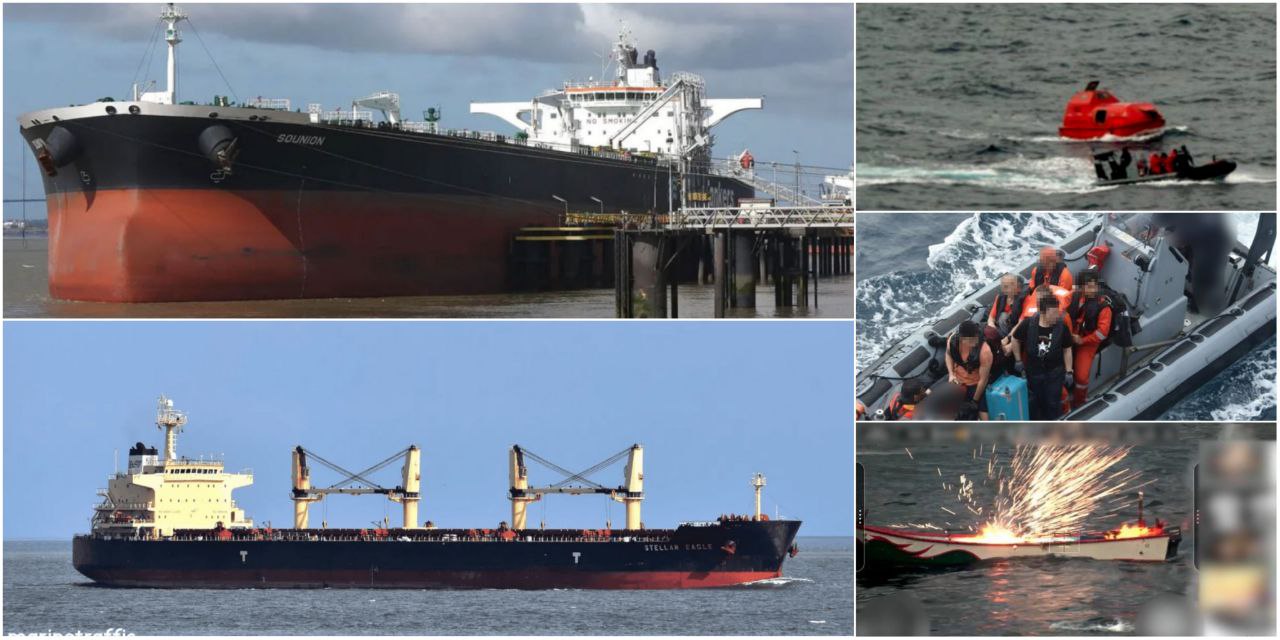
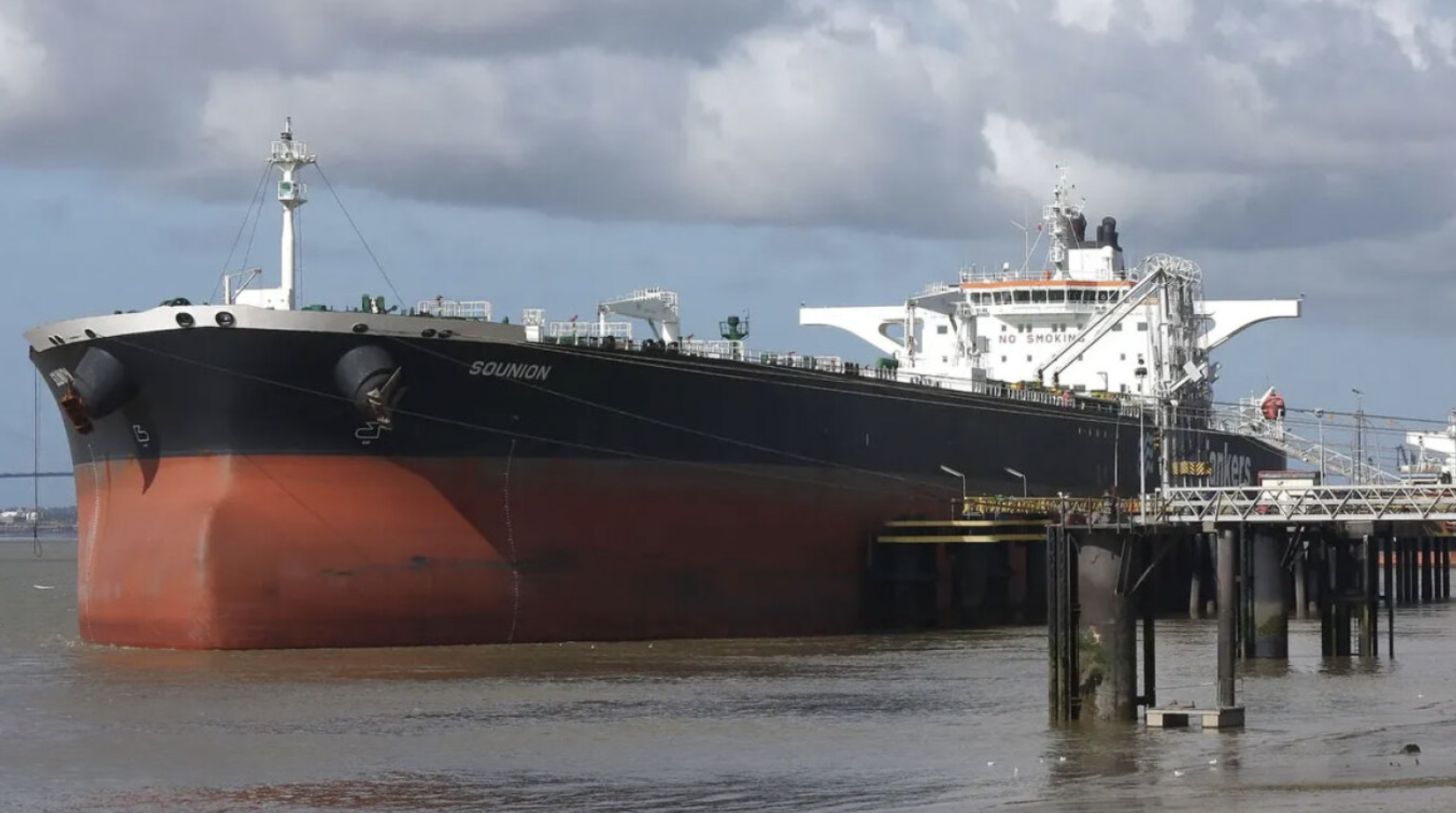
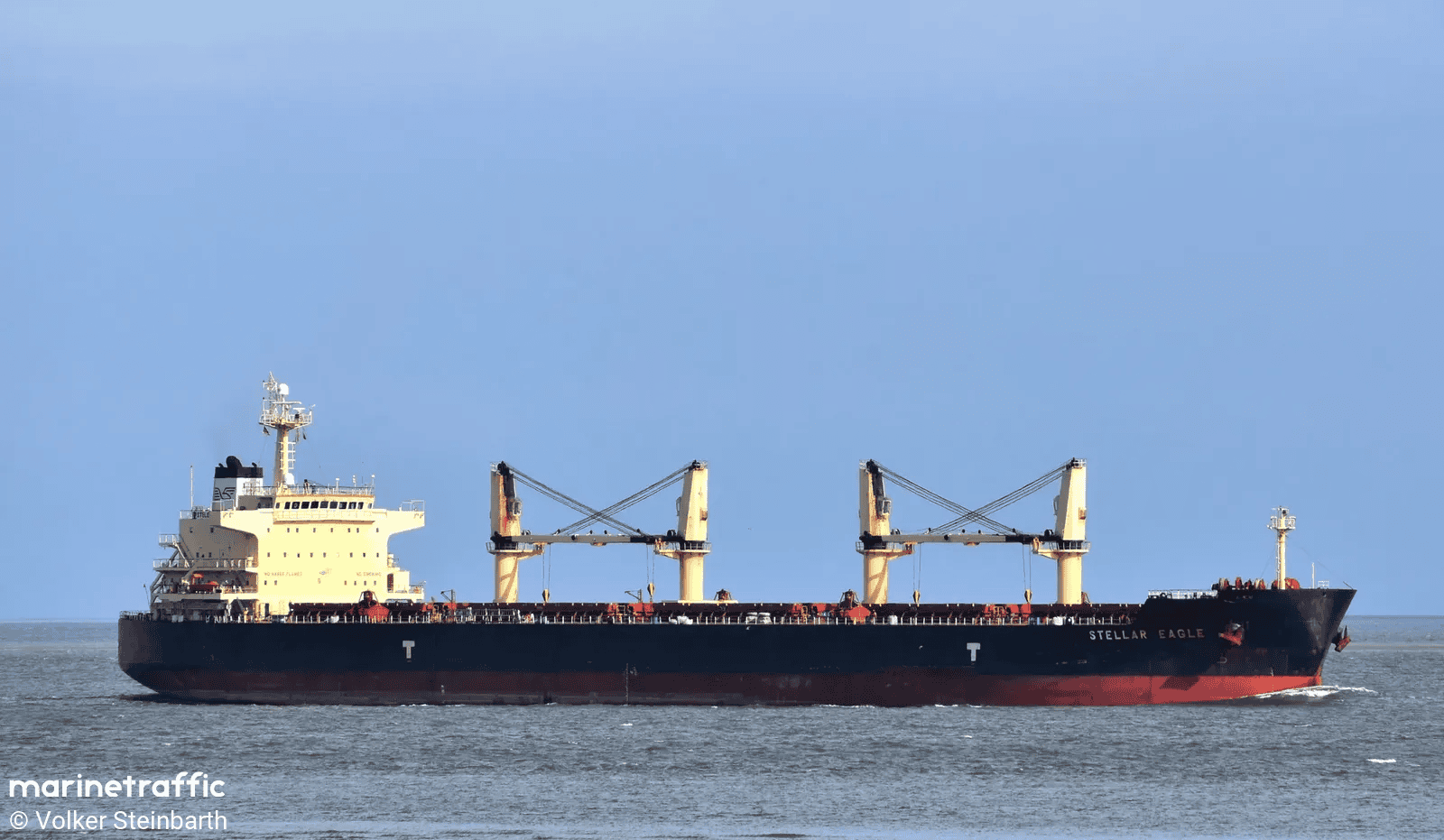
Archival image of Sounion oil tanker
The Sounion is a crude oil tanker, which has been sailing under the Greek flag since 2006. According to vessel tracking websites, the tanker was heading from the Iraqi port of Basra to South Africa! However, 77 nautical miles west of the Yemeni port of al-Hydaydah, the ship was targeted by the Yemeni Armed Forces.
According to private security firm Vanguard, at the start of the strike, two small boats with a total of around 15 gunmen came close to the Greek tanker. The two boats exchanged small arms fire with Sounion security forces, and then, they retreated nearly two miles. Two unidentified projectiles (possibly a suicide drone) hit the tanker following the clash, but the vessel was able to keep sailing, according to the captain of Sounion oil tanker. A third projectile (possibly a cruise missile) also pounded the ship at around 5 a.m. local time, and the crew reported smoke in the engine room of the tanker following the strike. According to Athens-based Delta Tankers, the crew of the ship managed to put out the fire on the vessel, but the ship’s engine failed and investigations showed that they were unable to restart the tanker.
At this time, the Sounion tanker with a cargo of 150,000 tons of crude oil is dead in the middle of the Red sea, and according to a report by Reuters, citing a security source, the ship has stopped and docked somewhere between Yemen and Eritrea.
Sounion has 25 crew members, including two Russians and 23 Filipinos, who are not harmed and reported to be safe and sound. The oil tanker is the third vessel from Athens-based Delta Tankers to be struck in the Red Sea in August. The owner company is now working on a plan to move the attacked tanker to a safer location and repair its engines.
The EU mission warship confronting with a Yemeni USV near the Sunion oil tanker
The European Union’s Red Sea Fleet Command or officially Western Fleet (WF) declared in a statement that it had received a request of help from the captain of Sounion and dispatched a warship to rescue the crew. The European Union’s warship, while transporting the tanker’s crew to the nearest port in Djibouti, claimed to have spotted and destroyed an unmanned surface vessel (USV) as it approached the region. According to the Sea Fleet Command, the Sounion tanker did not request protection from the EU fleet stationed in the Red Sea under the guise of Operation Aspides, and therefore no vessels were present in that area to counter the Ansar Allah movement’s attacks.
EU warship evacuates tanker crew
The SW North Wind I is a Panama-flagged bulk carrier, which has been operational since 2009. The vessel is also sailing from the port of Singapore to Egypt, 57 nautical miles south of Aden, when ship was attacked by five ballistic missiles in a two-stage operation.
Archival image of the ship SW NORTH WIND I
The Yemeni army’s strikes on the Sounion tanker and the SW North Wind I in the Red Sea and Gulf of Aden are the 153rd and 154th official attacks by the Yemen Armed Forces on illegal ships (Israel, the United States, the United Kingdom, and their affiliated vessels). Ansar Allah Leader Abdul-Malik Badr al-Din al-Houthi announced that the Yemeni Armed Forces attacked 182 illegal ships.
In line with intensifying military operations in Yemeni waters, the country’s army resorted to conducting crushing attacks on the Sounion tanker in a serious warning to firms that actively cooperate with the Israeli regime. The Ansar Allah leader tries to convince the owners of these companies that the repercussions of relations with the Tel Aviv regime are worse than their benefits, and that the firms should cancel their ties with the Zionists as soon as possible, or never cross the Red Sea or even the Indian Ocean, because the Yemeni army’s missiles and drones are waiting for them.
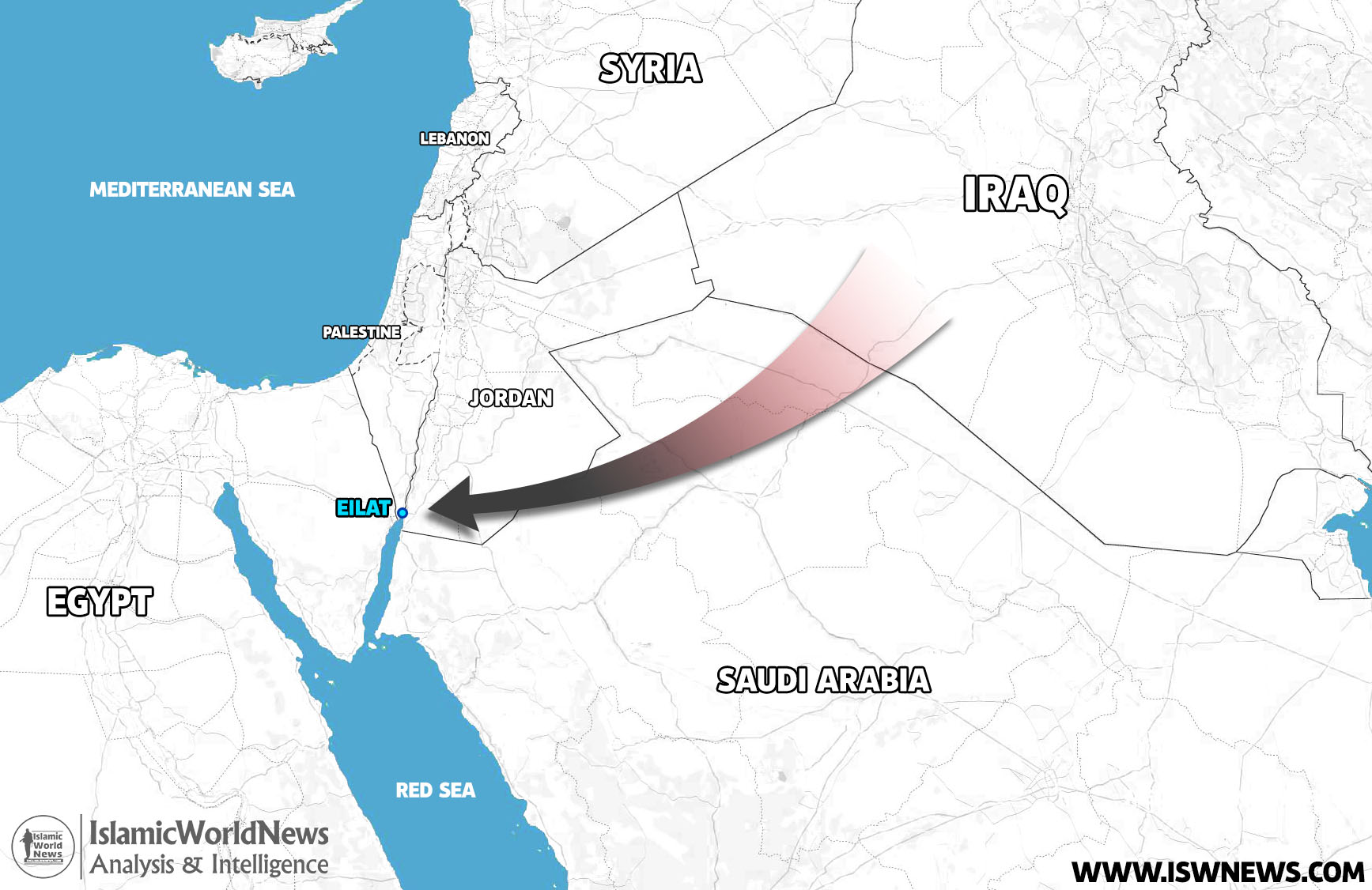
The IRI statement said: “To help and support the people of Gaza and in response to the crimes committed by the usurping regime against Palestinian civilians, including women, children, and the elderly, the fighters of the Iraqi Islamic Resistance attacked a vital target in Um al-Rashrash (Eilat) with a suicide drone. The Islamic Resistance emphasizes that the operation to destroy the enemy’s bastions will continue at an increasing pace.”
This is the 139th attack of the Iraqi resistance against the positions of the Israeli regime after the onset of the genocidal war on Gaza.
The Islamic Resistance in Iraq carried out tens of attacks on the Israeli-occupied territories as of April 25, 2024.
The Iraqi resistance group along with other resistance movements in Lebanon and Yemen have called for the end of Israeli aggression against the Gaza Strip and the delivery of aid into the besieged area.
On August 20, Hezbollah fired at least 80 rockets at the Israeli army positions in the north of the occupied territories. According to Israel TV Channel 12, 20 rockets were fired towards Western Galilee.
The Hezbollah-affiliated media reported that in response to attacks by Israeli fighter jets on the Bekaa province in eastern Lebanon last night (19 August), Hezbollah fired dozens of rockets at the command headquarters of the 210th Golan Division at Nafah base, as well as at the headquarters of the artillery regiment and the 210th armored brigade at the Yarden barracks in the occupied Golan.
These attacks did not result in casualties, but caused destruction and fires in some areas of the occupied Golan.
Hezbollah rocket attacks on the occupied Golan
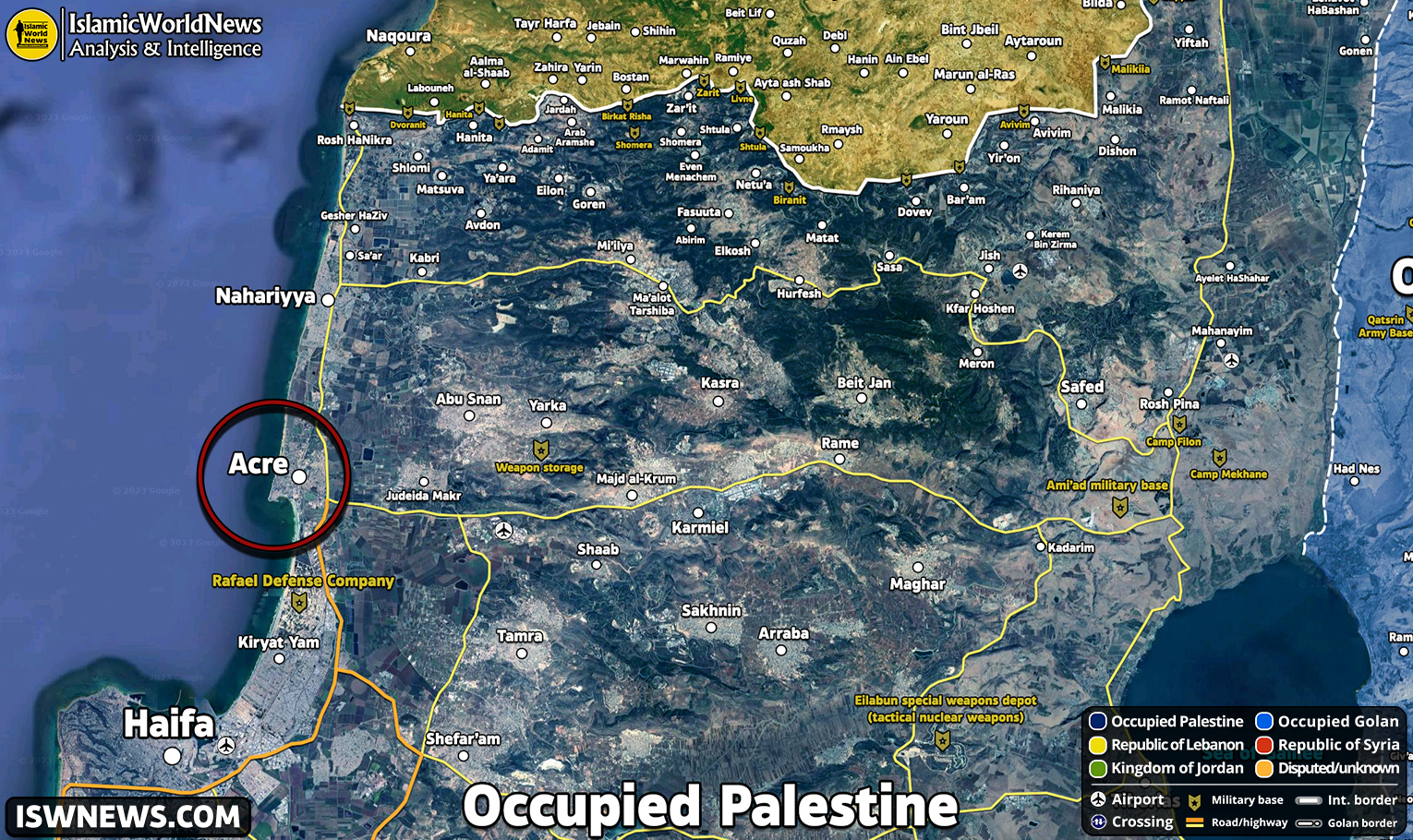
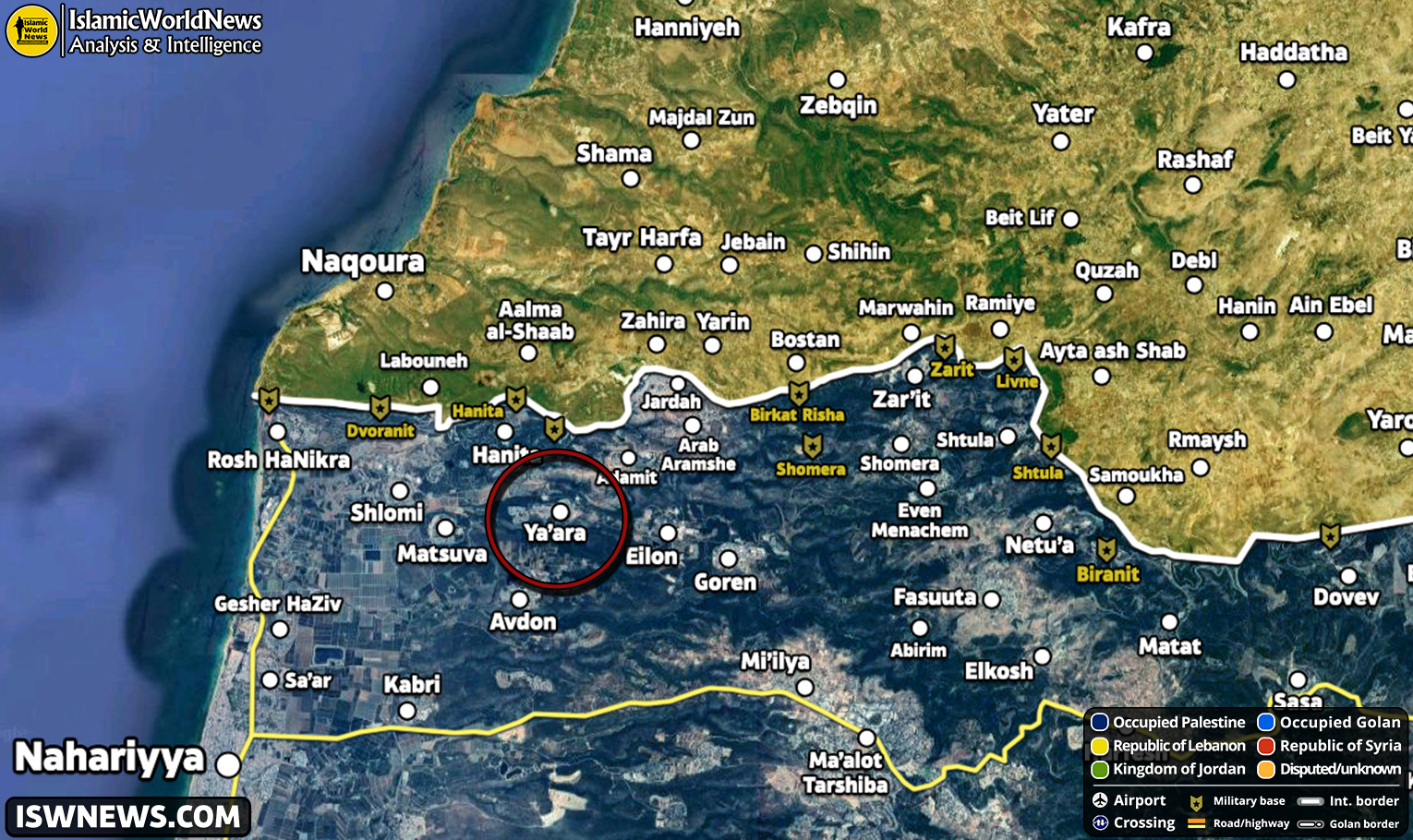
On August 19, Lebanon’s Hezbollah targeted the headquarters of the Israeli military in the Ya’ara area and the Sanat Chin base north of Acre with several suicide drones. In this attack, one Israeli soldier was killed, and six others were wounded.
Ya’ara and Acre in the north of the occupied territories
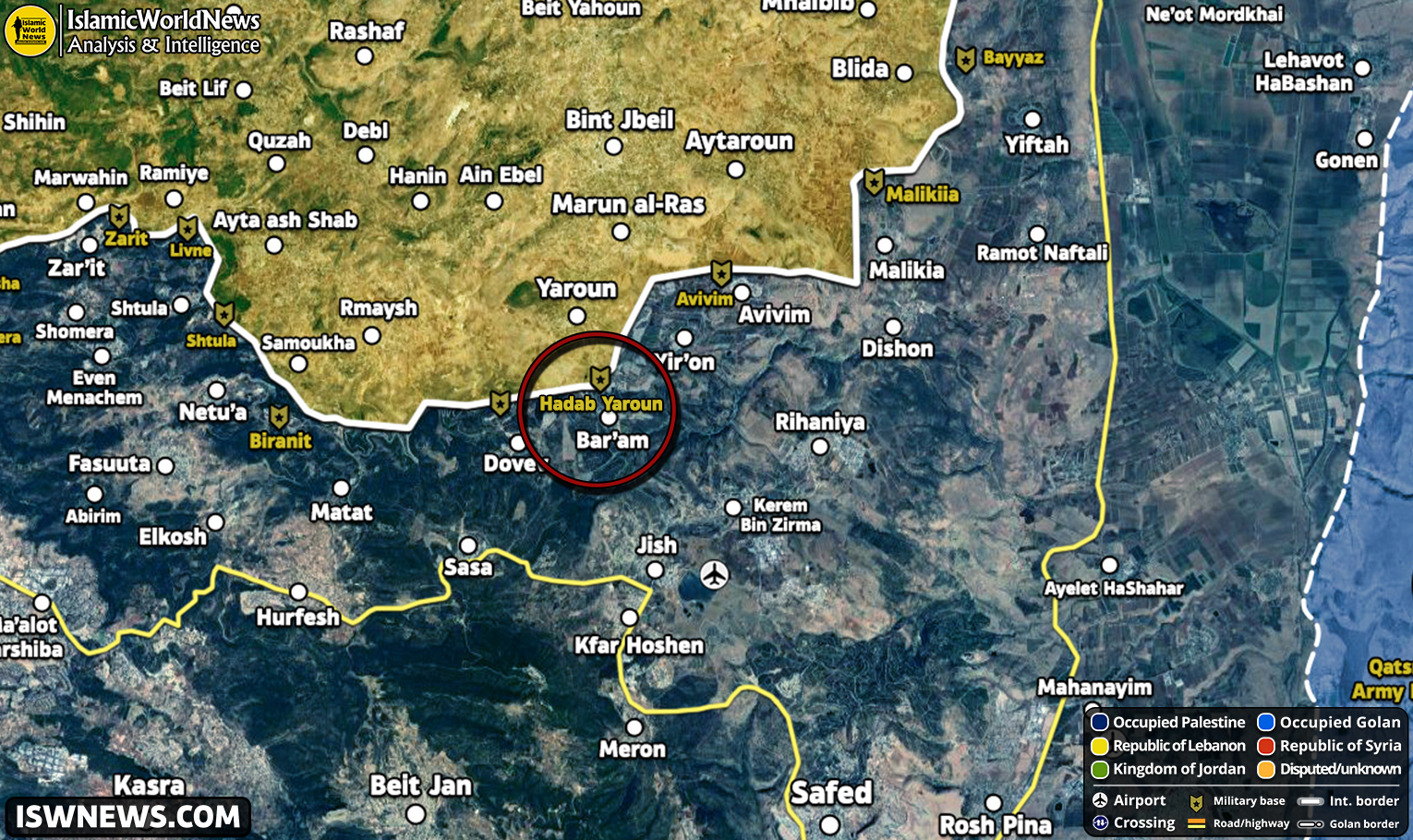
Hezbollah forces attacked the Hadab Yarun base in two separate attacks this morning with artillery shells and suicide quadcopters (FPV). The attack is Hezbollah’s 16th operation using FPVs.
Hadab Yarun base
Also this morning, five buildings were destroyed and one Israeli was wounded in a Hezbollah rocket attack on the logistics base of Qatsrin (according to Hezbollah: Tasnobar) in the occupied Golan.
Hezbollah’s rocket attack on Katsrin logistics base and its surrounding areas in the occupied Golan
On the other hand, Israeli fighter jets are targeting the eastern and southern towns of Lebanon using heavy bombs.
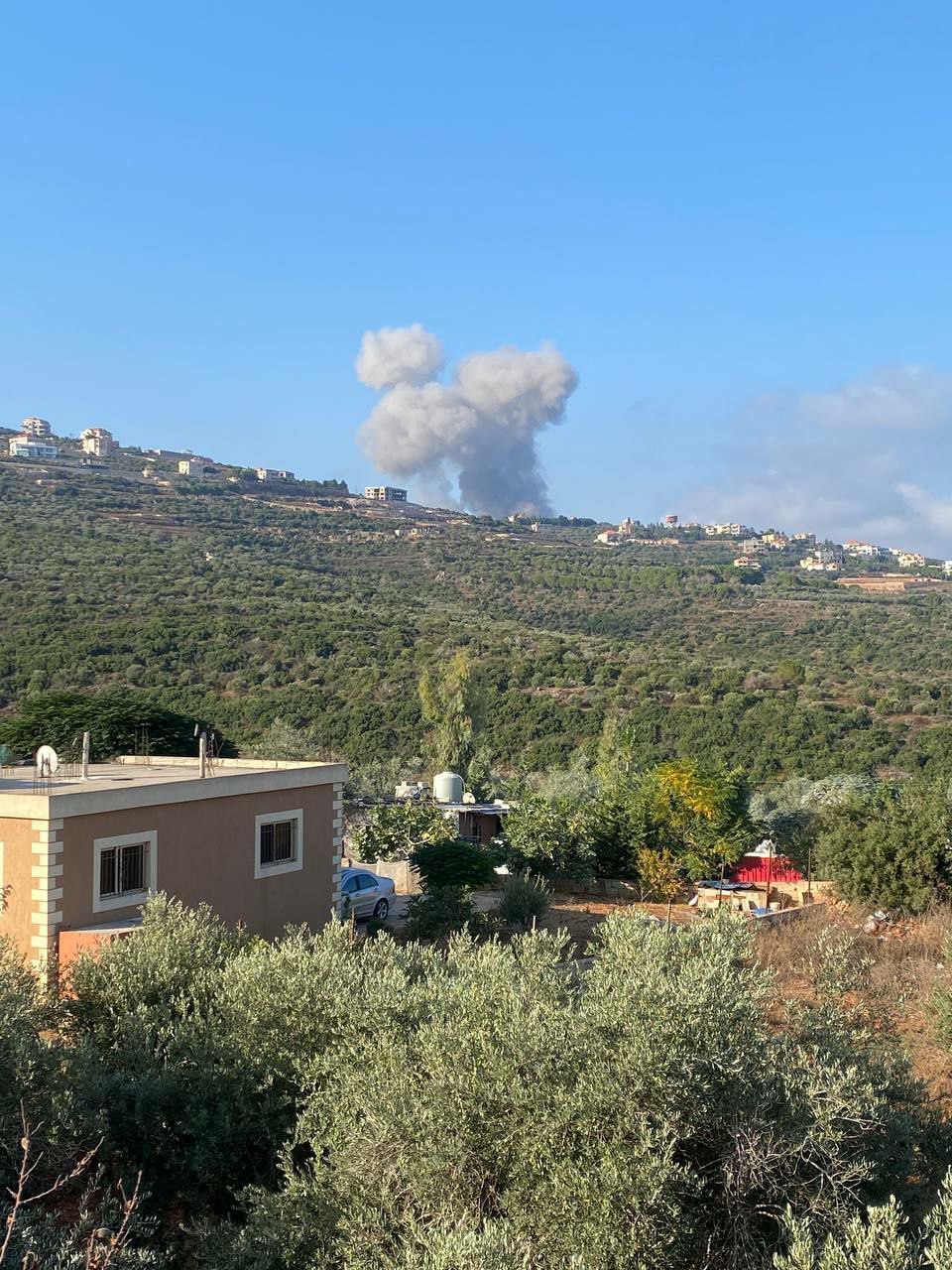
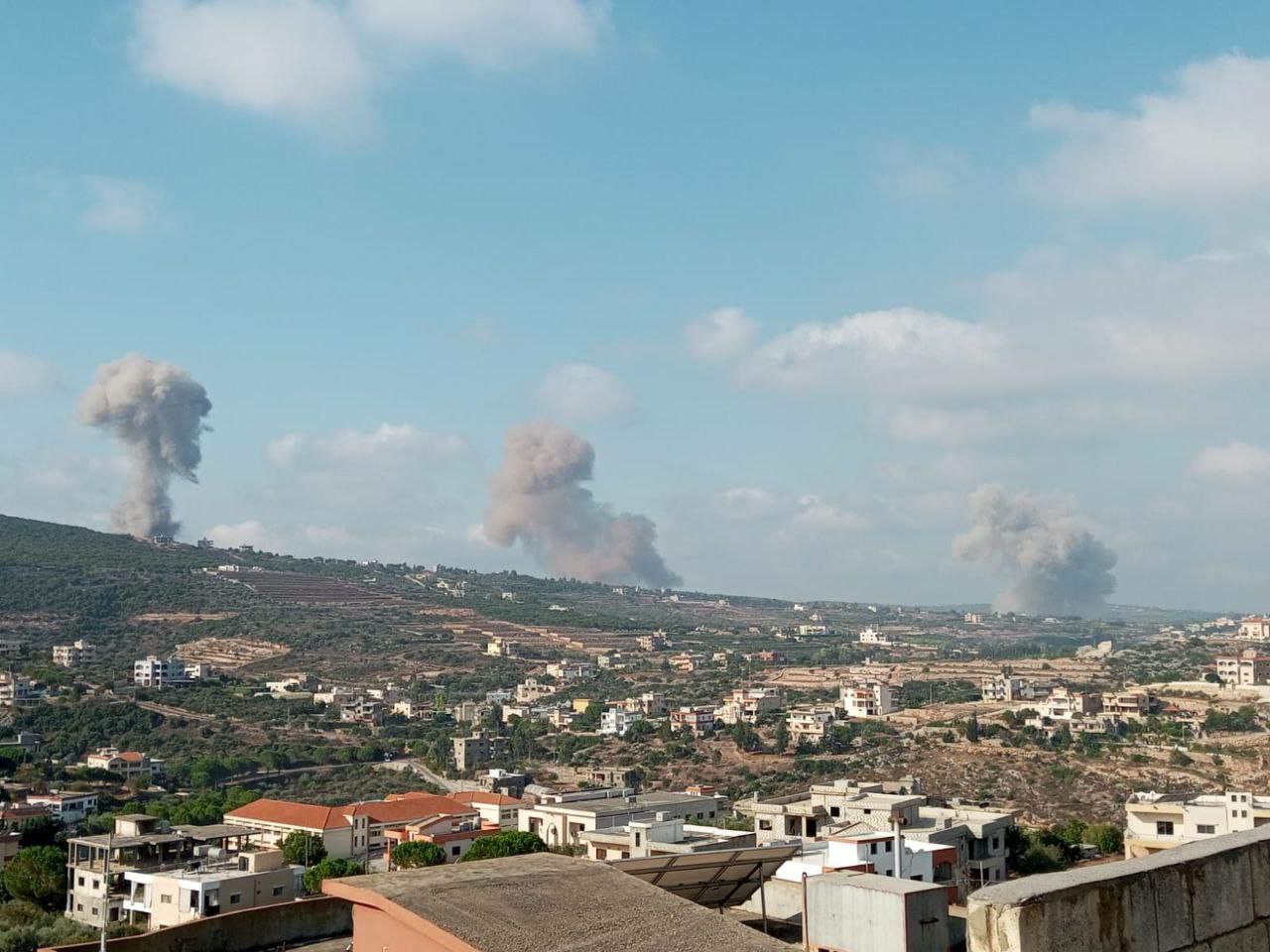
During the last three days, Israeli fighter jets attacked dozens of southern and eastern areas of Lebanon, such as Ayta al-Shaab, Tayirharfa, Tayyaba, Khiam, Al-Naqourah, Houla, Ramieh and Bayut al-Siyad, Al-Mansouri, Nabi Sheith, Sahl Serain, Sardeh and Deir Serian.
A Syrian citizen was martyred during the Zionist artillery attack on Sardeh area.
Pictures of Israeli airstrikes in eastern Lebanon in the last two days
Three Lebanese rescuers were injured in an Israeli drone strike on an ambulance near the al-Naqoura area. The ambulance was carrying a wounded man from the Hamul area when it was attacked.
As a result of the Israeli airstrikes in Dhahira area, two Lebanese were martyred.
Also, Israel’s targeted assassinations against Hezbollah forces and commanders continue. On August 19, Israeli drones attacked a passenger car on the Deir Qunon-Ras Al Ain road. During this assassination, a Lebanese was killed.
Israeli drones attacked a passenger car on the Deir Qunon-Ras al-Ain road
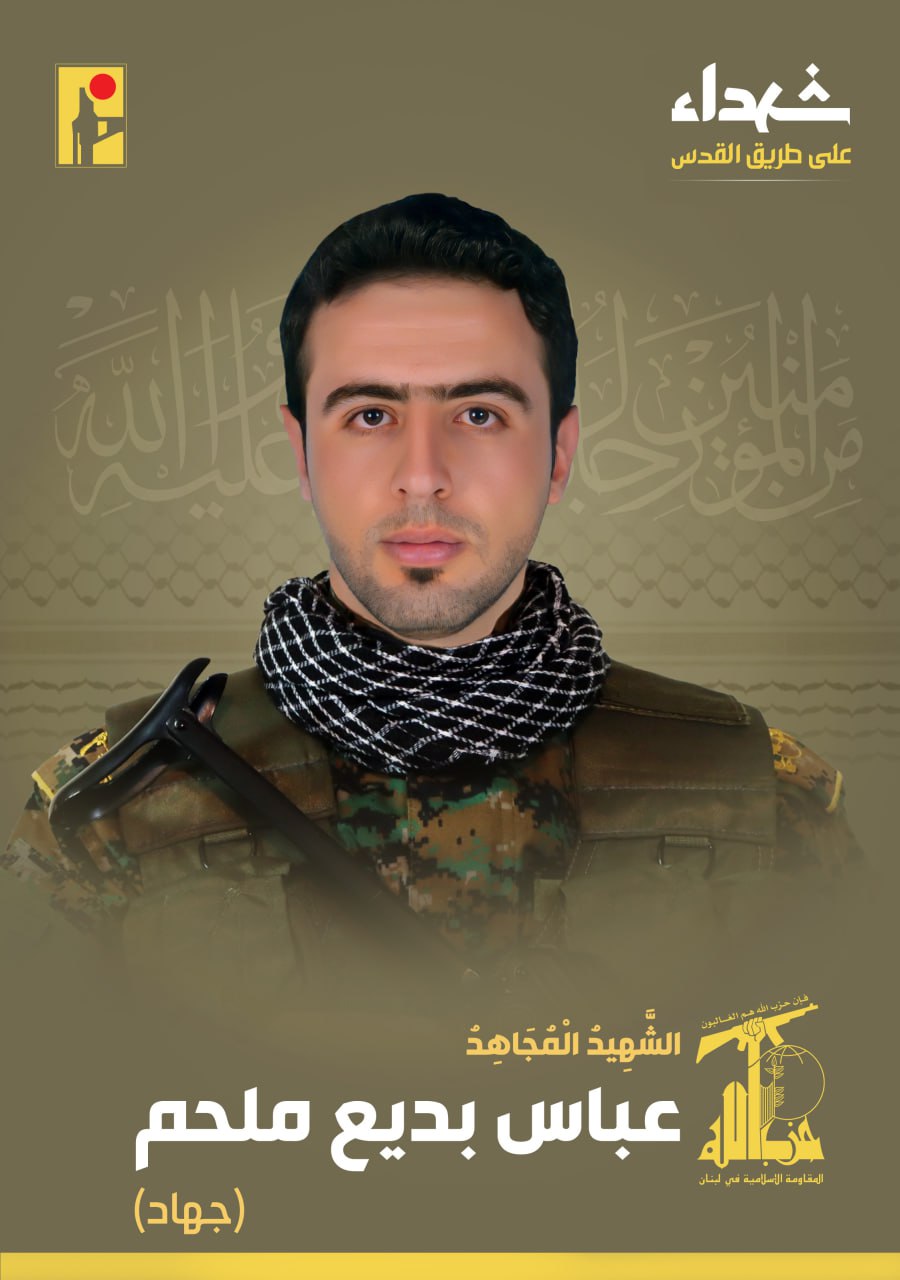
Clashes continue in southern Lebanon while Hezbollah casualties are slowly increasing. During the last two days, Hezbollah published the names of seven of its members who were killed in southern Lebanon. Most of these individuals were killed due to heavy bombardment by Israeli warplanes in southern Lebanon.
According to available information, the casualties of Hezbollah have reached 400. While Hezbollah officially announces its military casualties, the Israeli regime seems to avoid providing real statistics of its casualties in the northern fronts.
Pictures of the seven recent martyrs of Hezbollah
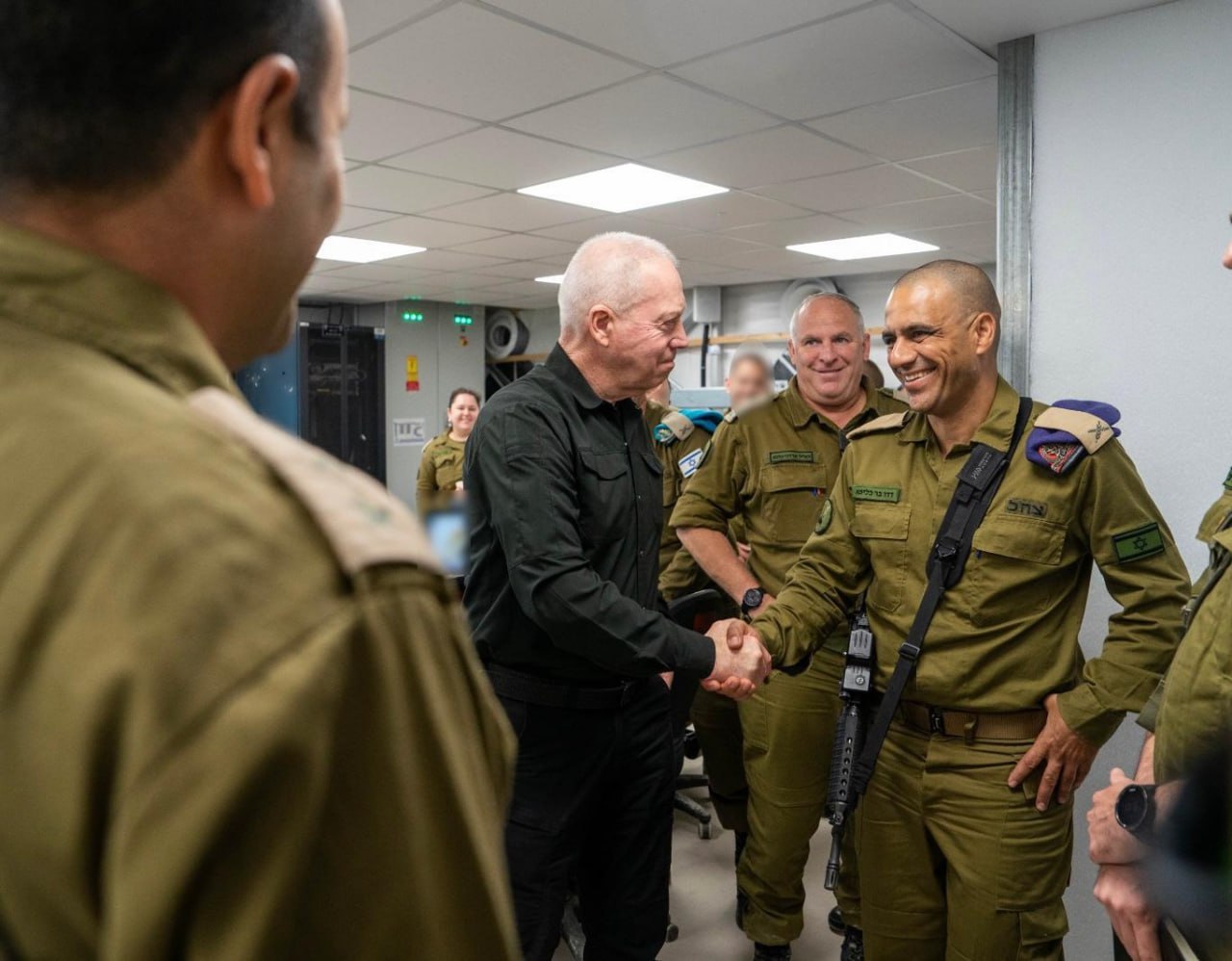
Israeli Defense Minister Yoav Galant said last night during a visit to the 36th Division in northern Israel that Israel’s center of gravity is gradually shifting away from the Gaza Strip to the northern front, as Israel prepares for a major escalation with Lebanon’s Hezbollah. Gallant’s words refer to the current ceasefire negotiations in the Gaza Strip and the prisoner exchange agreement.
Yoav Gallant meets with 36th Division commander Brig. Gen. Dado Bar Kalifa at a base in northern Israel (Ariel Hermoni)
The ceasefire talks were held on Thursday and Friday last week in Doha, Qatar, without any particular achievement. Another round of negotiations will be held this week in Cairo, the capital of Egypt, between mediators and Israeli military and intelligence officials.
The results of these negotiations are very important for Israel. Israel is currently fighting on two fronts, north and south. On the one hand, the Israeli army has concentrated almost half of its forces in the north and the other half is occupied in the southern front. Therefore, currently, the Israeli army is not capable of carrying out a major operation on the northern front.
By reaching a suitable agreement in the south of the Gaza Strip, the Israeli army will have the opportunity to bolster its forces and equipment on the northern front, allowing them to better combat Hezbollah and pave the way for the return of refugees to the northern lands.
Military operations along the northern borders have led to widespread evacuations of settlements. According to the latest reports, more than 250,000 Israeli citizens have been displaced by the war, with some 164,000 ordered or recommended to evacuate with government compensation and nearly 150,000 evacuated without being asked. The number of Israeli refugees increases daily.
On August 19, the Iraqi resistance group of the Ashab al-Kahf (Companions of the Cave) issued an official statement announcing the shift of its name into Kataib Sarkha al-Quds.
The group’s statement emphasized:
“Given the prevailing dangers, military activities will be suspended from today (Monday) until the night of Arbaeen pilgrimage, which marks the end of a 40-day mourning period following the Day of Ashura, the religious ritual that commemorates the martyrdom of the Prophet Muhammad’s grandson Imam Hussain (A.S). And after Arbaeen, we will resume military operations with a set of targets, including the Israeli-occupied territories, as well as all US bases in Iraq, Syria, and the Persian Gulf.”
It is worth noting that the Kataib Sarkha al-Quds group is one of the oldest resistance factions with a hidden origin in the Arab country of Iraq, which has a long background in the military and intelligence operations.
During its some years of activities, the Islamic resistance group has carried out different operations, including attacking US logistics convoys and shooting down US-made drones in Iraq.
Iraqi resistance groups
The group declared its existence on X (formerly known as Twitter) in August 2019 following several airstrikes on Shia groups in Iraq.
It has been speculated that the resistance group may have been operational since 2017 but refrained from launching attacks against American military forces.
The group threatened retaliation against any assaults, stating “Americans and the Israelis should know that bombings will be met with bombings, assassinations for assassinations, and kidnappings for kidnappings.”
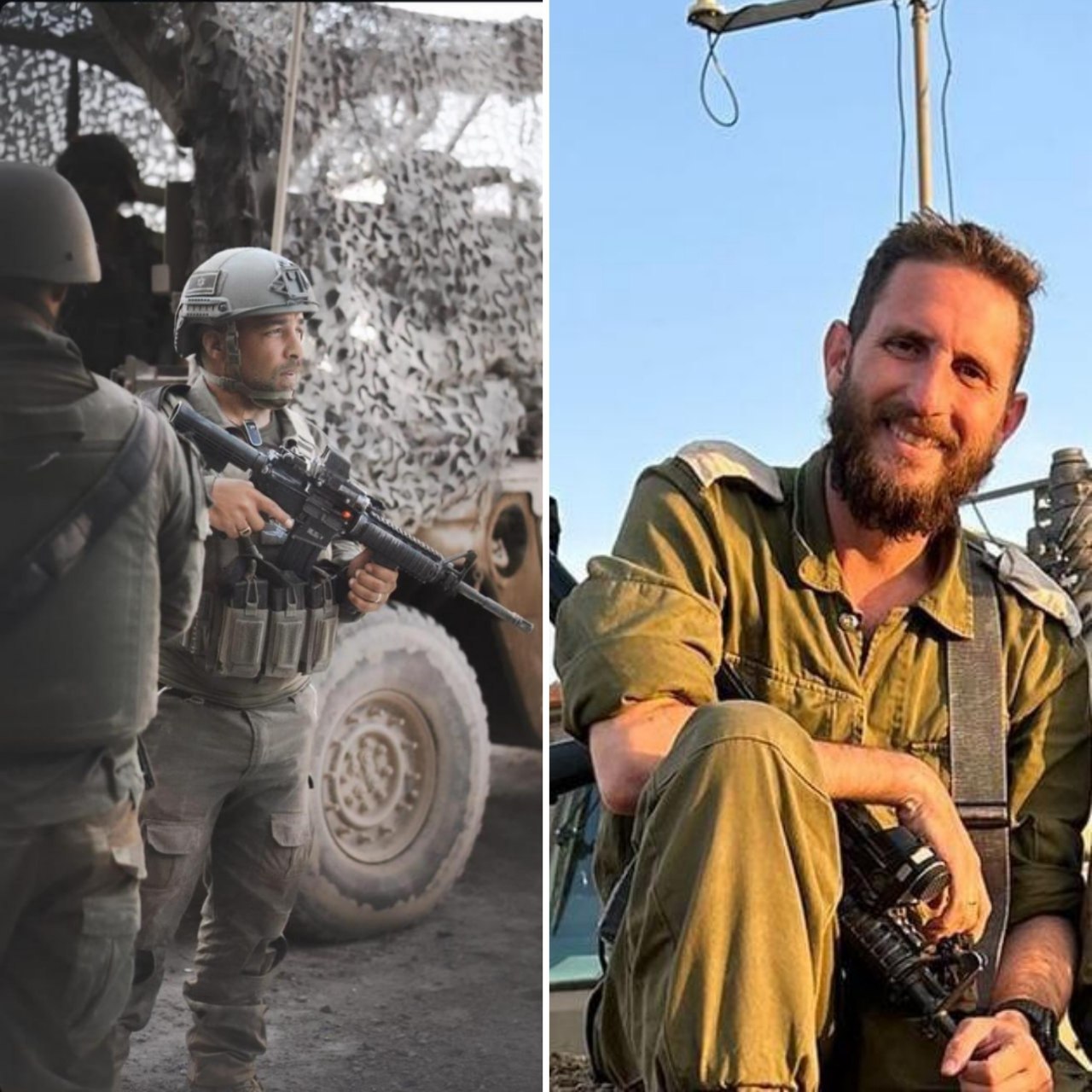
As a result of the killing of the two Israeli troopers, the number of assumed Israeli military fatalities following the initiation of the ground aggression on the Gaza Strip has increased to 332. Furthermore, the total number of “military” casualties, according to the Tel Aviv regime’s alleged statements, since the onset of the war has reached 692, while there are unofficial reports that emphasize the real number of Israeli military fatalities stands at around 4,000.
Video of the ambush of the resistance forces against the Zionist army convoyTwo killed Zionist soldiers
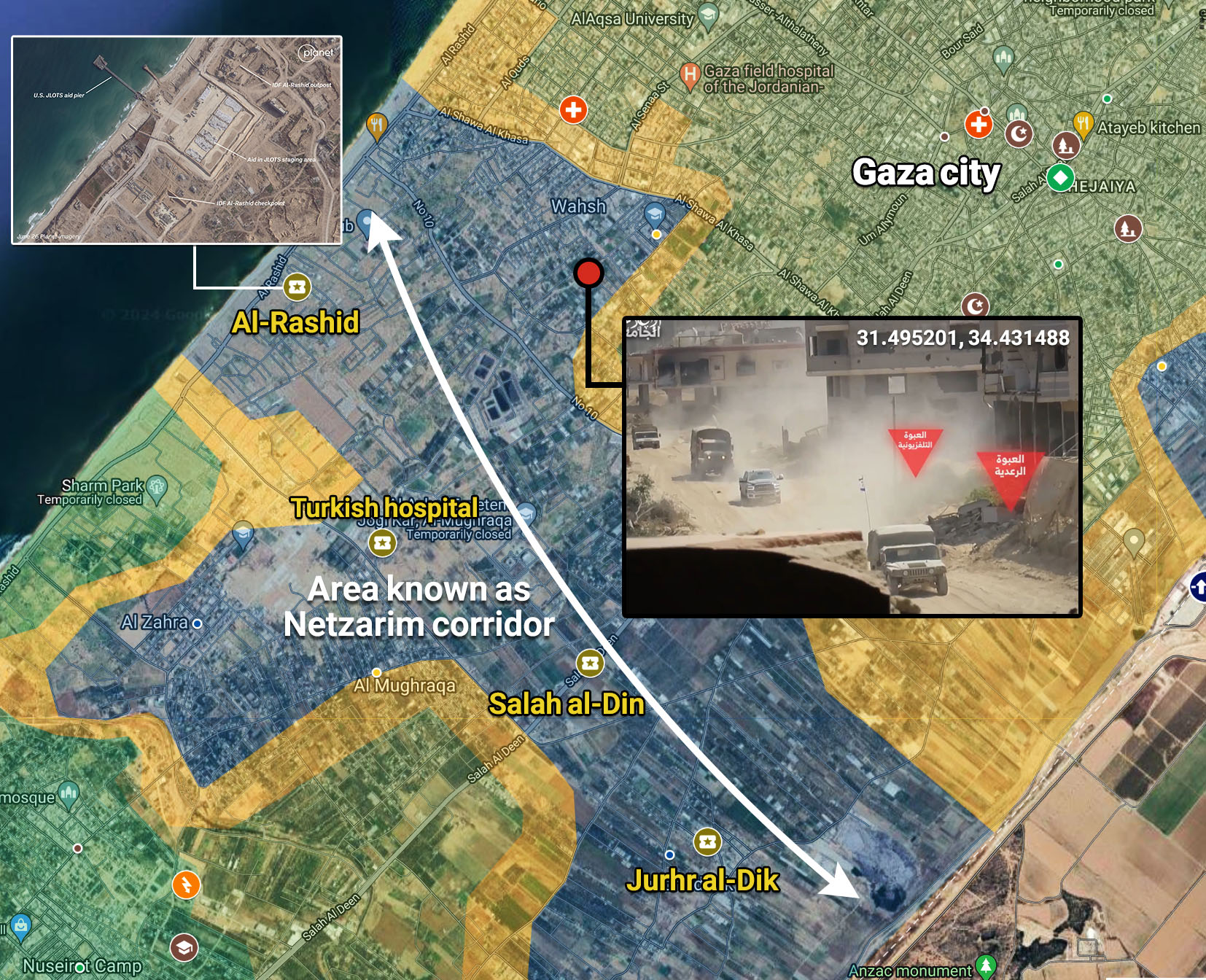
The Netzarim Corridor is situated in southern of Gaza City. The title Netzarim has its roots in the name of the Israeli village of Netzarim, which was entirely evacuated by the regime in 2005 and handed over to the Gazans and then destroyed by the residents of the besieged strip. The Israeli regime shortly usurped this region during the three-week battle from December 27, 2008 until January 17, 2009, and again withdrew from the area following the termination of the military operation.
Over the course of the recent onslaught on the Gaza Strip, the Israeli regime’s army reentered this region with the aim of cutting off the land connection between Gaza City in the north of the Gaza Strip and the southern districts of the besieged enclave.
However, during the current confrontation, the Israeli military forces have expanded their presence with long-term objectives. In the ongoing aggression, the Israeli regime’s army erected four military posts on this axis. These four installations include a military post in the Juhur al-Dik area, a small military post on the Salah al-Din Road, a base in the Turkish-Palestinian Friendship Hospital, and a large military base in the al-Rashid Street near the coastal areas.
According to previous statements made by Israeli officials, the Israeli regime’s army is seeking to create a permanent security buffer zone along the Netzarim Corridor in the south of Gaza City, as well as across the borders of the Gaza Strip along with the occupied territories of Palestine. Thus, given the course of the clashes of the past few months and the objectives that the Tel Aviv regime has set for its military presence in this area, the possibility of Israel’s unilateral pull-out from the claimed buffer zones seems to be improbable.