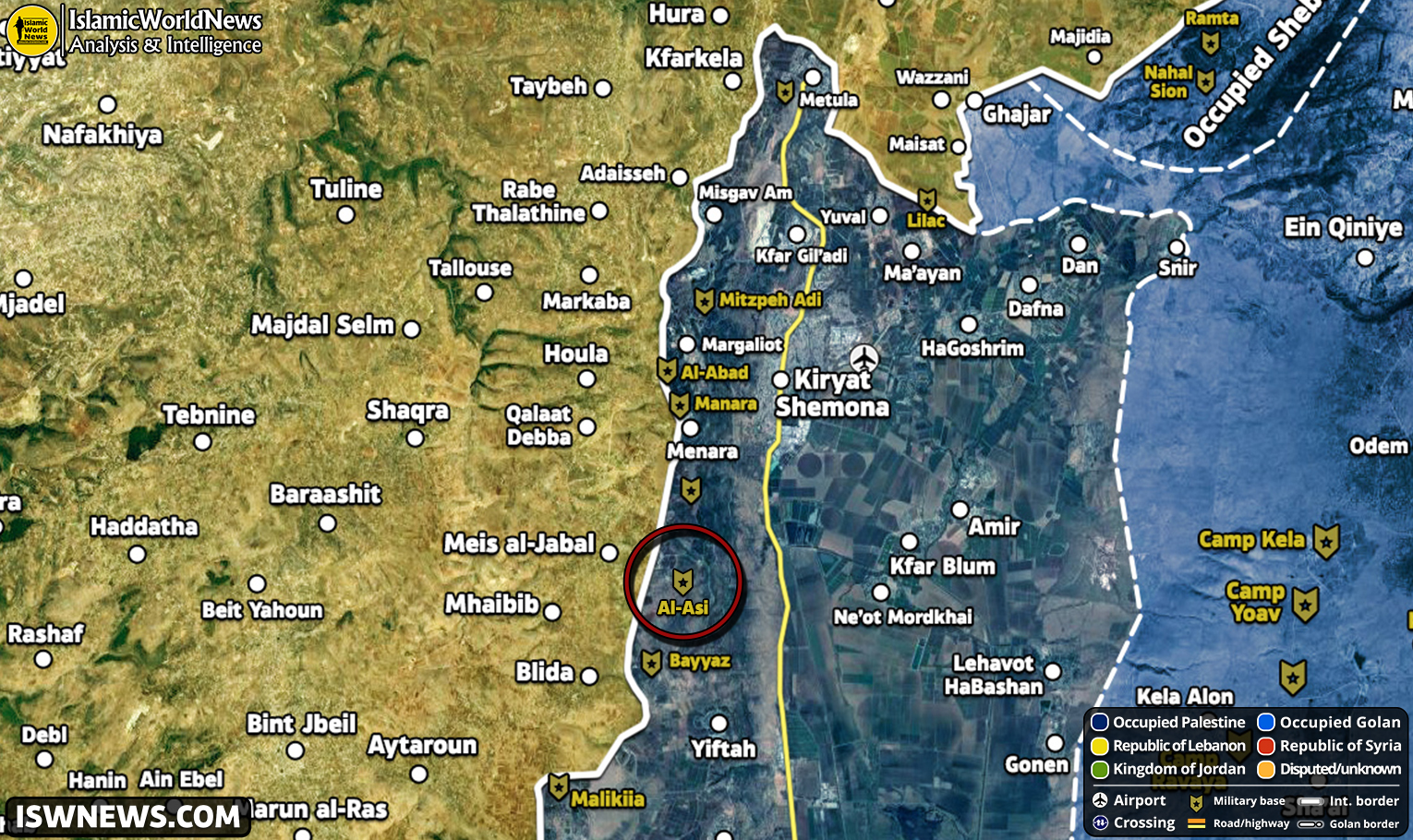
Al-Asi is one of the occupied Israeli border bases in northern Palestine, located between the Al-Baghdadi base and the bayaz balida, in front of the town of Meiss Ej Jabal.
Most of the Israeli regime’s artillery attacks on the town of Meiss Ej Jabal are carried out through monitoring and targeting the elements stationed at the Al-Asi base. Hezbollah has attacked this base more than 15 times since the beginning of the retaliatory war to support the Palestinian resistance movement.
According to the analysis of the IWN, the recent attack on the Al-Asi base is the 24th Hezbollah strike at Israeli army positions in northern occupied Palestine using suicide drones.
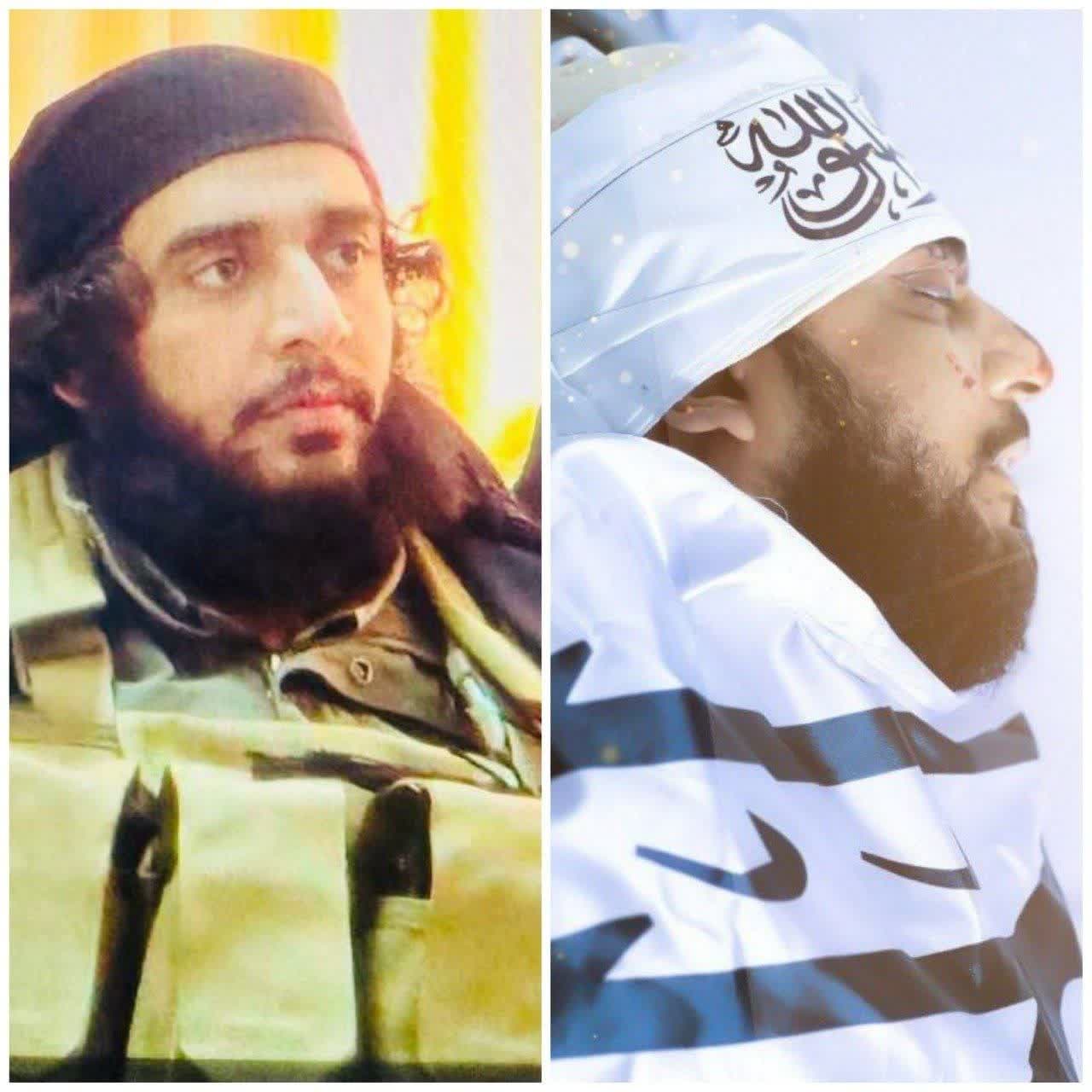
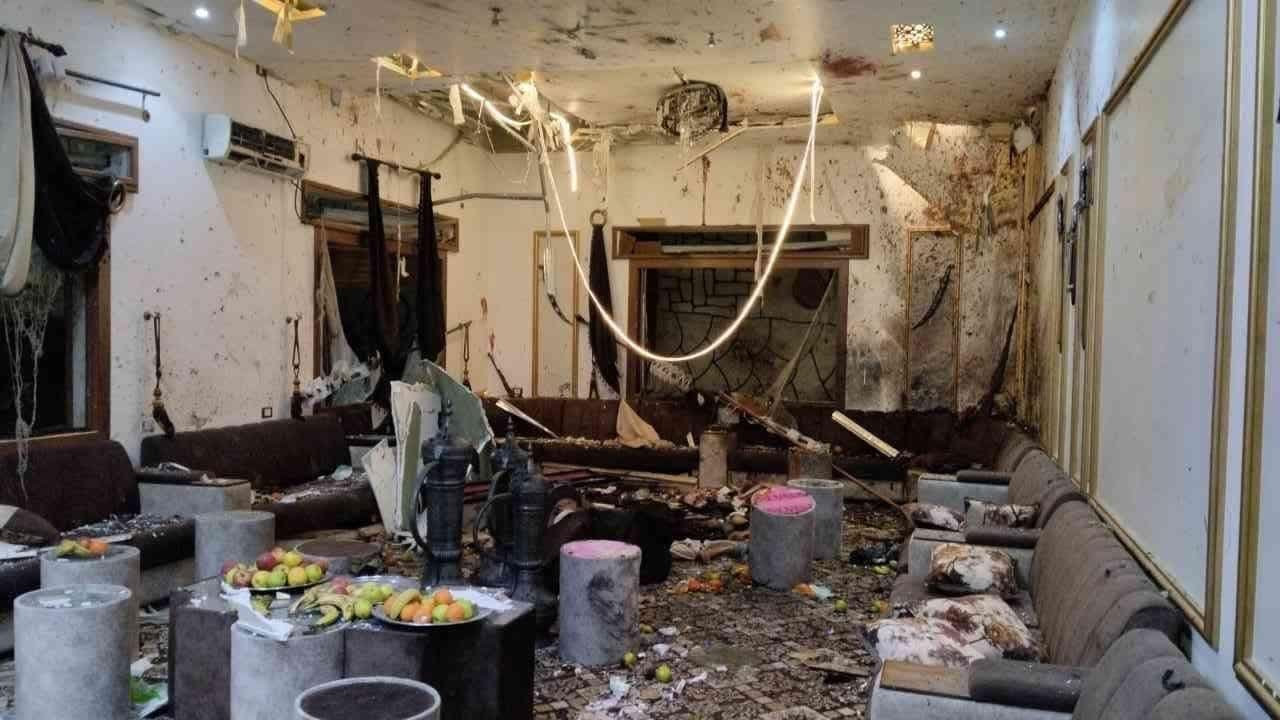
Abu Mariyah al-Qahtani, who had spent several months in HTS’s prison on charges of espionage, was killed shortly after his release from prison in a suspicious explosion at his residence in the city of Sarmada, located in northern Syria.
It is said that the explosive materials were planted in a gift box brought for Abu Mariya al-Qahtani.
Tahrir al-Sham has accused ISIS terrorist group of carrying out this assassination by a suicide bomber, while critics of Hayat Tahrir al-Sham’s emir Abu Mohammed al-Joulani provide many evidences of his involvement in this assassination; meanwhile, the ISIS terrorist group has not claimed responsibility for this assassination so far.
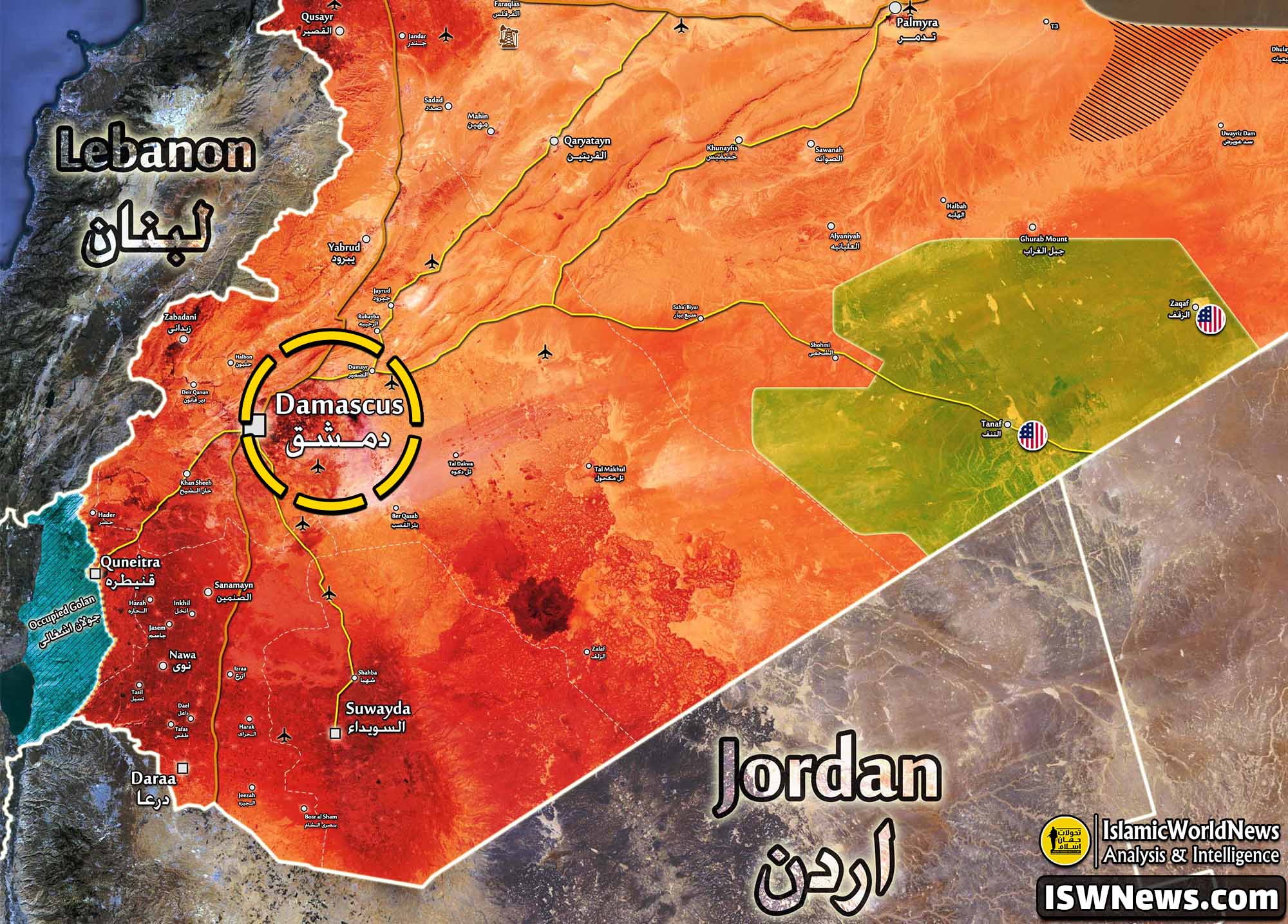
At first, local sources reported hearing the sound of an explosion and the possibility of another Israeli airstrikes on the Syrian capital, but minutes later it became clear that the Syrian air defenses were activated to destroy unknown targets.
Investigations show that two unidentified targets, which may have been drones, were intercepted and shot down in the western suburbs of Damascus. So far, no further details have been published in this regard, and the Syrian authorities have not reacted to this incident.
It is worth mentioning that important military bases, security facilities, government buildings and some foreign diplomatic places are located in the western outskirts of Damascus.
In the early morning of April 5, ISIS terrorists carried out attacks against the positions of the Syrian army and the National Defense Forces (NDF) in the area between Al-Tibni and Ma’dan towns in northwestern Deir ez-Zor Governorate.
According to initial reports, at least one soldier from the 17th Division of the Syrian Arab Army and two members of the Syrian National Defense Forces were martyred during the clashes with ISIS terrorists.
It is worth mentioning that these attacks took place one day after the Russian fighter jets carried out airstrikes on ISIS hideouts in the governorates of Homs and Deir ez-Zor. In recent days, news stories and footages of Russian airstrikes against the ISIS terrorist group have been published.
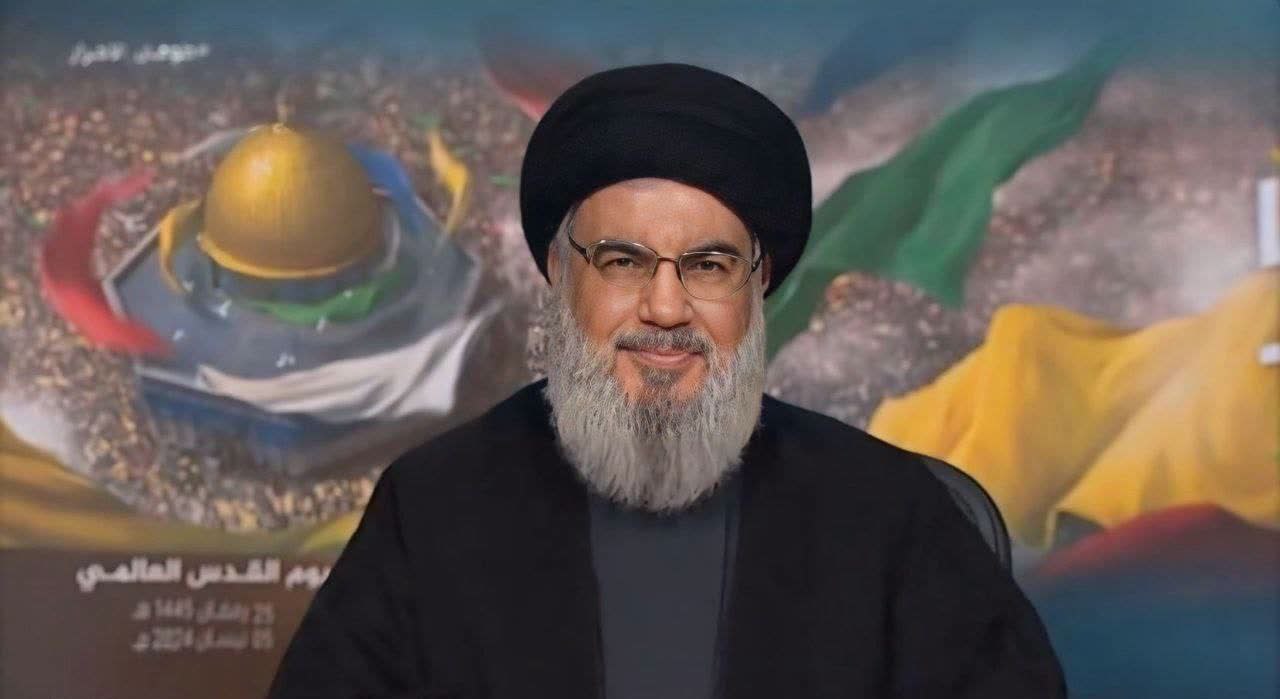
The important parts of Sayyed Hassan Nasrallah’s speech, the Secretary-General of Hezbollah in Lebanon on Quds Day, are as follows:
– Former US President Donald Trump has repeatedly stated that he is willing to negotiate with Iran on various issues, but the Islamic Republic did not fall for the United States’ deception. Iran never negotiates with the US on regional issues, and if it wants to negotiate, it does so openly.
– Iran has been a real supporter of all those fighting the Israeli regime from the beginning (the victory of the Islamic Revolution in 1979) to the present, and with this support, it has changed many equations and defeated many enemy plans.
– The relationship and friendship with Iran are a source of honor, dignity, and human dignity in this era and there is no shame in it. Those who should be ashamed are those who have relations with the Israeli regime and support them.
– Israeli Prime Minister Netanyahu must be stopped in the final stage of this war on the Gaza Strip and accept his defeat. The Zionists do not have the power to defeat the Palestinian resistance movement, Hamas, and other resistance factions after six months and cannot free their prisoners and even have no plan for after the war.
– US President Joe Biden has told Netanyahu that you have lost your friends and need to reconsider your relationships and behavior.
– The US and the Israeli regime have exerted great pressure and threatened to close other fronts, including missile attacks from Lebanon, but have not succeeded.
– The axis of resistance is moving towards a historic and great victory in this battle and only needs time in this regard.
– Iran’s response to the attack on the Iranian consulate in Damascus will take place, and there is no doubt about it. The Israeli regime is also confident and has taken special measures in the occupied territories and has called up all its reserve forces. Now Iran decides when time is ripe to carry out this response. We do not know the time of this attack and do not interfere in it, but all Iranians have the same opinion about this decision.
– Another point is how the Israeli regime will respond to this retaliatory operation by the Iranians, so we must be prepared for all scenarios, and God willing, Netanyahu’s foolishness in attacking the Iranian consulate in Damascus will lead to the decision to these attacks and wars.
– The resistance in Lebanon is not afraid of war and has managed its battle over the past six months and has a comprehensive strategy in the battle that will lead to military, spiritual, and political victory. We have not yet used our main weapons, and everyone knows this. Some 250,000 Zionists in the north of the occupied territories of Palestine have become refugees, and these events have occurred with the least weapons we have used. If they initiate a war, we embrace it. The resistance never fears war, because it possesses the required power, unification, and facilities.
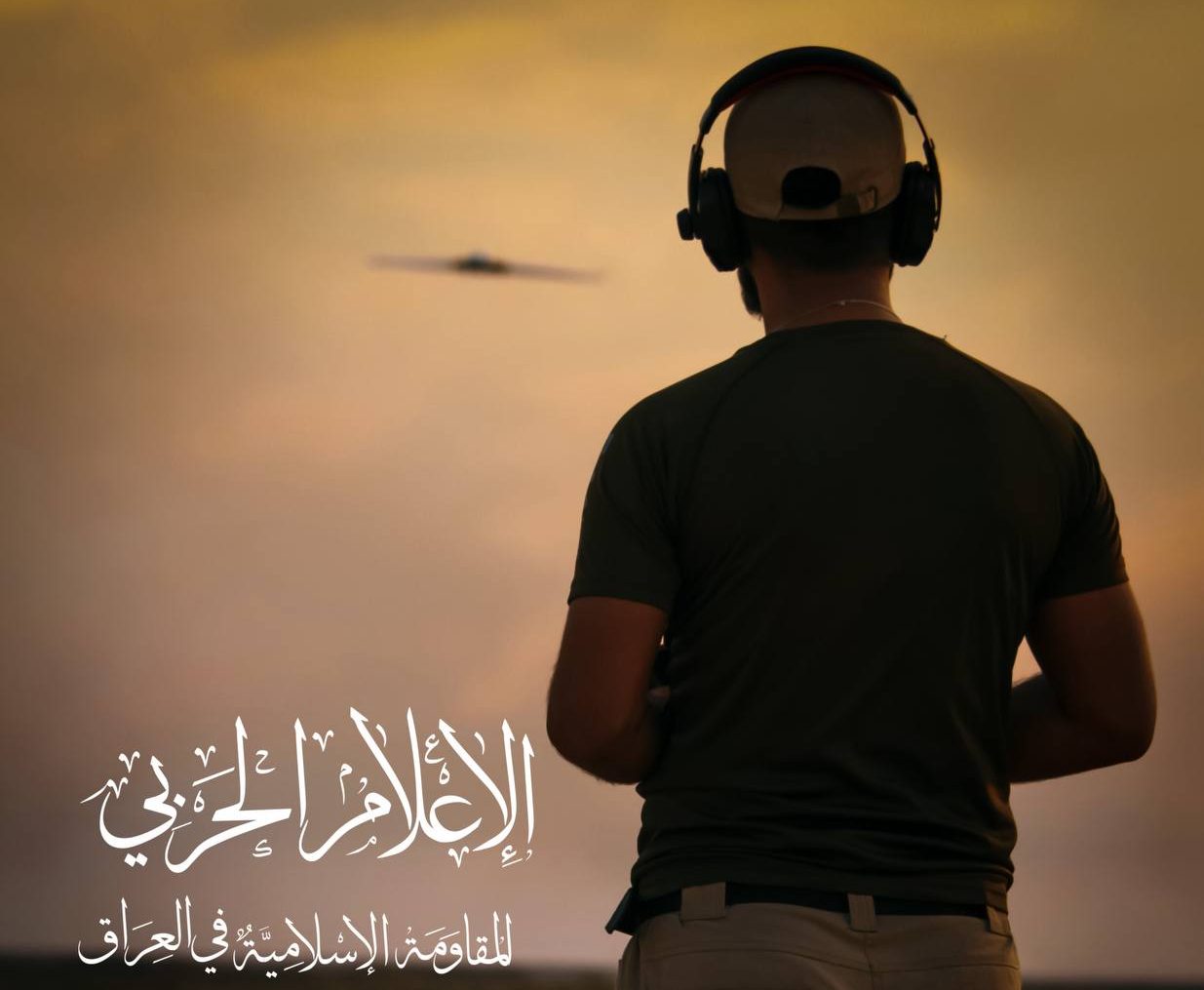
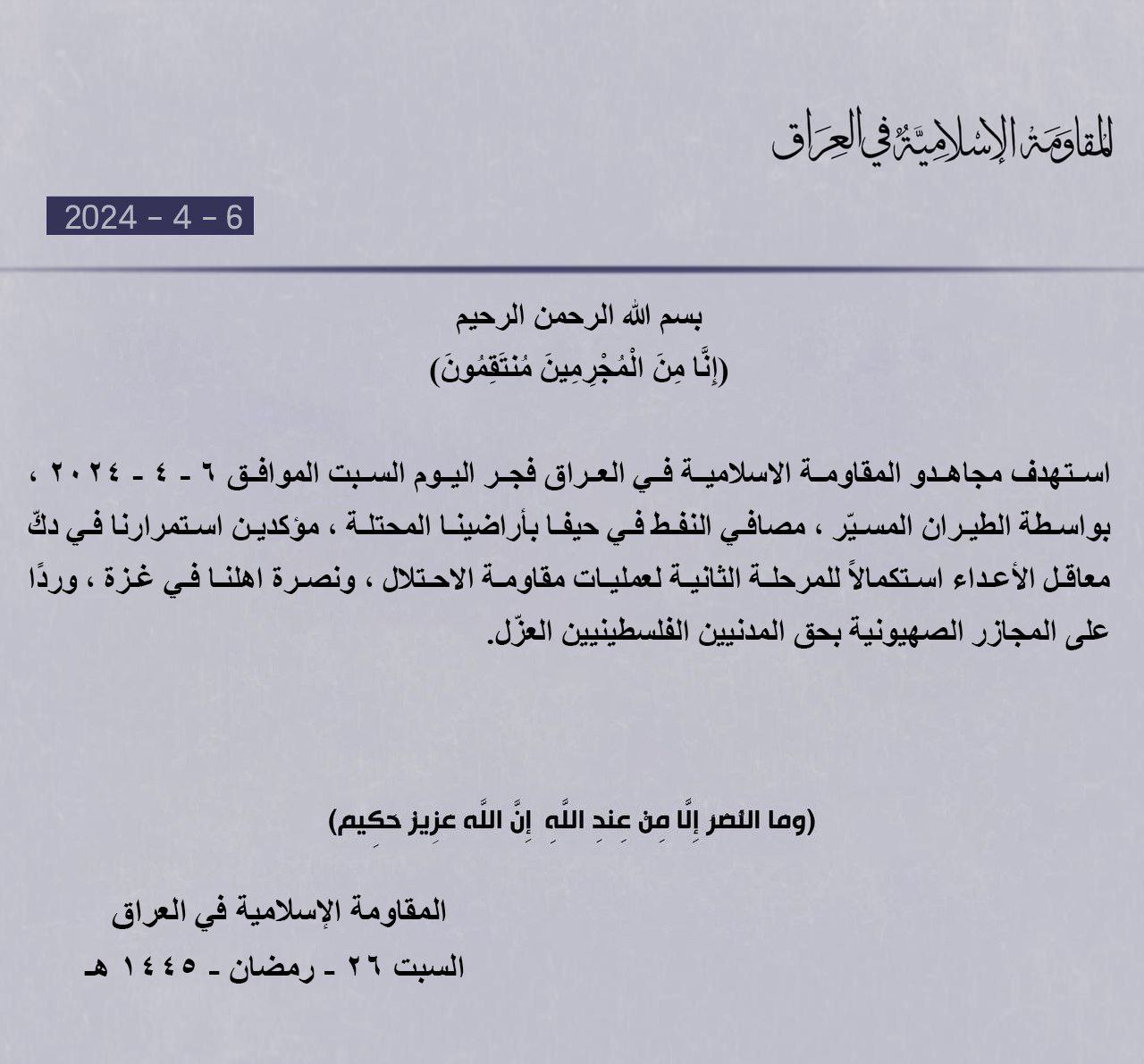
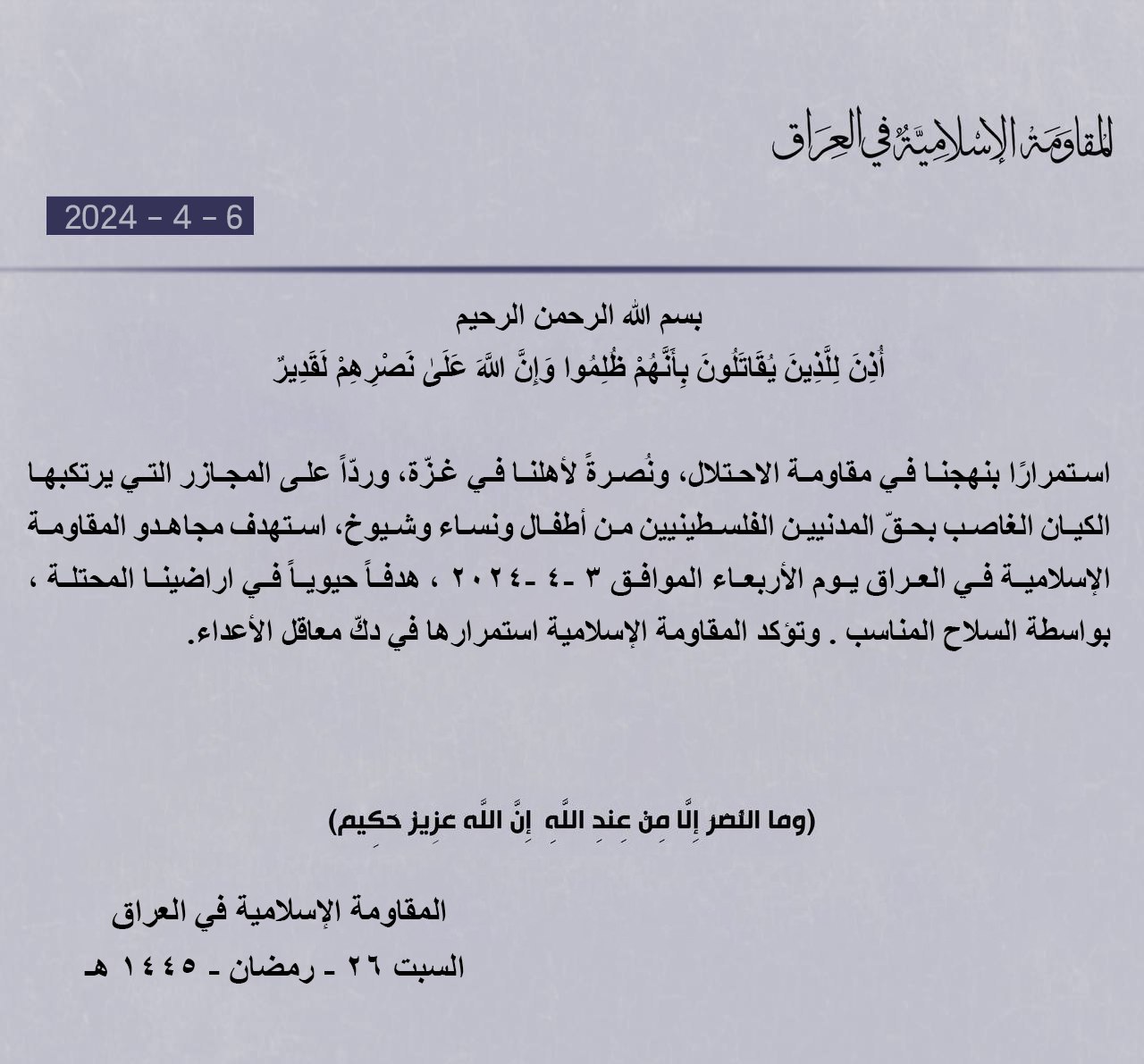
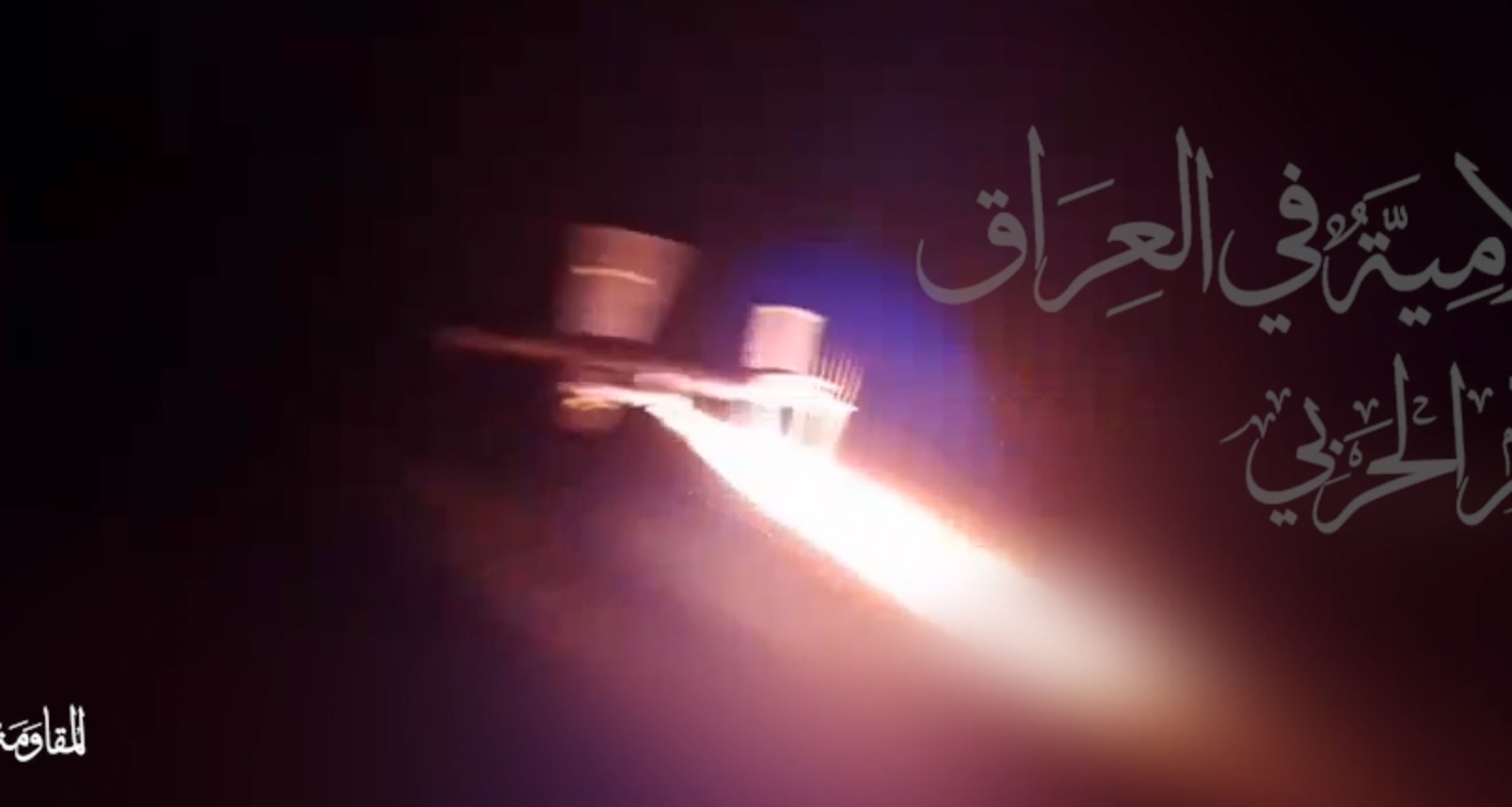
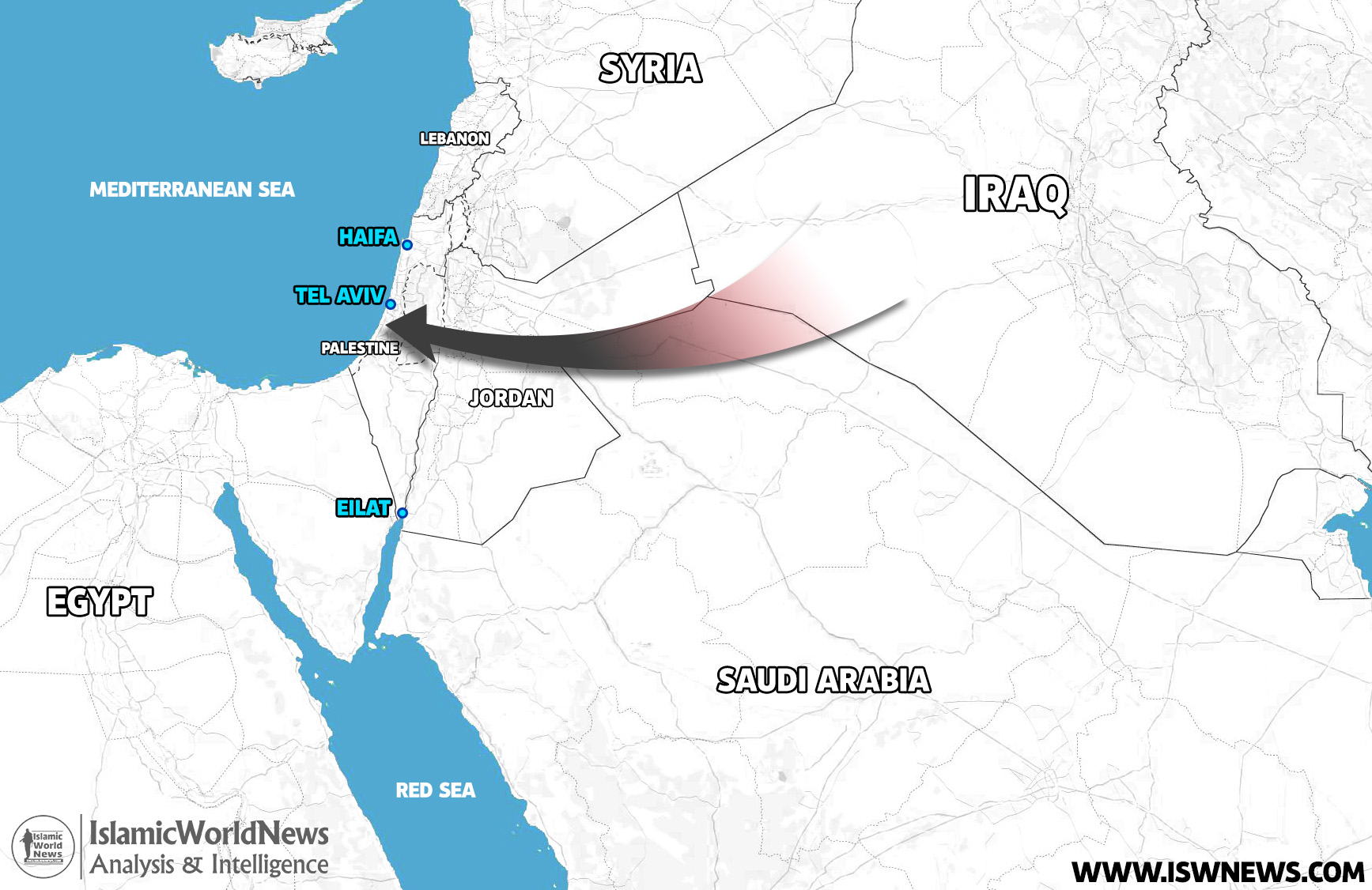
The Islamic Resistance in Iraq issued a statement, announcing an attack on Israeli regime positions in the occupied Golan Heights and occupied Palestine. According to the Iraqi Resistance’s declaration, two attacks were carried out on April 3 using drones. The third drone attack was carried out on an oil refinery in the occupied city of Haifa on April 6.
The group also stated that these actions were taken in response to the crimes committed by the Israeli regime against unarmed Palestinian civilians, including women and children, and will continue to carry out attacks on positions of the occupying regime.
According to assessments of the IWN, this is the 47th attack by the Islamic Resistance in Iraq against the positions of the Israeli regime after the onset of the genocidal war on Gaza.
ISIS terrorists have carried out 72 attacks against the Syrian Democratic Forces (SDF), 41 attacks against the Syrian army forces, 7 attacks against Iran-backed forces, and 9 attacks against Syrian civilians, most of which took place in the Deir ez-Zor Governorate and the desert of Homs Governorate.
In total, ISIS terrorists targeted 400 individuals, both military and civilian, in various operations. Among these individuals, 192, including 119 Syrian soldiers, 35 SDF forces, 11 Iran-backed forces, and 5 Syrian National Defense Forces members lost their lives. Additionally, 208 individuals, including 46 SDF forces, 146 Syrian soldiers, and 6 Iran-backed forces, were injured during these terrorist attacks.
It is vital to mention that since the beginning of the year 2024, the number of ISIS operations in Syria has increased compared to 2023. The ISIS group has conducted terrorist attacks against SDF forces, the Syrian army, and their allies to prove that it is an organized entity. Despite continuous operations and clearing of various areas in Syria, ISIS has maintained its operational capabilities.
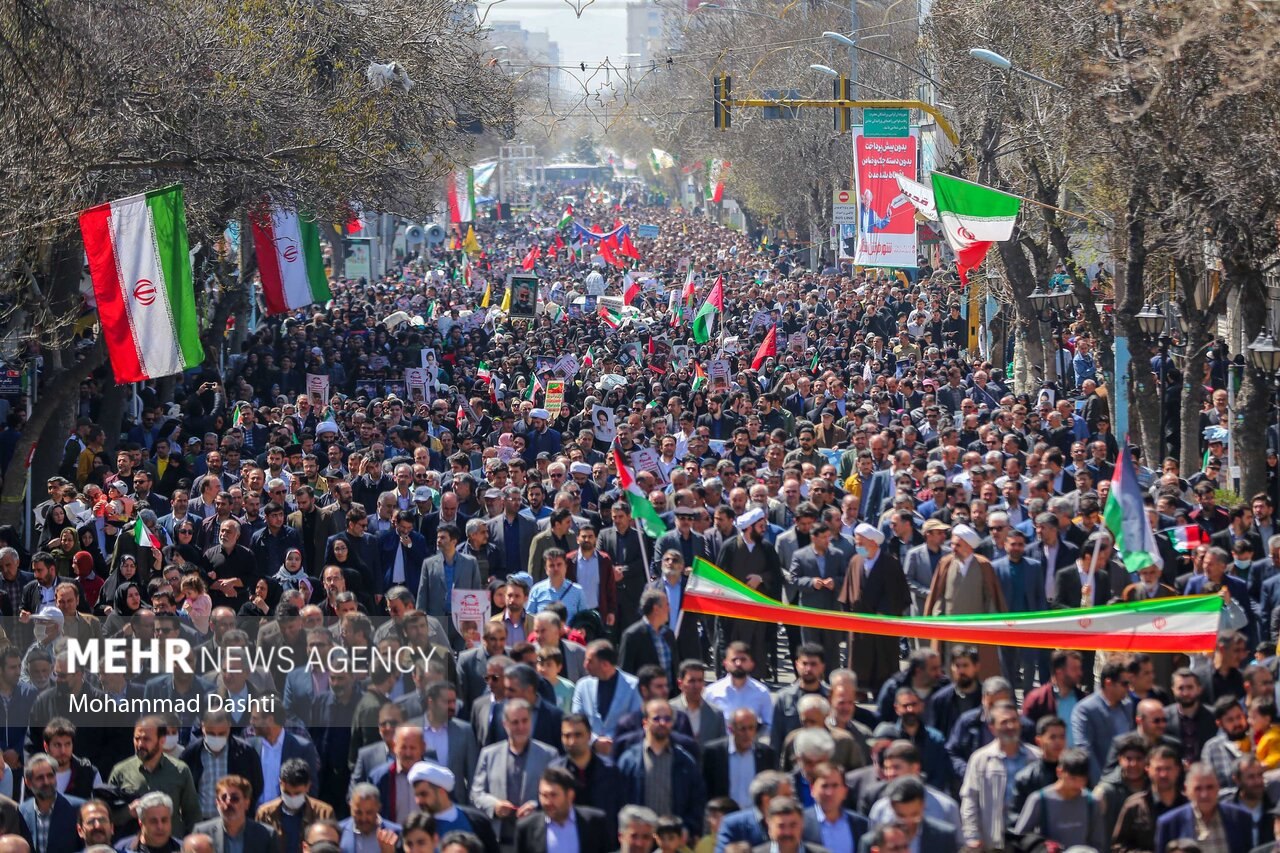
According to statistics and field information, this year’s Quds Day march was held with more enthusiasm than previous years, and more people came to the streets to declare their support for the Palestinian people.
The annual celebration of International Quds Day on the last Friday of Ramadan by millions of Muslims around the world is an important and influential platform to express solidarity with the Palestinian cause. Especially this year, amidst the ongoing conflict in Palestine and due to the terrifying crimes committed by the Zionist regime in the Gaza Strip and the occupied territories, the increase in international participation is many times higher than in previous years, as the brutal realities of the Israeli regime’s actions have galvanized international attention.
This year’s Quds Day march was held while the faithful and fasting Iranian people are full of anger and sorrow from the brutal crimes of the last few months by the notorious Israeli regime against the Gaza Strip, and are saddened by the terrorist attack by the Israeli regime on the Iranian consulate in Damascus, And they want revenge for the blood of these martyrs and all the martyrs of the Quds path and the oppressed Palestinian people.
One of the main reasons for the lack of success of the US-British coalition’s joint operation against Yemeni army attacks was that the coalition’s military fleet had no equipped land bases for support and relief operations in the vicinity of the Red Sea and the Gulf of Aden region.
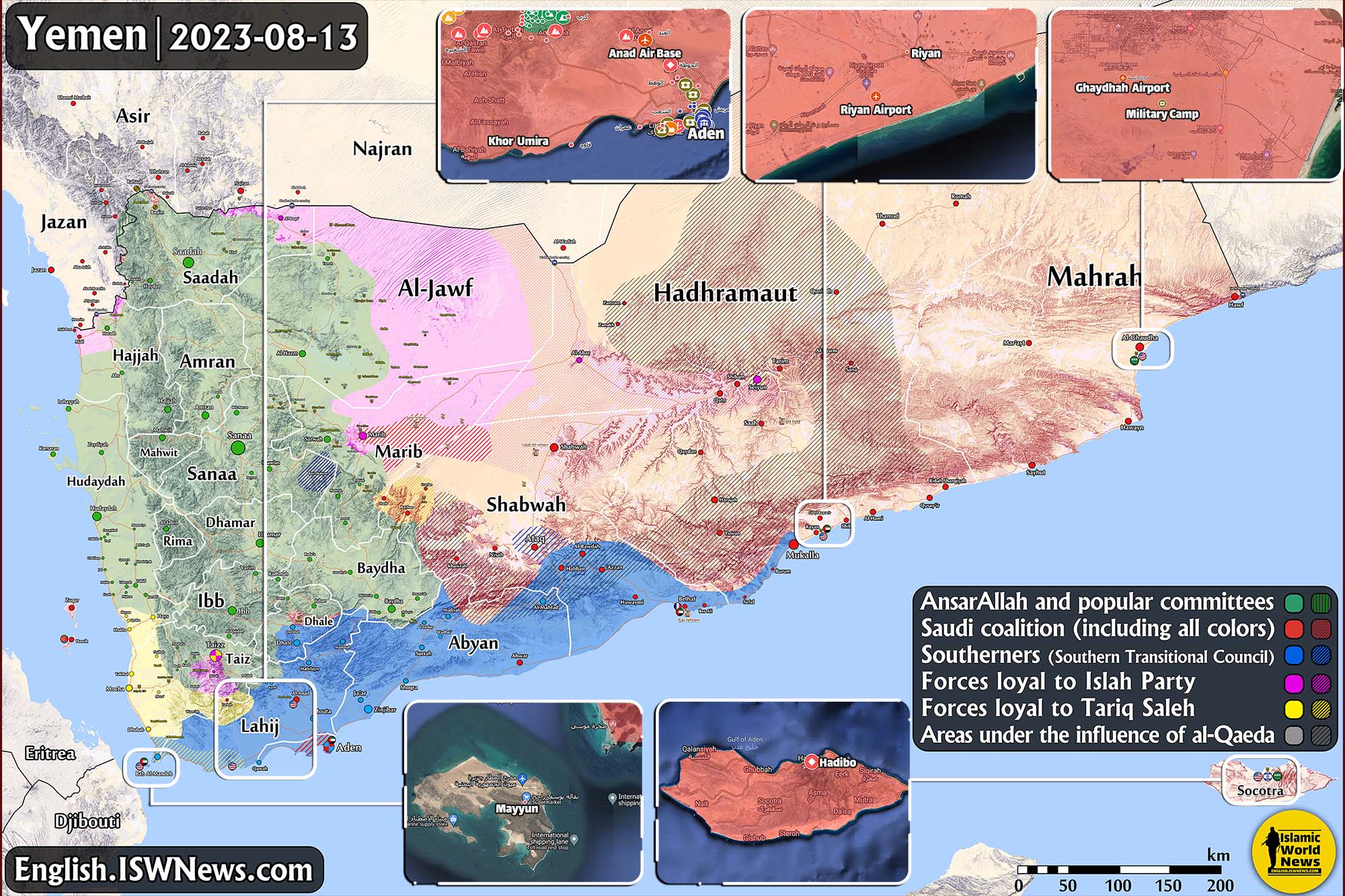
Recently, news stories have emerged about the establishment or entry of American and Israeli forces into the islands of Mayun, Socotra, and Abd al-Kuri. Although there has been no visual evidence to prove this issue, the widespread publication of these news and the negative reaction of the residents of these islands indicate that the plan by the US and the Israeli regime to dominate these islands and establish a military presence and defense network is a serious and real scheme.
The Socotra archipelago at the entrance of the Gulf of Aden, located in the southeast of Yemen
The United Arab Emirates (UAE) also has a special participation in implementing this plan and has swiftly taken a series of actions with the help of the US and the Israeli regime. The UAE’s measures in line with this plan include:
1- The UAE Red Crescent embarked on distributing money among 156 families on Mayun Island. This organization has also offered Mayun residents the opportunity to visit the UAE by obtaining a visa. Furthermore, in past years, some residents of Mayun have vacated their homes in exchange for receiving a piece of land in the Yakhtul village (in the coast of the Taiz Governorate of southwestern Yemen) plus one million Saudi riyals in exchange of handing over their homes to the UAE.
2- The UAE initiated proposing to the resigned Yemeni government that Mayun Island be separated from the Taiz Governorate and annexed to the Aden Governorate.
3- The UAE started training hundreds of native young forces under the guise of security companies in Socotra Island.
4- The UAE began granting citizenship to Socotra residents and providing financial aids for travel, residency, education, healthcare, etc., in the UAE.
5- The UAE kicked off strengthening the influence of individuals affiliated with the Southern Transitional Council (STC).
6- The UAE started purchasing important lands in Socotra under the guise of investment.
7- The UAE also began influencing media outlets and influential individuals to justify the UAE’s suspicious activities in the Yemeni islands.
Alongside these activities by the UAE, the United States has also expanded some plans to deploy some forces on the Yemeni islands. Through the United States Agency for International Development (USAID) and under the guise of providing humanitarian aid, they recently sent a ship carrying food aid to Socotra! Additionally, reports have been published about the deployment of American and Israeli military personnel to Socotra Island, which has been met with serious reactions from the island’s residents.
Simultaneously with this colonial plan, prominent political and social figures of Socotra Island have condemned the presence of American soldiers and the establishment of Israeli air defense systems in the archipelago by issuing a statement, demanding the immediate withdrawal of foreign military personnel from the Yemeni archipelago.
In total, the opinion of the residents of the southern Yemeni islands does not have much impact on the implementation of the US and Israeli plan to control these areas, as everything on these islands is under the control of the UAE and Saudi Arabia as well as their figureheads in the resigned Yemeni government.
Undoubtedly, the United States aims to prevent the spread of the Ansar Allah movement’s operations in the Indian Ocean as well as the success of these attacks in the Gulf of Aden and the Red Sea by using the southern Yemeni islands and establishing defense systems and military ships in these areas. However, this move could lead to failure with the acceleration of Yemeni army attacks and the support of Iranian armed forces present in the Indian Ocean and the Gulf of Aden.
Locations of US forces deployment in Yemen – click to view in full size
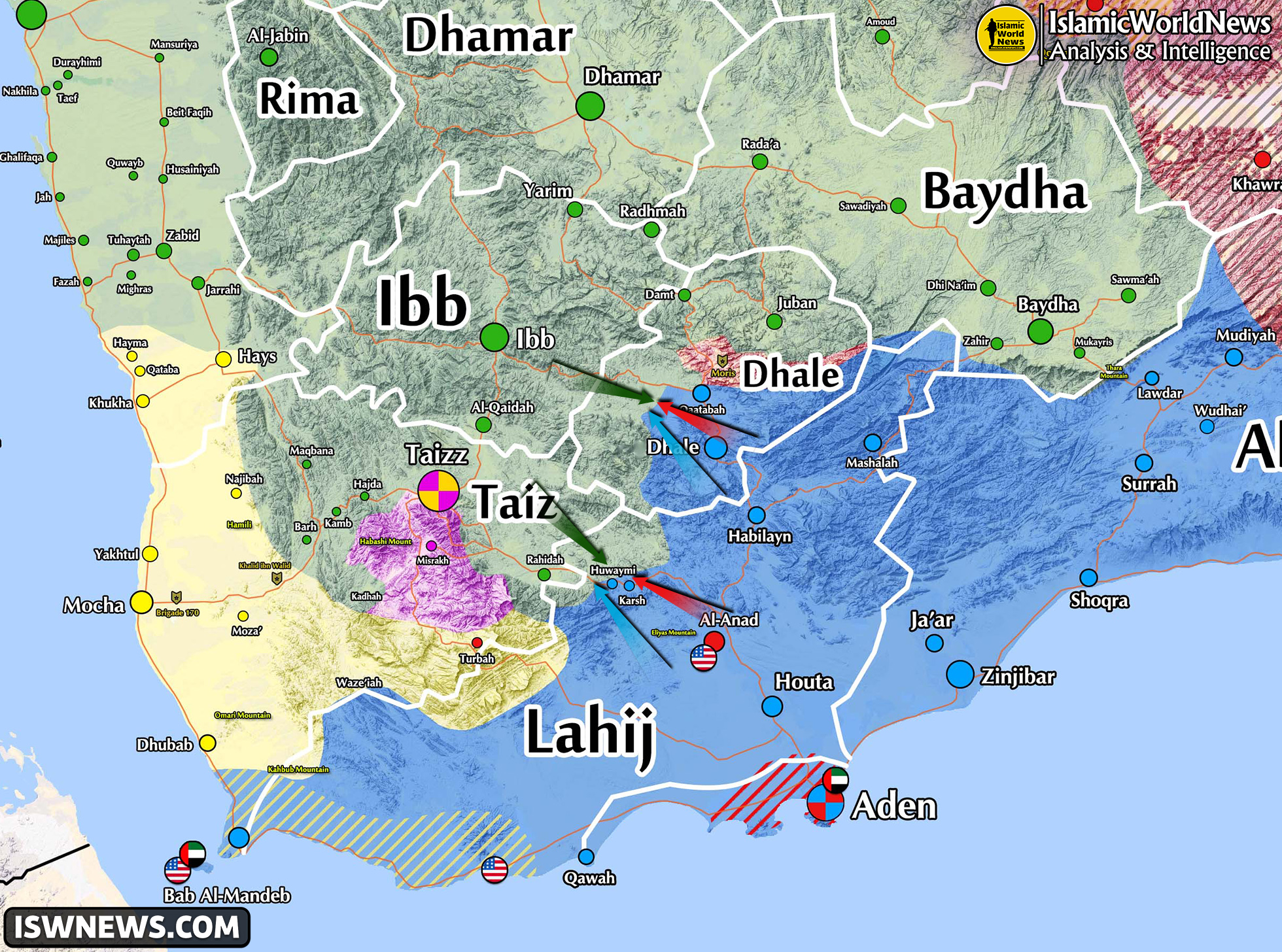
Mohammed Al-Bukhaiti, a member of the Ansar Allah movement’s Political Bureau, emphasized that the Ansar Allah movement is not currently seeking to escalate tensions with Saudi Arabia, the United Arab Emirates (UAE), or their mercenaries. He referred to the recent clashes in the southern fronts and stated that the escalation of tensions in Al-Dhale Governorate as well as the Al-Krash region in Lahij Governorate is due to the pressures from the United States (on forces of the resigned Yemeni government).
In recent days, the resigned Yemeni government forces, especially the Southern Transitional Council (STC) militants, have created tensions in the Al-Fakher front in Al-Dhale Governorate as well as the Al-Krash axis in the northern part of Lahij Governorate in southern Yemen, resulting in casualties on both sides. The attacks by the STC militants provoked the Ansar Allah movement to the extent that Yemeni army drone units entered the conflict zone, and in an attack with a drone or helicopter, they targeted a gathering of STC forces in the Al-Fakhir front, leading to the killing of three militants of the Southern Transitional Council.
The Ansar Allah movement had previously shown in words and actions that due to military operations in support of Palestine against the Israeli regime, the movement had exercised restraint in major tensions and ceasefire violations by Saudi-led coalition forces and had avoided retaliating against most of their attacks. However, the recent attacks by the STC militants on the Al-Fakher and Al-Krash fronts were considered a flagrant violation of the ceasefire with the Saudi-led coalition, requiring proportional responses by the Ansar Allah fighters.
The volume of casualties among STC militants in these clashes has led to criticism by leaders of the Southern Transitional Council and increased threats from the resigned government leaders against the Ansar Allah movement. Undoubtedly, these pressures are being carried out under the command of the US and the UK, and in the coming days, the likelihood of further ground conflicts in Yemen will increase. In recent weeks, the possibility of expanding ground clashes and attacking the western coast of Yemen with the support of the Western powers had been raised; however, the British army announced that they would not participate in ground operations in Yemen.
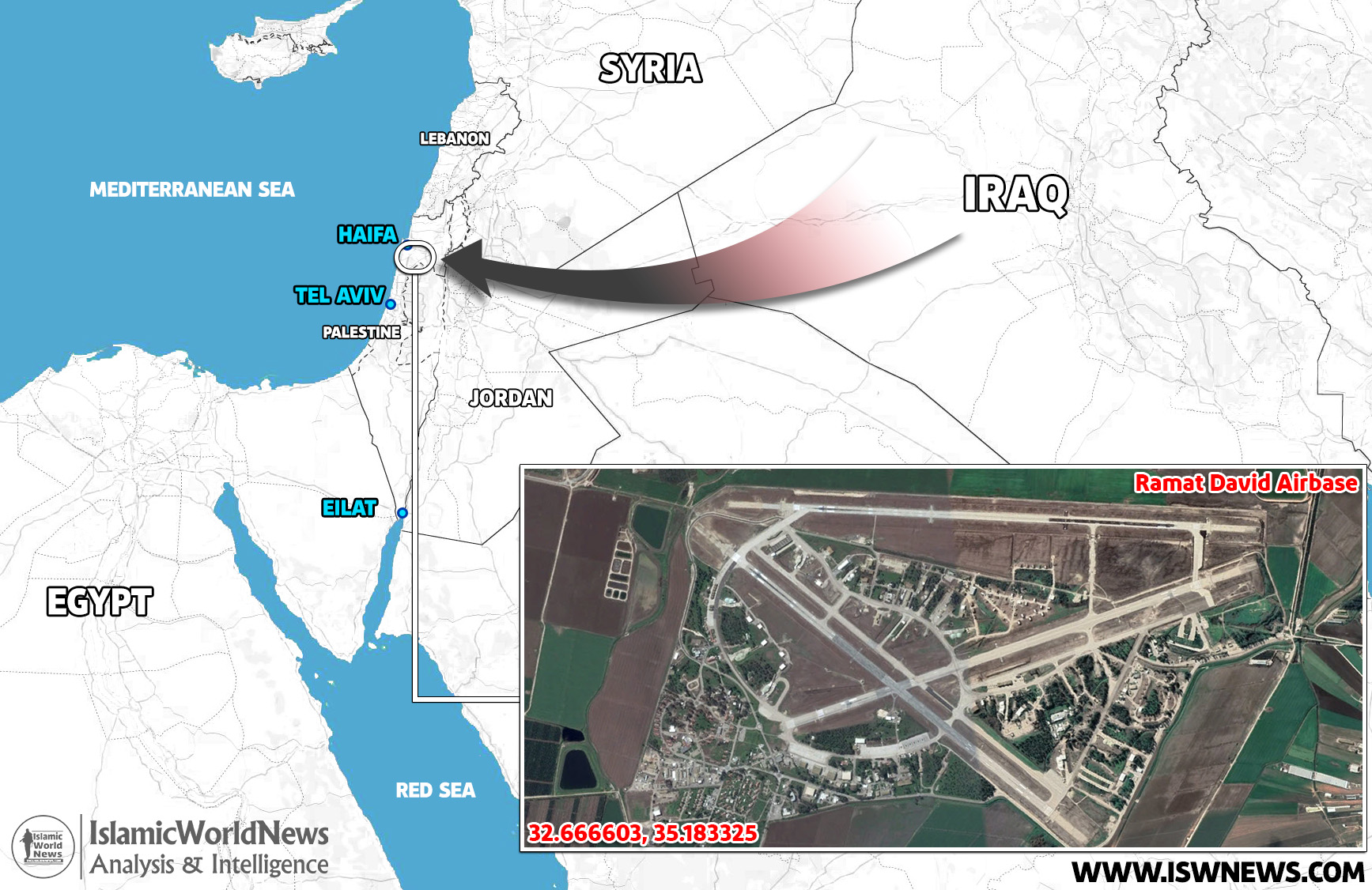
The Iraqi resistance in two separate statements took responsibility for these attacks, announcing that it carried out these operations in response to the crimes of the Israeli against Palestinian civilians, including women and children, and will continue its attacks on the positions of the occupying regime.
It is worth mentioning that the Islamic resistance in Iraq has targeted the airports of Haifa, Kiryat Shmona, Rosh Pinna, and several air bases of the Israeli regime with drone attacks in recent weeks.
According to IWN assessments, this is the 43rd and 44th attacks by the Islamic resistance in Iraq against the positions of the Israeli regime after the onset of the genocidal war on Gaza.
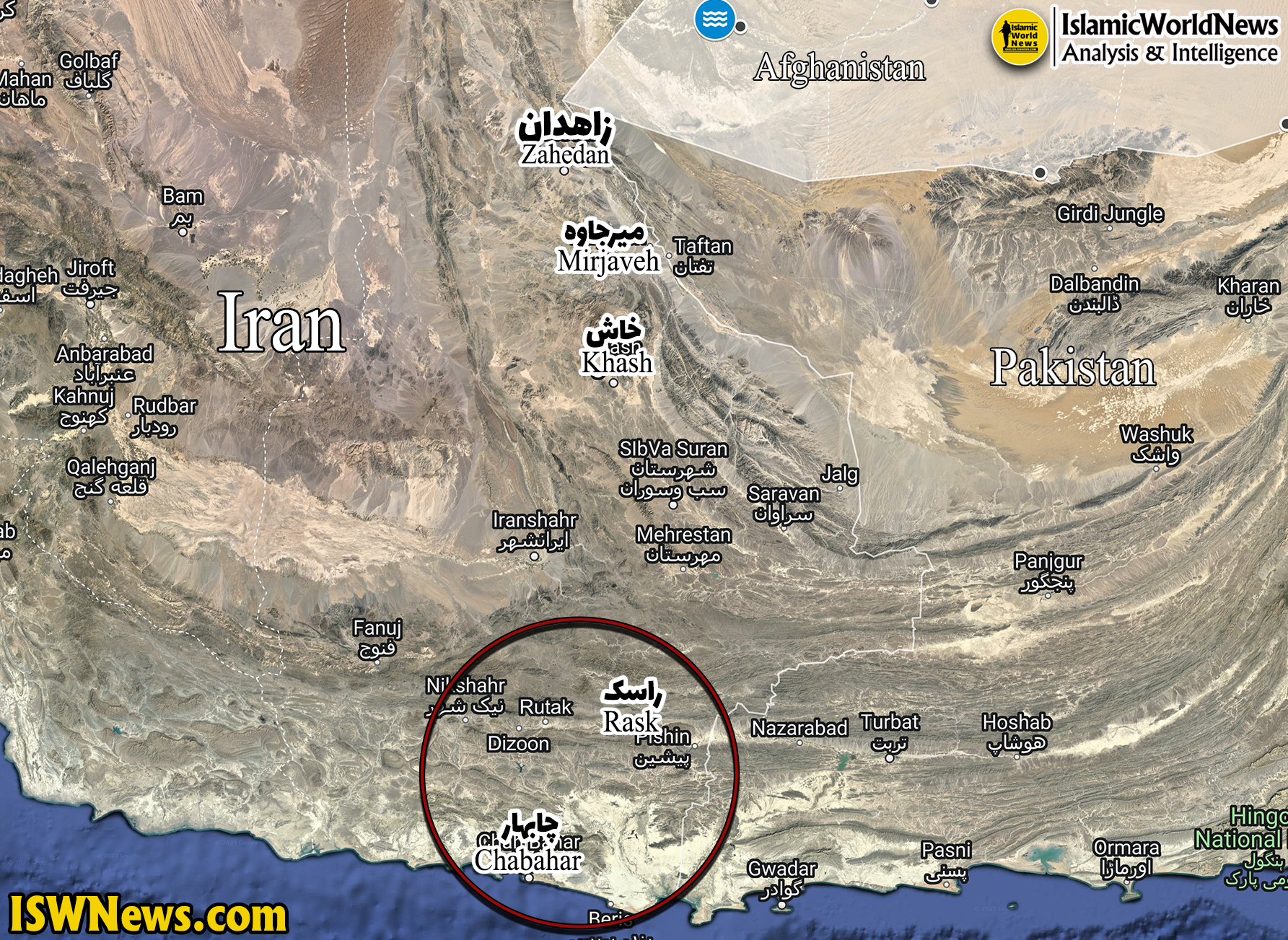
According to media reports close to the terrorists, Jaish ul-Adl terrorists attacked IRGC bases in Rask city, Parod intersection, as well as Chabahar police force headquarters, Chabahar IRGC headquarters, Daryabani (coastal police) base, police station 11 and Chabahar city police criminal investigation department.
In the early hours of the attack, Jaish al-Adl claimed that it had captured several outposts and military headquarters in the cities of Chabahar and Rask and had killed dozens of Iranian forces. But a little later it became clear that these claims are not true and all the attacks were repelled by the Iranian security and military forces and the terrorists fled to the nearby buildings.
A video of the sound of armed conflict being heard in the initial moments of clashes
According to field information, the terrorists had carried out this operation in small groups of several people and were equipped with explosive belts. In the term of terrorists, these types of forces that are sent to operations with explosive belts are called Inghimasi forces, and their goal is to cause the most casualties to the opposing forces.
The operation to clear terrorists from different areas of Chabahar and Rask continued until noon today.
In Chabahar, a three-person team of terrorists tried to enter the coastal police base, and all three of them were killed, and the operation in this area ended this morning. The terrorists also failed to penetrate the IRGC headquarters and some terrorists fled to nearby houses and took some civilians hostage. This made the cleaning operation difficult and the cleaning operation lasted for hours. The operation to save the lives of these hostages continued with full caution until noon today and finally ended with the killing of all the terrorists.
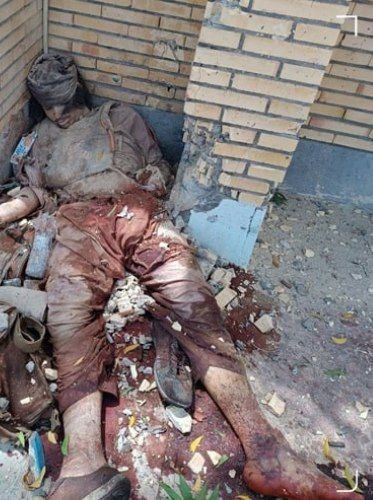
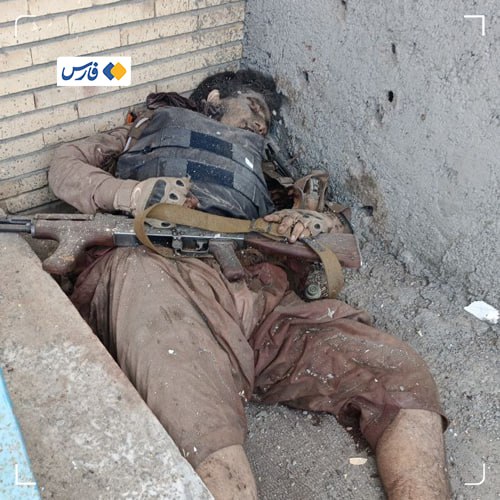
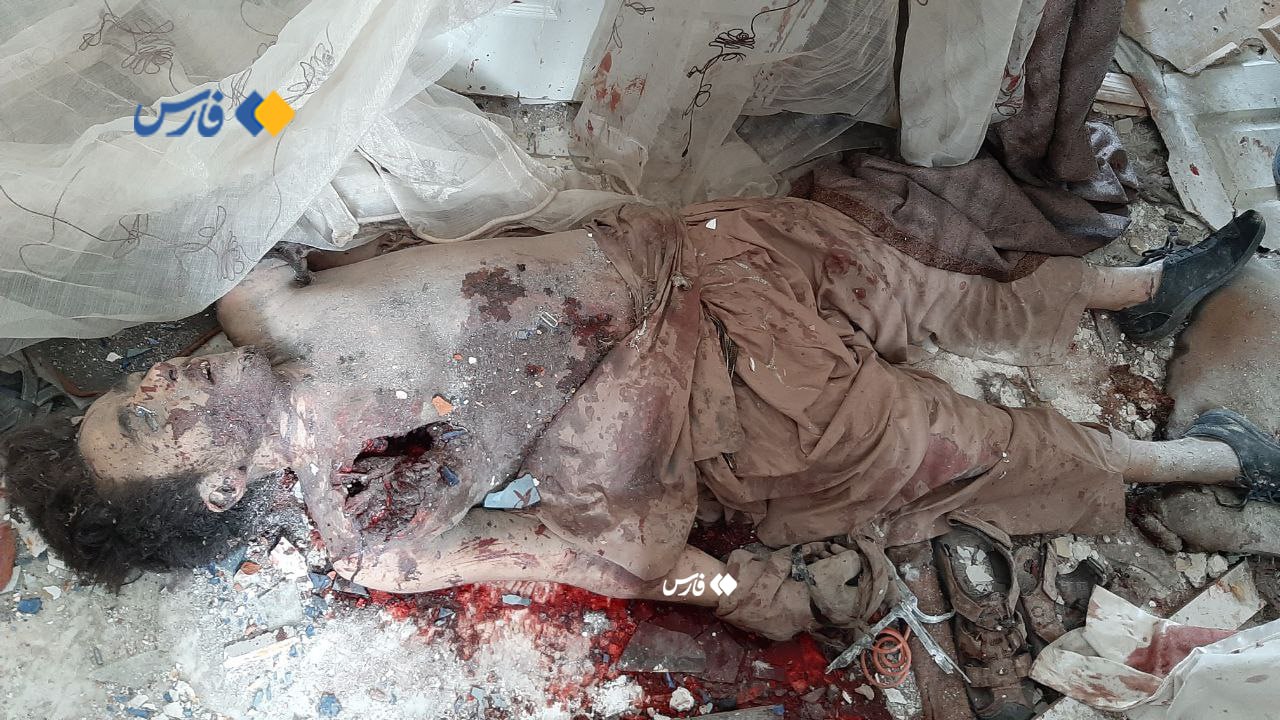
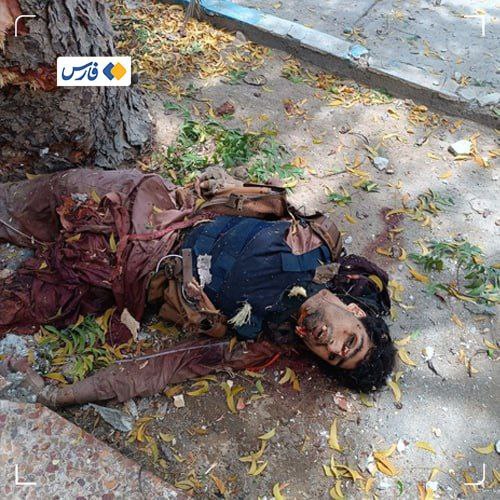
Images of a number of Jaish al-Adl terrorists who were killed by the military and security forces
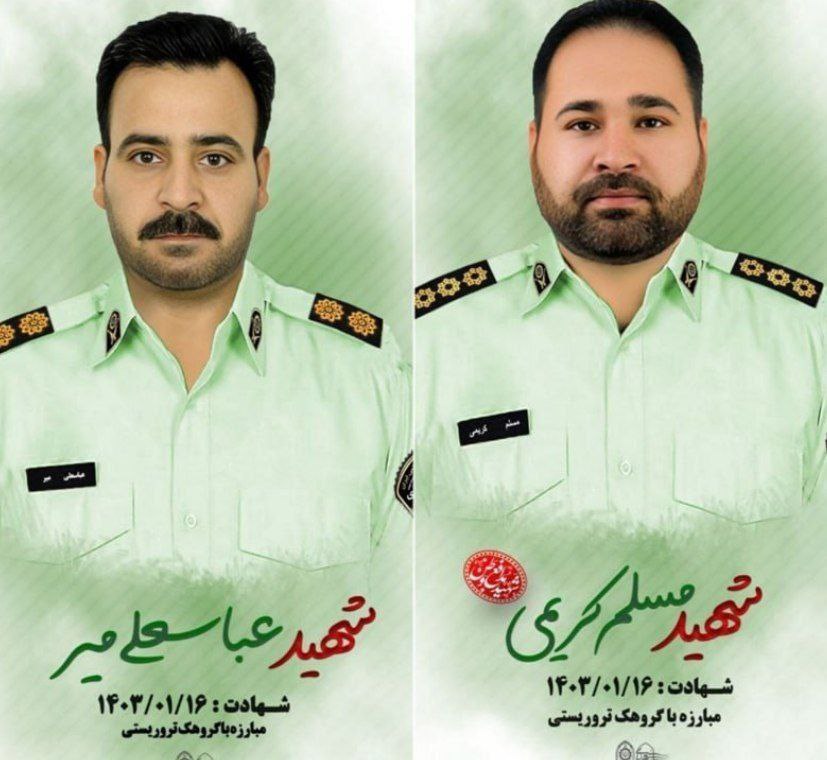
It should be noted that 18 terrorists were killed. Also, 11 military forces, including two police officers, including the deputy chief of the Chabahar police station 11, two border guards, seven IRGC and Basij forces were martyred.
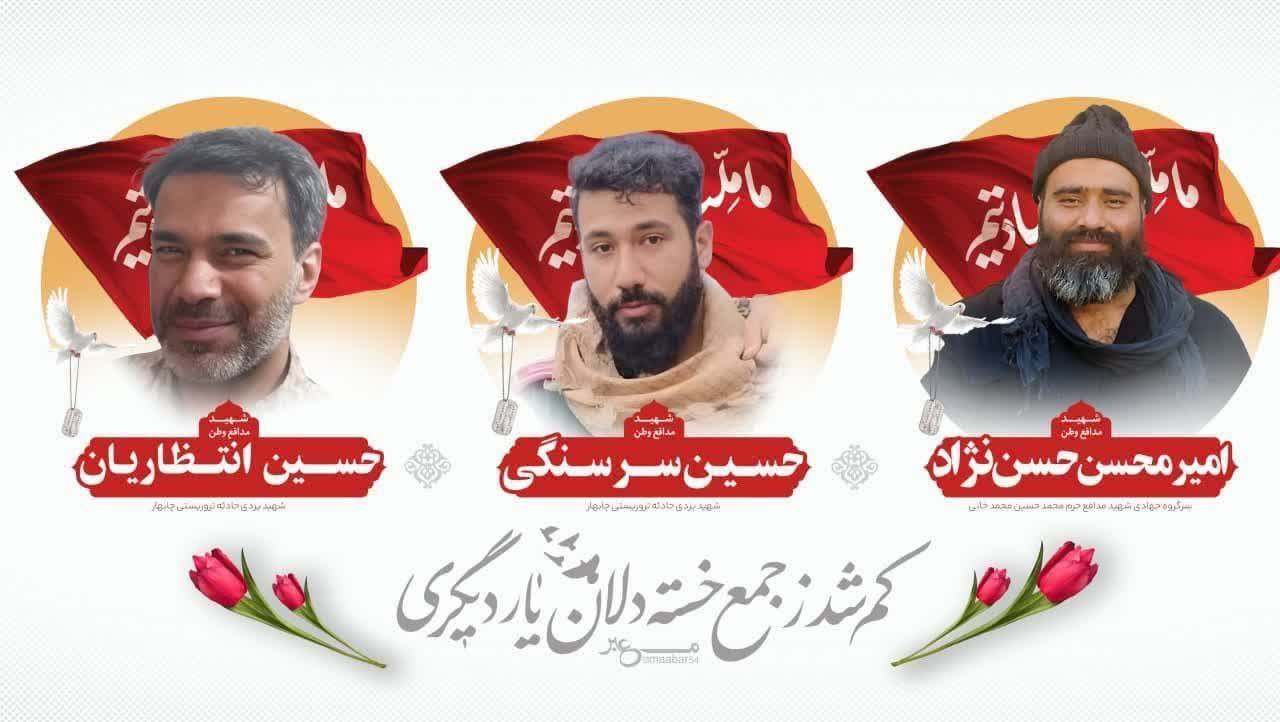
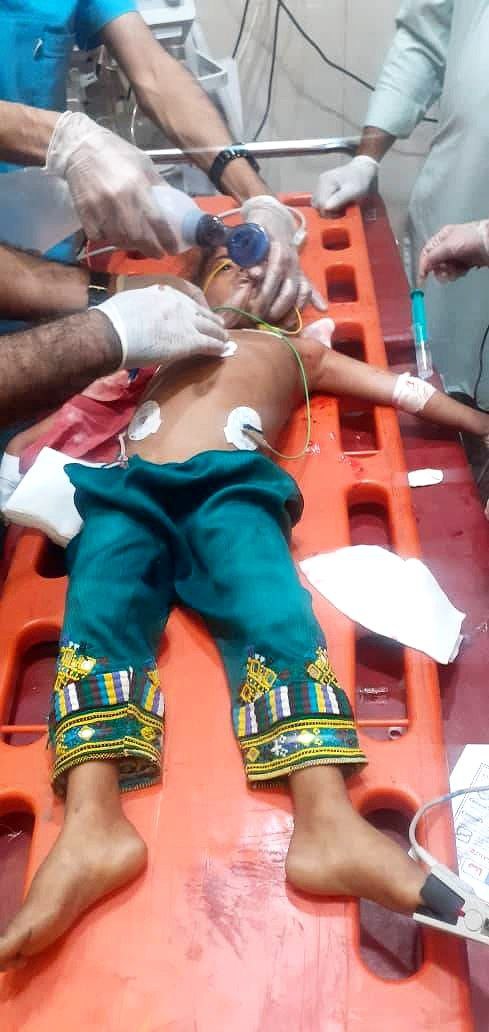
Pictures of some of the Iranian security and police forces killed by Jaish al-Adl terrorist groupA Turkmen child who traveled to Chabahar with his family for Nowruz and was seriously injured during the hostage taking by the terrorist group Jaish al-Adl.
The method of this terrorist operation and its media magnification is similar to the actions of ISIS in the early years of the Syrian war and the attack on Mosul, although in a smaller and weaker example. The increase of Takfiri and separatist groups activities, including ISIS and Jaish al-Adl terrorists, together with the threats of Zionist security agents and media against Iran, shows that such measures are designed from the same source and managed by Zionist and American security agencies.
Unsuccessful terrorist attacks on IRGC and police bases in Sistan and Baluchistan took place in the midst of the escalation of tensions in West Asia and after Iran promised to take revenge on the Israeli regime. After the Israeli regime’s terrorist attack on the Iranian consulate in Damascus on April 1, which led to the martyrdom of seven Iranian military advisors, including one of the senior commanders of the IRGC Quds Force; the leader of the Islamic Revolution of Iran promised that the Israeli regime will be punished for its crimes.
The possible operation of the Iranian military against Israel has put a lot of psychological pressure on the Zionists, and the Zionist regime is in a state of emergency and fear. Therefore, the Israeli regime has made every effort to disrupt the concentration of Iranian forces by planning terrorist attacks such as the attack on Chabahar and Rask and to overshadow Iran’s retaliatory operations against Israel in every possible way.
Colonel Alireza Daliri, deputy police officer of Sistan and Baluchistan, announced the end of the operation in Chabahar with the release of all the hostages and the killing of the terrorists.