1- What have been the results of the military operations of the Yemeni armed forces?
The armed forces in Yemen began their actions in support of Palestine and against the Israeli regime on October 19. These actions are pursued in three categories, which include:
– Missile and drone operations against Israeli positions in occupied Palestine, with 16 operations officially announced so far.
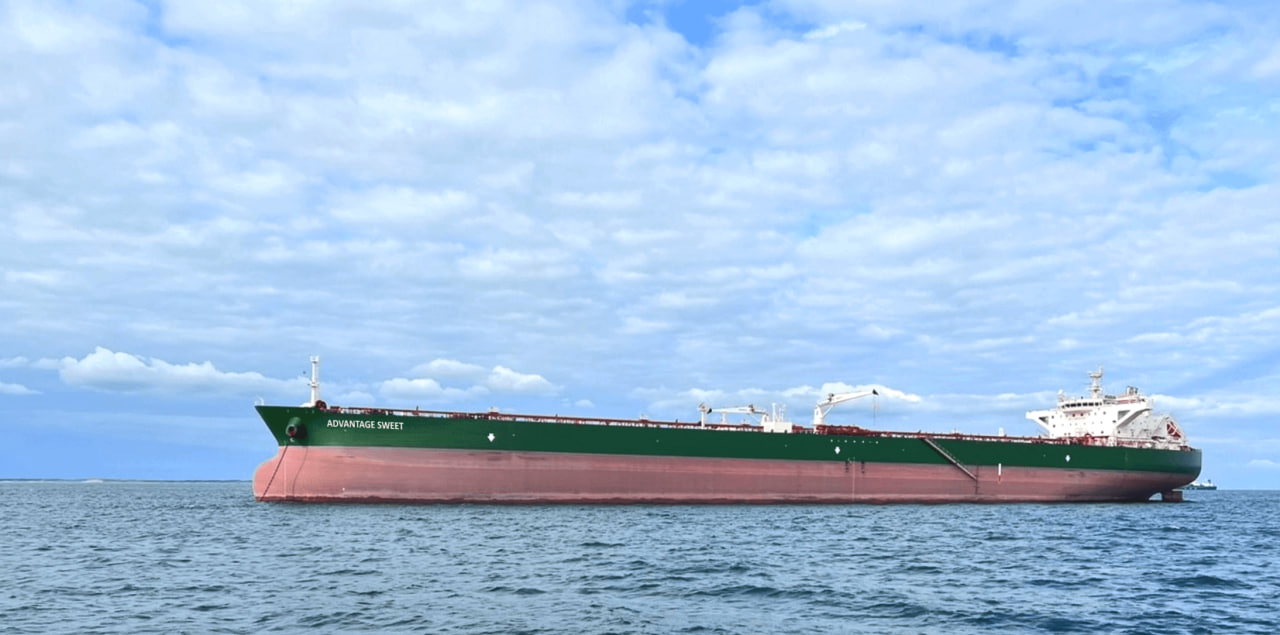
– Maritime operations, including the seizure as well as missile and drone attacks against ships belonging to Israel, the US, the UK, and their affiliated vessels. This part of Ansar Allah’s actions, following the seizure of the Israeli ship Galaxy Leader on November 19, entered a phase of extensive maritime operations in the Arabian Sea and the Red Sea, with the number reaching 44 operations against commercial and military ships belonging to the US, the UK, the Israeli regime, and their affiliates.
– Countering the airstrikes of the US-UK coalition is another action of the Yemeni armed forces, the detailed specifics of which are not available, but in general, the Yemeni army’s air defense has successfully destroyed two MQ-9 drones of the US army in the western skies of Yemen.
These operations have had various results, as the cessation of shipping towards Israeli-occupied territories and economic damages to the Israeli regime have been the most significant outcomes. Additionally, the hegemony of the US and the power of their military fleet, which has always been accompanied by other allied countries, have been seriously challenged.
Western media and analysts have considered this tension as the most different and new type of naval warfare due to Ansar Allah movement’s innovations inspired by Iranian military tactics. In this war, ballistic missiles have been used for the first time to target moving targets like unlawful ships. Suicide drones, unmanned underwater vehicles (UUV), remotely operated underwater vehicle (ROVs), and other submersibles have been used in the battlefield, conducting complex and coordinated attacks against the US-UK coalition fleet, posing new and different challenges for the US military authorities.
2- What are the reasons and results of the US-UK coalition’s invasion of Yemen?
As repeatedly stated in the statements and remarks of American and British authorities, the main reason for their attacks on Yemen has been cited as securing the seas and protecting international shipping. However, it is clear that support for the Israeli economy and countering Ansar Allah movement’s presence in the Red Sea and the Arabian Sea are the general and main reasons for the aerial invasion of Yemen by the Western powers. These attacks have not significantly impacted the quantity and quality of missile and drone strikes by the Yemeni armed forces. Unlike the media hype that the United States usually creates after its attacks, Yemenis did not become intimidated by the US in the media arena.
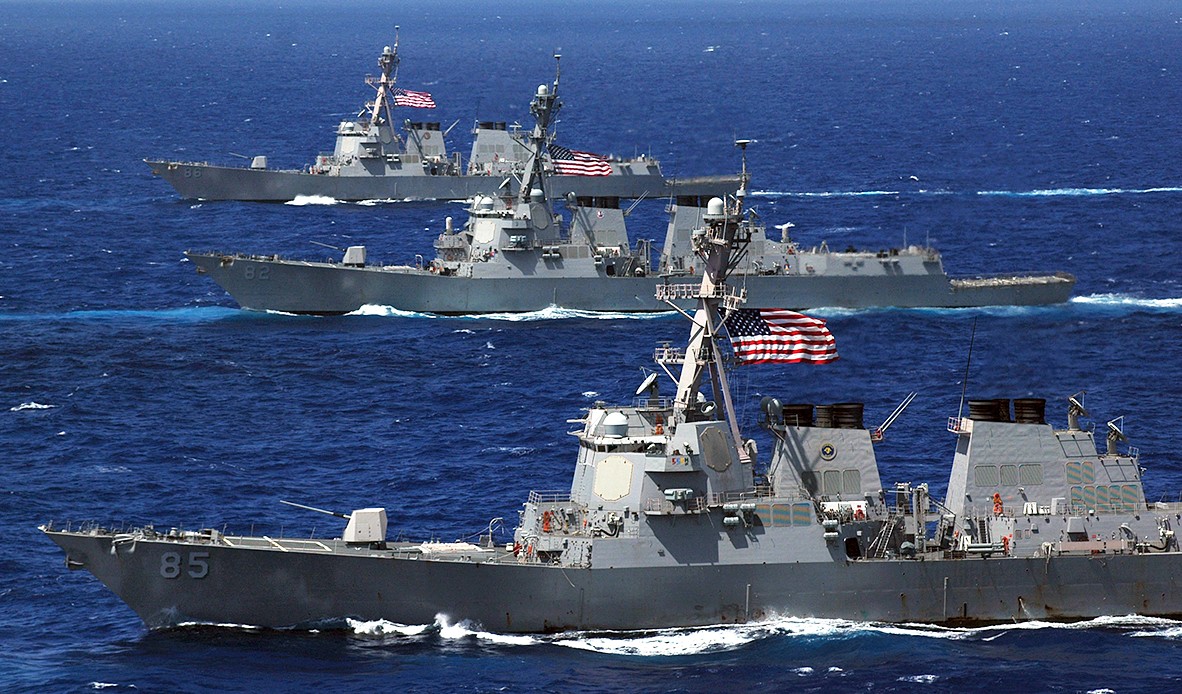
The US and the UK have no solution other than clearing the Red Sea route for Israeli ships to meet the Israeli regime’s economic needs. However, the conditions and military tactics of the Ansar Allah movement in this region show their superiority in the face of the US-UK coalition’s circumstances. The Ansar Allah movement has control over the most important territories in Yemen and can deploy its diverse arsenal, from ballistic and cruise missiles to suicide drones and UAVs, for its desired attacks from these areas. In contrast, the US has stationed its military fleets in the Red Sea and the Gulf of Aden and is constantly moving on water to achieve its goals. They are limited to launching airstrikes against Yemen from bases in Saudi Arabia and the United Arab Emirates (UAE) and have stationed the aircraft carrier USS Eisenhower in the region for this purpose. Furthermore, the execution of these operations requires constant monitoring and identification of points, which bring about heavy costs for the US.
Overall, these attacks may have impacted the quantity of the Ansar Allah movement’s strikes and led to the destruction of military positions and other infrastructure in Yemen, but they have not yielded significant results and have failed to achieve the United States’ objectives.
3- How will the future of the Yemeni armed forces and the US-UK coalition be?
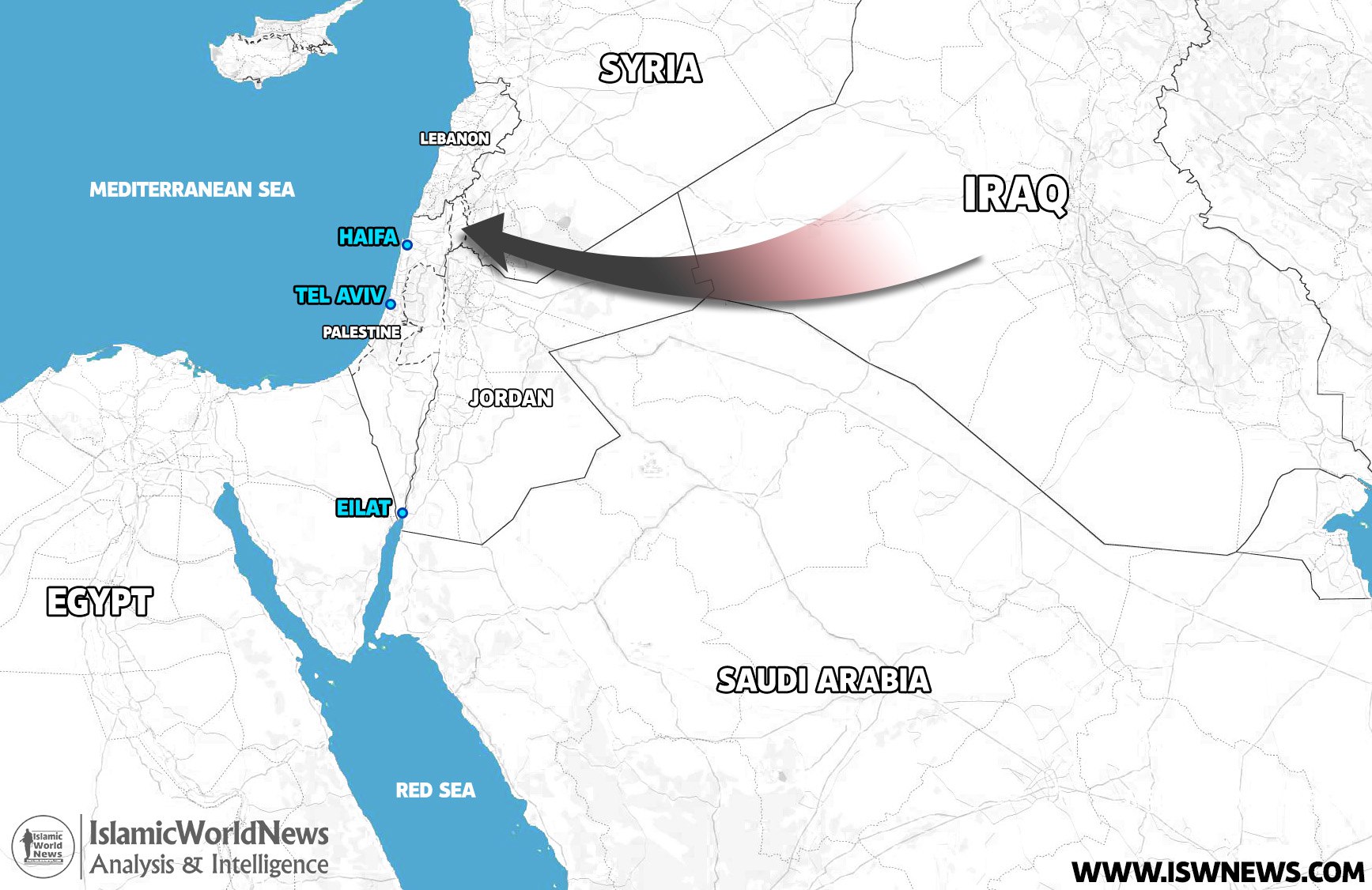
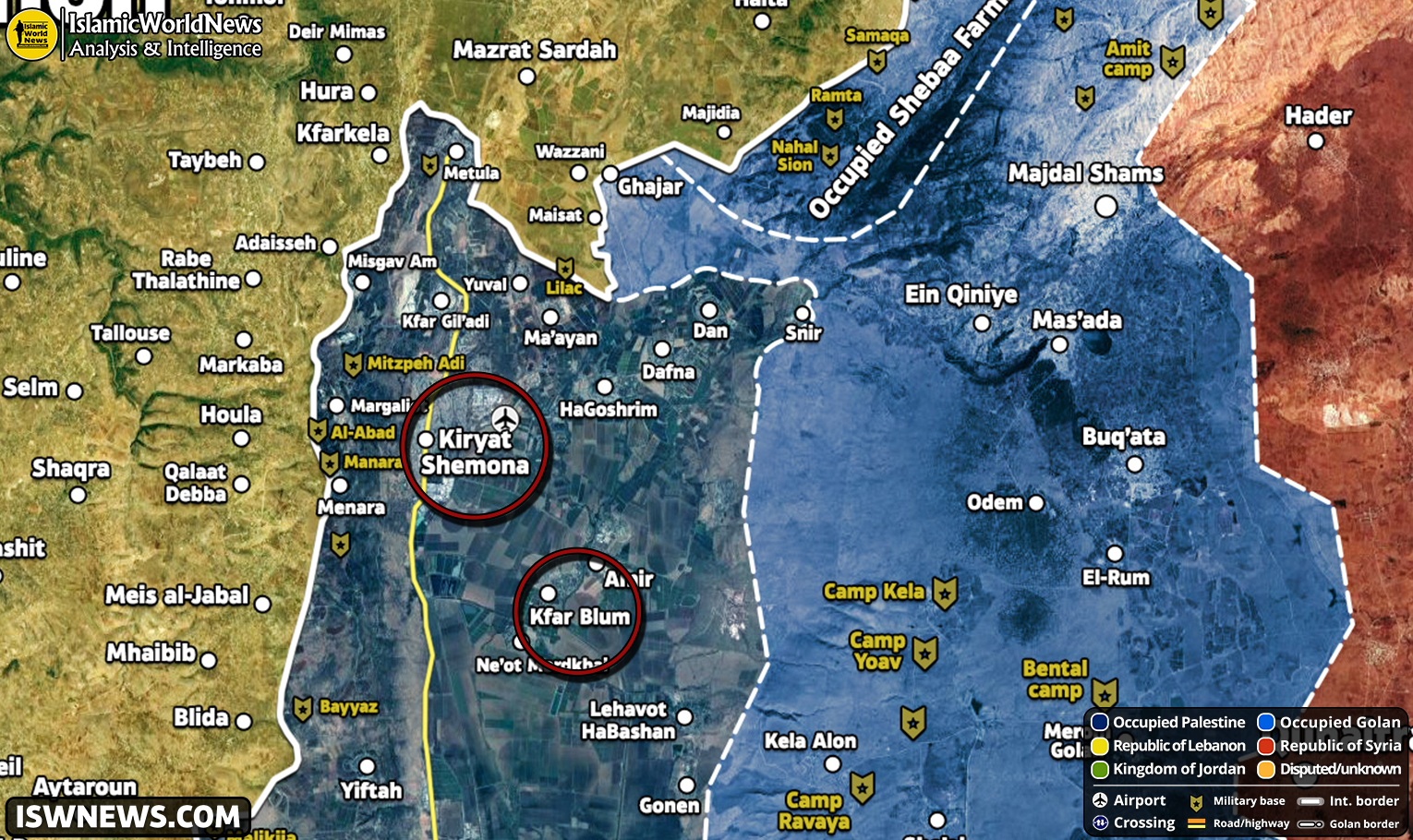
The latest situation in the region is such that the war in the Gaza Strip and the Lebanese front still continues. The Islamic resistance groups in Iraq and Syria have halted their attacks on US positions, but they keep on pounding Israeli-occupied territories. Given this situation, the attacks by the armed forces in Yemen will also continue as the Yemeni front supports the resistance in Palestine. In turn, the US-UK coalition’s attacks on Yemen will persist.
In general, the military operations of the armed forces in Yemen have resulted in the cessation of Israeli shipping and the movements of the regime’s affiliated ships, which is a significant reduction in the activities of occupied Palestinian ports, especially the Eilat port, and a considerable diversion of US military capabilities. The duration of war, escalation of tensions, and geographical extent of the Yemeni front depend on the conditions of the conflict in the Gaza Strip. Actions in this front may not end or halt the war, but they significantly impact economic pressure on the Israeli regime and the US. The Ansar Allah movement can conduct effective attacks on the US-UK coalition’s military fleet and even on US bases and positions in the region, especially on the coasts and islands of Yemen. They can expand the range of attacks on ships to the Arabian Sea or even declare a ban on the passage of European vessels through the Red Sea. All of these depend on the war in different fronts of Palestine, and if the Israeli regime expands the war into Lebanon, the possibility of executing these measures exists.