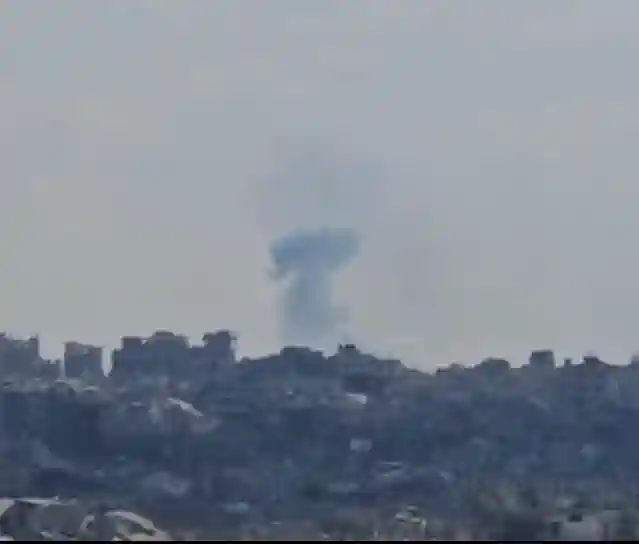
An alternative account of the Rafah incident has also emerged. It suggests that Palestinian resistance forces targeted a group affiliated with Yasser Abu Shabab—allegedly collaborators with the Israeli military—and that Israeli soldiers were caught in the crossfire during the clashes.
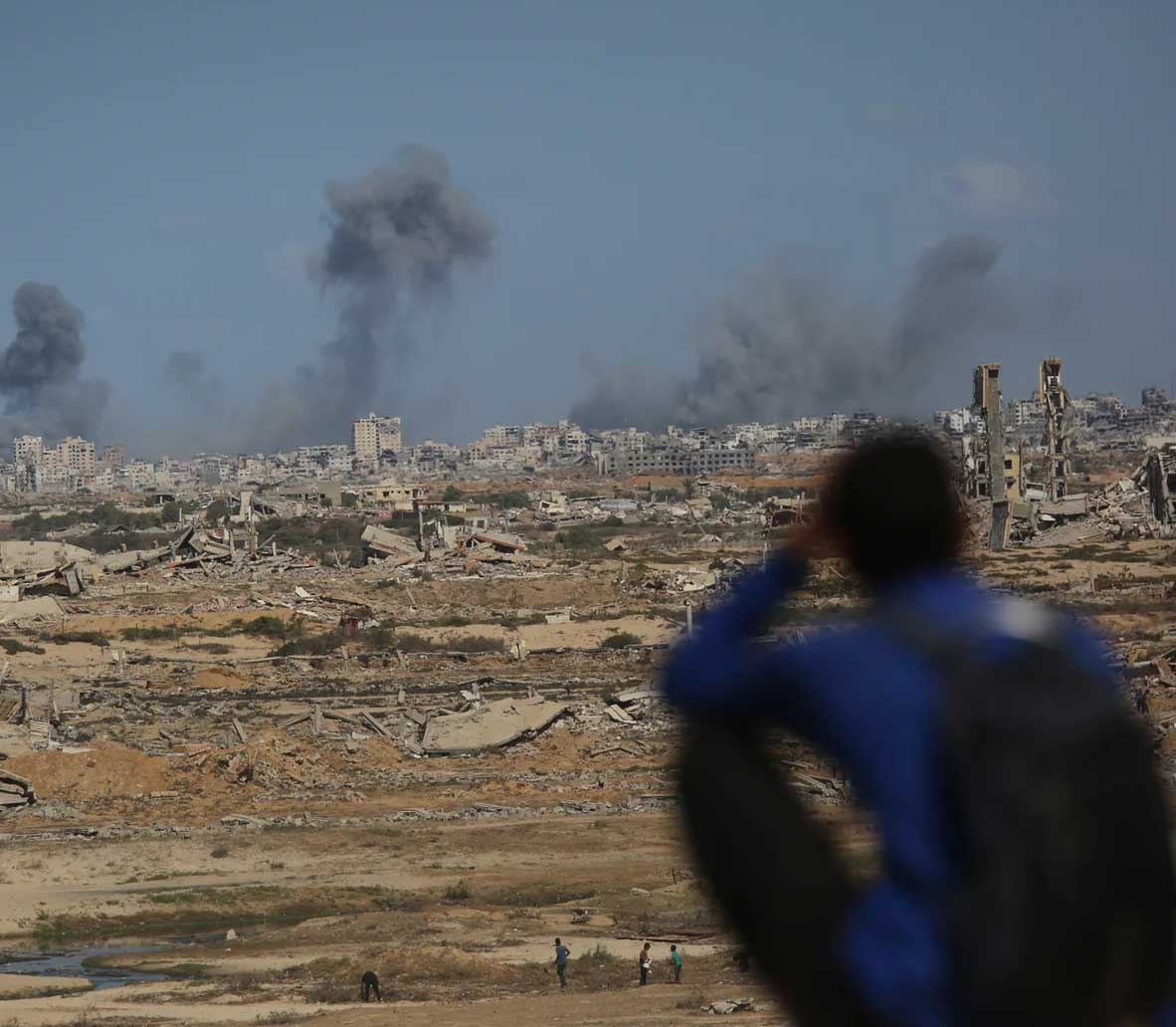
In response to the confrontation, Israeli warplanes bombed the Rafah area, citing the need to support Abu Shabab’s forces.
Israeli Prime Minister Benjamin Netanyahu is currently assessing the security situation in Gaza alongside the defense minister and other senior officials, preparing a response to what is being described as a violation of the ceasefire.
Known as one of Hamas’ most confidential divisions, the unit’s members are highly trained in military and intelligence operations and have long been responsible for guarding Israeli captives, remaining hidden despite extensive Israeli operations.
The unit’s reappearance carries a strong message: Hamas’ command structure and internal discipline remain intact despite months of war and destruction. For Israel, it’s a reminder that even amid Gaza’s devastation, Hamas retains covert, organized forces operating beyond reach—symbolizing the group’s continued resilience and control.
According to a statement from the Israeli military, American and Israeli officials also visited the Re’im military base following their field inspection in Gaza. This base has been designated for initial medical evaluations of released Israeli captives.
Cooper and Halevi held a meeting with senior Israeli military officials to review operational conditions across various regions and discuss the implementation of ceasefire terms and prisoner release protocols.
These troops are experts in transportation, logistics, planning, security, and engineering, and will work alongside regional representatives, private entities, and NGOs. Western sources have emphasized that the American forces will not enter Gaza itself; their role is strictly technical and supervisory within Israeli territory.
The coordination center will be located in southern Israel and is designed to facilitate the ceasefire process and streamline the delivery of humanitarian aid to Gaza. According to The New York Times, U.S. troops will collaborate with counterparts from Egypt, Qatar, Turkey, and the United Arab Emirates.
This move by President Donald Trump’s administration is seen as part of Washington’s broader effort to assert and reinforce its influence in the evolving situation in Gaza. Having played a pivotal role in brokering the recent ceasefire between Israel and Hamas, the Trump administration now aims to position itself not only as the initiator of peace but also as its guarantor.
Analysts suggest that the White House is attempting to reclaim political leadership in the Gaza file from regional powers. While Egypt and Qatar were instrumental in mediating the ceasefire, the U.S. seeks to demonstrate—through its direct military presence in Israel—that it remains the dominant and unrivaled actor in managing the Gaza crisis.
The deployment of Hamas internal security forces throughout Gaza Strip reflects a rapid and organized reconstruction of the region’s security infrastructure. The return of displaced Palestinians to their homes—facilitated by these forces—could mark a turning point in the social and psychological recovery of the community.
In addition to restoring relative calm, this development contributes to rebuilding social cohesion and public support for Hamas, thereby strengthening the group’s social base. Some Zionist commentators have interpreted the reappearance of Hamas forces in Gaza as a failure of Israel’s military campaign, dismissing Israeli claims of Hamas’s destruction as false.
Under the terms of the deal, Israeli forces are required to withdraw from designated areas within 24 hours. In return, Palestinian resistance groups will begin releasing Israeli captives 72 hours after the withdrawal. Tel Aviv has also agreed to release a number of Palestinian detainees.
A joint oversight committee—comprising representatives from the United States, Qatar, Egypt, Turkey, and other nations—will monitor the implementation of the agreement and mediate any disputes between the parties.
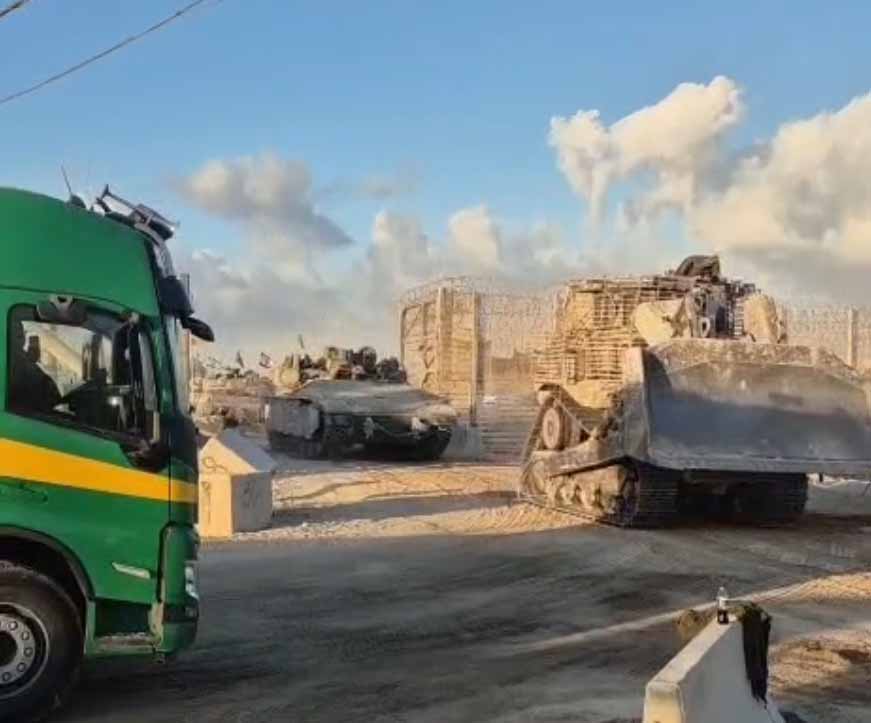
According to released footage, the Israeli military has begun dismantling and evacuating several of its positions in the Gaza Strip. The Israeli army confirmed that the ceasefire officially came into effect at 12:00 p.m. local time.
Israeli military has begun dismantling and evacuating several of its positions in the Gaza StripIsraeli military has begun dismantling and evacuating several of its positions in the Gaza Strip
Hamas confirmed the agreement in an official statement, expressing gratitude to Qatar, Egypt, Turkey, and Trump for their mediation efforts. The movement reiterated its demands for the withdrawal of Israeli forces from Gaza, the entry of humanitarian aid, and the exchange of prisoners. Hamas emphasized that the sacrifices made will not be in vain and reaffirmed its commitment to the Palestinian cause, pledging to continue the struggle until freedom, independence, and self-determination are achieved.
U.S. President Donald Trump announced: “I proudly declare that both Israel and Hamas have signed the first phase of our peace plan. This means all hostages will soon be released, and Israel will begin withdrawing its forces to the agreed lines—marking the first steps toward a strong, lasting, and eternal peace. All parties will be treated fairly. This is a historic day for the Arab and Muslim world, Israel, neighboring countries, and the United States. We thank the mediators from Qatar, Egypt, and Turkey for their cooperation in making this unprecedented event possible.”
Israeli Prime Minister Benjamin Netanyahu stated that a cabinet meeting will be held on Friday to formally approve the agreement.
Based on the statements from both sides, the implementation of the first phase appears imminent. The partial withdrawal of Israeli forces and the release of all Israeli hostages are expected to take place within the coming week. Reports suggest that Hamas currently holds around 20 living Israeli captives, while others have been killed or gone missing due to Israeli airstrikes.
It’s important to note that this agreement only covers the partial withdrawal of Israeli forces from Gaza and the exchange of prisoners. More complex and contentious issues—such as the disarmament of Hamas and the future governance structure of Gaza—remain unresolved. These topics will be addressed in later stages of negotiation, though there is a real risk of talks collapsing and conflict resuming! It is highly unlikely that the Israeli regime will forgo this historic opportunity to destroy the Islamic resistance in Gaza.
Footage released by activists aboard the flotilla shows Israeli forces using helicopters and fast boats to storm the vessels and detain all passengers.
According to a statement from the al-Sumud organizers, three boats—including the al-Dhamir, which carried journalists and medical personnel—were seized. The fate of the remaining vessels remains unclear. The flotilla consisted of nine boats and over 100 human rights activists from various countries, having departed from an Italian port roughly two weeks ago.
Israel’s Foreign Ministry issued a statement claiming its naval forces successfully thwarted another attempt to breach the Gaza blockade. The statement added: “All passengers are in good health and will be deported shortly after being transferred to an Israeli port.”
The seizure of the flotilla in international waters is widely viewed as a violation of maritime freedom and the 1982 UN Convention on the Law of the Sea (UNCLOS). The incident once again highlights the contested legality of Israel’s blockade on Gaza, which, according to multiple UN reports, constitutes part of a broader pattern of violations against Palestinian civilians.
Israeli Navy Intercepts al-Sumoud Flotilla En Route to GazaIsraeli Navy Intercepts al-Sumoud Flotilla En Route to GazaIsraeli Navy Intercepts al-Sumoud Flotilla En Route to Gaza
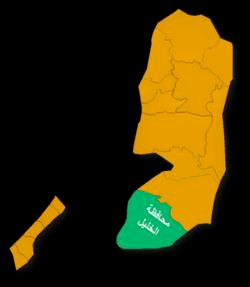
Following escalating crises and the continued failures of the Palestinian Authority, a group of influential tribal leaders in Hebron, located in the West Bank, has issued an official letter calling for withdrawal from the current political framework and the establishment of a localized entity known as the “Hebron Emirate.” The proposal, submitted to Israeli Economy Minister Nir Barkat, is built around peaceful relations, regional development, and the creation of an economic zone in cooperation with Tel Aviv.
As part of the initiative, the sheikhs formally recognize Israel as the “nation-state of the Jewish people” and cite the Abraham Accords as a roadmap for coexistence. They have also requested support from the United States and President Donald Trump to help advance the project. Their proposal not only reflects deep dissatisfaction with the Palestinian Authority’s governance but also signals an effort to redefine Palestinian political order through traditional tribal structures.
This initiative emerges at a time when hopes for a two-state solution have significantly diminished following the events of October 7, 2023, and the subsequent conflicts. As a result, alternative models such as localized emirates are gaining traction. The following report explores the dimensions, reactions, and challenges surrounding this unprecedented proposal.
The Hebron area compared to the entire West Bank and Gaza
Nature of the Hebron Emirate Proposal
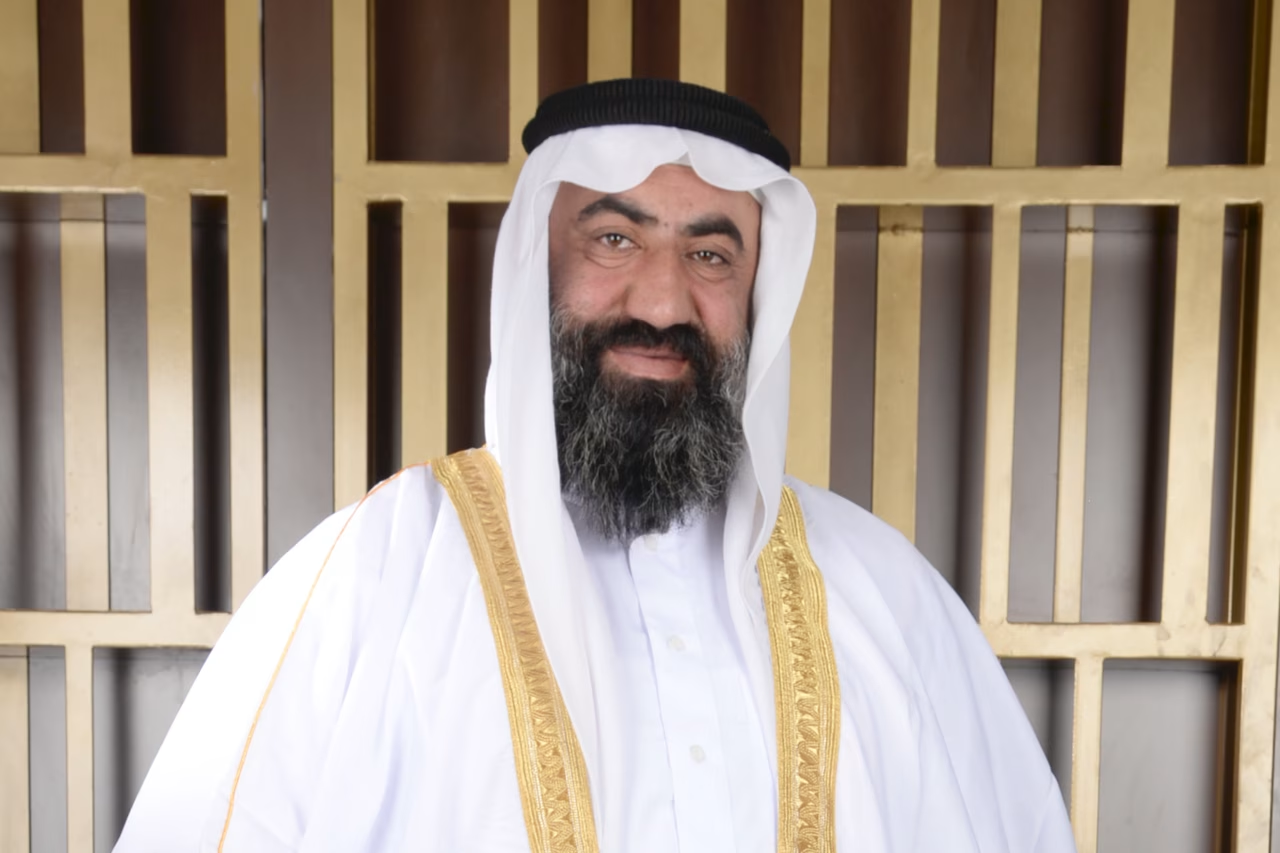
Led by Sheikh Wadee’ Jaabari, tribal leaders from five major clans in Hebron have formally called for the establishment of an autonomous emirate, independent from the Palestinian Authority. In their official letter, they propose recognizing Israel as the “nation-state of the Jewish people” and expect reciprocal recognition of the Hebron Emirate as the legitimate representative of Arabs in the region.
The sheikhs argue that the Oslo Accords have resulted in corruption, violence, and economic collapse, rendering the current political framework ineffective and lacking legitimacy. Their initiative reflects a shift toward traditional tribal governance as an alternative to centralized Palestinian leadership.
Sheikh Wadi al-Jaabari in Jerusalem, July 3
Operational Pillars of the Hebron Emirate Proposal
The plan outlines the creation of a 1,000-hectare autonomous economic zone near Israeli-controlled territory. In its initial phase, the zone would employ 1,000 Palestinian workers, with the potential to expand to 50,000 if successful. Sheikh Wadee’ Jaabari emphasizes a “zero tolerance” policy toward terrorism, relying on tribal structures to ensure security and stability.
Tribal Legitimacy vs. Formal Political Structures
In contrast to the centralized Palestinian political system shaped by the PLO and later the Palestinian Authority, the sheikhs base their proposal on traditional tribal legitimacy. They argue that external powers have imposed artificial governance models on Palestinians, and now is the time to return to indigenous, locally rooted leadership. Citing an Arab proverb—“Only the village’s calves can plow its land”—they suggest that outsiders lack the insight to address local needs and realities.
Tel Aviv’s Response and Key Stakeholders
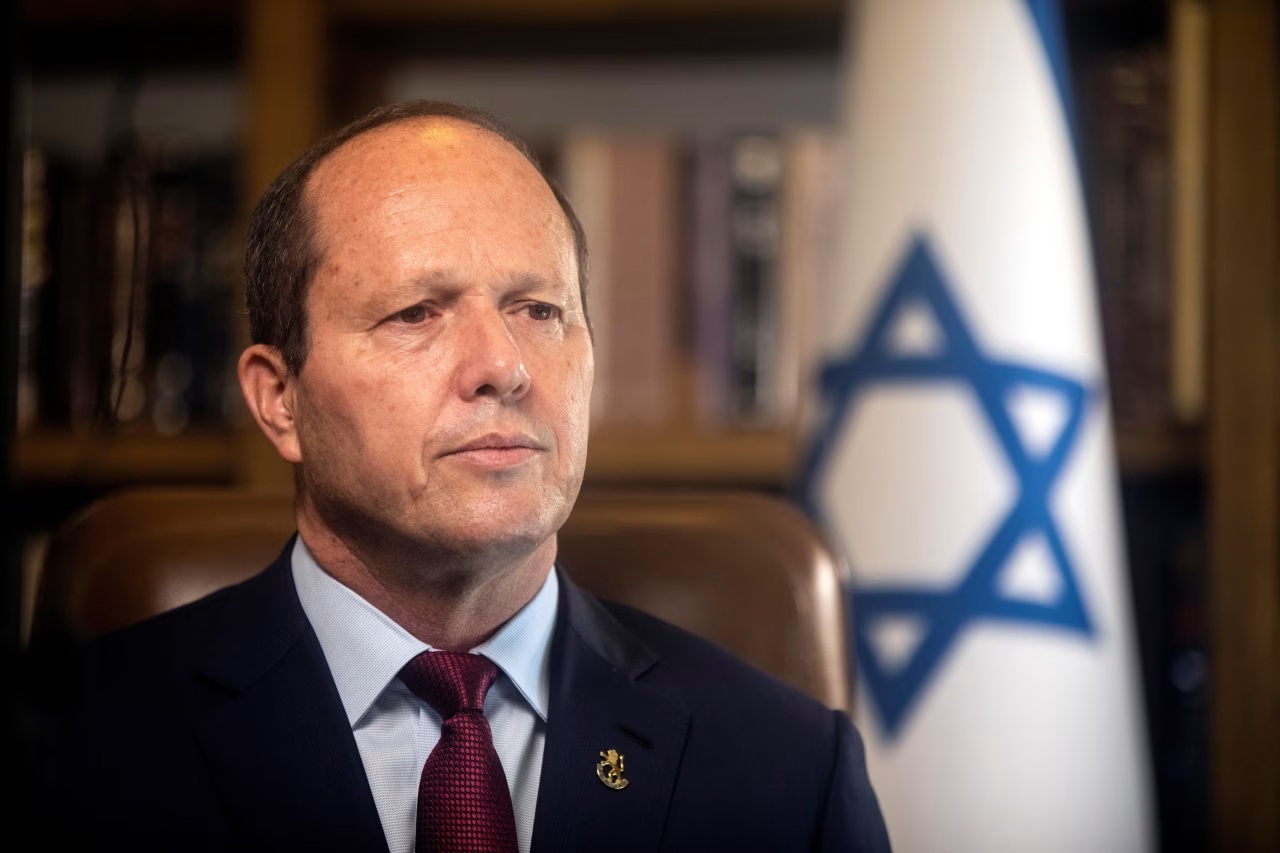
Israeli Economy Minister Nir Barkat is one of the main supporters of the initiative and has reportedly advanced discussions with government backing. He views the proposal as a practical alternative to the failed one-state and two-state solutions. Zionist scholar Mordechai Kedar, a vocal advocate of the Palestinian emirate model, has played a key role in connecting the tribal leaders with Israeli officials. He believes Hebron could serve as a successful prototype for other cities across the West Bank.
Former Mayor of Jerusalem, Nir Barakat, current Minister of Economy of the regime, October 6, 2021
Challenges and Obstacles
Despite receiving political backing, Israel’s security institutions—such as Shin Bet and segments of the military—remain skeptical of the Hebron Emirate proposal. Their concerns center on the tribal leadership’s ability to manage weapons, counter terrorism, and maintain comprehensive control over the region. Military analysts warn that the absence of a centralized authority could lead to instability and chaos.
Locally, several groups and residents in Hebron have voiced opposition, arguing that the initiative lacks legitimacy and does not represent the broader population. Supporters of the Palestinian Authority may respond with resistance or even security confrontations, further complicating the plan’s implementation.
Conclusion
The Hebron Emirate initiative, led by tribal sheikhs, represents an ambitious attempt to reshape governance in the West Bank—moving beyond the Palestinian Authority and the two-state paradigm toward practical coexistence and economic integration with Israel. While some Israeli and Arab actors view the proposal as promising, its execution faces serious political, social, and security challenges.
The future of this initiative will depend on internal support, regional acceptance, and the involvement of international players—particularly the United States. It may also signal the emergence of a more cautious reformist current within the Palestinian Authority, echoing the vision of certain Zionist theorists who have long advocated for sidelining the PA in favor of localized alternatives.
Despite the blockade, one vessel—Mikono-Albireh—has reportedly entered Gaza’s territorial waters, according to Al Jazeera’s Hassan Masoud.
Israeli Navy Raids Sumud Humanitarian Flotilla, Dozens Detained
The raid has sparked widespread international condemnation, with countries including Iran, Turkey, Pakistan, Colombia, Malaysia, Venezuela, Spain, Australia, the UK, and Brazil denouncing the move as a clear violation of international law. The arrest of humanitarian activists has reignited global solidarity with Gaza, as protests across multiple nations highlight the growing civil resistance to Israel’s siege.
While the immediate impact may be limited, such actions are shaping a critical shift in public consciousness—especially among younger generations in the West—who are increasingly viewing Zionism through a lens of scrutiny and dissent. These symbolic pressures, though low-cost, carry long-term consequences for Israel’s global image.
Legal Grounds: How the Trump Peace Plan Unintentionally Framed the Gaza Blockade as a War Crime
To grasp the significance of this event, one must consider a key legal point: the Trump peace plan, by promising future access for humanitarian aid to Gaza, implicitly admitted that Gazans are currently deprived of this fundamental right. This undermines Israel’s claim that the blockade is purely a “security measure.” When access to basic aid is denied, the blockade becomes a form of “collective punishment”, which under Article 33 of the Fourth Geneva Convention constitutes a clear “war crime”. The Sumud Flotilla is advancing with this powerful legal foundation.
Three Possible Scenarios Ahead Each with Global Consequences:
1️⃣ Strategic Israeli Withdrawal and Normative Victory In this scenario, Tel Aviv allows the fleet to proceed to avoid confrontation with NATO and mounting global pressure. This would mark a triumph for soft power and global civil society. More than the aid itself, it would shatter the taboo of the blockade, setting a new precedent and delivering a major blow to Israel’s deterrence doctrine.
2️⃣ Military Confrontation and Activation of International Mechanisms This is the most dangerous scenario. If Israeli naval forces attack the fleet and NATO escorts intervene to protect their citizens, a full-blown international crisis could erupt. Immediate consequences may include referral to the UN Security Council under Chapter VII, investigations by the International Criminal Court (ICC), and serious sanctions against Israel. It would test NATO’s cohesion and its commitment to defending its nationals.
3️⃣ Israeli Intervention and Escort Inaction Here, Israel attacks the fleet while NATO warships refrain from direct engagement. This would be a tactical win for Tel Aviv but a strategic defeat for European governments and the entire international legal order. It would expose the fragility of humanitarian principles when confronted with brute force, signaling that realpolitik has overtaken global norms.
Conclusion: The Sumud Flotilla carries more than material aid—it carries a fundamental question for the global order. This event places Israel at a crossroads: maintain deterrence, face international isolation, or risk war. The world’s response in the coming hours will not only determine Gaza’s fate but also shape the future of international relations and the credibility of global institutions for years to come.
The attack resulted in the death of a paratrooper from the Israeli Army’s 890th Battalion. Akkad was shot and killed by Israeli security forces at the scene.
Hamas issued a statement praising the operation as a heroic act of resistance, describing it as a response to ongoing genocide in Gaza and Israeli crimes including killings, arrests, settlement expansion, and Judaization efforts in the West Bank and Jerusalem.
According to Israeli sources, this incident brings the total number of military personnel killed since the start of the conflict to 915.