Category: Syria

  • Latest Updates On Southern Syria, 15 Feb 2025 (Map)

    Latest Updates On Southern Syria, 15 Feb 2025 (Map)

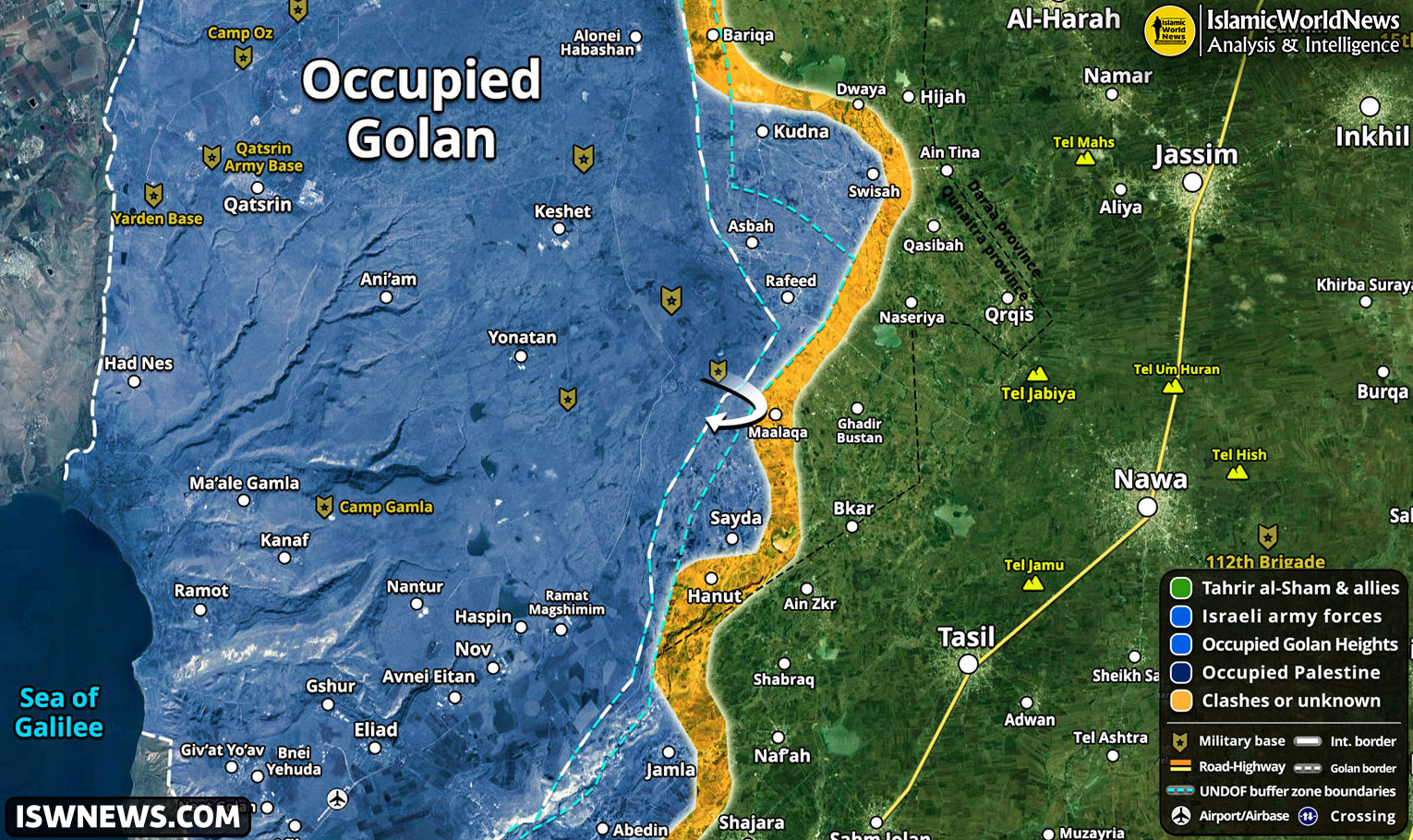
    According to a recent report by the Israeli army radio, Israel’s presence in Syria is no longer temporary, with engineering units setting up nine military sites in the south. The Syrian transitional government and their regional supporters have yet to respond to this development.

    Additionally, the Israeli army continues its movements and patrols in the occupied areas of southern Syria, including establishing a checkpoint in the village of Saida. Israeli soldiers have re-entered Al-Rafid village in Quneitra province, with tanks moving along the Kodna and Bariga axis.

    Saida village, located in southern Quneitra province near the buffer zone between Syria and Israel, has been under Israeli patrol since December 15. Al-Rafid village, in the Golan Heights, also lies in the buffer zone. Its significance stems from its location on the road to Nawa in Daraa province. Israeli military activities in Al-Rafid began on December 20.

    Click to view full size
  • Syrian Popular Resistance Congratulates Anniversary of Islamic Revolution Victory

    Syrian Popular Resistance Congratulates Anniversary of Islamic Revolution Victory

    The statement reads: “We in the Syrian Popular Resistance, while congratulating this victory that changed the face of history, emphasize that our path of resistance continues. We have drawn inspiration from the Islamic Republic of Iran in the lessons of perseverance, stability, and endurance, and we will continue to fight until our land is liberated from the occupiers and their mercenaries.”

    The statement released by Syrian Popular Resistance

    It is worth noting that the Syrian Popular Resistance group announced its existence on December 30, 2024. The group aims to combat terrorist groups and Israeli occupiers in Syria. In recent weeks, the Syrian Popular Resistance forces have carried out numerous attacks against Tahrir al-Sham militants and Israeli soldiers in Syria, claiming responsibility for these actions in a statement.

  • Russian Delegation Visits Damascus, Begins Ties with New Syrian Government

    Russian Delegation Visits Damascus, Begins Ties with New Syrian Government

    The delegation, led by Mikhail Bogdanov, Deputy Foreign Minister of Russia, and Alexander Lavrentiev, Putin’s special envoy for Syria, met with Abu Muhammad al-Julani, the leader of Hayat Tahrir al-Sham in Damascus on January 28.

    During the meeting, Al-Julani requested that the Russian delegation restore the lost trust by paying compensation and participating in the reconstruction of Syria.

    For many years, Russia has been considered a supporter and partner in the leadership of Syria during the Assad family’s rule. During the Syrian war, Russia, along with Iran, played a significant role in changing the battle’s equation in favor of the central government. Russian airstrikes were a key factor in the militants’ defeat, and Russian military support inflicted significant losses on the militants. It appears that the new Syrian government has come to terms with Russia’s past support for Bashar al-Assad and attacks on militants, recognizing Moscow’s international influence and role in addressing future challenges.

    Simultaneously with the presence of the high-ranking Russian delegation in Damascus, the Russian newspaper Tass, citing the Turkish newspaper Sabah, considered five possible scenarios for Syria’s future:

    • The creation of the Syrian Democratic Republic by a coalition of opposition parties with ideological differences.
    • The creation of the Islamic Republic of Syria by Hayat Tahrir al-Sham (formerly Jabhat al-Nusra) and other terrorist groups.
    • The creation of an anti-Shiite state under the support and control of the Zionist regime.
    • The creation of a federal Syrian republic with regional and state governments under US supervision.
    • The division and disintegration of Syria.

    Syria is currently facing numerous intra-group and ideological differences, as well as economic, social, and security problems. The new Syrian government has not reached an agreement with the Syrian Democratic Forces, and the areas under SDF control remain outside the Damascus government’s control. Areas in southern Syria are also occupied by the Israeli army, and no specific time for the Zionist withdrawal from these areas has been announced, putting Syria at risk of disintegration.

    While none of the above scenarios can be definitively predicted for Syria’s future, it is evident that Al-Julani is seeking to form a seemingly Islamic government with a strong presence of Tahrir al-Sham elements. This possibility has become stronger given recent appointments and actions.

  • The Israeli Minister of Defense Revisited the Occupied Hermon Heights in Southern Syria

    The Israeli Minister of Defense Revisited the Occupied Hermon Heights in Southern Syria

    During his visit, he announced that the Israeli army would indefinitely remain in the Hermon Heights and the buffer zone to ensure the security of the Golan and northern regions of occupied Palestine. Additionally, Israel will establish contact with the Druze community in southern Syria.

    Hermon, also known as Jabal Al-Sheikh, is a strategic height in southern Syria, previously described by the Israeli Minister of Defense as the eye of the region. On December 8, coinciding with the fall of the Bashar al-Assad government, Israeli forces entered southern Syria and captured these significant heights. Jabal Al-Sheikh overlooks all of southern Syria and parts of Lebanon.

    It is worth noting that on December 17, Israeli Prime Minister Benjamin Netanyahu, along with Yisrael Katz and Ronen Bar, head of the Israeli General Intelligence Service (Shabak), also visited the Jabal Al-Sheikh Heights.

    The Israeli army has released a video showing the construction of a military post on Mount Hermon

    The southern part of the Suwayda province in Syria and the occupied Golan Heights are key areas where the Druze community resides. In recent years, Israel has taken steps to strengthen its relations with the Druze living in the Golan. To increase its influence in Syria and ensure permanent control of the southern regions, Israel seeks contacts and friendly relations with the Druze population of Syria. Recent activities and political positions of both the Zionists and the Druze reflect this reality.

  • SDF Rejects New Syrian Government’s Proposals

    SDF Rejects New Syrian Government’s Proposals

    The new government’s proposals for the SDF included “recognizing the cultural rights of the Kurds and incorporating them into the future constitution, facilitating the integration of SDF forces into military and security institutions, and establishing a decentralized administrative system to govern the provinces.”

    Rejecting these proposals, the SDF maintained their conditions, which include “integration into the new Syrian army as an independent unit, retaining their military positions in the areas under their current control, and receiving a share of the revenue from oil fields and wells.”

    The SDF cited several reasons for their stance, including the potential for a large-scale operation by the Turkish army and its militants in northern Syria, as well as the uncertainty surrounding the dissolution of the Turkish-backed Syrian National Army (SNA), as key reasons for their insistence on their conditions.

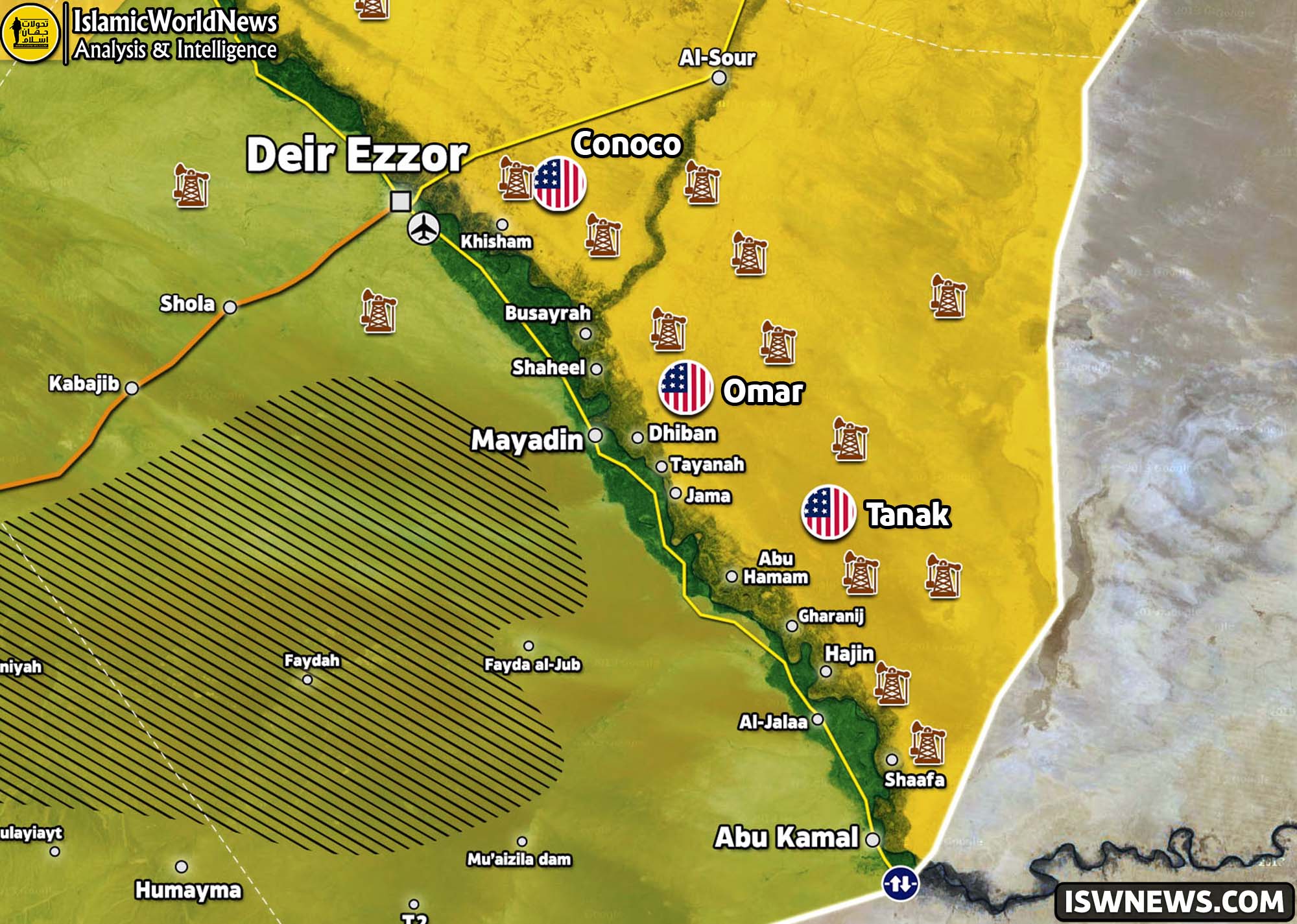
  • Rocket Attack on US Positions in Deir Ezzor; US Army Responds

    Rocket Attack on US Positions in Deir Ezzor; US Army Responds

    In retaliation, US aircraft targeted positions in Jabal Tharda near the Deir Ezzor military airport. The number of casualties and the extent of damages from these strikes have not yet been disclosed.

    This attack marks the 36th attack on US positions at the CONOCO gas facility since the beginning of the war in Gaza, and it is the first attack on US positions in Deir Ezzor province since the fall of Bashar al-Assad’s government.

  • Tahrir al-Sham Releases Its Prisoners in Latakia

    Tahrir al-Sham Releases Its Prisoners in Latakia

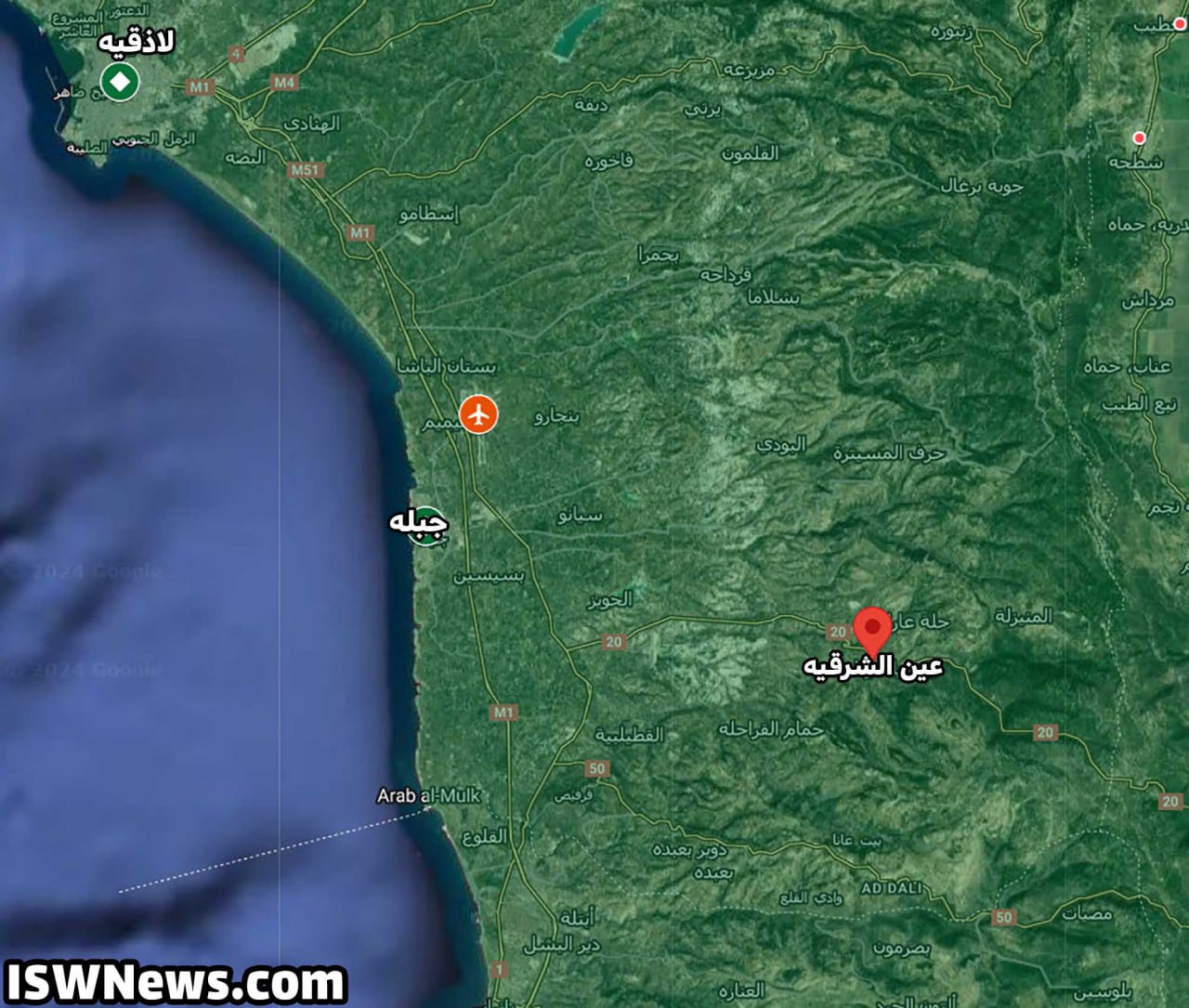
    Tahrir al-Sham militants initiated an operation in the Ain al-Sharqiya area, successfully freeing seven prisoners who had been captured by former SAA soldiers in the area.

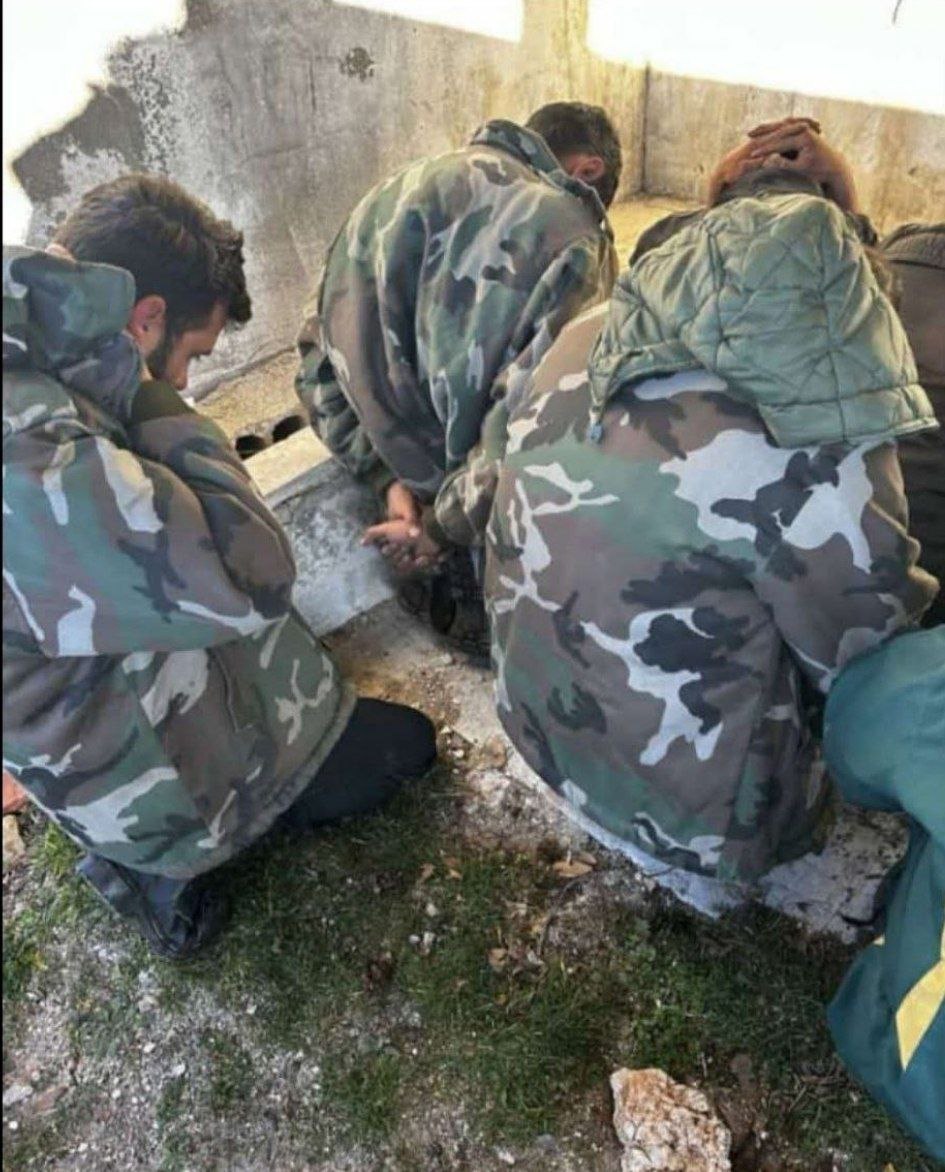
    Additionally, during a clash with the militants, Bassam Hussam al-Din, a commander of the Syrian Army’s 25th Division, along with several of his companions, was killed, and several of his troops were captured.

    The captured SAA soldiers

    Meanwhile, Tahrir al-Sham militants arrested a number of Syrian Alawite leaders, prompting anger among the Alawite community in Latakia. This led to protests in the streets against Tahrir al-Sham’s actions.

    Although the armed clashes on the outskirts of Jabla have ceased, Tahrir al-Sham militants are now sending aid convoys to various cities in Latakia province to prevent further incidents and suppress the Alawites.

  • 9 Killed and Captured in Ambush by Former SAA Troops Against HTS-Affiliated Militants in Latakia

    9 Killed and Captured in Ambush by Former SAA Troops Against HTS-Affiliated Militants in Latakia

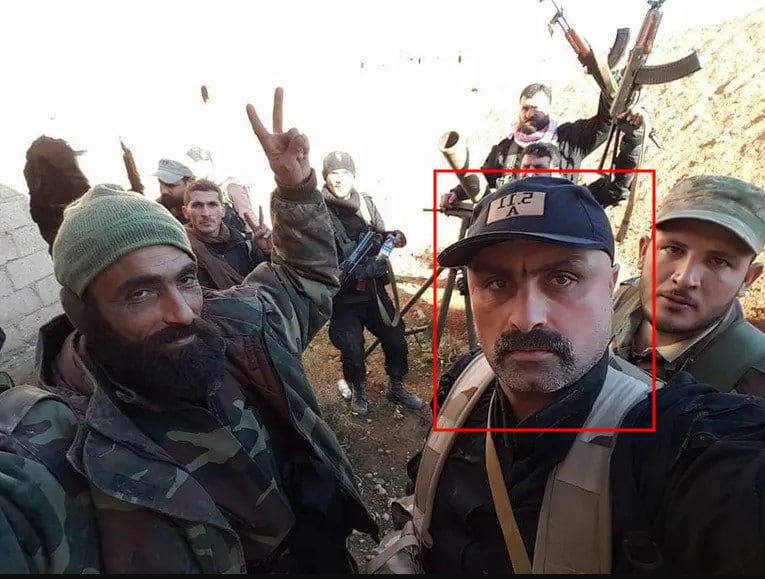
    The operation was led by Bassam Hussam al-Din, commander of the 25th Division of the former Syrian Army and a close associate of the renowned SAA commander, Suhail Hassan.

    The captured HTS-affiliated militants in Ain al-Sharqiya by former SAA forces

    Hussam al-Din demanded the withdrawal of Tahrir al-Sham forces from the Jabla area, threatening to execute the captured militants if they did not comply.

    Bassam Hussam al-Din

    Latakia city and its surroundings have witnessed recent armed operations against Tahrir al-Sham militants and their allies. Several militants, including a field commander, have been killed in these attacks.

  • Jordanian Warplanes Attacks Syria

    Jordanian Warplanes Attacks Syria

    Two days ago also, an armed clash occurred between Jordanian border guards and armed smugglers attempting to infiltrate Jordanian territory, resulting in the death of a smuggler and the injury of a Jordanian border guard.

    These incidents are happening while during the previous government, arms and drug smuggling and similar incidents were attributed to the government of Bashar al-Assad and his military; however, under the new government, this issue persists and, due to the central government’s weakness and lack of a deterrent force, Jordan has even started bombing Syrian territory.

  • Southern Syrian Front Update: Israel Holds Ground, No Plans to Withdraw! (Map)

    Southern Syrian Front Update: Israel Holds Ground, No Plans to Withdraw! (Map)

    A report by Yedioth Aharonot, citing senior Israeli officials, states that the Israeli army will maintain its control 15 kilometers into Syria to prevent new Syrian government loyalists from launching rockets towards the occupied Golan. Additionally, Israel is planning a new operation 60 kilometers south of Syria to expand its sphere of influence and ensure its security.

    Tensions persist between Israeli forces and farmers from the village of Ma’arba, with Israeli troops at the Al-Jazeera garrison preventing Syrian farmers from accessing their fields.

    The Israeli army has also dismantled the Heyran checkpoint and the site of the former Syrian army armored battalion on the outskirts of Quneitra, following an inspection and removal of ammunition. Afterward, Israeli forces withdrew to the occupied Golan.

    The Syrian transitional government has yet to decisively respond to the Israeli occupation of southern Syria’s border areas. Meanwhile, Israel shows no intention of vacating Syrian territory, with the Yedioth Ahronot report indicating a fixed military presence 15 kilometers into Syria and a likely expansion to 60 kilometers. This situation could escalate tensions and conflicts between the Zionists and popular movements in Syria.

    Click to view full size
  • In the Shadow of the “Revolution”, Syrian al-Qaeda Openly Aids Israel

    In the Shadow of the “Revolution”, Syrian al-Qaeda Openly Aids Israel

    There is little surprise in what is happening, since even before the fall of the Assad regime, in Idlib, FSA representatives allied with Jabhat Nusra or Hayat Tahrir al-Sham openly expressed sympathy for the Zionists and expect such cooperation to continue in the anti-Iranian direction.

    After viewing the screenshots, many readers will ask themselves the question – “the opinion of the marginalized may not reflect the policy of the organization.” This will be the correct train of thought, but here I will ask a counter question – “why did the leaders of Tahrir al-Sham not reject the words and opinions of the marginalized and did not even bother to call for an explanation from the people in that very video (first screenshot)?”

    As for the verbal attacks of the so-called Ahmed al-Sharaa against Iran, this foul language has several goals:

    1 – to appease the Persian Gulf autocracies so that they start pouring millions of dollars into the emirate of Tahrir al-Sham.
    2 – to show himself as a “good guy” in the eyes of the United States and the Zionists. Behavior similar to the late Morsi, who naively believed that such an approach could help him “come to an agreement with the West.”
    3 – to maintain his authority in the eyes of the Takfiri international.

    The former head of Syrian al-Qaeda understands that there are thousands of fanatics with an anti-Shiite agenda in his ranks, al-Julani himself is the same, but in connection with the need to build a new dictatorship, he understands that it is important for him to be pragmatic. No one will allow him to start a war with Iran, so the leader of Tahrir al-Sham can only verbally agitate against the Islamic Republic to please his electorate.

    The ideological inspiration for contacts between Syrian jihadists and Zionism could have come from two sides at once – the US Republicans and the Saudis. The former have long described Tahrir al-Sham as an “important asset”1 of American policy in Syria, while the latter are known for their active movement toward normalizing diplomatic relations with the occupiers of the holy land. Both sides are known for their Iranophobia and hatred of the Ja’fari madhhab2. An important detail is the fact that the so-called “Syrian Foreign Minister” made his first visit to Riyadh.

    It is obvious that in the near future various facts of secret cooperation between the Zionists and the former Syrian al-Qaeda will be revealed, and by the way, such cooperation will not be limited to an alliance against Iran and its friends. “Israel” is well aware that inside Syria there are various actors sympathetic to Hamas and even having a similar ideology. Therefore, the Mossad will in every way prevent the Islamic Resistance of Palestine from establishing contact between the “brotherly” Syrian organizations and the Axis of Resistance. In the meantime, the Americans are happy to watch what is happening and claim that “Syria has become a hostile territory for Iran.”3

    1 – The former U.S. special envoy to Syria said in an interview excerpt published Friday that Al Qaida’s Syrian offshoot is an “asset” to U.S. strategy in Syria. Ambassador James Jeffrey had told PBS News in March 2021 that the Islamist rebel group Hayat Tahrir al-Sham was “least bad option of the various options on Idlib, and Idlib is one of the most important places in Syria, which is one of the most important places right now in the Middle East.”

    2 – In late November 2024, a video emerged of Republican Senator Lindsey Graham making unflattering remarks about Shiite Muslims, accusing Shiite doctrines of “anti-Semitism” and attributing outright lies to Shiites. Graham also pointed to the “need to suppress” Shiites in the Middle East.

    3 – In an article published in The Wall Street Journal, Barbara Leaf, US Assistant Secretary of State for Near Eastern Affairs, said Syria has now become “hostile territory” for Iran.

  • Al-Julani’s Anti-Iranism as a Format of Pro-Zionist Discourse of the New Rulers of Syria

    Al-Julani’s Anti-Iranism as a Format of Pro-Zionist Discourse of the New Rulers of Syria

    Al-Julani made another mistake when he started lying about Iran to Western and Arabian media and portraying himself as a defender against “Iranian influence.” The leader of Tahrir al-Sham is not a very intelligent person, so it is quite possible that he thinks that the “Alawite Baath” and the ideology of Velayat al-Faqih are the same thing. If the former leader of al-Qaeda knows the difference, then he is simply a provocateur and a liar whose goal is to gain access to funding for Arabian autocracies and to receive covert recognition from the Zionists.

    Discussing the “Iranian threat,” al-Julani attributes to the Iranians plans to threaten Arab autocracies and support Syrian drug trafficking. Again, his words are based on the propaganda of the Arabian media and, accordingly, there is no factual basis. Again, his words are based on the propaganda of the Arabian media and, accordingly, there is no factual basis.

    The leader of the so-called “salvation government” is so fixated on Iran that he ignores decades of open relations between the Gulf states and the Zionists, and the topic of occupied Palestine does not bother him at all. On the contrary, his words to Western diplomats that “if Israel does not stop attacks against Syria, this could cause the return of the Iranians” should be seen in the context of a conciliatory tone towards the Zionists and a readiness for “peaceful coexistence” with the occupiers.

    Discussing the return of the Iranians, the head of the “salvation government” simply admits that only the Islamic Republic and its allies are truly against Zionism, and if the occupiers want to sleep peacefully, then, according to al-Julani, Zionism must simply recognize Tahrir al-Sham as a “legitimate neighbor.”

    The Syrian Takfirists have gotten involved in a dangerous game, on the one hand they are trying to flirt with everyone in a row against others, but ultimately they will face bitter consequences, since it is impossible to govern a country based on the puritanical logic of the Middle Ages coupled with naive views on foreign policy.

    Ahmed al-Sharaa is already irritating representatives of the national Syrian coalition, with his inclination to rule alone, and disappointment in him by regional powers is not far off, because Tahrir al-Sham will certainly not be able to “please everyone.” Especially when the Saudi establishment has taken it upon itself to “help” the former al-Qaeda in terms of governing Syria.

    Information about the activity of the Saudi diplomatic mission in Syria has leaked to a number of media outlets, writing about the presence of 40 experts who are present in important hotels in Damascus. The Saudi team in Syria assures that their task is to collect information about Saudi jihadists who are still present in the ranks of Tahrir al-Sham and to coordinate with the Turkish and Qatari sides in the matter of “stabilizing” Syria.

    However, the anti-Iranian attacks of Mohammad al-Julani and the first disagreements with the Turks regarding the Kurdish issue suggest that this is only the beginning of big problems that the future promises in Syria due to the dictatorship of the former al-Qaeda.

    Ahmed al-Sharaa has already made friends with the Biden administration, and at a meeting with officials from Washington, al-Julani assured that “Syria will be independent,” which confirms the reasoning about the logic of jihadists to build a balance. But the presence of a Zionist neighbor, the lack of experience in governing a state, and the radical essence that is temporarily hidden inside Tahrir al-Sham form a complex form of problems that al-Julani is not ready to cope with right now.

    I would emphasize that he is not going to solve these problems, he only needs one thing – to build a second Idlib and live the life of a small emir.

    to be continued….