Tag: Ceasefire

  • Gaza Ceasefire Agreement Takes Effect; Israeli Cabinet Officially Approves End of War

    Gaza Ceasefire Agreement Takes Effect; Israeli Cabinet Officially Approves End of War

    Under the terms of the deal, Israeli forces are required to withdraw from designated areas within 24 hours. In return, Palestinian resistance groups will begin releasing Israeli captives 72 hours after the withdrawal. Tel Aviv has also agreed to release a number of Palestinian detainees.

    A joint oversight committee—comprising representatives from the United States, Qatar, Egypt, Turkey, and other nations—will monitor the implementation of the agreement and mediate any disputes between the parties.

    According to released footage, the Israeli military has begun dismantling and evacuating several of its positions in the Gaza Strip. The Israeli army confirmed that the ceasefire officially came into effect at 12:00 p.m. local time.

    Israeli military has begun dismantling and evacuating several of its positions in the Gaza Strip
    Israeli military has begun dismantling and evacuating several of its positions in the Gaza Strip
  • Israel and Hamas Reach Ceasefire Agreement

    Israel and Hamas Reach Ceasefire Agreement

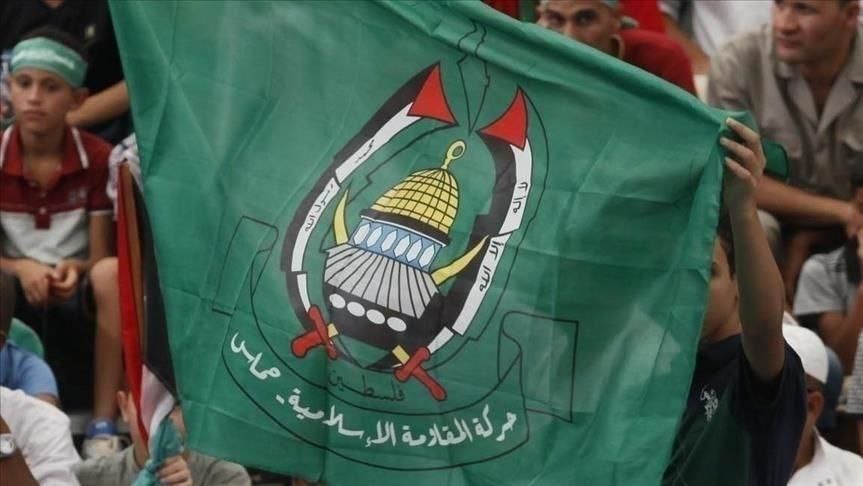
    Hamas confirmed the agreement in an official statement, expressing gratitude to Qatar, Egypt, Turkey, and Trump for their mediation efforts. The movement reiterated its demands for the withdrawal of Israeli forces from Gaza, the entry of humanitarian aid, and the exchange of prisoners. Hamas emphasized that the sacrifices made will not be in vain and reaffirmed its commitment to the Palestinian cause, pledging to continue the struggle until freedom, independence, and self-determination are achieved.

    U.S. President Donald Trump announced: “I proudly declare that both Israel and Hamas have signed the first phase of our peace plan. This means all hostages will soon be released, and Israel will begin withdrawing its forces to the agreed lines—marking the first steps toward a strong, lasting, and eternal peace. All parties will be treated fairly. This is a historic day for the Arab and Muslim world, Israel, neighboring countries, and the United States. We thank the mediators from Qatar, Egypt, and Turkey for their cooperation in making this unprecedented event possible.”

    Israeli Prime Minister Benjamin Netanyahu stated that a cabinet meeting will be held on Friday to formally approve the agreement.

    Based on the statements from both sides, the implementation of the first phase appears imminent. The partial withdrawal of Israeli forces and the release of all Israeli hostages are expected to take place within the coming week. Reports suggest that Hamas currently holds around 20 living Israeli captives, while others have been killed or gone missing due to Israeli airstrikes.

    It’s important to note that this agreement only covers the partial withdrawal of Israeli forces from Gaza and the exchange of prisoners. More complex and contentious issues—such as the disarmament of Hamas and the future governance structure of Gaza—remain unresolved. These topics will be addressed in later stages of negotiation, though there is a real risk of talks collapsing and conflict resuming! It is highly unlikely that the Israeli regime will forgo this historic opportunity to destroy the Islamic resistance in Gaza.

  • Hamas agrees to Egypt and Qatar’s ceasefire proposal

    Hamas agrees to Egypt and Qatar’s ceasefire proposal

    The Palestinian news agency Samaa also reported that Hamas and Palestinian groups fully support the proposal offered by Egypt and Qatar for a ceasefire.

    The proposal includes a pathway to reach a comprehensive agreement to end the war and will temporarily pause military operations for 60 days.

    It is reported that 600 trucks of humanitarian aid will enter Gaza each day, and 1,700 Palestinian prisoners, including 1,500 from Gaza, will be released. Discussions to end the conflict are also scheduled to start during the 60-day ceasefire period.

  • The Current State of the Southern Lebanese Front as of January 28, 2025 (Map)

    The Current State of the Southern Lebanese Front as of January 28, 2025 (Map)

    Following the ceasefire in southern Lebanon on November 27, 2024, the Israeli army continued its advance into southern Lebanon, entering many areas without facing conflict, which they had not been able to control during their battle with Hezbollah. Over the 57-day ground conflict, Hezbollah managed to prevent the Israeli military from expanding deep into Lebanon, even south of the Litani River, restricting the fighting to the southern Lebanese border strip.

    In total, considering the areas that came under Israeli influence during the ground battle and post-ceasefire, the Israeli army has so far withdrawn from the areas and villages of Shamaa, Tayrharfa, Shiheen, Al-Jubain, Al-Naqurah, Hamul, Bani Hayyan, Kfarshoba, Shabaa, Deir Mimas, Houla, Meis Al-Jabal, Marun Al-Ras, Aitaroun, Yaroun, Dhahira, Yarin, Umm Tut, Zalutiya, Taibah, Deir Saryan, Beit Leif, Haninne, Qantara, Ramieh, Aita Al-Shaab, Rmaish, and Quzah.

    According to the ceasefire agreement, these areas have been handed over to UNIFIL forces following the withdrawal of Israeli troops and are now under the control of the Lebanese Army.

    Recent reports indicate that the towns and villages of Labouneh, Marwahin, Bustan, Blida, Muhaibib, Markabah, Kafr Qala, Udaysah, Rab al-Thalathin, Tallusah, Tel al-Hamams, al-Wuzzani, al-Abbasiyyah, and al-Majidiyah are still under Israeli control or influence.

    As per the ceasefire agreement, the Israeli army was supposed to evacuate these areas within 60 days, by January 26, 2025. However, this did not occur, and the Lebanese government, under pressure from the United States, accepted an extension of the Israeli withdrawal deadline to February 18.

    Nevertheless, Hezbollah’s Secretary General and its military command’s Operations Room have stated they do not accept this delay. They assert that the United Nations, the agreement’s supporting countries (the United States and France), as well as the Lebanese government, army, and people must oppose the Zionist occupation.

    Given Israel’s repeated requests for permanent deployment at three to five strategic points in southern Lebanon, it appears that Israel’s delays and excuses for not evacuating will continue. Israel’s main objectives are to completely devastate the border areas and reignite the conflict in southern Lebanon. With the Trump administration now in power in the United States, the West’s support for Israel has intensified, and any forthcoming conflict is likely to be more severe than before.

    Click to view full size
  • 90 Palestinian Women and Children Freed from Israeli Prisons Under Ceasefire Agreement (Video)

    90 Palestinian Women and Children Freed from Israeli Prisons Under Ceasefire Agreement (Video)

    This morning, the first group of Palestinian prisoners were freed from Israeli prisons as part of the prisoner exchange agreement between Hamas and the Israeli regime. The released prisoners include 69 women and 21 children, with 76 from the West Bank and 14 from occupied Jerusalem.

    Celebration of Palestinian Prisoners’ Release

    As the buses carrying the Palestinian prisoners departed, a group of Palestinians holding pictures of martyred Hamas leaders, including Ismail Haniyeh, Yahya Sinwar, and Saleh Al-Arouri, chanted slogans in support of the resistance in front of Ofer Prison in western Ramallah.

    Ramallah residents welcomed the Palestinian prisoners with a ceremony, expressing their joy and gratitude to the resistance groups.

    According to local sources, Israeli security forces have been deployed around the homes of the released prisoners in occupied Jerusalem, preventing people from entering the prisoners’ homes. The families of the released prisoners were also forced to sign a commitment stating that they had no right to any kind of celebration or joy outside their homes.

  • A Ceasefire In Southern Lebanon Appears Imminent

    A Ceasefire In Southern Lebanon Appears Imminent

    Amos Hochstein, the U.S. President’s special envoy to Lebanon, proposed a ceasefire plan that was approved by Hezbollah last week and announced to Lebanese government officials. Hochstein then traveled to Tel Aviv to brief Israeli officials on the proposal.

    The Israeli cabinet is currently reviewing the ceasefire plan, with meetings to discuss the proposal starting this afternoon. The cabinet will vote to either approve or reject the plan, and Israel’s response to the ceasefire proposal is expected to be announced in Prime Minister Netanyahu’s upcoming speech.

    The Lebanese government will also hold a meeting tomorrow morning to approve the ceasefire agreement.

    The details of the agreement have yet to be disclosed, but recent discussions have centered around a 60-day, phased agreement that could be expanded in future rounds. Key topics in the negotiations have included:

    1- Israel has demanded freedom of action in Lebanon, citing the ineffectiveness of Resolution 1701 in securing the northern borders. The Lebanese side, however, rejected this demand during discussions with Hochstein, considering it a violation of Resolution 1701. This point was the main source of contention in the negotiations.

    2- Lebanon has requested the international community to establish a permanent land border along the Blue Line in southern Lebanon to prevent contact between Lebanese and Israeli forces. Lebanese officials have voiced concerns about deploying multinational forces for the ceasefire monitoring mission in Lebanon, preferring the presence of forces from an Arab country. On the other hand, Israel favors the deployment of forces from Western countries, and some progress has been made with the involvement of French and Italian forces.

    3- The return of Lebanese refugees is contingent upon Israel’s withdrawal from Lebanese territory. Israel, however, does not accept this clause, arguing it lacks meaning without the return of displaced Zionists to settlements in northern occupied Palestine. Consequently, Israel has requested to remain in Lebanese territory for 60 days following the ceasefire’s implementation to ensure the peace process, a condition opposed by the Lebanese side. Nonetheless, Zionist media claim that Lebanon has agreed to this clause.

    4- The release of Lebanese prisoners has been a significant topic of discussion. If Israel does not agree to release them, it could lead to the abduction of Israeli soldiers and a resurgence of conflict.

    Although Hezbollah and Hamas leaders back the ceasefire agreement in southern Lebanon and northern occupied Palestine (Israel), there is discontent in both Lebanon and Palestine. Opponents, referencing Sayyed Hassan Nasrallah, argue that any ceasefire in Lebanon should also include a ceasefire in the Gaza Strip.

    In Israel, Internal Security Minister Itamar Ben-Gvir and Finance Minister Bezalel Smotrich have been vocal in their opposition to the ceasefire agreement. However, it seems that the majority of the Israeli cabinet members are leaning towards voting in favor of the ceasefire plan.

    Hezbollah utilized all its resources to support the Gaza Strip during the 14-month conflict with the Zionist regime, significantly engaging Israel’s military forces and alleviating pressure on Gaza. Despite these efforts, the war persisted. Resistance axis leaders believe that extending the conflict in southern Lebanon under the present conditions is not advisable. They view a ceasefire on this front as a beneficial move for the entire resistance axis.

  • New Details About Israel-Lebanon Ceasefire Negotiations

    New Details About Israel-Lebanon Ceasefire Negotiations

    The Israeli regime’s TV network, Channel 12, reported on Tuesday about the Israel-Lebanon ceasefire negotiations mediated by the United States, claiming that if a ceasefire is not achieved, the Israeli regime’s army intends to intensify ground and aerial operations in Lebanon and exert more pressure on the southern areas of the Arab country in order to dismantle the Lebanese resistance movement Hezbollah’s second line of defense.

    Additionally, the TV channel claimed that the Tel Aviv regime will prevent Lebanese residents from returning to border areas until the Israeli settlers of northern occupied Palestine can safely return to their settlements. According to this report, the regime’s army will allegedly maintain a significant presence along the Lebanese border even after a ceasefire is established.

    Given the aforementioned conditions, a ceasefire on the southern Lebanon-northern Palestine front will certainly not take shape. The disconnection of Hezbollah from Palestinian resistance, establishing a ceasefire in the northern front without regard for Gaza, and retreating to the north of the Litani River are all factors that would undermine Hezbollah’s authority in Lebanon and its objectives in supporting the Gaza resistance.

    Accepting any of these conditions without receiving reciprocal concessions would signify a defeat for Hezbollah.

  • Hamas Reject Israeli Deceitful Ceasefire Negotiation Terms

    Hamas Reject Israeli Deceitful Ceasefire Negotiation Terms

    On August 18, after days of negotiations, the Palestinian Islamic Resistance “Hamas” released a sharp statement, rejecting the terms of the ceasefire negotiations in Doha, the capital of Qatar.

    After the assassination of Hamas leader Ismail Haniyeh in Tehran and Iran’s promise to respond to this assassination, all mediating parties, including the United States, have attempted to end tensions by implementing a ceasefire in the Gaza Strip as soon as possible to reduce and prevent the possibility of an all-out war. According to CNN, Washington has asked Tehran, through mediators, not to attack Israel, as there is a path to a Gaza deal.

    This issue is of great importance for America, especially for President Biden, who is on the eve of the election. According to Axios, citing informed officials, President Joe Biden plans to finalize the Gaza ceasefire and the prisoner release agreement by the end of next week. However, there is still no clear prospect for peace.

    The talks have been ongoing for days, but there is no sign of progress. Today, US Secretary of State Anthony Blinken arrived in Tel Aviv to meet with Israeli officials. Some believe he went to Tel Aviv to put pressure on Netanyahu and soften him in the ceasefire talks.

    In his final statement, Blinken emphasized the urgency of reaching an agreement on Gaza and returning the Israeli prisoners. He stated that this may be the last chance to secure their return, and stressed that it is a critical moment for the ceasefire negotiations in Gaza.

    Although there was no detailed information about the contents of the negotiations until yesterday, the different angles of the story are gradually becoming clear.

    Based on the leaked information, these are some of the details proposed in the Doha ceasefire talks meeting:

    ⁃ The Israeli army will reduce its military presence in the Philadelphia axis (south of Rafah city and the Egyptian border), but will not withdraw from it.
    ⁃ The Palestinian National Authority must take over the management of the Rafah crossing under the supervision of Israel.
    ⁃ The Israeli army will fully monitor and control the refugees who return to the north of the Gaza Strip through the Netzarim Corridor.
    ⁃ A large number of Palestinian prisoners will be deported from the country after their release from prison
    ⁃ Israel’s veto right to refuse the release of at least 100 security prisoners.

    According to the leaked information, it is evident that the Israeli government not only failed to abide by the terms of the previous agreement but also introduced new conditions, making it harder to reach a lasting ceasefire. Under the new terms, Israel intends to maintain control over the Netzarim corridor and other areas in the Gaza Strip, showing no willingness to withdraw from Gaza and offering no significant concessions to the other party.

    On the other hand, the Palestinian resistance movement, Hamas, finally reacted to the non-constructive process of negotiations in Doha by issuing a statement on August 18 and rejecting the negotiations. Hamas believes that Netanyahu and his government are the main obstacles to a ceasefire agreement.

    Hamas’ statement comes as follows:

    “We cooperated with all the efforts made by the mediators in Qatar and Egypt, and showed flexibility concerning all the proposed suggestions to pave the way for reaching an agreement to halt the aggression against our nation as well as to finalize a prisoner swap deal.

    After listening to the mediators’ proposals in the ceasefire talks, it became obvious to us that Israeli Prime Minister Benjamin Netanyahu continues to get in the way of reaching a truce agreement.

    The new suggestions are in line with Netanyahu’s conditions and in the favor of the Zionist regime, especially because these proposals reject a permanent ceasefire and an all-out withdrawal of the Israeli regime’s military forces from the Gaza Strip.

    Netanyahu set new conditions regarding the prisoner swap deal and withdrew from other clauses of the existing proposal in a bid to prevent the finalization of the prisoner swap deal.

    We hold the Israeli prime minister fully responsible for hindering the endeavors made by the mediators as well as creating trouble in the way of achieving the ceasefire agreement and in respect of the lives of Israeli prisoners, who are exposed to the same risk to which the Palestinian people are exposed.

    We reaffirm our commitment to whatever we agreed to on June 2 and call on the mediators to show that they are assuming their responsibility and to force the Israeli foe to implement what has been agreed upon regarding the ceasefire deal.”

    The senior government officials of Egypt, the United States and Qatar will meet again, this time in the Egyptian capital Cairo before the end of this week to reach an agreement according to the terms proposed on Friday. Due to the failure of the Doha negotiations, the fate of the discussions in Cairo is likely doomed.

    It was predictable that the ceasefire talks in Doha would fail. Due to Netanyahu’s challenging political and legal position inside and outside Israel, it’s unlikely that he will accept peace talks. Netanyahu’s political survival is closely linked to achieving a decisive victory in the Gaza Strip. The ongoing war on the northern front, the grave security situation in the West Bank, and the unstable political situation in the government in Tel Aviv have all significantly damaged Israel’s reputation. Tel Aviv is attempting to restore its lost status through any means.

    The mediation efforts by the US, Egypt and Qatar to establish a ceasefire in the Gaza Strip in return for the release of the remaining 110 Israeli captives kicked off several months ago. Following different rounds of indirect talks held in Egypt and Qatar, the warrying sides have yet to reach a deal. The endeavors have not yielded any tangible result because of Netanyahu’s refusal to cease the genocidal war on Gaza.

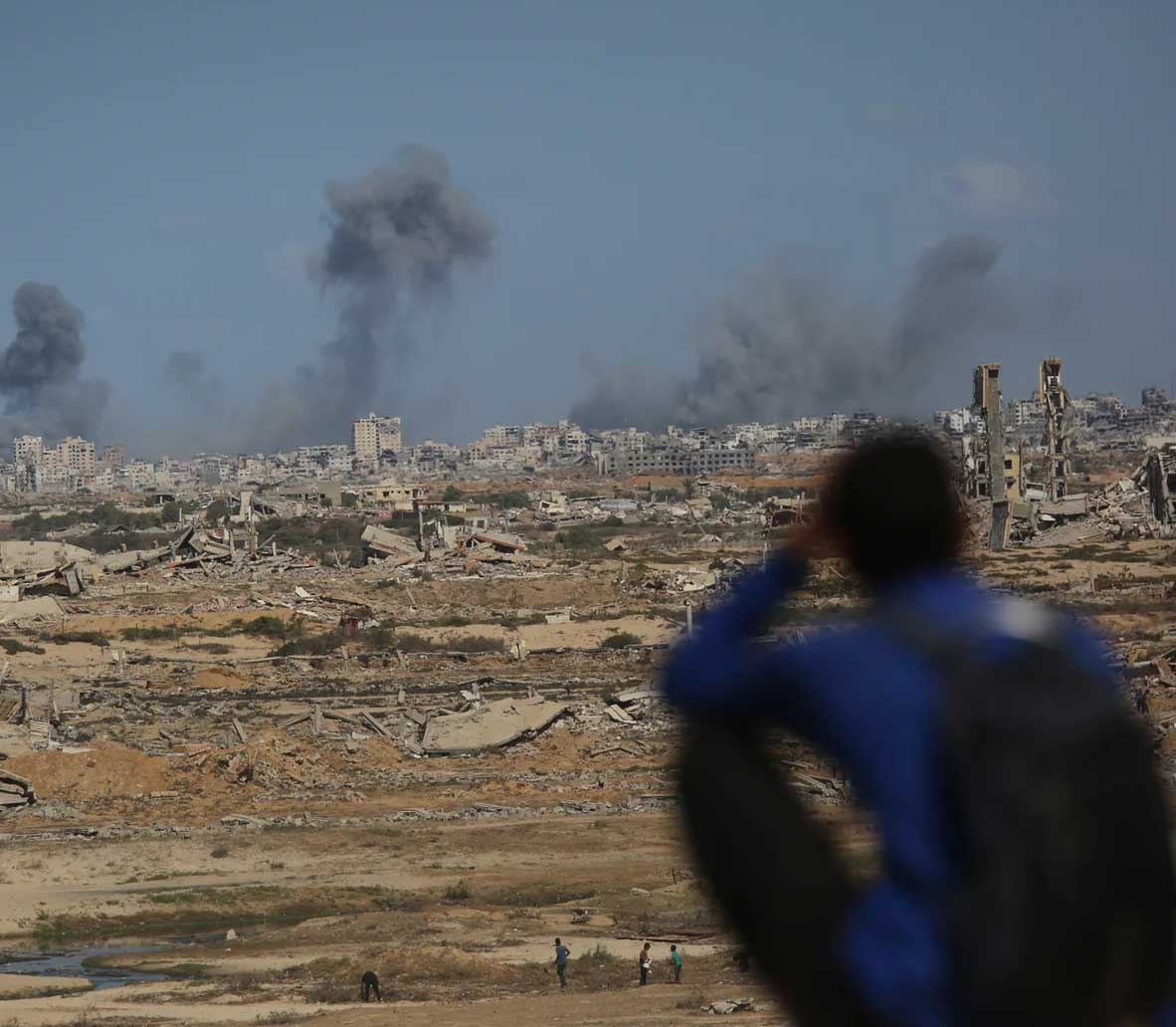
    The devastating war has left more than 40,000 martyrs and over 92,600 wounded in Gaza. The onslaught has created a dire humanitarian situation which is being deteriorated because of restrictions imposed by the Israeli regime on entry of food and medicine.

  • Latest Updates on Yemen, 7 October 2022

    Latest Updates on Yemen, 7 October 2022

    1- Sanaa:
    On October 4, local sources reported that an explosion was heard in the south of Sana’a, the capital of Yemen.

    2- Marib:
    – Two children were martyred and another person was injured due to the explosion of a mine in the management of Majzar.
    – With the end of the extension of the ceasefire in Yemen, Ansar Allah forces and the Islah party forces exchanged fire and mortar shells on each other’s positions in the south and west of Marib city.

    3- Hudaydah:
    The Saudi-led forces violated the ceasefire 186 times in the last 48 hours in this province.

    4- Mohammad Al-Bukhaiti, governor of Dhamar and one of the field commanders of Ansar Allah: “Sana’a has made progress in the field of naval missiles, which will play an effective role in ending the war if the blockade is not removed. The aggressor countries forcefully prevent ships from entering Yemen and we will respond with something similar!”

    5- Timothy Lenderking, US special representative for Yemen affairs: “We are concerned about Sanaa’s opposition to the UN proposal to extend the ceasefire in Yemen. The Houthis (AnsarAllah) have impossible demands and should give more flexibility and concessions. So far, we have not seen any movement based on Iran’s positive opinion in Yemen negotiations. Iran’s role in the Yemen conflict has been negative so far. Our contacts with intermediary countries show that the Iranians prefer a political solution to the conflict in Yemen.”

    6- Hossein Al-Azi, Deputy Minister of Foreign Affairs of the rescue government: “The conditions in Sana’a, as Lenderking says, are neither difficult nor impossible! It is difficult only because the aggressor coalition and the international community that are their accomplices are so used to taking our rights that they think that we are a people without rights and that our national wealth is the private property of those who sell their homeland. Respecting the rights of the Yemeni people is the basis for moving towards peace.”

    7- United Nations Security Council: “Sana’a conditions are extremist and have made the efforts of the United Nations to reach an agreement difficult. Their threats against foreign companies in Saudi Arabia and the UAE are worrying.

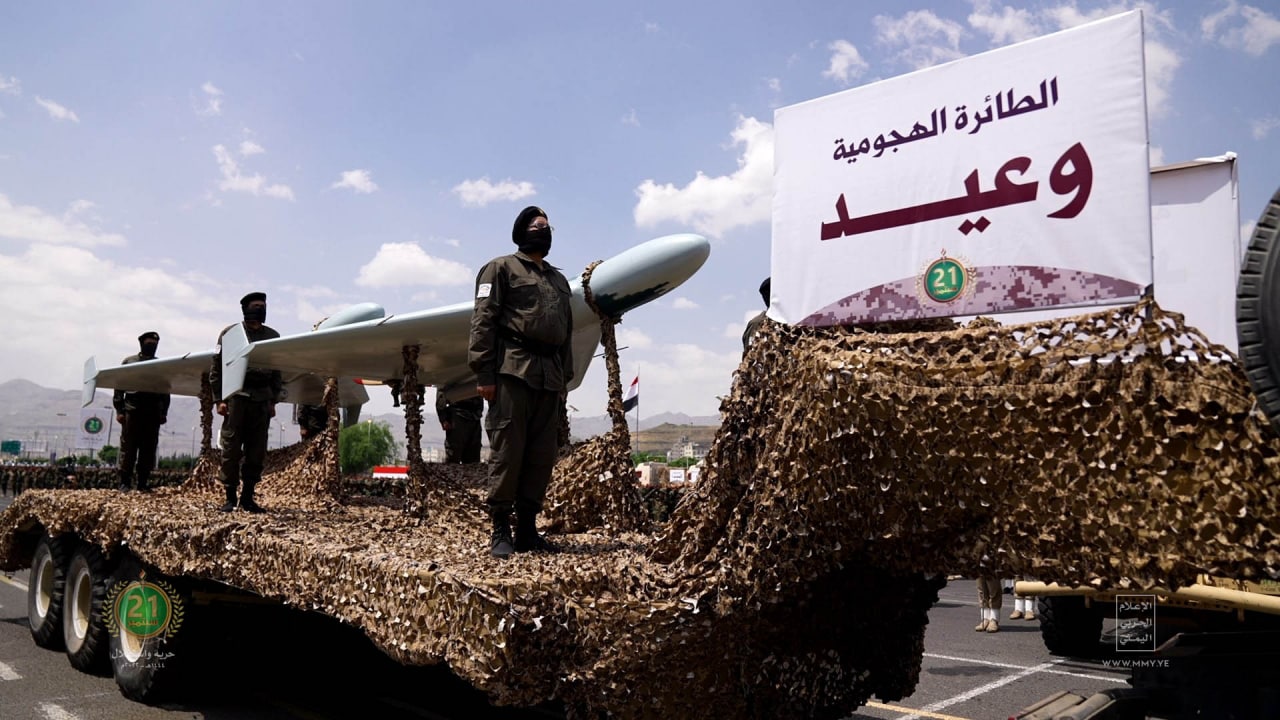
    8- Mohammad Ali al-Houthi, head of the Revolutionary Committee of Yemen: “Removing the blockade of Yemen, paying employees’ salaries from oil revenues, and lifting the ban on Sana’a airport flights are not extremism, but the statement of the Security Council is extremism. We have drones that know their destination despite air sanctions!”