Tag: cyberattacks

  • Endless Cyber Conflicts: From Tehran to Tel Aviv

    Endless Cyber Conflicts: From Tehran to Tel Aviv

    The Twelve‑Day Cyber War
    The twelve‑day conflict between Iran and Israel, which took place from June 11 to 17, marked a turning point in the history of Middle Eastern cyber warfare. Initiated by Israel’s Operation “Rising Lion”, the confrontation saw a 700 percent increase in cyberattacks against Israeli infrastructure. Unit 8200, the largest military unit within Israel’s Defense Forces and often compared to the U.S. NSA or the UK’s GCHQ, played a pivotal role. Responsible for clandestine operations, SIGINT collection, codebreaking, counter‑espionage, cyber warfare, and surveillance, Unit 8200 has become one of the most sophisticated cyber units globally. Its importance is underscored by the fact that its veterans founded companies such as Check Point, CyberArk, Claroty, CyCognito, and Palo Alto Networks, which both support national security and serve as instruments of Israel’s cyber soft power abroad.

    Unit 8200’s Role in the Twelve‑Day War
    During the June 2025 conflict, Unit 8200 carried out a wide range of cyber operations against Iran. According to CloudSEK, between June 11 and 17, more than 35 pro‑Iranian hacker groups launched coordinated cyberattacks on Israeli military, governmental, and infrastructure targets. In response, Israel activated only four to five groups, but the sophistication of Unit 8200 and affiliated groups such as Predatory Sparrow far outweighed sheer numbers. This group, regarded as the successor to INDRA, employed unique cyberattack methods against Iran’s critical infrastructure, having previously inflicted significant damage on rail systems, steel plants, and fuel stations. Israel’s National Cyber Directorate (INCD) reported that in 2024, the number of alerts doubled, with cyberattack damages estimated at over $3 billion. These figures highlight the unprecedented intensity of the conflict, which went far beyond simple DDoS attacks or website defacements, encompassing complex intrusions into critical infrastructure, theft of sensitive data, and disruption of industrial systems.

    Technological Transformation and AI Tools
    One of Unit 8200’s most significant advancements has been the development and deployment of advanced artificial intelligence systems. According to The Guardian and +972 Magazine, Unit 8200 is building a large language model (LLM) similar to ChatGPT, trained on millions of intercepted Arabic conversations from Palestinians. Still in its training phase, this AI tool is designed to analyze, translate, predict, and summarize text, dramatically enhancing the unit’s surveillance and intelligence capabilities. INCD’s new strategy for 2025–2028 includes the creation of a “Cyber Dome”, an AI‑based national cyber defense system aimed at countering growing threats from Iran and Hamas. At a conference in Tel Aviv, Unit 8200’s commander revealed that AI technology had already been used to select Hamas targets. Reports also indicate that Microsoft and other major U.S. tech firms have supported Unit 8200 by providing Azure cloud services, enabling the migration of 70 percent of sensitive data to the cloud. This reflects the deep integration of Western technologies into Israel’s cyber warfare structure.

    Analysis of Tactics and Operational Methods
    In the twelve‑day war, Unit 8200 employed a wide array of advanced tactics, showcasing significant evolution in cyber warfare methods. According to Dark Reading, the attacks against Iran unfolded in three distinct phases: the first marked by massive DDoS waves and initial intrusion attempts; the second focused on targeting managed service providers (MSPs); and the third, ongoing phase, characterized by slower but far more sophisticated operations.

    Iranian attackers, who previously relied on outdated malware and easily blocked scripts, have shifted to using remote management tools (RMMs) and legitimate Windows software, making detection and blocking far more difficult. Exploitation of zero‑day vulnerabilities, which once took days or weeks, now occurs within 30–40 minutes.

    This dramatic increase in speed and efficiency reflects growing cooperation among Iran‑aligned groups, with shared intelligence, infrastructure, and R&D capabilities. In response, Unit 8200 has deployed advanced tools to target high‑value and unconventional assets.

    Strategic Consequences and Regional Impact
    The twelve‑day cyber war had profound strategic implications for the Middle East. According to the Lieber Institute, in the six months following the Gaza war’s outbreak in October 2023, about 60 percent of Iran’s cyber operations were directed against Israel, intensifying across all fronts from espionage to infrastructure attacks. This escalation was reinforced by Tehran’s allies in Lebanon, Iraq, and Syria. Israel’s National Cyber Directorate, which issued 367 alerts in 2023, raised the figure to 736 in 2024, including 518 high‑priority “red alerts.”

    With much of Iran’s defensive infrastructure destroyed and several senior military officials killed by Tel Aviv’s air campaign, Tehran’s strategic options have been significantly constrained. This operational damage reduces the feasibility of a major conventional response in the short term, making asymmetric tools—especially cyber warfare—far more attractive. Meanwhile, Saudi Arabia and the UAE, scarred by the Shamoon attack that wiped 30,000 computers and temporarily crippled Saudi Aramco, are increasingly turning to cyber capabilities as instruments of national security. Western states, on the other hand, continue to portray Iran as a disruptive actor in this domain, though experience shows Israel does not wait passively—conducting periodic attacks reminiscent of the Stuxnet virus.

    Below, three possible scenarios for the evolution of this new type of warfare are outlined:

    Scenario One: AI‑Driven Cyber War
    In the first scenario, Unit 8200 leverages its advances in artificial intelligence to enter a new phase of cyber warfare. Once its developing LLM is completed and operational, the unit will be able to process vast amounts of surveillance data in real time. This capability will enable faster target identification, more accurate enemy movement predictions, and automated cyber operations. The planned AI‑based Cyber Dome (2025–2028) could evolve into a multilayered defense system that not only repels attacks but also acts preemptively against potential threats. In this scenario, Unit 8200 is expected to use deep learning algorithms to detect complex patterns in network traffic and anticipate zero‑day attacks before they occur. Deeper collaboration with U.S. tech giants such as Microsoft, Google, and Meta would provide massive computing resources and training data, potentially leading to the development of autonomous cyber weapons capable of independently deciding on targets and attack methods. In response, Iran is likely to invest heavily in AI‑based defensive capabilities and may seek cooperation with countries such as Russia and China to access advanced technologies.

    Scenario Two: Expansion of Cyber Warfare to Regional Critical Infrastructure
    In this scenario, cyber conflict extends beyond Iran and Israel to encompass the entire Middle East. Unit 8200 may adopt a strategy of “maximum cyber pressure,” targeting not only Iran’s military and nuclear infrastructure but also vital civilian systems such as electricity grids, water networks, transportation, and banking. Reports indicate that the CyberAvengers group, affiliated with Iran’s Revolutionary Guard, targeted Unitronics PLC devices across multiple U.S. critical infrastructure sectors—including water and wastewater systems—for a year beginning October 7. Such attacks highlight the growing tendency to strike critical infrastructure, with potentially catastrophic consequences for civilian populations. In this scenario, Unit 8200 would likely exploit its capabilities to penetrate industrial control systems (ICS) and SCADA networks in Iran, aiming to cause widespread disruptions that could trigger social unrest. Conversely, Iranian cyber groups may attempt to strike Israel’s critical infrastructure, including water treatment facilities, power plants, and transportation networks. This escalation could evolve into a “cyber cold war”, where both sides continuously probe each other’s defenses and search for vulnerabilities without necessarily launching full-scale destructive attacks.

    Scenario Three: Convergence of Cyber Warfare with Physical Operations
    The third scenario is the most complex and dangerous, involving the integration of cyber operations with physical attacks and psychological warfare. Here, cyberattacks are not used as standalone tools but as part of a multi-layered strategy. For example, Unit 8200 might first disable Iran’s air defense systems through cyber intrusions, then conduct airstrikes, followed by information operations to amplify psychological impact. Reports suggest that during recent operations, false messages attributed to the Israeli military—warning of bomb shelter attacks—were disseminated by pro-Iranian groups to spread panic among civilians. Such hybrid operations are highly destructive, as defending against them requires coordination across military, security, and civilian sectors. Leveraging its AI capabilities, Unit 8200 could design sophisticated disinformation campaigns, using deepfakes and AI-generated content to manipulate public opinion. In this scenario, the boundaries between cyber warfare, information warfare, and conventional conflict blur entirely. Iran, in turn, may coordinate cyber-physical attacks through its regional allies against Israeli and allied interests. Israel itself has long engaged in such operations, often playing a role in initiating or facilitating unrest inside Iran.

    Conclusion: An Uncertain Future in Cyberspace
    The twelve-day conflict in June demonstrated that a new era of cyber warfare has begun—an era in which Israel’s Unit 8200, armed with advanced AI technologies, extensive international cooperation, and innovative tactics, seeks to maintain cyber superiority in the region. Yet, as reports indicate, this advantage is fragile, with Iran rapidly expanding its own capabilities. The three scenarios analyzed—AI-driven escalation, expansion to critical infrastructure, and convergence with physical operations—all point to the potential for dangerous intensification in the future. What is clear is that the cyber war between Iran and Israel has entered a new phase, one in which international laws and norms are repeatedly violated and civilian populations bear the greatest burden. The development of Israel’s Cyber Dome and Iran’s likely countermeasures could push the region into a cyber arms race with no foreseeable end. Ultimately, the international community must remain alert to the growing risks of this cyber conflict and work to establish legal and diplomatic frameworks to contain it before its consequences spiral out of control.

  • Sacred Malware: Israel Espionage Hidden Behind an Arabic Religious App

    Sacred Malware: Israel Espionage Hidden Behind an Arabic Religious App

    In an era where security boundaries have shifted into the digital realm, espionage tactics have evolved alongside technology. Physical infiltration, traditional wiretapping, or field agents are no longer necessary. Today, a single Android app can silently breach hundreds of smartphones without the victims ever realizing it.

    A new investigation by the “EekadFacts” platform has revealed one of the latest examples of such digital attacks: an Arabic-language app with a religious appearance that was, in fact, a spyware tool crafted by the Zionist regime.

    According to the report, the malicious app—disguised with an Arabic religious name and interface—was designed and distributed using infrastructure registered in the occupied territories. The app connected to a domain named “Palpray.co,” a blend of “Palestine” and “Prayer,” chosen specifically to gain the trust of Arabic-speaking users, particularly Palestinian Muslims. This domain served as the command-and-control (C2) hub for the malware, allowing attackers to remotely extract sensitive data and execute commands once the app was installed on the victim’s device.

    Technical analysis shows the domain was registered by the Israeli company “Wix” and used Cloudflare services to mask the true identity of its servers. Although the domain is currently inactive, evidence confirms it was operational for a period and used to manage malware communications. This constitutes a sophisticated and targeted cyberattack, designed with intimate knowledge of the target community and enhanced by cultural and religious elements to increase deception.

    The choice of language and religious branding was central to the operation. The app featured a fully Arabic interface, religious-themed content, and a name evoking prayer and worship—all crafted to instill trust and a sense of safety in users. This technique, known in cybersecurity as social engineering, is one of the most effective methods for targeting human vulnerabilities. Victims often install such apps without verifying their origin—especially when presented with familiar names or religious themes.

    In terms of targets, the operation likely aimed at Palestinian users, civil society activists, journalists, and possibly members of resistance groups. Previous research by organizations like Citizen Lab and Amnesty Tech has documented similar tactics used by the regime to infiltrate digital devices of opponents in Lebanon, Syria, Gaza, and the West Bank.

    While this revelation is just one among many similar attacks, it once again highlights the critical importance of public awareness around cyber threats. In a time when trust in an app’s appearance can lead to exposure of private lives and confidential data, users in politically sensitive regions must be trained to detect hidden dangers. Moreover, digital rights watchdogs and regulatory bodies must enforce stricter oversight over the development and distribution of suspicious apps on open platforms like Android.

    Source:
    https://x.com/EekadFacts/status/1917531877864530366
    https://www.amnesty.org
    https://www.accessnow.org
    https://research.checkpoint.com

  • Dialectic of Deterrence – Part I: Key Offensive Superiority Components of Israel

    Dialectic of Deterrence – Part I: Key Offensive Superiority Components of Israel

    Intelligence Superiority and Data Collection

    Israel’s extensive SIGINT and HUMINT networks, combined with advanced satellite and drone reconnaissance systems, enable real-time tracking of Iran’s military and nuclear movements. According to RAND, the fusion of communication intercepts, satellite imagery, and local human sources provides commanders with a level of clarity that allows for precise analysis and targeting.

    The Israeli regime’s SIGINT network includes electronic listening stations in allied countries (such as Iraqi Kurdistan, Azerbaijan, and Gulf states) and signal-intercepting ships in international waters. These assets continuously monitor a wide range of radio, satellite, and phone communications in and around Iran. Using AI-powered data analytics, they identify and geolocate command-and-control nodes, extracting precise coordinates for targeted strikes.

    Meanwhile, Mossad and Shin Bet’s HUMINT operations maintain deep infiltration into Iran’s academic and industrial sectors, activating a network of local informants who not only verify SIGINT data but also report hard-to-track details such as traffic patterns at strategic sites. These sources have been recruited and retained over the past decade through financial incentives, emigration support, and psychological operations.

    A clear example of this integrated approach was Operation Narnia, in which at least 11 senior Iranian nuclear scientists were targeted in a single night. Official reports indicate targeting precision within 10 meters. The psychological impact not only disrupted Iran’s technical expertise but also fractured internal decision-making and coordination, with full recovery of Iran’s intelligence-operational capacity expected to take considerable time.

    Air Power and Long-Range Weaponry

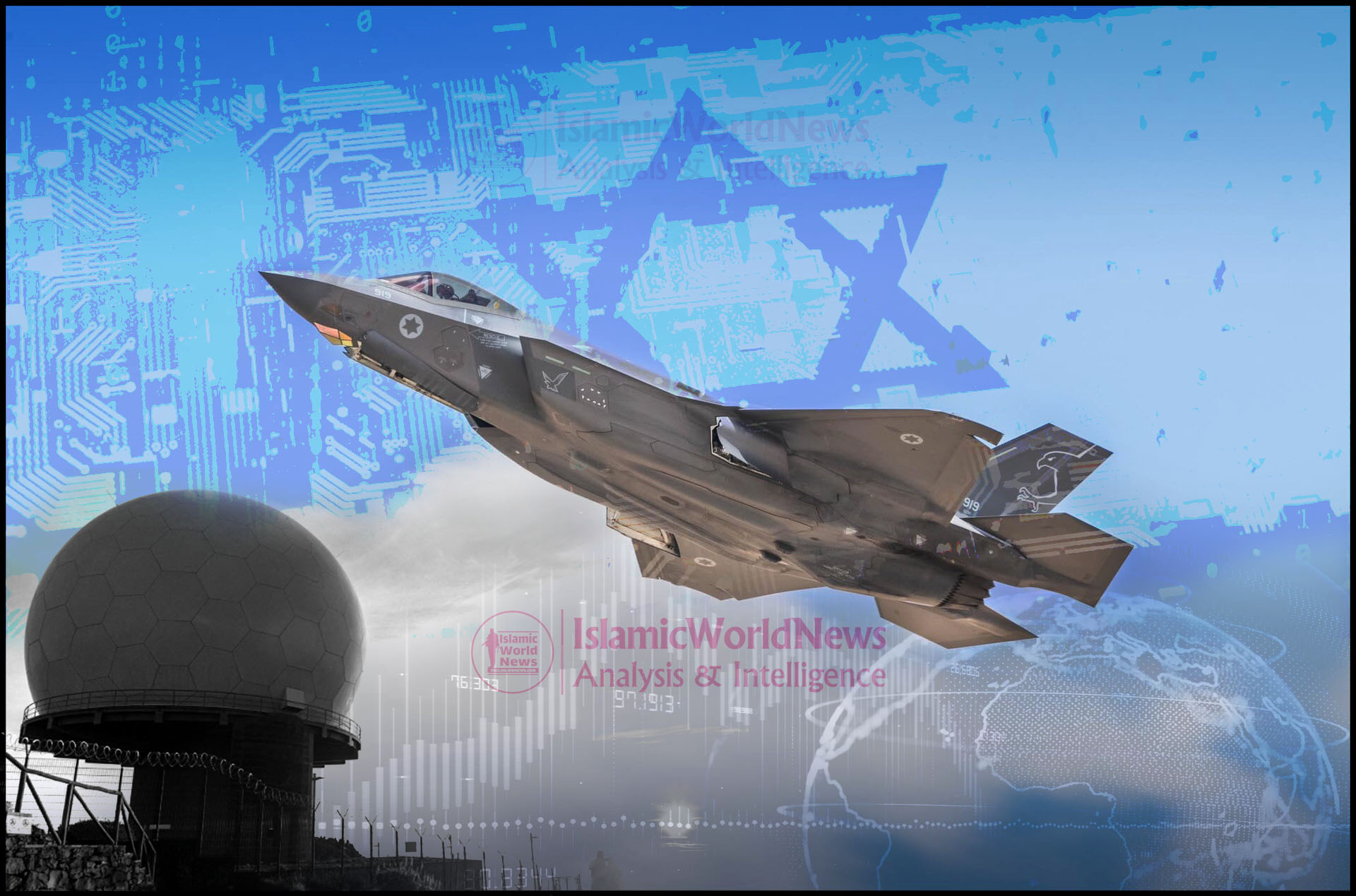
    Israel’s F‑35I Adir fighter jets, combining stealth technology with onboard sensor networks, function as more than just aircraft—they serve as airborne command-and-control hubs. These jets are tasked with penetrating air defense networks and, using “Beast Mode,” can carry external weapons after disabling radar systems to increase bombing payloads. Data collected via electronic and infrared sensors is encrypted and transmitted to command centers, guiding F‑15I and F‑16I jets for simultaneous precision strikes.

    This networked approach enables highly coordinated SEAD (Suppression of Enemy Air Defenses) and OCA (Offensive Counter-Air) missions. No previous operation against Iran has demonstrated such synchronization.

    Additionally, Israel’s long-range offensive layer includes standoff weapons like air-launched Sparrow ballistic missiles and Spice guided bombs, extending operational reach by several hundred kilometers. Simultaneous launches from multiple directions saturate Iran’s S‑300 and S‑400 systems, and when combined with F‑35I support, enable the capture of strategic targets such as uranium enrichment facilities and air defense sites. High-altitude aerial refueling not only prolongs battlefield endurance but also allows for continuous air support loops. According to CSIS experts, this “multi-axis simultaneous operations” model significantly improves penetration into Iran’s defense zones compared to traditional pinpoint strikes.

    Electronic and Cyber Warfare

    Since Operation Rising Lion, Israel has integrated battlefield and cyber tactics to neutralize Iranian defenses before physical strikes commence.

    In the first phase, electronic warfare units deploy systems like IAI’s Scorpius to target S‑300 and S‑400 radar signals, saturating multiple frequency bands and inducing “artificial sleep” in ground receivers. This multi-step process includes active jamming, injecting false data into control systems, and sudden disruptions—rendering even mobile defense stations unable to activate quickly.

    Next, Mossad and Unit 8200 cyber teams infiltrate air defense management networks and data centers, issuing fake commands to deactivate radars or reposition antennas. As a result, when F‑35I jets or combat drones enter Iranian airspace, no effective alerts are triggered.

    Simultaneously, large-scale cyberattacks target cross-border communication support networks. Internal servers are replaced, root account passwords are rotated, and encrypted traffic is intercepted using known vulnerabilities. The Washington Institute emphasizes that these intrusions are designed to disable logistical support systems and crisis command centers, preventing Iran from mounting a coordinated rapid response.

    Ultimately, a hybrid network of cyber and electronic attacks, combined with drone-based cover operations inside Iran, enables the destruction or disabling of defense systems deep within Iranian territory without direct confrontation. This model, blending jamming, cyber infiltration, and stealth explosive drones, represents a new framework for long-range attacks unprecedented in the history of Israeli-Iranian conflict.

    Support and Coordination with the United States

    At the strategic level, Israel’s formal integration into the U.S. Central Command (USCENTCOM) and close cooperation with the Pentagon have granted its air and naval forces access to extensive logistical and intelligence resources. Following this integration, Israel’s F‑35I jets and other airborne units can refuel and rearm at joint U.S. bases in the region, including B‑52 facilities in Qatar and aircraft carriers in the Persian Gulf. Logistical support—spare parts and specialized personnel—is provided under joint supervision and through coordinated exercises, reducing operational costs by up to 30% and minimizing response time.

    Israel’s role within CENTCOM’s unified command structure also facilitates missile and air defense alert sharing. By integrating the U.S. Shared Early Warning system with Israel’s Arrow system at a joint command center, any missile or drone launch in the region is rapidly detected and its coordinates shared with both nations’ commanders. Additionally, joint engineering and cybersecurity teams conduct regular drills to secure military networks and prepare for nuclear threats. This collaboration has created a secure and transparent logistical support system that complicates any offensive action with dual-layered challenges.

    On the political-military front, regional affairs officers (FAOs) and joint representatives within CENTCOM have strengthened personal relationships and information exchange among senior commanders. These interactions—through regular visits by CENTCOM leadership to Tel Aviv and the presence of Israeli advisors at U.S. command centers—enable swift and frictionless strategic alignment. The result is a secure logistical and intelligence network that pushes Israel’s offensive-defensive capabilities to saturation levels, forcing adversaries into limited reactive positions.

    Special Operations and Targeting Key Commanders

    Elite units such as Sayeret Matkal and Shayetet 13 operate within a unified mission architecture, executing psychological and tactical strikes deep inside Iran before the main aerial bombardment begins. According to CSIS, these units use real-time intelligence from fusion centers in Tel Aviv and Washington to infiltrate target facilities via small insertion teams (Fast-Rope Insertion), install field sensors, and transmit precise coordinates to jets and drones for synchronized strikes.

    Their methodology centers on “Deep Joint Strike” operations—simultaneous missile bombardment and infiltration teams supported by drones and electronic warfare. These teams identify and eliminate communication keywords and commander gathering points, crippling Iran’s high-level management and response capabilities both logistically and psychologically, making coordinated national reactions virtually impossible.

    CSIS recommends continued use of this tactical combination, noting its long-term strategic effectiveness. Iran’s ability to rebuild special operations capacity is hindered by cultural and security complexities, and the psychological deterrence created may pave the way for future successful strikes.

    Sources:
    WSJ – Israel Targets Iranian Nuclear Scientists | RAND – Israel-Iran Conflict Q&A | CSIS – Iran and Military Balance in the Gulf | Business Insider – Israel’s F-35 Warplanes | Al Jazeera – Israel’s Intelligence Operations in Iran | Defense Info – F-35I Adir as Strategic Game-Changer | Business Insider – Israel’s F-35I Stealth Jet Capabilities | JNS – Iran’s Domestic Air Defense vs Israeli EW | Rasanah – Israel-Iran Escalation Analysis | Washington Post – Mossad’s Iran Operations | BESA Center – Israel’s Move to USCENTCOM | Algemeiner – Strategic Shift to USCENTCOM | GovInfo – U.S. Congressional Hearing on Iran | CSIS – Rising Lion Report on Iran | CSIS – Israeli Strike on Iran Explained | Global Defense Corp – Israeli Raid on Syrian Chemical Site

  • Digital Conflict Intensifies: Yemen Strikes Back Against Cyber Aggressors

    Digital Conflict Intensifies: Yemen Strikes Back Against Cyber Aggressors

    In retaliation, Yemen has targeted the Absher platform, which is affiliated with the Saudi Ministry of Interior. This platform connects all Saudi government departments electronically and serves 21 million users, offering 200 electronic services, including online services for passports, traffic, and civil affairs.

    The cyber attacks on Yemeni sites suggests that Israel has organized a comprehensive operation involving air, cyber, intelligence, security, and economic strategies to strike Yemen. Following the failure of a US military naval operation in Yemen, it appears that Israeli officials now recognize that disabling the Yemeni front will require a large-scale, coordinated effort over an extended period.

  • Israeli regime soldiers information leaked! + File

    Israeli regime soldiers information leaked! + File

    The files, leaked by a hacker group named “Moses Staff”, also contain details of the deployment of an IDF combat brigade, including job descriptions, a full list of names, e-mail addresses, phone numbers, and residential addresses of members of the brigade.

    Israeli cybersecurity agencies, which are responsible for countering cyberattacks and receive large sums of money each year, have so far not had much success in combating hacker attacks and intrusion.

    Israel brags about its cyber security while during the last several months sensitive information has been leaked from economical, security, social and military organizations and according to Hebrew media, hackers were successful in penetrating the sensitive areas of the Regime.

    It shows that the Israeli regime’s heavy investment in cyber security has not been effective enough for them and instead of investing large budgets in this field, its better for them to reconsider and change some of their actions and behavior!

    Download leaked files in Excel format:

    File #1 – File #2 – File #3 – File #4 – File #5 – File #6 – File #7 – File #8 – File #9 – File #10 – File #11 – File #12