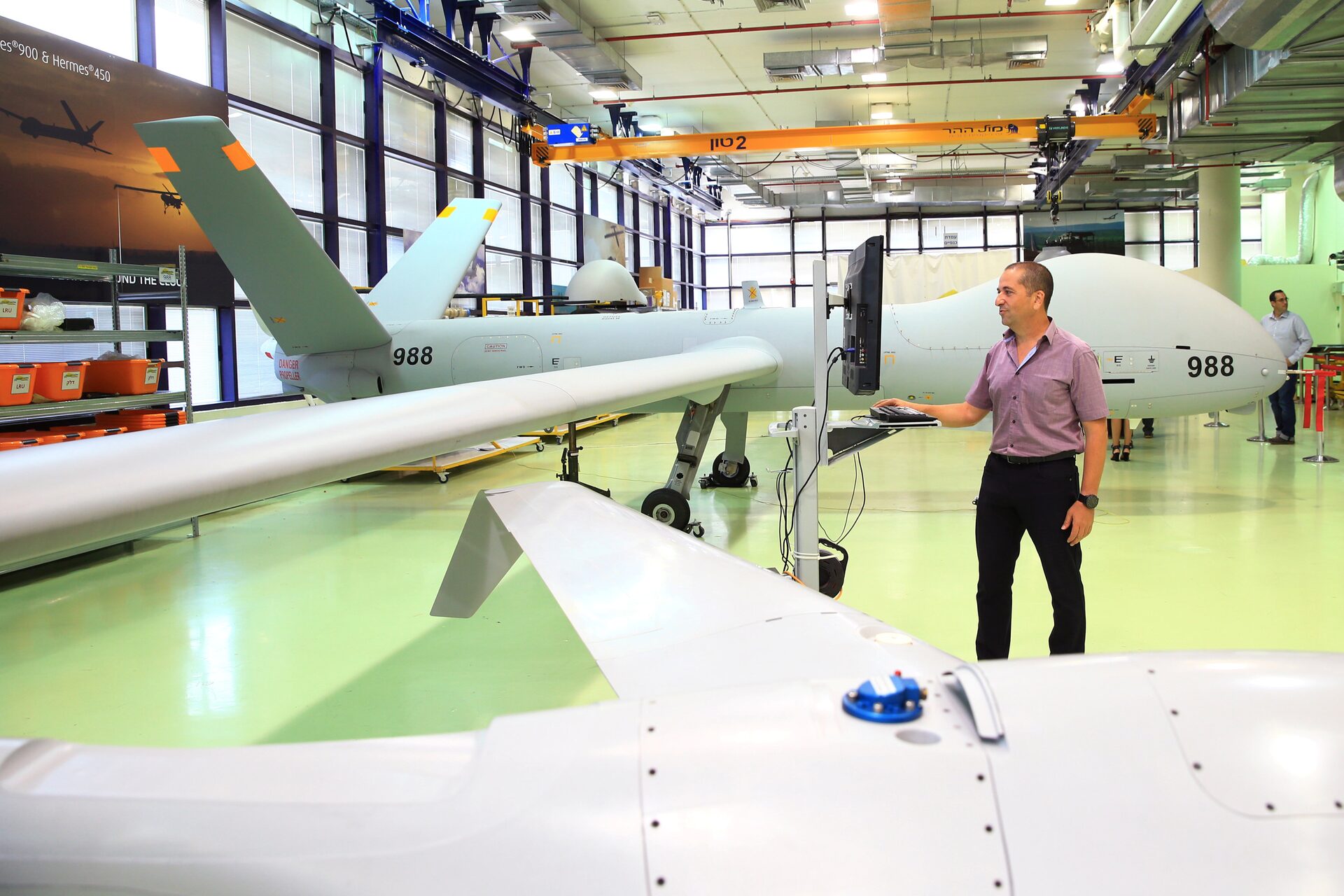
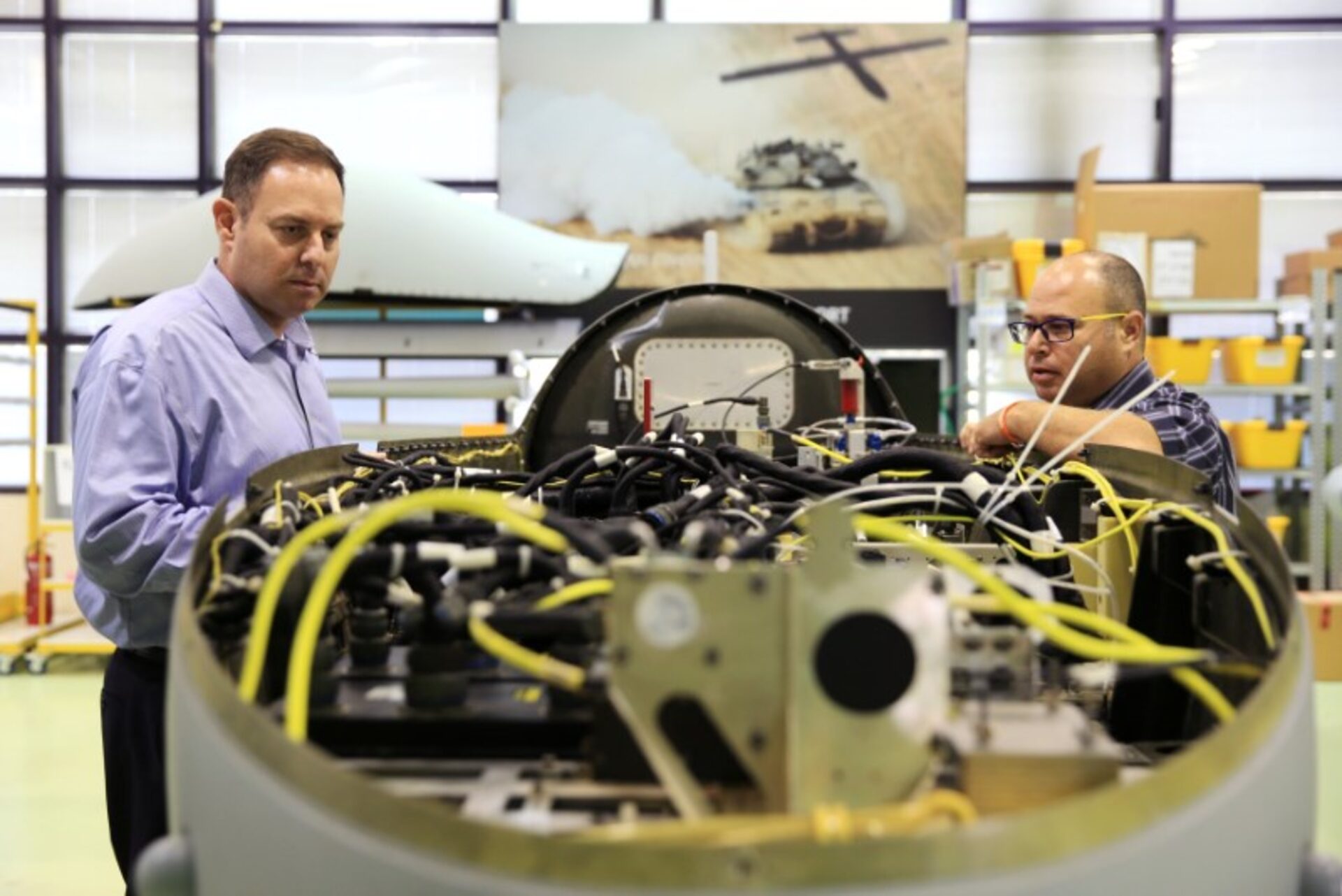
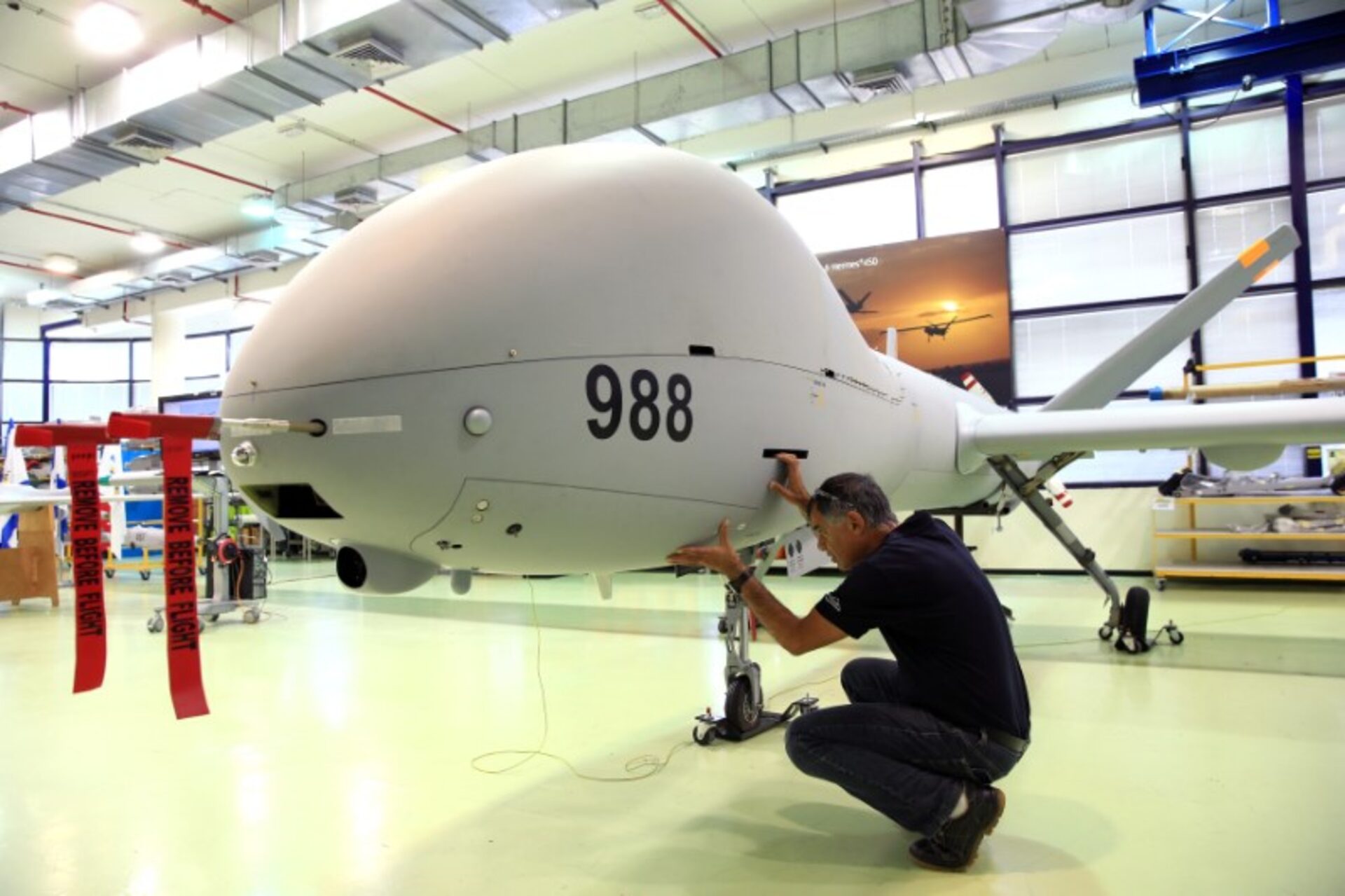
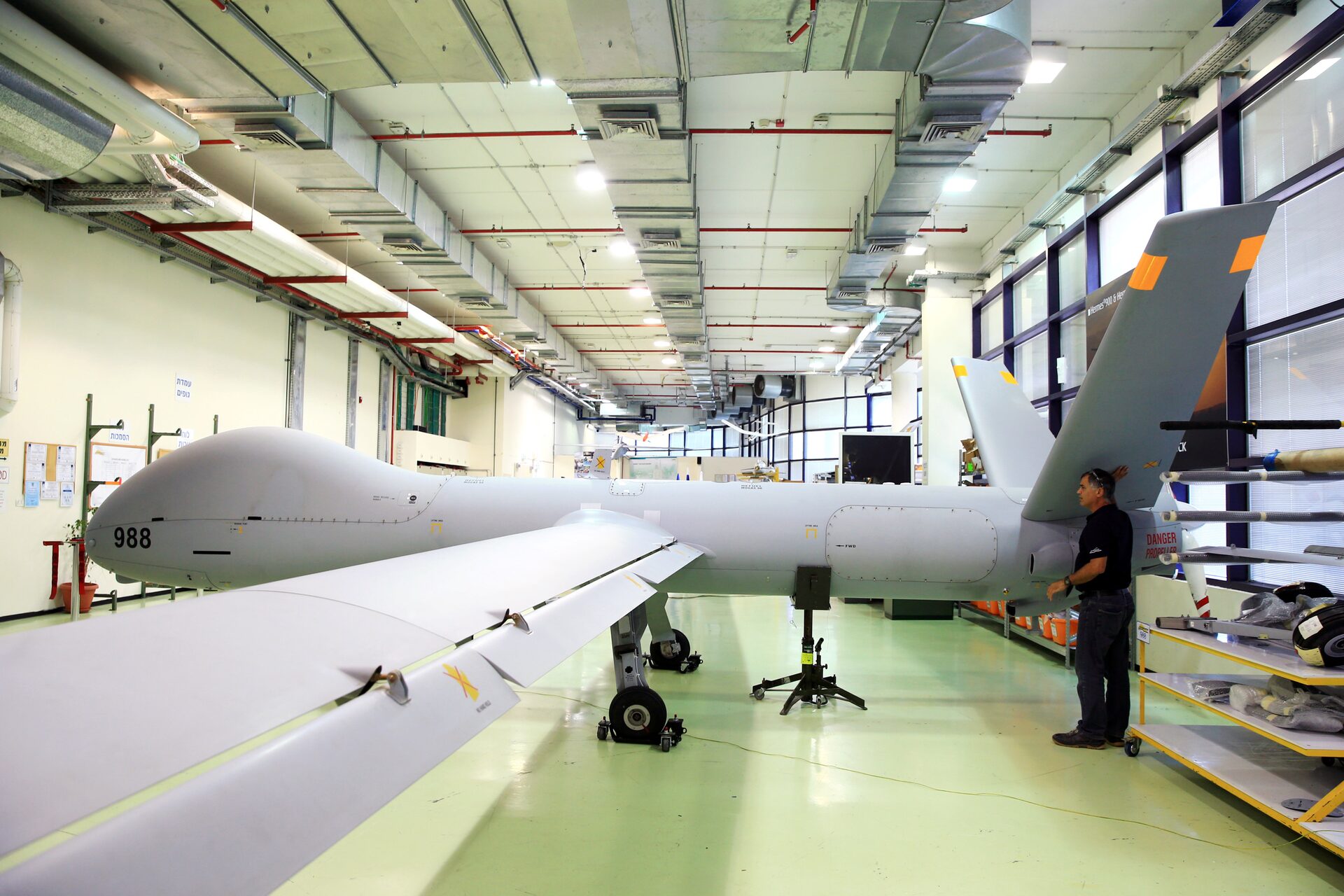
According to the joint investigation by Follow the Money, La Lettre, Le Soir, and Knack, several current and former NSPA employees are suspected of accepting bribes from defense companies in exchange for multi‑million‑euro contracts. Documents obtained show that Elbit and its subsidiary Orion Advanced Systems were suspended on July 31, with several contracts frozen—including supplies of ammunition, aircraft protection systems, and military detonators.
A key figure linked to the case, identified as Italian citizen Eliau E., is wanted internationally on charges of bribery and participation in an organized criminal group. He owns or directs several defense consulting firms in the U.S., Lithuania, and Greece. While no official connection to Elbit has been disclosed, sources close to the investigation claim he acted as a consultant for the company. Elbit itself is not directly under investigation.
The probe has also led to arrests: a former Belgian Ministry of Defense official and ex‑NSPA employee was detained in May 2025, while a Turkish former NSPA staffer—now head of defense firm Arca—was also arrested in Belgium. He was slated for extradition to the U.S., but the American investigation was abruptly halted in July, leading to his release.
Elbit Systems has categorically denied any involvement, rejecting claims of contract suspensions and insisting that no NATO or NSPA programs have been withdrawn.
Analysts argue that the heightened scrutiny of Israeli defense companies reflects global backlash against Israel’s war crimes and genocide in Gaza, noting that firms like Elbit play a central role in sustaining the military campaigns in the occupied territories and across the region.
Air defense systems based on kinetic munitions — despite their high interception efficiency — are financially unsustainable in prolonged conflicts due to their reliance on expensive missiles. With the rise of low-cost, high-volume threats such as homemade rockets and commercial drones, now accessible to both state and non-state actors, the strategic balance has shifted against defenders. In such scenarios, the cost of a defensive shot often far exceeds that of the incoming threat — a clear advantage for attackers.
Advancements in directed-energy systems offer a solution to this challenge. In recent years, countries like China, the United States, the United Kingdom, and Western Europe have actively pursued the development of laser and microwave weapons. Simultaneously, nations such as India, Russia, Turkey, Saudi Arabia, and Iran are also striving to acquire similar technologies. The Zionist regime is no exception to this global trend.
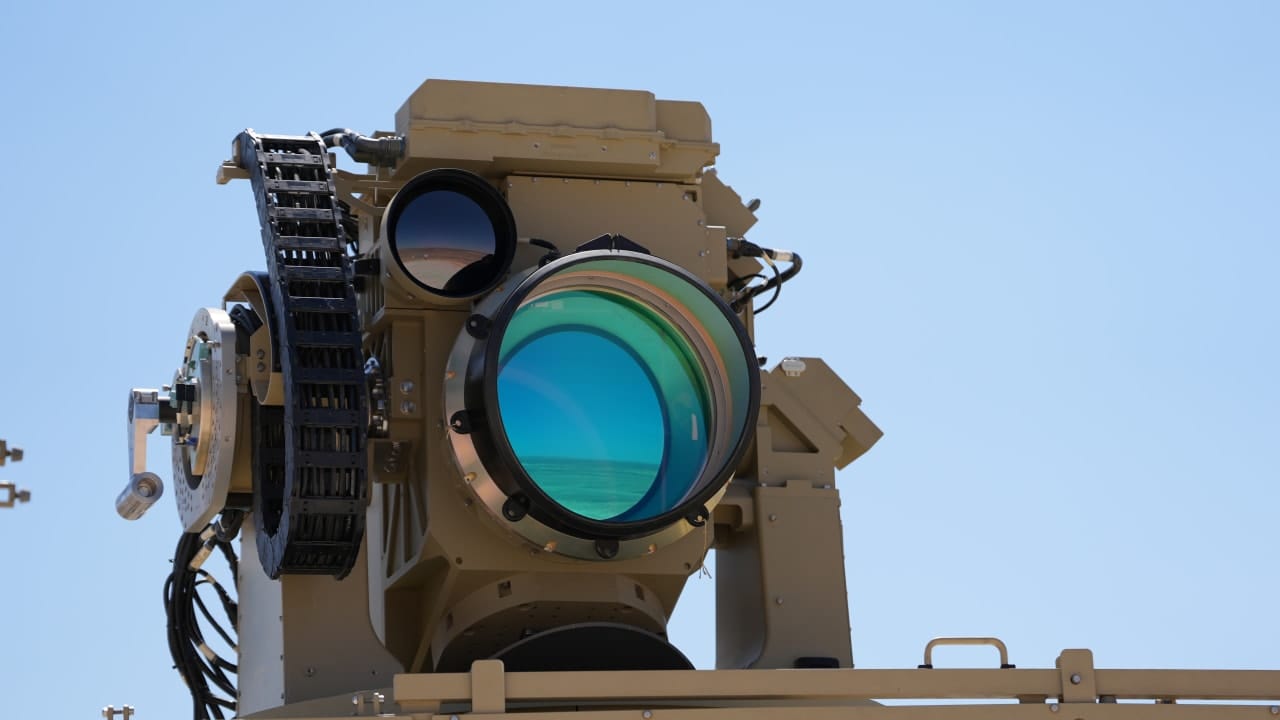
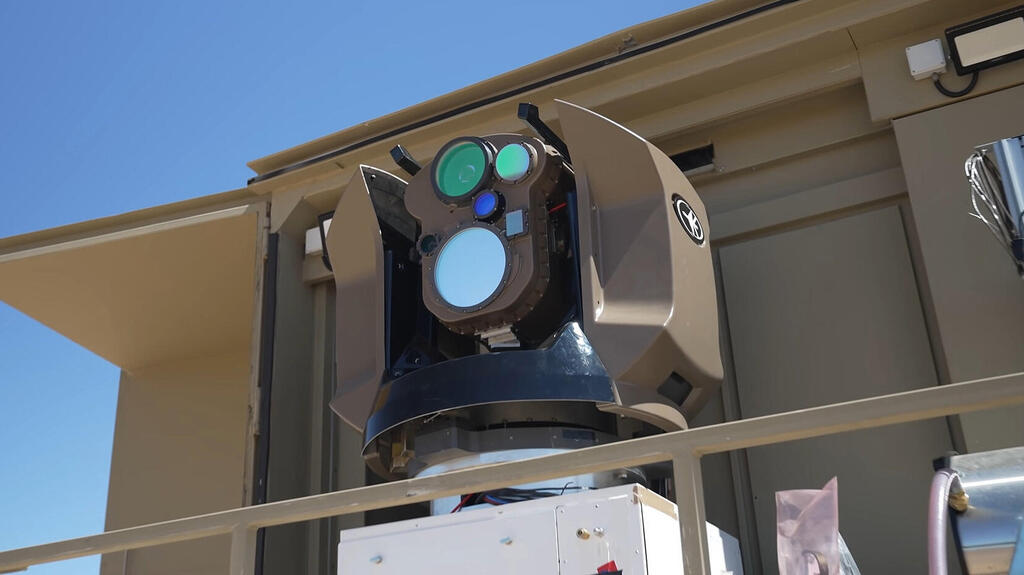
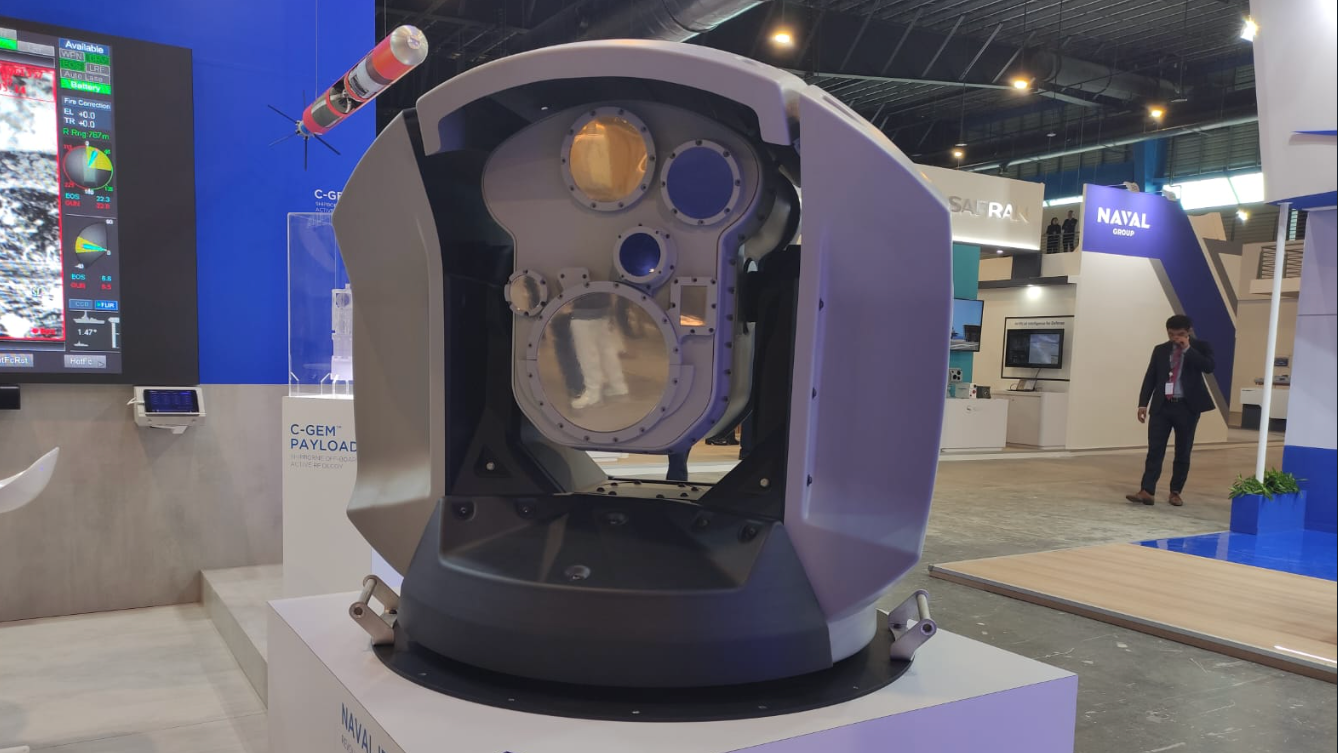
Lite Beam, Iron Beam-M (250) and Iron Beam (450) Rafael laser systems at the London Defence Industry Exhibition 2025
Development History of Iron Beam:
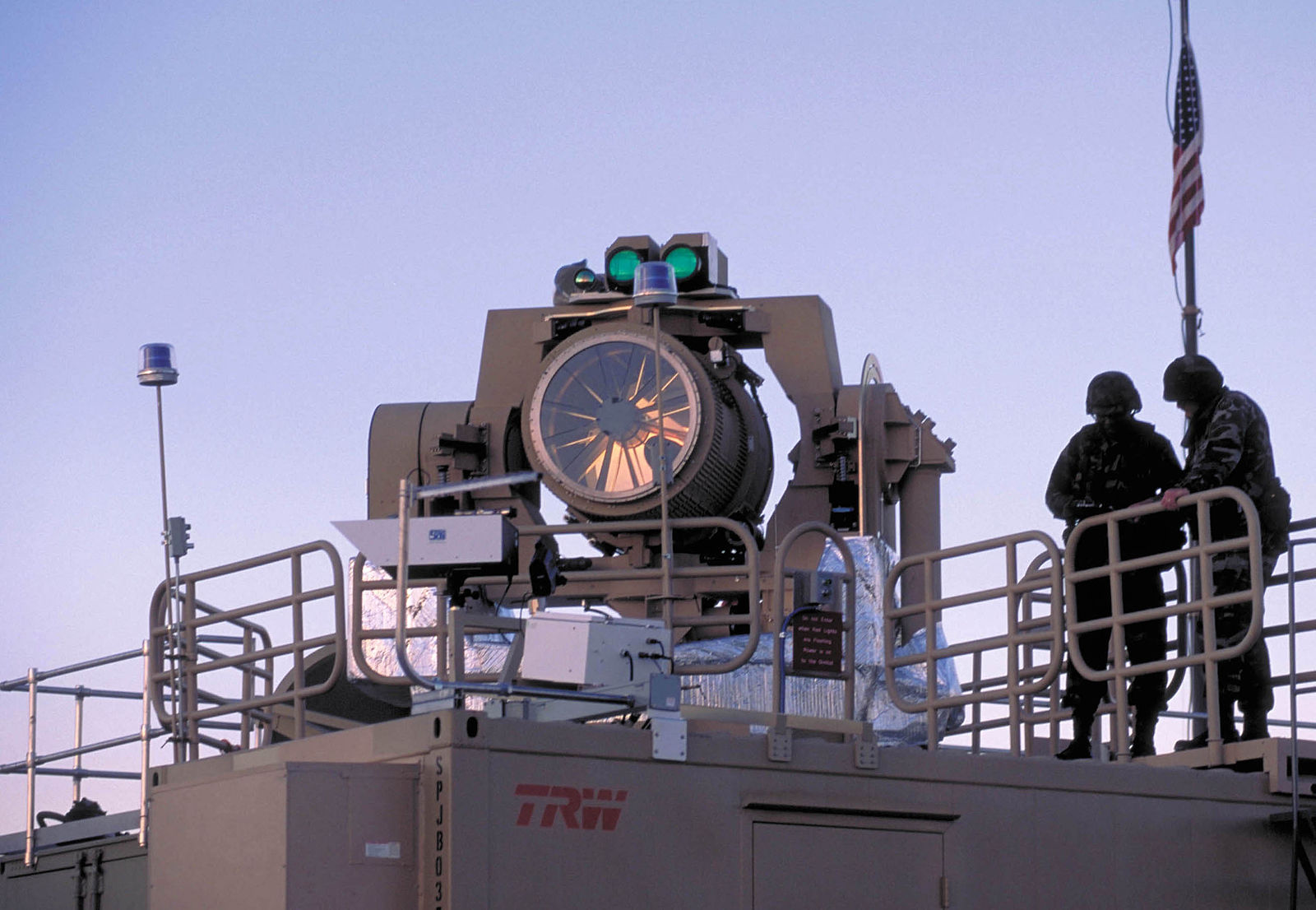
The evolution of “Iron Beam” traces back to a long journey, beginning with a joint U.S.-Israeli project in 1996 focused on tactical high-energy lasers. The program, known as Tactical High-Energy Laser (THEL), was based on chemical laser technology but was ultimately discontinued in 2005 due to high costs and poor battlefield performance.
The current Iron Beam project emerged after 14 years of research and development, overcoming the limitations of earlier technologies. It transitioned from chemical lasers to solid-state fiber lasers, marking a significant technological shift.
Iron Beam-MTactical High-Energy Laser (THEL)Iron Beam-M and THEL laser systems
Iron Beam System (also known as Or Eitan or Magen Or) was publicly unveiled for the first time on February 11, 2014, during the Singapore Airshow. It was introduced as the missing final link in Israel’s multi-layered air defense architecture. The version presented at the time was the initial concept of the system, which is now referred to as Iron Beam-M, or the mobile version. This system was specifically designed to address the tactical and economic limitations of the Iron Dome in countering saturation attacks and low-cost projectiles.
Therefore, Iron Beam is not a replacement for existing systems; rather, it serves as a complementary layer. Its primary mission is to confront short-range and high-volume threats, including rockets, mortars, and drones.
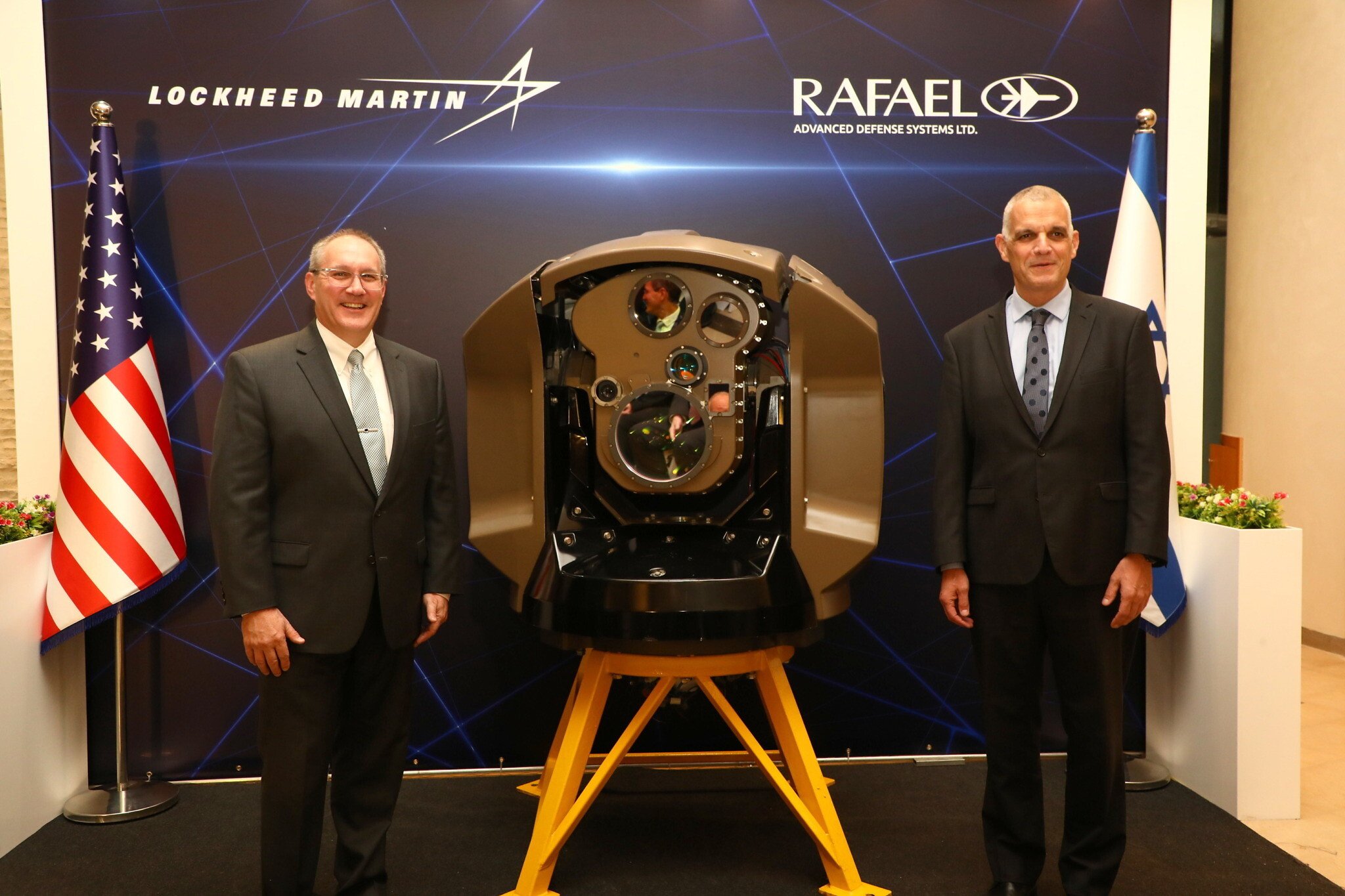
In December 2022, Rafael and Lockheed Martin launched a joint investment initiative to develop, test, and produce a laser weapon system for the U.S. market and international clients. In this project, Rafael serves as the lead contractor and system designer.
The Israeli Ministry of Defense’s Directorate of Defense Research and Development, the Israeli Air Force, and Elbit Systems are key subcontractors involved in the effort. Significant financial backing from the United States has also played a role in advancing the project.
In October 2024, the U.S. allocated over $500 million for the production of Iron Beam systems, as part of a broader $5.2 billion package aimed at strengthening Israel’s air defense capabilities.
Iron Beam-M 250 system
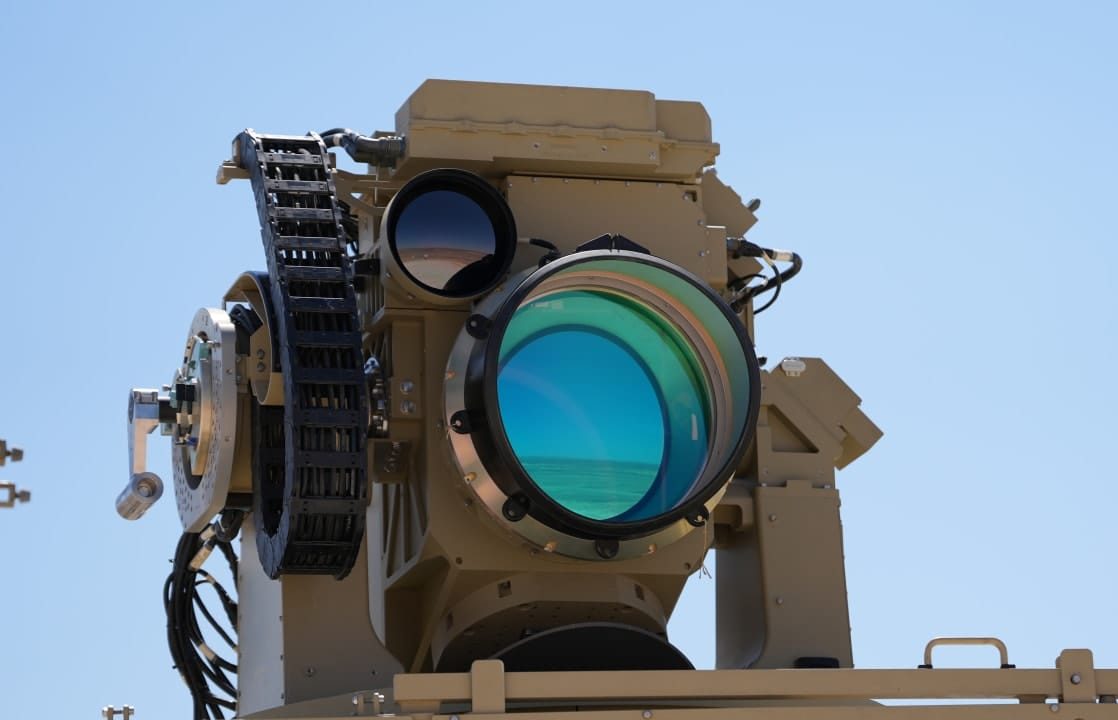
The core of the Iron Beam system is a solid-state fiber laser that generates high-energy beams. Fiber lasers have gained prominence in recent years due to their efficiency, stability, and scalability to higher output powers.
However, a major technical challenge for directed-energy weapons operating in the atmosphere is beam dispersion and disruption caused by air density, water vapor, and atmospheric turbulence. This atmospheric distortion has historically limited the effectiveness and operational range of earlier laser systems.
To overcome these limitations, Iron Beam employs two key technologies: advanced adaptive optics and intelligent beam combination. In practice, the system directs hundreds of individual beams — each about the diameter of a coin — toward the target. Since each beam is less affected by atmospheric interference on its own, energy loss due to turbulence and instability is minimized.
The system then dynamically monitors and adjusts the trajectory of each beam, allowing the cumulative energy of all beams to converge precisely on a single point on the target.
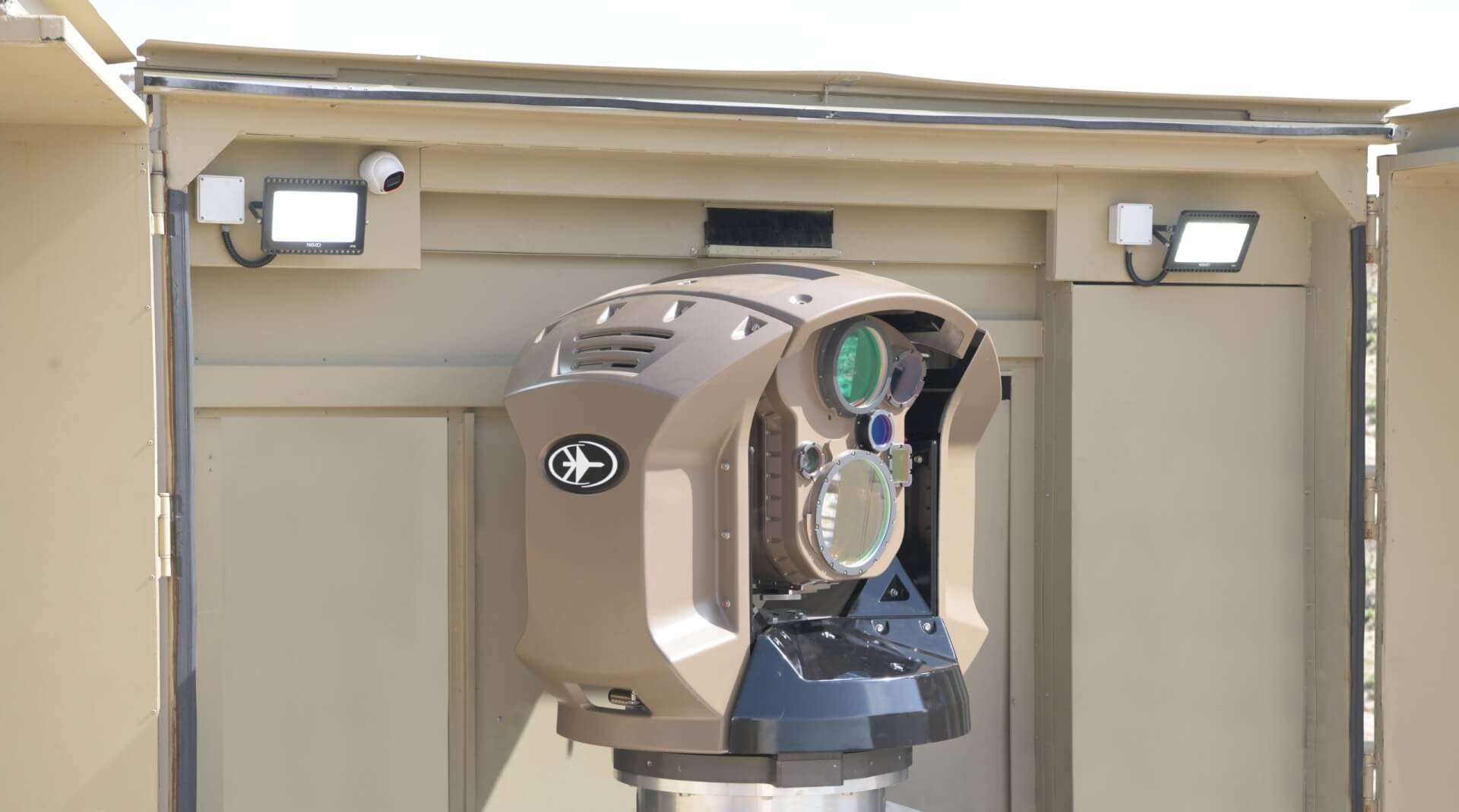
Iron Beam-M system (the M stands for mobile)
Iron Beam System variants:
The Iron Beam family consists of several variants, each designed for different tactical missions. While all share a core reliance on high-energy laser technology, each version differs in output power, deployment platform, and operational role based on its specific mission.
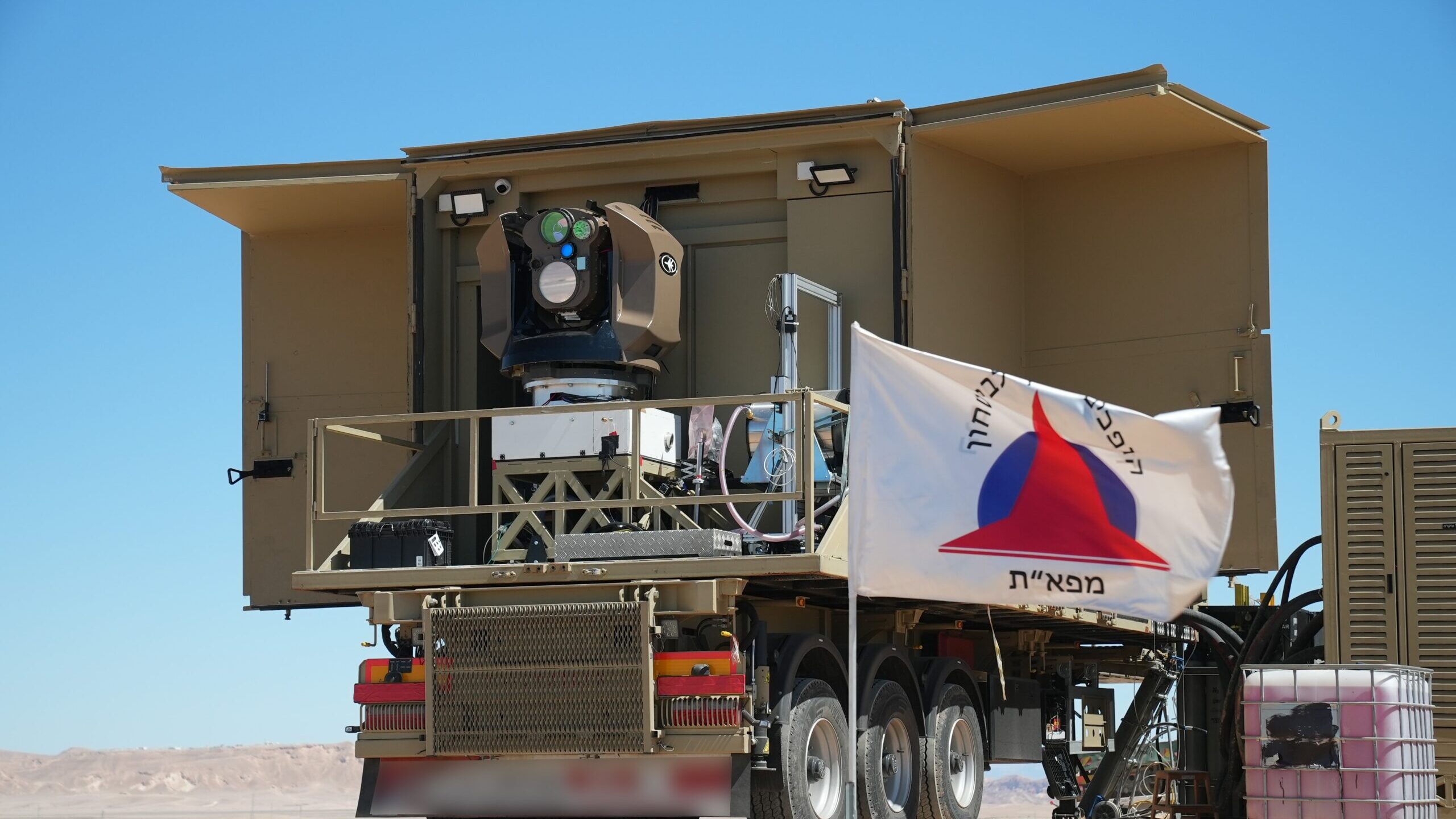
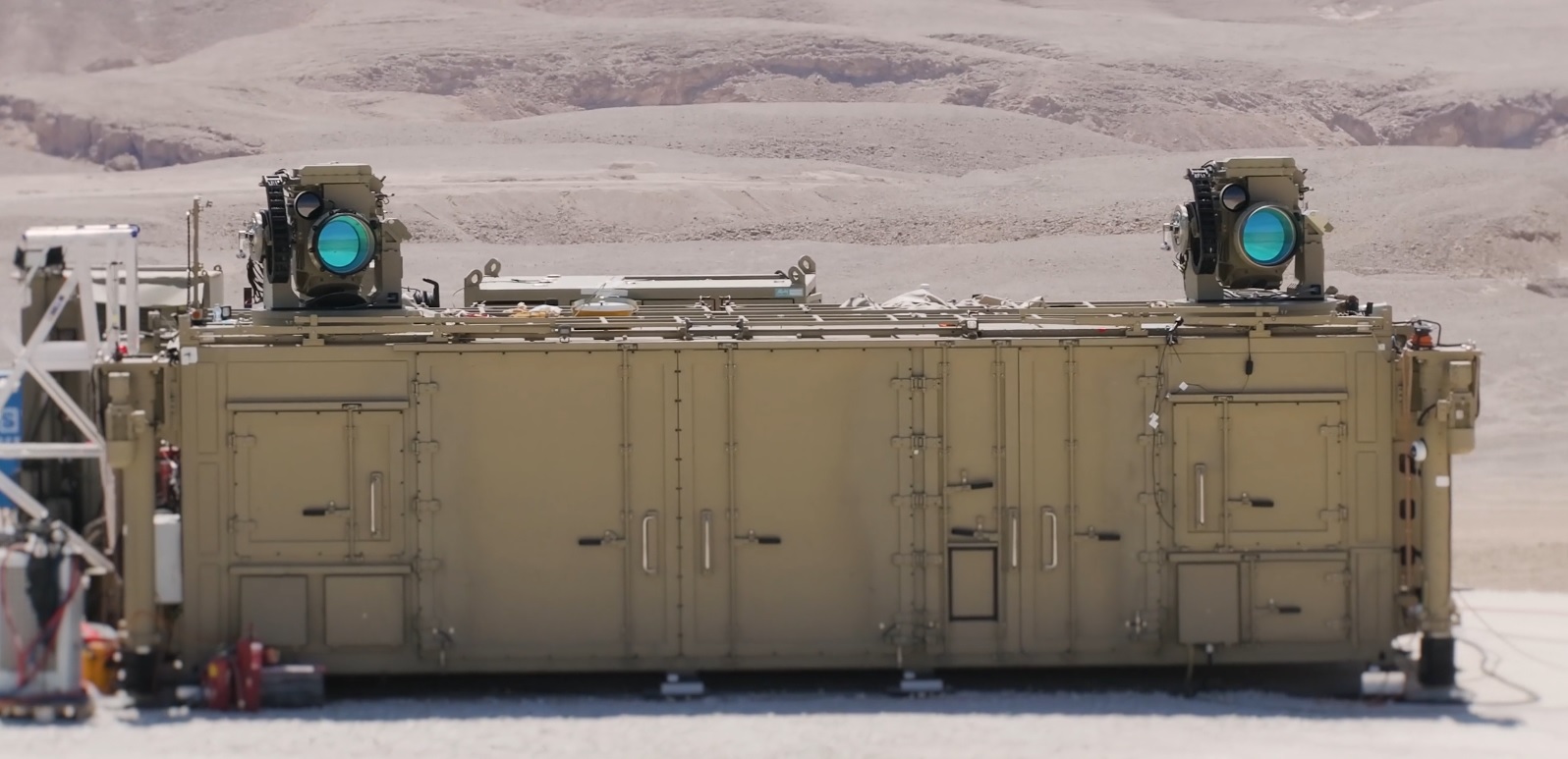
The most powerful model, known as Iron Beam 450, features a 100-kilowatt-class laser mounted on a ground-based containerized platform. Its primary mission is short-range air defense, with an effective range of approximately 10 kilometers. This is the flagship version of Iron Beam, whose development and final deployment took nearly two decades.
The system officially entered service with the Israeli military in 2025.
Iron Beam 450 system with 100 kW power
The Israeli Ministry of Defense and Rafael Advanced Defense Systems officially announced the completion of the 15-year development of the Iron Beam 450 project and its entry into active service by releasing a joint video of its field test.
In the published footage, two Iron Beam 450 systems — each with a power output of 100 kilowatts — are shown simultaneously locking onto a single target and successfully intercepting or destroying it. This synchronized targeting capability effectively doubles the system’s operational power for neutralizing threats.
The official video of the Iron Beam 450 system and how it works
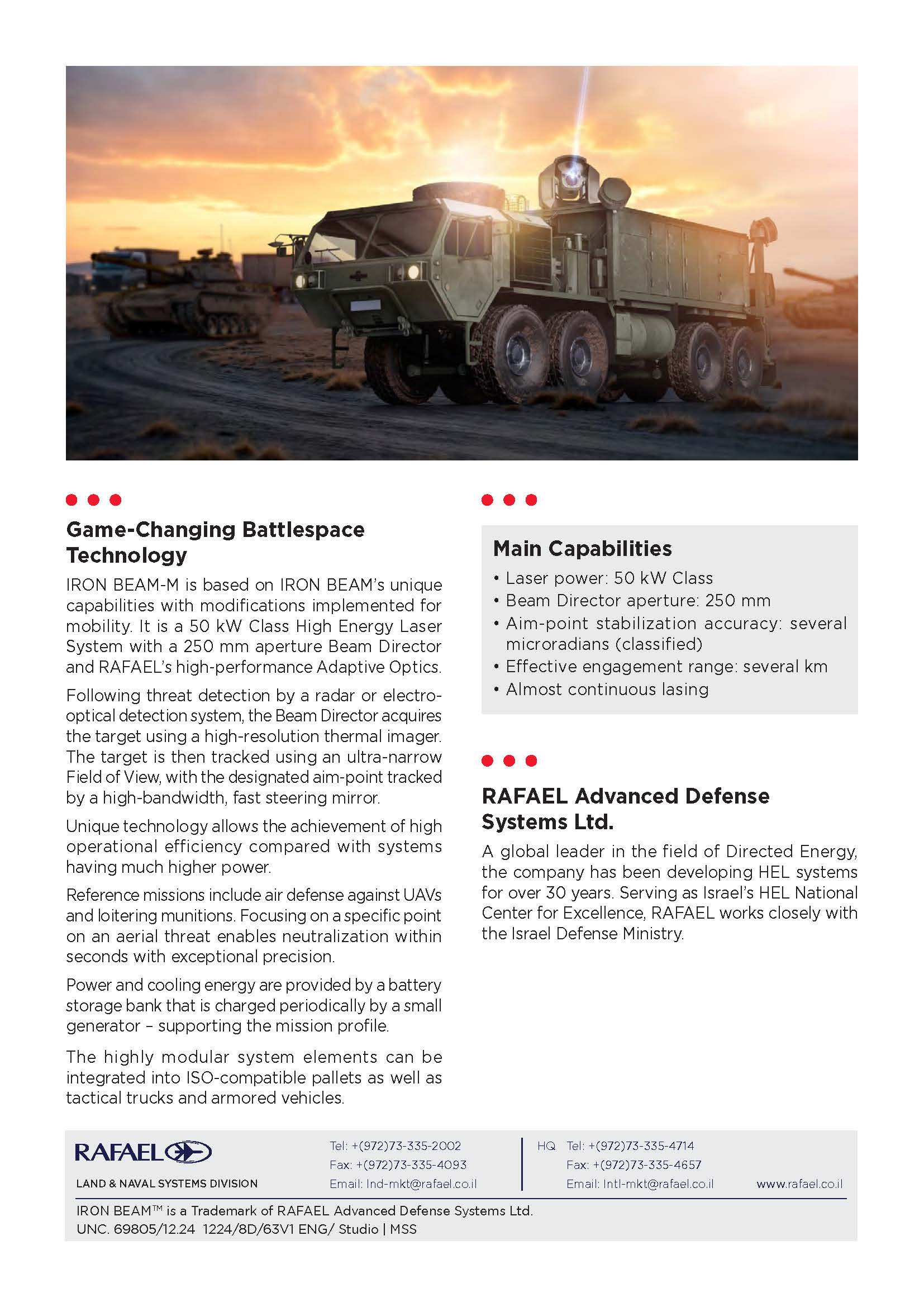
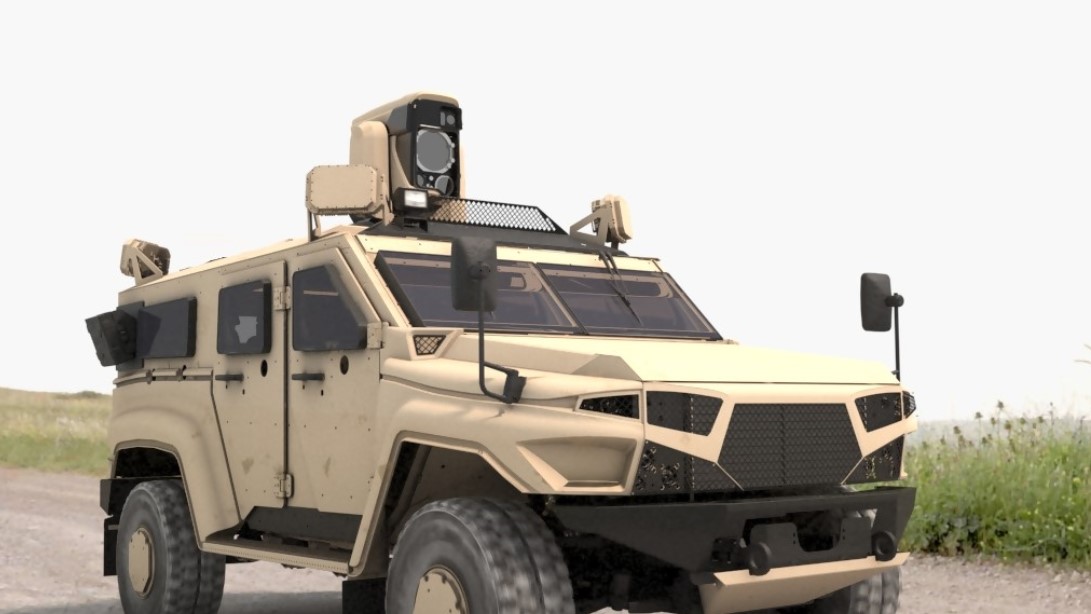
The mobile variant, known as Iron Beam-M, utilizes a 50-kilowatt-class laser mounted on a combat vehicle. It is specifically designed to provide close-range support for maneuvering forces. This version offers defensive coverage over a range of several kilometers.
Iron Beam-M 250 system with 50 kW power
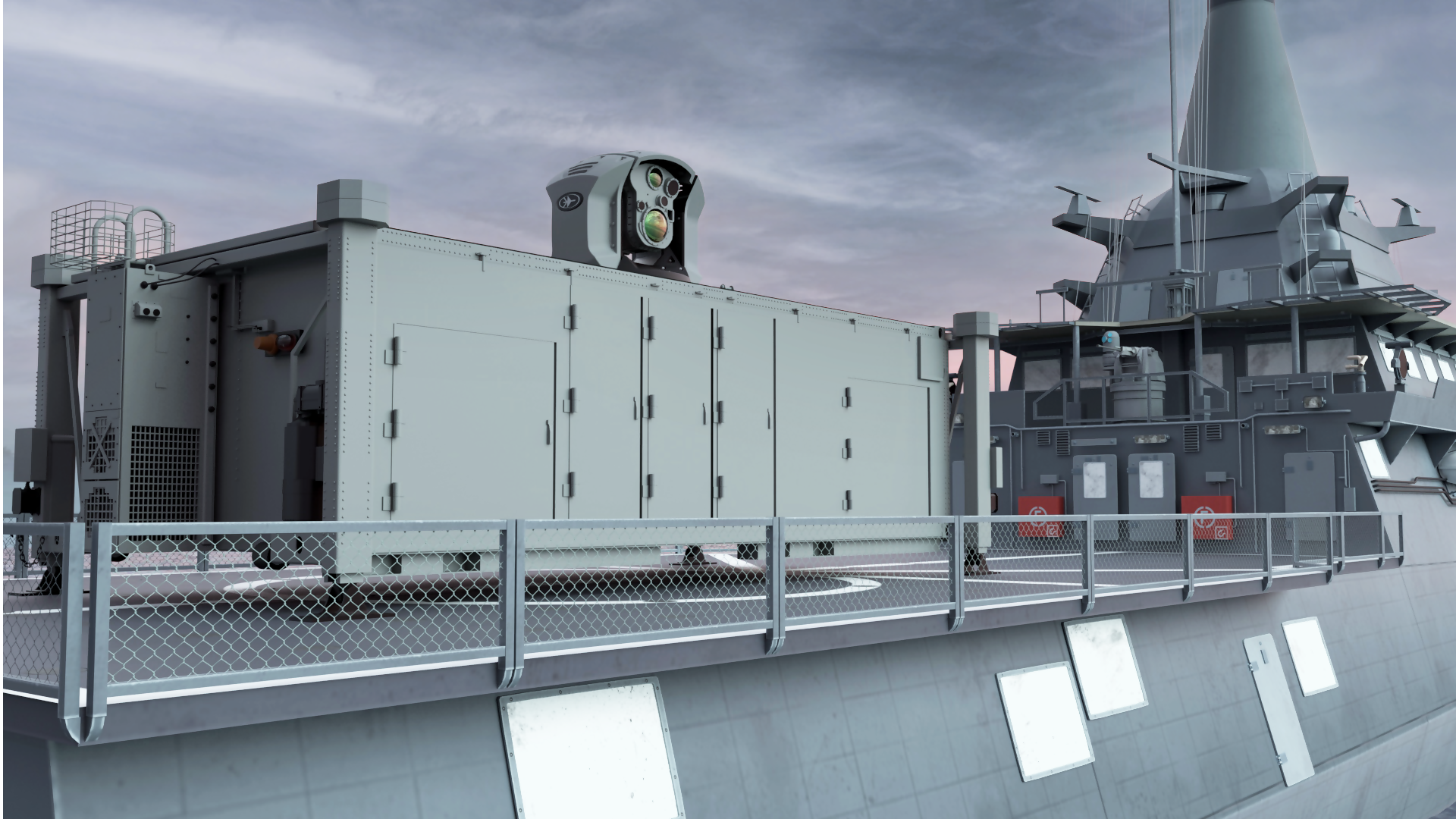
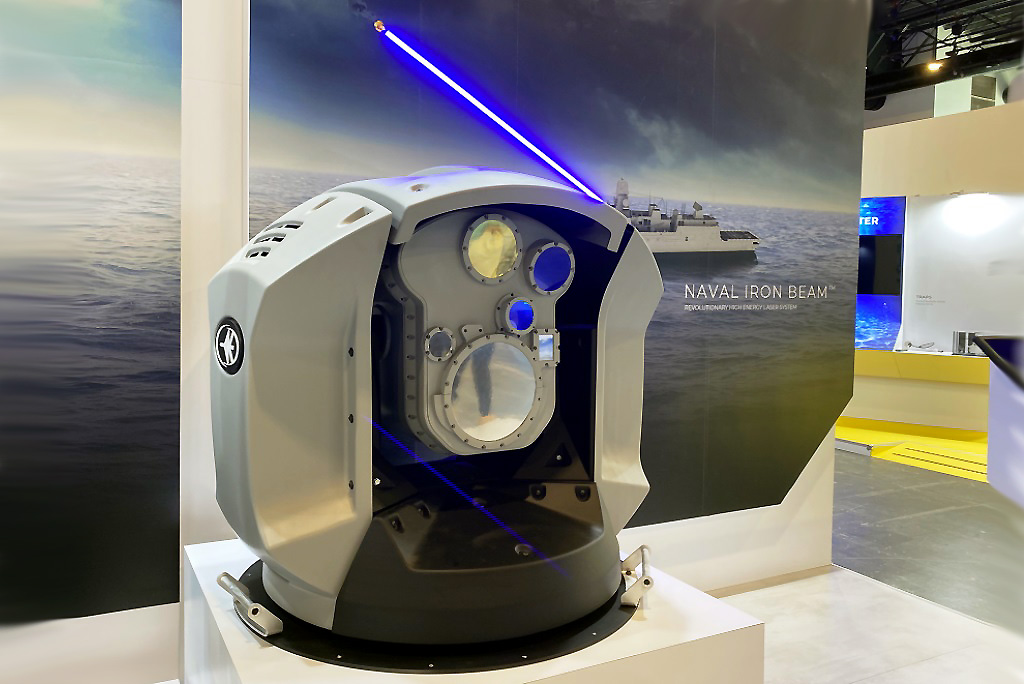
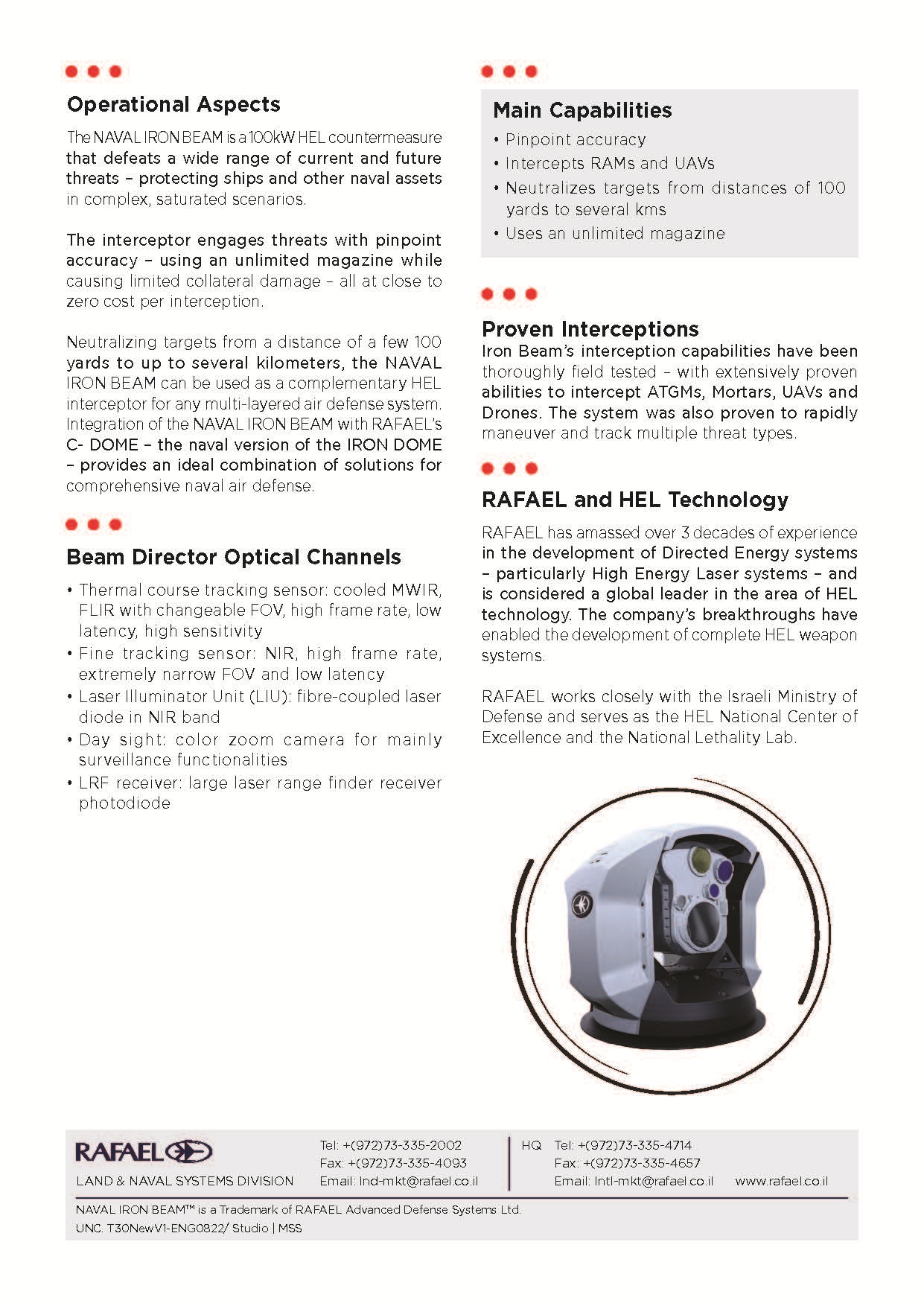
In the naval domain, Naval Iron Beam — the maritime version of the Iron Beam system — features a 100-kilowatt laser mounted on naval vessels. Its role is to counter aerial and missile threats at ranges of several kilometers.
Naval Iron Beam System with 100 kW power
Finally, a lighter version branded as Lite Beam has been introduced, featuring a 10-kilowatt-class laser mounted on a mobile vehicle. Its primary purpose is to counter smaller threats such as short-range drones, with an effective range of approximately 2,000 meters.
Lite Beam system
One of the key operational metrics for laser weapons is “dwell time” — the duration a beam must remain focused on a target to deliver sufficient energy for damage or destruction. For Iron Beam, this process typically takes just a few seconds.
A standard Iron Beam battery usually consists of a defensive radar, a command and control (C2) unit, and two high-energy laser (HEL) systems. These dual emitters can engage a single target simultaneously, enhancing beam precision and stability even under complex combat conditions.
The naval variant of the system also incorporates an array of optical sensors — including thermal, near-infrared, and daylight sensors — to enable accurate tracking and engagement of incoming threats.
Deployment and Operational Record of Iron Beam:
Iron Beam underwent a series of advanced operational tests at the “Shadma” test range in southern Israel. In this field environment, the system successfully intercepted and neutralized a wide spectrum of real-world threats — ranging from rockets and mortars to drones and anti-tank missiles — under scenarios closely resembling actual combat conditions.
Deploying the Iron Beam 450 system for field testing
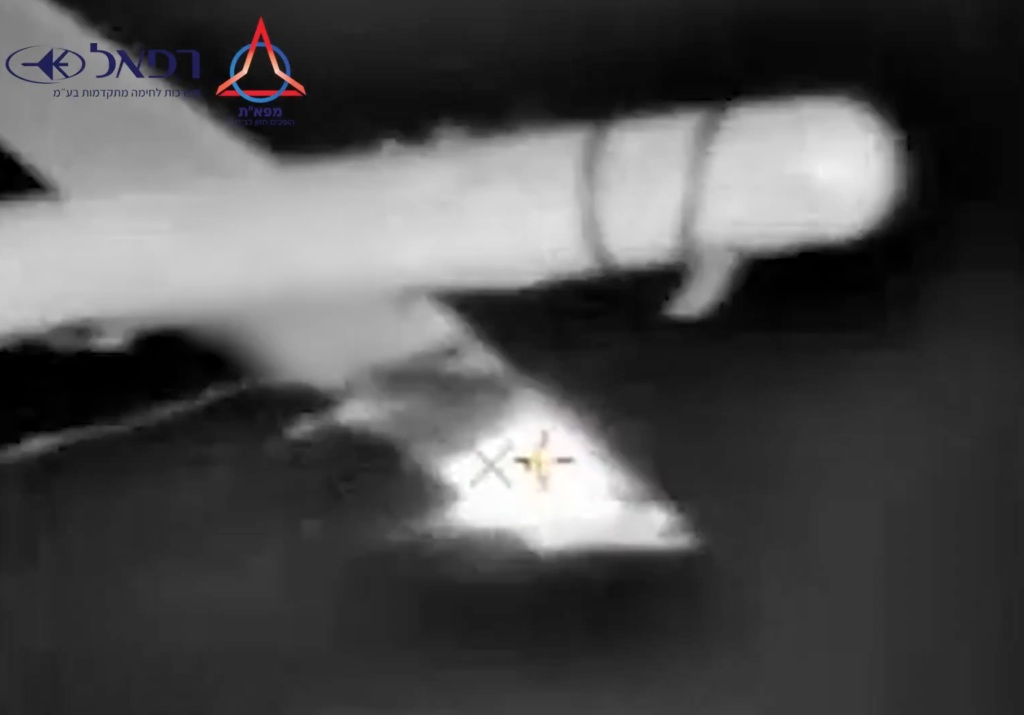
Reports indicate that a smaller, shorter-range version of the Iron Beam system successfully downed dozens of Hezbollah drones in the skies over northern occupied territories during post–October 7 clashes.
Additionally, Iron Beam was reportedly deployed along the Gaza border in October 2023 to assess its performance against Hamas rocket fire. However, no documented evidence has been released to confirm the system’s operational effectiveness in that scenario.
The alleged downing of a Hezbollah drone that was targeted by a version of Iron Beam last October.
The most prominent advantage of Iron Beam lies in its operational cost-efficiency. Each interception requires only electrical energy, typically costing just a few dollars per shot — with some estimates placing it as low as $3 per engagement. This stands in stark contrast to the cost of firing a Tamir interceptor missile from the Iron Dome system, which ranges between $40,000 and $150,000 per launch.
Despite its clear benefits, Iron Beam — like other laser weapons — faces inherent physical limitations. A key challenge is reduced performance under adverse weather conditions such as heavy clouds, rain, fog, or dust, as the atmosphere can scatter or absorb a significant portion of the laser’s energy.
Moreover, while the per-shot cost is minimal, the initial investment required for purchasing, installing, and deploying an Iron Beam battery is substantial.
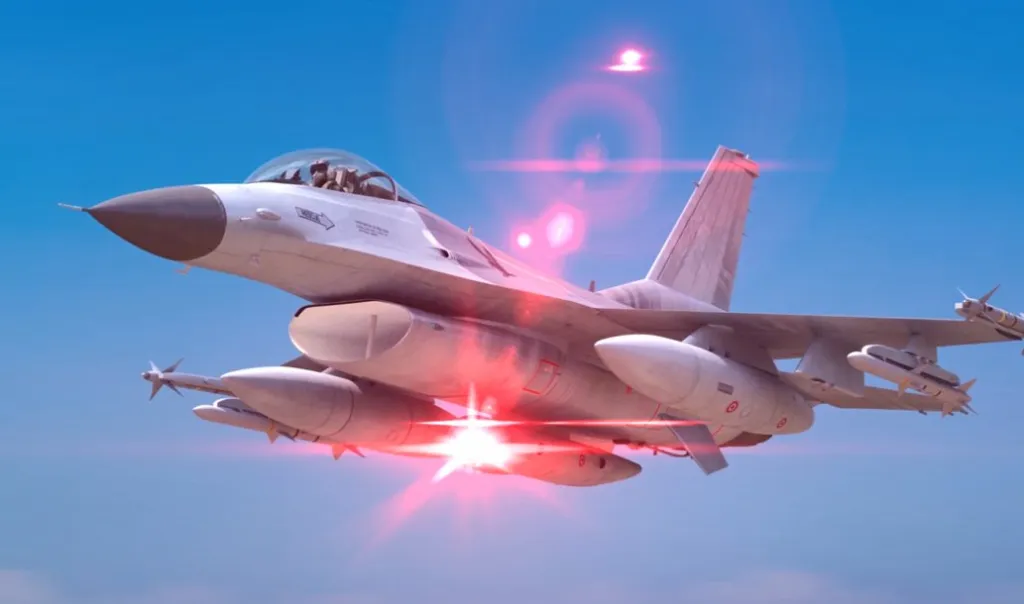
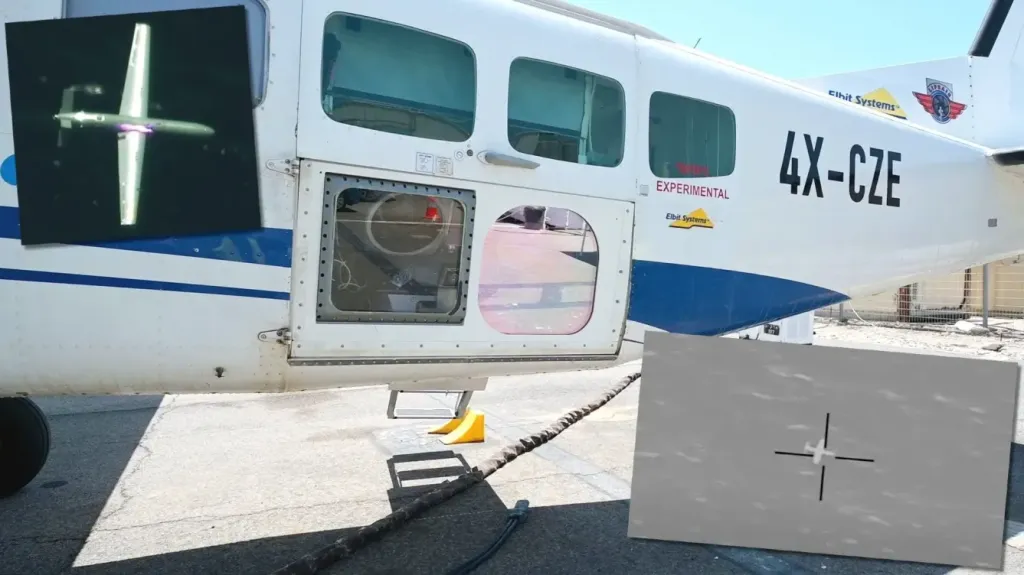
A concept design from Elbit Systems showing an F-16 armed with a pod laser weapon.An experimental Israeli high-power laser system mounted on a Cessna 208 aircraft.
The future path of the Iron Beam System:
Iron Beam is no longer merely a standalone system — it is evolving into a broader technological platform. Rafael has outlined a clear roadmap for future upgrades, including the development of a “Laser Dome” with higher power, extended range, and faster response times, as well as the introduction of mobile (Iron Beam-M), naval (Naval Iron Beam), and airborne variants.
The airborne lasers, currently under development by Elbit Systems, are designed to be mounted on large drones and engage threats from higher altitudes — an advantage that could help mitigate some of the atmospheric limitations faced by ground-based lasers.
Overall, this approach marks the transition of the project from a single-purpose system to a multi-domain ecosystem capable of integration across land, sea, and air operations.
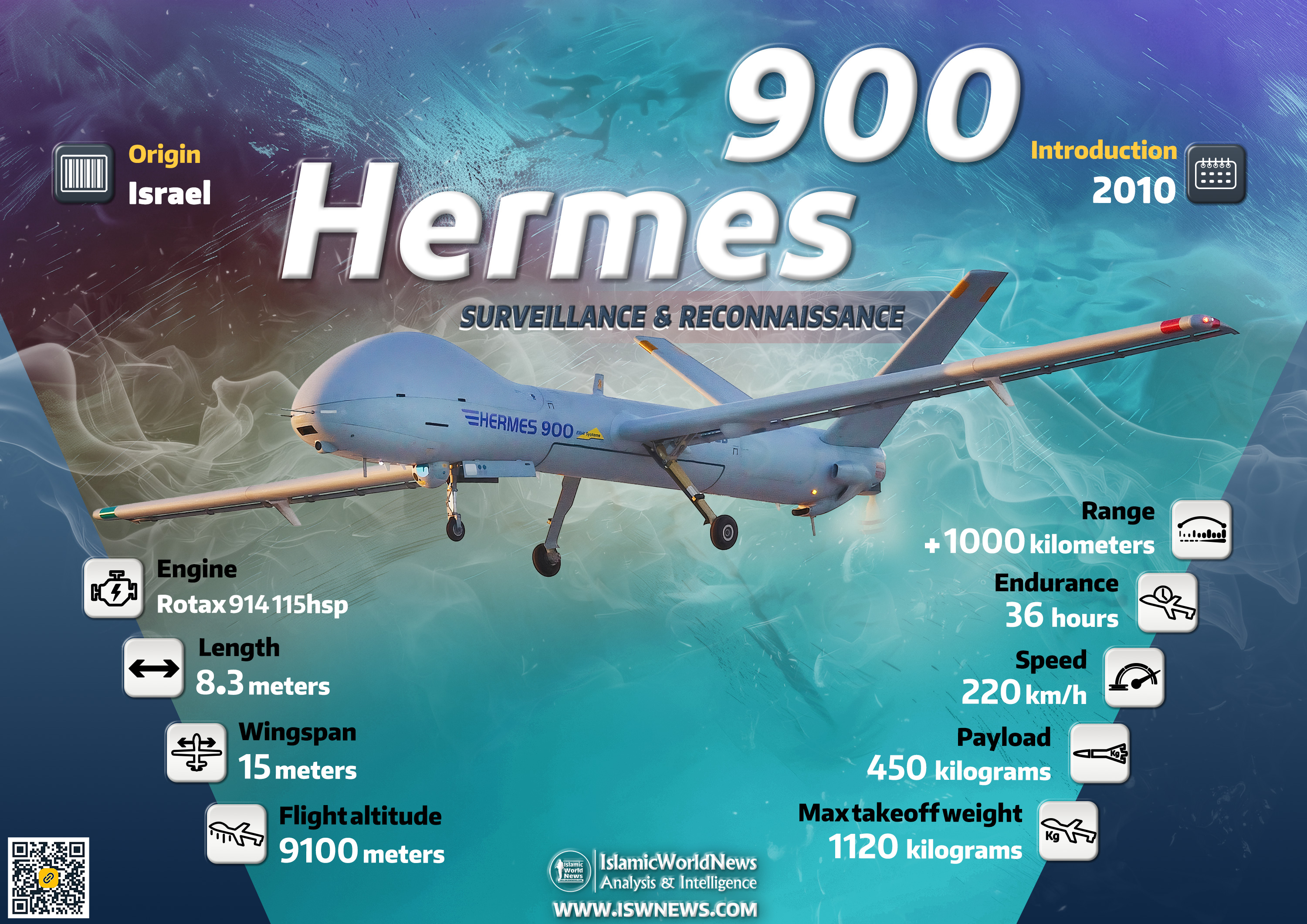
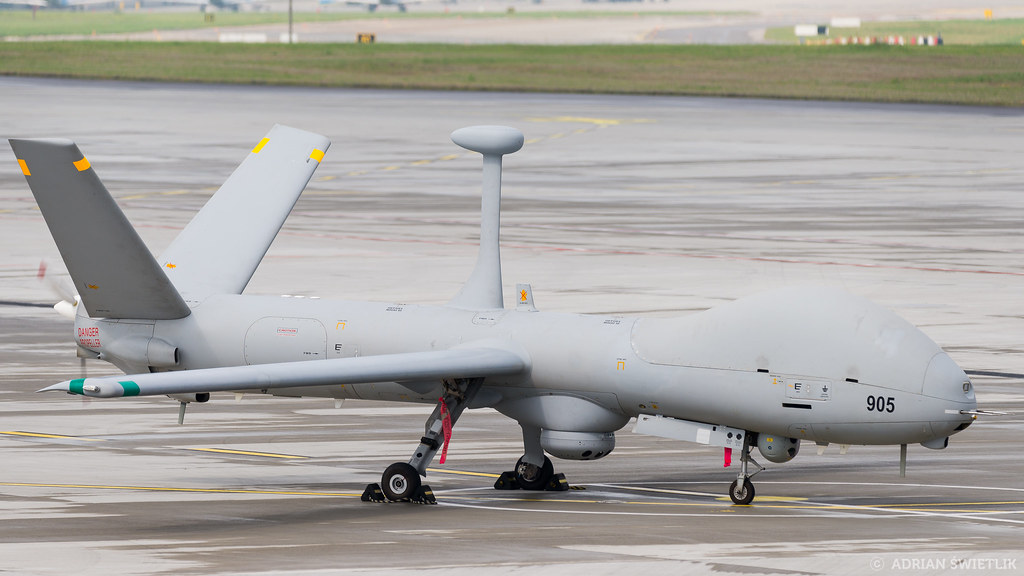
Introduction: Getting to Know the Hermes 900 Drone
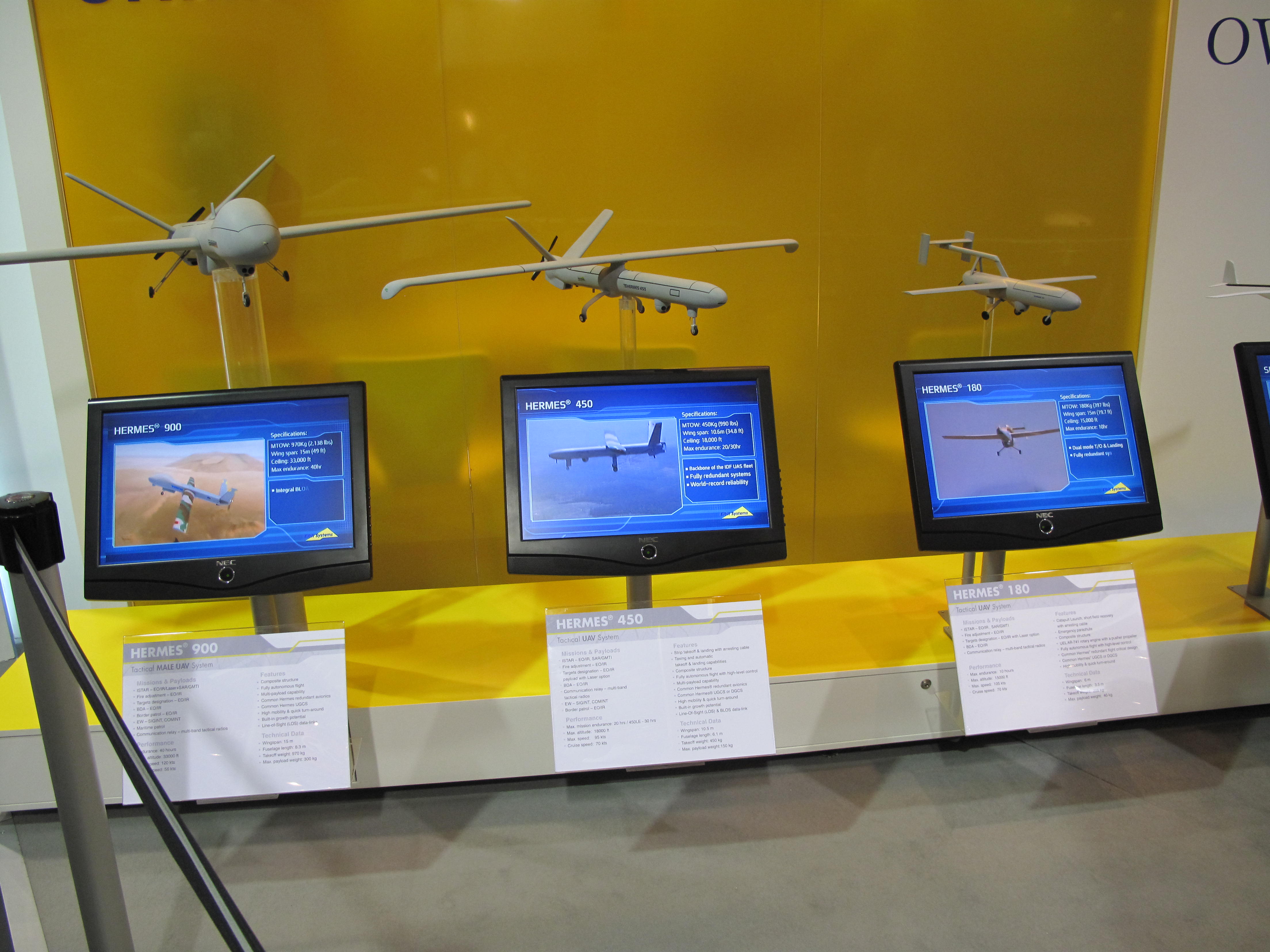
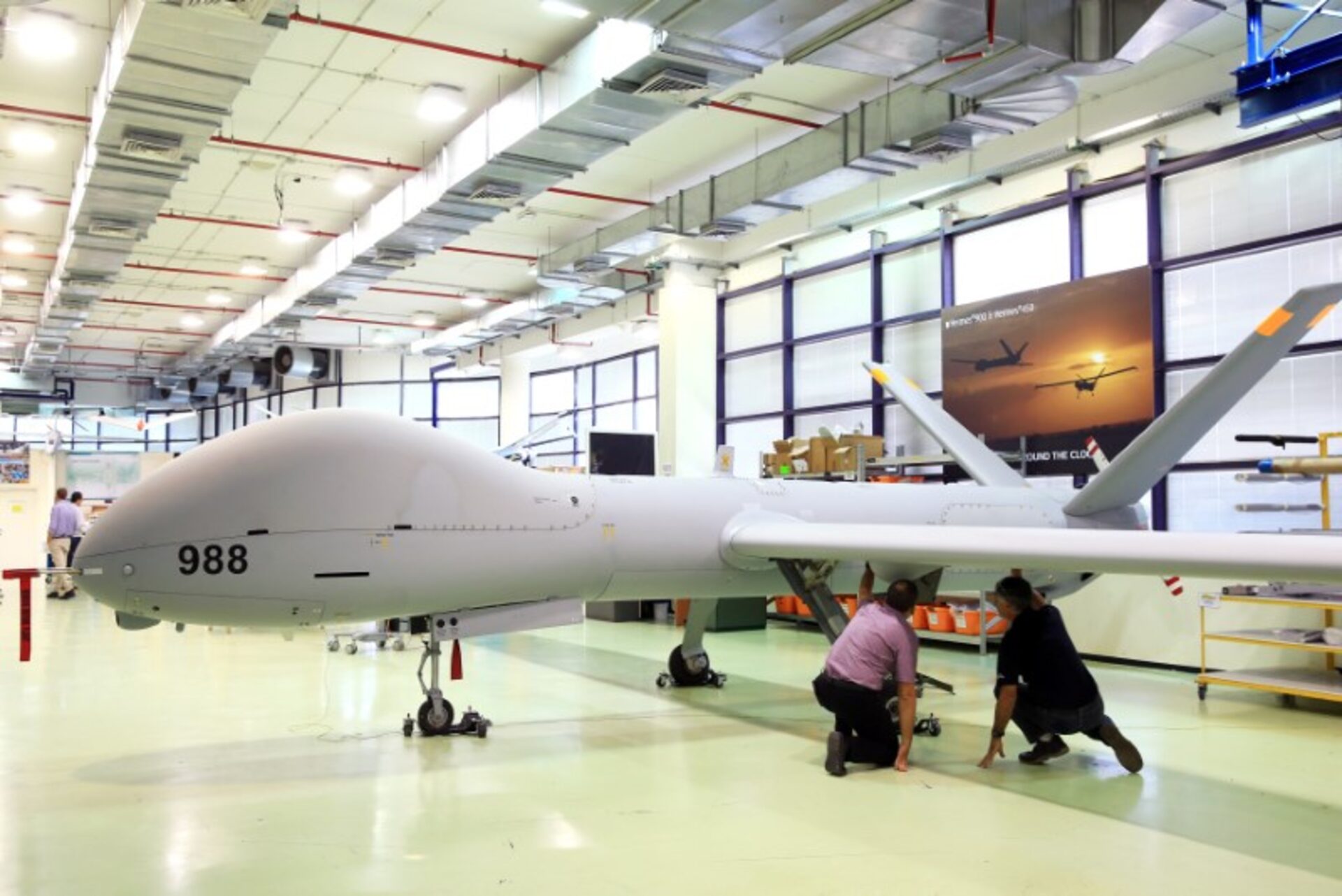
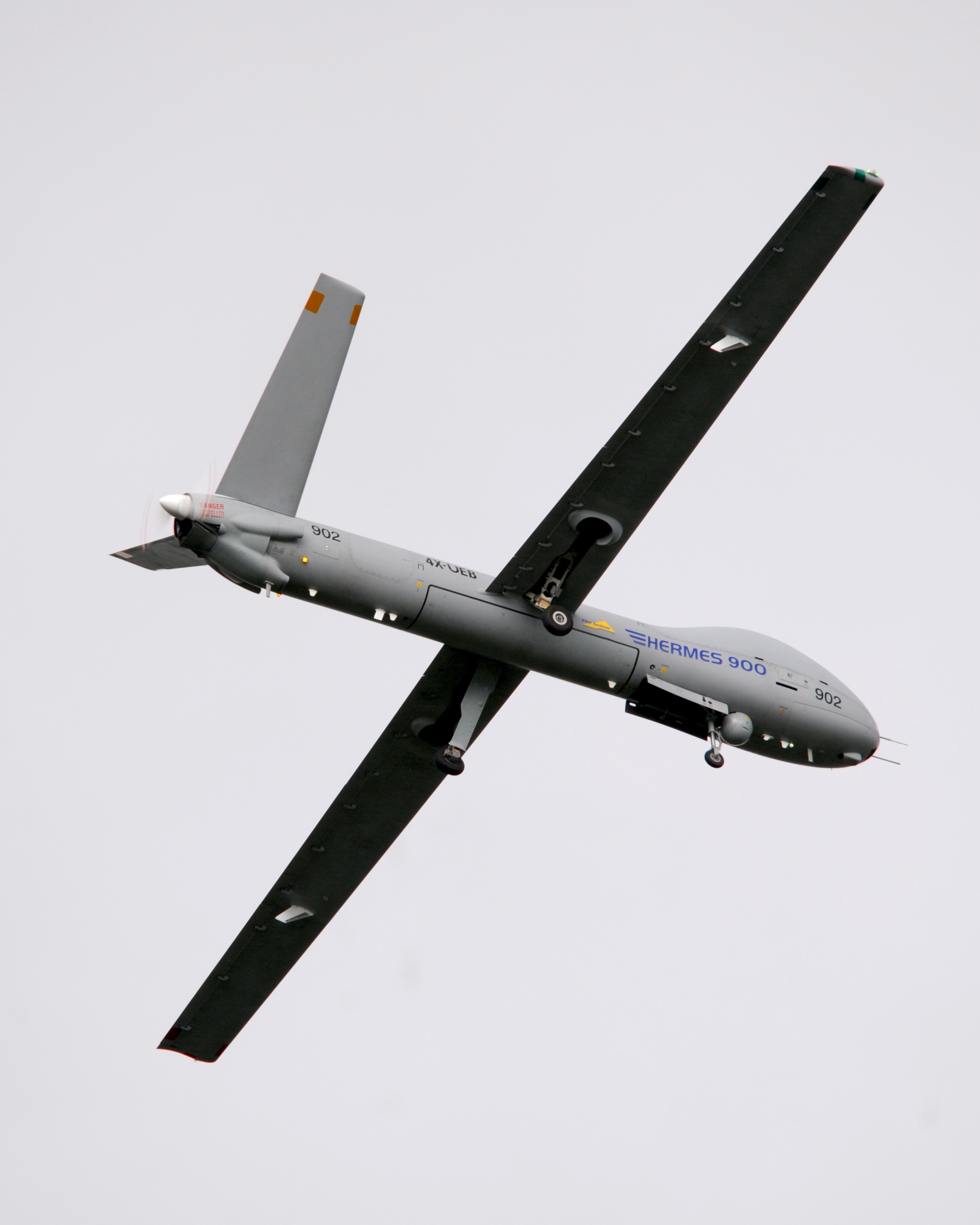
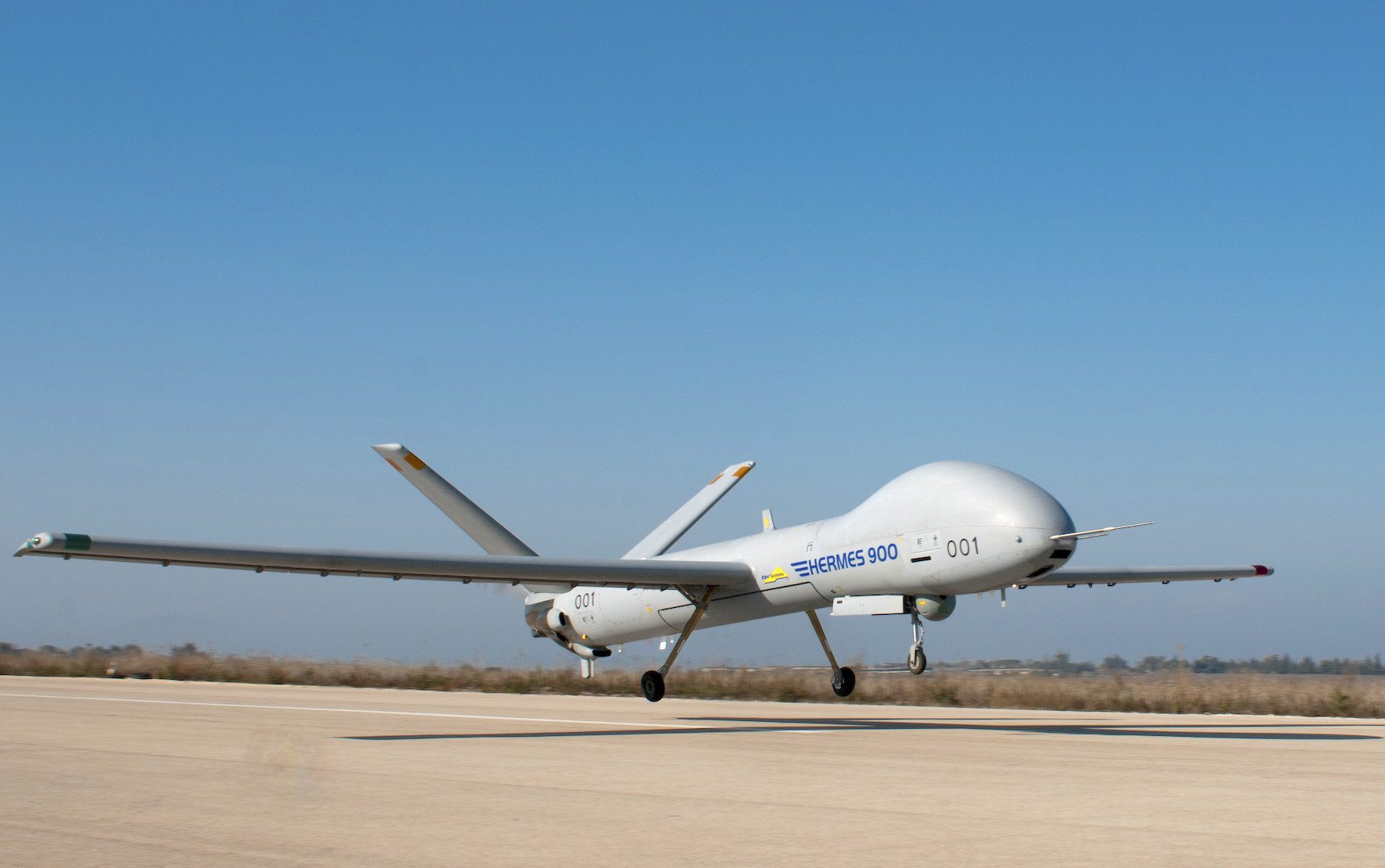
The Hermes 900 drone was designed and developed as the direct successor—and essentially the “big brother”—of the highly successful Hermes 450. Its development was shaped by field experience and operational lessons learned from the extensive deployment of the Hermes 450 in conflict zones. These insights highlighted the need for greater flight endurance, a higher operational ceiling, and increased payload capacity.
Elbit Systems’ design philosophy for this project was clearly rooted in evolution, not revolutionary change. The goal was to create a platform that would perform twice as well as the Hermes 450, while maintaining maximum compatibility with existing operational infrastructure. As a result, operators familiar with the Hermes 450 could transition to the Hermes 900 with minimal additional training.
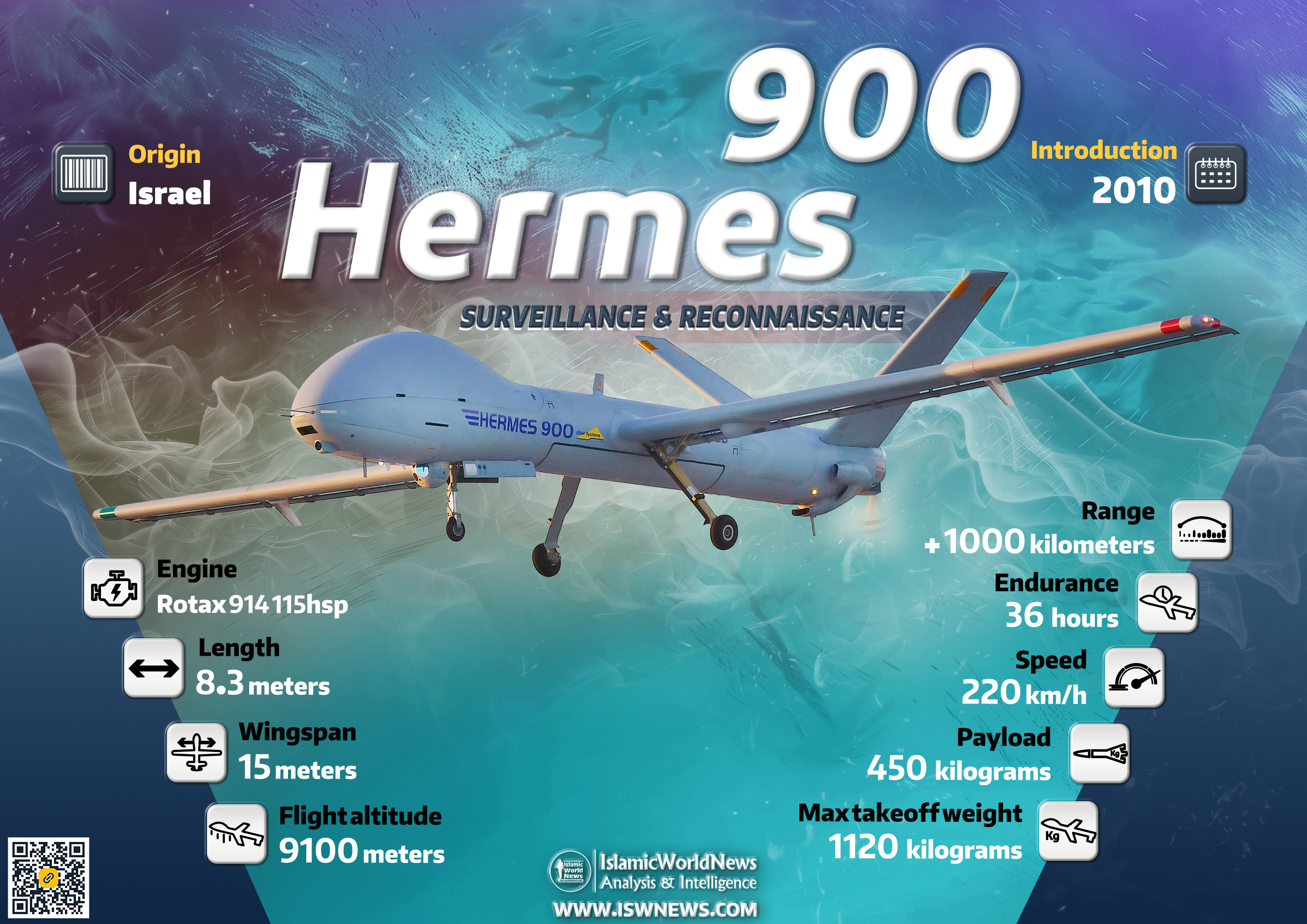
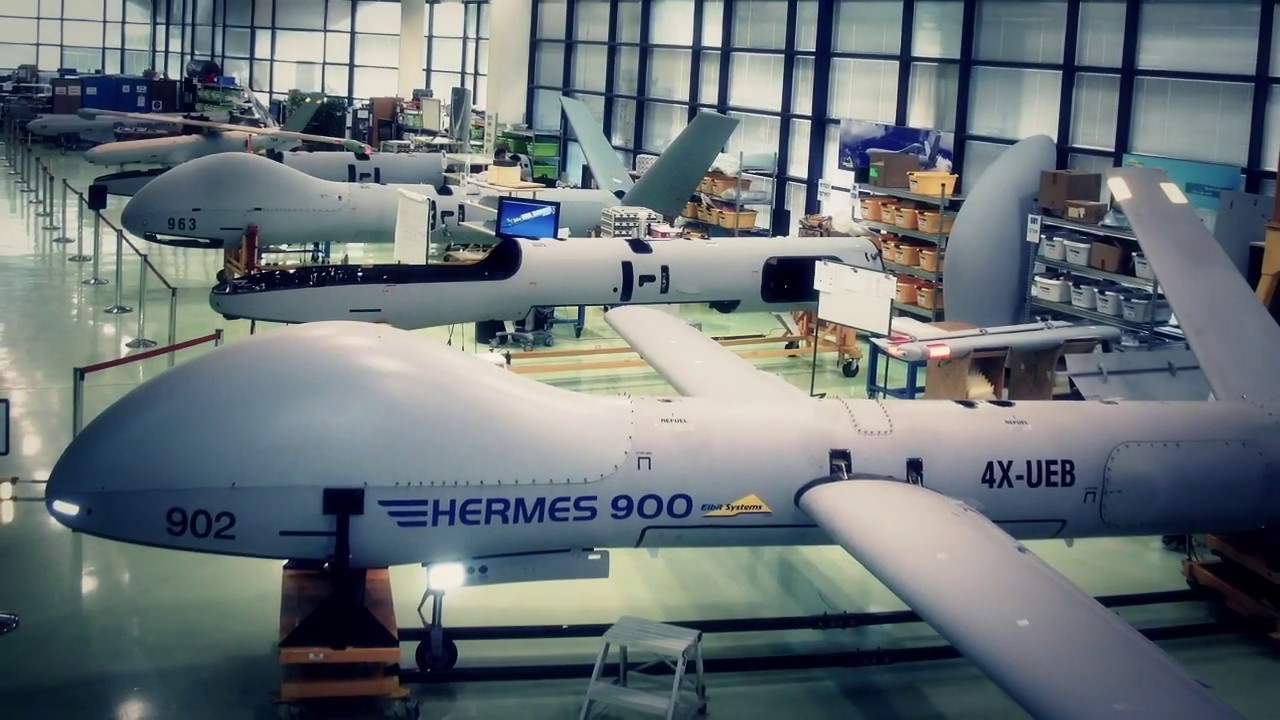
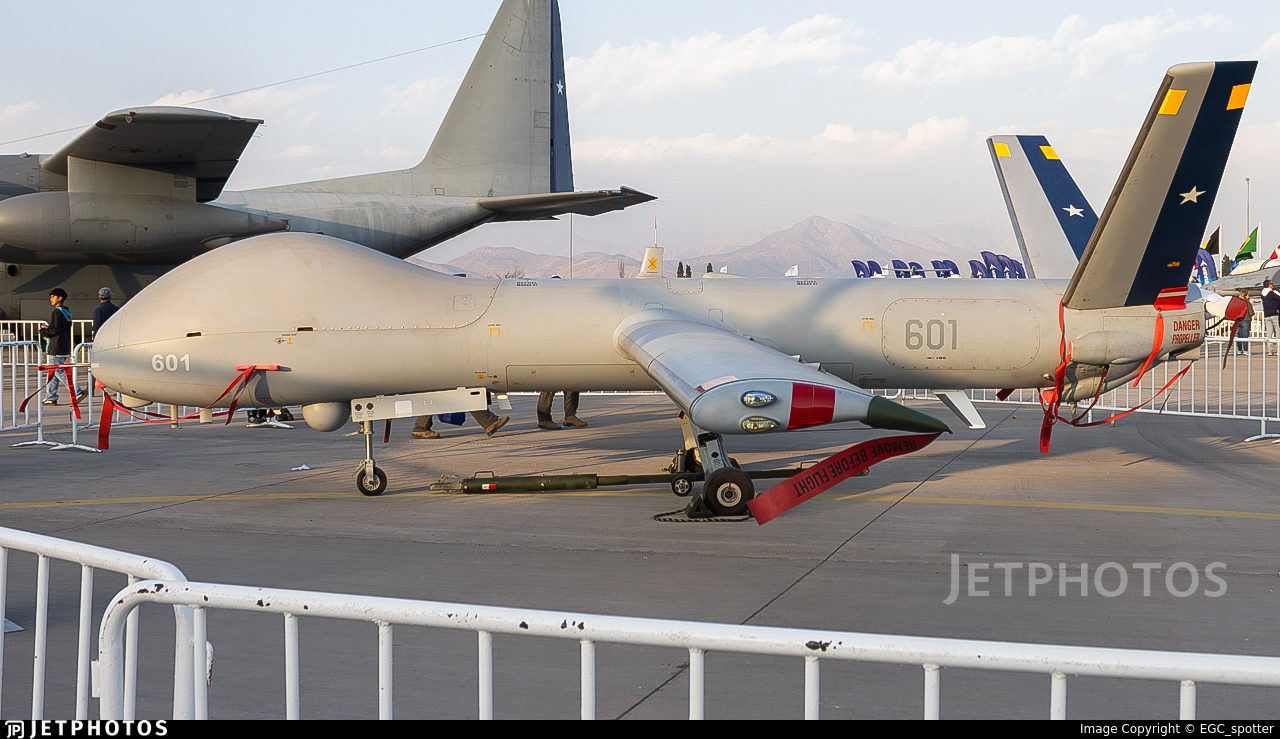
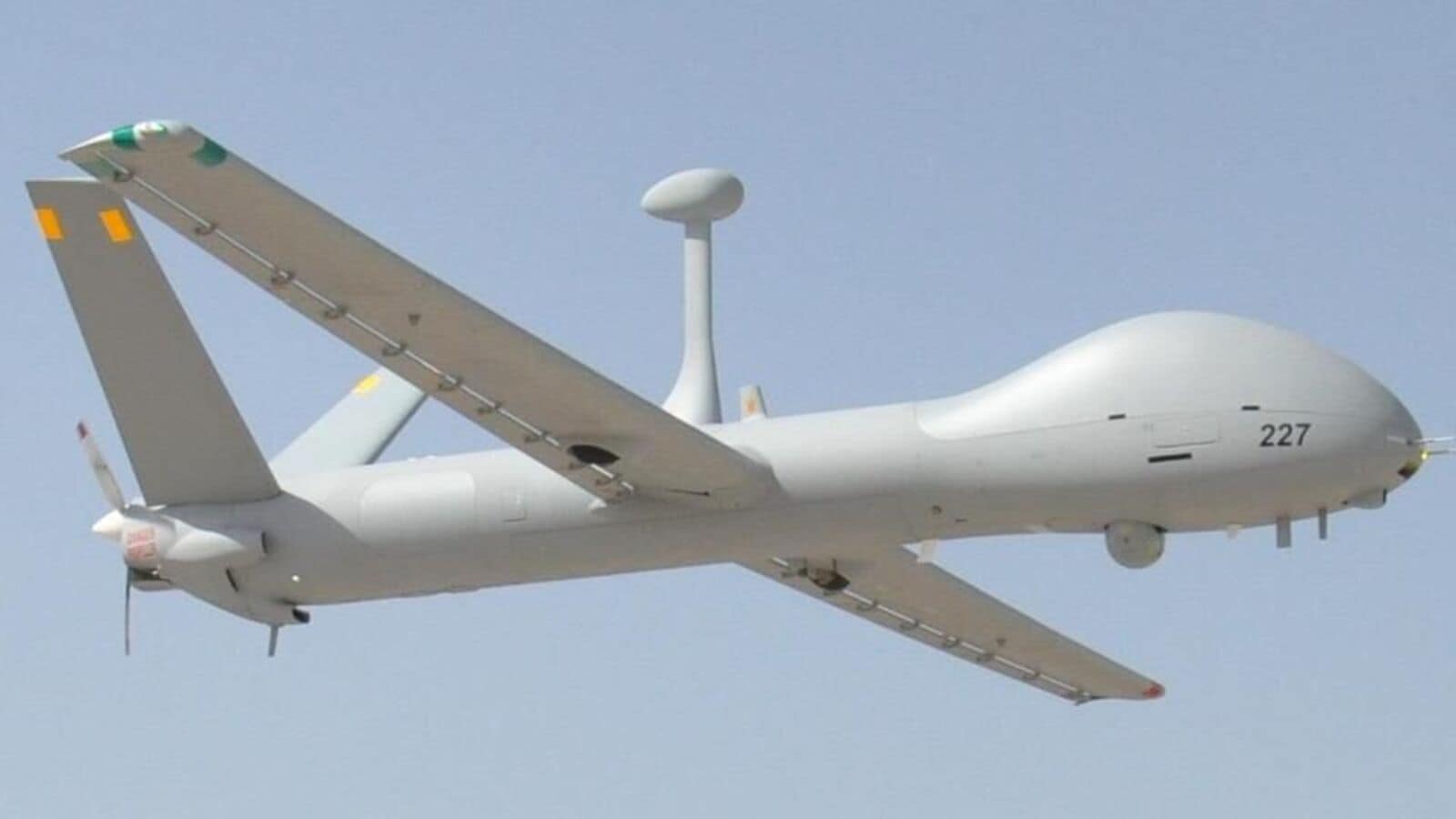
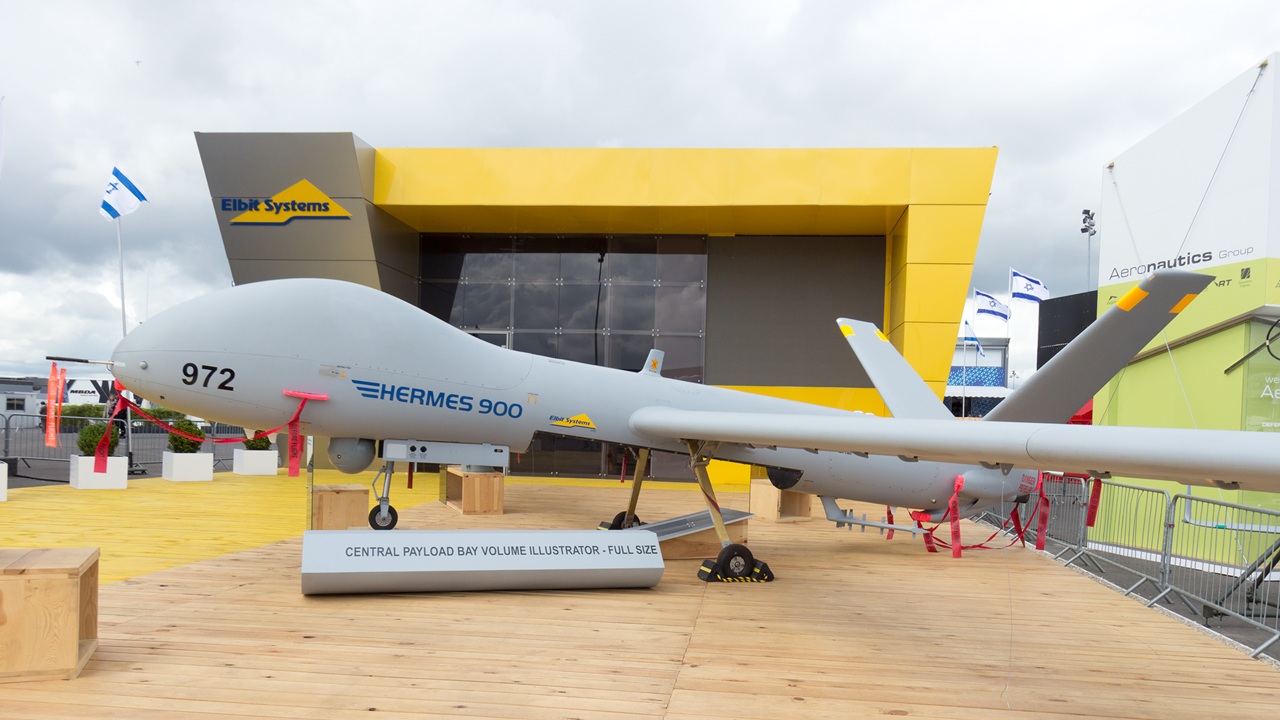
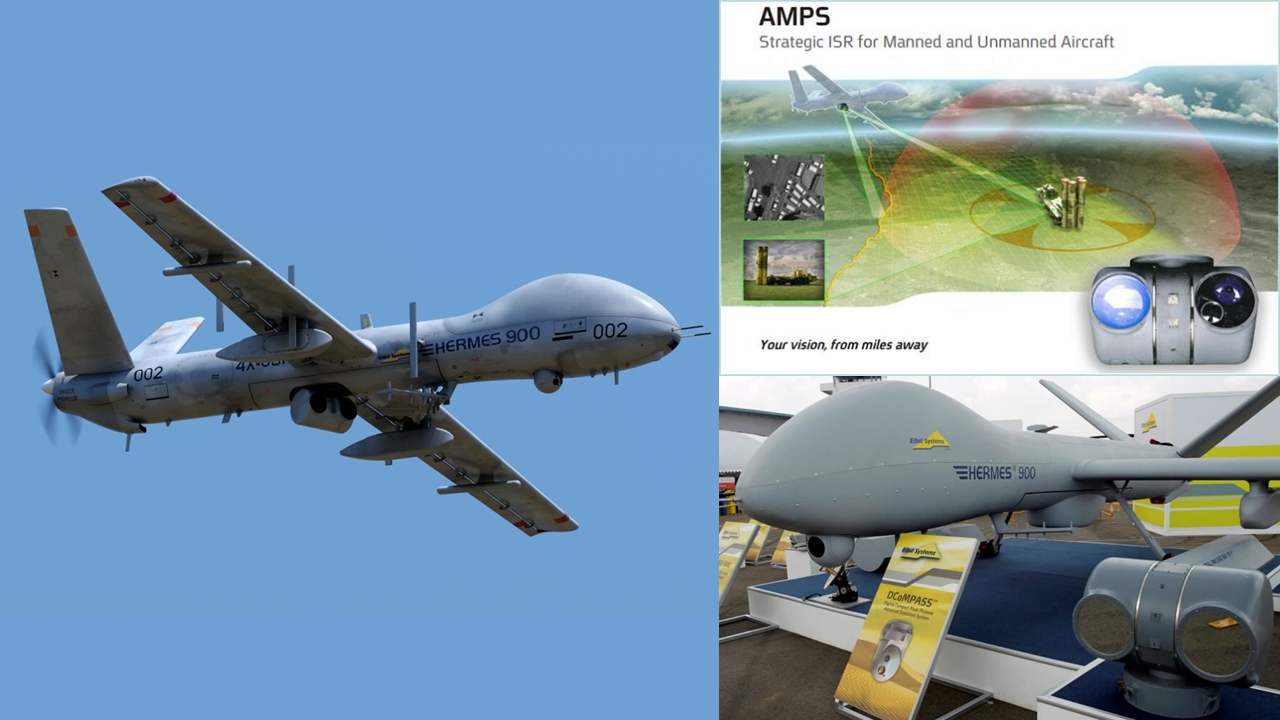
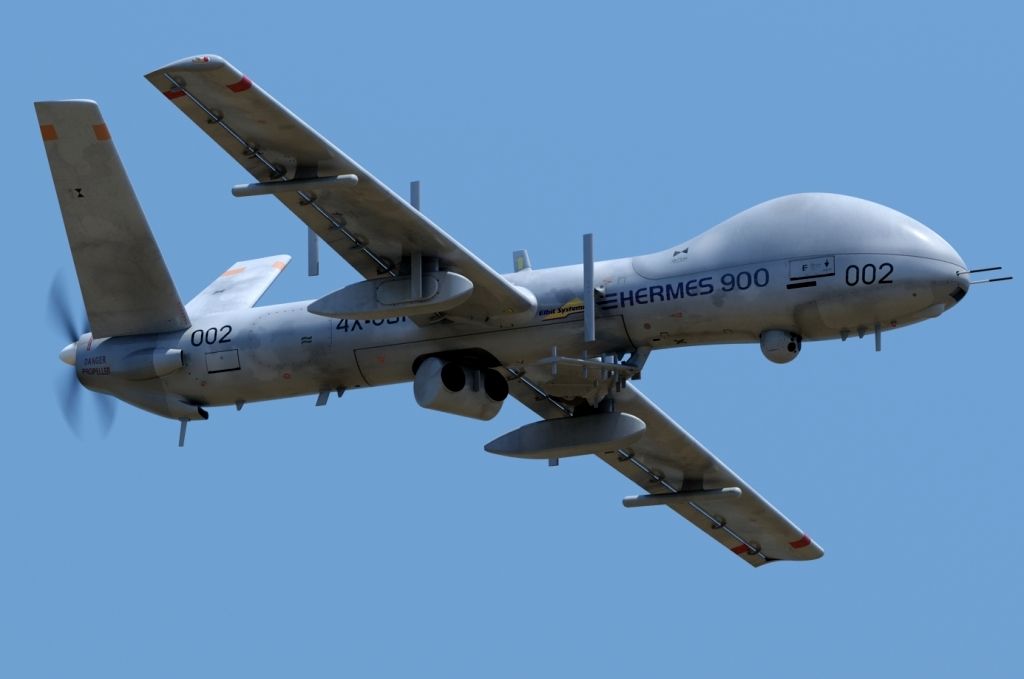
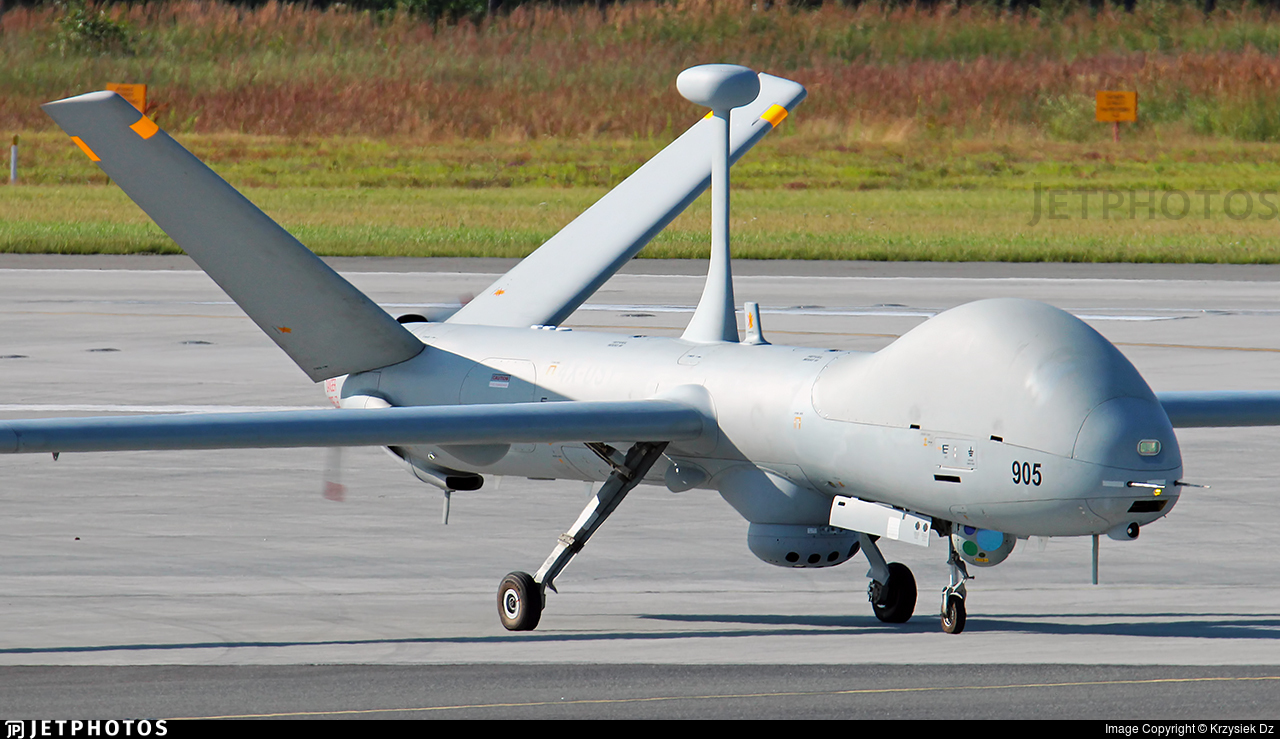
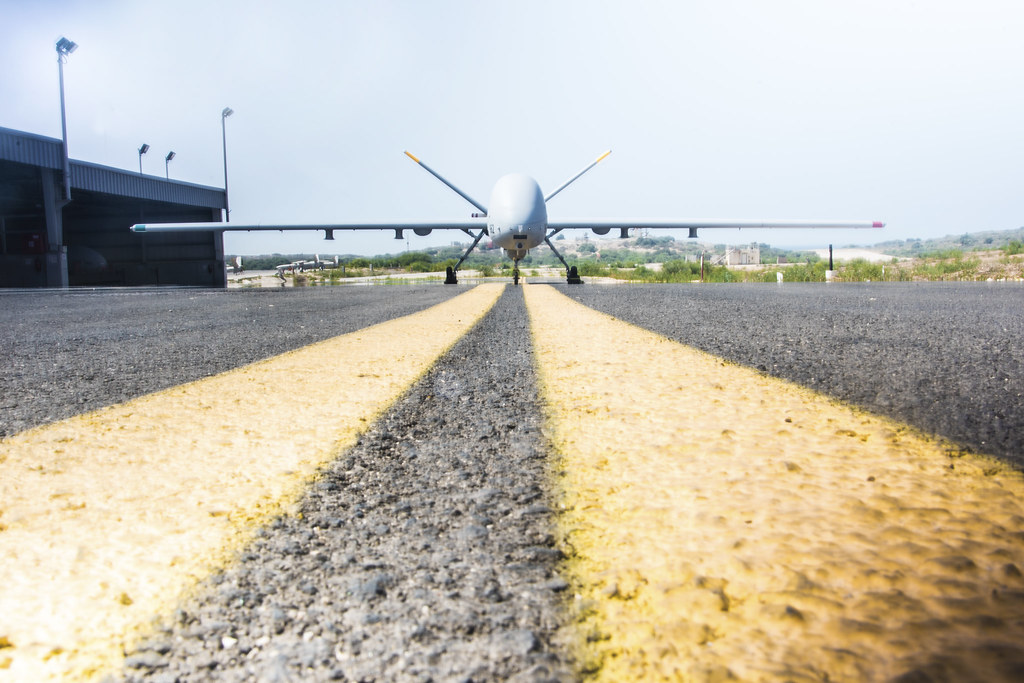
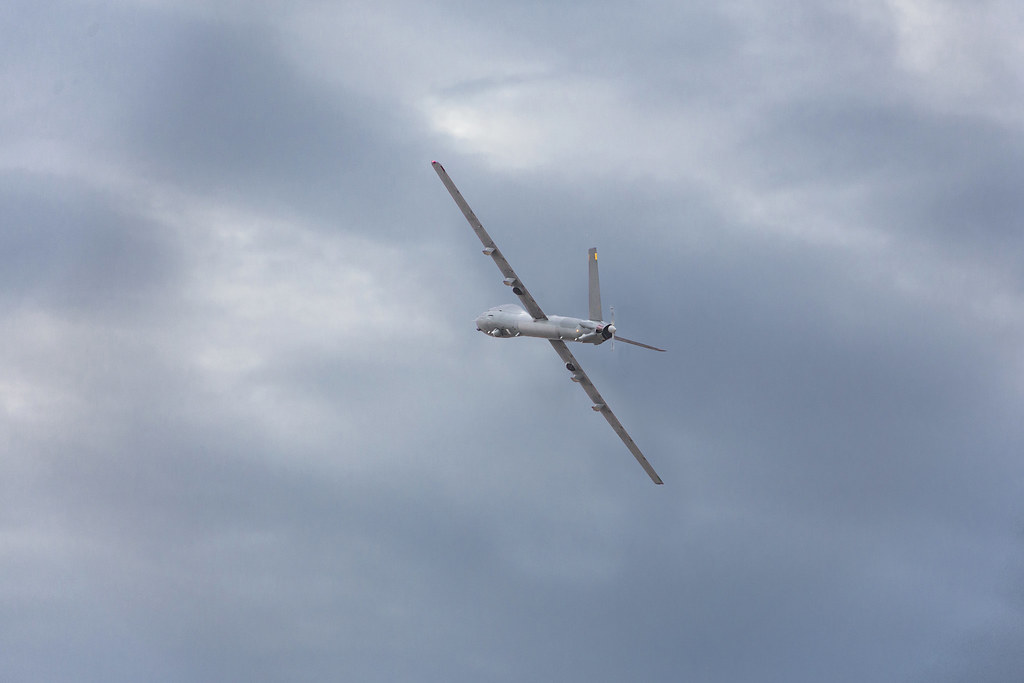
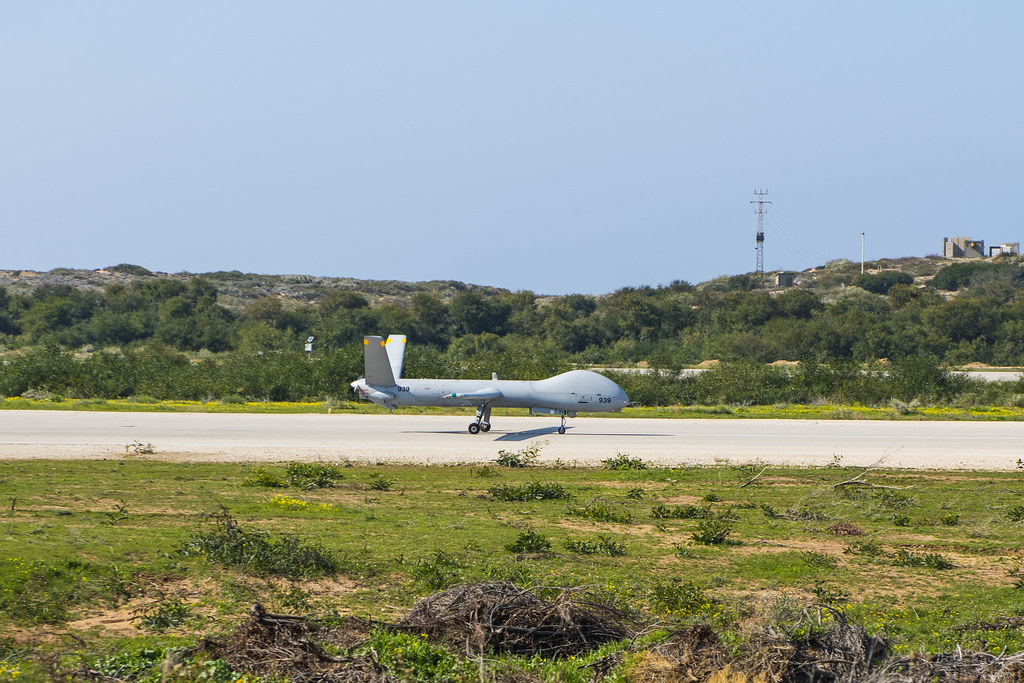
Hermes 900 drone
The Hermes 900 successfully completed its maiden flight on December 9, 2009. Between 2010 and 2012, it was introduced to the global market, with its first export contract signed in July 2011 with Chile. Although full operational deployment was initially scheduled for the end of 2015, urgent needs led to its emergency use during Operation Protective Edge in Gaza in July 2014.
The drone officially entered service with the Israeli Air Force on November 11, 2015. As of 2024, the Israeli Air Force has established Squadron 147, named Ram, at Palmachim Airbase specifically for Hermes 900 operations. Additionally, Squadron 166 has also adopted the drone for its missions.
Hermes family drones
Technical Specifications and Design Features of the Hermes 900 Drone:
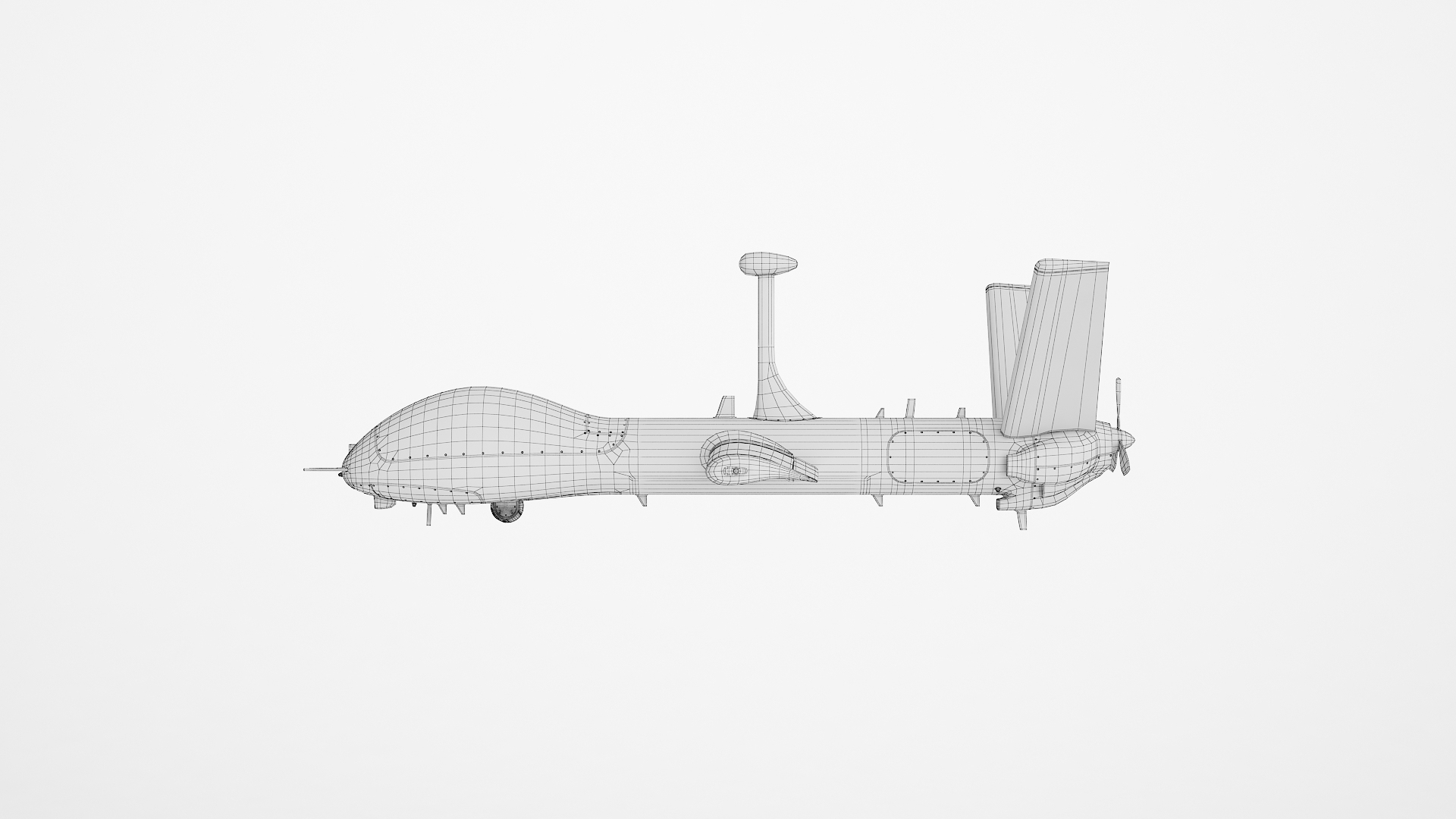
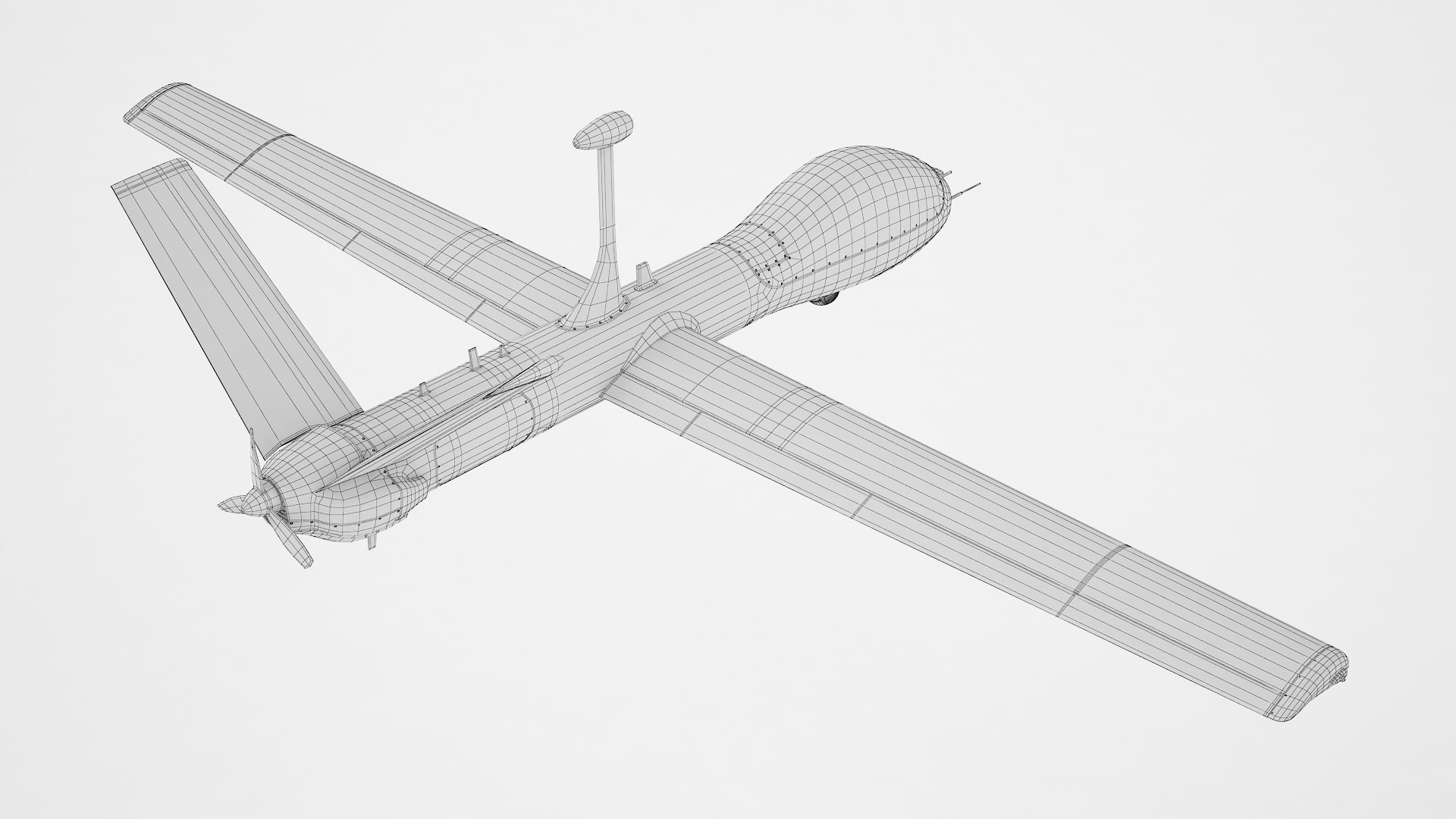
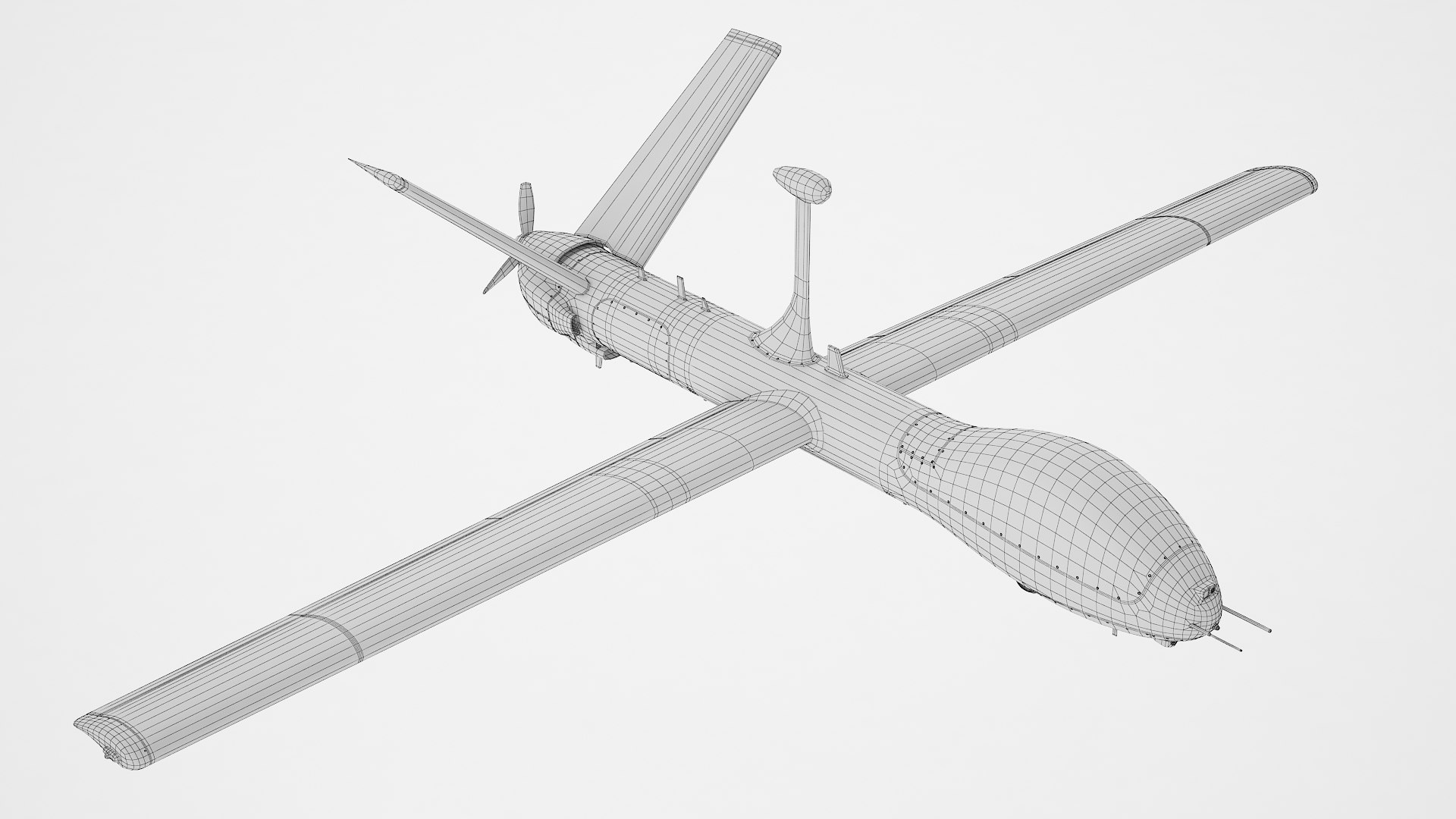
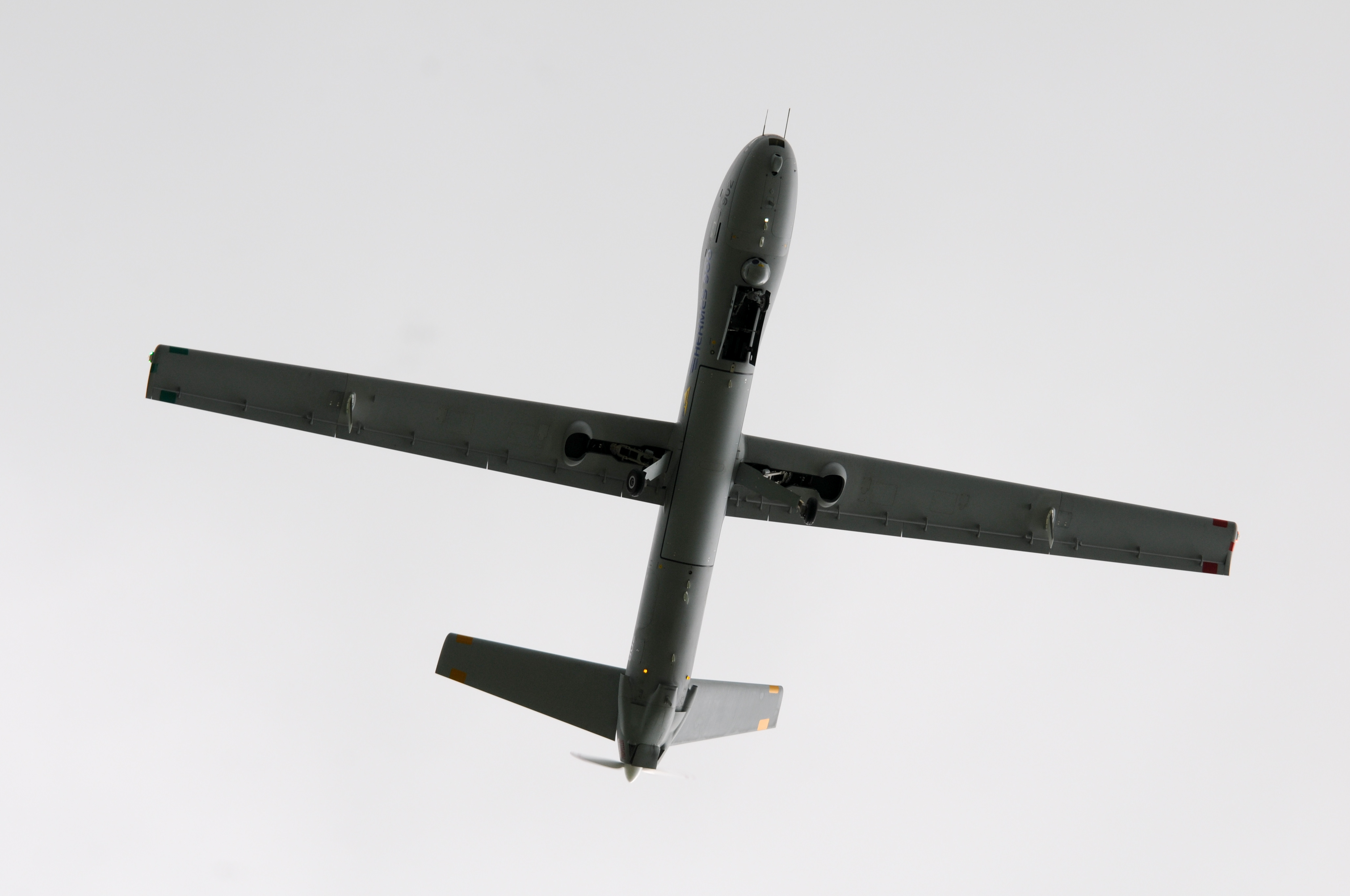
Aerodynamics: In terms of design, the Hermes 900 has a conventional structure for MALE-class drones. This design includes a cylindrical fuselage, high-aspect-ratio wings to achieve greater aerodynamic efficiency and long flight endurance, and a V-shaped tail configuration. Prominent aerodynamic features include retractable landing gear to reduce drag, and full-length flaperons that optimize wing performance under various flight conditions. This indicates that the Hermes 900 sacrifices high-speed flight capability in favor of long-endurance performance.
Aerodynamics of the Hermes 900
Structure and Airframe: The main body structure of the Hermes 900 is primarily composed of lightweight composite materials. Kanfit Ltd, half-owned by Rafael, is recognized as the certified supplier of composite components and structural assemblies for the Hermes 900.
Hermes 900
Propulsion: The base model of the Hermes 900 is equipped with a four-cylinder turbocharged Rotax 914 engine, delivering an output of approximately 74.6 kilowatts (equivalent to 100 to 115 horsepower). Upgraded variants, such as the Hermes 900 StarLiner, are fitted with more powerful engines. Some sources mention the Rotax 916 engine with 160 kilowatts of power and the Rotax 915 iS engine with a maximum continuous output of 114 kilowatts, likely used for heavier models like the StarLiner.
Performance Specifications: In various sources, differences can be observed regarding the physical specifications of the Hermes 900 drone. These discrepancies are primarily due to the existence of multiple versions (including the base model, maritime variant, and StarLiner), as well as custom modifications tailored for purchasing countries.
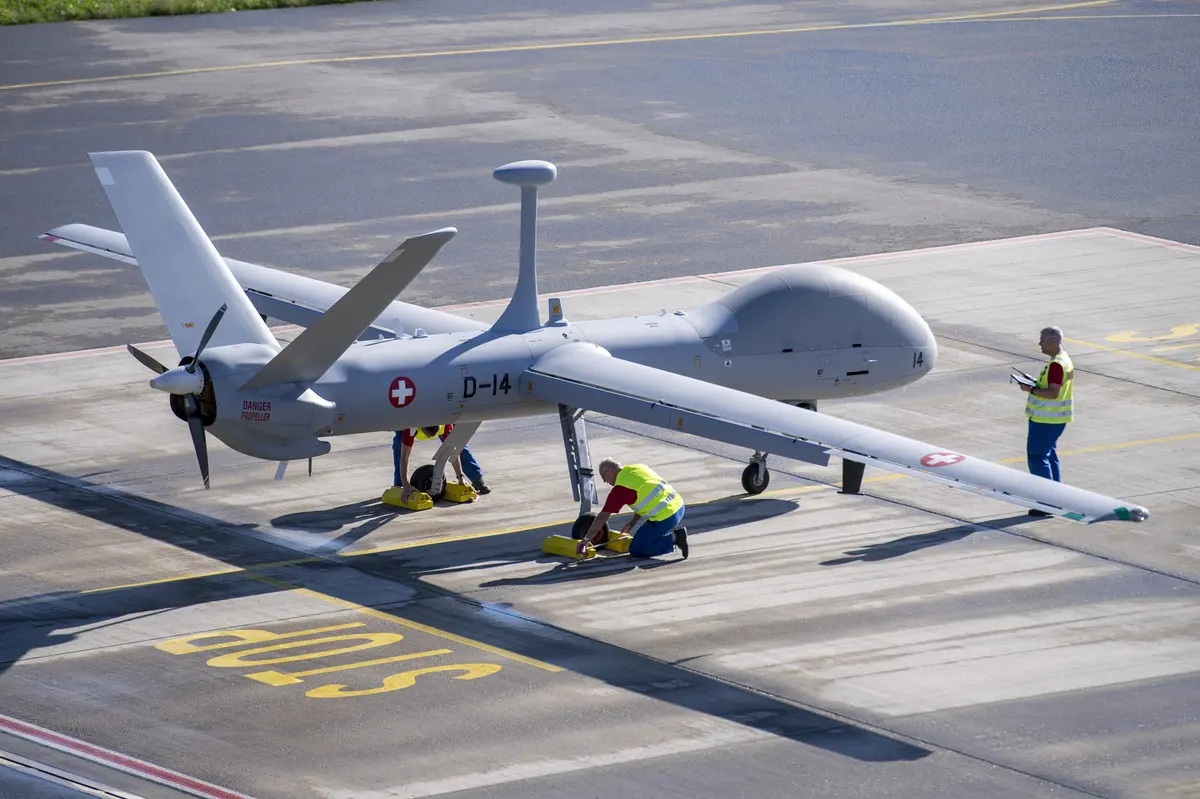
The base model of the Hermes 900 has a fuselage length of approximately 8.3 meters and a wingspan of 15 meters. Its maximum takeoff weight is reported to range between 970 and 1,180 kilograms. In advanced versions such as the StarLiner or the maritime patrol model, the fuselage length remains unchanged, but the wingspan is extended to 17 meters to enhance aerodynamic performance and flight endurance. Meanwhile, the maximum takeoff weight in upgraded variants like the Hermes 900 StarLiner and the Indian export version, Adani Drishti StarLiner, has increased to around 1,600 kilograms.
Adani Drishti Starliner drone in service with IndiaHermes 900 Starliner drone in service with SwitzerlandHermes 900 export variants
Payload Capacity and Operational Ceiling: The payload capacity of the Hermes 900 varies depending on the version. The base model is capable of carrying between 300 to 350 kilograms, while heavier variants can support up to 450 kilograms. The drone’s maximum operational altitude is typically reported to be 30,000 feet (9,100 meters).
Flight Endurance and Operational Range: The flight endurance of the Hermes 900 varies depending on the payload and version, and is typically reported to exceed 30 hours. Maximum endurance is often cited as up to 36 hours, with some sources even suggesting a figure of 40 hours.
The Hermes 900 has a top speed ranging between 220 to 222 kilometers per hour. Its cruising speed generally falls within the range of 103 to 112 kilometers per hour.
The drone’s operational range is largely tied to its endurance. Utilizing satellite communications (SATCOM), the Hermes 900 is capable of operating at distances exceeding 1,000 kilometers from its ground control station.
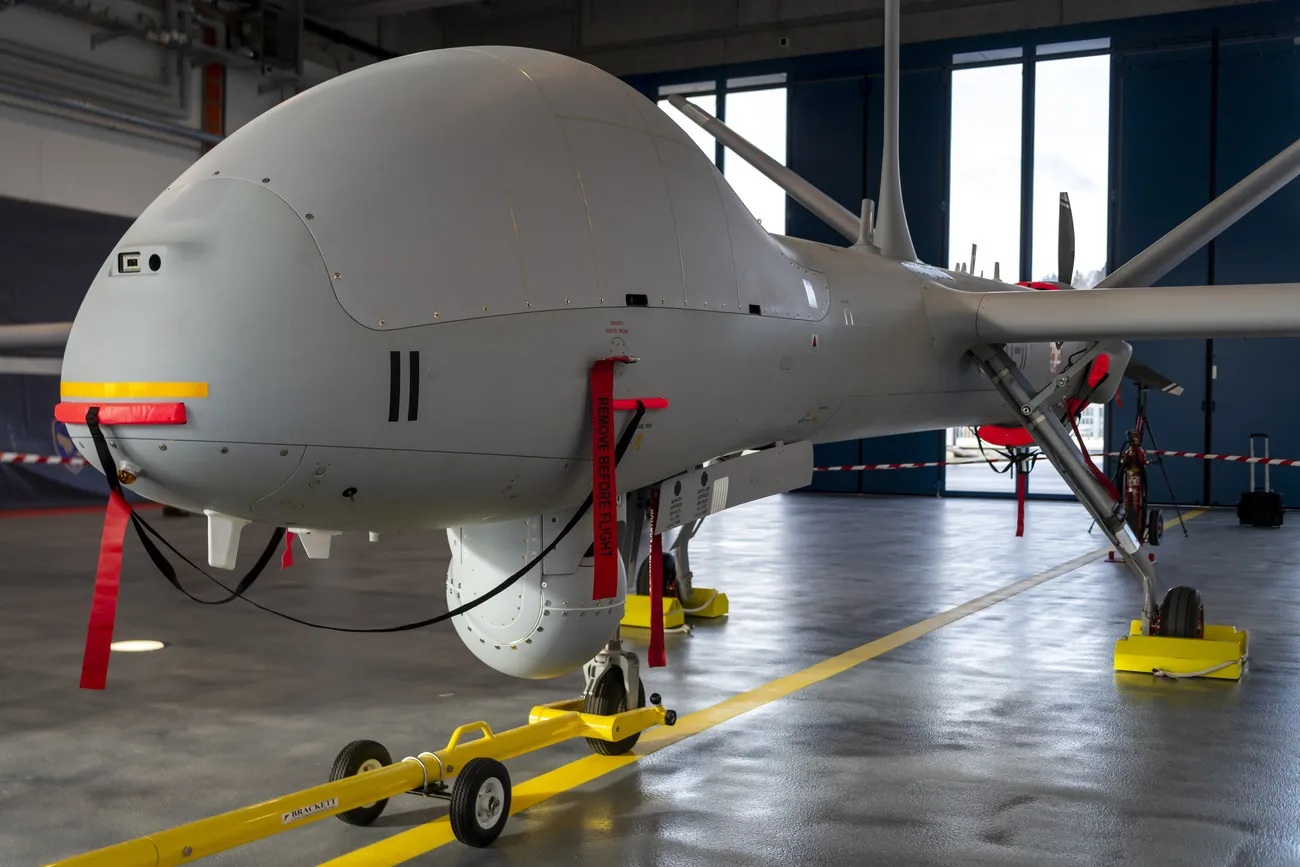
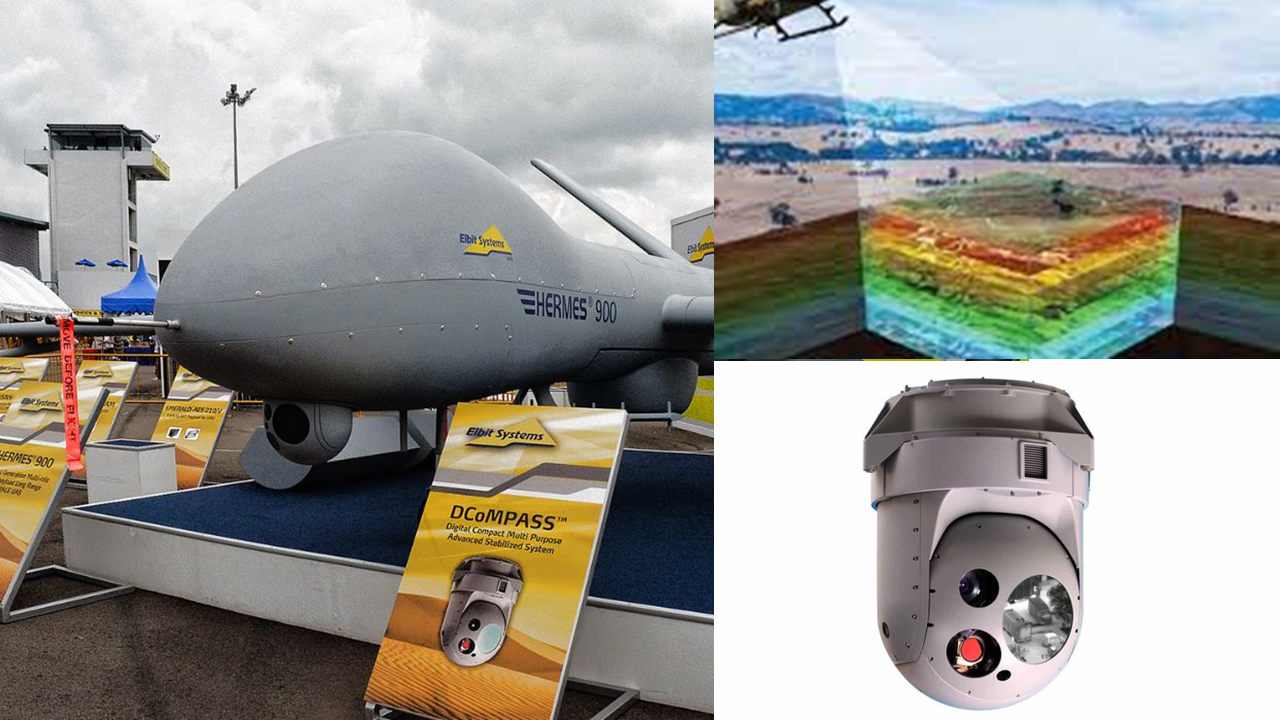
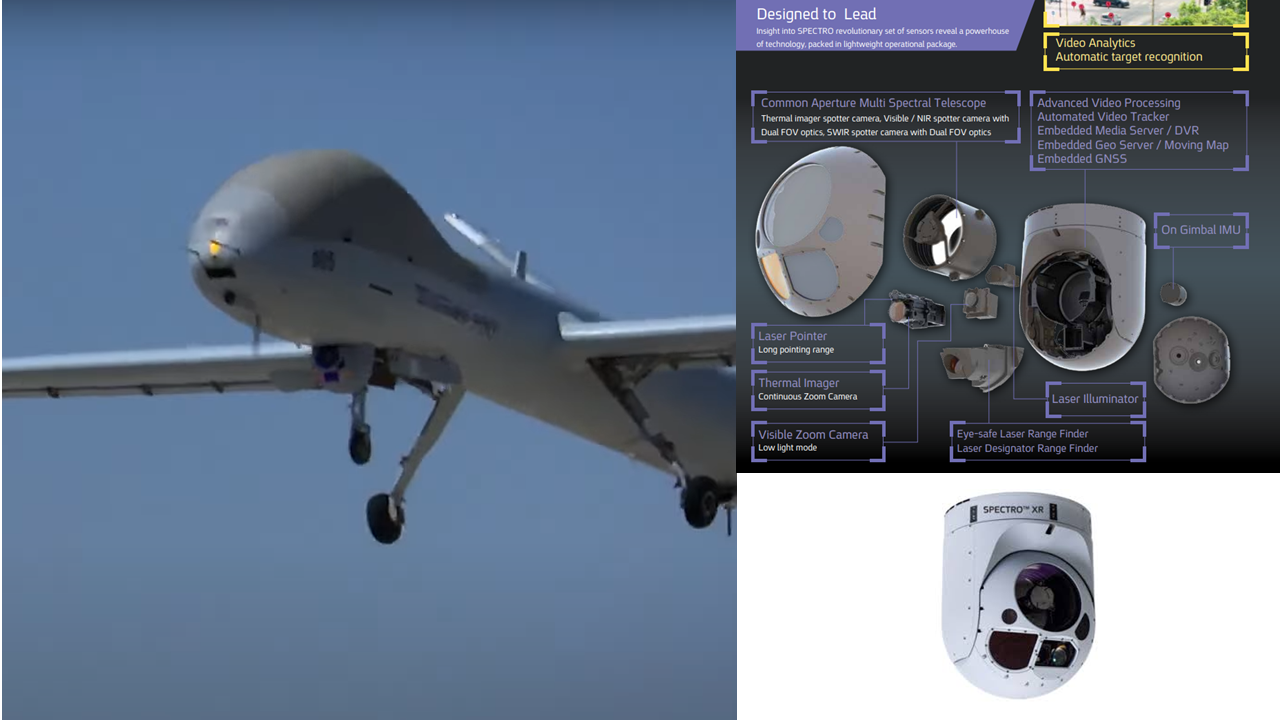
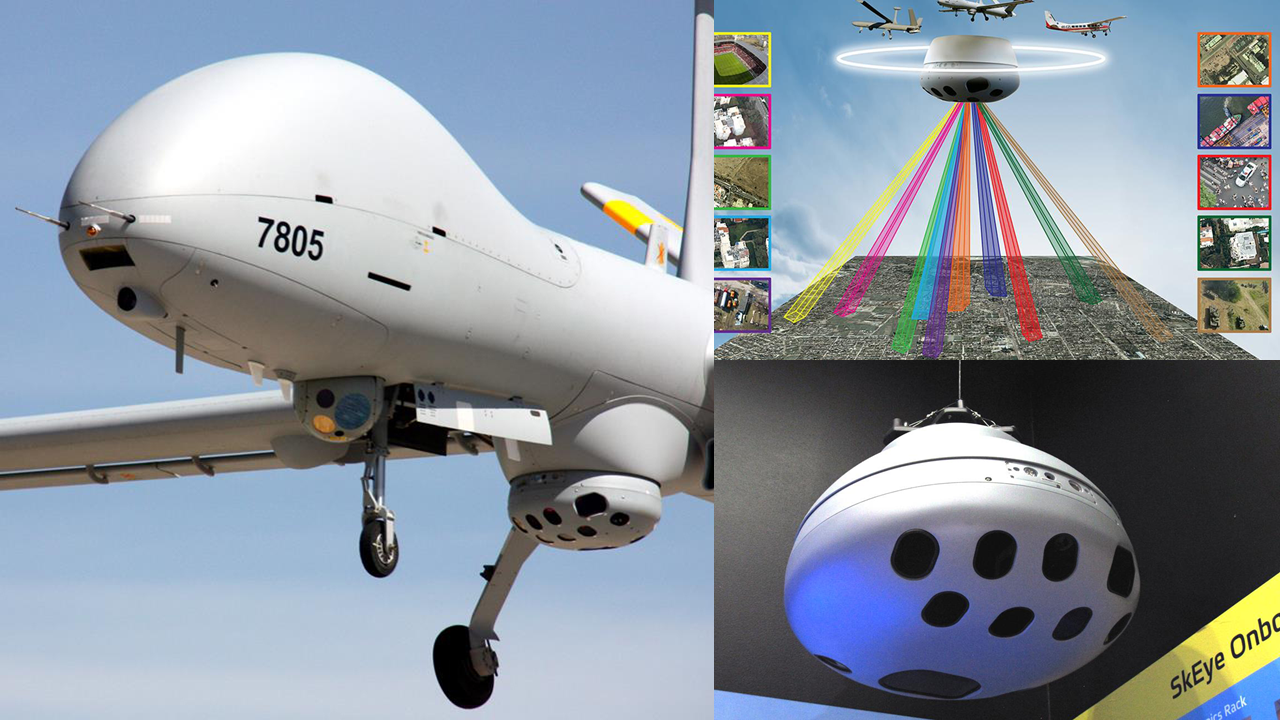
A view of the electro-optical payload and the location of satellite communications equipment in the dome-shaped nose of the drone.
Avionics, Autonomy, and Data Link Review: The Hermes 900 features a high level of autonomy and is capable of performing all flight phases—from takeoff to landing—completely automatically. It is equipped with an advanced flight control system that includes the Integrated Autonomous Takeoff and Landing (IATOL) system, enabling precise landings even on runways lacking ground-based equipment.
Additionally, the drone incorporates an Automatic Launch and Recovery (ALR) system. This system ensures safe landing in the event of communication loss with the ground control station, preventing potential accidents. To further enhance safety, the Hermes 900 is equipped with internal autonomous emergency procedures.
The Hermes 900 drone is equipped with a dual communication architecture that enables connectivity in both Line-of-Sight (LOS) and Beyond-Line-of-Sight (BLOS) modes.
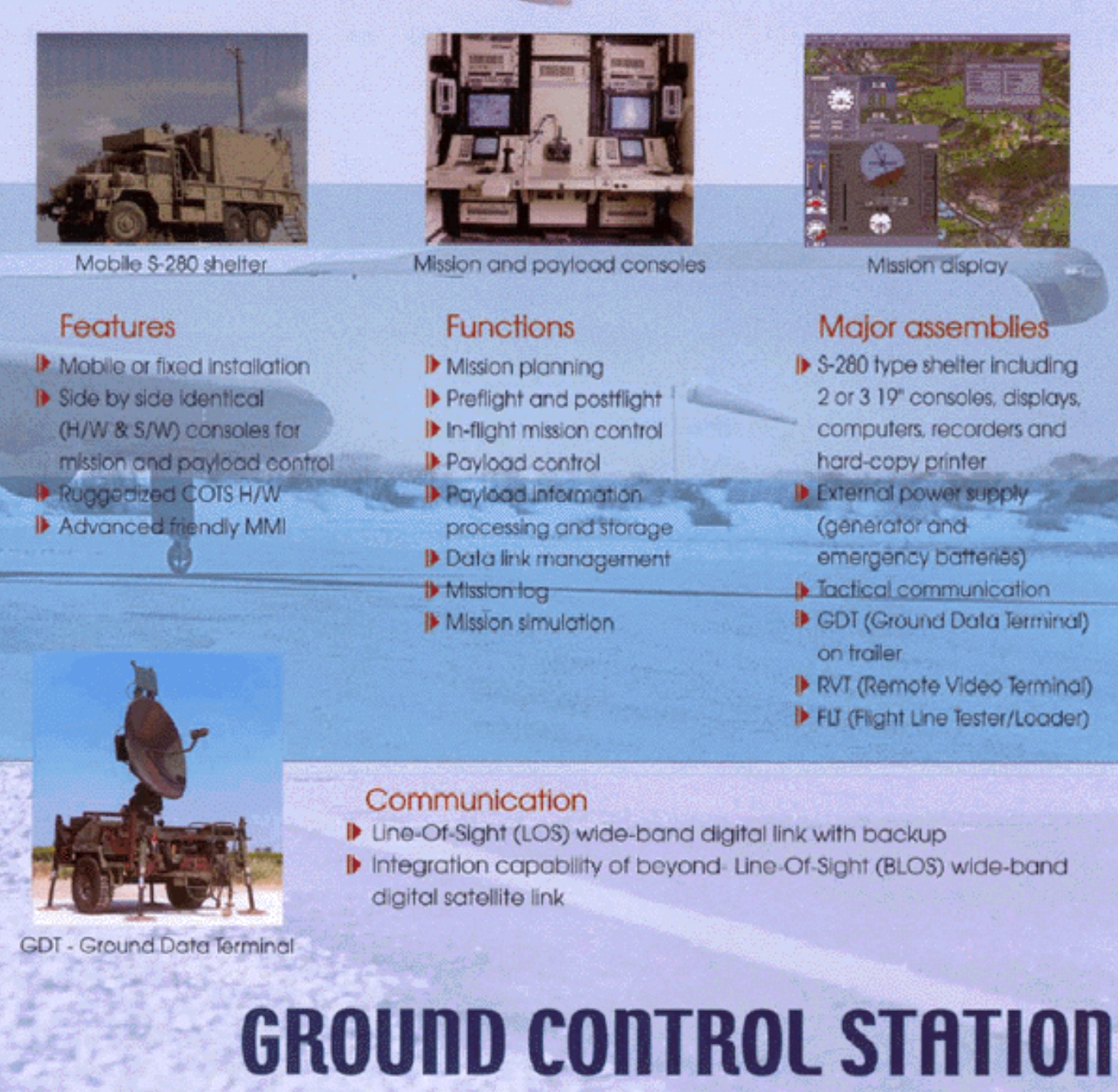
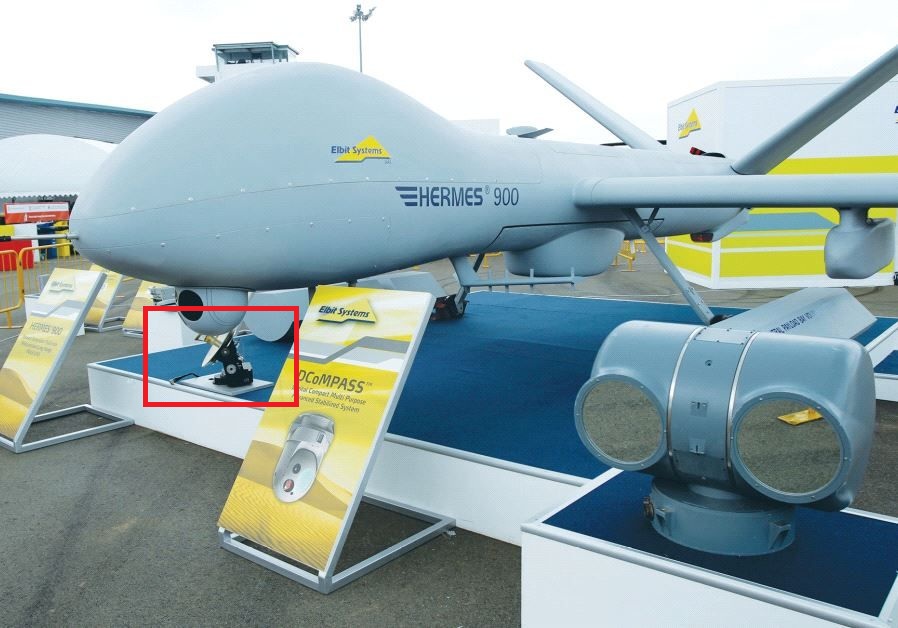
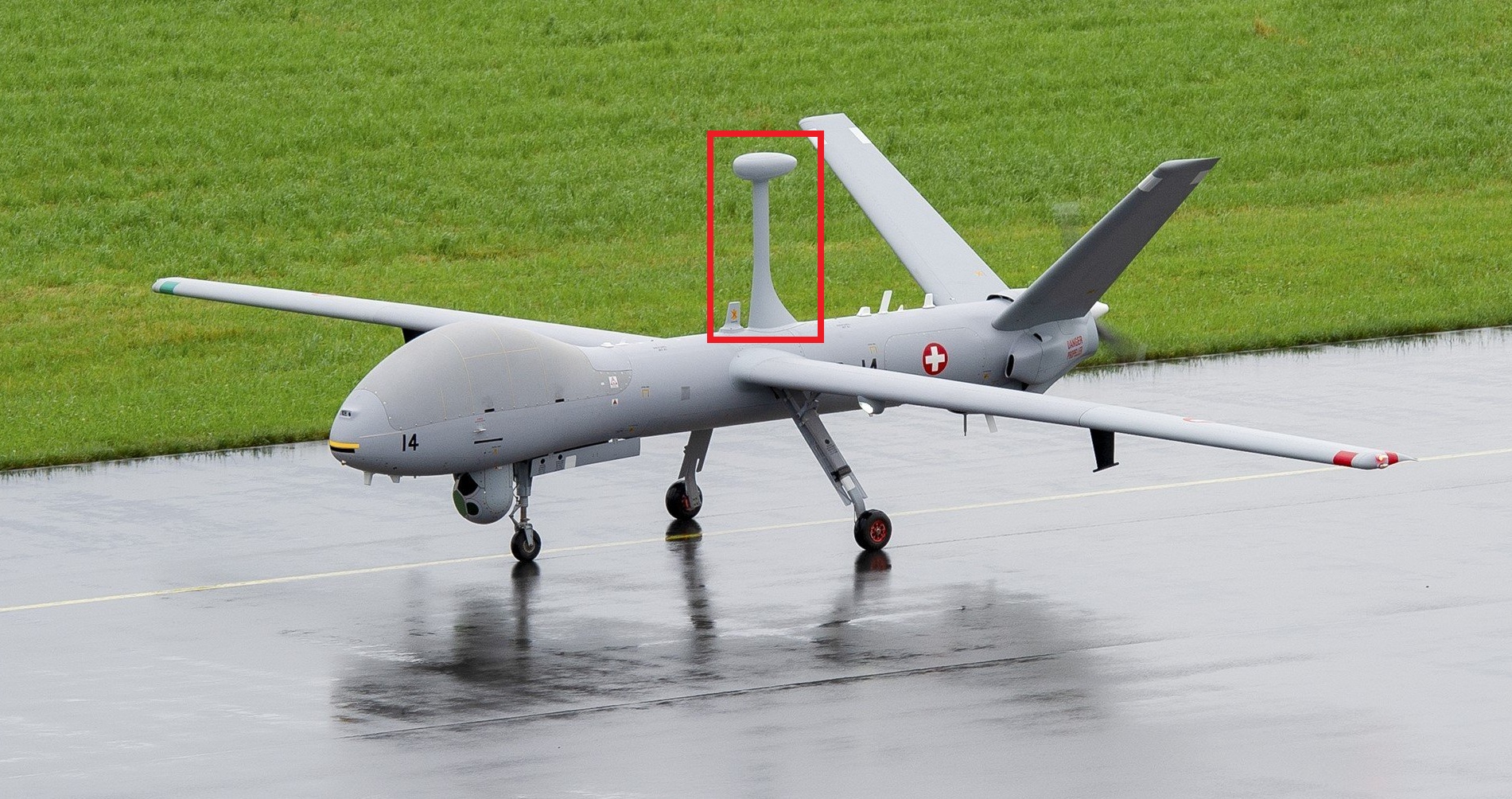
In line-of-sight (LOS) mode, a broadband digital data link is used, which communicates via a Ground Data Terminal (GDT). For beyond-line-of-sight (BLOS) flights, the Hermes 900 utilizes an integrated satellite communication terminal, typically housed in the drone’s dome-shaped nose. This system enables control and data transmission over distances exceeding 1,000 kilometers.
The Hermes 900 drone is operated via Elbit Systems’ ground control station known as UGCS—a system designed for unified control of the entire Hermes UAV family, including the H450 and H900. The UGCS station can be deployed either as a fixed installation or in a mobile configuration, such as within a standard S-280 military shelter. A single UGCS unit is capable of simultaneously managing two independent UAV missions using two separate data links. Optionally, the UGCS station supports NATO’s STANAG 4586 standard.
Elbit Systems Ground Control StationHermes 900 satellite communication antennaHermes 900 Line-of-Sight AntennaClick to view full size image
Combat and Offensive Capabilities of the Hermes 900 Drone:
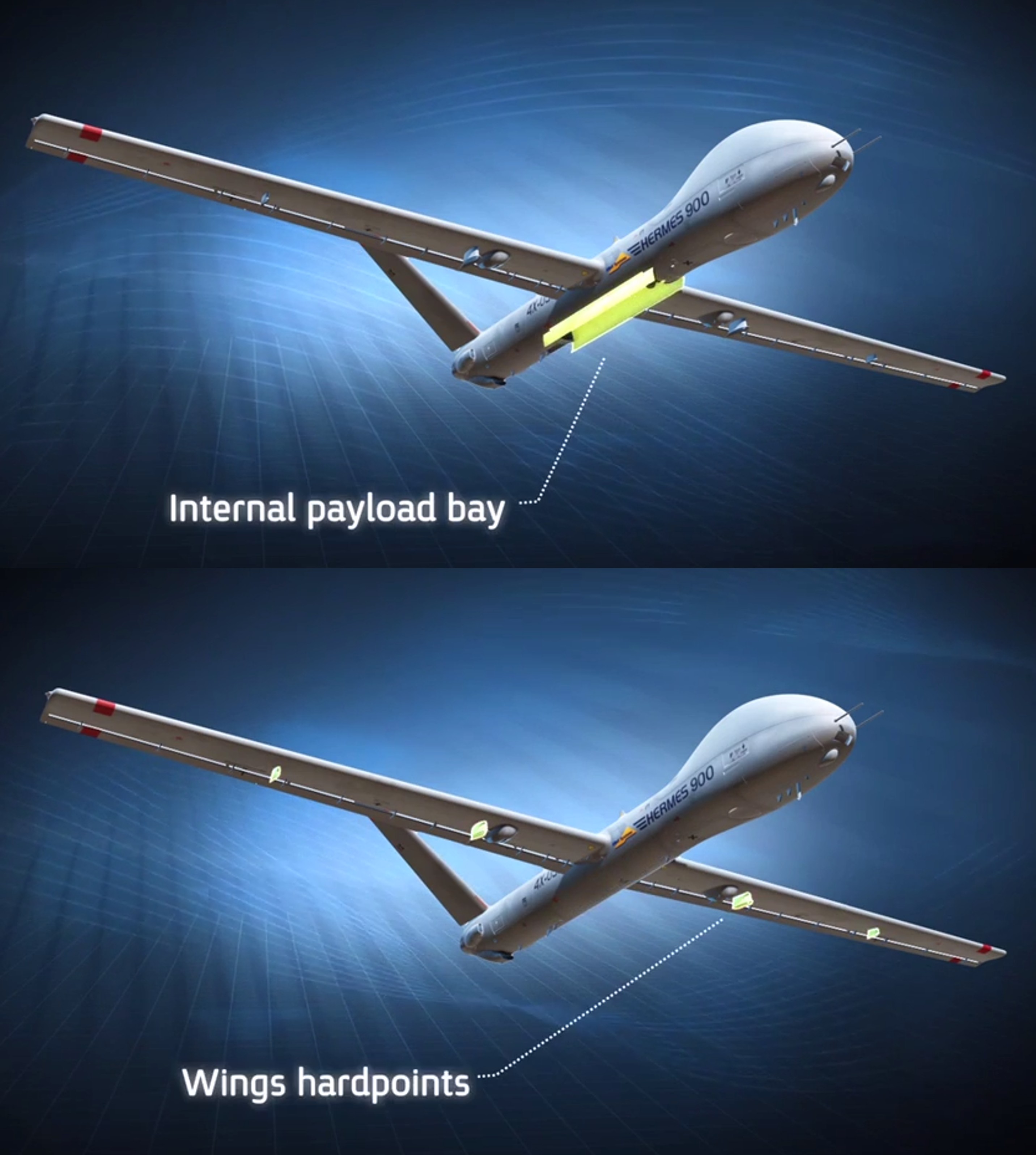
One of the most significant strengths of the Hermes 900 is its ability to carry a wide range of multi-purpose combat and reconnaissance payloads. The drone features a large internal payload bay measuring 2.5 meters in length, capable of accommodating up to 250 kilograms of sensor equipment. This space allows for the installation of complex and advanced sensor arrays.
The drone’s nose houses two fixed forward-looking cameras. Beneath the nose and at the rear of the fuselage, two dedicated mounts are provided for electro-optical systems. In addition to the internal bay, the Hermes 900 is equipped with four hardpoints under its wings, enabling it to carry additional payloads such as sensor pods or guided munitions.
Internal cargo compartment and hardpoints in Hermes 900
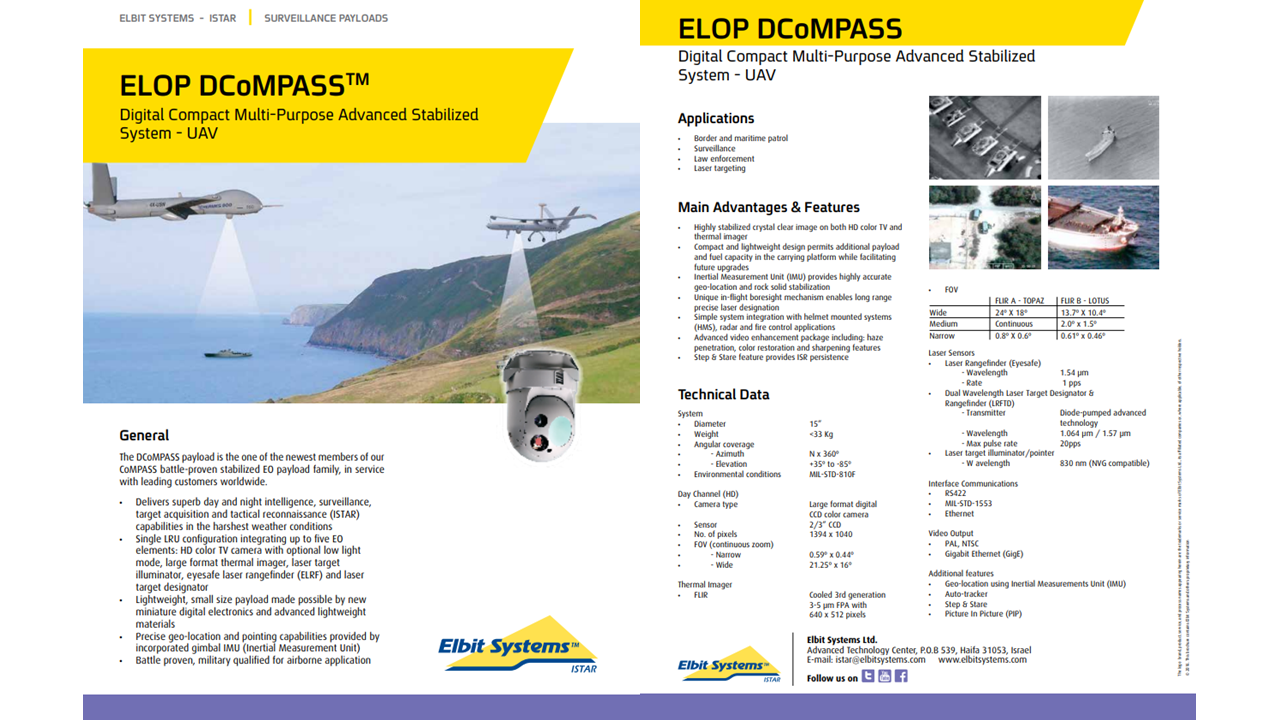
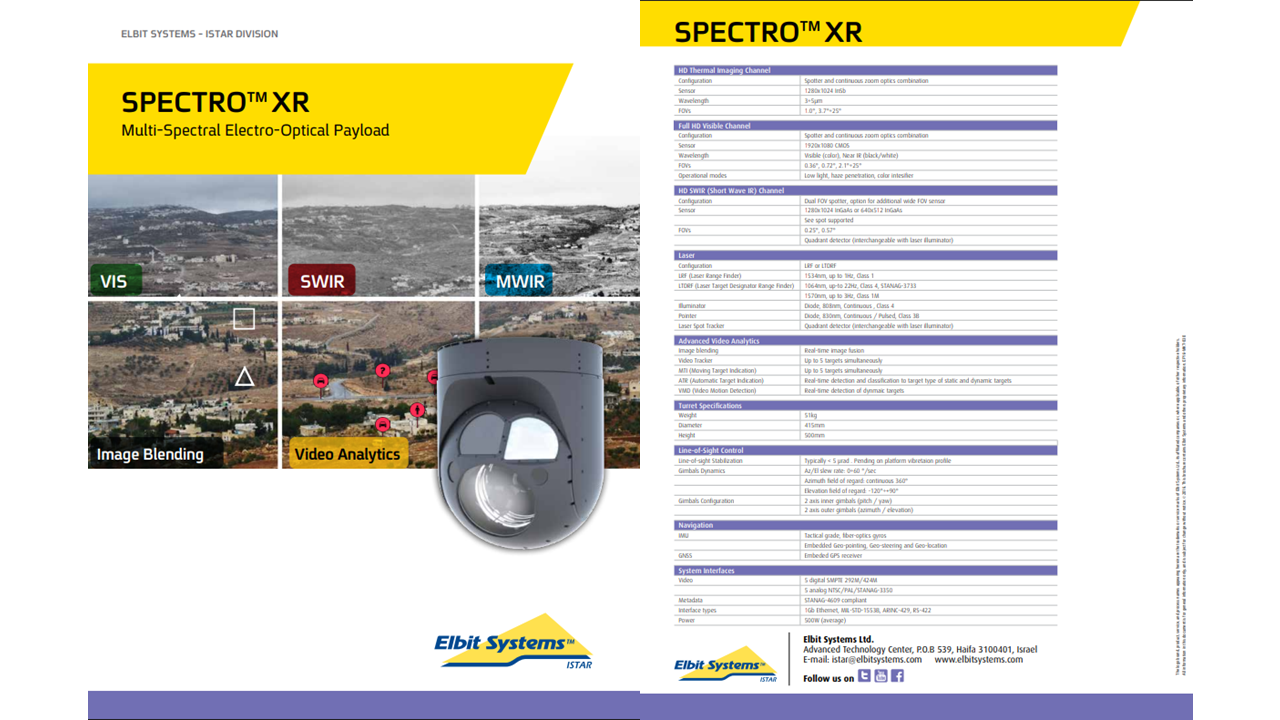
Electro-Optical / Infrared Systems of Hermes 900: The main sensor of this drone is the DCoMPASS, manufactured by Elbit Systems. This 39-kilogram sensor with a diameter of 370 mm includes a high-definition color TV camera, a large-format thermal imager (FLIR), a laser rangefinder, and a laser designator/illuminator for guiding semi-active laser munitions. This system also features an internal inertial measurement unit (IMU), advanced image processing for fog penetration or resolution enhancement, and automatic target tracking capability.
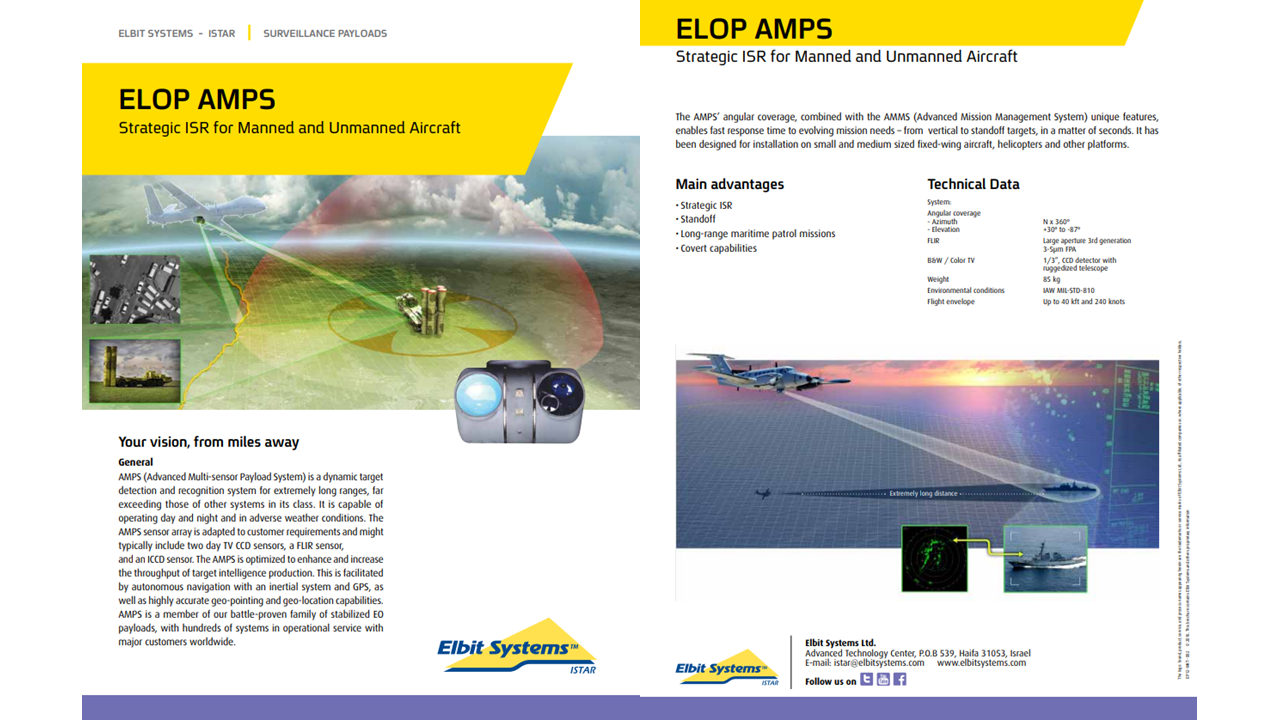
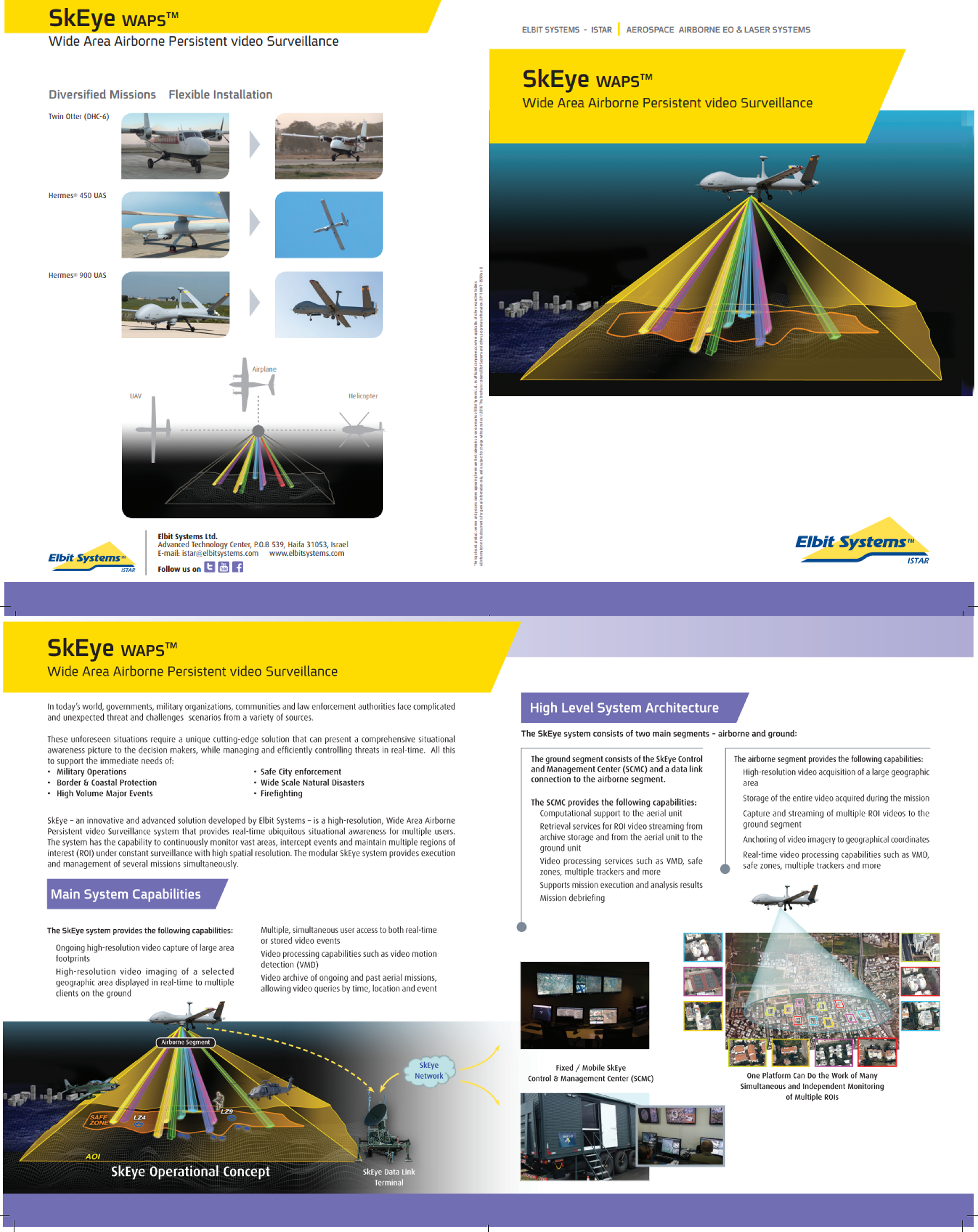
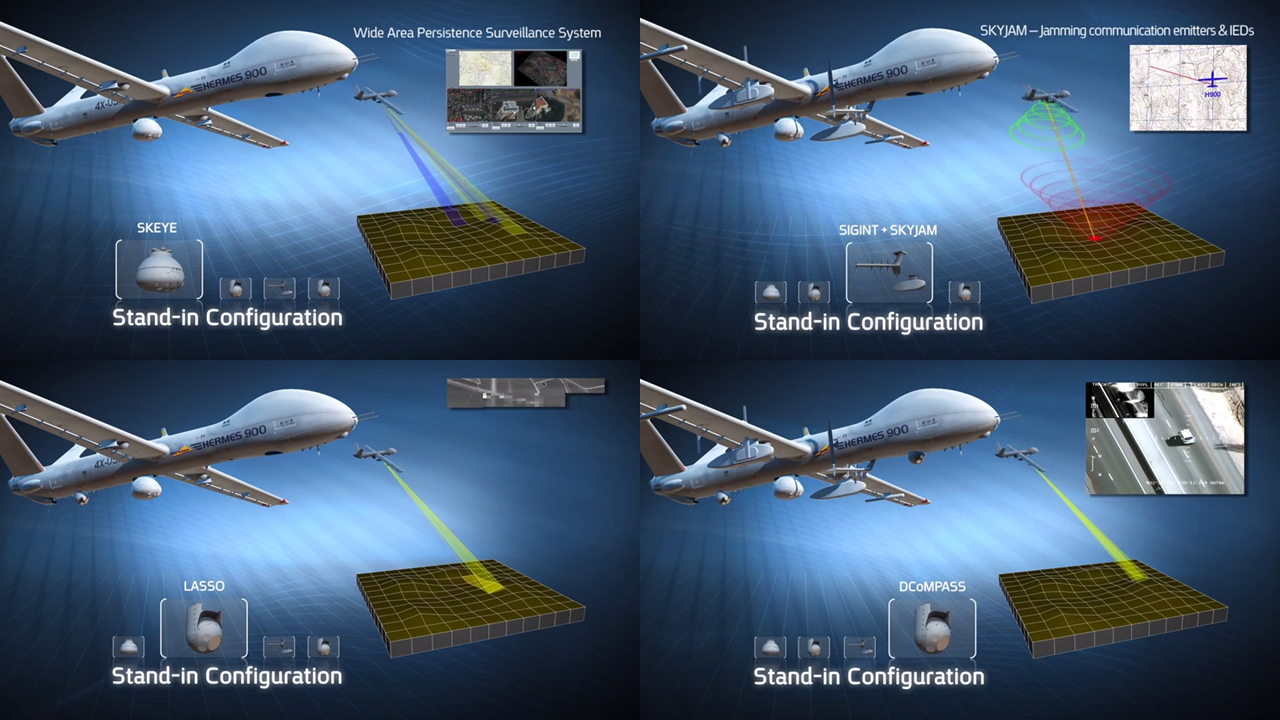
Alongside DCoMPASS, the Hermes 900 can also be equipped with other optical systems such as SPECTRO XR, SkEye, and AMPS.
DCoMPASS sensor specificationsDCoMPASSELOP AMPS sensor specificationsELOP AMPS sensorSPECTRO XR Sensor SpecificationsSPECTRO XR sensorSkEye WAPS Sensor SpecificationsSkEye WAPS Sensor Configuration of Hermes 900 sensorsHermes 900 electro-optical systems and sensors
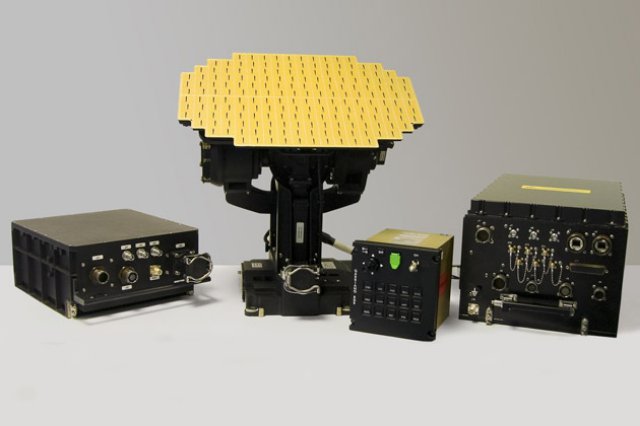
Radar Systems: The Hermes 900 drone supports a variety of advanced radar systems for different mission profiles. One commonly used option is the Synthetic Aperture Radar (SAR) with Ground Moving Target Indicator (GMTI) capability, designed for detecting moving targets, generating high-resolution ground imagery, and conducting round-the-clock surveillance in all weather conditions.
For maritime missions, the drone is typically equipped with the Gabbiano T-200 maritime patrol radar, manufactured by Leonardo.
Gabbiano T-20 radar
Electronic Warfare and Signals Intelligence:
ELINT System: The primary ELINT system onboard this drone is the AES-210V Emerald, developed by Elbit/Elisra. It is designed to intercept, classify, and locate radar emissions from ground, sea, and air sources. Its advanced version, the AES-212, covers a broader frequency range from 0.1 to 40 GHz and is capable of identifying over 10,000 transmitters.
Communications Intelligence (COMINT): The Skyfix system is designed for intercepting and locating communication signals, covering a range between 30 MHz and 3 GHz. It can monitor advanced low-probability-of-intercept (LPI) communications such as frequency-hopping systems. Versions of this system are also available for intercepting mobile (GSM) and satellite communications.
Communications Jamming (COMJAM): Alongside Skyfix, the Skyjam system is used for conducting communication jamming operations. It can operate automatically or manually across multiple sub-frequency bands to disrupt enemy communications during electronic warfare missions.
Skyjam system
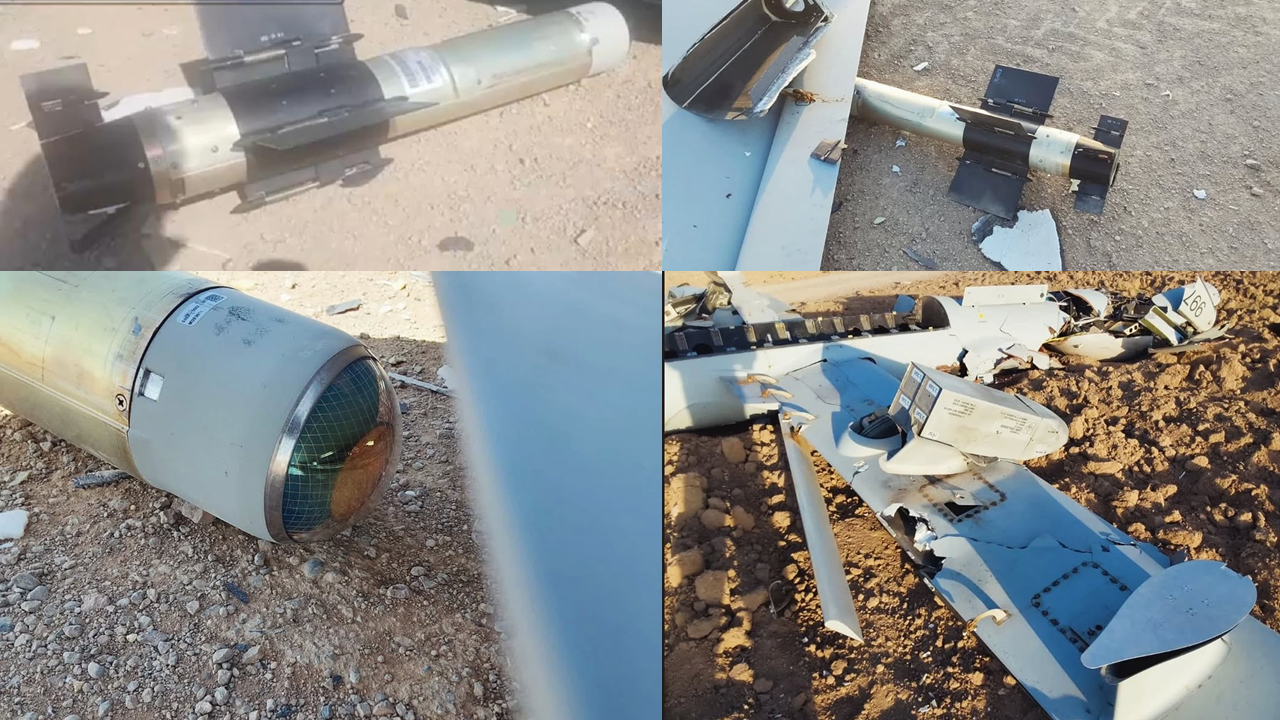
Armaments: In its combat missions, the Hermes 900 is capable of carrying twin or quad pods of a type of air-dropped bomb. This capability has been documented and confirmed following the downing of several drones in Iran. However, no official information regarding this specific payload has been publicly released.
The wreckage of an Israeli Hermes 900 drone that was shot down over Iran, along with evidence of the weapons it carried
Operational History of the Hermes 900:
The Hermes 900 drone made its combat debut during Operation “Protective Edge” in Gaza in 2014. In this operation, it was deployed for intelligence gathering, reconnaissance, targeting, and surveillance roles, as well as for precision strikes against high-value targets.
In the Nagorno-Karabakh conflict, Azerbaijan confirmed ownership of 15 Hermes 900 drones by 2018 and used them during the 2020 clashes against Armenia. Although Armenia claimed to have shot down one of these drones, Azerbaijan denied the claim. The use of Israeli drones—especially the Hermes 900—is considered one of the key factors behind Azerbaijan’s military successes in that conflict.
A satellite image (March 2023) of the military base in Baku at the Yevlakh airport shows at least one Hermes 450 and three Hermes 900 drones stationed there, located approximately 125 kilometers from the Iranian border. It is believed that Azerbaijan may have supported Israel during the 12-day war against Iran.
During the conflicts in Lebanon throughout 2024 and 2025, as well as cross-border and reconnaissance operations over Iranian territory, the Hermes 900 UAV was extensively deployed for surveillance missions and precision strikes targeting Hezbollah and other strategic assets.
At least three of these drones were shot down by Hezbollah forces, while another three were intercepted and destroyed by Iranian air defenses.
Operators and Export History of the Hermes 900 UAV
Israel As the launch customer, the Israeli Air Force introduced the Hermes 900 under the official name Kochav (meaning “Star”). Operational deployment began in 2014, with both standard and maritime patrol variants in service. The exact number of active units remains undisclosed.
Azerbaijan The Azerbaijani Armed Forces have acquired up to 15 Hermes 900 drones. Their official operational use was confirmed in 2018, and the country operates the standard variant.
Brazil The Brazilian Air Force maintains a mixed fleet of Hermes 450 and Hermes 900 UAVs.
Canada Transport Canada purchased a single Hermes 900 StarLiner for Arctic surveillance missions.
Chile Chile became the first export customer in 2011, acquiring three units for its Air Force.
Colombia The Colombian Air Force also operates a combined fleet of Hermes 450 and Hermes 900 drones.
European Union The European Maritime Safety Agency (EMSA) employs the Hermes 900 for maritime patrol and border security. The number of units in use has not been publicly disclosed.
Iceland Iceland’s Coast Guard uses the maritime patrol version of the Hermes 900 to monitor its Exclusive Economic Zone (EEZ). Operational quantities are unknown.
India India’s Navy and Army have inducted at least four Drishti-10 StarLiner drones, a customized version developed in partnership with Adani. These are tailored for maritime surveillance and reconnaissance.
Mexico Mexico’s Federal Police acquired at least two standard Hermes 900 UAVs under a $50 million contract signed in 2012.
Philippines The Philippine Air Force operates nine standard Hermes 900 drones as part of a $175 million defense procurement deal.
Switzerland The Swiss Air Force ordered six Hermes 900 StarLiner (HFE) units. However, full delivery has been delayed due to technical issues and regulatory requirements.
Thailand In 2022, the Royal Thai Navy signed a $120 million contract for the maritime patrol version of the Hermes 900. Details on the number of units have not been released.
Hermes 900 UAV specifications:
Type: Combat and reconnaissance Origin: Israeli regime Manufacturer: Elbit Systems First Flight: 2009 Unveiled: 2010 Length: 8.3 meters Wingspan: 15 meters Engine: Rotax 914, 115 horsepower Range: Over 1,000 kilometers Cruising Speed: 220 km/h Operational Altitude: 9,100 meters (30,000 feet) Endurance: Up to 36 hours Maximum Takeoff Weight: 1,120 kilograms Payload Capacity: 450 kilograms
An overview of the development and production history of the Rampage missile:
The Rampage missile emerged from a collaboration between Israel Military Industries (IMI) and Israel Aerospace Industries (IAI). This partnership traces its origins to the development of the EXTRA series rockets at IMI, from which an air-launched version was created in collaboration with IAI. Initially named MARS (Multi-purpose, Air-launched Rocket System), this version was later marketed as Rampage and is currently produced by the military company Elbit Systems.
An Israeli F-16I fighter equipped with four Rampage missilesRampage missile (center) at the Eurosatory defense and security exhibition in France on June 13, 2022Click to view full size
The EXTRA (Extended Range Artillery) is a type of artillery rocket developed by Israel Military Industries (IMI) and has been used by the Israeli army, the Baku government, Vietnam, and Kazakhstan since 2013.
The EXTRA rocket boasts a maximum range of 150 km, equipped with a 120 kg warhead, and maintains an accuracy of 10 meters at its maximum range.
Its design features a solid-fuel propellant, stabilizing wings at the rear of the fuselage, and guide fins near the nose. The guidance and control system enhances the missile’s accuracy by four times that of unguided rockets, adjusting the ballistic trajectory to counteract wind drift and other meteorological effects.
Extended Range Artillery Rocket – EXTRA
The warhead of this guided rocket is also modular, suitable for carrying different types of submunitions or a single warhead. For example, the EXTRA can carry up to 400 bomblets, anti-runaway munitions or penetrating warheads.
Extra rocket equipped with small submunitions
The Extra rocket is commonly used in the PULS rocket launcher system, formerly known as Lynx. The launcher was originally developed by Israel Military Industries (IMI) and was called Lynx. When IMI was sold to Elbit Systems, the launcher was upgraded and renamed PULS, which stands for Precise & Universal Launching System.
Elbit Systems promotional video for the PULS Multiple Launch Rocket System
The PULS system can carry two separate launch pods, each of which can host up to 18 Accular-122 rocket pods with a range of 36 km, 10 Accular-160 rocket pods with a range of 40 km, 4 EXTRA guided rocket pods with a range of 150 km, or two Predator Hawk tactical ballistic missiles.
Due to the remarkable success of the EXTRA rocket, the development of its air-launched version was also commissioned.
PULS Multiple Launch Rocket SystemFiring EXTRA rocket from the Lynx launcherEXTRA rocket testClick to view full size
Rampage missile:
The Rampage long-range air-to-surface missile is engineered for precision strikes against strategic targets from a safe distance. It minimizes risks to the aircraft and crew, enabling operations beyond the range of enemy air defenses. This offers a significant advantage when targeting high-value fixed or mobile assets, including command centers and air force bases.
Officially unveiled in June 2018, the Rampage missile was initially developed by Israel Military Industries (IMI) and Israel Aerospace Industries (IAI). On November 25, 2018, Elbit Systems acquired IMI and rebranded it as Elbit Systems Land. Today, Elbit Industries produces the missile.
Measuring 4.7 meters in length, 306 millimeters in diameter, and weighing 580 kilograms, the Rampage missile boasts excellent operational flexibility. It is compatible with a wide range of Eastern and Western fighter aircraft, eliminating the need for avionics changes. Rampage can be adapted to fighter jets through various methods, such as reprogramming the weapon system or deploying a separate avionics kit in the cockpit.
The missile’s capability to operate in all weather conditions makes it a reliable option for quick-response attacks, functioning effectively both day and night.
Additional features of this weapon include pre-programmed or in-flight mission execution, allowing target coordinates to be directly provided to the missile’s flight computer before firing.
Guidance for the Rampage missile relies on a combination of satellite navigation and internal inertial navigation, with anti-jamming and fire-and-forget capabilities.
Rampage missile in service with the Indian Air ForceRendered image of the Rampage warhead control finsClick to view full size
The Rampage missile can be deployed by single-engine or so-called small fighter aircraft, each capable of carrying up to four missiles. The missile’s ease of use allows it to engage a single target or multiple targets simultaneously.
Rampage missiles can be launched from altitudes of 3,000 to 4,000 feet, at speeds of Mach 0.7 to 0.95, and at angles of 0 to 35 degrees. Depending on the launch type, the missile hits the target at speeds of 350 to 550 meters per second (Mach 1.6), with an accuracy of less than 10 meters, and at a maximum angle of 90 degrees.
The maximum range of this missile is stated in various sources to be up to 250 kilometers.
It should be added that this missile is capable of using a diverse range of warheads, including multipurpose, bunker-busting, and fragmentation warheads.
Click to view full size
Operational history:
The Israeli regime air force uses the Rampage missile extensively. The weapon’s operational history includes the assassination of Mustafa Ahmed Shahdi, deputy commander of Hezbollah’s Radwan forces, and Israeli airstrikes in Yemen.
On December 26, 2024, the Israeli Air Force targeted several locations in Yemen, including Sana’a International Airport, the Haziz power plants in Sana’a and Ras Qanateb in northern Hodeidah, and military infrastructure in the ports of Hudaydah, Al-Salif, and Ras Qanateb on the west coast of Hudaydah. The operations were primarily carried out by F-15D Eagle, F-16I fighter jets, and KC-707 tankers. The F-16I fighter jets involved in these operations were armed with two Rampage air-launched missiles.
Israeli attack on Sanaa airport control tower with Rampage air-launched missile
It is likely that Israeli warplanes used Rampage air-launched missiles in the October 26 attacks against Iran, targeting the Qadir defense installations and radar site in Ahvaz, the Ilam radar site, and the Abadan refinery. The proximity of these targets, all located less than 200 kilometers from the southwestern border with Iraq, supports this possibility.
Users of Rampage rocket:
Israel: The Israeli Air Force is the first user of the Rampage missile. This weapon is typically seen in combination with F-16 fighters. Retired Kfir fighters can also be equipped with this missile. Sri Lanka, Ecuador, and Colombia still have this fighter jet in service and are considered potential customers of the Rampage missile.
India: The Indian Air Force selected the Rampage missile for service in 2024. The force’s fleet includes Sukhoi-30 and MiG-29 fighters. The Indian Navy’s MiG-29 fighters also use this missile.
Greece: The Hellenic Air Force is considering introducing the Rampage missile for its F-15 fighters.
Rampage missile specifications: Type: Standoff air-to-surface missile Manufacturer: Israeli regime Unveiled: 2018 Length: 4.7 meters Diameter: 306 mm Range: up to 250 km Speed: 1.6 Mach Accuracy: 10 meters CEP Weight: 580 kg Warhead: Multipurpose Warhead weight: 150 kg Flight altitude: 12,190 meters Guidance: GPS/INS – IR
Rampage air-to-surface missile – click to view in full size
More images of Rampage missile:
Click to view in full size
Posters of Rampage missiles in Farsi, Russian and Arabic:
An Israeli-made Skylark spy UAV crashed into a residential complex in the northern Iraqi city Sunday evening local time, harming a residential unit. The incident caused no casualty.
It is reported that the UAV was flown by the French military, carrying out a mission in Kirkuk under the NATO command. The incident is the second crash of the French-owned Skylark UAV in Iraq. Nearly two months ago, another drone of the same kind crashed in the Iraqi city of Mosul.
The Skylark spy UAV has been manufactured by Israel’s Elbit Systems Aerospace and Defense Company and possesses a maximum combat radius of 10 kilometers with 2 hours flight duration. The UAV’s maximum speed is 74 kilometers per hour and it has wingspan of 2.4 meters. France, Azerbaijan Republic, Croatia, Czech Republic, Georgia, Honduras, Hungary, Macedonia, Mexico, Myanmar, the Netherlands, Philippines, Poland, Slovakia, South Korea, Sweden, Turkmenistan, and Uruguay apply the UAV.
Pictures of the Skylark drone after it crashed in Kirkuk province
With the advancement of anti-tank guided missile technology, armored personnel carriers and main battlefield tanks are no longer able to repel these threats with their armor. The solution developed in recent years to counter these threats has been developed with the focus on Israel’s Elbit Systems industry, a variety of active defense systems on armored platforms, and the Trophy system is the company’s most prominent achievement in this field.
The Trophy system was launched in 2010 on Merkava Mark 4 tanks. This system consists of 4 fire-control radars of active electronic scanning array ElTA EL/M-2133, which detects and tracks targets in 360 degrees, so that after detecting the projectile, the radar transmits information to the central computer of the Trophy system and the target system categorizes, then calculates the optimal time and angle of the counter.
The response comes from two rotating launchers installed on the sides of the vehicle which fire a very small number of a MEFPs (Multiple Explosively Formed Penetrators) which form a very tight, precise matrix, aimed at a specific point on the anti-tank projectile’s warhead. The system is designed to have a very small kill zone so that it does not endanger personnel near the protected vehicle.
One of the weaknesses of this system is the inability to deal with kinetic energy projectiles and the reload time of the counter is equal to 1.75 seconds. If the launch of the second missile is simultaneous, with a distance of less than 1.75 seconds, one of the missiles will cross the barrier of this system and the target will be destroyed (if a suitable weapon is used). Also, the cost of this system is relatively high, and due to its high weight and relatively high energy consumption, it is necessary to upgrade some subsystems of the carrier platform, which in itself will increase the additional costs.
Trophy HV system specifications: Weight: 820 kg Size: 0.69 cubic meters Cost: More than one million dollars Reload time: 1.75 seconds Ability to reload the counter: 3 times Probability of success against anti-tank missiles: 95% Radar working band: F/G