In recent years, Israeli military and security institutions have frequently reported the deaths of various resistance commanders, only for those claims to be later disproven when these commanders appear on the frontlines or before the cameras.
The fact that the Israeli regime relied on this intelligence for about eight months and believed the Hamas Beit Hanoun Battalion Commander was deceased highlights a significant intelligence failure. It is likely that similar reports regarding other resistance commanders in Gaza may also be proven incorrect in the coming weeks.
Hussein Fayyad, the Beit Hanoun Battalion Commander of the al-Qassam Brigades
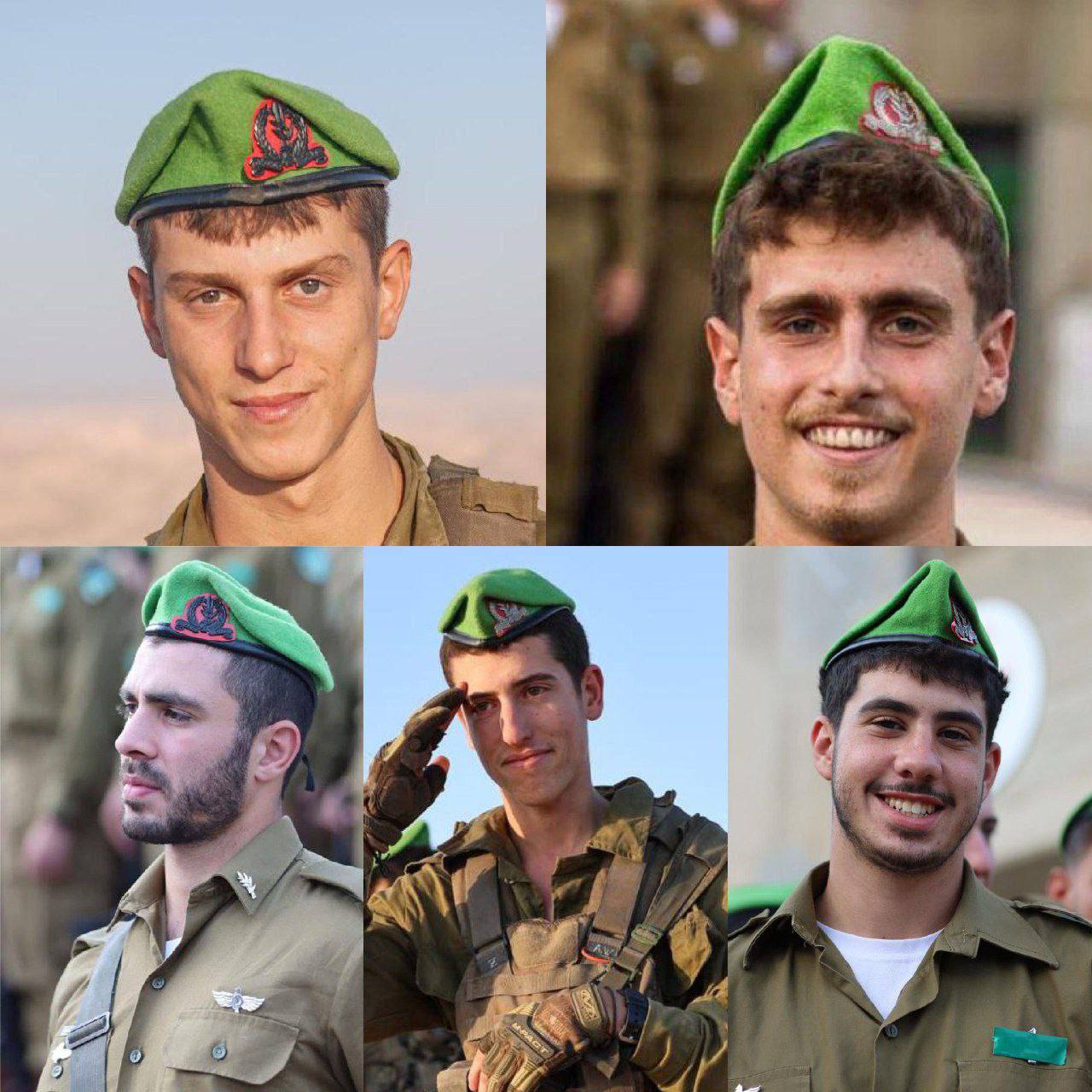
According to the Israeli army, Cpt. Yair Yakov Shushan, Staff Sgt. Yahav Hadar, Staff Sgt. Guy Karmiel, Staff Sgt. Yoav Feffer, and Staff Sgt. Aviel Wiseman were killed in Beit Hanun.
The liquidated soldiers were all served with the Nahal Brigade’s Reconnaissance Unit.
The incident occurred on Monday, when an alleged anti-tank missile struck an Israeli military unit, resulted in the death and injury of soldiers from the Nahal Brigade.
The IWN investigations indicate that the number of alleged Israeli deaths since the start of the ground attack on the Gaza Strip has increased to 413. The total number of “military” deaths, claimed by the Israeli regime has reached 840 since the start of the war.
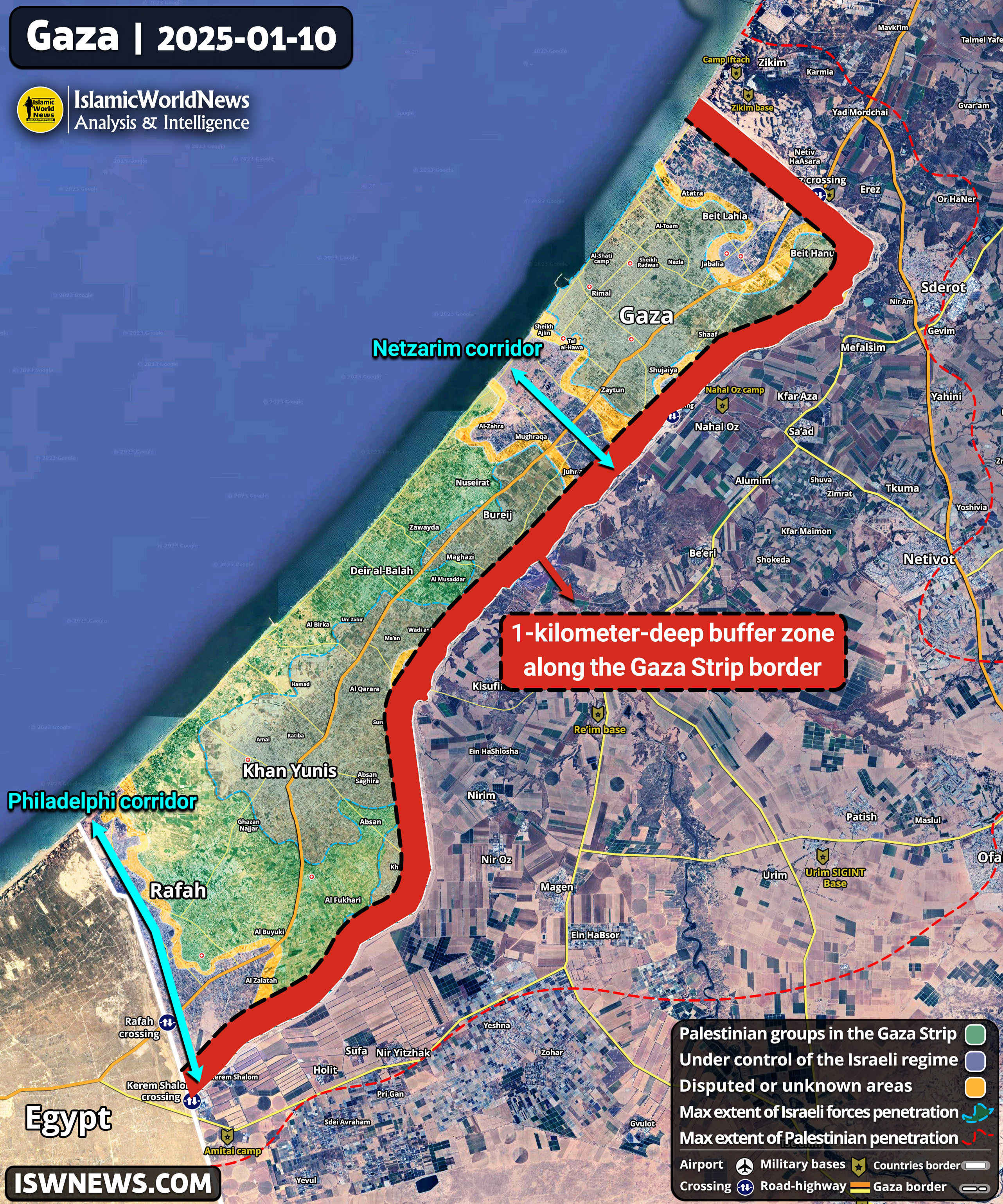
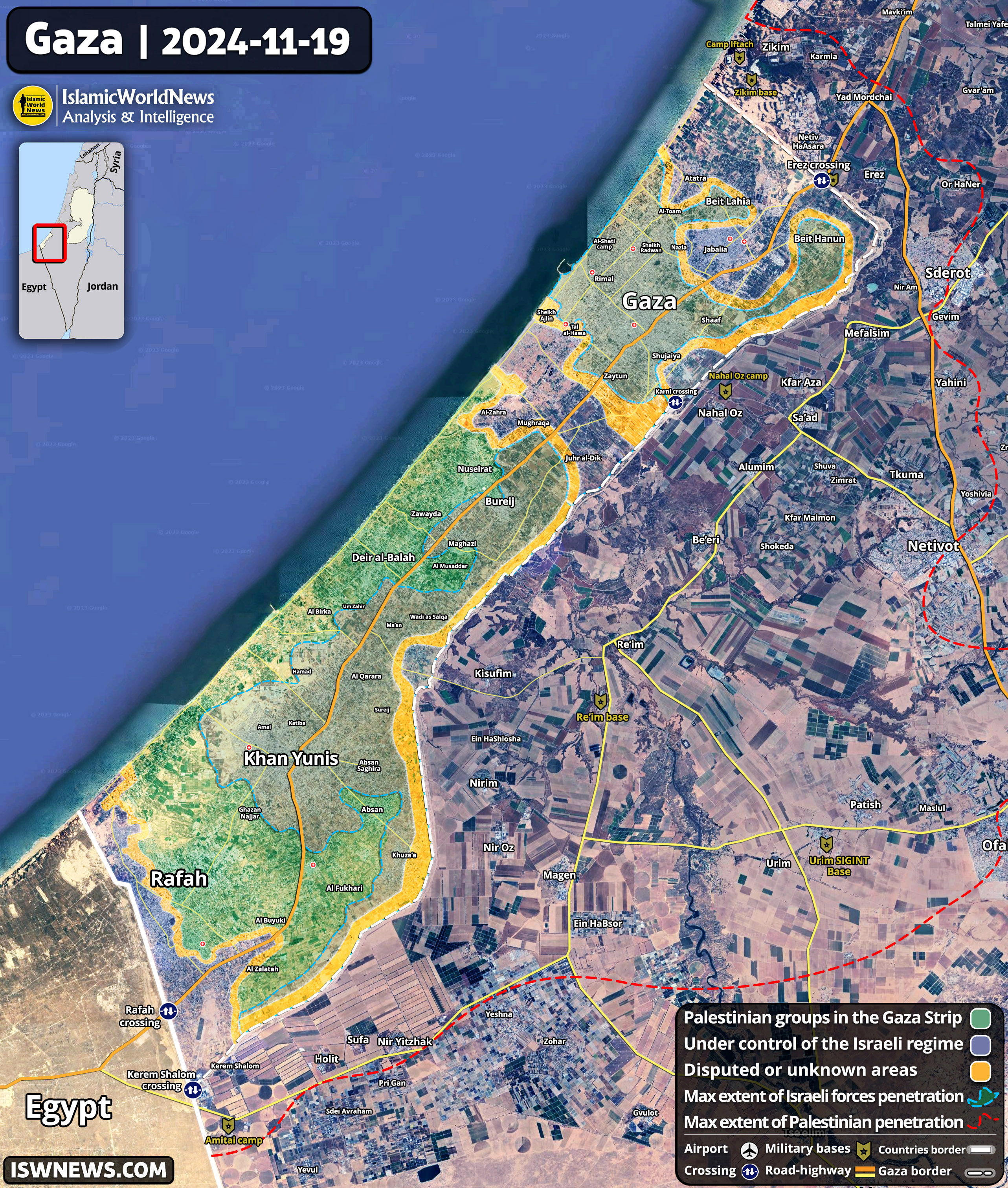
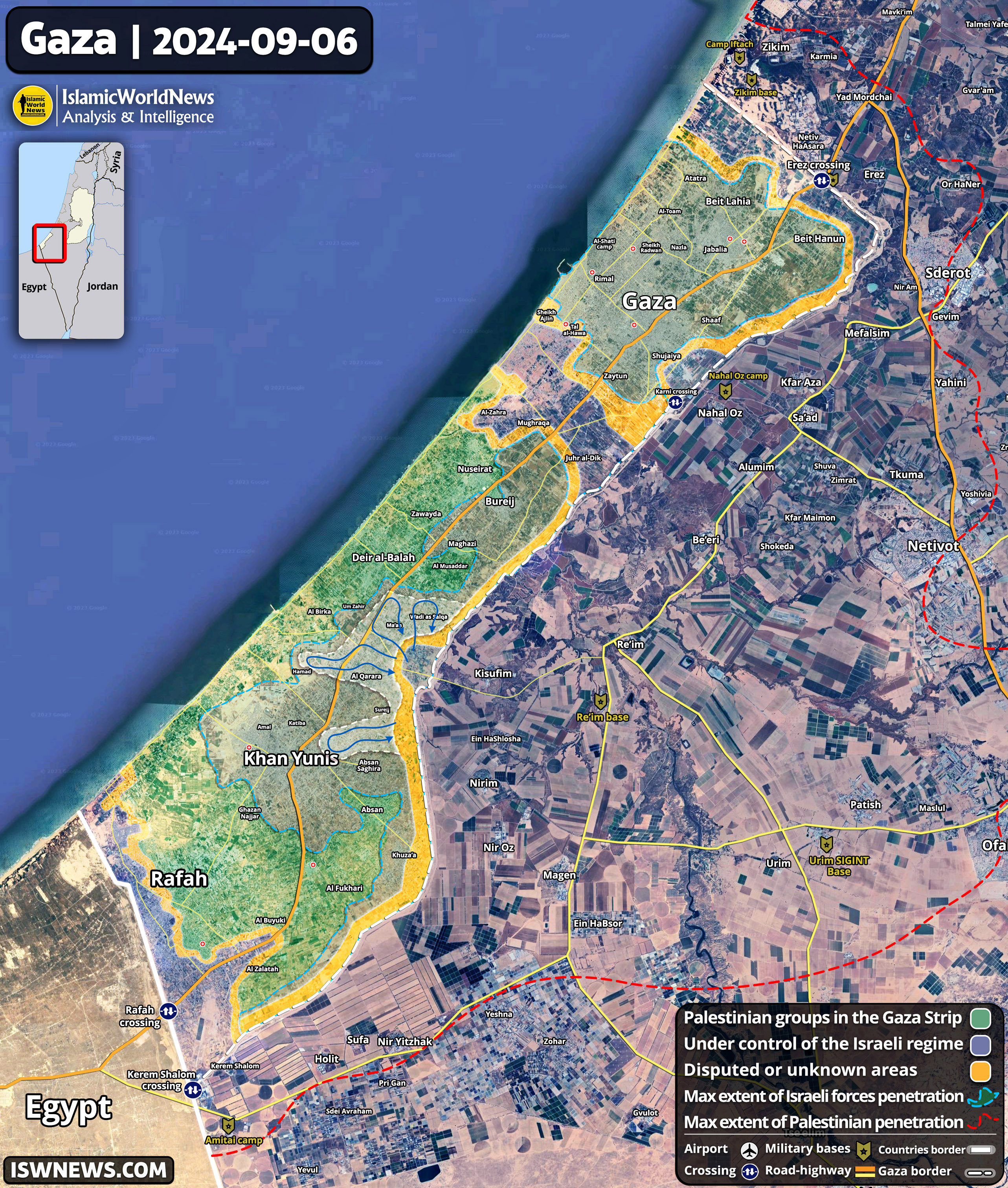
The buffer zone covers an area of 58 square kilometers, accounting for 16 percent of the total Gaza Strip area. In this zone, at least 4,100 buildings have been completely destroyed. Previously, the buffer zone depth was 300 meters, but the Israeli army increased it to around 1 kilometer in recent months.
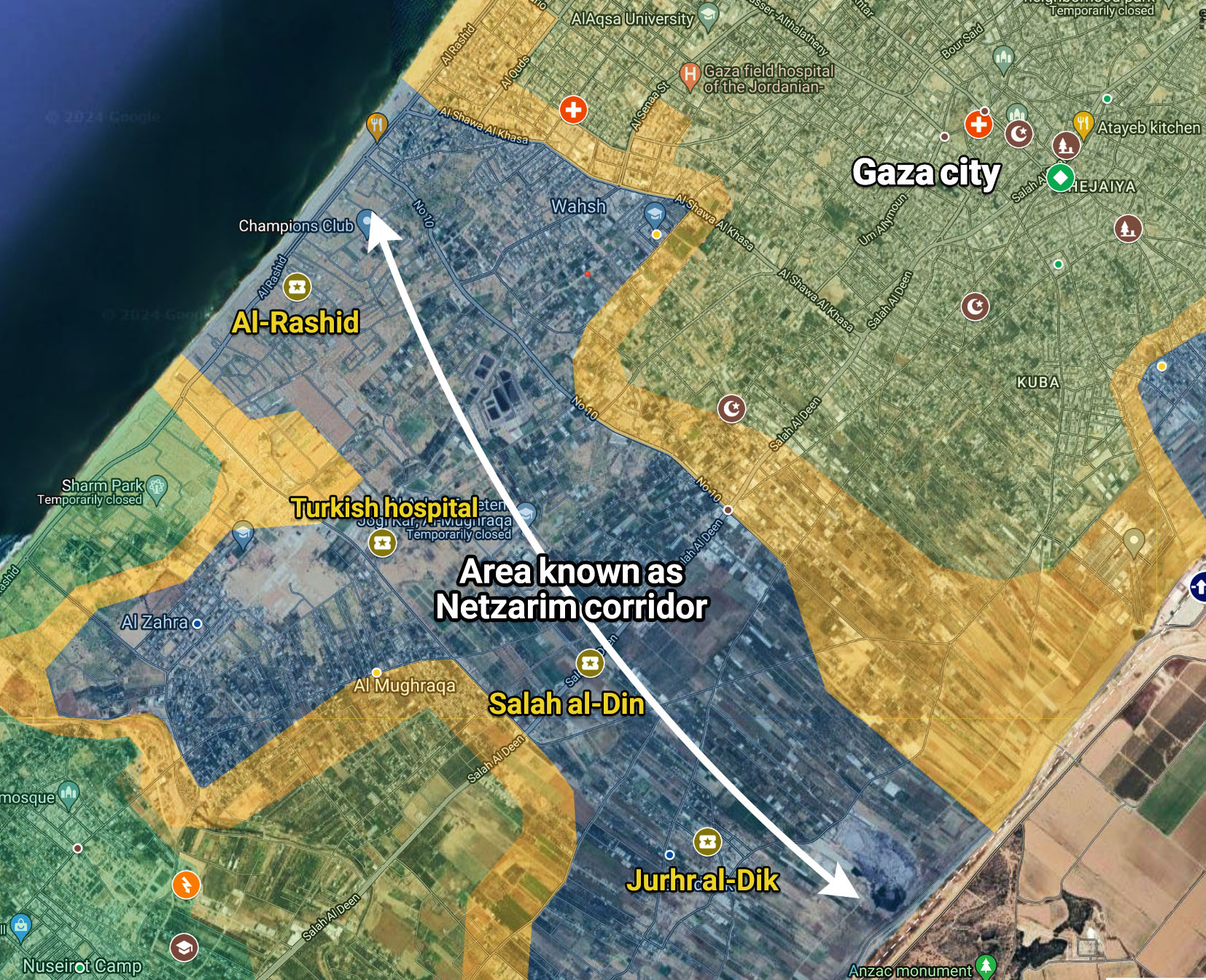
Additionally, in the Netzarim axis in central Gaza Strip, an area of 49 square kilometers, or 13.5 percent of the Gaza Strip, has been occupied by the Israeli army, with residential buildings completely destroyed. The Netzarim axis was established during the Israeli army’s ground operations to cut off land connections between Gaza City and southern Gaza Strip. The Zionist regime has established four bases in this axis to consolidate its positions and enhance its presence and influence.
The so-called Netzarim corridor and four Israeli army bases on this axis
Here’s a rephrased version:
In the Philadelphia axis south of Rafah in the southern Gaza Strip, the Israeli army has occupied 12 square kilometers, equivalent to 3 percent of the total Gaza Strip area. To maintain a permanent presence, the Israeli military has destroyed at least 6,932 buildings in this zone.
Consequently, approximately 32.5 percent of the Gaza Strip is currently destroyed and occupied by the Israeli military. These areas are permanently occupied by Israeli forces, with troops stationed there constantly. In other areas of the Gaza Strip, the presence of Zionist forces manifests through short-term, temporary operations and raids.
The buffer zone on the border between the Gaza Strip and the occupied territories on the Netzarim and Philadelphi axis
The extensive and total destruction of buildings in these areas has made it impossible for the Palestinian refugees to return.
In recent months, the Israeli army has laid the groundwork for the permanent occupation of parts of Gaza and the creation of buffer zones by conducting several military operations in the north, center, and south of the Gaza Strip. According to Israeli claims, these buffer zones and the continuous presence of Israeli soldiers aim to tighten the siege on Gaza’s resistance forces and, in turn, reduce attacks on Israeli settlements around Gaza.
However, recent actions by resistance fighters indicate that the presence of Israeli soldiers has not completely halted their attacks. Despite the buffer zones and the continuous raids by Israeli soldiers in various parts of the Gaza Strip, rocket attacks by resistance groups persist.
The establishment of buffer zones and the complete withdrawal of Israeli soldiers from Gaza have long been contentious issues in negotiations between Hamas and the Israeli regime. Recently, there has been speculation about the possible withdrawal of Israeli forces from the Netzarim and Philadelphi axes as part of an initial ceasefire agreement, but this has not yet been confirmed, and negotiations are still ongoing without specific conclusions.
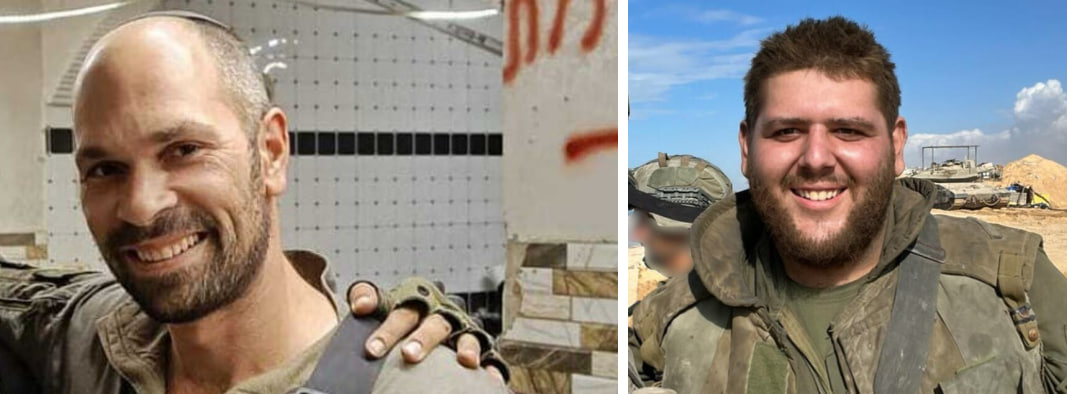
Amit Levy from the 551st Brigade was killed in the central Gaza Strip, and Staff Sgt. Yuval Shoham from the 401st Armored Brigade’s 9th Battalion was killed in northern Gaza.
Additionally, a soldier from the Givati Brigade’s Tzabar Battalion was seriously injured in Beit Hanoun in northern Gaza.
The IWN investigations indicate that the number of alleged Israeli deaths since the start of the ground attack on the Gaza Strip has increased to 397.
The total number of “military” deaths, according to the Israeli regime’s claims, since the beginning of the war has reached 824.
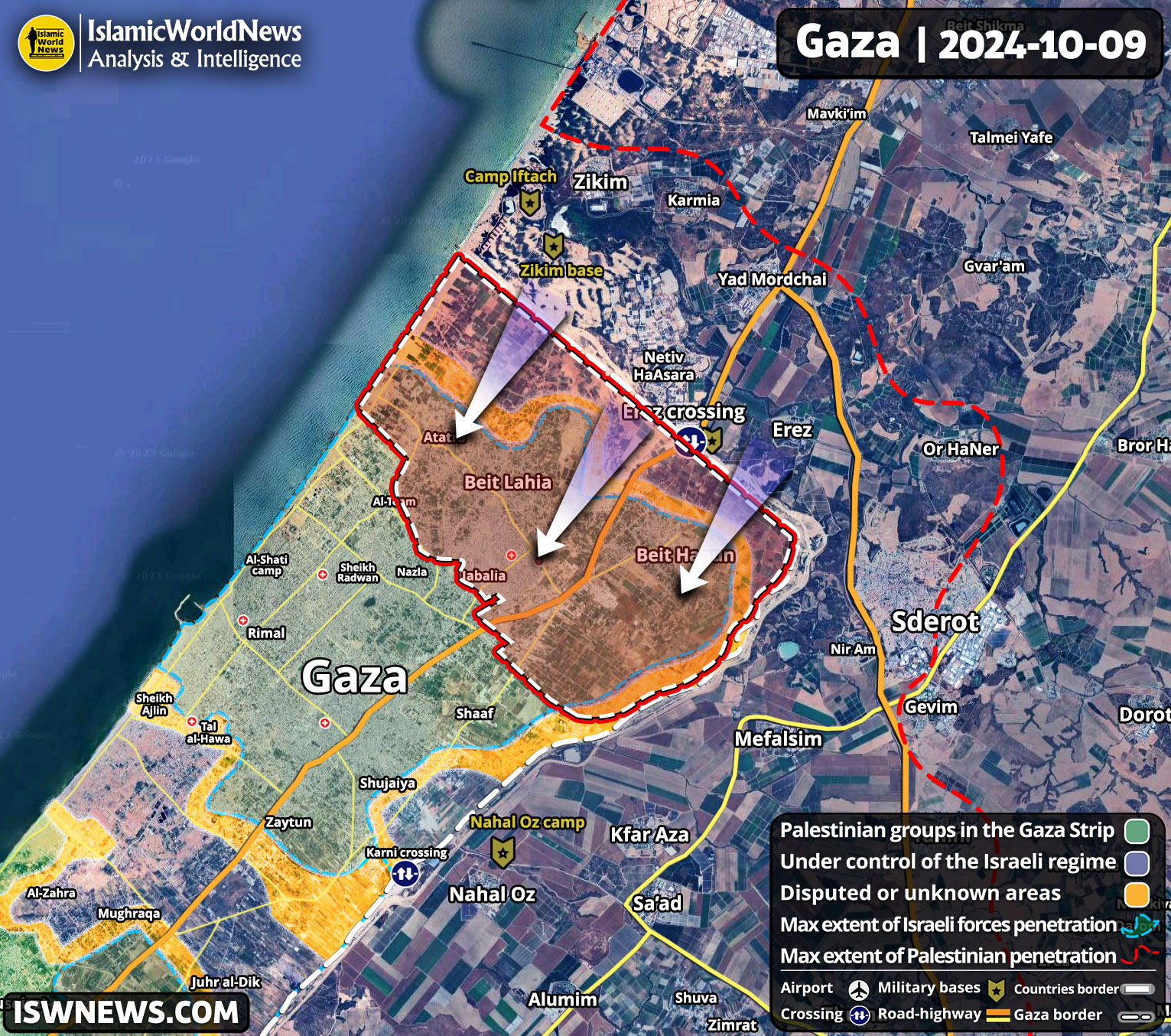
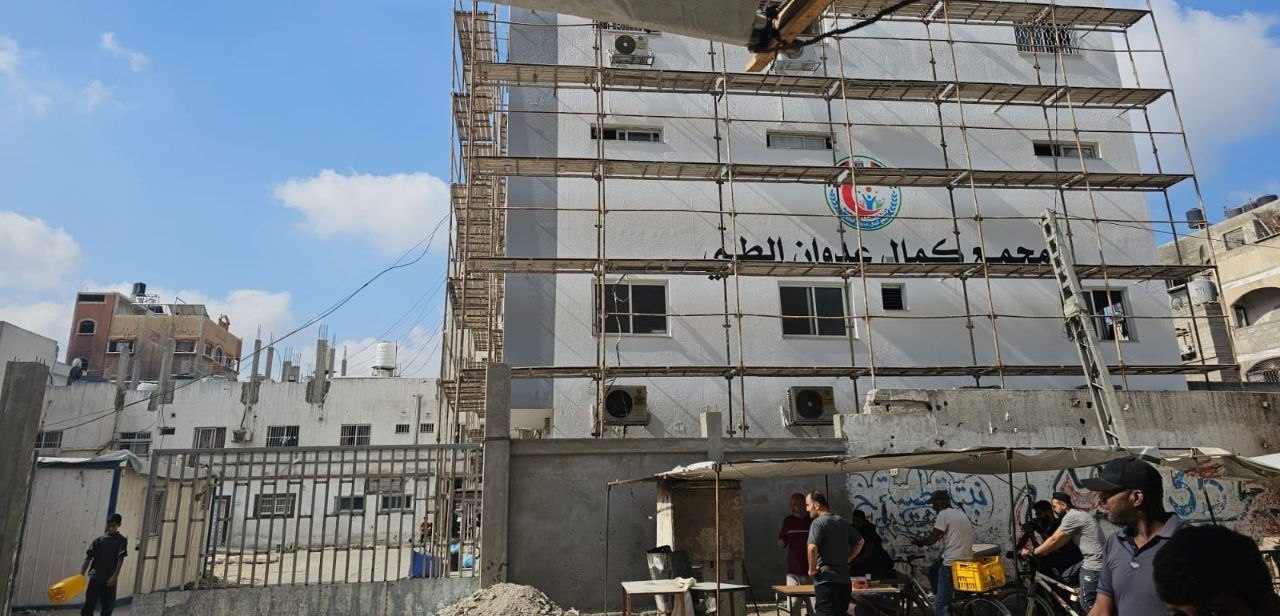
The Israeli regime’s troops, supported by artillery and under heavy air attacks, have begun their advances towards some areas in northern Gaza and in the first step of the operation occupied Kamal Adwan Hospital and its surrounding areas.
The Israeli army has Gradually expanded the scope of its military operations and dispatched its forces to the southern and eastern areas of the city of Jabalia. Advancing in the mentioned fronts, Israeli military forces have exploded and completely destroyed Palestinian homes with the aim of forcibly relocating them to the central and southern Gaza Strip. After the presence of Israeli troops in the south and east of Jabalia, the Israeli regime’s army focused on the western and northwestern areas of Jabalia.
Videos released by the Izz al-Din Al-Qassam Brigades, the military wing of the Palestinian resistance movement Hamas, show that clashes are currently taking place around Al-Saftawi Square and Al-Bahr Street in eastern Jabalia.
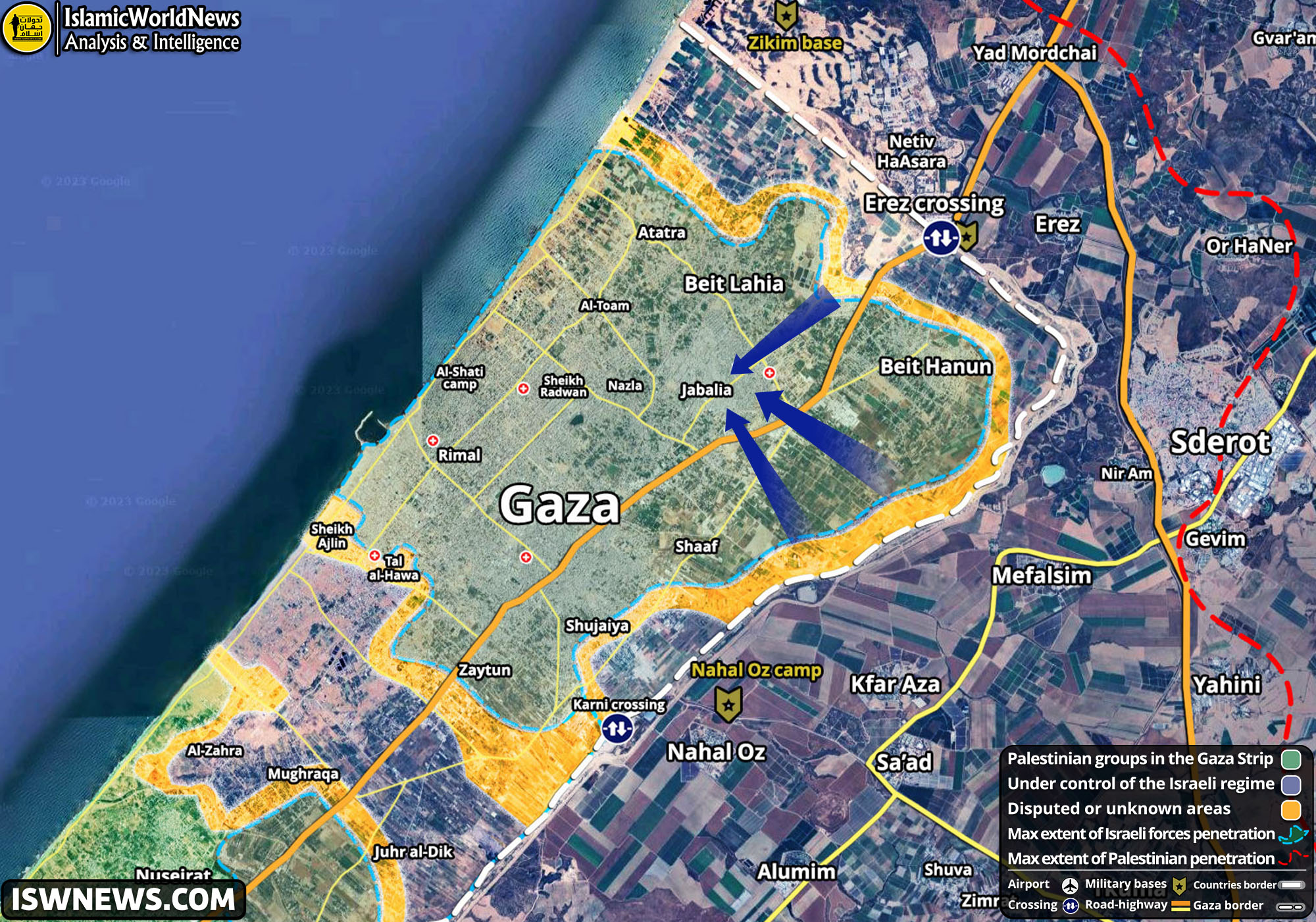
Latest military situation in the northern Gaza Strip – click to view full size
In recent days, Al-Qassam fighters targeted several Israeli army personnel, bulldozers, and tanks in the western fronts of Jabalia. Videos of some of these operations have also been released.
In the Beit Lahia front, clashes continue in the eastern and northern fronts. Over the past four days, Al-Qassam forces have targeted at least 11 Israeli troops, 2 Merkava tanks, one armored personnel carrier, and one bulldozer of the Israeli regime’s army in the outskirts of Beit Lahia. The Israeli military is trying to clear the path for ground forces to advance in this front through heavy air attacks.
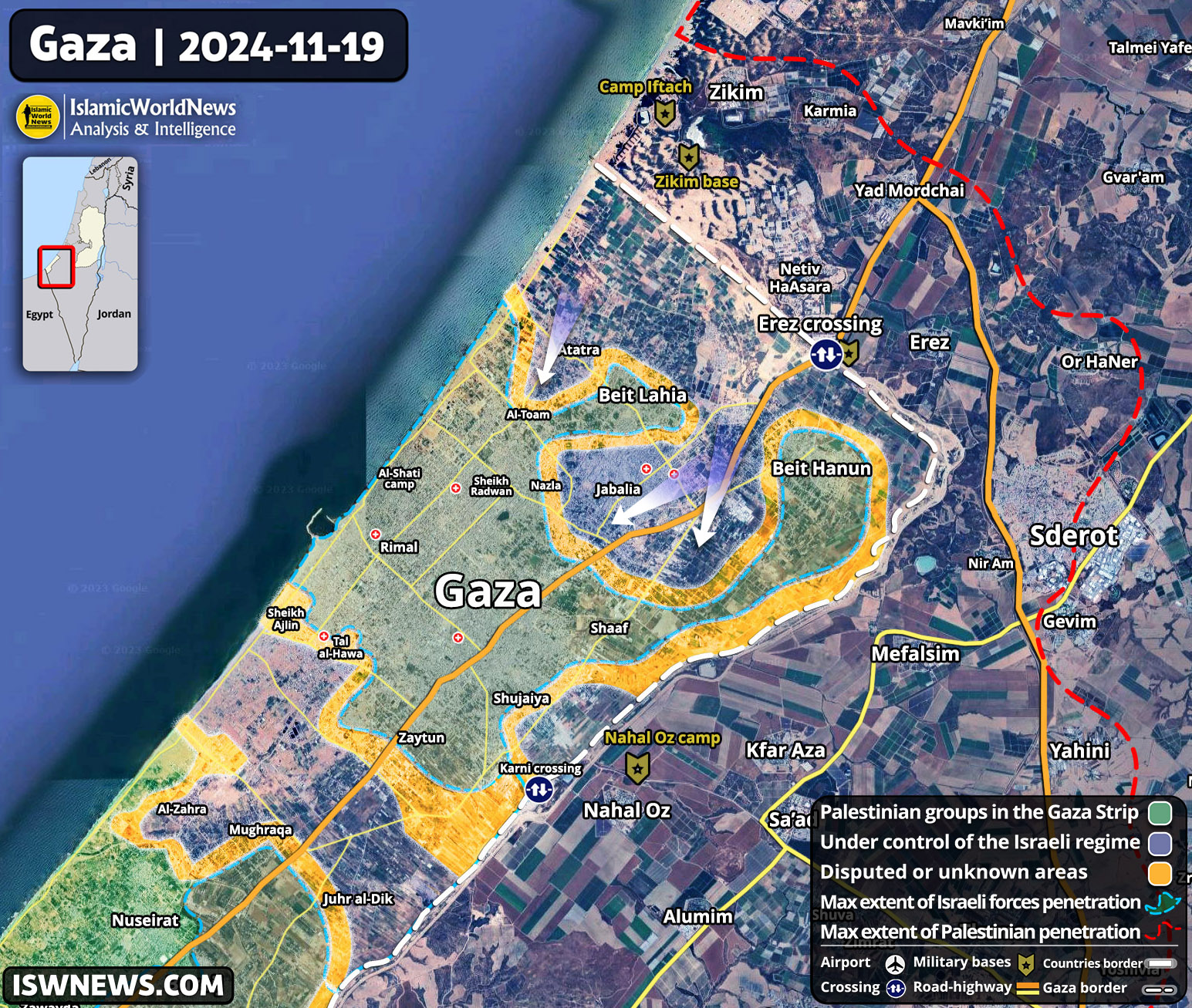
Following the recent military operations in northern Gaza, it seems that the Israeli regime’s army intends to expand the so-called buffer zone at the Gaza border to the middle of Gaza City. Previously, this buffer zone was located several kilometers from the Gaza border. The expansion of the buffer zone into the depth of the Gaza Strip effectively facilitates its permanent occupation by the regime’s forces.
The Israeli regime’s army has launched a large-scale invasion of the Gaza Strip since the evening of October 27, 2023. Since the onset of the Israeli operations in Gaza, 43,922 Palestinians have been martyred and 103,898 others have been injured. On the other hand, the number of casualties reported by the Israeli regime since the initiation of the ground assault on the Gaza Strip has reached 379 military personnel.
Latest military situation in the Gaza Strip – click to view full size
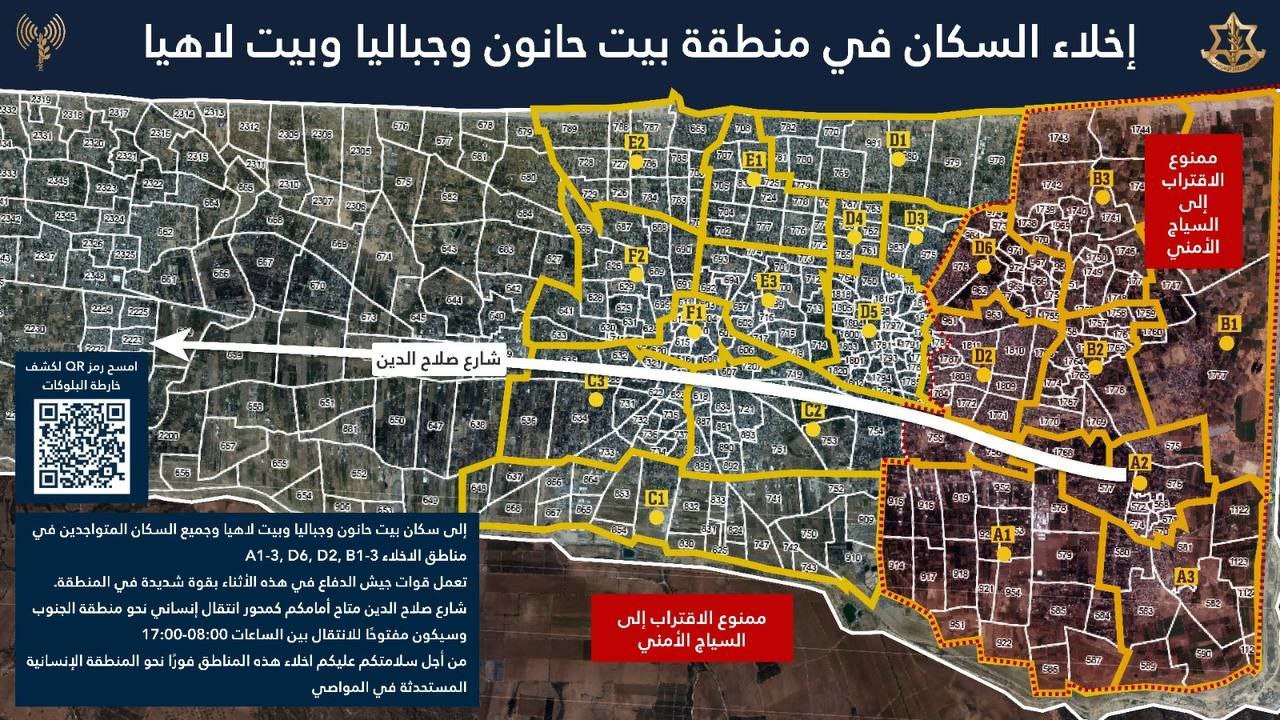
According to the statement, residents of Beit Hanoun, Beit Lahia, and Jabalia cities have been asked to leave these areas and move towards the southern regions of the Gaza Strip. The mentioned areas are expected to witness air and ground attacks by the 62nd Infantry Brigade of the occupying regime.
The spokesperson for the Israeli military announced three days ago that the 162nd Infantry Brigade would head to the city of Jabalia after accomplishing its mission in the city of Rafah and would kick off military operations in this area.
In addition, evacuation orders have been issued for Kamal Adwan, Indonesian, and Al-Awda hospitals as well. Doctors and medical staff at these health centers are forced to leave the area; otherwise, there is a risk that they may experience the massacre, which had taken place at Al-Shifa hospital by the Israeli regime’s forces.
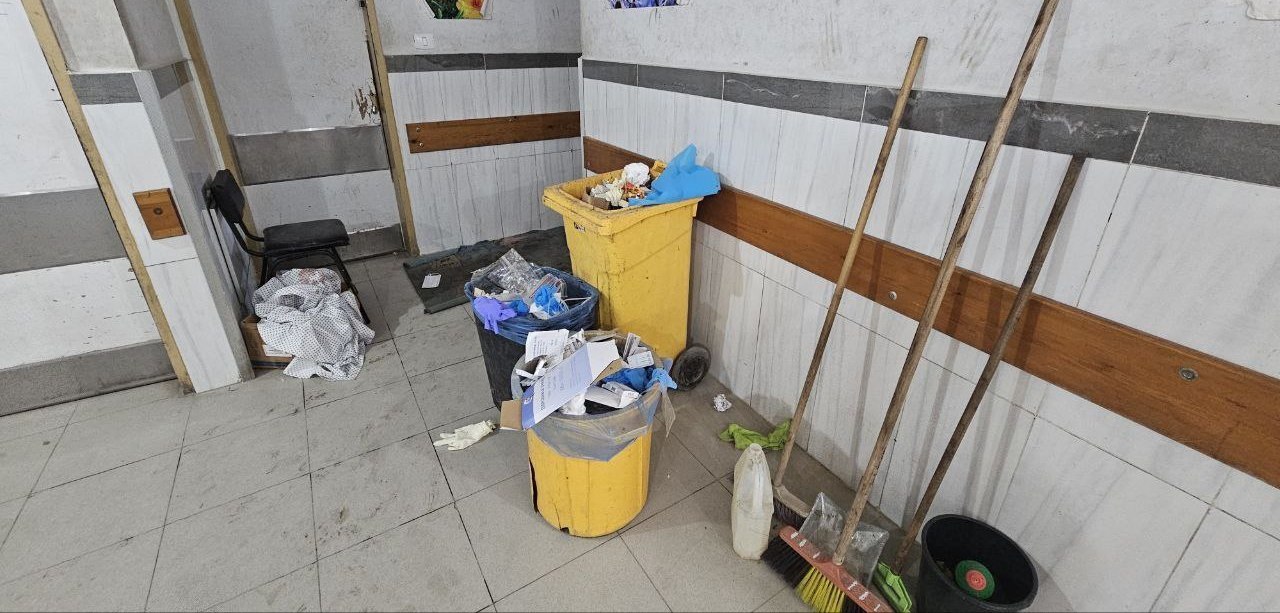
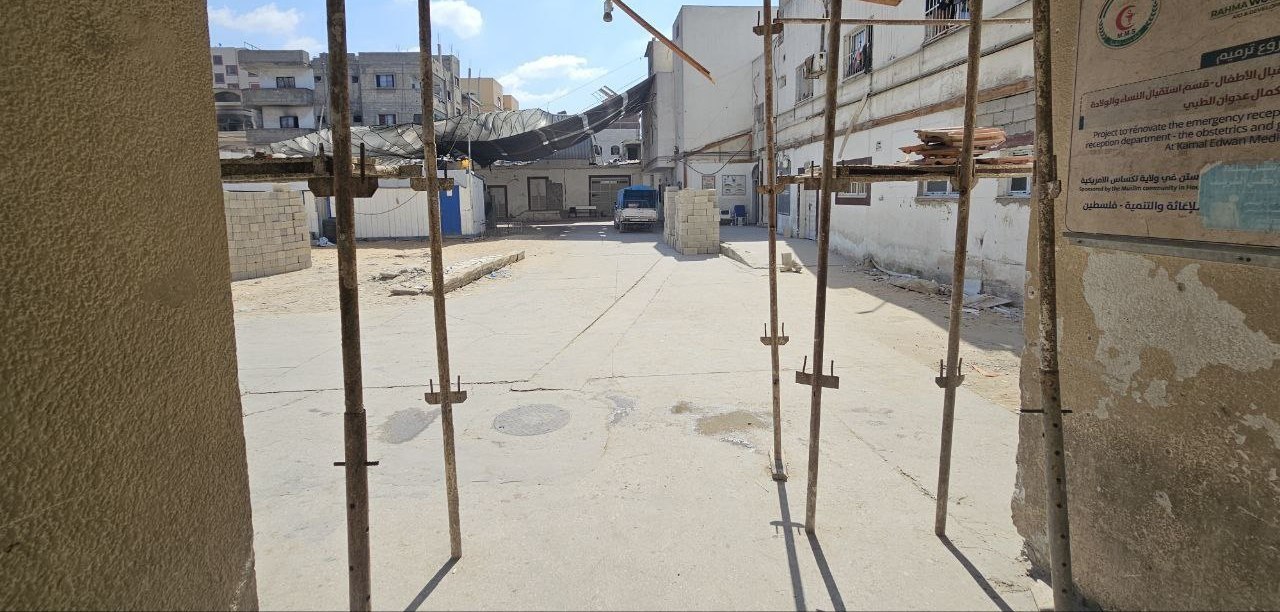
Suspension of Kamal Adwan Hospital
The latest information on the battlefield indicate that the Israeli army has completely blocked the Abu Sharakh intersection; therefore, the occupying forces have completed the siege of the Jabalia camp, and the only exit route for civilians has been closed.
The areas of Al Difa’a Al Madani (Civil Defense), Al-Tawam, and Bir al-Najjah are also under air and artillery strikes by the Israeli military, and dozens of Palestinians’ homes have been targeted in recent hours. Moreover, neighborhoods and areas to the east, north, and west of the Jabalia camp have been reported to be under heavy artillery attacks.
The warning announcement released by
Following the onset of the Israeli ground assault in southern Lebanon, this is the fourth time that the Tel Aviv regime has issued a statement and conducted military operations in the Gaza Strip. This move indicates that despite the battle in southern Lebanon, the regime’s focus has not shifted from the Gaza Strip; rather, it is trying to exit as quickly as possible from the quagmire of the prolonged confrontation it is engaged in Gaza.
The recent attacks on the northern Gaza Strip may be the first major step towards breaking this deadlock that the Israeli regime is still facing in the besieged area. It appears that the Israeli army plans to expand the so-called buffer zone at the Gaza border to halfway into the middle of the city of Gaza. Earlier, that buffer zone was located a few kilometers from the Gaza border with the occupied territories of Palestine. The expansion of the zone into the depths of the Gaza Strip is expected to effectively pave the way for the permanent occupation of the strip by the Tel Aviv regime.
A spokesman for the Israeli military stated that the 162nd Division of the regime’s army (Ha-Plada, also known as the Steel Formation) moved to Jabalia after completing its mission in Rafah city and initiated military operations aimed at destroying the infrastructure of the Palestinian resistance in that area.
According to the Israeli military, the 401st and 460th Brigades of the 162nd Division are currently engaged in confrontations against resistance groups in the Jabalia city.
Ground operations in Jabalia kicked off just hours after intense aerial and artillery attacks by the Israeli regime’s military on that region.
Israel’s 162nd Division in Jabalia
It is worth mentioning that the 162nd Division left the axis of Rafah city after five months and transferred responsibility for that area to the Gaza Division of the Israeli army.
The Israeli army’s ground incursions in Jabalia take place after multiple previous attacks on the area, in which the regime claimed to have completely demolished the infrastructure of the Palestinian resistance there.
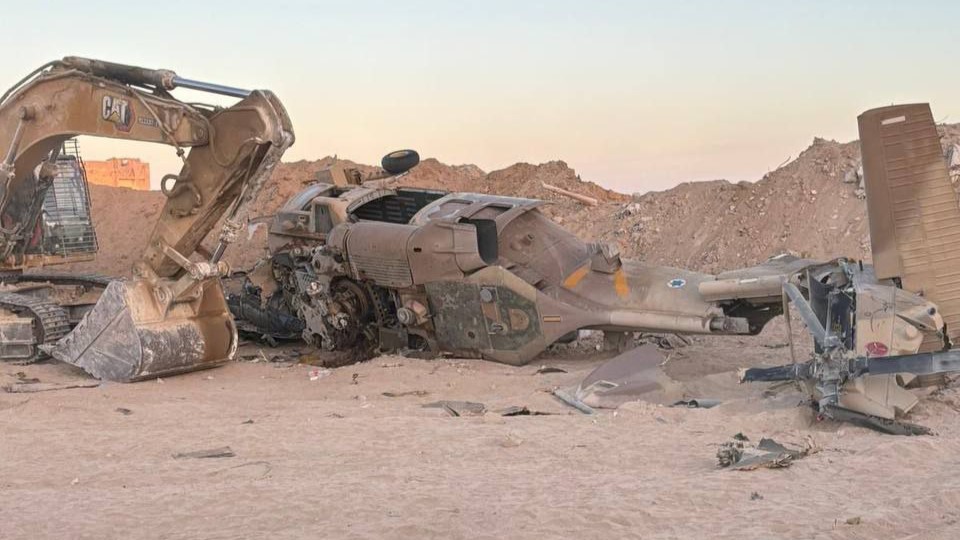
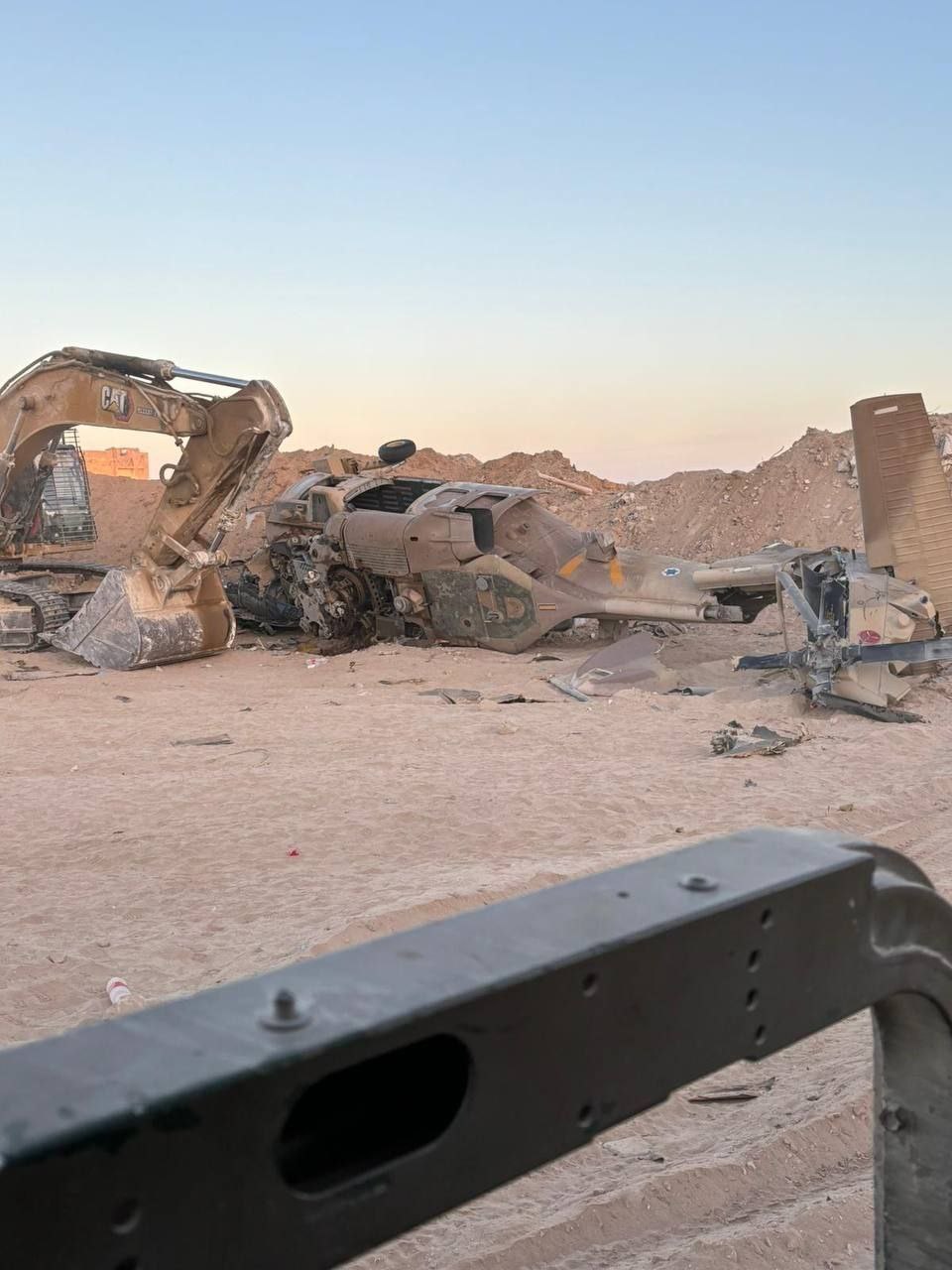
According to an initial probe by the Israeli air force, a UH-60A Yanshuf from the 123rd Squadron flew to Rafah with a Unit 669 medical team late on September 10 to evacuate a combat engineer seriously wounded in fighting in the area.
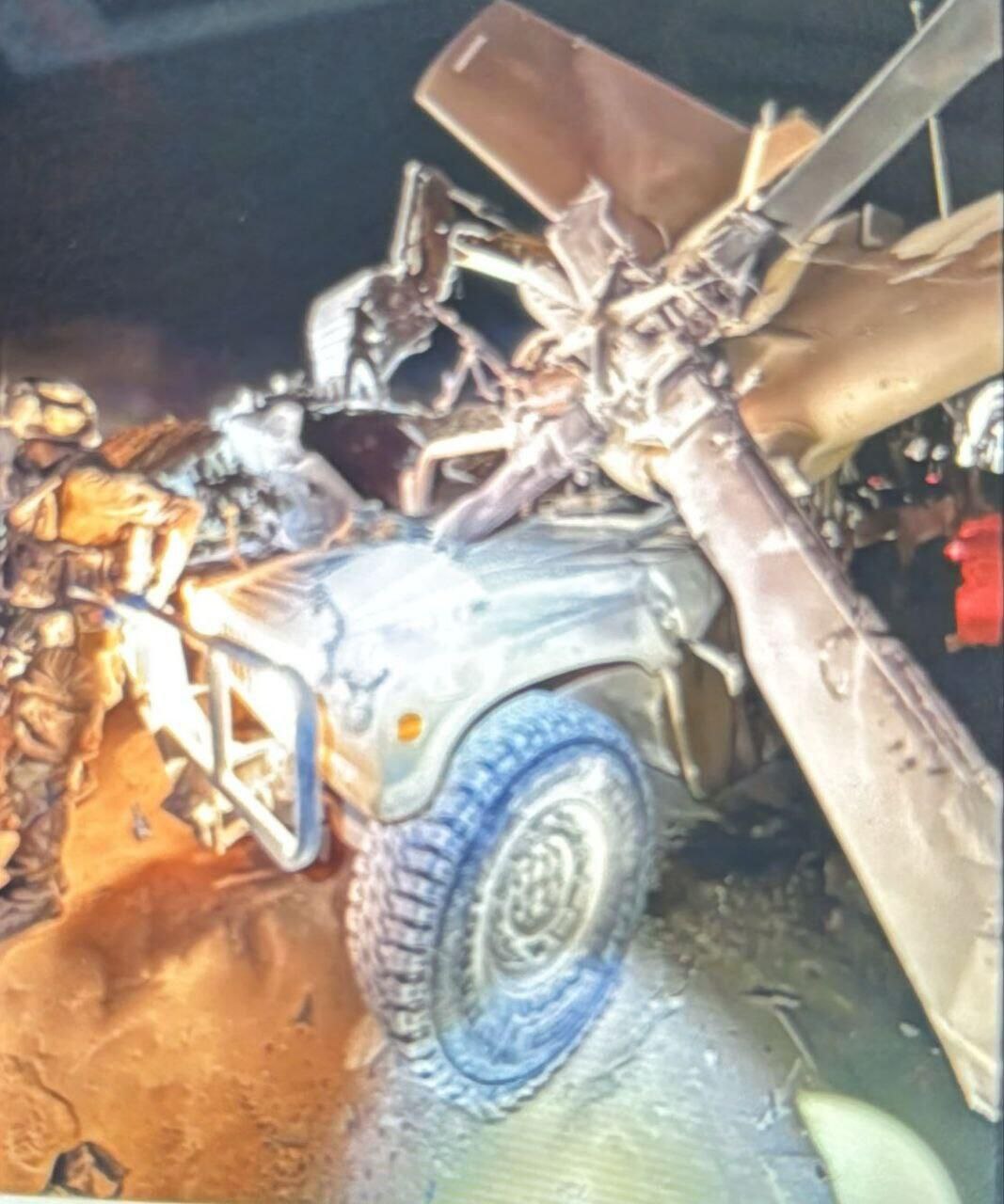
During the final landing stage inside an Israeli army encampment in Rafah, the helicopter impacted the ground instead of touching down correctly. The probe alleges that the helicopter was not hit by enemy fire, and the crash occurred moments before it was supposed to land, meaning it did not fall from a significant height.
The helicopter was still heavily damaged in the crash as evident by video footage that was posted to social networks later in the day.
Scene of the accident
As a result of the crash, two soldiers were killed and another eight were taken to hospitals, four of them in serious condition. Among the four seriously injured was the combat engineer who was injured separately.
Israeli forces’ casualties as a result of a helicopter crash in the southern Gaza Strip.
Israeli air force Chief Maj. Gen. Tomer Bar ordered a probe to determine why the helicopter impacted the ground in the encampment instead of landing correctly.
This was the second time Israel has acknowledged losing a helicopter since the start of the war on the Gaza Strip last October. The first helicopter, a S-65C-3 Yas’ur, was destroyed during a battle with fighters from the Hamas Movement in the Israeli settlement of Be’eri near the Palestinian enclave in the very first days of the war.
Hamas and other armed factions have not yet commented on the helicopter crash. More information on the so-called incident could surface in the upcoming few days.
There has been no change in the lines of contact, and the conflict between the Israeli military forces and Palestinian resistance fighters continue in the city of Rafah located in the southern Gaza Strip.
The Israeli forces are still present on the Netzarim axis in the south of Gaza City, situated in the northern Gaza Strip. The confrontations are also underway in the regions in the vicinity of Tel al-Hawa and around the Islamic University of Gaza (IUG).
Given the process of the confrontations in the course of the past month, it seems that the regime’s military is not only incapable of capturing the Gaza Strip entirely, but also has slight desire to do so, and the fights have long entered a post-attrition stage.
The battles on the northern front of Palestine, the skirmishes in the West Bank, the uncertain condition in the Israeli-occupied territories due to the likelihood of a retaliatory attack by Iran, as well as the unclear and indecisive process of the indirect talks between the warrying parties for a ceasefire in the Gaza Strip are among the reasons that have caused a relative tranquility in the circumstances in the besieged area.
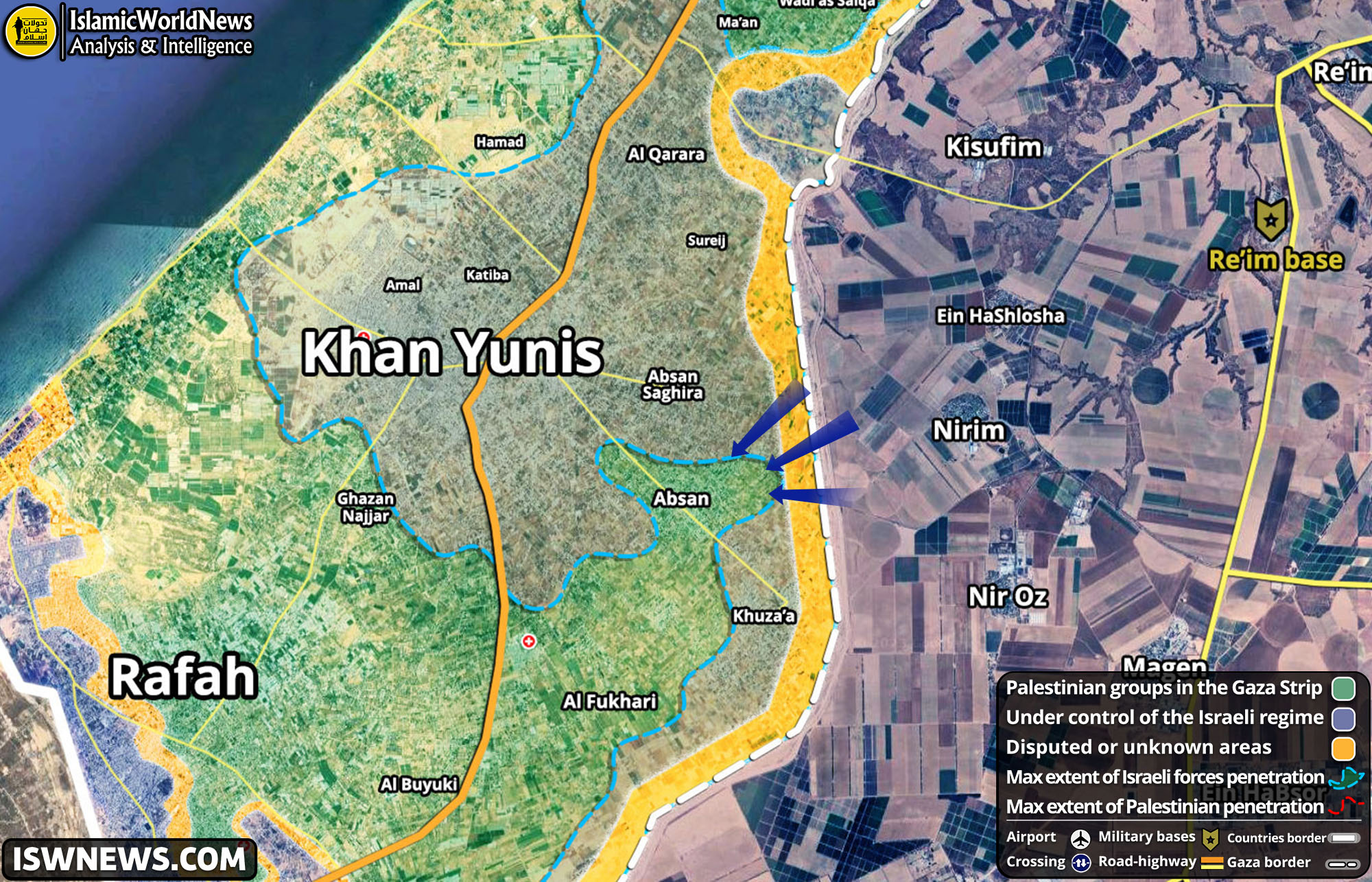
On Monday morning, after repeated rocket attacks on the south of the occupied territories, the Israeli army called on Palestinians to evacuate areas east of Khan Younis.
The new operation of the Israeli regime’s army in the Khan Yunis and Abasan al-Kabira axis has begun while the regime had withdrawn from Khan Yunis three months ago. Prior to this operation, the southern areas of the Gaza Strip and the city of Rafah witnessed Israeli operations for more than four months.
Clashes continue in the southern Gaza Strip and the Abasan axis. It is not yet clear whether the Israeli army’s operation in Abasan al-Kabira is a limited operation aimed at destroying the resistance cells in the area, or whether the Israeli armed forces will penetrate deep into Khan Yunis again.
It is said that at least 45 Palestinians were martyred and more than 120 others were wounded in today’s airstrikes by the Israeli regime’s army on the city of Khan Younis.
Moreover, confrontations between the occupation forces and Palestinian resistance fighters continue in the city of Rafah located in the southern Gaza Strip. The Israeli regime’s army controls about 70% of the city. However, there is no clear future for the regime army’s operations on this axis, and they are still unable to fully occupy the city after several months of fighting.
Since October 7, 2023, when the Israeli regime kicked off its aggression on the Gaza Strip at least 39,006 people have been martyred and 89,818 injured.
Sayed Hassan Nasrallah made the remarks during a speech on Ashura day, the martyrdom anniversary of Imam Hussain (A.S) and his companions. The 10th day of Muharram, known as Ashura, marks the date in 680 CE when Imam Hossein and his followers were martyred in Karbala.
Seyed Nasrallah argued that scholars of the Israeli enemy estimated that the regime will be gone 70 to 80 years after its establishment, and their natural, historical, and social data prove that the entity has reached a critical stage.
The Hezbollah secretary general said that the present generations in Gaza and the fronts supporting the oppressed nation will be the ones to eradicate the Israeli regime.He said: “We believe that what the resistance did on October 7 is their full right.”
He added that if the Arab nations were allowed and borders were opened for them, we would see them fulfilling the duty of supporting Gaza.
Seyed Nasrallah stated that one of the results of Operation Al-Aqsa Storm was that the negative effects of the US sectarianism project in the region were at a minimum.
He also valued the solidarity and unity among the resistance forces, which have helped decrease tensions in the area.
The leader of Hezbollah stated that the Israeli regime has been engaged in significant corruption and aggression against Arab states since 1948.
He mentioned that certain nations, which have not backed Palestinians in Gaza, have been stirring up sectarian problems.
Seyed Nasrallah anticipated that Western intelligence agencies will resume their efforts to incite sectarian tensions in the region following the end of Operation Al-Aqsa Storm.
He further threatened Israel, “If your tanks come to Lebanon and South Lebanon, you will no longer have a shortage of tanks, because you will not have a tank left!”
Sayed Nasrallah warned Israel that continued attacks against civilians would push the resistance to rocket attacks and target new settlements that were not previously targeted.
During his speech, the Hezbollah leader offered his sympathies for the death of several mourners following a shooting in Muscat, Oman.
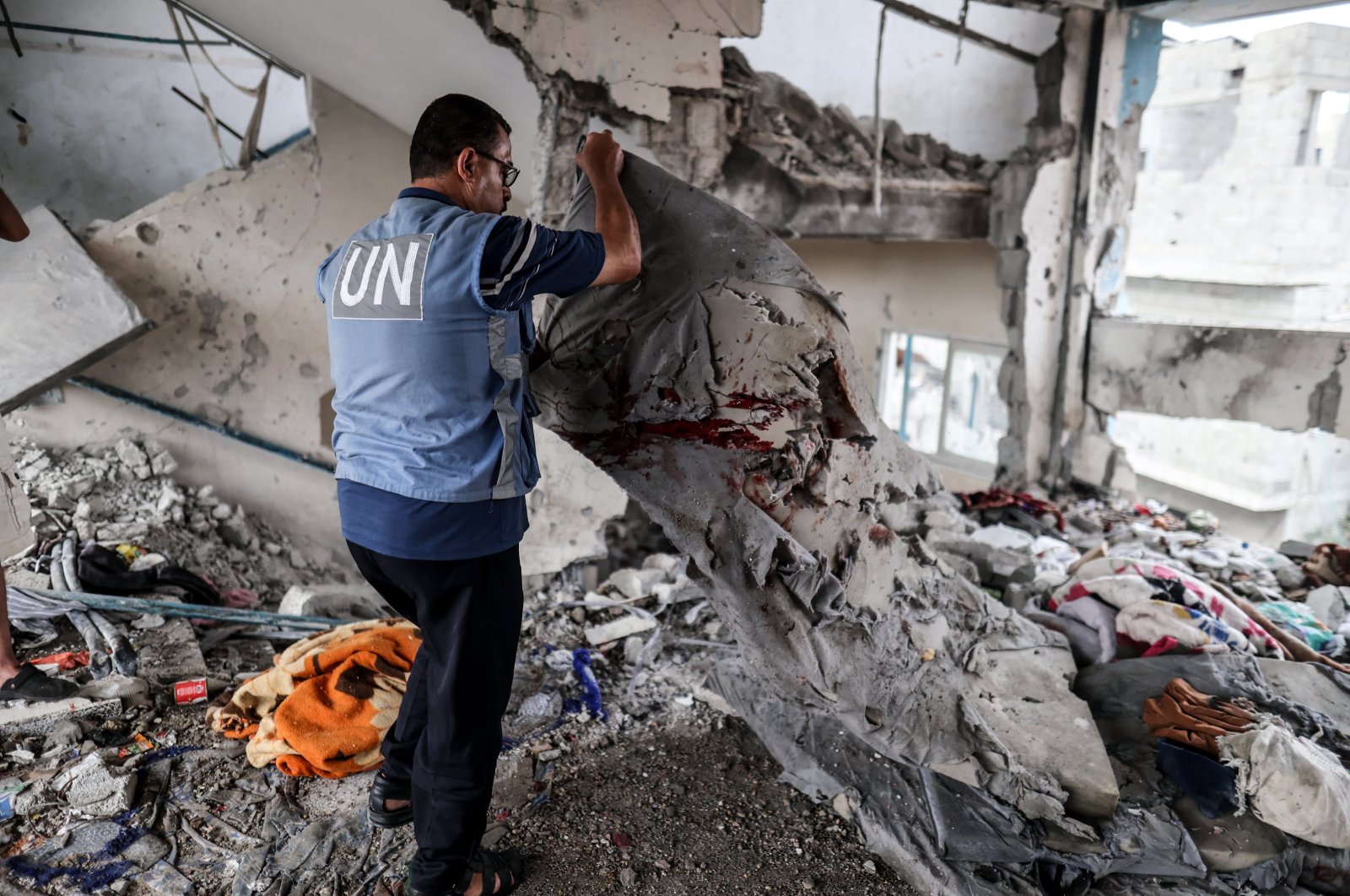
The airstrike on the Al-Sardiya school in the Al-Nuseirat refugee camp has resulted in the deaths of more than 40 refugees, including a significant number of women and children.
According to eyewitness accounts and initial investigations, Israeli fighter jets carried out the bombardment of the school, which was serving as a refuge for displaced Palestinians. The school, located in the central Gaza Strip, had provided shelter and basic necessities to those seeking safety from the ongoing conflict.
According to the director of the Gaza government media office, Ismail Al-Thawabta, and a Gaza health ministry official, the airstrike on the Al-Sardiya school resulted in the martyrdom of 40 Palestinians and left 73 others injured.
The Gaza government media office strongly condemned the attack, describing it as a “horrific massacre that shames humanity.”
The media office also stated that they hold the Israeli occupation and the US administration fully accountable for the atrocities being committed against the innocent Palestinian civilians in the Gaza Strip.
The victims of this latest Israeli assault were already struggling, having been forced to flee their homes due to the persistent violence and instability in the region. Now, their safe haven has been shattered, and their families are left to mourn the senseless loss of life.
Condemnation of the attack has been swift, with human rights organizations and international bodies denouncing the Israeli military’s actions as a flagrant violation of international law and the principles of humanitarian protection.
As the world grapples with the aftermath of this tragedy, the calls for a just and lasting peace in the region have only grown louder, underscoring the urgent need for a political solution that prioritizes the safety and well-being of all Palestinians.