Tag: IAI

  • Military Knowledge: Barak MX Air Defense System

    Military Knowledge: Barak MX Air Defense System

    Introduction and Development History:

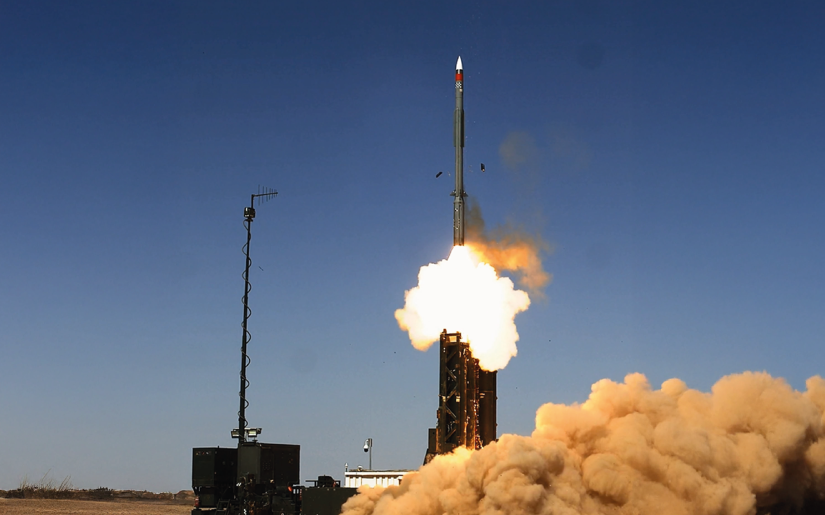
    The Barak MX air defense system was designed to establish a flexible, multi-layered defensive structure against a wide range of aerial threats, including fighter jets, helicopters, drones, cruise missiles, anti-ship missiles, and tactical ballistic missiles. The term “MX” in its name stands for Mix of system elements for Maximum performance and flexibility, highlighting its modular, software-driven, and adaptable nature, while its hardware foundation is based on the earlier Barak system.

    The origins of Israel Aerospace Industries (IAI) with the “Barak” system date back to the 1990s, when the company, in cooperation with Rafael, developed the Barak 1 missile to protect Israeli naval vessels against aircraft and anti-ship missiles. With a range of about 10 kilometers, its first operational use did not occur in the 1990s but rather in July 2022—nearly three decades later—when Hezbollah launched three drones toward the Karish gas platforms. One was shot down by an F-16 fighter jet, while the other two were intercepted by a Sa’ar-class corvette using Barak 1 missiles.
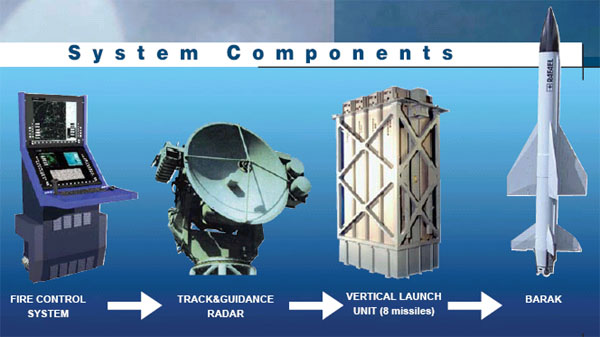
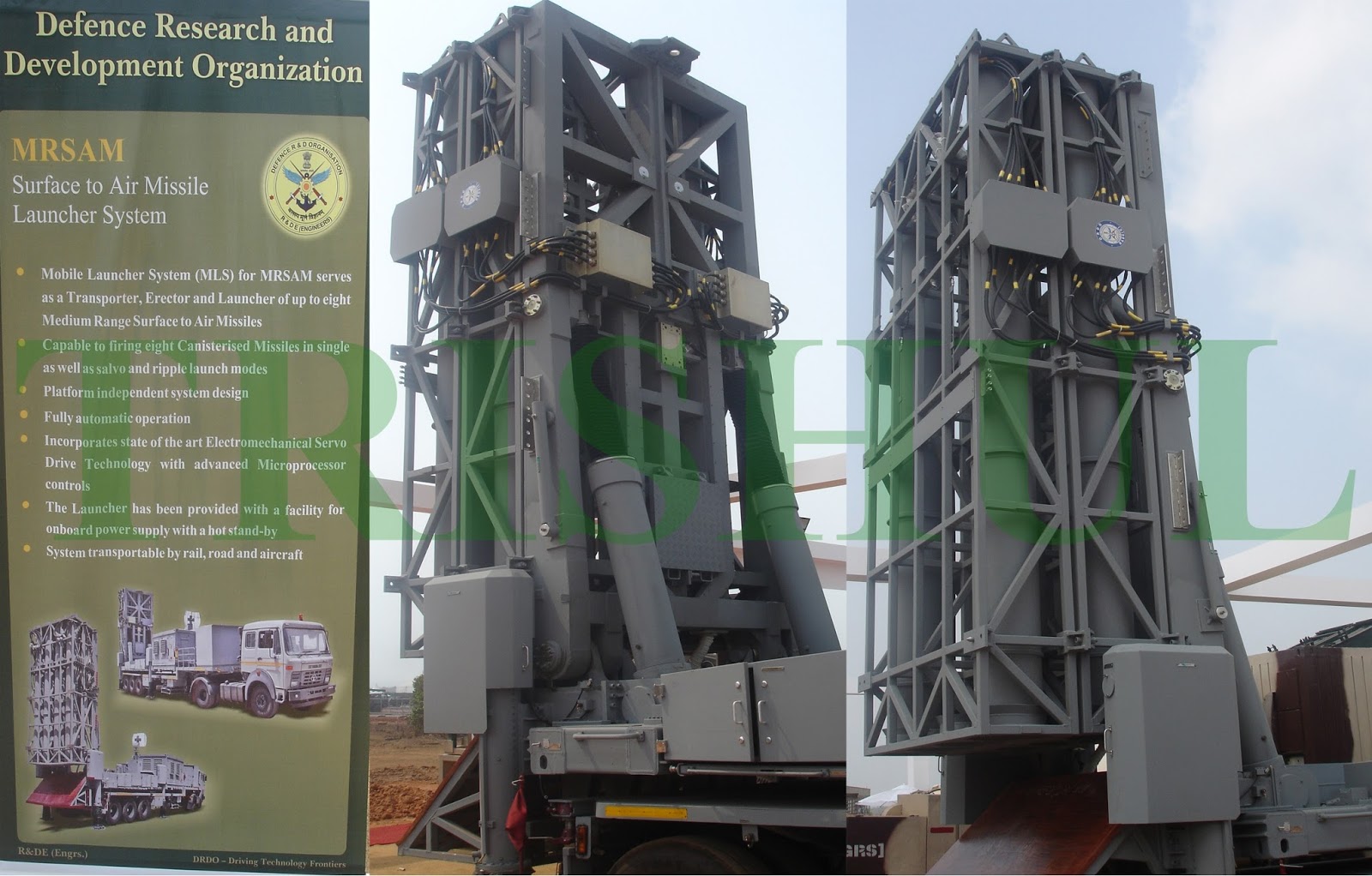
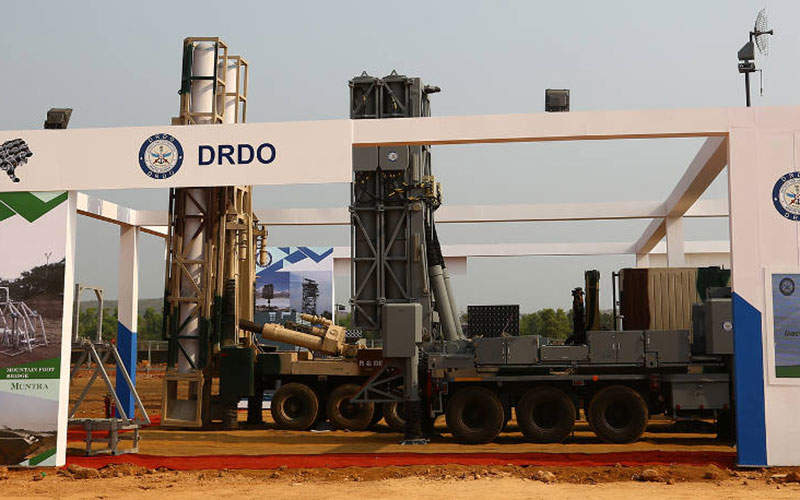
    In 2007, the then–CEO signed an agreement with India’s Defence Research and Development Organisation (DRDO) to develop a new version of the missile with a range of 70 kilometers for the Indian Navy—later known as Barak-8. The contract, valued at around $1.5 billion, was considered one of the largest projects in IAI’s history. The missile’s engine was developed by the Indian side, while nearly all other system components were produced by Israel.

    Barak-8 became operational in 2015 and entered service aboard India’s new destroyers. Over time, various missile types with different ranges were integrated into a comprehensive system.
    Barak MX Defense System Components:

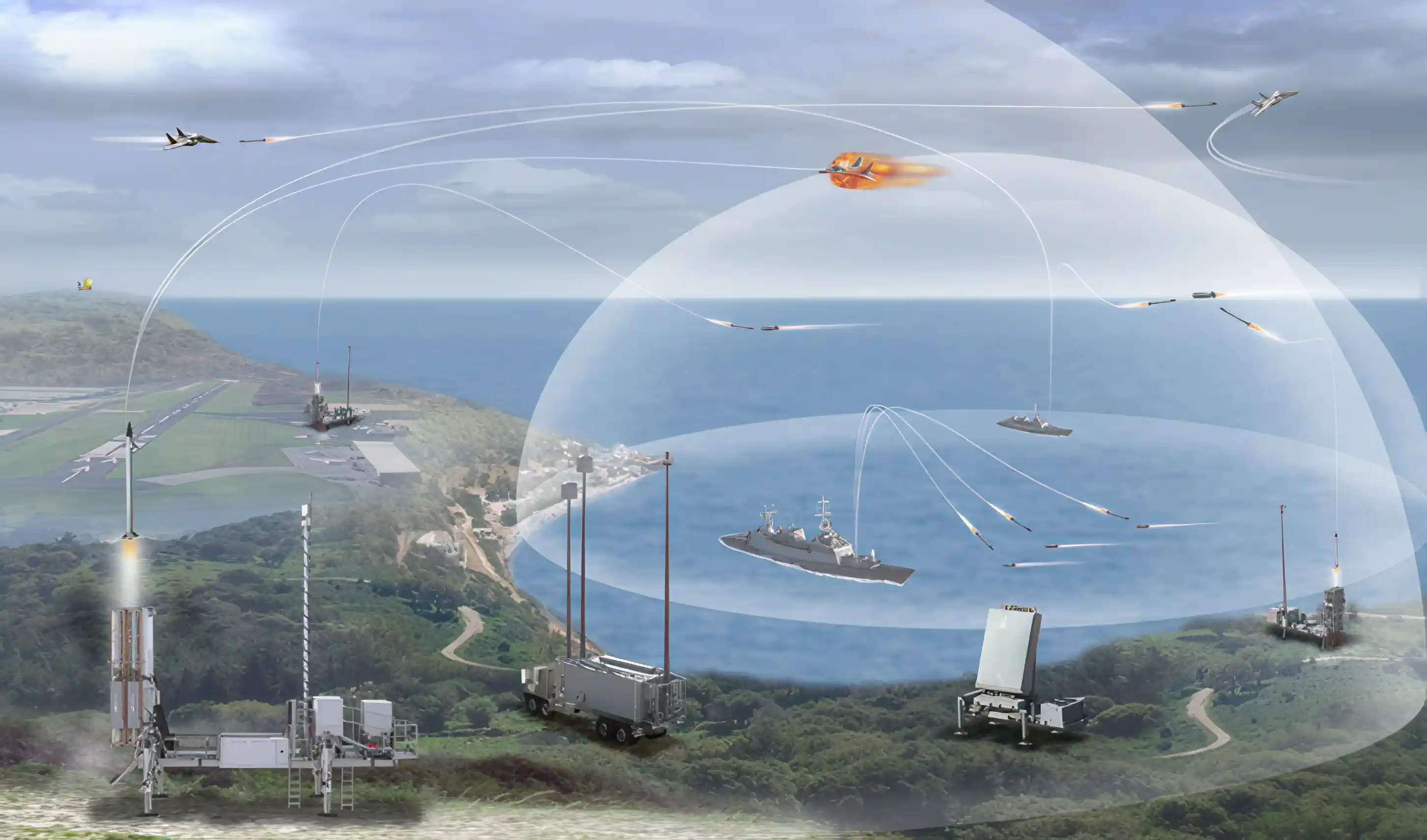
    The Barak MX system is composed of three primary elements: the Battle Management Center (BMC), the EL/M-2084 Multi-Mission Phased Array Radar (MMR), and a family of interceptor missiles with varying ranges, each of which will be examined separately.
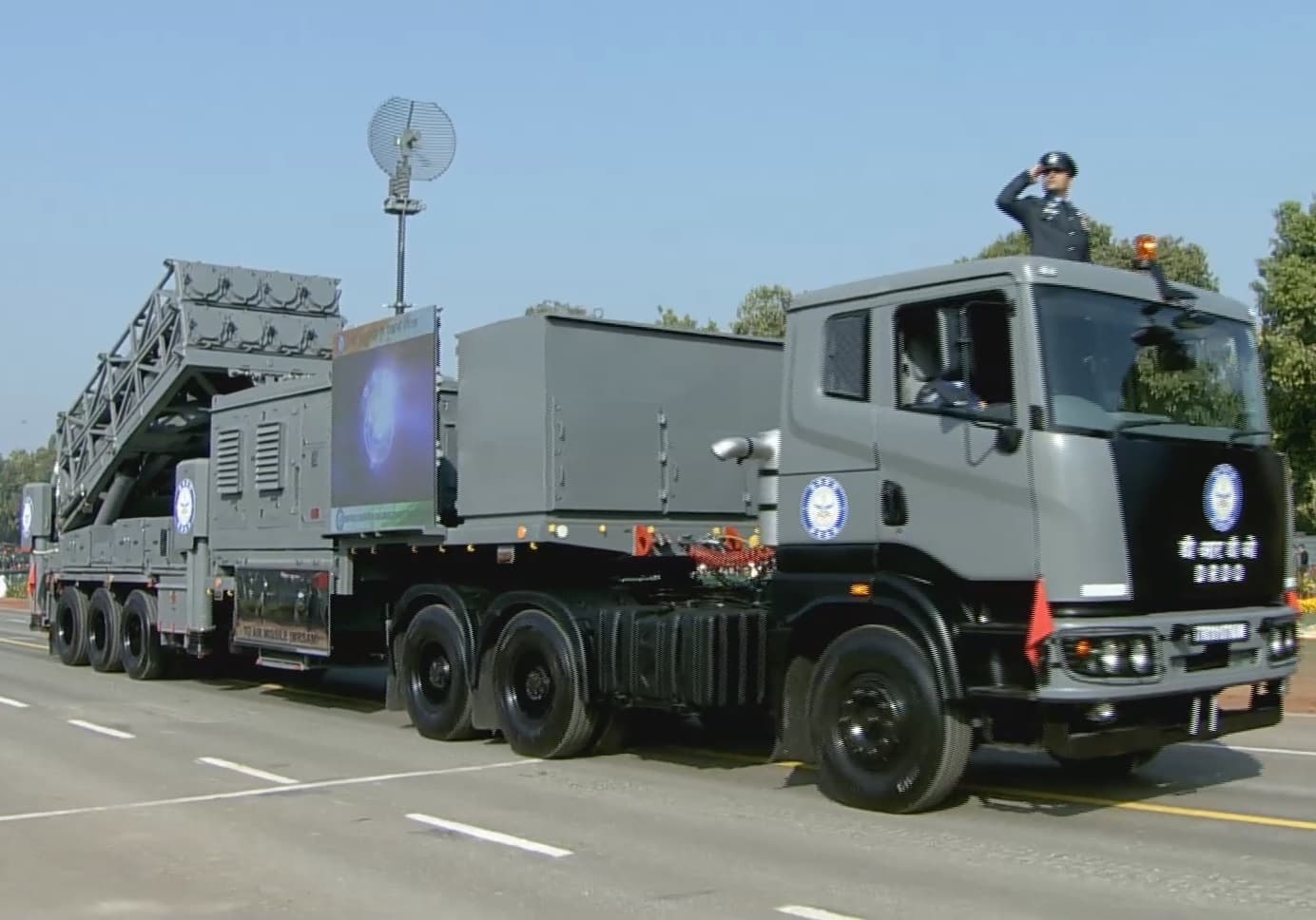
    Barak MX defense system

    Battle Management Center (BMC):
    The BMC serves as the brain of the system, functioning in the domains of command, control, and communications. It integrates data collected from radars and various sensors to generate a unified air situation picture. One of the system’s unique features is the Launch Over Relay (LOR) capability, which allows fire units to launch missiles at targets detected by another unit’s radar. This function is particularly valuable in complex battlefields, enabling optimal use of all interceptors and preventing redundant engagements against the same target. The BMC can be deployed in fixed facilities, semi-mobile platforms, or fully mobile units.

    Barak System Radars

    ELM-2084 MMR:
    Barak was developed based on radar architecture already established within Israel Aerospace Industries. As such, the EL/M-2084 multi-mission radar family, under development since 2002, is employed in this system. This radar is also used in the Iron Dome and David’s Sling systems, with its first operational record dating back to 2011. This commonality allows rapid deployment of Barak MX launchers alongside other systems using the same radar. Notably, during the 12-day war, Barak MX was urgently and temporarily deployed in the occupied territories at the request of the Israeli military.

    Israel Aerospace Industries has delivered more than 250 units of this radar family to clients worldwide. Among them is a 2009 contract for 34 EL/M-2084 radars signed by India. Other known users include Vietnam, Singapore, Hungary, Finland, the Czech Republic, Canada, Azerbaijan, and the United Arab Emirates, employing the radar either within the Barak air defense system or as part of other IAI products.
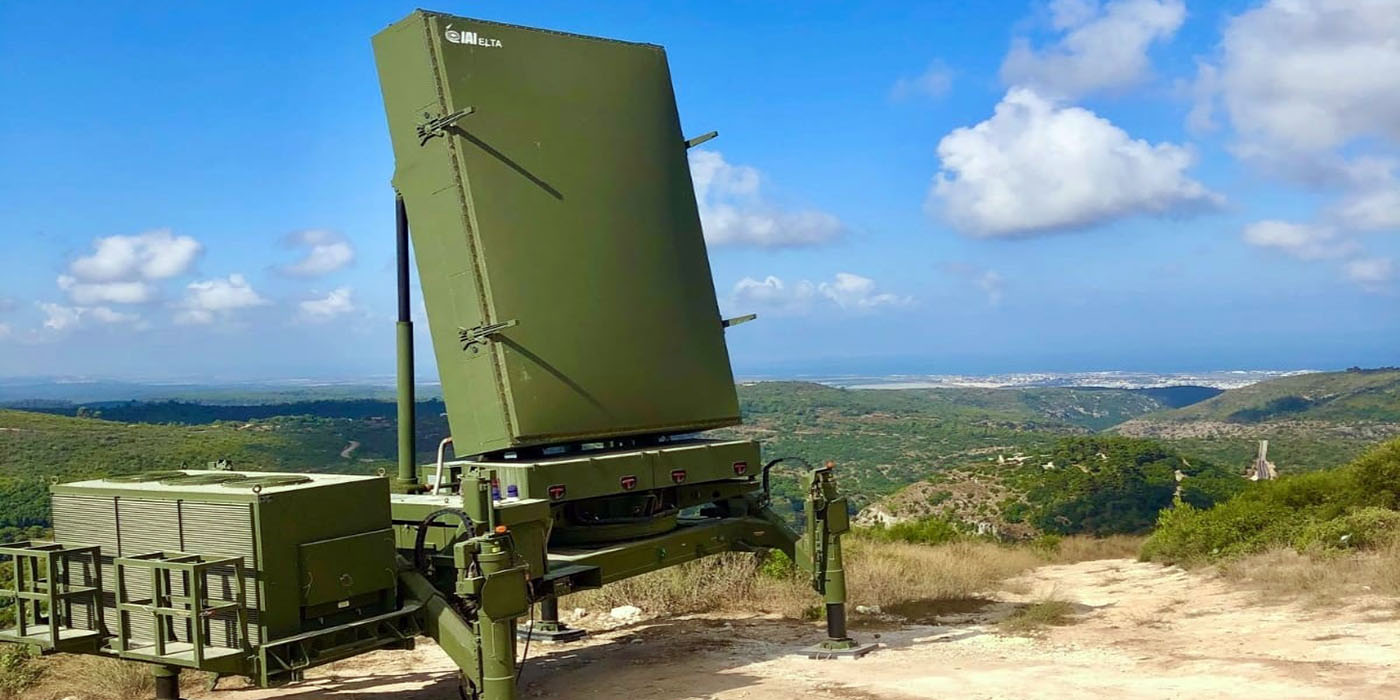
    Manufactured by Elta Systems, the ELM-2084 serves as the primary sensor of the system. Operating in the S-band with Active Electronically Steered Array (AESA) technology, it offers high mobility and rapid frequency agility, enabling simultaneous detection of up to 1,200 targets. The radar’s maximum detection range is cited as 470 km, while its optimal tracking range is estimated at 256 km. It also provides artillery weapon location capabilities, detecting firing positions within a 100 km radius at a rate of 200 targets per minute, while calculating probable impact points. Coverage extends to 120° in static mode and 360° in rotating mode, with vertical coverage up to 50°, reaching altitudes of approximately 30 km.

    The system is built on a modular design philosophy and an “open radar interface,” allowing users to integrate different radars according to their existing infrastructure. This reduces dependency on a single supplier and enables gradual, cost-effective upgrades. Thanks to its modular architecture, the Barak MX system can also support other radars from the same family, consolidating complementary data from multiple sensors.

    ENA-2084 MS-MMR:
    The enhanced multi-sensor version, known as MS-MMR (or ENA-2084 MS-MMR), integrates both active and passive sensors to deliver a higher-quality Air Situation Picture (ASP) and more effective support for weapon systems. The MS-MMR platform combines multiple bands and multi-spectral sensors, including a high-band radar, Identification Friend or Foe (IFF) system, SIGINT modules, electro-optical and infrared (EO/IR) sensors, and Launch Detection Sensors (LDS).
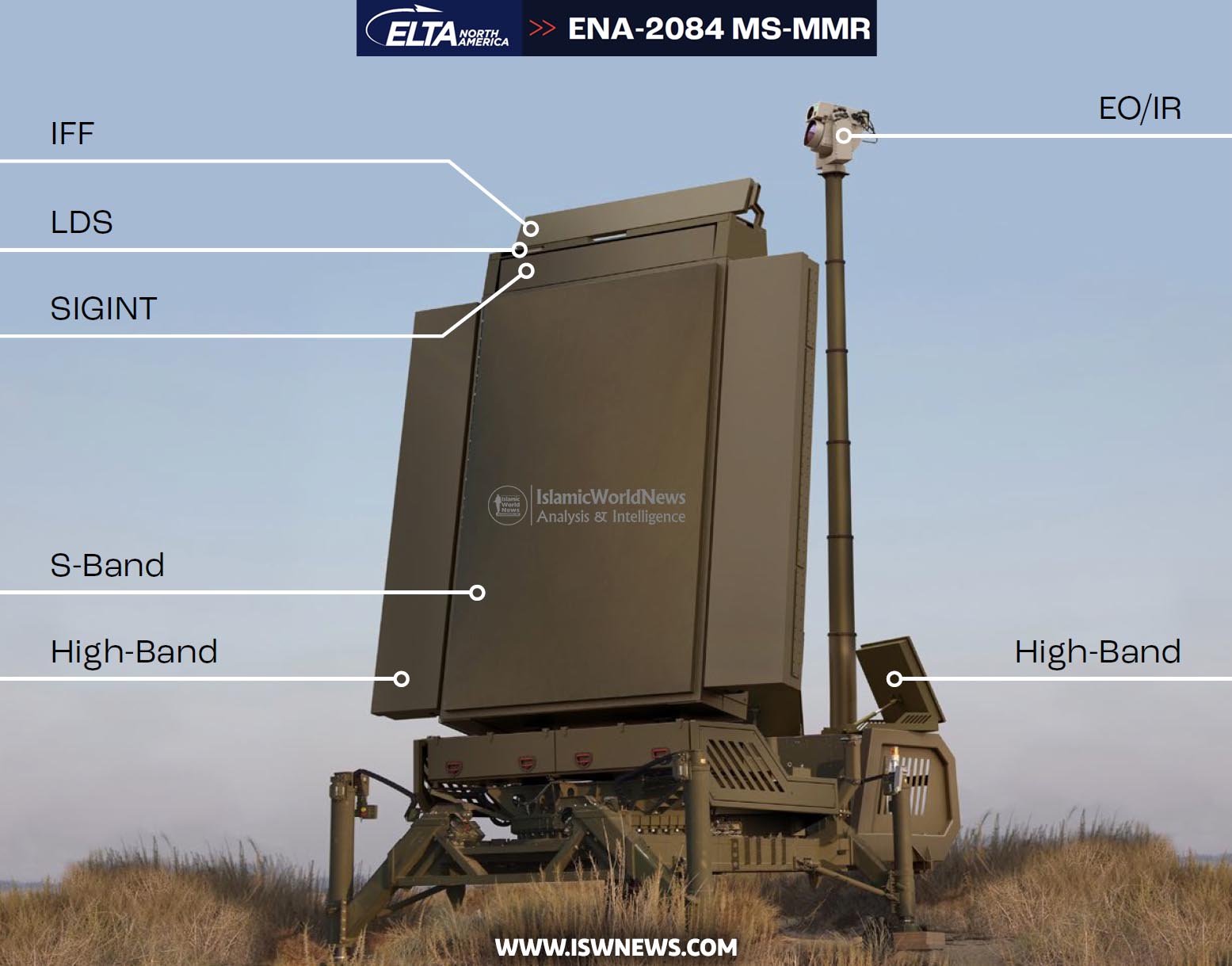
    ENA-2084 MS-MMR radar

    ENA-2311 C-MMR Radar:
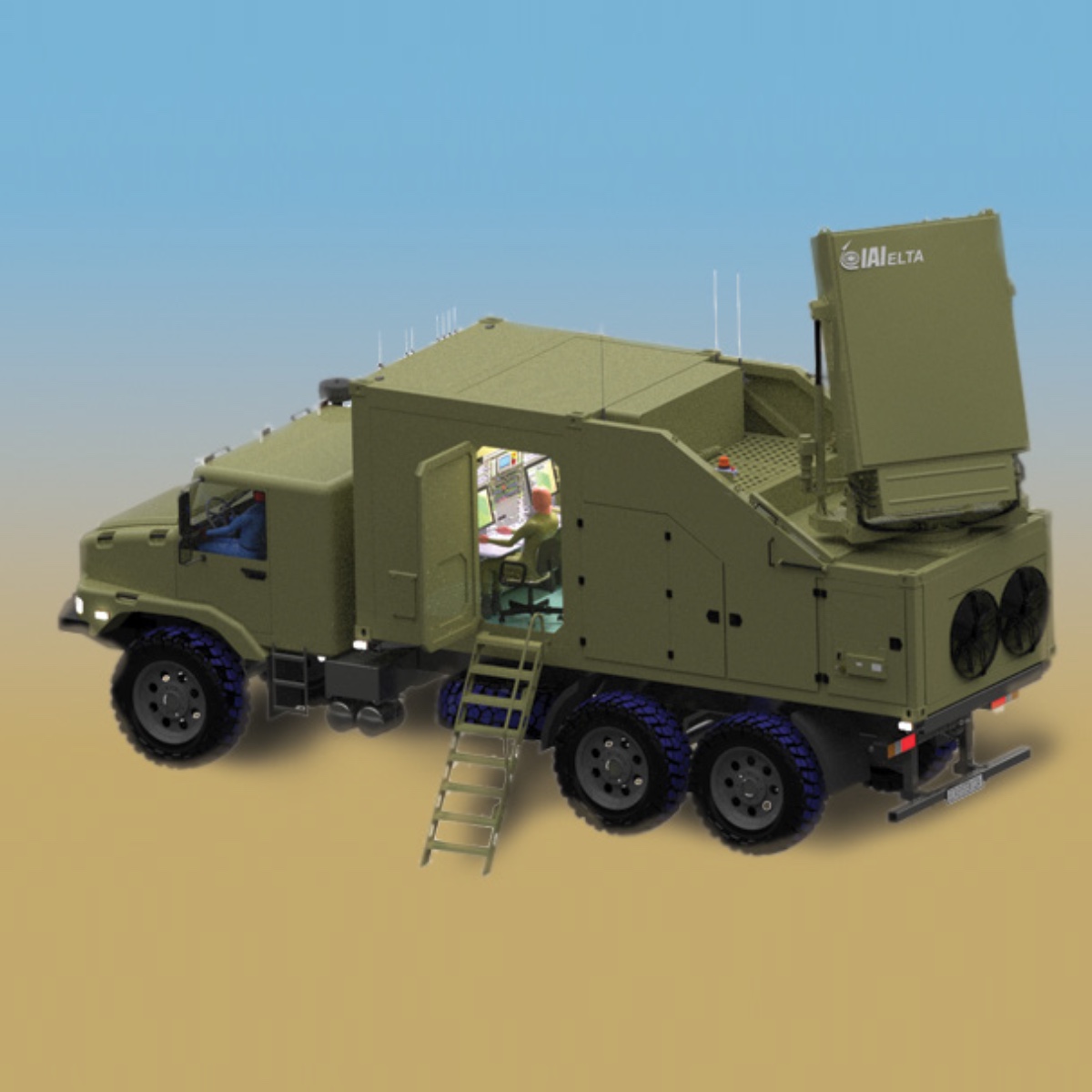
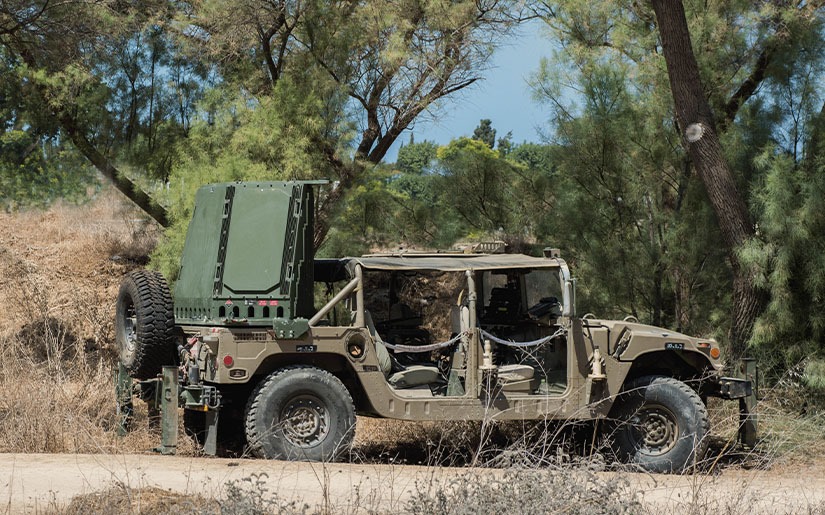
    Another version of this radar, known as C-MMR (Compact Multi-Mission Radar), has been introduced with a smaller physical footprint. The ENA-2311 is highly mobile and can be rapidly deployed on a single vehicle for field forces. It employs a 3D AESA (Active Electronically Steered Array) antenna. The main components of the C-band Doppler radar include a phased-array antenna, cooling unit, power supply unit, and operator consoles equipped with communication systems.

    The C-MMR is designed for Air Defense (AD) missions with a detection range of up to 250 km, and for Artillery Weapon Location (WLR) missions with a range of 70 km. In artillery mode, the radar can identify the launch and impact points of mortars, cannon shells, rockets, and missiles.
    ELM-2138M Green Rock Radar:
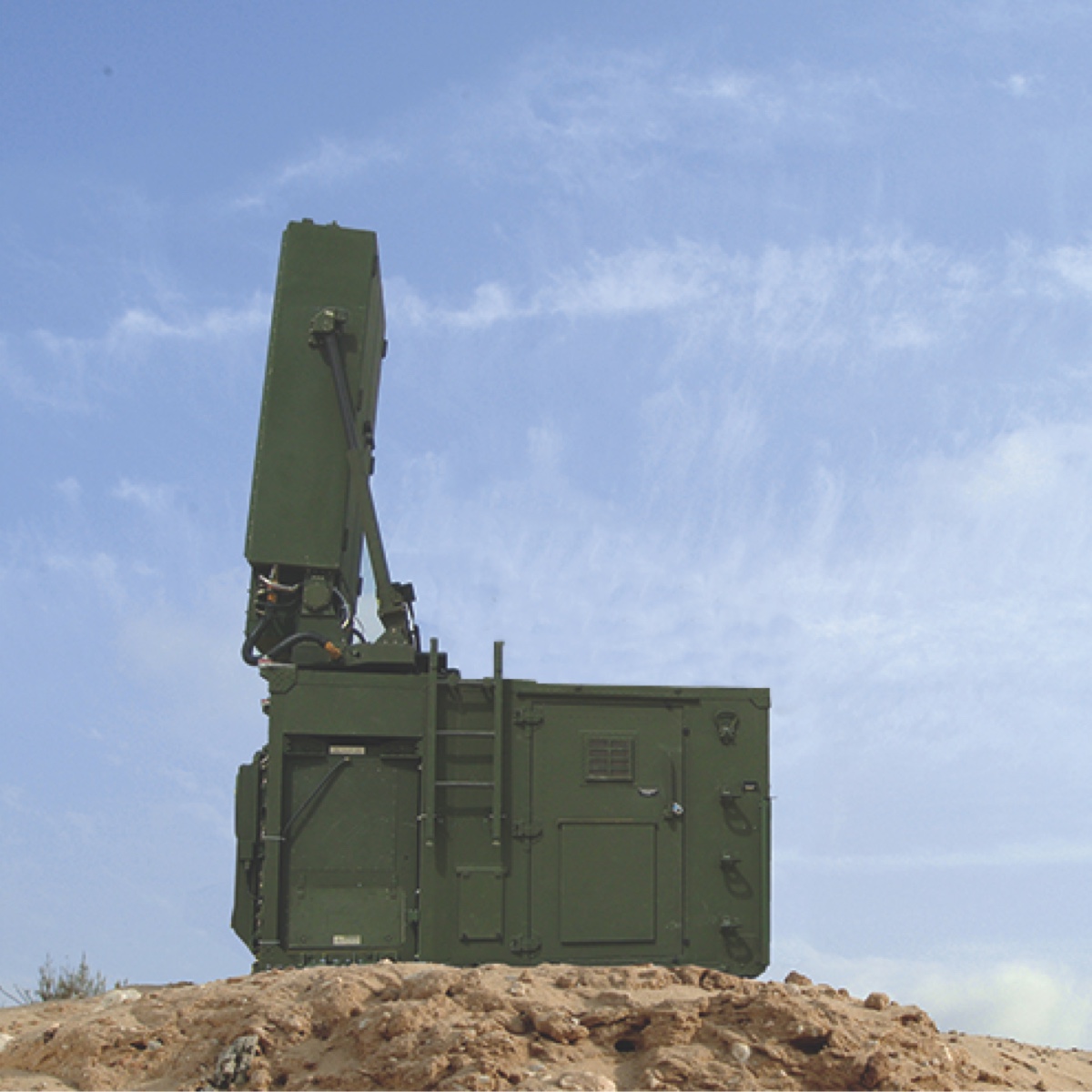
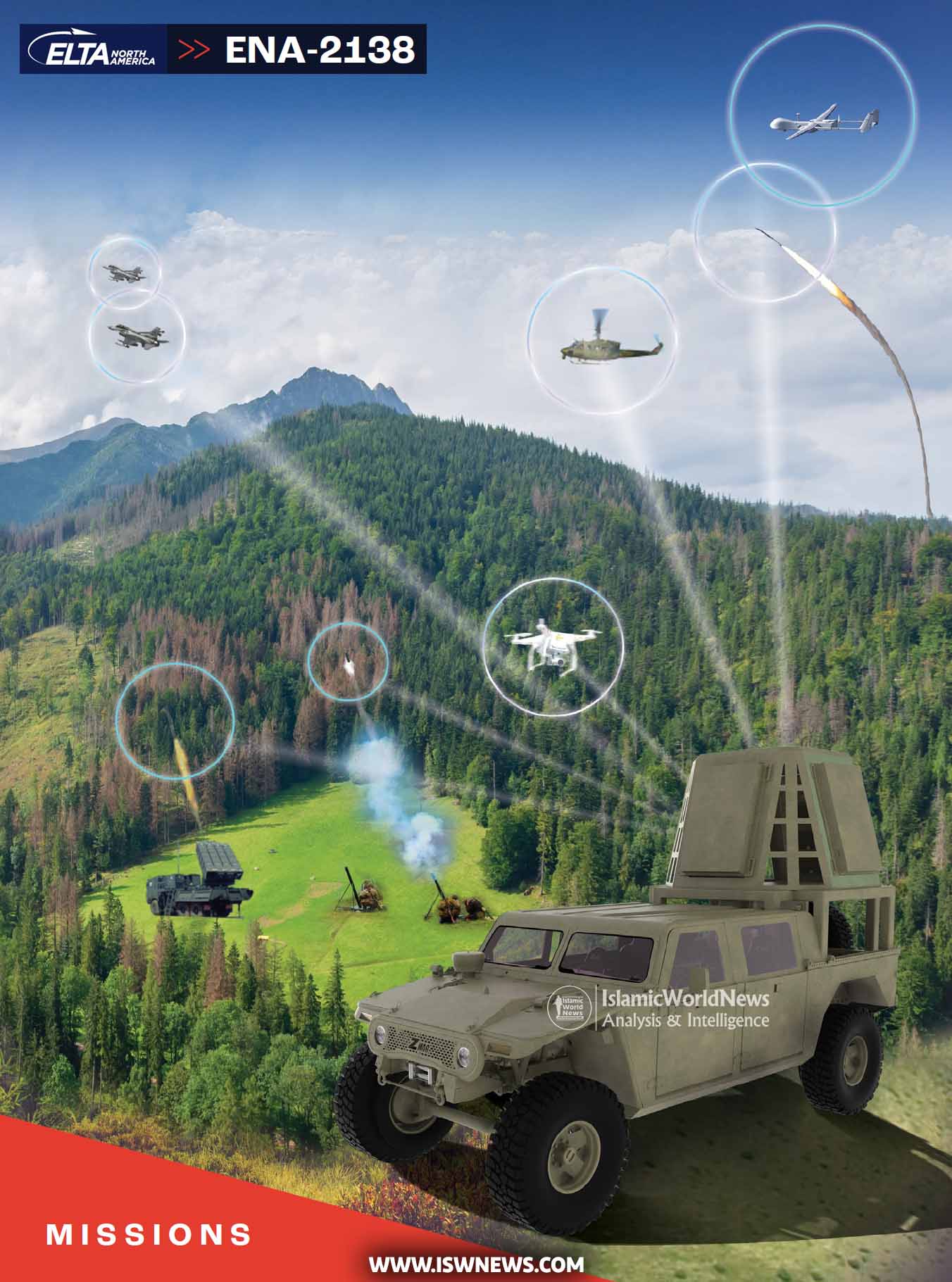
    The ELM-2138M Green Rock variant of this radar family is capable of detecting around 100 targets at ranges of up to 250 km. Designed specifically for deployment on tactical vehicles, it places particular emphasis on tracking small, low-RCS targets flying at low altitude and slow speed.

    Its maximum effective range is 100 km, and it can be integrated into a fire unit as a complementary sensor for detecting miniature aerial threats and cruise missiles.
    ELM-2248 MF-STAR Radar:
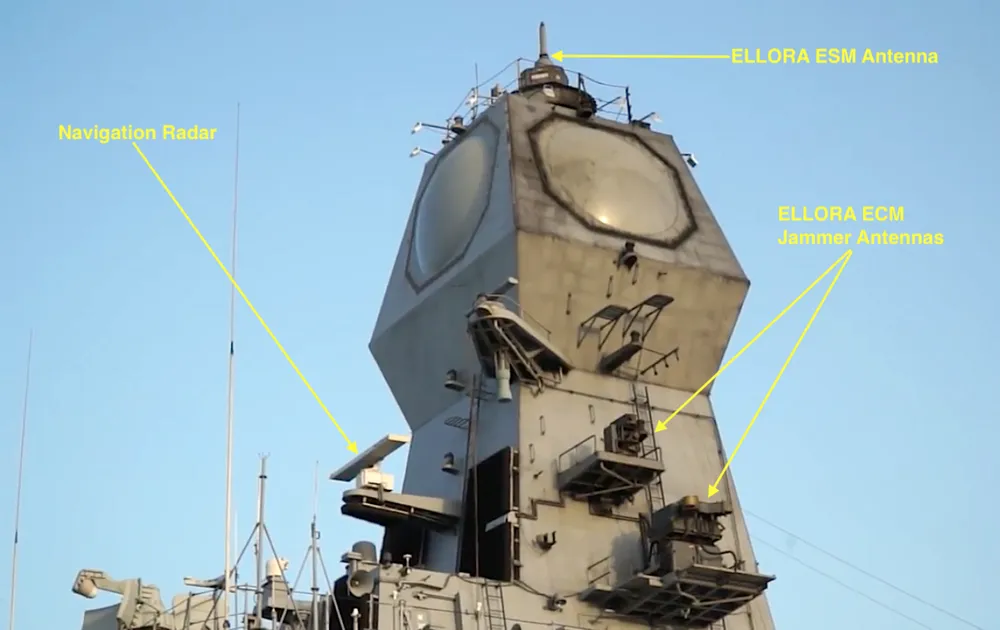
    In its naval variant, the Barak MX system employs the ELM-2248 MF-STAR, a multi-function digital S-band AESA radar designed for search and target acquisition. The MF-STAR’s primary array consists of four scalable panels, which can be configured and dimensioned according to the type of vessel on which they are installed.
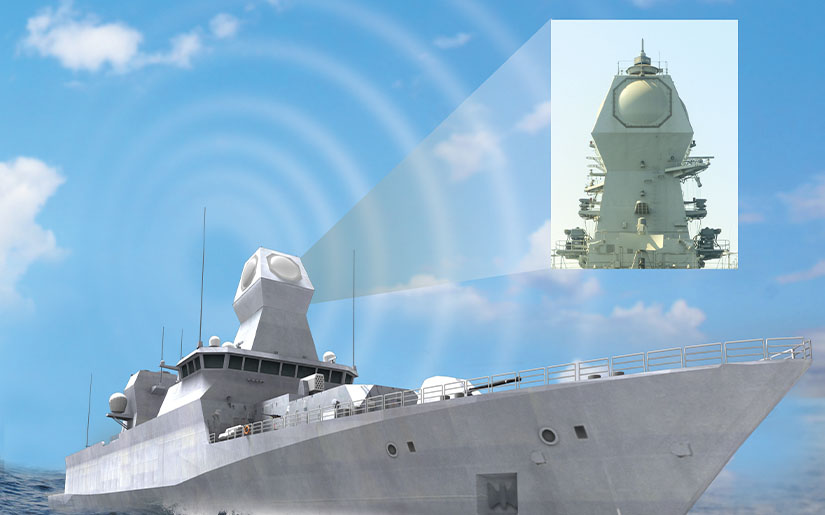

    In the corvette version, each radar panel weighs about 500 kg and measures 1 × 2 meters. The below-deck equipment adds around 1,300 kg, bringing the total system weight to approximately 3,300 kg. In the frigate version, each radar panel has a diameter of 3 meters and weighs about 1,500 kg. The below-deck equipment in this model weighs about 4,000 kg, resulting in a total system weight of nearly 10,000 kg. In this configuration, the radar’s detection range increases from 250 km to about 450 km.

    Barak MX Interceptor Missiles

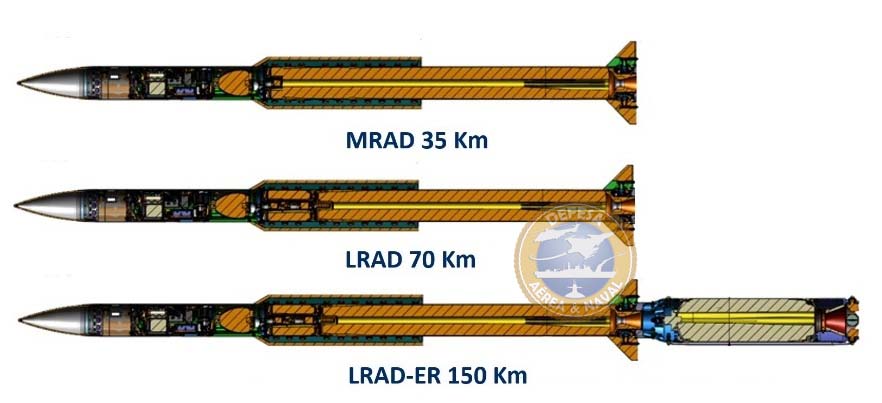
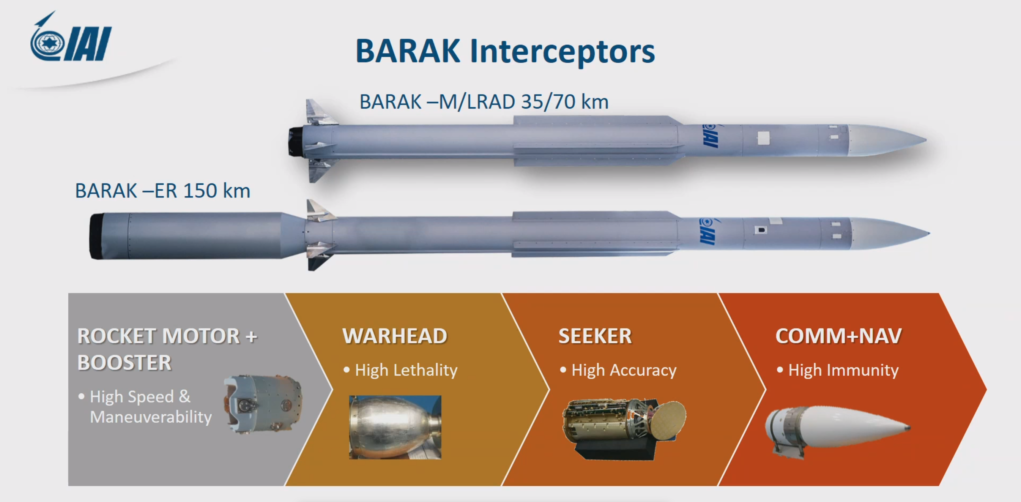
    The missile family of the Barak MX system consists of four vertically launched interceptors: the Barak SRAD with a range of 15 km, the Barak MRAD with a range of 35 km, the Barak LRAD with a range of 70 km, and the Barak ERAD with a range of 150 km and a flight ceiling of 30 km. All of these missiles are of dedicated design and, unlike many conventional air defense interceptors, are not adapted from air-to-air missiles. This design choice allowed engineers to use a larger body diameter, enabling the integration of a more powerful radar seeker, a bigger warhead, and a more efficient propulsion system.
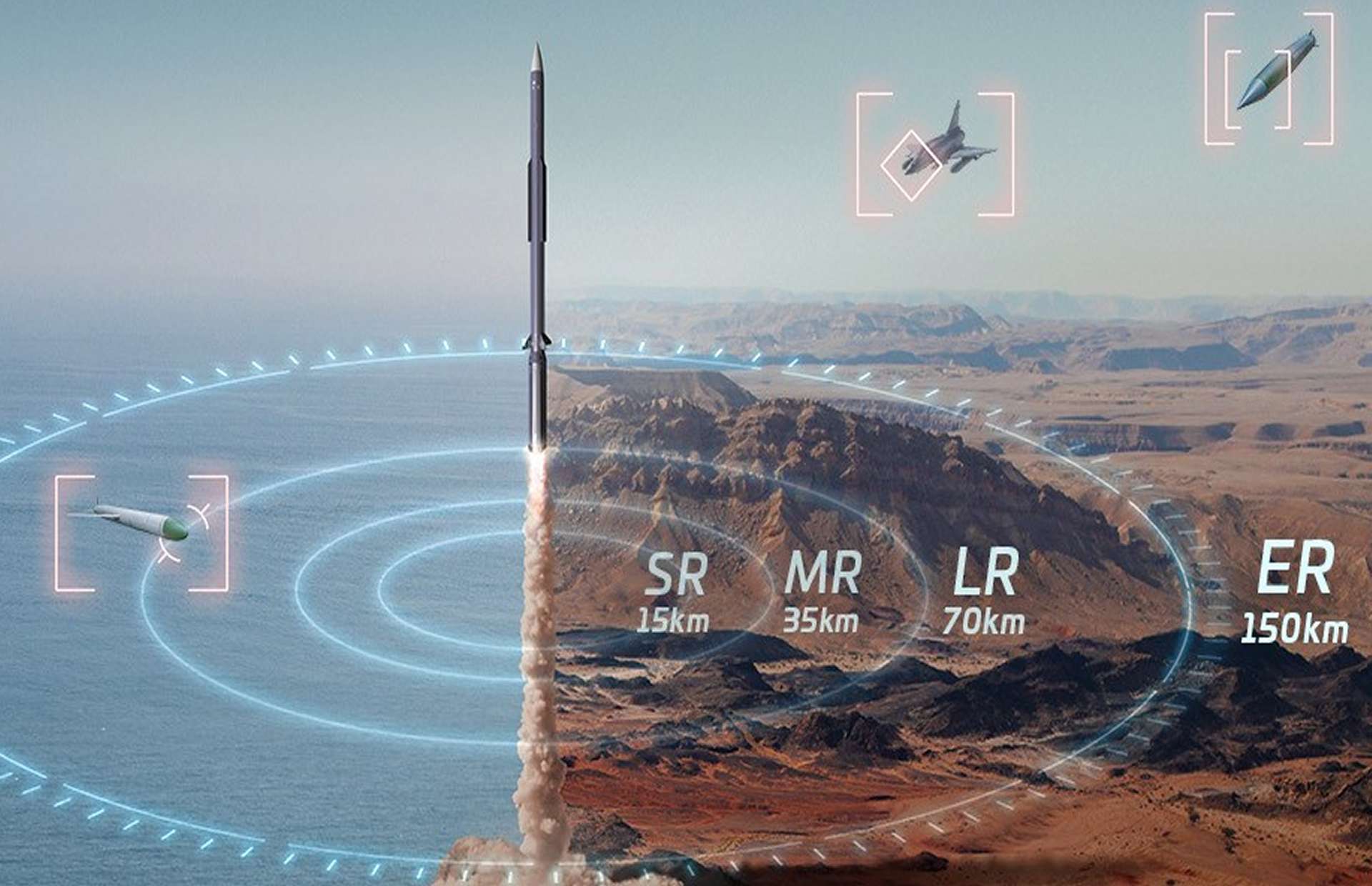
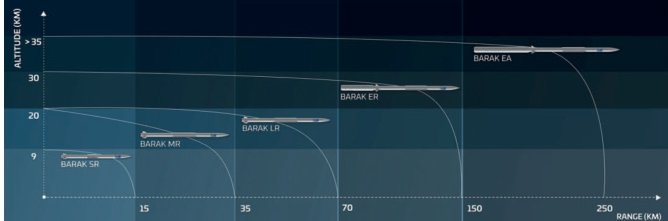
    Long-range Barak interceptors such as the Barak ER employ a vertical launch booster and dual-pulse solid-fuel rocket motors. The second pulse is activated during the terminal phase to enhance maneuverability and preserve energy for interception. The MRAD variant, equipped with a single-pulse motor, offers maneuverability of up to 50 g and is designed to counter fast and agile targets at shorter ranges.

    During the mid-course phase of flight, in addition to the onboard navigation system, a two-way datalink with the Battle Management Center (BMC) provides real-time trajectory corrections. All missiles in the family are equipped with active radar seekers for terminal guidance, granting them true “fire-and-forget” capability.
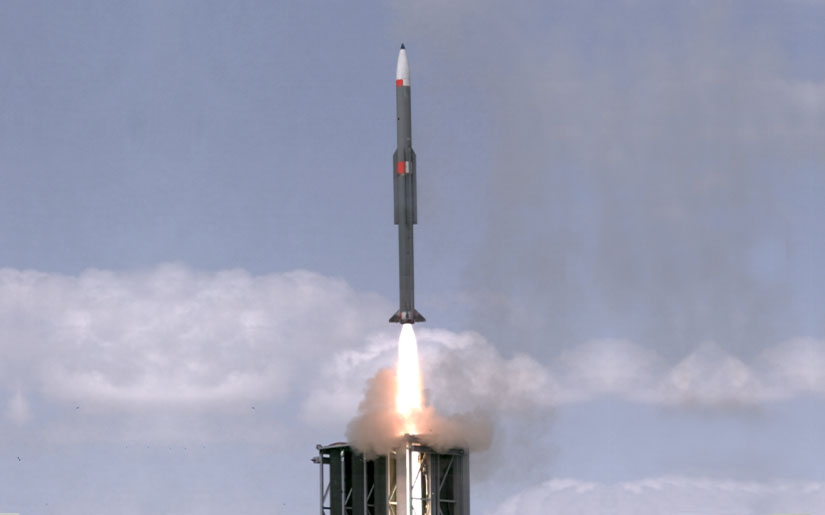

    The 60 kg warheads of these missiles are fragmentation-explosive types equipped with proximity fuzes, detonating at the optimal distance from the target to multiply the probability of destruction. The combination of high maneuverability, dual-pulse propulsion, and active radar guidance enables the Barak family to successfully intercept threats such as low-flying cruise missiles or ballistic missiles in their terminal phase with a high likelihood of success.

    Barak MX Users

    Since becoming operational in 2016, the system has been adopted by at least seven countries.

    In the South Caucasus, the Republic of Azerbaijan is one of the key operators of Barak MX. The acquisition of this system is part of a broader military cooperation with Israel, which also includes LORA missile systems and loitering munitions. According to observers, Azerbaijan’s use of these technologies in recent regional conflicts has strengthened Israel’s position in the regional balance of power and, from Tel Aviv’s perspective, serves as a counterweight to Iranian influence.
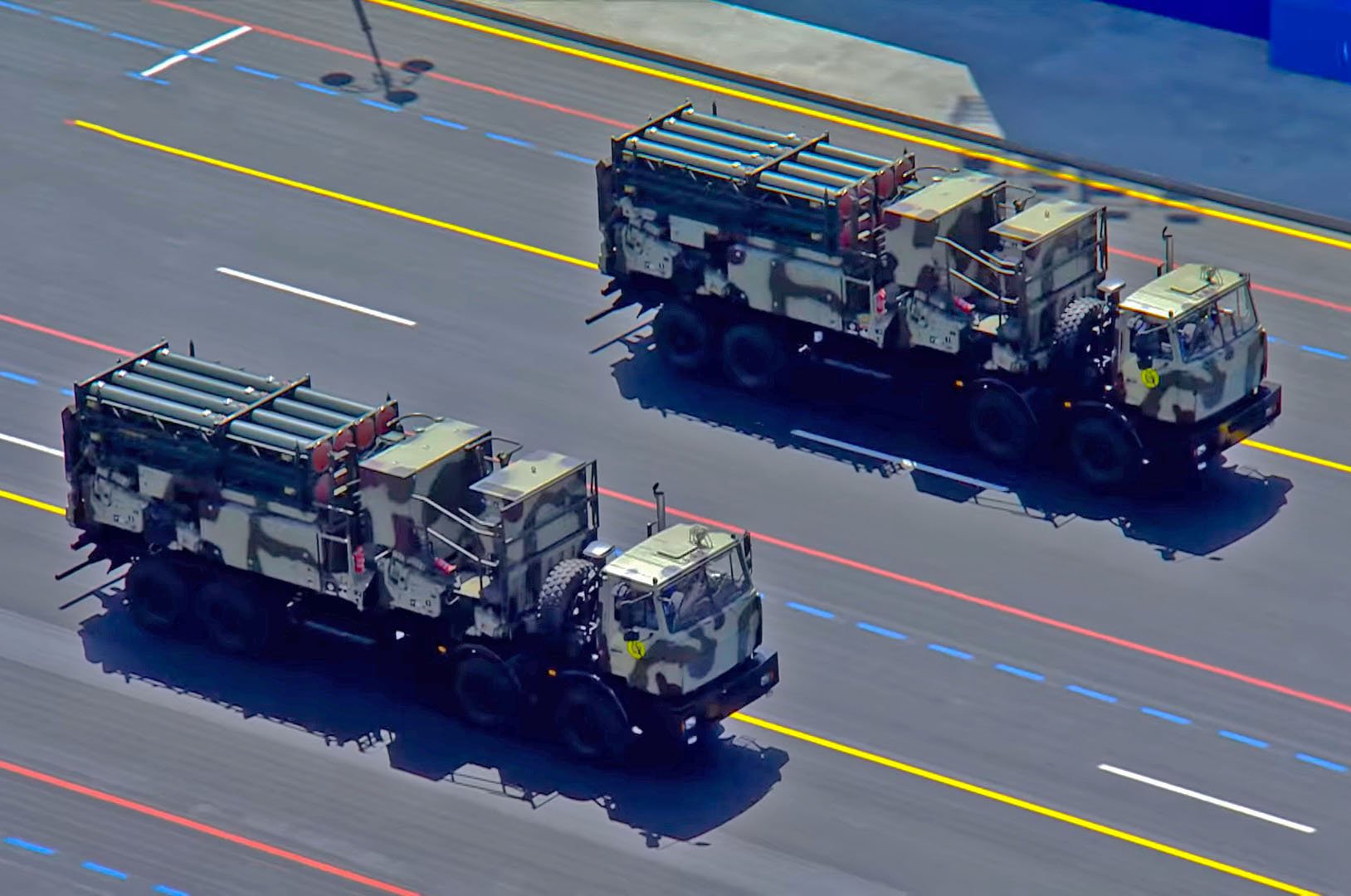
    Republic of Azerbaijan’s Barak MX system

    In the Eastern Mediterranean, the deployment of this system in Cyprus triggered significant geopolitical reactions. Nicosia purchased the Barak MX with the aim of strengthening its air defense against regional threats. Turkey, however, regarded this move as a destabilizing factor.

    The United Arab Emirates, Slovakia, and Morocco are also considered among the potential operators of the Barak-8 system

    Conclusion:
    From an operational standpoint, the Barak MX is recognized as a Beyond Visual Range (BVR) engagement system. Its Launch Over Relay (LOR) capability allows a missile to be fired by one unit while receiving target data from a radar located elsewhere. This feature extends the effective interception range and makes the system highly suitable for modern network-centric warfare.
    In addition, the digital, anti-jamming design of the MMR radar and the system’s open architecture ensure sustained functionality even in environments with heavy electronic interference, and guarantee continued performance even if parts of the network are disabled.

    Barak MX Air Defense System Specifications:

    Type: Medium-Range High-Altitude Missile Defense
    Origin: Israel
    Manufacturer: Israel Aerospace Industries
    Introduced: 2018

    System Range: 150 km
    Radars:
    ELM-2084 MMR and ENA-2084 MS-MMR radars as primary radars and ENA-2311 and ELM-2138M radars as adaptive radars
    Radar Range:
    ELM-2084 radar up to 470 km
    ENA-2311 radar up to 250 km
    ELM-2138M radar up to 100 km

    Batteries: Versatile, each launcher containing 8 missiles ready to fire

    Missiles:
    Barak SR missile with a range of 15 km
    Barak MRAD missile with a range of 35 km
    Barak LRAD missile with a range of 70 km
    Barak ER missile with a range of 150 km
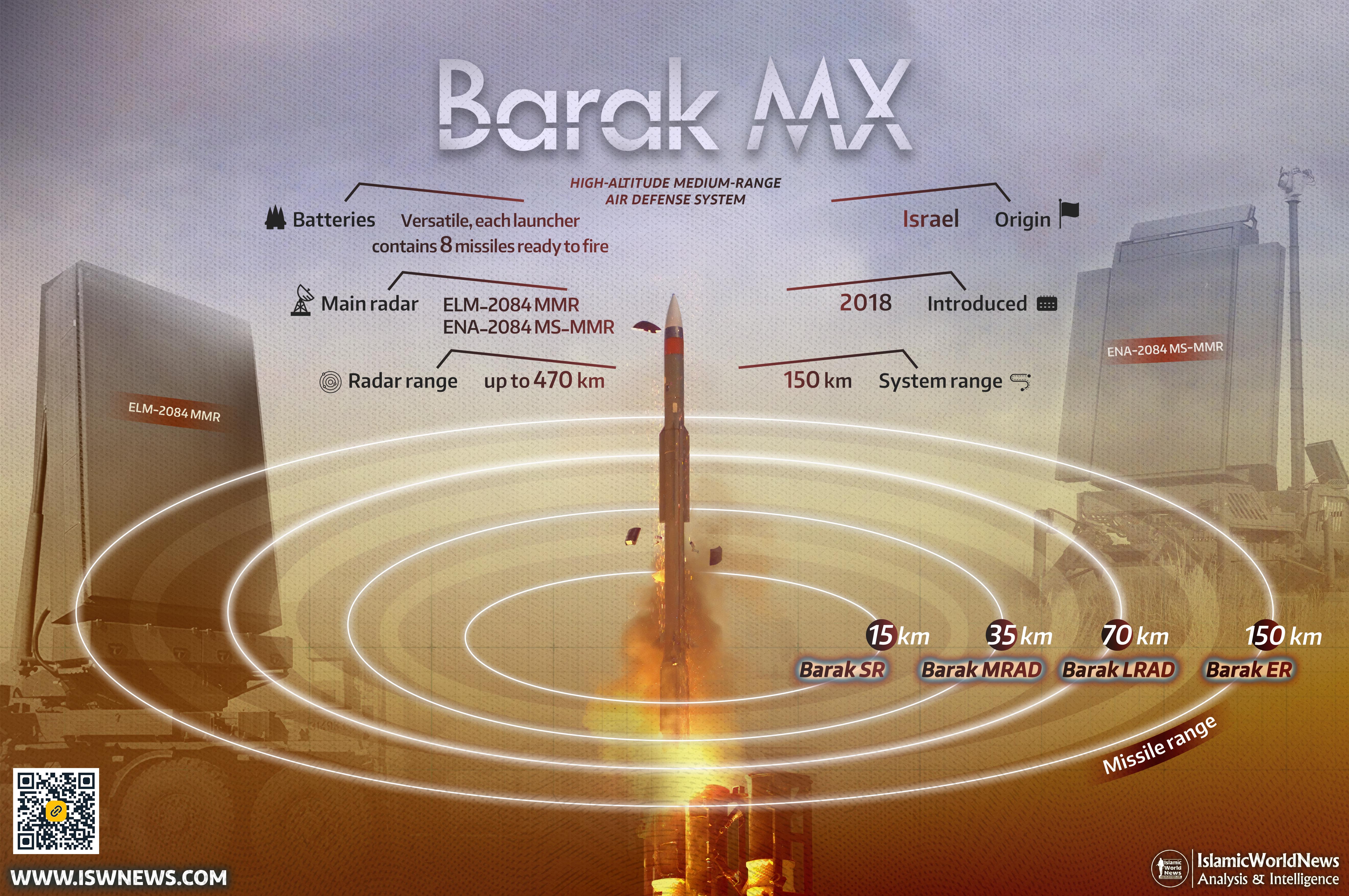
    Barak MX System – Click to view poster in full size
  • Military Knowledge: Eitan (Heron TP) Drone

    Military Knowledge: Eitan (Heron TP) Drone

    Introduction

    The Eitan UAV is rooted in Israel’s legacy of innovation in unmanned aerial systems. The primary driver behind the development of advanced drones in Israel was the intelligence failures during the 1973 Yom Kippur War—an experience that underscored the urgent need for real-time, persistent situational awareness for ground and air forces, without risking pilot lives. Today, UAVs account for nearly 80% of the Israeli Air Force’s total operational flight hours, highlighting their central role in modern military strategy.

    Israel Aerospace Industries (IAI), originally founded in 1953 under the name Bedek Aviation, evolved from a modest aircraft repair facility into a leading aerospace and defense manufacturer. It took on the mission of bridging the intelligence gap exposed by past conflicts.

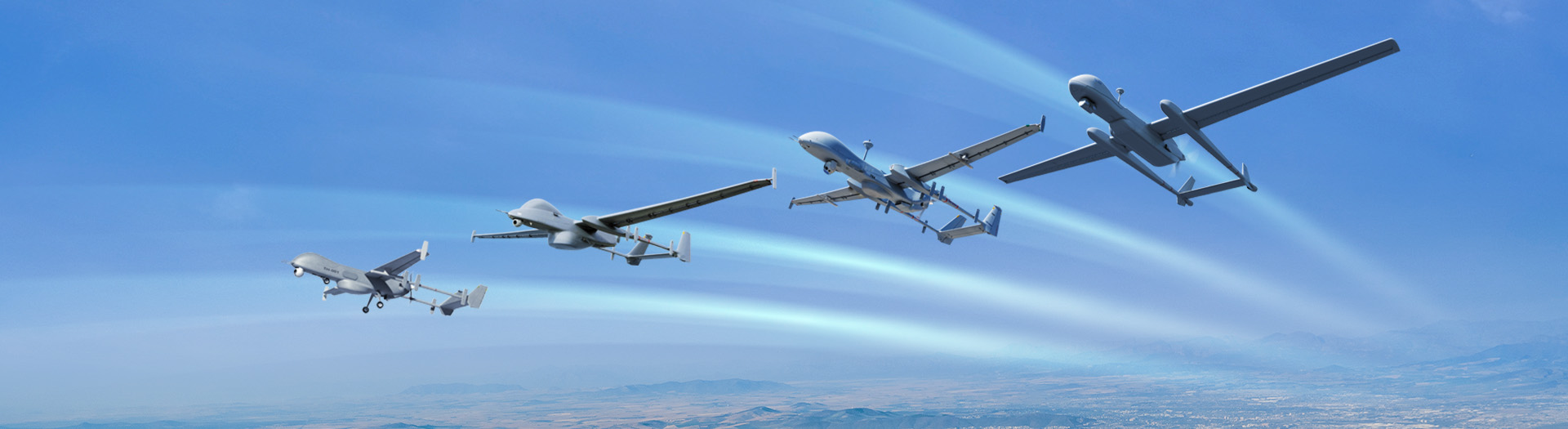
    The predecessor to the Eitan—marketed as Heron TP—is the highly successful Heron-1, also known as Shoval or Machatz-1, which first flew in 1994. Heron became the backbone of Israel’s drone fleet, logging hundreds of thousands of operational flight hours both domestically and with over 13 international clients. It played a critical role in strategic and tactical ISR (Intelligence, Surveillance, Reconnaissance) missions, including operations in Gaza and Lebanon. Heron’s design philosophy centered on three pillars: long endurance, multi-role flexibility, and high levels of automation—principles that later formed the foundation for the more advanced Eitan platform.

    The Heron-1 has the following specifications: its wingspan is 16.6 meters and its length is 8.5 meters long. The drone is capable of climbing to an altitude of 10,000 meters (30,000 feet) and has an endurance of more than 50 hours. The Heron-1 has a maximum takeoff weight of about 1,150 kilograms and can carry up to 250 kilograms of surveillance and combat payload under the wings.

    The evolution of the Heron series drones to the Eitan (Heron TP)

    Strategic Shift and Operational Demands

    In the early 2000s, Israel’s strategic threat landscape underwent significant transformation. The Israeli regime faced a complex network of non-state actors equipped with advanced technologies, as well as hostile state adversaries located beyond its immediate borders. These evolving threats exposed the limitations of existing UAVs like the Heron, particularly in terms of altitude, range, and payload capacity.

    This shift created an urgent operational need for a High-Altitude Long-Endurance (HALE) platform capable of multi-role intelligence gathering across vast geographic areas. The new UAV had to sustain flight for over 24 hours, carry heavy payloads—including advanced radar systems, optical sensors, and signal intelligence equipment—and operate at altitudes that would place it beyond the reach of most air defense systems.

    More than just an intelligence-gathering tool, this platform was designed to support the entire operational cycle, including joint missions with fighter aircraft. Its role was to reinforce Israel’s proactive military doctrine known as the “campaign between wars,” aimed at neutralizing threats before they escalate into full-scale conflict.

    Israel’s “Campaign Between Wars” strategy is built on the premise that the country periodically faces short but significant military confrontations. The core objective of this doctrine is to delay the onset of future conflicts while simultaneously strengthening Israel’s strategic posture—ensuring that the quasi-state regime is well-prepared for the next round of tensions.

    The development path of the Eitan UAV reflects Israel’s distinctive model of defense innovation, which prioritizes rapid advancement and operational feedback over linear, incremental progress. The program was first publicly acknowledged in April 2004 by the Israeli Air Force magazine, which reported the flight of two prototype units. In March 2005, a brief collaboration was initiated with the U.S.-based Aurora Flight Sciences to develop a platform named “Orion,” though the effort did not yield results. Conflicting reports about Eitan’s maiden flight—citing both July 2006 and January 2007—suggest a development process marked by continuous testing and iterative refinement.

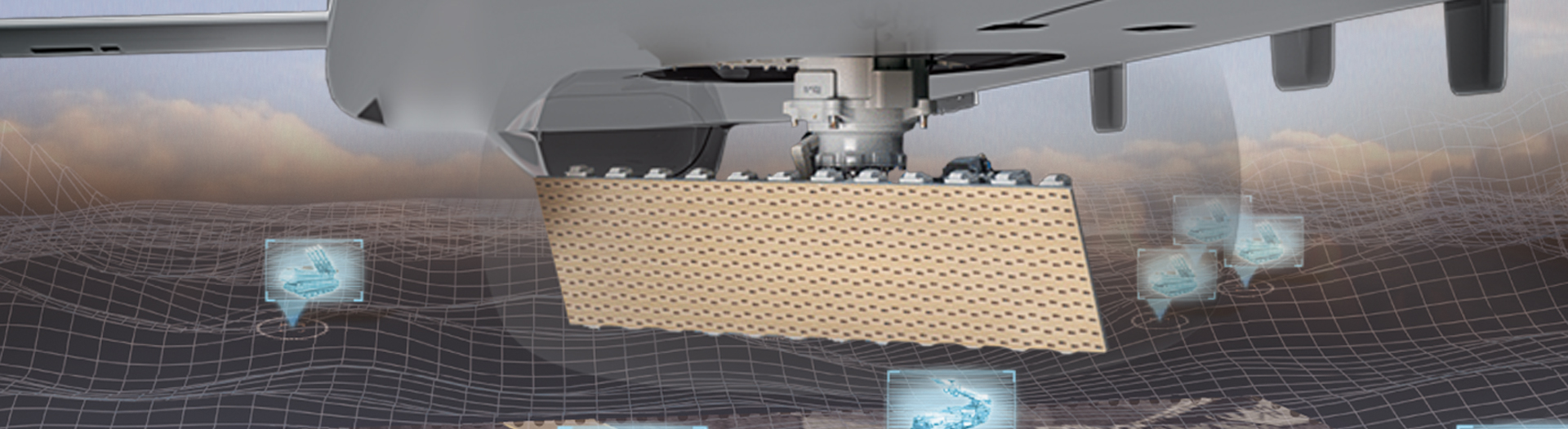
    The drone was officially unveiled on October 8, 2007, at Tel Nof Airbase. The showcased configuration featured a large Synthetic Aperture Radar (SAR) pod mounted beneath the fuselage, a multispectral electro-optical sensor suite, and signal intelligence (SIGINT) arrays—confirming its role as a versatile, multi-mission platform.

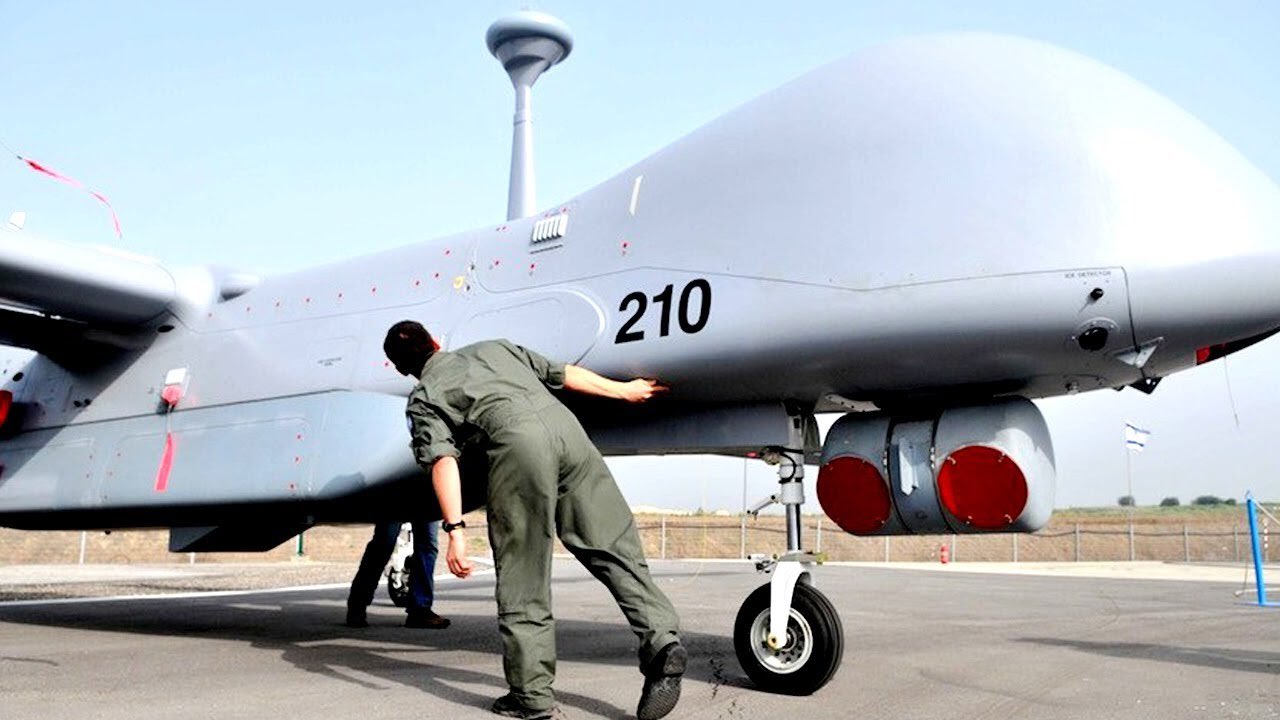
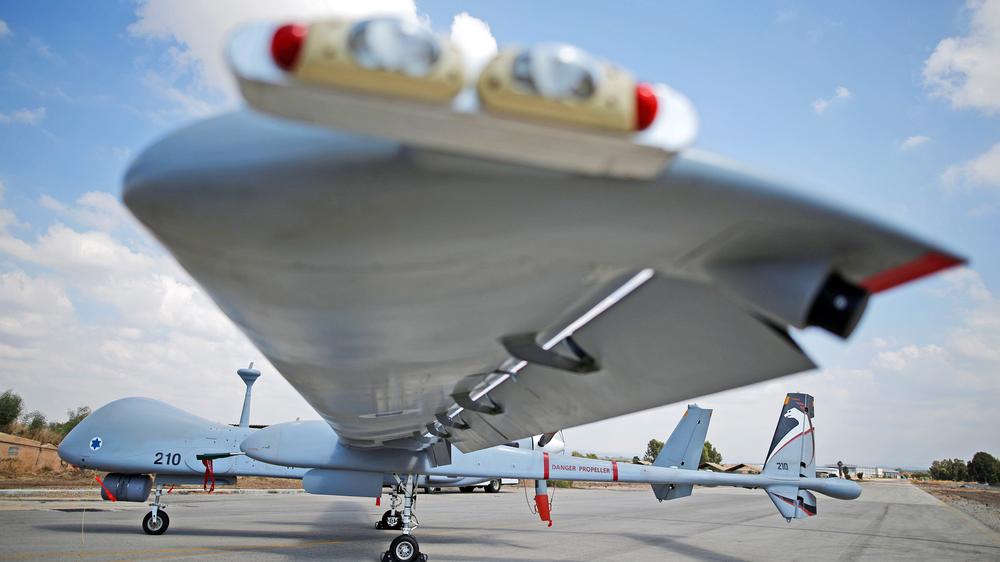
    Notably, Eitan was reportedly deployed during Operation Cast Lead in Gaza (2008–2009), prior to its formal induction into the Israeli Air Force’s 210th “White Eagle” Squadron in December 2010. This pattern of combat deployment before official service entry exemplifies Israel’s “spiral” development approach, where systems are battle-tested before public rollout—a critical advantage in the competitive global defense market.

    Technical Specifications and Design Features of the Eitan UAV

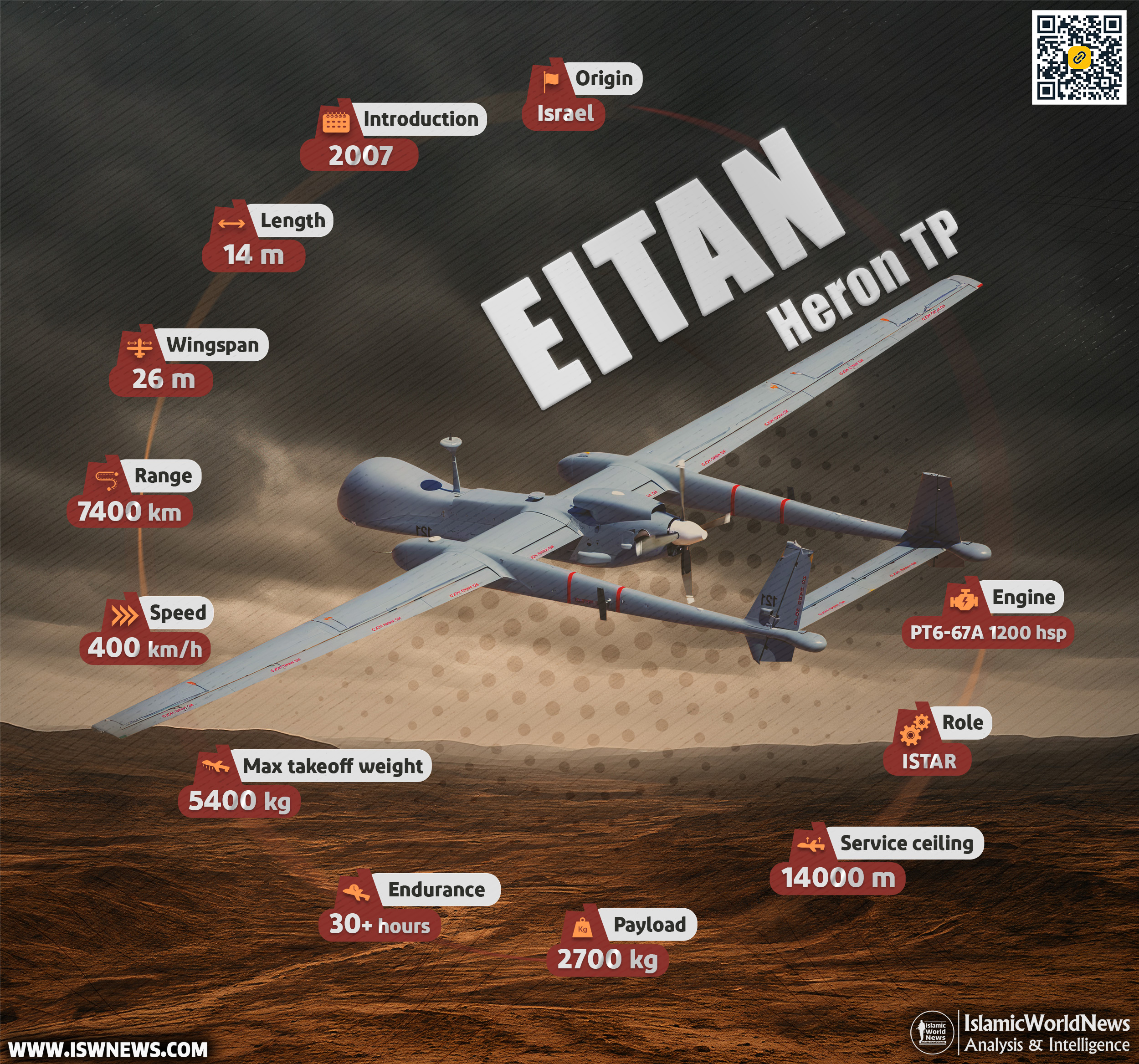
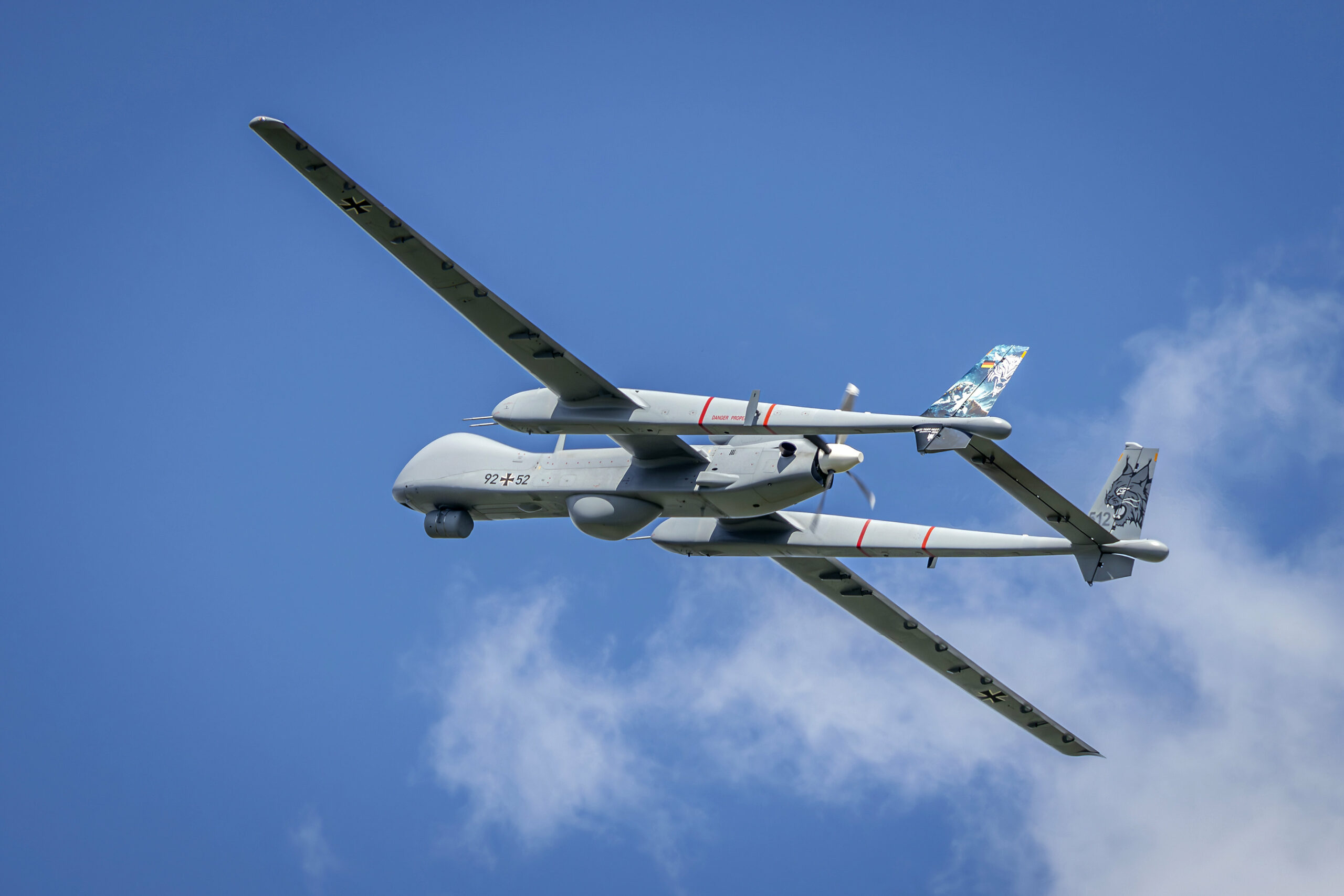
    The Eitan is a large unmanned aerial vehicle, measuring 14 meters in length with a wingspan of 26 meters—comparable to that of a Boeing 737 passenger jet. These dimensions are essential for generating sufficient lift to support long-endurance, high-altitude missions.

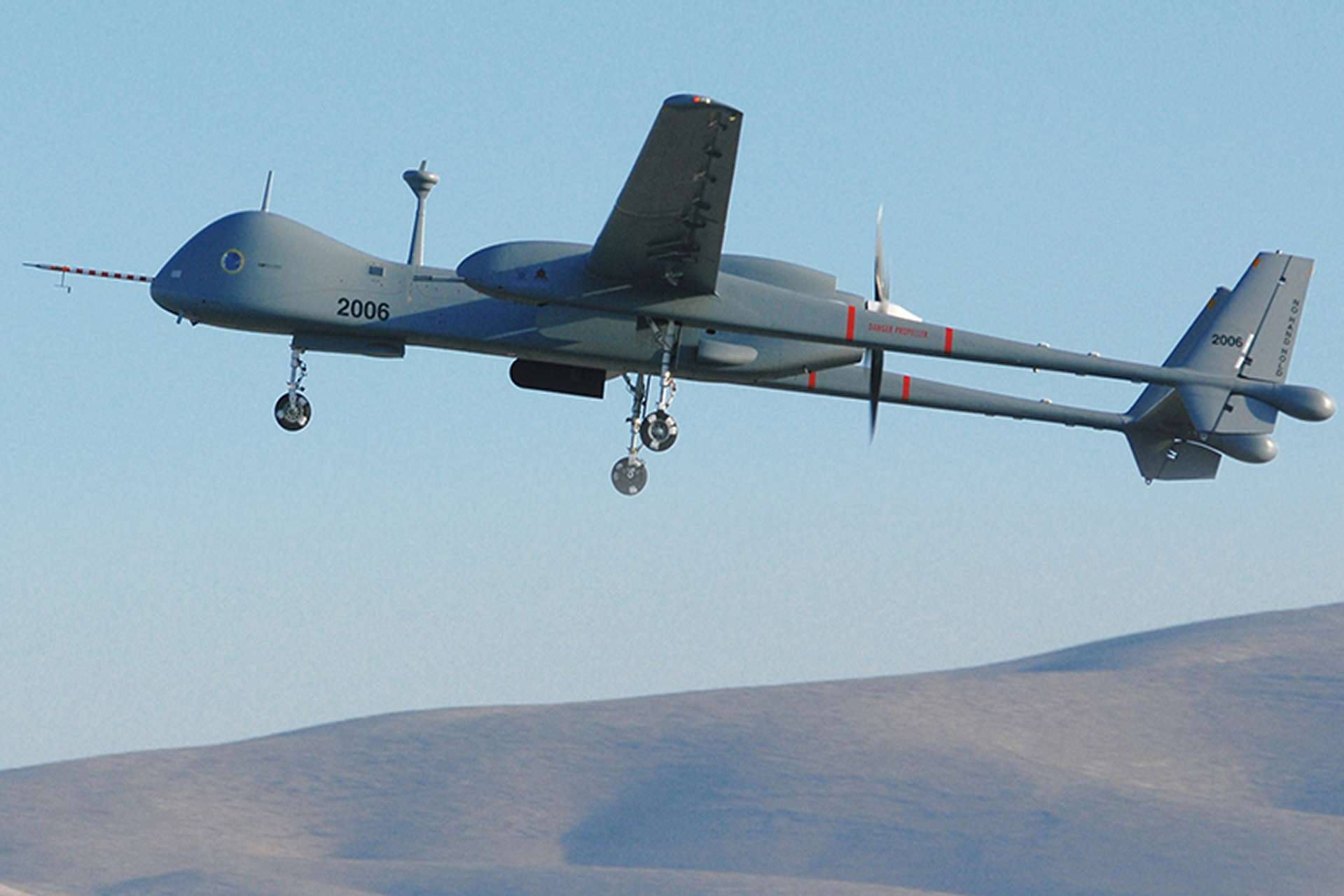
    Its airframe is constructed entirely from lightweight composite materials, offering a high strength-to-weight ratio that enhances both performance and durability. The aerodynamic design features a cantilever wing structure and a twin-boom tail configuration. This layout not only provides excellent flight stability but also preserves unobstructed space beneath the fuselage, allowing for the integration of large payloads such as advanced sensors and radar systems.

    The Eitan UAV is powered by a Pratt & Whitney Canada PT6A-67A turboprop engine, delivering 1,200 horsepower. This robust propulsion system enables the drone to reach altitudes exceeding 45,000 feet (approximately 14,000 meters)—well above commercial air traffic and beyond the effective range of most short-range air defense systems.

    With a top speed of 407 kilometers per hour, Eitan offers sufficient velocity for tactical responsiveness, allowing it to adapt quickly to dynamic mission requirements while maintaining high-altitude endurance.

    Pratt & Whitney Canada PT6A-67A turboprop engine

    Estimates regarding the Eitan UAV’s range and endurance vary across sources. Typically, its flight endurance is reported between 30 and approximately 70 hours, with a maximum range exceeding 7,400 kilometers. Its operational Beyond-Line-of-Sight (BLOS) range surpasses 1,000 kilometers, though this is primarily constrained by command-and-control limitations rather than fuel capacity.

    In armed missions carrying heavier payloads, endurance naturally decreases. The drone’s maximum takeoff weight is reported to range between 4,650 and 5,670 kilograms, while its standard payload capacity is around 1,000 kilograms—sufficient for a wide array of surveillance and combat equipment.

    For export purposes, the Heron TP-XP variant has been introduced with a reduced payload capacity of 450 kilograms to comply with the Missile Technology Control Regime (MTCR) restrictions. This ensures the platform remains within international arms control guidelines while still offering robust ISR capabilities to foreign clients.

    Avionics, Autonomy, and Data Link Systems of the Eitan UAV

    The Eitan UAV is equipped with a triple-redundant avionics architecture, ensuring that the failure of a single subsystem does not compromise the integrity or control of the platform. This robust design enhances mission reliability and survivability in contested environments.

    Eitan is capable of fully autonomous operation—from takeoff to landing—thanks to its advanced Automatic Takeoff and Landing (ATOL) systems. These allow the drone to follow pre-programmed flight profiles with minimal operator intervention, significantly reducing workload and enabling safe return in the event of communication loss.

    The platform is also equipped with de-icing systems and is engineered to operate in harsh weather conditions, expanding its mission envelope across diverse climates.

    To counter electronic warfare threats, Eitan integrates advanced anti-jamming GNSS and communication systems, including IAI’s proprietary ADA system. These technologies ensure resilient positioning, navigation, and secure data transmission even under electronic attack.

    As a Multi-INT platform, Eitan can simultaneously carry and operate multiple high-end sensors. Its modular design allows flexible sensor integration tailored to specific mission requirements. Key payloads include:

    • Electro-Optical/Infrared (EO/IR): Featuring multi-sensor suites such as the Tamam M-19HD and AMPS systems, equipped with HD cameras, laser rangefinders, and laser designators for precision targeting and surveillance.

    • Radar Systems: Eitan is equipped with a high-resolution Synthetic Aperture Radar (SAR), enabling detailed imaging in all weather conditions and across day-night cycles. It also features Ground Moving Target Indicator (GMTI) functionality for tracking mobile ground targets in real time. Additionally, the platform includes a maritime patrol radar with Identification Friend or Foe (IFF) and Automatic Identification System (AIS) capabilities, allowing it to monitor and classify naval traffic with precision.

    • Signal and Electronic Intelligence (SIGINT/ELINT): The UAV carries advanced antenna arrays designed for intercepting and analyzing radar emissions and radio communications. These systems enable Eitan to perform strategic electronic surveillance, contributing to situational awareness and threat assessment across multiple domains.

    Antenna arrays for analyzing radar and radio communications activities

    Collected data is transmitted in real time to the command center via direct Line-of-Sight (LOS) links and satellite communications (SATCOM). Israel’s collaboration with Western partners such as Thales has enabled NATO-compatible data links (STANAG 7085) for export users like Germany. Additionally, advanced Software-Defined Radios (SDRs), such as the ARC-840 ELTA, ensure interoperability among various forces.

    Combat and Strike Capabilities of the Eitan UAV

    Although the Israeli military maintains a policy of ambiguity regarding the arming of its drones, various reports and analyses describe Eitan as a potent strike platform. It is believed to be capable of carrying a range of Israeli-made guided munitions, including missiles from the Spike family.

    Germany’s decision to arm its Heron TP fleet—following extensive political debate—further validates the drone’s weaponization potential. This confirms that Eitan’s role extends well beyond intelligence gathering.

    Mission Profile and Operational Roles

    Eitan serves as a persistent Intelligence, Surveillance, and Reconnaissance (ISR) platform. Its primary function is to act as an “ever-watchful eye in the sky,” delivering a continuous, real-time stream of high-precision data to battlefield commanders. This capability underpins nearly all modern military operations. With its extended flight endurance, Eitan can loiter over target areas for days, enabling intelligence analysts to build detailed assessments of enemy movement patterns and behavioral profiles—tasks that are impractical for manned aircraft with limited flight durations.

    Beyond ISR, Eitan excels in target acquisition. Using advanced EO/IR sensors and laser designators, it can precisely locate and mark targets for engagement by other assets such as artillery, attack helicopters, or fighter jets. After a strike, it performs Battle Damage Assessment (BDA), using its sensors to provide immediate feedback on the effectiveness of the attack.

    Eitan also functions as a critical airborne node for Command, Control, Communications, Computers, and Intelligence (C4I). Its altitude and endurance allow it to serve as a stable relay, connecting ground forces, naval units, and other aircraft that may be beyond each other’s line of sight. This capability is foundational to network-centric warfare, ensuring a shared operational picture across all levels of the combat force.

    Electronic Warfare (EW) and Cyber Support

    Eitan is a powerful electronic warfare platform. It can map the enemy’s electromagnetic spectrum, identifying command nodes, communication links, and radar frequencies. This intelligence can then be used to jam or deceive enemy systems, effectively blinding and silencing them at critical moments during operations.

    Eitan’s versatility extends to the maritime domain, where it is deployed for patrol missions within Israel’s Exclusive Economic Zone (EEZ) and for monitoring offshore infrastructure. Its long-range sensors and endurance make it ideal for persistent surveillance over vast oceanic areas.

    Operational History

    • Gaza: Eitan, alongside the broader Heron family, has been a cornerstone of Israeli operations in Gaza for over a decade. It played key roles in major campaigns such as Operation Cast Lead (2008–09), Operation Protective Edge (2014), and Operation Iron Swords (2023). In densely populated urban environments, its ability to provide 24/7 surveillance has been critical. During Operation Iron Swords, which began on October 7, 2023, Heron and Eitan drones were among the first assets deployed. With ground command posts caught off guard by Hamas’s initial assault, these UAVs became the primary source of real-time intelligence for higher command levels.
    • Northern Front (Syria and Lebanon): Eitan is routinely used for surveillance along the Lebanese border and for deep reconnaissance and strike missions inside Syria. These missions often target weapons shipments and military infrastructure linked to Iranian interests. Its high altitude and long range allow it to monitor vast territories and engage fleeting targets with precision.
    Eitan’s flight over Lebanon

    Export and International Operators of the Eitan UAV

    • Germany: The acquisition of Heron TP drones by Germany marked a significant milestone in defense cooperation between Tel Aviv and Berlin. For Germany, the platform serves as a critical interim solution to bridge operational capability gaps in the HALE UAV domain until the joint European “Eurodrone” becomes operational. The 2022 Russian invasion of Ukraine acted as a key geopolitical catalyst, accelerating political decisions to arm the fleet.
    • India: India operates a large fleet of Heron-1 drones and has procured the more advanced Heron TP variant—referred to as Heron Mk2—to enhance its surveillance and strike capabilities along its tense borders with China and Pakistan.
    • Greece: Amid rising tensions with Turkey, the Hellenic Air Force has temporarily leased the Heron TP in a maritime configuration, using it for coastal surveillance and strategic monitoring in the Aegean region.

    Eitan (Heron TP) drone specifications:

    Type: Surveillance and reconnaissance (and possibly combat)
    Origin: Israel
    Manufacturer: Israel Aerospace Industries
    First flight: 2004
    Unveiled: 2007
    Length: 14 m
    Wingspan: 26 m
    Engine: PT6-67A, 1,200 hp
    Range: 7,400 km
    Speed: 400 km/h
    Service ceiling: 14,000 m (46,000 ft)
    Endurance: +30 hours
    Maximum takeoff weight: 5,400 kg
    Payload weight: 2,700 kg

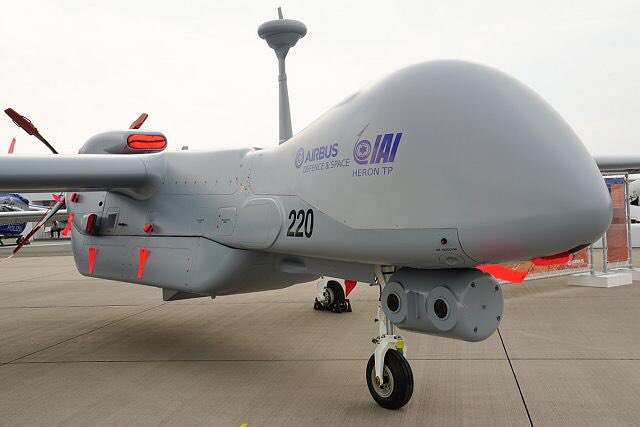
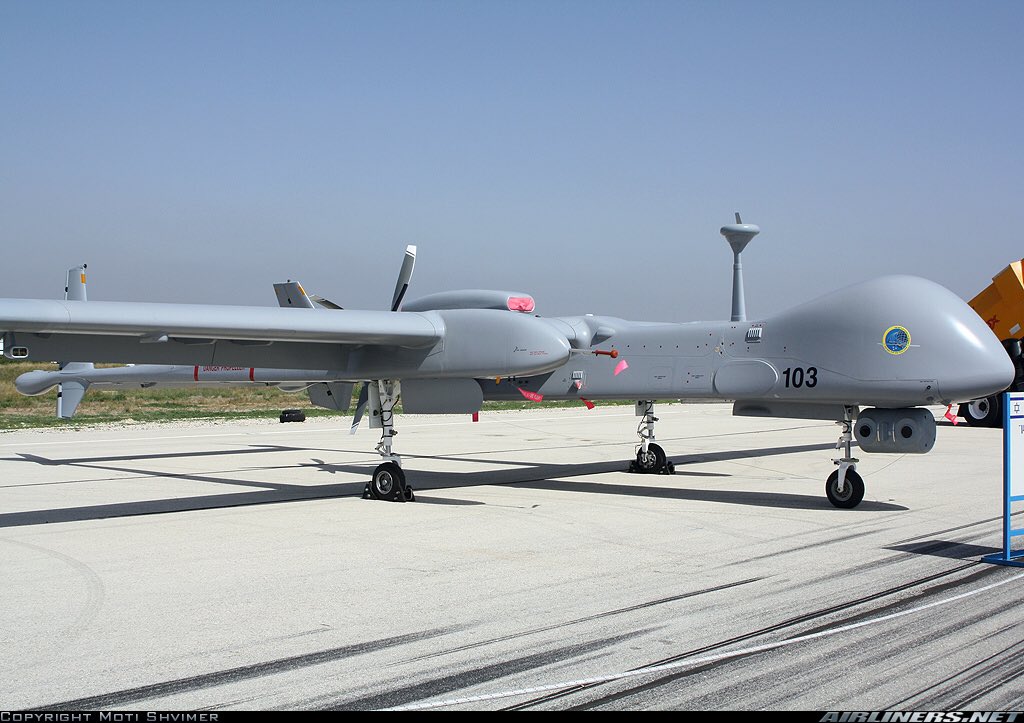
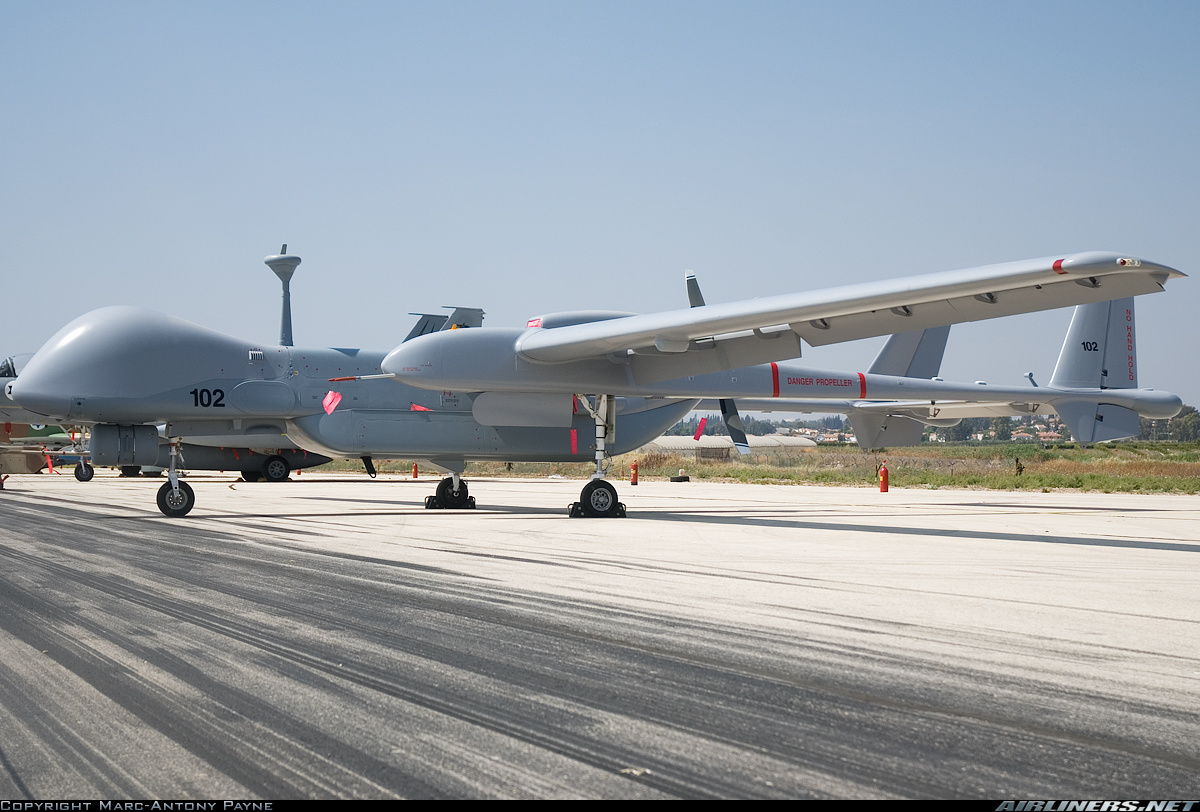
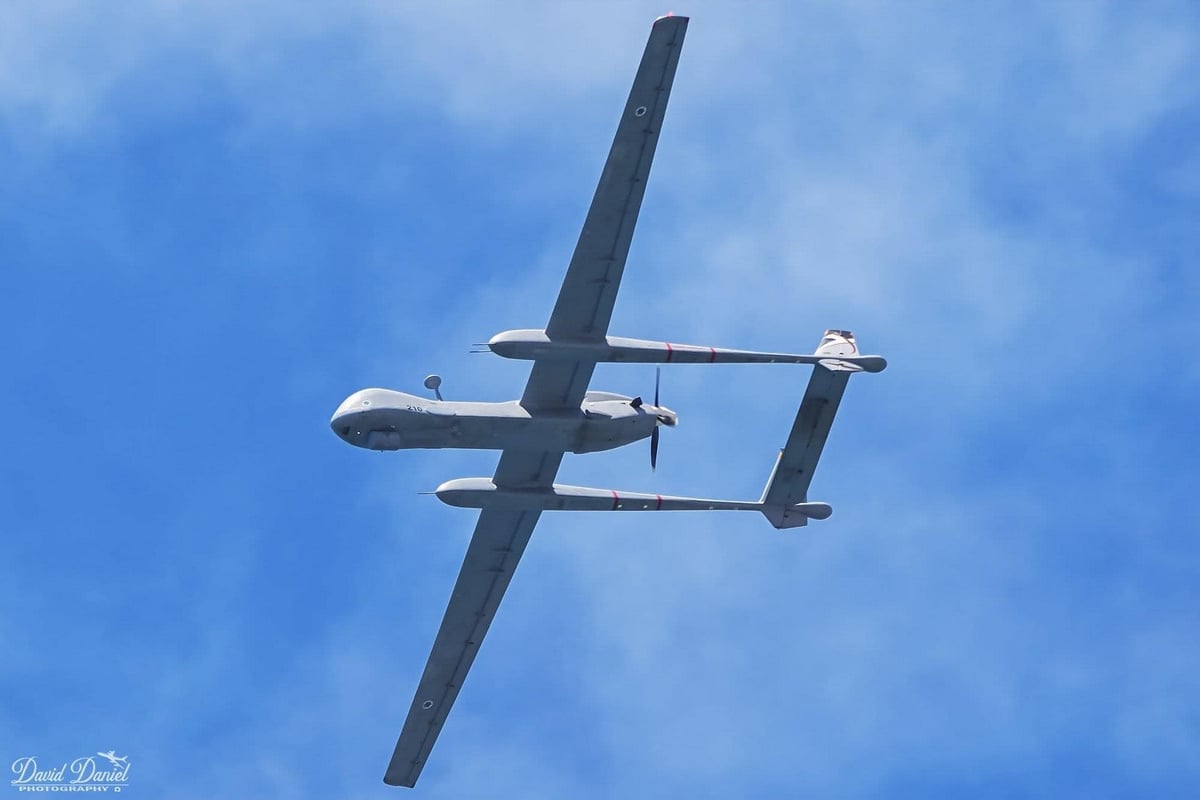
    More pictures of Eitan’s drone:

  • Military Knowledge: Arrow Anti-Ballistic System

    Military Knowledge: Arrow Anti-Ballistic System

    History and development:
    After the First Persian Gulf War and Saddam’s use of the Al-Hussein missile against some neighboring countries such as Saudi Arabia, exposed the controversial performance the Patriot air defense system, And the production program of the anti-ballistic system was specially placed on the agenda of the Israeli regime.

    The Arrow anti-ballistic system has been jointly funded and developed by Israel and the United States since 1986, and its production and development process has continued until today. According to the Israeli regime, this system is more effective than the American MIM-104 Patriot system to repel ballistic missile attacks.

    Undertaken by the MALAM division of the Israel Aerospace Industries (IAI) and Boeing, it is overseen by the Israeli Ministry of Defense’s “Homa” administration and the U.S. Missile Defense Agency.

    Israel initially produced the Arrow system domestically, but on February 11, 2003, IAI and Boeing signed an agreement, valued at over $25 million for fiscal years 2003–2004, to establish production facilities for the manufacture of components for the Arrow missile in the United States. In March 2004, IAI awarded a $78 million production contract to Boeing; the total contract value could exceed $225 million through second quarter 2008. As a result of successful implementation of this contract Boeing is responsible for production of about 35 percent of Arrow missile components, including the electronics section, booster motor case and missile canister, at its Huntsville, Alabama, facilities. IAI, the prime contractor of the Arrow system, is responsible for integration and the final assembly of the Arrow missile in Israel.

    Boeing also coordinates the production of Arrow missile components manufactured by more than 150 American companies located in over 25 states.

    Today, Boeing’s share in the production of the “Arrow 3” system has reached 40-50%.

    The first launch of the Arrow interceptor took place on August 9, 1990, designed to test the missile’s control and guidance systems. This test was stopped after a few seconds due to a malfunction in the systems and the missile was destroyed in the sky. This missile had several unsuccessful tests in 1991. Although the missile was finally successful in 1992, and the missile design was changed to Arrow 2. Although Arrow 2 also encountered problems many times, after solving the problems in 1998, the Arrow 2 system was delivered to the army for testing.

    On March 14, 2000, the first complete Arrow 2 battery was rolled out in a ceremony at Palmachim Airbase.

    In June 2001 Arrow missiles were test-fired in the course of a joint American-Israeli-Turkish exercise code-named Anatolian Eagle, in the southeast of Turkey.

    In October 2002 the second battery was declared operational.

    In the continuation of the development of the Arrow anti-ballistic system, changes were made on the Arrow 2 missile, and each of these changes was placed in different blocks. The Arrow 2 block-2 missile entered the test phase in 2003. In 2007, Arrow 2 block-3 was also tested. In September 2008, a Blue Sparrow missile, capable of simulating “Scud-C/D” missiles was used to test the Arrow 2 block-4, but the test failed; The next test was repeated on April 7, 2009 and this time it was successful.

    By August 2008 the United States and Israeli governments have initiated development of an upper-tier component to the Israeli Air Defense Command, known as Arrow 3. The development is based on an architecture definition study conducted in 2006–2007, determining the need for the upper-tier component to be integrated into Israel’s ballistic missile defense system. According to Arieh Herzog, the main element of this upper tier will be an exoatmospheric interceptor, to be jointly developed by IAI and Boeing. Arrow 3 was declared operational on January 18, 2017.

    By April 2011 Israel’s Missile Defense Organization (IMDO) launched initial definition of a new block-5 upgrade to the complete Arrow system that will merge the lower-tier Arrow 2 and exoatmospheric Arrow 3 into a single national missile defense system. According to Arieh Herzog, the planned block-5 will include new ground- and airborne sensors, a command and control system, and a new target missile – the Silver Sparrow – to simulate potentially nuclear-capable delivery vehicles developed by Iran.[68] According to the U.S. Missile Defense Agency, block-5 is expected to be able to deal with “more stressing regional threats” by increasing total defended area by some 50 percent.

    In 2017, the Arrow 4 system was defined and put on the agenda for future complex threats. These threats included hypersonic cruise missiles or any other supersonic aircraft. It should be noted that research on Arrow 4 has gained more speed after the unveiling of the Iranian Fattah hypersonic missile.

    Read more:
    Military Knowledge: Fattah Hypersonic Ballistic Missile
    Military Knowledge: Fattah-2 Hypersonic Missile

    Until today, parts of Arrow anti-ballistic system, such as radar, have been exported to countries such as the Republic of Azerbaijan. But Arrow, as a complete system, serves only in the army of the Israeli regime. It should be noted that a contract for the full sale of the Arrow system has recently been concluded with Germany.

    Financial sources of the project:
    From the beginning of the design of the Arrow anti-ballistic system, the United States has had a direct role in financing it. Estimated credits required for this project are 1.6 billion dollars and the price of each Arrow missile is estimated at 3 million dollars. However, according to the financial report of the Congressional Research Service (CRS) published in 2023, the total financial assistance of the United States to the Arrow anti-ballistic system reaches 4.5 billion dollars.
    Estimates of Israel’s spending on the Arrow program show that Israel has spent more than 60 million dollars annually for this project independently, which amounts to more than 2 billion dollars. As a result, the Arrow anti-ballistic system program has cost more than 6.5 billion dollars so far.

    An image of the United States financial aid report to the Arrow program

    Design and parts:
    The Arrow system consists of the hypersonic Arrow anti-missile interceptors, Arrow 2 and Arrow 3, the Elta EL/M-2080 “Green Pine” and “Great Pine” early-warning AESA radars, the Elisra “Golden Citron” (“Citron Tree”) C3I center, and “Brown Hazelnut” (“Hazelnut Tree”) launch control center. The system is mobile and can be moved to other prepared sites.

    Each missile of the system is placed in a canister and all 6 of them are placed on a truck. Each Arrow anti-ballistic system battalion includes 4 to 8 mobile launchers (24 to 48 missiles), a mobile Green Pine early warning radar unit, a radar power supply unit truck, a radar cooling unit truck, a radar control unit truck, a Elisra Golden Citron control center, Brown Hazelnut mobile launch control center and mobile communications center, resulting in 11 to 15 trucks per battalion.

    The model set that shows how to arrange the components of the arrow system. 1- Arrow missile launcher 2- Golden Citron control center 3- Communication center 4- Brown Hazelnut launch control center 5- Green Pine early warning radar antenna 6- Radar control center 7- Radar power unit 8- Radar cooling unit

    Green Pine early warning radar:
    The Green Pine early warning radar model EL/M-2080 has a range of 500 km and the Block-B Super Green Pine version or EL/M-2080s has a range of 900 km. This radar also has a Block-C version, the specifications of which have not been revealed yet.

    The Green Pine radar is an active electronically scanned array (AESA) radar. This radar is active in the X-band and is capable of detecting 30 targets at a speed of 3000 meters per second (equivalent to Mach 8.8) in a maximum range of 500 to 900 km depending on the model. The accuracy of missile guidance by the green pine radar is up to 4 meters of the target, and after that the missile acquires the target and hits with its own radar.

    The Green Pine early warning radar antenna has a width of 9 meters and a height of 3 meters. This radar system consists of an antenna, a power system (including a diesel generator and fuel tank), a cooling system and a radar control center, and it has 2000 to 2300 modules that send and receive waves and weighs 60 tons.

    The Green Pine radar is mobile and can be moved using 4 trailers, but it is not possible to set it up anywhere. In general, it takes about 24 hours to set up a green pine in a new operational site.

    Read more: Military Knowledge: Green Pine Radar

    An image of the Green Pine radar

    Golden Citron control center
    The “Golden Citron” truck-mounted net-centric open systems architecture Battle Management Command, Control, Communication & Intelligence Center can control up to 14 intercepts simultaneously. The system provides fully automatic as well as Human-in-the-Loop options at every stage of battle operation management. It is also capable of interoperability with other theater missile defense systems and C3I systems. Notably Link 16, TADIL-J, communications were being altered to allow interoperability with Patriot fire control units. Assigned targets can be handed over to the Patriot’s AN/MPQ-53 fire control radar. The “Golden Citron” has three banks of operator consoles laid out in a U shape. All in all, the “Golden Citron” is manned by 7–10 operators.

    Brown Hazelnut launch control:
    The “Brown Hazelnut” launch control center is located at the launch site, up to 300 km from the “Golden Citron” fire control center. It employs microwave and radio data and voice communications links to the “Green Pine” and “Golden Citron”. The launch method is a vertical hot launch from a sealed canister, providing all-azimuth coverage. “Brown Hazelnut” also has missile maintenance and diagnostic capabilities

    Missiles (interceptors):
    The Arrow anti-ballistic system includes several missiles, including Arrow 1, Arrow 2 (including five models), Arrow 3 and Arrow 4.

    Arrow 1:
    The Arrow 1 was a two-stage solid propellant missile that was not put into service. The test of this missile failed on August 9, 1990. The ninth and last test of this missile, which was successful, was conducted on June 12, 1994, from a ship in the Mediterranean Sea. Although several tests of this missile failed and some of them were successful, but in the end this missile was not put into service; And the development of Arrow 1 ceased and further research continued with the “smaller, faster and more lethal” Arrow 2 missile.

    This Arrow 1 had inertial and command update mid-course guidance, with a terminal infrared focal plane array. Also, the Arrow-1 interceptor had the capability of thrust vectoring in both stages. The exact specifications of the Arrow 1 missile have not been revealed, but its estimated specifications are available.

    Specifications of Arrow 1:
    Length: 7.5 meters
    Body diameter: 1.2 meters
    Length of the second stage: 2.5 meters
    Weight: about 2000 kg

    Arrow 1 missile replica

    Arrow 2:
    The Arrow 2 missile project was developed to achieve a smaller but faster and more lethal missile. The development of this missile started in 1994 and it successfully passed its first tests on July 30, 1995. These experiments continued until 1998. On November 1, 1999, an Arrow 2 missile successfully intercepted and destroyed a Scud missile. After this success, the first battalion of this system was activated on March 14, 2000 during a ceremony at the Palmachim Air Base.

    This two-stage missile is equipped with solid propellant booster and sustainer rocket motors. The Arrow-2 missile uses an initial burn to carry out a vertical hot launch from the container and a secondary burn to sustain the missile’s trajectory towards the target at a speed of Mach 9. Thrust vector control is used in the boost and sustainer phases of flight. At the ignition of the second stage sustainer motor, the first stage assembly separates. The Arrow missile is launched before the threat missile’s trajectory and intercept point are accurately known. As more trajectory data becomes available, the optimum intercept point is more precisely defined, towards which the missiles is then guided. The 500 kg kill vehicle section of the missile, containing the warhead, fusing and the terminal seeker, is equipped with four moving delta aerodynamic control fins to give low altitude interception capability. The dual mode missile seeker has a passive infrared seeker for the acquisition and tracking of tactical ballistic missiles and an active radar seeker used to home on air-breathing targets at low altitudes. The infrared seeker is an indium antimonide focal plane array.

    The kill vehicle is designed to achieve a hit-to-kill interception, but if this is not achieved, the proximity fuze will direct the warhead fragments at the target shortly before reaching the closest point to the target. The high explosive directed blast fragmentation warhead is capable of destroying a target within a 40–50 m radius. In this manner, Arrow also differs from Patriot PAC-3, THAAD, and Standard Missile 3, which rely purely on hit-to-kill technology in which the kinetic force of a precise impact causes the destruction of the threat.

    Video of the successful interception of a Yemeni missile outside the atmosphere by an Arrow-2 missile, May 2025
    Arrow 2 missile

    Arrow 2 Block-2 missile:
    A successful test of the Arrow 2 block-2 took place on January 5, 2003. Four missiles were launched towards four simulated targets in order to examine the interceptor’s performance during special flight conditions as well as system performance during a sequence of launches. The test did not include actual interceptions. Another successful test held on December 16, 2003, examined the system’s ability to intercept and destroy incoming missiles at significantly high altitudes, around 60 km.

    On July 29, 2004, Israel and the United States carried out a joint test at the Naval Air Station Point Mugu Missile Test Center in California, in which the Arrow interceptor was launched against a real “Scud-B” missile. The test was a success, with the interceptor destroying the “Scud” that flew a 300 km (190 mi) trajectory at an altitude of 40 km.

    This system conducted another test on August 26, 2005. This test was aimed at examining the Arrow’s ability to detect a splitting warhead of a separating ballistic missile. During the test, despite the correct detection, it could not destroy it due to a technical defect.

    In March–April 2005 the ability of “Green Pine” and “Golden Citron” to work with Patriot system elements operated by U.S. Army was successfully tested against simulated “Scud”-type targets during regular series of U.S.–Israeli biennial exercises code-named “Juniper Cobra”.

    Actual testing of the complete Arrow system was resumed in December 2005, when the system successfully intercepted a target at an unspecified but reported record low altitude.

    A picture of the Arrow system launcher, which is the same for all types of this system.

    Arrow 2 Block-3 missile:
    On February 11, 2007, an Arrow 2 block-3 successfully intercepted and destroyed a “Black Sparrow” target missile simulating a ballistic missile at high altitude. It was the first so-called distributed weapon system test conducted in Israel, which required two Arrow units deployed some 100 km apart to share data on incoming threats and coordinate launching assignments. It was also the first time the Link 16 data distribution system was used to connect two Arrow units.

    Arrow 2 Block-4 missile:
    On April 15, 2008, the Arrow system successfully detected and made a simulated intercept of a new target missile. During the test, a target missile was launched from an Israeli F-15 at a height of 27.5 km. The missile split into multiple warheads, making it harder to intercept it. Nevertheless, “Green Pine” tracked the warhead, simulating an intercept. In September 2008, another test attempted against the “Blue Sparrow” missile but the test failed. Eventually the Arrow 2 block-4 was successfully tested against the “Blue Sparrow” on April 7, 2009.

    This missile was also tested on July 22, 2009 against an airborne missile with a range of 100 km fired from a C-17 Globemaster III transport aircraft, but the test was unsuccessful.

    This missile successfully passed several other tests until 2015. These tests revealed the need to create a new Battle Management Center, launchers with high shooting availability, better communication with other missile systems and wider ranges of interceptions. Because the probability of success was not high and better launchers should have been used to protect the crew. Also, the control center was facing problems in transmission and correct detection of the firing position, which had to be solved.

    Arrow 2 Block-5 missile:
    By April 2011 Israel’s Missile Defense Organization (IMDO) launched initial definition of a new block-5 upgrade to the complete Arrow system that will merge the lower-tier Arrow 2 and exoatmospheric Arrow 3 into a single national missile defense system. So, a new ground and airborne sensors, a command and control system, and a new target missile – the Silver Sparrow – to simulate potentially nuclear-capable delivery vehicles were defined for test.

    The planned block-5 will optimize the existing Super Green Pine radar to operate with the AN/TPY-2 radar as well as with radars commanding anti-ballistic missiles aboard United States Navy destroyers. U.S. radars will be used to support closed-loop operations if Israel and U.S. targets in the region come under attack.

    Arrow 3:
    By August 2008 the United States and Israel have initiated development of an upper-tier component to the Israeli Air Defense Command, known as Arrow 3. Arrow 3 missile was tested on January 23, 2012 and was declared operational on January 18, 2017.

    Arrow 3 operates at greater speeds, greater range and at greater altitudes than Arrow 2, intercepting ballistic missiles during the space-flight portion of their trajectory.

    Arrow 3 is a two-stage solid fueled missile. Unlike the Arrow 2 missile, this missile only uses “Hit-to-Kill” method to deal with ballistic missiles. The concept of Hit-to-Kill uses the effect of kinetic energy and direct impact to destroy the target instead of proximity fuze. These types of weapons are also called kinetic energy weapons.

    Arrow 3 – Interceptor section in the last stage

    The interceptor part of the last stage of this missile consists of a solid fueled propellant with the ability a thrust vectoring, which is very reliable at the same time as simplicity and cheapness. At the tip of this section, there is an infrared seeker that tracks the target and provides the possibility of high accuracy.

    The location of the ‘hit-to-kill’ part in the Arrow 3 missile

    This missile and its system are designed to intercept targets at an altitude of more than 100 km and with longer ranges; Thus, the range of this missile reaches 2400 km.

    The interception capability of this system has not been revealed, but the Arrow 3 system is expected to intercept 5 ballistic missiles within 30 seconds.

    According to Isaac Ben Yisrael, the former chairman of the Israeli Space Agency, Arrow 3 may serve as an anti-satellite weapon, which would make Israel one of the world’s few countries capable of shooting down satellites.

    Arrow 3 missile and launcher

    Video of how the Arrow 3 system works
    Video of the Israeli Ministry of Defense’s explanation of how the Arrow 3 system works

    Arrow 4 missile:
    In 2017, after the Arrow 3 missile entered service, the Israeli Ministry of Defense set a new goal and plan for defense against future threats. The main goal was to deal with hypersonic missiles. These weapons, whether cruise or ballistic, were among the targets that could not be intercepted and engaged by the Arrow system. In the new program, the goal was to develop a new radar and a new control center and a new missile.
    In early 2021 Israel revealed that the development of the Arrow 4 interceptor was ongoing and that the system was targeting the interception of hypersonic threats such as hypersonic cruise missiles and hypersonic glide vehicles. Efforts to counter hypersonic threats took on new urgency following a November 2022 announcement by Iran that they had tested a hypersonic missile that could hit Israel in as little as four minutes.

    Read more:
    Military Knowledge: Fattah Hypersonic Ballistic Missile
    Military Knowledge: Fattah-2 Hypersonic Missile

    Specifications of Arrow anti-ballistic missile system:
    Type: Anti-Ballistic Missile
    Origin: Israeli and American regime
    Manufacturer: Israel Aerospace Industries and Boeing Defense, Space & Security (BDS)
    Entered service: since 2000

    Arrow 2 missile:
    Range: 150 km
    Speed: Mach 9
    Flight altitude: 50 km
    Length: 6.8 to 7 meters
    Diameter: 500 mm
    Weight: 2800 kg
    Warhead: 150 kg HE fragmentation
    Propulsion: two-stage solid propellant
    Guidance: PRH – ARH

    Arrow 3 missile:
    Range: 2400 km
    Speed: Not disclosed
    Altitude of fire: more than 100 km
    Length: Not disclosed
    Diameter: about 0.5 meters
    Weight: Not disclosed
    Warhead: Hit-to-Kill
    Propulsion: two-stage solid propellant
    Guidance: INS – Gimbaled seeker

    Radar: EL/M-2080 Green Pine
    Detection range: 500 km in EL/M-2080 – 900 km in EL/M-2080s
    Engagement range: 300 km at an altitude of 40 km against the Scud missile
    Number of simultaneously detected targets: 30 targets with a maximum speed of Mach 8.8
    Number of simultaneously engaged targets: Not disclosed
    Reaction time: Not disclosed
    Batteries: 6 launchers mounted on a trailer

    Arrow (Hetz) anti-ballistic system – click to view full size

    More images of Arrow system:

    Infographics of ‘Arrow anti-ballistic missile system’ in Farsi, Hebrew, Russian and Azeri:

    Sources:
    Arrow (missile family)
    Arrow 2 Theatre Ballistic Missile Defence System, Israel
    Brown Hazelnut LCC Launch Control Center Arrow
    Arrow 3 (Israel)

  • Military Knowledge: Harop Suicide Drone

    Military Knowledge: Harop Suicide Drone

    A loitering munition, also known as a suicide drone or kamikaze drone is a kind of aerial weapon with a built-in munition (warhead), which can loiter (wait passively) around the target area until a target is located; it then attacks the target by crashing into it. Loitering munitions enable faster reaction times against hidden targets that emerge for short periods without placing high-value platforms near the target area and also allow more selective targeting as the attack can be changed mid-flight or aborted.

    History:
    The Harop suicide drone was designed and built by Israel Aerospace Industries (IAI) between 2001 and 2003. This drone was first publicly displayed in 2009 at the Indian Air Show. In the same year, the Indian Army signed a contract worth 100 million dollars to receive 10 Harop drones. The details of this contract have not been published. But the announced figure for each drone in this contract is 10 million dollars, which seems very expensive.

    The multinational company MBDA showed interest in this loitering ammunition, but the contract was not concluded due to political reasons. Although the German version of the Harup was developed in collaboration with Rheinmetall Defense to meet the specific needs of the German military in 2009, this drone only progressed to the testing stage and was never put into operation by the German military.

    Morocco, Azerbaijan and Singapore are other buyers of Harop suicide drones. This drone was used by Azerbaijan in the Nagorno-Karabakh war and destroyed several buses carrying Armenian forces. There are also evidences of targeting Armenian S-300 defenses in the Second Karabakh War.

    Design:
    The Harop UAV is actually a developed version based on the Harpy suicide drone (IAI Harpy), which made its first flight in 1989. The Harop drone is designed and built with the same features as the Harpy.

    Harpy drone at Paris Air Show 2007

    Harop uses a carbon fiber body that reduces its weight and radar cross-section. The diameter of the nose is greater than the diameter of the body. A forward-looking infrared (FLIR) camera with automatic tracking and 360 degree rotation is installed under the nose. The infrared camera is suitable for use at night and day and in all weather conditions such as fog and dust.

    The camera used in the Harop drone

    The nose has a very large empty space that allows the installation of a camera and some guidance equipment. There are two fins on the upper part of the nose. These fins provide enough lift for this heavy nose.

    The empty space in the nose to install communication equipment, cameras and fins

    The wing is designed as a trapezoid and extends from near the nose to the end of the body and is connected to the main cylindrical body. The wings are thinner at the end of the body and are designed perpendicular to the body to create the maximum lift force. This part of the wing is made with the ability to be folded so that the drone can be placed in special rectangular launchers.

    Two vertical fins with the ability to rotate are placed at the end of the body and on the wing, which provides the possibility of changing the direction of the drone during flight.

    Harop drone

    One of the Harop launcher systems is a box launcher that is placed on a commercial truck or any other truck. The wings of the Harop suicide drone fold down to fit into the box. In this way, the drone occupies the least possible space.

    Harop drone launch from MAZ-631705 truck in the service of Azerbaijan army. In this picture, it is clear how the wings are folded

    A solid fuel booster is used to launch the Harop in the first stage, which allows the Harop, and after reaching a sufficient height and speed, the UAV’s main engine is activated.

    The Harop UAV uses a Wankel MBT ENGINE H2251 engine, which is connected to a two-bladed propeller. This engine brings Harop to a maximum speed of 400 km/h and a maximum height of 4500 meters.

    The wreckage of the Harop UAV that fell during the Second Karabakh War in the northern borders of Iran. On the engine, its type and name are known.

    Harop suicide drone has a flight duration of 6 hours and a range of 1000 km. As mentioned, this drone is launched from land and sea from box launchers. But it is also possible to configure the drone to be launched from the air by aircraft.

    The Haroop UAV uses the Human-in-the-Loop (HITL) method for guidance and targeting. In this method, crews work together with machines to perform tasks, combining their abilities to make the best results in every situations. New experiences and decisions are stored in the decision cycle to increase the autonomy of the UAV in similar conditions.

    The operator can select static or moving targets detected by the UAV camera. It is also possible to select static targets before the operation and flight, by entering the target information into the system.

    It should be noted that a smaller type of drone called Mini-Harop or Green Dragon has also been made with a flight duration of 2 to 3 hours and a warhead of 3 to 4 kg.

    Mini-Harop drone

    The Mini-Harop UAV, which uses an electric motor, is suitable for monitoring and targeting enemy personnel and equipment with a low level of protection. Considering the high price of each version of the Harop drone, the Mini-Harop seems to be built to fill the void of a low-cost drone and reduce operational costs for destroying less important targets.

    Specifications of Harop suicide drone:
    Type: Suicide drone (loitering munitions)
    Manufacturer: Israel Aerospace Industries
    Origin: Israeli regime
    Development: between 2001 and 2003
    Length: 2.5 meters
    Wingspan: 3 meters
    Range: 1000 km
    Communication range (ground station): 200 km
    Radar cross section: less than 0.5 square meters
    Speed: 400 km/h
    Flight ceiling: 4600 meters
    Flight endurance: 9 hours
    Warhead weight: 23 kg
    Weight: 135 kg

    Harop Suicide Drone – click to view full size

    Infographics of Harop loitering munitions in Russian, Hebrew, Farsi:

    Source:
    Harop Loitering Munitions UCAV System
    IAI Harop Loitering munition
    IAI Harop
    Loitering munition