Tag: Iran

  • Millions of Iranians stand up to defend their country against foreign intervention; video

    Millions of Iranians stand up to defend their country against foreign intervention; video


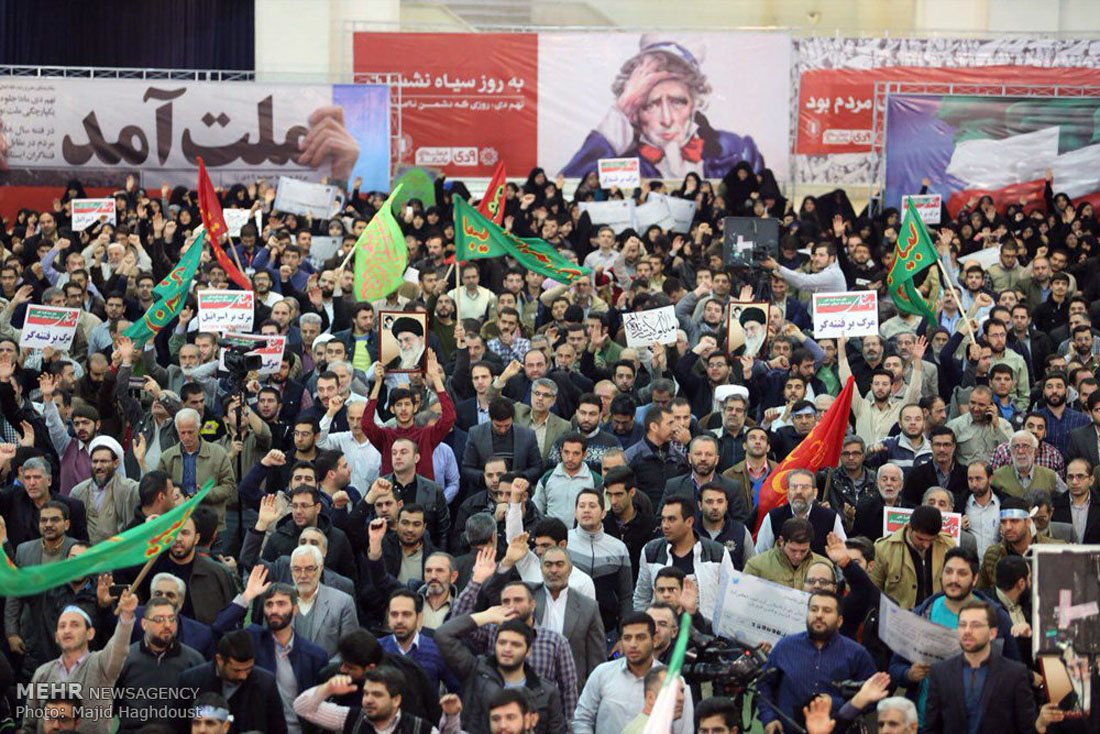
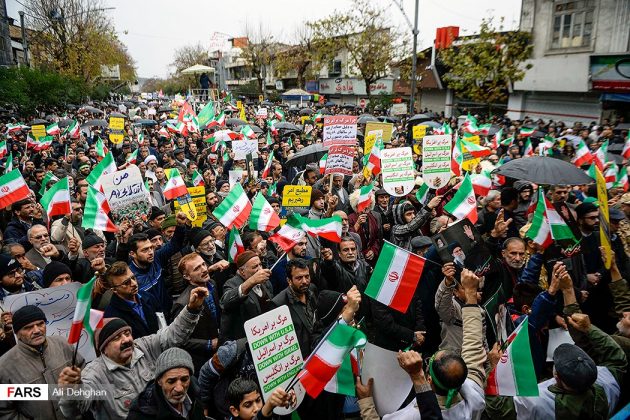
    The demonstrators from all walks of life took to the streets of Shiraz, Mashhad, Tabris, Birjand, Yasuj and many other cities to chant pro-Establishment slogans while holding banners and national flags.

    The people participating the rallies also shouted slogans against the #US and the #Israel i regime, which have welcomed the unrest and voiced support for the


    Demonstrators expressed their support for the Leader of Iran’s Islamic Revolution Ayatollah Seyyed Ali Khamenei and renounced those officials who plunder the country’s wealth.

    Millions of Iranians stand up to defend their country against foreign intervention.
    This is why #US and their allies fear about Iran.

  • Hassan Rouhani: US, Arab Foes Have No Right to Sympathize with Iranians

    Hassan Rouhani: US, Arab Foes Have No Right to Sympathize with Iranians

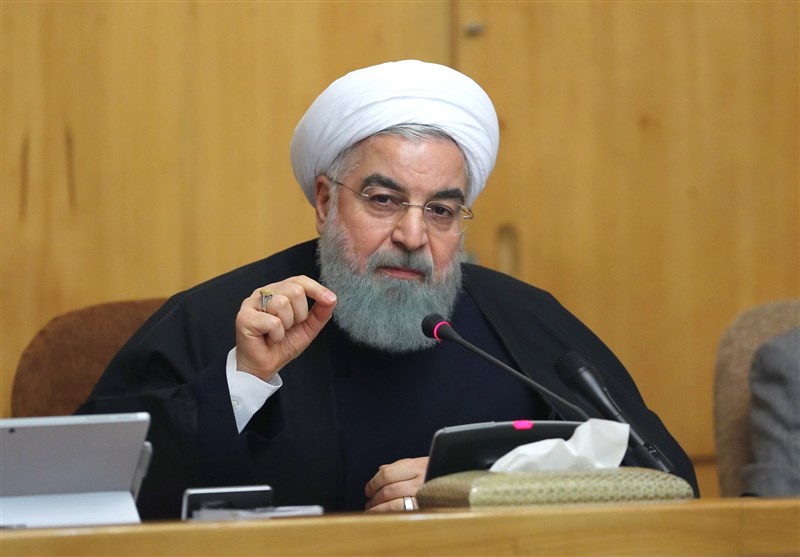
    In his first speech following the protest rallies in some Iranian cities over the past days, President Rouhani on Sunday criticized US President Donald Trump for his remarks about the recent demonstrations in Iran.

    He said Trump, who is seeking to sympathize with Iranians these days, “has forgotten that he had called the Iranian nation ‘terrorists’ a few months ago.”

    “The guy who is totally against the Iranian nation has no right to sympathize with Iranians,” President Rouhani said of Trump.

    He further took a swipe at certain Arab governments in the region for celebrating the recent protests in Iran, saying the one or two Arab states which have been against the Islamic Republic in the past years have no right to sympathize with Iranians either.

    The president further said people have the right to hold protests within the framework of law, but stressed that such rallies should not disrupt the lives of people and security, in a way that the enemies begin to rejoice at the events in Iran.

    Some cities of Iran witnessed rallies over the past days in protest at price hikes and economic woes.

    Police arrested a number of demonstrators who were trying to damage public property in the gatherings.

    According to Article 27 of the Iranian Constitution, “public gatherings and marches are allowed so long as the participants do not carry arms and are not in violation of the fundamental principles of Islam.”

    Following the civil rallies, some Western and Arab media outlets tried to portray the protests as a political uprising against the Establishment.

    Iranian officials maintain that people have the right to stage protests to express their opinions, as long as the rallies comply with the legal conditions.

    On Sunday, Interior Minister Abdolreza Rahmani Fazli said sporadic cases of vandalism and violation of citizenship rights have nothing to do with the peaceful demonstrations, praising the police and security forces for exercising self-restraint to counter violent measures.


    Source: Tasnim

  • What is happening in Iran?

    What is happening in Iran?

    Yesterday, in continuation of rallies protesting economic situation, in some cities people gather and opposing the current economic situation, in some of which, extreme slogans can be heard.


    Opposition is not deniable and there are rational reasons for it but the dangerous issue is US obvious and secret interferences in Iran’s affairs to deviate the rallies.


    The (main stream)media covering the rallies by showing them in exaggerated way to promote them and on the other hand to censor that many people in Iran are against these rallies try to deceive the world that everyone in Iran is in rallies.


    Wall Street Journal in the same sense, writes an article entitled “New Protests in Iran” showing Hassan Rouhani, Iran’s president. In this article, they try to show that these rallies are biggest after election protests in 2009.


    BBC bolds some slogans which point to Iran’s presence in Syria or Yemen and tries to relate the protests to these issues.


    But the real joke is when Donald Trump, US president, with threatening language tweets “Many reports of peaceful protests by Iranian citizens fed up with regime’s corruption & its squandering of the nation’s wealth to fund terrorism abroad. Iranian govt should respect their people’s rights, including right to express themselves. The world is watching! ”


    This is while most of bad economic situation in Iran are resulted from unfair sanctions performed by US and their allies. Sanctions which include vital needs such as medications. Now they try to support people against government… !


    After revolution in 1979 and establishing Islamic Republic government, Iran have always seen such behaviors from western countries who try to tense or even help to overthrow the government with smallest unrest in Iran.

    This is not a small issue and there are tons of documents showing evil intentions of some western countries against Iran in the last four decades.


    This is a long story which includes but not limited to supporting the coup against Mosaddegh’s government in 1953 to supporting terrorist People’s Mujahedin in Iran who killed thousands of innocent people in Iran and are still active under US supports.


    But what is really happening in Iran?

    With the corruption in administrative system (which exists in every country) and economic pressure on people which is caused by some western countries’ unfair financial sanctions made supreme leader of Iran and some politicians to pretest.

    Ayatullah Khamenei, supreme leader of Iran, in his latest speech, mentioning internal problems says that why some officials who had all the facilities yesterday or even those who have power now are protesting today? But they have to be responsible for their functions, considering that people are smart and monitor their behaviors and won’t be deceived.


    Or even GholamHossein Karbaschi, the general Secretary of Executives of Construction Party, which is in the same shoe as current government, especially since the Vice President of Iran, Eshaq Jahangiri is from same party, says: “I am very unhappy with VP’s claims that we have some Abusive officials. If there are abusive officials, then fire them and as leader said you should not be like oppositions.”


    These are some examples of speeches and truth inside Iran and show that government and politicians in the same sense with people request the fight against corruptions and firing abusive officials. But these truths are never covered by mainstream media in western countries and inversely they try to show an unreal wrong picture from Iran.


    Today, 30 December 2017, majority of people in the anniversary of the epic 30 December 2009 show their support for Islamic Republic by rallies which is also censored by mainstream media . On the other hand, they covered some protesting rallies against economy and claim it is against government!


    Some of today`s pictures showing people’s support of Islamic Republic of Iran which did not covered by mainstream media:

  • Iran Nuclear Program Open to Negotiation as Wasn’t for Defence: IRGC Chief

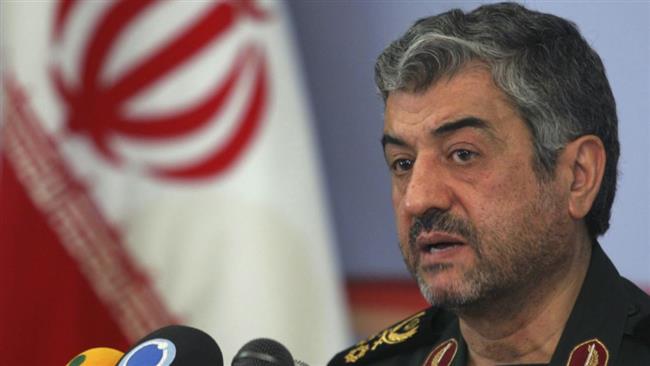
    Iran Nuclear Program Open to Negotiation as Wasn’t for Defence: IRGC Chief

    French President Emmanuel Macron recently said that a new series of criteria and a new treaty should be negotiated with Iran to stop their ballistic activities in the region.

    Speaking to reporters in a press conference on the latest developments in the Middle East on Thursday, the IRGC chief-commander dismissed Macron’s statements, saying such remarks are deeply rooted in his naivety and immaturity.

    General Jafari stressed that Macron will soon understand that his attempts to curb Iran’s missile program will end up in failure.

    “The Islamic Republic of Iran will never sit for negotiation over its missile program. Our government is against any talks over its missile program and the westerners will soon come to this conclusion that their efforts to hold talks with Iran on this issue will never come to fruition,” he was quoted as saying in a Farsi report by Fars News Agency.

    The Iranian top commander went on to say Iran distinguishes between its nuclear and missile program. “Iran accepted to sit for talks over its nuclear program because the program is not part of the country’s defence capability but the missile program is directly interconnected with our security and we view it as non-negotiable.”


    ISIS Reign Over

    He also referred to the complete eradication of ISIS in Iraq and Syria and said, “Today, the ISIS’ reign has come to an end and the terrorists have lost their control over any land, city and village in the region.”

    “This, however, does not mean that the terrorist group has been completely destroyed.”

    According to General Jafari, the sporadic ideological presence of the group will reach different parts of the region and the terrorists backed by the US, Israel and their own leaders, will go to various countries. “This means that the regional states need to prepare themselves for insecurity and suicidal and guerrilla attacks in future.”

    Jafari said the terrorists of ISIS may reorganize themselves in some parts of the region to retake a city but “their attempts are desperate and futile.”

    Elsewhere in his statements, the Iranian commander said no one can claim there would be no further insecurity in the region “because destabilization is among the easiest jobs for the terrorists and we should prepare ourselves for destabilizing measures of the enemy.”


    Lebanon, Israel’s First Target 

    The chief commander of IRGC also referred to Lebanon’s Hezbollah saying the resistance movement’s identity is deeply rooted in its arms. “Hezbollah’s identity is being armed against the sworn enemy of the Lebanese nation that is Israel because Lebanon is Israel’s first target.”

    He once again said any new war in the region will wipe off Israel from the political map of the region and added Israelis have seen parts of Hezbollah’s military capabilities during 33-day and 22-day wars and “the creation of the huge front of resistance during the past years verifies the authenticity of our claims about the future of Israel.”

    According to ja’fari, today all members of resistance front are united with each other and if one member gets involved in any war with Israel, the other members will step into the fray and inflict a heavy defeat on Israel.


    Hope for Lasting Ceasefire in Syria

    The top commander of Islamic Revolution Guards Corps also expressed hope that the recent trilateral meeting between the presidents of Iran, Russia and Turkey could lead to a stable ceasefire in Syria.

    He also said the IRGC and Iranian nation are prepared to contribute to Syria’s reconstruction project and said this is the Syrian government, however, who must decide which states take part in the reconstruction project. “We have already held preliminary talks with the Syrian government in this field and arrangements are underway for Iran’s participation.”


    Mobilization Force, Key Force in Latest Regional Achievements

    Congratulating the Iranian nation on beginning of Basij (Mobilization Force) Week in Iran, Jafari said the voluntary forces played a key role in the recent victories in the region.

    “Many regional countries have been inspired by Basij as well as the 8-year resistance of Iranian nation during Imposed War,” he said.

    Basij was established at the early years of the Islamic Revolution at the order of Late Founder of the Islamic Republic Ayatollah Khomeini.

    “Today, we see that Lebanon’s Hezbollah movement which defends the country against Israel, serves as Lebanon’s Basij,” he said.

    The Iranian commander went on to say, if it was not for Syria’s Basij, the country would have been disintegrated so far and there was no a singly Syria.

    He also referred to the experience of Iraq and said the Popular Mobilization Units, established following the call of top Shia cleric, Ayatollah Sistani for national defence against ISIS, played a key role in the great victories of Iraqi army in its fight against the terrorists.


    ISIS Remains Threat against Islam

    Elsewhere in his statements, the IRGC top commander pointed to the warning issued by the Islamic Revolution Leader Ayatollah Seyyed Ali Khamenei against overlooking enemies new plots and said “as the leader said the latest victory put an end just on the rein of ISIS. ”

    He stressed this does not mean that the group has been completely eradicated. “ISIS remains active in small and underground groups in various countries including Afghanistan. It is a threat to Islam. So, we have put fight against the group at the top of our priorities.”

    Ja’fari said the defeat of ISIS’ rein in the region does not mean the threat against resistance front has ended because “fight against the puppets of the arrogant powers continues.”

    He added though some of the enemies’ plots like the secession vote of Iraqi Kurdistan Region have been foiled but they will not sit idle and “we have to brace ourselves for their further conspiracies.”


    Iran Not after Direct Confrontation with Saudi Arabia

    Ja’fari stressed that Iran is not seeking a direct confrontation with Saudi Arabia. “We view the US and Israel as our main enemies and don’t seek to get involved in any direct war with their puppets.”

    The Iranian military commander went on to say Iran’s self-constrained policies towards Saudi Arabia should be viewed within this context. “We don’t like to get involved in any direct confrontation with Saudi Arabia and our recommendation to them is not to stand in the way of the Islamic Revolution resistance front “otherwise they will be hit by the quivers of our larger wars.”


    Enemies Have to Come to Their Senses

    IRGC chief commander vowed that the Islamic Republic of Iran is capable to crush its enemies. “So, they need to stop their animosity towards the Muslims and come to their senses.”

    He once against congratulated the Iranian nation on the defeat of ISIS rein in Iraq and Syria saying the Basij has always stood behind the Iranian nation in their fight against security plots as well as natural and unnatural plights.

    Ja’fari also referred to the latest statements by Iran’s leader on calling all Iranians from all walks of life a Basiji member and said over one-third of Iranian people are organized as Basij members and those who are not officially registered “can play their key role in various field because Basij is established with the aim of offering services to people.”
     

    Source

  • Three main reasons which bind all kurds to Iran

    Three main reasons which bind all kurds to Iran

    An important point in the history of the Kurdish struggles is the remarkable difference between the Kurdish riots in Iran compared to the riots in Turkey and Iraq. The Iraqi Kurds had bloody clashes with the Iraq(central government) for a long time. in Anfal operation , which was launched by the Saddam Hussein against the Kurds.especially in 1988 that 180 thousands Kurds lost their lives.

    The war between the PKK and the Turkish government, which has been taking place in the country since 1984, caused nearly 50 thousand dead.

    But the war between the Iranian government and Kurdish armed groups is far less extensive. This is the result of the less friction(struggle) of the Kurdish society with the government compared to the Kurds of Iraq, Turkey and Syria, which makes the Kurdish insurgent groups unable to attract people’s support like the insurgents in three other countries did. This issue has so many reasons that most notable reasons are these:

    1. Differences in the national identity in Iran with other countries with Kurdish population.

    National identity in Iraq and Turkey is defined by ethnicity. Turkey has based its national identity on Turkism, and Turkey’s name comes from the Turkish word. According to the Turkish Constitution, all citizens of this country are considered to be Turkish. Turkey gave the Kurds the title of “Turk of Mountain” and by 1991, the use of words such as Kurdistan and Kurd in this country was prohibited even in personal life.

    In Iraq, the Ba’ath Party was an Arab nationalist party, which established the country’s identity on Arabs.

    In Syria, the same is true about the Arab Ba’ath Party, and its official name is the Syrian Arab Republic. On the contrary, Iran has not defined its identity on ethnicity.

    In Iran, different ethnic groups have lived together for a long time and have formed kind of historical identity, while Turkey, Iraq, and Syria all founded after the First World War and after the fall of Ottoman caliphate, especially Syria and Iraq have a short historical identity as new founded countries . In addition, from the time of Safavids, Iranian identity has been defined based on the religion of Islam and Shiite religion, not ethnicity. That is why in Iran, the Shiite Kurds have not shown any ethnocentric tendencies, and almost all Kurdish ethnic struggles have occurred in the Sunni areas. However, it should be noted that the root of the ethnocentric struggles of the Sunni does not return to the differences between the two Shiite and Sunni religions. Basically, in the regions with Sunni population in Kurdistan, political Sunni Islam has little power(influence), and the vast majority of Kurdish armed groups follow a leftist(left wing)or nationalist ideology. The cause of the emergence of ethnic identity in the Sunni Kurdistan of Iran is that the people of these areas are not part of Shiite religion, which is one of the most important elements of the unity of the majority of the people of Iran. Of course, this does not mean ignoring other unifying elements of Islam, the Iranian historical identity, and linguistic and ethnic similarities. As we have seen and will see, these factors have made the Kurdish ethnic conflict less in Iran than the neighboring countries.

    2-The close relation of ethnic and racial identities of the Kurds to the rest of Iranians

    The race of Kurds are among the Aryan tribes. Kurdish is also one of the branches of Persian language in linguistic divisions and is similar to Persian language and local languages ​​in Iran. Like other Iranians, the Kurds celebrate Nowruz and also Kurds & Iranians have many common culture and myths .But there are no similarities between Kurdish language, culture, and myths with the language, culture and myths of Arabs and Turks.

    In Turkey and Syria, Nowruz was a political event and a sign of Kurdish ethnic identity. Because of that, for a long time, severe restrictions were imposed by the governments of these countries on this celebration, and in some cases, Kurds were killed by the security forces. But Nowruz throughout Iran is a national celebration that various ethnic groups of Iran celebrate along with the government. Because of these reasons, the sense of belonging to the Iranian identity among Kurds is far more than their solidarity with Turkish and Arab identities.

    3-The Cultural and Political Approach of the Iranian Government towards the Kurds

    Iran has chosen a more liberal cultural and political approach to its ethnic groups, including the Kurds. Unlike Turkey, the use of Kurdish or the use of words had not been forbidden in Kurdistan in Iran. Kurdish language has long been used in local media, and in recent years, the teaching of ethnic languages ​​in schools has also been provided. Also, the Shiite Kurdish politicians did not have any obstacle to reach the highest political and administrative positions. Such conditions have not existed for a long time in Syria, Turkey and Iraq, or still does not exist. Before the Syrian civil war, the government refused even to issue birth certificate for Kurd residents and to recognize their citizenship. There were also obvious discrimination against Kurdish citizens in Turkey and Iraq.

    Although some of the dissatisfaction and independency tendencies in the Sunni regions of Kurdistan of Iran can not be denied, these reasons, plus the political and security problems, except in the first two decades of the revolution, and especially in the early years, the activities of the Kurdish rebel groups were mainly limited scattered attacks on the border areas from inside of the Iraqi Kurdistan and these attacks were stopped at some points.

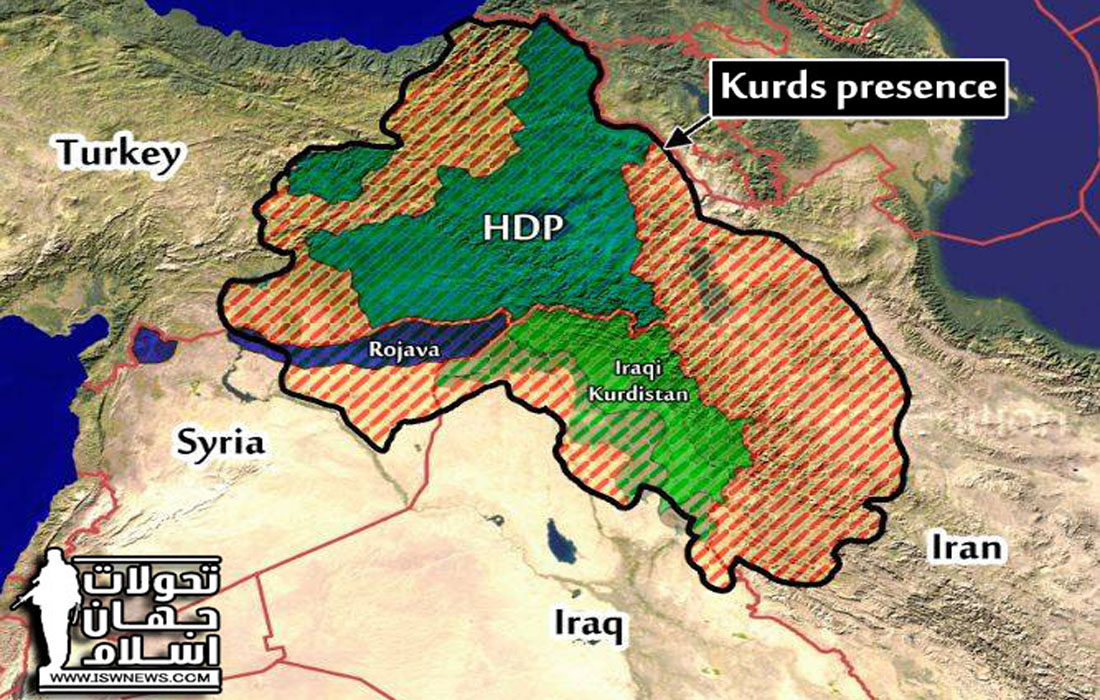
    PS: This map does not represent correct & exact boundaries, and it’s just the hypothetical range of Kurdish presence in region

  • Iconic Martyr Hojaji Laid to Rest in Central Iran

    Iconic Martyr Hojaji Laid to Rest in Central Iran

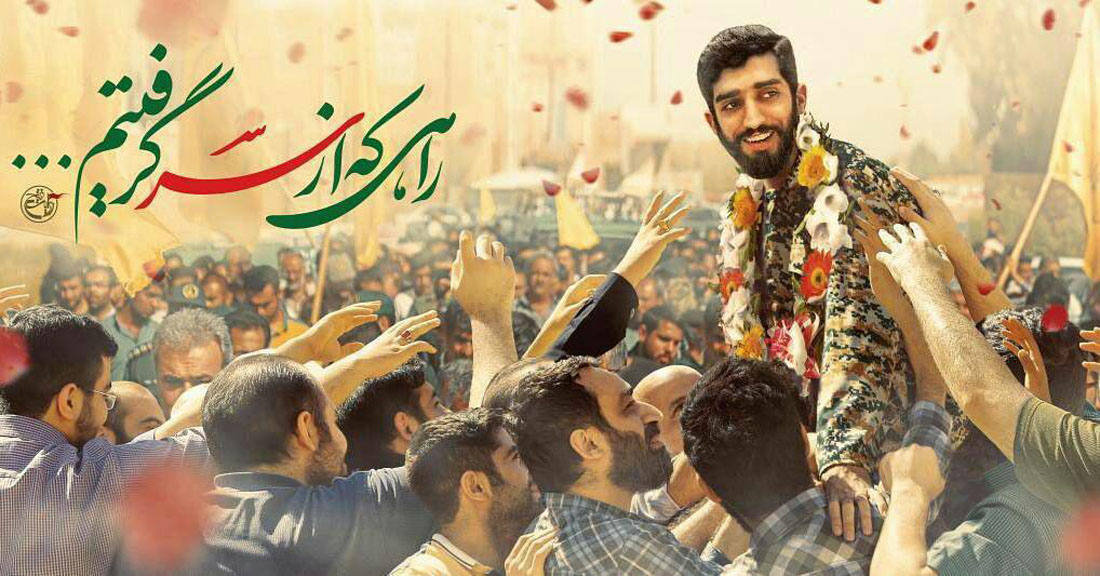
    A huge crowd of mourners from different walks of life attended the funeral of Martyr Mohsen Hojaji. He was buried in his hometown of Najaf Abad in Isfahan Province in central Iran, following a funeral procession there on Thursday.

    Hojaji was a member of the Iranian military advisory team, which assists the Syria army in its counter-terrorism operations against Takfiri terrorists. He was taken hostage by Daesh terrorists near the Iraqi border on August 7 and beheaded two days later.

    Another mass funeral procession was held for the iconic Martyr Hojaji in the Iranian capital, Tehran, on Wednesday.

    Leader of the Islamic Revolution Ayatollah Seyed Ali Khamenei attended the funeral in Tehran and prayed near Hojaji’s Iranian-flag-wrapped casket.

    Imam Khamenei also met the family of the revered young martyr and praised their fortitude.

    Since the martyrdom of 25-year-old Mohsen Hojaji, many Iranian artists have memorialized his death in videos and paintings.

    The Lebanese Hezbollah Resistance Movement on August 31 received the body of Hojaji from Daesh based on a ceasefire deal between the two sides.

    The transfer of Lebanon’s captured soldiers and two martyrs, as well as the body of Martyr Hojaji, took place after the buses carrying Daesh militants and their families arrived in the ancient city of Palmyra in Homs Province, according to media reports.

    Source

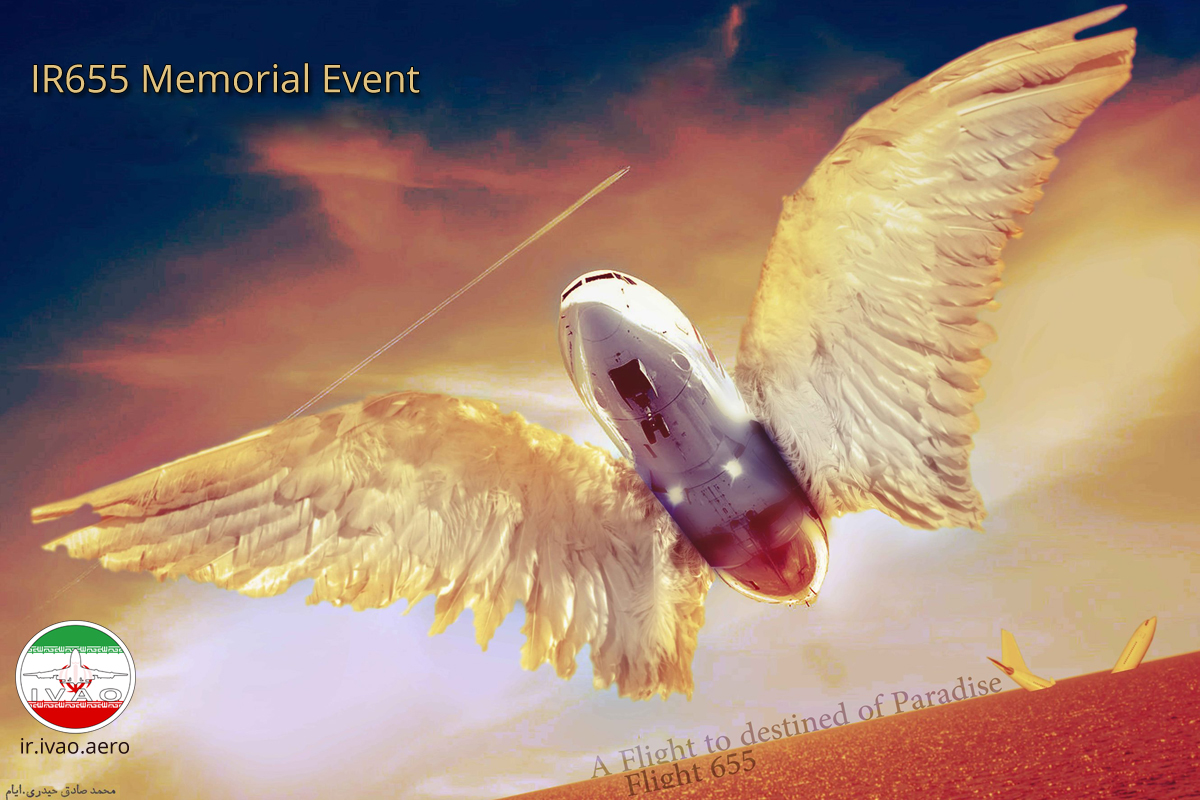
  • 28 years ago today – Iran Air Flight 655 massacre, US navy murder 290 Iranians including women and children

    28 years ago today – Iran Air Flight 655 massacre, US navy murder 290 Iranians including women and children

    On July 3, 1988, Iran Air Flight 655 (IR655) was shot down by USS Vincennes which led to the loss of life of 290 innocent civilian from six nations including 66 children. There were 38 non-Iranians aboard.

    Flight 655, as a commercial flight, operated by Iran Air that flew on a Tehran-Bandar Abbas-Dubai route. While flying in Iranian airspace over Iran’s territorial waters in the Persian Gulf on its usual flight path, it was destroyed by the guided missile cruiser USS Vincennes.

    This attack ranks tenth among the deadliest disasters in aviation history, the incident retains the highest death toll of any aviation incident in the Persian Gulf and the highest death toll of any incident involving an Airbus aircraft anywhere in the world.


    According to the United States Government, the crew mistakenly identified the Iranian Airbus A300 as an attacking F-14 Tomcat fighter. Contributing to the error was the fact that the aircraft did not respond to several inquiries to change course and did not identify itself clearly as civilian. The Iranian government maintains that Vincennes neglectfully shot down the civilian aircraft. The event produced a great deal of dispute and criticism of the United States. Several analysts have blamed U.S. military commanders and the captain of Vincennes for irresponsible and aggressive behavior in a tense and dangerous environment. The airliner was transmitting an identification friend or foe code for a civilian aircraft, but Captain William C. Rogers III in an interview insisted that he believed the code alone did not mean the aircraft was non-hostile. Captain Rogers described the attack as a self-defense measure to save his ship and the lives of the crew.

    While issuing notes of regret over the loss of human life, the U.S. government has, thus far, neither admitted any wrongdoing or responsibility in this disaster, nor apologized, but continues to blame Iranian hostile actions for the event. The crew of the Vincennes were all awarded combat-action. ​

    More than two decades later, the attack continues to pervade Iranian social psychology and fuel the strategic thinking of its military leadership. Many Iranians remember the event with a bitter sense of vulnerability. A foreign government, the United States, which was not in war with them, used brutal and lethal force against Iranian civilians.

    For those with a longer memory span, it’s hard to dismiss some of these concerns especially when you recall that the irresponsible behavior of the USS Vincennes commanding officer earned him the Legion of Merits, “a military decoration of the United States armed forces that is awarded for exceptionally meritorious conduct in the performance of outstanding services and achievements.” For many Iranians, this is utterly incomprehensible.

  • Behind the Scenes at the Saudi-Qatari Rift

    Behind the Scenes at the Saudi-Qatari Rift

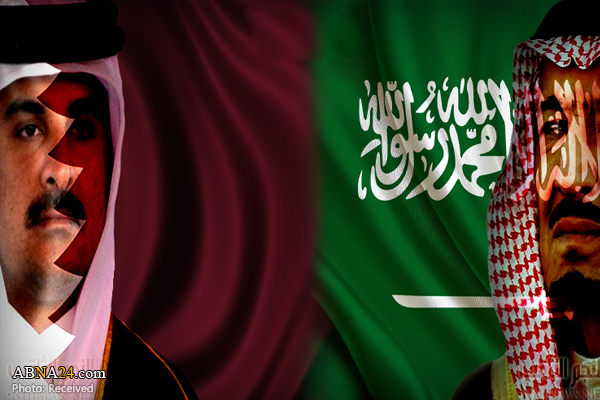
    Saudi Arabia, with the bellicose support of President Trump, has launched a diplomatic and partial economic offensive against the ridiculously small state of Qatar and is dragging its allies, the United Arab Emirates in particular, into a potential major headache.

    You see the de facto capital of the Emirates is Abu Dhabi which uses Qatari natural gas to generate half of its electricity via the Qatar-Abu Dhabi-Oman pipeline. So if Qatar really felt threatened it would pull the plug, and at least for a month or so, challenge the very survival of Abu Dhabi, for how many Emiratis let alone expats
    would be able to last +40c/105f temperatures without electricity?

    The Emirates capital city would have to import Liquified Natural Gas (LNG) which it doesn’t have the infrastructure prepared for as well as convert its electrical generators to LNG from natural gas, something that could take over a month to get up and running, no matter the $Billions the Emirates have to throw at the problem.

    So the Saudis picking a fight with their long time villains, the Qatari’s, could crash the Emirates economy and put a serious strain on the so called “coalition of the willing”, that is those still committed to the quagmire in Yemen and its assorted crimes, another source of strain between the two allies.

    The Emirates hate the Qatari’s, not without reason, and we know that the Emirates foreign legion has been concocting nasty plans against them in league with a pro-Israel PR Hit Squad in the USA. Still, the Emirates are dependent on Qatari gas so the shit could really hit the fan if the young newly crowned Saudi Prince and de facto commander in chief steps over the line and provokes a Qatari response.

    Qatar and Iran, the “snake” that the Saudi’s so infamously wanted the CIA to cut the head off of, share the Pars natural gas field under the Persian gulf waters, the 3rd largest such in the world whose exploitation of has made Qatar the worlds largest natural gas exporter. If Qatar gets into a serious fight with Iran, which is what the Saudis are demanding, than the Qatari economy could hit the skids for Qatar only exports 600k barrels of oil a day, not nearly enough to sustain its international and domestic commitments.

    Reality is the Emirates have much more serious trade relations with Iran than Qatar. Oman on the other hand, has even closer economic and political ties with its ancient fraternal brothers and sisters in the land of the Persians and the Saudi’s aren’t attacking the Omanis, so why the pissing match with Qatar?

    Like I said, this animosity is nothing new just the latest flare up, for back in 2014 the Saudis led a break in diplomatic ties that lasted 8 months, and are now led by a much more hotheaded royal, in his early thirties and up until Trump, it seemed that the USA had abandoned the Saudis in favor of the nuclear deal with Iran, taking regime change off the table and leaving the Arabs on their own.

    These have been scary times for the Arabian peninsula tribes, leading to amongst other actions, the Emirates giving the UN Security Council and its sanctions against Eritrea, in other words the USA, the finger by building its new navy base and airfield in Assab, Eritrea.

    Qatar and the royal family of Saud, both installed by the British after WW1, have been at each others throats for many years now. We know thanks to Wikileaks the Qatari’s were pushing the Americans to engineer a coup against the Saudis while the house of Saud was trying to restore the grandfather of the present Emir, whose father deposed
    his own father in a palace coup and who was forced to abdicate to his son by the Saudis.

    The Saudis can’t militarily attack Qatar, not with the largest US military installation in west Asia and everyone knows it. The so called “economic blockade” of Qatar has failed so far with Turkey stepping in to provide everything Qatar needs.

    True, the Al Jazeera satelite television channel has been a finger in the eye of the Saudis and Emirates but AJ’s main viewer base in Africa, west and south Asia, over a billion people, is via the two main satellite channels, Arabsat and Nilesat. These free channels can be accessed by anyone for as little as $40 for a satellite dish and receiver and a television. Arabsat is owned by the Saudis and Nilesat by Egypt. They kicked the Iranian Arabic channel off just like the Europeans kicked off Iran’s PressTV from their satellite systems. So why is the anti-Qatar lot allowing Al Jazeera to continue to spew its attacks on them via the big two satellite channels they own?

    Why? Its a pissing contest, really, and other than pissing and moaning little of anything in the way of real conflict is going on. Maybe this will change in time but its hard to see the major powers internationally allowing this to get out of hand. The Saudis eventually will to try some face saving “compromise” and Qatar might have to eat some crow, but when all is said and done all of it will amount to little more than a urine stain on the political fabric on the Arabian PeninsulaPeninsulaPeninsulaPeninsula.

    Source:

    http://ahtribune.com/world/north-africa-south-west-asia/saudi-qatar-rift/1748-behind-the-scenes.html

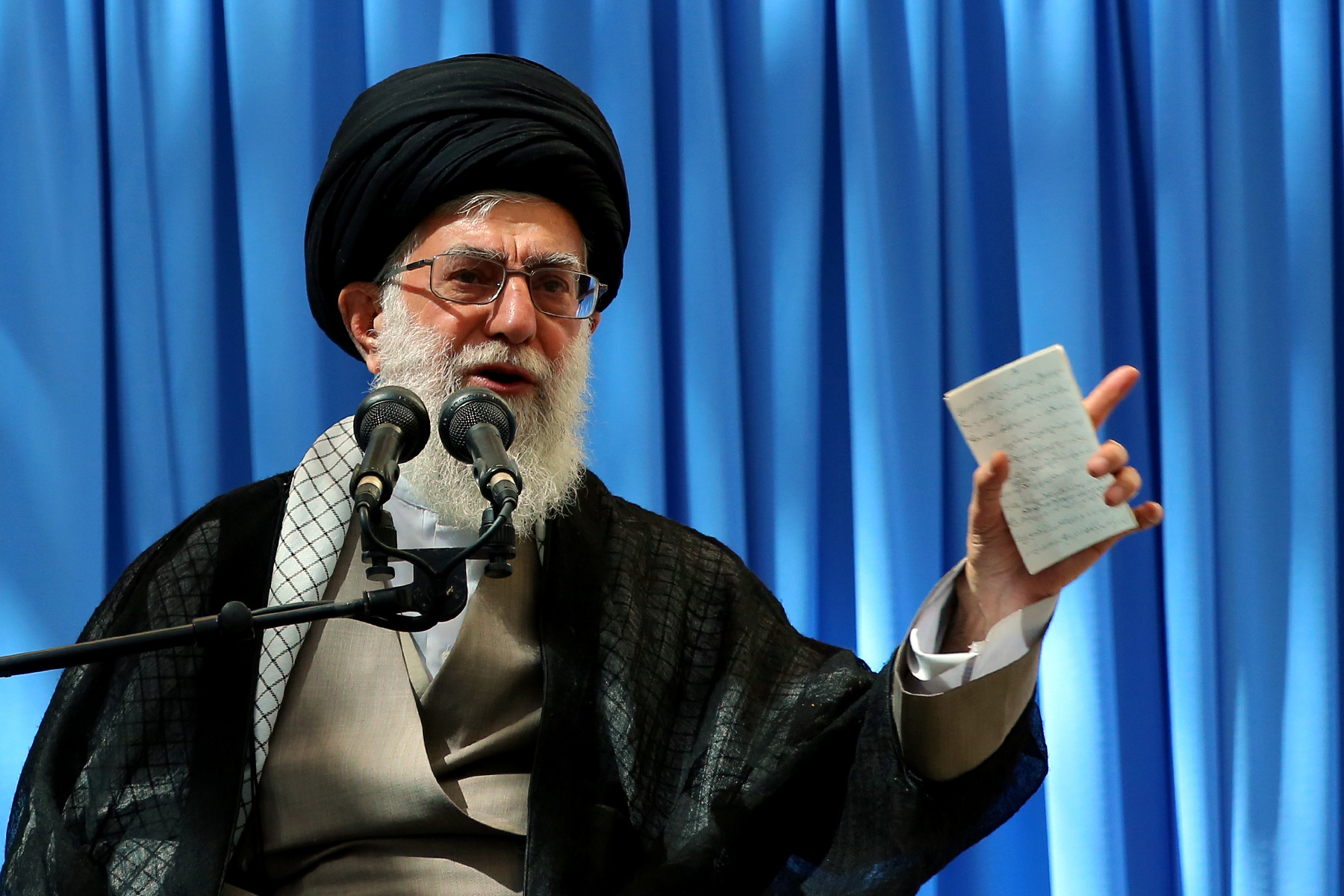
  • Enemies of Islam want to create rifts among Muslims: Ayatollah Khamenei

    Enemies of Islam want to create rifts among Muslims: Ayatollah Khamenei

    Today, we have certain problems within the world of Islam. We are suffering from the bloodshed, and there are deadly confrontations today. Yemen serves as an example. These issues should receive more attention.

    The truth is that today, the Islamic Ummah is suffering from numerous problems. Certain wounds have been and continue to be inflicted upon the body of the Islamic Ummah. The deepest wound is the one caused by discord. Enemies of Islam are trying to create discord among Muslim groups with different methods. They want to create rifts and enmities among them, by means of ethnic and denominational differences, based on geographical disputes of territorial and border issues. Tools for carrying out these methods are available to them [those involved in disputes], and the enemy is, unfortunately, using them. We, officials of Islamic governments, have ignored this measure that the enemy has adopted.

    When I think to myself, I feel that we should be extremely concerned that some American congressman – who is opposed to the very essence of Islam, an enemy to Islamic countries – expresses his “concerns” about the problems of a Sunni community, pitting people against Shi’a. We should be ever more vigilant upon hearing such rhetoric. An enemy, who is opposed to the essence of Islam, has now expressed his support for a certain Islamic group against another! Is this anything other than malevolence, conspiracy and enmity? As it so happens, this behavior unfortunately exists. We should ponder on it; we should understand this ploy.

    All Islamic countries lose from discord, and all of them profit from unity. Unity among Islamic countries, their closeness to one another, and their refusal to use force against one another are merits that can be used to their own advantage; we should understand that these qualities are to the advantage of Islamic countries. This is a divine logic: it is Islamic logic. Unfortunately, this logic does not receive enough attention.

    Today, we have certain problems within the world of Islam. We are suffering from the bloodshed, and there are deadly confrontations today. Yemen serves as an example. These issues should receive more attention. The issues of Syria, the issues of Iraq, the issues of North Africa and, the numerous issues that one witnesses in the world of Islam are all signs of discord and conflict. These conflicts serve as a disadvantage towards Islam; moreover, this is a disadvantage for the entire Islamic Ummah. We should resolve these problem.

  • Trump lacks Syria strategy, risks confrontation with Russia and Iran, analysts say

    Trump lacks Syria strategy, risks confrontation with Russia and Iran, analysts say

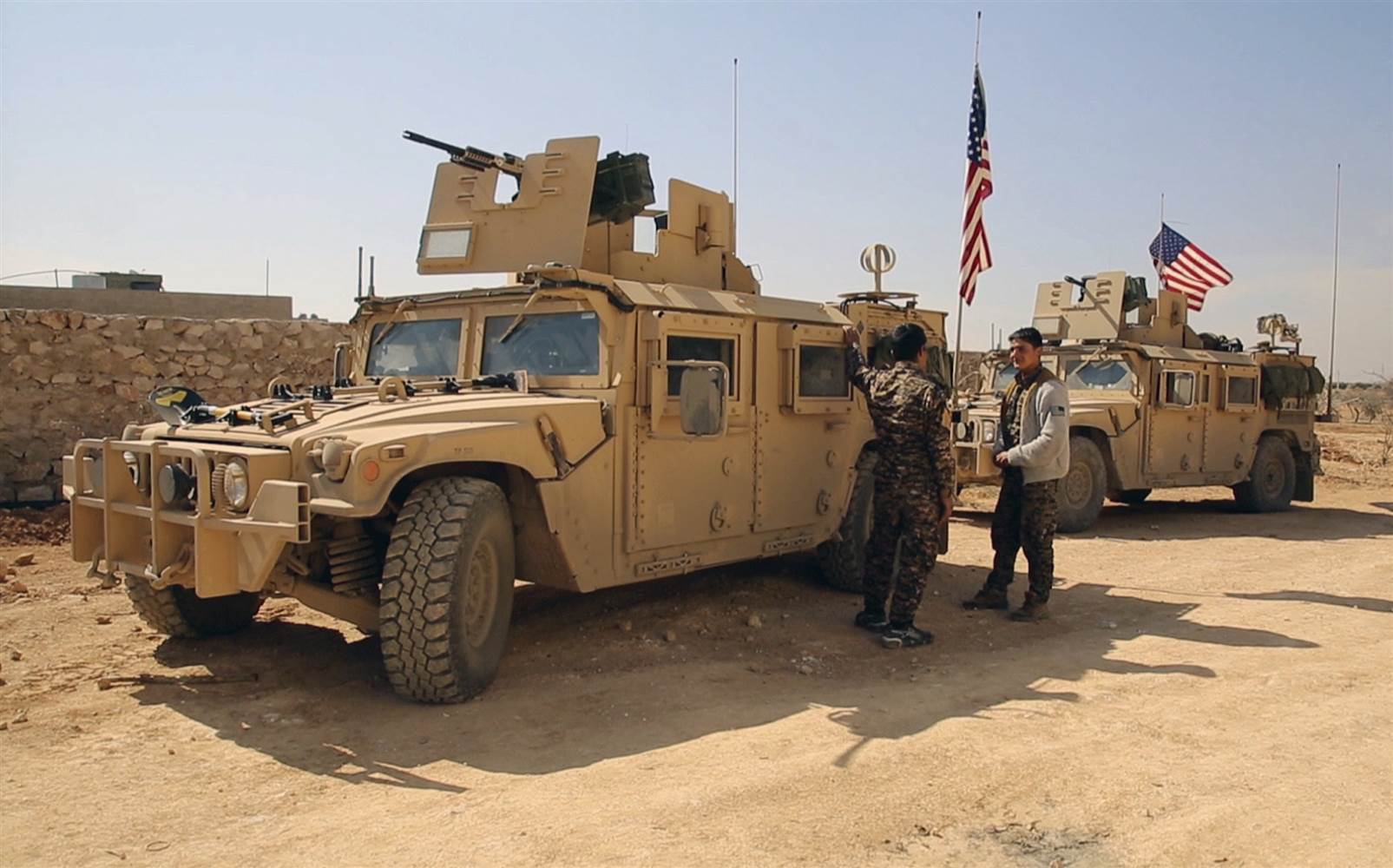
    US President Donald Trump has ordered increased military operations in Syria and delegated more authority to his generals despite lacking a comprehensive strategy, an approach that may spark a confrontation with Syria, Iran and Russia, according to US officials and analysts.

    The United States has taken a series of military actions over the past three months against Syrian government forces and its allies, including the shoot-down of a Syrian jet on Sunday.

    In April, Trump ordered cruise missile strikes against a Syrian airfield from which Washington said a deadly chemical weapons attack was launched.

    Analysts say these incidents are tactical and not part of any military strategy in Syria.

    “There isn’t an over-arching US strategy driving this,” said Charles Lister of the Middle East Institute.

    “This is just the result of tactical decisions by a commander on the ground whose only focus is a specific theater in Syria. He is acting to protect his assets … This is purely a series of tactical decisions that are creating a series of very serious strategic consequences.”

    Russia and Iran are both assisting Syrian President Bashar al-Assad to fight Daesh (ISIL) and other terrorist groups wreaking havoc in Syria.

    The larger problem, the officials and analysts said, is that Trump and his national security team have not prepared a long-term political strategy for dealing with Syria.

    “We have never had a coherent Syrian strategy,” said one US official, speaking on condition of anonymity. “We oppose Assad, but our main enemy is ISIS, which also opposes Assad. Our most capable allies are the (Kurdish) peshmerga, but Turkey, who is a NATO ally and host to an airbase that is central to our efforts, considers the Kurds enemies.”

    US General Joseph Dunford, the chairman of the Joint Chiefs of Staff, said Monday the US is working to restore a communications line with Russia intended to avoid mid-air collisions over Syria, after Moscow cut it off following the US downing of the Syrian military jet on Sunday.

    The deconfliction arrangement was first established with Russia in 2015 to avoid unnecessary conflict and miscommunication in the military movements of US-led coalition and Russian forces in Syria.

    The Russian military involvement in Syria began in September 2015 after an official request by the Syrian government for military assistance against terrorist groups.

    Different foreign-backed terrorist groups have been wreaking havoc in Syria since 2011. Over the past few months, Syrian forces have made sweeping gains against Takfiri elements, who have lately increased their acts of violence across the country following a series of defeats on the ground.