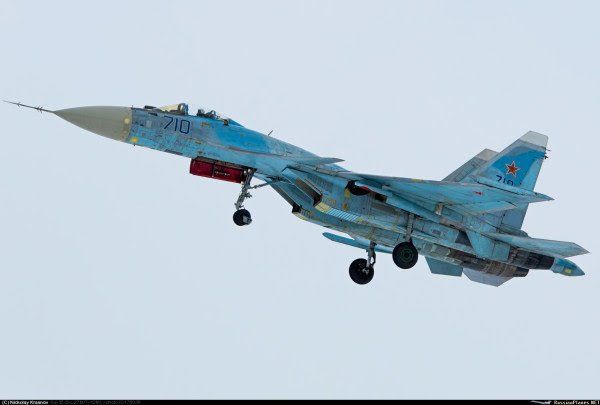
Design and Development History of the Su-30
The Su-30 project was initiated in the late 1980s by the Sukhoi Aerospace Corporation. The main goal behind designing this fighter was to create an upgraded version of the Su-27 that could not only perform air interception missions but also take part in offensive operations against ground and naval targets. While Su-27 fighters had a decent operational range, the Soviet military was seeking a fighter with extended reach to ensure full coverage of Soviet territory. Thus, the development of the Su-27PU began in 1986, which was considered a more advanced version of the Su-27 and capable of serving both as an interceptor and airborne command post.
The twin-seat Su-27UB was chosen as the design base for the Su-27PU due to its two-seat configuration. The first prototype of this fighter flew on June 6, 1987, and after successful testing, construction of two additional versions commenced. The first full-scale version of the Su-27PU flew on December 31, 1989, at the Irkut facility, and the first of three pre-production models flew on April 14, 1992, officially entering operational service with the Russian Air Force.
Between 1994 and 1996, the first batch of this fighter, consisting of five units, was delivered to the Russian Ministry of Defense, which in the same year renamed the aircraft from Su-27PU to Su-30.
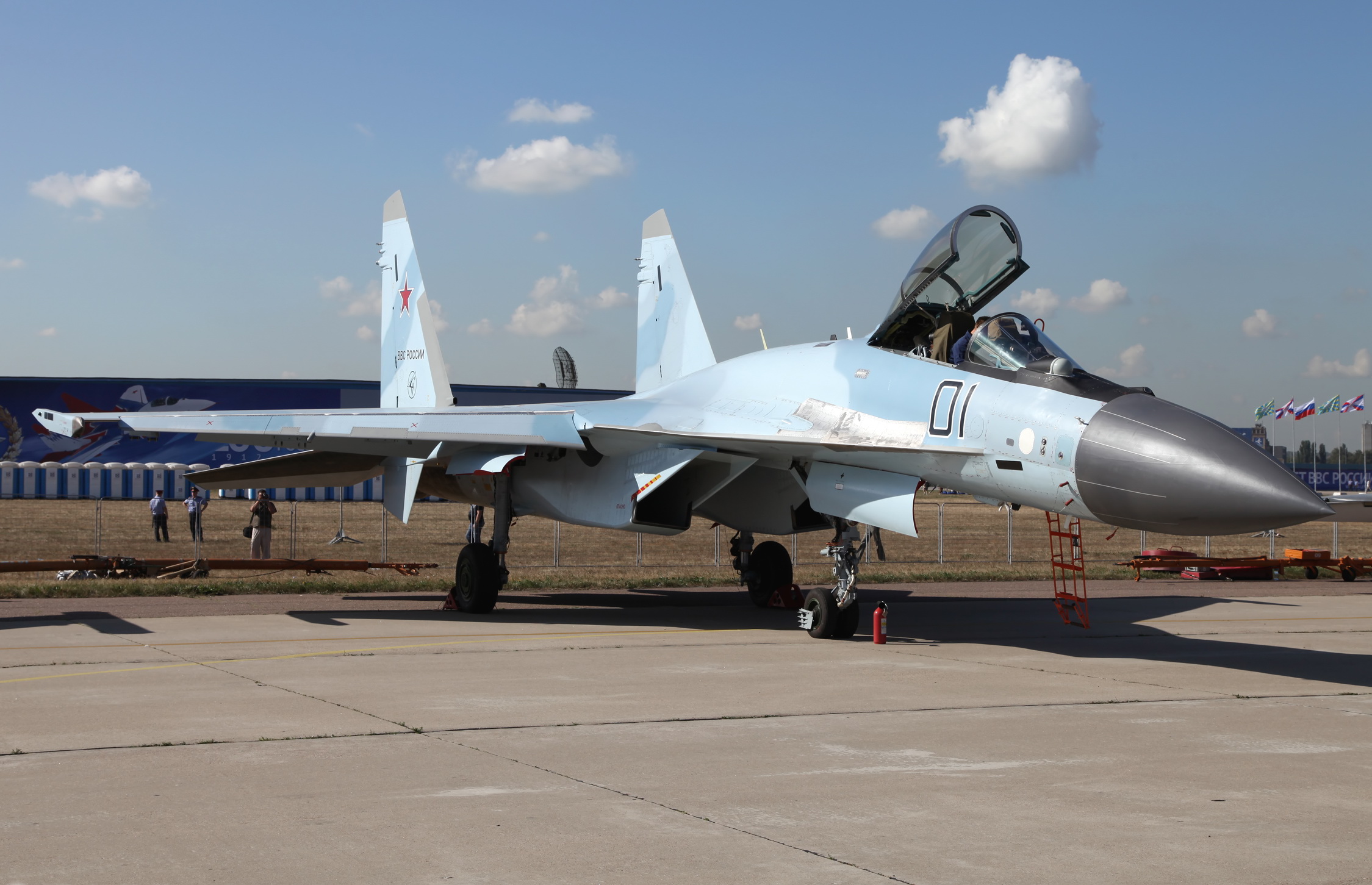
As mentioned earlier, the Su-30 is built on the Su-27 platform and has been transformed into a multirole fighter by adding a two-seat cockpit, advanced avionics systems, aerial refueling capability, and upgraded flight control systems. Its design includes an aerodynamic airframe with movable control surfaces, large air intakes, and twin vertical stabilizers. Production of this fighter has been carried out by Irkut and KnAAPO, and its export variants have been developed in collaboration with purchasing countries. It is worth noting that both companies are subsidiaries of Sukhoi. The internal design of this aircraft incorporates digital fly-by-wire flight controls, threat warning systems, electronic warfare capabilities, and secure communications, enhancing its operational performance in complex environments.
Dimensions and Aerodynamic Features of the Su-30
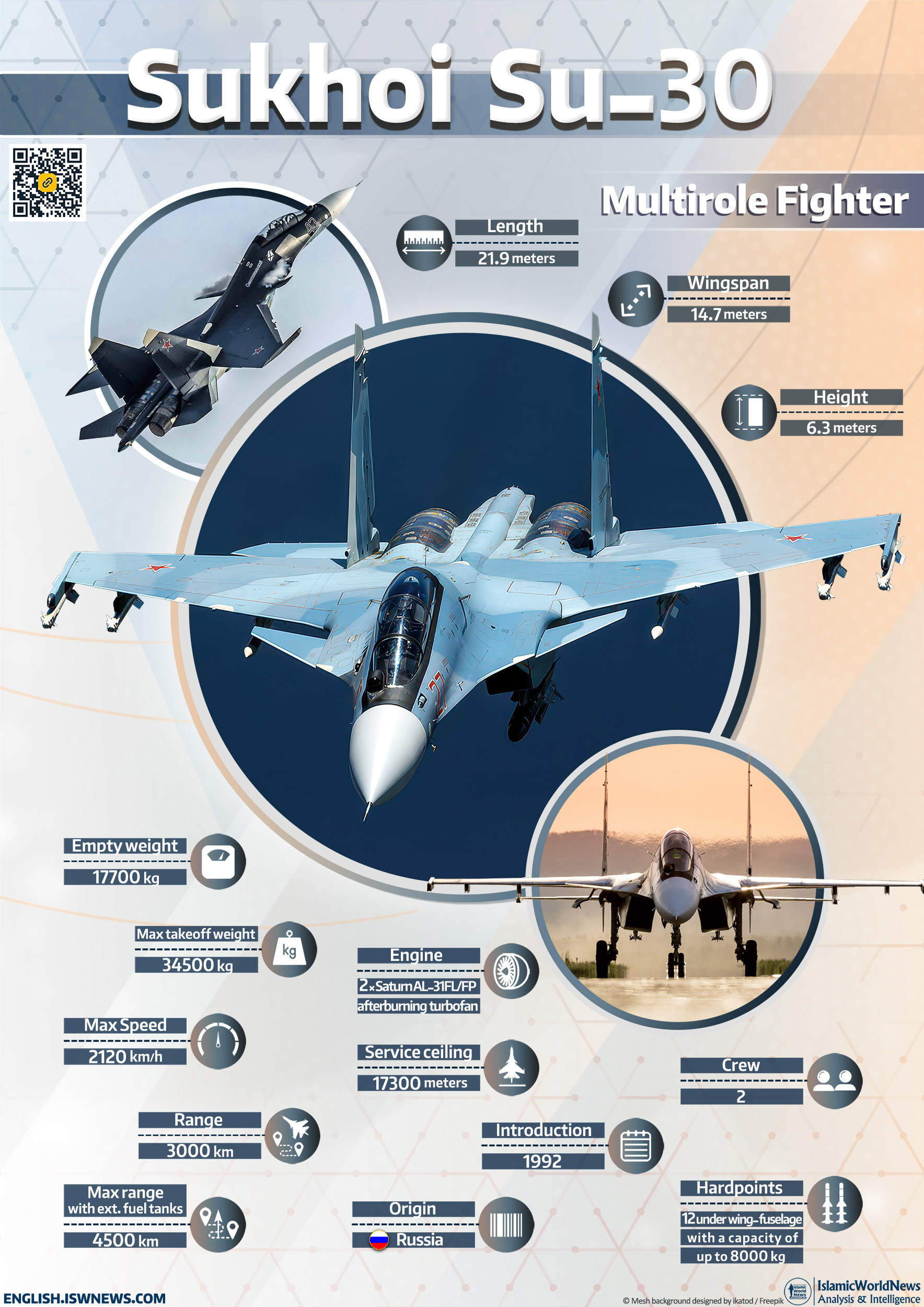
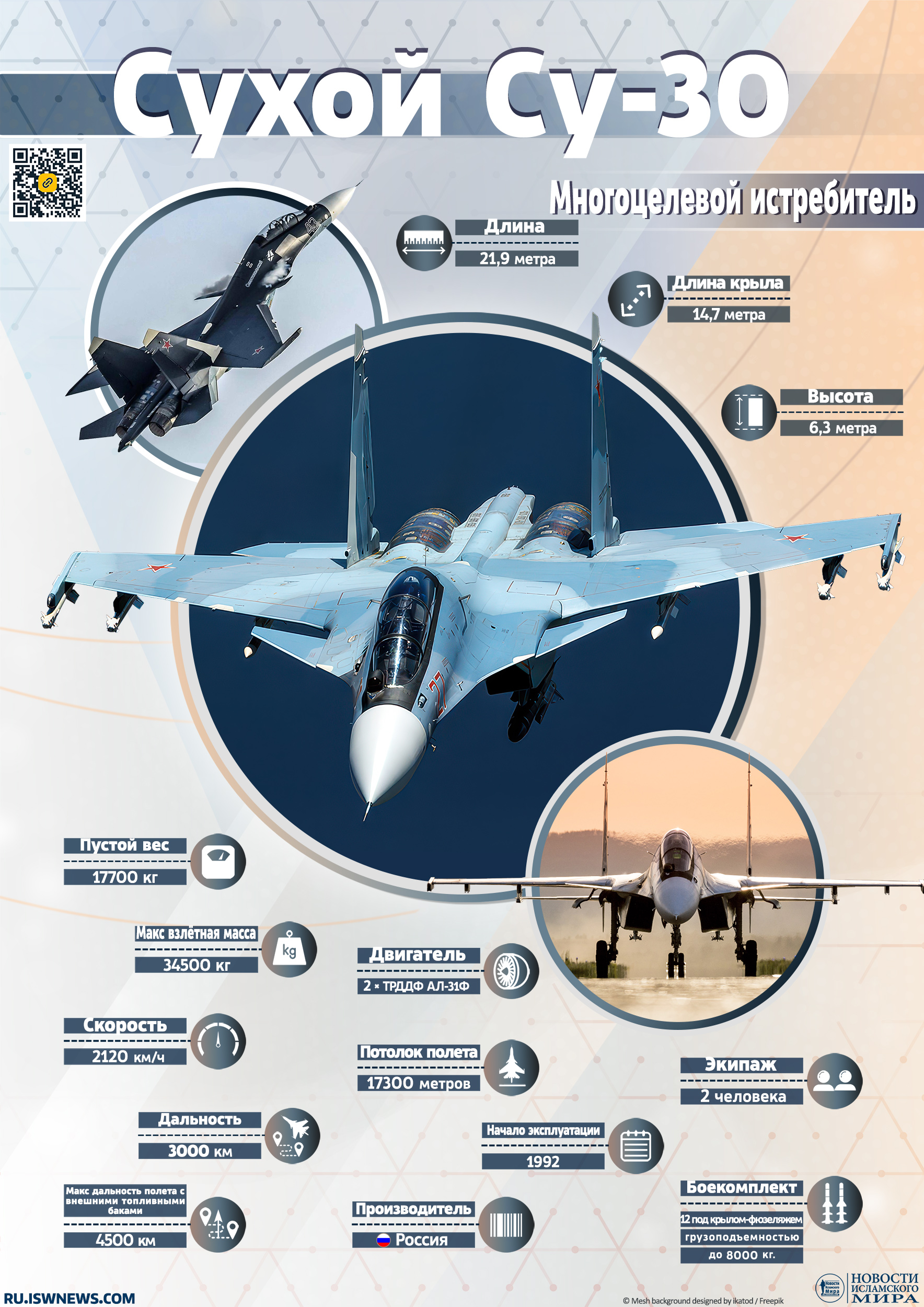
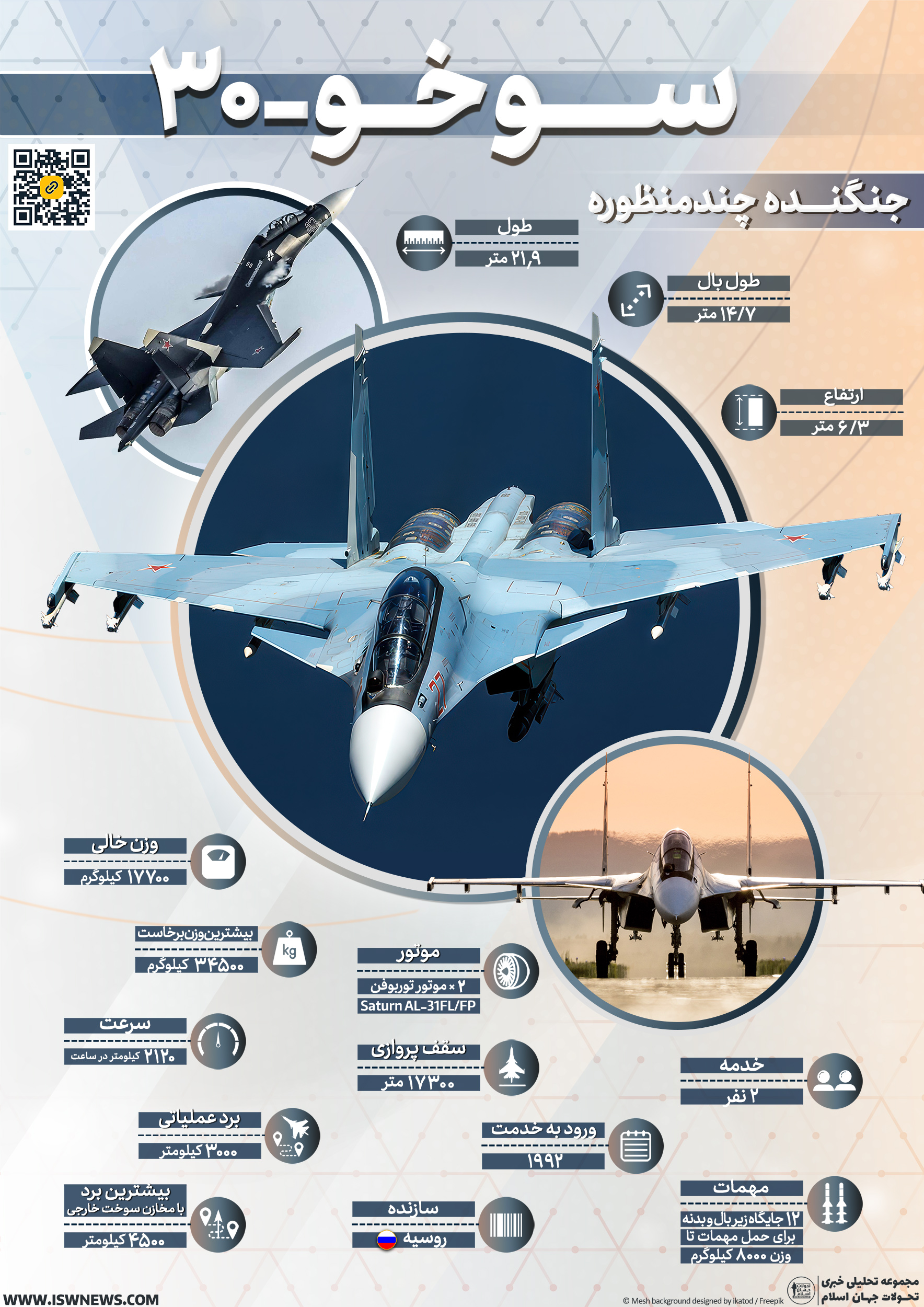
The Su-30 has a length of 21.9 meters, a wingspan of 14.7 meters, and a height of 6.36 meters. Its empty weight is approximately 17,700 kilograms, and its maximum takeoff weight reaches up to 34,500 kilograms. The aerodynamic design of this fighter—with large wings, movable control surfaces, twin vertical stabilizers, and thrust-vectoring engine nozzles—enables it to perform a wide range of complex and high-intensity aerial maneuvers such as the “Cobra,” “Tail Slide,” and “Flat Spin.”
The digital flight control system enhances stability and precision during maneuvers, ensuring reliable performance at high altitudes and high speeds. These features have granted the Su-30 a significant edge in aerial combat, making it exceptionally maneuverable in dogfight scenarios.


Engine and Propulsion System of the Su-30
The Su-30 is powered by two Saturn AL-31FL/FP turbofan engines, each capable of generating 12,500 kilograms of thrust. These engines are equipped with thrust-vectoring nozzles, which significantly enhance the aircraft’s maneuverability. The fighter can reach a maximum speed of approximately Mach 2 (2,120 kilometers per hour), and its service ceiling is 17,300 meters.

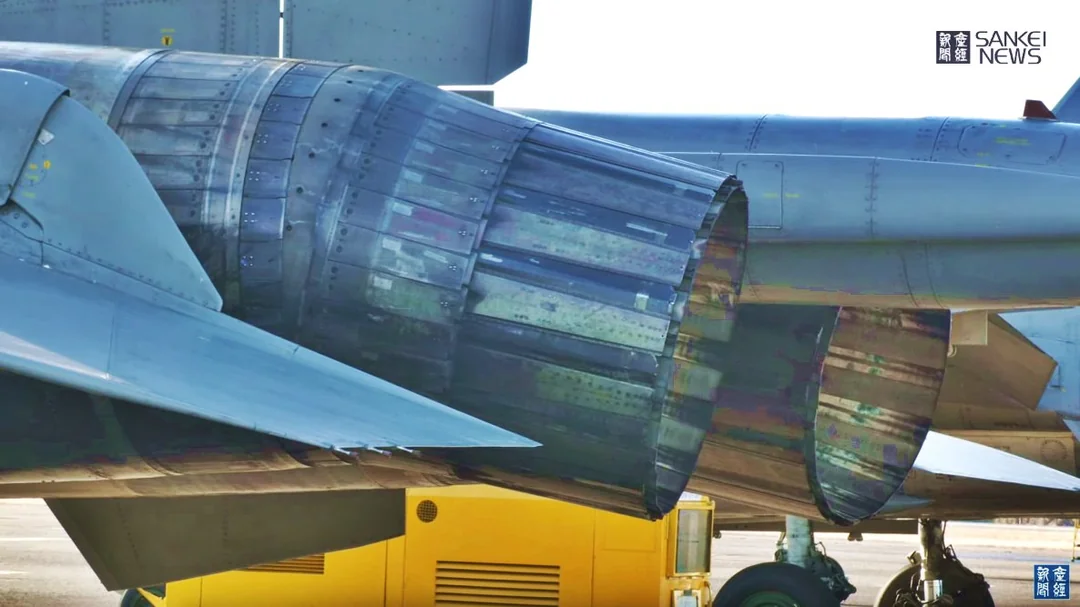

The Su-30 has a climb rate of approximately 230 meters per second and is capable of flying in harsh conditions and undertaking long-duration missions. Its engines, known for high reliability and ease of maintenance, play a crucial role in the aircraft’s operational success.
Internal and External Fuel Tanks and Maximum Range of the Su-30
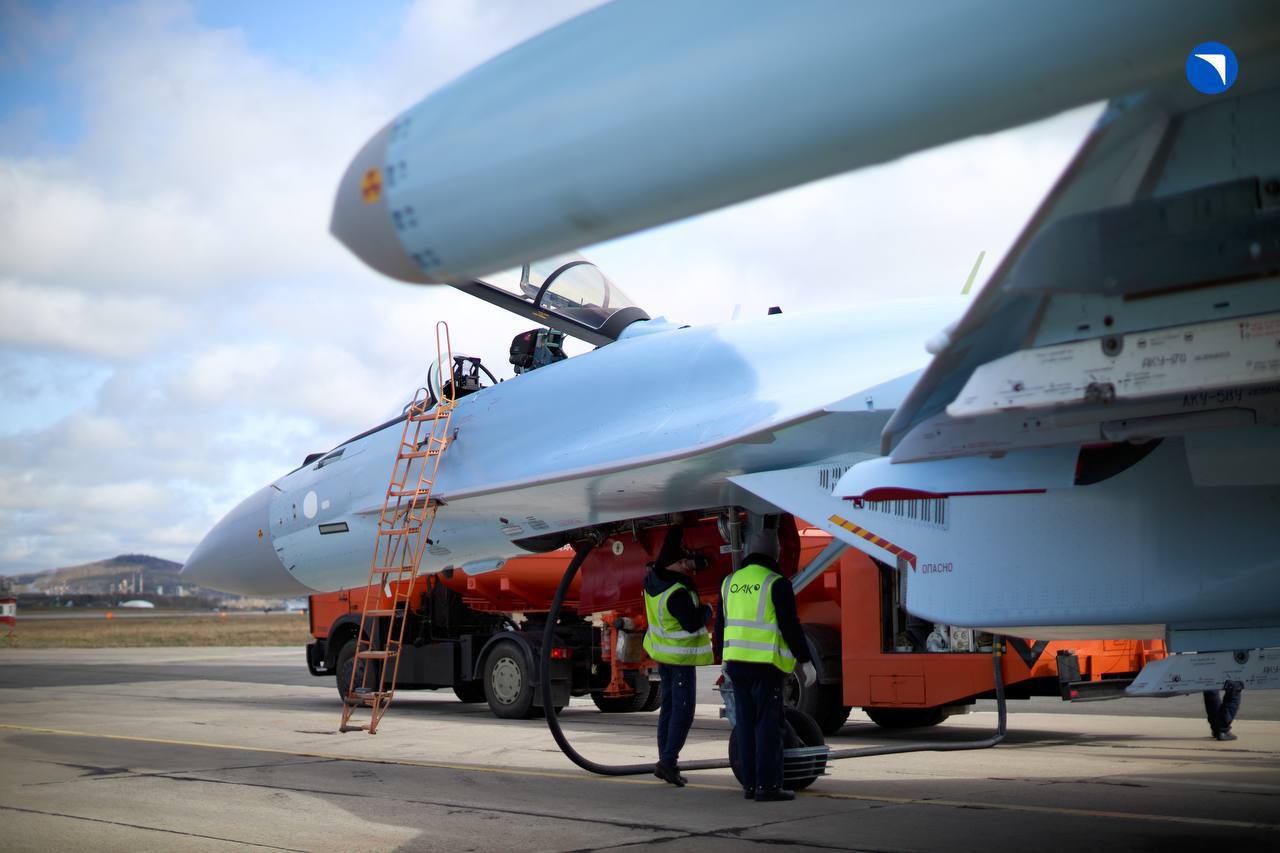
The Su-30 is equipped with standard internal fuel tanks holding approximately 9,640 liters, integrated within the fuselage and wings. These tanks are sufficient for medium-range missions, but for long-range operations or extended patrols, the aircraft is also designed to carry external fuel tanks.
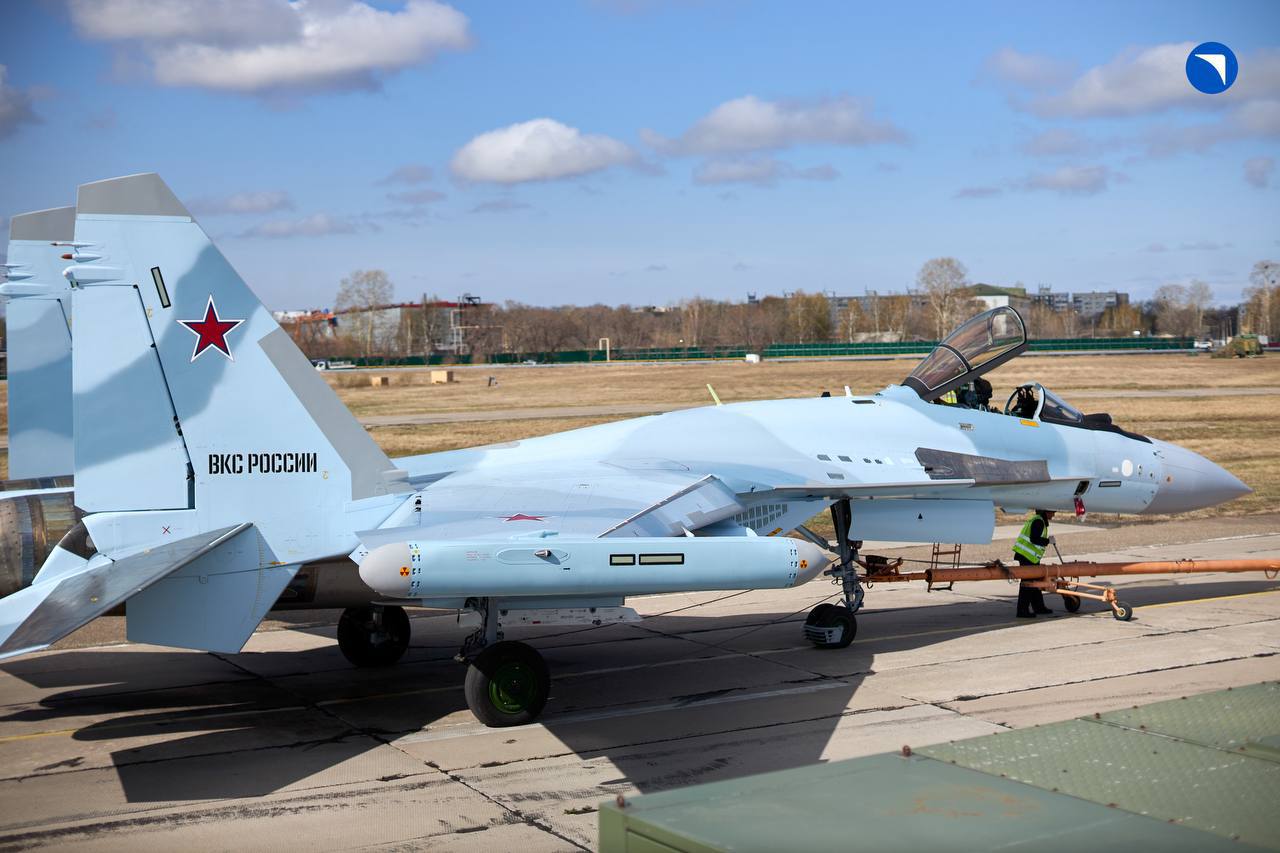
This fighter can mount up to three external fuel tanks on pylons beneath the wings and fuselage. Each external tank typically holds around 1,200 liters. With these additional tanks, the aircraft’s operational range increases significantly. Moreover, advanced variants such as the Su-30MKI and Su-30SM are fitted with aerial refueling systems, allowing them to receive fuel mid-flight from tanker aircraft. This capability is especially critical for long-duration missions and operations in remote areas.
The flight range of the Su-30 varies depending on configuration and mission profile. Under standard conditions using only internal fuel, it can fly up to approximately 3,000 kilometers. With external tanks added, this range extends to around 4,500 kilometers. In ferry mode, with aerial refueling, the range can exceed 5,200 kilometers. These figures demonstrate the Su-30’s ability to participate in long-distance missions or maritime patrols without relying on nearby bases.
Radar and Detection Systems of the Su-30
The Su-30 fighter, across its various versions, is equipped with two advanced radar systems that play a critical role in enhancing combat capability, target detection, and weapon guidance. These two radars are the N011M Bars and the Irbis-E, installed respectively in the standard and upgraded variants of the aircraft.
N011M Bars Radar – Fourth-Generation Passive Phased Array Radar
The N011M Bars is a pulse-Doppler radar with a Passive Electronically Scanned Array (PESA) configuration. It is deployed in models such as the Su-30SM (Russia), Su-30SME, Su-30MKI (India), Su-30MKM (Malaysia), and Su-30MKA (Algeria). This radar can detect large aerial targets at distances of up to 350 kilometers, track up to 15 targets simultaneously, and engage 4 targets at once. Its capabilities include ground and sea target detection, surface mapping, digital terrain imaging, and guidance for precision weapons.
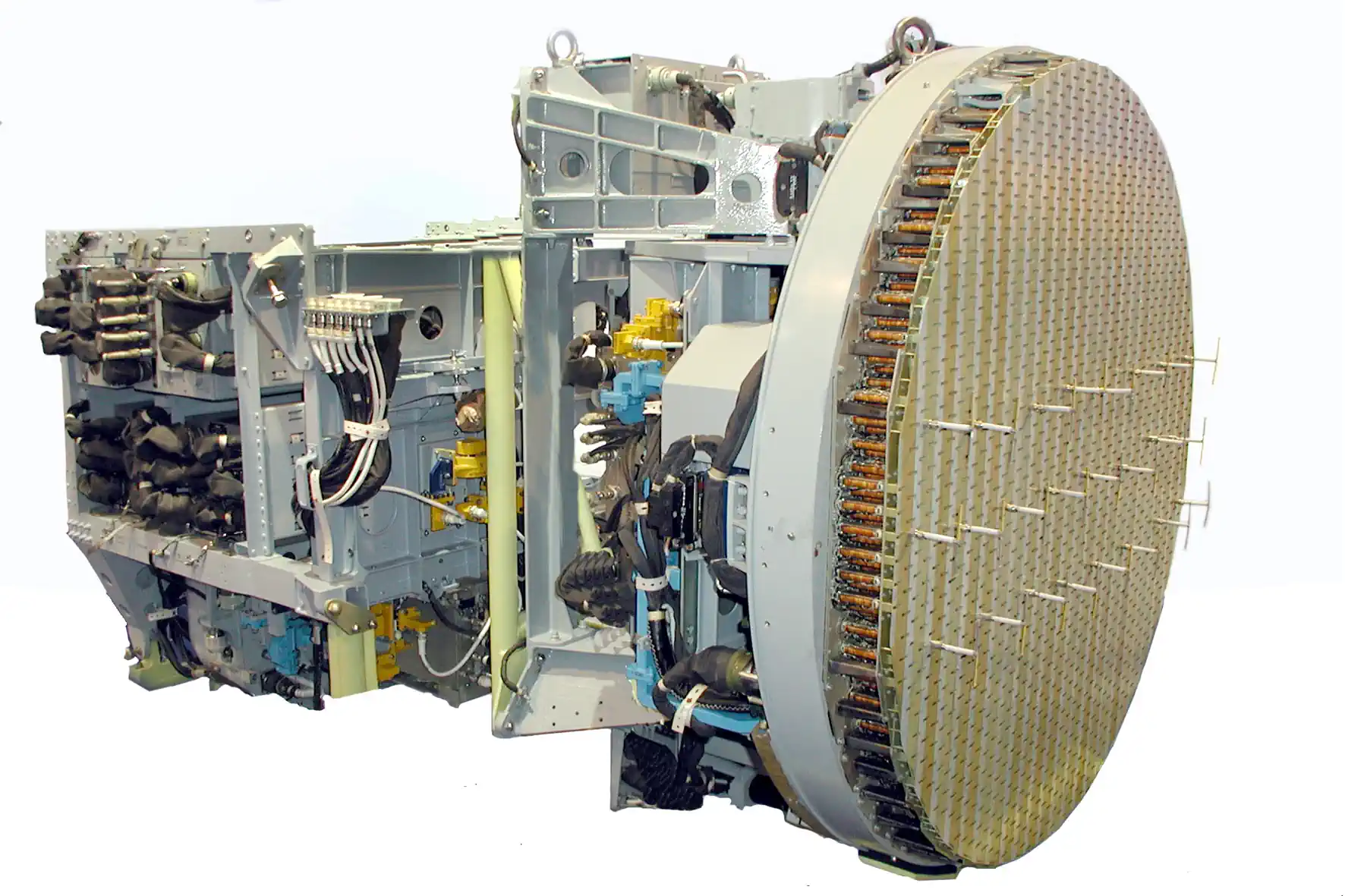
The Bars radar is integrated with the fighter’s avionics systems and is capable of countering electronic warfare threats. It is engineered to deliver stable and reliable performance during combined air-to-air and air-to-surface missions. Additionally, by supporting medium- and long-range missiles such as the R-77 and Kh-31, it plays a vital role in enhancing the accuracy and effectiveness of the aircraft’s weapon systems.
Irbis-E Radar – A Leap Toward 4.5-Generation Capabilities
The Irbis-E radar is an upgraded member of the Bars family and is installed in advanced Su-30 variants such as the Su-30SM2, and most notably in the Su-35 fighter. Like its predecessor, it features a Passive Electronically Scanned Array (PESA), but with higher output power and more advanced processors, delivering significantly enhanced performance. The Irbis-E can detect aerial targets at ranges up to 400 kilometers and is capable of tracking up to 30 targets simultaneously while engaging 8 of them at once.
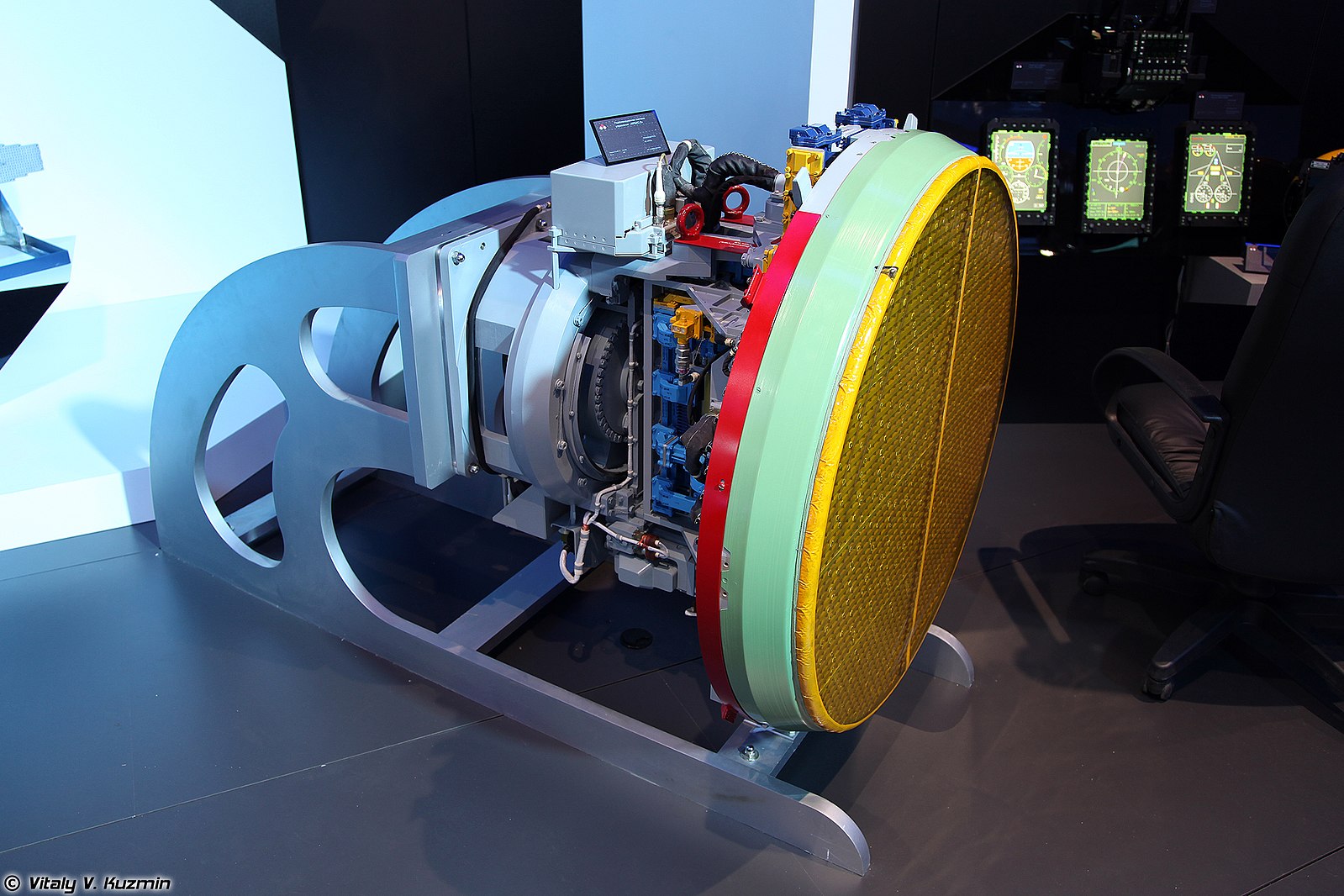
One of the standout features of the Irbis-E radar is its ability to detect low radar cross-section (RCS) targets such as drones, cruise missiles, and stealth aircraft. It maintains stable performance in complex environments with multiple threats and integrates seamlessly with electronic warfare systems and secure communications. Its capabilities in guiding advanced weaponry, precise terrain mapping, and resistance to electronic interference make the Irbis-E one of the most powerful radars installed on 4.5-generation fighters.
OLS-30 Infrared Search and Track System (IRST)
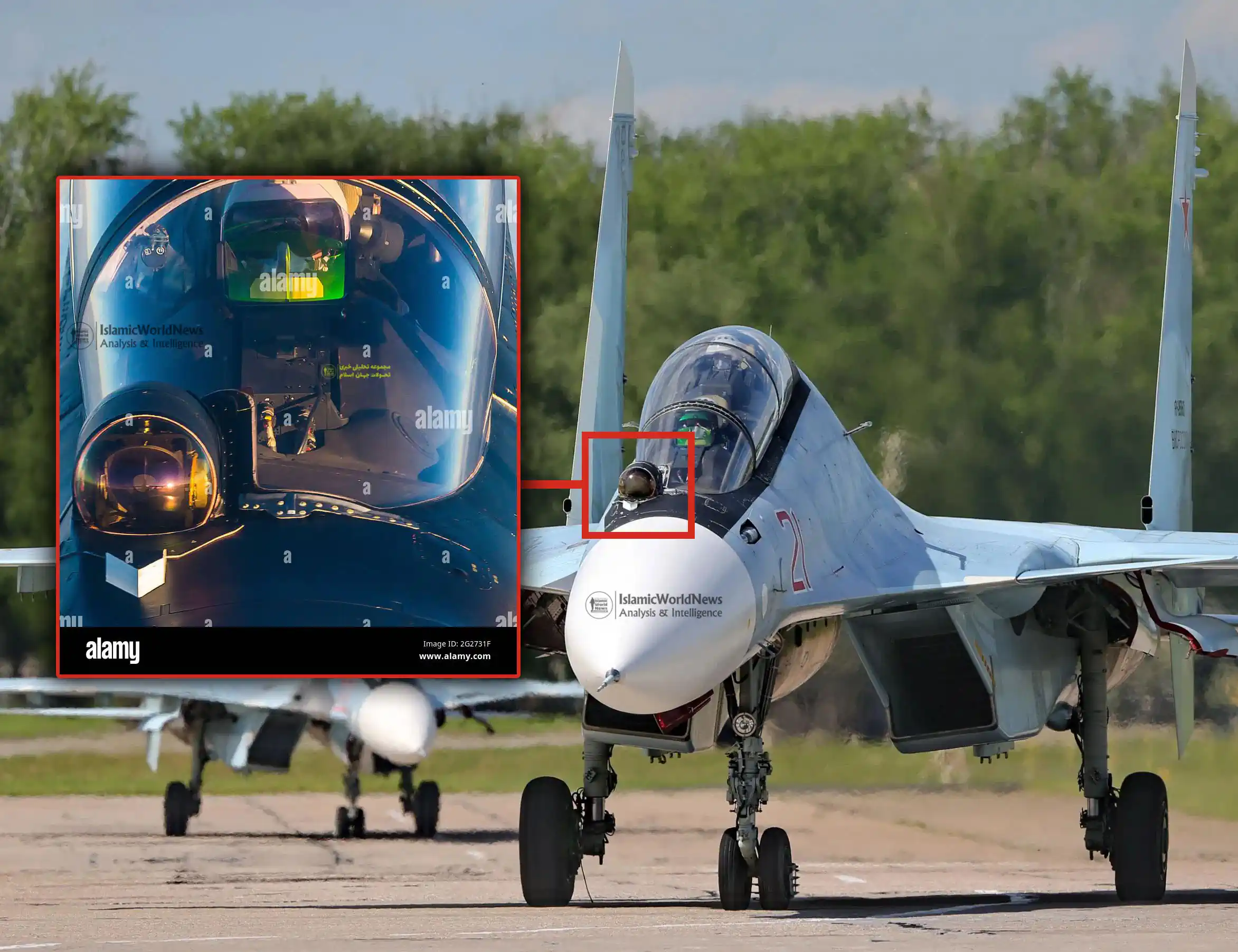
Mounted on the front-right section of the Su-30’s windshield is the OLS-30 infrared search and track system. This IRST unit includes a thermal sensor, a laser rangefinder, and a television camera.
The OLS-30 provides ±60 degrees azimuth coverage with an elevation range of +60 to -10 degrees. It can detect and track enemy aircraft approaching head-on at a distance of 50 kilometers and from the rear at up to 90 kilometers. The laser rangefinder supports targeting for laser-guided weapons up to 3 kilometers for aerial targets and up to 10 kilometers for ground targets.
Additionally, the OLS-30 features two fields of view: a wide mode (20° × 5°) and a narrow mode (3° × 3°), with the latter optimized for precise targeting in both beyond-visual-range (BVR) and within-visual-range (WVR) air combat.
The Su-30 is also equipped with the SPO-150 radar warning receiver system, designed to detect radar lock signals from enemy aircraft and surface-to-air missiles. Working in conjunction with electronic counter-countermeasure (ECCM) systems, this setup provides the Su-30 with a reliable layer of defensive protection against modern electronic threats.
Avionics and Cockpit of the Su-30
The Su-30 features a two-seat cockpit accommodating both the pilot and co-pilot. Each position is equipped with K-36DM ejection seats. In advanced variants such as the Su-30MKI and Su-30SM, the cockpit includes multiple color LCD multifunction displays (MFDs) that simultaneously present flight data, weapon status, digital maps, and radar information..
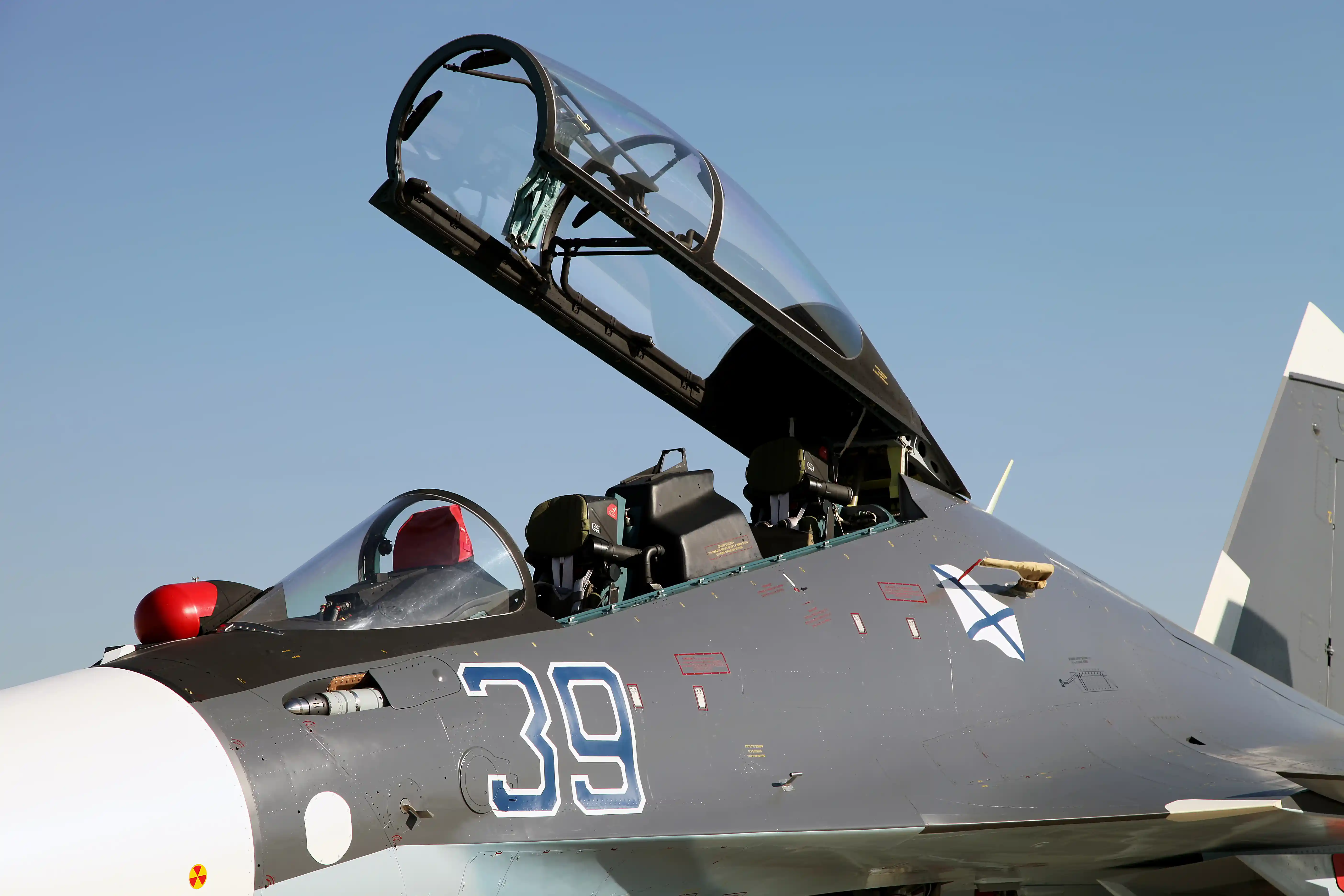
The Head-Up Display (HUD) is mounted in front of the pilot and presents critical flight information—such as speed, altitude, angle of attack, target status, and flight path—without requiring the pilot to look down. This HUD is designed for round-the-clock use and remains effective under various weather conditions.
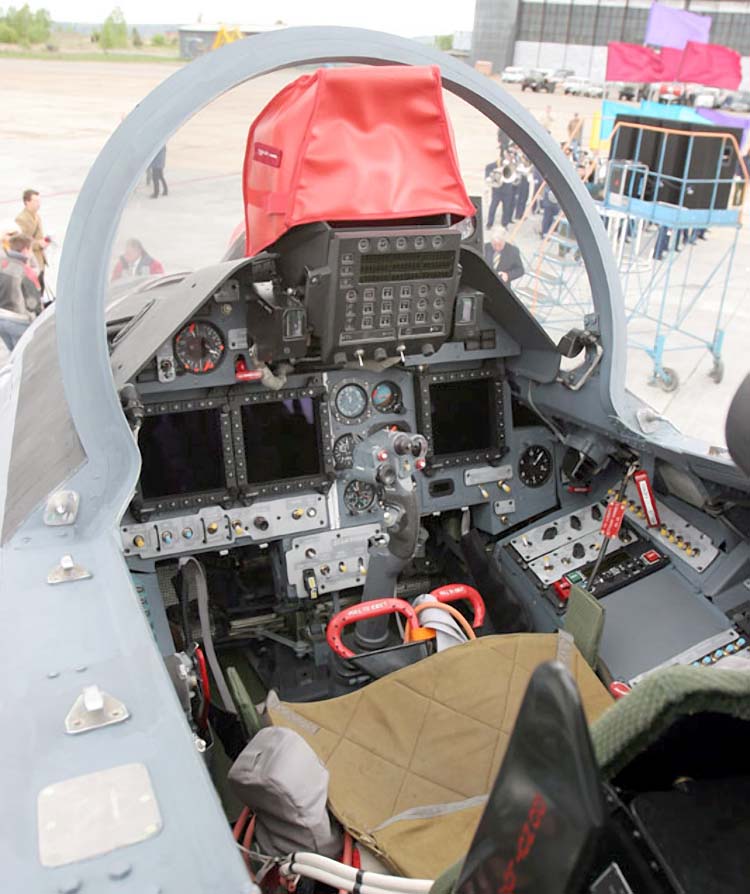
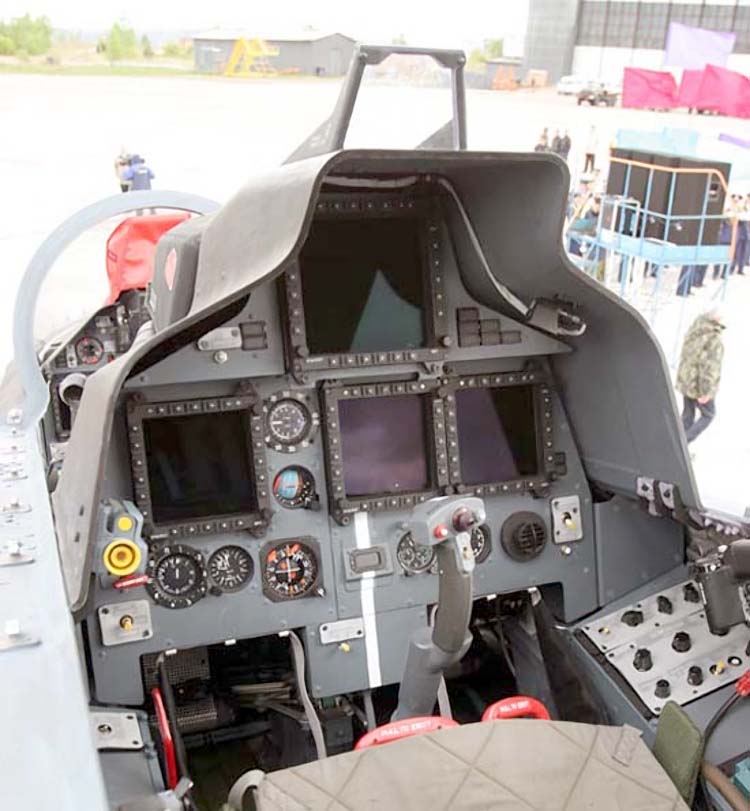
The Su-30’s avionics suite includes satellite navigation systems (GLONASS and GPS), secure communications, and precision weapon guidance capabilities. In certain variants, an optical targeting system (IRST) is also installed, which uses infrared sensors to detect targets without emitting radar signals. This feature is particularly effective in stealth operations and counter-electronic warfare scenarios.
In terms of communications, the aircraft is equipped with encrypted VHF/UHF radios, enabling secure links with ground stations and other aircraft. It also features tactical data transmission systems. Some versions, such as the Su-30MKI, are fitted with data links that allow real-time information sharing with other aircraft and drones, supporting network-centric warfare operations.
Weapons Stations and Armament of the Su-30
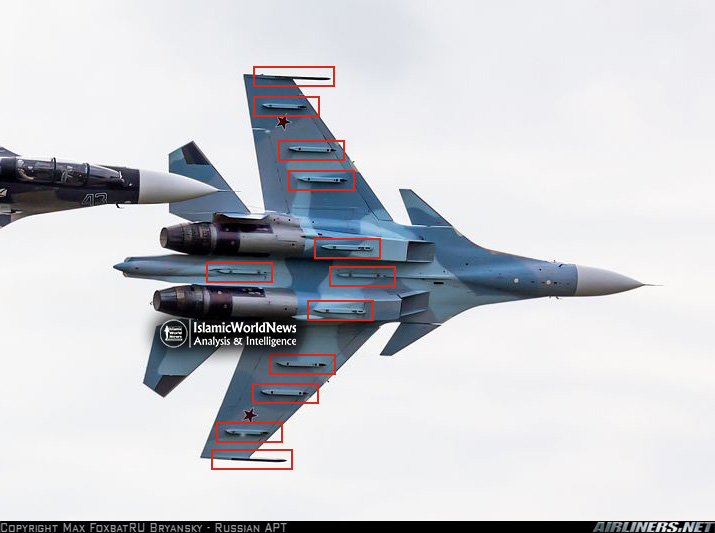
The Su-30 is equipped with 12 external hardpoints capable of carrying up to 8,000 kilograms of ordnance. This multirole fighter can deploy a wide range of weaponry, including air-to-air missiles such as the R-77 and R-73, air-to-surface missiles like the Kh-29, Kh-31, and Kh-59, as well as guided and unguided bombs, auxiliary fuel tanks, reconnaissance pods, and electronic warfare equipment. In line with standard Sukhoi fighter configurations, the Su-30 is also fitted with a 30mm GSh-30-1 autocannon mounted on the right side of the fuselage near the cockpit.
Variants of the Su-30
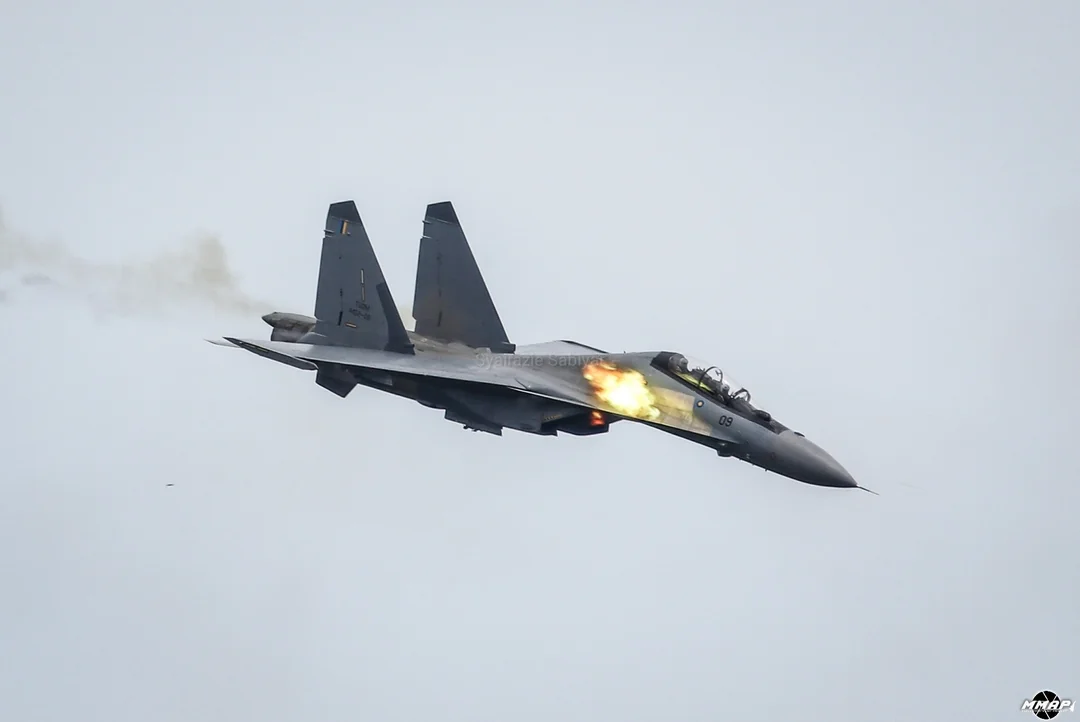
The Su-30, considered the second generation of the Flanker family following the Su-27, has been produced in multiple variants, each tailored to meet specific operational requirements. The Su-30MKI variant, developed for India, features French and Israeli avionics, thrust-vectoring engines, and compatibility with Western systems. The Su-30MKK, designed for China, incorporates indigenous systems and is capable of deploying Chinese munitions. The Su-30MKM, built for Malaysia, includes Western avionics and advanced electronic warfare systems. Similarly, the Su-30MKA for Algeria shares many features with the MKI.
It is worth noting that all variants bearing the “MK” suffix are export-oriented models of the Su-30. The abbreviation “MK” stands for Modernizirovannyi Kommercheskiy, meaning “Modern Commercial.”
The Su-30SM variant was specifically developed for the Russian military and is equipped with the Bars-R radar and AL-31FP engines, enabling it to perform combined mission profiles. This diversity of configurations highlights the Su-30 platform’s high adaptability to a wide range of operational demands.
Below we will introduce the different models of this fighter in more detail.
Early Versions of the Su-30 Fighter:
1- Su-30 (Su-27PU): This variant is a modernized version of the Su-27UB, with only five units produced. It was specifically used by Russian air defense forces.

2- Su-30MK Variant: An export-oriented version of the Su-30M, first introduced in 1993. Export models featured navigation and communication systems developed by India’s HAL corporation.
3- Su-30K Variant: An export version of the Su-30, purchased by the Indian Air Force in the late 1990s.
4- Su-30KI Variant: A proposal by Sukhoi to upgrade older Su-27S fighters. This version was also offered for export to Indonesia, which initially ordered 24 units, but the acquisition was halted in 1997 due to the Asian financial crisis.
5- Su-30KN Variant: An upgrade program for Su-27UB, Su-30, and Su-30K aircraft. Although the project was canceled in Russia, it later evolved into the Su-30M2. Belarus upgraded Indian Su-30K fighters to the Su-30KN standard.

6- Su-30MKI Variant: This export version was developed for India in collaboration with Hindustan Aeronautics Limited (HAL). It is the first member of the Su-30 family to feature thrust-vectoring engines. Additionally, it is equipped with electronic systems jointly produced by Russia, India, France, and Israel.
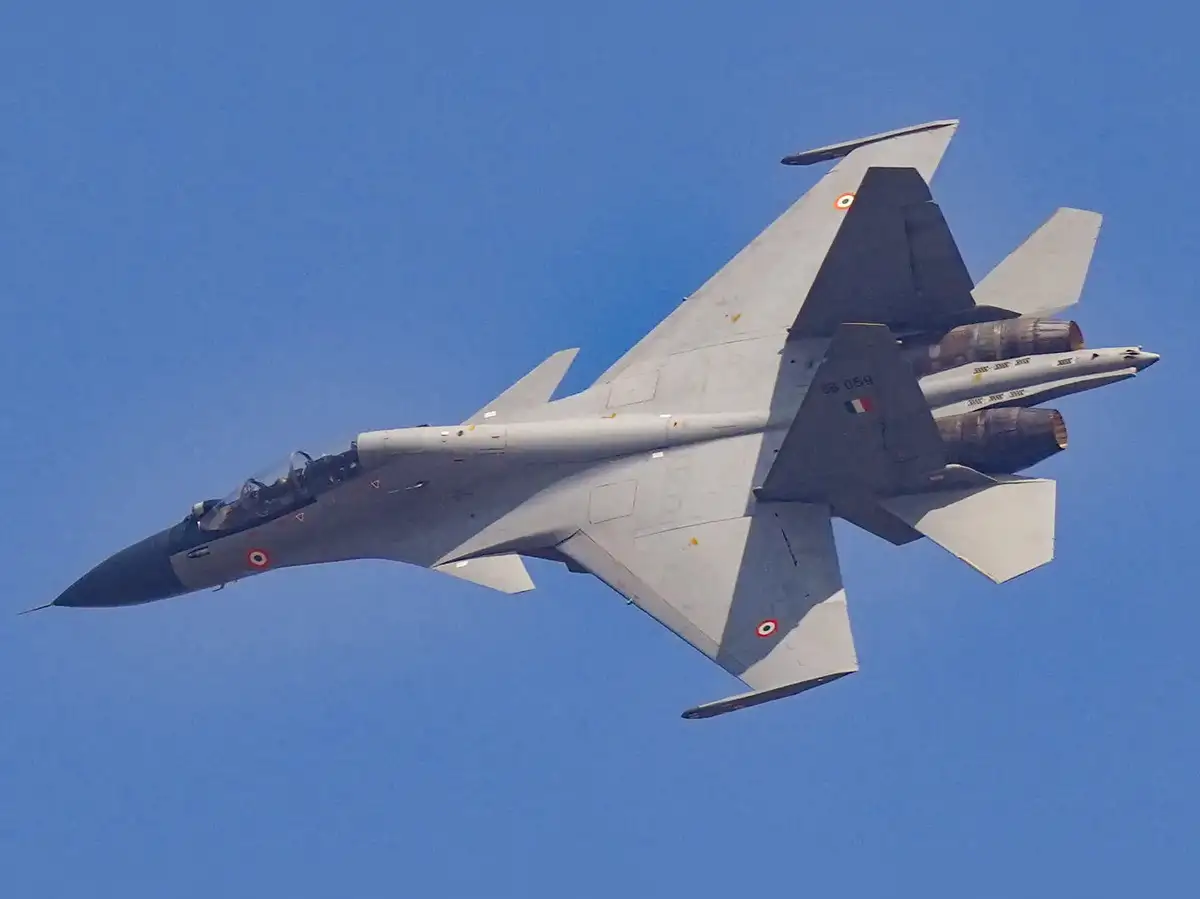
7- Su-30MKA Variant: An export version developed for Algeria, equipped with Russian and French electronic systems.
8- Su-30MKM Variant: A Russian/Indian derivative of the Su-30MKI, custom-built for the Royal Malaysian Air Force. This variant features thrust-vectoring engines, helmet-mounted displays, French-made laser guidance systems, South African laser warning sensors, a Russian phased-array radar, and advanced electronic warfare systems.
9- Su-30SM Variant: A specialized model of the Su-30MKI, manufactured by Irkut for the Russian Air Force and designated by NATO as Flanker-H. Classified as a 4+ generation fighter, the Su-30SM is equipped with upgraded radar systems, advanced radio communications, IFF (Identification Friend or Foe) systems, modern ejection seats, updated weaponry, and new electronic systems. It uses the N011M Bars radar with a detection range of up to 400 kilometers. Additionally, each wingtip can be fitted with SAP-518 electronic warfare pods.


10- Su-30SM1/SMD Variant: An upgrade program for Russia’s Su-30SM fighters, featuring the N035 Irbis radar and AL-41F1S engines—both originally developed for the Su-35. This radar can detect an F-15 from distances exceeding 300 kilometers. The upgraded aircraft are capable of carrying and launching a wide array of modern bombs and missiles.
11- Su-30MK2V Variant: A modified version of the Su-30MK2 designed specifically for Vietnam.
12- Su-30SME Variant: An export version of the Su-30SM, first unveiled at the Singapore Airshow in 2016.
13- Su-30MKK Variant: An export model developed for China, also known by its NATO designation Flanker-G.
14- Su-30MK2 Variant: A more advanced version of China’s Su-30MKK, exported to countries like Indonesia and Uganda, featuring upgraded weapons and systems.
15- Su-30MKV Variant: An export version of the Su-30MK2 tailored for Venezuela.
16- Su-30M2 Variant: A derivative of the Su-30MK2, produced by the KnAAPO plant for the Russian Air Force. The first order was placed in 2009, and twenty units were delivered in 2012. Most of these aircraft are primarily used as training platforms.
17- Su-30MK3 Variant: A proposed model equipped with the Zhuk-MSF radar system.
Export Market and Operators of the Su-30
The Su-30 has been exported to 14 countries and remains in active service. Nations operating this fighter include India, China, Algeria, Malaysia, Venezuela, Vietnam, Armenia, Belarus, Indonesia, Kazakhstan, Angola, Uganda, Ethiopia, and Myanmar. Among these, India is the largest operator, with 272 units in service. Following India, Russia operates around 134 aircraft, China has 97 units, and Algeria possesses 59 aircraft. The estimated export price per unit is approximately $47 million.
It is reported that the Su-30 has also been offered to Iran’s armed forces. Speculation about its potential delivery to Iran intensified following the 12-day conflict between Israel and Iran, though no official confirmation has been made.
Key Features of the Su-30 and Its Complementary Role with the Su-35
One of the Su-30’s most notable attributes is its high maneuverability, enabled by thrust-vectoring engines, which give it a significant edge in close-range aerial combat. Its ability to perform air-to-surface missions, reconnaissance, close air support, and long-range interception makes it a truly multirole fighter.
Read more: Military Knowledge: Sukhoi Su-35 Multirole Fighter Jet
Alongside the more advanced Su-35, the Su-30 serves as a complementary platform. While the Su-35 is designed for air superiority with a more powerful radar and advanced avionics, the Su-30 excels in flexible multirole operations, including support and combined missions. Together, these aircraft can significantly strengthen the defensive capabilities of countries that operate both models.
Thanks to its upgrade potential and adaptability to various systems, the Su-30 remains a top choice for nations seeking to enhance their air power. Paired with advanced fighters like the Su-35, it plays a strategic role in modern air defense structures.
Su-30 Fighter Specifications
Type: Multirole fighter
Origin: Russia
Design Bureau: Sukhoi
Manufacturers: KnAAPO / Irkut Corporation
First Flight: December 31, 1989
Production Period: 1992 to present
Total Units Built: Over 630
Crew: 2
Length: 21.935 meters
Wingspan: 14.7 meters
Height: 6.36 meters
Empty Weight: 17,700 kg
Maximum Takeoff Weight: 34,500 kg
Engine Type: Two Saturn AL-31FL/FP afterburning turbofan engines
Maximum Speed: 2,120 km/h
Combat Radius: 3,000 km
Service Ceiling: 17,300 meters
Armament Capabilities of the Su-30:
- Cannon: 30mm GSh-30-1 autocannon
- External Hardpoints: 12 stations with a total payload capacity of up to 8,000 kg
Compatible Bomb Types:
- Cluster bombs: SPBE-D, RBK-500
- General-purpose bombs: ODAB-500PM, OFAB-250-270, OFAB-100-120
- High-explosive bombs: FAB-500T, BETAB-500
- Precision-guided bombs: KAB-500OD, KAB-500KR, KAB-1500L, KAB-1500KR
Compatible Rocket Types:
- 80mm S-8 rockets (range: 1–4.5 km)
- 122mm S-13 rockets (range: 1–4 km)
- 340mm S-25 rockets (range: up to 3 km)
Compatible Missile Types:
- Air-to-Air Missiles:
- All variants of the medium-range Vympel R-27 (range: 40–170 km)
- Short-range Vympel R-73E (range: 30 km)
- Medium-range Vympel NPO R-77 (range: 80–200 km) (Note: The stated ranges represent maximum engagement distances, not guaranteed hit ranges.)
- Air-to-Surface Missiles:
- Kh-29T/L (range: 10–12 km)
- Kh-59M/ME (range: up to 200 km)
- Anti-Radiation Missile:
- Kh-31P (range: 110 km)
- Anti-Ship Missile:
- Kh-31A (range: 25–105 km)
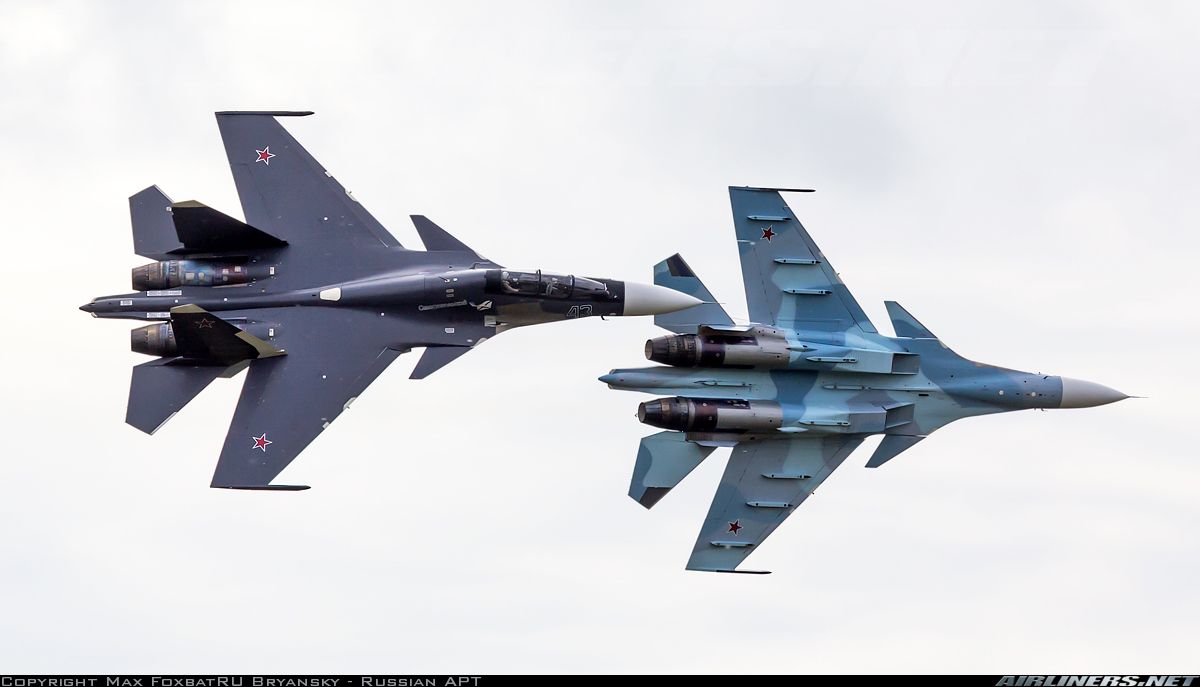
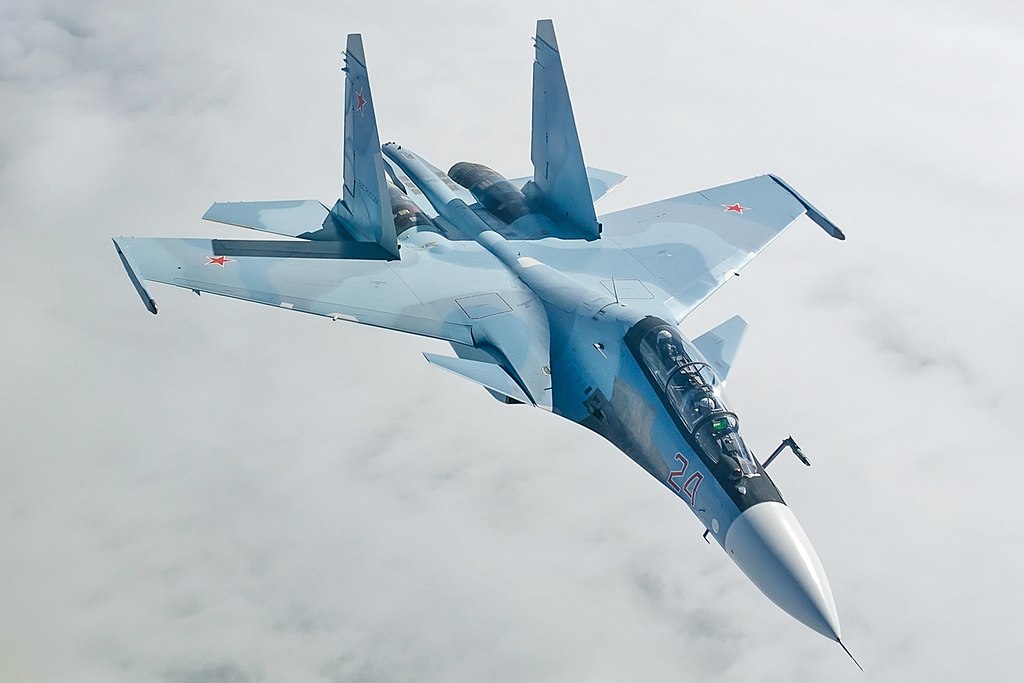
More pictures of the Su-30


Source:
Wikipedia: Sukhoi Su-30 | Defense Feeds: Sukhoi Su-30 Overview | AeroCorner: Su-30MK Specs & Details | AusAirPower: Flanker Series Analysis | GlobalSecurity: Su-30 Profile | Milavia: Su-30 Fighter Overview | Vectorsite Archive: Su-27/30 Technical History | A look at Russia’s enhanced Sukhoi Su-30SM2