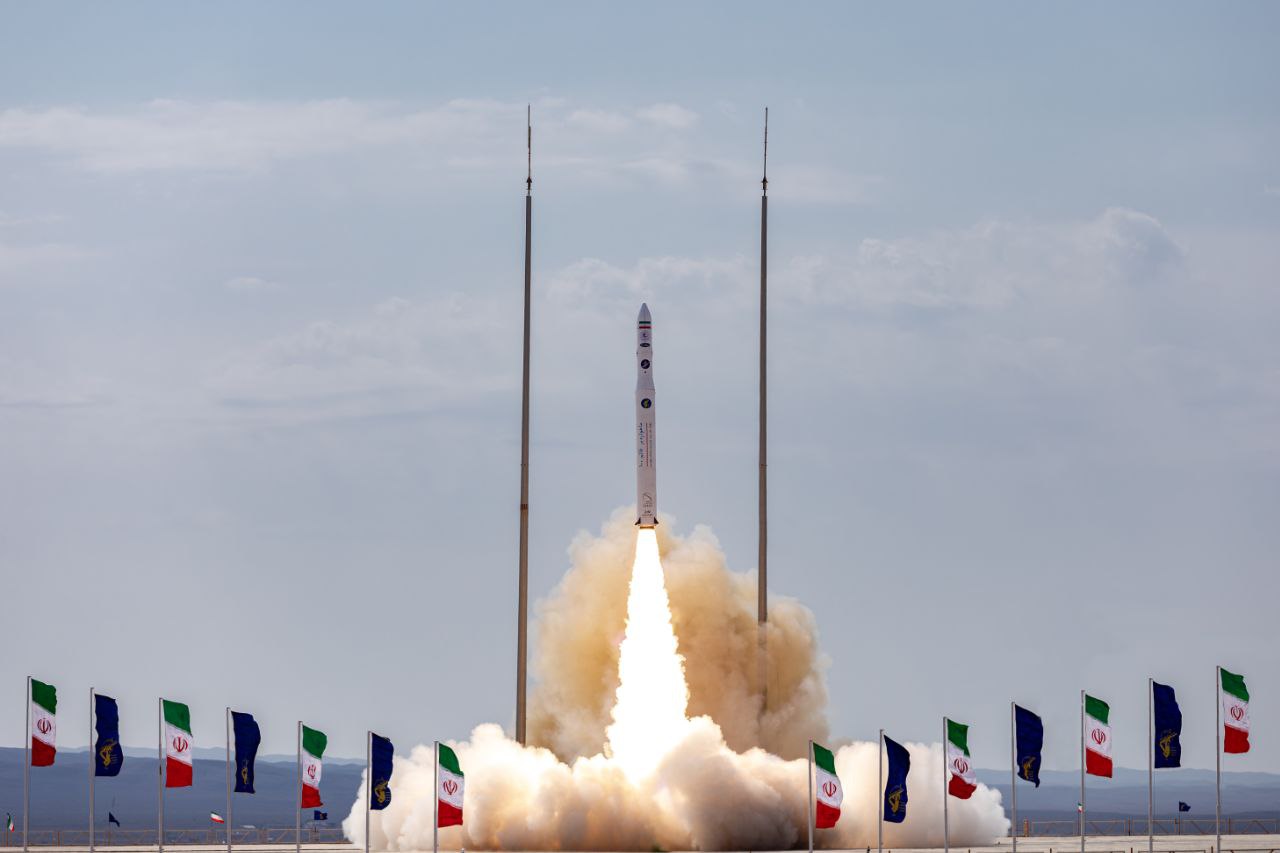
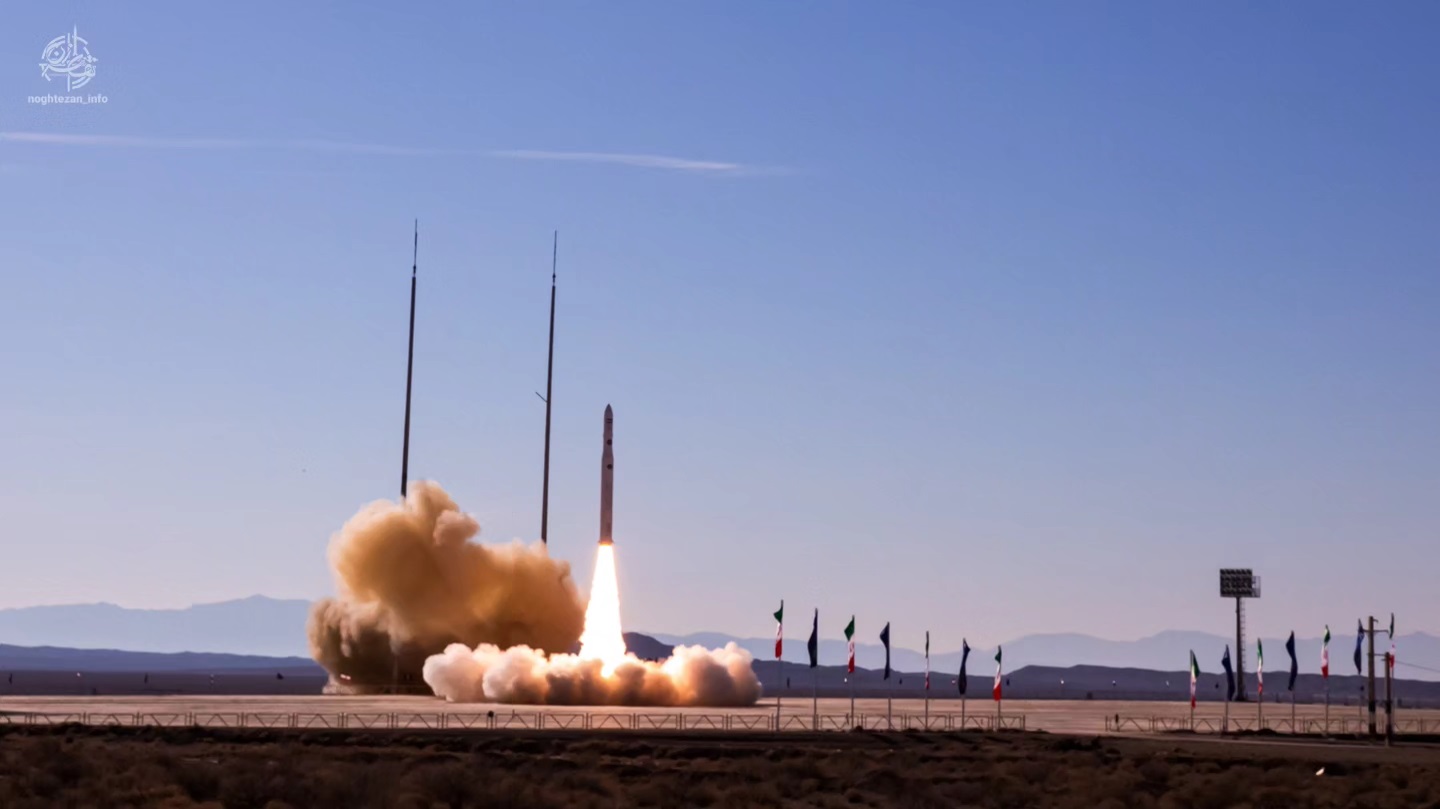
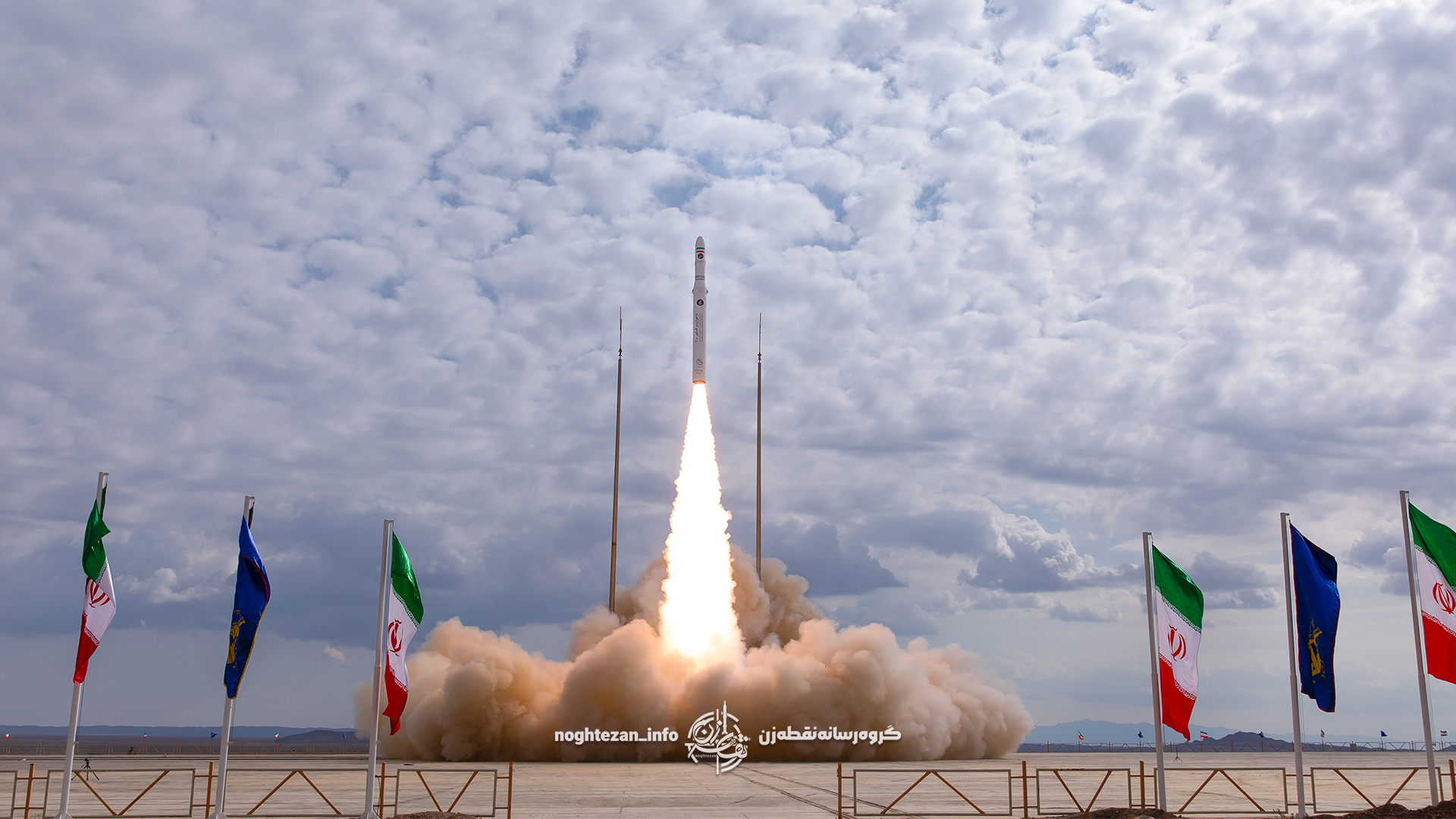
Commander of the Islamic Revolution Guards Corps (IRGC) Aerospace Force Brigadier General Amir Ali Hajizadeh confirmed that the Chamran-1 satellite was launched into the 550-kilometer orbit with the Qaem-100 space launch vehicle and was placed in orbit round the earth with the help of a three-stage launcher at a speed of 7.5 kilometers per second.
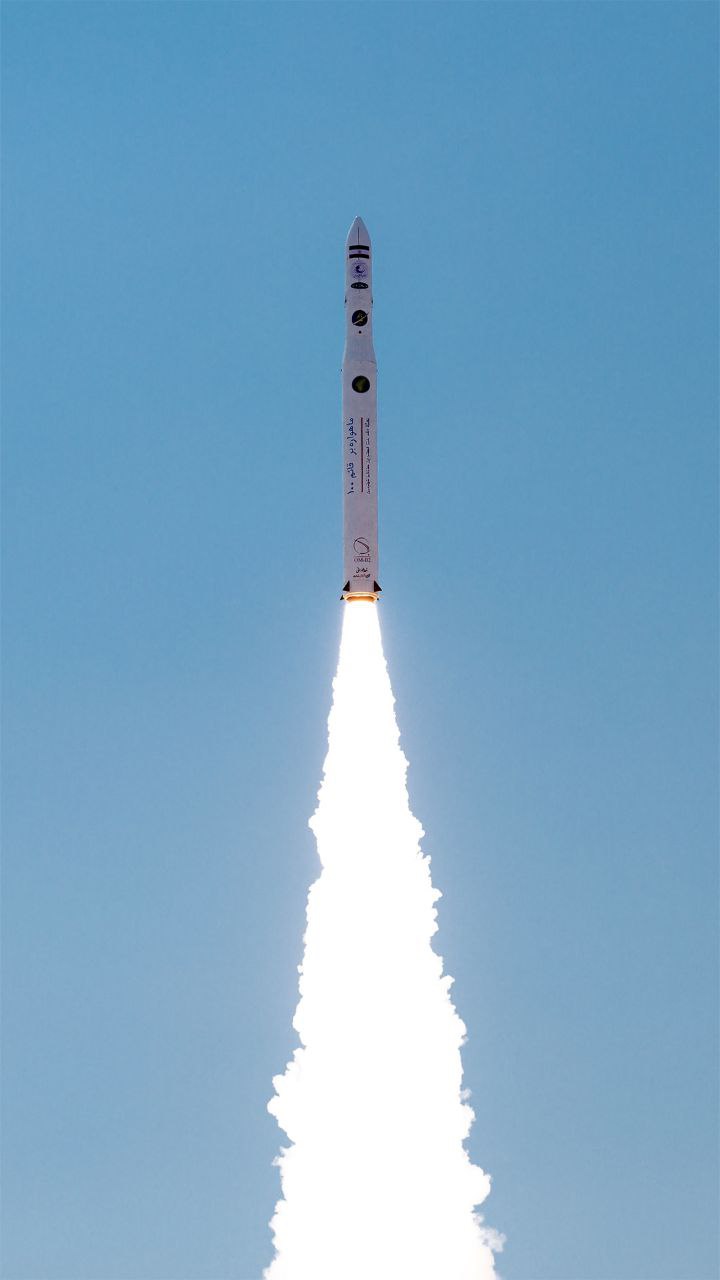
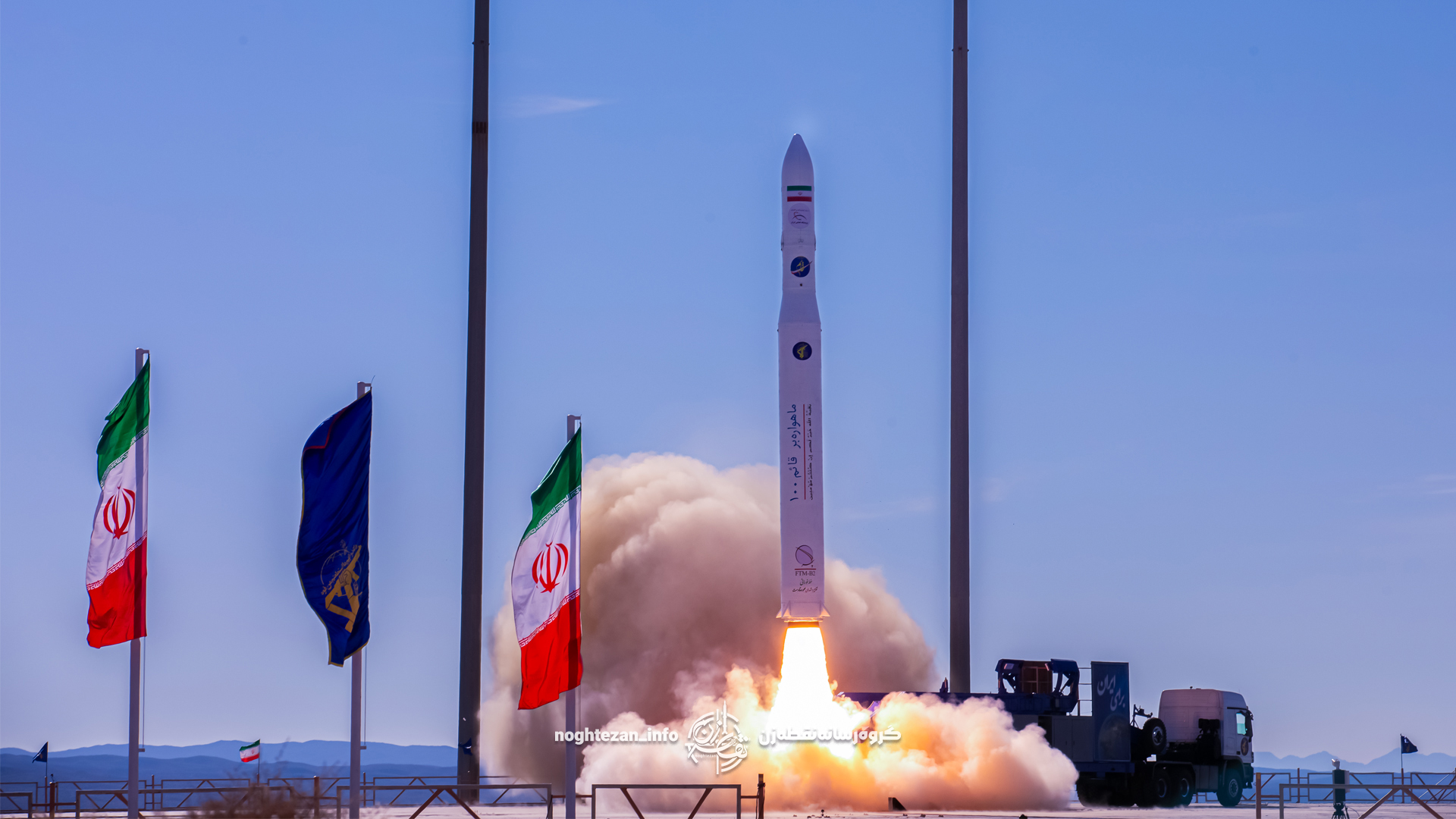
The launch moment of Qaem 100 SLVInjection of Chamran-1 hexagonal satellite into 550 km orbit
The Chamran-1 research satellite was designed and manufactured by the space department of the Iran Electronics Industries (SAIran) in collaboration with the Aerospace Research Institute (ARI) of Iran as well as Iranian knowledge-based private companies active in this field.
The home-grown satellite weighs nearly 60 kilograms, and its main mission is to examine hardware and software systems applied to it in order to validate its orbital maneuvering technology at the desired altitude and stage.
Chamran-1 satellite
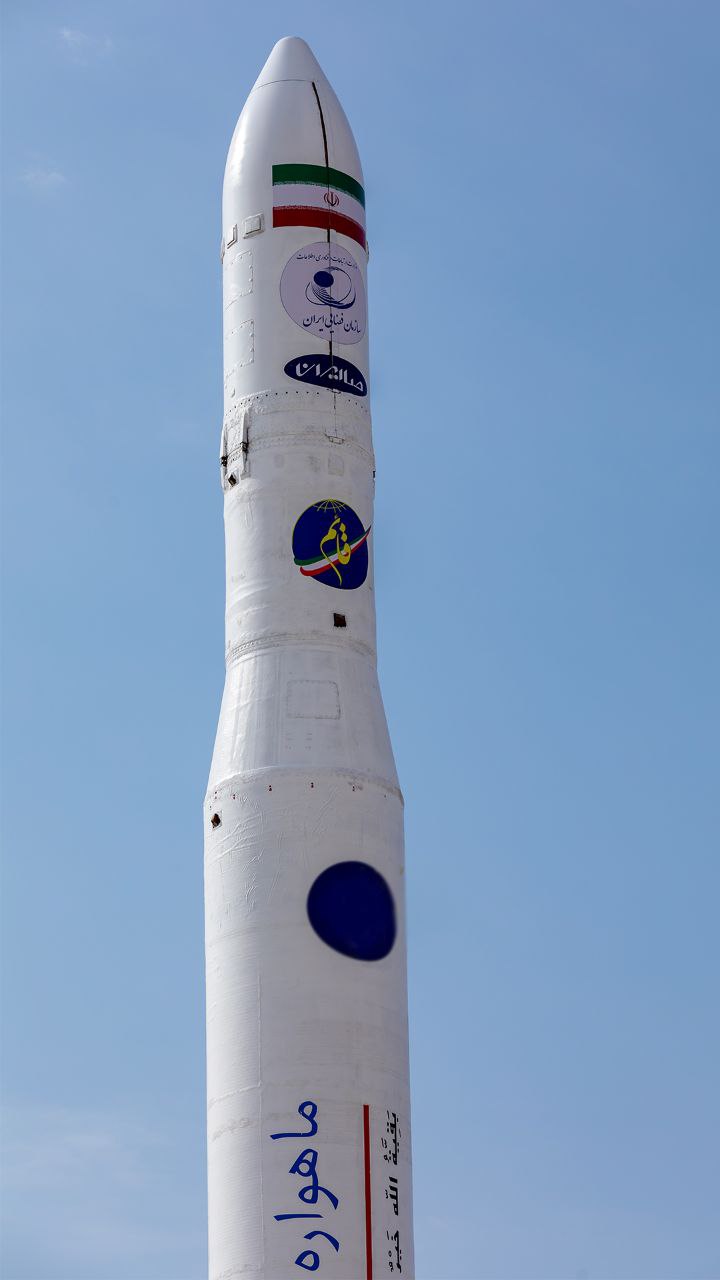
The solid-fuel Qaem-100 space launch vehicle, which succeeded in placing the Chamran-1 satellite in orbit during its third orbital operation, had four space-related launches to date as follows:
Suborbital launch without a payload (November 5, 2022) Failed orbital launch of the Nahid-1 satellite (March 4, 2023) Successful orbital launch of the Soraya satellite (January 20, 2024) Successful orbital launch of the Chamran-1 satellite (September 14, 2024)
Intercontinental ballistic missiles (ICBM) are a type of ballistic missiles that can travel a distance of more than 5500 km. These missiles have the ability to reach a flight height of more than 300 km.
In the past years, Iran has also built many rockets in different classes and with different fuels to develop its space technology infrastructure and has been able to reach a flight height of 500 km.
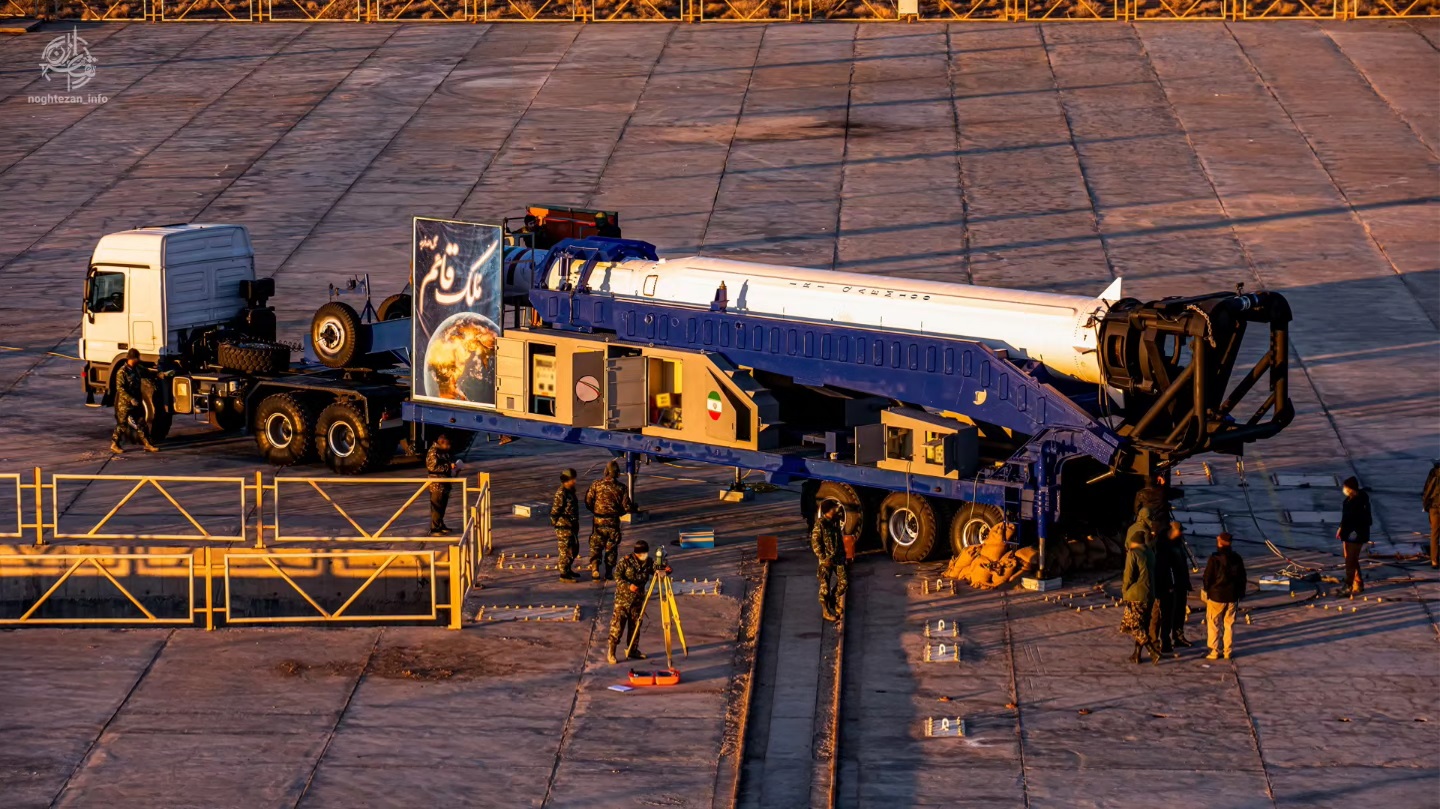
In the latest example of the Iranian satellite launch vehicle (SLV), this missile has changed significantly compared to its previous example. The Qaem 100 satellite carrier with the capacity of carrying 80 kg of cargo has had many changes compared to the previous Qaem SLV.
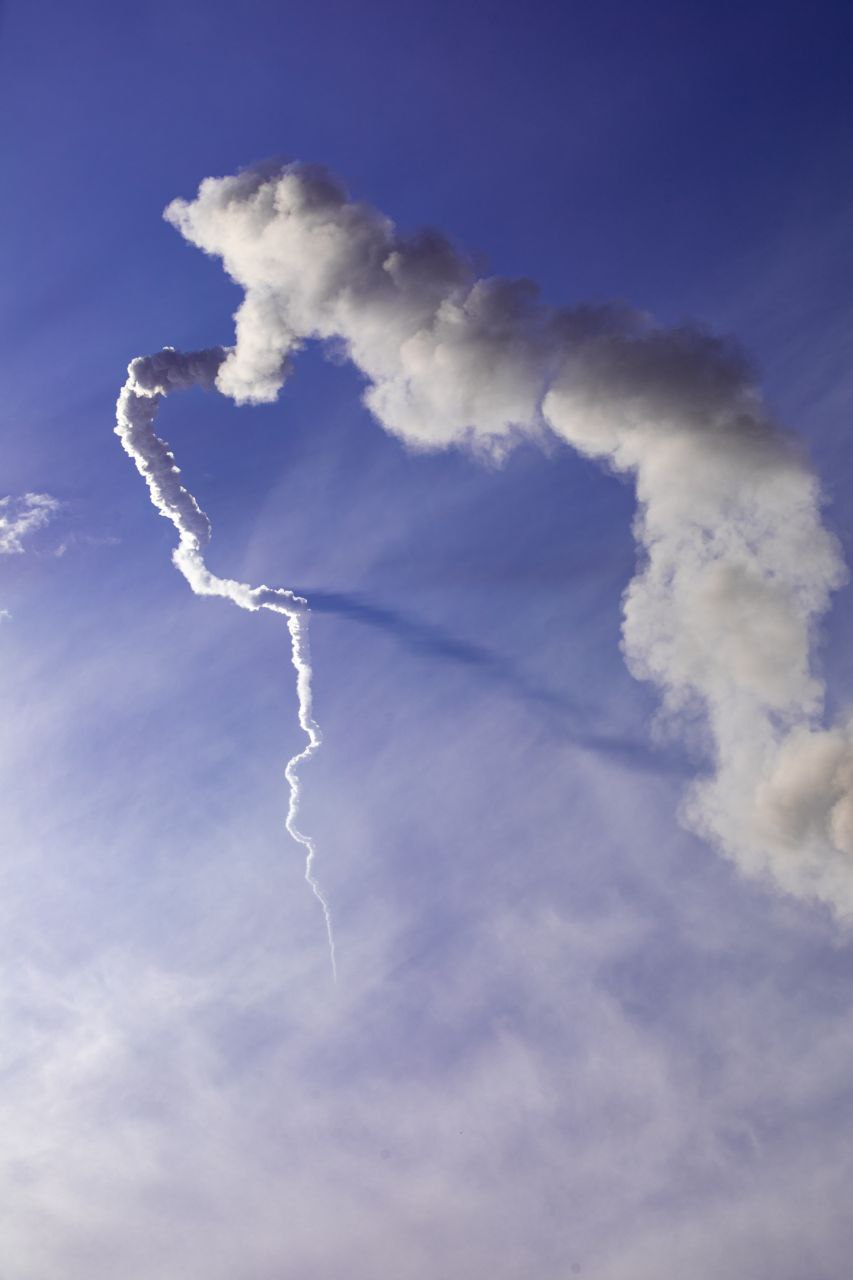
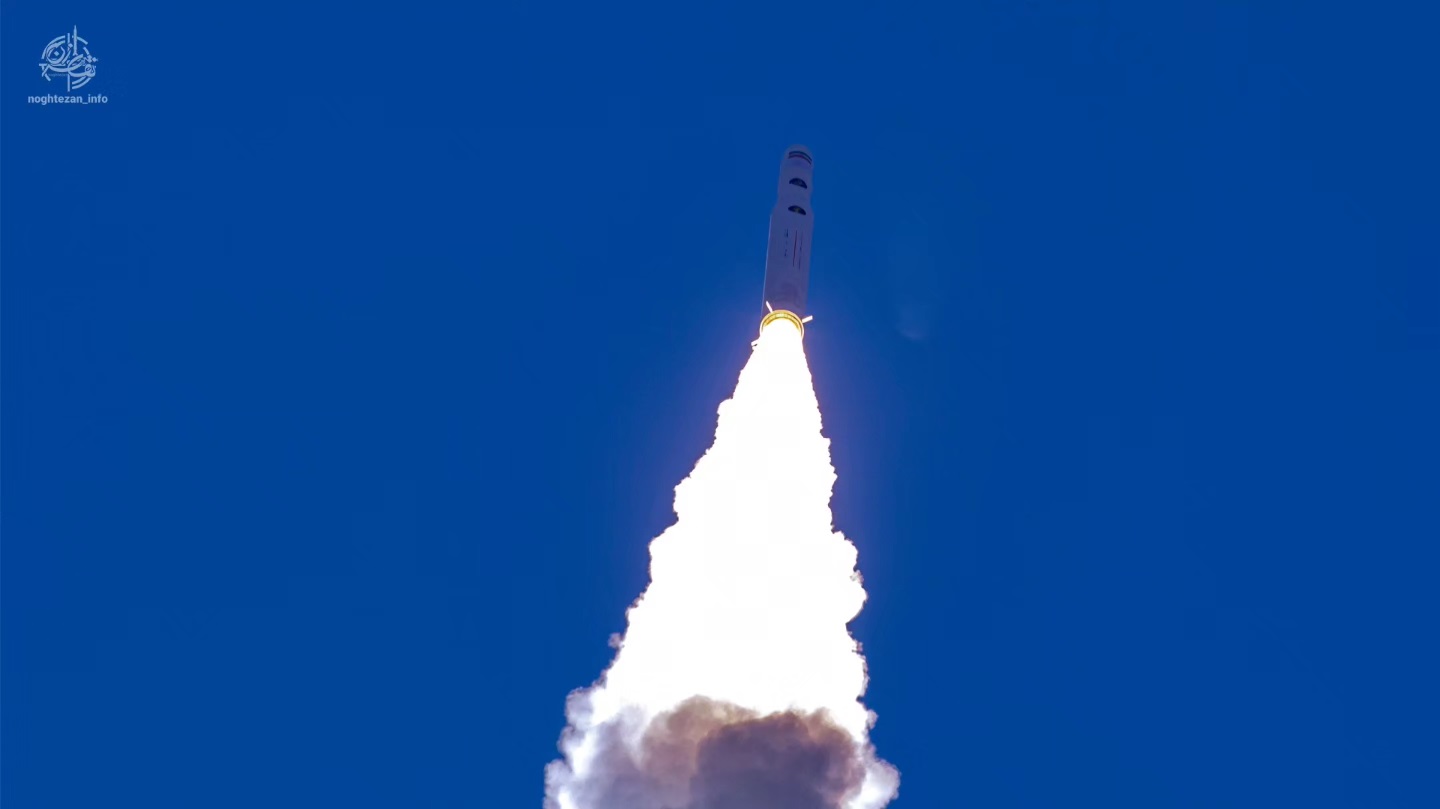
In the released footage of the launch of the Qaem-100 satellite, shortly after the launch, the rocket quickly changes direction; Therefore, a solid fuel engine with a moving nozzle has been used. Iran has a type of this engine called the ‘Raafe’ (lifter) engine.
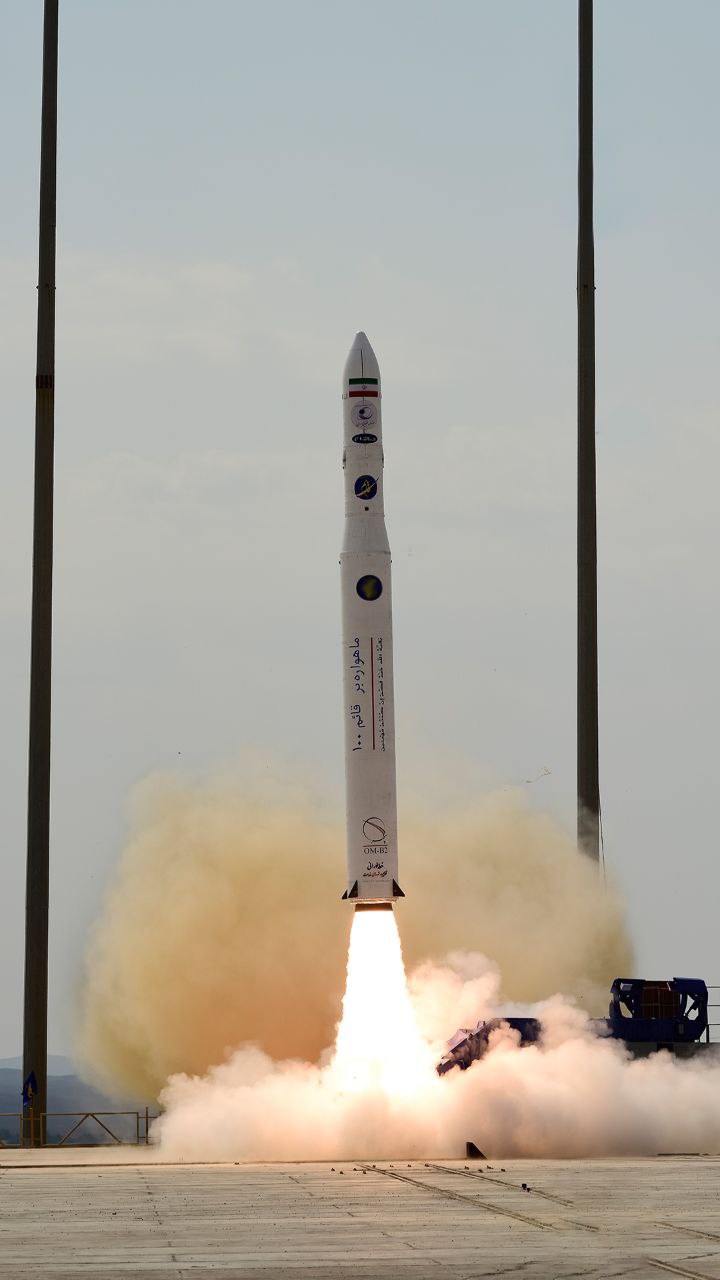
The launch moment of Qaem-100 SLVThe launch moment of Qaem-100 SLV
As it is clear in the video, due to the composite body and the high power of the Raafe engine, the Qaem-100 satellite carrier has great acceleration. The lightness of the engine, the moving nozzle for the engine and possibly the use of a new combined solid fuel can be mentioned as the new technologies used in the Qaem-100 satellite carrier. As a result, due to the use of new fuel with high energy density, extreme thrust, and the use of an all-composite engine, which has reduced the overall weight of the missile, the acceleration has increased greatly, and Iran has practically reached a range of over 5,500 kilometers.
#Iran Today, Iran successfully launched Qaem-100 Satellite Launch Vehicle from the #Shahroud space center. Qaem-100 is a three-stage solid fuel SLV that will be able to place satellites weighing 80 kg in an orbit of 500 km. pic.twitter.com/DjnC04cPZU
It is worth mentioning that the launch of the missile that was carried out in the form of the Qaem 100 satellite carrier test is very similar to the US MGM-134 Midgetman missile with a range of 11,000 km.
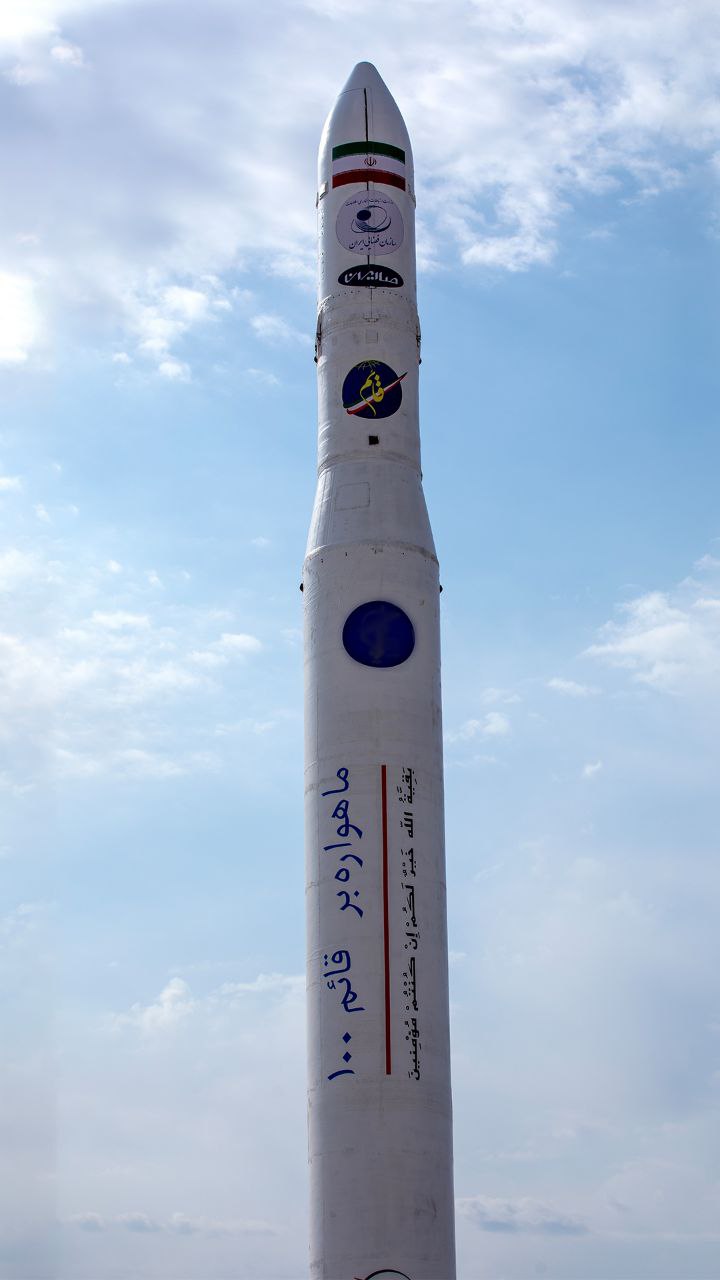
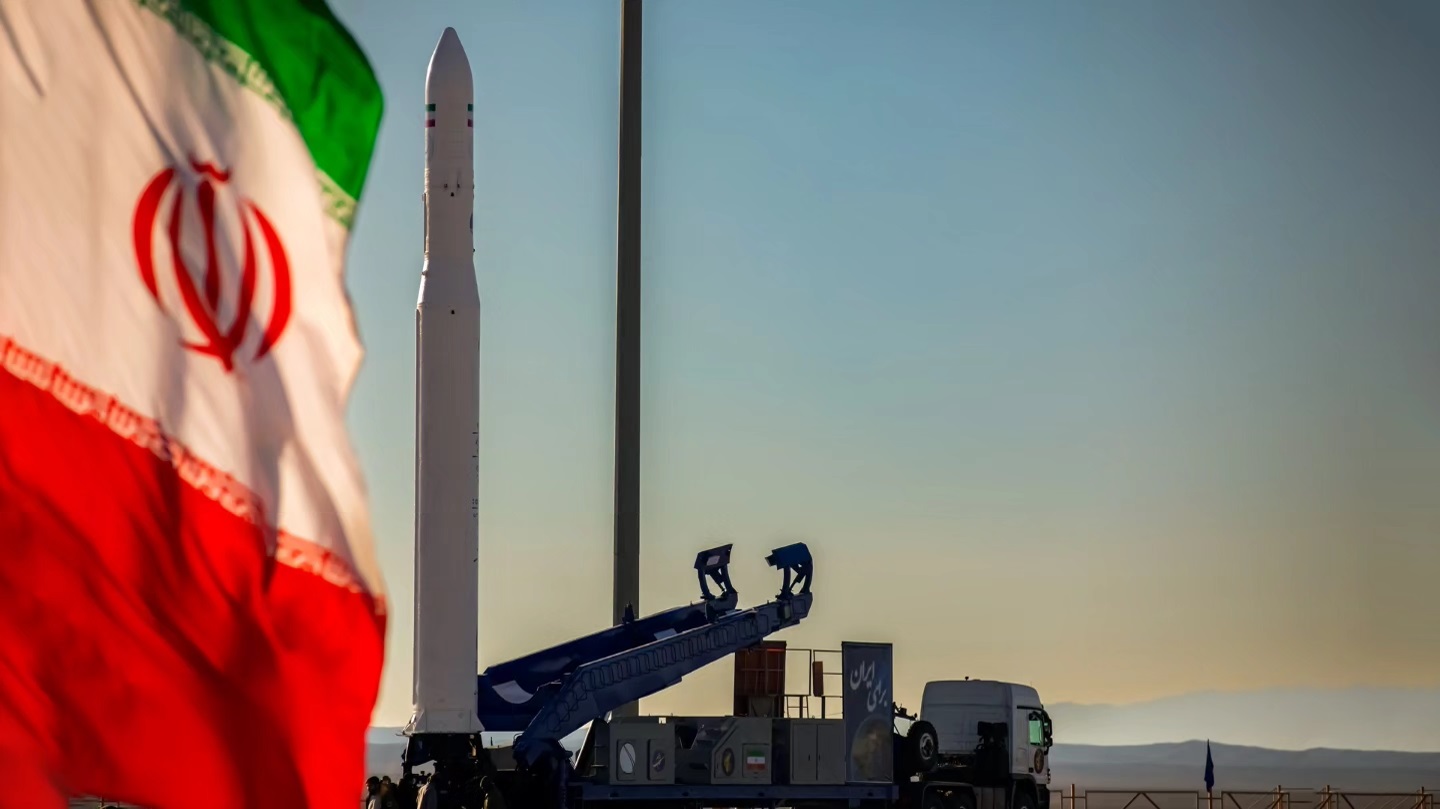
Qaem-100 SLV
In this way, respecting to the ability of the Islamic Revolutionary Guard Corps, if Iran intends to produce intercontinental ballistic missiles, it will have all the necessary technologies. Modern technologies at the disposal of the Islamic Revolutionary Guard Corps allow the construction of missiles with a range of 5,500 to 12,500 kilometers in the form of two-stage and three-stage solid fuel, and it will be possible to attack the desired targets in Europe and even in the American continent.
This huge achievement has made Iran one of the few countries that have this technology. The Hebrew-Arab and Western axis have also felt threatened by understanding this fact and have become extremely afraid of what Iran has achieved in the field of “deterrence power” through intercontinental ballistic missiles.