Tag: Rafael

  • Military Knowledge: Iron Beam Laser Air Defense System

    Military Knowledge: Iron Beam Laser Air Defense System

    Design Philosophy Behind the Iron Beam System:

    Air defense systems based on kinetic munitions — despite their high interception efficiency — are financially unsustainable in prolonged conflicts due to their reliance on expensive missiles. With the rise of low-cost, high-volume threats such as homemade rockets and commercial drones, now accessible to both state and non-state actors, the strategic balance has shifted against defenders. In such scenarios, the cost of a defensive shot often far exceeds that of the incoming threat — a clear advantage for attackers.

    Advancements in directed-energy systems offer a solution to this challenge. In recent years, countries like China, the United States, the United Kingdom, and Western Europe have actively pursued the development of laser and microwave weapons. Simultaneously, nations such as India, Russia, Turkey, Saudi Arabia, and Iran are also striving to acquire similar technologies. The Zionist regime is no exception to this global trend.

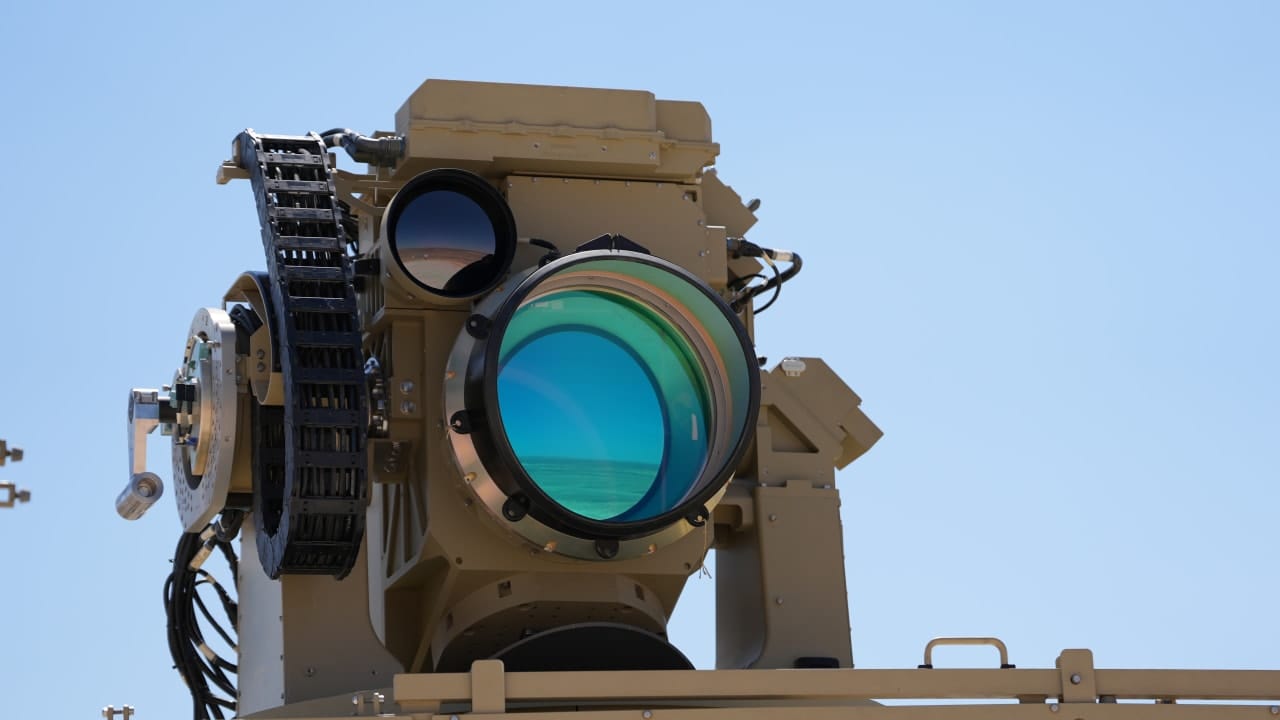
    Lite Beam, Iron Beam-M (250) and Iron Beam (450) Rafael laser systems at the London Defence Industry Exhibition 2025

    Development History of Iron Beam:

    The evolution of “Iron Beam” traces back to a long journey, beginning with a joint U.S.-Israeli project in 1996 focused on tactical high-energy lasers. The program, known as Tactical High-Energy Laser (THEL), was based on chemical laser technology but was ultimately discontinued in 2005 due to high costs and poor battlefield performance.

    The current Iron Beam project emerged after 14 years of research and development, overcoming the limitations of earlier technologies. It transitioned from chemical lasers to solid-state fiber lasers, marking a significant technological shift.
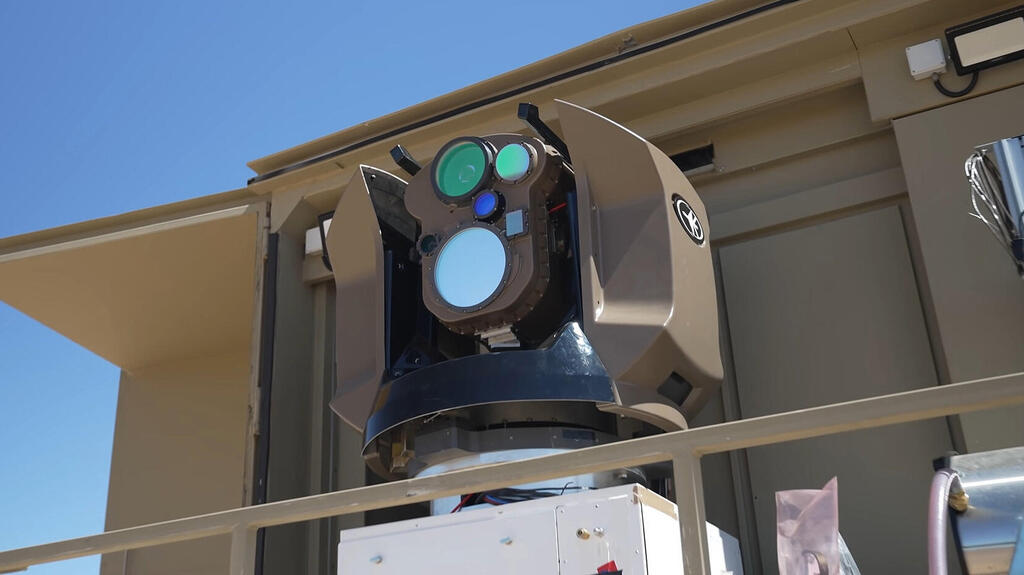
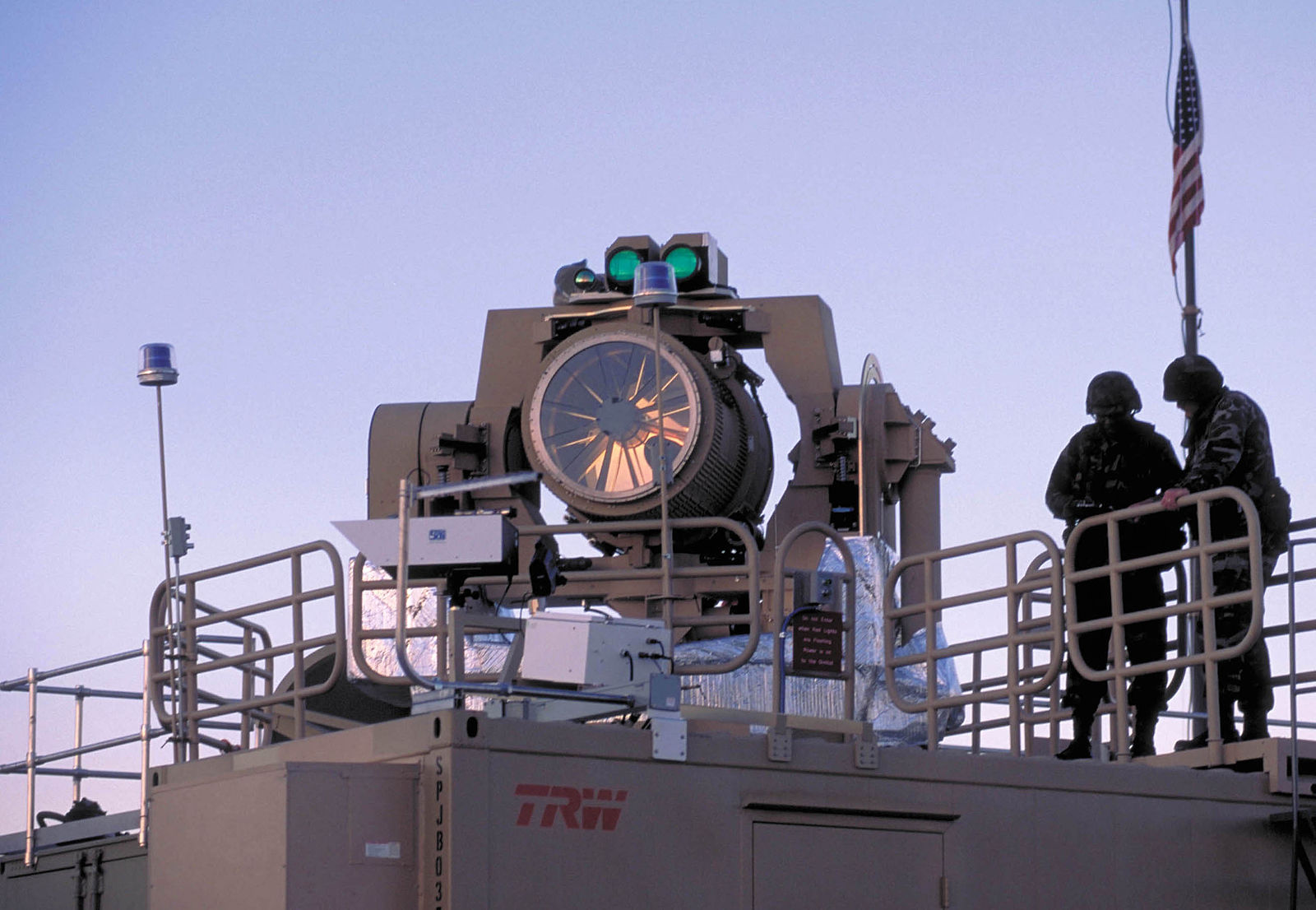
    Iron Beam System (also known as Or Eitan or Magen Or) was publicly unveiled for the first time on February 11, 2014, during the Singapore Airshow. It was introduced as the missing final link in Israel’s multi-layered air defense architecture. The version presented at the time was the initial concept of the system, which is now referred to as Iron Beam-M, or the mobile version. This system was specifically designed to address the tactical and economic limitations of the Iron Dome in countering saturation attacks and low-cost projectiles.

    Therefore, Iron Beam is not a replacement for existing systems; rather, it serves as a complementary layer. Its primary mission is to confront short-range and high-volume threats, including rockets, mortars, and drones.

    In December 2022, Rafael and Lockheed Martin launched a joint investment initiative to develop, test, and produce a laser weapon system for the U.S. market and international clients. In this project, Rafael serves as the lead contractor and system designer.

    The Israeli Ministry of Defense’s Directorate of Defense Research and Development, the Israeli Air Force, and Elbit Systems are key subcontractors involved in the effort. Significant financial backing from the United States has also played a role in advancing the project.

    In October 2024, the U.S. allocated over $500 million for the production of Iron Beam systems, as part of a broader $5.2 billion package aimed at strengthening Israel’s air defense capabilities.
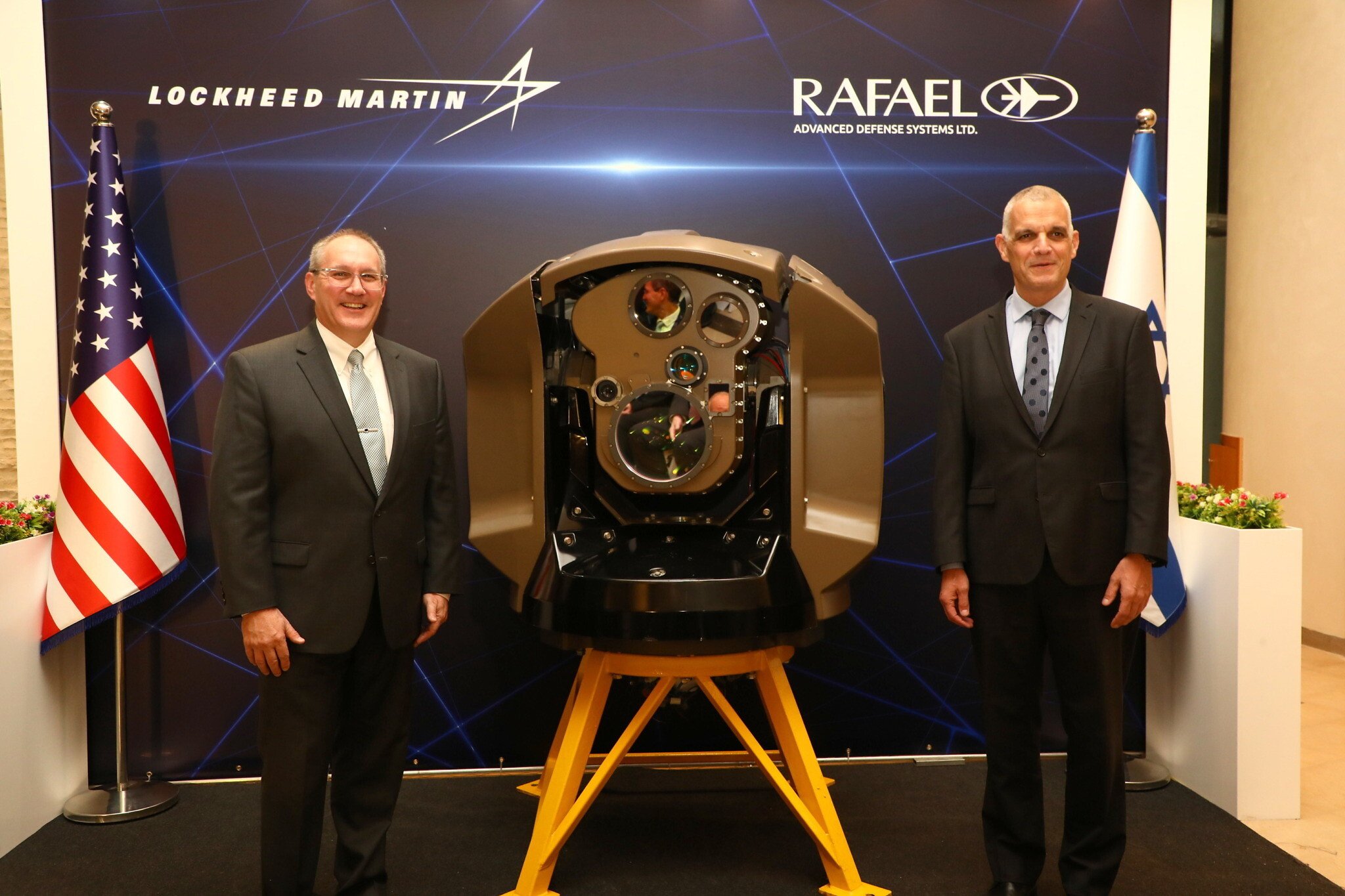
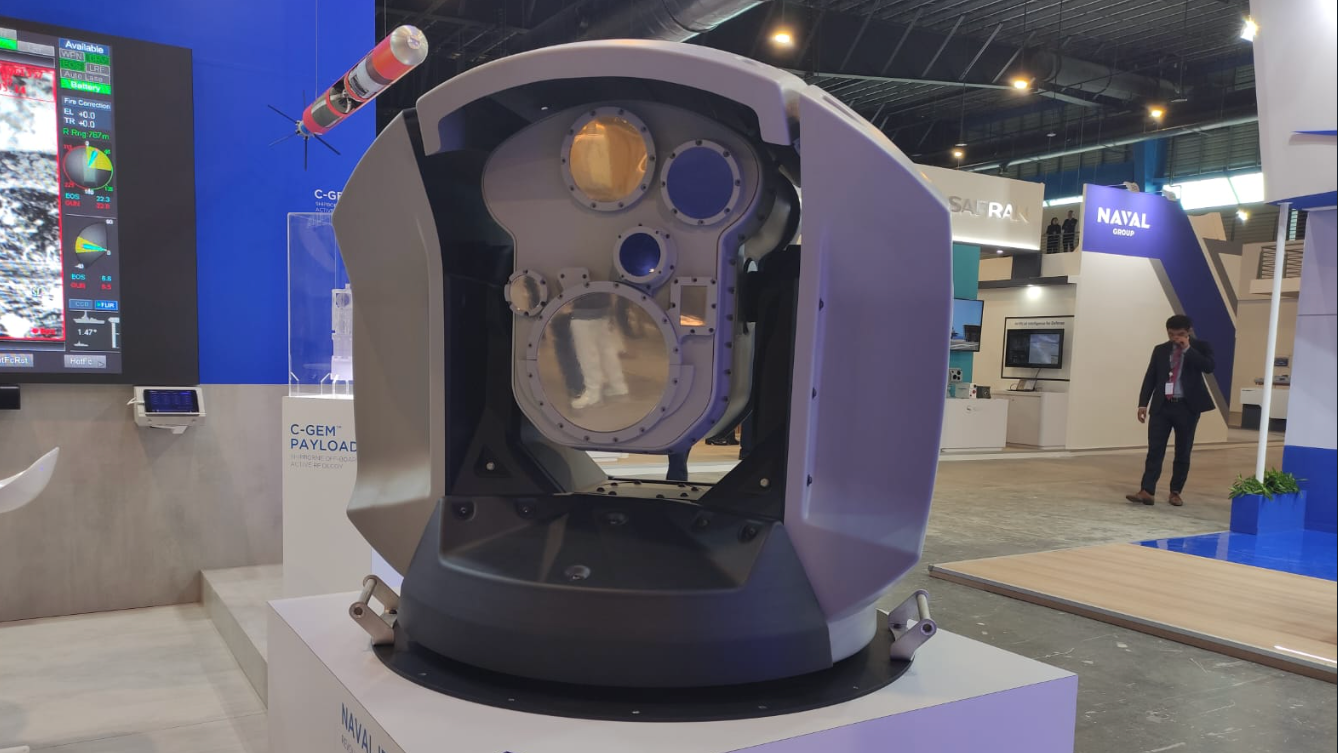
    The core of the Iron Beam system is a solid-state fiber laser that generates high-energy beams. Fiber lasers have gained prominence in recent years due to their efficiency, stability, and scalability to higher output powers.

    However, a major technical challenge for directed-energy weapons operating in the atmosphere is beam dispersion and disruption caused by air density, water vapor, and atmospheric turbulence. This atmospheric distortion has historically limited the effectiveness and operational range of earlier laser systems.

    To overcome these limitations, Iron Beam employs two key technologies: advanced adaptive optics and intelligent beam combination. In practice, the system directs hundreds of individual beams — each about the diameter of a coin — toward the target. Since each beam is less affected by atmospheric interference on its own, energy loss due to turbulence and instability is minimized.

    The system then dynamically monitors and adjusts the trajectory of each beam, allowing the cumulative energy of all beams to converge precisely on a single point on the target.
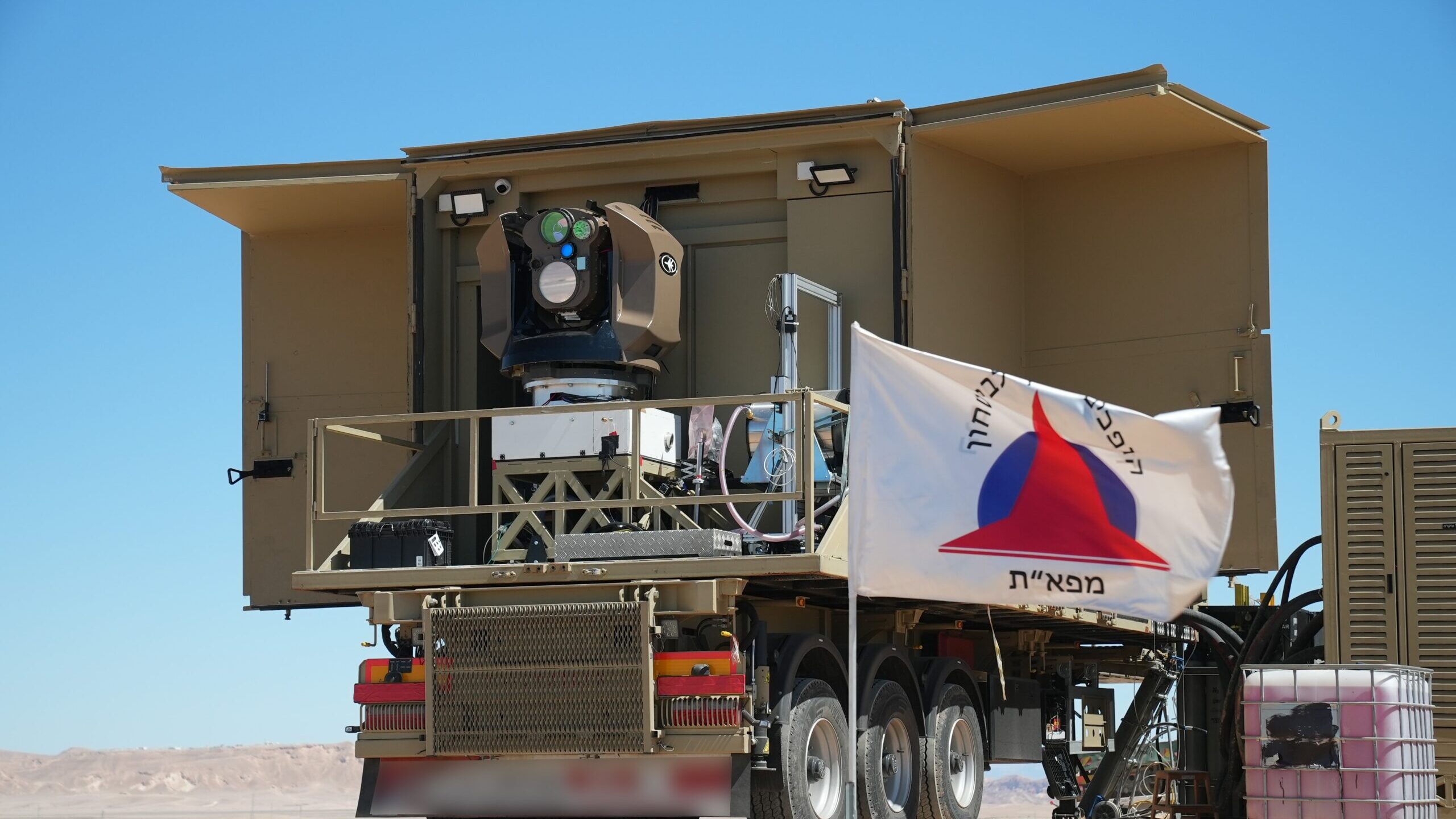
    Iron Beam-M system (the M stands for mobile)

    Iron Beam System variants:

    The Iron Beam family consists of several variants, each designed for different tactical missions. While all share a core reliance on high-energy laser technology, each version differs in output power, deployment platform, and operational role based on its specific mission.

    The most powerful model, known as Iron Beam 450, features a 100-kilowatt-class laser mounted on a ground-based containerized platform. Its primary mission is short-range air defense, with an effective range of approximately 10 kilometers. This is the flagship version of Iron Beam, whose development and final deployment took nearly two decades.

    The system officially entered service with the Israeli military in 2025.
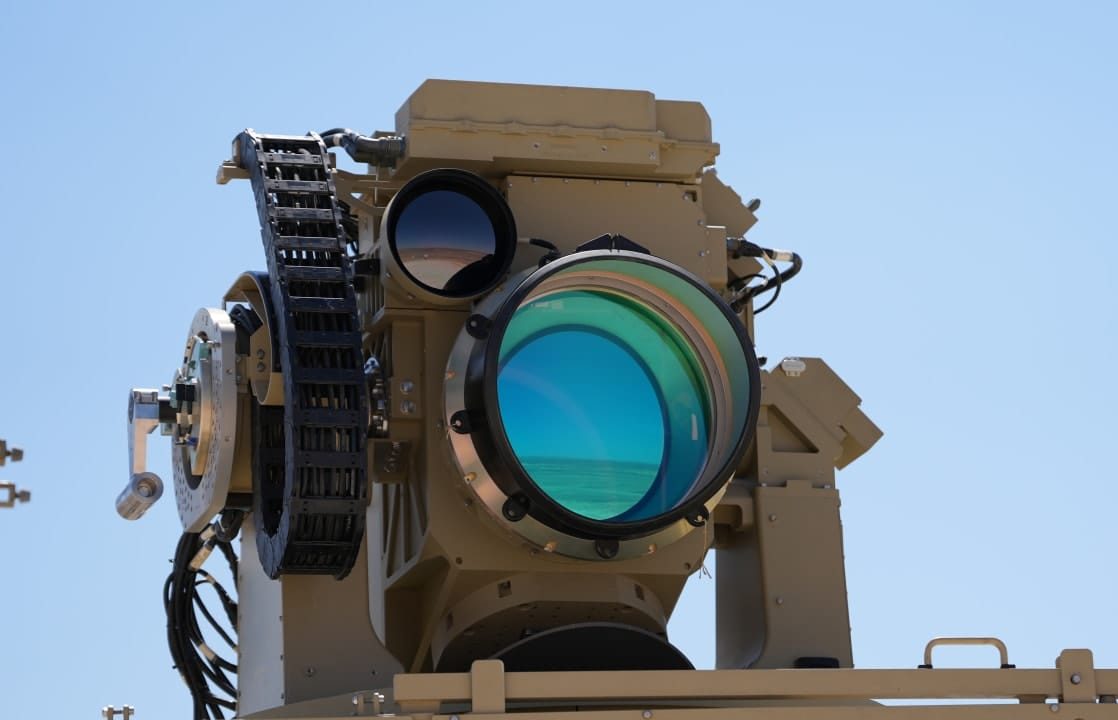
    The Israeli Ministry of Defense and Rafael Advanced Defense Systems officially announced the completion of the 15-year development of the Iron Beam 450 project and its entry into active service by releasing a joint video of its field test.

    In the published footage, two Iron Beam 450 systems — each with a power output of 100 kilowatts — are shown simultaneously locking onto a single target and successfully intercepting or destroying it. This synchronized targeting capability effectively doubles the system’s operational power for neutralizing threats.

    The official video of the Iron Beam 450 system and how it works

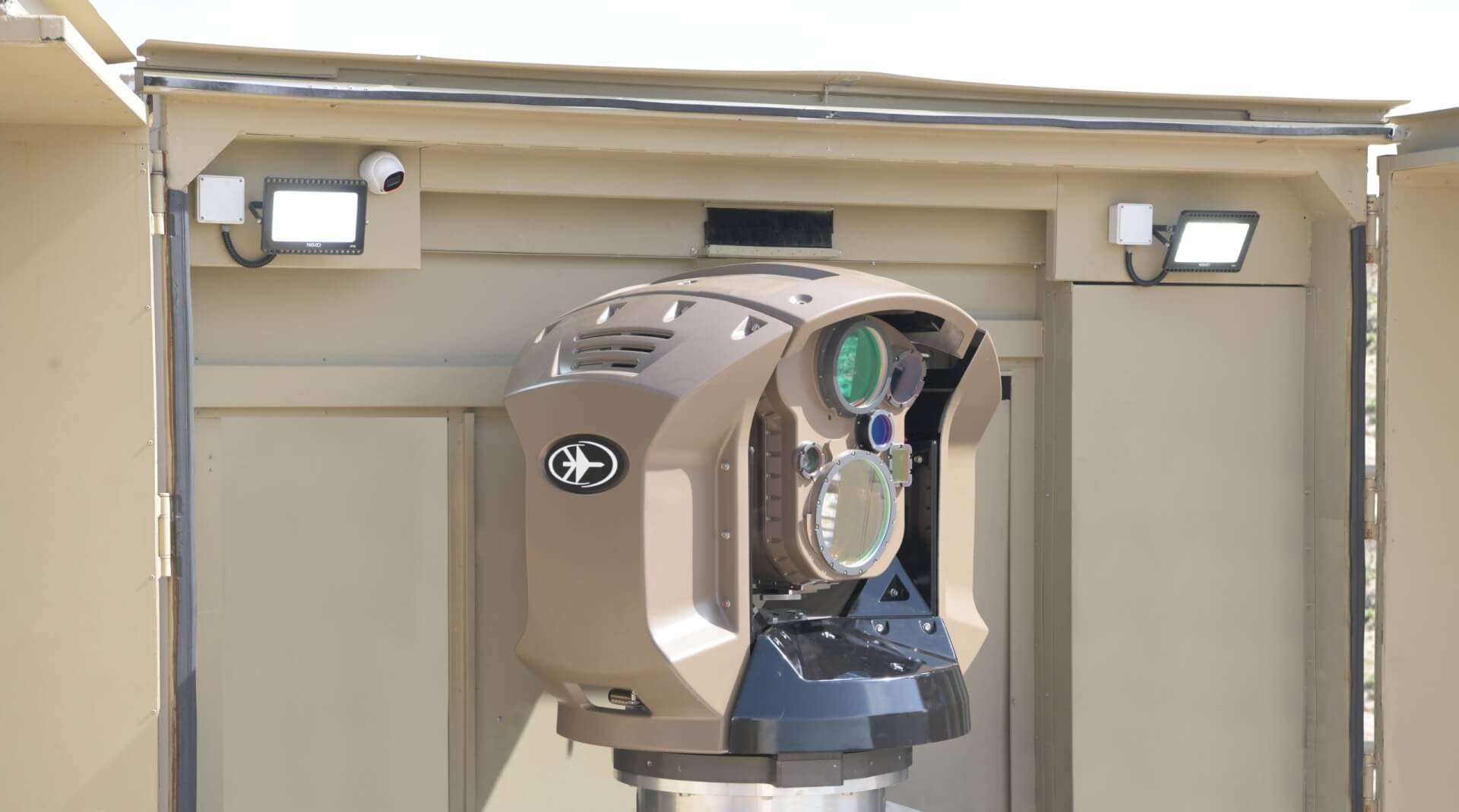
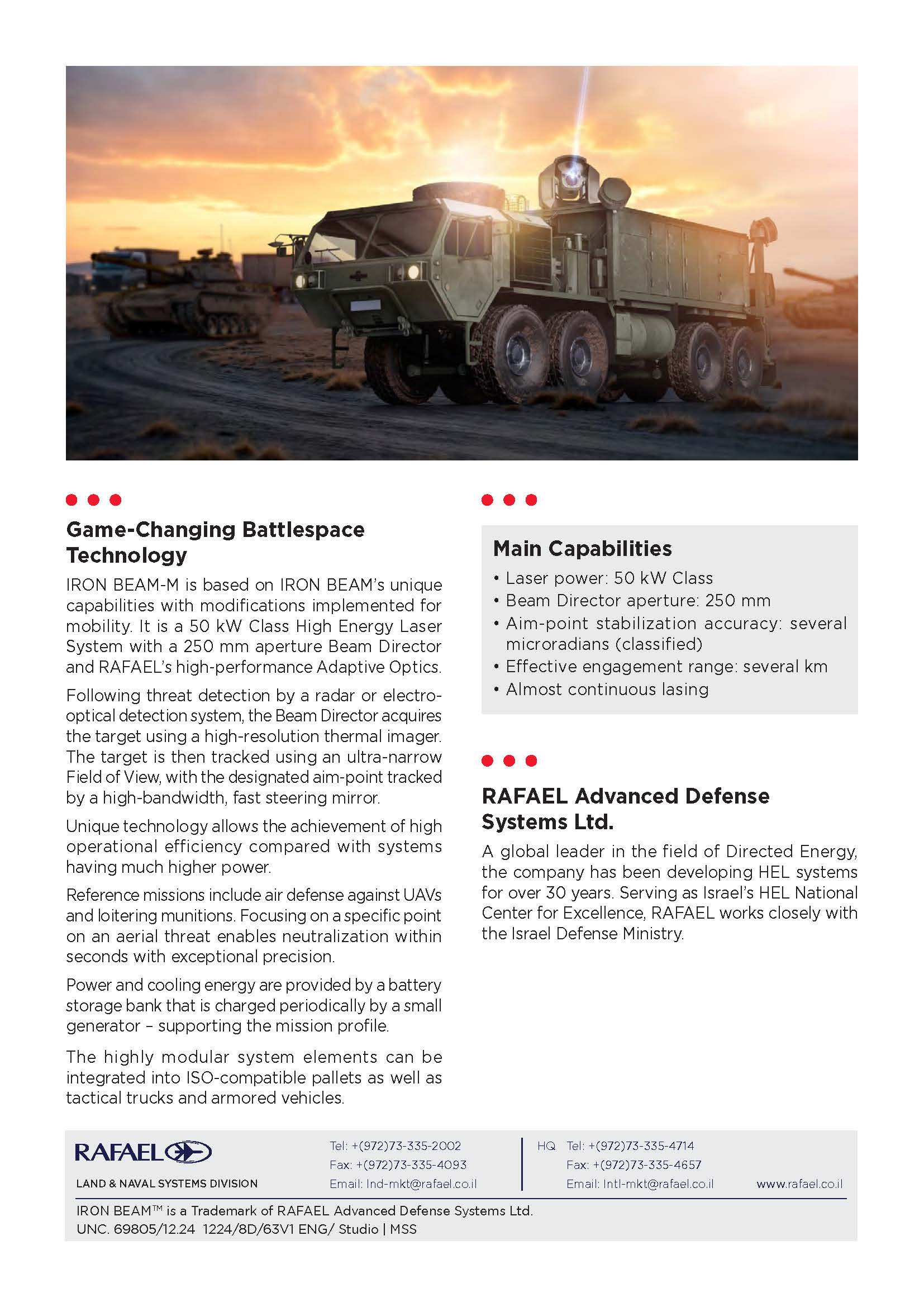
    The mobile variant, known as Iron Beam-M, utilizes a 50-kilowatt-class laser mounted on a combat vehicle. It is specifically designed to provide close-range support for maneuvering forces. This version offers defensive coverage over a range of several kilometers.
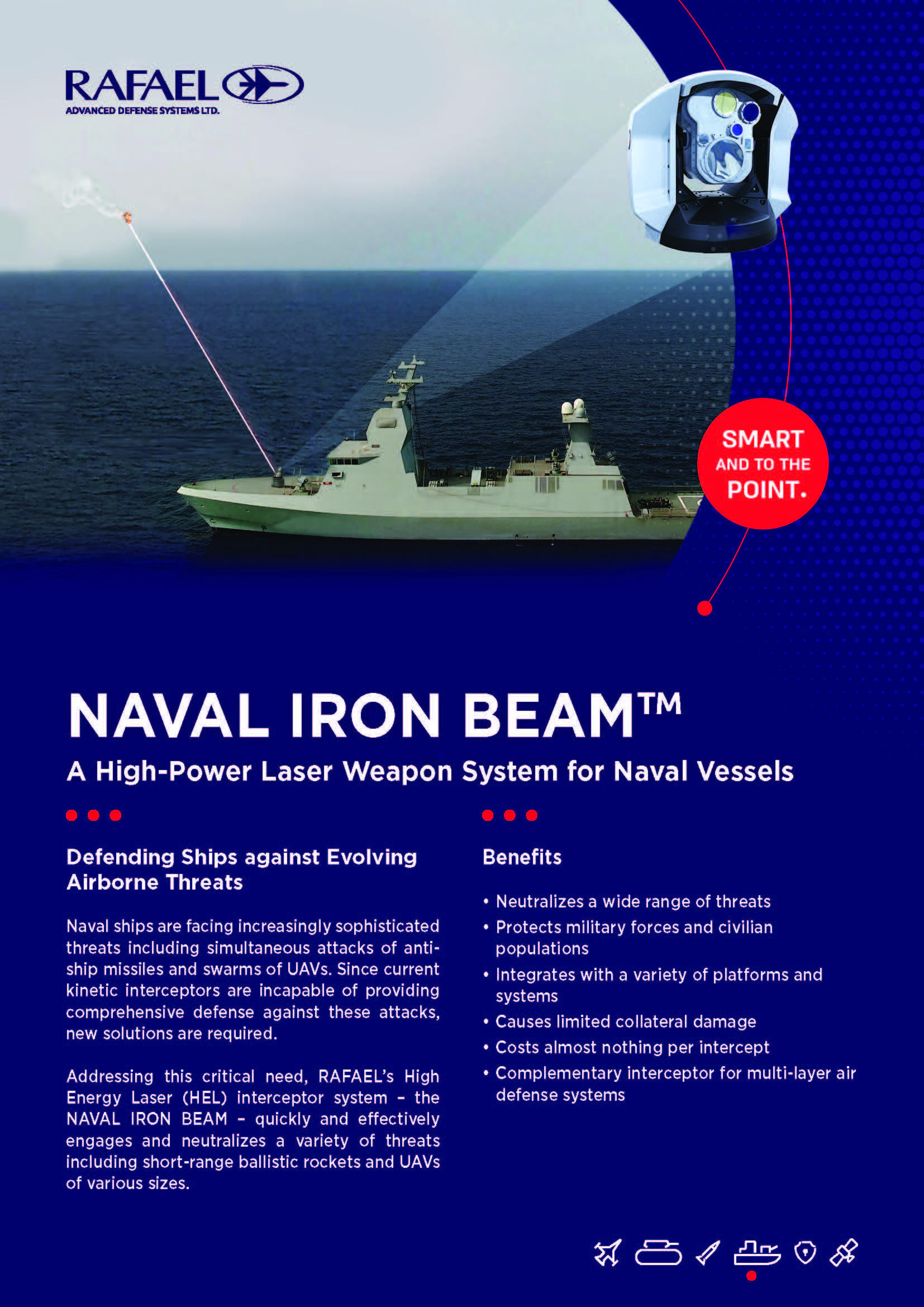
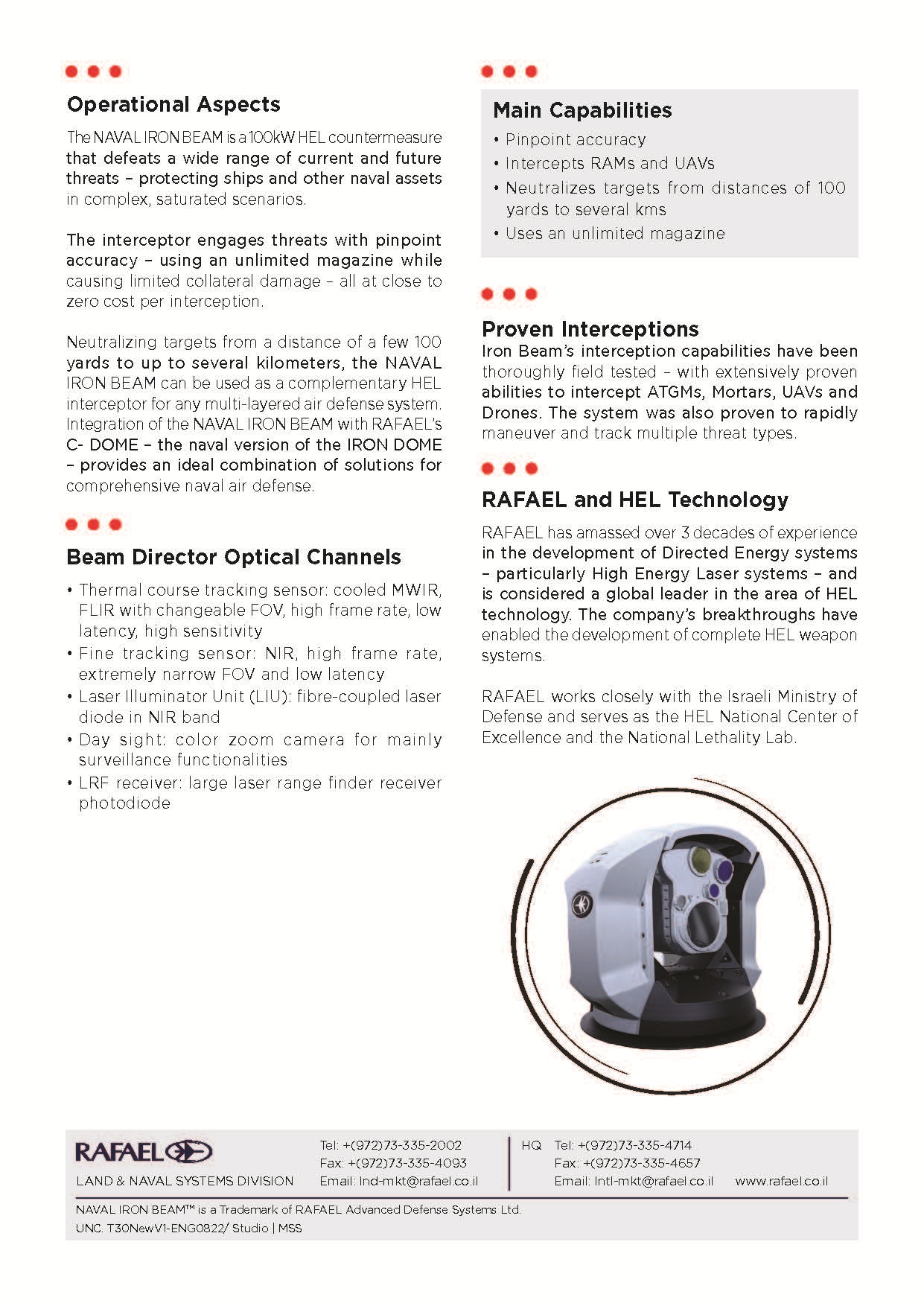
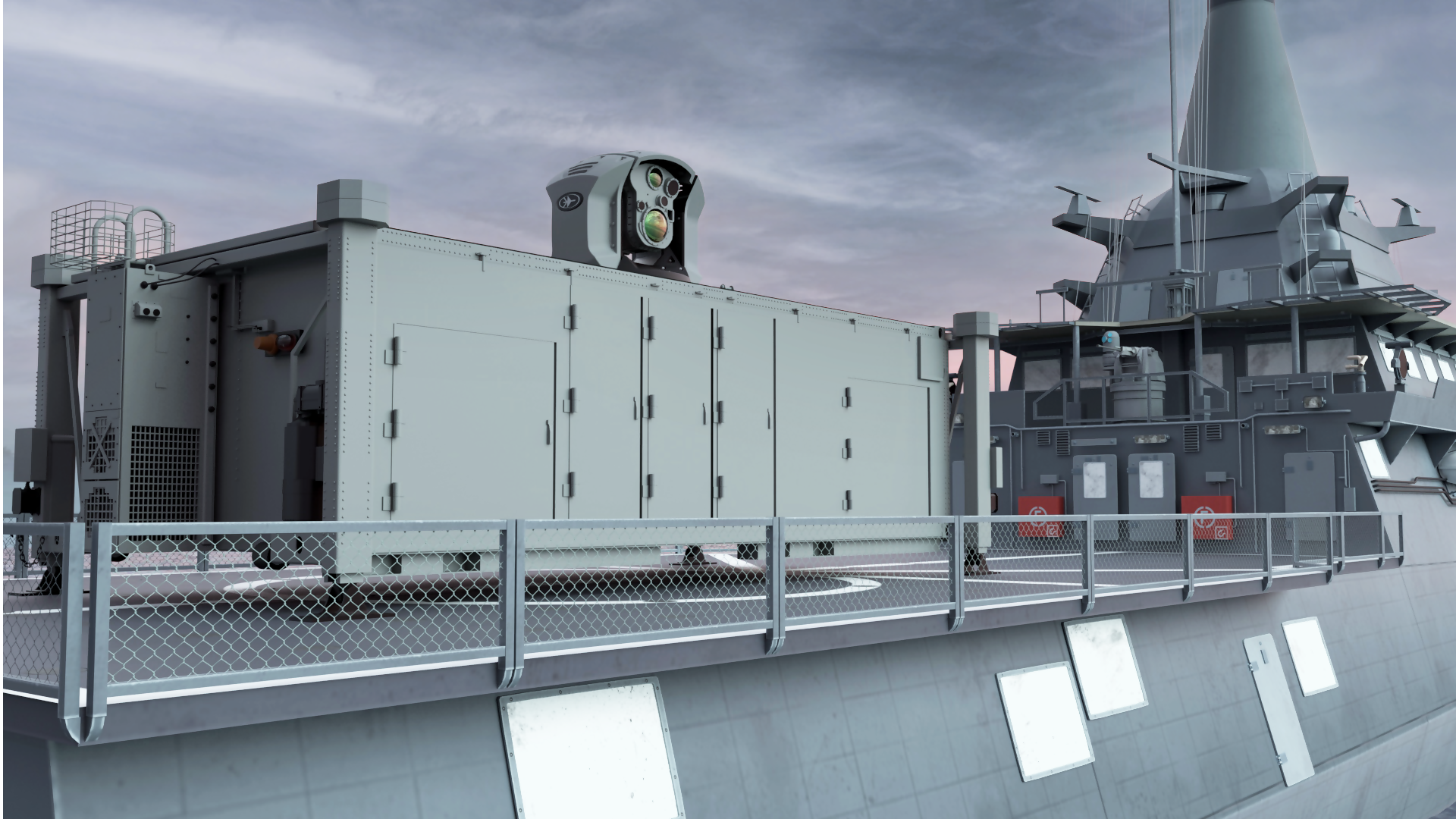
    In the naval domain, Naval Iron Beam — the maritime version of the Iron Beam system — features a 100-kilowatt laser mounted on naval vessels. Its role is to counter aerial and missile threats at ranges of several kilometers.
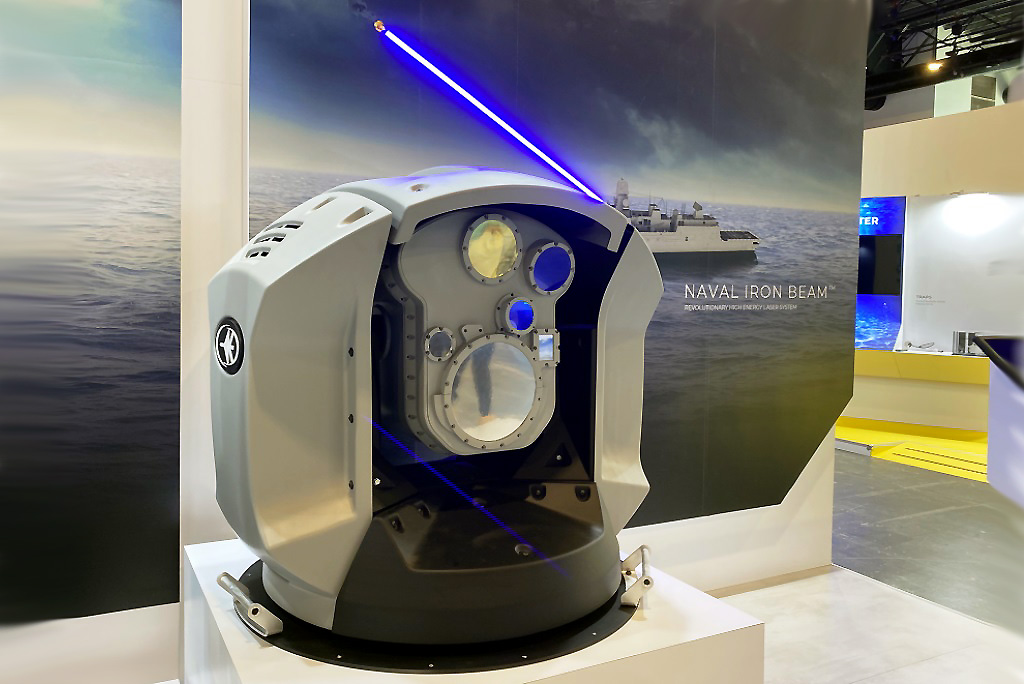
    Finally, a lighter version branded as Lite Beam has been introduced, featuring a 10-kilowatt-class laser mounted on a mobile vehicle. Its primary purpose is to counter smaller threats such as short-range drones, with an effective range of approximately 2,000 meters.
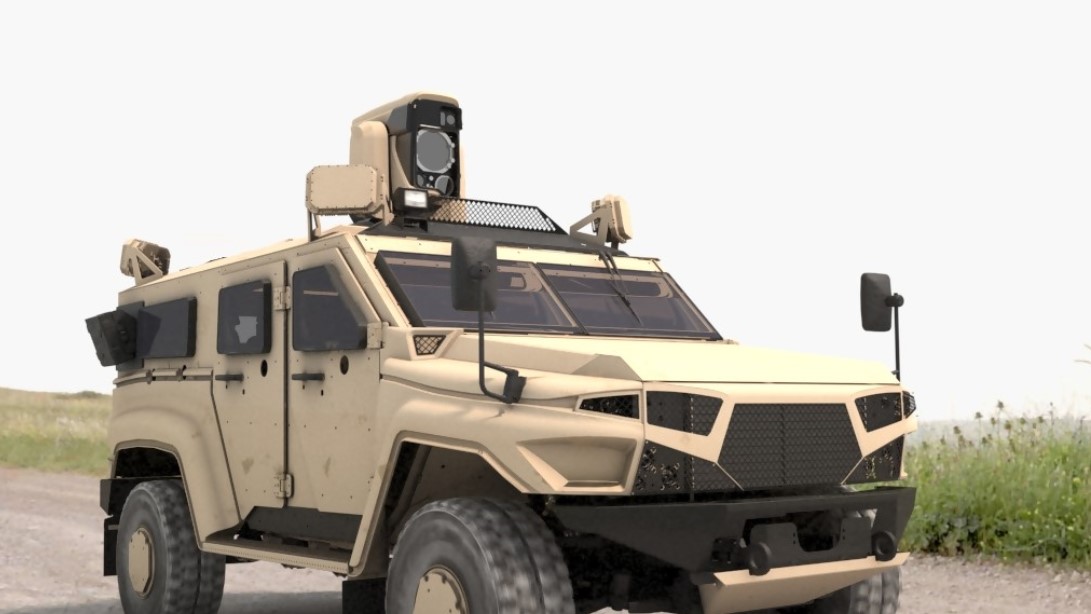

    One of the key operational metrics for laser weapons is “dwell time” — the duration a beam must remain focused on a target to deliver sufficient energy for damage or destruction. For Iron Beam, this process typically takes just a few seconds.

    A standard Iron Beam battery usually consists of a defensive radar, a command and control (C2) unit, and two high-energy laser (HEL) systems. These dual emitters can engage a single target simultaneously, enhancing beam precision and stability even under complex combat conditions.

    The naval variant of the system also incorporates an array of optical sensors — including thermal, near-infrared, and daylight sensors — to enable accurate tracking and engagement of incoming threats.

    Deployment and Operational Record of Iron Beam:

    Iron Beam underwent a series of advanced operational tests at the “Shadma” test range in southern Israel. In this field environment, the system successfully intercepted and neutralized a wide spectrum of real-world threats — ranging from rockets and mortars to drones and anti-tank missiles — under scenarios closely resembling actual combat conditions.
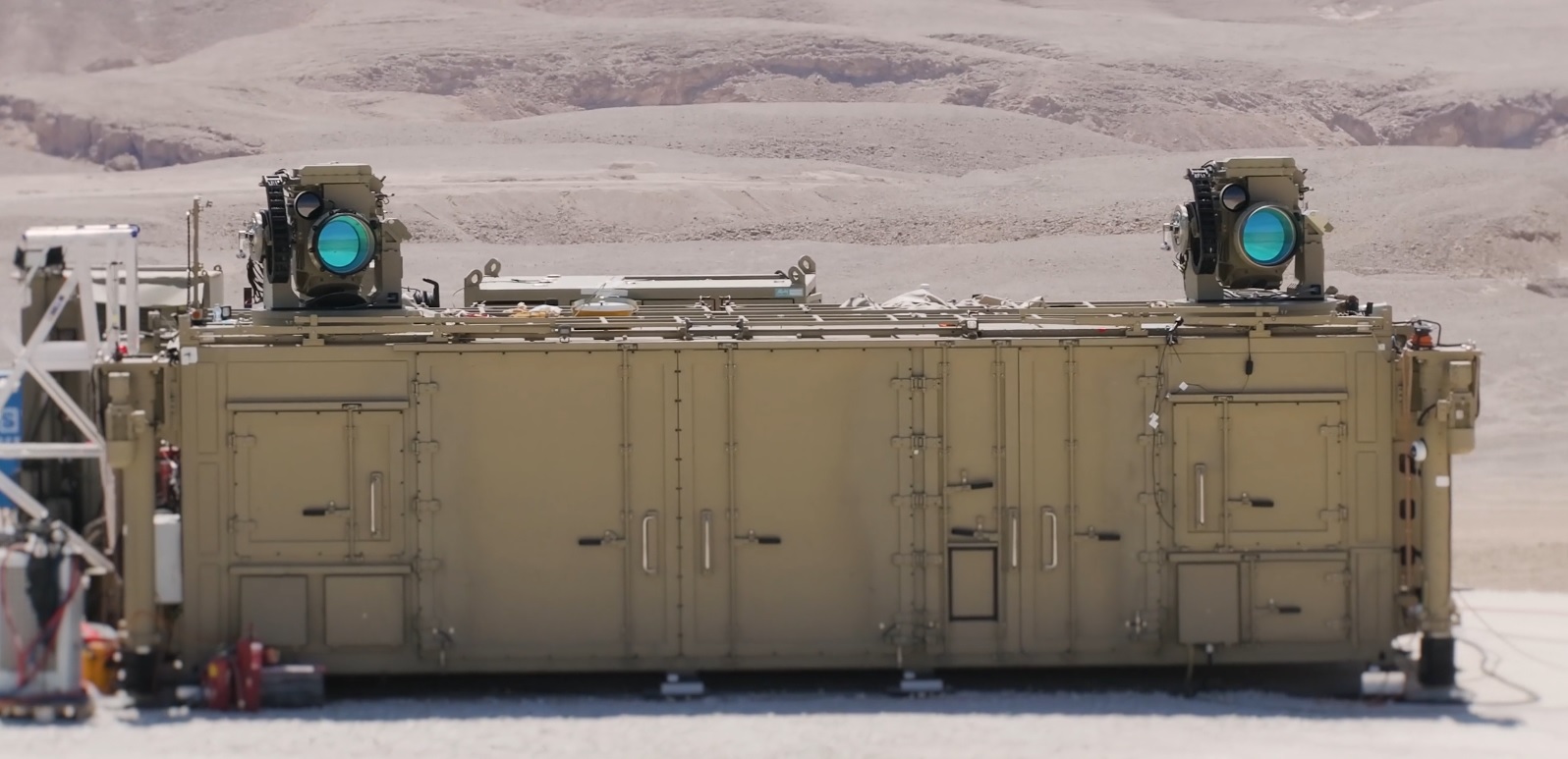
    Deploying the Iron Beam 450 system for field testing

    Reports indicate that a smaller, shorter-range version of the Iron Beam system successfully downed dozens of Hezbollah drones in the skies over northern occupied territories during post–October 7 clashes.

    Additionally, Iron Beam was reportedly deployed along the Gaza border in October 2023 to assess its performance against Hamas rocket fire. However, no documented evidence has been released to confirm the system’s operational effectiveness in that scenario.
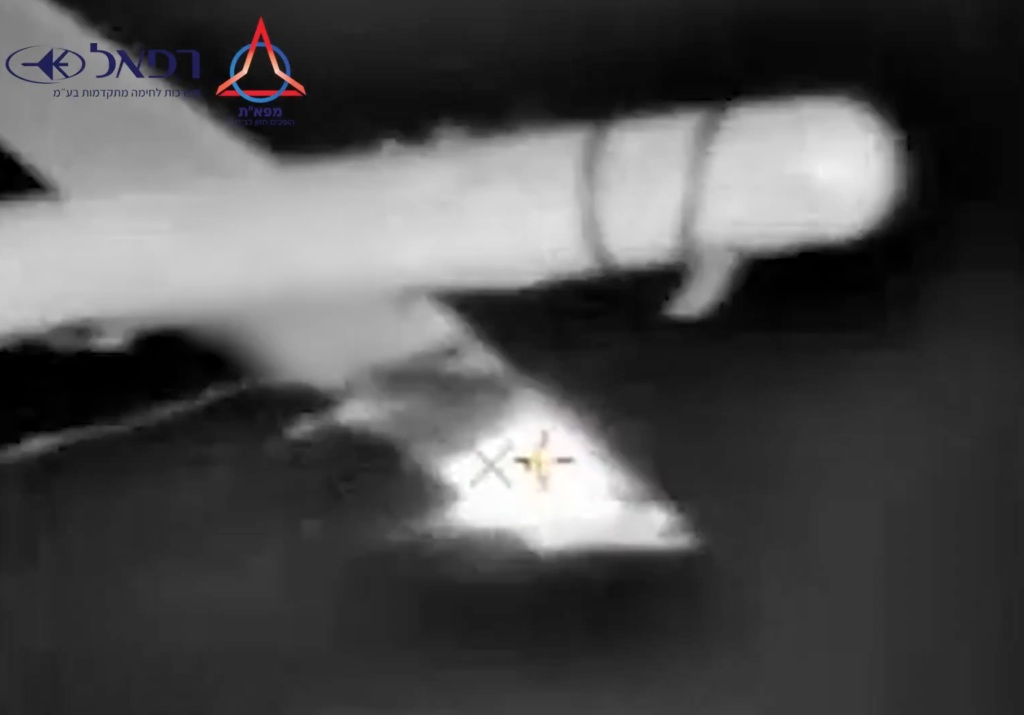
    The alleged downing of a Hezbollah drone that was targeted by a version of Iron Beam last October.

    The most prominent advantage of Iron Beam lies in its operational cost-efficiency. Each interception requires only electrical energy, typically costing just a few dollars per shot — with some estimates placing it as low as $3 per engagement. This stands in stark contrast to the cost of firing a Tamir interceptor missile from the Iron Dome system, which ranges between $40,000 and $150,000 per launch.

    Despite its clear benefits, Iron Beam — like other laser weapons — faces inherent physical limitations. A key challenge is reduced performance under adverse weather conditions such as heavy clouds, rain, fog, or dust, as the atmosphere can scatter or absorb a significant portion of the laser’s energy.

    Moreover, while the per-shot cost is minimal, the initial investment required for purchasing, installing, and deploying an Iron Beam battery is substantial.
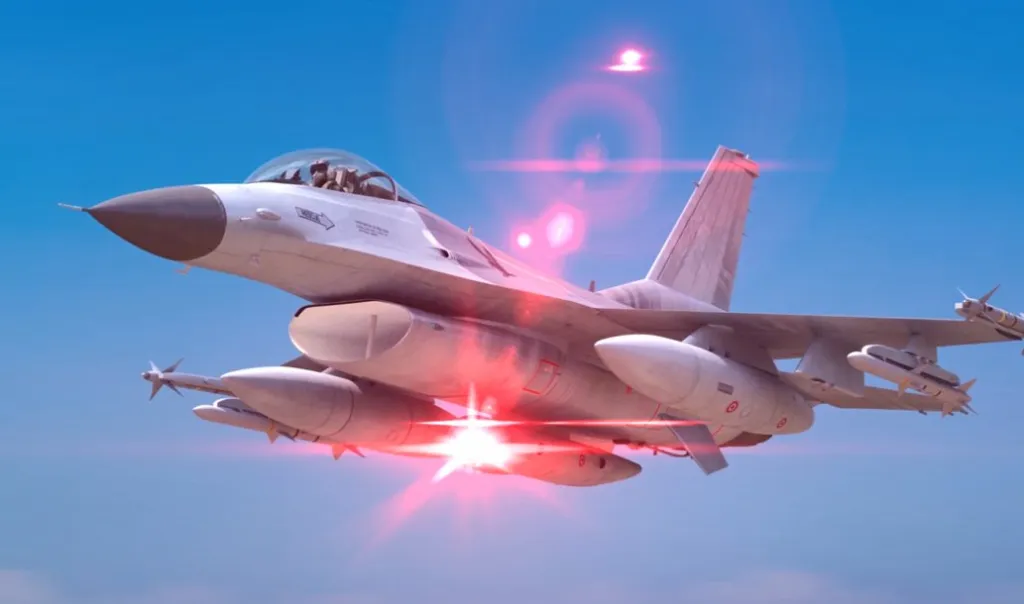
    A concept design from Elbit Systems showing an F-16 armed with a pod laser weapon.
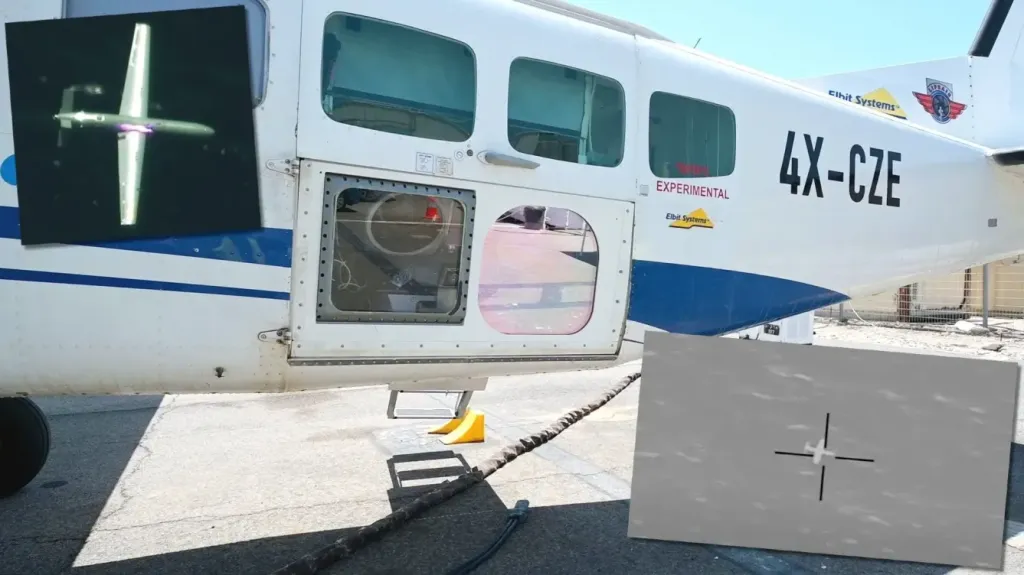
    An experimental Israeli high-power laser system mounted on a Cessna 208 aircraft.

    The future path of the Iron Beam System:

    Iron Beam is no longer merely a standalone system — it is evolving into a broader technological platform. Rafael has outlined a clear roadmap for future upgrades, including the development of a “Laser Dome” with higher power, extended range, and faster response times, as well as the introduction of mobile (Iron Beam-M), naval (Naval Iron Beam), and airborne variants.

    The airborne lasers, currently under development by Elbit Systems, are designed to be mounted on large drones and engage threats from higher altitudes — an advantage that could help mitigate some of the atmospheric limitations faced by ground-based lasers.

    Overall, this approach marks the transition of the project from a single-purpose system to a multi-domain ecosystem capable of integration across land, sea, and air operations.

    Sources:
    rafael.co.il/news | Wikipedia | rafael.co.il/system | ynet.co.il | jns.org/interceptions | defense-update.com | jns.org/critical-sites | reddit.com/r/Israel | timesofisrael.com

  • Military Knowledge: Sparrow Air-Launched Ballistic Missiles And ROCKS Missile

    Military Knowledge: Sparrow Air-Launched Ballistic Missiles And ROCKS Missile

    Air-launched ballistic missiles, launched from fighter jets, can be highly effective and strategically advantageous for attacking targets. Their significance is especially notable when surprise and rapid deep strikes are required in environments with sophisticated and impenetrable defense systems.

    Sparrow missiles gained great attention after their remnants were discovered following the Israeli attacks on Iran on April 19 and then again on October 26. The missile boosters from the first attack were found in Al-Azizia, Wasit Province, which is 100 kilometers from the Iranian border and near Baghdad. In the second attack, the remnants were located in Salahuddin Province.

    Ballistic missiles pose a significant threat to Israel, with Iran being one of the most formidable adversaries in this domain. Iran’s advancements in ballistic missile technology have made it a powerful force, causing considerable concern for Israel.

    The Israelis initiated the development of anti-ballistic missile defense systems to mitigate the threat posed by ballistic missiles. However, testing these systems necessitated the use of ballistic missiles, which European countries did not possess in their arsenals. Additionally, treaties like the INF prevented the United States from supplying Israel with these types of missiles.

    This situation gave the Israeli regime a viable excuse, with American assistance, to develop high-speed, maneuverable target missiles to test and enhance its anti-ballistic capabilities. Additionally, producing these missiles could enable the Israeli regime to use them offensively, if necessary, to strike distant targets and enemy defense systems.

    The Israelis designed the missile to be carried and launched by a fighter jet. This approach could significantly enhance the strategic offensive capabilities of their fighter jets.

    The development of this target missile, known as Project Sparrow, was initiated by Israel’s Rafael Military Industries with support from the American company Raytheon.

    The Sparrow missile family consists of three models: Black Sparrow, Blue Sparrow, and Silver Sparrow. Depending on the mission requirements, the warheads can be of three different types: liquid-filled warheads, high-explosive warheads, and inert warheads.

    Sparrow missile warheads

    Equipped with explosive warheads, Sparrow missiles offer strategic advantages to the Israeli Air Force. Carried by fighters or bombers, these missiles can cover greater distances than ground-launched variants, thanks to the increased range provided by the aircraft and the launch altitude. Their speed and high maneuverability make them particularly effective against heavily defended, deep, and strategic targets.

    Furthermore, there is the potential for Sparrow missiles to be equipped with nuclear warhead. Due to Israel’s policy of nuclear ambiguity, this capability is not officially listed in the Sparrow catalog. However, if Israel were to pursue this option, it would undoubtedly pose a significant and dangerous threat.

    The official catalog from Rafael Military Industries outlines three flight profiles for these missiles: ballistic trajectory to mimic Scud-level missiles with conventional warheads, barrel roll, and maneuvering to simulate stealthy competitors like Iranian missiles with maneuverable warheads.

    Three flight profiles for Sparrow missiles

    Let’s take a closer look at the different models in the Sparrow series. As previously mentioned, there are three models: Black Sparrow, Blue Sparrow, and Silver Sparrow. According to the official catalog, two of these missiles are equipped with detachable warheads.

    Sparrow missiles, from top to bottom: Black Sparrow, Blue Sparrow, and Silver Sparrow

    Black Sparrow and ROCKS missile:
    The Black Sparrow is designed as a Scud-B missile simulator. While its speed is unknown, its range is estimated to be between 600 and 800 kilometers. This missile can be launched from F-16 and F-15 fighters. The Black Sparrow measures 4.85 meters in length, weighs 1,275 kilograms, and uses inertial/GPS guidance.

    Black Sparrow missile test by Israeli F-15 fighter jet
    A video of Black Sparrow ballistic missile (the early version)

    Israel has developed another missile based on the Black Sparrow, called the ROCKS missile. This missile closely resembles the Black Sparrow in both dimensions and appearance.

    The ROCKS missile was displayed at the 2019 Aero India air show in Bengaluru, India.

    The ROCKS missile at the Aero India air show in Bengaluru, India, 2015

    According to available information, the ROCKS missile is a supersonic missile with a speed of approximately Mach 3. It utilizes inertial guidance and GPS for mid-course navigation. Additionally, during the final phase to reach its target, the ROCKS missile is equipped with an electro-optical seeker, and an alleged anti-radiation homing system to enhance its anti-radar capabilities.

    The circular error probable (CEP), or the accuracy of this missile, is estimated to be around 3 meters.

    The ROCKS ballistic missile can be outfitted with either a penetrating or high-explosive warhead. When equipped with a delay warhead, it becomes particularly effective against fortified targets buried deep underground.

    From the limited images available of the ROCKS missile, it appears that the warhead is approximately 1.2 meters in length and has a diameter of about 500 millimeters. Based on the missile’s overall length and weight, and comparing these dimensions with the warhead, it is estimated that the warhead weighs around 150 kilograms.

    The range of this missile is estimated to be up to 800 kilometers.

    Footage of a ROCKS missile test targeting a sea-based objective captures the final moments of impact from the electro-optical seeker’s viewpoint.

    A key question is whether radar-absorbing materials are used in the ROCKS version. While Israel has access to this technology through the U.S., its application in ROCKS is uncertain. The Israelis place significant emphasis on the electro-optical and anti-radiation systems, highlighting their potential to enhance the missile’s targeting accuracy. This emphasis likely stems from their awareness of Iran’s advanced electronic warfare capabilities.

    Blue Sparrow missile:
    The Blue Sparrow missile features a detachable warhead equipped with a Divert Attitude Control System (DACS). DACS consists of small rocket thrusters mounted on the projectile. When activated and fired at short intervals, these thrusters cause the projectile to rotate or change its angle of motion, enabling it to maneuver towards the target. In its role as a target missile, the Blue Sparrow simulates Iranian missiles with maneuverable warheads. When used offensively, it functions as a high-speed, maneuverable ballistic missile.

    NASA tests control thrusters on Orion launch abort system

    The Blue Sparrow missile boasts a range of approximately 1,000 kilometers and can reach speeds between Mach 5 and 9, classifying it as a hypersonic ballistic missile.

    The Blue Sparrow missile uses a GPS and dual inertial guidance system. The implementation of dual inertia significantly reduces the potential for error. The missile’s accuracy, or circular error probable (CEP), is estimated to be approximately 3 meters.

    The Blue Sparrow measures 6.51 meters in length and weighs 1,900 kilograms. Published images indicate that its detachable warhead, including the guidance system, is 2.8 meters long with a diameter of about 530 millimeters.

    Given the dimensions of the warhead and the overall weight of the missile, the Blue Sparrow warhead’s weight, similar to the ROCKS, is estimated to be around 150 kilograms.

    In classified U.S. documents related to the Israeli attack on Iran, leaked on October 15, 2024, this missile is referred to by the code name “Golden Horizon.”

    Silver Sparrow missile:
    The Silver Sparrow missile is another variant in the Sparrow series. Similar to the Blue Sparrow, it features a detachable warhead. However, it is larger and heavier in terms of both dimensions and weight.

    The Silver Sparrow has been reported to measure 8.39 meters in length and weigh 3,130 kilograms.

    There are no images of the Silver Sparrow missile or its tests available. Reportedly, due to its high weight, the first test launch was conducted by a C-130 aircraft. The Silver Sparrow was initially tested on September 2, 2013. The launch, originating from the Mediterranean Sea, was detected by the Russian missile early warning radar in Armavir, and the Israelis confirmed the test shortly thereafter.

    Based on the available information, the Silver Sparrow warhead appears to be very similar in size to the Blue Sparrow’s. However, a larger booster has been used to extend its range, which is estimated to be up to 1,500 kilometers.

    Based on official catalog information, the missile’s guidance system utilizes both GPS and inertial navigation. Its accuracy is estimated to be around 3 meters, similar to the Blue Sparrow missile.

    Specifications of the Sparrow family missiles:
    Type: Air-launched ballistic missile
    Manufacturer: Rafael Advanced Defense Systems
    Origin: Israel

    Black Sparrow missile:
    Range: up to 800 km
    Length: 4.85 m
    Weight: 1275 kg
    Propulsion: single stage solid propellant
    Guidance: GPS/INS

    ROCKS missile:
    Range: up to 800 km
    Length: 4.85 m
    Weight: 1275 kg
    Warhead length: ~ 1.2 m
    Warhead diameter: ~ 500 mm
    Warhead weight: ~ 150 kg
    Propulsion: single stage solid propellant
    Guidance: GPS/INS – EO seeker
    Speed: ~ Mach 3
    Accuracy: ~ 3 m CEP

    Blue Sparrow Missile:
    Range: up to 1000 km
    Length: 6.51 m
    Weight: 1900 kg
    Warhead length: 2.8 m
    Warhead diameter: ~ 530 mm
    Warhead weight: ~ 150 kg
    Propulsion: single stage solid propellant
    Guidance: GPS – Dual INS
    Speed: Mach 5 +
    Accuracy: ~ 3 m CEP

    Silver Sparrow Missile:
    Range: up to 2000 km
    Length: 8.39 m
    Weight: 3130 kg
    Warhead length: 2.8 m
    Warhead diameter: ~ 530 mm
    Warhead weight: ~ 150 kg
    Propulsion: single stage solid propellant
    Guidance: GPS – Dual INS
    Speed: Mach 5 +
    Accuracy: ~ 3 m CEP

    Sparrow and ROCKS missiles – click to view in full size

    Sparrow and ROCKS missile posters in Persian and Russian:

    Sources:
    Sparrow target missile
    ROCKS (missile)
    Israel’s Rafael Eyeing to Sell Rocks to India

  • Hezbollah Carries Out Rocket Attack On Ramat David Base, Rafael Military Company In Haifa

    Hezbollah Carries Out Rocket Attack On Ramat David Base, Rafael Military Company In Haifa

    According to Hezbollah’s fresh statements, the first two rocket attacks were carried out on Tuesday morning in response to the repeated Israeli air raids on various regions of Lebanon. During these assaults, the Ramat David base and airport were attacked by Hezbollah with dozens of Fadi-1 and Fadi-2 rockets.

    The Fadi-1 and Fadi-2 rockets are being utilized for the first time since the onset of the confrontations, and the launch of such rockets is likely to have taken place from one of the underground facilities at Imad underground missile base. The Fadi-1 rocket is a 220 mm artillery rocket, which is manufactured by Syria, and also known as the Khyber M220 class. Fadi-2 rocket, also named Khyber M302, was featured in the video unveiling of the Imad 4 underground facility in Lebanon.

    According to reports published by Israeli media outlets, 13 Zionist settlers were injured as a result of Hezbollah’s rocket attacks and the settlers escaped to shelters. One of the injured is reported to be in critical condition. In addition, 12 residential buildings and dozens of cars were demolished or damaged. Moreover, the Israeli army’s Arabic-spoking spokesman Avichai Edrei announced that Hezbollah had fired more than 115 rockets into the northern Israeli-occupied areas of Palestine.

    The Ramat David Air Base is the main Israeli Air Force base in the northern region of occupied Palestine, which is situated 46 kilometers from Lebanese border areas. The air base includes three runway and is home to several F-16 fighter squadrons, the IAI Heron class drones and combat helicopters. The Ramat David base is the main pillar of the Israeli army’s bases, which is used to carry out attacks on Lebanon. 

    Ramat David air base in the outskirts of Haifa

    It should be mentioned that on July 2024, the Lebanese resistance movement’s Hudhud (hoopoe) drone succeeded in infiltrating northern occupied Palestine, flew over the Ramat David Air Base, and returned to Lebanon safely after carrying out reconnaissance operation and filming of maintenance facilities, hangars, fuel and ammunition storage tanks, and the Boeing Apache helicopters.

    Israeli air Defense systems confronting Hezbollah rockets in the outskirts of Haifa city.
    The fall of Hezbollah rockets or Israeli air defense missiles has caused fire and destruction in the town of Al-Nasra and other occupied areas.
    Hezbollah’s rockets hit or fell in the occupied territories
    Zionist settlers flee to shelters after Hezbollah rocket attack

    In the third operation, which was carried out as part of Hezbollah’s initial response to the brutal crime of the Israeli enemy in various regions of Lebanon on September 17 and 18 (the explosion of pagers and other communication devices), the Rafael military industrial facility, situated in north of Haifa, was attacked with Fadi-1 and Fadi-2 rockets and Katyusha rockets.

    The Rafael Advanced Defense Systems Ltd. is a specialized manufacturer of electronic devices and equipment and is located in the north of the city of Haifa.

    Rafael company in the suburbs of Haifa

    Hezbollah’s today attacks on the city of Haifa have forced at least 300,000 residents of the Israeli-occupied territories to escape. Various pictures and footages of fires and heavy smoke in the cities of Nazareth, Tamra as well as other towns around Haifa also indicate that, contrary to the Israeli regime’s claims, the great number of Hezbollah rocket attacks have caused a lot of damage and destruction to the occupied territories. As the scale of Hezbollah’s strikes expands, the internal pressure on Israeli Prime Minister Benjamin Netanyahu’s cabinet and the wave of migration from the north to the center of occupied Palestine will surge. Perhaps if such attacks had been carried out in previous rounds of escalations between Hezbollah and the Tel Aviv regime, Israel may not be able to escalate tensions and embark on such heinous terrorist attacks against the Lebanese people.

    Today’s military operation is Hezbollah’s first large-scale rocket assault and its second military incursion deep into Israeli army’s positions following the drone strikes on the Glilot base and the Ein Shemer Airfield in the center of occupied Palestine. With this new attack, Hezbollah increased the range of its rocket strikes to a distance of 50 kilometers from Lebanon’s southern border. In a speech commemorating the martyrs of the second Israeli terrorist attack in Lebanon’s capital city Beirut, which led to the martyrdom of senior Hezbollah commander Fuad Shukr, Hezbollah’s Secretary-General Sayyed Hassan Nasrallah warned that the Lebanese resistance movement possesses the ability to carry out rocket attacks in all areas of the Israeli-occupied territories from Kiryat Shmona to Eilat, which could increase the number of displaced Israeli settlers to two million.

    Hezbollah’s retaliatory operations on the southern Lebanon and northern Palestinian fronts kicked off on October 8 last year in order to actively support the Palestinian people and resistance groups in the Gaza Strip. During the operation, the Lebanese resistance movement used rockets, drones, anti-armor ammunition and artillery to pound numerous positions of the Israeli regime’s army in the northern areas of occupied Palestine as well as the Israeli-occupied Golan Heights of Syria more than 10 times on a daily basis. It is worth mentioning that 485 Lebanese resistance commanders and fighters have been martyred as a result of the Israeli regime’s strikes.

    Several Hezbollah rockets hit Tamra town.
    Fires and smoke in occupied settlements following repeated rocket attacks by Hezbollah
    Fires and smoke in occupied settlements following repeated rocket attacks by Hezbollah
    Fires and smoke in occupied settlements following repeated rocket attacks by Hezbollah
    Fires and smoke in occupied settlements following repeated rocket attacks by Hezbollah
    Video
    Fires and smoke in occupied settlements following repeated rocket attacks by Hezbollah
  • Fire near the Rafael defense company in Haifa

    Fire near the Rafael defense company in Haifa

    Extensive fires have recently broken out near Ben Gurion Airport, the refinery of Haifa and an explosion at Israeli missile factory known as Tomer defense company south of Tel Aviv in the Gush Dan area. It seems unlikely that these incidents were accidental!